Shopping in Beijing
You cross into Beijing, and the shopping options assault you before you even know which way to head for the metro. Somewhere along the stretch of street to your left, a six-storey luxury mall rises high into the sky. A few subway stops over sprawl covered markets, eight floors of pearls, replicas, and tea. Around the corner from an imperial monument, a street stall hands you a cashmere scarf for thirty yuan and a skewer of something unidentifiable for five.
Every neighborhood in this city has its own dimension of a good deal — you just need to know which door to walk through [and step from that into another], which floor to ride up to, when to put it down and walk away.
What's Worth Buying in Beijing
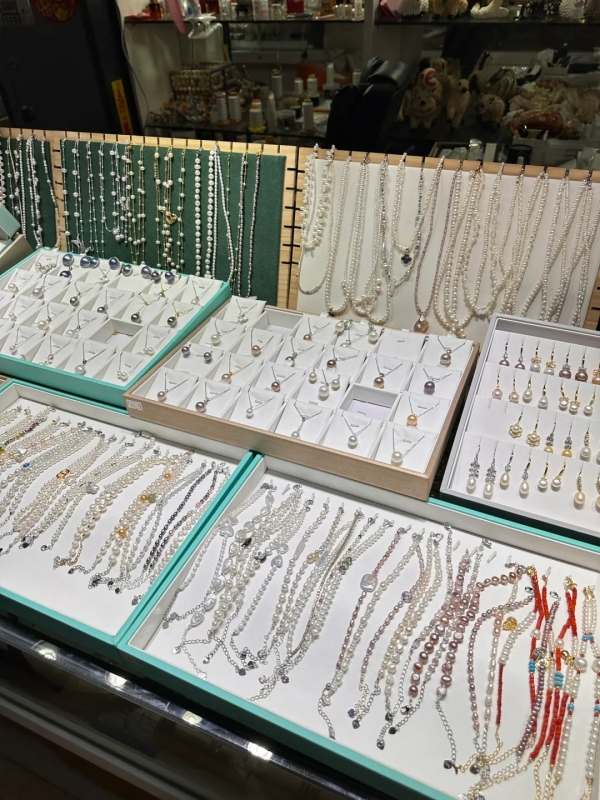
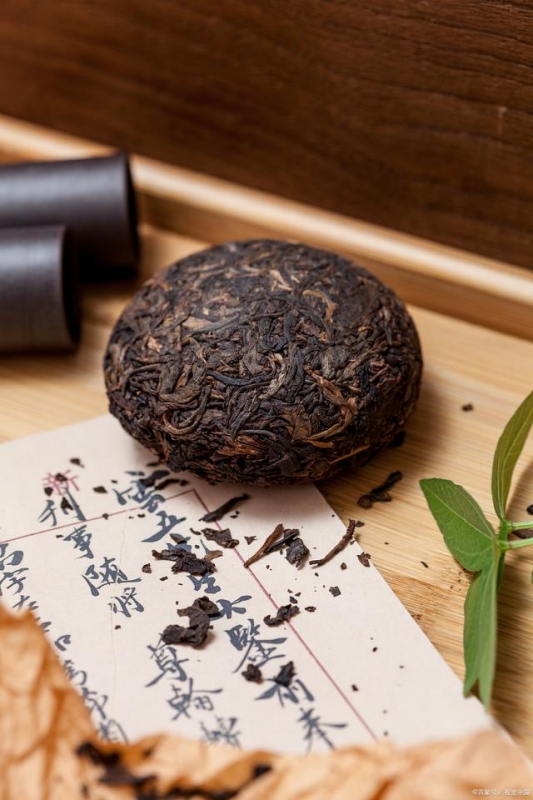
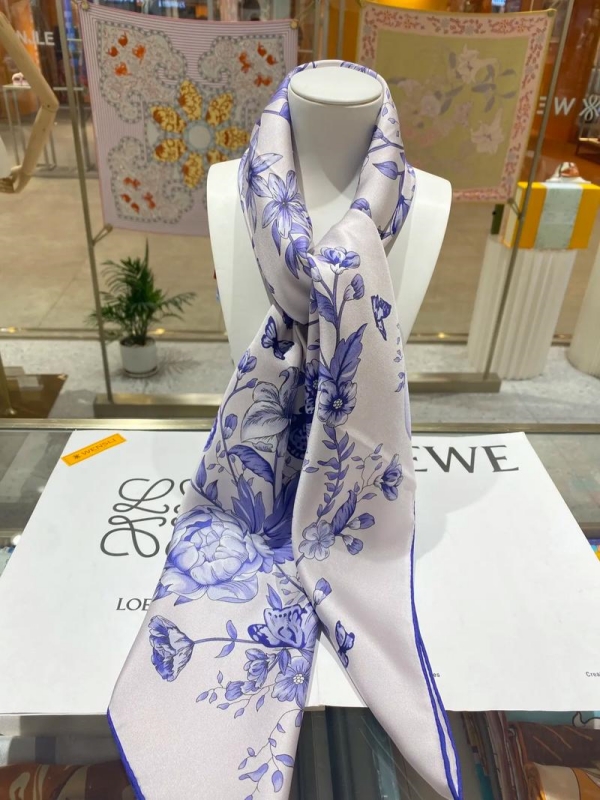
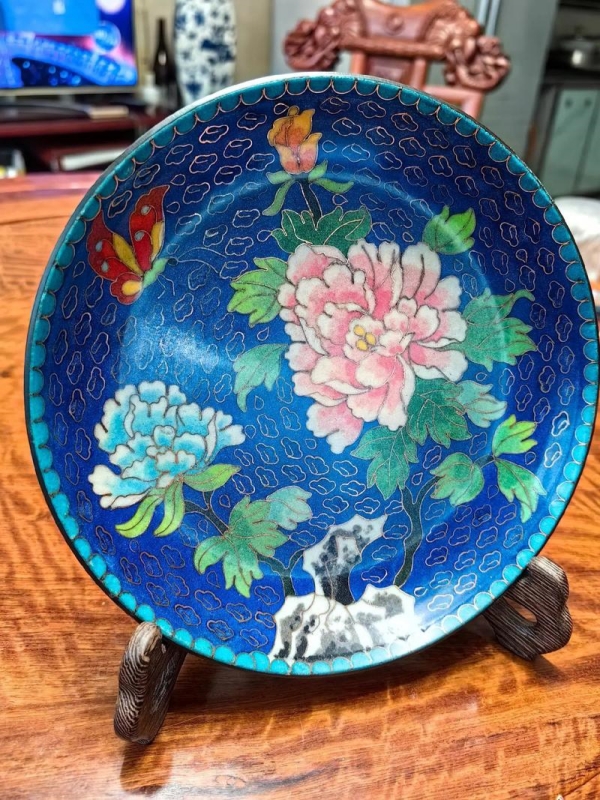
Before you decide where to go, decide what you're after. These six categories offer the best value and the most authentic options for visitors shopping in Beijing.
| Category | Why Buy in Beijing | Best Place | Price Range |
|---|---|---|---|
| 🪙 Pearls | Hongqiao Pearl Market is one of the world's largest freshwater pearl hubs. Prices are at-source. | Pearl Market, floors 4–5 | ¥50–¥500+ per strand |
| 🍵 Chinese Tea | Pu'er, Longjing, and Tieguanyin at source prices. Gift boxes are travel-ready. | Malian Dao Tea Street | ¥20–¥500 per box |
| 🧣 Silk Goods | Robes, scarves, and qipao tailored to order. Far cheaper than international retail. | Silk Street Market (Xiushui) | ¥80–¥600 |
| 🎨 Crafts & Antiques | Cloisonné, paper-cutting, and calligraphy items. Panjiayuan has the widest range. | Panjiayuan Antique Market | ¥10–¥300+ |
| 👟 Replica Goods | Sneakers, bags, and watches at a fraction of retail. Buyer beware — quality varies widely. | Pearl Market, all floors | ¥50–¥300 (after haggling) |
| 💎 Luxury Brands | SKP and China World Mall stock genuine international labels. Exchange rates can work in your favour. | SKP Beijing / China World Mall | International brand pricing |
⚠️ Buyer Beware: Replica goods exist throughout Beijing's markets. Purchasing counterfeit branded items is technically illegal. Treat replica shopping as a cultural curiosity — not an investment.
Beijing's Best Malls: Four Worth Your Time
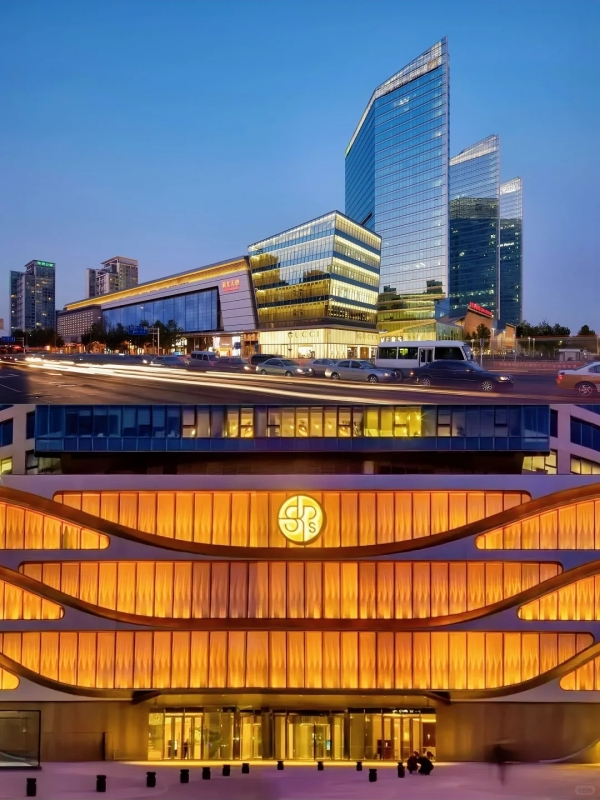
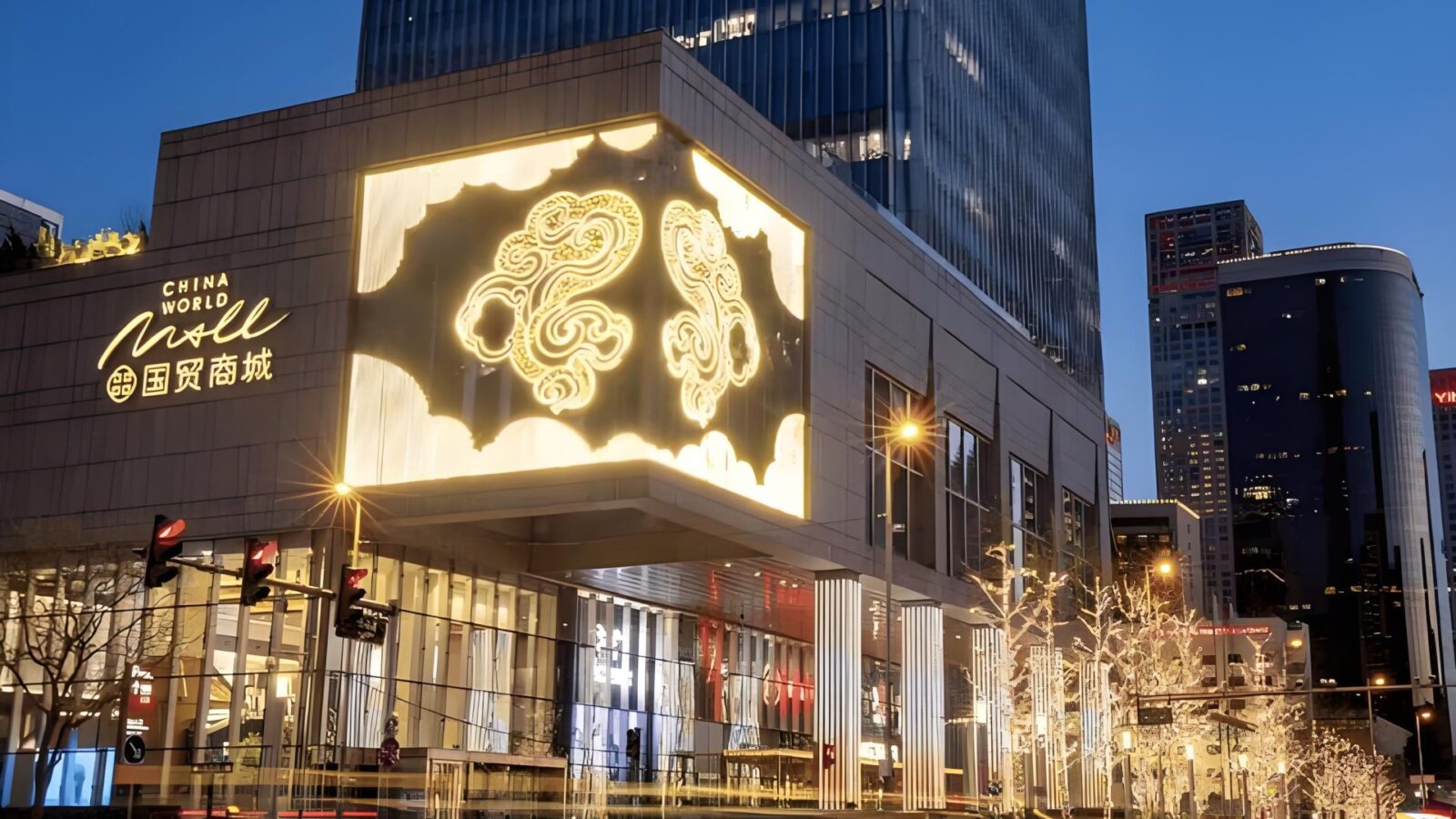
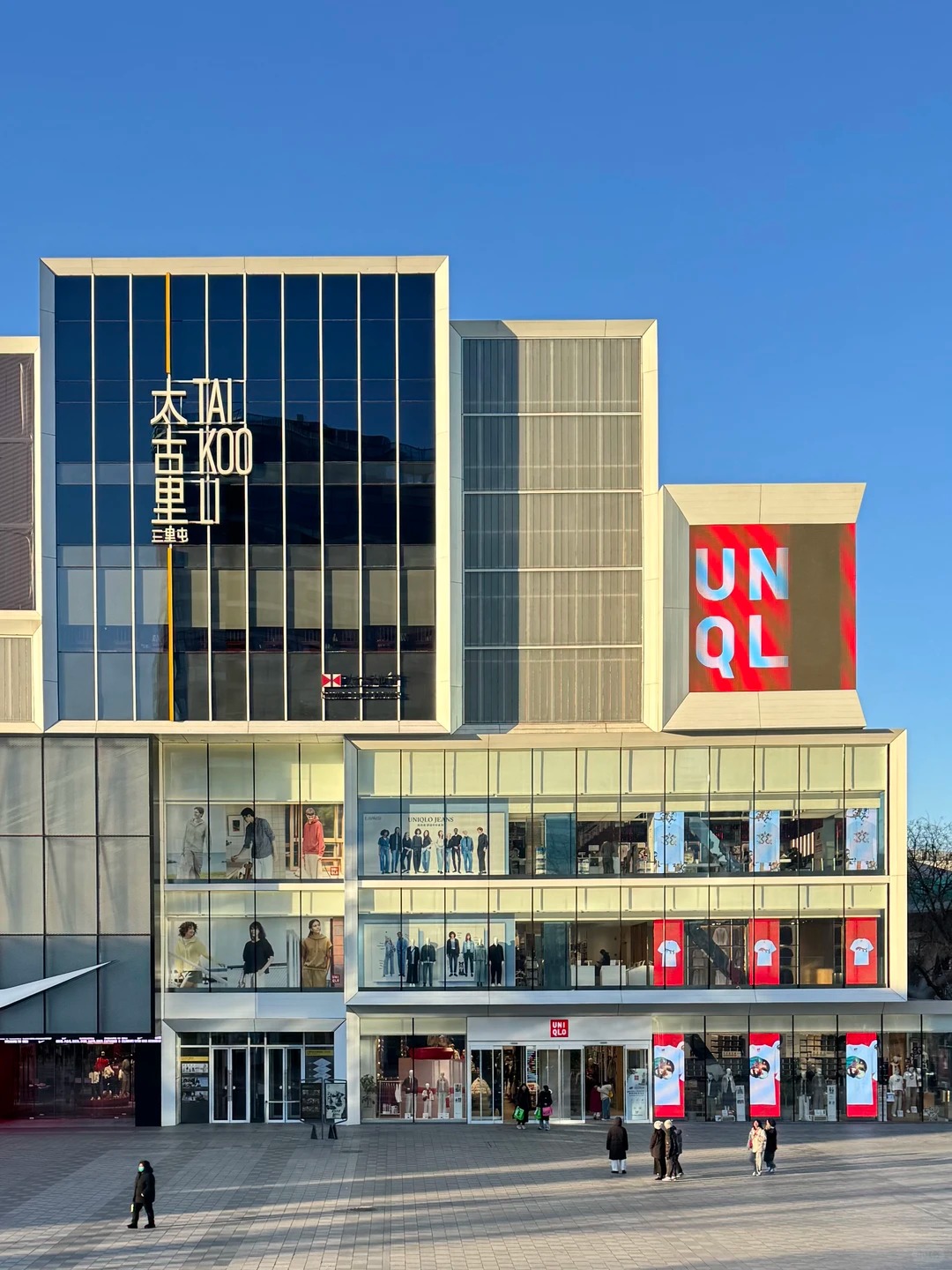
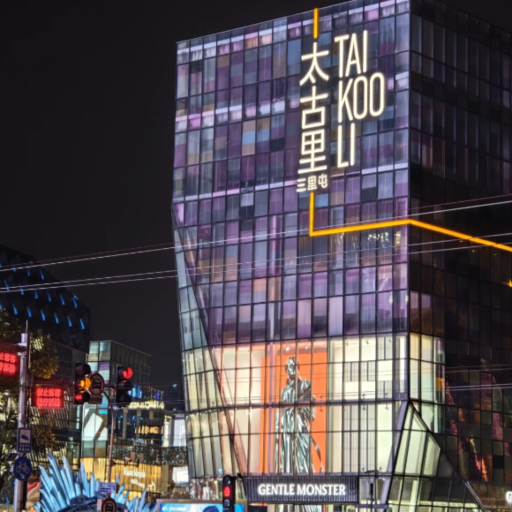
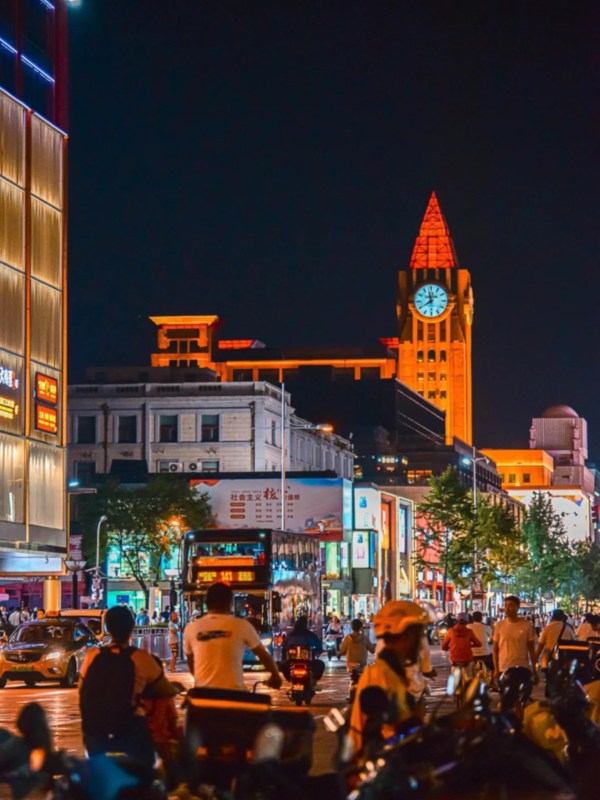
Beijing's malls range from China's highest-grossing luxury department store to open-air lifestyle districts. Here are the four you should actually visit — each with a different reason to go.
SKP Beijing: China's Top Luxury Department Store
💎 China's #1 luxury department store by revenue — and one of the top-grossing in the world.
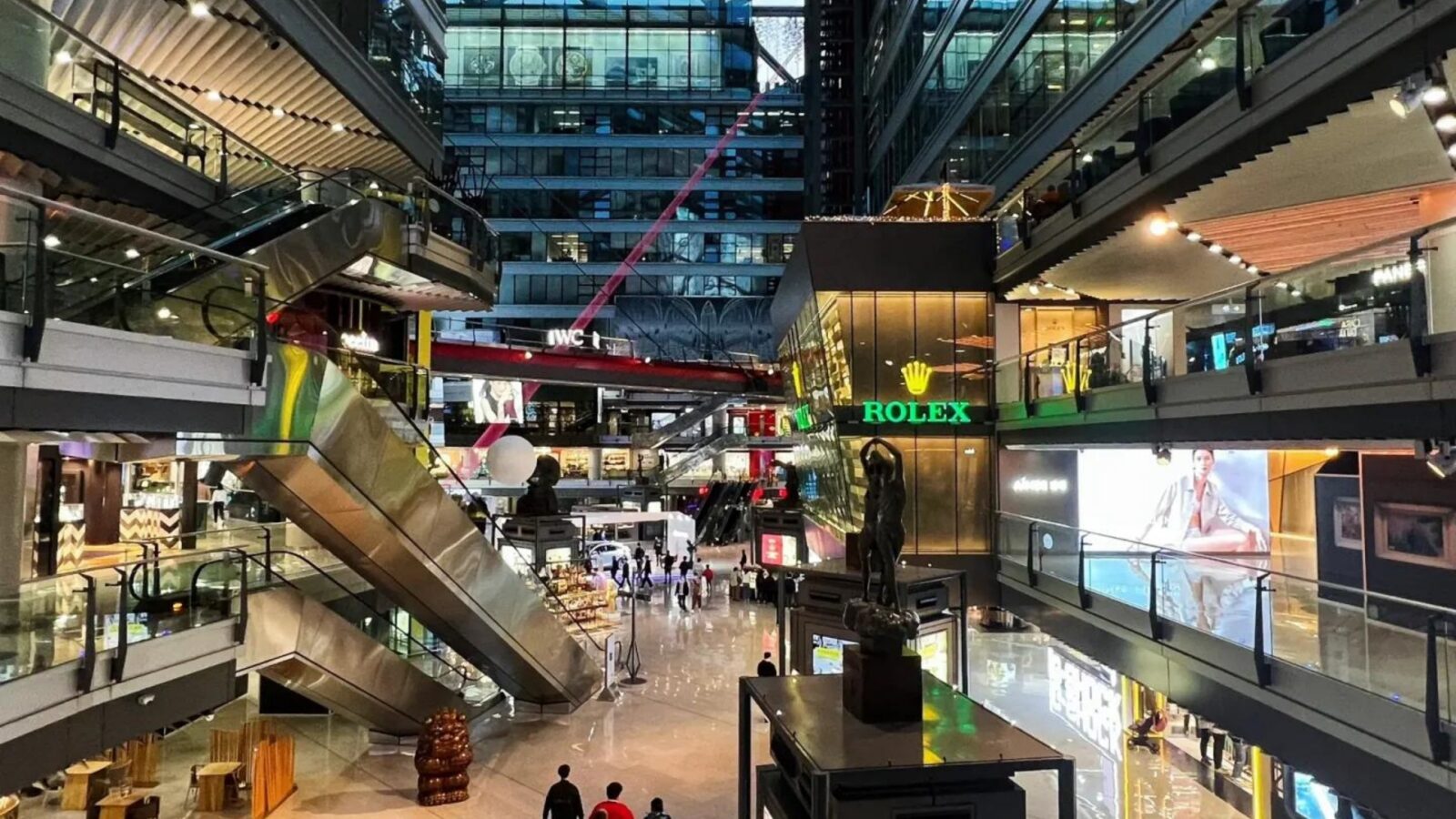
SKP Beijing is usually right up near the top of the list of the best luxury shopping centers in the world. Every single luxury brand can be found here: Louis Vuitton, Gucci, Prada, Balenciaga. The nearby SKP-S is a darkly lit cyberpunk-punk exhibit space that turns any shopping experience into a visual treat. The staff is said to speak English. You can do tax refunds here.
- 🚇 Line 10 Dawanglu Station
- ⏰ 10:00–22:00 daily
- 💳 All major cards accepted
China World Mall: Premium Shopping in the CBD
Located in the heart of Beijing's Central Business District (CBD), China World Mall is directly connected to Guomao metro station, so you can walk right in from the train without having to brave the traffic. That underground link is really a great thing as Beijing summers are hot and the winters are cold. The mall extends across a number of levels, and the whole thing is integrated into China World Hotel & Summit Tower.
- →Underground connection: Metro Lines 1 and 10 feed directly into the basement level — zero weather exposure.
- →Brand mix: Gucci, Chanel, Nike, Adidas, Zara, and a full roster of international names across 200+ stores.
- →Food Court (B1): One of the best-organised food courts in central Beijing — Japanese, Korean, Chinese, and Western options.
- →Business traveller favourite: Connected to five-star hotels; suits quick shopping runs between meetings.
🕐 Best time to visit: Weekday afternoons are noticeably quieter. Weekend afternoons bring large crowds, particularly near the food court level.
Sanlitun Taikoo Li: Open-Air Shops, Global Brands
🌐 Beijing's most energetic open-air shopping district — Apple, Uniqlo, and independent boutiques share the same blocks.
Sanlitun Taikoo Li splits into two distinct zones. The South Zone holds fast fashion and flagship stores — including Beijing's most visited Apple Store. The North Zone runs smaller, more curated independent brands and concept shops. Both connect to an active bar and restaurant district that extends well into the evening. This is the single best spot for international brand shopping in a lively outdoor setting.
- 🚇 Line 10 Tuanjiehu Station, Exit A
- ⏰ 10:00–22:00 (restaurants later)
Wangfujing Street: 700 Years of Commerce, Still Going
Wangfujing Street has operated as a commercial corridor for over seven centuries. Today it is an 800-metre pedestrianised strip that mixes department stores with street food stalls, traditional craft shops, and the apm Mall at its midpoint. For first-time visitors, it is the single most accessible introduction to shopping in Beijing — everything is walkable, English signage is common, and metro access is direct.
- 🏬 Department Stores & Malls
- ·apm Mall (midpoint of the strip) — fast fashion, K-beauty, food court
- ·Beijing Department Store — traditional multi-floor retail, cosmetics
- ·WF Central — quiet luxury adjacent to the main street
- 🍢 Snack Street (Wangfujing Xiaochi Jie)
- ·Scorpion skewers, silk-worm snacks, and traditional Beijing buns
- ·Iconic for photos — you don't have to eat the scorpions
- ·Open daily from late morning to late evening
- 🎨 Traditional Craft Shops
- ·Paper-cutting, ink brushes, and cloisonné souvenirs
- ·Fixed prices at most stores — limited bargaining room
- 🚇 Line 1 Wangfujing Station, Exit A
- 🚶 Fully pedestrianised — 800m end to end
Quick Reference — Mall Comparison
| Mall | Style | Must-See | Nearest Metro | Best For |
|---|---|---|---|---|
| SKP Beijing | Ultra-luxury | SKP-S concept space; all global top brands | L10 Dawanglu | Luxury shoppers |
| China World Mall | CBD premium | International brands; direct metro link; B1 food court | L1/10 Guomao | Business travellers / families |
| Sanlitun Taikoo Li | Open-air lifestyle | Apple Store flagship; North Zone boutiques; nightlife | L10 Tuanjiehu | Fashion-focused / young visitors |
| Wangfujing Street | Historic commercial strip | Snack Street; apm Mall; craft shops | L1 Wangfujing | First-time visitors |
Explore More Destinations:
📍 If you wish to further extend your shopping itinerary across the capital, you might also enjoy exploring the vibrant retail environments of The Place Beijing, APM Beijing, Solana Shopping Beijing, or the luxury collections found at WF Central Beijing.
🏙️ Once you've mapped out which districts appeal to you, our dedicated guide to the best Beijing shopping malls breaks down each venue floor-by-floor so you can plan exactly where to spend your time.
Beijing's Markets: Where the Real Bargaining Happens
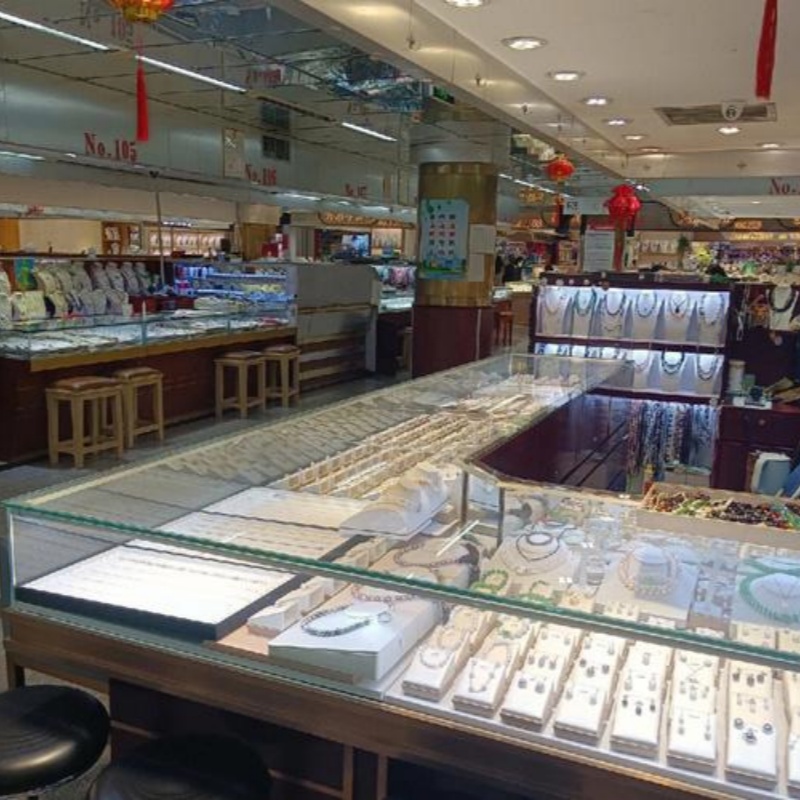
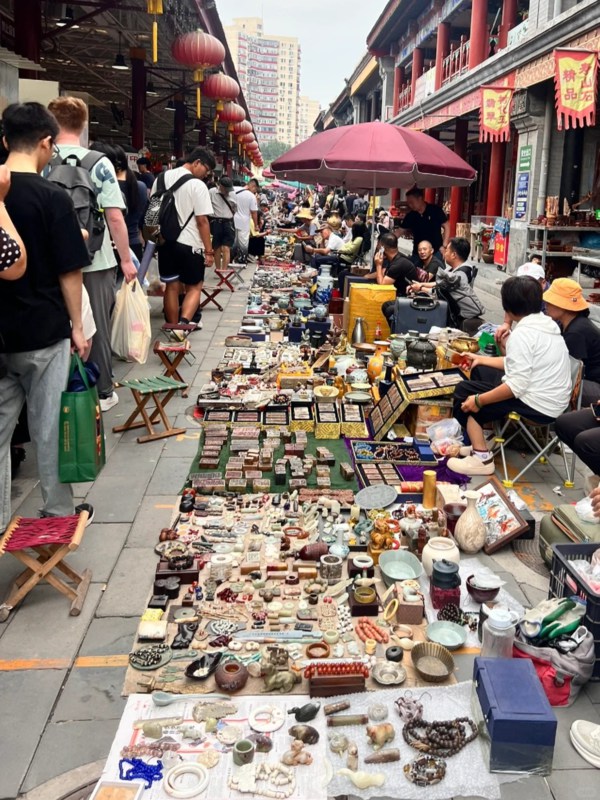
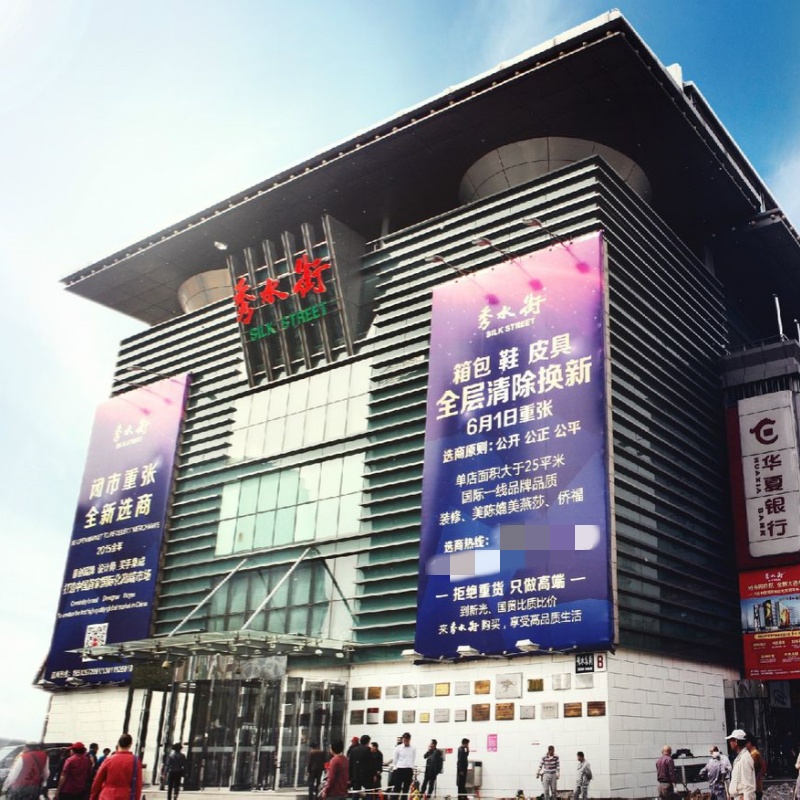
Beijing's markets are a different world from its malls. Prices start high and drop fast. Vendors are persistent. The experience is chaotic, tactile, and often unforgettable. These three markets are the ones worth your time.
Hongqiao Pearl Market: Eight Floors, One Stop
🪙 Beijing's most famous market — eight floors of pearls, electronics, replicas, tea, jade, and street food, all under one roof.
Hongqiao Pearl Market is the prototype for peaking in the Beijing marketplace. Each floor has a clear specialty: level 1 (unbelievably cheap electronics and watches); level 2 & 3 (replica sneakers and bags); level 4 & 5 (gems and pearl accessories); and level 6 is devote entirely to various types of tea. The foodcourt on the ground level is also open until late several thousand visitors come through in a day and expect that you know to bargain hard on most items.
- 🚇 Line 5 Tiantan Dongmen Station
- ⏰ 09:00–19:00 daily
- 📍 9 Tiantan Road, Dongcheng District
Panjiayuan: Weekend Market for Antique Hunters
Panjiayuan is Asia's largest antique and curio market, and it only hits full capacity on weekends. On Saturdays and Sundays, over 3,000 stalls cram an open-air 20-acre site in a cacophony of Cultural Revolution relics, hand-painted porcelain, stuffed bronzes, vintage posters, tapestry work, and more. Most items are fakes - but an honest fake, and at sound prices.
The atmosphere is genuinely unlike the Beijing markets held in big indoor-malling buildings. Vendors put up awnings in the early morning; serious buyers arrive soon after sunrise. By midmorning, the site is hopping. You can enjoy Panjiayuan without the need to buy anything; it’s a cultural immersion freebie. The mood is more relaxed than that of the Pearl Market - vendors are pushy but not as aggressive.
- 🚇 Line 10 Panjiayuan Station
- ⏰ Sat–Sun from 08:00 (weekday hours reduced)
💡 Buying advice: Treat Panjiayuan as a souvenir market rather than a place to find genuine antiques. Authentic pieces exist, but identifying them requires expert knowledge. Buy what you love, not what a seller claims is rare.
Silk Street Market: Tailoring, Silk, and Leather
🧣 A six-floor indoor market with 1,700+ stalls — best known for custom silk clothing, leather goods, and tailoring.
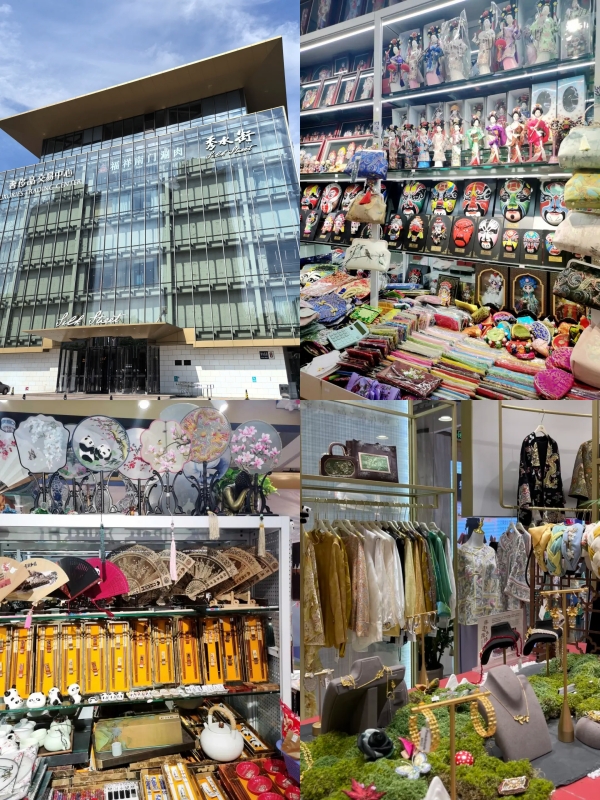
Silk Street Market (Xiushui) started as an open-air street market and is now a fully enclosed multi-floor building in Chaoyang District. Silk clothing, qipao dresses, cashmere scarves, and leather bags are its strengths. Custom tailoring is available — bring a photo or a garment to copy, and some tailors deliver same-day. Prices run 10–20% higher than Pearl Market, but the quality on tailored items is noticeably better.
- 🚇 Line 1 Yong'anli Station
- ⏰ 09:30–21:00 daily
✂️ For custom tailoring: Visit on day one of your trip. Bring a photo of the garment you want. Return 24–48 hours later for fitting. Most tailors speak enough English to take orders.
Quick Reference — Market Comparison
| Market | Core Items | Bargaining | Hours | Metro |
|---|---|---|---|---|
| Pearl Market (Hongqiao) | Pearls, replicas, electronics, tea | ⭐⭐⭐ High | 09:00–19:00 daily | L5 Tiantan Dongmen |
| Panjiayuan | Antiques, crafts, art, collectibles | ⭐⭐ Medium | Sat–Sun from 08:00 | L10 Panjiayuan |
| Silk Street (Xiushui) | Silk, tailoring, leather, watches | ⭐⭐ Medium | 09:30–21:00 daily | L1 Yong'anli |
Where Budget Travelers Actually Shop in Beijing
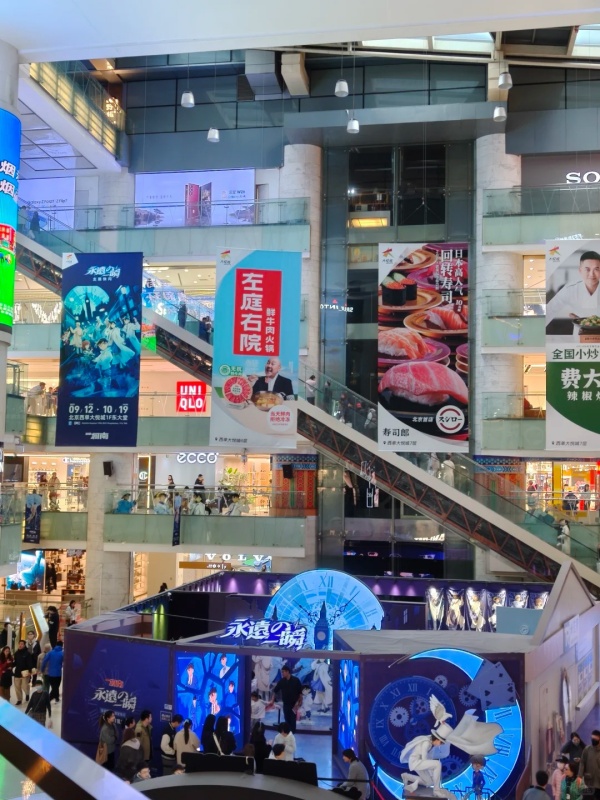
Cheap shopping in Beijing is not difficult to find — it is just slightly off the main tourist maps. These two areas offer the best value for budget-conscious visitors.
Qianmen Street & Dashilan: Old Beijing, Low Prices
🏮 A 10-minute walk south of Tiananmen Square — Qianmen Street connects Beijing's grandest landmark directly to its oldest commercial neighbourhood.
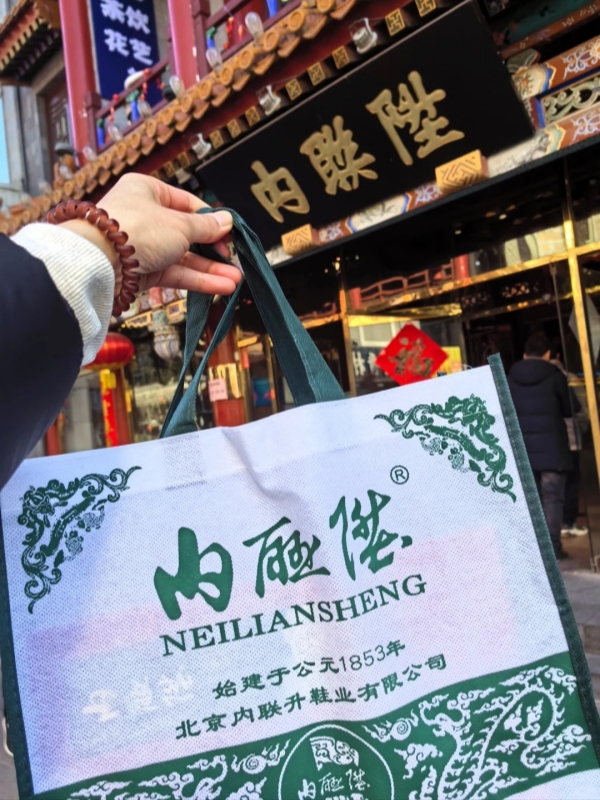
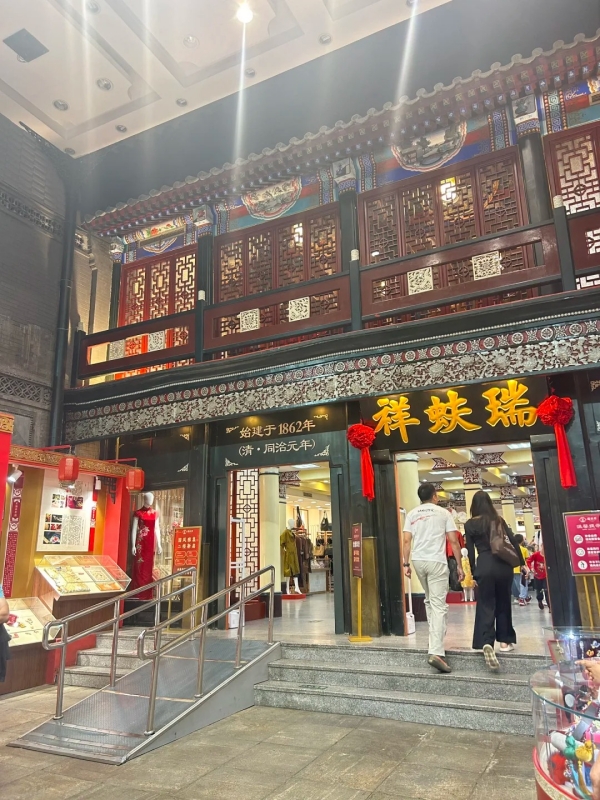
Qianmen Dajie runs straight south from Tiananmen Square. Pedestrianised, it filaments into Dashilan — a lane of hutongera commerce with century-old bling. Megabrands like Neiliansheng (cloth shoes) and Ruifuxiang (silk fabric) sit side by side with trendy sticks, doling out a better deal (ie less than Wangfujing) for sick street-food snackage.
- 🚇 Line 2 Qianmen Station
- 📍 10-minute walk from Tiananmen Square
- 🍢 Street food from ¥5
Where to Find Cheap Clothes in Beijing
Budget clothing shopping in Beijing happens in four main locations. Each offers a different type of shopping experience and a different price point. Here is where locals and budget travellers actually go.
- →Zoo Wholesale Market (动物园批发市场): Beijing's largest garment wholesale hub. Prices run ¥20–¥80 per item. Bargaining is expected and effective. Take Line 4 to Beijing Zoo Station.
- →Xidan (西单): Home to domestic fast-fashion brands like UR and Peacebird. Prices sit below Zara levels, and Beijing-exclusive styles appear regularly. Take Line 1/4 to Xidan Station.
- →Pearl Market (Floors 2–3): Replica sportswear and fashion-branded items. Offer one-third of the asking price and work from there. A reasonable closing price is 25–35% of the initial quote.
- →Panjiayuan Adjacent Fabric Stalls: Hand-embroidered bags and cotton-linen clothing from ¥30–¥150. These are genuine handmade pieces — not replicas — from independent vendors.
How to Pay, Bargain, and Spot a Fake
Three things trip up first-time shoppers in Beijing: they don't know how to pay, they don't know how to bargain, and they can't tell real from fake. This section fixes all three.
How to Bargain in Beijing's Markets
🤝 Bargaining is mandatory at every Beijing market. The vendor's first price is never the real price — it is an opening invitation to negotiate.
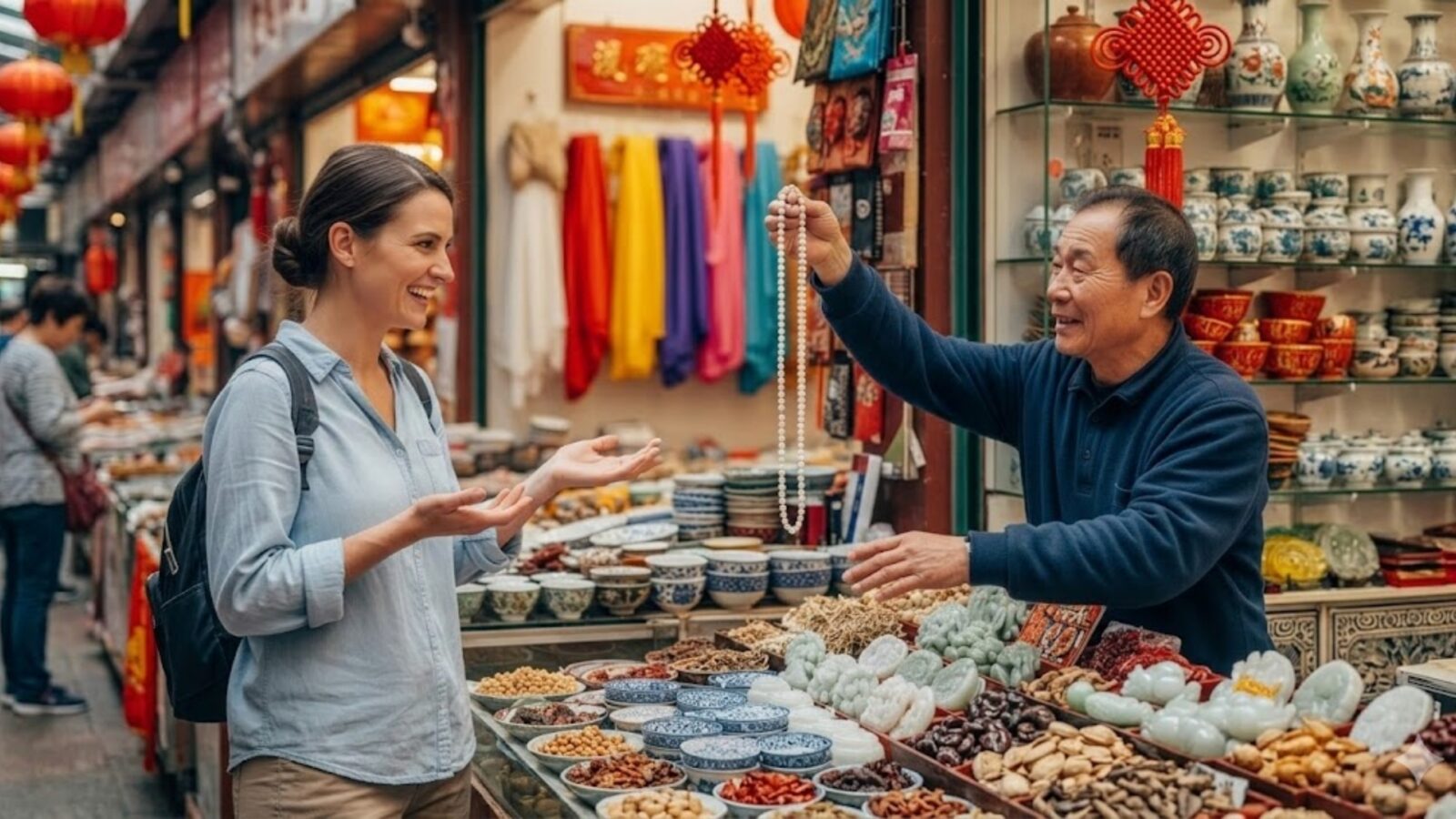
Vendors in Beijing expect to bargain; accepting the first price offered is viewed as foolish - they actually respect you more if you conduct a negotiation. The walk-away move is the single most useful tactic in your arsenal. Begin low, take your time, and demonstrate no passion for an item before you agree on a price.
| Step | Strategy | Useful Chinese Phrase |
|---|---|---|
| 1Open Low | Offer one-third of the asking price. This is the market standard, not an insult. | 太贵了 — Tài guì le (Too expensive) |
| 2Raise Slowly | Add small amounts each round. Control the pace. The buyer who rushes always overpays. | 便宜一点 — Piányí yīdiǎn (A little cheaper) |
| 3Walk Away | Turn and leave slowly. Roughly 70% of vendors will call you back with a better price. | 我走了 — Wǒ zǒu le (I'm leaving) |
| 4Confirm Price | Ask for the absolute lowest price before handing over money. | 最低价 — Zuì dī jià (Lowest price?) |
| 5Respect Limits | Some vendors genuinely cannot go lower. Accept it gracefully or move to the next stall. | — |
Cards, WeChat Pay, and Cash: What Actually Works
China runs on mobile payment. Most transactions — from mall food courts to market stalls — are processed by either WeChat Pay or Alipay. As of 2025, both apps let foreign visitors tie an international Visa or Mastercard to their accounts. But markets still prefer cash for small purchases, and ATMs are easy to find at metro stations and bank branches anywhere in the city.
| Payment Method | Where It Works | For Foreign Visitors | How to Set Up |
|---|---|---|---|
| WeChat Pay | Malls, markets, restaurants, convenience stores | ✅ International Visa/Mastercard linkable | Download WeChat → link foreign card in-app |
| Alipay | Full coverage — QR scanning everywhere | ✅ International version available | Download Alipay → select "International" → link card |
| Visa / Mastercard | Major malls: SKP, China World, Taikoo Li | ✅ Accepted at large retailers | Direct card — note 1–3% foreign transaction fee |
| Cash (RMB) | Markets, street stalls, small restaurants | ✅ Most universally accepted | Airport ATMs, bank branches, and major hotels |
| UnionPay | Local retail — patchy coverage for foreign cards | ⚠️ Check before using | Confirm overseas spending is activated on your card |
💳 Practical advice: Set up WeChat Pay or Alipay before you arrive. Carry ¥200–¥300 in small-denomination cash (¥10 and ¥50 notes) for market purchases. Markets rarely give change for ¥100 notes on small items.
How to Spot Fakes: Pearls, Jade, and Replicas
🔍 The best fake-detection tool you own is already in your mouth: rubbing a pearl against your teeth is the fastest authenticity test available.
Real pearls feel gritty against tooth enamel. Plastic imitations feel smooth. This single test catches most fakes instantly. For jade and designer goods, the checks are slightly more involved — but equally practical.
- 🪙 PearlsRub against tooth enamel. Real pearls create a slight gritty resistance. Plastic fakes slide smoothly.
- 💚 JadeReal jade feels cool and heavy. Hold it to light — genuine stone shows depth. Glass fakes show air bubbles at edges.
- 👟 Replica SneakersCheck logo font spacing and sole mould seams. Zips on bags: quality fakes have smooth action; cheap fakes snag.
- 💰 Price SignalIf a price is below 20% of official retail, assume it is a replica. Go in with clear expectations
FAQs: What First-Time Shoppers Want to Know
Straight answers to the questions most visitors actually have before shopping in Beijing.
Q: Is Beijing a good place for shopping?
Shopping in Beijing delivers at every budget level. Luxury shoppers find global flagship stores at SKP and China World Mall. Market visitors can haggle over pearls and replicas at Hongqiao and Silk Street. Budget travellers hit the Zoo Wholesale Market and Qianmen Street. Few cities offer this range in one place — and Beijing's scale means even the markets have their own internal variety.
Q: What is the best thing to buy in Beijing?
Shopping in Beijing is best for freshwater pearls, Chinese tea, silk clothing, and handmade crafts. Pearls at Hongqiao Market are priced at source — genuinely hard to match elsewhere. Silk tailoring at Xiushui Market offers strong value. Tea gift boxes from Malian Dao Tea Street travel well and cost a fraction of international tea retail prices.
Q: How English-friendly is shopping in Beijing?
Shopping in Beijing divides neatly by venue type. Major malls like SKP and China World Mall have English-speaking staff throughout. At markets, language barriers are real — but calculators bridge the gap quickly. Vendors at Pearl Market and Silk Street are experienced in number-negotiation with foreign visitors. Download a translation app before you arrive.
Q: Are clothes expensive in Beijing?
Prices split clearly into three tiers for shopping in Beijing. Luxury malls like SKP price at international rates or higher. Markets sell replica fashion at extreme discounts. Domestic brands at Xidan and Zoo Market run 30–60% below comparable Western high-street prices. Import-branded goods can actually cost more in Beijing than abroad, due to tariffs.
Q: Can I use a credit card in Beijing malls?
Yes. All major malls — SKP, China World Mall, Sanlitun Taikoo Li — accept Visa and Mastercard. Markets are predominantly cash-and-mobile-pay. Set up WeChat Pay or Alipay before arriving. Both platforms now accept international credit cards. Carry RMB as a backup for markets and street vendors.
Q: Is haggling normal in Beijing markets?
Haggling is expected — and welcomed — at all of Beijing's open markets. At Pearl Market, Panjiayuan, and Silk Street, vendors quote prices with negotiation in mind. Accepting the first price is not the norm. Malls have fixed prices; bargaining there is not appropriate. The sharper your negotiation, the better your experience of shopping in Beijing's markets.
Q: What are the opening hours of Beijing's major markets?
Pearl Market (Hongqiao) opens daily from 09:00 to 19:00. Panjiayuan Antique Market opens from 08:00 on weekends, with reduced hours on weekdays. Silk Street Market opens daily from 09:30 to 21:00. All three markets operate year-round. National holidays bring larger crowds — plan accordingly for Golden Week in October.
Q: Where is the best place for cheap shopping in Beijing?
For budget shopping in Beijing, the Zoo Wholesale Market wins on clothing. Pearl Market wins on variety. Qianmen Street wins on a mix of affordable souvenirs and street food. Panjiayuan wins on craft items at low fixed prices. Each venue suits a different type of buyer — see Section 05 of this guide for detailed breakdowns.
Q: Is Beijing's Silk Market worth a visit in 2026?
Silk Street has quieted compared to its peak years. However, its custom tailoring service remains genuinely strong. If tailored clothing is on your shopping list, it is absolutely worth a visit. For general market browsing and replica goods, Pearl Market offers more energy and wider variety. Visit Silk Street with a specific tailoring goal for the best result.
Q: When is the best time to go shopping in Beijing?
Weekday afternoons work best for malls — staff are unhurried and fitting rooms are free. For markets, Saturday and Sunday mornings offer the fullest selection. Avoid Golden Week (October 1–7) and Chinese New Year if possible — shopping in Beijing during these periods means enormous crowds and limited negotiating patience from vendors.