Hongqiao Pearl Market Beijing
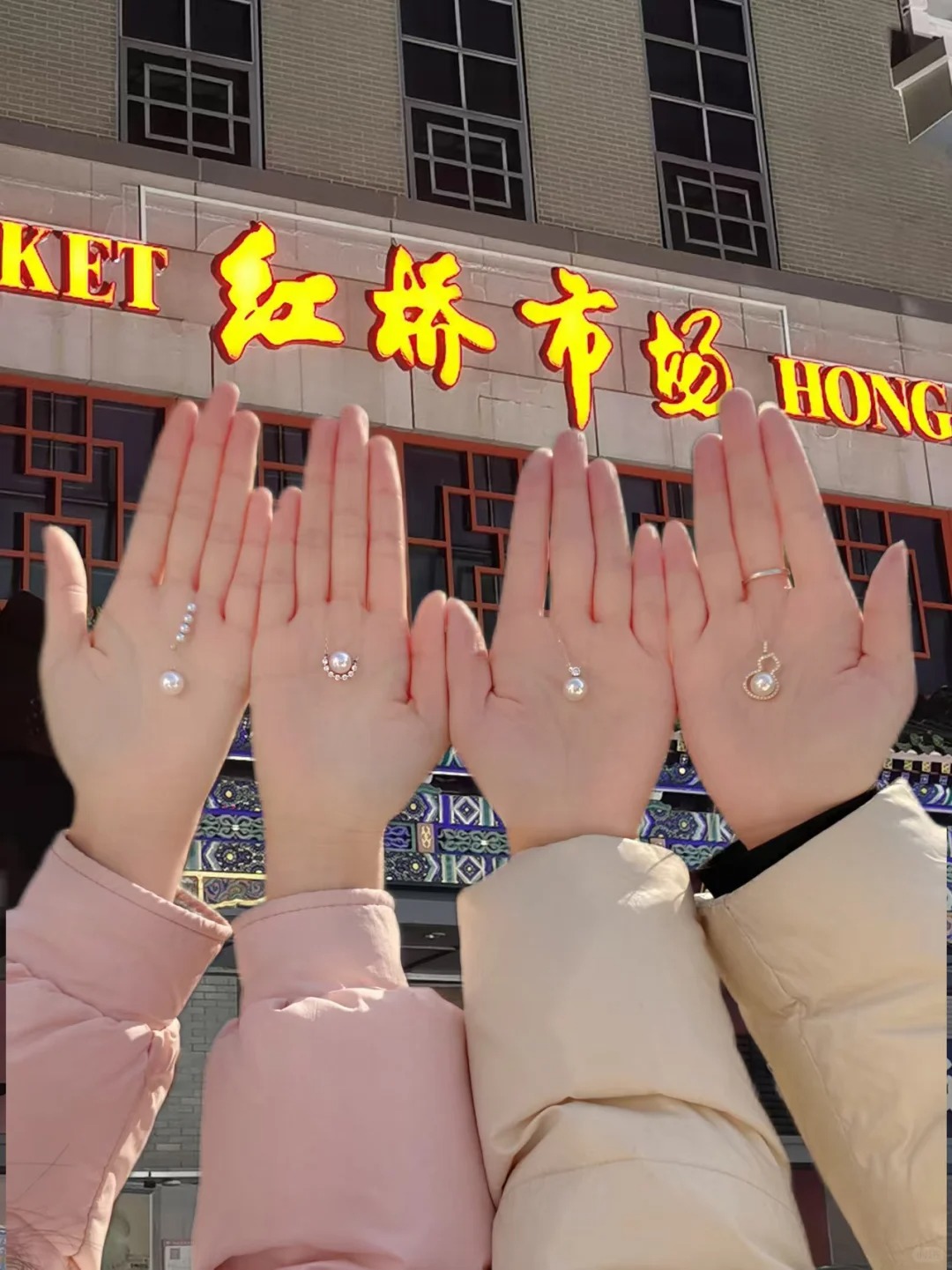
Hongqiao Pearl Market Beijing sits right across from Temple of Heaven, but the atmosphere feels completely different. Outside, tour groups line up for photos near the red walls. Inside, shop owners hold calculators, pearl necklaces shine under harsh lights, and someone is usually trying to bargain over a suitcase or phone charger. The market used to have a reputation for fake goods, though these days it feels more like a mix of souvenir stalls, pearl shops, small electronics counters, and old-style Beijing market chaos. It’s messy in places, a little outdated maybe, but still far more interesting than another quiet shopping mall.
Quick Facts about Hongqiao Pearl Market
| Item | Details |
|---|---|
| 📍 Location | East side of Temple of Heaven, Dongcheng District, Beijing |
| 🚇 Nearest Subway | Tiantandongmen Station (Line 5), Exit A2 |
| 🕒 Opening Hours | Usually 9:00 AM – 9:00 PM |
| 💳 Payment Methods | Alipay, WeChat Pay, cash, some shops accept cards |
| 🛍️ Best Things to Buy | Freshwater pearls, silk scarves, tea sets, phone accessories |
| 💬 Bargaining | Common in souvenir and pearl shops |
| 🌍 English Friendly | Basic English in tourist-focused stalls |
| 📸 Best Photo Spot | Outside the market facing Temple of Heaven |
| 🍜 Nearby Food | Beijing noodles, dumplings, hot pot, café streets |
| 🎯 Best Combined Attraction | Temple of Heaven Park |
| ⚠️ Common Tourist Mistake | Buying pearls at the first shop without comparing |
| 🧳 Best for Travelers | Affordable souvenirs and old Beijing shopping atmosphere |
A Floor-by-Floor Guide to Hongqiao Pearl Market
| Floor | What You’ll Find | Best For | Worth Visiting? | Notes |
|---|---|---|---|---|
| 🦞 B1 | Seafood market, groceries | Local atmosphere | ✔ Interesting | Mostly locals |
| 💍 1F | Pearl jewelry | First-time visitors | ✔ Main highlight | Compare prices |
| 📿 2F | Jade, accessories, pearls | Gift shopping | ✔ Recommended | Better variety |
| 📱 3F | Electronics & phone accessories | Travel essentials | ✔ Useful | Quality varies |
| 🎁 4F | Souvenirs & tea sets | Small gifts | ✔ Tourist-friendly | Easier bargaining |
The Pearl Floors Are Still the Main Attraction
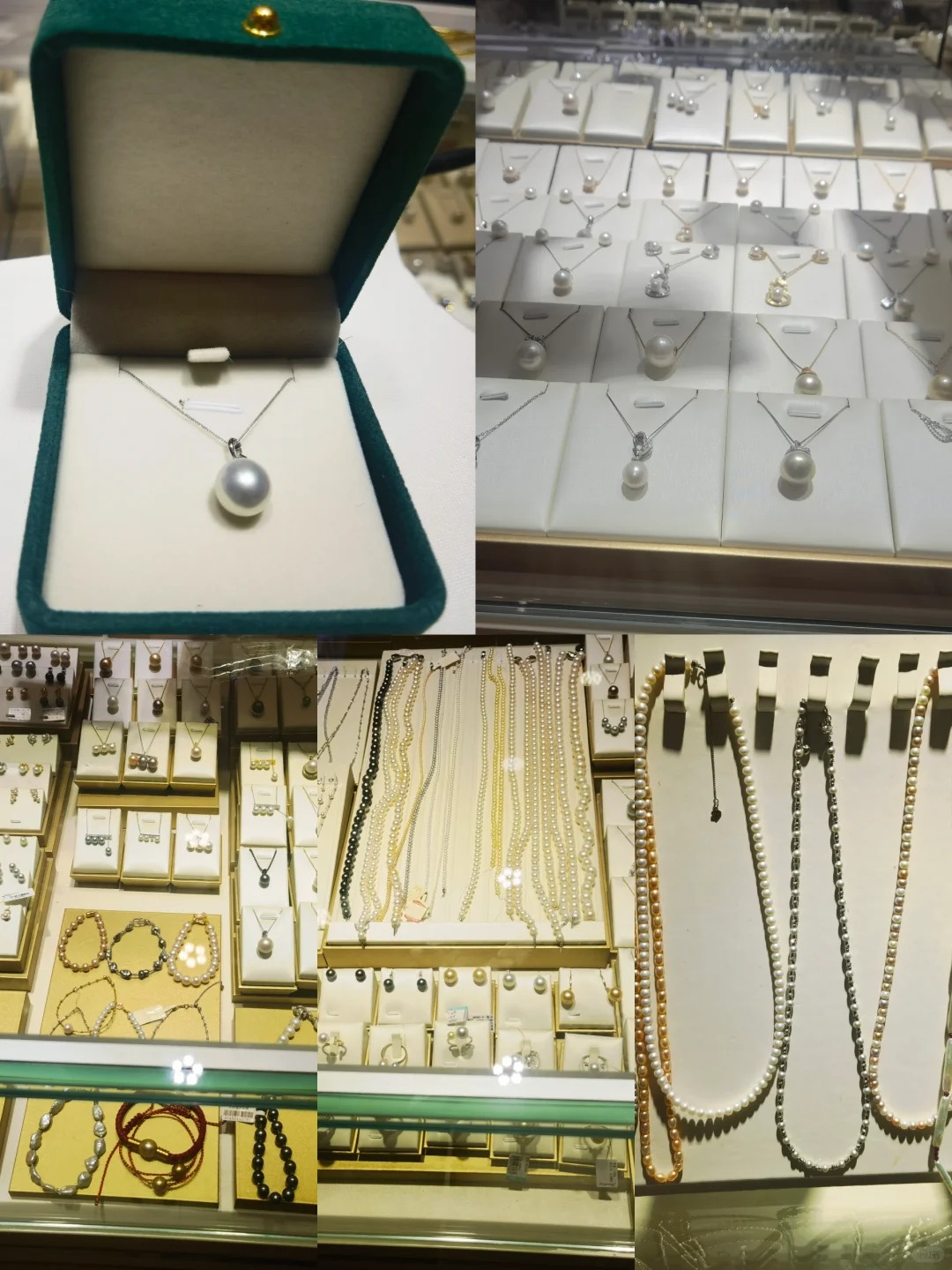
The Pearl Floors
Most people come to Hongqiao Pearl Market Beijing for the pearl floors, and honestly, that part still works. The lighting feels a bit too bright and the sales pitches can get repetitive, but there’s a reason tourists keep stopping here after Temple of Heaven. Compared with many newer malls in Beijing, this place still feels active. You hear calculators clicking everywhere. If you’re interested in China’s other famous water-and-city experiences, a Pearl River night cruise in Guangzhou also shows a very different side of local life.
- Location: Mainly 1F and 2F, especially near the escalators
- Representative Shops: Freshwater pearl counters, custom jewelry stalls, jade mixed shops
- Special Features: Live pearl-stringing, custom bracelets, quick resizing services
- Best For: First-time Beijing visitors, souvenir buyers, travelers looking for gifts under ¥150-500
One thing worth knowing: prices vary a lot even within the same aisle. A necklace quoted at ¥680 in one shop might suddenly become ¥280 after two minutes and a fake “last price” calculator moment. Some TripAdvisor visitors mentioned paying around ¥100-200 for simple freshwater pearl earrings, which sounds about right from what I saw last time.
The quality also changes fast between stalls. Real pearls usually feel slightly rough if rubbed gently against your teeth. Fake ones feel too smooth, almost plastic-like. Shop owners know tourists search this trick online, though, so nobody gets offended if you check. Actually, many sellers expect it.
The custom jewelry part is probably the most interesting section. You can pick loose pearls, choose chain styles, then wait while someone assembles it right in front of you. It feels a little old-school in a good way. Just don’t buy from the very first counter near the entrance. Those tend to target rushed tour groups.
Electronics Shops Feel Messy but Surprisingly Practical
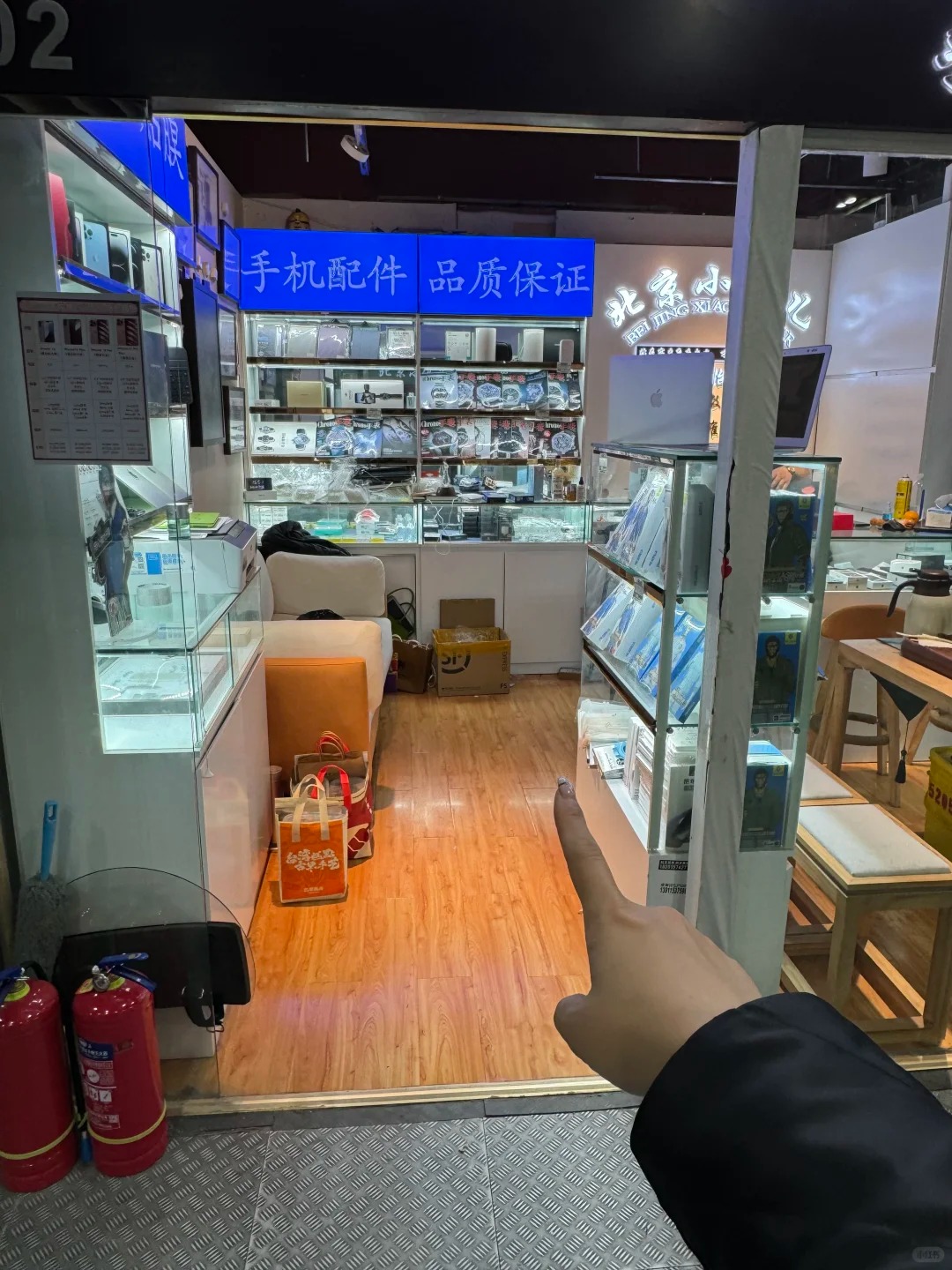
Electronics Shops
The electronics floor looks chaotic at first. Narrow aisles, blinking LED signs, random piles of phone cases — not exactly premium shopping. Still, this section saves a surprising number of travelers every day.
- Location: Mostly 3F near the center aisles
- Representative Shops: Phone accessory booths, adapter stalls, small gadget counters
- Special Features: Cheap cables, plug adapters, emergency travel electronics
- Best For: Travelers who forgot chargers, adapters, selfie sticks, or SIM tools
I noticed many people buying practical things instead of souvenirs here. USB-C cables, power banks, cheap earphones, even luggage scales. Prices usually start around ¥20-80 for smaller items. Quality depends completely on the stall, though. Some products feel surprisingly solid, others look like they might stop working before you reach the airport.
A seller near one corner kept shouting “Apple original, almost original!” in English. That probably explains the floor pretty well.
Souvenir Shops Work Better for Small Gifts Than Luxury Shopping
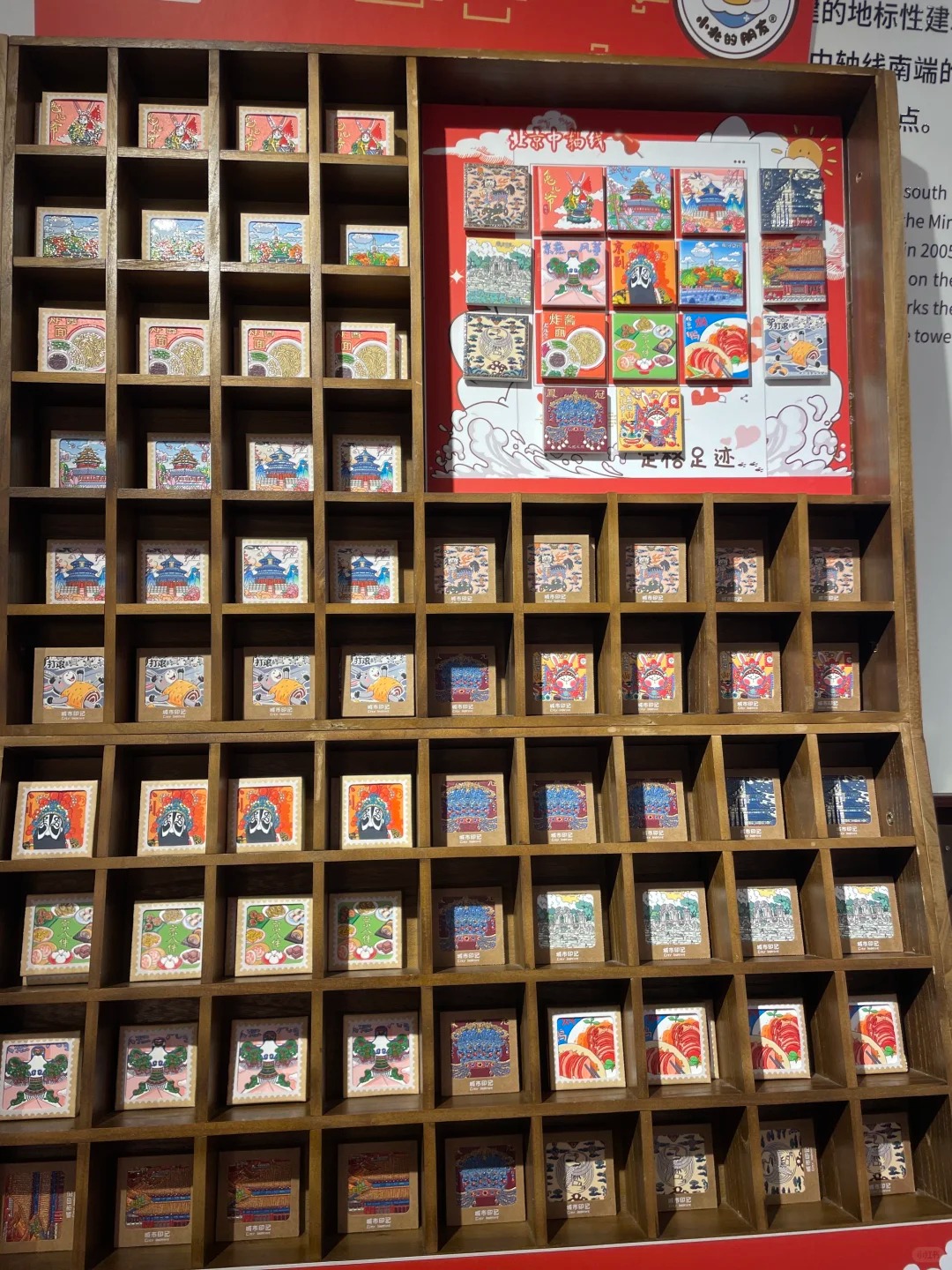
Souvenir Shops
The souvenir floors feel much calmer than the pearl area. Less pressure, fewer aggressive sales tactics, and honestly, more realistic shopping for most travelers.
- Location: Upper floors, especially near the outer corridors
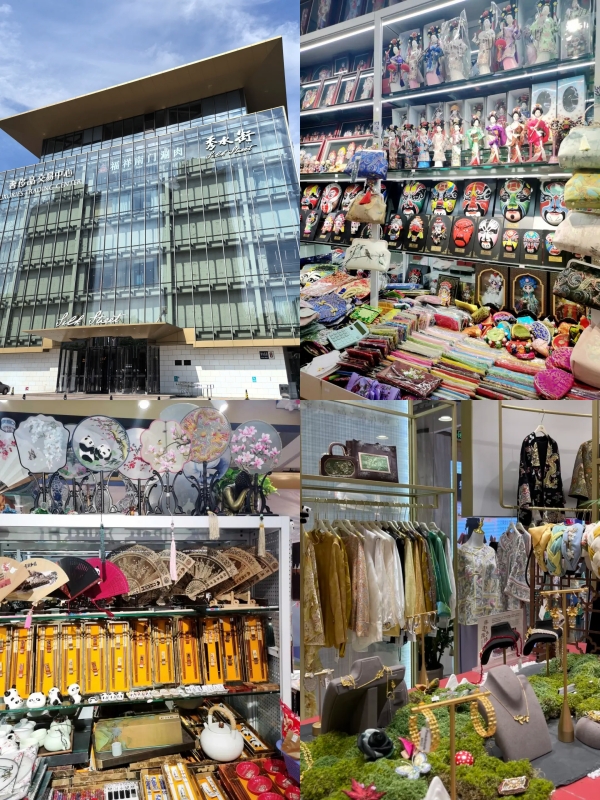
- Representative Shops: Panda gift stalls, tea set stores, silk scarf counters
- Special Features: Lightweight souvenirs, Beijing-themed gifts, easier bargaining
- Best For: Travelers with limited luggage space or small gift budgets
A lot of the products repeat after a while. Panda magnets, folding fans, tea cups with dragons, “I ❤️ Beijing” fridge magnets. But some smaller stores actually sell decent things. Silk scarves around ¥40-120 looked reasonable, especially compared with airport prices later.
Tea sets are another common purchase here. Some shops pack them carefully for flights, which matters more than people think. I once saw a tourist trying to fit a giant porcelain vase into a carry-on backpack. That situation ended badly.
The smarter approach here is usually smaller and lighter. Scarves, tea tins, chopstick sets — things that survive long flights without becoming a luggage problem.
The Basement Seafood Floor Feels More Local Than Touristy
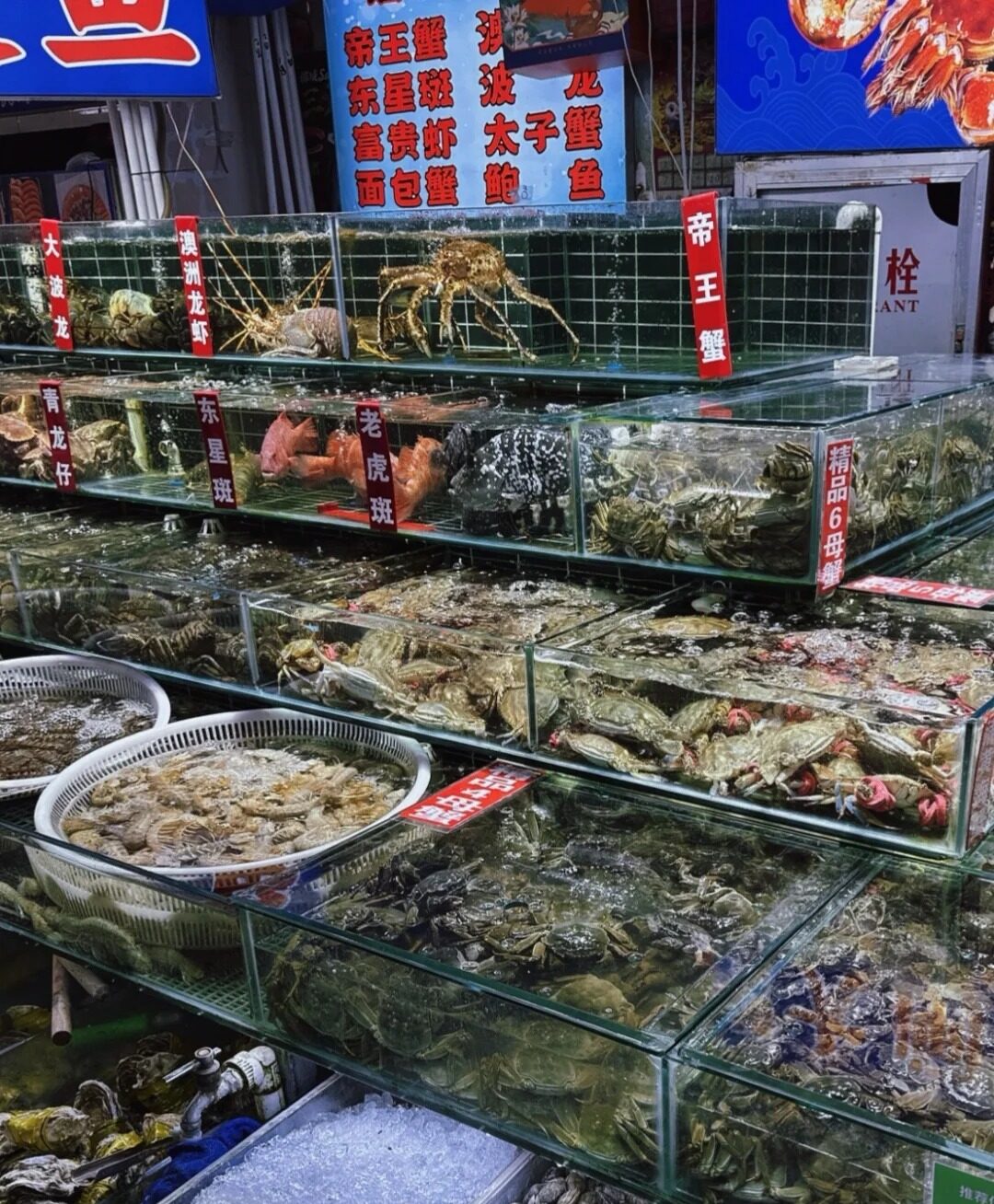
The Basement Seafood Floor
The basement almost feels like a completely different building. Escalators go down from pearl jewelry and suddenly the air smells like seawater and fish tanks. Most foreign tourists never stay long here, but it’s probably the most “real Beijing” section inside the market.
- Location: B1 basement level
- Representative Shops: Seafood tanks, grocery counters, local ingredient stalls
- Special Features: Live seafood, local shoppers, busy morning atmosphere
- Best For: Street photography, local market experience, people curious about daily Beijing life
Local residents buy shrimp, crab, shellfish, and fresh fish here, especially earlier in the day. Some restaurant owners also stop by for supplies. Prices change by season, and handwritten signs sometimes only show Chinese characters, which adds to the slightly confusing atmosphere.
It’s not polished or designed for tourists. Floors get wet. Workers yell prices across the room. But that contrast makes the basement memorable. Upstairs feels built for visitors. Downstairs feels like Beijing barely noticed the tourists at all.
What’s Worth Buying and What Tourists Often Regret
Freshwater Pearls Are Usually the Safest Buy
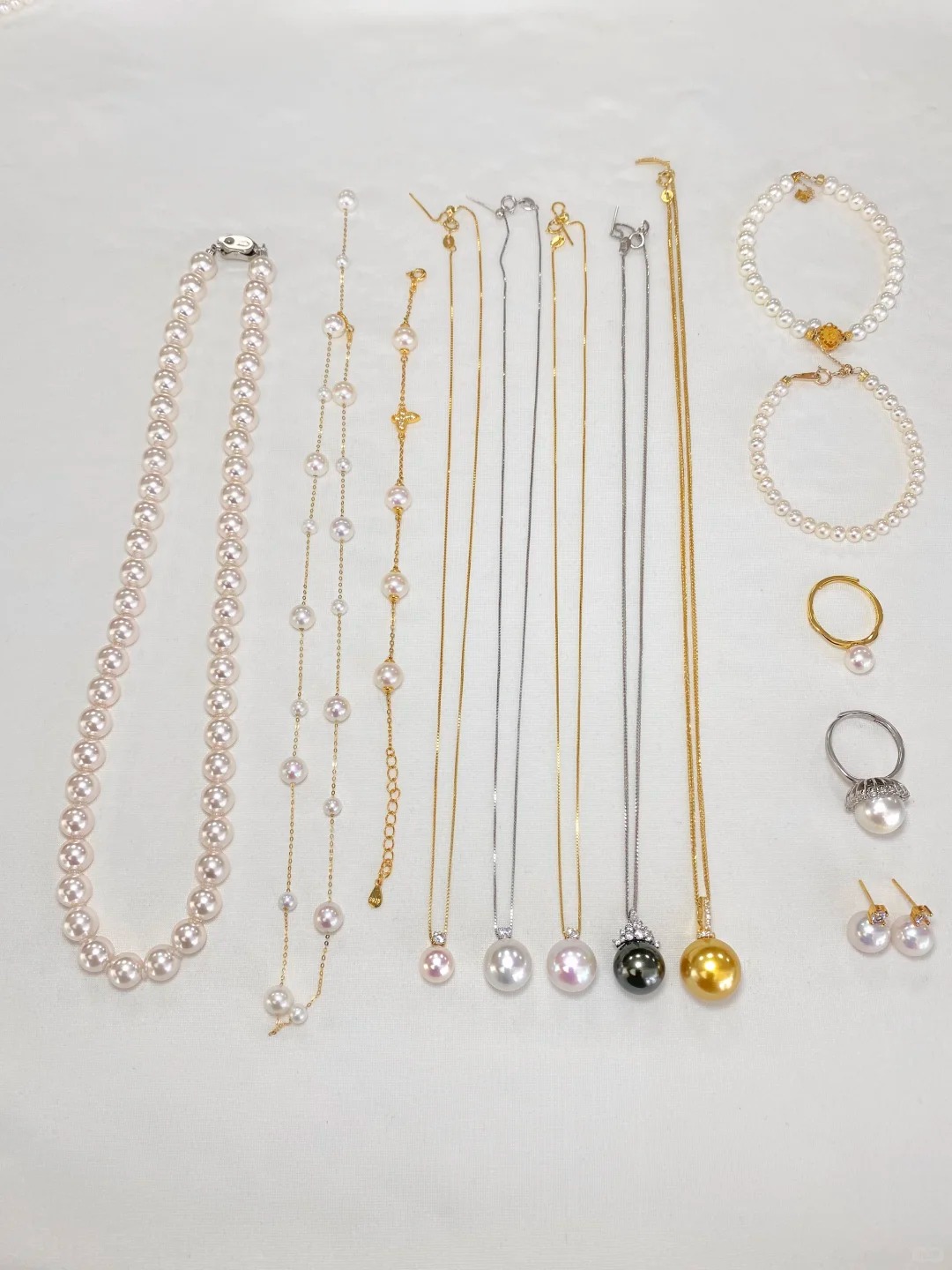
Freshwater Pearls
Pearls remain the most reliable thing to buy at Hongqiao Pearl Market Beijing. Even people who normally avoid tourist markets usually stop at the jewelry counters for a while. The selection is big enough that you can actually compare styles instead of feeling trapped into one quick purchase.
- Representative Shops: Freshwater pearl counters on 1F and 2F, custom jewelry stalls near escalators
- Price Range: Simple earrings around ¥80-200, necklaces usually ¥300-800, custom sets can go higher
- Best For: Gift shoppers, first-time visitors, travelers looking for something small but still “Beijing”
White pearls still sell the most, probably because they feel safer and easier to match. Black and pink pearls show up often too, though some shades look heavily dyed under the bright lights. Last time I checked, several shop owners pushed “perfect round South Sea pearls” at suspiciously low prices. That usually tells you enough already.
The better strategy is staying somewhere in the middle price range. Extremely cheap pearls often look too shiny and uniform. On the other hand, some stores open negotiations at absurd prices because they expect tourists to bargain hard. Comparing at least three shops helps more than any online pearl guide.
A lot of travelers also buy custom bracelets because they pack easily and feel more personal than standard souvenir magnets.
🌆 Retail Comparison: While Beijing offers a bustling bargaining experience right next to imperial history, you can explore the south's premier jewelry hub by reading our Pearl Market Shanghai: 2025 Guide to Pearls, Bargains, and Culture to see how the shopping vibe shifts in China's fashion capital.
Small Travel Items Sometimes End Up Being the Most Useful Purchases
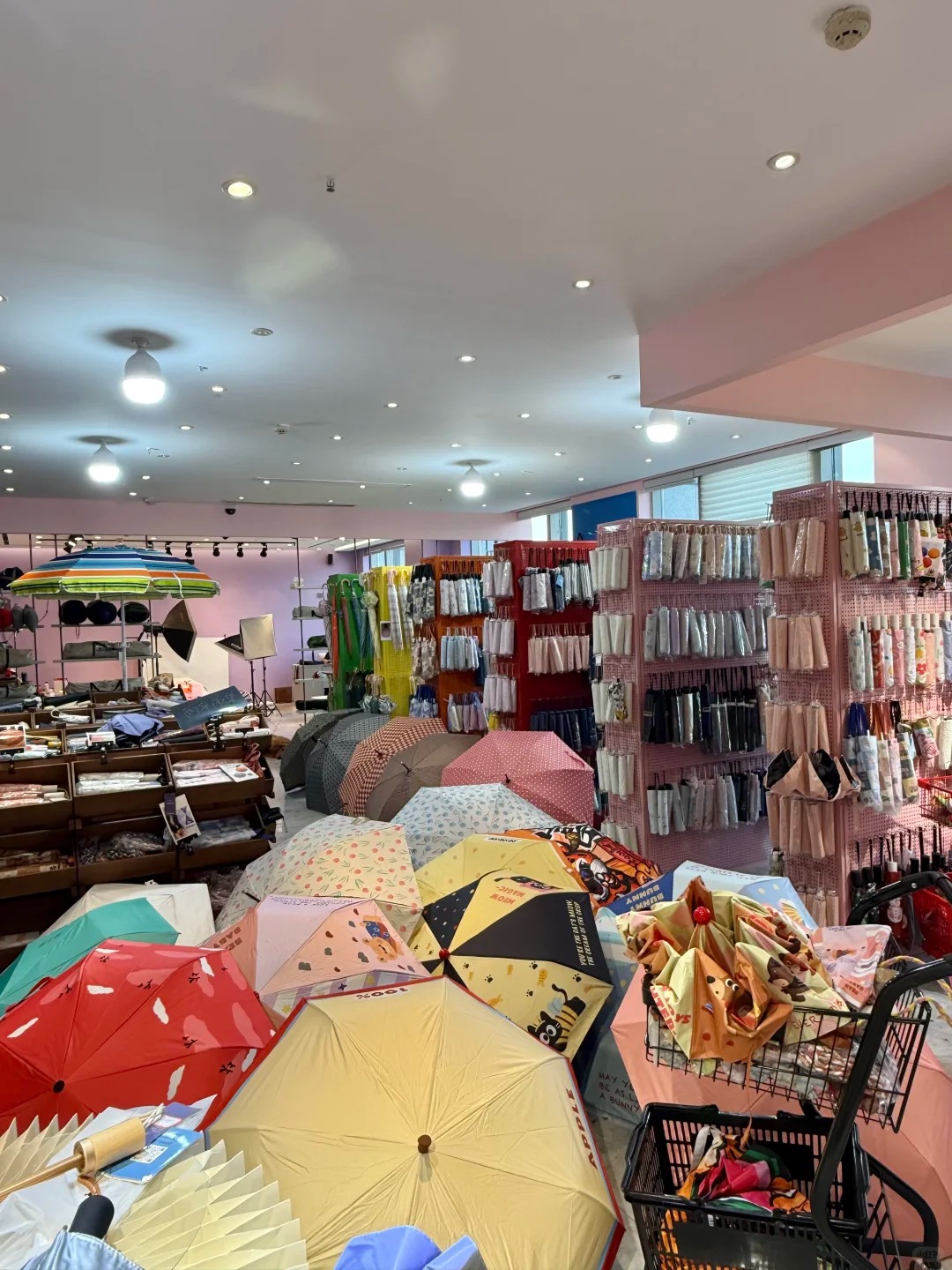
Small Travel Items
This part sounds boring until your charger suddenly stops working halfway through a China trip. Then the electronics floor becomes very important.
- Representative Shops: Phone accessory booths, adapter stalls, luggage item counters
- Price Range: Cables and adapters around ¥20-60, umbrellas roughly ¥30-80, luggage tags usually under ¥25
- Best For: Travelers who forgot essentials or need quick replacements before trains or flights
I noticed many tourists walking around with shopping bags full of surprisingly practical stuff instead of souvenirs. Plug adapters, cheap umbrellas, portable fans during summer, even extra tote bags for snacks and gifts. One stall near the corner sold universal adapters for less than half the airport price, though the packaging looked slightly questionable.
The useful part is convenience more than quality. Nobody comes here expecting premium electronics. But when rain suddenly starts near Temple of Heaven or your charging cable breaks before a high-speed train ride, these small shops save time and unnecessary stress.
Some Visitors Regret Buying Large Fake Luxury Goods
The fake luxury side of Hongqiao Market still exists, but it feels much smaller now compared with older stories online. Several travelers I spoke with seemed less interested in fake designer bags and more focused on lighter souvenirs they could actually use later.
- Representative Shops: Mixed handbag stalls, luggage sellers, fashion accessory counters
- Price Range: Fake bags usually start around ¥200-600, larger luggage often higher
- Best For: Bargain hunters who don’t mind quality risks or limited durability
The biggest issue now is inconsistency. One bag might look decent from a distance, while the next one has uneven stitching, broken zippers, or logos that look slightly off. Some shop owners still claim “factory extra stock,” which almost nobody really believes anymore.
There’s also the luggage problem. Large fake bags take up huge amounts of suitcase space, especially if you’re already traveling across China. A few TripAdvisor reviews even mentioned customs checks after returning home. That risk probably explains why many visitors now leave with tea tins, scarves, or pearl bracelets instead of oversized fake luxury goods.
Bargaining Tips That Actually Work
Most Sellers Still Expect You to Negotiate
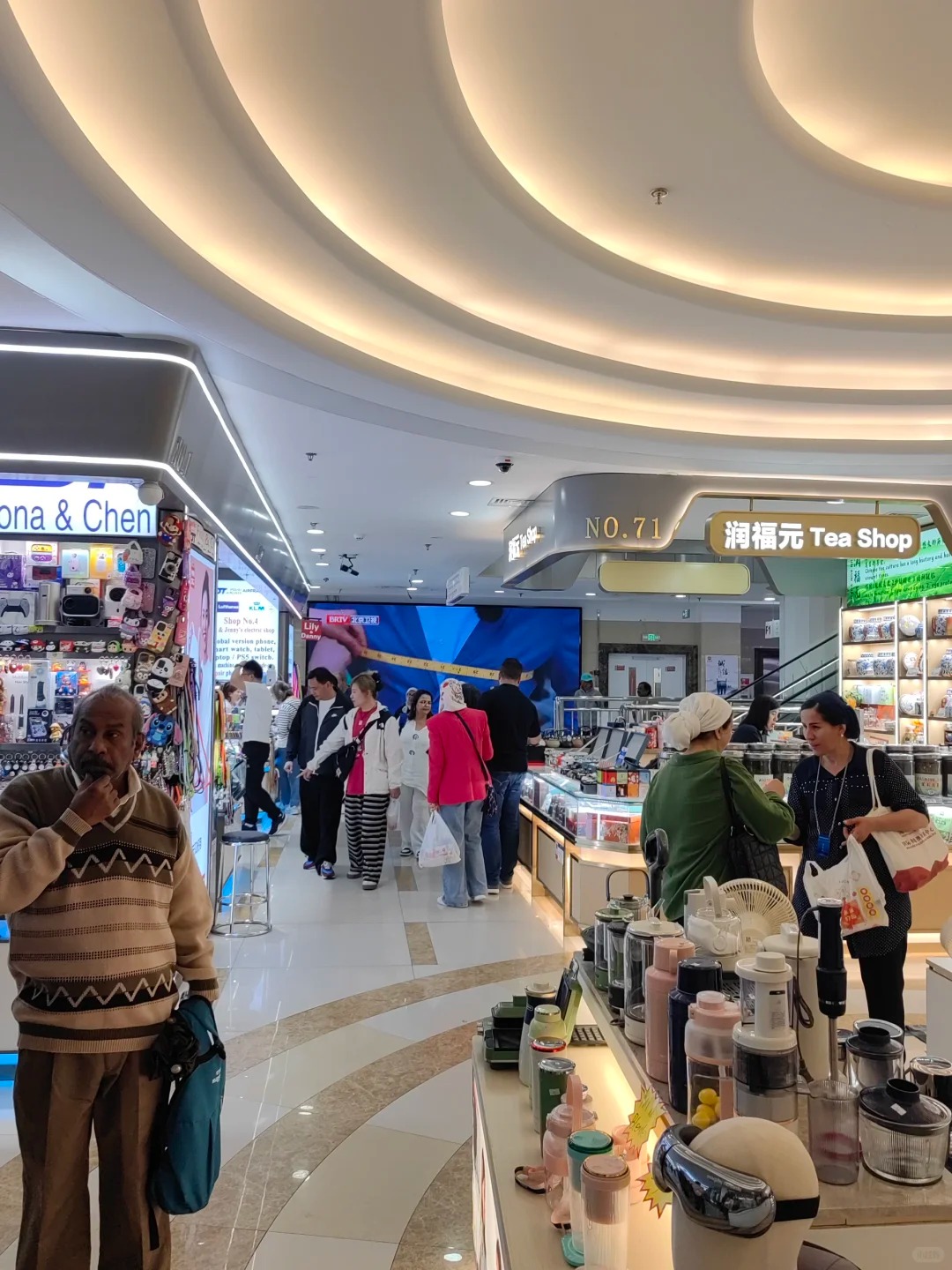
Inside of Hongqiao
Bargaining still matters at Hongqiao Pearl Market Beijing, especially on the pearl and souvenir floors. The first number almost always comes in high, sometimes very high. A pearl bracelet marked at ¥480 might suddenly become ¥180 after thirty seconds of calculator tapping and dramatic sighing. That part feels almost rehearsed now.
The easier places to negotiate are usually small souvenir stalls, handbag counters, and some pearl shops away from the escalators. Electronics sellers bargain too, though usually with smaller price drops. A few stores now use fixed prices, especially cleaner-looking jewelry counters targeting tour groups. You can normally tell by the printed tags and the lack of calculators sitting nearby.
One thing I noticed: shop owners often change their tone depending on how rushed someone looks. Tour groups moving quickly through the aisles almost always get higher opening prices. Slowing down and casually browsing usually works better than immediately asking “How much?”
Walking Away Is Still One of the Best Bargaining Tricks
The oldest bargaining trick here still works surprisingly well. Start leaving.
I watched one tourist check the price of a pearl necklace near the entrance. The seller typed ¥650 into a calculator, then immediately crossed it out and entered ¥420 before the conversation even properly started. The tourist smiled politely, said “maybe later,” and walked away. Within seconds the seller followed with another calculator showing ¥260.
That “calculator moment” happens everywhere inside Hongqiao Market. Sellers rarely want long conversations. They want quick reactions. If somebody reaches for their wallet too fast, the negotiation usually ends there.
Walking away does not guarantee the best deal, obviously. But it creates pressure in a market where many stalls sell nearly identical products. Several TripAdvisor reviews mention getting lower prices simply by returning later in the day. That seems believable, especially close to closing time when sellers look tired and less interested in long bargaining games.
Comparing Several Pearl Shops Usually Saves Money
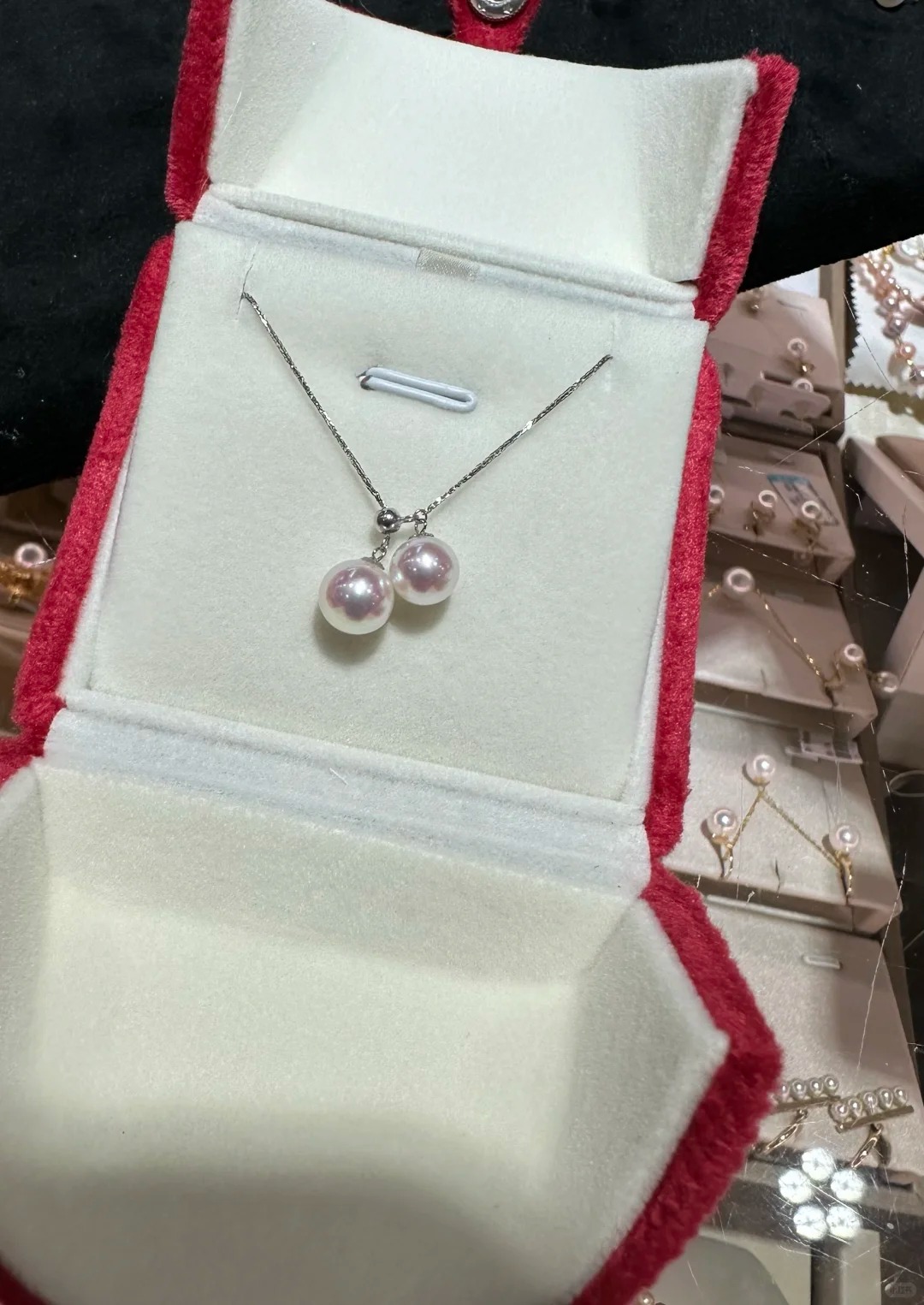
Pearl Shops
Pearl prices inside Hongqiao Pearl Market Beijing vary much more than most people expect. Two shops only a few meters apart can quote completely different numbers for necklaces that look nearly identical under the lights.
Part of the confusion comes from pearl quality itself. Shape, surface texture, shine, color tone — small differences affect prices quickly. But some of the variation simply comes from the seller testing how confident a customer seems.
The smarter approach is walking through at least one full floor before buying anything expensive. Many tourists get caught by the first bright display near the entrance because it looks polished and convenient. Deeper inside the market, prices often soften a little.
I remember seeing almost the same pink pearl bracelet priced at roughly ¥380, ¥240, and finally around ¥160 within ten minutes. None of the sellers looked surprised by that difference either, which probably tells you everything about how pricing works here.
Food and Cafes Around the Market
Local Beijing Restaurants Near Hongqiao Are Better Than You Might Expect
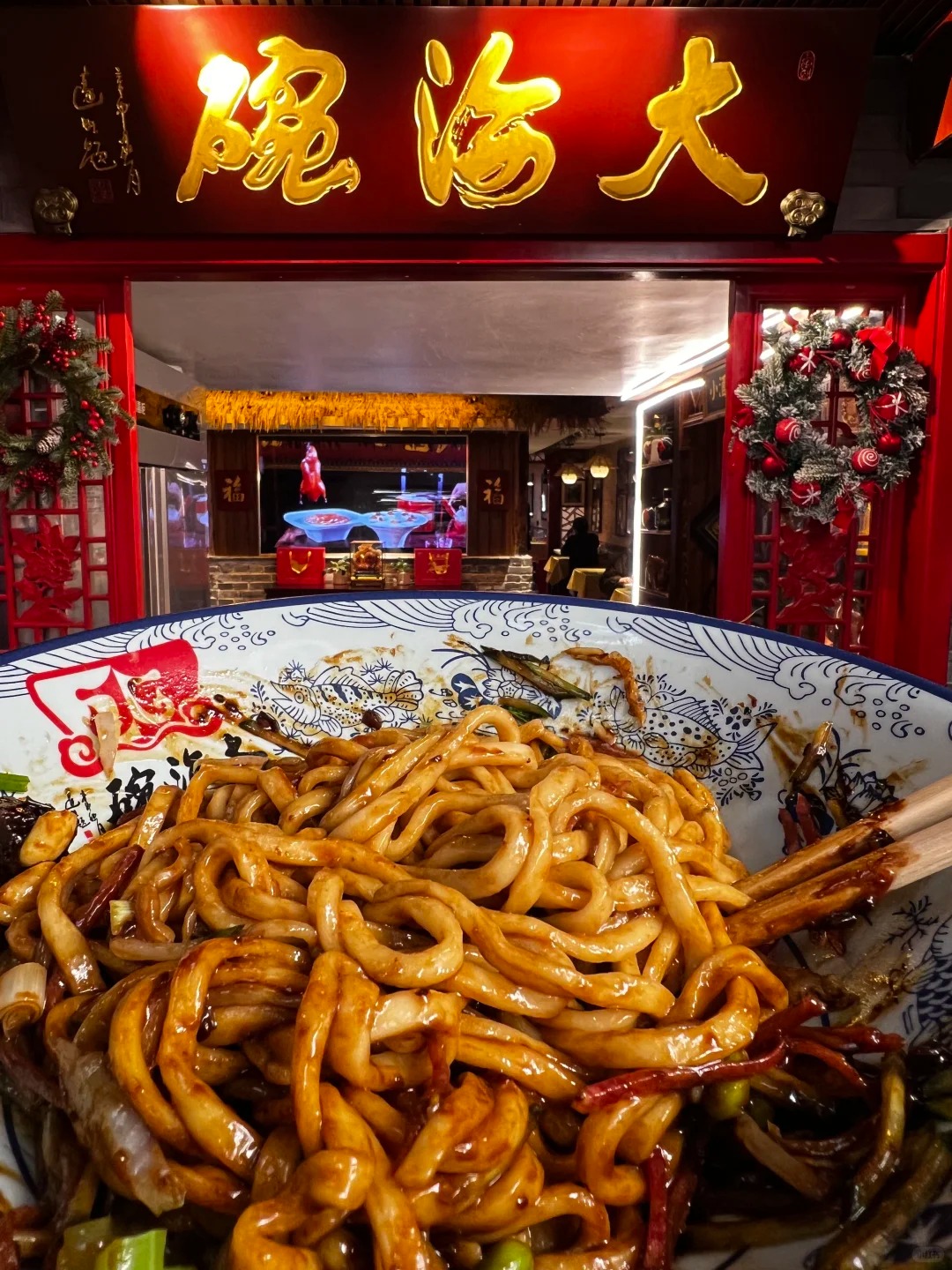
Local Beijing Restaurants Near Hongqiao
Food around Hongqiao Pearl Market Beijing is more practical than impressive, but that’s not a bad thing. Most places are simple Beijing-style eateries that focus on fast, filling meals rather than presentation. After spending time in the noisy market, sitting down here actually feels like a reset.
- Representative Spots: Small noodle shops along Tiantandongmen Street, dumpling houses, local BBQ-style diners
- Signature Food: Zhajiangmian (炸酱面), steamed dumplings, copper hot pot (铜锅涮肉), simple stir-fried dishes
- Best For: Budget travelers, first-time visitors wanting local food, people combining Temple of Heaven + market visit
Zhajiangmian is probably the safest choice if you’re unsure what to order. A bowl usually costs around ¥20–35, depending on the shop. Dumpling sets are slightly more, often ¥25–50 for a decent portion. Copper hot pot restaurants nearby are more of a sit-down option, usually chosen by groups rather than solo travelers.
What stands out is not variety, but reliability. These are not “Instagram cafes.” They are places where locals quickly eat lunch before going back to work. That makes them useful after a noisy, visually overwhelming market visit.
Temple of Heaven Cafes Feel Surprisingly Quiet After the Crowds
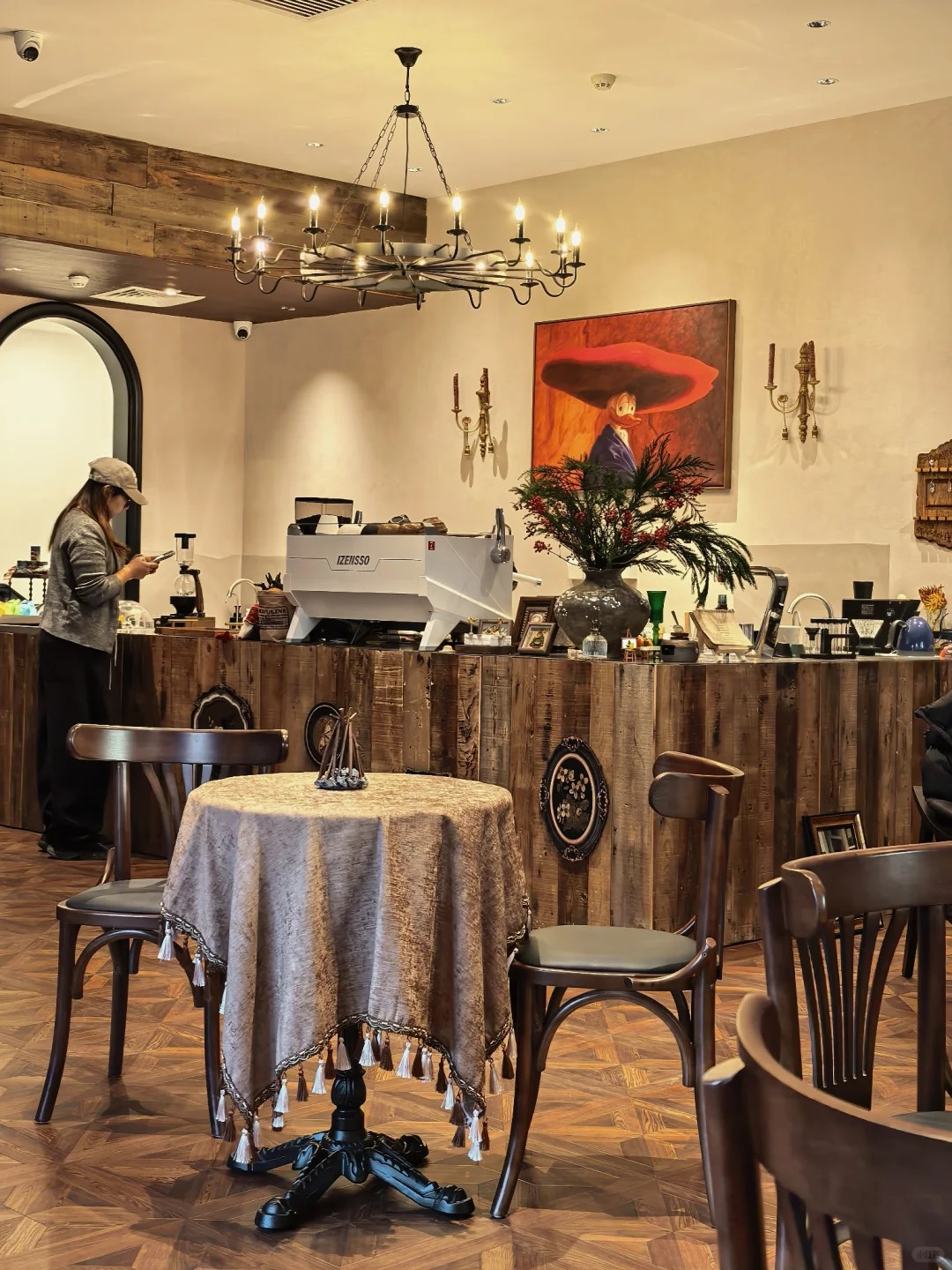
Temple of Heaven Cafes
Just a short walk from Hongqiao Market, the atmosphere shifts completely. The noise drops, traffic spreads out, and the area around Temple of Heaven Park suddenly feels much slower. Cafes here are not busy most of the day, especially on weekdays.
- Representative Spots: Small independent coffee shops near Tiantan Park entrances, chain cafés along quieter side streets
- Signature Experience: Outdoor seating, soft afternoon sunlight, view of tree-lined streets instead of market crowds
- Best For: Travelers needing a break, photographers, people combining sightseeing with slow travel
Many visitors come here after shopping just to sit down for a while. A latte usually costs around ¥25–45, which is standard for Beijing café pricing. Some spots have small windows facing the park walls, where you can still see red temple architecture in the distance without the crowd pressure from earlier.
The contrast is what makes this area interesting. One moment you’re negotiating over pearls and hearing calculators everywhere. Ten minutes later, you’re sitting by a quiet café window watching people walk slowly under trees. That shift alone is often what people remember most from this part of Beijing.
How to Get to Hongqiao Pearl Market
Taking the Subway Is Still the Easiest Option
The most reliable way is still Beijing Subway Line 5, which directly connects to the Temple of Heaven area. Get off at Tiantandongmen Station (Exit A2 is the most commonly used). This exit is important because different exits lead to slightly different walking directions, and A2 puts you closest to the market entrance without detours.
Once you come out, the route is very straightforward. You walk north along Tiantan East Road for about 5–8 minutes, passing street vendors, small convenience stores, and groups heading toward Temple of Heaven. The Hongqiao building is large and visible from a distance, so you don’t really need navigation apps once you’re on the right street.
- Subway Line: Line 5
- Station: Tiantandongmen (天坛东门站)
- Best Exit: A2 (closest walking route)
- Walking Time: ~5–8 minutes
- Budget: ¥3–7 per ride (Beijing subway standard fare)
One small detail competitors mention but many blogs skip: Line 5 can get very crowded during rush hours because it connects major residential districts with central Beijing. If possible, avoid 8:00–9:30 AM and 5:30–7:00 PM when trains feel packed and slower to board.
Taxi and Didi Are Easier at Night
Taxis and Didi become more practical after dark or when you are carrying bags from shopping. The destination is usually set as “Hongqiao Market (红桥市场)”, which most drivers recognize immediately.
From central Beijing areas like Wangfujing or Qianmen, the ride usually takes 20–35 minutes depending on traffic, with costs around ¥25–60 in normal conditions. Peak-hour congestion can push it slightly higher.
- Drop-off Point: Main entrance on Tiantan East Road
- Best Time: Evening after shopping or when subway feels inconvenient
- Budget: ¥25–60 from central Beijing
- Tip: Some drivers prefer stopping on the main road near Temple of Heaven instead of the gate during peak hours
One thing worth noting: the area around Temple of Heaven has multiple gates, so always confirm “East Gate / Tiantandongmen side” before the ride starts to avoid ending up on the wrong side of the park.
Most Visitors Combine the Market With Temple of Heaven
In practice, Hongqiao Pearl Market is rarely a standalone stop. Most travelers naturally combine it with Temple of Heaven Park, since both sit directly across the road from each other.
A typical half-day route looks like this:
- Morning: Enter Temple of Heaven through East Gate
- Midday: Walk central axis inside the park (Hall of Prayer, Echo Wall)
- Afternoon: Exit East Gate → cross road → enter Hongqiao Market
- Optional: Coffee stop or dinner nearby after shopping
Walking distance between the two is only around 300–500 meters, which is why local travel guides often describe them as a single “combined attraction zone.”
This pairing also works better in terms of pacing. The temple area is quiet and open, while the market is noisy and compact. Doing them back-to-back creates a natural contrast instead of two similar experiences in one day.
FAQ About Hongqiao Pearl Market Beijing
Q: Is Hongqiao Pearl Market Beijing still worth visiting today?
It still is, but for different reasons than before. The market is no longer just about “cheap deals” or fake luxury goods. Most visitors come for pearls, small souvenirs, and the chaotic Beijing market atmosphere that newer malls don’t really have anymore. If someone expects a modern shopping mall, it will feel messy. But for a quick stop after Temple of Heaven, it still fits well. Prices vary, and quality is inconsistent, but the experience itself is what keeps people coming back.
Q: Are the pearls at Hongqiao Pearl Market real or fake?
Most freshwater pearls sold here are real, but quality ranges a lot. You’ll see everything from low-grade pearls with uneven shapes to more polished, higher-quality strands. Some dyed or imitation pieces also exist, especially in cheaper stalls. A simple check is surface texture and shine—real pearls rarely look perfectly identical. Buyers usually compare multiple shops before deciding, and price often reflects quality more than people expect.
Q: How much should I expect to pay for pearls?
It depends heavily on style and negotiation. Small earrings can start around ¥80–200, while necklaces often fall between ¥300–800. Custom-made sets can go higher depending on pearl size and craftsmanship. The first price is usually not final, so bargaining is expected. Some travelers report paying half of the initial quote after negotiation, though results vary from shop to shop.
Q: How long should I spend inside the market?
Most visitors stay around 1 to 2 hours. That is usually enough to walk through the main pearl floors, check souvenir shops, and maybe stop at the electronics section. If someone is comparing prices carefully or bargaining seriously, it can stretch closer to 3 hours. It’s not a full-day destination, but it fits easily into a half-day itinerary with Temple of Heaven nearby.
Q: Is Hongqiao Pearl Market better than Silk Market in Beijing?
Both markets are similar in spirit, but they feel slightly different. Silk Market is often more crowded and more focused on fashion and clothing, while Hongqiao leans more toward pearls and souvenirs. Hongqiao also feels a bit more relaxed in certain floors, especially upstairs. Some travelers prefer Silk Market for variety, while others choose Hongqiao for a slightly calmer layout and easier navigation.
Q: Can I use credit cards or do I need cash?
Most shops prefer mobile payments like WeChat Pay and Alipay, which are widely used in Beijing. Cash still works in many stalls, especially smaller ones, but credit cards are not always accepted. Some higher-end pearl shops may take cards, but it’s not guaranteed. For convenience, having mobile payment set up or some cash backup is still useful.
Q: Is bargaining necessary at Hongqiao Pearl Market?
Yes, in most non-fixed-price stalls. Pearl counters and souvenir shops usually expect some level of negotiation. Starting prices are often higher than the final selling price. However, electronics and some newer shops may have fixed pricing. Bargaining is part of the experience here, but it doesn’t always require aggressive negotiation—just a bit of patience and comparison.
Q: Is Hongqiao Pearl Market safe for foreign tourists?
Yes, it is generally safe. The area is busy and well-known among tourists, especially because of its location next to Temple of Heaven. The main thing to watch is pricing differences and making quick purchase decisions. Some visitors feel pressured in certain stalls, but walking away or comparing shops usually solves that. Standard travel awareness is enough—there are no major safety concerns reported in normal visiting conditions.