Xinjiang Top Attractions & Travel Guide
Home » Xinjiang
Steppe
Snow
A land of epic contrasts, Xinjiang stretches across the northwest with vast deserts, Tianshan peaks, and deep Silk Road heritage. Here, vibrant bazaars and diverse cultures thrive amidst raw natural beauty. From the sweet taste of melons to the turquoise waters of Kanas, it captivates every traveler.
Explore Xinjiang’s wonders, from the ancient streets of Kashgar to the heavenly waters of Kanas. Find essential travel guides, cultural insights, and the best routes for your journey.
Xinjiang Tourist Attractions
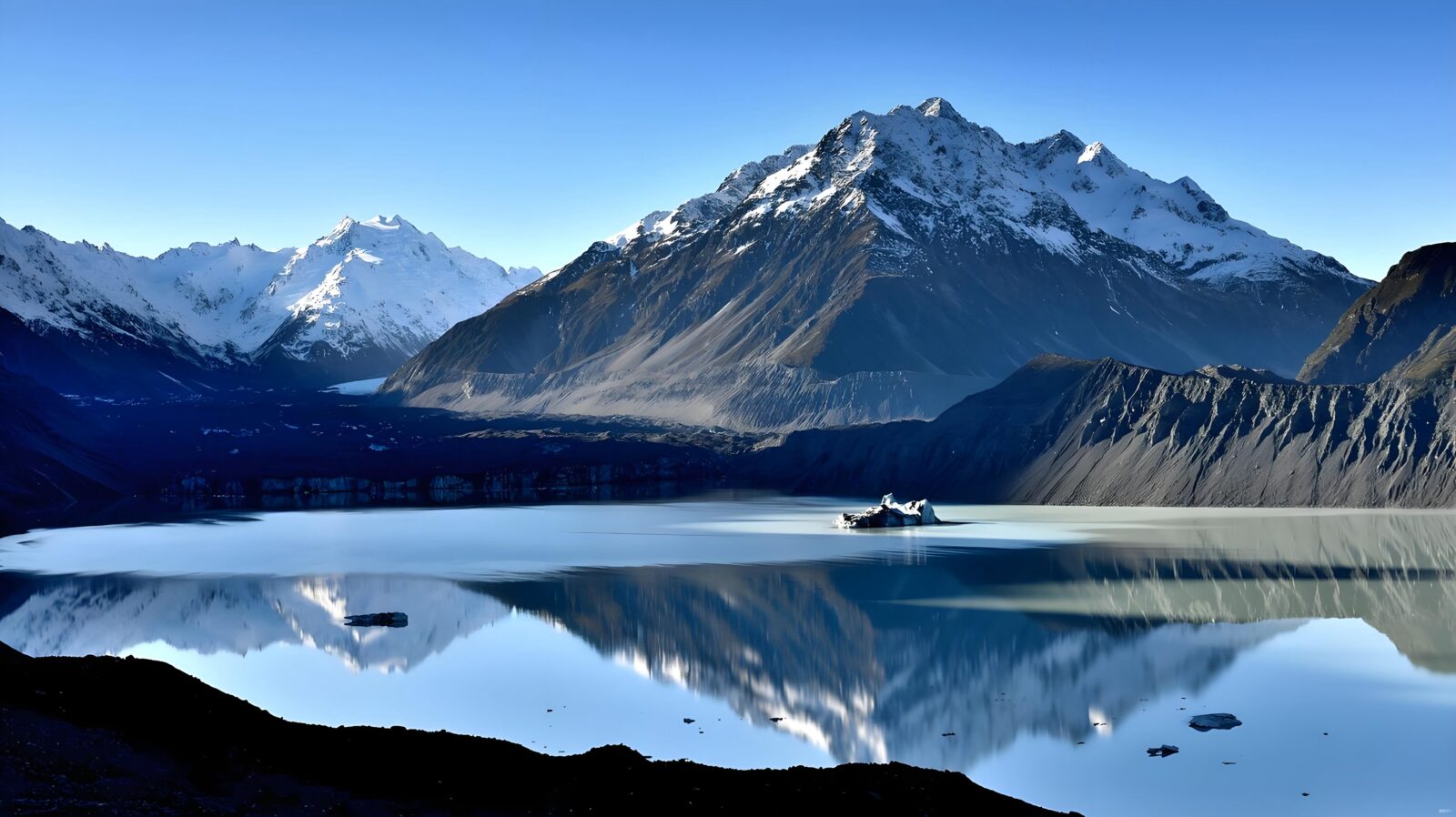
Cradled by towering snow-capped peaks, Tianchi Lake shines as a sapphire gem amidst the rugged landscape. Its placid, crystal-clear waters offer a perfect mirror of the alpine splendor, immersing visitors in a world of tranquility and myth. This natural masterpiece is a paradise for hikers and nature admirers seeking breathtaking, panoramic views.
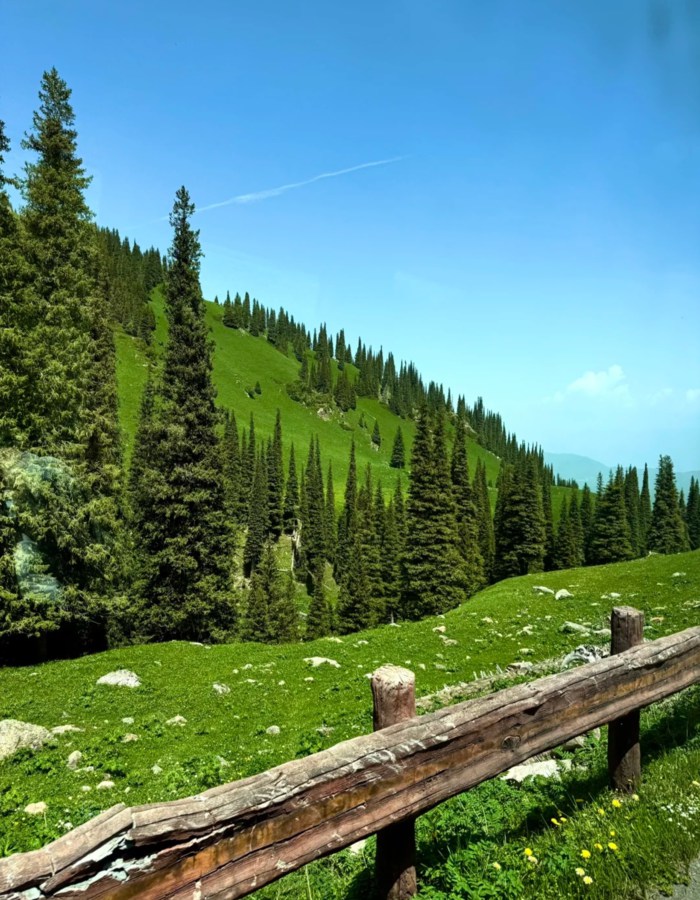
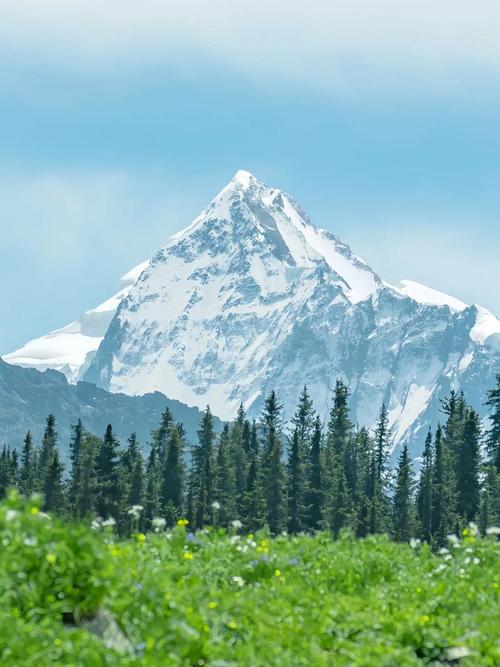
Vast emerald pastures roll across the high-altitude valleys of Naraty, earning it the majestic title of the "Sky Grassland." This scenic wonder immerses travelers in nomadic Kazakh culture, where white yurts dot the landscape and winding rivers cut through the lush greenery, creating a picturesque and serene retreat.
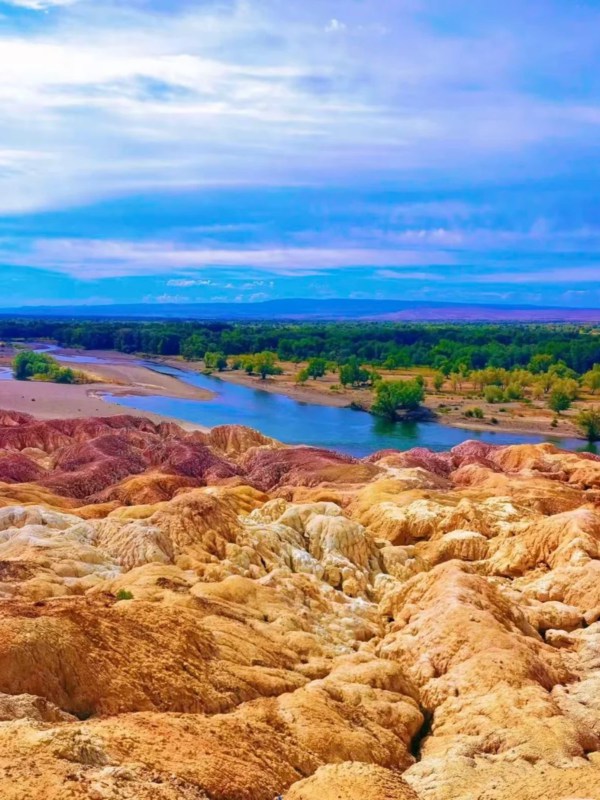
Sunset is the real main event here, as the golden hour light ignites the eroded riverbanks into a brilliant display of rusty reds, yellows, and purples. It’s a spot defined by contrast, where you stand on arid, colorful cliffs looking directly across the Irtysh River at a lush, dense forest on the opposite bank.
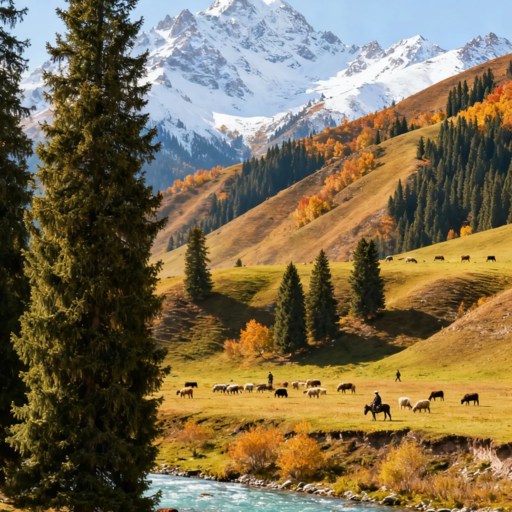
Kanas delivers a truly mysterious atmosphere, famous for the morning mist at Divine Fairy Bay and water that shifts shades from milky blue to emerald green. It’s best explored by walking the wooden boardwalks early in the day, where the mix of alpine forests and traditional Tuwa log cabins creates a scene that feels worlds away from the ordinary.
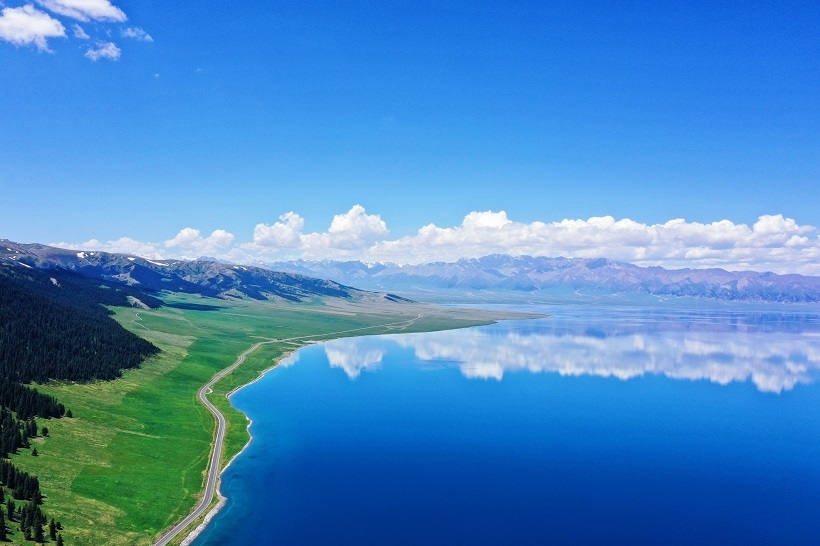
Sailimu Lake is a dream for road trippers, featuring a scenic loop that allows you to drive right along the edge of the incredibly vivid blue water. The vibe here is laid-back and expansive, offering endless opportunities to pull over, watch the swans, and capture the snowy mountain backdrop without the rush.
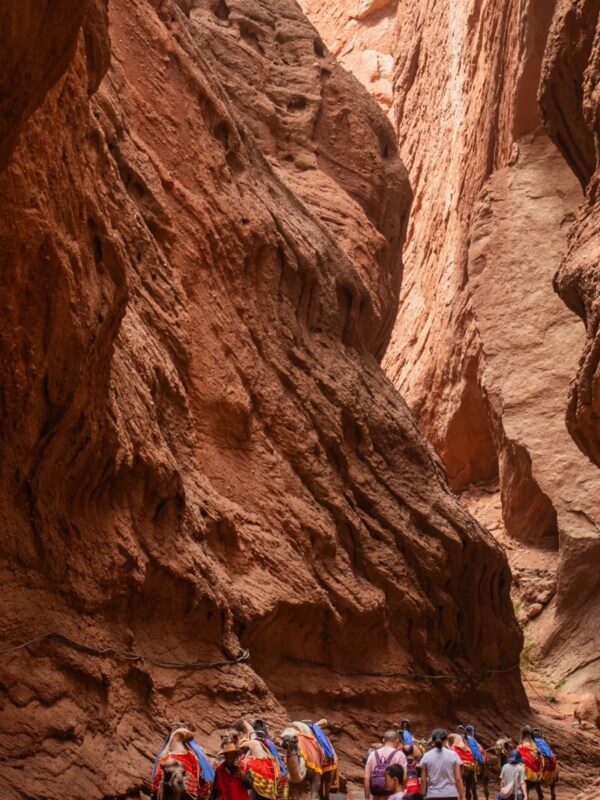
Walking into the Tianshan Grand Canyon feels like stepping onto the surface of Mars, with towering walls of burning red sandstone pressing in on both sides. It is a surprisingly accessible hike where the real magic happens around midday, as sunlight filters down into the narrow crevices and sets the rusty rock faces aglow.
Xinjiang Tourist Information

What are the must-see attractions in Xinjiang?
Our top recommended itinerary features the most spectacular landscapes in Xinjiang. You absolutely cannot miss the alpine beauty of Kanas National Geopark and the legendary Tianchi Lake. Experience the crystal-clear waters of Sailimu Lake and the vast, rolling greens of Nalati Grassland. For breathtaking geological wonders, the colorful landforms of Five Colored Beach and Keketuohai, along with the dramatic Tianshan Grand Canyon, are essential stops.
How do I get around the vast Xinjiang area?
Since Xinjiang covers 1/6th of China, distances are huge. The most efficient way is to combine flights or high-speed trains between major hubs (Urumqi, Altay, Kashgar, Yining) and hire a private driver for the scenic routes to attractions like Kanas or Sayram Lake.
Can I drive the Duku Highway in Xinjiang?
Yes, but timing is critical. The Duku Highway, connecting North and South Xinjiang across the Tianshan Mountains, is typically only open from June to early October due to snow. It requires a vehicle capable of mountain driving.
When is the best time to visit Xinjiang for photography?
September is widely considered the peak season, especially for Kanas Geopark, as the golden autumn foliage is breathtaking. However, June to August is perfect for seeing lush green grasslands in Nalati and Sailimu Lake.
Is Xinjiang safe for solo travelers?
While Xinjiang is generally very safe in terms of security, solo travel can be logistically challenging due to the region’s massive size and remote wilderness. Many top scenic spots like Kanas or the Duku Highway involve long, isolated drives. Therefore, it is highly recommended to travel with a companion or join a small tour group for a smoother and more enjoyable experience, rather than traveling entirely alone.
Which Xinjiang local dishes are unmissable?
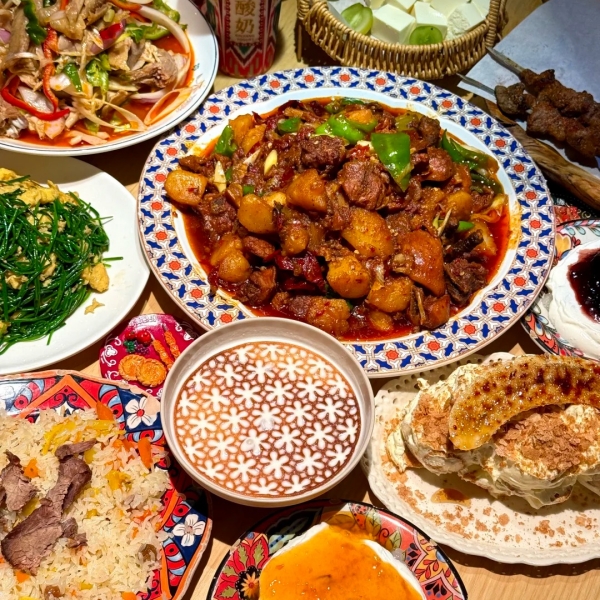
You cannot leave Xinjiang without trying Big Plate Chicken (Dapanji), Lamb Skewers (Kawap), and Hand-pulled Noodles (Laghman). For dessert, the locally grown Hami melons and grapes from Turpan are incredibly sweet.
Do I need a special permit to travel to Xinjiang?
For most standard tourists holding a valid Chinese visa, no separate “Xinjiang entry permit” is currently required to enter main cities like Urumqi or Kashgar. However, visiting certain border areas (like Tashkurgan) requires a specific Border Permit.
Should I follow Beijing Time or Xinjiang Time while traveling?
This can be confusing. While the official time is Beijing Time (GMT+8), locals in Xinjiang often operate on “Xinjiang Time” (roughly 2 hours behind) for daily schedules. For example, lunch might be served at 2:00 PM Beijing time. Always clarify the time zone when booking Xinjiang tours.