APM Beijing
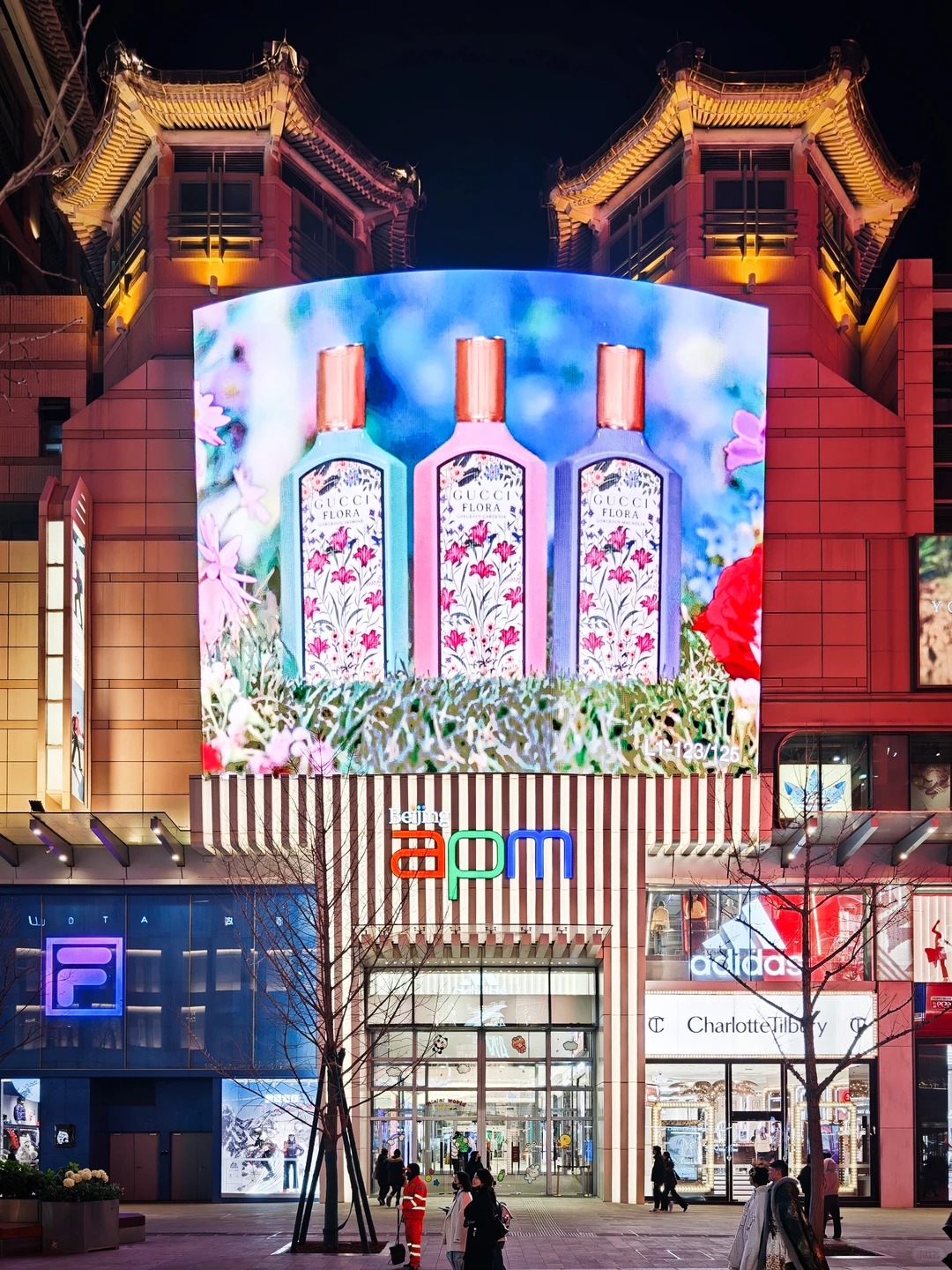
Wangfujing has no shortage of malls, and at first glance, APM Beijing doesn’t really stand out. It sits right on the main street, easy to walk past if you’re distracted by bigger storefronts or street food outside. But once you step in, it feels different—less about showing off, more about everyday use. People come here to shop, grab a drink, meet friends, then leave without overthinking it.
From a couple of visits, APM Beijing works best when you don’t treat it like a destination mall. It’s more of a convenient stop—somewhere to cool down, eat, and pick up a few things without dealing with the heavier crowds nearby.
Quick Facts about APM Beijing
| Item | Details |
|---|---|
| 📍 Full Name | Beijing APM |
| 📌 Address | No.138 Wangfujing Street, Dongcheng District |
| 🚇 Nearest Subway | Wangfujing Station (Line 1 & Line 8), Dengshikou (Line 5) |
| 🕒 Opening Hours | 09:00 – 22:00 daily |
| 🏢 Floors | B2 to 6F (6–7 levels total) |
| 🛍️ Total Stores | 160+ brands (Fashion, Tech, Lifestyle) |
| 🧭 Mall Size | ~120,000 sqm retail space |
| 👥 Main Crowd | Young locals, tourists, casual shoppers |
| 🛍️ Key Brands | Uniqlo, Zara, Apple Store, Nike |
| 🍜 Dining | 5F–6F & B1 food area |
| 💰 Price Level | Mid-range (Affordable to mid-tier) |
| ⭐ Visitor Rating | ~4.3/5 |
| 📅 Best Time | Weekday afternoon or late evening |
| ⏱ Suggested Visit | 1–3 hours |
| 🎯 Best For | Quick shopping, food stop, casual browsing |
🛍️ APM is a standout anchor on one of Beijing's most famous streets, and it earns its place in our guide to the best Beijing shopping malls — the full guide maps every top mall across the city for every type of shopper.
Floor Layout at APM Beijing
| Floor | Main Focus | What You’ll Actually Find | Should You Visit |
|---|---|---|---|
| B2 | Parking / access | Parking, limited retail | ❌ Skip |
| B1 | Food & drinks | Bubble tea, snacks, quick meals, small eateries | ✅ Yes (entry level) |
| 1F | Entrance + brands | Cosmetics, flagship stores, Apple Store | ✅ Yes |
| 2F | Fashion | Fast fashion, casual brands | ✅ Yes |
| 3F | More fashion | Lifestyle + clothing mix | ✅ Yes |
| 4F | Low density retail | Fewer shops, quieter corridors | ⚠️ Optional |
| 5F | Dining | Sit-down Chinese restaurants | ✅ Yes |
| 6F | Dining + cafes | More restaurants, slightly less crowded | ✅ Yes |
Why Most People Enter APM Beijing Through B1
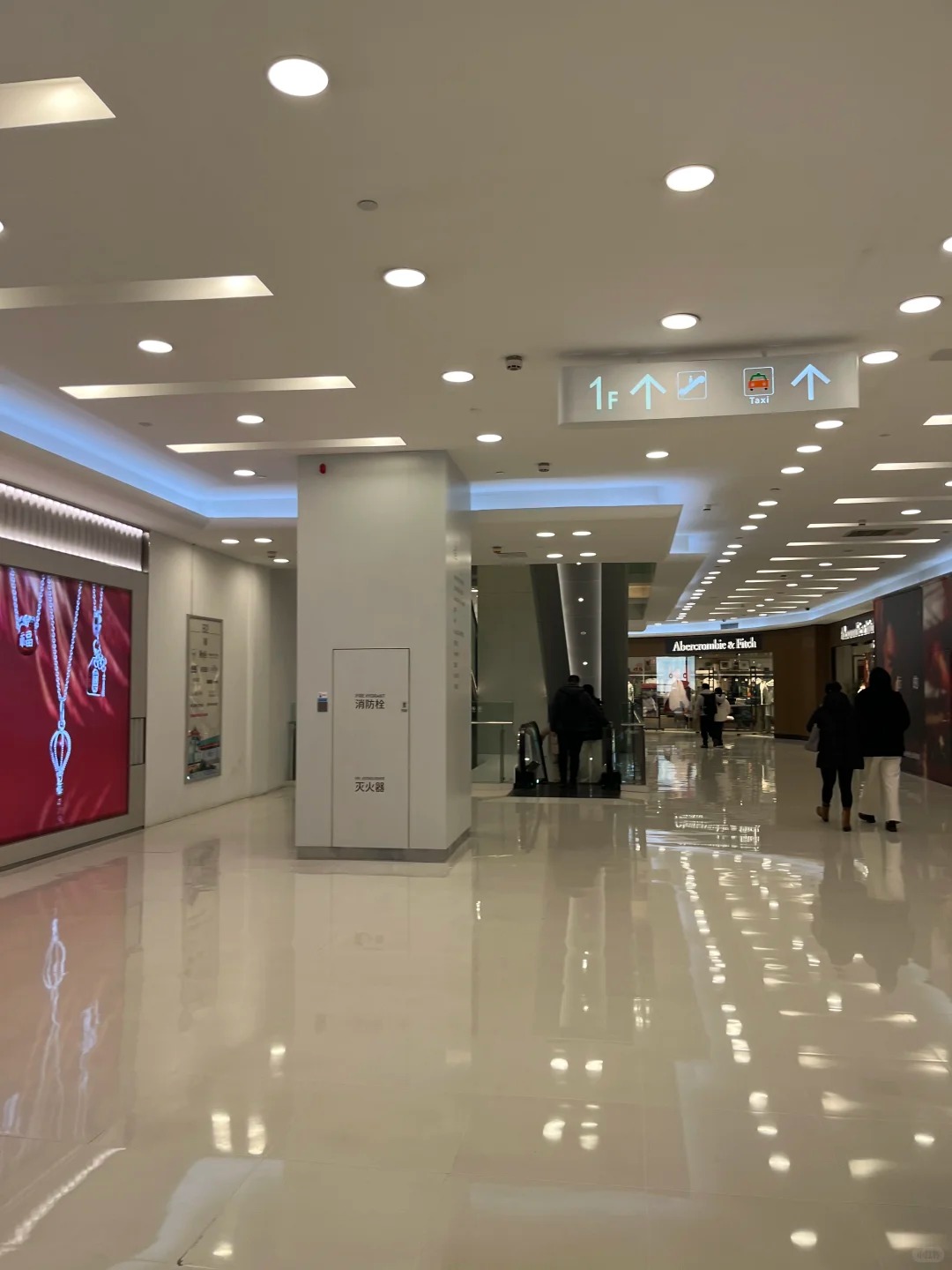
1F of APM
Most visitors don’t really “choose” to start at a specific floor in APM Beijing. The subway connection basically drops you into B1, and that already sets the rhythm of the visit. The first thing you notice is the density of food and drink spots—milk tea shops, quick bites, small counters that seem designed for impulse stops rather than planned dining. People don’t walk fast here. They pause, check menus, order something, then slowly decide whether to move upward.
There’s also a practical reason this floor feels so active. The escalators to upper levels are placed right in the middle of this flow, so movement naturally spreads upward. It doesn’t feel like a planned shopping route; it feels more like being carried along by the space itself. I’ve noticed even locals tend to linger here longer than expected, especially around peak hours when the smell of fried snacks and coffee mixes together in a slightly chaotic way. It’s not refined, but it works as an entry point.
The One Floor at APM Beijing You Can Skip
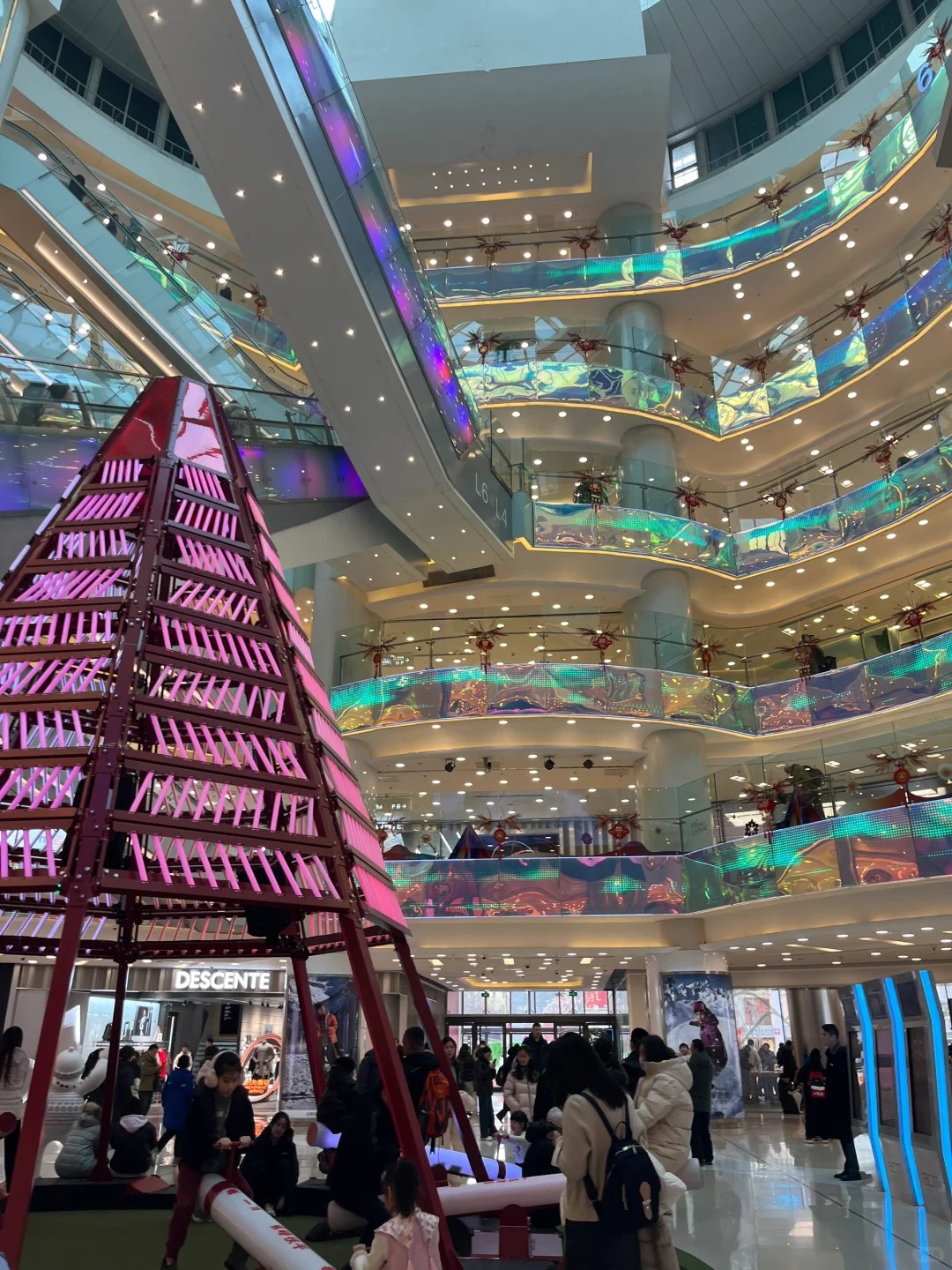
Floor Layout of APM
If there is one floor that doesn’t really change the overall experience, it’s 4F. The store density here is lower compared to the busy middle levels, and the brands feel less familiar unless you are specifically looking for niche labels. During weekday afternoons, it can feel unusually quiet, almost like a transition space rather than a shopping destination.
From a practical perspective, most visitors don’t lose anything by skipping it. If you look at any APM Beijing directory, 4F rarely stands out in terms of anchor stores or traffic. The stronger retail mix is clearly concentrated on 1F to 3F, while food becomes the focus again from 5F upward. That’s why I usually treat 4F as optional—more of a corridor between better-used areas than a stop on its own.
Stores at APM Beijing
| Category | What You’ll Find | Example Brands | Worth It for Tourists |
|---|---|---|---|
| Fast Fashion | Clothing basics | UNIQLO, ZARA, H&M | ✅ Yes |
| Lifestyle | Small goods, gifts | MINISO-type stores | ✅ Yes |
| Local Brands | Trendy Chinese fashion | Emerging designer labels | ⚠️ Depends |
| Collectibles | Toys, blind boxes | POP MART | ✅ Yes |
Fast Fashion Brands You’ll Recognize Immediately
-
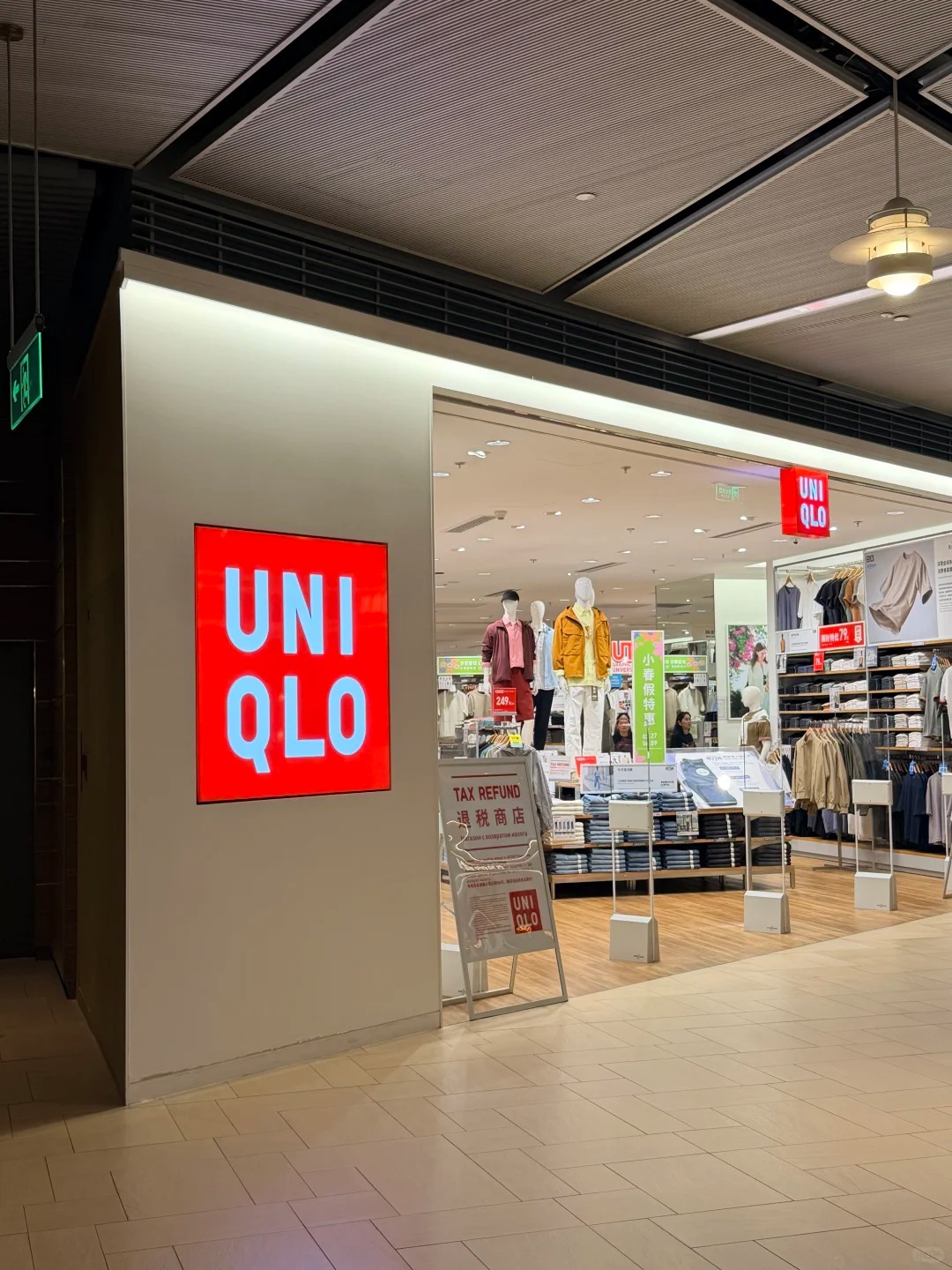

- UNIQLO
-
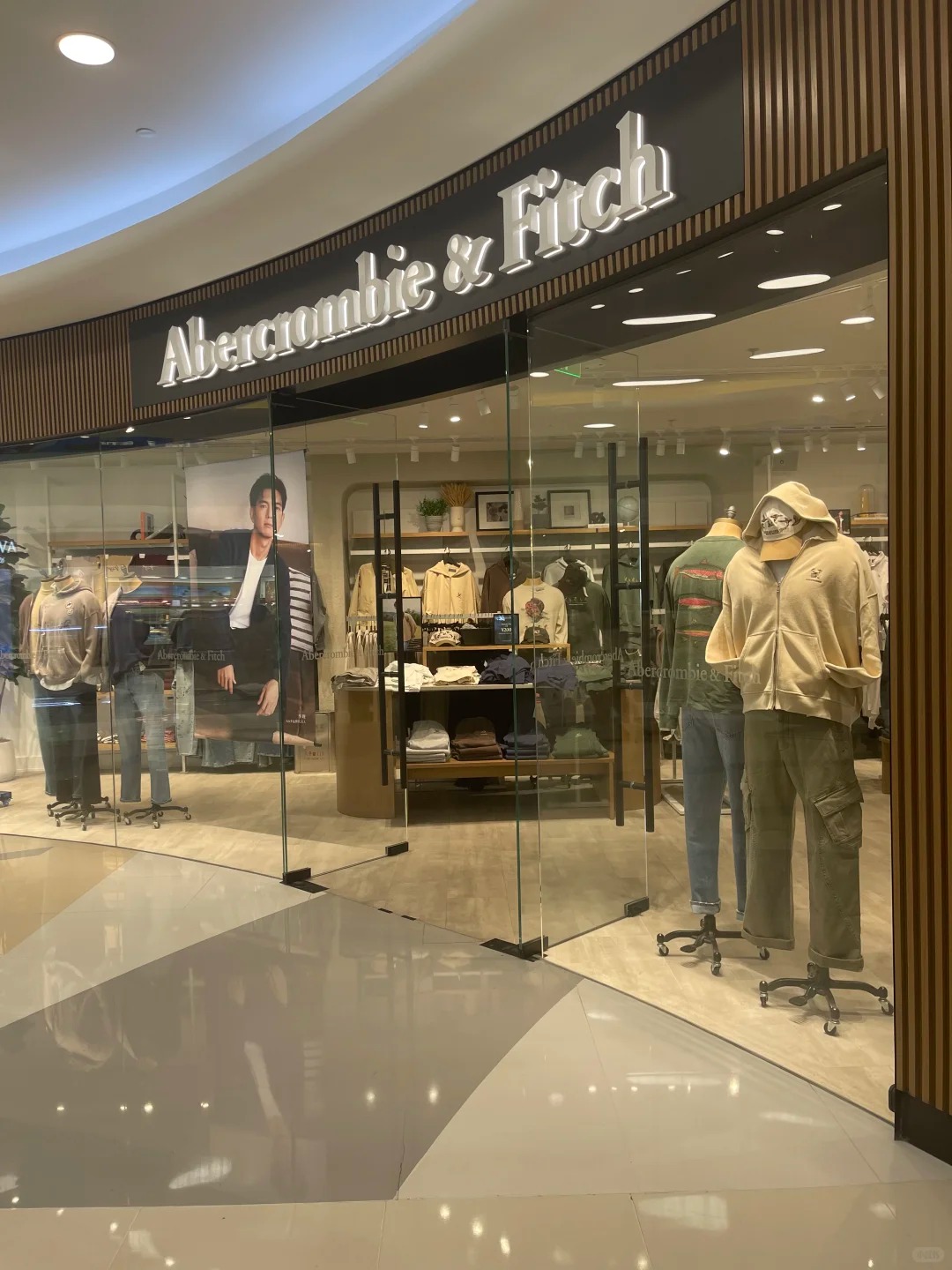
- AF in APM
-
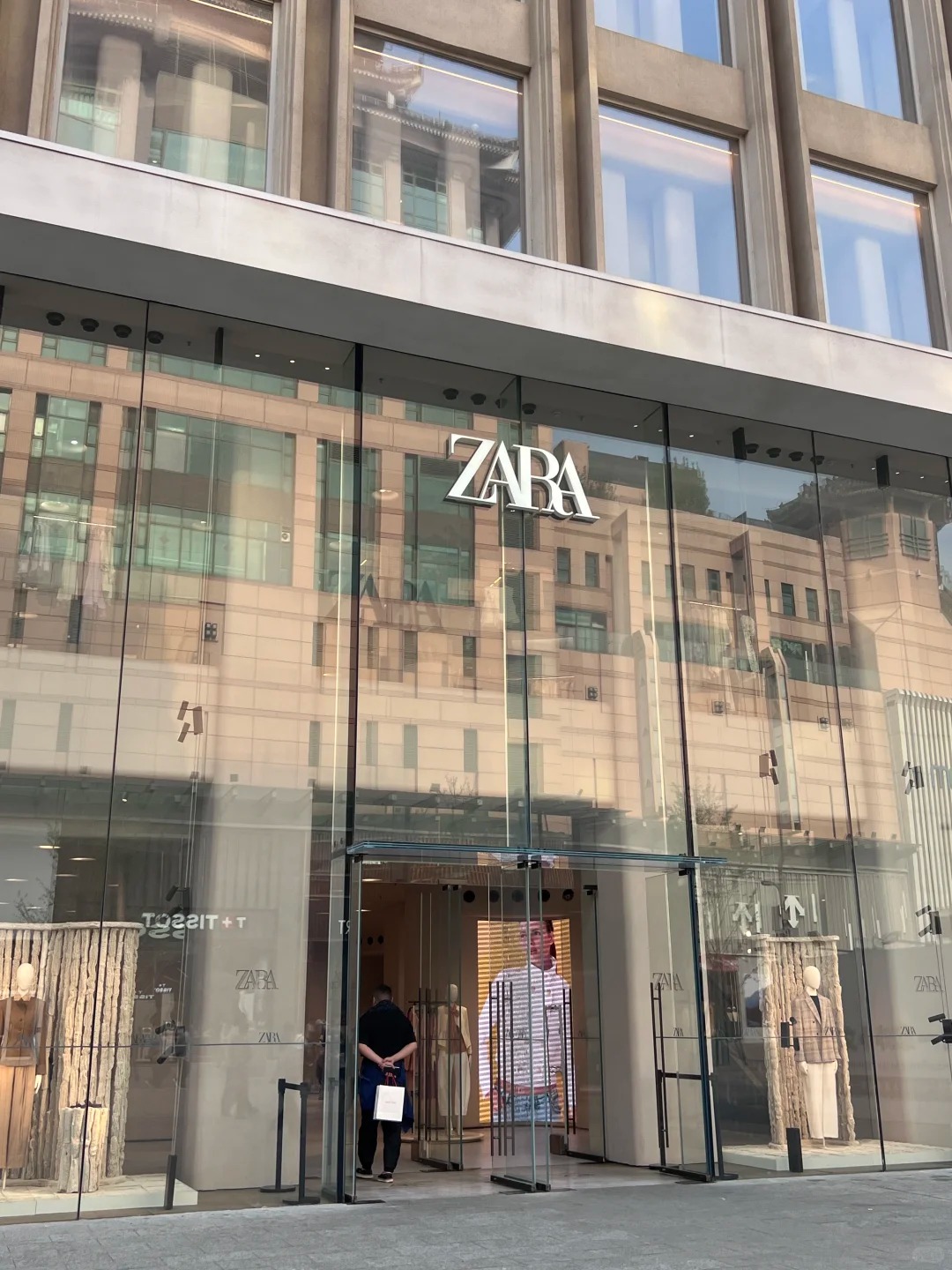
- ZARA
Brand: UNIQLO / ZARA / H&M
- Price level: Mid-range, roughly ¥99–¥599 depending on item type
- What you’ll find: Everyday basics such as T-shirts, denim, jackets, seasonal collections
- Store feel: UNIQLO in APM Beijing is relatively spacious, and product rotation is frequent, especially during seasonal transitions
Suitable for:
- Short-term travelers who don’t want sizing uncertainty
- Visitors looking for practical clothing during the trip
- People who prefer fixed pricing over bargaining or local boutiques
Fast fashion here feels very straightforward. You walk in, scan the racks, and everything is clearly labeled. There’s no complexity, which is probably why many travelers end up picking up something even if they didn’t plan to shop seriously.
Lifestyle Stores That Work Well for Souvenirs
-
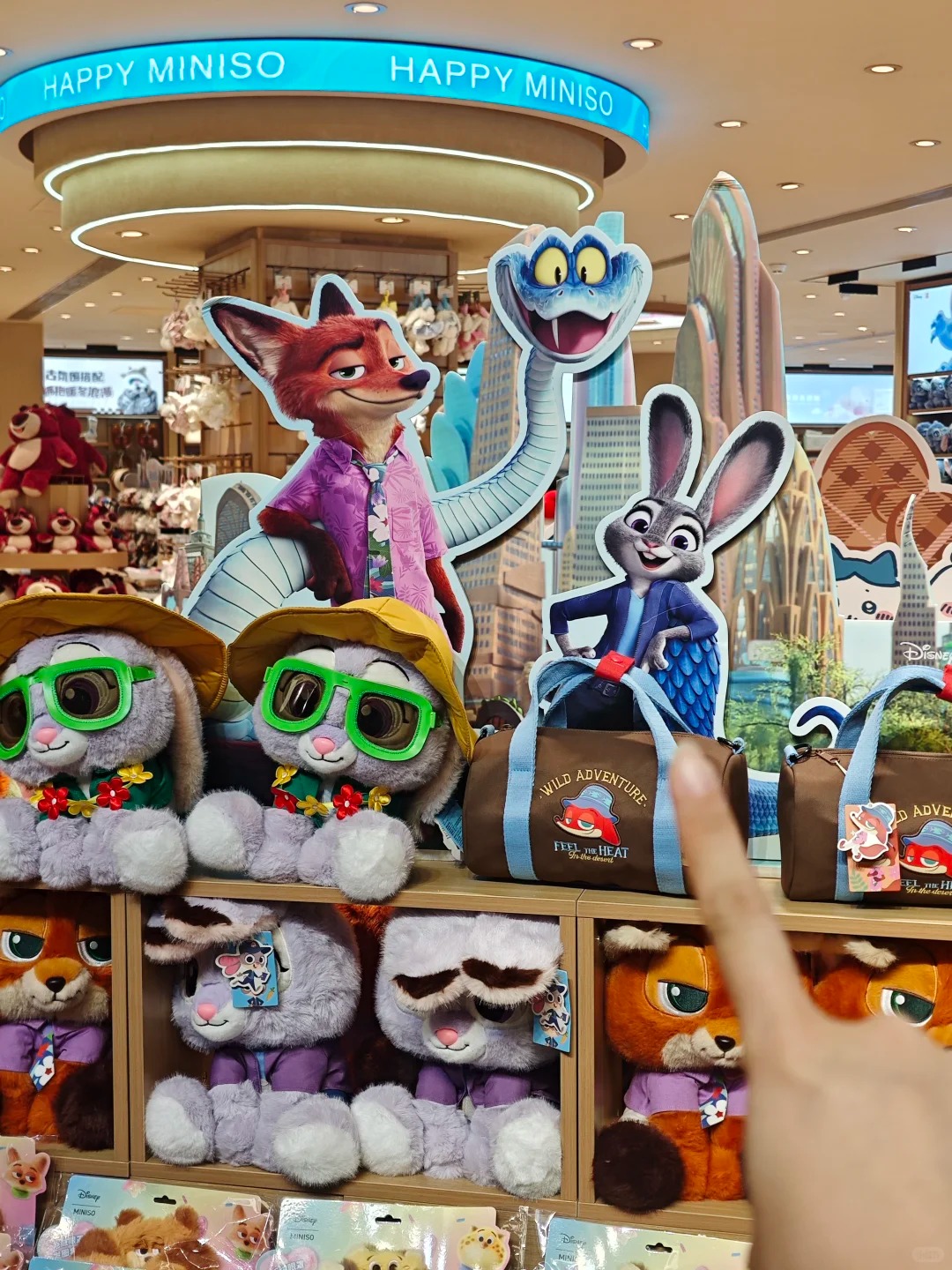
- Miniso
-
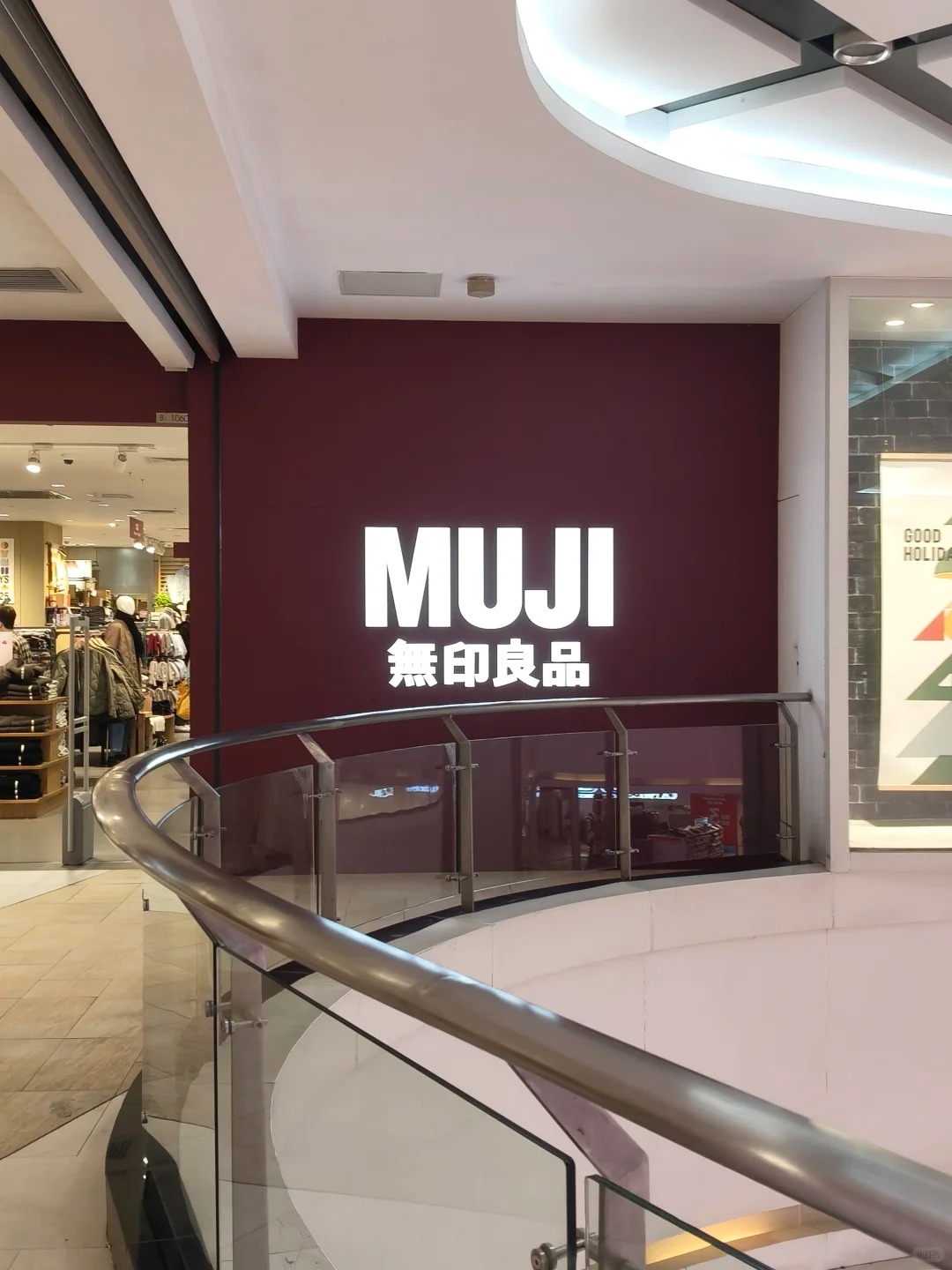
- Muji
-
- TOP TOY
Before moving deeper into fashion-heavy areas, most people naturally drift toward the lifestyle stores scattered around B1 and mid-level floors. These shops are not about fashion trends but about small, easy-to-carry items that feel like quick wins for tourists.
Brand: MINISO-type lifestyle chains
- Price level: Low to mid-range (typically ¥10–¥150)
- What you’ll find: Stationery, travel accessories, small electronics, simple gifts
- Store feel: Bright lighting, compact shelves, very easy to browse without pressure
Suitable for:
- Tourists looking for simple souvenirs
- Travelers who don’t want to spend time comparing products
- Anyone needing last-minute gift items before leaving Beijing
These stores are not unique to APM Beijing, but their convenience makes them reliable. You don’t need to think too much—you just pick what looks useful or visually interesting and move on.
Local and Trendy Brands Worth a Quick Look
-
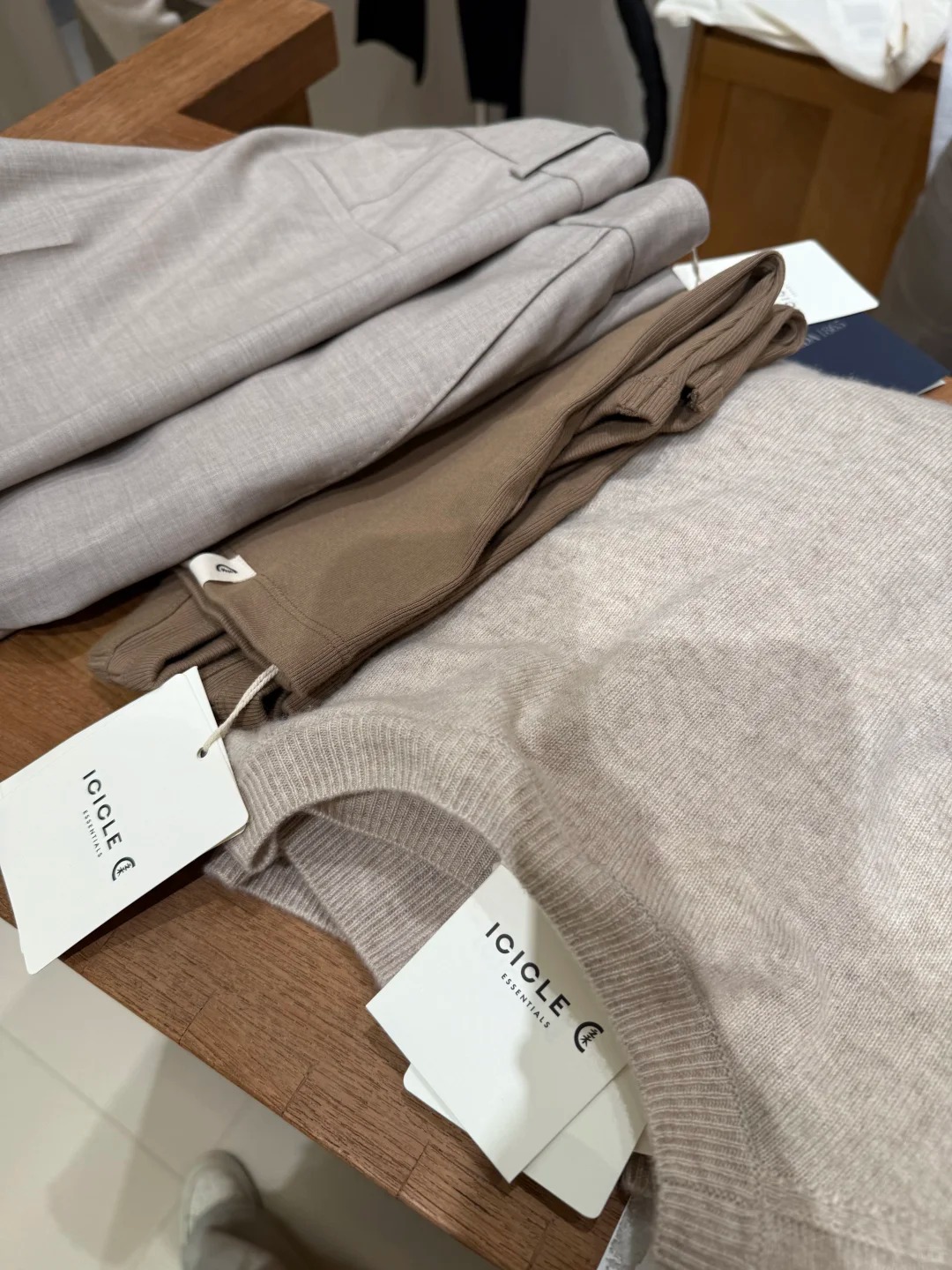
- ICICLE
-
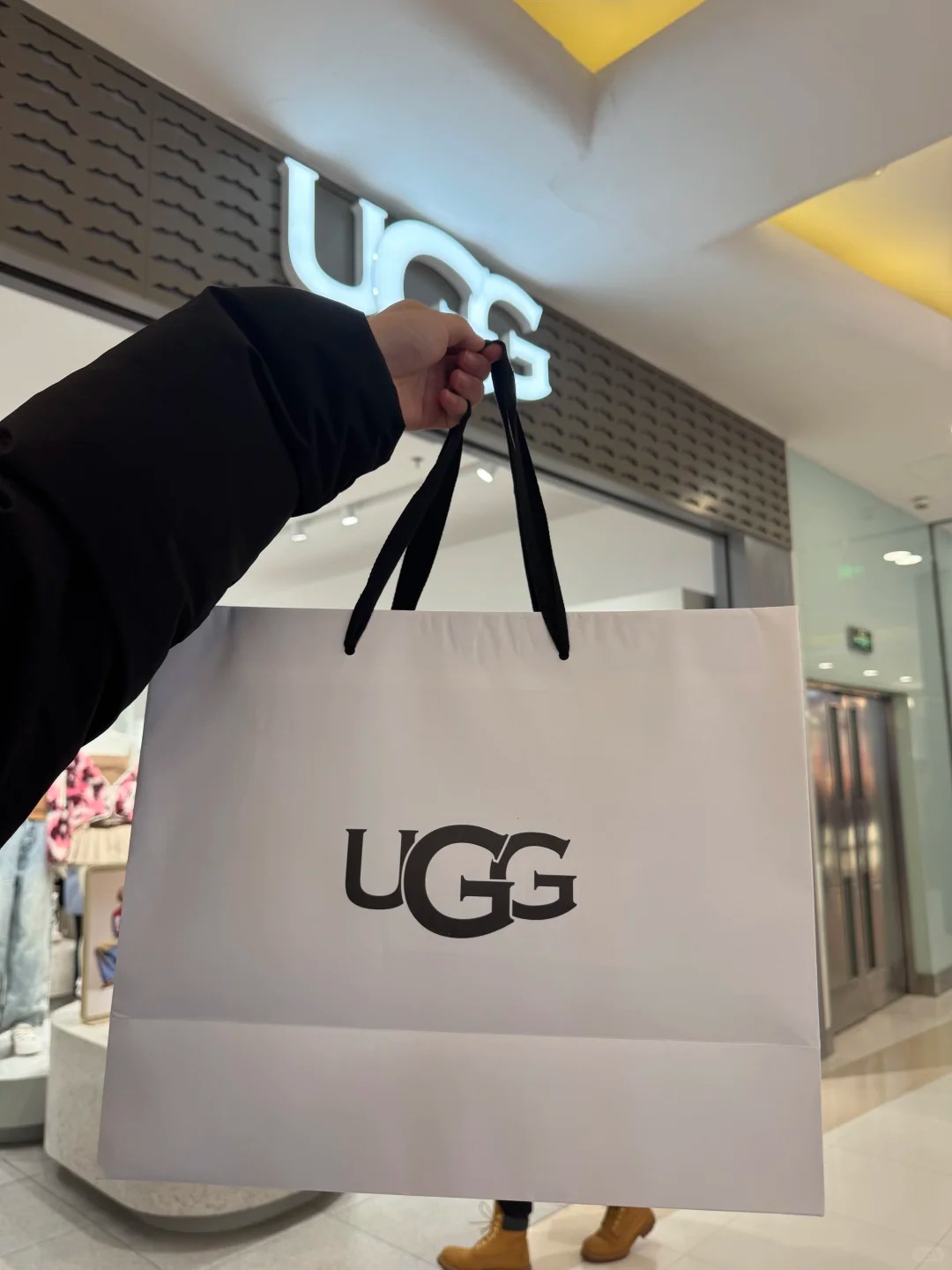
- Store of UGG
-
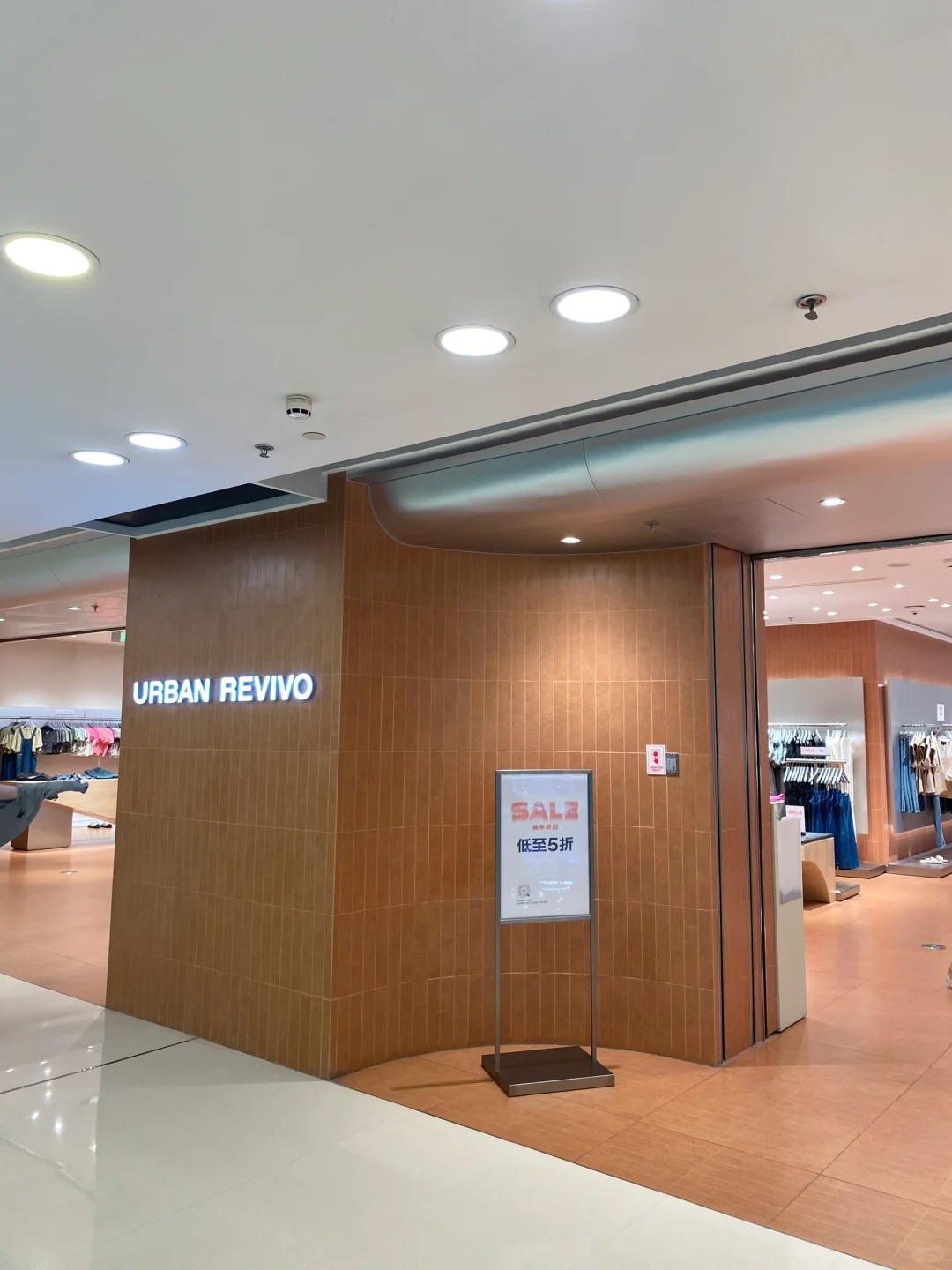
- Store of UR
After the international and lifestyle chains, the more interesting layer of APM Beijing appears in its local fashion brands. This part of the mall feels slightly less predictable, and the design language changes depending on the store. Some focus heavily on minimalist aesthetics, while others lean into bold seasonal collections.
Brand: Emerging Chinese designer labels
- Price level: Mid-range to higher (around ¥200–¥1000+)
- What you’ll find: Fashion-forward clothing, experimental cuts, seasonal drops
- Store feel: More visual storytelling, less standardized layout compared to global chains
Suitable for:
- Visitors curious about modern Chinese street fashion
- Shoppers who want something different from global fast fashion
- People who don’t mind browsing without fixed expectations
These stores are not essential stops, but they give APM Beijing a slightly more local identity. You might not buy anything, but it’s worth a quick walk-through just to see how Chinese retail brands are evolving beyond international templates.
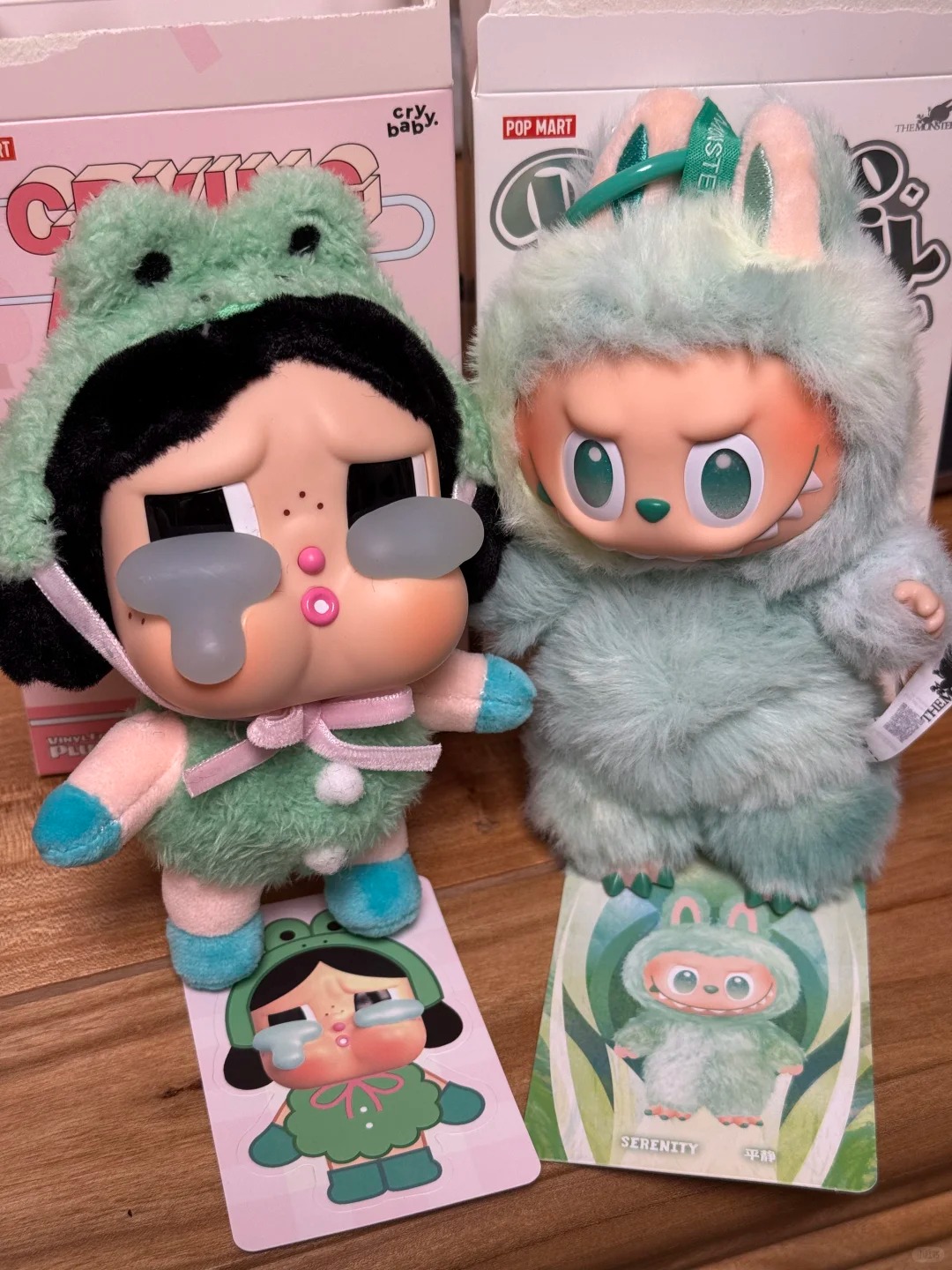
POP MART at APM Beijing Is One of the Busiest Spots
-
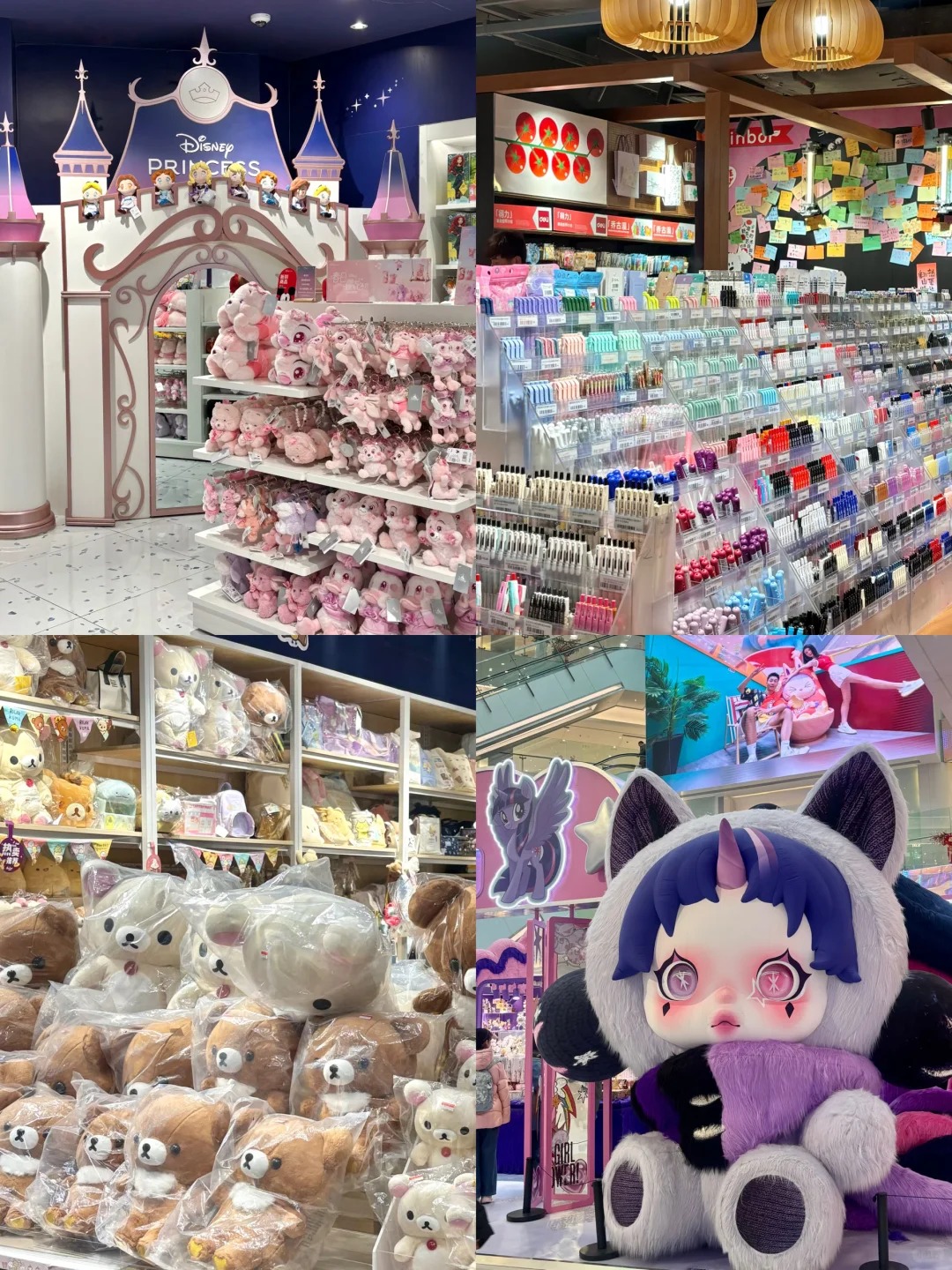
- Store of PopMart
-
- Toys of PopMart
POP MART inside APM Beijing feels different from the rest of the stores. It’s less of a retail space and more of a constant queue. Even on normal weekdays, there’s usually a small crowd near the entrance, and weekends can get noticeably packed. People don’t just come here to buy—they also come to check new blind box releases or take photos of the displays.
Prices usually range from ¥59–¥199, depending on the series, but availability is often the real issue. Popular characters sell out quickly, and some visitors end up leaving without purchasing anything after waiting in line. Whether it’s worth it depends entirely on interest in collectibles. For casual visitors, it works more as a visual stop inside APM Beijing rather than a must-buy destination, but it’s still one of the most recognizable corners in the mall.
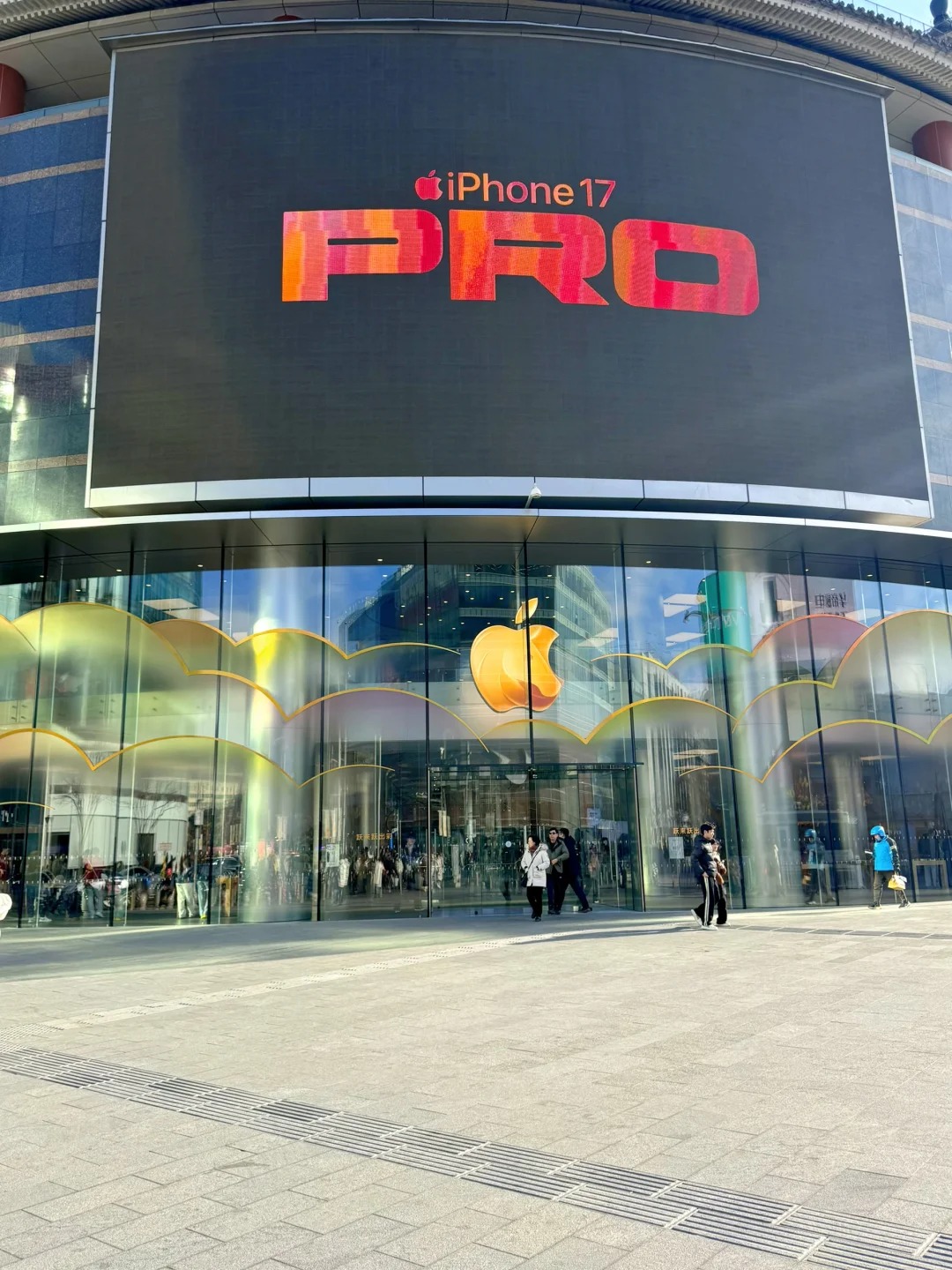
Apple Store at APM Beijing
-
- Apple Store of APM
-
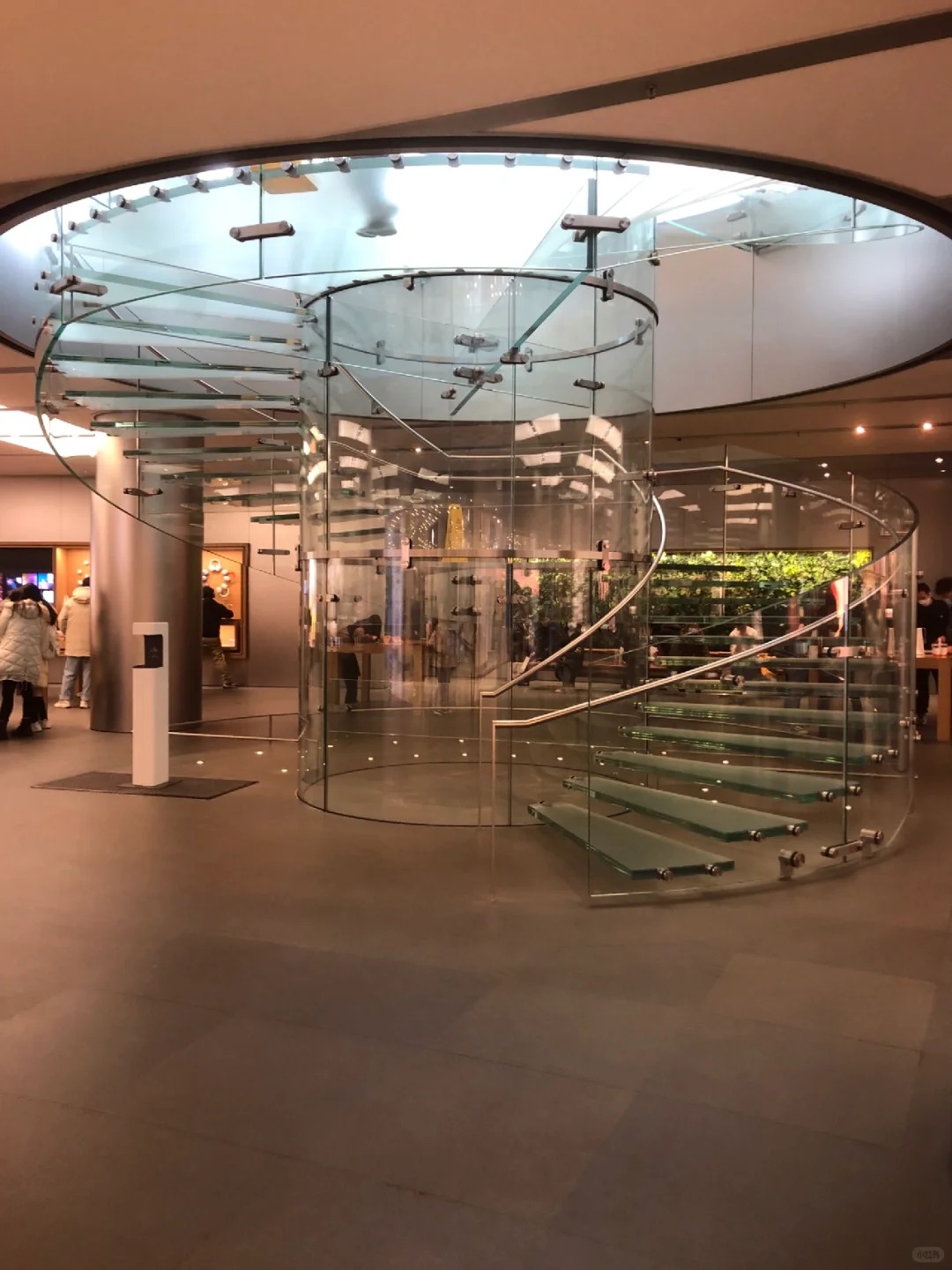
- Inside of Apple Store
The Apple Store in APM Beijing is one of the easiest spots to notice inside the mall. It sits along the main retail flow, so you naturally pass it when moving between fashion and lifestyle floors. The glass façade and open interior make it stand out immediately, even if you are not actively looking for it.
Inside, the space stays busy throughout the day. Some people come for device purchases or after-sales service, but many just stop to check new products or sit for a short break. It often feels less like a typical store and more like a shared public space, especially during peak hours when seating is almost fully taken.
From a navigation point of view, the Apple Store also works as a clear landmark inside APM Beijing. Locals often use it to orient themselves when meeting friends or switching floors. It’s not a destination you plan around, but it’s one of those places you’ll likely pass more than once without even trying.
Restaurants at APM Beijing
| Type | Location | What to Expect | Good for |
|---|---|---|---|
| Tea Shops | B1 / upper floors | Milk tea, queues | Quick stop |
| Chinese Dining | 5F–6F | Full meals, sit-down service | Lunch / Dinner |
| Fast Food | B1 | Quick bites, snacks | Short visits |
| Cafes | Multiple floors | Coffee, desserts | Rest breaks |
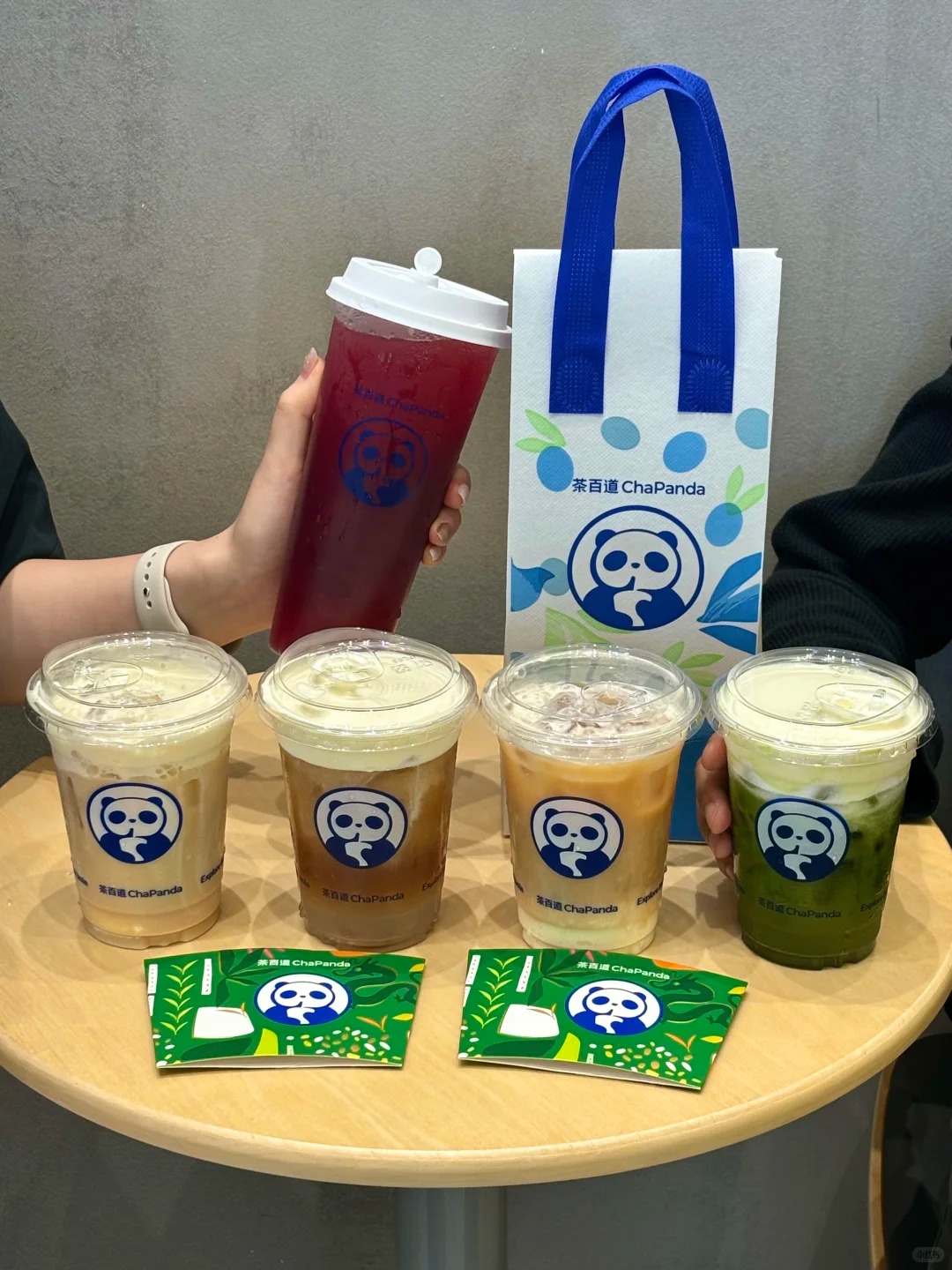
Tea and Drink Chains That Always Have a Line
-
- ChaPanda in APM
-
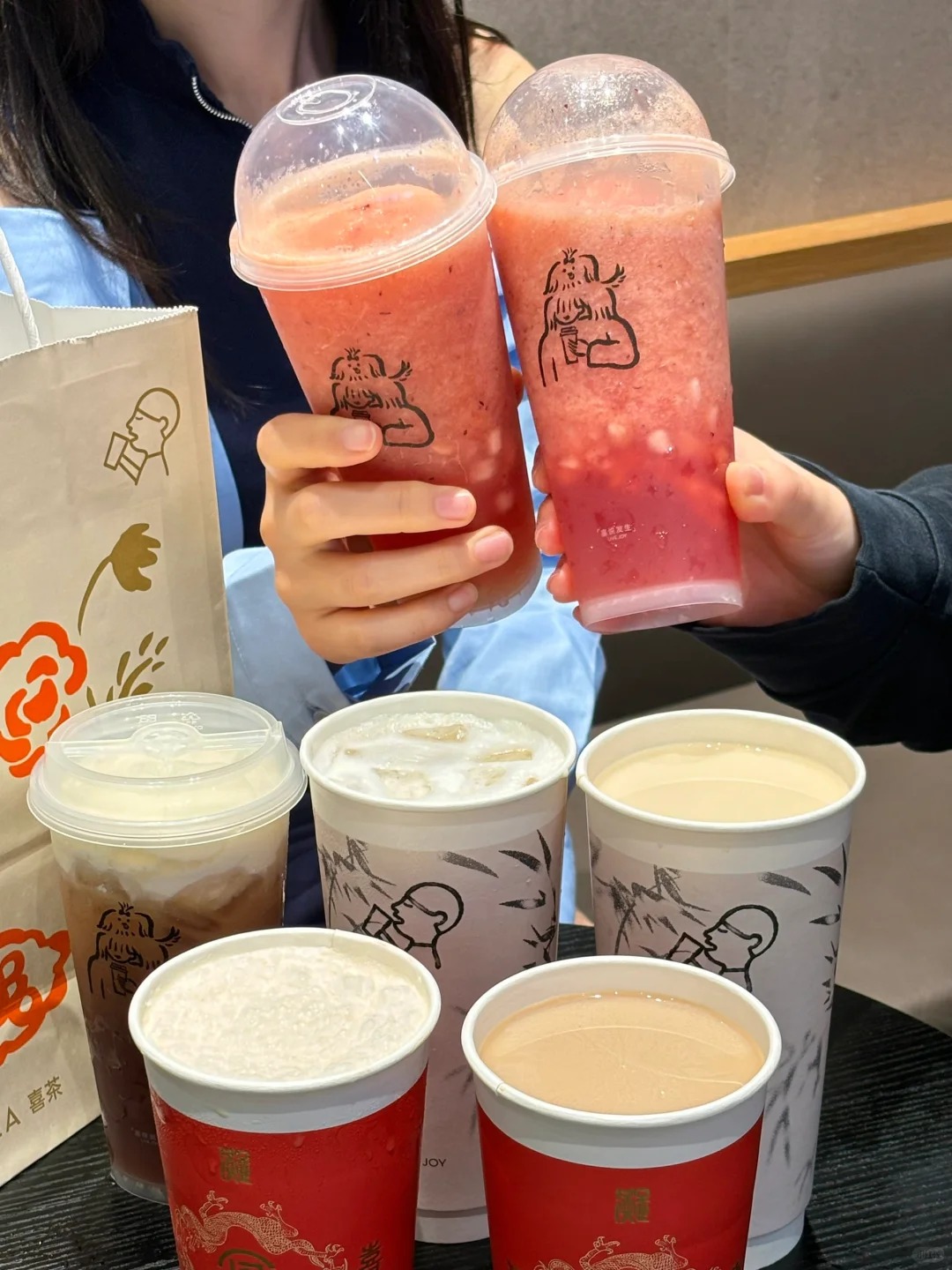
- HEYTEA in APM
Brand: CHAPANDA and similar tea chains
- Price level: ¥15–¥35 per drink
- What you’ll find: Milk tea, fruit tea, seasonal drinks, takeaway cups
- Store feel: Small counters, fast-moving queues, high visibility near escalators
Suitable for:
- Visitors who want a quick drink while shopping
- People taking short breaks between floors
- Younger crowd looking for trendy beverage brands
Tea shops are probably the most visible part of APM Beijing restaurants. CHAGEE in particular often has a steady line in the afternoon, especially between 2–5 PM when the mall gets busier. It’s not unusual to see people holding drinks while walking between floors, which basically turns these shops into part of the mall’s movement flow rather than a separate stop.
Sit Down Chinese Restaurants on Upper Floors
-
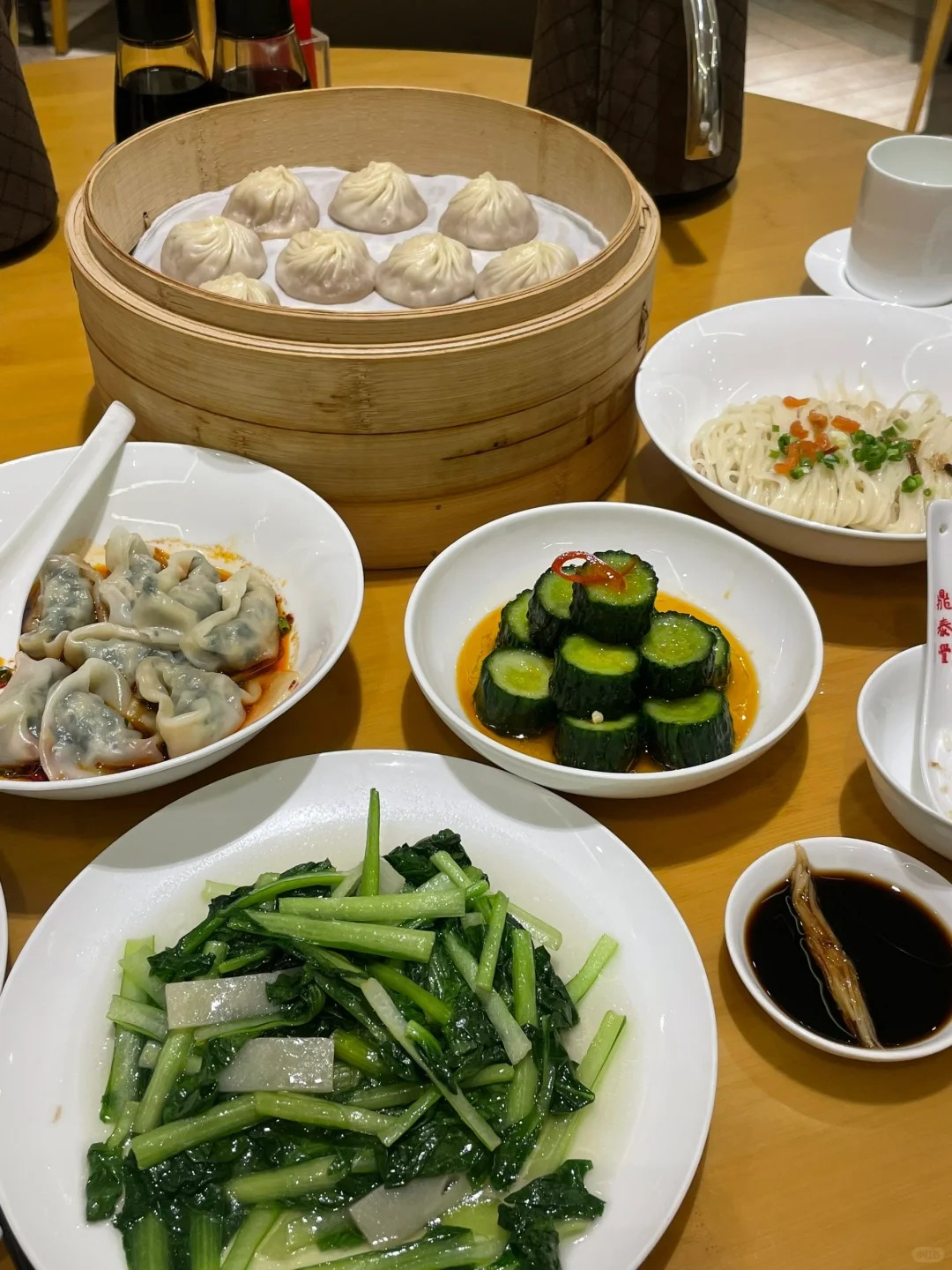
- Dingtaifeng
-
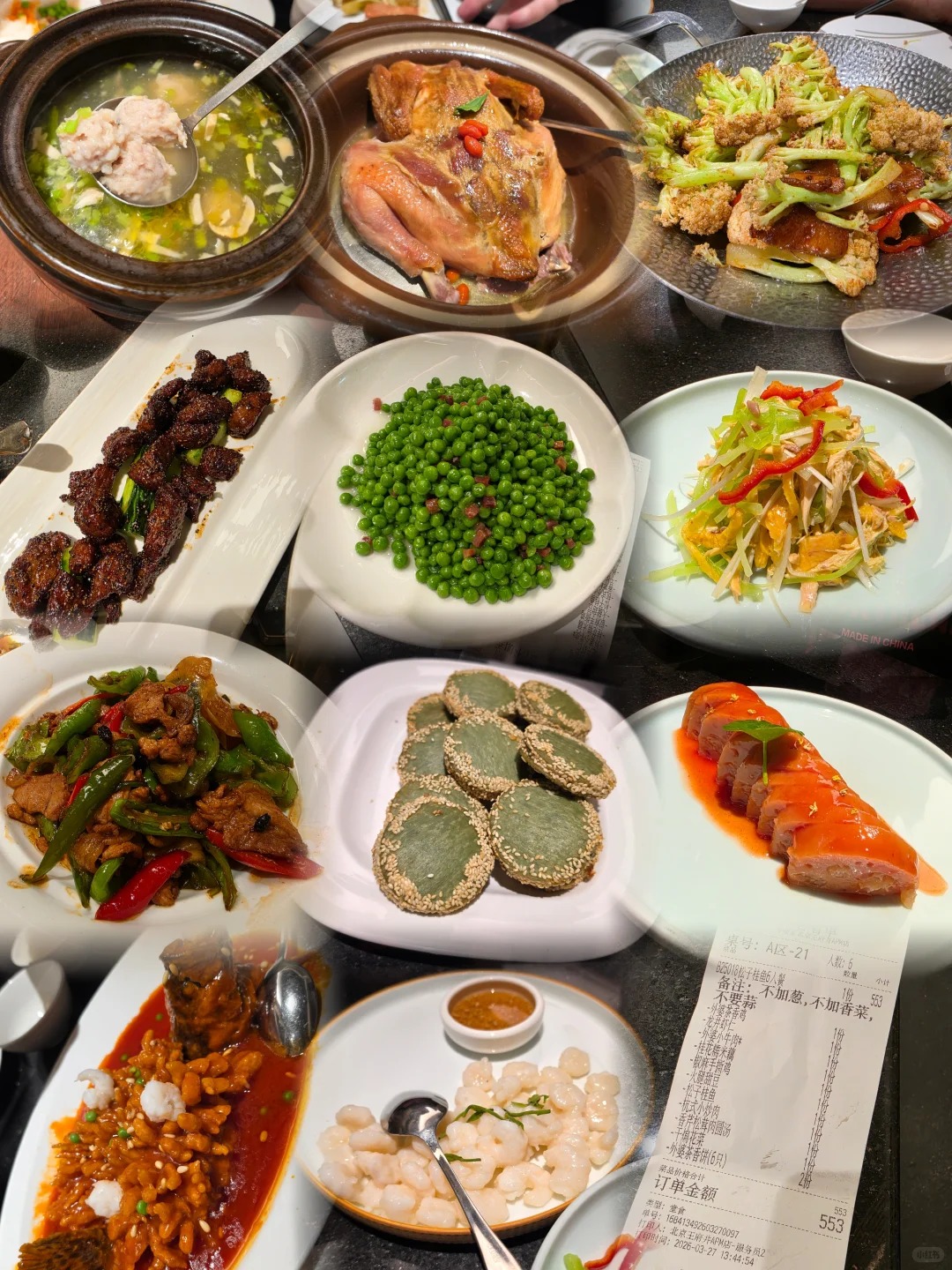
- Waipojia
Brand: Ding Tai Fung, Xiao Da Dong, and similar chains
- Price level: ¥60–¥150 per person
- What you’ll find: Dumplings, stir-fried dishes, regional Chinese meals
- Store feel: Full-service dining areas with clear menus and table service
Suitable for:
- Families or groups who want proper meals
- Foreign visitors looking for reliable menu options
- People planning lunch or dinner inside the mall
These restaurants on 5F–6F feel more structured compared to lower floors. Menus are usually bilingual, and ordering is straightforward even if you don’t speak Chinese. Among all APM Beijing restaurants, this area is the most “settled” in terms of dining experience—you sit down, order, and stay for a proper meal instead of quick snacking. Some places can get busy during peak dinner hours, but turnover is relatively smooth.
Quick Food Options in B1 That Save Time
-
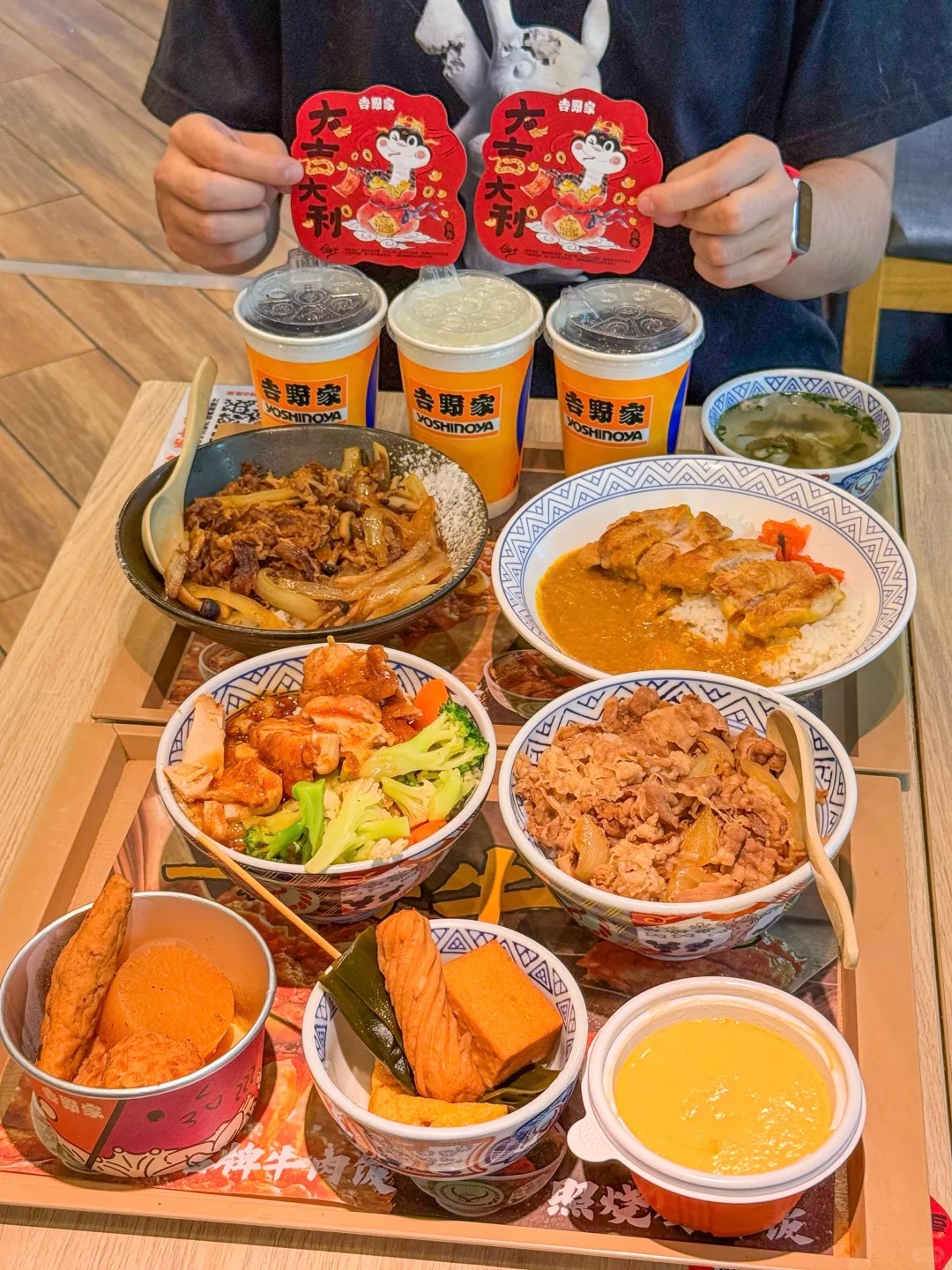
- Jiyejia
-
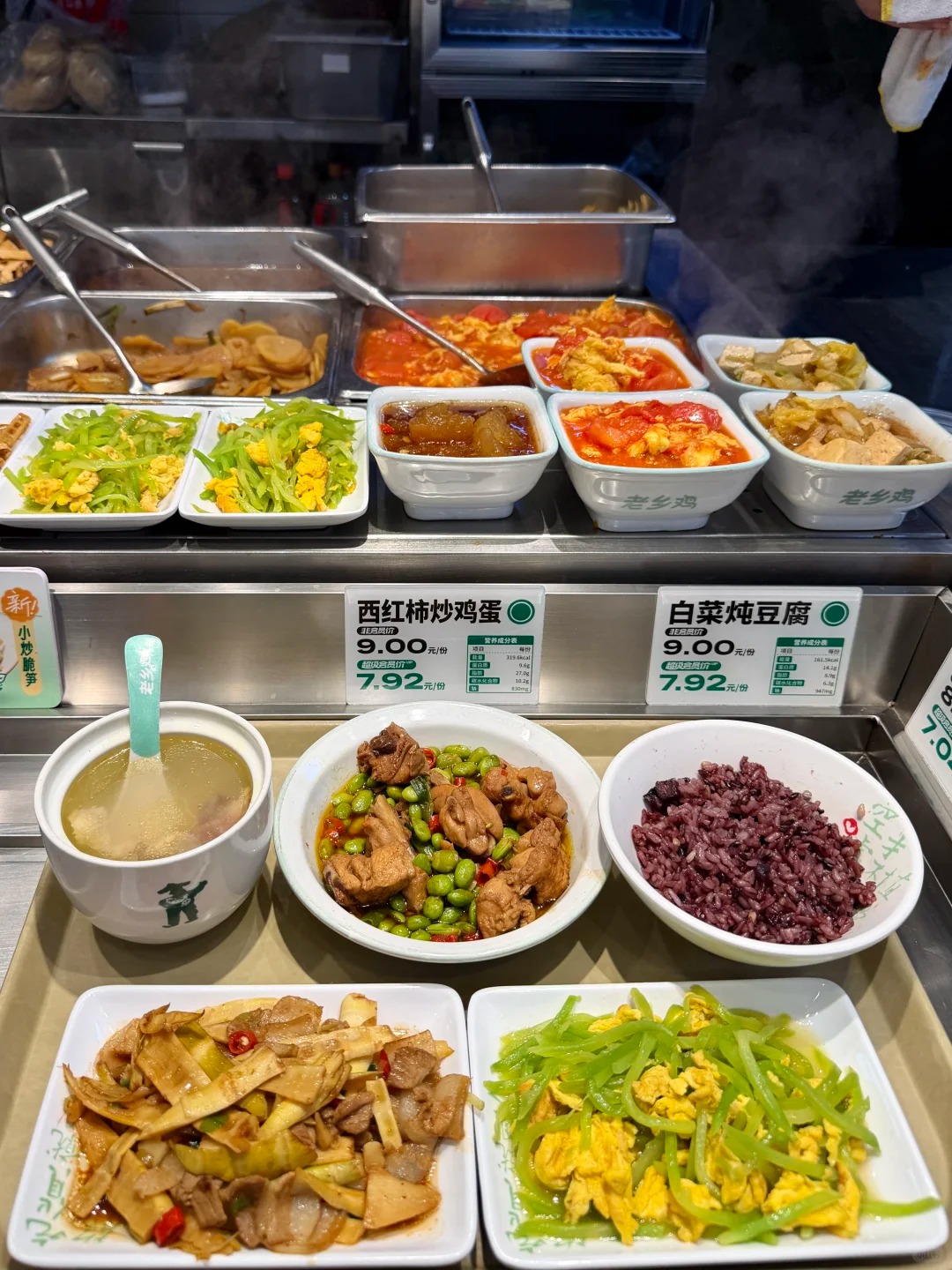
- Laoxiangji
Brand: Fast food counters and casual eateries
- Price level: ¥20–¥60 per item
- What you’ll find: Noodles, fried snacks, rice boxes, quick meals
- Store feel: Food court style, self-service, fast turnover
Suitable for:
- Travelers with limited time
- Shoppers who want a fast meal between stores
- Budget-conscious visitors
The B1 level is where most quick dining decisions happen. People don’t usually sit long here. It’s more about grabbing something, eating quickly, and moving on. Compared to upper floors, the atmosphere is louder and more crowded, especially during lunch hours when seating becomes limited. Still, for efficiency, this is where APM Beijing restaurants feel most practical.
Cafes That Work for a Short Break
-
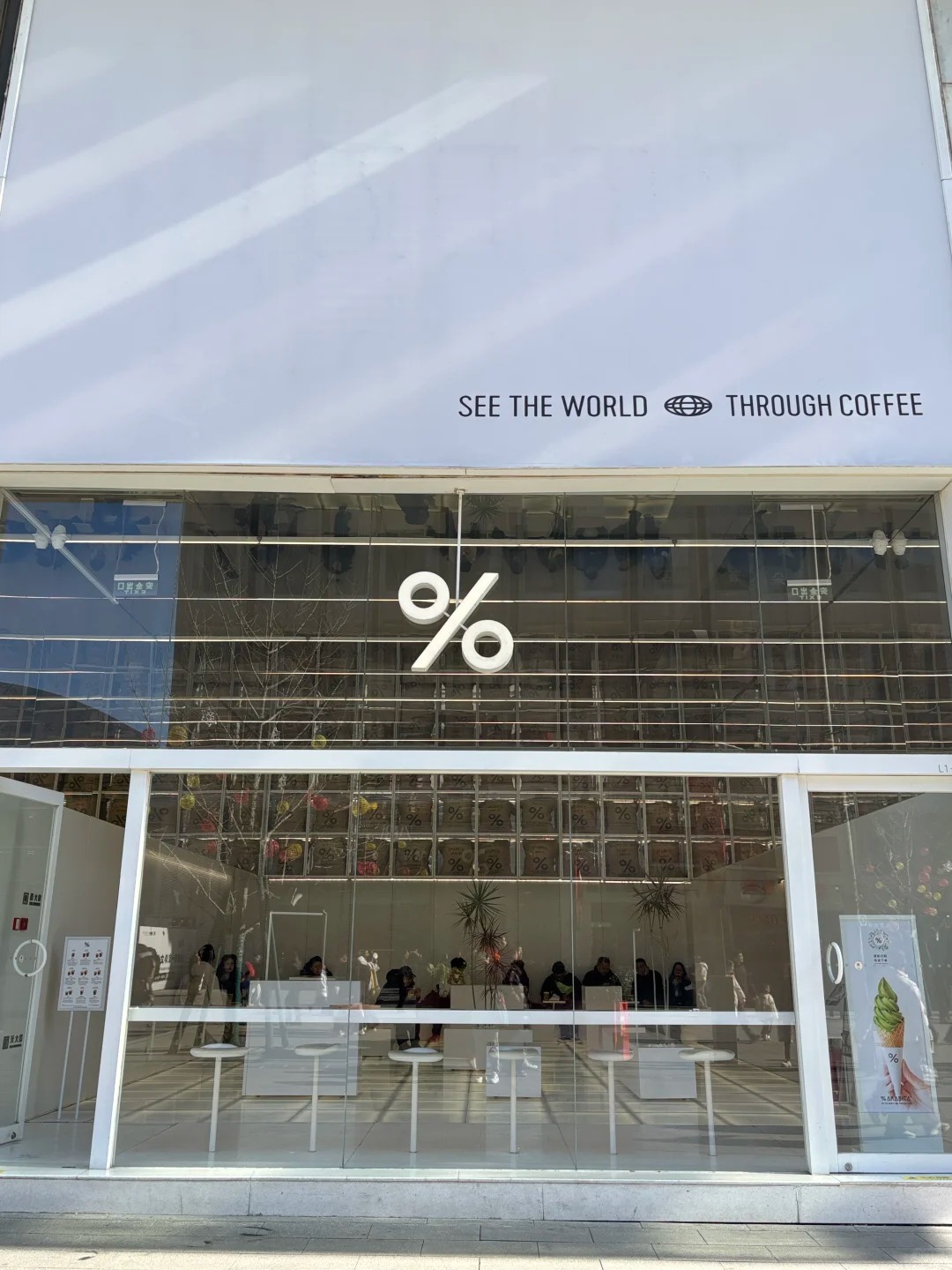
- Arabica
-
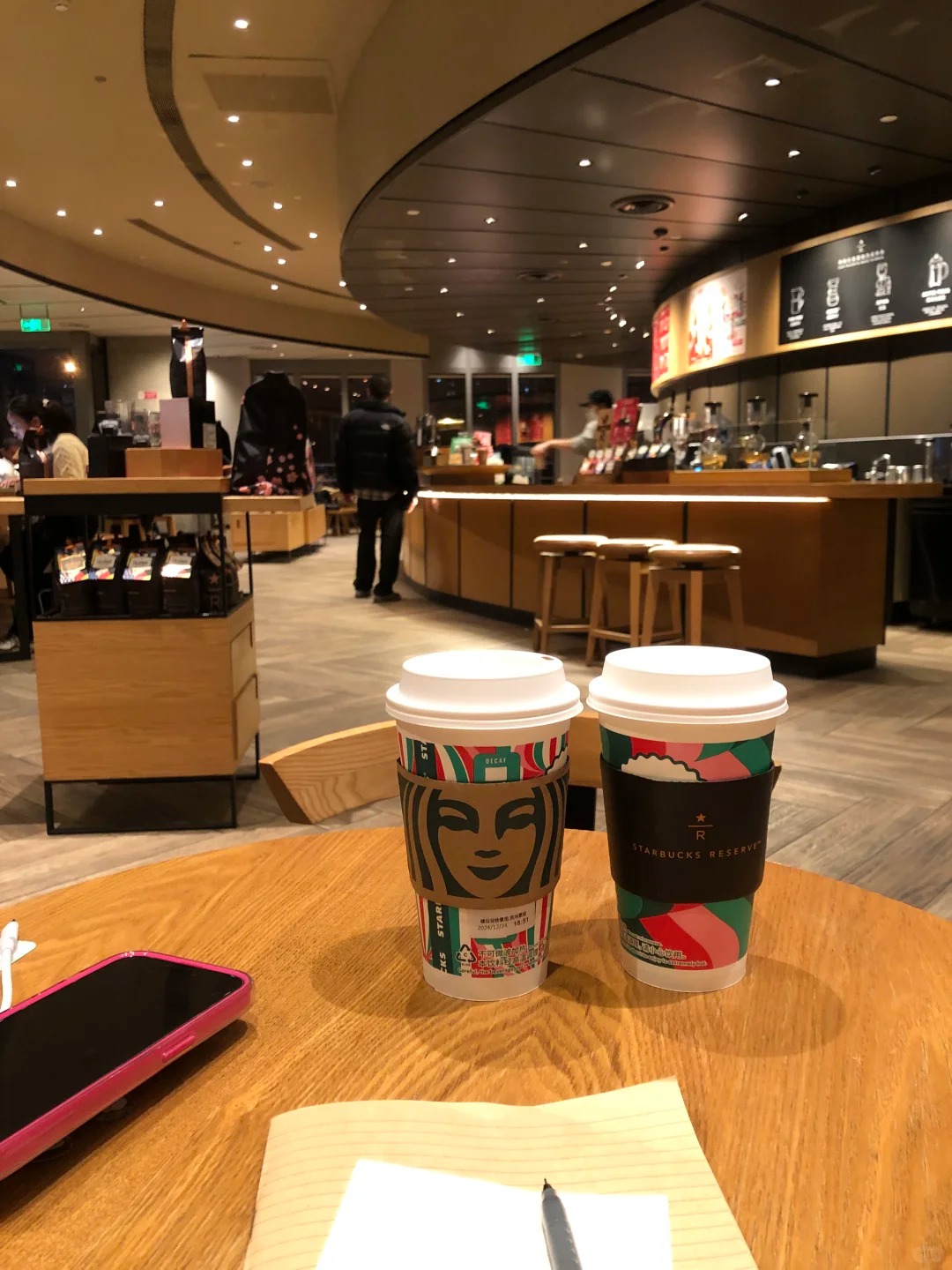
- Starbuck
Brand: Coffee chains and dessert cafes
- Price level: ¥25–¥50 per drink or dessert
- What you’ll find: Coffee, pastries, light desserts
- Store feel: Smaller seating areas, often near retail clusters
Suitable for:
- People needing rest between shopping
- Visitors escaping crowded floors
- Casual meetups or short breaks
Cafes inside APM Beijing are not as visually prominent as tea shops, but they serve an important function. They are scattered across multiple floors, so you often find one when you least expect it. Seating availability can vary, especially on weekends, but during weekday afternoons, they are a quiet alternative within APM Beijing restaurants for anyone needing a break from walking.
Latest Events and Pop-Ups at APM
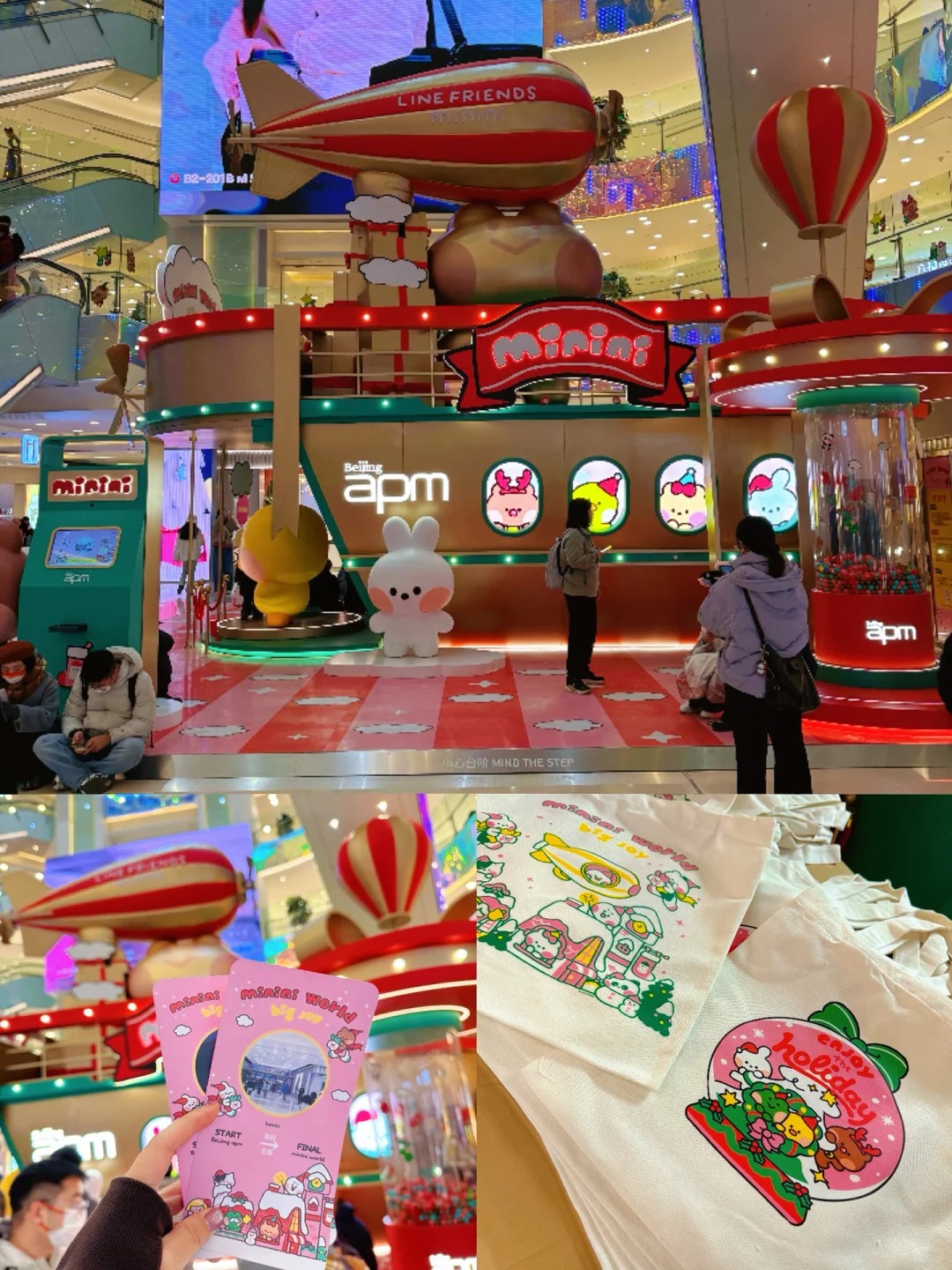
IP Collaboration Pop-Ups and Character Installations
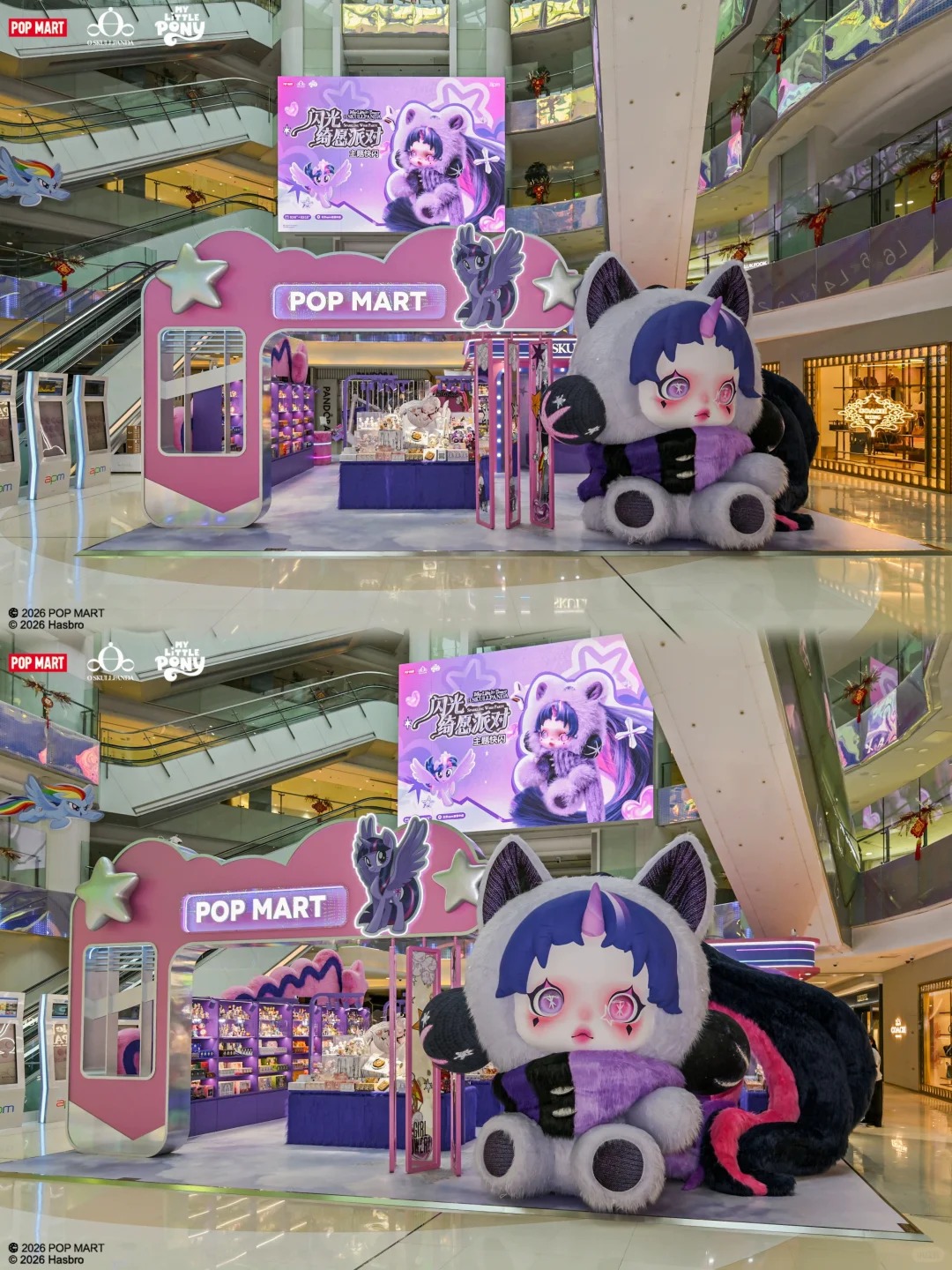
IP Collaboration Pop-Ups
IP pop-ups are probably the most visible type of event inside APM Beijing. These usually appear on the ground or first floor atrium area, where foot traffic is highest and people naturally slow down.
- Typical brands: POP MART IPs like SKULLPANDA, DIMOO, or seasonal cartoon collaborations
- What happens: Limited-edition merchandise, themed decoration, photo zones
- Price level: Free entry, products usually ¥59–¥199 range
- Who it attracts: Young shoppers, collectors, social media visitors
These setups are heavily visual. You’ll often see people lining up just to take photos, even if they don’t plan to buy anything. On weekends, the queue can stretch around the installation area, and staff usually manage entry flow. It feels more like a temporary exhibition than a retail space, which is why it spreads quickly on social platforms.
Seasonal Campaign Installations
Seasonal Campaign Installations
Seasonal events are less brand-specific and more tied to holidays or shopping cycles. APM Beijing uses these periods to refresh its central space with large visual decorations.
- Typical themes: Spring Festival, summer sales, Christmas-style lighting setups
- What happens: LED installations, themed photo backdrops, light shows
- Duration: Usually 1–3 weeks depending on campaign
- Who it attracts: General shoppers, families, tourists
These events don’t always have a shopping focus. Sometimes it’s just about creating a visual reason to stop in the middle of the mall. Based on user posts on Xiaohongshu, many visitors actually come specifically to “check what’s new” rather than shop. That gives APM Beijing a slightly different rhythm compared to more static malls in the area.
Brand Promotion and Limited-Time Retail Activations
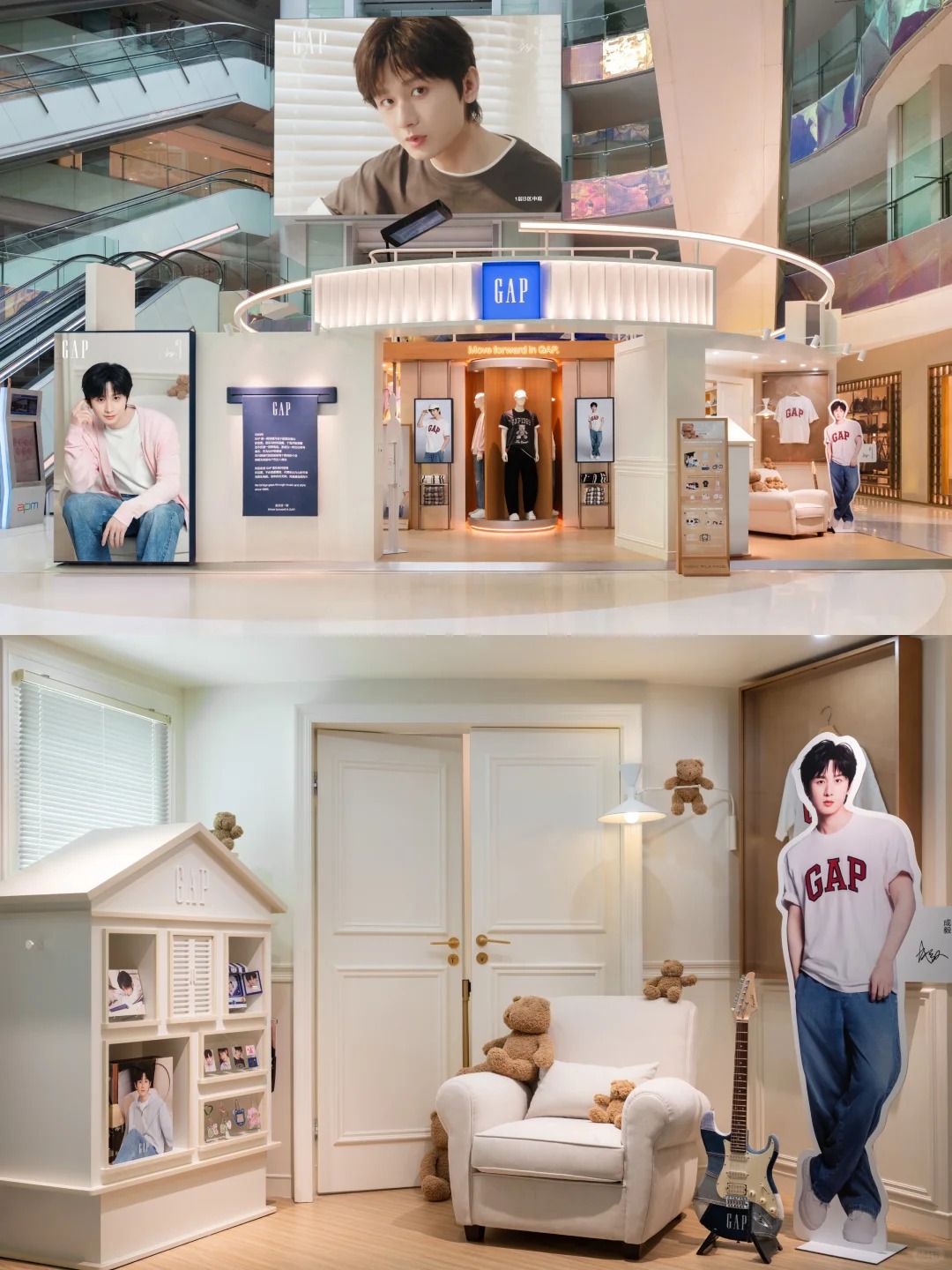
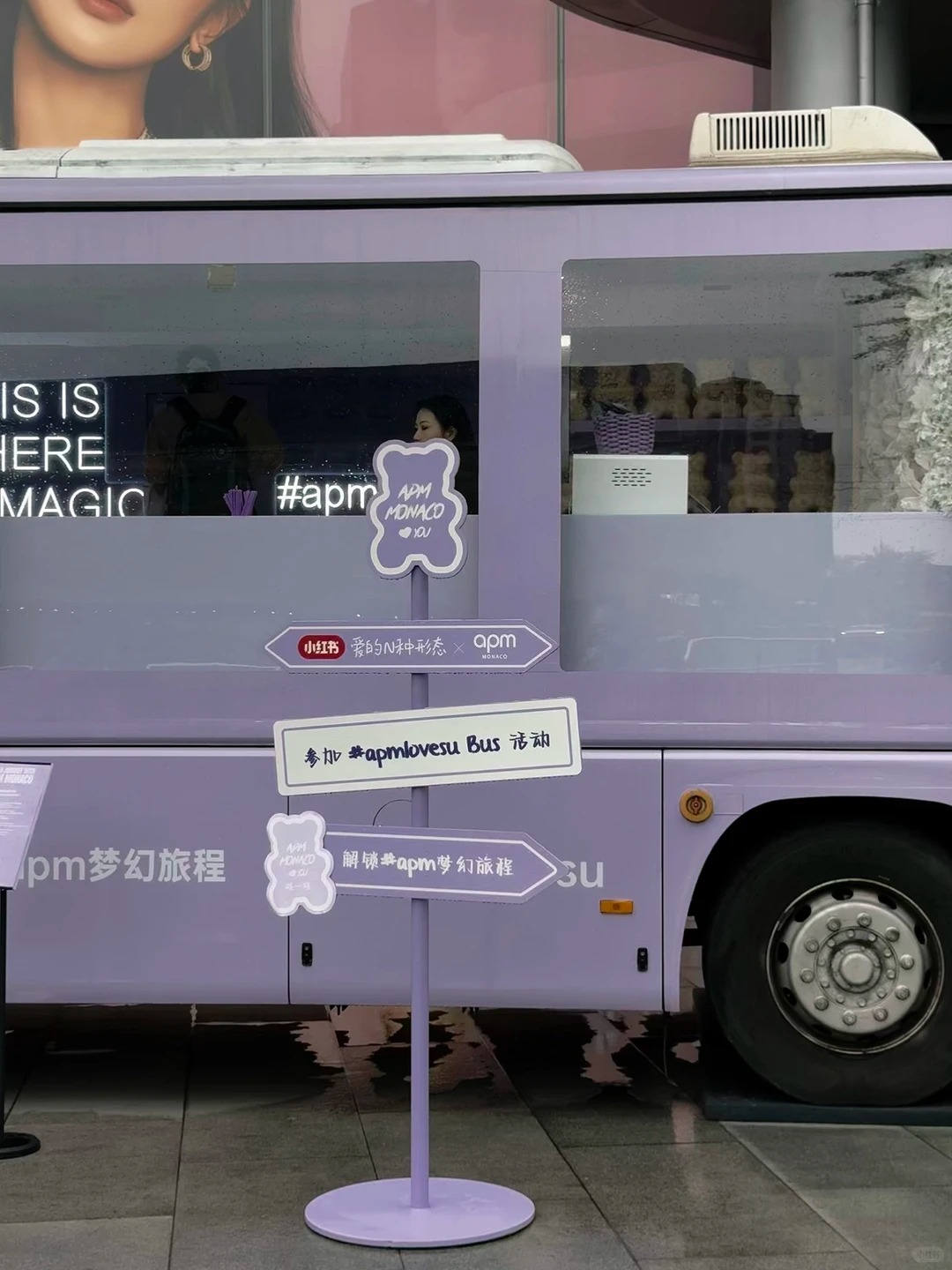
Brand Promotion and Limited-Time Retail Activations
Another common format is short-term brand activations. These are closer to marketing campaigns than traditional stores and often appear without much warning.
- Typical brands: Fashion labels, beverage chains, tech products
- What happens: Temporary booths, product testing, free samples, launch events
- Price level: Usually free to enter, products vary
- Who it attracts: Curious shoppers, trend followers, passersby
These activations are usually short-lived and change frequently. One week it might be a drink brand launch, the next a small fashion showcase. Compared to permanent stores, these setups feel more experimental and are often used to test new products or attract attention through novelty rather than scale.
APM Compared With Other Beijing Malls
Compared With WF Central
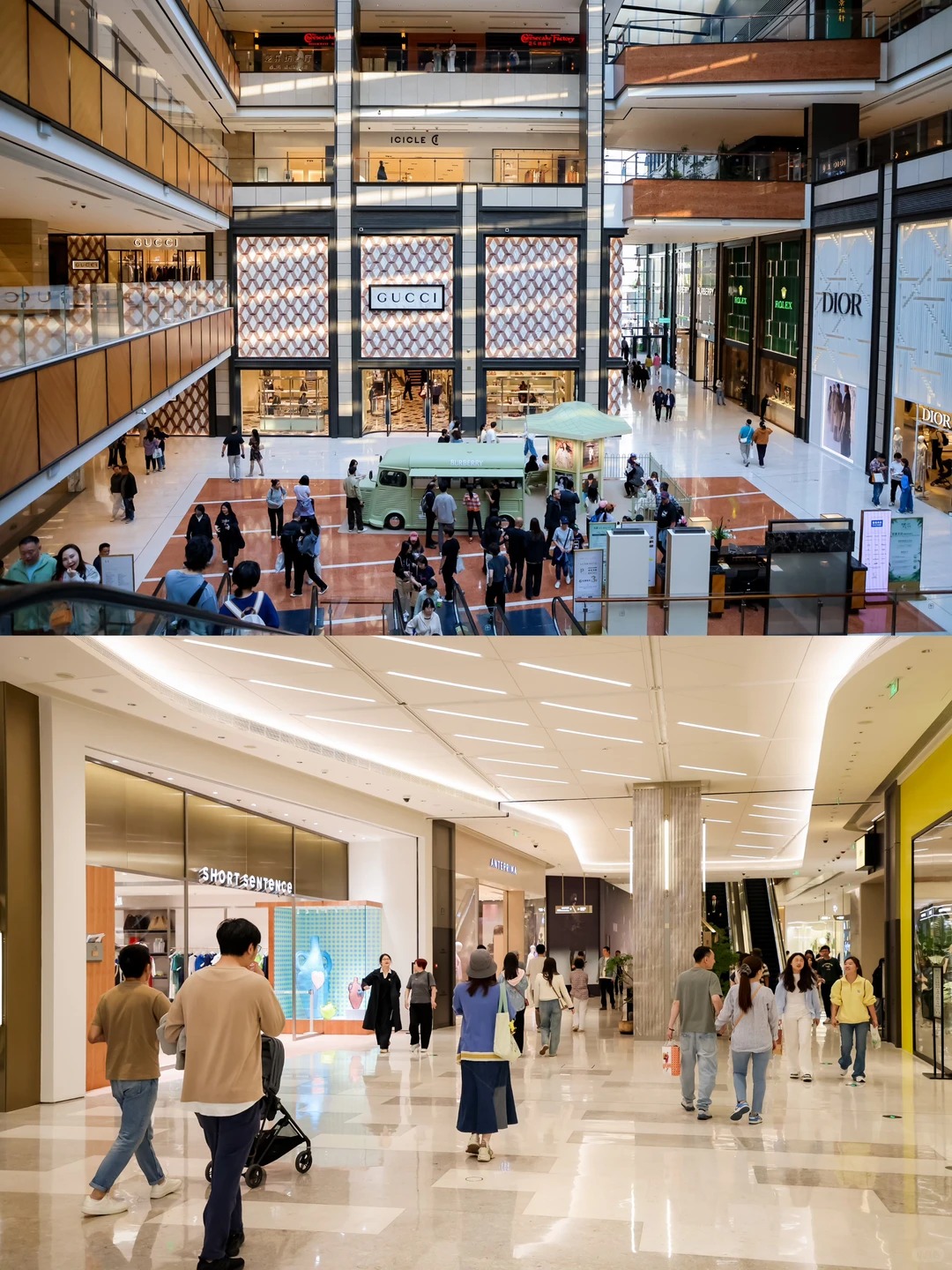
WF Central Basement and Lower Ground
Compared with WF Central, the contrast is quite clear. WF Central feels more curated and high-end, with luxury brands, polished interiors, and a slower shopping rhythm. APM Beijing, on the other hand, is more functional. You don’t really pause to admire the space—you move through it.
If WF Central is about “high-end experience shopping,” APM is closer to “daily-use convenience in a busy area.” Prices, store mix, and even crowd behavior reflect that difference. In APM, you’ll see more casual visitors and quick shopping decisions. In WF Central, people tend to browse longer and spend more time in fewer stores. It’s not that one is better, but they clearly serve different expectations.
Compared With Sanlitun Shopping Areas
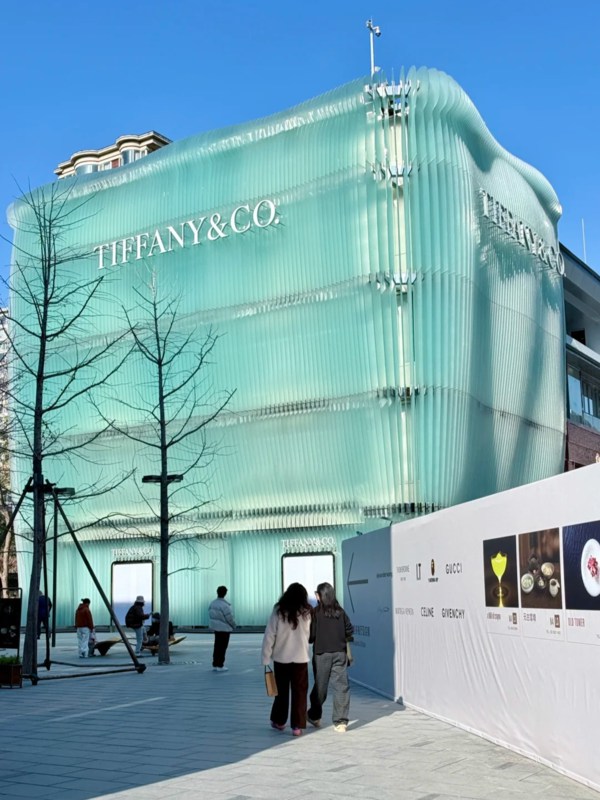
Tiffany Sanlitun Lantern Giveaway
Sanlitun and APM Beijing feel like two completely different versions of shopping in the same city. Sanlitun is louder, more international, and often tied to nightlife and trend culture. People go there not just for shopping, but for atmosphere, restaurants, and social energy that continues into the evening.
APM, by comparison, is more straightforward. It’s located right in Wangfujing, which makes it easier to access, especially for tourists who are already visiting central Beijing. You don’t go there for fashion statements or nightlife—you go because it’s simple, predictable, and everything is within a compact walking range. In that sense, APM Beijing is less about lifestyle branding and more about practical city shopping that fits into a tight schedule.
FAQ about APM Beijing
Q: Is APM Beijing worth visiting for tourists?
APM Beijing is worth visiting mainly if you are already in Wangfujing and want somewhere easy to stop without planning. It is not a landmark destination like luxury malls in Beijing, but it works well for quick shopping, food breaks, and short walks indoors. Most visitors spend around 1–2 hours here, especially when the weather outside is too hot or too cold. It feels more practical than impressive, but that is also why many travelers end up actually using it rather than just passing by.
Q: What stores are inside APM Beijing?
The store mix in APM Beijing is quite balanced between international fast fashion and casual lifestyle brands. You will find UNIQLO, ZARA, H&M, MINISO-style shops, POP MART, and a few local Chinese fashion labels. It is not a luxury-focused mall, so you won’t see major high-end designer flagships. Instead, the focus is on everyday shopping and trend-driven retail that is easy to browse without pressure or long decision-making.
Q: Does APM Beijing have a supermarket?
There is no full-scale supermarket inside APM Beijing, which surprises some first-time visitors. The mall is designed more around fashion, dining, and lifestyle retail rather than daily grocery shopping. You might find small convenience-style stores or packaged snack options, but not a proper supermarket for fresh food or household items. If that is what you are looking for, nearby commercial areas around Wangfujing are more suitable.
Q: Where should I eat in APM Beijing?
Food is spread across multiple levels, but most people end up choosing between B1 and the upper dining floors (5F–6F). B1 is better for quick meals, milk tea, and fast snacks, while upper floors offer sit-down restaurants like dumpling chains and casual Chinese dining. The experience depends on time: if you are in a rush, B1 works well; if you want to sit down and rest, upper floors are more comfortable and less crowded during non-peak hours.
Q: How do I get to APM Beijing by subway?
The most convenient station is Wangfujing on Line 1 and Line 8, which connects directly to the main shopping area. Some exits lead you very close to the mall entrance, so you may find yourself inside APM within a few minutes of leaving the platform. Dengshikou Station (Line 5) is another option and usually takes around 5–10 minutes to walk. Because it is located in central Beijing, taxis and ride-hailing apps are also easy and relatively affordable, especially for short distances.
Q: Is APM Beijing expensive?
APM Beijing sits in the mid-range category. Fast fashion stores like UNIQLO and ZARA are reasonably priced, while local designer brands can be slightly higher depending on the collection. Food and drinks are also moderate, with milk tea around ¥15–35 and restaurant meals typically ¥40–150 per person. It is not a budget mall, but it is far from luxury pricing, making it accessible for most travelers.
Q: What makes APM Beijing different from other malls?
APM Beijing stands out more for convenience than uniqueness. Unlike WF Central or Sanlitun, it does not focus heavily on luxury branding or lifestyle identity. Instead, it works as a compact shopping space where everything is close together—food, retail, and rest areas. The atmosphere is more functional and less curated, which makes it easier for short visits without needing a clear plan.
Q: How long should I spend in APM Beijing?
Most people spend between 1 and 3 hours depending on whether they eat inside or just browse. A quick walkthrough of key floors can be done in about an hour, especially if you stick to B1, 1F, and the main retail levels. If you include a meal or café stop, it naturally extends closer to 2–3 hours. It is not a full-day destination, but it fits well into a larger Wangfujing itinerary.
Q: Is APM Beijing good for souvenirs?
Yes, but in a simple and practical way. Stores like MINISO-style shops and small lifestyle brands are the main sources for souvenirs such as small gifts, accessories, and travel items. It is not a cultural souvenir hub, so you won’t find traditional handicrafts or historical items. However, for quick, affordable, and easy-to-pack gifts, it works well, especially for travelers on a tight schedule.