WF Central Beijing Feels Like a Hidden Luxury Mall in Wangfujing
WF Central Beijing Feels Like a Hidden Luxury Mall in Wangfujing
WF Central
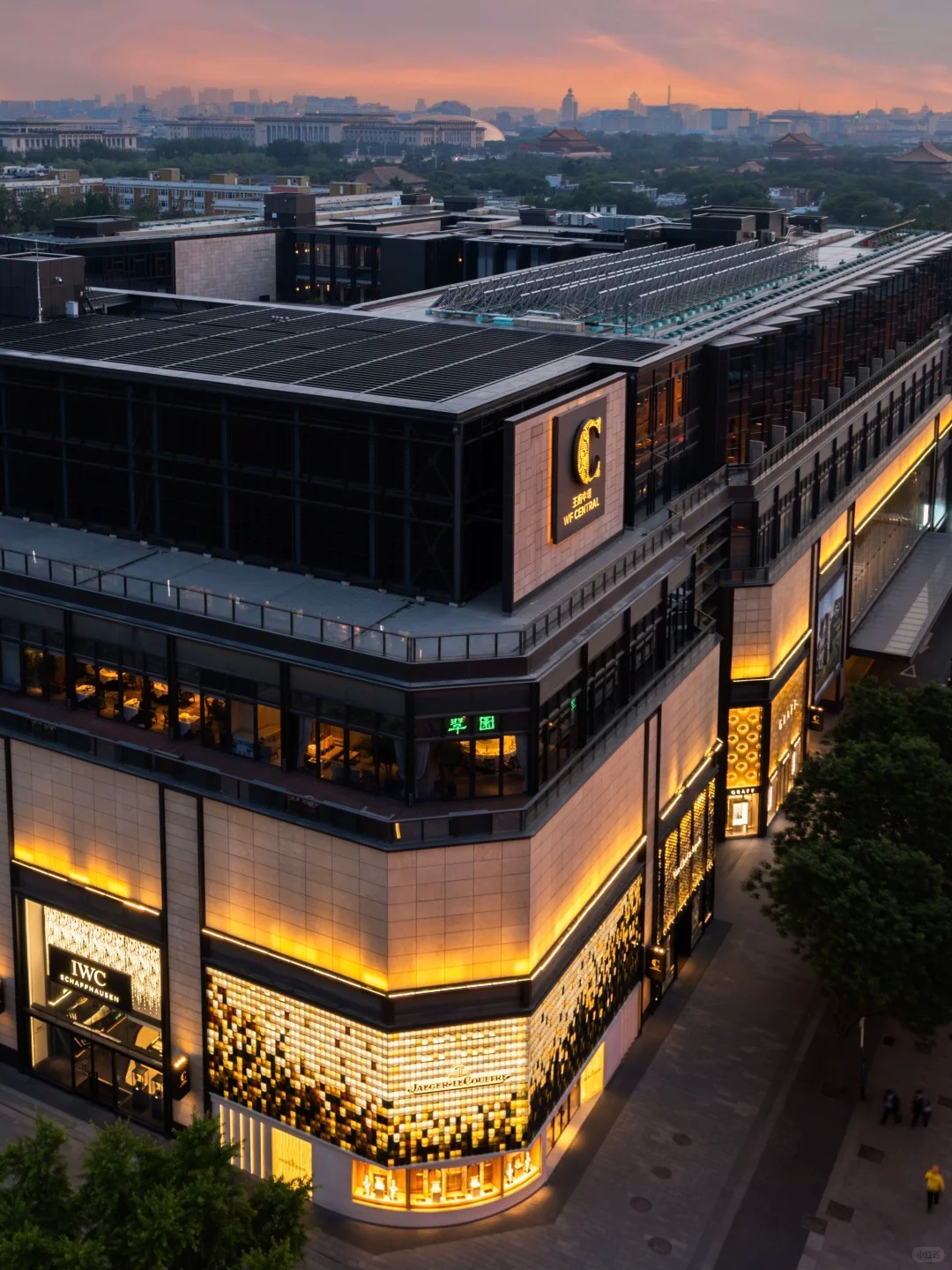
Wangfujing is packed with malls, and most of them feel loud, crowded, and a bit repetitive after a while. WF Central Beijing sits right in the middle of it, but the vibe is noticeably different. You step inside and things slow down—fewer people, wider spaces, less pressure to actually buy anything.
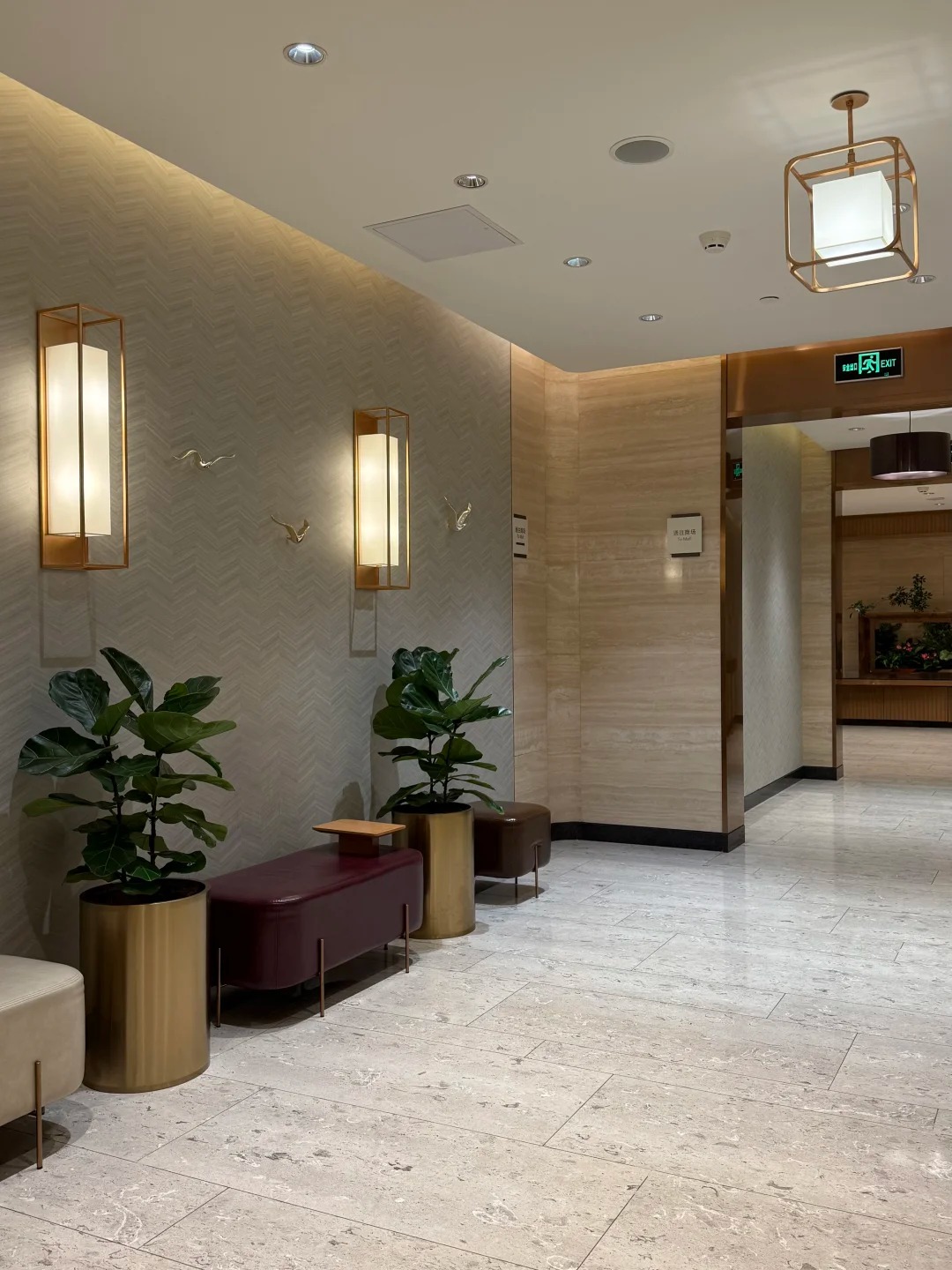
It’s not the biggest mall, and honestly, not the most exciting at first glance. But after spending some time there, I started to see why people rate it around 4.3+ on TripAdvisor. It’s clean, quiet, and easy to walk through without feeling rushed—and in this part of Beijing, that already puts it ahead of most places.
Chinese chains, Asian restaurants, cafes, dessert shops
🏛 Design Style
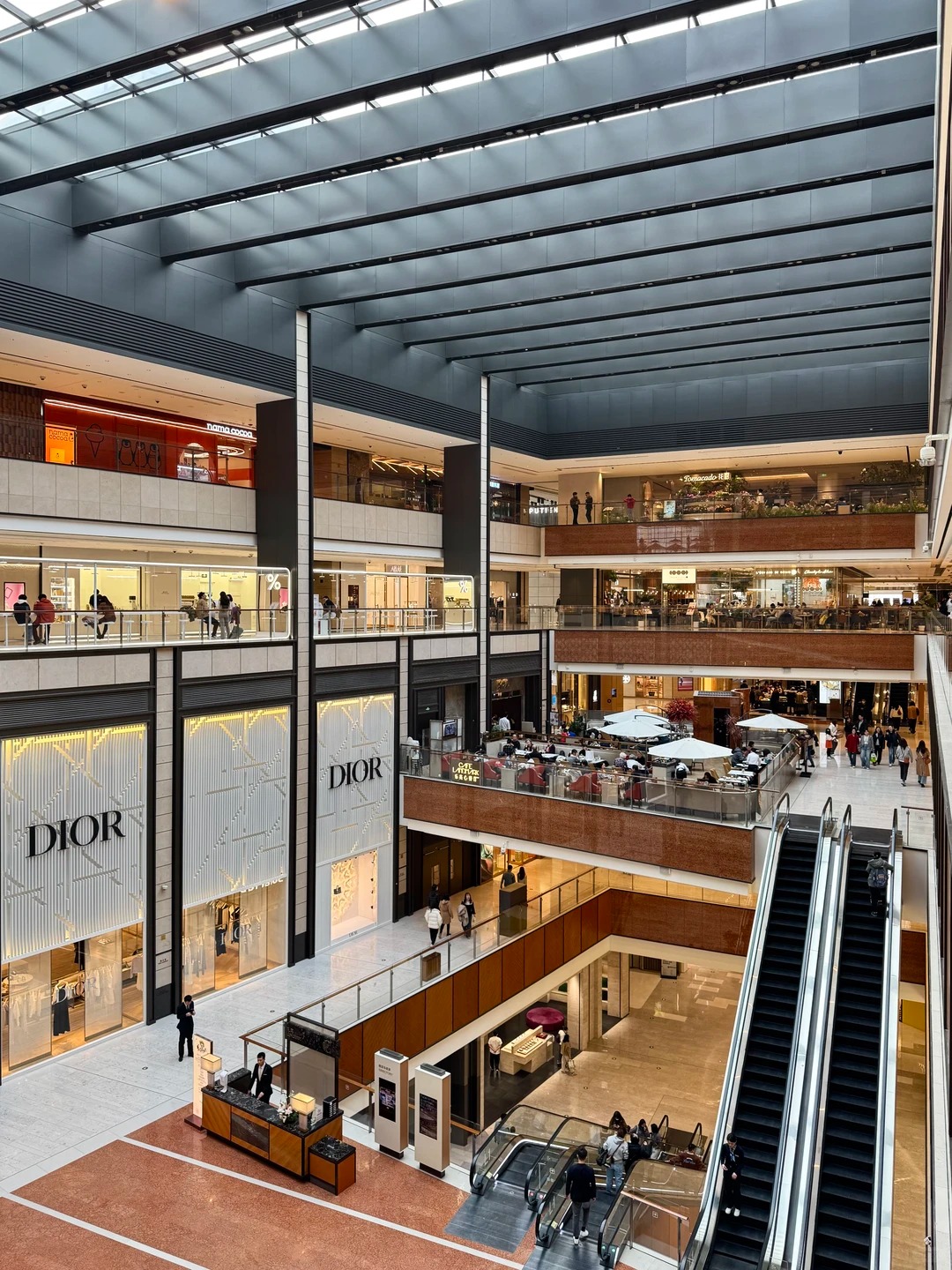
Modern mall with traditional courtyard inspiration
📸 Best Photo Spots
Central courtyard, open staircases, glass walkways
👥 Crowd Level
Usually quiet, even on weekends
⏳ Suggested Visit Time
1–2 hours
⭐ Visitor Reviews
Often described as “clean, quiet, but not very busy”
🌟 WF Central is one of several remarkable luxury destinations in the capital — explore the full picture in our guide to Beijing shopping malls and find the venue that matches your style and budget.
WF Central Floor Guide
Floor
Main Categories
Key Highlights
What to Expect
Tips
B1 / LG
Restaurants, cafes, dessert shops
Casual dining, coffee spots
Slightly livelier than upper floors
Good place to start or take a break
1F
Luxury brands, flagship stores
Spacious storefronts, premium brands
Quiet, not crowded
Best for window shopping
2F
Designer brands, fashion
Smaller labels, curated stores
More relaxed browsing
Good for unique finds
3F
Lifestyle, boutique retail
Concept stores, slower pace
Some areas feel less busy
Take your time exploring
4F+
Restaurants, cafes
Sit-down dining
Calm, less foot traffic
Ideal for meals or rest
WF Central Basement and Lower Ground
WF Central Basement and Lower Ground
You’ll probably end up here sooner or later. It’s where most of the food is, and also where the mall feels a bit more “alive.” Still not crowded, just… less quiet than upstairs.
Main brands: Cafes, casual Chinese chains, a few dessert spots; nothing very high-end, but reliable
Best for: Quick meals, coffee breaks, sitting down after walking Wangfujing for too long
Store types: Small restaurants, coffee shops, takeaway counters
There’s usually a faint mix of coffee and cooked food in the air. Not unpleasant, just noticeable. Seating can fill up around lunch, but it’s still manageable compared to bigger malls. One thing though—the selection isn’t huge. If you expect a full food court like in larger Beijing malls, this might feel a bit limited.
WF Central Ground Floor
WF Central Ground Floor
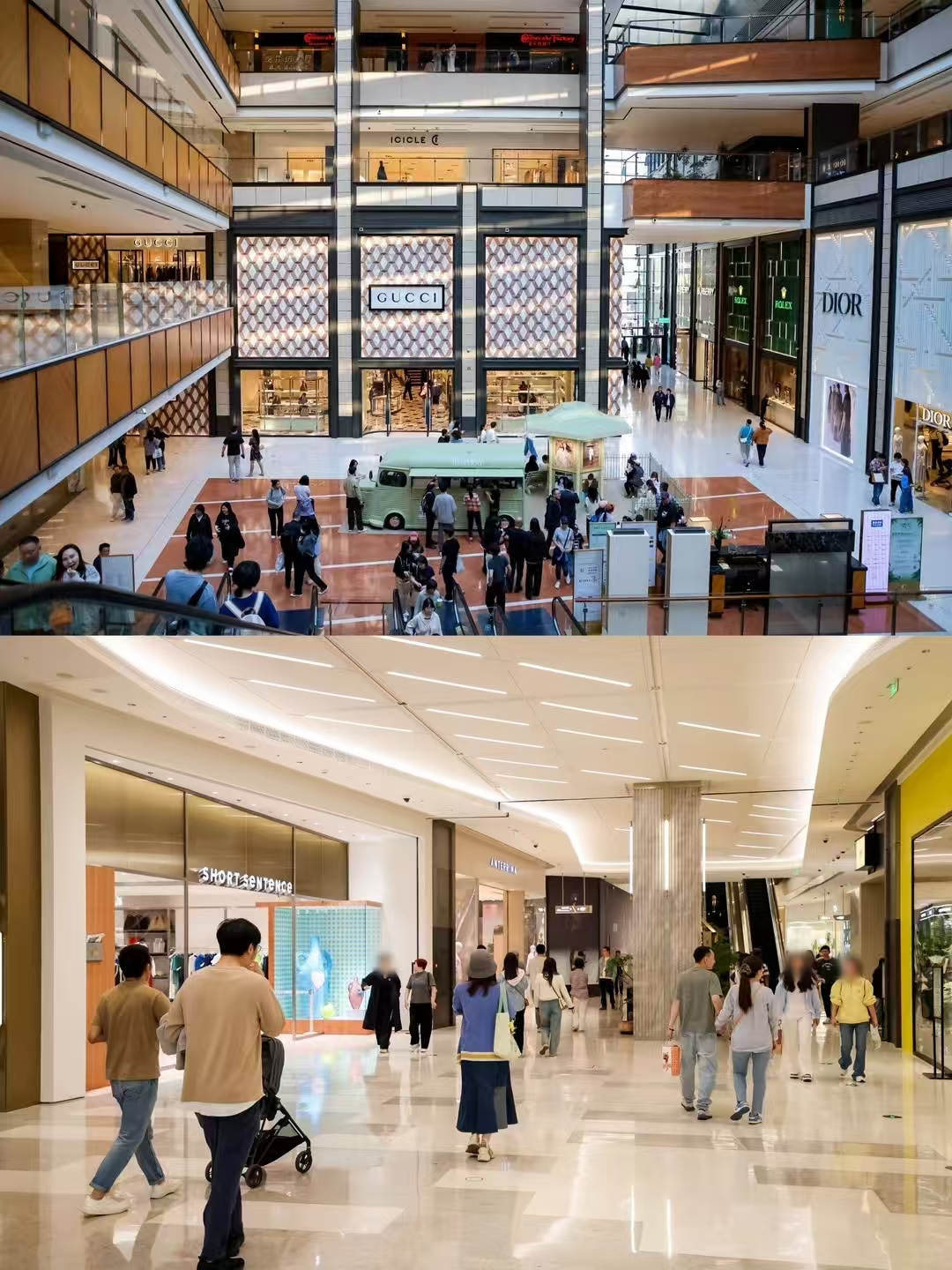
This is the first thing you see when you walk in, and it sets the tone for the whole WF Central mall. Everything looks polished, spaced out, and honestly a bit quiet.
Main brands: International luxury labels and flagship stores
Best for: Window shopping, slow browsing, avoiding crowds
Store types: High-end retail, large-format brand stores
The layout stands out. Stores aren’t packed together; instead, there’s space between them, which makes the whole floor feel more like a gallery than a shopping area. You don’t hear much noise—just footsteps and occasional conversations. Compared to places like SKP, it feels less intense. Some people might find it a bit empty, but if you don’t like crowds, this is actually a plus.
WF Central Upper Floors
WF Central Upper Floors
Going up, the pace drops even more. You start to notice fewer people, and some areas can feel almost too quiet.
Main brands: Restaurants, lifestyle brands, a few boutique stores
Best for: Finding a quiet place, having a proper meal, slowing down
Store types: Dining spaces, concept shops, smaller retail units
These floors are less about shopping and more about space. Restaurants are spread out, and some sections don’t have much going on. It’s not necessarily a downside—it depends on what you’re looking for. If you want energy and variety, it might feel lacking. But if you just need a calm place to sit, eat, or walk around without pressure, this part of the wf central floor guide is probably the most useful.
Stores Inside WF Central
Category
Brands / Examples
What Makes It Different
Shopping Experience
Who It Suits
Luxury
International luxury labels
Fewer but more spacious stores
Quiet, no crowd pressure
Luxury browsers
Designer
Independent / niche brands
More curated selection
Slower, more relaxed
Trend seekers
Lifestyle
Concept and boutique stores
Less commercial feel
Easy to explore
Casual visitors
Luxury Brands in WF Central
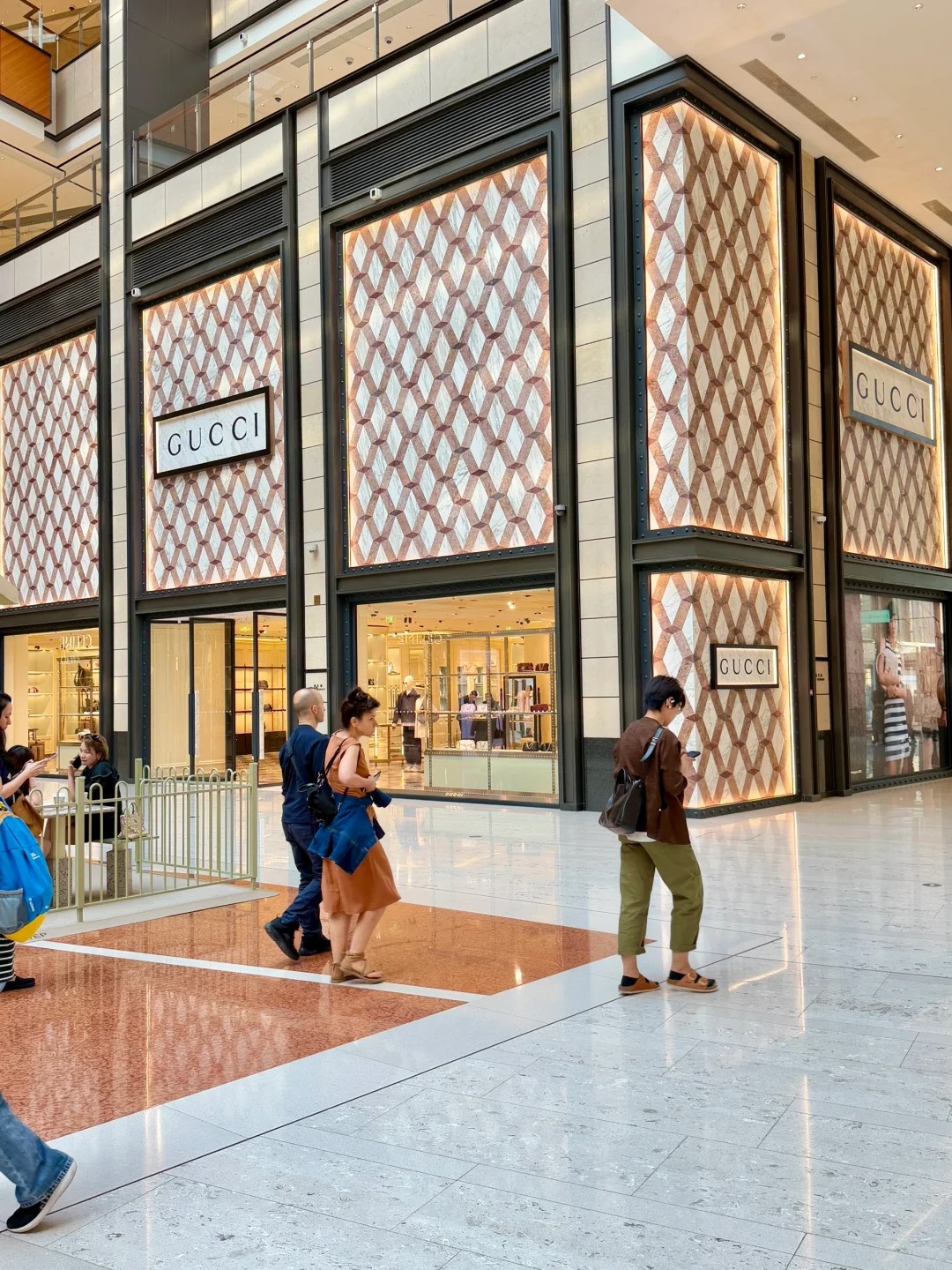
Store of Gucci
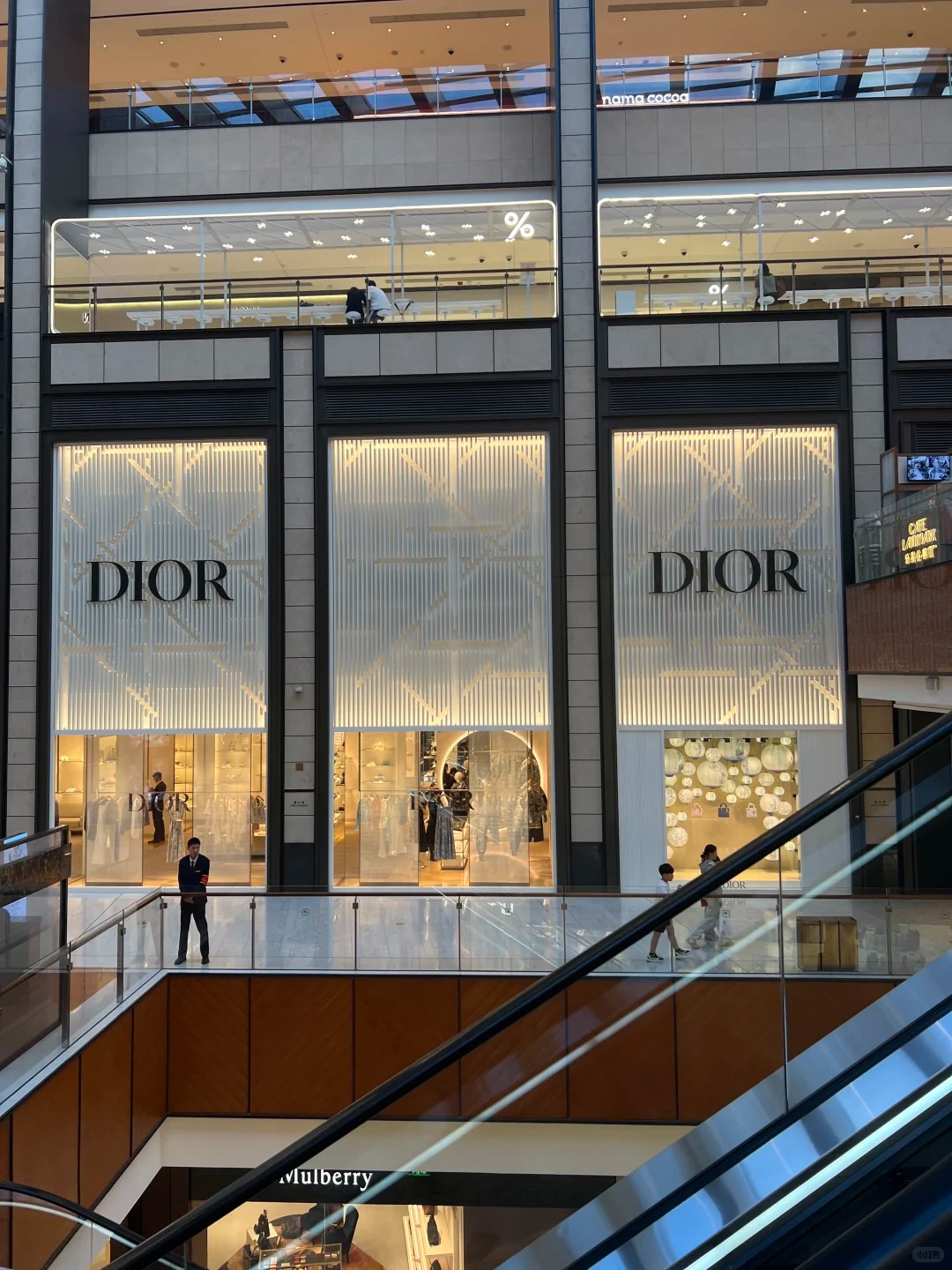
Store of Dior
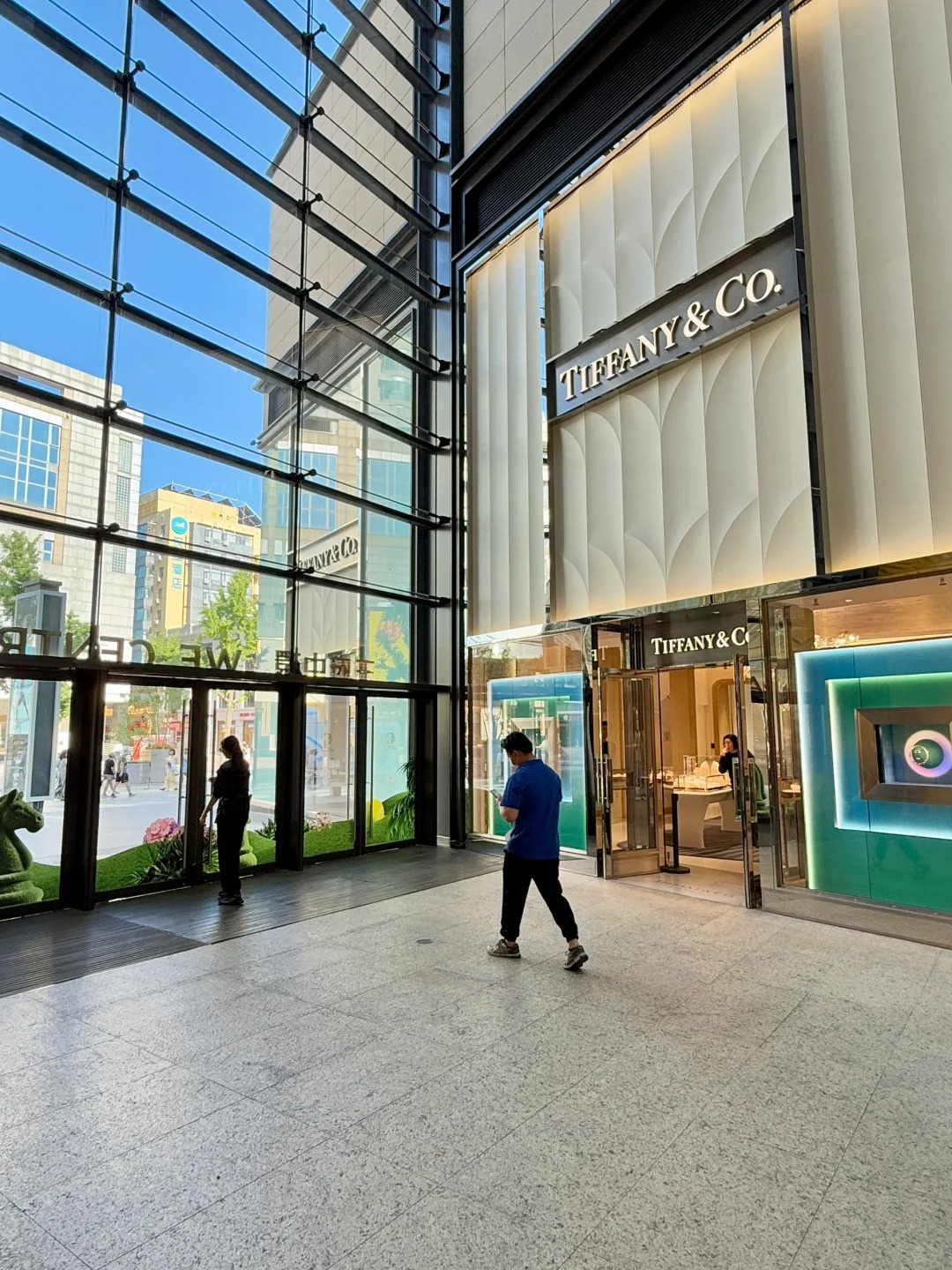
Store of Tiffany
This part of the wf central stores lineup is easy to notice but not overwhelming. You won’t find endless rows of luxury brands here, but the ones that are present tend to have larger, more open storefronts.
Location: Mostly concentrated on the ground floor, right at the main entrances
Price level: High-end, similar to other luxury malls in Beijing, sometimes slightly higher
Best for: Travelers who want to browse without pressure, or just check out displays without dealing with crowds
Walking through, it feels more like a showroom than a busy shopping space. Staff don’t approach aggressively, and there’s usually enough room to step inside, look around, and leave without any awkwardness. Even if you’re not planning to buy, it still works as a quick stop—just to see what’s trending in Beijing retail right now.
Designer and Niche Stores
Designer and Niche Stores
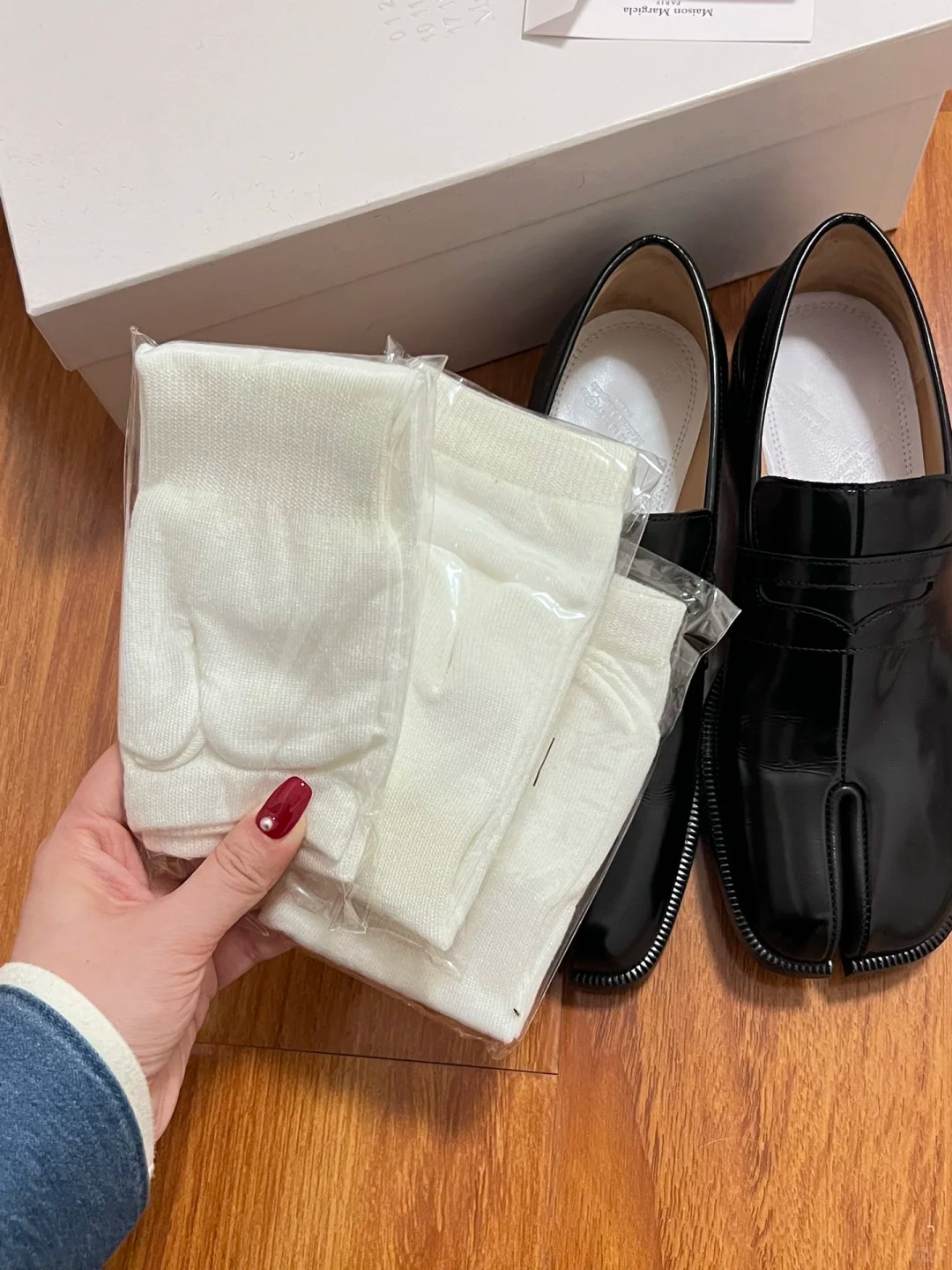
Maison Margiela
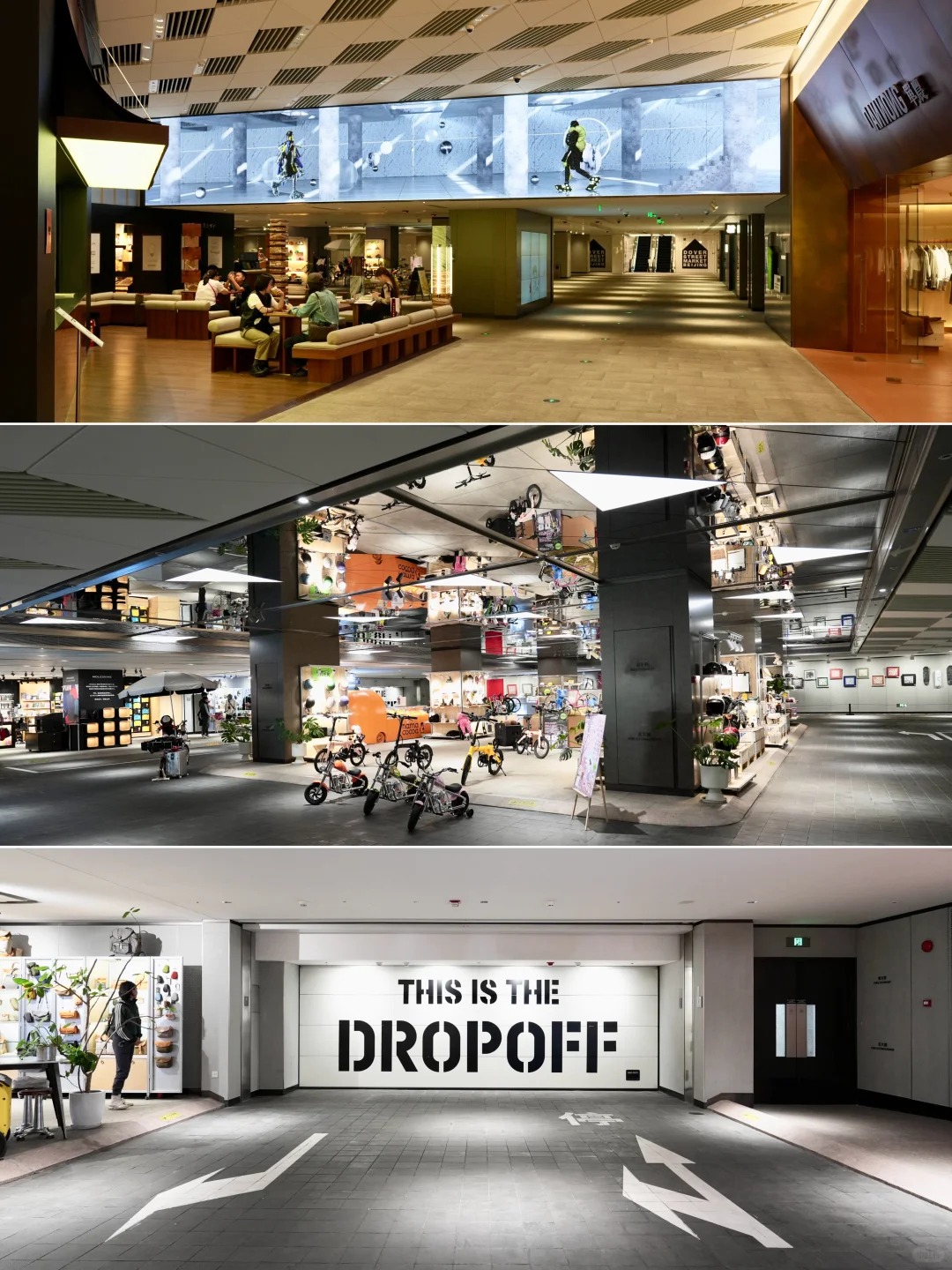
Dropoff
This is where wf central stores start to feel a bit more interesting. Compared to the luxury section, these shops have more personality, even if they’re smaller.
Location: Mainly on the second and third floors, slightly tucked away from main walkways
Price level: Mid to high range, depending on the brand, but generally below luxury pricing
Best for: People looking for something less mainstream, or just browsing at a slower pace
Some stores lean toward fashion, others feel more like concept spaces. You might not recognize the brands right away, but that’s kind of the point. The layouts are less rigid, sometimes a bit experimental. It’s the kind of place where you don’t rush—you walk in, look around, maybe pick up something small, or just leave with a few photos.
What Feels Different About Shopping Here
The overall shopping experience inside wf central stores doesn’t follow the usual pattern you see in bigger malls.
Location: Spread across all floors, but with noticeable gaps between stores
Price level: Mixed, but leaning toward mid to high-end overall
Best for: Visitors who prefer a quieter, less commercial shopping environment
There’s no constant background noise, no packed corridors, no sense that you need to move quickly. In fact, some sections feel almost too calm. A few areas might even seem underused, especially upstairs. But that slower pace changes how you move through the space. You’re not just shopping—you’re kind of observing, taking breaks, deciding where to go next without rushing.
Restaurants Inside WF Central
Restaurant
Cuisine
Price Level
What to Try
Experience
Good For
Putien
Fujian / Singaporean
Mid-range
Seafood, signature dishes
Clean, consistent service
Safe choice for tourists
Green Tea
Chinese fusion
Affordable
Local-style dishes
Busy but reliable
Casual meals
Cafes
Coffee / desserts
Mid-range
Coffee, cakes
Quiet, comfortable
Rest, work, photos
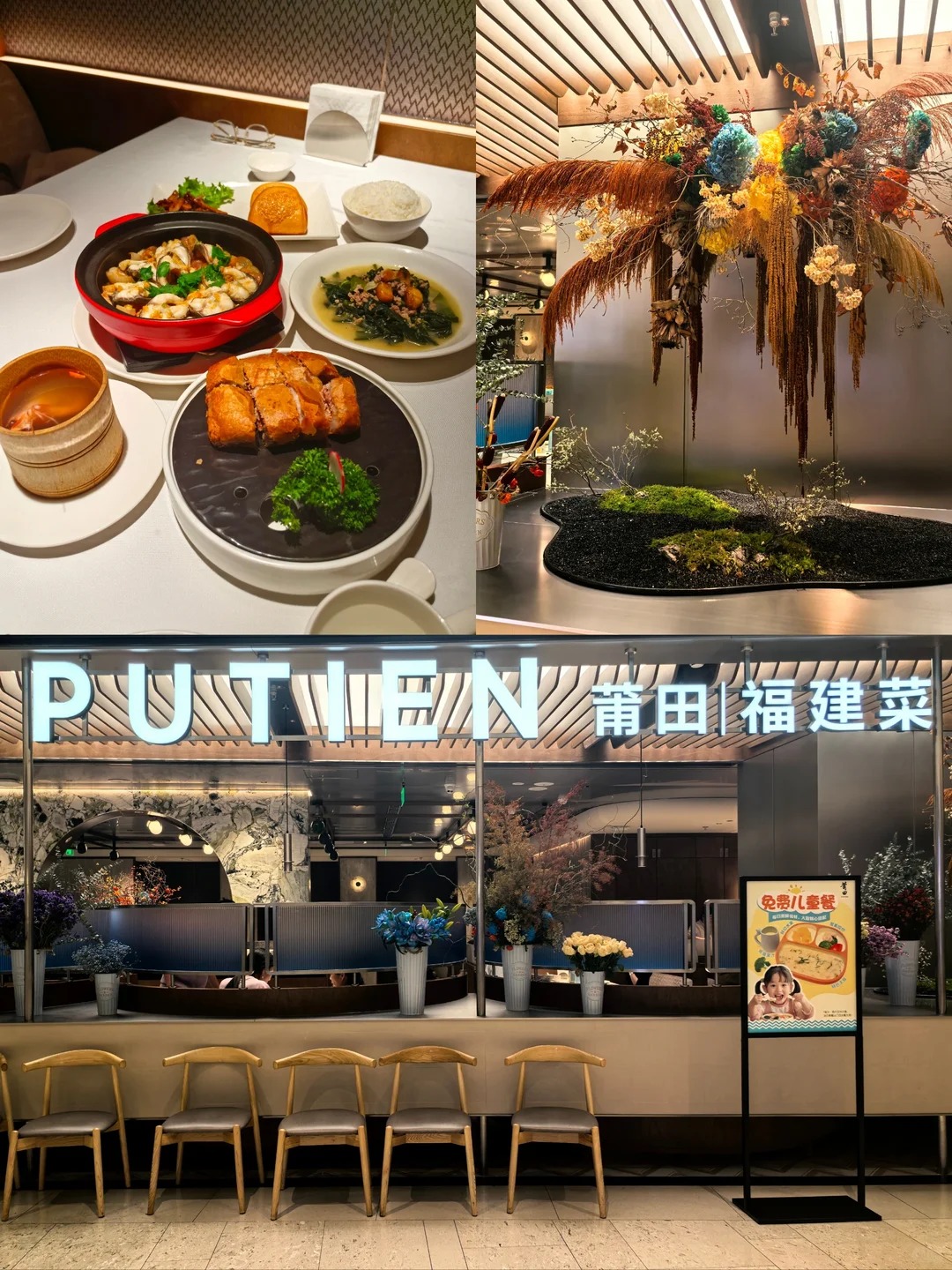
Putien
Putien
If you want something safe inside wf central restaurants, this is usually the first place people mention. The menu leans toward Fujian-style dishes, but it’s adapted enough that most international visitors won’t feel lost.
Signature dishes: Seafood-based plates, light soups, some well-known Putien classics
Key features: Clean presentation, stable flavor, service that feels more structured than typical local spots
Best for: First-time visitors who don’t want to guess what to order
I remember the portions being moderate—not huge, not small—and prices somewhere around ¥80–150 per dish. It’s not cheap, but not unreasonable for this location. The staff usually understand basic English, or at least menus are clear enough to point and order. It’s the kind of place where nothing surprises you, which is actually the point.
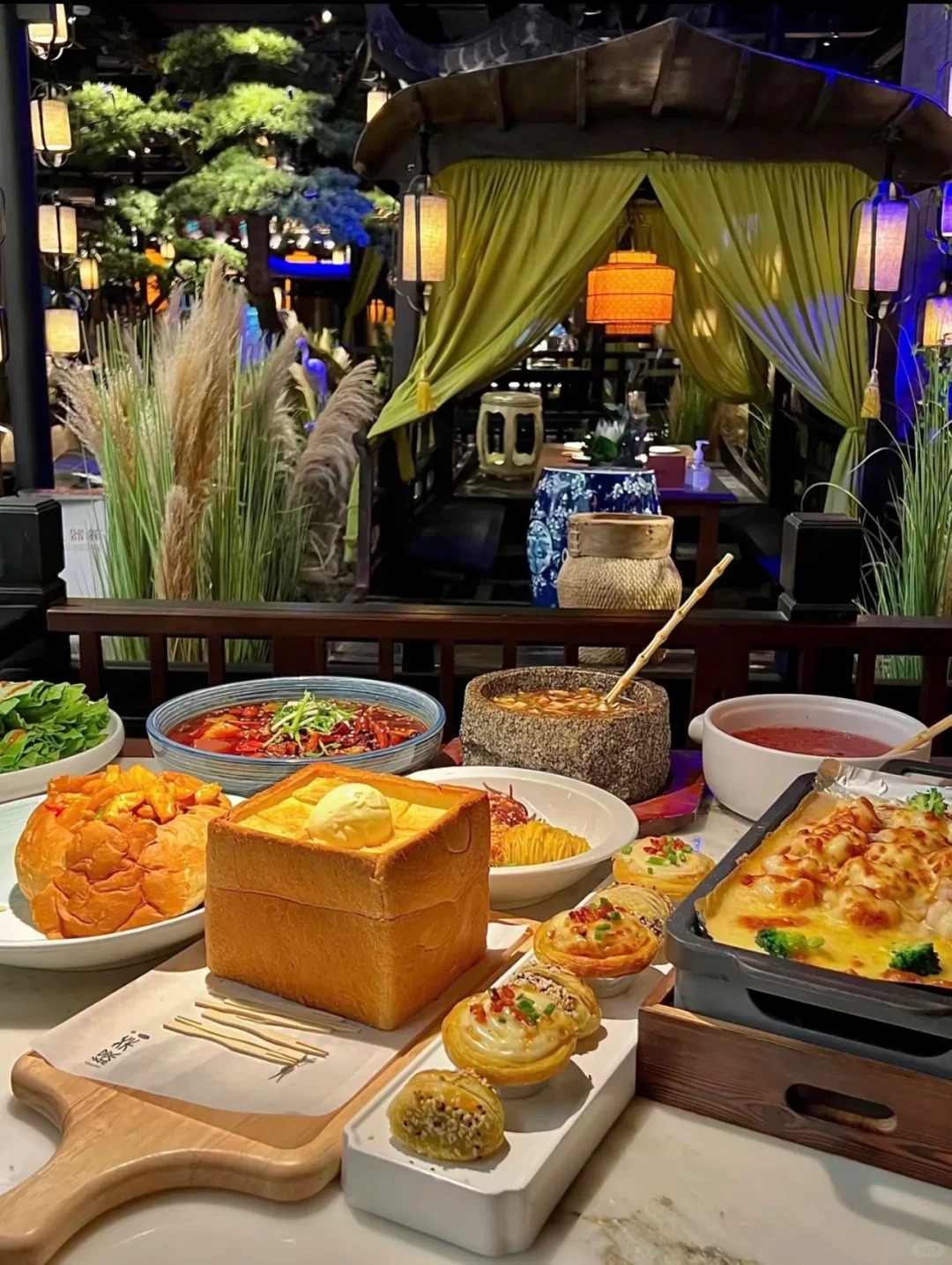
Green Tea Restaurant
Green Tea Restaurant
This one shows up in a lot of malls across China, and here it plays a slightly different role—it’s one of the more accessible wf central restaurants if you’re watching your budget.
Signature dishes: Sweet-and-sour style Chinese dishes, fried items, rice and noodle combinations
Key features: Lower prices, wide menu, familiar flavors adapted for a broad audience
Best for: Casual meals, small groups, travelers who want to try Chinese food without going too local
Prices are easier to handle, maybe ¥50–90 per dish last time I checked. The downside is timing—during dinner hours, it fills up fast. You might see a short queue outside, especially on weekends. Still, turnover is quick. It’s not the most unique place, but it works when you just need a reliable meal without overthinking it.
Cafe Options Inside WF Central
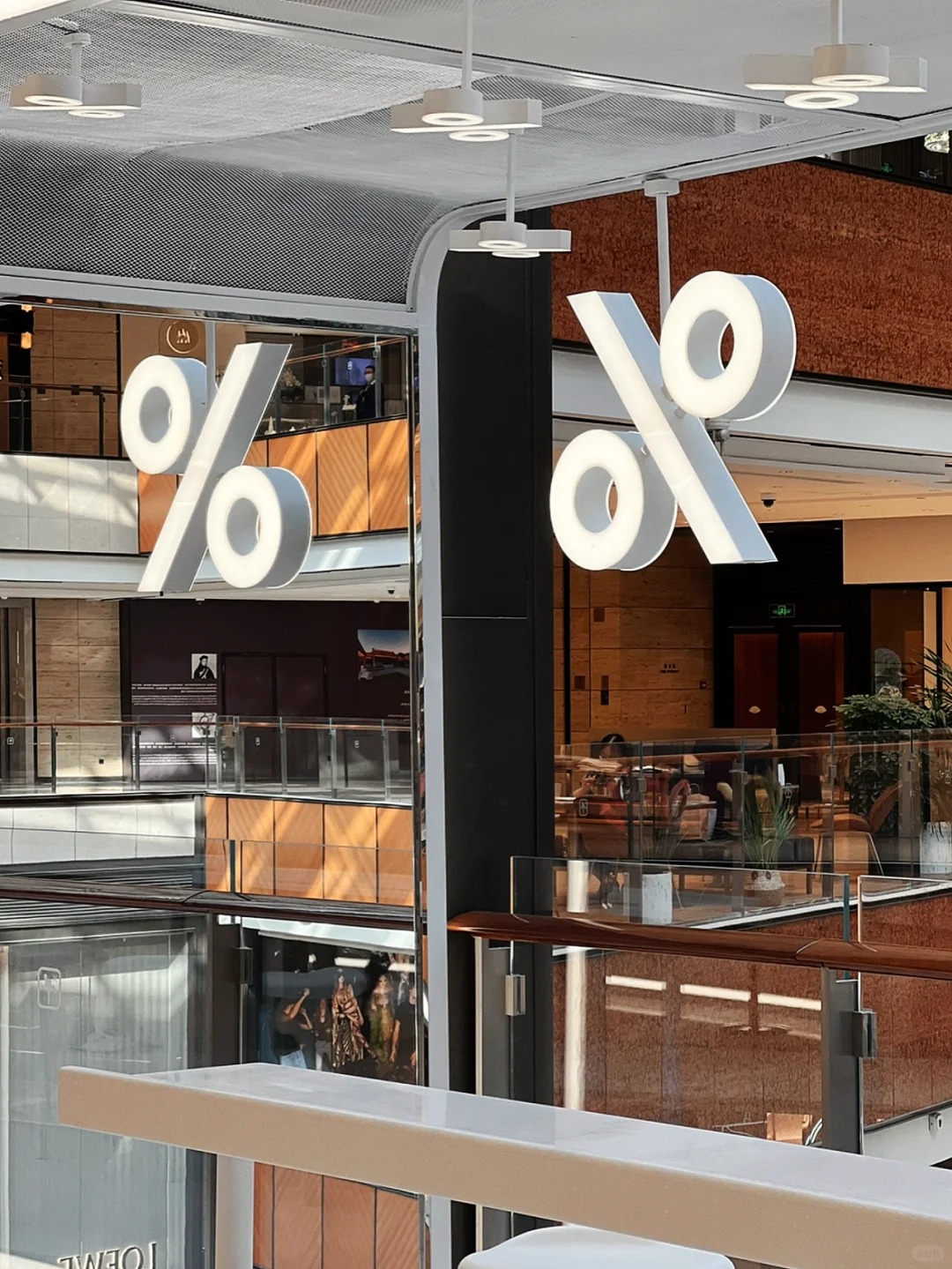
% Arabica
Cafes are probably the most consistent part of the wf central restaurants setup. Even when the mall feels quiet, these spots usually have a steady flow of people sitting, working, or just scrolling their phones.
Representative spots: Independent coffee shops and small dessert cafes (brands vary, but quality is generally decent)
Key features: Comfortable seating, softer lighting, less noise compared to street-level cafes
Best for: Taking a break, working remotely, or just sitting for an hour without being rushed
Coffee prices are what you’d expect in central Beijing—around ¥30–45 for a latte, sometimes a bit higher. What stands out isn’t the coffee itself, but the atmosphere. People tend to stay longer here. No one really pushes you to leave, and there’s enough space between tables. If you’ve been walking around Wangfujing all day, this is probably where you slow down the most.
WF Central Seasonal Events and Pop-Ups
Seasonal Installations
Seasonal Installations
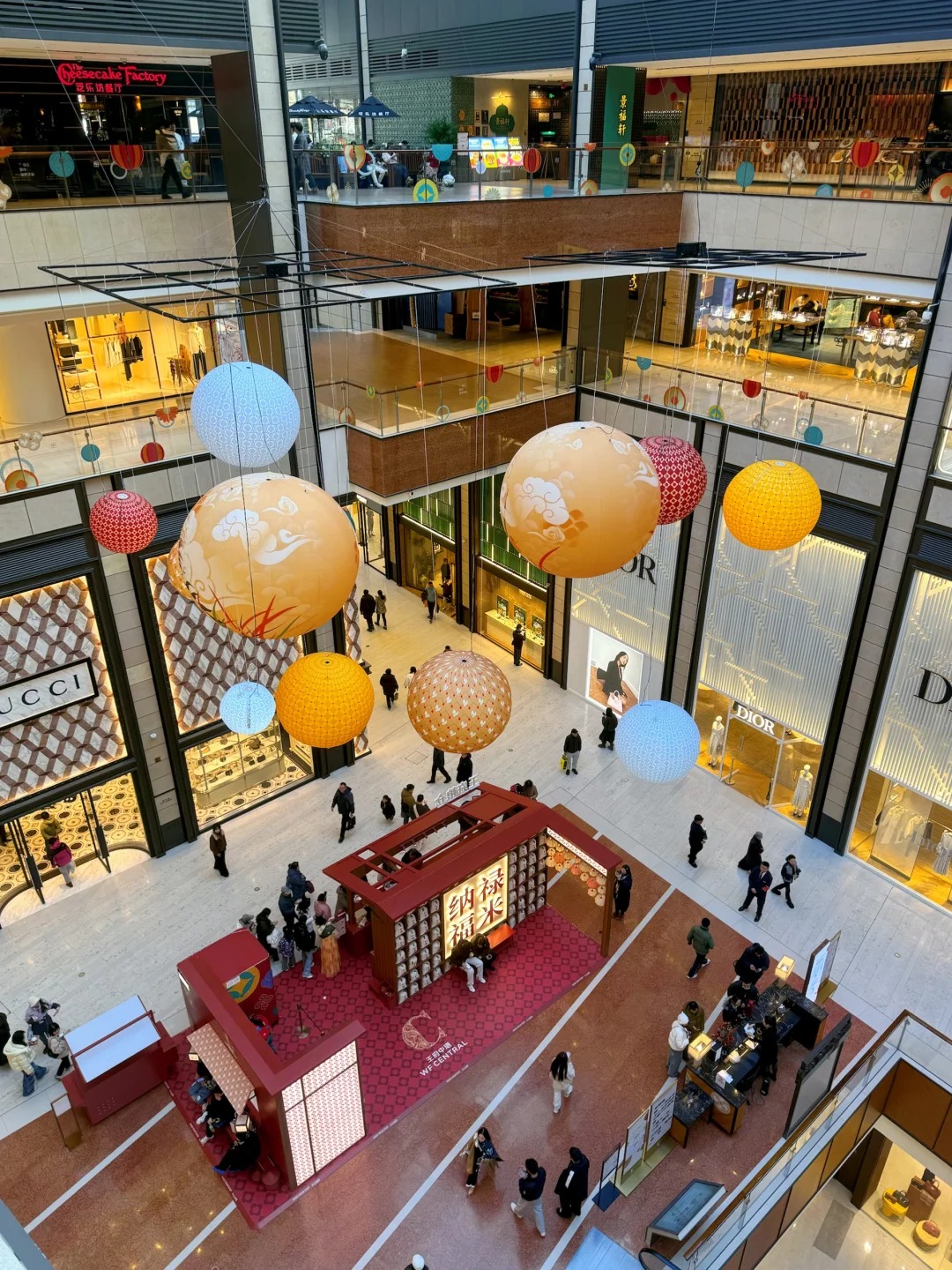
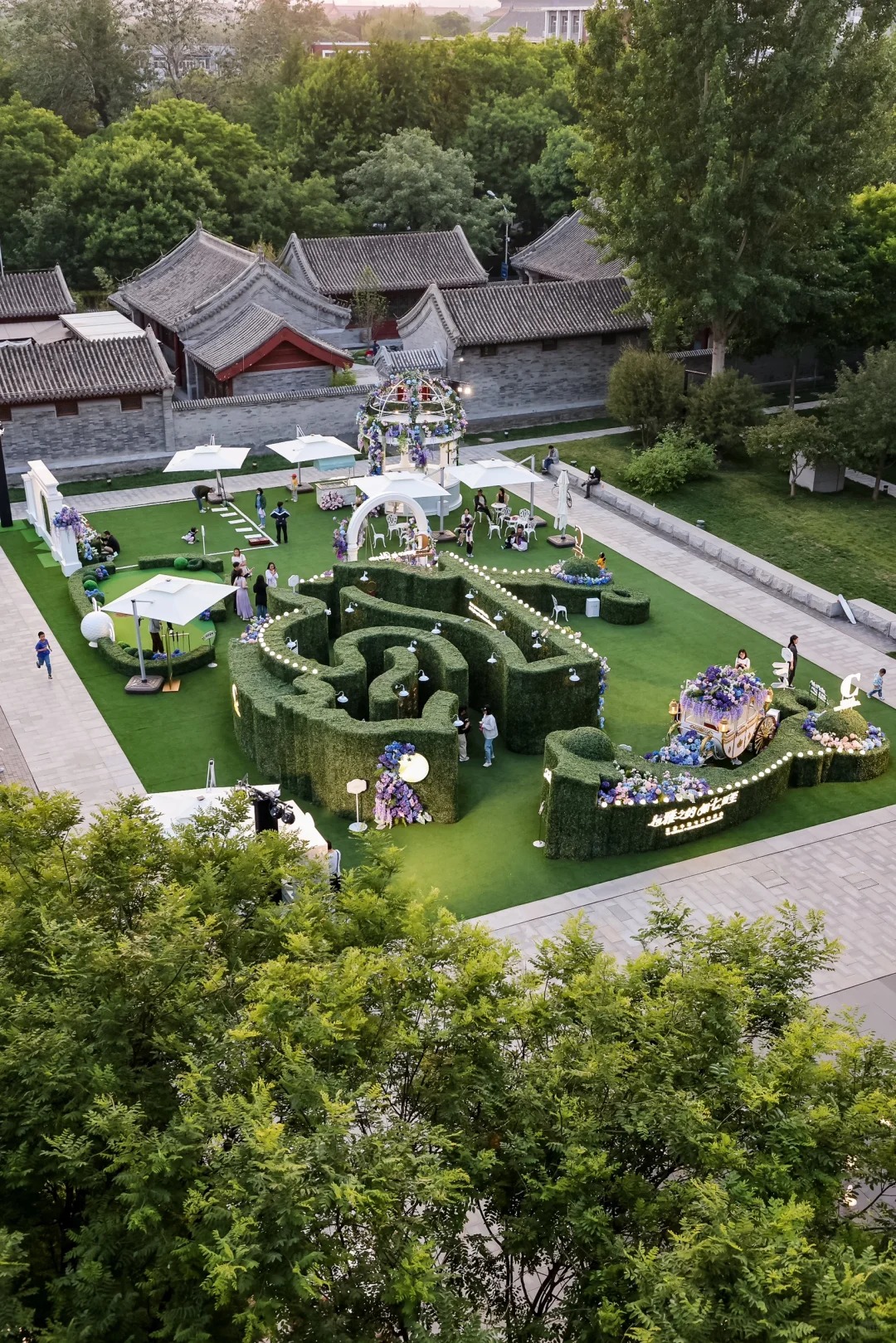
Seasonal installations are the most visible type of event inside WF Central Beijing. They usually appear in the central courtyard and sometimes extend toward the entrance areas.
Main brands: Mixed participation from lifestyle brands and mall organizers
Best for: Casual visitors, photography, short stops while shopping nearby
Store types: Temporary themed structures, art-style displays, interactive photo spots
What stands out is that these setups are not overly commercial. You won’t see heavy branding everywhere. Instead, it feels closer to a designed public space with light branding influence. For example, winter themes often include lighting structures and open-air decorations that make the courtyard feel more active without changing the mall layout itself.
Luxury Brand Pop-Ups
Luxury Brand Pop-Ups
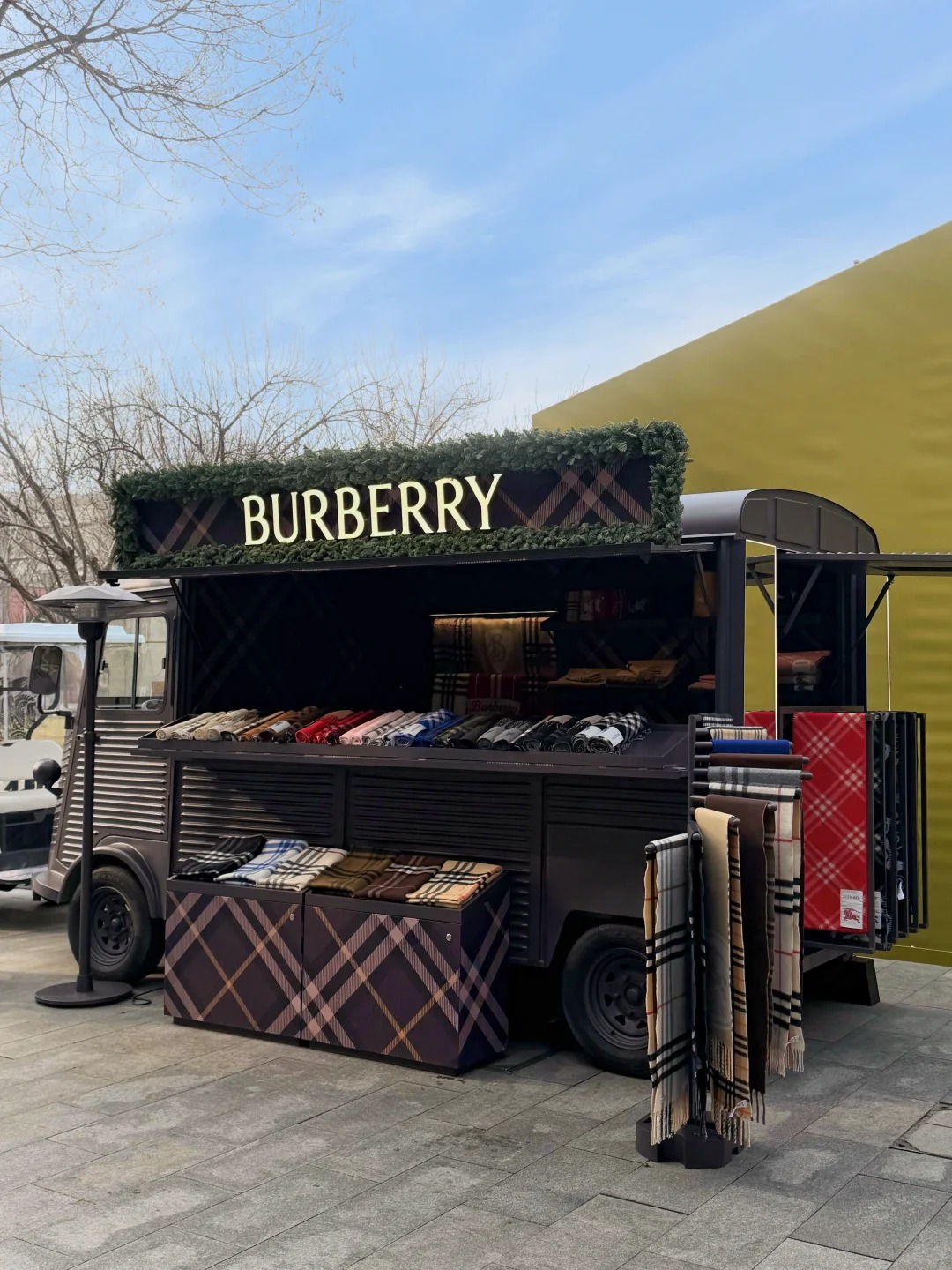
Another recurring feature is luxury brand pop-ups. These are smaller in scale compared to full flagship stores, but they appear in different corners of the mall throughout the year.
Main brands: International luxury labels and fashion houses rotating seasonal campaigns
Best for: Brand discovery, limited-time collections, quick walkthroughs
Store types: Temporary retail spaces, curated exhibition-style shops
These pop-ups are usually short-term and tied to campaigns or seasonal releases. You might see a brand occupying a glass pavilion or a dedicated corner space for a few weeks. They don’t feel aggressive or crowded, and most visitors just walk through rather than actively shop. Still, they add variety to the otherwise stable layout of the mall.
Overall, the event strategy inside WF Central Beijing is subtle. It doesn’t try to compete with large-scale exhibition malls in Beijing. Instead, it adds small changes that slightly shift how the space feels, especially if you visit more than once.
WF Central Compared With Other Beijing Shopping Malls
WF Central vs Sanlitun
Sanlitun
Sanlitun feels busy almost all the time, with crowds outside flagship stores and a strong nightlife and social atmosphere. WF Central Beijing is the opposite. It stays quieter, with more open space and fewer people moving around. You don’t really get that “scene” feeling here, it’s more about slow walking, sitting in cafes, and spending short, calm time indoors. Sanlitun is where people meet and stay longer, while WF Central is usually just part of a stop in Wangfujing.
WF Central vs China World Mall (Guomao)
China World Shopping Mall
China World Mall in Guomao feels more business-focused, with office crowds and a faster shopping rhythm. WF Central Beijing is less functional and more relaxed in comparison. You’re not pushed to move quickly or follow a shopping flow. Instead, it feels looser, with space between stores and less pressure to shop. Guomao is efficient and practical, while WF Central is slower and more about atmosphere than purpose.
What Makes WF Central Different
Courtyard-inspired Design
What makes WF Central Beijing stand out is its courtyard-inspired design. Instead of a fully enclosed mall, it takes ideas from traditional siheyuan layouts, with an open central space surrounded by buildings on different levels. This creates a more open feeling compared to most shopping malls in Beijing.
You can often see light coming into the courtyard and people moving across upper walkways at the same time. It doesn’t feel like a typical indoor mall where everything is separated. The space is more connected, and you naturally slow down while walking through it.
Compared with places like Sanlitun or Guomao, WF Central Beijing feels less dense and more open. It doesn’t push you to move quickly or follow a fixed route. Instead, the layout encourages short pauses and casual wandering, which is probably why many visitors describe it as calmer than other malls in the city.
FAQ about WF Central
Q: Where is WF Central located in Beijing?
WF Central Beijing is located on Wangfujing Street in Dongcheng District, right in the heart of central Beijing. It sits slightly back from the main pedestrian shopping street, so it’s easy to miss if you’re just walking through the crowds. The entrance is closest to Wangfujing Station (Line 1), usually about a 5-minute walk depending on which exit you take. The surrounding area is busy, but the mall itself feels more contained and quieter once you step inside.
Q: How do I get to WF Central by metro?
The easiest way is to take Line 1 to Wangfujing Station. After exiting, follow signs toward Wangfujing Street and walk north for a few minutes. You’ll see the mall entrance on the side street rather than directly on the main pedestrian road. A taxi or Didi also works well, and most drivers recognize “WF Central” or the Chinese name “王府中寰.” A short ride from Tiananmen area usually costs around ¥15–30 depending on traffic.
Q: What kind of stores are inside WF Central?
WF Central Beijing mainly focuses on luxury and lifestyle retail rather than mass-market shopping. You’ll find a mix of international luxury brands, smaller designer labels, and concept stores spread across different floors. The selection is not huge, but the stores are more spacious compared to other malls in Beijing. Many visitors describe it as a place for slow browsing rather than intensive shopping, especially if you’re looking for a quieter environment.
Q: Is WF Central expensive?
Yes, generally it is on the higher end compared to regular shopping malls in Beijing. Most luxury stores follow international pricing, and even mid-range dining options can feel slightly more expensive due to the location. Cafes usually cost around ¥30–45 for coffee, while restaurant dishes can range from ¥50 to ¥150 or more depending on the place. That said, you can still visit without spending much if you’re just walking around or taking photos.
Q: What restaurants are inside WF Central?
WF Central Beijing has a small but curated selection of restaurants. You’ll find reliable options like Putien, Green Tea Restaurant, and several cafes spread across the lower and upper floors. The focus is more on quality and consistency rather than variety. Most places serve either Chinese fusion or casual international dishes. Cafes are especially popular because they offer a quieter atmosphere compared to the busy streets outside Wangfujing.
Q: How long should I spend at WF Central?
Most visitors spend around 1 to 2 hours inside WF Central Beijing. If you’re just walking through the stores and courtyard, even less time might be enough. However, if you plan to eat or sit in a cafe, you can easily extend your visit. It’s not a large mall, so it works better as a short stop rather than a full-day shopping destination, especially if you’re already exploring Wangfujing.
Q: Is WF Central better than SKP or Sanlitun?
It depends on what you’re looking for. Compared to SKP, WF Central is much quieter and less crowded, but it also has fewer brands. Sanlitun feels more energetic and trend-driven, while WF Central is slower and more controlled. It doesn’t really compete directly; instead, it offers a calmer alternative. If you prefer space and fewer people, WF Central works better. If you want variety and buzz, other malls may suit you more.
Q: Is WF Central good for tourists?
Yes, but with expectations set correctly. WF Central Beijing is good for tourists who want a clean, easy-to-walk space without heavy crowds. It’s not a major landmark or entertainment hub, so it won’t take a lot of time. Many foreign visitors stop here briefly while exploring Wangfujing. It’s more about atmosphere and convenience than shopping variety, so it works best as part of a wider Beijing itinerary.
Q: When is the best time to visit WF Central?
Weekdays, especially late morning or early afternoon, are usually the most comfortable times to visit WF Central Beijing. Weekends can still feel calm compared to other malls, but you’ll notice more visitors in restaurants and cafes. Evenings are also pleasant because the lighting in the courtyard becomes softer. If your goal is photos or a quiet walk, avoiding peak lunch and dinner hours makes the experience more relaxed.
Practical China Travel Tools, Policy & App Guides
Stay updated and travel smart in China with these essential how‑to guides and policy explainers: