Beijing to Badaling Great Wall
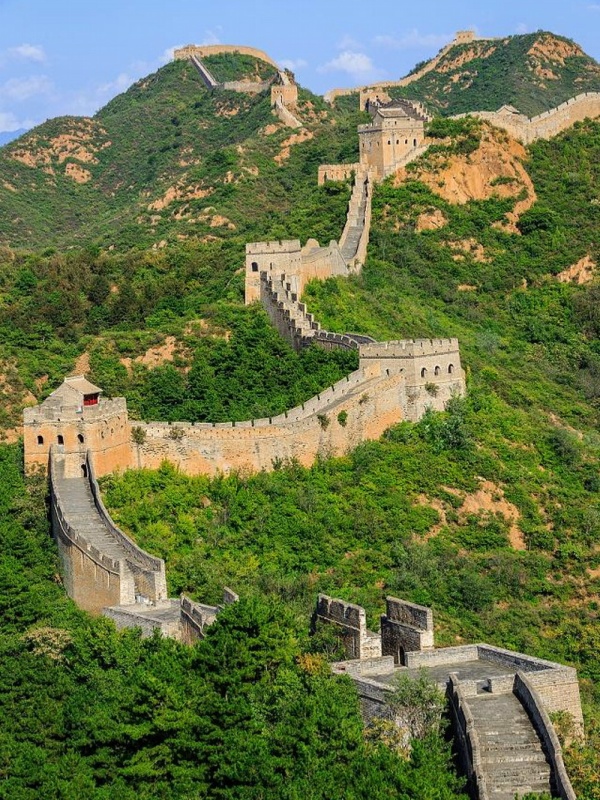
The Great Wall of China holds its UNESCO World Heritage inscription from 1987 and carries China's top 5A tourism rating — yet of its many accessible sections, Badaling remains the most visited. The wall sits roughly 60 kilometers northwest of central Beijing in Yanqing District, drawing approximately 10 million visits each year. This is partly geographic convenience and partly infrastructure: Badaling was the first section opened to tourists after 1949, and it shows. For foreign visitors arriving in Beijing, the practical question is not whether to go — it is how to get there efficiently. Five distinct routes exist in 2026, ranging from a $1 suburban train to a $150 private car, and the right choice depends on your budget, group size, schedule, and appetite for transfers. This guide compares all five side by side, with current times, costs, and the trade-offs each option involves.
Quick Facts
Getting from Beijing to Badaling: 2026 Transport Compared
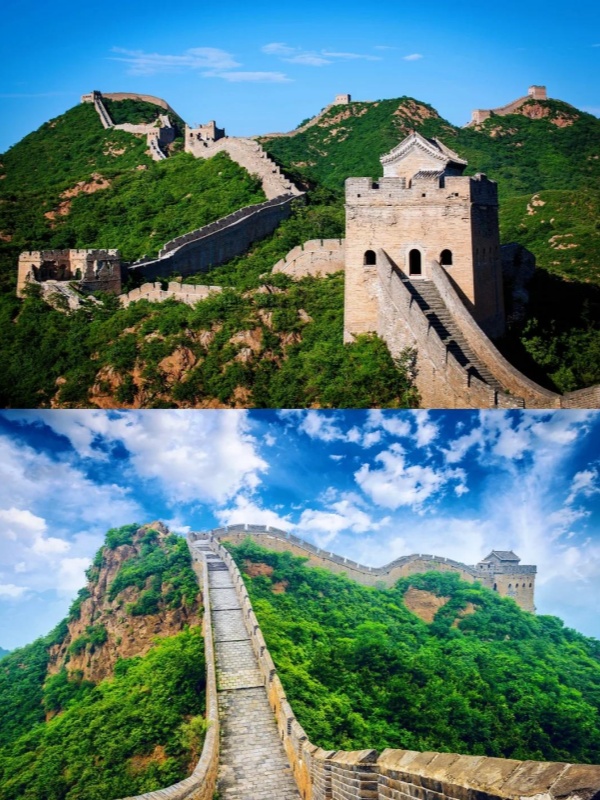
Beijing to Badaling Great Wall
Five practical routes connect central Beijing to Badaling in 2026. The options vary sharply in cost, travel time, comfort, and planning requirements — and two of them are rail lines that are easy to confuse at first glance. The table below gives the head-to-head comparison, with the sections that follow breaking down each option in detail.
Bus 877 from Deshengmen
Bus 877 runs the most direct surface route from central Beijing to Badaling, departing from Deshengmen Bus Station in Xicheng District. The one-way fare is $2 (¥12), and the journey takes 1 to 1.5 hours depending on traffic conditions. The bus terminates inside the Badaling scenic area, which means no additional transfer at the destination end. For solo travelers on a tight budget, this is the cheapest way to reach the wall without complication.
Deshengmen station is directly served by Beijing Subway Lines 2 and 8, making it accessible from most points in central Beijing without a change. In peak season, the first departures typically leave around 06:00–06:30, which suits visitors who want an early start to beat the worst of the crowds. Return buses run through the afternoon from the Badaling parking area back to Deshengmen. The main downside is that weekend and holiday traffic can stretch the journey well beyond one hour, and the bus fills up quickly during peak periods.
For more, see our guide to Cities Close to Beijing.
S2 Suburban Rail
The S2 line is Beijing's oldest suburban rail route to the wall, running from Beijing North Railway Station with some services also stopping at Huangtudian. The fare is the lowest of any mode at $1 (¥6), and the journey takes roughly 1.5 hours. The line uses refurbished diesel railcars that wind through the Changping countryside before reaching the mountains — a slower but more scenic approach than the highway bus.
The trade-off for the low price is frequency. S2 operates several departures per day in each direction rather than a metro-style interval service, so checking the timetable in advance is essential. The S2's Badaling Station sits a short walk from the wall entrance, making the final transfer straightforward. This option works well for travelers who enjoy rail journeys and have some flexibility in their departure time.
HSR via Badaling Great Wall Station
The Beijing–Zhangjiakou high-speed rail line opened in late 2019 and introduced a stop at Badaling Great Wall Station — a purpose-built facility carved into the mountainside near the wall. This is the fastest rail option from Beijing, cutting the in-train journey to just 20–30 minutes between Beijing North or Qinghe stations and Badaling Great Wall Station. One-way fares run roughly $4 (¥25–30).
However, the HSR station sits approximately 3–4 kilometers from the wall entrance, so a short taxi, shuttle, or local bus is needed to complete the last leg. Adding that transfer brings the total door-to-wall time to roughly 50–70 minutes — still competitive with road transport, and without traffic risk on the rail segment itself. Service frequency is moderate rather than frequent, so we recommend checking the timetable ahead of time and booking seats early on weekends and public holidays. The HSR Badaling Great Wall Station is a completely separate facility from the older S2 Badaling Station, and confusing the two is a common mistake.
Private Car and Driver
A private car with driver costs roughly $80–150 per car for a round trip from central Beijing to Badaling, depending on vehicle class and waiting time. The door-to-door journey takes 1–1.5 hours each way with no transfers. This is the most comfortable option and the practical choice for families, small groups of three or four, travelers with luggage, or anyone who wants to set their own return time without relying on a bus or train schedule.
Drivers can be arranged through hotel concierge, Trip.com, or Klook. When booking, confirm whether the quoted price covers waiting time on site — typically 2–3 hours — or whether it is a strict drop-off and pick-up arrangement. For groups splitting the cost, the per-person price becomes competitive with a day tour, while retaining full flexibility.
Guided Day Tours and Hotel Pickup
Guided day tours from Beijing to Badaling typically run 8–10 hours including transport, time on the wall, and return. Per-person pricing ranges from about $40–90 depending on what is included: transport only, transport plus guide, transport plus guide plus lunch, or the full package with cable car added. Hotel pickup and drop-off in central Beijing is standard across all operators.
The primary advantage is near-zero planning — the tour operator handles logistics, timing, and usually the ticket purchase as well. This remains the most common choice for first-time visitors to Beijing who want the wall experience without working out the transport details. The trade-off is a fixed itinerary and shared timing with other travelers, which can mean less freedom on the wall itself. Both Trip.com and Klook list Badaling day tours bookable with international payment methods, which removes the friction of needing domestic booking platforms.
Tickets, Hours and Entry at Badaling
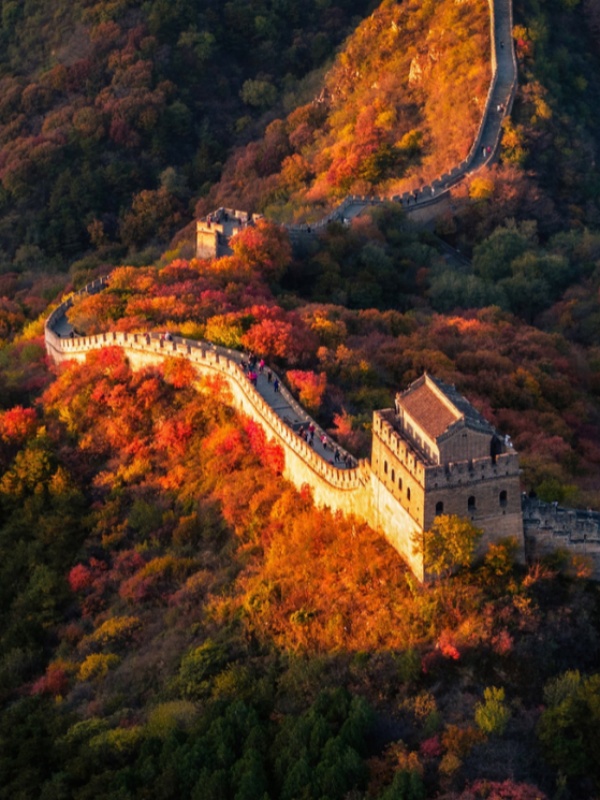
Beijing to Badaling Great Wall
Badaling's standard walk-up ticket requires no advance reservation and can be purchased at the gate. The adult peak-season ticket costs $6 (¥40) from April 1 through October 31, dropping to $5 (¥35) in the off-season from November 1 through March 31. Discounted tickets run $3 (¥20) during peak season and about $2 (¥17.50) off-season, available to students with valid ID and to visitors with a disability certificate.
Free admission applies to children under 18 with valid identification, to adults aged 60 and above with proof of age, and to disabled visitors holding a disability card. The wall is open from 06:30 to 16:30 during peak season and from 07:30 to 16:00 off-season — though final entry typically closes 30–60 minutes before the stated closing time, so confirm on the day. For foreign visitors, bundling transport with entry via a combo ticket on Trip.com or Klook is often simpler than buying each component separately, particularly for a one-day visit from central Beijing.
Cable Car, Slide and Walking Routes
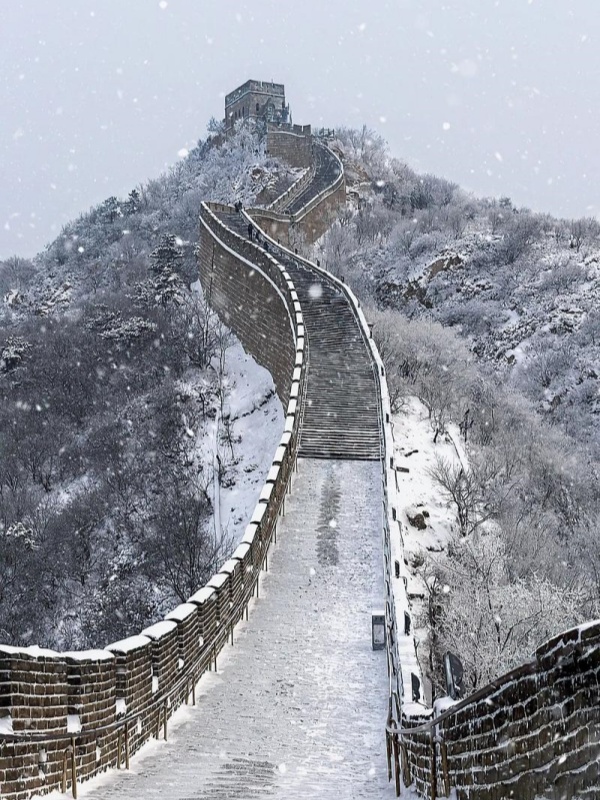
Beijing to Badaling Great Wall
The Badaling Great Wall spans approximately 7.6 kilometers of restored wall across two main sections — north and south — with 19 of the original 43 watchtowers currently open to visitors. Choosing between them, and deciding whether to ride or walk, shapes the entire on-site experience. Both sections have cable car infrastructure that ascends from the base area to the upper wall, and both have distinct characters worth understanding before you arrive.
North vs South Sections
The north section climbs higher and steeper, with denser watchtower clusters and panoramic ridgeline views that most visitors associate with Great Wall photography. It suits reasonably fit visitors who want the classic experience and are prepared to handle steep stairs and uneven surfaces. Tower 8 on the north section is among the highest points accessible within the open area, and reaching it involves sustained climbing.
The south section is gentler in gradient and more uniformly restored, making it the easier choice for families with young children, seniors, or visitors with limited time who still want to walk the wall. Both sections are connected by a lower-level loop road within the scenic area, so visitors can shuttle between them without retracing steps.
Cable Car and Slide Options
A cable car (gondola) operates on both the north and south sections, ascending from the entrance area to the upper wall and saving a steep climb on arrival. One-way fare is roughly $10 (¥70), or round trip at about the same combined rate, with pricing available on Trip.com and Klook. On the north section, a toboggan run descends from near the upper wall back toward the entrance — a popular attraction with a small additional fee of roughly $7 (¥50) one-way. The toboggan is subject to operator height and age restrictions; confirm these on the day rather than relying on a specific measurement.
Visitors who prefer to skip the mechanical options can use the restored stairways between watchtowers, which is the slowest but most historically immersive approach. Most visitors use a combination: cable car up, wall walked, toboggan down — or cable car up and down if time or energy is limited.
Beijing Airport to Badaling Transfers
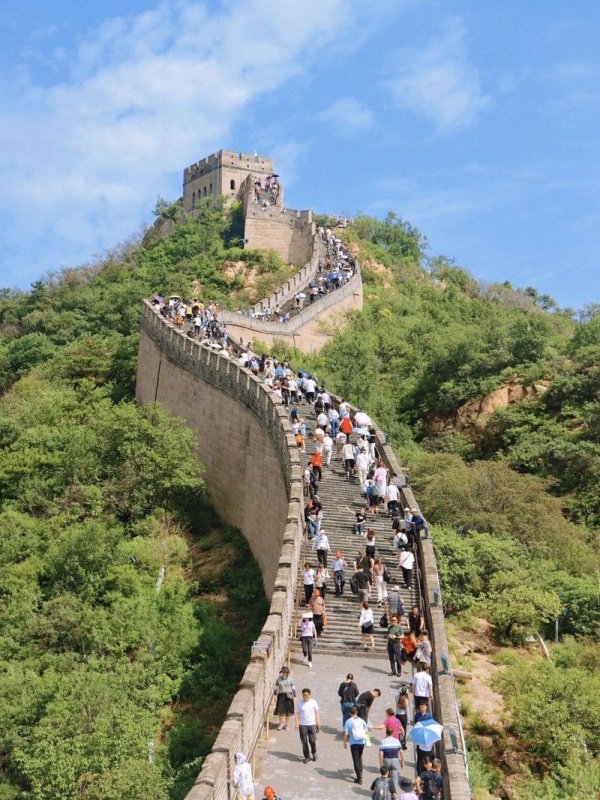
Beijing to Badaling Great Wall
Beijing's two airports create a separate logistics problem for wall-bound travelers. Capital Airport lies north-northeast of the city center, while Daxing Airport sits far to the south in Hebei Province. The distance from each to Badaling differs significantly, and so does the cost and complexity of the transfer.
From Capital Airport (PEK)
A direct taxi from Capital Airport to the Badaling scenic area costs roughly $70–90 (¥500–650) and takes approximately 1.5 hours, depending on traffic. A pre-booked private car through Trip.com or Klook falls in the same price range and removes the language barrier at the taxi rank. For travelers with luggage who are landing in the morning and want to go directly to the wall, this is the most practical option.
The cheaper multi-step route involves taking the Airport Express to Dongzhimen, transferring to Subway Line 2, riding to Deshengmen station, and then catching Bus 877 onward to Badaling. The total cost is roughly $7–9 (¥50–65) per person, but the journey takes 2.5–3 hours including the transfer waits and luggage handling — manageable but not relaxing after a long flight.
From Daxing Airport (PKX)
Daxing Airport sits on Beijing's southern edge, making it a longer proposition to Badaling regardless of mode. A direct taxi or pre-booked private car runs roughly $110–140 (¥800–1000) one way and takes approximately 2 hours under normal conditions. For same-day wall visits from Daxing, the private car is usually worth the cost simply to avoid a 3.5-hour multi-step transit with luggage.
The budget alternative uses the Daxing Airport line into the city center, then the subway network to Deshengmen, and finally Bus 877 to Badaling. Total cost comes to roughly $9–11 (¥65–80), but the door-to-wall time stretches to 3–3.5 hours — a significant commitment before and after time on the wall itself.
Frequently Asked Questions
Q: Which Beijing train station goes to Badaling?
Two rail options exist: the S2 suburban rail from Beijing North Railway Station (and some services from Huangtudian) to S2 Badaling Station — roughly 1.5 hours, $1 (¥6) — and the Beijing–Zhangjiakou HSR from Beijing North or Qinghe to Badaling Great Wall Station — roughly 20–30 minutes, $4 (¥25–30). Beijing South and Beijing West stations do not have direct service to Badaling.
Q: How long does the trip from Beijing to Badaling take?
Door-to-door times from central Beijing vary by mode: HSR plus shuttle is roughly 50–70 minutes total; private car 1–1.5 hours; Bus 877 roughly 1–1.5 hours depending on traffic; and S2 rail approximately 1.5–2 hours including station access. A full day trip including time on the wall ranges from 5 hours (HSR plus brief visit) to 10 hours (day tour with generous wall time).
Q: Can I buy Badaling tickets at the gate or do I need to reserve?
No reservation is required for the standard walk-up ticket, which can be purchased at the Badaling entrance gate. Trip.com and Klook also sell combo tickets that bundle transport from central Beijing with wall entry — a convenient option for same-day visits that simplifies logistics.
Q: Is Badaling suitable for kids and seniors?
Yes, with some caveats. The south section is the gentler option and pairs well with the cable car. Free admission applies to under-18s with valid ID and to visitors aged 60 and above with proof of age. Stairs are steep in places; the cable car and toboggan make the visit considerably easier, though the toboggan is subject to operator height and age restrictions that should be confirmed on the day.
Q: What's the difference between the north and south sections?
The north section climbs higher and steeper, with denser watchtower clusters and more dramatic ridgeline views. The south section is gentler and more uniformly restored, making it better suited to families with small children, visitors with limited mobility, or those working to a tight schedule. Both sections are within the same scenic area and each has its own cable car access.
Q: Do I need a tour guide at Badaling?
No — English and Chinese signage, audio guides, and interpretive panels cover the main visitor loop throughout the scenic area, as Badaling is the most-visited section of the Great Wall and is set up for international visitors. A guide adds historical and architectural context to the Ming-era construction, but independent visits are entirely standard.
Q: How far is Badaling from Beijing Expo Park / Yanqing Expo?
The 2019 Beijing Expo Park site in Yanqing District lies roughly 25–30 kilometers from the Badaling scenic area. Both are frequently combined into a same-day Yanqing itinerary; the drive between them takes approximately 40–60 minutes by car.
Q: Is there English signage at Badaling?
Yes. English-language signage, audio guides, and interpretive panels are installed throughout the main visitor areas. Badaling receives the highest international visitor volume of any Great Wall section, and the infrastructure reflects that role.