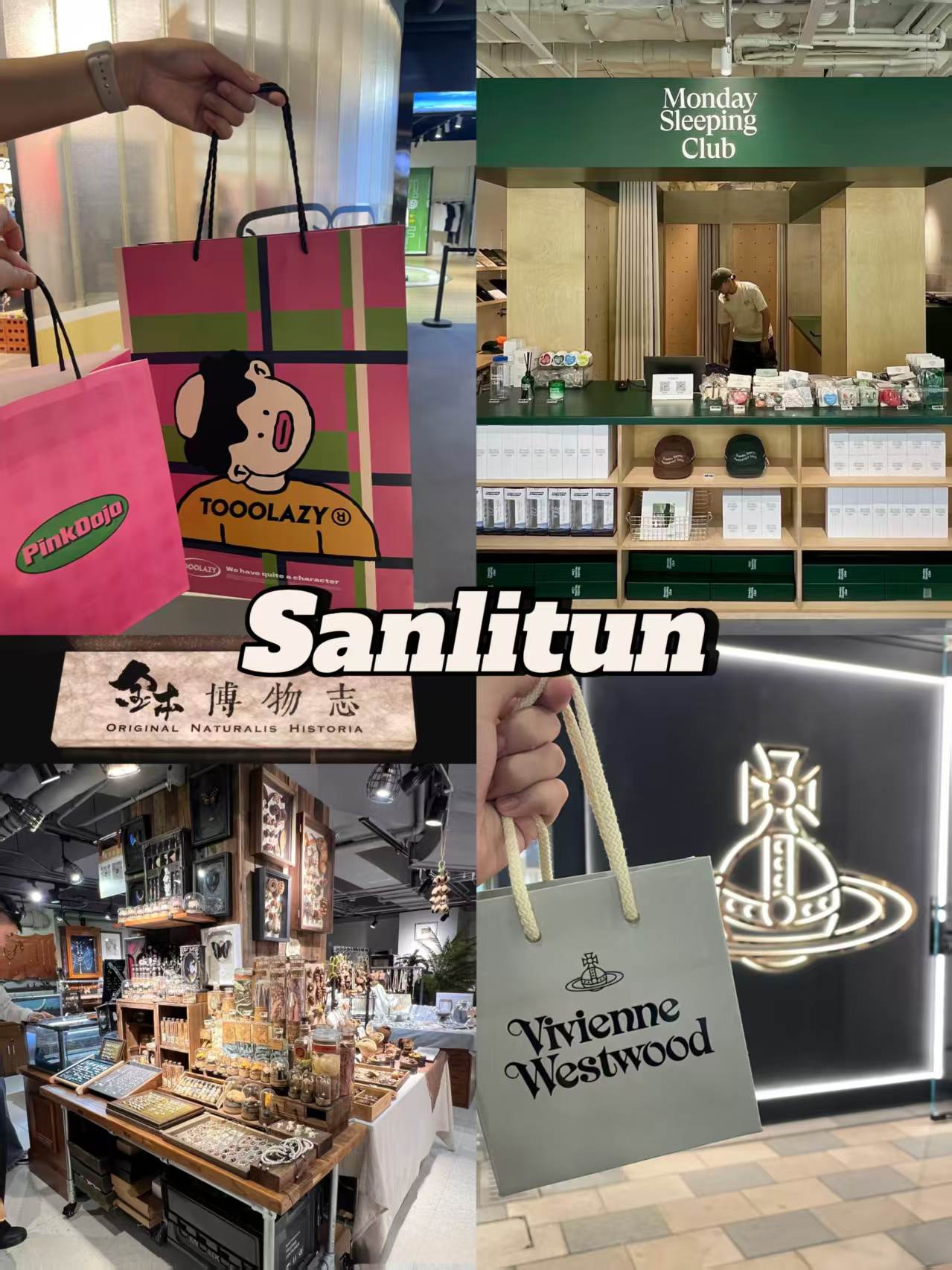
Sanlitun Shopping Guide
Sanlitun never feels quiet. Even on a weekday afternoon, you hear sneakers brushing the pavement, coffee machines steaming, someone laughing too loudly outside a bar that won’t open for hours. It sits in Chaoyang District, near the embassy area, and it carries that international mix—expats, Beijing locals, students, fashion kids. Curious about more local shopping spots? Discover Panjiayuan Antique Market here.
This sanlitun shopping guide isn’t just a list of brands. I’ve walked the loops between Taikoo Li and the side streets more times than I can count, sometimes buying something great, sometimes wondering why I paid that much. If you plan to shop in Sanlitun Beijing, it helps to know where the money actually goes.
🛍️ Planning a comprehensive shopping trip beyond Sanlitun? Explore our complete Beijing Shopping Guide for First-Time Visitors & Savvy Travelers to discover SKP luxury mall, Pearl Market bargains, Silk Street tailoring, traditional markets, smart payment methods, and insider bargaining strategies across all of Beijing!
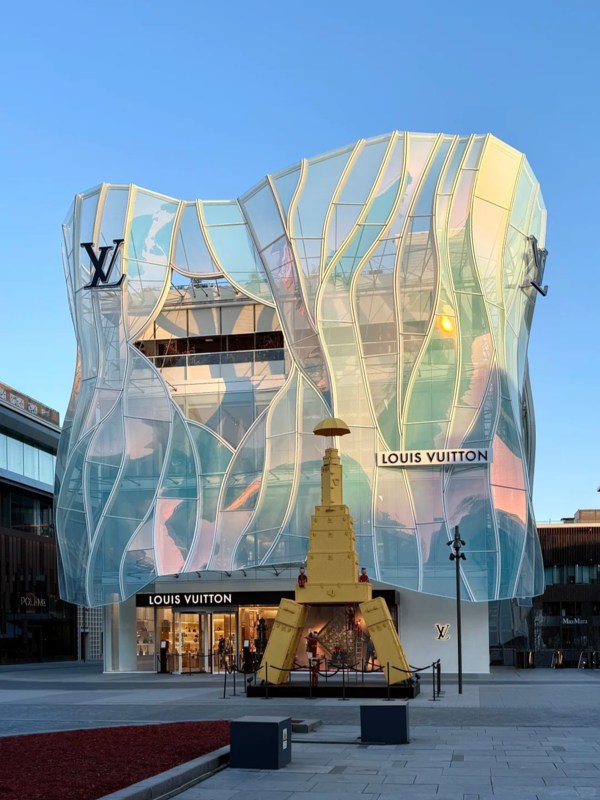
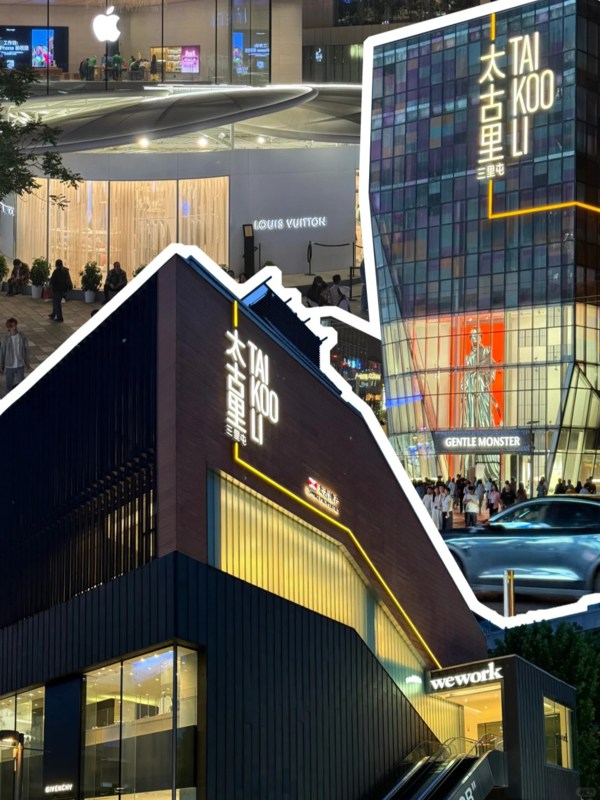
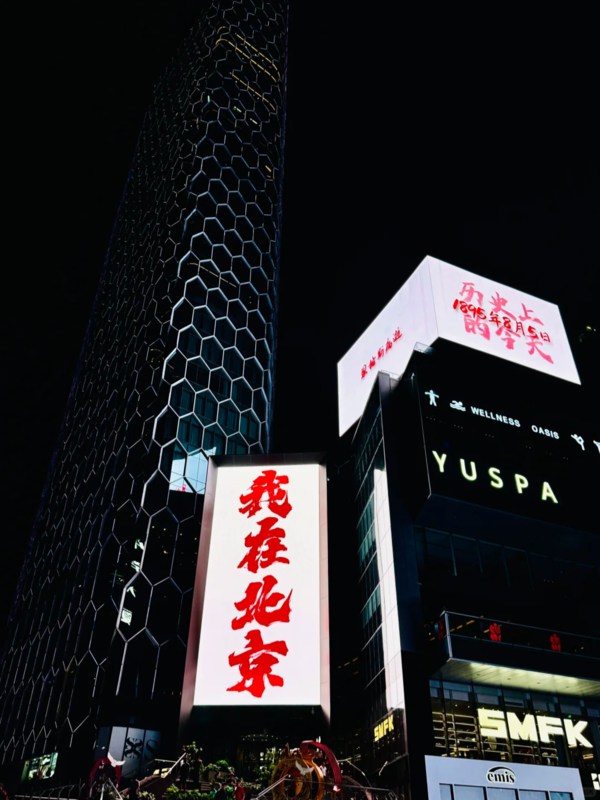
Taikoo Li North and South What Is the Real Difference
Taikoo Li is divided into two areas and that is where majority of the people are lost. The distinction in this section of the sanlitun shopping guide is important in that it will alter the amount you will spend.
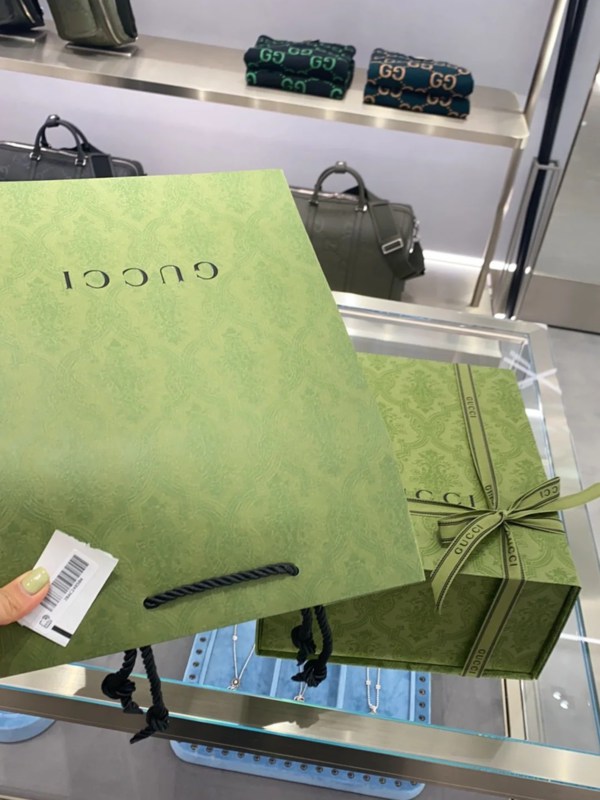
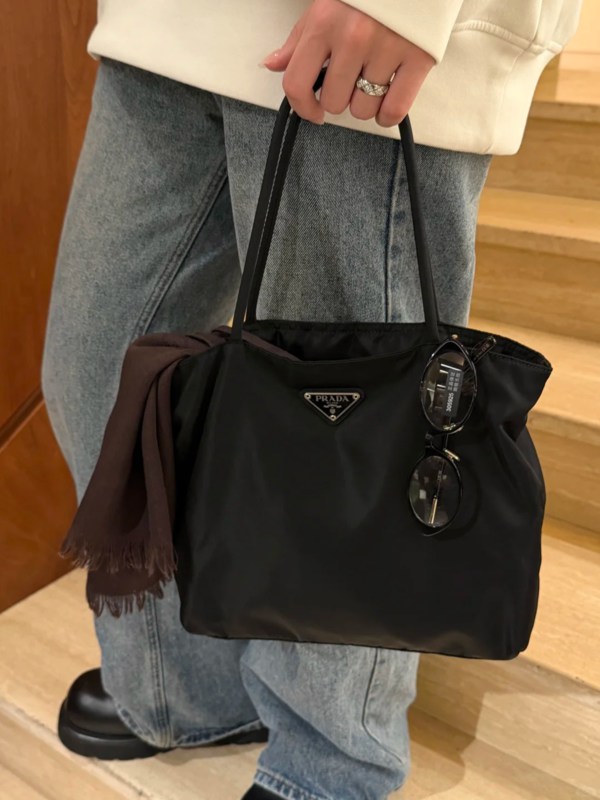
North Zone leans luxury. There will be Louis Vuitton, Gucci, Prada-flagship stores, mostly. Outside, queues are created on weekends, particularly in the case of new introductions. I have been swayed by the crowd believing it was a drop in streetwear; it was actually a luxury pop up. The retail price here is comparable to that of mainland China, and usually over the tax rate of Europe. Think ¥8,000–¥20,000+ for handbags.
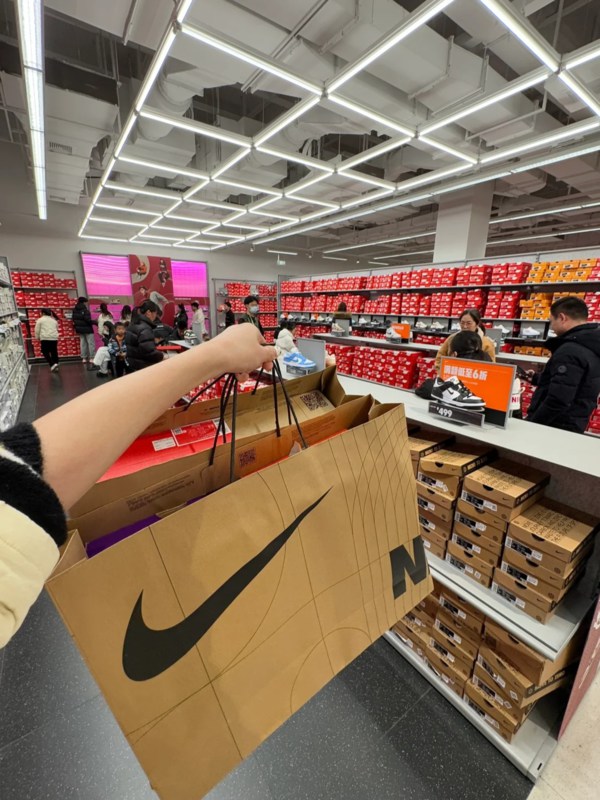
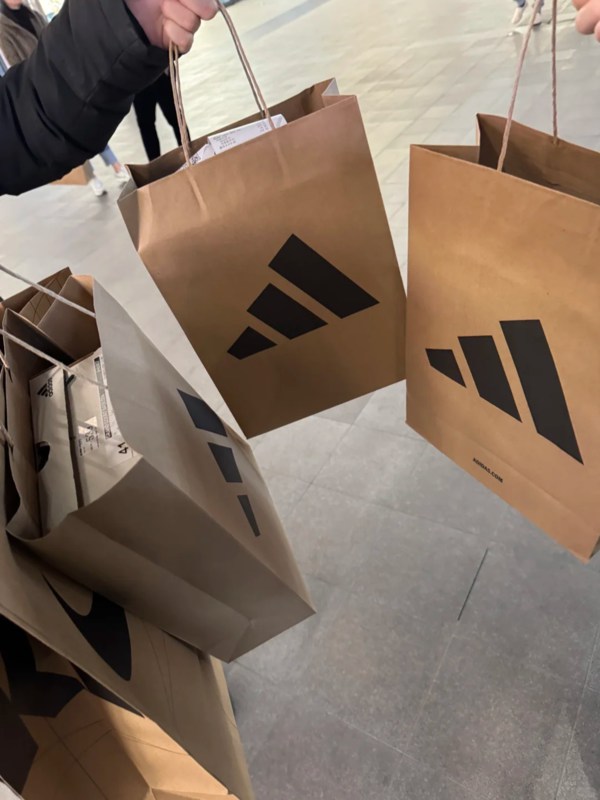
South Zone feels younger. It is dominated by Nike, Adidas, domestic designer brands and trend oriented stores. Premises are more open, with more pedestrian avenues. North is smooth and, to some degree, formal, whereas South is careless and noisier. You will see more of the university students living here, less embassy families.
When you are window shopping, begin with South. When you are in the hunt after luxury, go north first, and do not go on a Saturday afternoon.
Sanlitun SOHO and the Streets Behind the Malls
Sanlitun SOHO is not a mall-like building. It is predominantly office towers with retail in the ground floor. The newcomers are confused by that, but it is worth intervening.
Within the building of the Sanlitun SOHO, there is:
- Small multi-brand boutiques
- Independent coffee shops
- Informal restaurants 50-80 per person.
- Photo studios and nail salons.
The prices here tend to be lower than Taikoo Li. I recall purchasing a simple crossbody bag at ¥400-500 which is approximately half the cost of the same styles in the neighboring stores.
Niche brands in the side streets behind the malls, with bilingual signage, awkward English, or plain pinyin, are also found. Good places to take photos, and in particular during the afternoon when the sun is striking the concrete facades.
Sanlitun Bar Street Changes After 8 PM
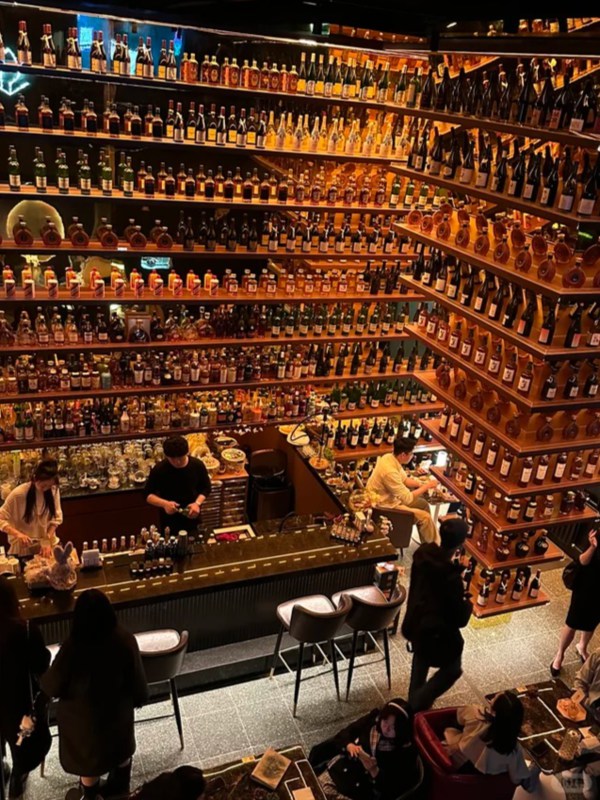
Sanlitun Bar Street is nearly deserted as it is pre-dinner. After 8 PM, it flips. Music is leaking out of doors, the foreign backpackers congregate by doorsteps, and English becomes as conversationally high-pitched as a dog boarding its new master. If you want to pair your evening with local flavors, see this unforgettable Beijing food tour guide.
Drink prices vary. An average beer will cost between ¥40 and 60, cocktails between ¥80 and 120. Nothing outrageous, but not cheap either. The families that come with kids tend to go in the evening; the atmosphere changes to nightlife instead of shopping.
It is 5-8 minutes walk, Taikoo Li South. Combine easily, yet time is of the essence. This is in the sanlitun shopping guide, which will work best when you intend to shop and then go night life.
🛍️ Sanlitun is just one of the standout districts in our comprehensive guide to Beijing shopping malls, which covers every major venue across the city from CBD luxury to Xidan youth fashion.
Which Shops Are Actually Worth Your Time
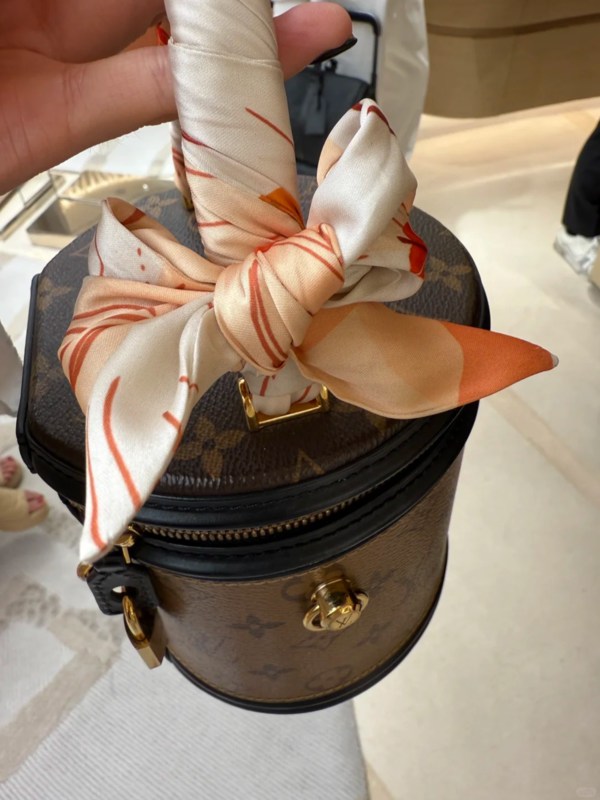
Luxury Flagship Stores and How to Shop Them Smartly
This section of the sanlitun shopping guide is not about listing every brand you can see on the directory board. It’s about which stores are worth stepping into and how to approach them without wasting half your day in line.
In Taikoo Li North, luxury flagships such as Louis Vuitton, Gucci, and Prada operate as full-scale stores. That means:
- Complete seasonal collections
- Classic permanent lines
- Larger stock rooms than smaller city branches
- Occasional China-exclusive releases
However, timing matters more than brand choice.
If you go:
- Weekday mornings (10–11 AM) are the safest window.
- Friday evening and Saturday afternoon usually mean queues.
- New collection drops increase waiting time significantly.
Price reality is straightforward. Compared to Europe:
- Most items are more expensive in China after currency conversion.
- VAT is already included in listed prices.
- Tax refund is possible for foreign passport holders, but paperwork must match exactly and airport processing takes time.
Service experience:
- Mandarin is dominant.
- English-speaking staff are available but not guaranteed in every department.
- Payment options include international credit cards and mobile pay.
Best suited for:
- High-budget travelers (¥8,000–¥25,000 per purchase).
- Shoppers looking for China-only editions.
- Visitors who want immediate availability rather than overseas waitlists.
If you’re browsing only, keep expectations realistic and focus on items difficult to find at home.
Streetwear and Youth Fashion That Sells Out Fast
Taikoo Li South is totally different. The power moves out of the high luxury to quicker retailing. This is the place where the majority of the younger locals shop.
Big brands are Nike and Adidas, and Chinese street-style brands which change collections at very fast rates. Inventory here moves fast.
What to know before entering:
- Sneakers that are limited only sell out in hours.
- The most popular sizes (US 8-10) are the first to disappear.
- There are collaborations that involve early queuing.
Once I was able to buy a heavyweight grey hoodie of a local brand in Beijing that cost me ¥699. It was oversized and the quality of the fabric was good and, after two weeks, it was sold out. That is the norm when it comes to turnover.
In comparison to US and Europe price:
- After conversion, regular Nike products are more or less alike.
- The graphics that only mention china are more frequent.
- Hoodies or jackets of domestic brand tend to cost between ¥400 and ¥1,200.
When going through the list of taikoo li sanlitun shops, stick with the ones that are flagship or concept store. They tend to stock wider lines and initial sales.
The flexibility is needed in this section of the sanlitun shopping guide. Waiting does not help much if something that you like is in sight.
Beauty Lifestyle and Concept Stores
Between fashion blocks, smaller lifestyle and concept stores provide better value for most travelers. They’re also easier to navigate and less crowded.
Common categories worth entering:
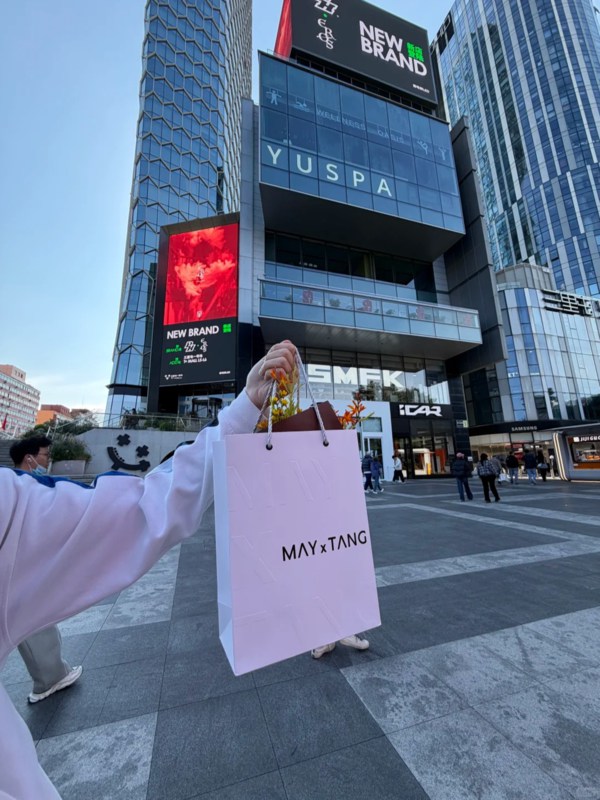
- Niche fragrance boutiques (¥300–¥1,200).
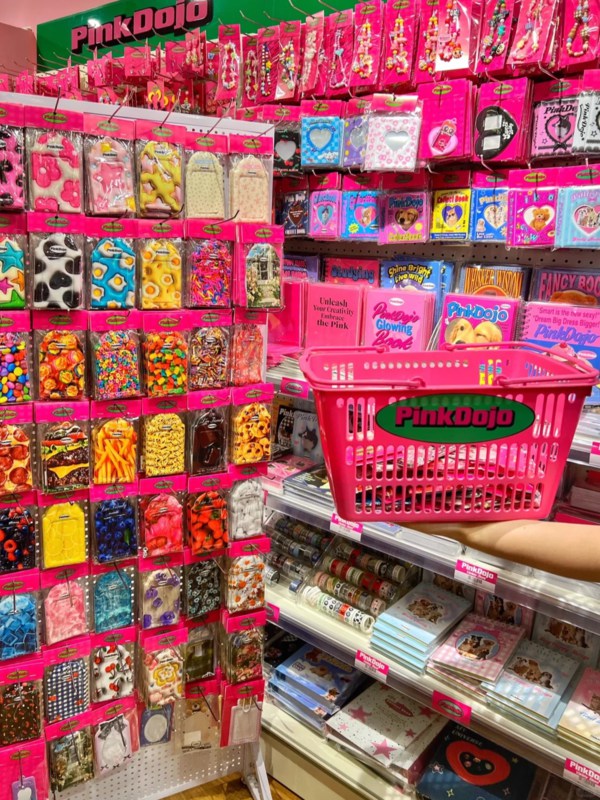
- Chinese design stationery and notebooks (¥50–¥200).
- Scented candles and home diffusers.
- Modern tea packaging designed for gifting.
These stores are practical because:
- Products are compact and travel-friendly.
- Pricing is manageable (¥100–¥800 average spend).
- Designs feel contemporary rather than traditional souvenir-style.
Items I personally recommend:
- A minimalist ceramic tea cup set (¥200–¥500).
- A locally designed canvas tote (¥150–¥300).
- Travel-size perfume from an independent Chinese fragrance brand.
They make better gifts than generic mall souvenirs.
Overall, this sanlitun shopping guide focuses on selective entry. You don’t need to walk into every store. Enter with purpose, understand pricing levels, and adjust expectations by zone. That strategy saves both time and budget while still making Sanlitun worth the visit.
💡 Beijing Lifestyle & Leisure Tips: Beyond Sanlitun's trendy strips, there is plenty more to explore across the city — start with the best things to do in Beijing overview.
What to Buy and What Is Overrated
-

- Chinese Designer Brands
-
- Independent Fragrance Brands
-
- Chinese Design Stationery Brands
Chinese Designer Brands Tourists Miss
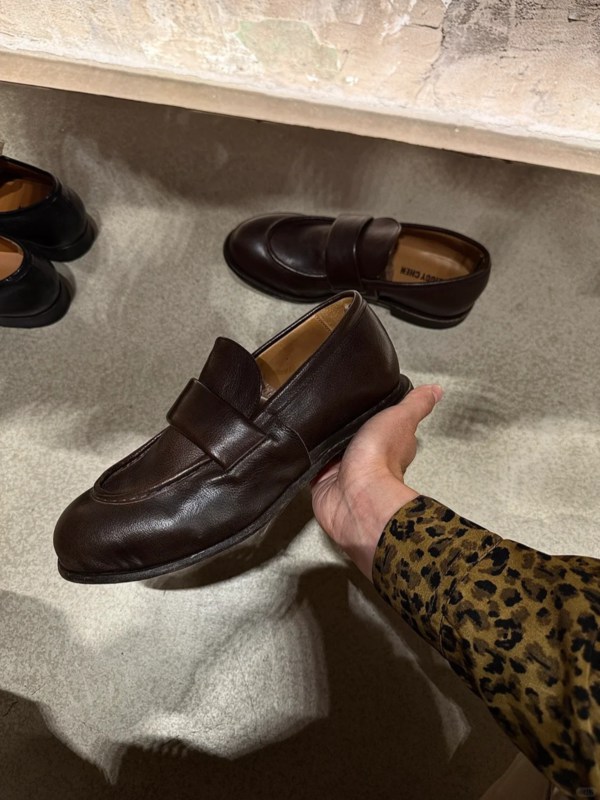
Chinese designer brands are totally ignored by many people who visit Sanlitun, although they exist in small shops that appear in Taikoo Li South and the lanes behind SOHO. In these shops, one can find clothing, accessories and other small leather items that seem to be unique to the global chains and personalize any shopping bag.
- Popular items would be scarfs, jackets, crossbody bags, statement accessories that will tend to allude to local culture or art.
- The cost is moderate and varies between ¥400 and ¥1,500 so they are more affordable compared to the luxury international brands but at the same quality level.
- Limited production, local prints and details of design as a story make it unique. These are not as mass-produced as there are more of a souvenir with a meaning.
I once bought a silk scarf in a Beijing designer at the cost of approximately ¥680. The print was based on the traditional hutong murals, and I have only encountered such objects in small local exhibitions. It was more reminiscent than a mass-market logo bag, and was easy to travel with.
To tourists focused on originality, the brands offer products of a fashionable and cultural value. With this section of the sanlitun shopping guide, one can identify the types of shops which are easily missed during the first time visit, yet provide authentic souvenirs.
Good Souvenirs That Do Not Feel Cheap
If you want to bring something home that doesn’t scream “tourist trap,” certain items combine practicality with aesthetic value.
- Tea: Loose-leaf tea varieties sold in boutique shops range around ¥80–¥200 for small tins, and they are easy to pack without taking up much space. Quality is usually better than what you find in standard supermarkets.
- Stationery and creative goods: Local concept stores carry notebooks, pens, postcards, and small art prints, with prices between ¥50–¥150. Lightweight, easy to store, and often featuring designs you won’t see outside China.
- Fragrance and candles: Boutique Chinese perfume brands offer travel-size bottles and scented candles for ¥150–¥400, ideal for gifts or personal use. Some shops also sell combination sets, making it convenient for gifting multiple people.
These products are practical, portable, and feel intentional. Even a small spend can leave a lasting impression, especially if you pick a product that highlights local design. Many first-time visitors miss these smaller stores, but they’re often the most rewarding.
Things That Are Often Overpriced
Not every purchase in Sanlitun is worth the sticker price. Certain categories routinely carry inflated costs that don’t reflect higher quality.
- Bar street drinks: Cocktails commonly range ¥80–¥120, beers ¥40–¥60, noticeably higher than casual local bars. For tourists, it can add up quickly.
- Imported streetwear and sneakers: Limited-edition or overseas labels sometimes include extra markup at smaller boutiques; stock may be limited, but resale pricing inflates perception of value.
- Fast-fashion inside malls: Some global fast-fashion chains inside Taikoo Li charge slightly more than outside locations, despite the same products.
Ways to avoid overspending:
- Compare prices online first. Numerous shops post products on the official applications or WeChat mini-programs.
- Use a shopping list so that you avoid temptation to buy impulsively in immediate areas of display shelves or at peak times of the weekends.
- When an item appears to be too costly in terms of quality, then look in other places in small boutique stores or SOHO side streets.
With this part of the sanlitun shopping guide, you will be able to concentrate on meaningful and memorable purchase but avoid overpriced or generic products. It is not all about spending more but it is spending smart.
Latest Store Deals in Sanlitun
-
- Lululemon in Sanlitun
-
- Starbuck in Sanlitun
-
- Tiffany Sanlitun Lantern Giveaway
Here’s the lowdown on Sanlitun’s hottest ongoing discounts and must-visit activities, perfect if you want to shop smart and hit all the popular spots.
Trendy Retail Deals:
COS (Taikoo Li South) – Get ¥200 off when you spend ¥1800, plus extra discounts on selected fall/winter items. Valid until early March, and verified by XiaoHongShu users.
Abercrombie & Fitch (Taikoo Li North) – Extra 40% off the sale section, with jeans starting around ¥300. Students can stack an extra 5% off with membership. Popular items sell out fast, so head there early!
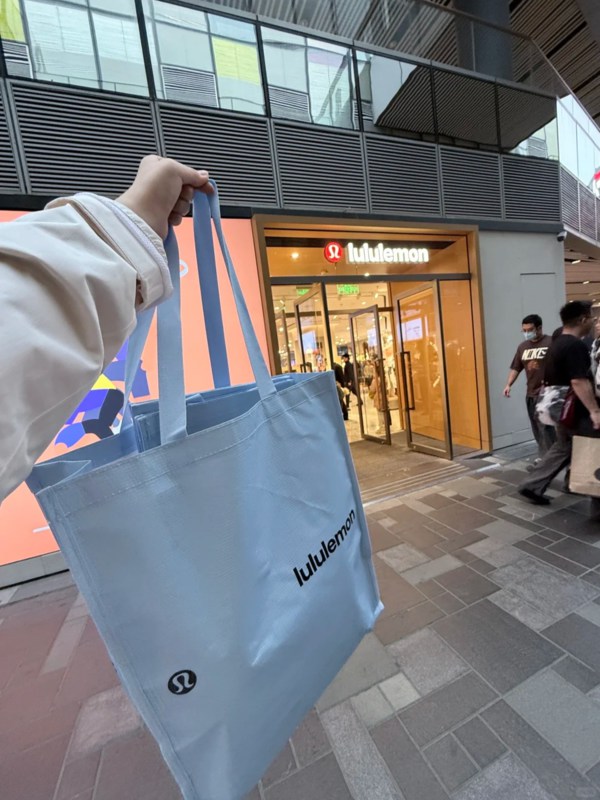
Lululemon (Taikoo Li South flagship) – Spend ¥1888 to save ¥188, with older yoga pants and jackets at 30% off. Offer valid until March 10, brand membership registration required.
Plus-size fashion at Sanlitun SOHO – Spring and winter collections all at 42% off, single pieces included. Trending on Douyin, so better not wait.
Food & Coffee Specials:
Haidilao (Sanlitun branch) – Search “Weekend Half-Price” on Meituan to get ¥30 off ¥60 or ¥20 off ¥40. Works for dine-in and delivery, can combine with student 31% discount or birthday treats. Douyin group deals are around 49% off.
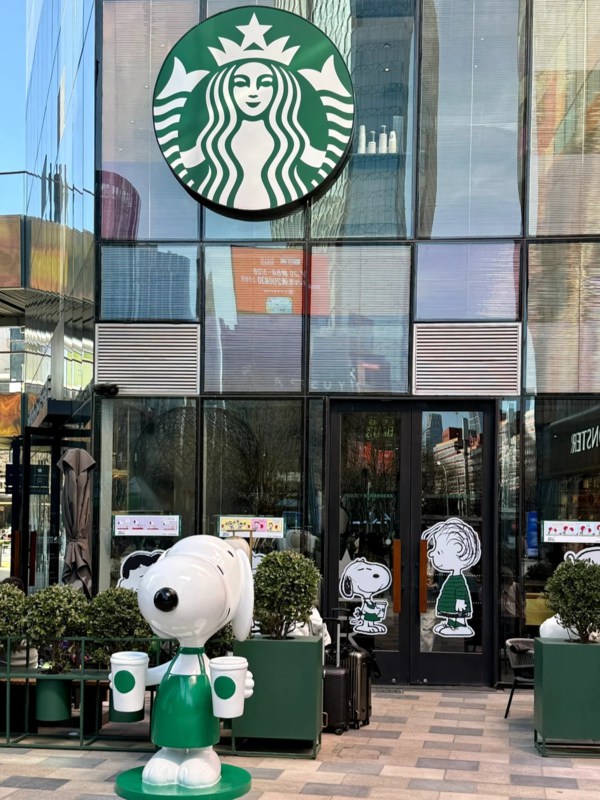
Starbucks (various Sanlitun locations) – Special vouchers 2/14–3/3: ¥80 off ¥200, ¥200 off ¥500, ¥400 off ¥1000. Available daily at 10:00 via the Starbucks app or Meituan, and you can still collect reward points.
Paaaata Diao Café (SOHO, 5th mall) – Drinks and desserts at half price via Douyin group-buy. Coupons refundable if expired, still valid in early March.
CASA BACARDI Club – Snacks originally ¥328 now ¥158 via Douyin. Special drinks combos with mojitos for 2–3 people. Don’t miss the rooftop views of Sanlitun nightlife.
Popular In-Person Events:
“Lion King Comes to Beijing” Traditional Lion Dance Exhibition (Taikoo Li North courtyard) – 2/2–3/3, featuring 8 exclusive lion heads including a first-time Forbidden City edition in Beijing. Free to visit, lots of photo opportunities. Some souvenirs available after the event.
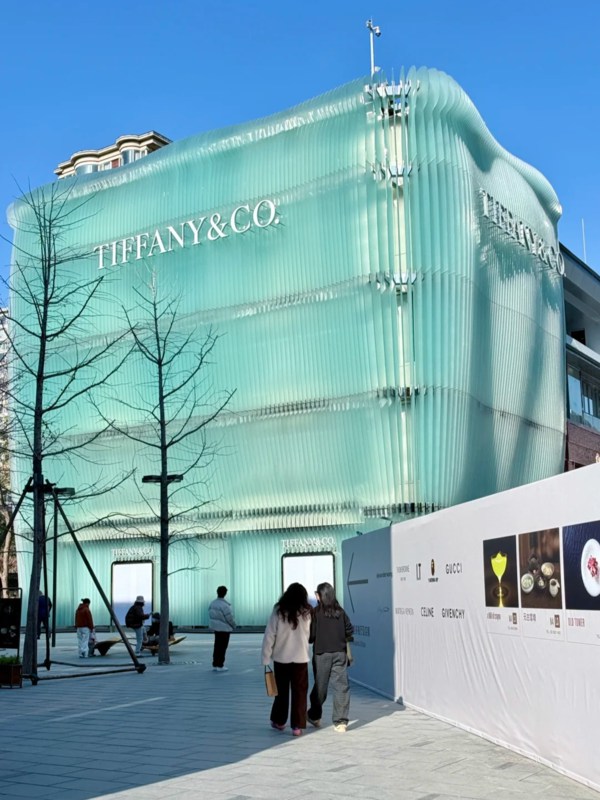
Tiffany Sanlitun Lantern Giveaway – March 3, 6:30–8:00 PM, limited lantern-shaped charm for visitors who book ahead. Store decorated with red lanterns, perfect for photos.
Women’s Day Previews (March 6–8) – Sephora and Armani Beauty offer free gifts and sample packs. Cafes in the North Zone feature a ladies-only ¥138 drinks special plus 32% off desserts.
How to Spend Half a Day Shopping and Exploring in Sanlitun
-
- Bar in Sanlitun
-
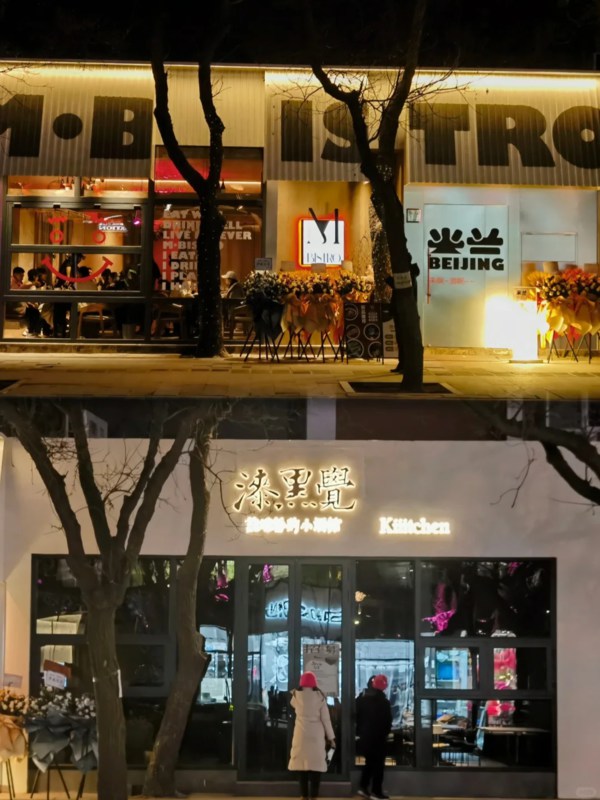
- BM of Sanlitun
Late Morning Coffee in SOHO
I usually start my sanlitun shopping guide route around 10:30 AM in Sanlitun SOHO. At this time, the area is calm but not empty—office workers trickle in, a few expats linger over laptops, and small cafés start to hum.
- Crowd: light to moderate, easy to find a seat.
- Photo spots: the modern glass façades and minimalistic interiors make casual shots easy.
- Morning atmosphere: relaxed, with sunlight hitting the narrow pedestrian lanes and occasional scent of fresh pastries.
A flat white or latte costs around ¥35–¥45, and cafés often provide both Mandarin and English menus. It’s a good time to plan which shops to hit next without feeling rushed.
Afternoon Exploring Taikoo Li South
By noon, I move toward Taikoo Li South. The pedestrian lanes widen, and you can immediately feel the energy of shoppers.
- Recommended order: start with streetwear and youth fashion stores, then check smaller boutiques, and finally the lifestyle shops.
- Stores with queues: Nike and Adidas concept stores, certain limited-release collaborations. Be ready to wait 10–20 minutes if it’s a weekend.
- Shopping details: on my last visit, I ended up with three medium shopping bags—two clothes, one small lifestyle purchase. Carrying options like a backpack or tote helps.
Following this sequence minimizes backtracking and gives a realistic pace to enjoy what the sanlitun shopping guide highlights.
Evening Drinks Near Bar Street
I usually finish around 7:30–8 PM near Bar Street. The scene transforms completely.
- Visitors: mostly Western backpackers and young expats, some local nightlife-goers.
- Atmosphere: lively, music spills onto the street, tables spill outside, lanterns flicker.
- Safety: well-patrolled, but standard urban awareness applies. Stick to main streets after dark.
- Prices: beers ¥40–¥60, cocktails ¥80–¥120. It’s more expensive than daytime cafes, but reasonable for a night out in Beijing.
This half-day route lets you see the sanlitun what to do highlights, from calm morning coffee to bustling evening drinks, combining shopping and local culture efficiently. Want to explore more vibrant night spots? Check out Beijing’s top night markets here.
FAQ About This Sanlitun Shopping Guide
Q: Is Sanlitun expensive compared to other Beijing shopping areas?
Sanlitun is generally pricier than Wangfujing or Xidan, especially in Taikoo Li North. Luxury flagships like Louis Vuitton, Prada, or Gucci match global retail prices and sometimes exceed European costs after currency conversion. Taikoo Li South and SOHO have more moderate options, but imported streetwear or niche boutiques can still feel expensive. Meals, coffee, and casual items are usually around ¥35–¥120, slightly above typical local rates. First-time visitors often overestimate savings here; it’s better to target stores you really want rather than browsing aimlessly.
Q: Which metro station is closest to Sanlitun shopping?
The nearest metro stop is Tuanjiehu Station on Line 10, about a 10–15 minute walk to Taikoo Li. Exit D1 leads toward the main pedestrian street. For Bar Street or SOHO, a slightly longer walk or a short taxi ride helps, especially if carrying shopping bags. Signage is mostly in Chinese and Pinyin, so Google Maps or Baidu Maps helps avoid getting lost. During weekends, the streets are crowded, so leave extra time for walking between Taikoo Li North, South, and SOHO.
Q: Is Sanlitun safe at night?
Yes, Sanlitun is generally safe. Bar Street gets lively after 8 PM with many Western backpackers and expats, but pickpocketing can occur in crowded areas. Side streets are well-lit and patrolled, though I avoid alleyways after midnight. Families usually stick to the main pedestrian zones. Taxis and rideshare apps like DiDi operate reliably, and walking between Taikoo Li South and Bar Street takes just 5–8 minutes, making it easy to combine shopping and nightlife safely.
Q: Can foreigners use credit cards easily?
Most stores in Taikoo Li accept Visa, Mastercard, and UnionPay. Luxury flagships and lifestyle boutiques often support international credit cards, though some smaller SOHO shops prefer mobile pay apps like WeChat Pay or Alipay. Always carry cash for tiny purchases under ¥50 or for street food. On my last visit, a small stationery shop only accepted mobile pay, so having your phone set up with a linked card avoids inconvenience.
Q: Where can I see a full Taikoo Li Sanlitun shops list?
Official Taikoo Li websites and WeChat mini-programs provide the most up-to-date taikoo li sanlitun shops list. Maps inside the malls are useful but sometimes outdated. Third-party travel blogs or Ctrip listings give store descriptions and price ranges. I often cross-reference before going, especially for limited-release streetwear or boutique designer stores, to know which side—North or South—to focus on.
Q: Is Sanlitun better for nightlife or shopping?
Both. Daytime is ideal for shopping: Taikoo Li North for luxury, South for streetwear and concept stores. Evening brings nightlife to Bar Street, with beer and cocktails in the ¥40–¥120 range. Music, outdoor seating, and a mix of locals and tourists create a lively vibe. Families with children usually leave by sunset, so evenings skew toward young adults. Planning morning shopping and late-night drinks gives the best combined experience.
Q: Are there budget options?
Yes. SOHO and small boutiques behind Taikoo Li offer items under ¥500, like local designer accessories, stationery, or casual streetwear. Fast-fashion brands inside Taikoo Li occasionally run sales. Coffee shops or light meals range ¥35–¥80, making them accessible for budget-conscious visitors. If you focus on these areas rather than North luxury, you can enjoy a full Sanlitun experience without overspending.
Q: How long should I spend here?
A half-day is enough to cover highlights if you follow a planned route: coffee in SOHO, shopping in Taikoo Li South, then optional luxury browsing in North. Full-day visits allow leisure exploration, Bar Street drinks, and photography. On weekends, lines and crowds can double your time, so weekdays are more efficient. Personal shopping speed varies, but 4–6 hours covers most key spots.
Q: Is Sanlitun suitable for families?
Partly. Daytime shopping and SOHO streets are family-friendly: safe, clean, and easy to navigate with strollers. Bar Street after 8 PM is less suitable due to noise, alcohol, and adult crowds. Cafés, bookstores, and concept stores in Taikoo Li South provide relaxed spaces for children. Families can plan morning or early afternoon visits, then return to hotels before nightlife begins.
Q: Can I find authentic local souvenirs in Sanlitun?
Yes, but you need to know where to look. Beyond the big luxury and streetwear stores, small boutiques in Taikoo Li South and the alleys behind SOHO sell locally designed tea sets, stationery, scented candles, and travel-size fragrances. Prices range roughly ¥50–¥400, and most items are compact and easy to carry. These products feel intentional rather than touristy, making them memorable gifts. First-time visitors often miss these stores, so following this sanlitun shopping guide helps you spot authentic keepsakes without paying inflated prices.