Panjiayuan
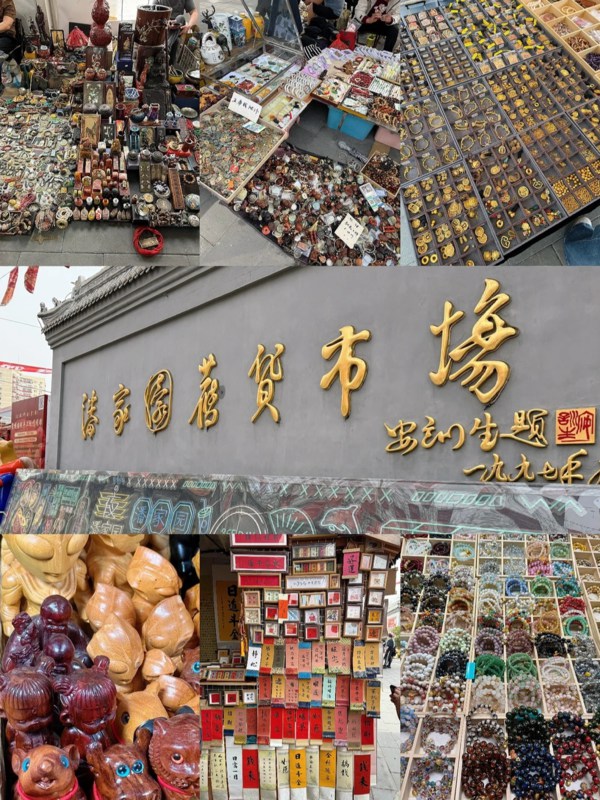
Beijing has its polished malls and neat pedestrian streets, but panjiayuan runs on a completely different rhythm. It’s noisy, a little dusty, and full of people arguing over whether a coin is from the Qing dynasty or last year. You hear metal clinking, smell old paper and incense, and someone will probably call you “friend” before you even slow down. Curious about where Beijing preserves real historical artifacts? Check out the Beijing Museum of Natural History for authentic exhibits.
Panjiayuan antique market isn’t a museum. It’s a marketplace with attitude. Some stalls sell real history, others sell convincing stories. If you don’t know what you’re looking at, it can feel overwhelming — or oddly exciting.
Panjiayuan Quick Facts
| 🏷️ Official Name | Panjiayuan Antique Market |
| 🀄 Chinese Name | 潘家园旧货市场 (Panjiayuan Jiuhuo Shichang) |
| 📍 Address | No.18 Huaweili, Chaoyang District, Beijing |
| 🚇 Metro | Line 10, Panjiayuan Station (usually Exit C; signs in English are clear) |
| 🕒 Opening Hours | Weekdays roughly 8:30am–5:30pm; weekends start earlier, around 7:00am. Hours may shift slightly by season. |
| 🌙 Night Market | No regular night market now; most stalls close before evening. |
| 👻 Ghost Market | The old early-morning “ghost market” tradition has largely faded; only limited early vendors remain. |
| 🎟️ Entry Fee | Free entry; you only pay if you buy. |
| ⭐ Best Visiting Time | Saturday morning before 10am feels busiest and most atmospheric. |
What it Feels Like Walking into Panjiayuan on a Busy Weekend
-
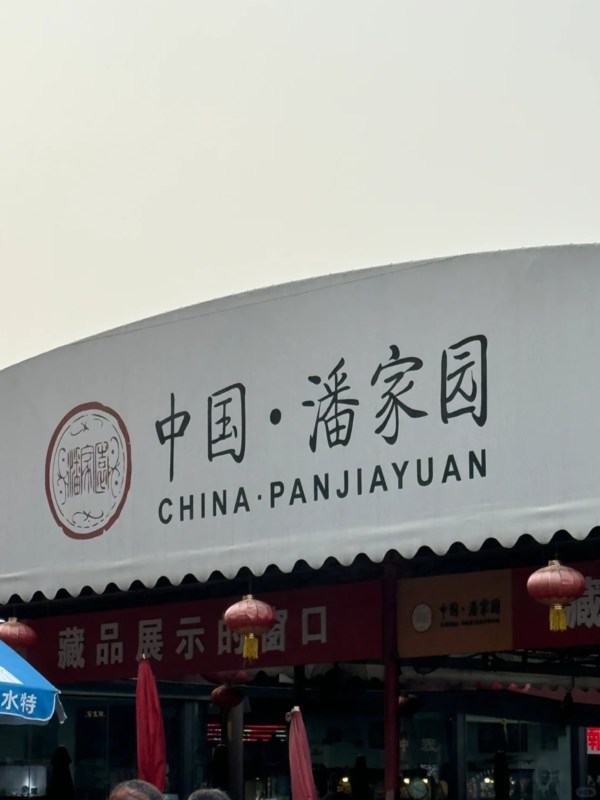

- Doorplate of Panjiayuan
-
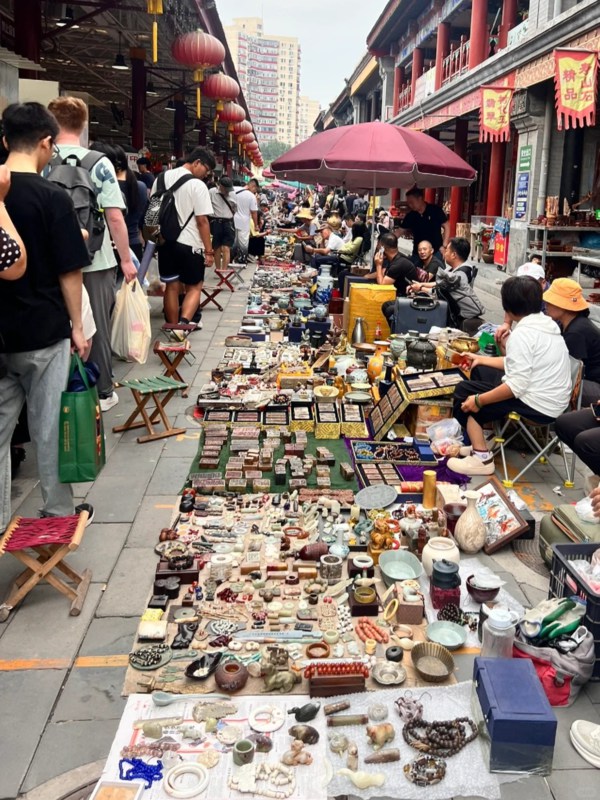
- Crowds in Panjiayuan
-
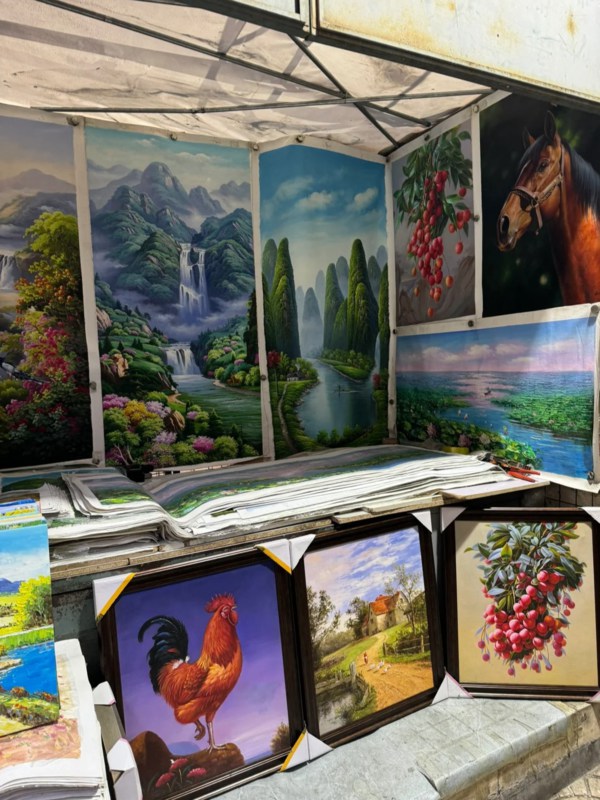
- Paintings in Panjiayuan
The first impression of Panjiayuan is louder than you expect
The first thing that hits you at panjiayuan isn’t visual — it’s volume. Vendors call out prices without microphones, just strong lungs. You hear “cheap, cheap” in English from one side, rapid-fire Mandarin bargaining from another. Metal coins clink in shallow trays. Someone unwraps porcelain with exaggerated care, letting the sound of paper build suspense.
By 8:30am on a Saturday, the aisles are already tight. Locals move fast, scanning tables with experienced eyes. Elderly collectors crouch low to inspect stamps. Middle-aged buyers argue calmly but firmly over 20 yuan differences. Foreign visitors are noticeable but not dominant — maybe 10–15% of the crowd. Most walk slower, taking photos, slightly overwhelmed.
There’s dust in the air, especially in the outdoor sections. Old books give off that dry, sweet smell of aging paper. Some stalls burn incense, mixing sandalwood with the scent of metal and fabric. It’s not unpleasant, just dense.
Why Panjiayuan is more flea market than true antique heaven
If you arrive expecting a carefully curated antique center, panjiayuan market will reset your expectations quickly. A significant portion of the items are reproductions — Cultural Revolution posters printed in recent years, “ancient” coins made for decoration, porcelain designed to look older than it is. Some pieces are intentionally aged. Others are simply souvenirs.
Authentic antiques do exist, but they are a minority and usually require expertise to identify. Serious collectors often come with background knowledge or local contacts. For casual visitors, distinguishing real from replica can be nearly impossible.
That’s why it helps to view panjiayuan less as an antique authority and more as a cultural marketplace. It’s not a museum. It’s not regulated like an auction house. It’s a living, commercial space where history, nostalgia, craftsmanship, and imitation all mix together.
What to Buy at Panjiayuan and What Usually Wastes your Money
-
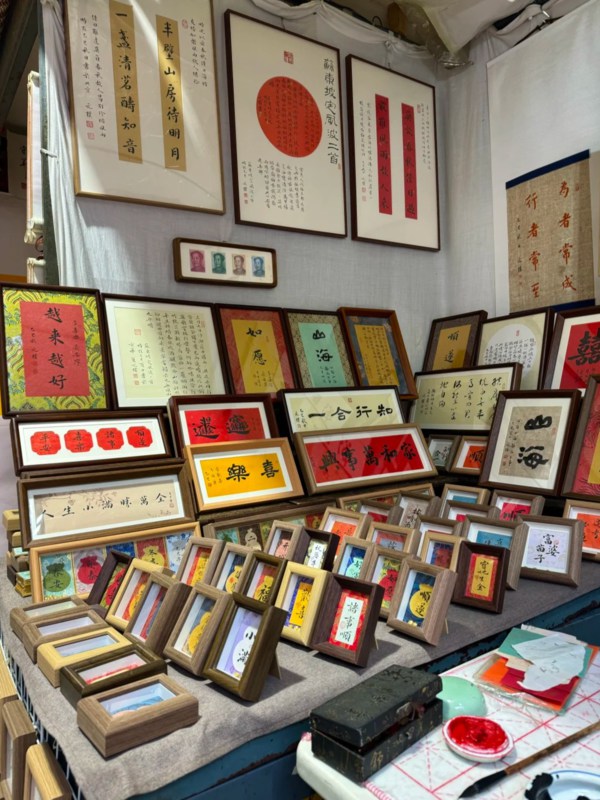
- The Safest Things to Buy
-
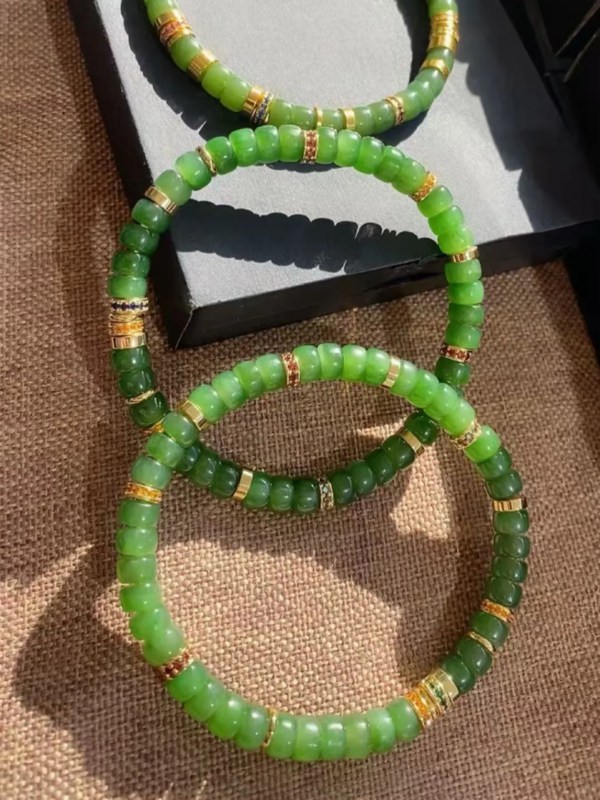
- Items at Panjiayuan
-
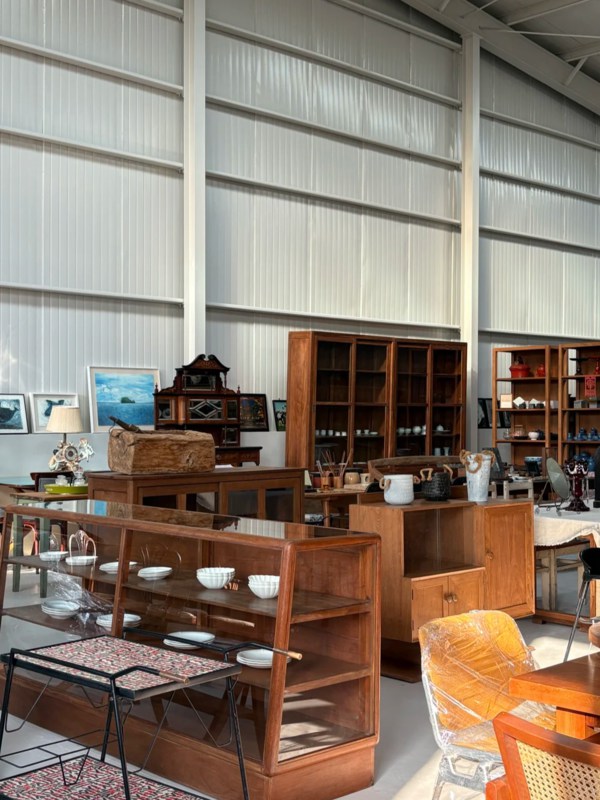
- Furniture in Panjiayuan
The safest things to buy at Panjiayuan
To get a meaningful piece of art without losing money, choose items that do not have their main value based on authenticity. A great example is modern calligraphy or ink on paper created at panjiayuan (the antique market in Beijing). Many artists will paint there. Generally speaking, smaller pieces will cost 100-300 RMB, depending on size and detail. You are buying art, not "history", so keep your expectations in check.
Another item that people are interested in are Mao-era propaganda posters, although there are many reproductions to be found – usually priced at 20-80 RMB. Many vendors openly display their reproductions. Old magazines from the 1980's/1990's can generally sell for 30-100 RMB depending on quality. Custom-made carved name seals typically run about 50-200 RMB.
These items will typically have a lower risk than items that require a verification of their authenticity based on dynasty-level standards. When you leave the panjiayuan market, you will leave with a story and not a gamble.
🏺 Looking for other Beijing shopping experiences beyond antiques? Discover our comprehensive Beijing Shopping Guide for First-Time Visitors & Savvy Travelers featuring luxury malls (SKP, China World), Pearl Market for freshwater pearls, Silk Street tailoring, Sanlitun fashion, mobile payment setup, bargaining strategies, and fake-detection techniques!
Items at Panjiayuan that are often overpriced
Some items are more likely to attract first time buyers. They have a high chance of having a high markup when compared to their original price.
Examples of items then would be "Qing dynasty" copper coins. All of the coins in panjiayuan are mass produced replicas that are made to look old by artificially applying a detailed finish. The coins that are sold for 100 - 300 RMB may have cost much less to create and market.
Another example would be "Ming dynasty" porcelain. The original porcelain from the "ming dynasty" is confirmed to be in a museum. If you find something that looks like it came from the "ming dynasty" and it is in "perfect" condition and priced at a low price, it is probably a replica.
Fake jade and fake "old jade" require an expert to guarantee what you are purchasing. It is important to buy from vendors that will supply you with proof or certifications for their items prior to selling them.
In panjiayuan, lighting can deceive you into believing that your jade is more valuable than it actually is. Vendors use confidence as a main tactic by speaking about the item with authority, referencing a dynasty and creating urgency to purchase their items. The best way to keep from getting burned is to slowly evaluate the item and not rush into any decision.
Real price ranges you can expect at Panjiayuan in 2026
For small souvenirs — coins, posters, small carvings — expect 20–80 RMB after bargaining. Medium-sized decorative items like framed prints, larger seals, or small ceramic pieces often land between 100–500 RMB. Larger furniture or heavy wood carvings can easily exceed several thousand RMB, especially indoors.
As a rough rule, start at 30–50% below the asking price. Vendors typically expect negotiation. At panjiayuan, the first price is rarely the final one. If the seller immediately agrees, you probably could have gone lower.
A short bargaining story from my last Panjiayuan visit
When I was at panjiayuan the other day, I found a Cultural Revolution poster that was priced at 180 RMB. I offered only 60. The vendor laughed and said he would sell it to me for 150. I began to leave. The vendor dropped his asking price down to 120 RMB. I countered with 80 RMB and after a moment of silence we agreed on 90 RMB.
This exchange took just under three minutes to complete. Patience was the key; aggression was not. Even though I left the vendor with my best bargaining positions available (ie; the highest price), it was my willingness to walk away from the deal that helped me achieve a successful negotiation and create a possible future relationship with this vendor.
-
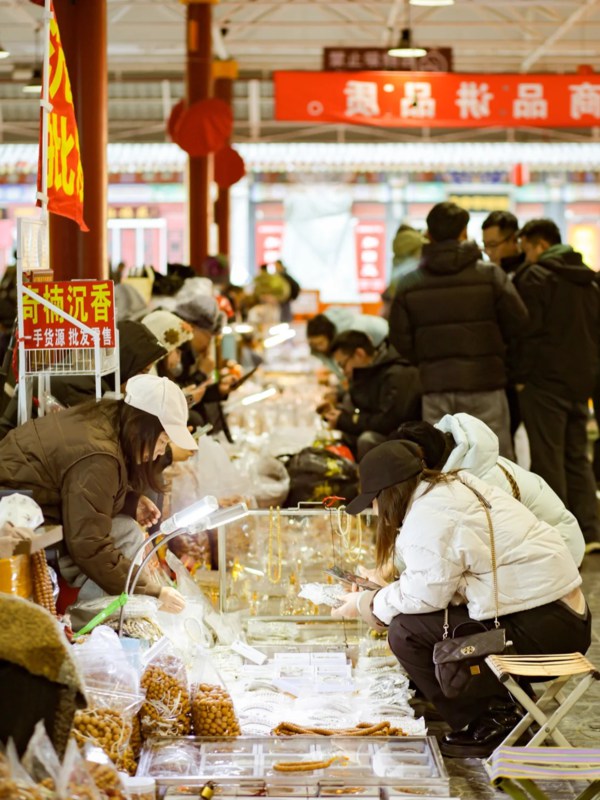
- Inside of Panjiayuan
-
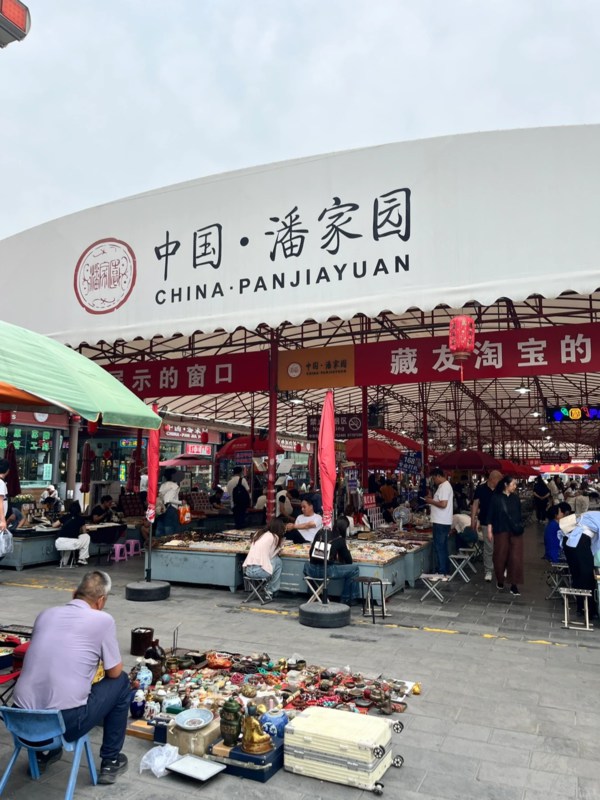
- Outside of Panjiayuan
Understanding the Panjiayuan antique market map layout
At Panjiayuan, the layout consists of two major sections. The larger of the two sections is indoor and has months of permanent items in permanent stalls, or provides a wide variety of signs and structures in a very crowded and narrow aisle. The outdoor area has smaller vendors that may sell everything from vintage-style posters to inexpensive crafts to tourist souvenirs. In addition to these regular vendors, there are usually a lot of temporary vendors set up on weekends beginning in alleys nearby.
When you visualize how the market is laid out, you would see that the stalls all go across the market like the spine of a rectangle; the tents around the edge; and the temporary stands during a typical weekend that extend out from the spine like branches. For most people who visit the market, travelling in a clockwise motion will likely help with not having to double back to get from one area of the market to another area, although you might miss out on some interesting activities.
Best entrance to use if you arrive at Panjiayuan by metro
To access the market quickly, Line 10's Panjiayuan station is the most convenient option to use. Generally, you will want to use exit C as that is the exit closest to the main entrance of the marketplace. Additionally, there are signs in English and Chinese, which will aid first time visitors in navigating their way through the market place.
If you are going on a weekend, you may want to avoid using exit D since it goes directly to the outdoor tents, making navigating the market somewhat froughtsince it's so crowded. After exiting via exit C, you will have only about five minutes of walking until you reach the indoor marketplace (where most of the vendors are located). For this reason, using this entrance will save you both time and energy, especially if you are going to take the time to fully explore the marketplace.
How long you realistically need at Panjiayuan
How long you spend depends on your style. A quick browse of main stalls and some outdoor tents takes about 1.5 hours — enough to see highlights and take photos. If you plan to bargain, check prices carefully, or explore temporary weekend stalls, plan on 2.5–3 hours. Carry water and wear comfortable shoes; aisles are narrow, and standing or crouching to inspect small items can tire you faster than expected. Panjiayuan can be overwhelming if rushed, but pacing yourself makes it a much more enjoyable experience.
Panjiayuan Night Market and the Old Ghost Market Situation Explained
-
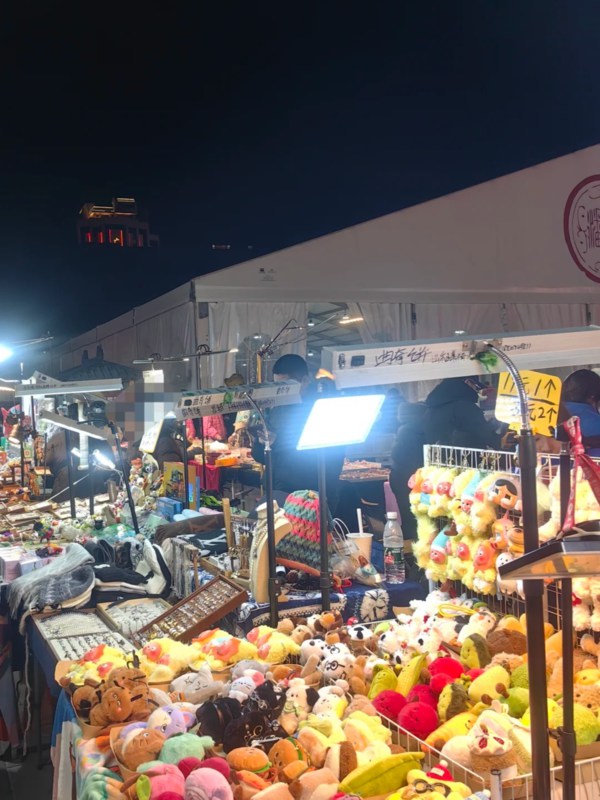
- Night Market in Panjiayuan
-
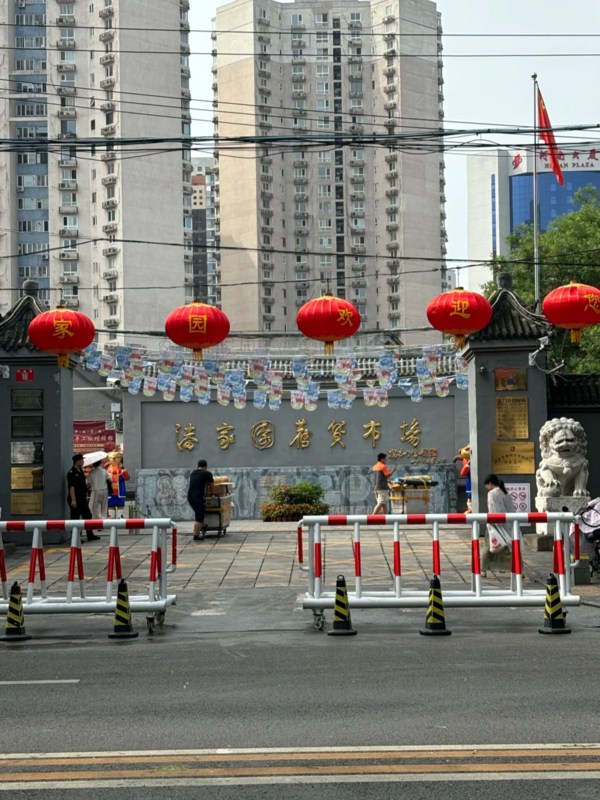
- Early Morning of Panjiayuan
Does Panjiayuan night market still exist today
When visitors come to visit the panjiayuan night market, many expect it to be a lively and busy atmosphere. In reality, the panjiayuan night market does not really have a night market in the traditional sense anymore. Most of the vendors close no later than about 5:30-6:00 PM, so if you're looking for a stall that sells antiques, your choices will be limited. Wondering where you can still experience a true Beijing night market? Explore our guide to the best night markets in Beijing and what to expect.
Anytime you are there, no matter what the time during the day, panjiayuan does not have an abundance of people shopping for antiques. If you are looking for antiques to purchase after dark, it is quite likely you will not be able to find what you're looking for at panjiayuan. Knowing the schedule for the panjiayuan night market will help you avoid wasting a trip to panjiayuan.
What was the Panjiayuan ghost market and why people search it
The Panjiayuan ghost market, which was an early morning flea market before sun up, would have collectors and resellers come together during the hours of four am and six am to do trade of old coins, stamps, and antiques (mostly quiet, and low-key). While the interest in this market as a whole continues to grow online, there continues to be nostalgia for it and/or stories of “hidden treasures” that happen via publishing posts about it on travel forums.
Most of what made this early morning trading event possible has effectively been phased out by Government regulations and safety rules, leading to the ghost market very much disappearing. Although some vendors are continuing to come early, the ghost market is experiencing a dramatic change from its original state.
The best time of day to experience Panjiayuan atmosphere
For the true Panjiayuan experience, Saturday mornings are ideal. Crowds are at their peak, bargaining is lively, and photography captures the vibrant colors of posters, stalls, and fabrics. Weekdays are noticeably quieter — some areas feel almost empty, which is easier for browsing but less atmospheric.
For pictures, mid-morning lighting in the indoor hall works best, and moving along the outdoor tents clockwise lets you catch vendors arranging goods naturally. Combining timing with awareness of weekend vs. weekday flow ensures you experience Panjiayuan at its most energetic.
The lesser known Panjiayuan Glasses Market and Specialty Corners
-
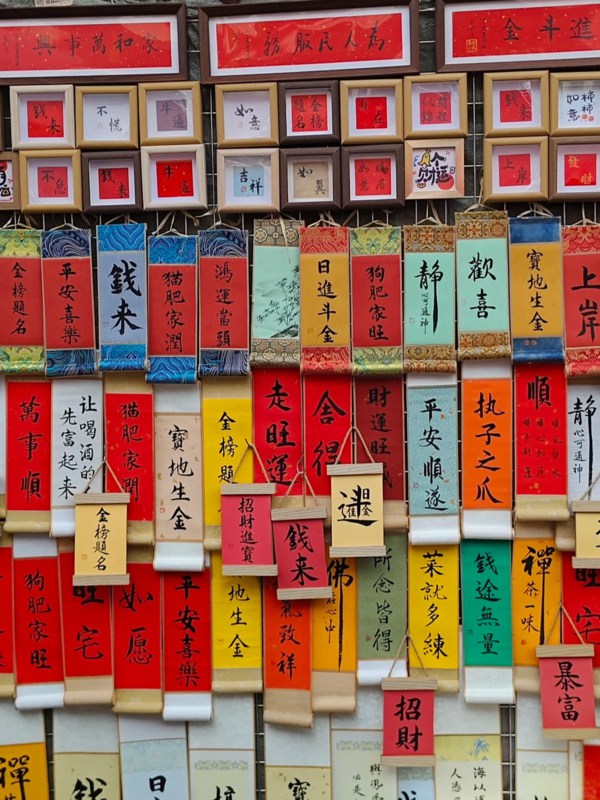
- Calligraphy in Panjiayuan
-
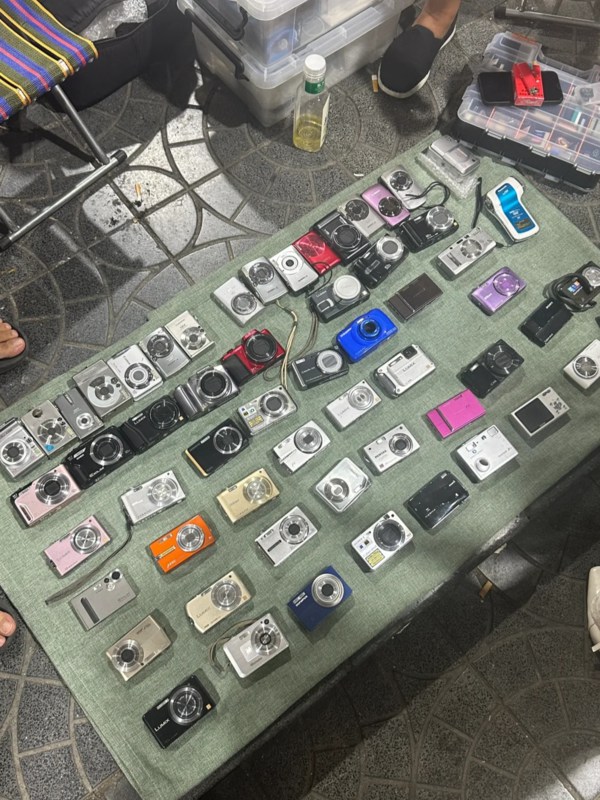
- Old Camera in Panjiayuan
-
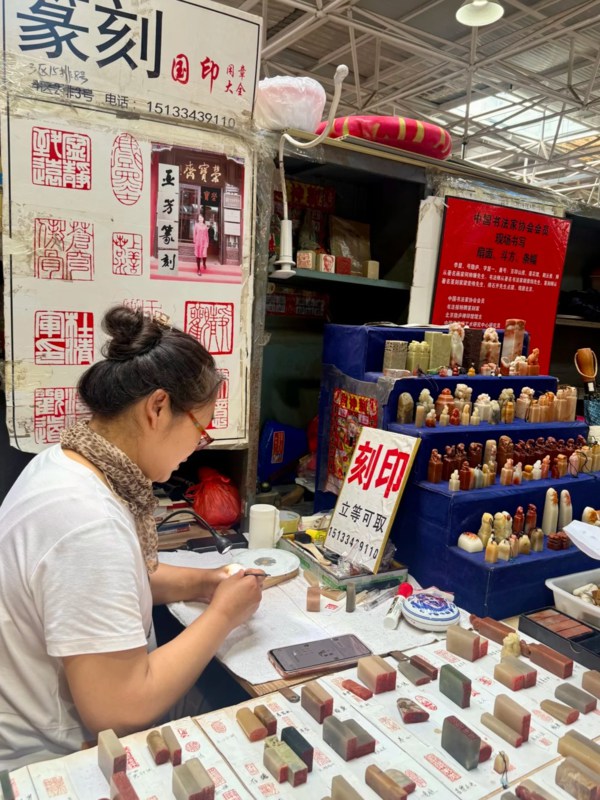
- Seal Cutting in Panjiayuan
Is the Panjiayuan glasses market cheaper than downtown Beijing
Tucked near the outdoor stalls, the panjiayuan glasses market attracts shoppers looking for budget frames. Prices are often lower than big-name shops in central Beijing — simple frames can start around 50–80 RMB, whereas similar models downtown easily hit 200–300 RMB.
Some vendors offer basic vision tests on-site, but they aren’t as precise as a certified optician. Quality varies: lenses are usually fine for casual wear, but scratch resistance and long-term durability can be hit or miss. Bargaining helps, and knowing your prescription beforehand reduces risk. For those after affordable reading glasses or sunglasses, panjiayuan glasses market offers convenience and variety without the mall markup.
Cultural craft corners inside Panjiayuan worth slowing down for
Away from the main crowds, several specialty corners deserve attention. Calligraphy artists often write names or proverbs on the spot, allowing you to see brush techniques and ink texture up close. Seal carvers (篆刻) patiently engrave stamps, turning simple stones into personal or decorative pieces.
Other craftsmen make small wood carvings, traditional paper cuts, or hand-painted fans. These corners aren’t just for shopping — they offer a chance to watch skills passed down for generations, try your hand at the craft, or take photos of intricate details. For anyone interested in the cultural side of Beijing, slowing down here adds depth beyond the usual panjiayuan browsing experience.
FAQ about Panjiayuan
Q: Is Panjiayuan worth visiting in 2026?
Absolutely — if you enjoy browsing, bargaining, and cultural curiosities. Panjiayuan offers a mix of modern calligraphy, Mao-era posters, vintage magazines, and small antiques. While much is reproduced, the experience is lively and immersive. Visiting in 2026, you can still catch weekend crowds, watch craftsmen at work, and explore hidden corners. For travelers seeking a slice of Beijing street culture, Panjiayuan provides a unique atmosphere that polished shopping malls can’t replicate, making it worth a stop even if you aren’t hunting for genuine antiques.
Q: What are the exact Panjiayuan opening hours on weekends?
On weekends, Panjiayuan opens earlier than weekdays, usually around 7:00am, and most stalls close by 5:30–6:00pm. Some small outdoor vendors may pack up slightly later, but the market generally doesn’t operate into the evening. Arriving early gives you access to the busiest, most vibrant sections, including temporary weekend stalls. Planning your visit around these panjiayuan antique market opening hours ensures you experience the full range of items, from furniture and porcelain to posters and trinkets.
Q: Is everything at Panjiayuan fake?
Not everything, but a large portion of what you see is reproduction or decorative. Genuine antiques exist, but they’re rare and often require expertise to identify. Many visitors describe it as “fake but fun” — the joy comes from bargaining, exploring, and discovering unexpected items. Small souvenirs like posters, calligraphy, and stamps are low-risk. For high-value items like jade or coins, authenticity is harder to confirm. Panjiayuan is best approached as a cultural flea market rather than a formal antique museum.
Q: How much time should I spend at Panjiayuan?
It depends on your goals. A quick browse through main stalls and outdoor tents takes around 1.5 hours. A deeper exploration, including temporary weekend stalls and specialty corners, may require 2.5–3 hours. Walking, crouching to inspect small items, and bargaining can be surprisingly tiring, so wear comfortable shoes and carry water. Pacing yourself allows you to experience panjiayuan fully without feeling rushed or overwhelmed.
Q: Is Panjiayuan good for photography?
Yes, especially early on weekends when the market is busy but light is good. Indoor halls provide diffuse natural light, while outdoor tents create colorful compositions with posters, textiles, and handcrafted items. Vendors are usually welcoming to photography if you ask politely. Close-ups of calligraphy, seal engraving, or pottery make great shots. For Instagram-worthy images, Panjiayuan offers chaotic yet vibrant scenes that feel authentic, unlike staged tourist spots.
Q: How do I get to Panjiayuan antique market by metro?
Take Line 10 to Panjiayuan Station. Exit C leads closest to the main entrance, while Exit D is often crowded on weekends. Signs in English and Chinese make navigation straightforward. From Exit C, it’s about a five-minute walk to the indoor hall. This route avoids congestion and lets you start in the heart of the market. Using the metro is often faster than taxi or bus during peak hours, and it’s the easiest way for first-time visitors to reach Panjiayuan antique market.
Q: Is Panjiayuan safe for solo travelers?
Generally yes, but exercise normal urban caution. The market is crowded on weekends, so keep belongings secure. Pickpocketing is uncommon but possible in dense areas. Solo visitors should stay aware of surroundings during bargaining and avoid isolated corners in the early morning or late afternoon. For foreigners, interacting with vendors in English is common, and most locals are friendly. Overall, panjiayuan is safe if you stay alert and keep personal items close.
Q: Can foreigners bargain at Panjiayuan?
Definitely. Bargaining is part of the experience for everyone. Start at roughly 30–50% below the asking price and walk away if necessary; vendors often call you back. Language isn’t a barrier — simple numbers and gestures work. Bargaining is expected, and vendors rarely take offense. For foreigners, practicing patience and polite negotiation is key. At Panjiayuan, bargaining adds to the fun and can save a significant portion off marked prices.