Things to Do in Beijing:Historic Sites, Authentic Cuisine, Hutong Adventures, Nightlife, and Day Trips
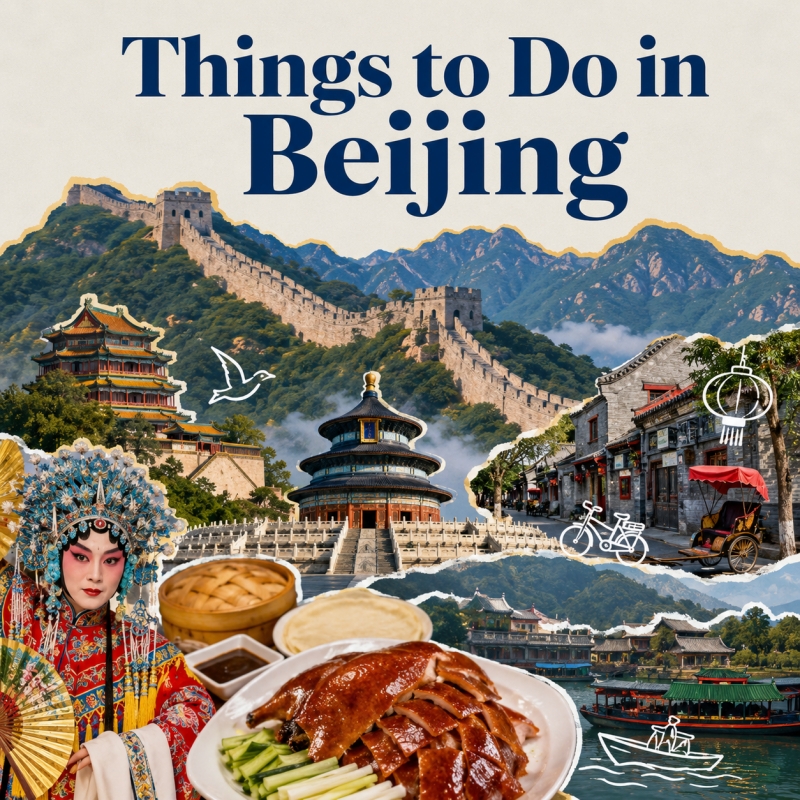
Beijing is the vibrant capital of China, where ancient history meets modernity. Beijing's unmatched tapestry of experiences is one-of-a-kind. This guide to Beijing in 2025 highlights its iconic landmarks and modern contemporary hotspots, making sure there is something for everyone. From the timeless beauty of the Great Wall and Forbidden City to bustling art districts and hutongs emerging, this article will take you through the attractions you should not miss. We have everything from history-enthusiastic, cultural, or food lovers twigging to dive into Beijign's mouth-melting cuisine. So plan on your next visit and get ready to discover the dynamic side of this city.
🗺️ Full Country Exploration: If you want to use your time in the capital as the perfect launchpad for a grander, classic fortnightly adventure across the nation, check out our master China Travel Itinerary 2 Weeks.
Quick Match: Find Your Ideal Experience
Beijing offers diverse experiences across eight major activity categories. Whether you're interested in historical landmarks, cultural immersion, culinary adventures, or nightlife, this overview helps you identify the activity types that match your interests.
| # | Activity Category | What You'll Experience | Best For | Time Needed | Budget |
|---|---|---|---|---|---|
1 | Iconic Landmarks & Heritage Sites | Forbidden City palaces, Great Wall walks, Tiananmen Square, Temple of Heaven's architecture, and Summer Palace gardens. | History enthusiasts, first-time visitors | 2-4 hours each | ¥30-80 per site |
2 | Imperial & Dynastic History | Jingshan Park panoramas, Yuanmingyuan ruins, Drum Tower performances, and Ming-Qing Dynasty sites. | History buffs, photographers | 1-3 hours each | ¥2-30 per site |
3 | Spiritual & Temple Experiences | Temple of Heaven, Lama Temple's Buddha statue, Summer Palace lakeside walks, morning tai chi, and spiritual rituals. | Spiritual seekers, culture enthusiasts | 1-3 hours each | ¥20-60 per site |
4 | Cultural & Artistic Pursuits | National Museum's artifacts, 798 Art District galleries, Beijing Opera performances, and contemporary art exhibitions. | Art lovers, cultural explorers | 2-3 hours each | Free-¥100 |
5 | Culinary Adventures | Authentic Peking Duck, street food at night markets, hutong breakfast specialties, and Beijing's hearty cuisine. | Food enthusiasts, foodies | 1-3 hours each | ¥10-300 |
6 | Interactive & Hands-On Learning | Calligraphy classes, dumpling-making, tea ceremonies, pedicab tours, and acrobatics performances. | Active learners, families, young adults | 1.5-3 hours each | ¥100-300 |
7 | Nighttime & After-Dark Scenes | Illuminated historic streets, lakeside bars with live music, rooftop lounges, and bustling night markets. | Night owls, socializers, bar enthusiasts | 2-4 hours each | Free-¥120 |
8 | Day Trips & Excursions | Great Wall hiking, Ming Tomb visits, Gubei Water Town, and scenic karst landscapes for full-day adventures. | Adventure seekers, hikers, nature lovers | Full day or overnight | ¥300-600 |
Planning Tip: Most visitors combine activities from different categories. A balanced itinerary might include one iconic landmark, a cultural experience, a culinary adventure, and a hands-on activity. Use this overview to identify which categories appeal to your travel style, then explore the detailed sections below.
🏛️ Complete Capital Travel Guide: Looking for a comprehensive overview of top sights, local transportation, and travel tips across the capital? Check out our complete guide to Beijing Tiongkok.
1. Iconic Things to S
ightsee: Landmarks and Historical Gems

The Best Things to Do in Beijing: Top Attractions for 2025
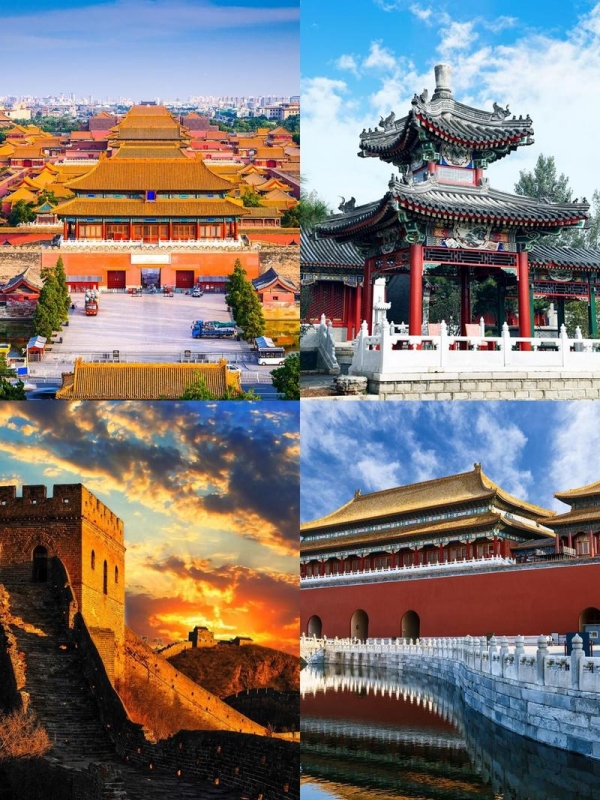
Begin your Beijing journey where the city begins: the red walls of the Forbidden City and golden rooftops set the tone for an imperial adventure; the Great Wall, one of the most incredible feats of human construction ever, winds across mountain ridges just north of the city and is an all-day excursion in its own right; Tiananmen Square is the very political heart of modern China; the Summer Palace serves up lakes, pavilions, and manicured gardens in one imperial retreat; and the hutongs — alleys between courtyard homes — give visitors a peek into the quieter, human side of a city known for its giant monuments.
Exploring the Historic Forbidden City
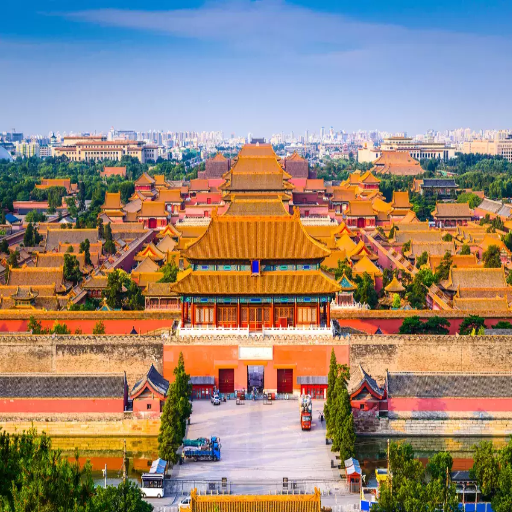
Forbidden City
The heart of Beijing houses The Forbidden City, which happens to be an architectural masterpiece from the imperial era of China. This site is classified as a UNESCO World Heritage Site and served as the imperial palace of 24 emperors during the Ming and Qing Dynasties. Encompassing almost 180 acres, the complex includes more than 980 surviving structures with over 8,700 rooms, all built in classical Chinese palace style. Strict Fend Shui principles are utilized for the site's layout; the Meridian Gate is the main entrance, and the relative positions of different structures symbolize harmony within nature and supremacy mystically.
Non-Chinese visitors must book a ticket to visit The Forbidden City, which can be booked in advance via the Internet. The tickets usually cost 60 to 80 RMB, depending on the season. Opening hours during peak season are from 8:30 am to 5 pm; in the off-season, it is usually 4:30 pm. Peak times must be avoided during the day as well. During your tour, wearing comfortable shoes and bringing water is advisable. Experts suggest spending at least two to three hours to grasp the exquisiteness of this place.
A Journey Along the Great Wall of China
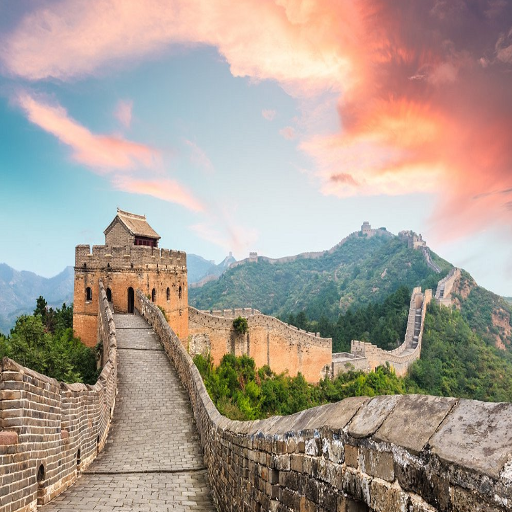
Great Wall
In its grandeur, the Great Wall of China offers many sections for people to visit. The most preserved portions, for example, include Badaling, Mutianyu, and Jinshanling. Each offers different experiences, ranging from easy to hard.
Badaling has restored pathways and handrails and even offers a cable car, making it easy for families and first-time visitors to navigate.
- Distance from Beijing: ~70 km (44 miles)
- Ticket Price: 40 RMB (low season), 45 RMB (peak season)
- Cable Car: ~140 RMB round trip
- Recommended Time: 2 hours
The wide variety of views available makes Mutianyu a favorite. It is less crowded than other places and beautiful to visit, especially for people wanting an easier trek through nature.
- Distance from Beijing: ~73 km (45 miles)
- Ticket Price: 40 RMB (low season), 60 RMB (peak season)
- Cable Car/Chairlift: 120 RMB round trip
- Toboggan Ride : 100 RMB
- Recommended Time: 2-3 hours
Photographers with a knack for hiking will love Jinshanling. Its restored and untouched regions offer stunning views and historical richness.
- Distance from Beijing: ~125 km (78 miles)
- Ticket Price: 65 RMB
- Cable Car: ~70 RMB one way
- Recommended Time : 3-5 hours
Best Times to Visit the Great Wall
The best times to visit the place are in spring (April to May) and autumn (September to November). The scenery is beautiful when the weather is romantic but not too hard. Early or late afternoons are highly recommended for enjoying the wall and avoiding large crowds. If you like photography, golden hour is the best time to set up.
Tips for Your Trip
- Dress Comfortably: Wear sturdy walking shoes and layered clothing to adapt to changing temperatures.
- Bring Essentials: Pack water, sunscreen, and snacks.
- Check Accessibility: Pre-confirm if cable cars or special access facilities are operational, especially during winter.
- Avoid Peak Times: Weekends and public holidays tend to draw large crowds.
The brilliant selection of the correct section and planning ensure a visit to the Great Wall filled with wonder and inspiration.
Reliving History at Tiananmen Square
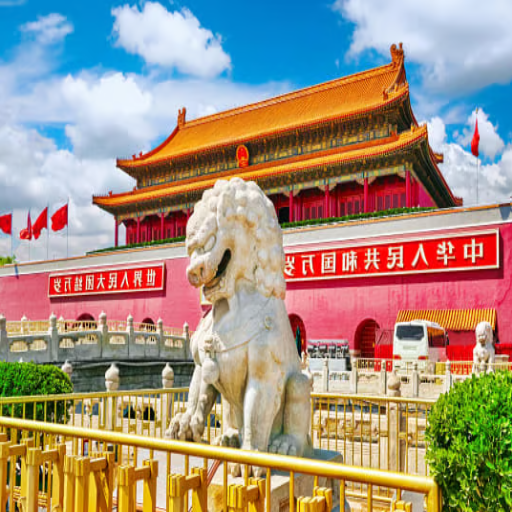
Tiananmen
Tiananmen Square actively participates in the political life of China and is regarded as the second most visited place in China after the Great Wall. 109 acres (440,000 square meters) in area, it is one of the largest public squares in the world. Along with the mausoleum of Mao Zedong at the center and the Forbidden Palace to the north, the square is surrounded by some of the most stunning features in Beijing. Equally breathtaking is the square's rich history, which supports hundreds of significant events in Chinese history.
The square has an unmistakable aura of nationalism and self-importance. Being present on this site during the early morning is the best time to witness the outstanding flag-raising ceremony in a dignified atmosphere. One needs to remember that security measures are in place, which do not allow entry with large bags or other forbidden objects. In summation, this experience framed the past and present of China in the context of its culture while providing a fresh and resounding outlook on the country and its people as a whole.
🚗 Urban Layout & Transportation: Understand how the capital expands outward from the Forbidden City through concentric highways in our guide to the Rings of Beijing.
2. Historic Things to Explore: Imperial Sites and Dynastic Lore
Beijing has over 3,000 years of recorded history and over 700 years being the imperial seat of China. Those wanting to get off the beaten track can helpfully arrange their visit along dynastic lines and discover amazing continuities: the Ming emperors who constructed the Forbidden City and the most popularly visited sections of the Great Wall left their mark that can be followed north to the tombs; the Qing court perfected places like the Summer Palace and the Temple of Heaven just before the dynasty collapsed; and the revolutionary sites around Tiananmen Square have formed the modern China that envelops both.
Climbing Jingshan Hill in Central Axis
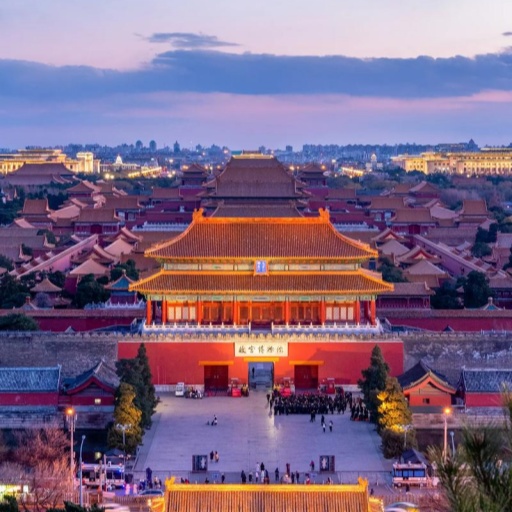
View the Forbidden City from Jingshan Park
Jingshan Park stands directly behind the Forbidden City's north gate. The hill itself — known as Coal Hill or Prospect Hill — was constructed in the 1420s from the earth excavated when workers dug the Forbidden City's protective moat. It is not a natural feature; it is an entirely man-made vantage point, positioned by imperial geomancers to complete the feng shui alignment of Beijing's central axis.
It takes about 15 minutes’ hard walking to reach the central pavilion, which has the best view of the Forbidden City’s gold rooflines available in the city. Standing above, you will for the first time see how the mathematical symmetry of the palace layout is accented by courts and halls reaching south towards Tiananmen. There is an added poignancy to the hill: here the last of the Ming emperors, Chongzhen, took refuge in April 1644 when invading rebels reached Beijing, and on its eastern slope he died under a locust tree, the date ending 276 years of Ming rule. ¥2. Daily 6am.
Exploring Yuanmingyuan in Haidian District
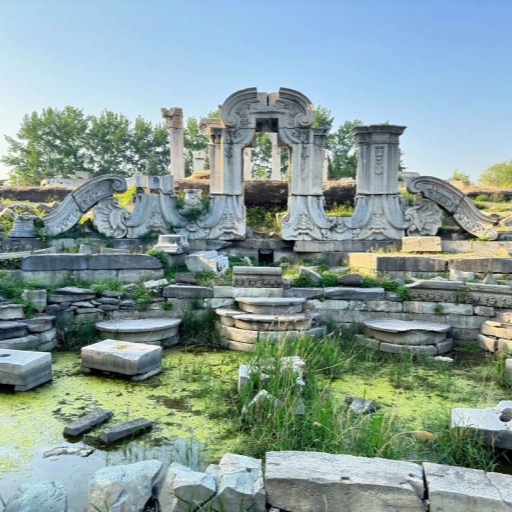
Yuanmingyuan
The Qing Dynasty (1644–1912) is responsible for some of Beijing's most beautiful surviving sites. The Summer Palace served as the imperial family's preferred summer retreat, while the Old Summer Palace (Yuanmingyuan) represented an even grander ambition. The Qing emperors also expanded and refined earlier Ming structures throughout the city, layering centuries of dynastic refinement onto Beijing's core imperial geography.
For a more poignant slice of Qing history, head to the Old Summer Palace (Yuanmingyuan). Once, it was an enormous collection of palaces and gardens that obscures description. Jesuit missionaries called it “the garden of gardens”. In 1860, during the Second Opium War, it was ravaged and burnt by British and French troops. Today, only the skeletal baroque baroque stone ruins remain — hauntingly beautiful and of deep significance to Chinese guests. Entry 10-25 RMB.
Beating the Drums in Gulou Neighborhood
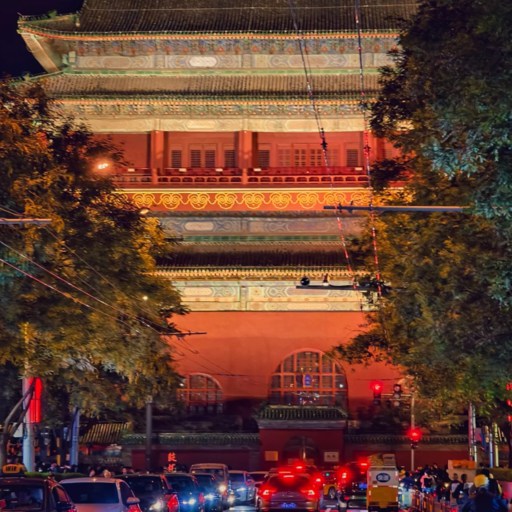
The Street beside the Drum Tower
At the very northern end of the historic central axis of the city lie the Drum Tower and the Bell Tower, once the official timekeepers of the city. The former was constructed in 1272 by Kublai Khan, and houses a collection of great drums that sound the hours. Nowadays there is a percussive performance every hour for visitors, and it is an arresting and unexpectedly poignant experience to watch — and listen to — the drummers.
The Bell Tower stands just to the north. Climb its steep stairs for a close look at the 63-ton bronze bell. Moreover, the rooftop offers a fine view over the surrounding hutongs. The area connecting south to Nanluoguxiang and west to Houhai Lake is one of the most rewarding parts of the city to explore on foot. Ticket: 30 RMB for both towers. Furthermore, drum performances run on the hour from 9 am to 5 pm.
If you are exploring the capital with children or seniors and need seamlessly organized, multi-generational vacation ideas that keep everyone engaged, browse our expert tips on Family China Tours.
3. Spiritual Things to Visit: Ancient Temples and Ritual Paths
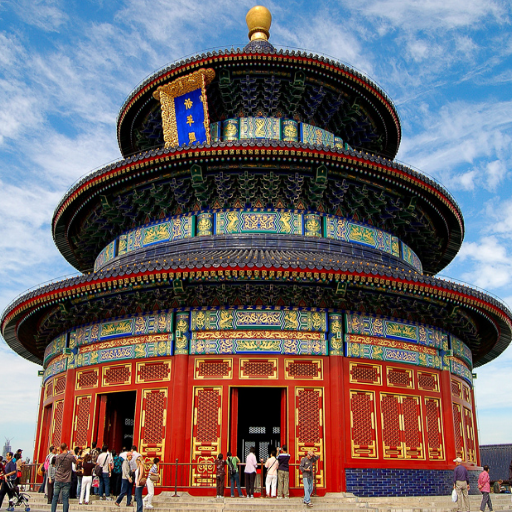
Which Temples in Beijing Should You Visit
The Temple of Heaven stands out among Beijing's exquisite temples with its elaborate architecture and rich history stemming from ancient ceremonies praying for good harvests. The vibrant Tibetan Lama Temple (Yonghe Temple) contains impressive wood carvings of a colossal Buddha statue sculpted from sandalwood. The Confucius Temple allows reflection on the revered philosophies taught by Confucius, while the White Cloud Temple gives a peek into Taoist culture. All temples tell a different story regarding Beijing's spirituality and magnificent architecture.
Discovering the Temple of Heaven
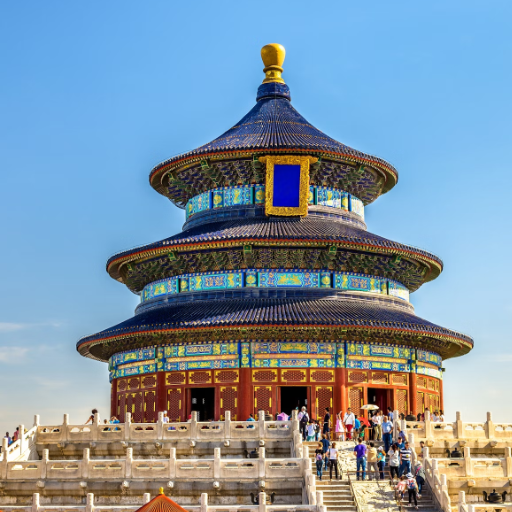
Temple of Heaven
Located in Beijing, the Temple of Heaven is impressive as it blends Chinese architecture from the Ming and Qing Dynasty periods, making it a UNESCO World Heritage site. Its construction started in the mid-15th century, primarily for emperors to pray and make sacrifices in hopes of abundant harvest during certain seasons. Ancient Chinese cosmology is reflected in the buildings' arrangement and the symbolism of its circular structure. The notable features include the Triple-gabled Hall of Prayer for Good Harvests, which rests on a marble platform, the Circular Mound Altar, which sacrifices ceremonies, and the vault of heaven and the square base representing earth. The temple tablets clearly show the equilibrium blend between the harmonies of earth and heaven. Tourists marvel at how well made it is with its superb engineering, acoustics at the famous Echo Wall, or the vibrant ornamentation that decorates the Temple and gives it great cultural value.
🏛️ VIP Logistics: For a modern take on navigating this imperial complex, check out our guide to the 2026 Trump-Xi Temple of Heaven Path to plan an exclusive diplomatic-style itinerary.
The Serenity of the Lama Temple
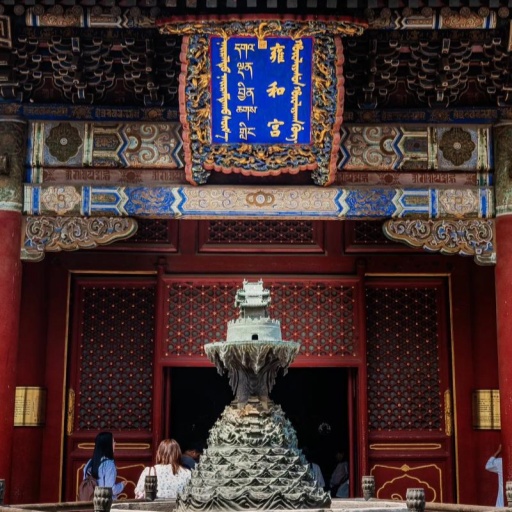
Lama Temple
Also called Yonghe Temple, the Lama Temple is among the grandest places in Tibet Buddhism in Beijing, China. It was constructed in 1694 as a royal residence during the Qing Dynasty and was subsequently changed into a Tibetan Buddhism monastery in 1744. The fusion of Han Chinese and Tibetan architecture provides a calm and culturally enriching ambiance, astounding the temple.
The temple has five primary halls, each bearing a different religious significance, and covers an extensive area of 66,400 square meters. The Hall of Harmony and Peace (Yonghegong) boasts three majestic sculptures of the Buddhas of the Three Ages. Meanwhile, Wanfu Pavilion has an 18-meter-high white sandalwood statue of Maitreya Buddha. This statue is the world record holder for its height and craftsmanship, carved from a single piece of wood.
The Lama Temple demonstrates the tranquility that encourages deep immersion in prayer rituals, rich Buddhist traditions, and art. It is well known for its delightful gardens and remarkable intricate carvings, which are overwhelming in their beauty and reveal centuries of devotion and spiritual artistry. This temple is a phenomenal sight for people looking for a blend of historical significance and spiritual essence.
Visiting the Majestic Summer Palace
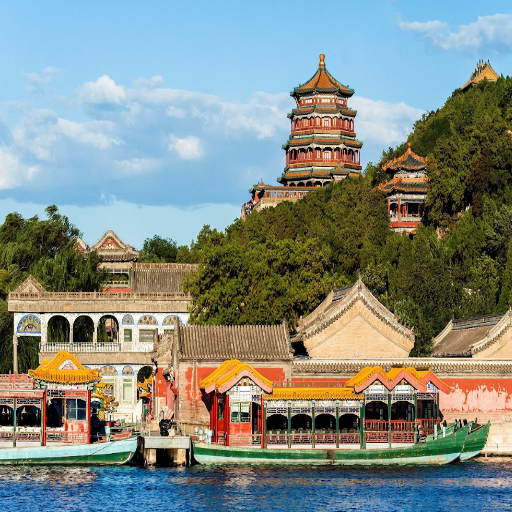
Summer Palace
The Summer Palace combines imperial craftsmanship with mother nature and is ever so beautiful. It was splendid to visit, and witnessing the distinct difference between Chinese nature and old architecture was a breathtaking experience. Some notable parts of the Palace include Kunming Lake, where you can take a peaceful boat ride alongside beautiful nature, and Longevity Hill, which offers a stunning view after the dirty work of climbing it. The Long Corridor is also a prime attraction, featuring lovely and complex paintings depicting historical and mythical events.
Aspects for Visiting the Summer Palace :
- Opening Hours: 6:30 AM—6:00 PM (April to October) and 7:00 AM—5:00 PM (November to March).
- Ticket Prices :
- April to October:
- Entrance ticket – ¥30
- Through ticket (including key attractions like the Tower of Buddhist Incense) – ¥60
- November to March:
- Entrance ticket – ¥20
- Through ticket – ¥50
- April to October:
- Travel Tips :
- Wear comfortable walking shoes as the grounds are extensive.
- Plan to visit early in the morning to avoid crowds and enjoy the peaceful environment.
In short, The Summer Palace has an extraordinary value blend between nature and architecture, making it ideal for exploration and self-reflection.
Looking for the ultimate first-timer checklist in China’s capital? You’ll find it in Beijing Must-Dos: A First-Time Visitor’s Guide 2025.
4. Cultural Things to Experience: Art Galleries and Opera Traditions

What are the top attractions for cultural enthusiasts in Beijing
Beijing is home to many cultural hotspots, including ancient relics for the history buffs and artworks for art lovers. The Imperial Palace contains the Forbidden City, a stunning palace complex that matches the architecture. One of the most ancient iconic buildings is also showcased at the Temple of Heaven, designed beautifully in the Ming and Qing Dynasties style. The alleyways are courtyard homes known in Hnatongs that show Beijing's lifestyle and traditions. For anyone who wishes to learn more about the history of China, the National Museum of China is a must-visit. While it is the most multi-ethnic and cosmopolitan region, the Great Wall of China can be visited at its northern section at Mutianyu or Badaling.
The Rich History of the National Museum of China
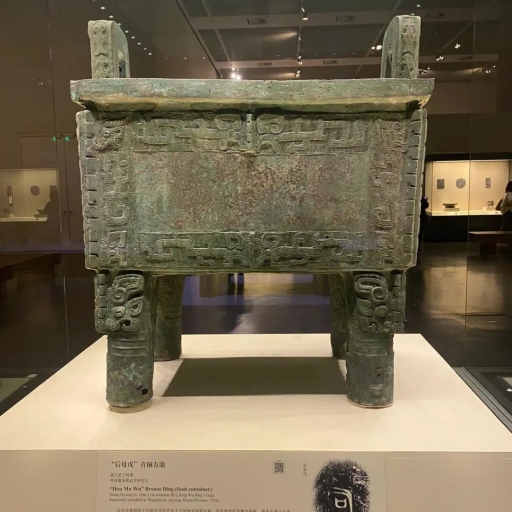
National Museum of China
Within the borders of Tiananmen Square, The National Museum of China gathers for its doors all necessary pieces of heritage that, with such a strong identity, define the location. Around a decade ago, in 2003, the Museum of Chinese History and the Museum of the Chinese Revolution were merged to become the museum of saved pieces of history and a set of relics spanning thousands of years. The collection comprises over 1.3 million pieces, including the Set of Exquisite Jade Wares of the Neolithic period and the world's largest ancient bronze vessel, the Simuwu Ding.
- Location: East side of Tiananmen Square, Beijing, China.
- Established: 2003 (merger of two museums).
- Collection Size: Over 1.3 million artifacts.
- Highlight Pieces: Simuwu Ding (Bronze Age), Neolithic jade, Han Dynasty relief sculptures.
- Exhibition Space: Approximately 200,000 square meters, making it one of the largest museums globally.
- Visitor Capacity: Designed to host over 8 million visitors annually.
As it relates to the history and evolution of China, the museum preserves the legacy of the nation's history and advances our understanding of its dynamic past.
Exploring the Vibrant Art District
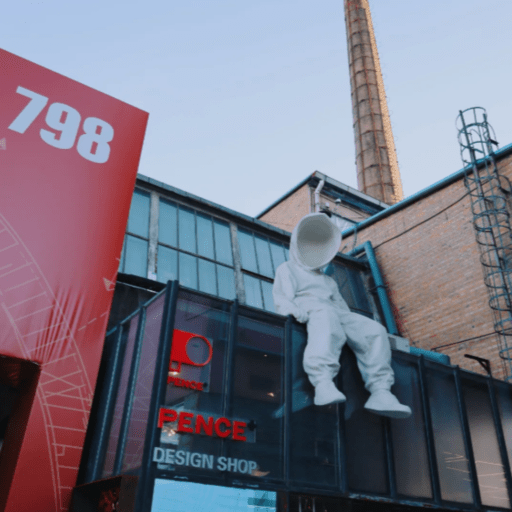
798 Art District
The Art District is a vibrant area integrating new art forms, design, and technology into a creative city center. A vast collection of galleries, studios, and cultural institutions can be found in this district, which is located in a newly developed industrial area. Some of its most notable features are:
Location:
- Other similar districts are located chiefly in the center of a city, and the rest of the city is developed around it. Investment in cultural development helps cities like Miami or Beijing give birth to new industrial Art Districts, which prove the existence of those areas, like Wynwood or 798 Art Districts.
Notable Galleries:
- This region usually has at least one flagship contemporary art gallery and many other galleries, most of which feature modern art, immersive art installations, photography, and mixed media. Check for permanent exhibitions, as they change with the seasons.
Infrastructure & Design:
- Industrial architecture remains, but with newly renovated warehouses, bespoke streets, and open spaces for the public, areas of the district have more charm. These spaces encourage people to wander and inspire their imagination.
Event Spaces:
- These creative communities also promote live performances, workshops, and art fairs and always welcome visitors with something interesting. Art Basel satellite fairs and local gallery exhibitions are some local favorites.
Visitor Tips:
- Try to schedule your visit on the weekends so you can take advantage of special events. Most local studios also offer tours for more hands-on participation.
This district perfectly exemplifies the coexistence of art and city life. It provides an environment where innovation and culture can be pursued simultaneously.
Experiencing Traditional Beijing Opera
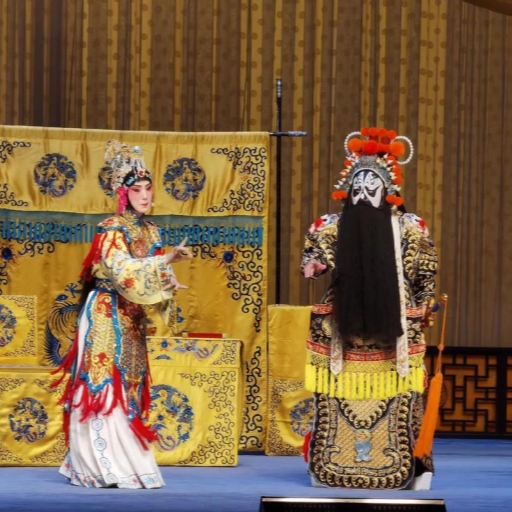
Beijing Opera
Incredibly, as for the Beijing Opera, that is captivating! From what I had seen, the performers possessed unique costumes and figurative makeup, and the masks, along with physical motion, gave hand signs, all of which left me enthralled. Undoubtedly, the vocals provided alongside the instrumentation and the dance and acrobatics performed told the story in depth. Usually, the Soochow-style performances are done in specific theaters with optimum space, and the acoustics and visibility are astounding.
If you intend to join, look for Zhengyici Theater or Liyuan Theater in Beijing. They are known for their original style of presentations. The average performance stretches for a good 2 to 3 hours, and it is usually prudent to book in advance as the price varies from $30 to $100 based on the position of the seat. Also, don't forget to check out the explanations about the patterns in the performers' makeup, as that will help you appreciate the culture more.
Thinking of fun and unusual things to do in Beijing? Here’s your guide: Not Your Average Tourist: 4 Ways to Explore the Unusual in Beijing.
5. Culinary Things to Taste: Local Flavors and Street Bites
You can’t get to know Beijing without getting to know the food. The local cuisine has a heft and a saltiness that distinguishes it from the southern Chinese cookery. And the chilly winters, and the diet of the emperors, helped to form the Beijing table. Peking duck is the culinary king (and queen), but the rest of the food world rewards any traveller who is willing to forage among the hutongs, night markets, breakfast sellers in the courtyards, and late-night noodle bars.
Tasting Peking Duck in Famous Restaurants
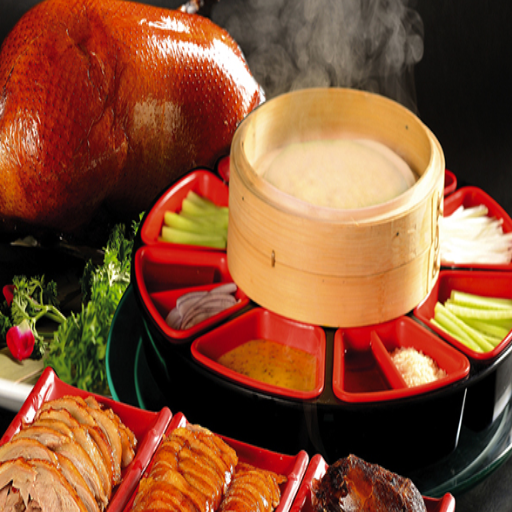
Peking Duck
Peking duck has been perfected over centuries and is a genuine culinary art form. The kitchen team air-dries the duck for several hours before roasting it in a special wood-fired oven. The result is paper-thin, crackling skin over moist, flavourful meat. Moreover, chefs serve it sliced tableside and wrap it in thin pancakes with hoisin sauce, spring onion, and cucumber. The hoisin sauce here is not merely a condiment — its deep fermented sweetness balances the richness of the duck fat.
The three most recommended restaurants represent three distinct styles:
- Quanjude (全聚德) — Founded in 1864, this is the most famous and traditional option, using a hanging oven and fruitwood fuel. The Qianmen branch is the original location. Best for first-timers wanting the classic experience. Budget: ¥200–350 per person.
- Da Dong (大董) — A modern, creative take on Peking duck with thinner skin and less fat, in a stylish contemporary setting. The roast duck here is genuinely lighter and the presentation more refined. Popular with both locals and international visitors. Budget: ¥250–400 per person. Reservations recommended.
- Bianyifang (便宜坊) — Beijing's oldest duck restaurant (founded 1416), specialising in the 焖炉 (sealed oven) method, which produces a slightly different texture — more juicy, less charred. Excellent value and beloved by Beijingers. Budget: ¥150–250 per person.
Grazing Street Food in Ghost Street
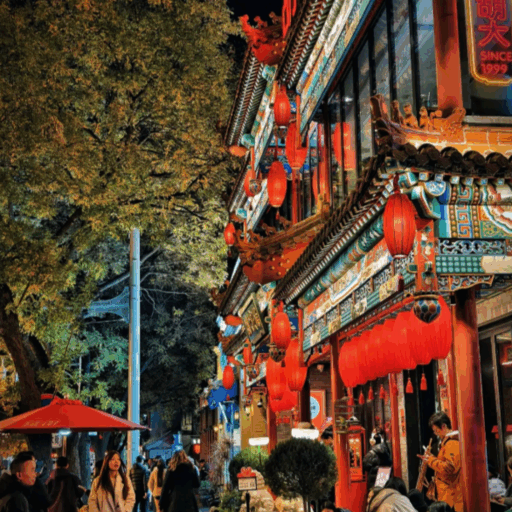
Guijie (Ghost Street) Night Market
Beijing's street food scene is one of the most underrated in China. The most tourist-friendly introduction is Wangfujing Snack Street, just off the famous shopping boulevard. There, you will find everything from candied hawthorn (bingtanghulu) and lamb skewers to the theatrical scorpions-on-a-stick (more for photos than serious eating). Head there in the early evening when all the vendors are open and the atmosphere is buzzing. Additionally, bring cash — most vendors do not accept cards.
For a more local experience, Ghost Street (Gui Jie) in the Dongcheng district is a kilometer-long strip of restaurants that stays open late into the night. It specialises in mala (numbing-spicy) crayfish, hot pot, and grilled meats. This is where Beijingers eat after midnight. Walk the full length of the street and pick based on how busy it looks inside — a full restaurant is always the right choice.
Key snacks to try wherever you find them: jianbing (savory crepe with egg, hoisin, and chili — the classic Beijing breakfast); chao gan (stir-fried pig offal, a local delicacy); la tang (braised offal in spiced broth); and zhajiangmian (thick noodles topped with a rich fermented bean paste and pork sauce — Beijing's signature noodle dish).
Eating Local Breakfast in Hutong Lanes
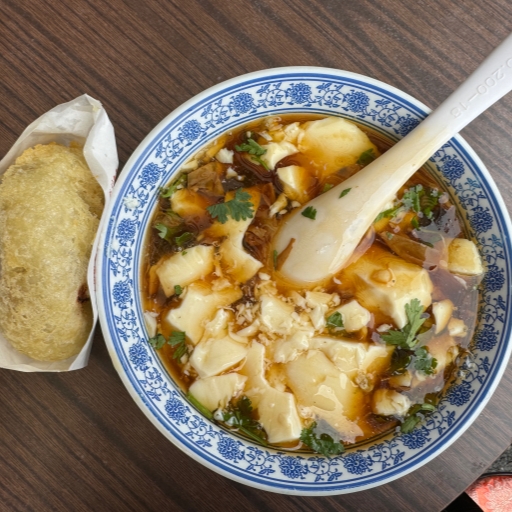
Doufu Nao (Silken Tofu in Savory Broth)
One of the best things to do in Beijing in the early morning is wander into a hutong neighborhood in search of breakfast. Look for small storefronts with steaming pots outside — these typically sell doufu nao (silken tofu in savory broth), jiaoquan (fried dough rings eaten with soy milk), or freshly made jianbing. For instance, the neighborhood around Dongsi and the area between Drum Tower and Shichahai are particularly good for hutong breakfast wandering. Prices are low — a full breakfast should cost ¥10–20. Moreover, the experience of sitting on a small plastic stool and eating alongside locals is worth getting up early for.
🏛️ Plan Your Trip to the Capital: To help you organize your itinerary, find transport details, and get the most out of every neighborhood, explore our comprehensive Beijing Travel Guide.
6. Interactive Things to Learn: Cultural Skills and Hands-On Crafts
Beyond the monuments, some of the most memorable things to do in Beijing put you directly in the action. Learning a traditional skill or tasting something new, for instance, changes how you see the city entirely; these activities are particularly popular for younger travelers and families, and they add a dimension to any Beijing trip that pure sightseeing simply cannot replicate.
Sipping Traditional Tea in Hutong Teahouses
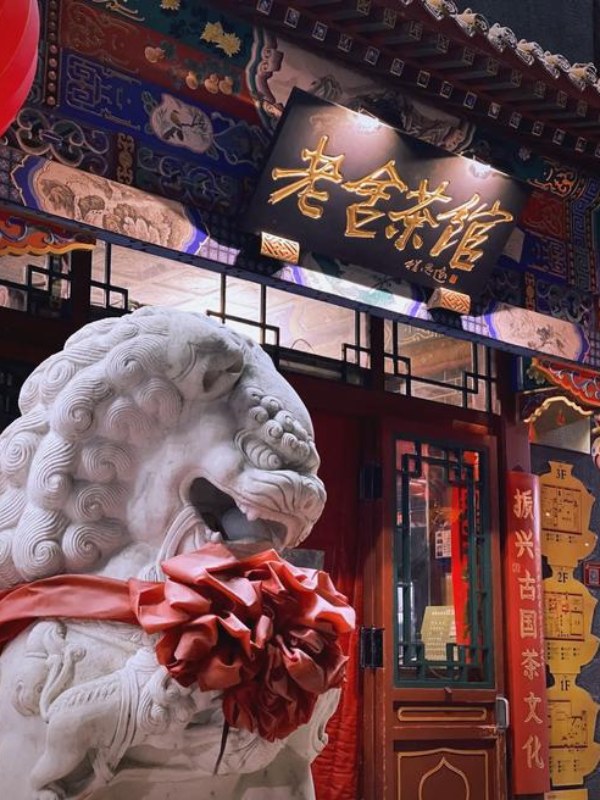
Lao She Teahouse
For a quieter and more intimate cultural experience, seek out one of Beijing's traditional tea houses. The Chinese tea ceremony is a slow, meditative art — the careful heating of water to precise temperatures, the specific way leaves are measured and brewed, the small cups passed without hurry. Moreover, many hutong tea houses offer introductory sessions where you can taste four or five different teas while a knowledgeable host explains their origins and character.
Good options to look for: Lao She Tea House near Qianmen (a famous institution that also hosts evening Beijing Opera performances, tickets from ¥60); Wuyutai Tea House, a century-old brand with branches near the Lama Temple and Wangfujing; and smaller, unmarked tea shops in the hutongs around Houhai Lake and Nanluoguxiang where a full tasting session typically costs ¥50–120 per person.
A practical note: Unfortunately, some establishments near major tourist sites use the guise of "tea tasting" to lure visitors into expensive, high-pressure situations. A legitimate tea house always tells you the price before you sit down. Moreover, it never pressures you to purchase anything. Therefore, any place where a stranger on the street invites you to a "free tea ceremony" should be declined — this is a well-documented tourist scam in Beijing.
Trying Chinese Calligraphy in Hutong Studios
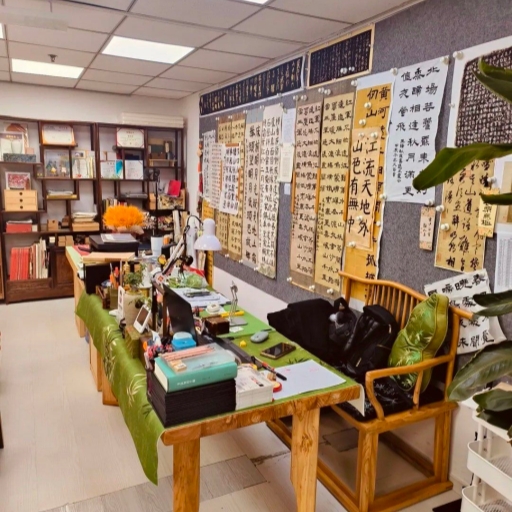
Chinese Calligraphy
Chinese calligraphy (shūfǎ) is considered one of the highest art forms in Chinese culture — the quality of each brushstroke, its pressure, speed, and angle, determines whether a character is considered alive or lifeless. Practicing it, even for a single session, opens a window into a mode of expression that has shaped Chinese aesthetics for over two thousand years.
Several small studios in the hutong neighborhoods of Dongcheng offer beginner-friendly sessions of 90 minutes to two hours, typically from ¥100–200 per person. A teacher will guide you through brush preparation, ink grinding, the basic eight strokes of Chinese characters, and the writing of two or three complete characters to take home. The Guozijian Street area near the Confucius Temple also has calligraphy workshops available on weekends. No experience or knowledge of Chinese is necessary. Book in advance through your hotel, Klook, or local studio listings.
Make Dumplings in Courtyard Kitchens
Several small cooking schools and family-run kitchens in the hutong neighborhoods offer hands-on dumpling (jiaozi) and Peking duck pancake classes. A typical class lasts 2–3 hours and covers making the dough, filling, folding, and eating your creations. Furthermore, prices range from ¥150–300 per person. This is also a great way to learn a few words of Mandarin. Moreover, spending time inside a traditional courtyard home adds a genuine dimension to the experience. Look for classes in the Dongcheng or Xicheng district hutongs — they tend to be smaller and more personal than tour-group-oriented options in Wangfujing.
Riding a Pedicab in Shichahai Area
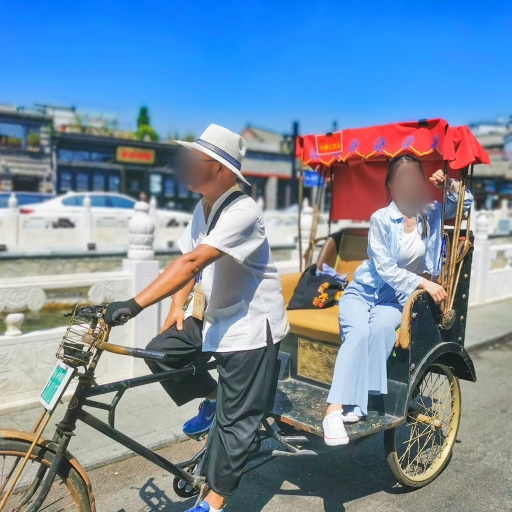
Pedicab in Shichahai
A pedicab (rickshaw) tour through the hutongs is a classic Beijing experience — and when done well, a genuinely enjoyable one. A good guide will take you through the lanes between Drum Tower and Houhai Lake. For instance, expect stops at a historic courtyard home with stories about families who have lived there for generations. Prices are typically ¥100–200 per person for a one to two hour tour. However, confirm the price and route clearly in advance. Avoid very cheap packages that rush through the main tourist streets without stopping — the best ones take you into quieter lanes where tourists rarely venture.
Watching Acrobatics Shows in Chaoyang Theatre
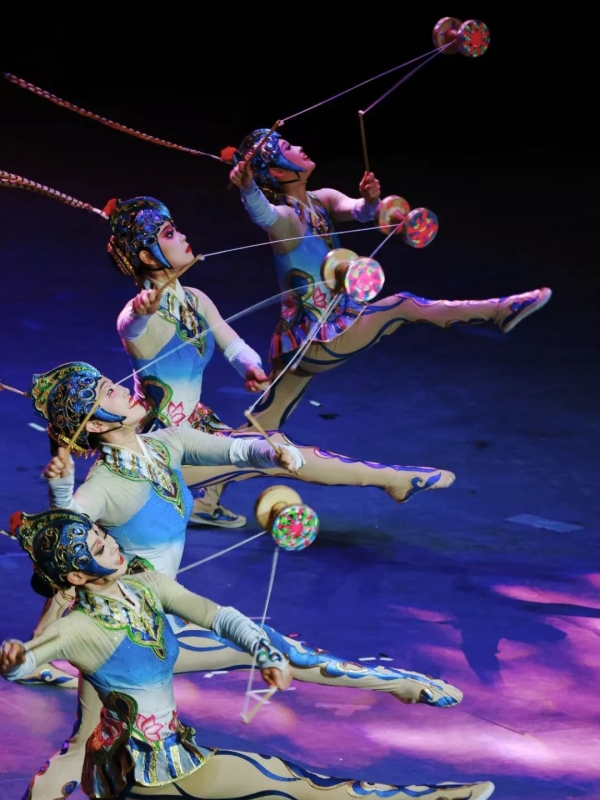
Acrobatics Performance at Chaoyang Theatre
Beijing has a long tradition of performance arts, and an acrobatics or kung fu show makes for a genuinely exciting evening out. Chaoyang Theatre (in the Chaoyang district) is the city's most famous acrobatics venue, staging nightly shows that combine juggling, contortion, plate-spinning, and aerial acts. Tickets range from ¥180–380. For a slightly different experience, Tianqiao Acrobatics Theater in the Xicheng district is smaller and more intimate — equally thrilling, with tickets from ¥120. Moreover, both venues offer English-language programs. Book in advance, especially during peak season.
7. Nighttime Things to Enjoy: Vibrant Bars and After-Dark Streets
Beijing after dark is another city altogether. The crowds dissipate at the major monuments and the rhythms of local life take over: lanterns twinkle in the hutong lanes, grilled lamb wafts through the night markets and the waterside bars of Houhai come alive. Whatever you want from a night out in the city, you’re bound to find somewhere good.
Strolling Illuminated Streets in Dashilanr
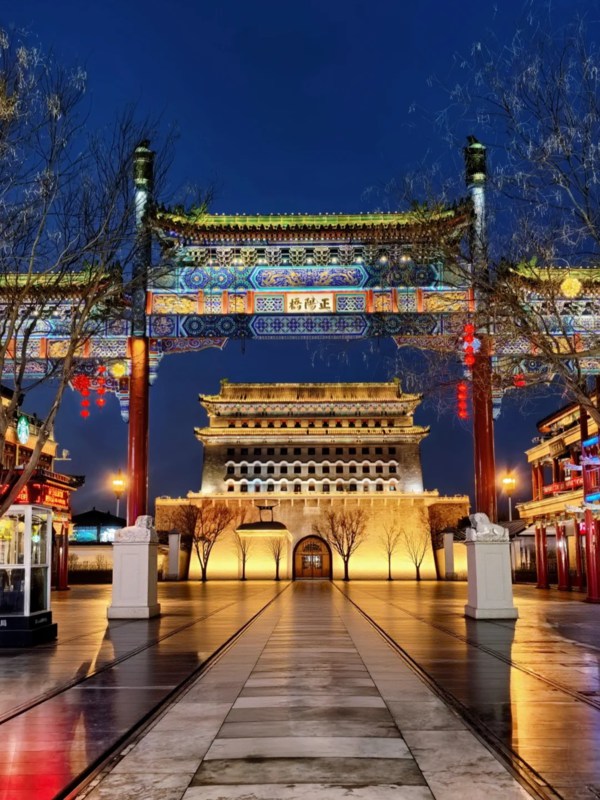
Qianmen Avenue Beijing
Qianmen Street runs south from the Zhengyangmen gate tower at the edge of Tiananmen Square, presenting a carefully restored version of its Qing and early Republican-era appearance: wide stone paving, traditional shop fronts, and an old-style tram running the length of the road. After dark, lanterns and warm lighting give the whole area an atmospheric glow that the busy daytime crowds make harder to appreciate.
Branching west from midway along Qianmen, Dashilanr (大栅栏) is a dense tangle of narrow commercial lanes that have operated continuously for over 600 years. Several Beijing institutions survive here: Tongrentang (a traditional Chinese pharmacy founded 1669), Ruifuxiang (a silk house patronized by the Qing court), and Neiliansheng (handmade cloth shoes since 1853). An evening walk through Dashilanr — where the lanes narrow to shoulder width and older residents sit outside their shopfronts — reveals a layer of Beijing street life that the major tourist circuits rarely reach. No entry fee. Best after 7 pm when the daytime crowds have thinned.
Drinking at Waterfront Bars in Houhai
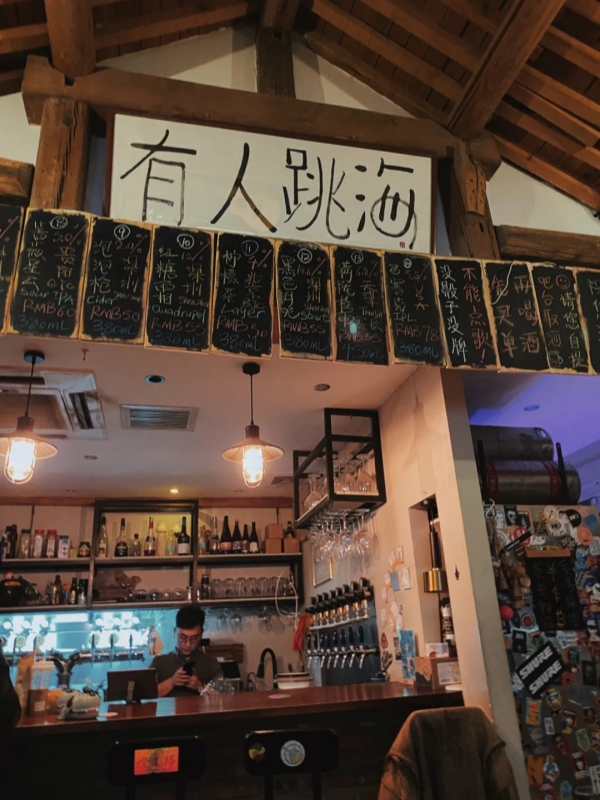
Jiao Hai Bar at Houhai
The area around Houhai (Back Lake), Qianhai, and Xihai — collectively known as Shichahai — transforms in the evening into one of Beijing's most enjoyable nightlife zones. The bar street running along the south and east shores of Houhai is lined with outdoor terraces, live music bars, and small clubs.
Moreover, the atmosphere is relaxed and local rather than tourist-oriented — you will see Beijingers of all ages enjoying the lakeside setting. Popular bars include No Name Bar (one of the oldest and most atmospheric), Bed Bar (jazz and folk music, slightly further into the hutongs), and several rooftop spots with views over the lake and the Bell Tower in the distance. An evening walk around the lake — stopping for a cold beer and taking in the lantern-lit reflections on the water — is one of the most pleasant things to do in Beijing.
Exploring Contemporary Bars in Sanlitun
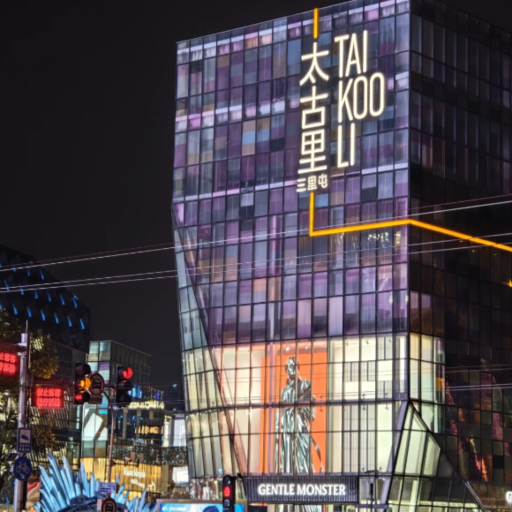
Sanlitun & Chaoyang Bar Street
For a different side of Beijing's after-dark scene, the Sanlitun district in Chaoyang offers the city's most cosmopolitan nightlife. The Taikoo Li complex — a stylish open-air shopping and dining precinct — stays lively until midnight, surrounded by rooftop bars, cocktail lounges, and restaurant terraces. The atmosphere here is notably different from Houhai: younger, more international, and oriented toward a mix of Beijing's professional crowd and the city's large expat community.
The bar streets around Sanlitun Bei Lu (North Bar Street) and the lanes near the former Workers' Stadium (Gongren Tiyuchang) are particularly active on weekends. Entry to most bars is free; cocktails typically run ¥60–120. The area is best after 9 pm. Sanlitun is served by subway Line 10 (Tuanjiehu station, 10-minute walk) and is well-covered by DiDi. For a quieter scene, the smaller bars and wine cafés tucked into the hutongs immediately north of Sanlitun offer a calmer alternative to the busier main strip.
🏨 Neighborhood & Lodging Guide: Find the ideal neighborhood for your travel style—from historic hutongs near Wangfujing to modern hotels in Dongcheng—in our guide to the Best Area to Stay in Beijing China.
8. Excursion Things to Trek: Scenic Views and Historic Destinations
Beijing's surroundings are rich with history, nature, and culture. Several excellent destinations sit within a two-hour drive or train ride of the city. Moreover, they make ideal day trips or easy overnight additions to a Beijing itinerary.
Hiking the Great Wall in Mutianyu
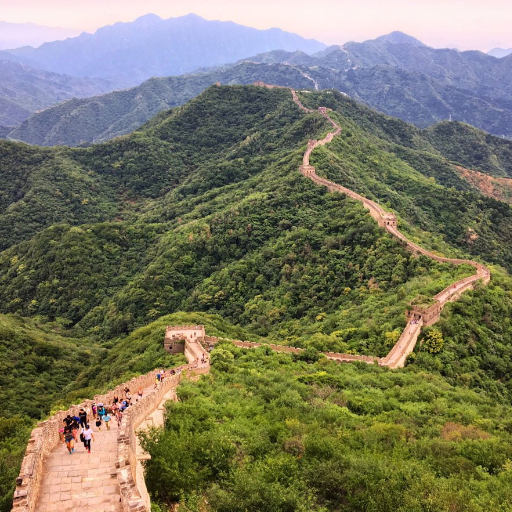
Mutianyu
The choice of Great Wall section depends entirely on what kind of experience you want:
- Badaling — Closest to Beijing (~70 km), most accessible, fully restored. Best for families or anyone with limited mobility. Get there early; it draws enormous crowds by midmorning.
- Mutianyu — The most consistently recommended section for independent travelers. Beautiful forested setting, toboggan descent, fewer crowds than Badaling. About 73 km from Beijing.
- Jinshanling — Further out (~125 km) but rewards the extra travel time with a dramatic mix of restored and original wall, sweeping mountain views, and relatively few visitors. A favorite of photographers.
- Jiankou — Wild and unrestored, accessible only on foot and for experienced hikers. Spectacular but genuinely challenging. Go with a guide.
- Simatai — Unique for its late-night openings (with lanterns and spotlights), adjacent to Gubei Water Town. The only section legally open at night.
Getting to any section: most are reachable by public bus from Dongzhimen (departures from the long-distance bus area). Private car hire for the day costs ¥300–600 and offers far more flexibility. Furthermore, group tours are widely available from all major hotels.
Descending into Underground Palaces in Ming Tombs
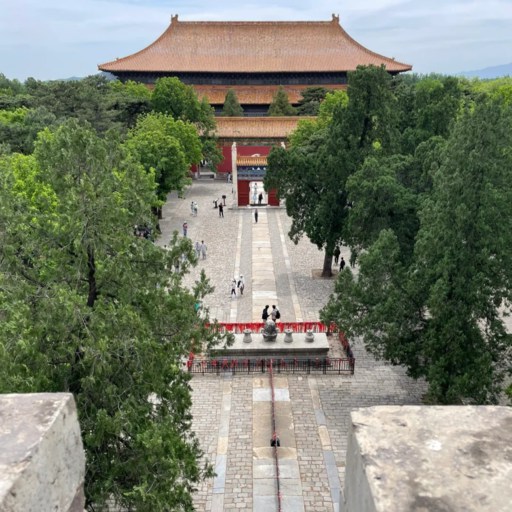
Ming Tombs
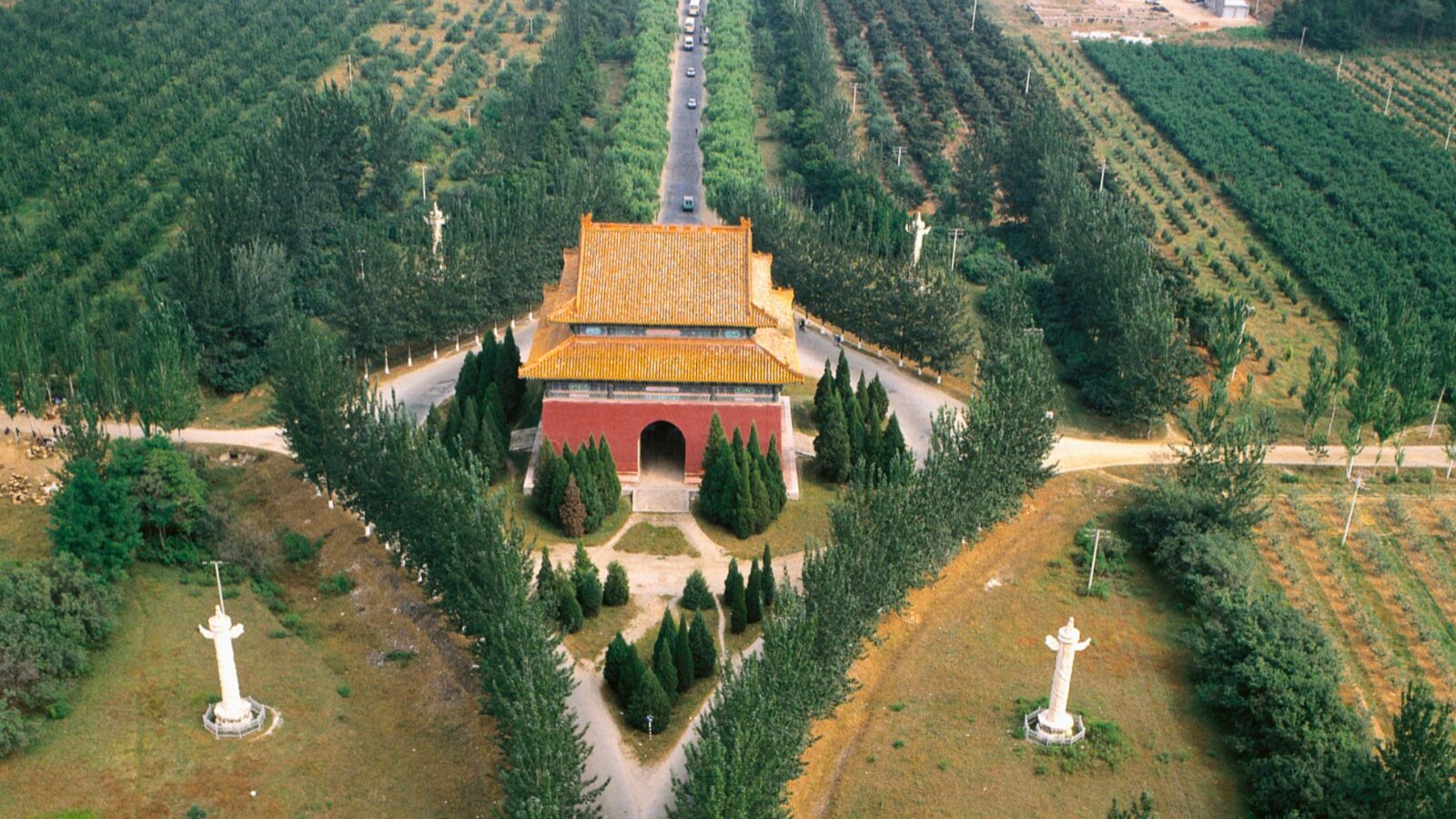
The Ming Tombs lie in a natural hollow surrounded by hills around 50 km north of Beijing. This site was chosen by imperial geomancers because of its perfect feng shui alignment. Thirteen of the sixteen Ming emperors are buried here. The approach via the Sacred Way: 7 km of processional route lined with stone figures of officials, warriors, and animals is atmospheric and historic in its own right. The most commonly visited tomb is Changling (burial place of the Yongle Emperor who constructed the Forbidden City); the most dramatic is Dingling, where you can reach the underground palace chamber itself. Tickets for individual tombs: 30-60 RMB Also, most Great Wall day tours from Beijing stop at the Ming Tombs, making it easy to combine both in a single day.
Spending a Night in Gubei Water Town
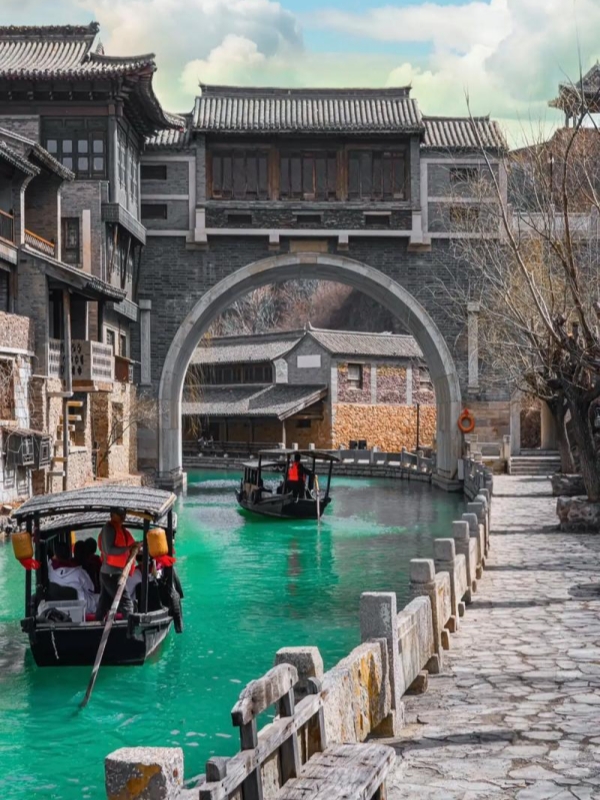
Gubei Water Town
Gubei Water Town is a carefully restored ancient town about 125 kilometers northeast of Beijing, built along a river at the foot of the Simatai Great Wall. Unlike the hutongs of central Beijing, the architecture here draws from the water towns of Jiangsu and Zhejiang. For instance, stone bridges, canal-side restaurants, and whitewashed buildings reflect beautifully in the water. The big draw, beyond the scenery, is night access to the Simatai Great Wall — the only section legally open after dark. Moreover, lanterns and spotlights illuminate the wall for a genuinely eerie and beautiful walk. The town has overnight accommodation if you want to see both the sunset and the night wall. See also our full guide: Gubei Water Town: Discover Southern-Style Canal Charms and Night Great Wall Tours.
🏯 Must-See Capital City for first-timers seeking China's iconic cultural and political heart, 12 Cool Cities in China: Giant Pandas, Ancient Hutongs, and Neon 3D Skylines
How to Plan Your Itinerary Around Beijing?

How to Plan Your Itinerary Around Beijing
When planning your trip to Beijing, finding a balance between stunning landmarks and local experiences is essential. Firstly, start brainstorming important landmarks like The Great Wall, The Forbidden City, or The Summer Palace. Set aside a day for each landmark to prevent feeling rushed and appreciate their magnitude. To create a more relaxed experience, visit The Temple of Heaven in the morning and go sightseeing through the Hutongs in the late afternoon. Attend cultural excursions during the evening, such as local night markets and Peking Opera. Save time and money by using public transportation systems, such as subways. Booking tickets ahead of time for popular performances and monuments is necessary to guarantee you do not miss out. For authentic Beijing meals, ensure you set aside time for the well-known Peking duck.
🗓️ Determine Your Ideal Itinerary Duration: To figure out how to stretch or condense these iconic sights into a realistic travel schedule, check out our guide on How Many Days in Beijing.
Best Time to Visit for Tourist Attractions
Beijing can be enjoyed best during spring and autumn, which are April to June and September to early November. These timeframes have decreasing rainfall and better temperatures, allowing for a more comfortable outdoor experience. Specifically:
- Spring (April - June)
- Daily Temperature Range: 50°F to 77°F (10°C to 25°C)
- Highlights: Blooming gardens and less-crowded tourist spots. It is suitable for visiting the Temple of Heaven and strolling through Hutongs.
- Autumn (September - Early November)
- Daily Temperature Range: 50°F to 73°F (10°C to 23°C)
- Highlights: Crisp air, colorful foliage, and visibility ideal for experiencing landmarks like the Great Wall.
Do not visit around major holidays such as Chinese New Year (late January or early February, varies) and Golden Week (October 1-7) as prices peak and places of interest become crowded. To make the most of your experience, visit on weekdays instead of weekends to avoid large crowds at popular tourist destinations.
Exploring the Quaint Hutongs
Hanyu and its stunning courtyards center around Zhoukoudian, known for its infamous prehistoric man. These stunning streets have historic value and were created during the Yuan dynasty (1271-1368), showcasing the Chinese people's art, architecture, and lifestyle. Walking through Hutongs lets you catch a glimpse of old Beijing, giving you a unique experience of the city, which is filled with traditions and modernity.
Key Hutongs include Wudaoying, which offers a calmer and more serene experience; Yandaixie Street, well known for its antique shops and quaint souvenirs; and Nanluoguxiang, famous for its lively stores and cafe. Some Hutongs offer enriching cultural events such as performances, tea ceremonies, and calligraphy workshops.
If you want to make the most of your trip, pedicab tours allow you to customize your experience. For $20-$40, you can hire a guide for 1-2 hours and instruct them on your specific route or opt out of a guide altogether. Another usable option is to go on foot or rent a bike, which allows people more freedom to explore at their speed.
The Old Recreational Center offers paid guided photography sessions focusing on the eastern and western parts of the Hutongs. In the early morning or late evening, sunlight enhances the area's beauty and captures its unique features. The pricing typically ranges from $30-$60, which provides detailed information regarding the alleyways' mystical charm.
Tasting Authentic Peking Duck Delicacies
My experience with authentic Peking Duck was unforgettable. The dish is known for its tender, juicy meat, and crispy skin. It comes with thin pancakes, hoisin sauce, and scallions or cucumber. Serving this delicacy is an art that includes air-drying the duck for a few hours before roasting it in a specialized oven. This ensures crispiness, which makes the dish even more enjoyable.
Fine restaurants suggest trying the duck with a light jasmine tea or plum wine so the balance of rich flavors is pleasant. If you wish to create these delicate flavors at home, keep an oven temperature of 375-400 degrees Fahrenheit (190-200 degrees Celsius) so the skin is evenly roasted. Don't forget to air dry the duck for 12-24 hours while basting it with a maltose glaze to provide a signature that shines and tastes.
🚄 Explore Beyond the Capital: If you want to expand your itinerary and take advantage of China's high-speed rail network, you can easily add a quick side trip to nearby historic hubs. Discover the top destinations just a short train ride away in our guide to Cities Close to Beijing.
Where to Stay in Beijing to Access Top Attractions?

Where to Stay in Beijing to Access Top Attractions
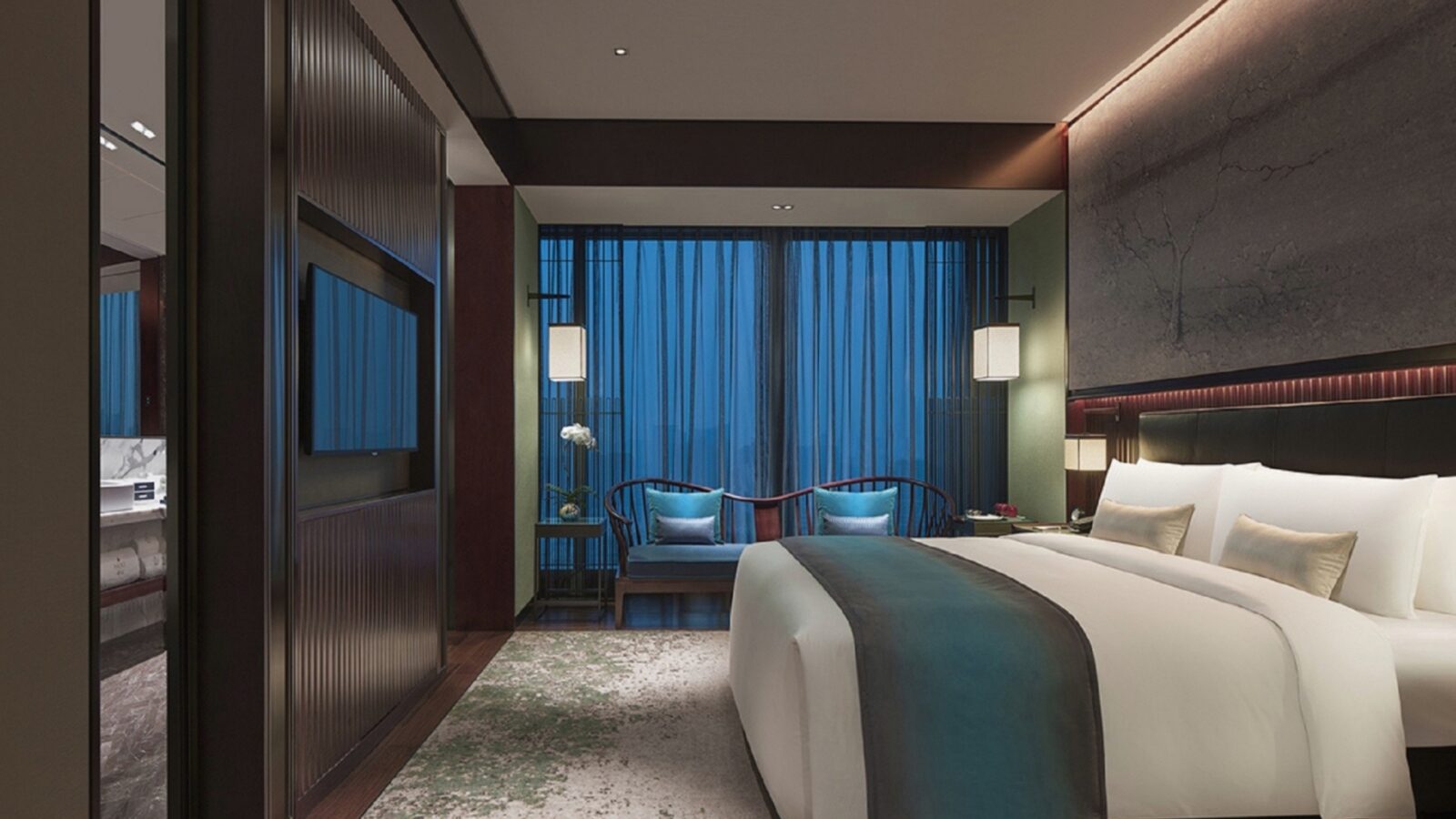
Staying at the heart of Beijing gives you easier access to top attractions. While in the Wangfujing area, you can explore The Forbidden City, dine at top Chinese restaurants, and visit the famous Tiananmen Square. The CBD (Central Business District) also has modern hotels and great transportation options. If you like traditional vibes, the Qianmen area has the historic Temple of Heaven and charming old hutong alleyways. Whatever your travel style, every corner has something unique to offer.
Accommodation in the Center of Beijing
Suppose you are looking for accommodation in the heart of Beijing. In that case, you will have no trouble finding an option that meets your preferences and budget, with all options conveniently located near major attractions:
Luxury Hotels
- The Peninsula Beijing
- Distance to Forbidden City: ~1 mile (1.6 km)
- Features: Spacious suites, fine dining, spa services
- Price Range: ~$400-$600 per night
- Regent Beijing
- Distance to Wangfujing Street: ~0.3 miles (0.5 km)
- Features: Modern amenities, indoor pool, excellent service
- Price Range: ~$300-$500 per night
- The Peninsula Beijing
Mid-Range Options
- Novotel Beijing Peace
- Distance to Tiananmen Square: ~1.2 miles (2 km)
- Features: Comfortable rooms, family-friendly gym facilities
- Price Range: ~$100-$200 per night
- Park Plaza Beijing Wangfujing
- Distance to Wangfujing Street: ~0.5 miles (0.8 km)
- Features: Convenient location, attentive staff, elegant design
- Price Range: ~$150-$250 per night
- Novotel Beijing Peace
Budget Stays
- 365 Inn Beijing Qianmen
- Distance to Temple of Heaven: ~1.8 miles (3 km)
- Features: Cozy atmosphere, affordable rates, hostel-style accommodation
- Price Range: ~$30-$60 per night
- Happy Dragon Alley Hotel
- Distance to Forbidden City: ~1.5 miles (2.4 km)
- Features: Boutique style, helpful staff, close to subway
- Price Range: ~$50-$80 per night
- 365 Inn Beijing Qianmen
These accommodations provide a convenient base of operations for exploring Beijing's cultural and historical landmarks. The options ensure that these tourists will have a memorable stay.
Luxury Stays Near Beijing Olympic Venues
To enjoy world-class facilities and key attractions simultaneously, booking accommodations in the vicinity of Olympic Venues, Beijing's upscale area makes sense. This part of the city is famous for offering a blend of breathtaking luxury and natural beauty, attracting hundreds of visitors from around the globe.
Pangu 7-Star Hotel
- Distance to Olympic Stadium ("Bird's Nest"): ~0.2 miles (0.3 km)
- Features: Iconic architecture, luxurious suites, panoramic city views, spa services, and fine dining.
- Price Range: ~$400-$700 per night
InterContinental Beijing Beichen
- Distance to Olympic Park: Direct access via Olympic Central Axis (~0.3 miles/0.5 km)
- Features: Elegant rooms, indoor pool, wellness center, and direct access to China National Convention Center.
- Facilities :
- Room sizes range from ~430 sq. ft. (40 sq. m) for standard options to ~1,500 sq. ft. (140 sq. m) for suites.
- 24-hour concierge services and multilingual staff.
- Price Range: ~$250-$500 per night
China National Convention Center Grand Hotel
- Distance to "Water Cube" National Aquatics Center: ~0.6 miles (1 km)
- Features: Spacious rooms, meeting facilities, business-friendly, and excellent dining options.
- Price Range: ~$200-$400 per night
These places provide the utmost luxury compliance and comfort and ensure easy convenience to the modern landmarks and infrastructure within Olympic Park. These facilities uniquely suit business and leisure travelers, making an unrivaled experience in Beijing's most dynamic location.
🏛️ Capital City Standards: Beyond the historic palaces and bustling hutongs, discover how Beijing's premier healthcare and infrastructure rank on a broader scale in our guide to the Quality of Living in China.
Convenient Options Near Beijing Capital International Airport
Hotels near Beijing Capital International Airport are particularly suitable for travelers looking for comfort, convenience, and amenities. Here are two options worth looking through:
Cordis, Beijing Capital Airport by Langham Hospitality Group
- Distance to Airport: ~0.6 miles (1 km)
- Features: Modern rooms, complimentary airport shuttle, 24-hour fitness center, and a relaxing spa.
- Facilities :
- The average room size ranges from ~400 sq. ft. (37 sq. m) for standard rooms to ~1,200 sq. ft. (110 sq. m) for suites.
- High-speed Wi-Fi and work desks for business travelers.
- On-site restaurants offer a variety of international cuisines.
- Price Range: ~$150-$300 per night
Hilton Beijing Capital Airport
- Distance to Airport: ~0.5 miles (0.8 km)
- Features: Soundproofed rooms, indoor pools, 24-hour concierge, and excellent dining options.
- Facilities :
- Rooms start at ~430 sq. ft (40 sq. m) and include upscale furnishings.
- Business facilities equipped with meeting rooms and catering services.
- Free airport shuttle service is available every 15 minutes.
- Price Range: ~$180-$350 per night
Both properties guarantee that travelers with early to late-night flights enjoy an effortless experience, superb services and amenities, and stress-free stays.
References
FAQs: Frequently Asked Questions About Beijing
Q: What are the best things to do when you visit Beijing in 2026?
A: When you visit Beijing in 2026, start with the iconic landmarks — the Forbidden City, the Great Wall (Mutianyu section is recommended for most visitors), and Tiananmen Square. Complement these with a temple visit (Temple of Heaven or Lama Temple), an afternoon wandering the hutongs, a Peking duck dinner, and an evening at Houhai Lake or Wangfujing Night Market. For a more immersive experience, add a hands-on activity like a dumpling-making class or tai chi lesson.
Q: What is the best section of the Great Wall to visit near Beijing?
A: Mutianyu is the most consistently recommended section for independent travelers — it combines stunning scenery with manageable crowds, cable car access, and the unique option of descending by toboggan. Badaling is the most accessible but also the most crowded. For adventurous hikers, Jinshanling and Jiankou offer more dramatic and less-visited experiences. Simatai is the only section with official night openings.
Q: What are things to do in Beijing at night?
A: Beijing has excellent options for evenings. The bar street around Houhai Lake is relaxed and atmospheric. Wangfujing Snack Street and Ghost Street are great for late-night food. An acrobatics show at Chaoyang Theatre or a Beijing Opera performance at Liyuan Theater makes for a memorable cultural evening. The sunrise flag-raising ceremony at Tiananmen Square — which means arriving before dawn — is one of the most powerful experiences the city offers.
Q: What are fun things to do in Beijing for young adults?
A: For younger travelers, the hutong neighborhood cafés and bars, the 798 Art District, and the Houhai bar street are all popular. Hands-on experiences — dumpling classes, tai chi lessons, calligraphy workshops, and rickshaw tours — are widely available and genuinely enjoyable. Ghost Street for late-night hotpot, Sanlitun for nightlife, and the wild Jiankou section of the Great Wall for adventure all appeal to the under-35 crowd.
Q: How can I experience traditional Chinese culture in Beijing?
A: Visit the hutongs of the Dongcheng and Xicheng districts for courtyard homes and local life. The Lama Temple and Temple of Heaven offer living religious traditions. A hutong tea house introduces you to the tea ceremony. A Beijing Opera performance at Zhengyici or Liyuan Theater, an acrobatics show, or a morning tai chi session in Temple of Heaven Park all provide genuine cultural experiences rather than tourist simulations.
Q: What are the top attractions in Beijing for a first-time visitor?
A: First-time visitors should prioritise the Forbidden City, Tiananmen Square, the Great Wall (Mutianyu section), the Temple of Heaven, and the Summer Palace. These five sites give a comprehensive overview of Beijing's imperial history. Add Peking duck dinner, a hutong walk, and Wangfujing Street for a rounded introduction to the city.
Q: How can I explore Beijing's bustling city life?
A: Visit Wangfujing for shopping and street food, and spend an evening exploring Sanlitun, known for its bars and international restaurants. The area around Ghost Street is lively late into the night. For a more local experience, wander into the hutong neighborhoods of Dongcheng — particularly the lanes around Beixinqiao and Andingmen — where the rhythm of daily Beijing life continues largely unchanged by tourism.
Q: What is the best way to travel around Beijing?
A: Beijing's subway system is efficient, inexpensive (¥3–9 per journey), and covers all major tourist sites. Signs and announcements are in both Chinese and English. For convenience, get a rechargeable Beijing Transportation Smart Card (Yikatong) from any subway station. Taxis and DiDi (China's ride-hailing app) are plentiful and reasonably priced. For hutong exploration, walking or rented bikes are ideal. A private car is recommended for Great Wall day trips to avoid the often-complicated public bus options.
Q: Are there any recommended day trips from Beijing?
A: Yes — the Ming Tombs (50 km, easily combined with a Great Wall visit), Gubei Water Town (125 km, adjacent to Simatai Great Wall), and Longqing Gorge (90 km, spectacular karst scenery and boat cruises) are all excellent. For history enthusiasts willing to travel further, Chengde (承德) — the Qing Dynasty summer resort with its famous Puning Temple and Bishu Shanzhuang mountain retreat — is an outstanding two-day excursion about 230 km northeast of Beijing.
Q: How can I avoid tourist traps in Beijing?
A: The most common tourist traps in Beijing are: "art student" approaches near major sights leading to overpriced gallery purchases; fake tea ceremony invitations near Tiananmen and Wangfujing; unlicensed rickshaw operators near the Drum Tower with no agreed price upfront; and "helpful" strangers offering to guide you somewhere. Use licensed transportation, book activities through established operators (Klook, Viator, or your hotel), always agree on a price before getting in a pedicab, and be politely skeptical of anyone who approaches you in English near tourist sites.