Best Place to See the Great Wall
The Great Wall looks simple when people first plan a Beijing trip. Then you realize there are restored sections, wild sections, crowded sections, hiking sections — and they all feel completely different. Some visitors end up squeezed between tour groups at Badaling, while others spend a quiet morning at Jinshanling with barely anyone around. The distance from Beijing, the steepness of the stairs, even the type of photos you want all matter more than most people expect. If you're still deciding how to plan the route, read this practical Beijing Great Wall day trip guide here. Finding the best place to see the Great Wall really depends on what kind of day you actually want to have there.
Which Great Wall Section Fits You Best
Best For First-Time Visitors - Mutianyu Great Wall
Mutianyu
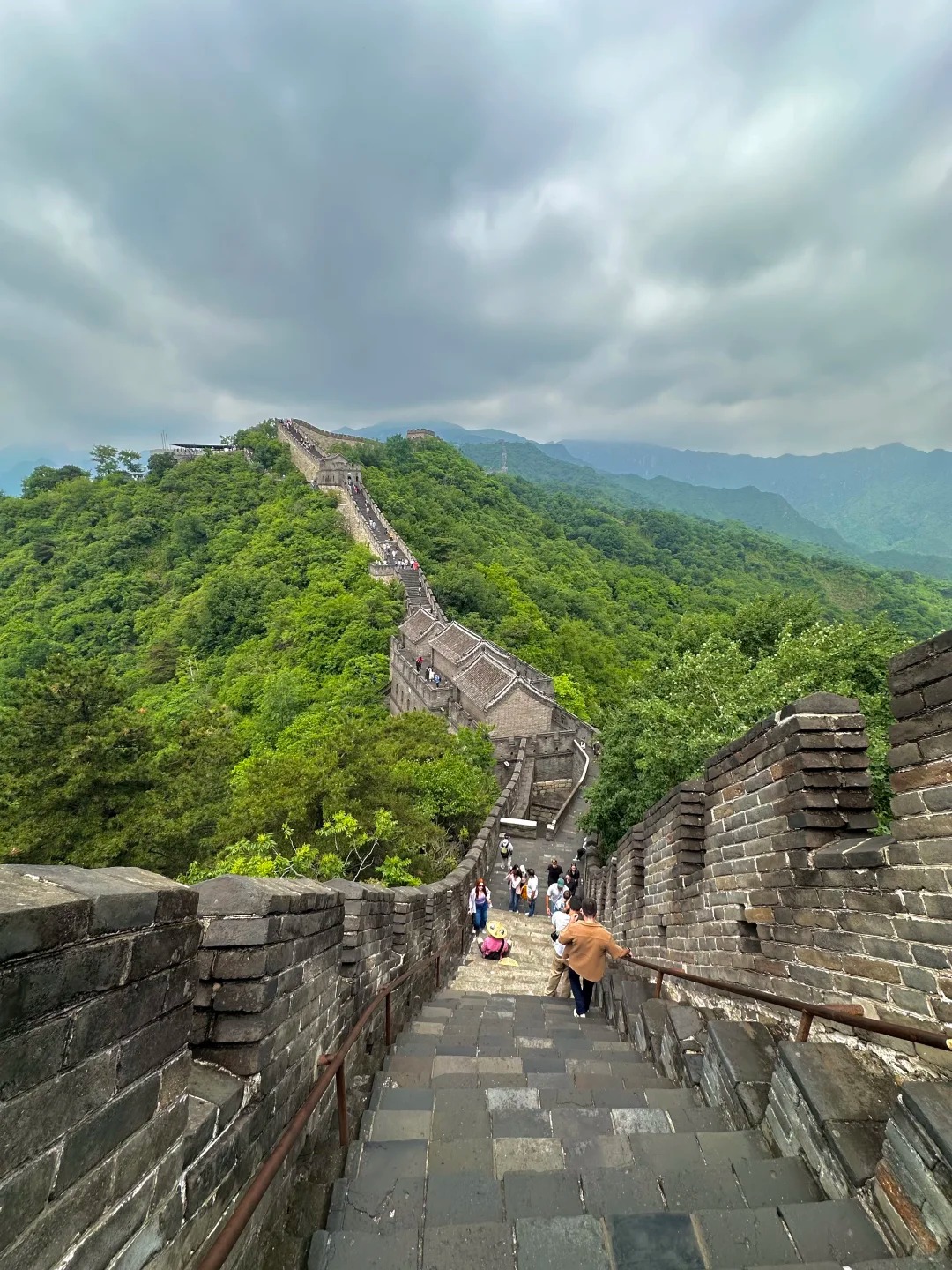
Mutianyu feels like the safest overall choice for people visiting the Great Wall for the first time. It still looks dramatic enough to feel memorable, but the experience stays relatively manageable from start to finish. A lot of visitors land in Beijing thinking every Great Wall section looks more or less the same, then quickly realize the atmosphere changes completely depending on where they go. Mutianyu usually avoids the worst problems — extreme crowds, exhausting hikes, or confusing transport.
- Section: 慕田峪长城 Mutianyu Great Wall
- Access: Around 1.5 hours from central Beijing by car. Many hotels can arrange drivers, and DiDi works surprisingly well early in the morning. Public buses exist too, though they take longer and usually involve transfers.
- Best Time: Early morning in autumn works best. October air feels cooler, and the mountain colors become much sharper after sunrise. Weekdays feel noticeably calmer than weekends.
- Photography Style: Balanced mountain scenery, restored watchtowers, wide walking sections, and good visibility for casual travel photos.
The overall layout feels easier for foreign travelers. Ticket counters usually handle passport entry without problems, and signs in English appear more often than at smaller sections. Tickets normally cost around RMB 40, while the cable car and chairlift options add another RMB 100-140 depending on direction. Most people spend around three to five hours there including transport.
Compared with Badaling, the walking pace feels slower and less chaotic. There are still tourists, obviously, but the wall does not constantly feel blocked by large flag-following tour groups. For many travelers, Mutianyu ends up feeling like the version of the Great Wall they expected before coming to China.
Best For Fewer Crowds - Jinshanling Great Wall
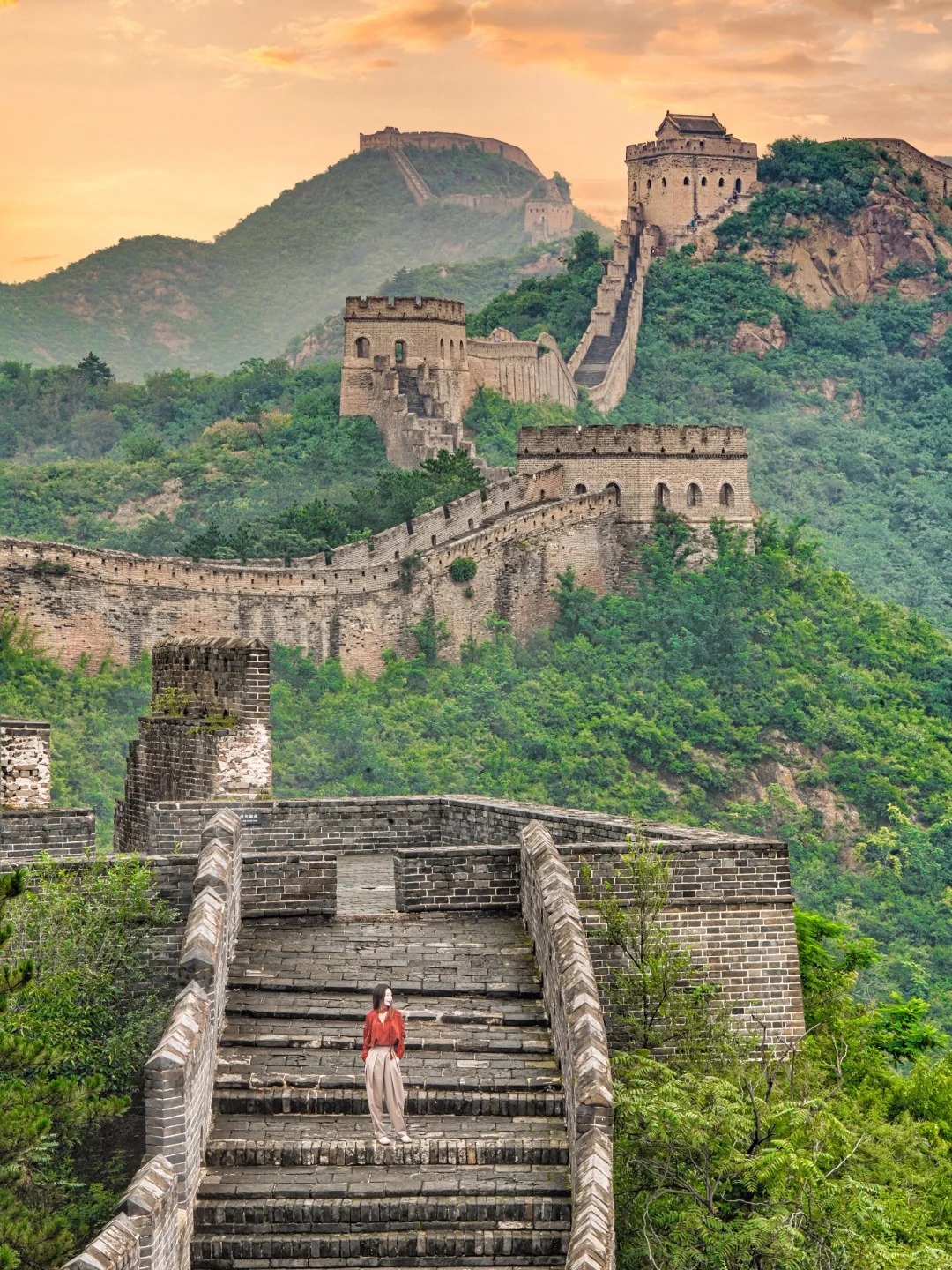
Jinshanling
Jinshanling works much better for travelers who care more about atmosphere than convenience. The drive from Beijing takes longer, so many rushed day tours skip it completely. That distance changes the mood in a very noticeable way. Some sections stay quiet enough that people lower their voices without even realizing it.
- Section: 金山岭长城 Jinshanling Great Wall
- Access: Roughly 2.5 hours from Beijing by private car or small hiking tour. Public transport exists, though schedules can feel inconsistent outside weekends.
- Best Time: Sunrise and late afternoon. Autumn mornings often bring light mountain fog, especially around higher towers.
- Photography Style: Long mountain ridges, layered wall curves, distant watchtowers, and softer natural light than the Beijing-heavy sections.
Jinshanling feels less polished than Mutianyu, but not dangerously wild either. The wall rises and drops across the mountains in a way that feels more natural and less reconstructed. A few TripAdvisor reviews describe it as “peaceful,” which sounds slightly dramatic until you actually hear wind instead of loudspeakers for half an hour straight.
Tickets usually sit around RMB 65, and some hiking tours from Beijing cost somewhere near RMB 300-500 including transport. Most travelers stay longer here than expected because the scenery changes constantly as you move along the ridges. If crowded tourist sites drain your energy fast, Jinshanling usually feels worth the extra distance.
Best For Photography - Jiankou Great Wall
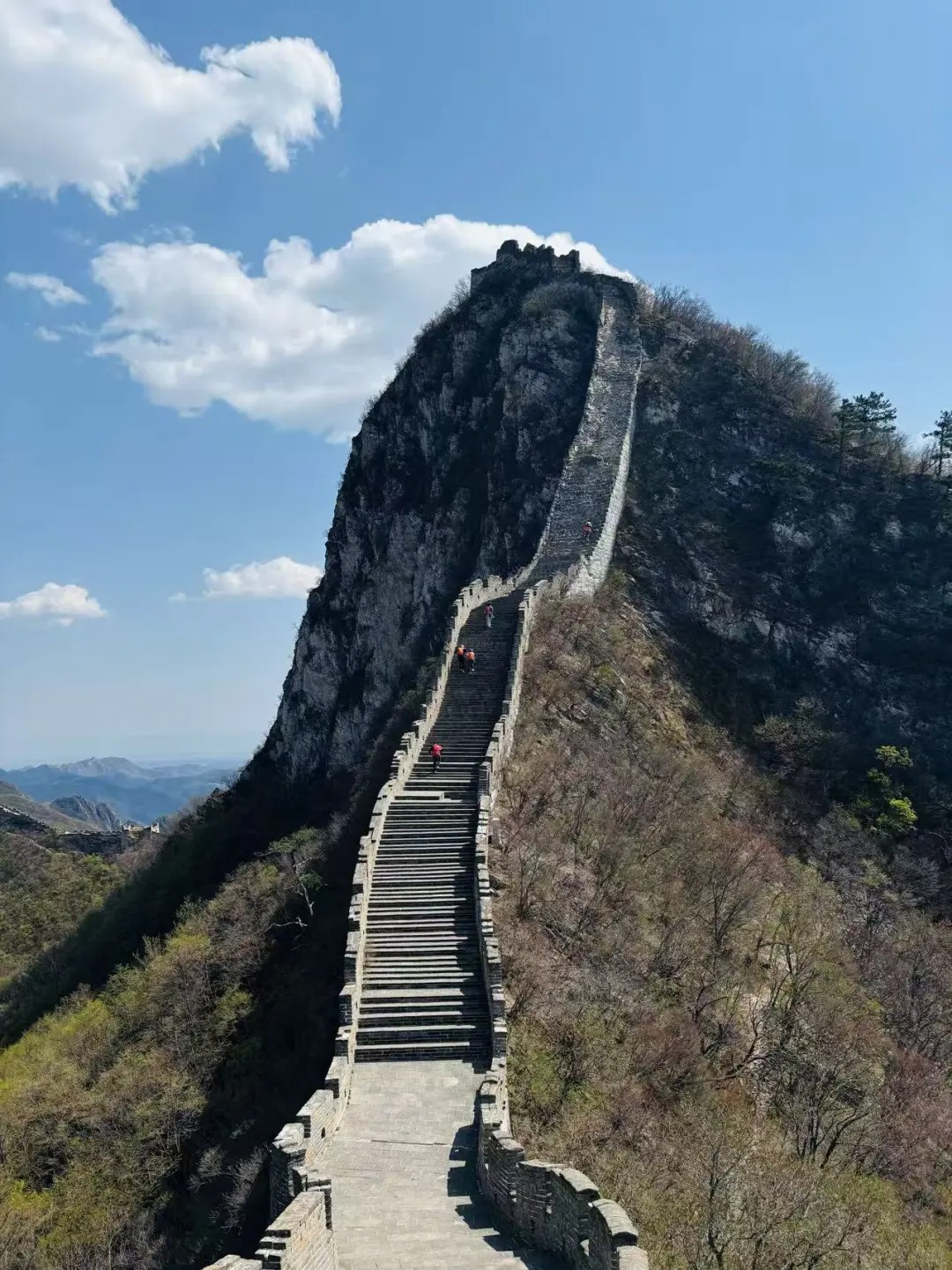
Jiankou Great Wall
Jiankou attracts photographers because it barely looks maintained at all. The stones crack apart, towers lean into the hillsides, and some staircases almost disappear into the mountain itself. It feels rough, unstable, and visually dramatic in a way restored sections rarely do. That wild appearance explains why drone footage and landscape photography from Jiankou spread so widely online.
- Section: 箭扣长城 Jiankou Great Wall
- Access: Around 2 hours from Beijing by car, followed by hiking access through village trails. There is no smooth tourist-style entrance system here.
- Best Time: Sunrise, sunset, and colder autumn mornings with clearer mountain visibility. Avoid rainy days because the stones become slippery quickly.
- Photography Style: Wild Great Wall scenery, broken watchtowers, sharp mountain ridges, dramatic drone shots, and heavy contrast during golden hour.
The difficult part is not only the steepness. Some paths have loose rocks, damaged steps, and almost no protection barriers. Local hiking groups still regularly warn casual tourists against trying advanced sections alone. Last time I checked, even experienced hikers recommended gloves because certain climbs involve grabbing rough stone edges directly.
Entry rules around Jiankou sometimes change because parts remain technically unrestored, so many visitors join local hiking groups instead of going independently. Jiankou probably produces the most impressive Great Wall photos in China, but it also demands the most caution.
Best For Families And Older Parents - Mutianyu Great Wall
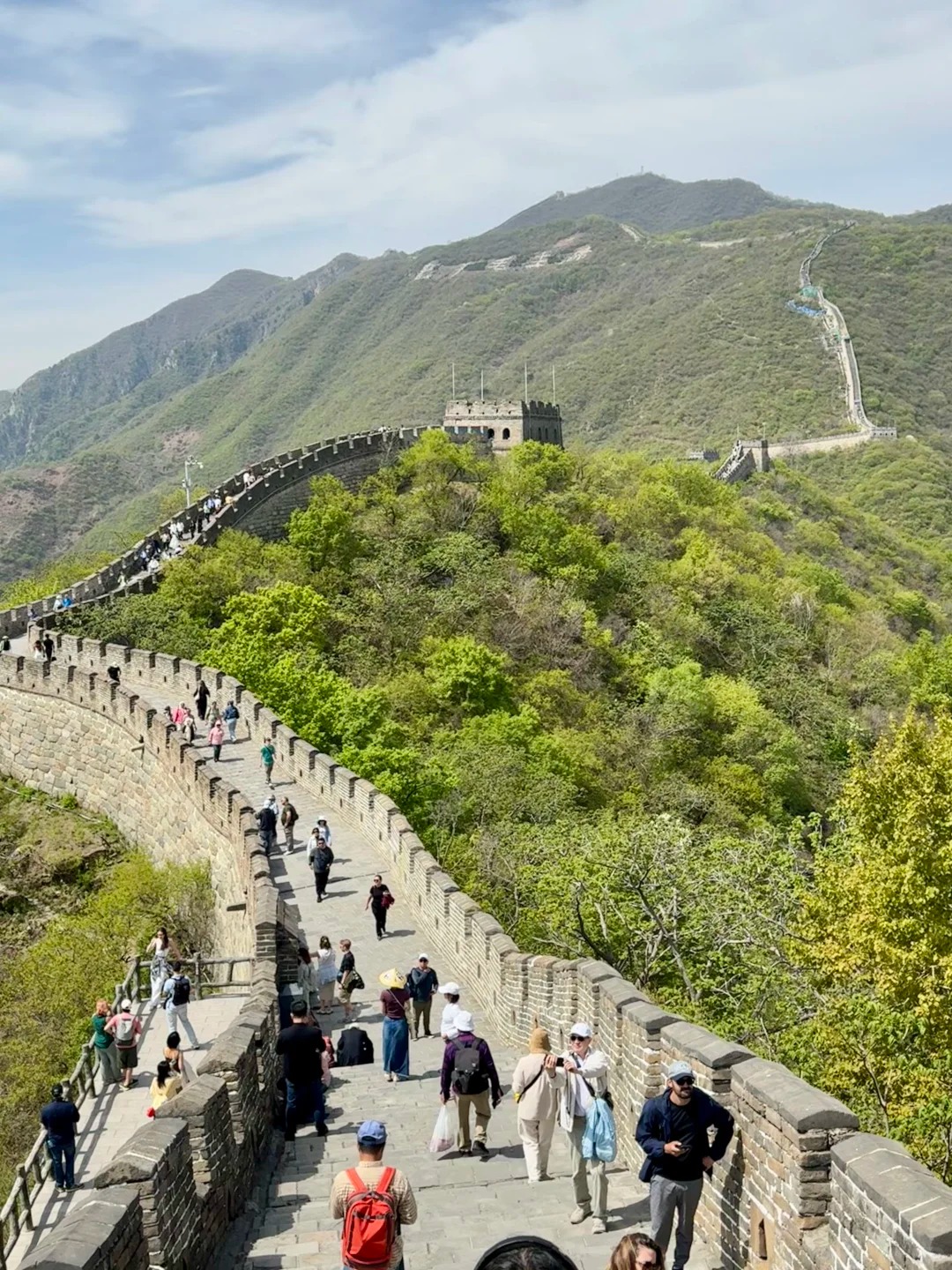
Mutianyu Great Wall
Mutianyu appears again here because it handles mixed-age groups much better than most Great Wall sections. Families usually care less about extreme hiking and more about comfort, toilets, rest areas, and whether grandparents will still have energy left after an hour. Mutianyu solves those problems better than places like Jiankou or Jinshanling.
- Section: 慕田峪长城 Mutianyu Great Wall
- Access: Direct private drivers from Beijing remain the easiest option for families. Travel time usually stays around 1.5 hours outside rush periods.
- Best Time: Spring and autumn mornings. Summer afternoons become hotter, though tree cover near parts of the wall helps slightly.
- Photography Style: Open viewpoints, family-friendly walking sections, cable car views, and cleaner panoramic shots without extremely steep terrain.
The cable car removes most of the exhausting uphill climb, and the summer toboggan ride down still surprises a lot of kids who expected the trip to feel boring. Bathrooms, snack stands, and seating areas appear regularly near the entrance zone, which matters much more once older relatives join the trip.
Tickets remain fairly reasonable for families compared with many large tourist attractions in Beijing. I remember one older British couple near Tower 6 joking that they expected “a brutal mountain climb” but ended up spending most of the morning taking photos instead. Mutianyu still requires walking, but it rarely feels overwhelming if the pace stays relaxed.
Mutianyu Is Still The Best Place To See The Great Wall For Most Travelers
What Makes Mutianyu Easier Than Badaling
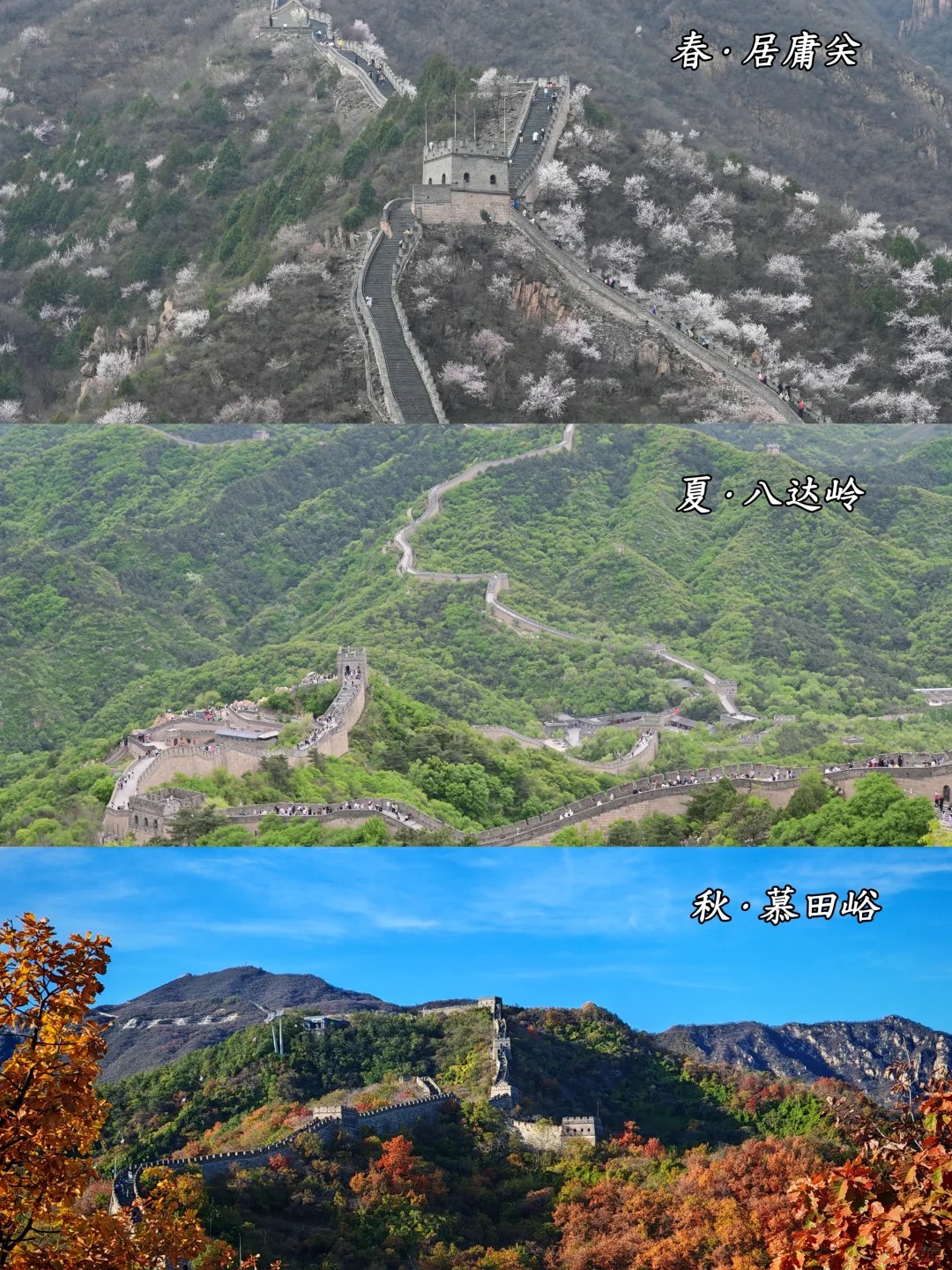
Comparison of the Great Wall
Mutianyu feels noticeably more balanced than Badaling, especially when it comes to how people move along the wall. Badaling often concentrates tour groups in the same narrow stretches, so you end up slowing down or stopping frequently. Mutianyu spreads visitors across multiple towers and paths, which keeps the flow more natural and less blocked.
The crowd composition is also different. At Mutianyu, you’ll see more independent travelers and small groups, including a fair number of foreign visitors planning their own day trips from Beijing. Not sure how to organize your visit from Beijing? Follow this practical Beijing Great Wall day trip itinerary. Badaling still leans heavily toward large domestic tour buses, which can change the atmosphere quickly once they arrive.
Cable car access helps a lot here. Instead of forcing everyone through long climbs, Mutianyu offers both cable car and chairlift options, which reduce congestion at the base. Waiting times still happen, especially on weekends, but they don’t feel as compressed as the main bottlenecks at Badaling.
The result is simple: you spend more time walking on the wall and less time waiting in lines.
What The Stairs Actually Feel Like
What The Stairs Actually Feel Like
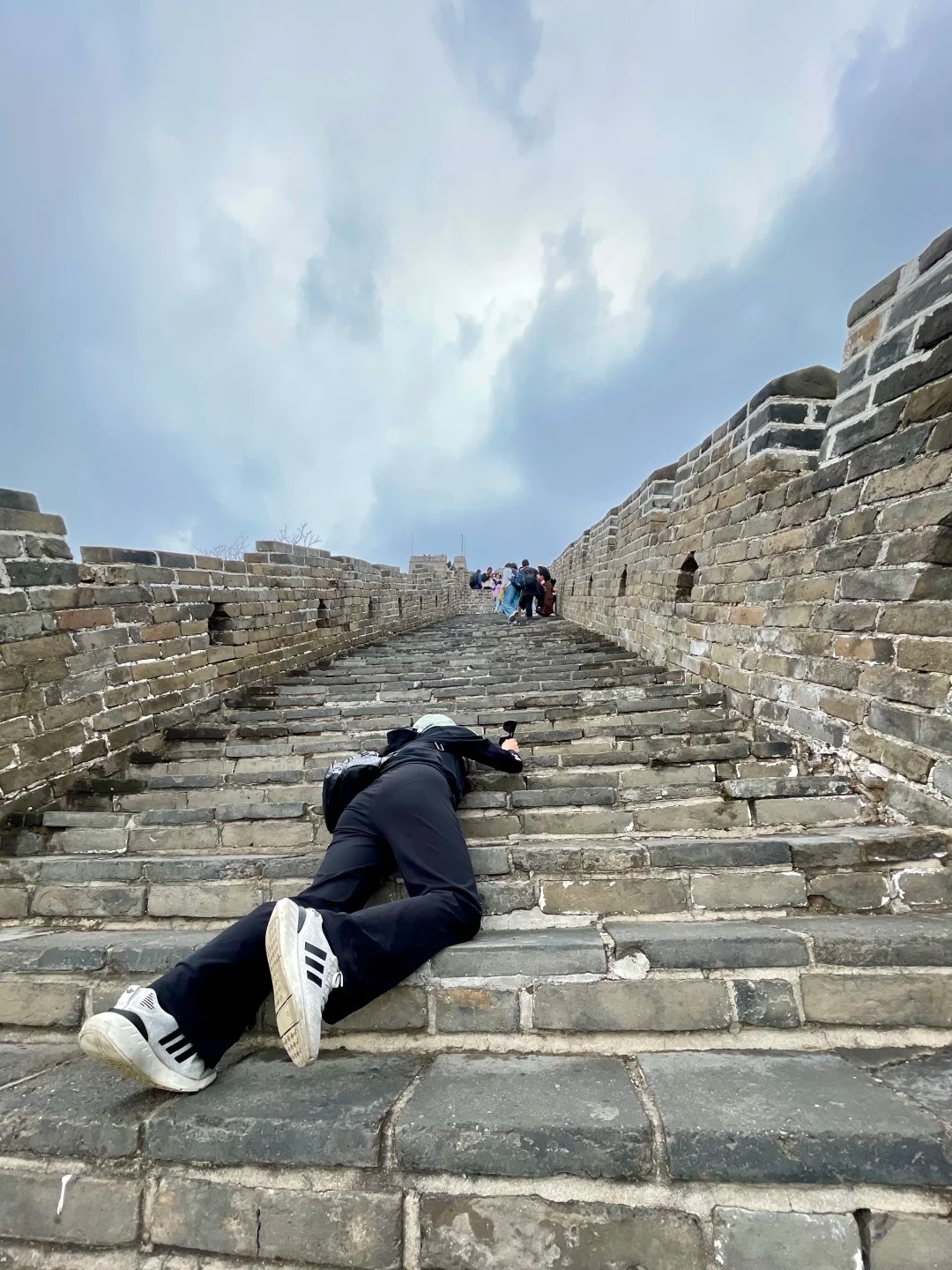
The stairs at Mutianyu don’t follow a consistent pattern, and that catches many visitors off guard. Some sections feel manageable with regular steps, while others suddenly turn steep and uneven, especially near tower transitions. It’s not extreme hiking, but it does require steady pacing.
Heat is another factor. In summer, exposed stone absorbs sunlight, and certain stretches have very little shade. Water becomes necessary earlier than most people expect, especially if you’re climbing between higher towers. On the way down, the strain shifts to the knees, and that’s usually when people slow down noticeably.
TripAdvisor reviews often describe the experience as “easier than expected going up, harder than expected going down,” which is actually quite accurate. Footwear makes a real difference here, and smooth soles tend to struggle on worn stone surfaces.
It’s not a difficult hike, but it’s also not a casual walk—you feel every step on the way back down.
Best Photo Spots At Mutianyu
Best Photo Spots At Mutianyu
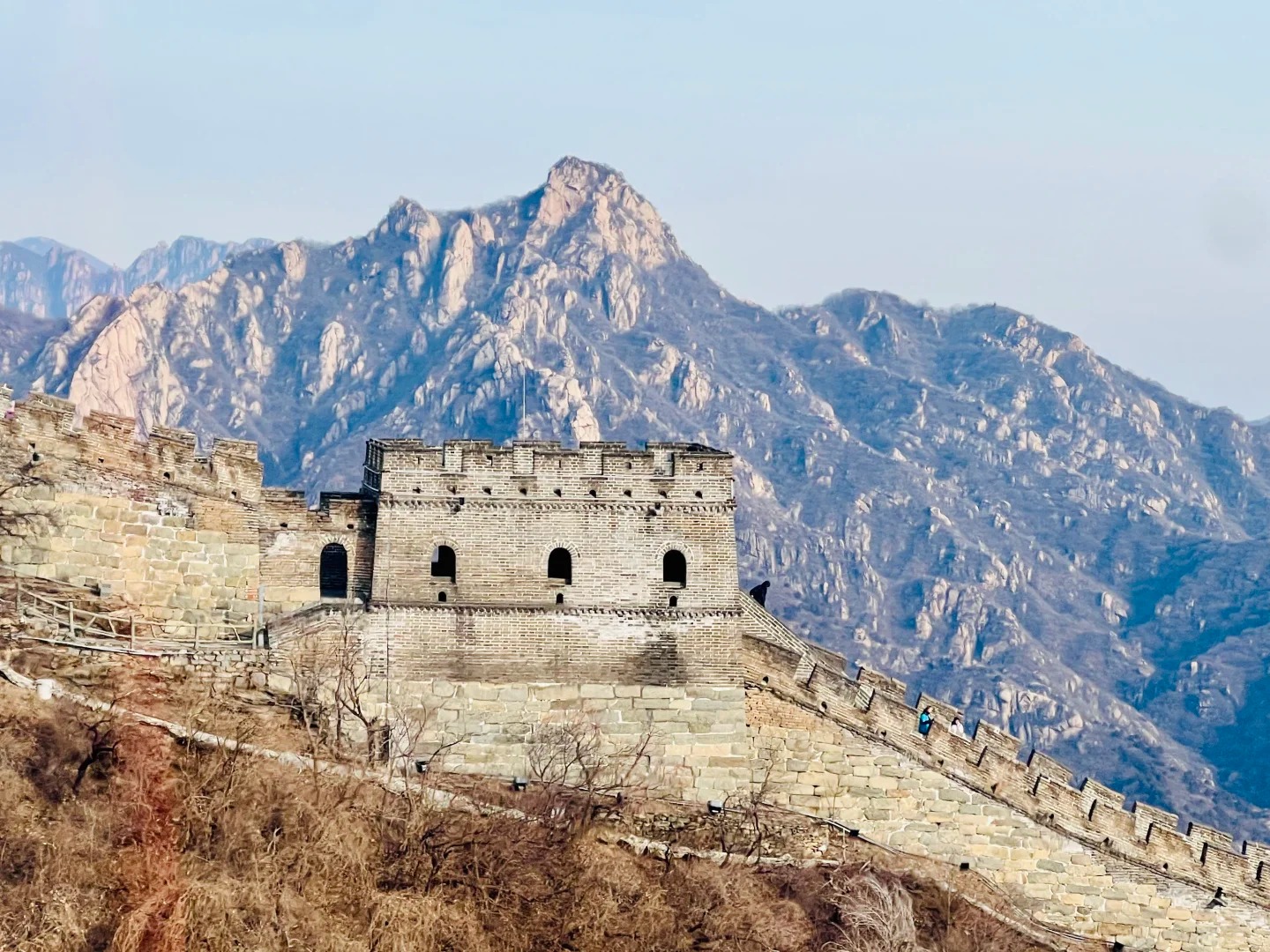
- Tower 6–8 Section: This is one of the most reliable spots for wide-angle shots. The wall bends sharply here, and you get clear depth across the ridges. Early morning works best before larger groups arrive.
- East Ridge Corners: Popular during autumn. Red and orange leaves cover parts of the hillside, creating strong color contrast with the grey stone.
- High Watchtowers (Near Upper Cable Car Exit): Good for layered mountain views, especially when light fog sits between the ridges.
- Snow Sections in Winter: After light snowfall, steps and towers become visually clean, with fewer people in frame and strong contrast lines.
- Lower Corridor Sections: Easier to capture empty-frame shots during weekday mornings before tour groups reach the upper path.
A small timing detail matters more than camera gear here. Arriving before 9:00 AM usually gives the best chance for clear shots without people standing on every tower edge.
Morning light tends to be the only time Mutianyu still feels visually open enough for clean photography.
Common Mistakes Visitors Make At Mutianyu
- Arrival Timing: Getting there late, usually after 11:00 AM, means joining peak flow from tour buses and longer waits for cable cars.
- Holiday Visits: Golden Week and major public holidays can completely change the experience, with queues extending both at entry and return transport points.
- No Water Planning: Bottled water is available on-site, but prices are higher and spacing between vendors is inconsistent on the wall itself.
- Wrong Footwear: Smooth sneakers or thin soles increase slipping risk on uneven stone, especially during downhill sections where pressure on the feet increases.
- Return Time Ignored: Traffic back to Beijing often builds after 4:00 PM, and delays are common if you leave at peak return hours.
- Weather Underestimation: Wind along ridge sections can feel stronger than expected, even when Beijing city weather seems calm.
Most problems here don’t come from the wall itself, but from timing and preparation. People often underestimate how long walking between towers actually takes, especially when stopping for photos or rest breaks.
If the schedule is off, even Mutianyu can feel crowded and tiring—but when timed right, it stays one of the most balanced Great Wall experiences near Beijing.
Jinshanling Has The Best Hiking Views
Why Hikers Love Jinshanling
Why Hikers Love Jinshanling
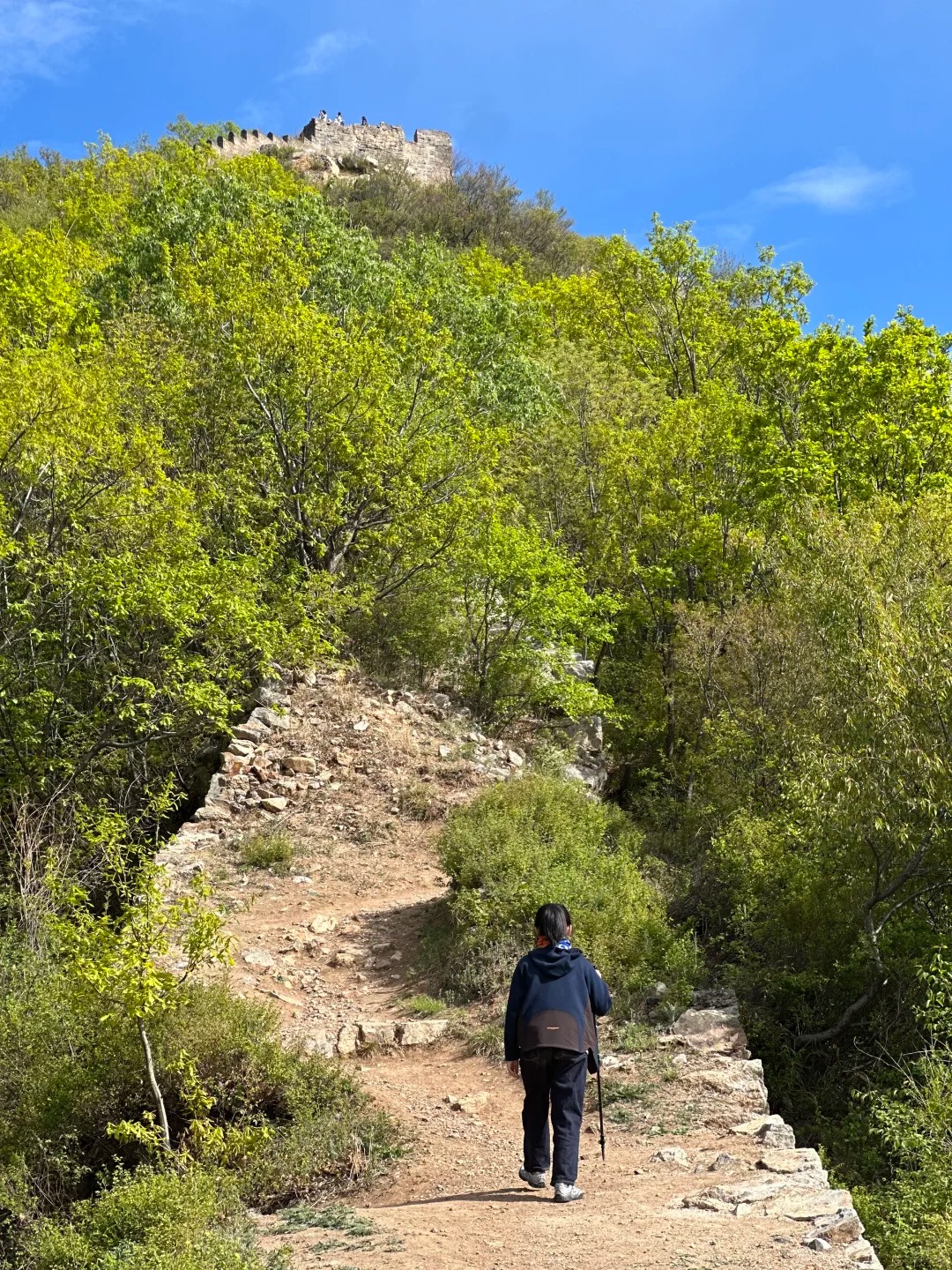
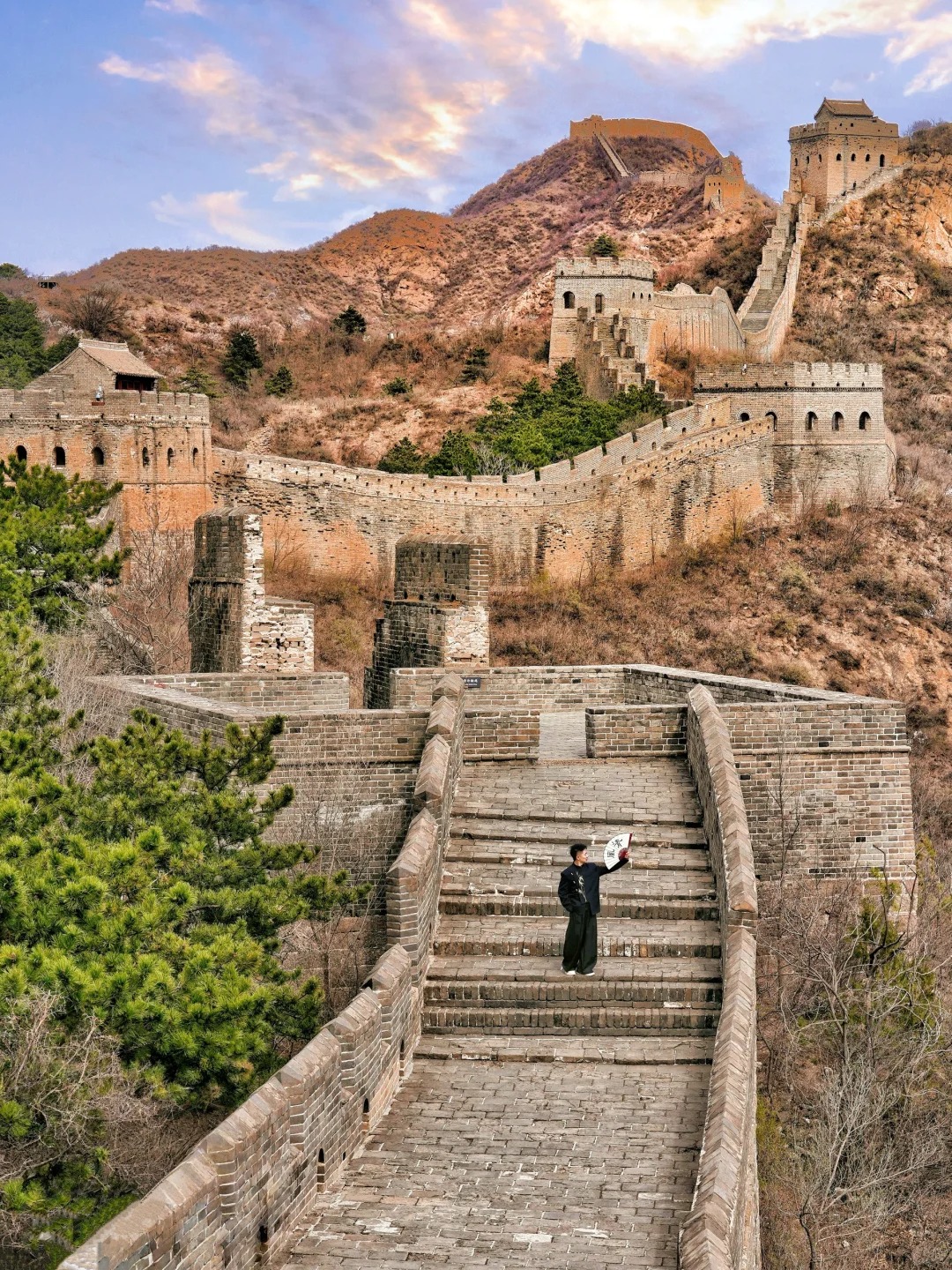
Jinshanling feels different from the more “finished” Great Wall sections closer to Beijing because it keeps a stronger hiking character. The wall runs across long mountain ridges, so you’re not just walking up and down a single restored path. The scenery keeps shifting between broken towers, narrow stone steps, and wide open ridgelines, which makes the route feel longer than it looks on a map.
- Section: 金山岭长城 Jinshanling Great Wall
- Reason 1: Mountain Layers: Multiple ridgelines stack into the distance, so the view changes every few towers instead of staying repetitive
- Reason 2: Long-Distance Hiking: The route connects towers over real elevation changes, not short sightseeing loops
- Reason 3: Low Crowds: Visitor numbers stay relatively low compared with Mutianyu and especially Badaling
- Reason 4: Quiet Atmosphere: No dense tour groups or loud announcements, only wind and footsteps on stone
- Reason 5: Less Commercialization: Fewer shops and built-up facilities along the wall itself
The biggest difference is the sound. Or rather, the lack of it. Once you move away from the entrance area, everything gets quieter in a way that feels noticeable after Beijing. The wall stops feeling like a tourist site and starts feeling like a long mountain route with history attached to it.
Photographers often stay longer than planned because every turn opens a new angle of the ridge. On foggy mornings, the wall disappears and reappears between layers of mountains, which is hard to find in more controlled sections.
The Jinshanling To Simatai Hike
The Jinshanling To Simatai Hike
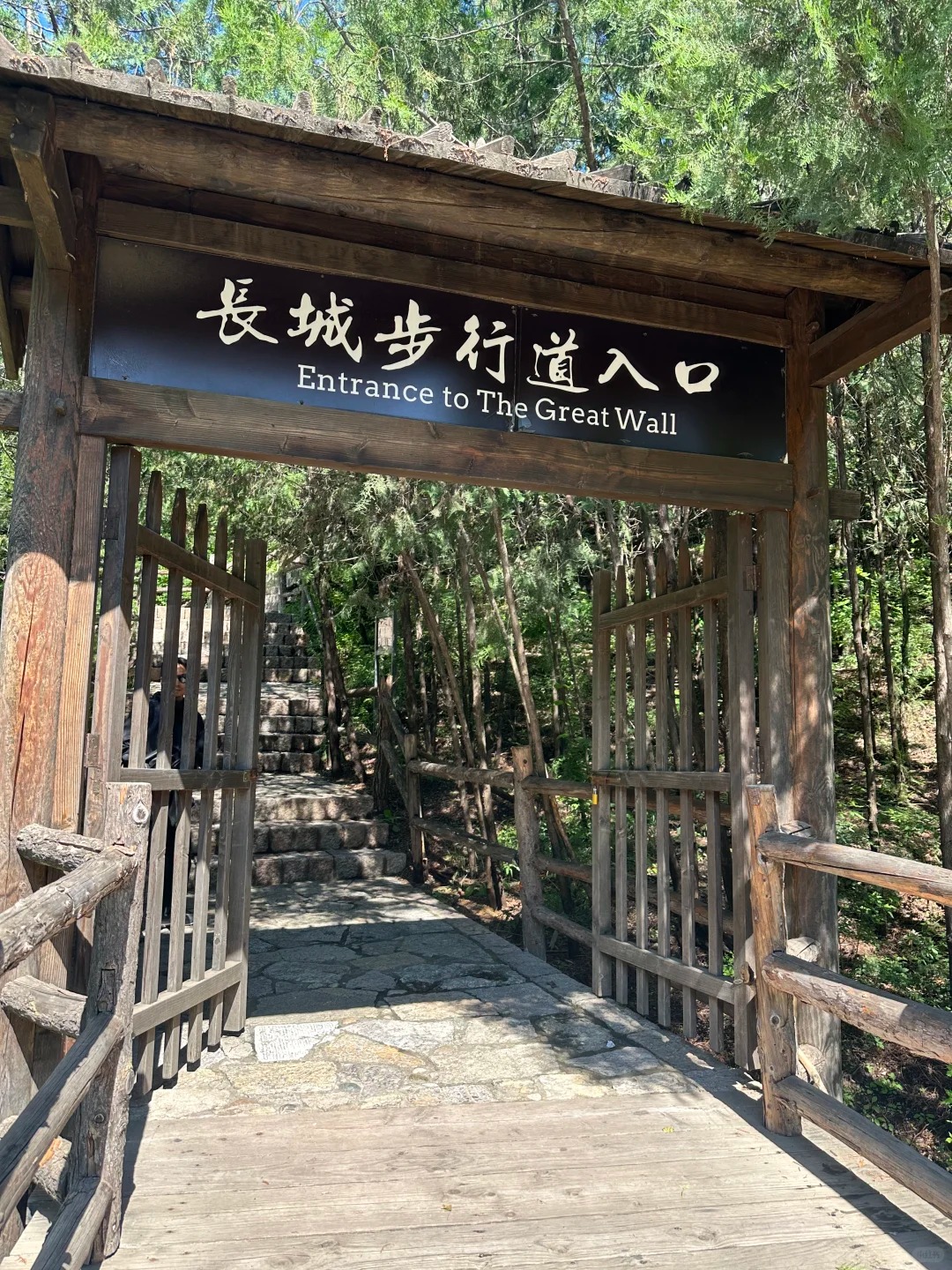
The Jinshanling to Simatai hike is one of the most well-known Great Wall trekking routes, and it is definitely not a casual walk. The full route usually takes several hours depending on pace, photo stops, and weather conditions. It starts with manageable climbs near Jinshanling, but the difficulty gradually increases as the wall follows sharper and more exposed ridge lines.
Early sections feel structured, with more even steps and clearer paths between watchtowers. As you move deeper, the stones become more irregular, and the incline becomes more noticeable. Some parts sit directly on exposed ridges where wind is stronger, which can slow down movement even on clear days. By the middle to later sections, many hikers naturally reduce speed and become more focused on footing than scenery.
The landscape also changes in a clear progression. It begins with open views across rolling hills, then transitions into tighter, more rugged segments where the wall blends into the mountain itself. Near the Simatai side, the environment feels more isolated, and the number of other hikers often drops significantly.
In reality, it feels less like sightseeing and more like a full mountain traverse where the Great Wall just happens to guide the route.
Is Jinshanling Too Difficult For Casual Travelers
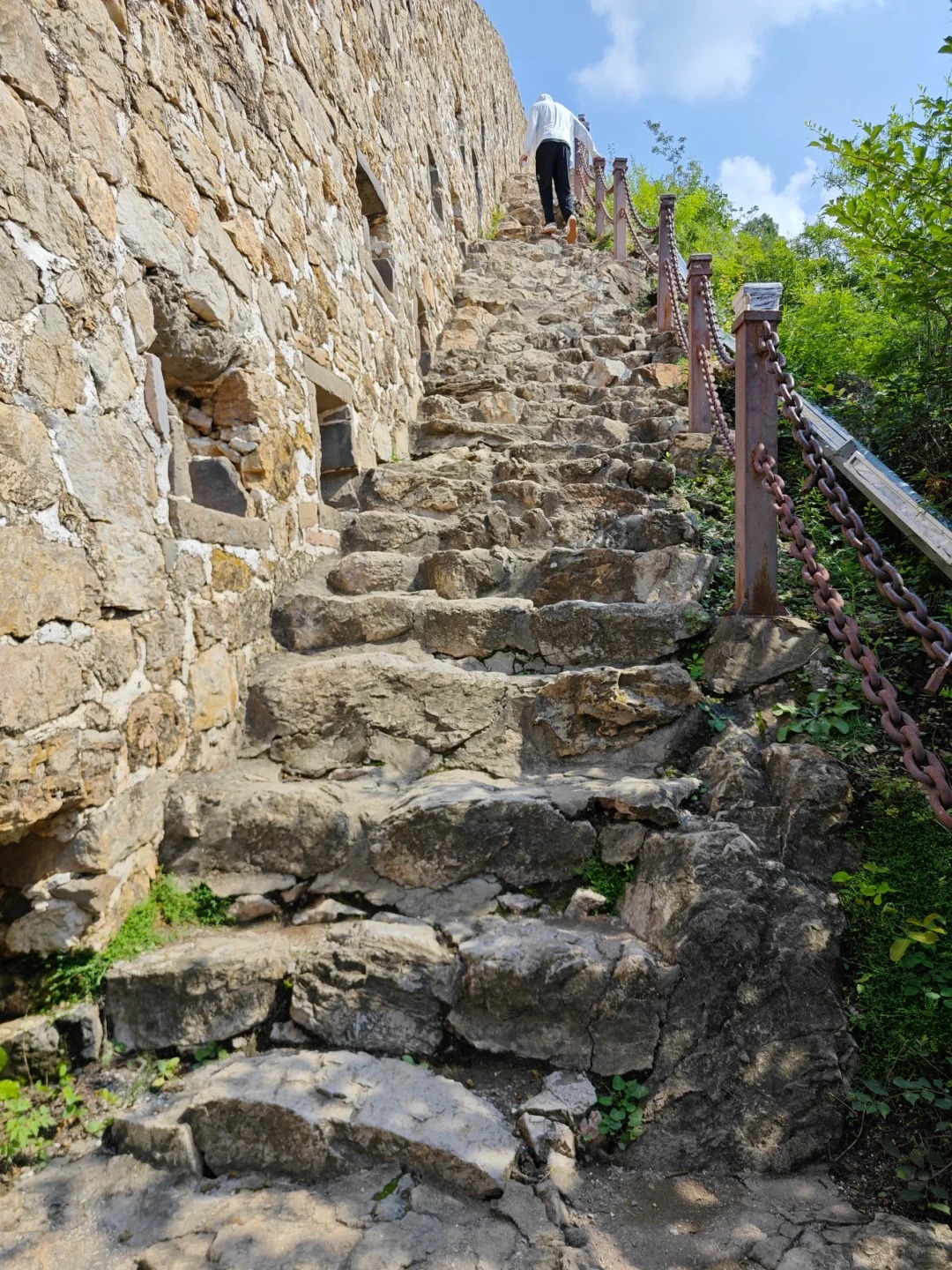
Stairs of Jinshanling
Jinshanling is not extreme mountaineering, but it is also not designed for relaxed walking like Mutianyu. For casual travelers, the main challenge is not technical climbing but continuous elevation changes and the lack of long flat sections. The early part near the entrance is still manageable for most visitors, but once you go deeper into the ridge route, the effort level increases gradually and becomes more noticeable over time.
Many people underestimate how long it takes to move between towers, especially when stopping for photos or short breaks. The steps are uneven in places, and the terrain becomes more demanding under heat or wind exposure. In summer, the lack of shade adds another layer of fatigue, while in colder months, wind on exposed ridges can make the walk feel longer than expected. That said, you don’t need advanced hiking experience, just a reasonable level of fitness and patience.
Older travelers can still enjoy Jinshanling if they limit their route and avoid pushing toward the more distant sections. Most guided tours actually adjust the hiking distance based on group ability. Compared with Jiankou, it is far more accessible, but compared with Mutianyu, it clearly requires more endurance.
It is best described as a moderate hike that slowly becomes more demanding the farther you go, not a simple sightseeing walk.
Best Time Of Day To Visit Jinshanling
Best Time Of Day To Visit Jinshanling
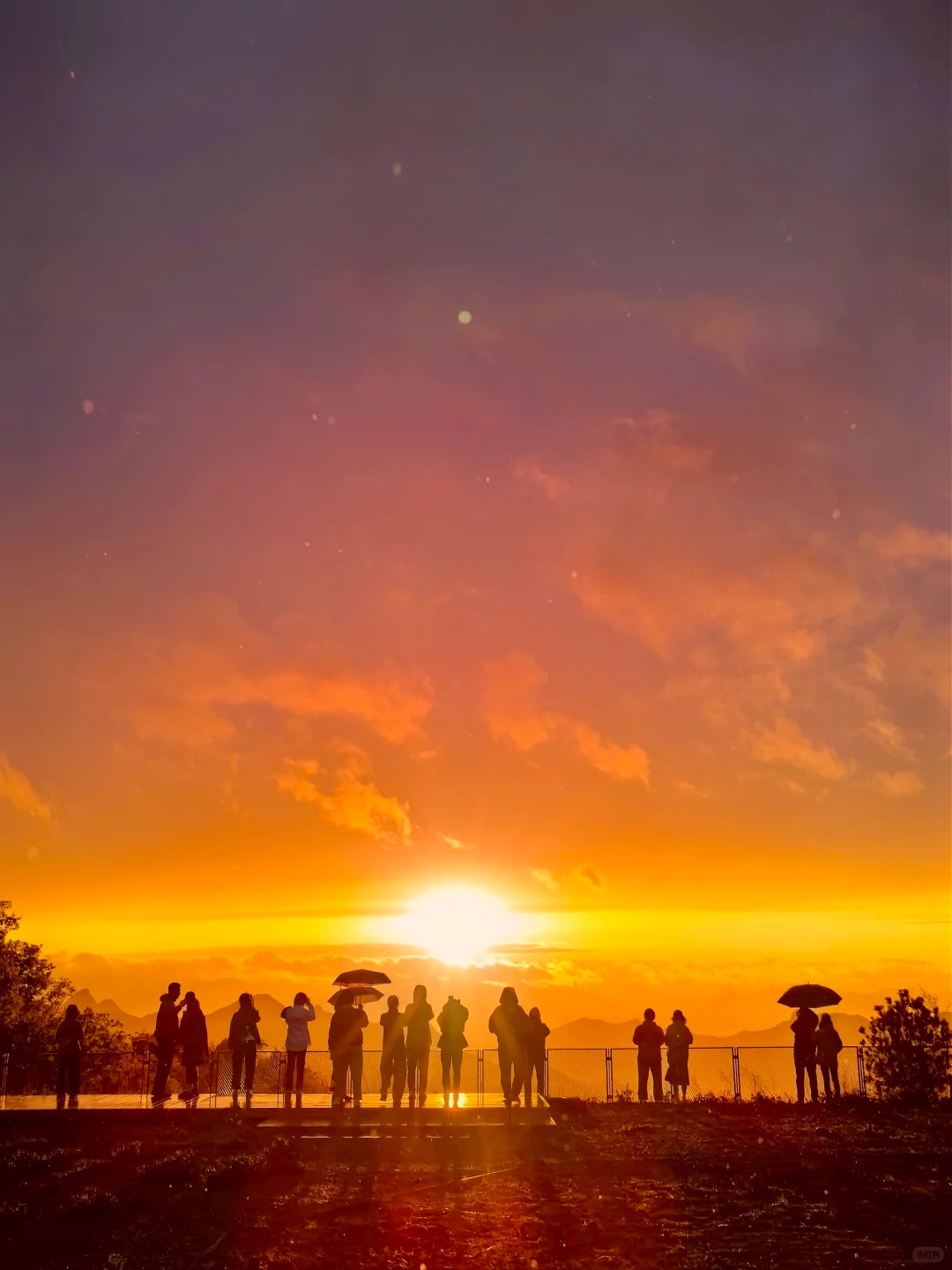
Timing matters a lot at Jinshanling because light conditions change how the entire ridge looks. The same section of wall can feel flat and ordinary at midday, but become highly layered and atmospheric during sunrise or sunset.
- Sunrise: Best for soft light and early mountain fog. Visibility is sometimes reduced, but the atmosphere is stronger, with towers emerging through mist as the light rises
- Sunset: Warm directional lighting creates long shadows along the ridgelines, making the wall structure more defined and visually dramatic
- Autumn Morning Fog: Common in October. The mountains appear in layers, partially hidden, which adds depth but reduces long-distance clarity
- Afternoon Light: More stable visibility and easier hiking conditions, but less atmospheric compared with early or late light
- Winter Snow Scenes: Snow covers both the wall and surrounding mountains, creating strong contrast and cleaner visual lines, though walking becomes slower and colder
Most photographers plan either sunrise or sunset because both provide directional lighting that emphasizes structure rather than flattening the landscape. Midday light tends to reduce contrast, making the ridge look less dynamic.
If the goal is photography rather than comfort, sunrise and sunset are the only truly reliable windows at Jinshanling.
Jiankou Feels Like A Movie Version Of The Great Wall
Why Hikers Love Jinshanling
Why Jiankou Looks So Dramatic
Jiankou is often called the “wild Great Wall” for a simple reason—it was never fully restored, so what you see is close to how time left it. The stones are broken in places, the stairs are uneven, and some watchtowers look half-collapsed on purpose rather than designed. The wall follows a very sharp mountain ridge, which makes both sides drop quickly into steep valleys.
Unlike Mutianyu or Badaling, there is no clean tourist finish here. The structure feels raw, almost unstable, and that’s exactly why photographers like it. Drone shots often show the wall cutting across thin ridgelines with fog sitting between mountains, and it really does look like a film set rather than a tourist site.
The biggest reason Jiankou feels dramatic is this combination of height, damage, and isolation. You don’t hear much around you once you leave the entrance trail. Just wind, loose stones underfoot, and the occasional silence when the ridge opens up. It doesn’t feel like a sightseeing attraction anymore—it feels like a structure slowly being taken back by the mountain.
What First-Time Visitors Underestimate
Jiankou looks exciting online, but the real experience is much more physically demanding than most people expect. There are long stretches without any safety rails, and the stone steps are not fixed in a uniform way. Some are stable, others shift slightly when you step on them, especially on downhill sections where balance matters more.
The exposure is another problem. In summer, the ridge has almost no shade, so heat builds quickly even if the distance doesn’t seem long. In winter, thin ice can form in narrow gaps between stones, which makes certain parts unpredictable underfoot. It’s not a “technical climb,” but it constantly forces attention.
Many first-time visitors turn back halfway not because they are unfit, but because the terrain keeps changing. One moment it feels manageable, the next you’re stepping over broken edges with steep drops nearby. The difficulty comes less from distance and more from not knowing what the next step will look like.
Who Should Skip Jiankou
Jiankou is not a good match for every traveler, and that becomes obvious very quickly once you are on the ridge. People who prefer stable walking paths, guardrails, or predictable stairs usually find it uncomfortable rather than enjoyable. Elderly visitors and families with young children also tend to struggle, not because the route is extremely long, but because it requires constant attention to footing.
Anyone with a strong fear of heights will likely feel uneasy in several sections where the wall narrows and drops sharply on both sides without protection. Even experienced hikers slow down here because the terrain demands focus rather than casual walking. For travelers who mainly want views without physical risk, Mutianyu usually makes more sense since it offers cable cars, safety barriers, and more controlled paths.
Jiankou works best for people who already enjoy hiking and are specifically looking for a raw, less controlled version of the Great Wall experience. If the goal is comfort, photography with easy access, or a first-time visit, this is probably not the right section to choose.
Badaling Is Convenient But Often Overcrowded
Badaling Is Convenient But Often Overcrowded
Why So Many Tour Groups Go To Badaling
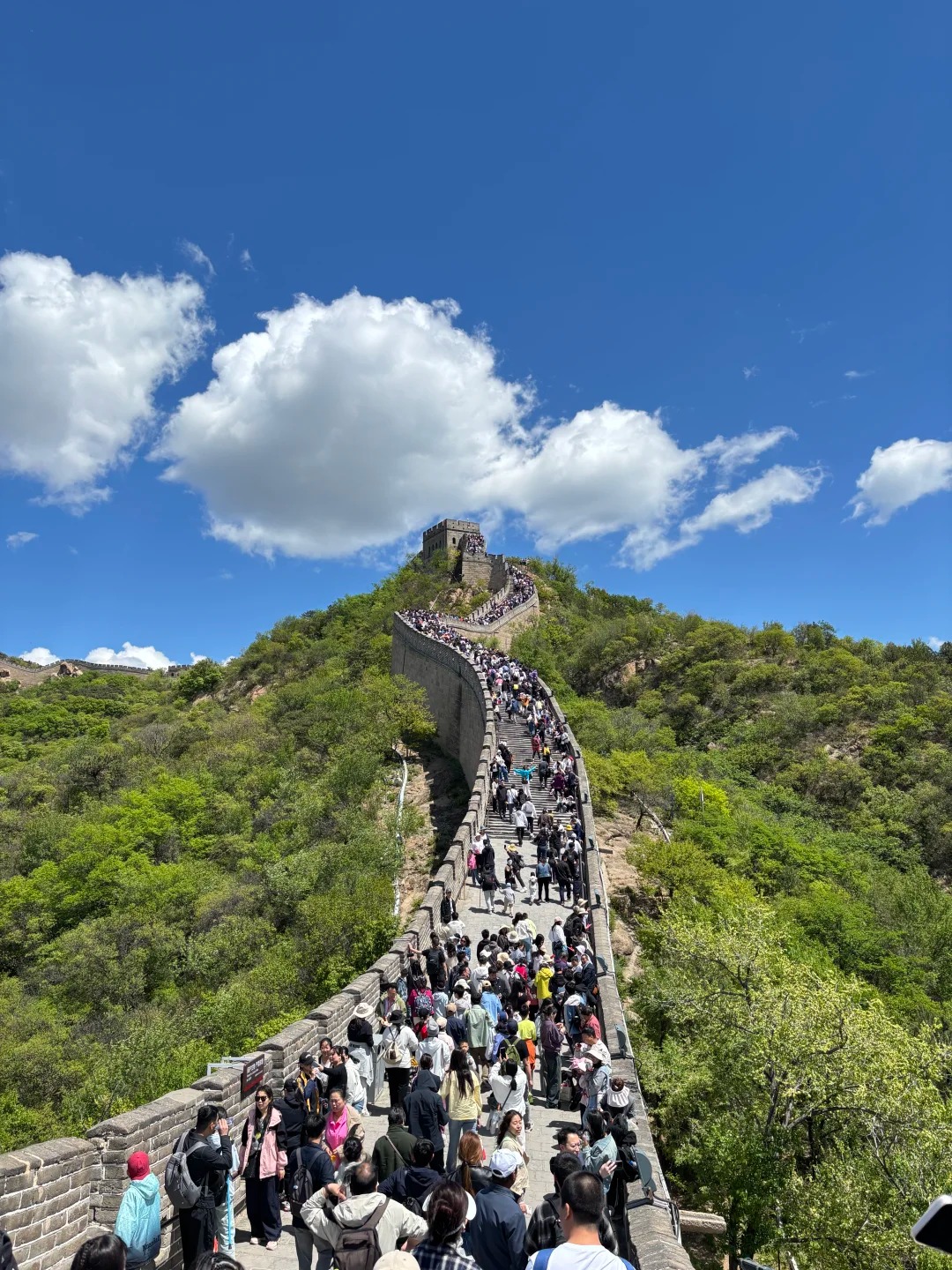
Badaling is the most famous section of the Great Wall, and that alone explains a lot of its crowd problem. It is the closest major section to central Beijing, and high-speed rail connections make it extremely easy to reach in under an hour from certain stations. For many domestic tourists, it is simply the default choice.
It is also the most “complete” in terms of infrastructure. You will find clear signage, large visitor centers, restaurants, shuttle buses, and organized entry systems that can handle very large groups. This makes it attractive for tour companies, especially for short Beijing itineraries where time is limited and logistics matter more than atmosphere.
Because of this, most large tour groups in China still end up here. It is efficient, predictable, and easy to manage from a travel agency perspective. Foreign visitors also come here simply because it is the name they recognize first when searching online.
The result is simple: convenience brings everyone to the same place at the same time.
When Badaling Feels More Enjoyable
Badaling is not always overcrowded, but timing completely changes the experience. On winter weekdays, especially in cold weather, the crowds thin out significantly. The same applies to rainy days when tour groups cancel or shorten visits. In those moments, the wall feels much more open, and walking becomes easier without constant stopping.
Early mornings on non-holiday weekdays are another rare window. If you arrive before large tour buses, you can actually walk several sections without being pushed by group movement. The difference is noticeable within an hour once peak arrivals begin.
The key is avoiding predictable peak periods. Once major holidays begin, especially during Golden Week or summer vacation periods, the wall becomes heavily congested regardless of time of day. Outside those windows, however, Badaling can feel surprisingly manageable.
Badaling is not always chaotic—it just becomes chaotic when everyone arrives at the same predictable time.
Common Crowd Mistakes At Badaling
Most of the frustration visitors experience at Badaling comes from timing and planning mistakes rather than the site itself. One of the most common issues is arriving around midday. By that time, most tour buses have already arrived, and both ticket lines and cable car queues become significantly longer.
Another major mistake is visiting during major Chinese holidays like Golden Week or Lunar New Year travel periods. These days bring massive domestic travel volume, and Badaling absorbs a large portion of it due to its reputation and accessibility.
Weekends also tend to be busier than expected, especially during good weather seasons when both domestic and international tourists plan short trips from Beijing. Many visitors also forget to book tickets in advance, which can limit entry times or force them into later time slots.
Finally, return transport is often underestimated. After late afternoon, shuttle buses and taxis become crowded, and travel time back to Beijing can stretch much longer than expected due to traffic buildup.
At Badaling, the biggest mistake is not the visit itself, but assuming crowd levels stay stable throughout the day.
Simatai And Huanghuacheng Feel Completely Different
Why Simatai Is Famous For Night Visits
Why Simatai Is Famous For Night Visits
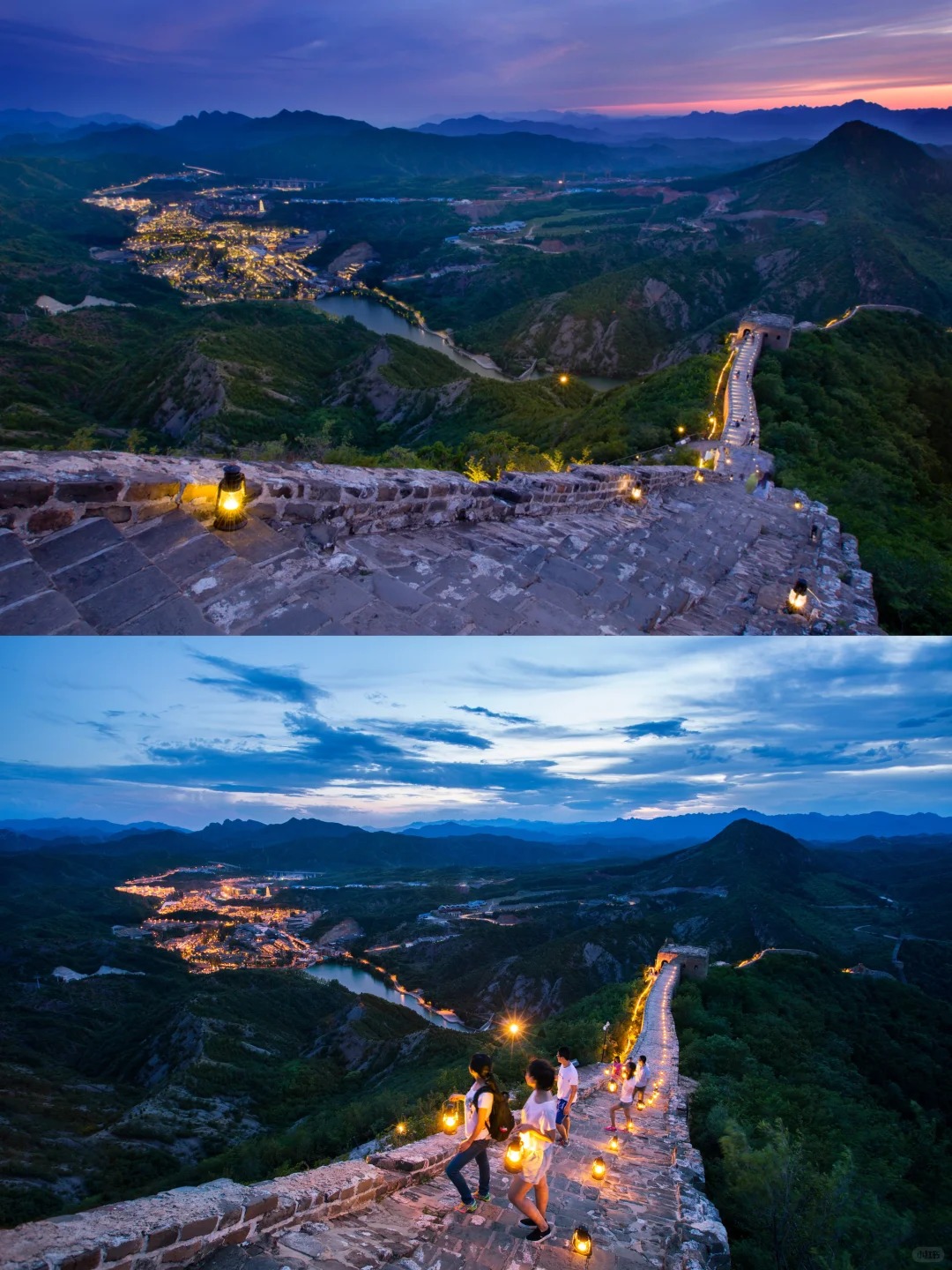
Simatai is one of the few Great Wall sections that allows night visits, and that completely changes the experience compared with daytime hiking routes. The wall is partially connected with Gubei Water Town, so visitors often combine the two into a day-and-night itinerary instead of a simple daytime trip.
At night, the wall is softly lit, and the towers along the ridge become visible in layers rather than sharp outlines. The atmosphere feels slower and more controlled compared with the daytime crowds. The temperature also drops quickly after sunset, especially in spring and autumn, so visitors usually need a light jacket even after a warm day in Beijing.
Many couples choose Simatai specifically for the night view experience. The lighting reflections from Gubei Water Town below add a warm glow that contrasts with the dark mountain ridges above. It feels less like a hike and more like a staged scenic walk.
Simatai at night is less about hiking difficulty and more about atmosphere and lighting.
Why Huanghuacheng Feels More Relaxed
Why Huanghuacheng Feels More Relaxed
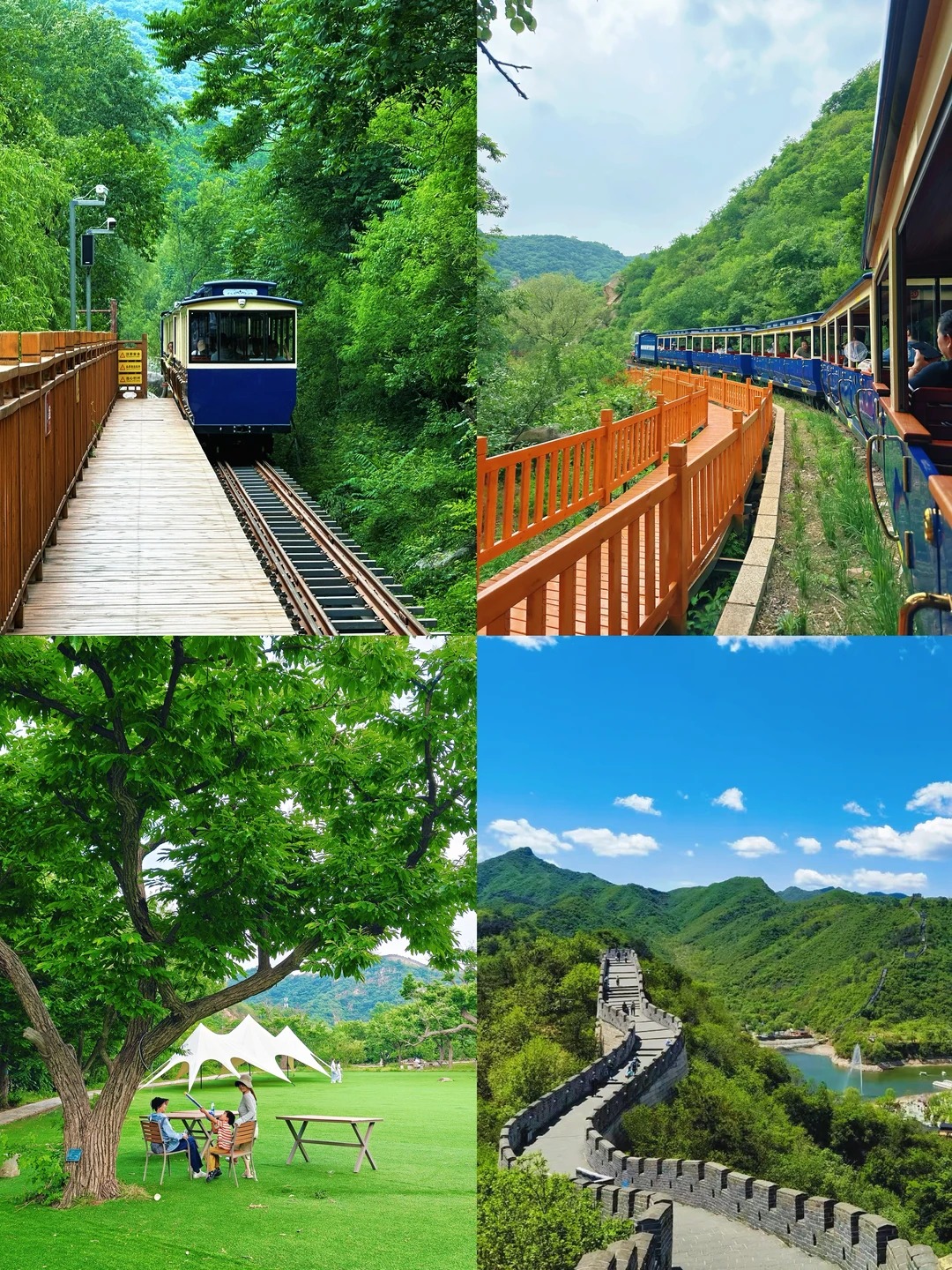
Huanghuacheng feels completely different because part of the Great Wall actually meets the water here. Sections of the wall dip into a small lake, which creates a rare “water Great Wall” view that you do not get in most other locations near Beijing.
Boats sometimes operate on the lake during warmer months, and the combination of water, mountains, and stone wall creates a much softer travel experience. Unlike Jiankou or Jinshanling, the walking paths here are relatively gentle, and the overall pace of the visit feels slower.
Spring is especially pleasant because the surrounding hills turn green, and the lake reflects the wall structure clearly on calm days. It is also less crowded compared with Mutianyu or Badaling, so visitors often have more space to explore without feeling rushed.
Huanghuacheng is less about hiking and more about an easy scenic walk with water views.
Which One Is Better For A Relaxed Day Trip
- Transportation: Simatai requires a longer combined trip with Gubei Water Town, while Huanghuacheng is more direct from Beijing and easier to plan as a simple day outing.
- Difficulty Level: Simatai involves more structured walking and stair sections, especially if combining night viewing, while Huanghuacheng is generally lighter and more relaxed with fewer elevation changes.
- Crowd Situation: Simatai can still feel busy during evening hours due to Water Town tourism, while Huanghuacheng usually stays quieter even on weekends.
- Overall Atmosphere: Simatai focuses on lighting, night views, and a more curated scenic experience, while Huanghuacheng feels more natural, open, and less structured.
- Best For: Simatai suits couples or travelers wanting a unique night Great Wall experience, while Huanghuacheng is better for families, slow travel, and casual sightseeing without pressure.
Both sections offer very different interpretations of the Great Wall experience. Simatai feels more designed and atmospheric, while Huanghuacheng feels more open and easygoing.
For a truly relaxed day trip, Huanghuacheng usually fits better, while Simatai is more about experience than simplicity.
The Best Time To Visit The Great Wall
Why October Is Usually The Most Beautiful Month
Why October Is Usually The Most Beautiful Month
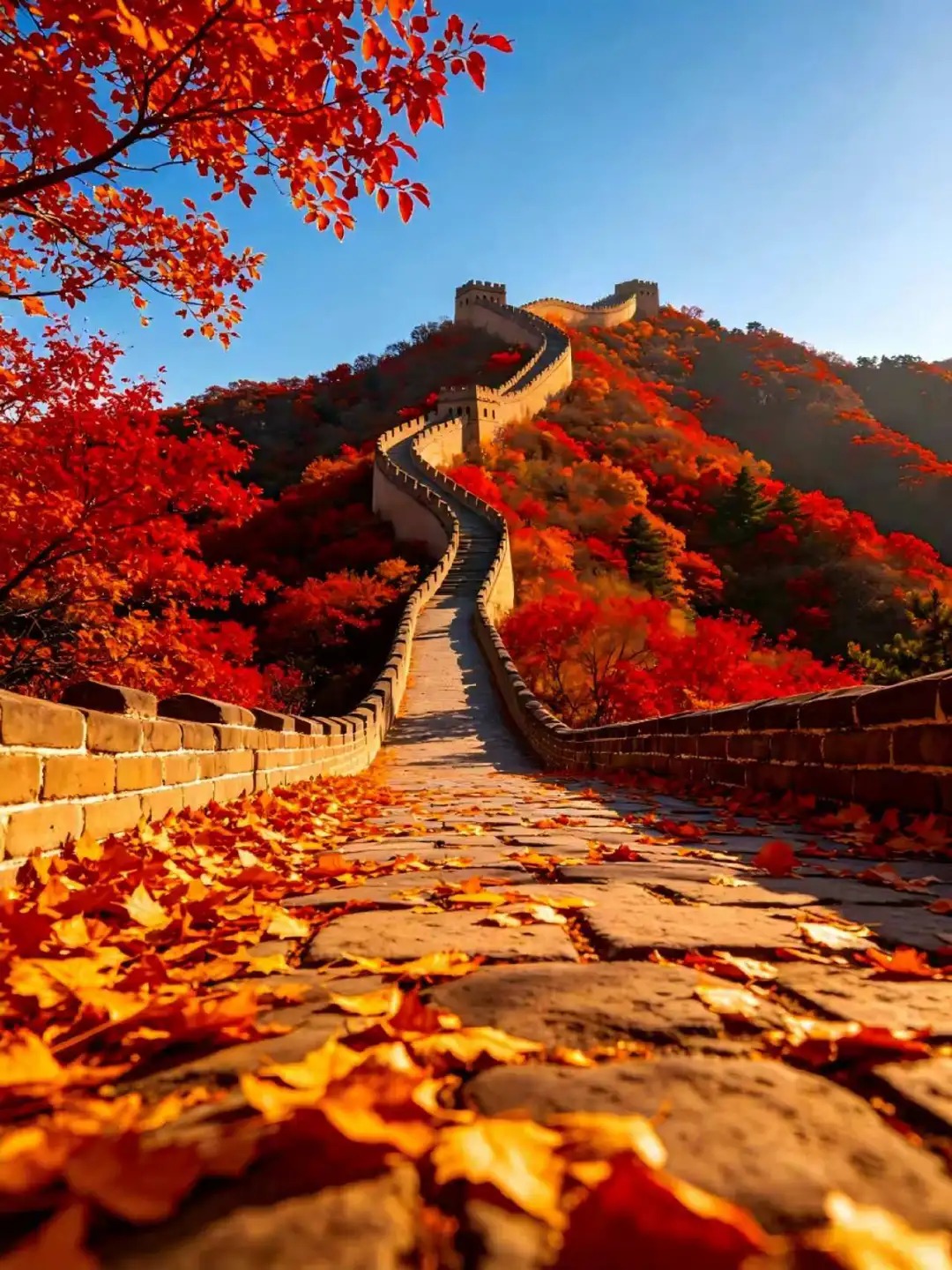
October is often considered the most balanced month for visiting the Great Wall. The temperature sits in a comfortable range, usually around mild autumn weather without the heavy summer heat or winter cold. More importantly, the landscape around Beijing starts to change color, especially in sections like Mutianyu and Jinshanling where trees line the ridges.
Red and yellow leaves begin to cover the mountains, which adds strong contrast against the grey stone walls. Visibility is usually better too, with fewer haze issues compared with summer months. Many foreign travelers also mention on TripAdvisor that October “feels clearer” and more comfortable for long walks, especially when climbing between towers.
It is the rare combination of good weather, strong visibility, and natural color that makes October stand out.
Months Experienced Travelers Usually Avoid
Months Experienced Travelers Usually Avoid
Some months are consistently less ideal for visiting, mainly due to weather or crowd pressure. July and August are the most common to avoid because of intense heat and humidity. On exposed ridge sections, there is very little shade, so walking becomes tiring much faster than expected, especially in places like Jiankou or Jinshanling.
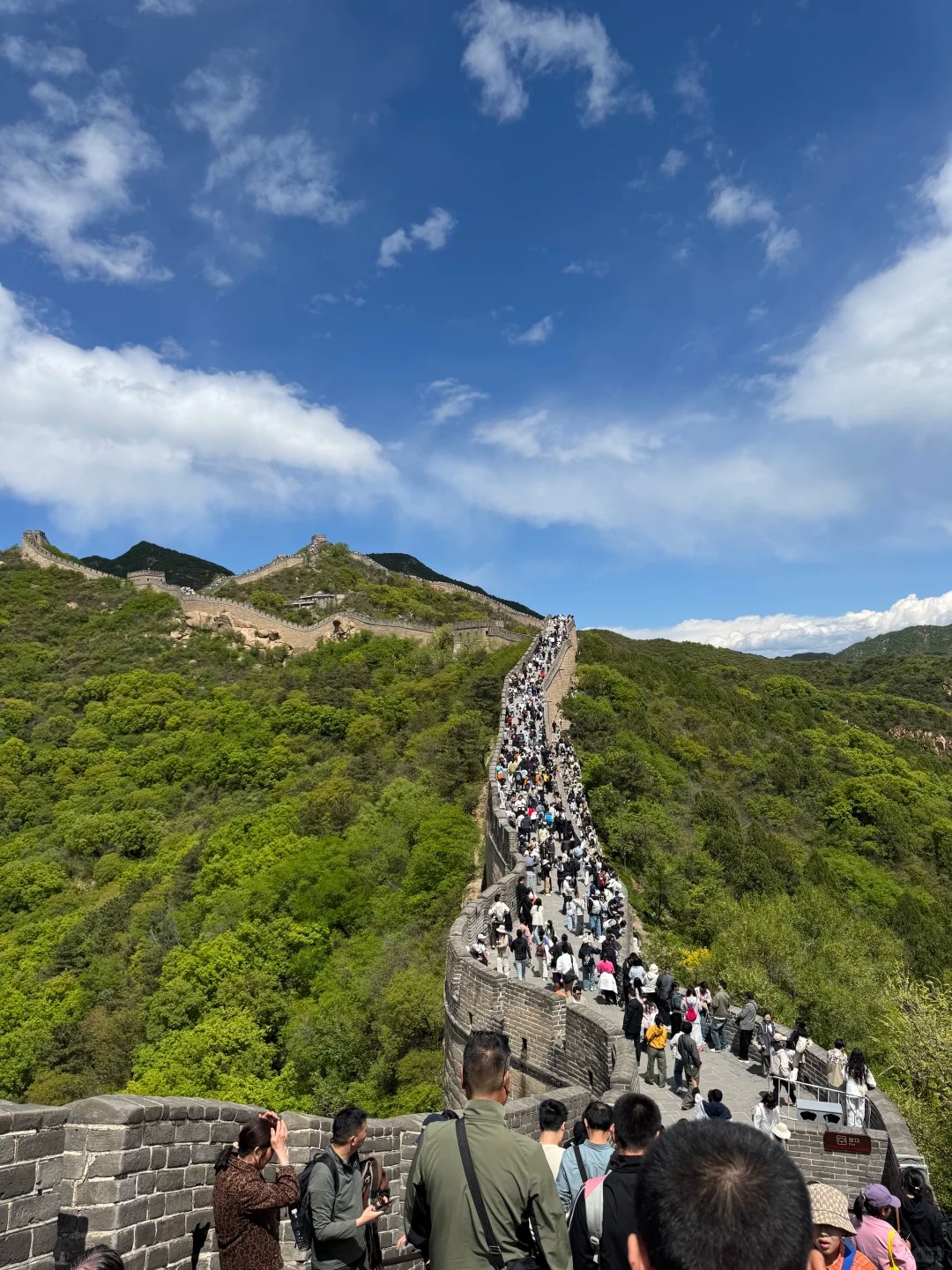
Another period many travelers try to avoid is China’s major holiday windows, especially Golden Week in early October and the summer school vacation period. During these times, popular sections like Badaling and Mutianyu can become heavily crowded, with long queues for cable cars and shuttle buses.
Even when the weather is fine, crowd pressure alone can change the experience. Waiting times at entry points and transport hubs often increase significantly, which reduces actual time spent on the wall itself.
In peak summer and holiday periods, the Great Wall experience often becomes more about waiting than walking.
What Winter Visits Actually Feel Like
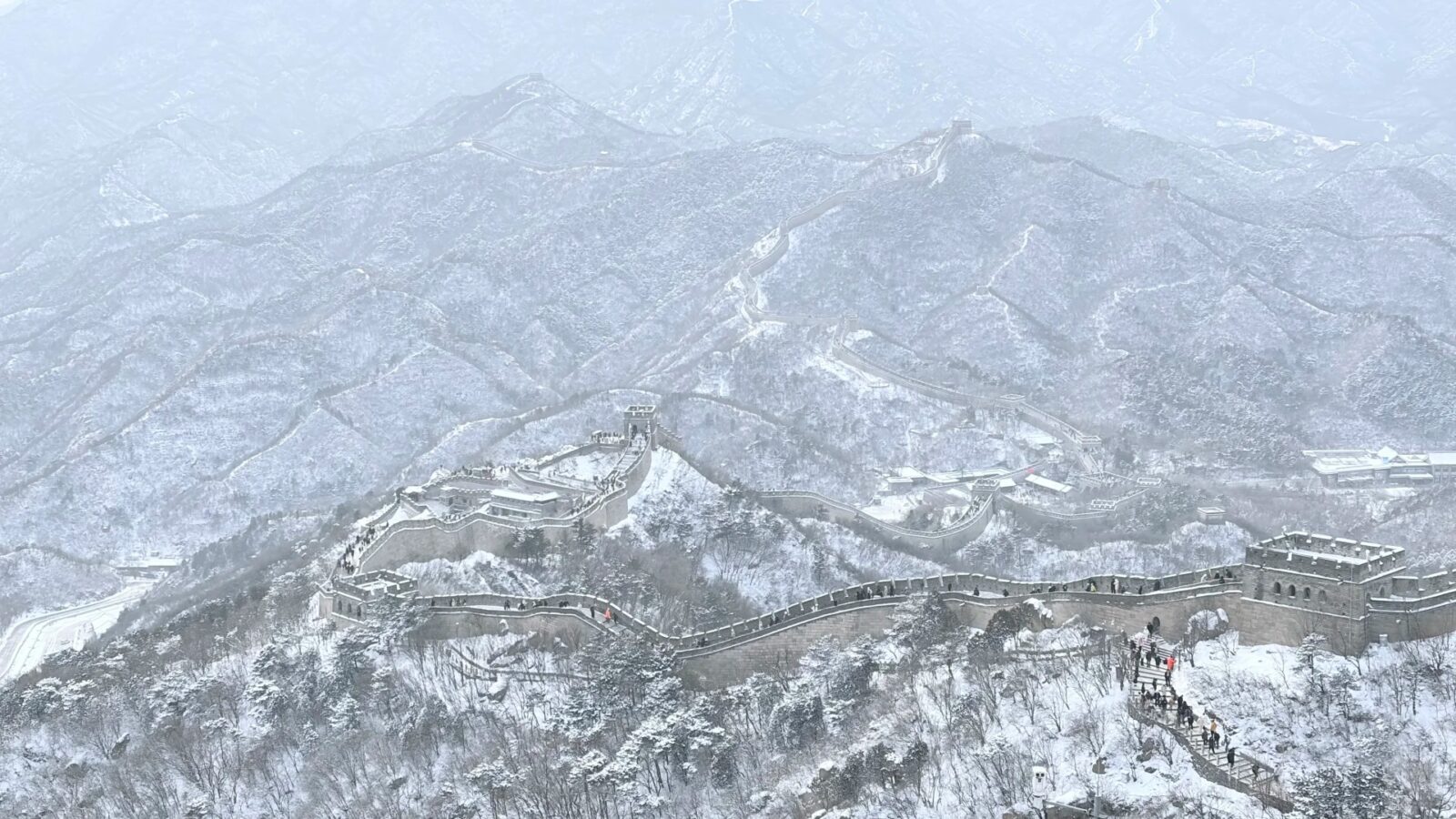
What Winter Visits Actually Feel Like
Winter at the Great Wall feels completely different from other seasons, mainly because of space and silence. Snow occasionally covers the stone steps and watchtowers, especially in sections like Mutianyu or Jinshanling, turning the landscape into a high-contrast mix of white snow and dark stone.
However, conditions can be challenging. Ice forms in shaded stair areas, and wind becomes stronger on exposed ridgelines. Walking is still possible, but movement is slower and requires more attention to footing. Some smaller sections may feel almost deserted, which creates a very different atmosphere compared with peak seasons.
For photography, winter often produces some of the most dramatic images of the Great Wall. The lack of crowds allows clean compositions, and snow highlights the structure of the wall in a way that summer cannot. At the same time, cold weather limits how long most visitors stay outside.
Winter turns the Great Wall into a quiet, high-contrast landscape that feels both beautiful and demanding at the same time.
FAQ about Best Place To See The Great Wall
Q: Which Is The Best Place To See The Great Wall For First-Time Visitors?
Mutianyu is usually the best choice for first-time visitors because it balances scenery, accessibility, and comfort. The cable car system reduces climbing pressure, and the restored paths are easier to navigate compared with wild sections like Jiankou. It also has clearer signage and more stable transport options from Beijing, making it easier to plan a half-day or full-day trip without stress. Wondering what to eat after exploring the wall? Check out this guide to Great Wall of China food options nearby.
Q: Is Badaling Too Crowded To Enjoy The Great Wall?
Badaling is not “bad,” but it is often overcrowded during weekends and holidays. The experience depends heavily on timing. Early mornings or winter weekdays can feel manageable, but midday during peak seasons usually involves long queues and dense tour groups. Many travelers still go because of convenience and high-speed rail access, but it is not ideal for a quiet visit.
Q: Which Great Wall Section Is Best For Photography?
Jiankou and Jinshanling are the most popular choices for photography, but they serve different styles. Jiankou offers wild, dramatic ridge shots with broken watchtowers and strong cinematic contrast. Jinshanling is better for layered mountain landscapes and long, continuous wall lines. Mutianyu is more controlled but works well for clean, balanced compositions without extreme hiking.
Q: Is Jinshanling Difficult For Beginners?
Jinshanling is moderately difficult. It does not require technical climbing, but it involves continuous walking, uneven stairs, and long distances between rest points. Beginners with basic fitness can handle shorter routes, but the full Jinshanling-to-Simatai hike can feel tiring. Heat in summer and wind on ridges can increase difficulty, so preparation matters more than experience.
Q: Can You Visit The Great Wall Without A Tour?
Yes, many sections like Mutianyu, Badaling, and even Jinshanling can be visited independently. Public transport or private drivers from Beijing make it possible without joining a group tour. However, Jiankou is harder to access without guidance because of its wild terrain and unclear entry paths. First-time visitors usually find independent travel to Mutianyu the easiest option.
Q: What Is The Least Crowded Section Of The Great Wall?
Jinshanling and Jiankou are generally less crowded compared with Mutianyu and Badaling. Jinshanling is more stable and suitable for longer hikes, while Jiankou is more remote and physically demanding. Huanghuacheng is also relatively quiet and offers lake views, making it a good alternative for travelers who want space without extreme hiking conditions.
Q: How Long Does A Typical Great Wall Visit Take?
Most visits take between 3 to 6 hours depending on the section. Mutianyu can be completed in half a day including transport from Beijing. Jinshanling often takes a full day if hiking longer routes. Badaling can be shorter but waiting times may extend the total trip. Jiankou hikes vary widely and can take most of the day depending on the route chosen.
Q: What Should You Wear To The Great Wall?
Comfortable walking shoes are essential because most sections involve uneven stone steps. Lightweight clothing works in summer, but sun protection is important due to strong ridge exposure. In winter, windproof jackets and gloves are recommended, especially for Jinshanling and Jiankou. Flat shoes or slippery soles should be avoided because descent sections can be steep and unstable.