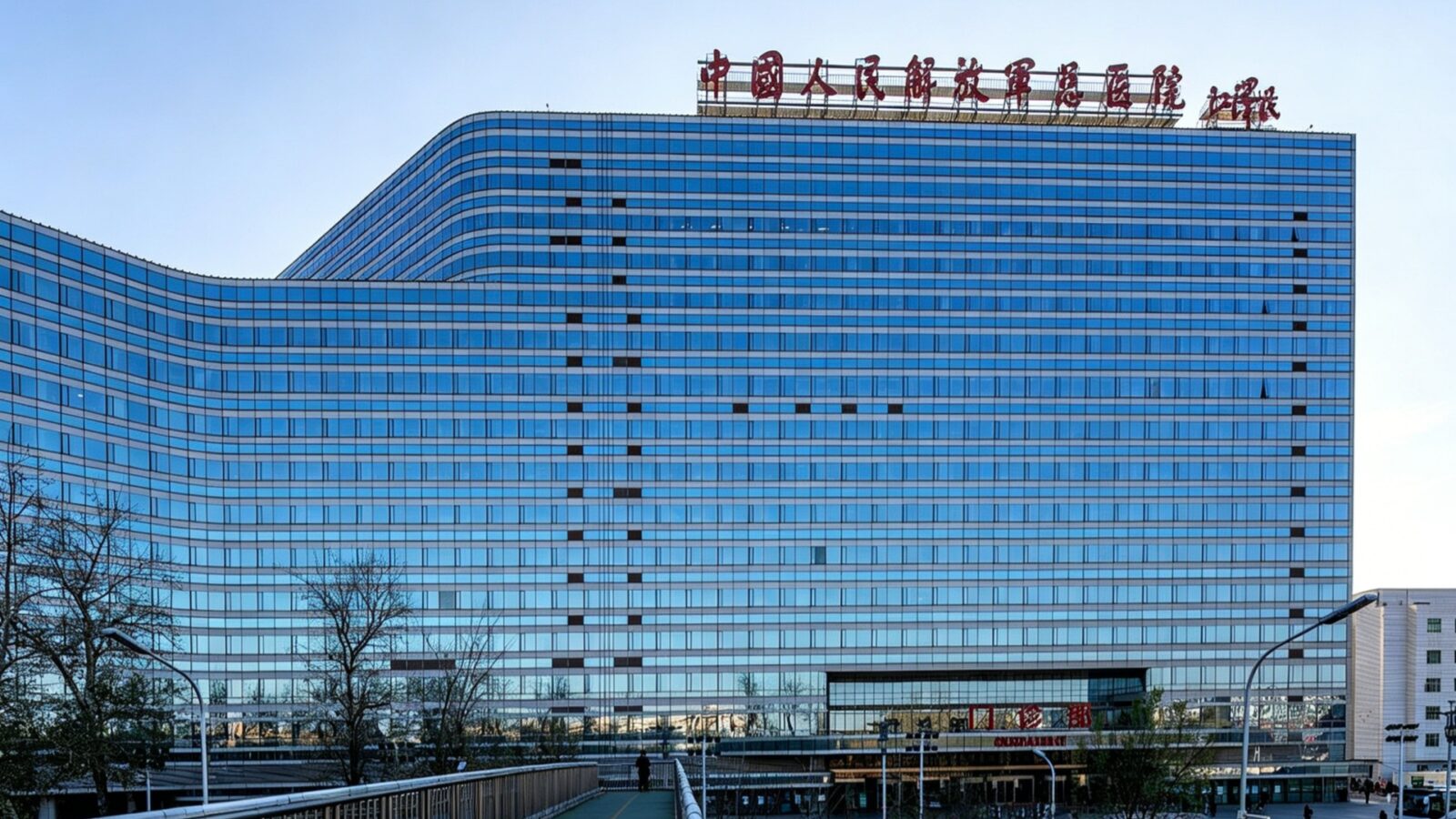
People's Liberation Army General Hospital (301 Hospital)
Located at No. 28 Fuxing Road, Haidian District, 301 Hospital China is the PLA’s largest and one of the most prestigious hospitals in Asia - our No. 1 hospital, the People’s Liberation Army General Hospital (PLAGH). (The hospital was formed in 1953 from a medical school controlled by the North China Military Region whose internal designation was simply “301.” The designation stuck although the Ministry of National Defense formally changed the designation in 1957.) 301 hosts a Grade A Tertiary (三甲) hospital over 4000 beds and 9 medical centers in Beijing. It ranks nationally third behind PUMCH and West China Hospital, and first in the entire military hospital system. Open to public -including holders of foreign passports- patients nationwide flock for nationally ranked specialties in orthopedics, urology, ultrasound diagnostics and hepatobiliary surgery.
301 Hospital at a Glance
| Category | Item | Details |
|---|---|---|
| 🏥 General Information | Institution Name | Chinese People's Liberation Army General Hospital (Beijing 301 Hospital) |
| Acronym | PLAGH (People's Liberation Army General Hospital) | |
| Address | No. 28, Fuxing Road, Haidian District, Beijing 100853, China | |
| Established | Founded in 1953 | |
| 📞 Contact Data | General Line (总机) | +86-10-68182255 |
| Service Languages | Mandarin Chinese. Note: English and other foreign language interpretation services are available at the International Medical Department. | |
| 📅 Appointment & Emergencies | Outpatient Appointment | Primary Channels: 1. WeChat: search the official account "解放军总医院医疗健康服务" or use the "301总院" mini-program. 2. Phone: dial 010-114 via the Beijing Unified Appointment Platform. 3. Bank Terminals: self-service kiosks of ICBC, ABC, BOC, CCB. Note: fully appointment-based; no on-site ticket windows for non-emergency outpatients. |
| Emergency Services | Available 24/7 — Emergency Department in the Outpatient Building, independent entrance on the west side. |
Source: 301hospital.com.cn official website; verified June 2026.
Campus Layout and Medical Center Network
Main Campus (Fuxing Road):
- Surgery Building: Complex surgical procedures; primary home of orthopedics and hepatobiliary surgery
- Internal Medicine Building: Internal medicine specialties across all systems
- New South Building & West Hospital: Comprehensive inpatient and outpatient services
- International Medical Department: Entry level of the main building; first point of contact for all foreign patients
- Emergency Department: West side of Outpatient Building, independent entrance, 24/7
Beijing Medical Center Network and Sanya Branch:
- Beijing network: 9 medical centers and 5 medical zones distributed across the municipality
- Campus specialization: Each center carries its own departmental focus; confirm your target department's campus via the International Medical Department before visiting
- Sanya branch: A dedicated branch hospital in Sanya, Hainan, serving patients in southern China and supporting military health coverage in the region
🏥 Beijing Healthcare Network: To see how this facility fits into the city's broader medical landscape, browse our full directory and 2026 Hospital in Beijing List and Medical Care Guide.
Departments and Medical Specialties at 301 Hospital
Full Department Directory and Floor Guide
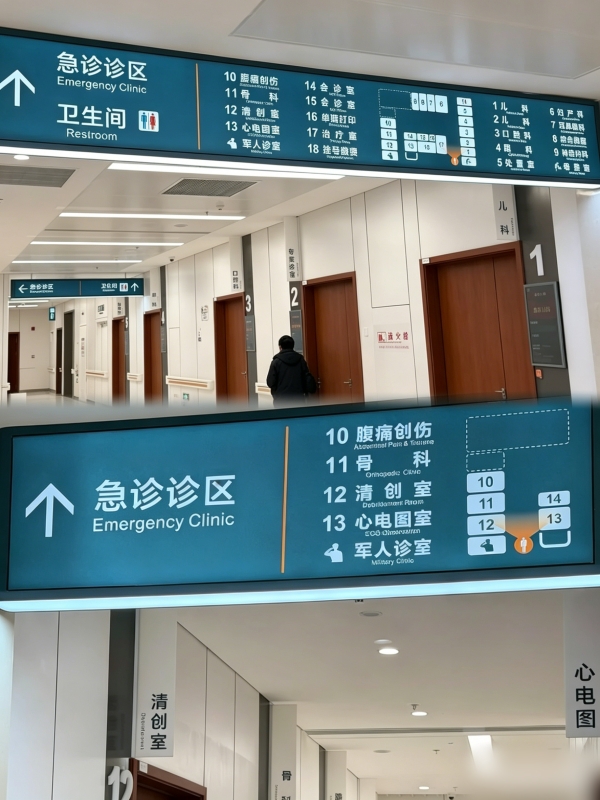
301 Hospital China houses more than 21 clinical medicine departments, 8 national key disciplines, and 3 military "double-key" disciplines. The table below provides a practical floor-by-floor directory of the main outpatient building to help visitors locate their target department before arrival.
| Department / Center | Main Services | Floor / Location |
|---|---|---|
Maternal, Child & Diagnostic Services | ||
| Gynecology & Obstetrics | Gynecology, obstetrics, prenatal examination, outpatient surgery | 2F |
| Pediatrics | Pediatric internal medicine, surgery, child health | 2F |
| Laboratory Center | Clinical testing, immunology, microbiology, blood transfusion / collection | 3F |
Specialized Internal Medicine & Surgery | ||
| Hepatobiliary & Pancreatic Surgery Center | Hepatobiliary & pancreatic tumor surgery, complex case consultation, robotic surgery | 5F · Zone C |
| Rheumatology & Immunology | Rheumatoid arthritis, SLE, AS, vasculitis, targeted therapy | 5F · Zone B |
| Gastroenterology Center | Gastroenterology outpatient, endoscopy center (gastroscopy / colonoscopy / painless endoscopy) | 5F · Zone A/B |
| Ultrasound Diagnostics | Full-body ultrasound, tumor ablation (thyroid, breast, liver, kidney) | 6F · Zone A |
| Urology | Urological tumors, calculi, minimally invasive surgery, prostate disease | 6F · Zone B |
| Nephrology | Kidney disease, uremia management, hemodialysis | 6F · Zone B (North) |
| Oncology Center | Oncology internal medicine, gastrointestinal / hepatobiliary tumor surgery, interventional radiology | 6F · Zone B (South) |
| Orthopedics | Spine, joints, trauma, sports medicine, bone tumors | 5F · Zone B (Specialist) / 7F · Zone B (General) |
| Respiratory Medicine / Thoracic Surgery | Pulmonary infections, COPD, pleural disease, thoracic surgery outpatient | 7F · Zone A |
| Neurology / Neurosurgery | Cerebrovascular disease, epilepsy, headache, peripheral nerve disease, neurosurgical outpatient | 7F · Zone A |
| Cardiovascular Medicine / Cardiac Surgery / Vascular Surgery | Coronary artery disease, hypertension, arrhythmia, cardiac surgery, peripheral vascular disease | 7F · Zone B |
| Endocrinology | Diabetes, thyroid disease, osteoporosis, metabolic syndrome | 7F · Zone C |
| Hematology | Leukemia, anemia, lymphoma, coagulation disorders | 7F · Zone C |
| Psychiatry & Psychology | Psychological counseling, anxiety, depression, psychiatric outpatient | 7F · Zone C (West) |
| Cardiac & Pulmonary Function Testing | ECG, dynamic ECG, cardiopulmonary function assessment | 7F · Zone B (South) |
Rehabilitation, Head-Neck & Emergency Care | ||
| Traditional Chinese Medicine / Acupuncture | TCM internal medicine regulation, acupuncture therapy | 8F · Zone A |
| Rehabilitation Medicine Center | Rehabilitation therapy, physical therapy, nutritional guidance, hyperbaric oxygen | 8F · Zone B |
| Ophthalmology | Eye disease diagnosis, vision correction, outpatient surgery | 9F · Zone B (North) |
| Dermatology | Skin disease, STI diagnosis and treatment | 9F · Zone B (South) |
| Plastic & Reconstructive Surgery | Plastic surgery, body contouring, outpatient surgery | 9F · Zone C |
| Blood Purification Center | Hemodialysis, dialysis access management | 9F · Zone A |
| ENT / Head & Neck Surgery | Rhinology, otology, laryngology, head & neck surgery | 10F · Zone A/B |
| Audiology Center | Hearing testing, neonatal hearing screening | 10F · Zone C |
| Special Needs Clinic / Priority Specialist Area | Priority specialist appointments, special examinations and pharmacy | 10F · Zone A/B |
| Stomatology (Dental) | Oral medicine, restoration, orthodontics, implants, pediatric dentistry, periodontics, radiology | 11F · All Zones (A/B/C) |
| Multidisciplinary Team Consultation (MDT) | Complex case multidisciplinary consultation | 11F |
| Radiology Center | DR / CT / MRI / interventional radiology | B1 |
| Emergency Medicine / Fever Clinic | 24-hour emergency rescue, triage, fever outpatient | West side of Outpatient Building (Independent Entrance) |
Department directory based on official floor guides published by the PLA General Hospital; verified June 2026.
No. 1 Hepatobiliary and Pancreatic Surgery Center
Ranked #2 in China (Fudan 2024) | World's Highest Single-Center Robotic Volume | National Clinical Key Specialty
For complex hepatobiliary and pancreatic tumor resection, 301 Hospital China takes the prize. Having launched its Hepatobiliary and Pancreatic Surgery Medical Division in 2020, the center is now the world's highest single-center volume of robotic hepatobiliary and pancreatic procedures for nine years running, and has completed more than 10,000 robotic cases to date. Its original techniques, including the LR-type pancreaticoduodenectomy, are now used at centers across Asia and Europe.
- Hepatobiliary Surgery: Laparoscopic anatomical liver resection, conversion therapy for advanced liver cancer, hepatolithiasis
- Pancreatic Surgery: Pancreaticoduodenectomy (Whipple procedure), central pancreatectomy, minimally invasive techniques
- Biliary Surgery: Hilar cholangiocarcinoma radical resection, laparoscopic choledochal cyst excision
- Transplant Surgery: Living donor liver transplantation, split-liver transplantation (1,119 cases total)
- Robotic Surgery: Da Vinci robot-assisted procedures for hepatobiliary and pancreatic tumors
| Specialist | Role & Expertise |
|---|---|
| Liu Rong | Division President, Chief Physician, Professor, PhD Supervisor. Principal investigator of robotic hepatobiliary surgery; research has shaped global surgical guidelines. |
| Chen Yongliang | Chief Physician: Pancreatic Surgery. Expert in complex pancreaticoduodenectomy. |
| Lv Wenping | Chief Physician: Biliary Surgery. Specializes in hilar cholangiocarcinoma and biliary stenosis. |
No. 2 Urology Medical Division
Ranked #1 in China (Fudan 2024) | National Urological Research Center | Pioneered Robotic Retroperitoneal Technique
First place in China's national urology ranking, the Urology Medical Division at 301 Hospital China is the undisputed leader in robotic urological surgery in Asia. Since pioneering the retroperitoneoscopic technique system, the division has reached a robotic milestone of 10,000 cases — a volume that now informs urological protocols in institutions worldwide, and for cutting-edge urological care, no center in China offers greater depth of expertise.
- Minimally Invasive Oncology: Da Vinci robot-assisted radical prostatectomy, partial nephrectomy
- Adrenal Surgery: Laparoscopic adrenalectomy for functional and non-functional tumors
- Complex Stone Disease: Percutaneous nephrolithotomy (PCNL), flexible ureteroscopy
- Urinary Reconstruction: Bladder augmentation, urethroplasty
- Andrology: Microsurgical varicocelectomy, penile prosthesis implantation
| Specialist | Role & Expertise |
|---|---|
| Zhang Xu | Chinese Academy of Sciences Member. Division President, Chief Physician, Professor, PhD Supervisor. Pioneer of laparoscopic and robotic urological surgery in China; research has shaped AUA guidelines. |
| Ma Xin | Chief Physician: Minimally invasive renal surgery. Expert in robotic partial nephrectomy. National S&T Progress Award (2nd Prize x2). |
| Li Hongzhao | Chief Physician: Urological oncology. Specializes in robotic-assisted radical prostatectomy. |
No. 3 Orthopedics Medical Division
Ranked #1 in China by Science & Technology Influence | Only National Research Center for Orthopedics & Sports Rehabilitation | 5x National S&T Progress Award (1st Prize)
Culminating the RT-Map ranking of departments influencing China's orthopedic science and technology the most, the Orthopedics Medical Division at 301 Hospital China is the frontline for critical trauma cases and complex spinal and joint pathologies. Created by combining orthopedic departments from seven military hospitals, it is the only national clinical research center for orthopedics and sports rehabilitation in China - 301 also takes the scale and innovation crown for complex joint reconstruction and spinal deformity.
- Severe Trauma: Pelvic and acetabular fracture fixation, complex limb salvage
- Spinal Disorders: Minimally invasive endoscopic discectomy, scoliosis correction
- Joint Replacement: Total hip/knee arthroplasty and revision, MAKO robotic-assisted surgery
- Tumor & Microsurgery: Limb-sparing surgery for bone tumors, acellular allogeneic nerve repair
- Sports Medicine: Arthroscopic rotator cuff repair, ACL reconstruction
| Specialist | Role & Expertise |
|---|---|
| Tang Peifu | Chinese Academy of Engineering Member. Division Director, Chief Physician, Professor, PhD Supervisor. Expert in severe trauma and military injury prevention. 2016 National S&T Progress Award (1st Prize, ranked 1st); Ho Leung Ho Lee Prize. |
| Wang Yan | Chief Physician: Spinal and joint disorders. Expert in complex spinal deformity correction. National S&T Progress Award (1st Prize x2). |
| Liang Xiangdang | Chief Physician: Trauma and microsurgery. Specializes in complex fracture repair and microsurgical reconstruction. |
No. 4 Rheumatology and Immunology Department
Ranked #7 in China (Fudan 2024) | One of China's Earliest Rheumatology Departments | PLA National Rheumatology Center
Established in 1984, the Rheumatology and Immunology Department of 301 Hospital China, which was among the first rheumatology units in China and is pioneering inflammatory arthritis treatment, is the PLA National Rheumatology Specialty Center and a National Key Discipline. It has developed particular strength in biologic and targeted therapy protocols in complex autoimmune disease — its research has changed standards of practice globally.
- Ankylosing Spondylitis: Biologic and targeted therapy, ultrasound-guided joint injection
- Rheumatoid Arthritis: Early diagnosis and precision medicine, immunoadsorption therapy
- Systemic Lupus Erythematosus (SLE): Personalized immunosuppressive regimens, renal protection strategies
- Vasculitis: ANCA-associated vasculitis, Behcet's disease management
- Osteoarthritis: Early intervention and sequential therapy, rehabilitation guidance
| Specialist | Role & Expertise |
|---|---|
| Huang Feng | Department Director, Chief Physician, Professor, PhD Supervisor. World-renowned expert in ankylosing spondylitis; research has shaped ACR guidelines. First Prize, Chinese Medical Science and Technology Award; former ASAS Standing Committee Member. |
| Zhang Jianglin | Chief Physician: Juvenile idiopathic arthritis and psoriatic arthritis. Expert in arthroscopy-assisted synovectomy. |
| Zhu Jian | Chief Physician, Department Director. Specializes in ankylosing spondylitis, Behcet's disease, and IgG4-related disease. Post-doctoral Fellow, UCLA Rheumatology Center. |
No. 5 Ultrasound Diagnostics Department
Ranked #1 in China (Fudan 2024, 10 Consecutive Years) | Birthplace of Interventional Ultrasound in China | Global Leader in Minimally Invasive Tumor Ablation
The ultra sound diagnostics department of301 hospital China, which led the national ultrasound rankings for 10 consecutive years, is the cradle of modern interventional ultrasound in China and the unquestioned centre for therapeutic tumour ablation. Covering nine subspecialties, its progress especially in microwave and radiofrequency ablation of thyroid and liver tumours have now influenced interventional radiology worldwide.
- Interventional Oncology: Thermal ablation for thyroid, liver, kidney, and breast tumors (tens of thousands of cases completed)
- Contrast-Enhanced Ultrasound (CEUS): Real-time perfusion imaging for tumor characterization
- Vascular Ultrasound: TIPS evaluation, carotid plaque analysis
- Musculoskeletal Ultrasound: Dynamic assessment of tendons and ligaments
- Elastography: Shear wave imaging for tissue stiffness quantification
| Specialist | Role & Expertise |
|---|---|
| Luo Yukun | Department Director, Chief Physician, Professor, PhD Supervisor; President, Beijing Ultrasound Medicine Society. Pioneer in ultrasound-guided tumor ablation; research has shaped Chinese guidelines for thyroid nodule management. PLA Science & Technology Progress Award (1st Prize). |
| Tang Jie | Chief Physician, Professor, PhD Supervisor. Chair, PLA Ultrasound Medicine Committee; Editor-in-Chief, Chinese Journal of Ultrasound in Medicine. Led development of domestic ultrasound contrast agents. State Council Special Allowance. |
| Wang Zhili | Deputy Director, Chief Physician, Professor. Expert in breast and thyroid ultrasound, high-frequency imaging, and vacuum-assisted biopsy. |
International Medical Department at 301 Hospital
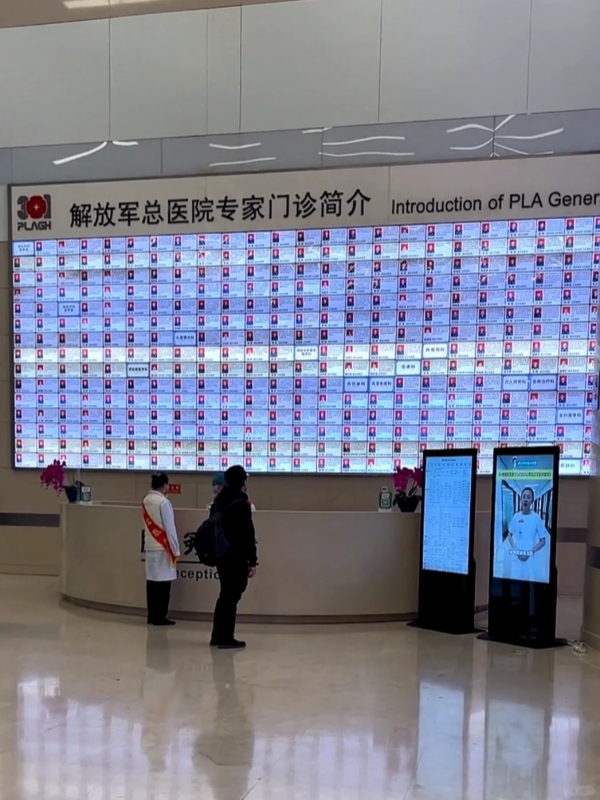
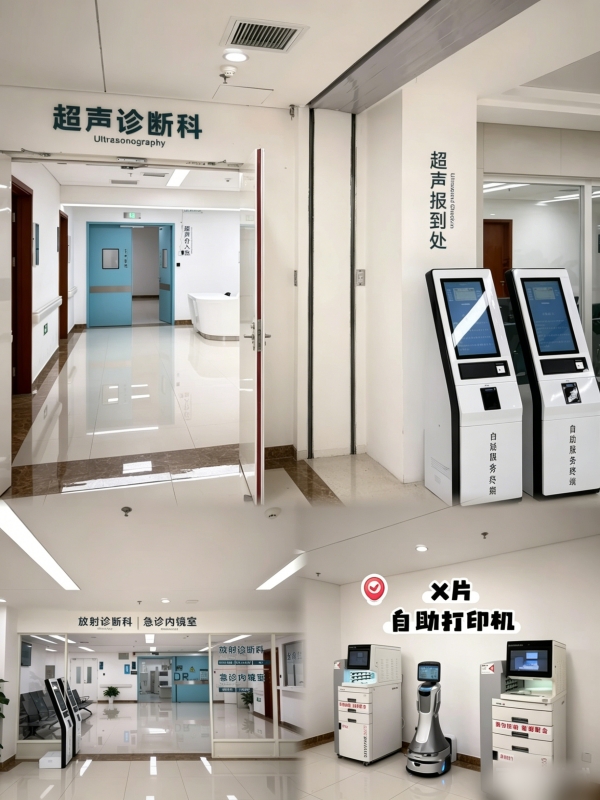
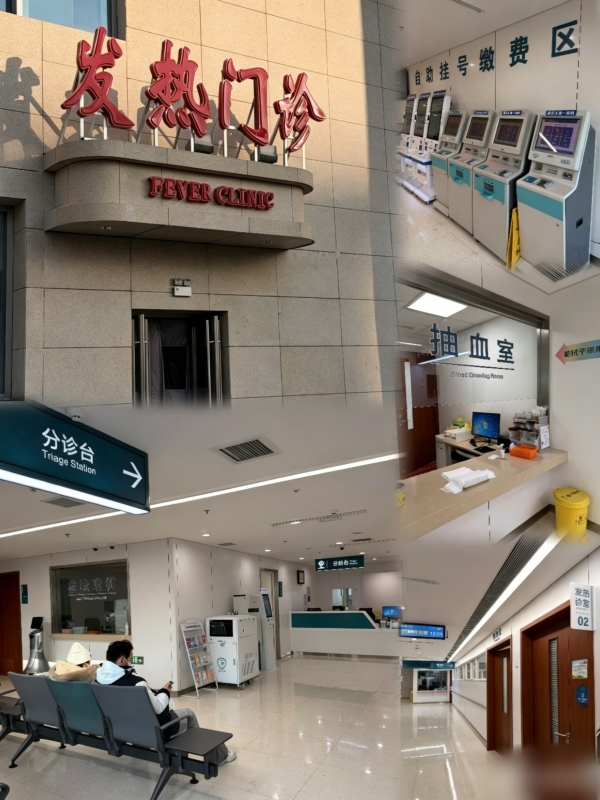
Services Provided by the International Medical Department
The International Medical department of the Chinese PLA General Hospital, on the other hand, exists exclusively for foreigners, overseas Chinese subjects, and such visitors as require high-end medical treatment with multi-lingual support. Where walking into the general outpatient doorway offers the immediate prospect of sliding into Mandarin signage with a smile, the International Medical door is a gateway to an English language service up to the elbows. Foreigners who phone first and are steered here will have a very different and easier experience than those who arrive unannounced at the ordinary registration-desks.
The department's services cover the full patient journey:
- Appointment coordination: Priority specialist scheduling arranged on the patient's behalf, bypassing the standard public booking queue.
- Interpretation support: English is the standard supported language; other languages can be arranged in advance upon request.
- Inpatient arrangement: Bed allocation, ward orientation, and nursing instruction in the patient's language.
- Insurance liaison: Assistance confirming direct billing arrangements with international commercial insurers; support preparing reimbursement documentation where direct billing is unavailable.
- MDT referral: Complex cases can be escalated to the hospital's Multidisciplinary Team Consultation Center (11F), with the International Medical Department coordinating the referral.
- Post-discharge follow-up: Discharge summaries in English and remote consultation support for ongoing care after leaving Beijing.
For patients seeking treatment at one of Beijing's top-ranked hospitals, the International Medical Department represents the most practical entry point into the Chinese PLA General Hospital system. Consulting it before arrival — rather than on the day — is strongly advisable.
How to Contact and Use the International Medical Department
| Contact Method | Details |
|---|---|
| Phone | +86-10-68182255 (ask for the International Medical Department) |
| [email protected] | |
| Official Website | www.301hospital.com.cn |
| Search official account "解放军总医院医疗健康服务" or mini-program "301总院" | |
| Physical Location | Entry level of the main building, Fuxing Road campus; ask at the main lobby information desk on arrival |
| Recommended Lead Time | Contact 3 to 7 days before the intended visit; specify the condition, required department, and whether translation support is needed |
| Third-Party Coordination | Platforms such as mychinamed.com offer free coordination services and can liaise with the International Medical Department on the patient's behalf |
Source: 301hospital.com.cn official website; verified June 2026.
How Foreign Visitors Can Get Treatment at 301 Hospital
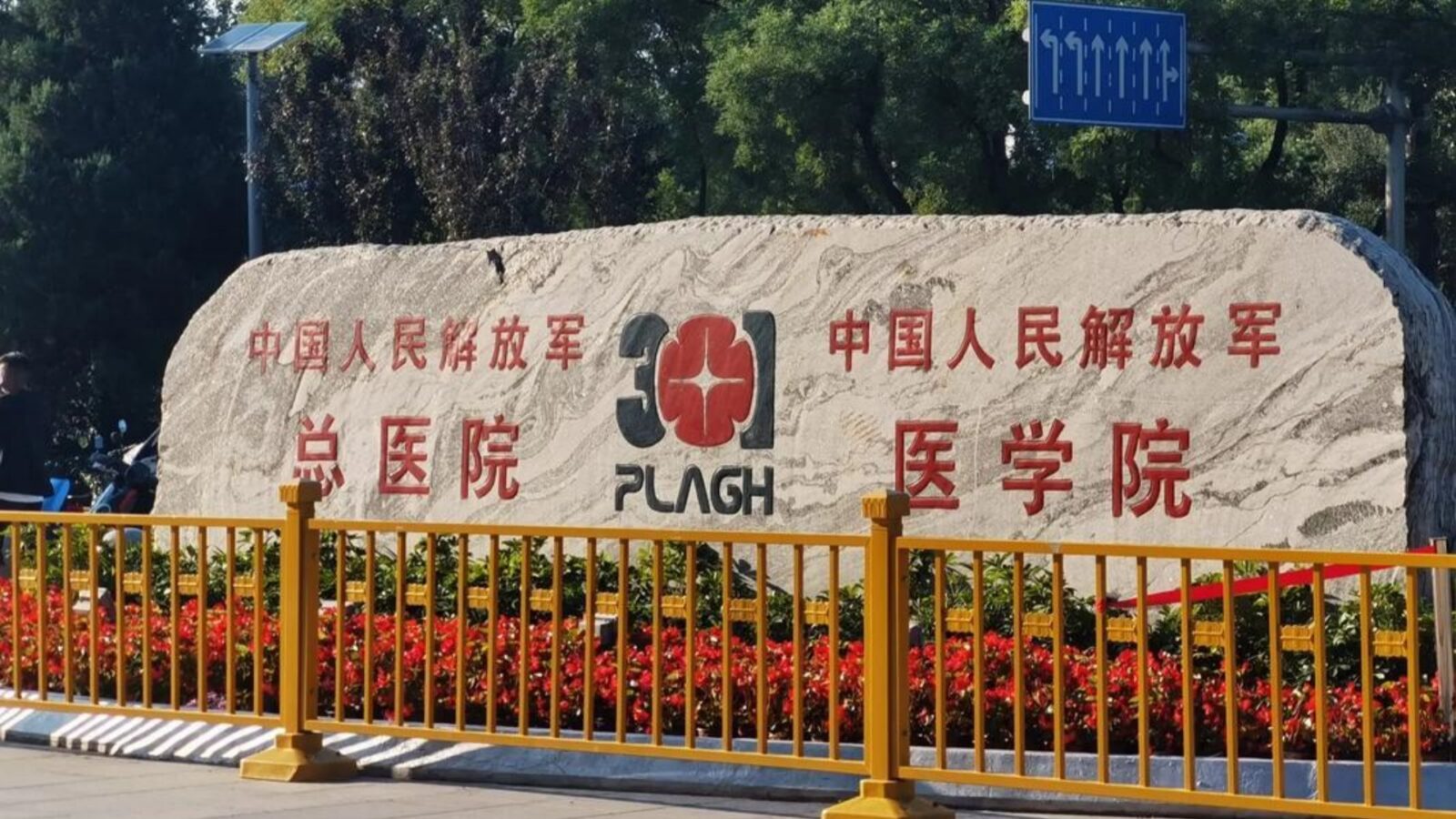
PLA General Hospital (301 Hospital)
Step-by-Step Guide to Booking an Appointment as a Foreign Patient
301 Hospital China is fully open to the public, including foreign nationals. No military affiliation or special permit is required — a valid passport is sufficient. The registration process works differently from most systems outside China, so understanding it in advance saves significant time on the day.
- Step 1 — Contact the International Medical Department first. Email [email protected] or call +86-10-68182255. Describe the condition, the department needed, and the preferred visit date. The department will confirm availability, arrange a priority appointment, and assign an English-speaking coordinator.
- Step 2 — Choose a booking channel if not using the International Department. The WeChat mini-program "301总院" is the most practical self-service option. The Beijing Unified Appointment Platform (010-114) and bank terminal kiosks are also available, but both operate in Mandarin only.
- Step 3 — Prepare documents. Bring the original passport. A bilingual Chinese-English medical summary is strongly recommended; previous imaging and lab files in Chinese are most immediately usable by the clinical team.
- Step 4 — Arrive at the correct campus building. The hospital operates on a strict appointment-based system with no walk-in windows for non-emergency outpatients. Confirm the target specialty's campus location with the International Medical Department in advance.
- Step 5 — Pay the inpatient deposit if admitted. Amount varies by department and procedure; the balance is refunded upon discharge. Bank cards are accepted; carrying cash as backup is advisable.
How Much Treatment Costs at 301 Hospital Compared to Private Clinics
As a public hospital, 301 Hospital China charges according to the official national schedule public hospitals in China must follow - very much cheaper than a Beijing private international hospital. For foreign patients used to home country private hospital prices, it can be significant and surprising, though of course the downside is that there are less privacy and individual attention, and most of the rest of the hospital operates very much in Chinese language mode except for the International Medical Department.
| Cost Item | 301 Hospital (Public) | Beijing Private International Hospitals |
|---|---|---|
| Standard specialist consultation | CNY 200 – 500 | CNY 800 – 2,500+ |
| Senior / named specialist (academician level) | CNY 500 – 2,000+ | Equivalent or higher, plus facility fees |
| Major surgery (e.g. orthopedic, cardiac) | Approximately 40 – 60% of private hospital equivalent | Benchmark rate |
| Payment methods | Bank card; cash; inpatient deposit required upfront | Credit card (Visa / Mastercard); international insurance direct billing often available |
| International insurance direct billing | Must be confirmed in advance with the International Medical Department; not guaranteed | Widely available at major international hospitals |
Fee ranges are indicative and based on publicly available pricing guidelines for Beijing Grade A Tertiary hospitals as of 2026. Actual costs vary by department and procedure complexity.
Getting to 301 Hospital from Anywhere in Beijing
The Fastest Metro Route to the Fuxing Road Campus
The Fuxing Road campus of 301 Hospital China is directly accessible by Beijing Subway Line 1. Military Museum Station (军事博物馆站) is the closest stop, approximately 8 to 12 minutes on foot from the main entrance. Exit B or Exit C are both suitable; from either exit, walk west along Fuxing Road — the hospital complex is visible on the north side of the road.
| Starting Point | Route | Est. Time |
|---|---|---|
| Tiananmen Square | Line 1 westbound, 3 stops to Military Museum Station | ~10 min |
| Beijing South Station (HSR) | Line 4 northbound → transfer to Line 1 westbound at Xidan | ~35 min |
| Capital International Airport (T3) | Airport Express → transfer to Line 10 → transfer to Line 1 westbound | ~65 min |
| Daxing International Airport | Daxing Airport Line → transfer to Line 10 → transfer to Line 1 westbound | ~60 min |
Bus alternatives include routes 68, 374, and Special Route 2 (特2路), all stopping at "解放军总医院." On-site parking is available, however public transit is strongly recommended during peak hours.
Full Address, Phone Number, and Opening Hours at a Glance
| Item | Details |
|---|---|
| Address | No. 28, Fuxing Road, Haidian District, Beijing 100853, China |
| General Line | +86-10-68182255 |
| International Medical Department Email | [email protected] |
| Official Website | www.301hospital.com.cn |
| Outpatient Hours | Monday to Friday, 08:00 – 17:00 |
| Emergency Department | 24 hours / 7 days — west side of Outpatient Building, independent entrance |
| Nearest Metro | Line 1, Military Museum Station (Exit B or C), approx. 10 min walk |
Frequently Asked Questions About 301 Hospital China
Q: Is 301 Hospital in China open to the general public?
Yes. Despite its military affiliation, 301 Hospital China is fully open to the general public, including foreign nationals. No military connection or special permit is required — a valid passport is sufficient to access outpatient services, either through the general registration system or the dedicated International Medical Department.
Q: Can foreigners receive treatment at the PLA General Hospital?
Foreigners are fully welcome at 301 Hospital China. The Chinese PLA General Hospital operates a dedicated International Medical Department providing English-language support, priority appointment scheduling, and full-process coordination. Contacting the department by email ([email protected]) or phone (+86-10-68182255) before arrival is strongly recommended.
Q: Why is it called 301 Hospital and not by its official name?
The name "301" originates from the military code of the hospital's predecessor institution, a North China Military Region medical school. Though the Ministry of National Defense officially renamed it the "Chinese People's Liberation Army General Hospital" in 1957, the 301 Hospital China designation had already become embedded in public usage and remains the name most widely used today.
Q: What is 301 Hospital in Beijing best known for treating?
301 Hospital China holds nationally ranked positions across several specialties: urology (Fudan #1), ultrasound diagnostics (Fudan #1, ten consecutive years), hepatobiliary and pancreatic surgery (Fudan #2), and orthopedics (science and technology influence ranking, #1 nationally). The rheumatology and immunology department is the PLA's designated national specialty center.
Q: How do I make an appointment at 301 Hospital as a non-Chinese patient?
The most practical route for foreign patients at 301 Hospital China is to contact the International Medical Department directly by email at [email protected] or by phone at +86-10-68182255, at least three to seven days before the planned visit. Third-party platforms such as mychinamed.com also offer free coordination assistance.
Q: Is 301 Hospital really the best hospital in China?
In overall national rankings, 301 Hospital China places third behind PUMCH and West China Hospital. However, within China's military hospital system it ranks first, and for urology, ultrasound diagnostics, and orthopedics specifically, its department-level rankings place it above PUMCH — making it the strongest choice for those conditions.
Q: Does 301 Hospital have English-speaking doctors?
English-language support at 301 Hospital China is available through the International Medical Department, where coordinating staff provide interpretation throughout the visit. Many senior physicians can read English medical records; however, spoken English fluency varies by individual and should not be assumed outside the International Medical Department channel.
Q: How expensive is treatment at 301 Hospital for foreigners?
As a public institution, 301 Hospital China charges at China's public healthcare rates — considerably below Beijing's private international hospitals. A specialist consultation runs approximately CNY 200 to 500, while major surgical procedures cost around 40 to 60 percent of the private hospital equivalent, making it one of the strongest combinations of clinical quality and affordability for foreign patients in Beijing.