Beijing Chaoyang Railway Station
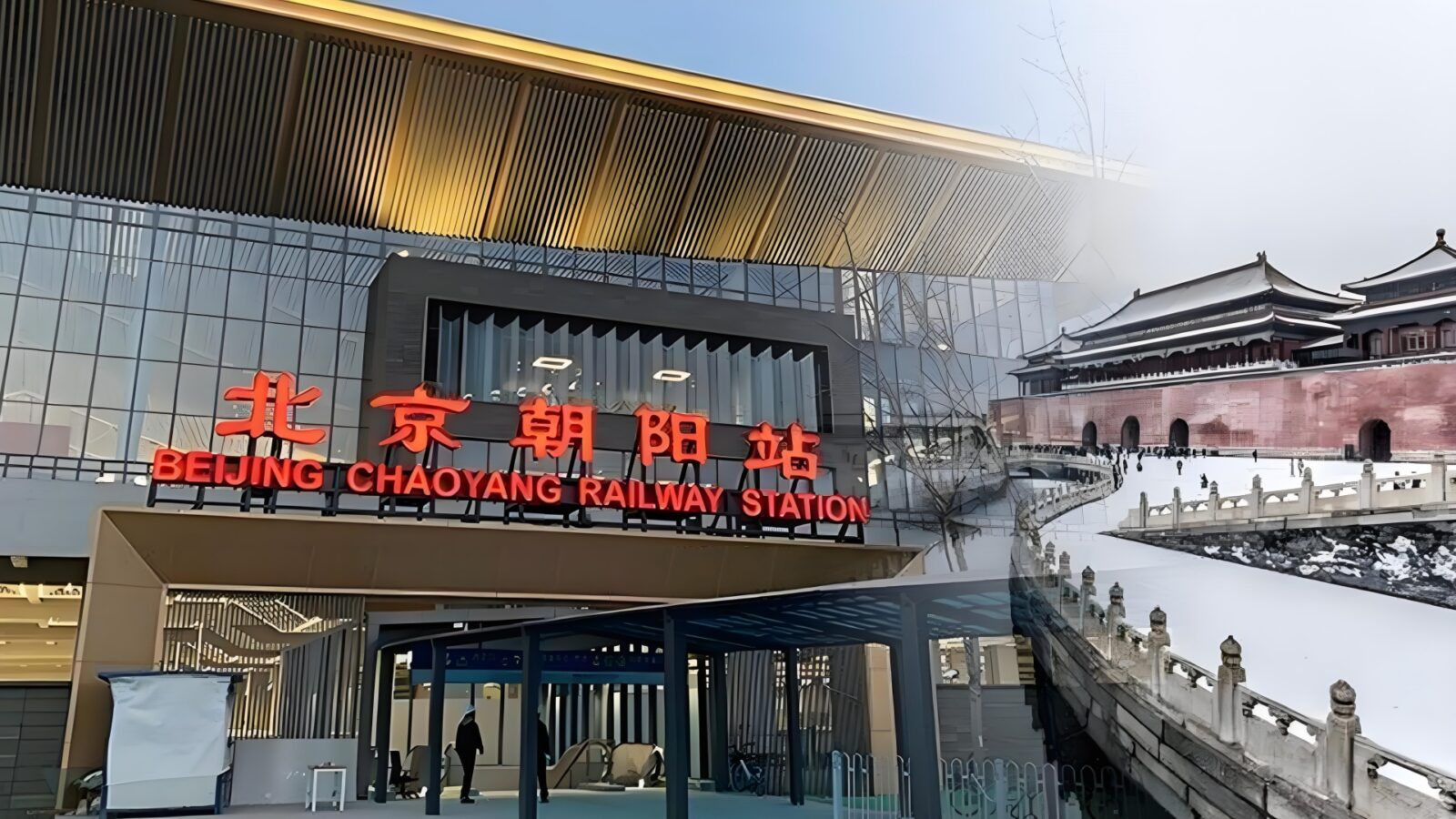
Beijing Chaoyang Railway Station sits in eastern Beijing as a purpose-built hub for high-speed rail services heading into China's Northeast. The station handles primarily G-series and some D-series trains, linking passengers to Shenyang, Changchun, Harbin, and Dalian at speeds reaching 300–350 km/h. For visitors landing at Beijing Capital Airport, the station lies roughly 25 km to the south — making it a practical first or last stop on a Northeast itinerary. This guide covers how to reach the station, which trains depart from it, what facilities are available, and where to stay nearby.
Quick Facts
🎟️ Reserving High-Speed Rail Tickets: Before heading to Beijing Chaoyang Station, make sure you know how to reserve seats, use foreign passports at automated turnstiles, and pick the right train class with our step-by-step tutorial on How to Book Train Tickets in China.
Train Services and Routes
Beijing Chaoyang Railway Station
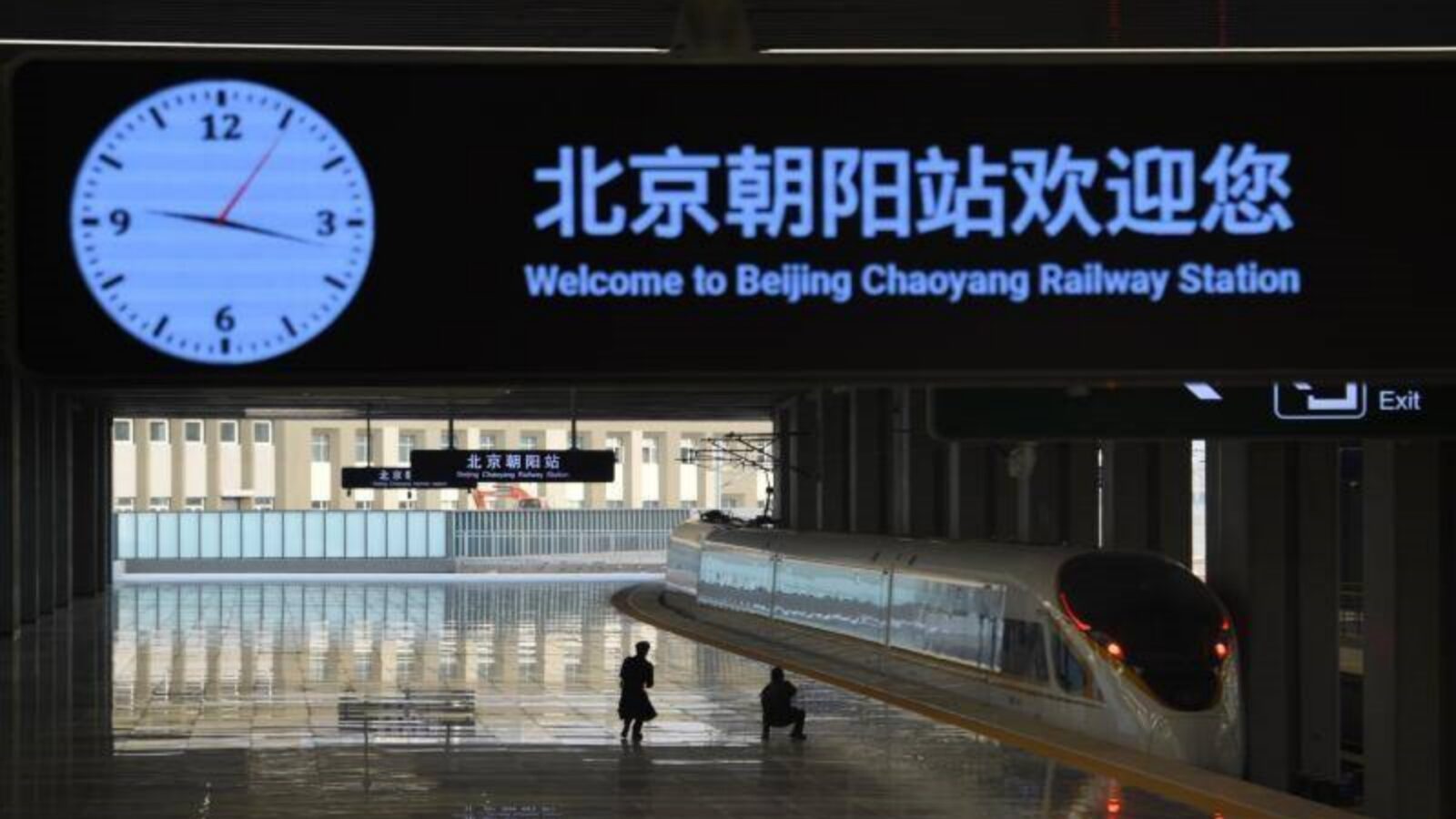
Beijing Chaoyang Railway Station was designed as the dedicated departure point for Northeast China high-speed services, handling the original Beijing-Shenyang passenger corridor and acting as a feeder for the wider Beijing-Harbin route. The station handles primarily G-series high-speed trains — the top tier of China's rail network — and a smaller number of D-series services. All G-series trains operate at up to 300–350 km/h, making same-day travel to Shenyang entirely feasible.
Sample one-way fares (2nd class) give a useful benchmark for budgeting: Shenyang costs about $35–45 (¥250–320), Changchun roughly $55–70 (¥400–500), Harbin in the $70–90 (¥500–650) range, and Dalian around $70–85 (¥500–600). Upgrading to 1st class roughly doubles the fare. Tickets open for sale 15 days before departure; foreign visitors can purchase through Trip.com or the 12306 English website and app, with international cards accepted on both.
G-Series High-Speed Connections
The "G" prefix stands for Gāotiě — China's fastest conventional high-speed classification. Trains reach 300–350 km/h on open routes, with journey times reflecting that speed: Shenyang arrives in about 2.5 hours, Changchun in roughly 3.5 hours, Harbin in 4.5–5 hours, and Dalian in around 4 hours. Seat classes available are 2nd class (standard), 1st class (wider seats and extra legroom), and Business class (flat-bed style on some services). Ticket windows and self-service machines inside the station sell all classes.
Major Destinations from the Station
Five cities account for the majority of departures, with secondary Northeastern destinations reachable via connections at those hubs.
- Shenyang: ~5–15 daily departures; 2.5 hours; the busiest route from the station
- Changchun: ~5–10 daily departures; 3.5 hours; hub for Jilin Province connections
- Harbin: ~5–10 daily departures; 4.5–5 hours; the longest direct route from this station
- Dalian: ~5–10 daily departures; 4 hours; coastal city on the Liaodong Peninsula
- Mudanjiang / Jilin City: reachable with one change at Shenyang or Changchun respectively
🚅 Navigating China's Major Rail Hubs: Just like Beijing Chaoyang connects passengers to the Northeast, Southern China relies on primary transit hubs to link major cities. Read our comprehensive Shenzhen Railway Station Guide to learn how to navigate train stations in the south.
Location and How to Reach the Station
Beijing Chaoyang Railway Station
The station occupies a strategic position in eastern Beijing, accessible via the Eastern 4th Ring Road and the Jingha Expressway. It functions as the primary departure point for Northeast-bound high-speed services, drawing passengers from across the capital who prefer not to cross to the western stations. Transport options range from subway and bus to taxi and ride-hailing, with a ground-transport plaza handling surface vehicles and airport shuttles. The table below summarises the practical options for reaching central Beijing.
Address and District Setting
The full address of the station is Jiuxianqiao South, Chaoyang District, Beijing. It is worth noting clearly that the station sits in Chaoyang District — the same district as Chaoyang Park and most of Beijing's embassy area — and not in Fengtai, despite one published guide incorrectly labelling it as such. The station is positioned along the Eastern 4th Ring Road corridor, roughly 5 km northeast of Chaoyang Park, placing it squarely within one of Beijing's most commercially active districts.
Subway and Bus
Beijing Subway Line 14 runs directly underneath the rail concourse, with the platform accessible from the main station building. To reach Beijing South Railway Station, transfer from Line 14 to Line 10 at an interchange — the combined journey takes roughly 50 minutes. For parts of Chaoyang District west of the station, Line 6 offers connections at Jintai Lu or Shan'guangcang stations. The ground-floor transport plaza also handles airport shuttle buses and city public-transport routes.
- Line 14 — direct platform: access from concourse level; ¥3–9 ($0.45–1.30) per ride
- Line 14 → Line 10 interchange: ~50 min to Beijing South Railway Station; standard subway fare applies
- Line 6 connection: available at Jintai Lu or Shan'guangcang for western Chaoyang access
- Airport shuttle bus: stops at the ground-transport plaza; ¥20–30 ($3–4) depending on route
Taxi and Ride-Hailing
An official taxi queue operates at the designated stand on the arrivals level, with a ¥14 ($2) flag-down fare and metered pricing thereafter. Ride-hailing vehicles collect passengers from a signposted zone nearby; the DiDi International app accepts foreign credit cards, which simplifies payment for visitors without a Chinese payment account. A cash payment counter near the taxi stand offers a backup for those who prefer not to use a card or app. For questions about local taxi services, the Beijing municipality taxi helpline is +86 10 6835 1150.
✈️ Choosing the Right Beijing Airport: Unsure whether your flight lands at Capital Airport (PEK) or Daxing Airport (PKX)? Compare distances, transit options, and railway connections in our breakdown of PEK vs PKX.
🚕 Seamless Airport Connections: Planning your route between Beijing's major airports and downtown train hubs? Find detailed transit times and transport options in Beijing Airport Transfer.
Driving to the Station
Beijing Chaoyang Railway Station
For visitors who plan to self-drive, Beijing Chaoyang Railway Station sits outside central Beijing's weekday licence-plate restriction zone, though through-traffic to inner districts may be affected on weekdays. China drives on the right side of the road, which requires a mental adjustment for visitors from left-hand-drive countries such as the UK, Australia, New Zealand, and Japan. The key documents needed are the original home-country driving licence, a notarized Chinese translation, and — for most rental firms — an International Driving Permit alongside it. A Chinese phone number is typically required to register for highway ETC and parking gate systems.
- Which side: China drives on the right; drivers from left-hand-drive countries must re-orient their spatial awareness
- Who may drive: holders of a foreign licence with notarized Chinese translation (and ideally an IDP) for tourist stays under 90 days
- Licence steps: notarize home-country licence at a Beijing Public Notary Office; carry original plus translation at all times
- Highway ETC: requires a Chinese phone number and ID-linked account; not strictly required but speeds up toll gate passage
- Parking: official multi-storey car park adjacent to the concourse; ¥6–10/hour ($0.85–1.40); pay at the gate on exit
Right-Side Traffic in China
China operates on right-hand traffic, meaning steering wheels are on the left and overtaking happens on the left. Drivers from the UK, Australia, New Zealand, Hong Kong, Singapore, Malaysia, Japan, and most Caribbean nations will need to actively reverse their惯 habits. Speed limits follow standard Chinese norms: urban roads typically 50–60 km/h, expressways 100–120 km/h. Right turns on red are generally prohibited at signalised intersections in Beijing — always check the signals at each junction. Weekday licence-plate congestion restrictions apply in central Beijing's ring-road interior; the station itself sits outside that zone.
- Steering wheel: left-hand drive, right-hand traffic
- Speed limits: urban 50–60 km/h; expressway 100–120 km/h
- Right on red: generally prohibited at Beijing signalised intersections
- Seatbelts: mandatory for all occupants
- Mobile phones: handheld use while driving is prohibited
- Licence-plate restrictions: central Beijing weekday bans based on suffix — check before driving into inner districts
License Notarization for Foreign Visitors
The notarization process follows a straightforward five-step workflow. First, take the home-country licence to a Beijing Public Notary Office (办公证处). Second, submit a passport copy, the licence copy, and a request for Chinese translation. Third, collect the notarized translation — typically available in 3–5 working days. Fourth, carry the original licence, the notarized translation, and passport on every drive. Fifth, for stays under 90 days, some visitors opt to obtain a temporary Chinese permit from the local traffic-management bureau as an additional layer of assurance. The notarization itself costs roughly $30–60 (¥200–400) for the translation and certification alone.
- Step 1: visit a Beijing Public Notary Office with original licence and passport
- Step 2: submit passport copy, licence copy, and translation request form
- Step 3: collect notarized Chinese translation in 3–5 working days
- Step 4: carry original licence + notarized translation + passport whenever driving
- Step 5: optional — apply for a temporary Chinese permit for stays under 90 days at the traffic-management bureau
Routes and Parking at the Station
From central Beijing — Tiananmen Square or Wangfujing — the most direct route follows the Eastern 4th Ring Road northeast for roughly 18 km, taking 30–50 minutes off-peak but considerably longer during morning and evening rush. And from Beijing Capital Airport (PEK), the Jingha Expressway provides a southbound route of about 25 km, typically 30–45 minutes. From Beijing Daxing International Airport (PKX), the Southern 5th Ring Road east to the 4th Ring Road north covers roughly 55 km in 60–90 minutes. The station's official multi-storey car park carries signage for "P" lots and charges approximately ¥6–10 per hour with a daily cap; pre-booking is not typically available, so drivers pay at the exit gate.
Station Facilities and Practical Tips
Beijing Chaoyang Railway Station
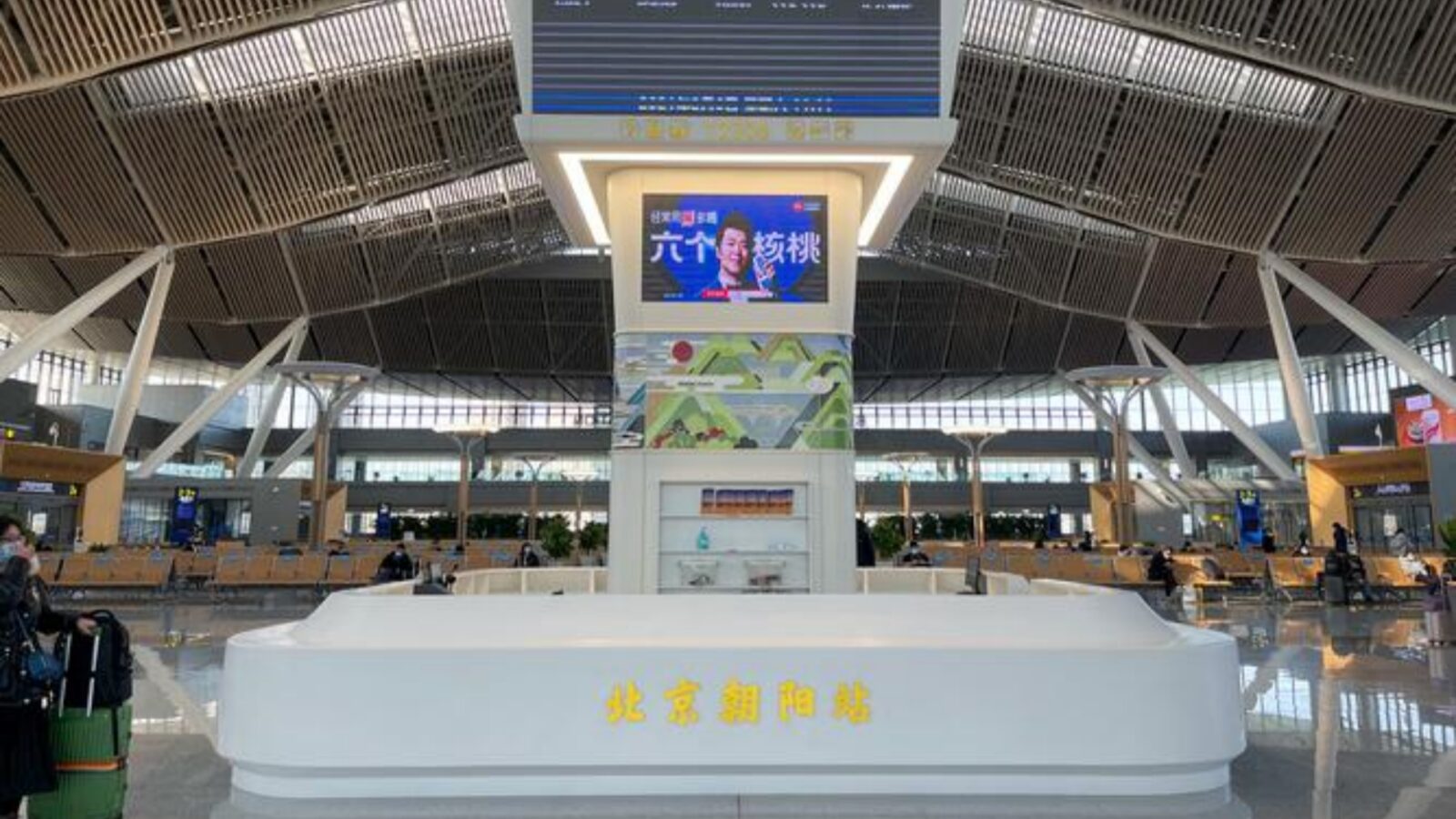
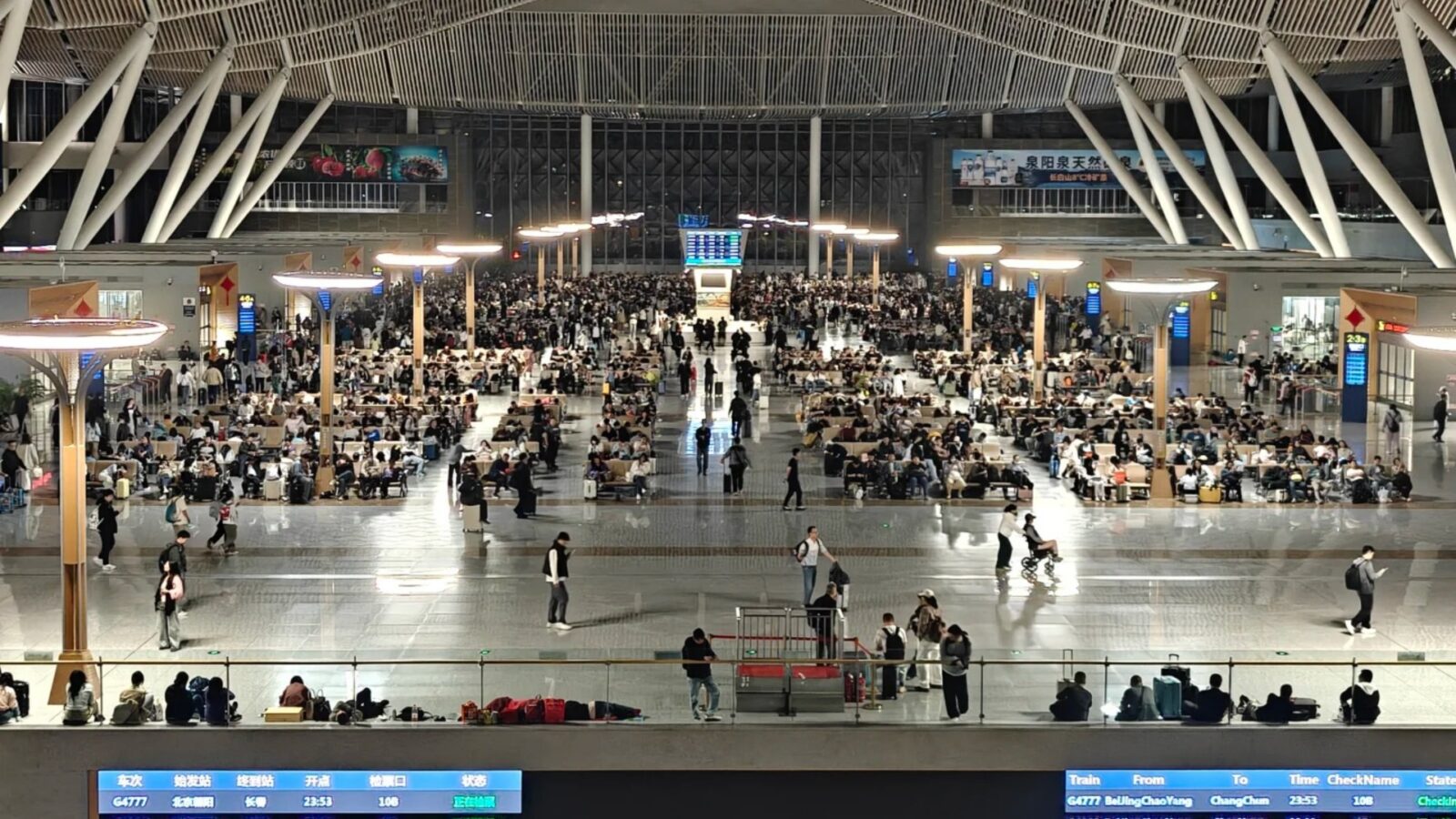
Beijing Chaoyang Railway Station offers the standard facilities expected of a modern Chinese high-speed hub, with a few practical considerations worth knowing before arrival. Ticket counters typically operate from 05:30 to 22:30, though visitors should confirm current hours on site as these can change. Self-service ticket machines on each floor include an English-language option. The left-luggage counter on B1 provides secure storage at roughly $2.80 (¥20) per item per day — verify the price on site. The waiting halls have hot-water taps, seating, nursing rooms, and accessibility facilities. A cash-exchange desk and free Wi-Fi (usually requiring Chinese phone verification) round out the offering.
- Ticket counters: open 05:30–22:30 (confirm on site); self-service machines with English available on each floor
- Left luggage: B1 level; approximately $2.80 (¥20) per item per day — verify current rate before relying on this figure
- Waiting halls: seating, hot-water dispensers, nursing rooms, and accessible facilities
- Cash exchange: counter available inside the concourse
- Wi-Fi: free access, though Chinese phone number verification is typically required — do not rely on it without an alternative plan
- English signage: present at major decision points but not comprehensive throughout the station
Hotels Near Beijing Chaoyang Railway Station
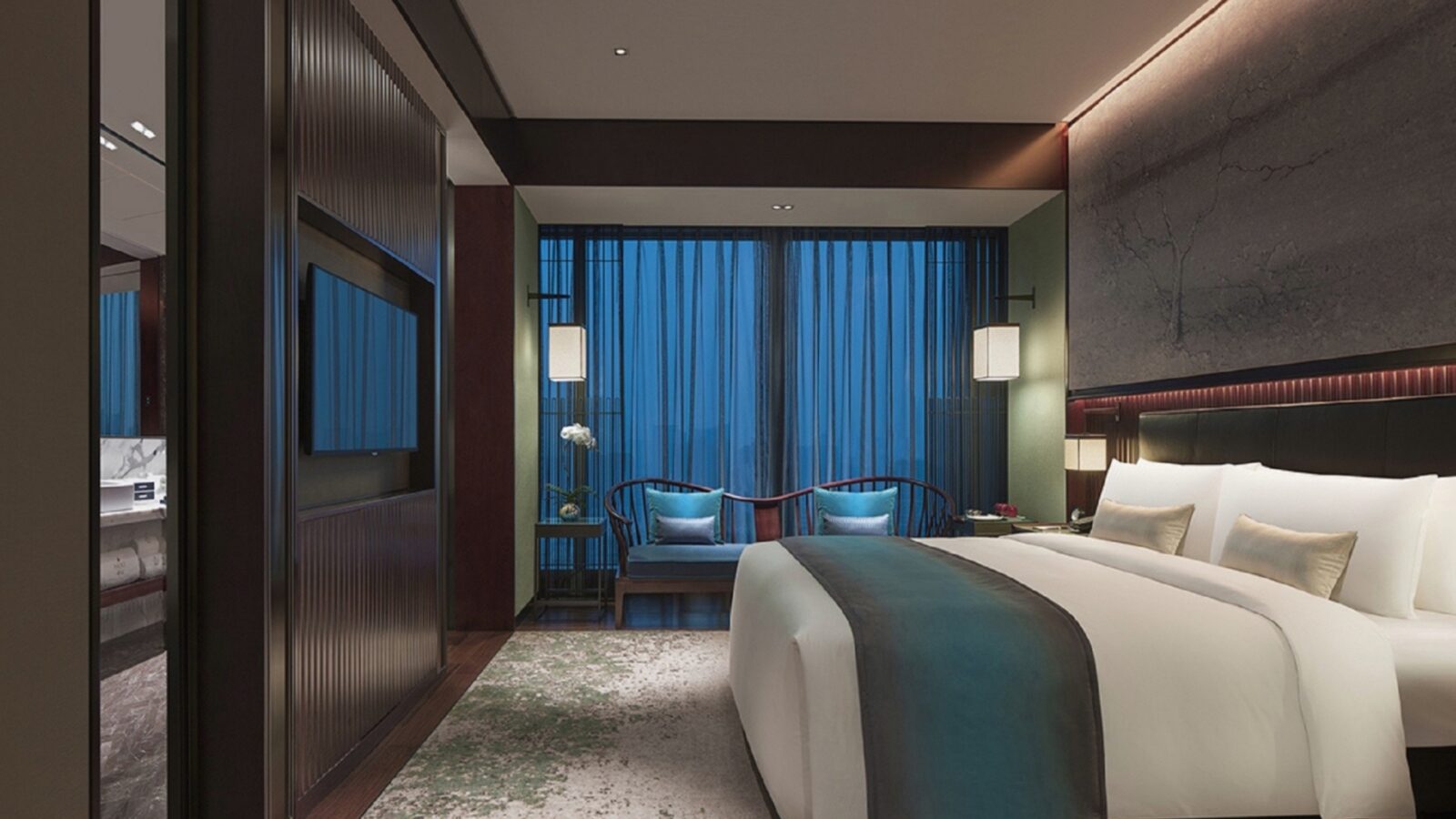
Options range from transit-adjacent business hotels within the station's immediate footprint to mid-range international chains and budget properties a short subway ride away. The three tiers below cover the main options, with prices reflecting standard walk-in or advance-booking rates on channels that accept international cards.
Frequently Asked Questions
Q: Which district is Beijing Chaoyang Railway Station in?
The station is located in Chaoyang District, eastern Beijing — not Fengtai, despite one published guide incorrectly labelling it as such. Chaoyang District is home to many embassies, major office towers, and Chaoyang Park, which lies roughly 5 km to the southwest of the station.
Q: How do I get from the station to central Beijing?
Subway Line 14 provides a direct route from the station concourse into central Beijing, taking 30–40 minutes to the inner-city stations. A taxi to the Wangfujing or Tiananmen area typically costs $7–11 (¥50–80) and takes 25–40 minutes depending on traffic. DiDi ride-hailing is also available via the international version of the app, with foreign credit card payment supported.
Q: What high-speed trains depart from Beijing Chaoyang Station?
The station primarily handles G-series high-speed services and some D-series trains serving Northeast China. The main direct destinations are Shenyang, Changchun, Harbin, and Dalian. Secondary cities such as Mudanjiang and Jilin City are reachable with one change at those hub stations.
Q: Is there subway access at the station?
Yes. Beijing Subway Line 14 has a station directly underneath the rail concourse, accessible from the main station building. English signage is present at major decision points throughout the station.
Q: Can I store luggage at Beijing Chaoyang Station?
Yes. A left-luggage counter operates on B1 (the basement level). The typical charge is about $2.80 (¥20) per item per day, though travellers should verify the current rate on site before relying on this figure.
Q: Do I need a Chinese driver's license to drive in China?
Foreign visitors driving in mainland China must carry their home-country driving licence, a notarized Chinese translation of that licence (and ideally an International Driving Permit). For stays exceeding 90 days, a temporary Chinese driving permit can be applied for through the local traffic-management bureau. The notarization costs roughly $30–60 (¥200–400) and takes 3–5 working days to process.
Q: How far is the station from Beijing Capital Airport?
The station lies roughly 25 km south of Beijing Capital Airport (PEK). By car via the Jingha Expressway or airport expressway, the journey typically takes 30–45 minutes, though traffic conditions can extend this during peak hours.
Q: Are there hotels within walking distance of the station?
Yes. At least one business-style hotel sits within or immediately adjacent to the station's transit zone, offering the shortest transfer option. Mid-range international chain hotels are available 3–5 km away in the eastern Chaoyang office district, and budget options are within walking distance of nearby Line 14 stations. All three tiers can be booked through Trip.com, Booking.com, or Agoda using international cards.