Top Hospital in Beijing:World-Class Specialists, Top-Ranked Facilities, Global Standard Care
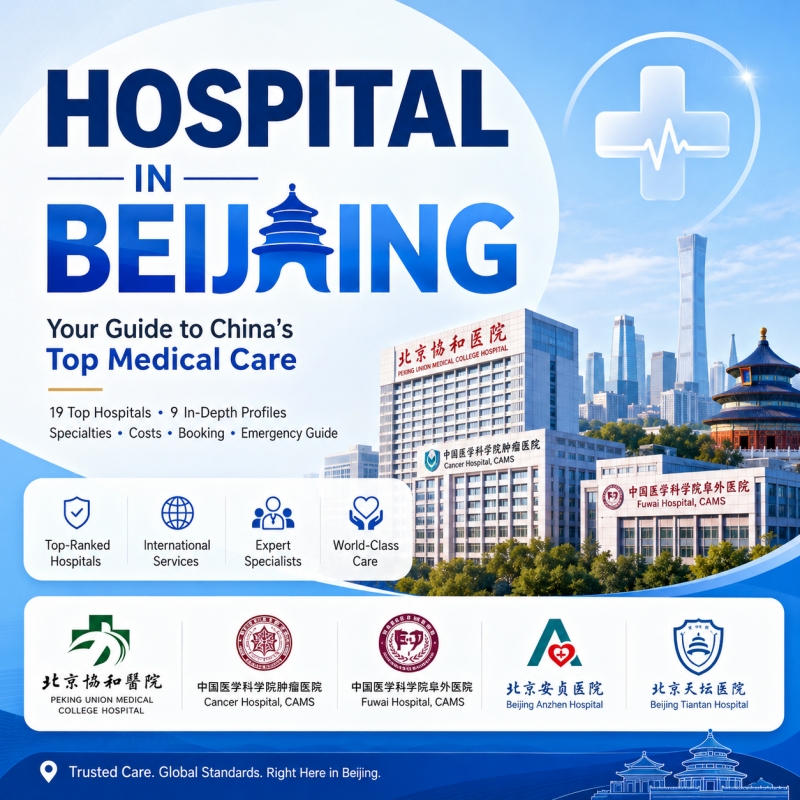
When it comes to a hospital in Beijing, you are not just at China’s political capital, you are also at its medical capital. The city has the largest number of Class-A tertiary hospitals as well as the most intensive zones of National Clinical Medical Research Centers in the country. Public giants like PUMCH, Tiantan and Jishuitan lead the national rankings for their specialties, while the private names of UFH, Oasis and Raffles are foreign-owned, JCI certified and hippopotamuses for direct insurance billing with zero language barrier. We give you 19 hospitals across both tracks, and then dig deeper on 9 of them, covering specialties, costs, booking steps and what to do in an emergency. You will know exactly where to go and how to go there, no matter your ailment.
Top Hospitals in Beijing at a Glance
Before diving into the details, here's your at-a-glance reference. This table maps every major hospital option for foreign patients in Beijing — ranked by authority tier, with ownership, core specialties and international service status all in one place. Use it to identify your best match, then jump to the relevant section below.
Comparison Table for Foreign Patients
| Tier | Hospital Name | Type/Level /Est. | Affiliation | International Medical Department (IMD) | Core Specialties | Address |
|---|---|---|---|---|---|---|
| Tier S (Absolute Authority) | PUMCH北京协和医院 | Public Class-A Tertiary / 1921 | National Health Commission · CAMS | ✅ Dedicated International Medical Dept (East & West Wings) — VIP consultation, full English medical records, 24-hour urgent care, direct commercial insurance billing | Critical Care, Allergy & Clinical Immunology, Obstetrics, Orthopedics, Respiratory Medicine, Ultrasound | Dongcheng District, 1 Shuaifuyuan |
Cancer Hospital, CAMS中国医学科学院肿瘤医院 | Public Class-A Tertiary / 1958 | National Cancer Center · CAMS | ✅ International Oncology Center (IOC) — specialist outpatient access, MDT multidisciplinary consultations, English medical records | Oncology (Internal), Thoracic Surgery, Gastric & Intestinal Oncology, Radiation Oncology, Breast Surgery, Bone & Soft-Tissue Oncology, Pathology | Chaoyang District, 17 Panjiayuan Nanli | |
Fuwai Hospital, CAMS中国医学科学院阜外医院 | Public Class-A Tertiary / 1956 | National Center for Cardiovascular Diseases · CAMS | ✅ Special-needs Medical Center (Overseas/VIP) — dedicated to patients from Hong Kong, Macao, Taiwan and overseas Chinese; cardiovascular specialist exams and VIP inpatient services | Cardiovascular Internal Medicine (National No.1), Cardiac Surgery (one of the world's largest centers), Pulmonary Vascular Disease, Heart Failure, Coronary Artery Disease, Structural Heart Disease, Cardiac Rehabilitation | Xicheng District, 167 Beilishi Road | |
| Tier A+ (Top Specialist) | Beijing Anzhen Hospital北京安贞医院 | Public Class-A Tertiary / 1984 | Capital Medical University · Beijing Municipal Health Commission | ⚠️ Has VIP Outpatient / Green Channel — no standalone "IMD" brand name; some overseas patient reception capability | Cardiovascular Internal Medicine (acute intervention, all of China's top three), Cardiac Surgery (pediatric cardiac surgery, China's top three), Vascular Surgery, Minor Cardiology, Arrhythmia | Chaoyang District, 2 Anzhen Road |
Beijing Tiantan Hospital北京天坛医院 | Public Class-A Tertiary / 1956 | Capital Medical University · Beijing Municipal Health Commission | ✅ Stand-alone International Medical Facility (IMC) — independent imaging center, OR and 150 high-end beds; multilingual services and direct international insurance billing | Neurosurgery (Asia WHO collaborating center for stroke surgery), Neurology, Cerebrovascular Disease, Gamma Knife, Neuro-Intervention, Epilepsy, Rehabilitation | Fengtai District, 119 South 4th Ring West Road (new campus) | |
Beijing Tongren Hospital北京同仁医院 | Public Class-A Tertiary / 1886 | Capital Medical University · Beijing Municipal Health Commission | ✅ International Medical Department (IMD) — Chinese, English, Japanese, French and Russian; VIP consultation rooms + private wards; direct international insurance billing | Ophthalmology (National No.1), ENT & Head-Neck Surgery (National No.1), Allergy, Endocrinology, Aesthetic Medicine | Dongcheng District, 1 Dongjiaominxiang (East) / Xicheng District, 8 Chongnei Dajie (West) | |
Peking University First Hospital北京大学第一医院 | Public Class-A Tertiary / 1915 | Peking University Health Science Center | ⚠️ Overseas/International Outpatient Channel — passport registration supported, premium health check-ups, partial specialist access; not a full standalone IMD; named differently | Urology (National No.1), Nephrology (National No.1), Dermatology, Andrology, Cardiovascular Medicine, Respiratory Medicine, Allergy, Critical Care | Xicheng District, 8 Xishiku Dajie (main campus) / Daxing District (branch) | |
Peking University People's Hospital北京大学人民医院 | Public Class-A Tertiary / 1918 | Peking University Health Science Center | ✅ Special-needs / International Medical Direction — VIP outpatient + inpatient; painless colonoscopy green channel | Hematology (National No.1), Rheumatology & Immunology, Thoracic Surgery, Orthopedics, Ophthalmology, Obstetrics | Xicheng District, 11 Xizhimen South Street | |
Peking University Third Hospital北京大学第三医院 | Public Class-A Tertiary / 1958 | Peking University Health Science Center | ✅ International Medical Department — specialist reproductive medicine and sports medicine; English medical records | Reproductive Medicine / IVF (National No.1), Sports Medicine (National No.1, exclusive medical partner of Chinese Olympic Committee), Obstetrics, Respiratory Medicine, Neurology, Urology | Haidian District, 49 North Garden Road | |
| Tier A (Strong Specialist) | Beijing Friendship Hospital北京友谊医院 | Public Class-A Tertiary / 1952 | Capital Medical University · Beijing Municipal Health Commission | ✅ International Medical Center (IFIC) — General Hospital branch; VIP family and single rooms; specialty service: "fatty liver MDT + Chinese medicine integration" and premium health check-ups | Gastroenterology (National No.1), Hepatology / Liver Transplantation, Kidney Transplantation, Tropical Medicine, Elderly Care | Xicheng District, 95 Yong'an Road (West) / Tongzhou District, Tongji Road (International Center) |
China-Japan Friendship Hospital中日友好医院 | Public Class-A Tertiary / 1984 | National Health Commission (directly administered) | ✅ International Medical Department (Overseas Outpatient) — Chinese-Japanese bilingual services; accepts overseas and expat patients through assigned staff | Respiratory Medicine & Critical Care (China Home Respiratory Center), Integrative Medicine, Organ Transplantation, Oncology Integrative Treatment, Chinese-Western Medicine Integration | Chaoyang District, 2 Yinghuayuan East Street | |
Guang'anmen Hospital, CACMS中国中医科学院广安门医院 | Public Class-A Tertiary / 1955 | China Academy of Chinese Medical Sciences | ✅ International Medical Department — Chinese, English, Japanese and Italian services; acupuncture and TCM specialty treatments | TCM Oncology (National No.1), Diabetes / Endocrinology, Rheumatology & Immunology, Cardiology, Acupuncture, Gynecology | Xicheng District, 5 Beixiange | |
Beijing Jishuitan Hospital北京积水潭医院 | Public Class-A Tertiary / 1956 | Capital Medical University · Beijing Municipal Health Commission | ⚠️ Special-needs / International Channel — orthopedics-centered; recommend booking via intermediary or bringing a translator; priority exam green channel and private ward rooms available | Orthopedics (National No.1, National Orthopedic Medical Center 2023), Burn Surgery, Sports Medicine, Trauma Orthopedics, Spinal Surgery, Hand Surgery, Bone Oncology | Xicheng District, 31 Xinjieku Road (main) / Changping District, Huisheng Road / Shunyi New Dragon District | |
Beijing Children's Hospital北京儿童医院 | Public Class-A Tertiary / 1942 | Capital Medical University · Beijing Municipal Health Commission | ✅ International Department — 18 independent single-bed rooms; fully English-speaking International Patient Office; direct billing with multiple international insurers | Pediatrics (General), Pediatric Surgery, Pediatric Respiratory Medicine, Pediatric Hematology, Pediatric Cardiac Surgery, Pediatric Neurology, Pediatric Kidney, ENT | Xicheng District, 56 Nanlishi Road | |
| Tier B (Premium Private) | Beijing United Family Hospital (UFH)北京和睦家医院 | Private / Foreign-invested (JCI) / 1997 | Chindex / New Frontier Group (Hong Kong listed) | ● Self-operated international hospital — fully English environment, 24-hour urgent care + MRI + OR, General Medicine, Obstetrics (pain-free delivery LDRP), Pediatrics, Orthopedics, Internal Medicine, Surgery, Aesthetics, Neonatology, ICU/NICU; 100+ direct-billing insurance providers | General Medicine, Obstetrics, Pediatrics, Orthopedics, Aesthetics, 24-hour Emergency | Chaoyang District, 2 Jiangtai Road |
Beijing Oasis International Hospital北京绿洲国际医院 | Private / Foreign-invested (JCI) / 2012 | BOE Oriental Medical Health (formerly Mingde Hospital 2006) | ● Self-operated international hospital — 24/7 urgent care + ICU + NICU; fully bilingual Chinese-English; 100+ direct-billing insurance providers | General Medicine, Obstetrics, Pediatrics, Internal Medicine, Surgery, Dentistry, Ophthalmology, ENT, Dermatology, Traditional Chinese Medicine, Physical Examination | Chaoyang District, 9 Jiuxianqiao North Road | |
Beijing Raffles Hospital北京莱佛士医院 | Private / Foreign-invested / 2017 | Singapore Raffles Medical Group (high-end outpatient / day surgery) | ● Self-operated international hospital — fully English, Singapore nursing care standards; direct insurance billing | General Medicine, Specialist Outpatient (Internal / Surgery / OB-GYN / ENT / Orthopedics / Five Senses), Physical Examination / Health Management, partial specialist referrals to tertiary hospitals | Chaoyang District, Kuntai International Center, 16 Xinyuanli | |
Amcare Women's & Children's Hospital北京美中宜和妇儿医院 | Private (high-end specialist chain) / 2004 | Meici & Jieying / ByteDance (acquired by ByteDance 2022) | ● Private high-end dual-track maternity and pediatric hospital | Prenatal Check-ups, Delivery, Postpartum Recovery, Neonatal Critical Care (NICU), Pediatrics (General), Vaccine Administration | Chaoyang District, 9 Fangyuan West Road (Lido Campus) — additional campuses in Yayuncun, Wanliu and others | |
New Century International Children's Hospital北京新世纪儿童医院 | Private (pediatric specialist) / 2006 | New Century Healthcare · adjacent to Beijing Children's Hospital | ● Self-operated international pediatrics — fully English environment, family-style private ward rooms, direct insurance billing | Pediatric Internal Medicine, Pediatric Surgery, Pediatric Otolaryngology, Neonatology, Small Children Neurology, Pediatric ENT | Xicheng District, 56 Nanlishi Road (co-located with Beijing Children's Hospital) |
Public hospitals have depth of specialists at 1/10th the cost. A typical consultation at a Tier A+ is ¥50–300 ($7–$41) versus ¥800– 2,500 ($110–$345) at a private. Private hospitals get better marks for language (full English), next-day appointments, and insurance integration. The right choice is based on how soon you need seen, your budget, and how comfortable you are in a Chinese language environment.
One quick word about JCI accreditation. This is the international benchmark about hospital standards. In Beijing it means that patient rights will be honored, your tracing of medication to standards will be internationally recognized, and your English language medical record will go home with you, and every world doctor will read it. The following are JCI accredited: UFH, Oasis and Raffles.
Best Public Hospitals for Specialized Care
Public hospitals in Beijing aren't just "the affordable option." For specific specialties, they are genuinely the best in the world. The key is matching the right hospital to the right condition. Here's how to do that.
| Hospital | Top Specialty | Foreign-Friendly Rating | English Support | Best For |
|---|---|---|---|---|
| PUMCH | General / Multidisciplinary | ★★★★★ | International Dept | Complex / unclear diagnosis |
| Jishuitan | Orthopedics | ★★★☆☆ | Limited | Bone & joint surgery |
| Tiantan | Neurology | ★★★★☆ | IMC Dept | Brain, spine, stroke |
| Anzhen | Cardiology (acute) | ★★★☆☆ | Limited | Heart emergencies |
| Fuwai | Cardiology (complex) | ★★★☆☆ | Limited | Planned cardiac procedures |
| China-Japan Friendship | Integrative Medicine | ★★★☆☆ | Bilingual (CN/JP) | TCM + modern integration |
1. Peking Union Medical College Hospital (PUMCH): Complex Diagnostics
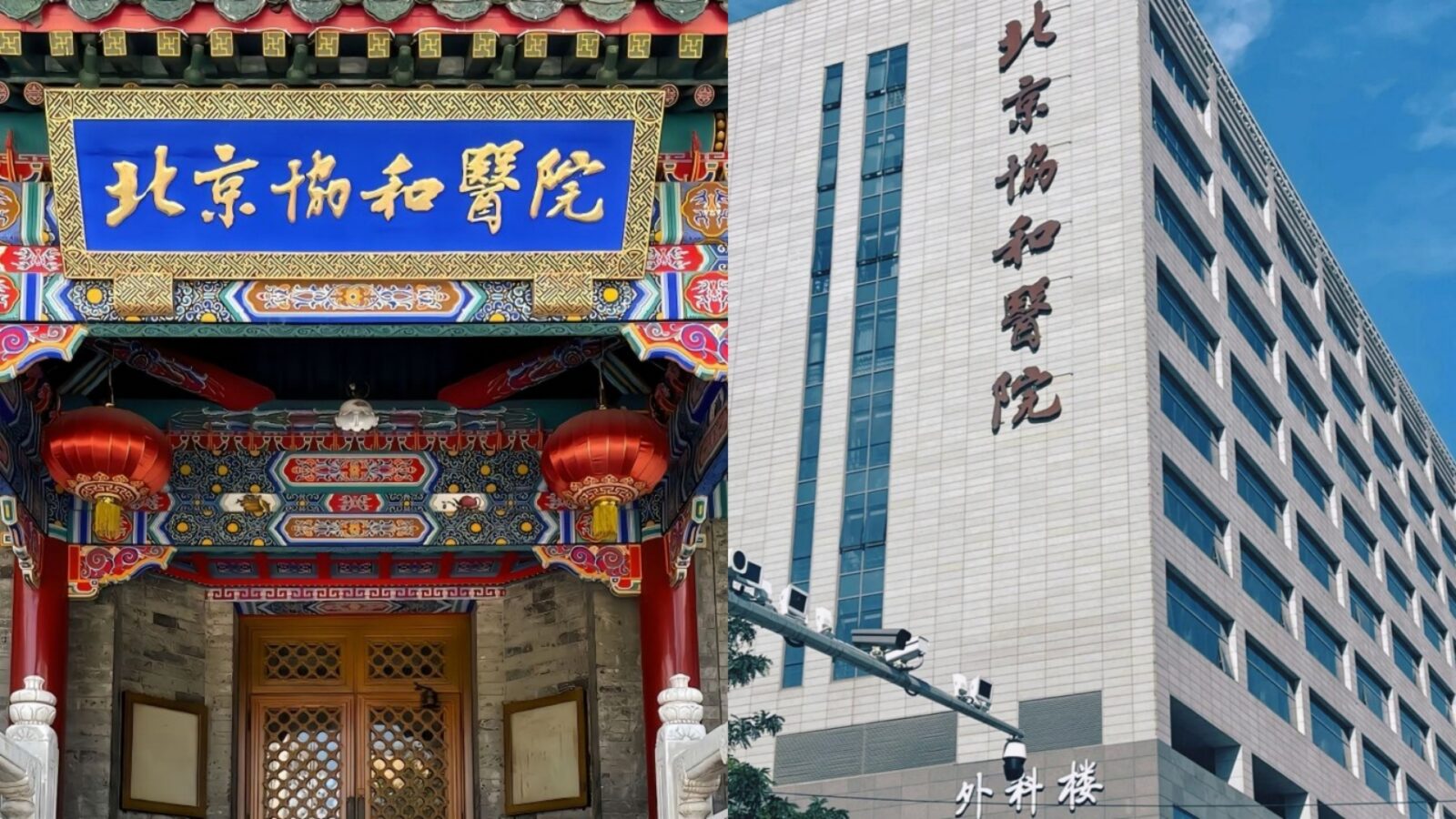
Peking Union Medical College Hospital
PUMCH is the best public hospital in China—pure and simple. Founded by the Rockefeller Foundation in 1921 and associated with the Chinese Academy of Medical Sciences, it has topped the national public hospital performance assessment three years in a row now. When no one else wants your case, they send you here.
Foreign patients have a direct route in. Skip the general outpatient queues entirely and head straight to the International Medical Department (VIP Department). Bring your passport. Doctors here speak English. The cost sits above standard public outpatient rates, but it's still significantly cheaper than any private hospital. If you want the best of China's public medicine without navigating a Chinese-language system alone, this is your answer. There's a full breakdown of services and how to book in this guide to Peking Union Medical College Hospital.
🏥 Hospital: Peking Union Medical College Hospital, Chinese Academy of Medical Sciences (中国医学科学院北京协和医院)
📍 Address: 1 Shuaifuyuan, Dongcheng District, Beijing, 100730 (Dongdan Campus)
📞 Contact: General Inquiry: 010-69151188 | Emergency: 010-69155288
🌐 Official Site: www.pumch.cn
2. Beijing Jishuitan Hospital: Orthopedics & Trauma
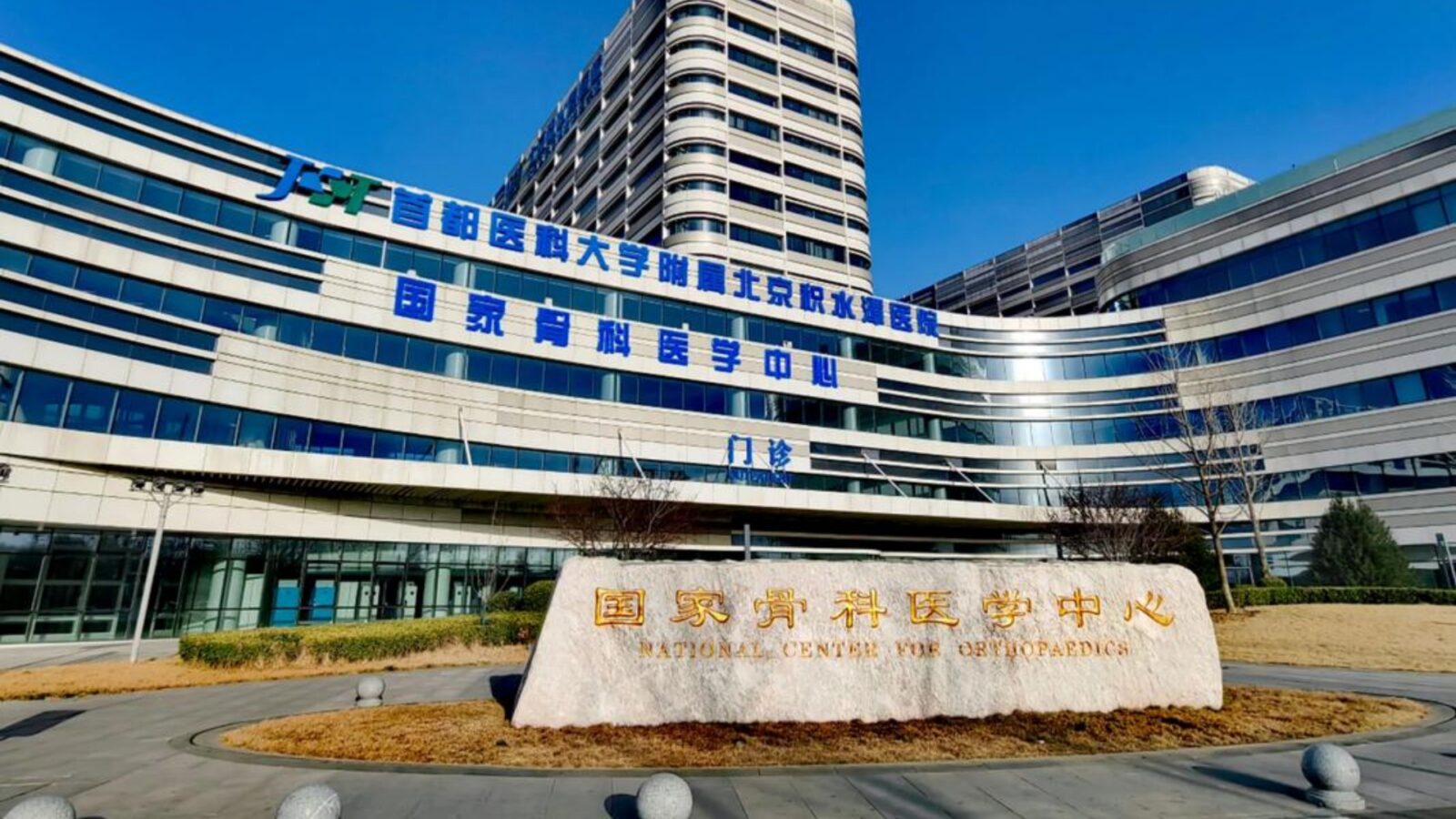
Beijing Jishuitan Hospital
For bone surgery in Beijing — fracture, joint replacement, sporting injury — you’ll want the place where China’s own orthopedic surgeons head for serious surgery: Jishuitan. Designated as China’s National Orthopedic Medical Center in 2023, its orthopedics department has topped the Fudan University Hospital Management Institute rankings every year for 13 years running. The department performs over 45,000 orthopedic surgeries a year, and serves as a WHO Collaborating Center for Injury Prevention.
One thing to know upfront: Jishuitan doesn't have a dedicated international medical department. English-speaking staff are limited. If you're coming here, bring a bilingual companion or use a medical concierge service to handle the booking. The trade-off is worth it — public hospital pricing applies, which means no foreigner surcharge, and the clinical quality is world-class.
🏥 Hospital: Beijing Jishuitan Hospital, Capital Medical University (首都医科大学附属北京积水潭医院)
📍 Address: 31 Xinjiekou East Street, Xicheng District, Beijing, 100035 (Xinjiekou Campus)
📞 Contact: General: 010-58516688 | Helpline (Xinjiekou): 010-58516733
🌐 Official Site: www.jst-hosp.com.cn
3. Beijing Tiantan Hospital: Neurology & Brain Health
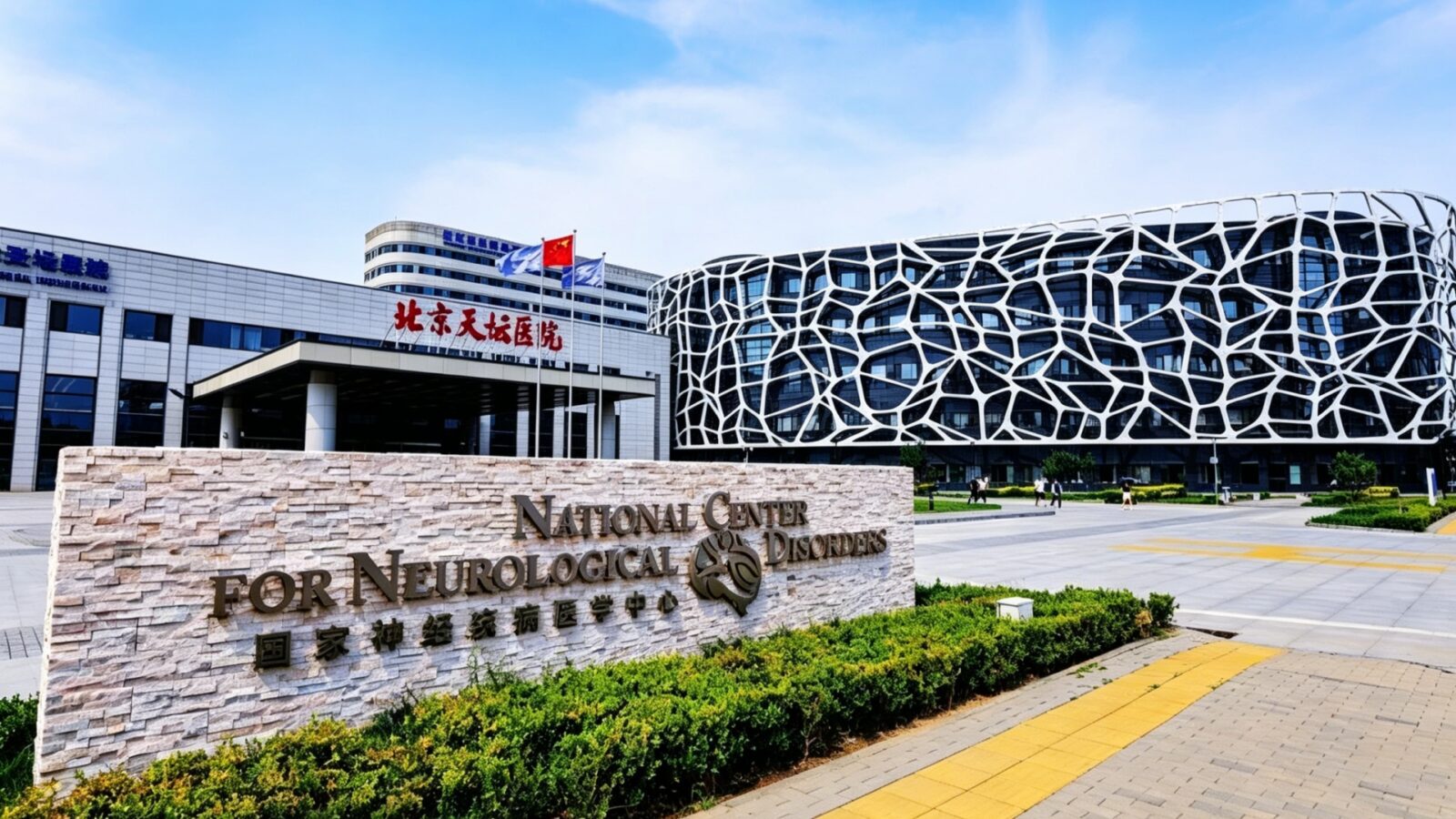
Tiantan Hospital in Beijing
Tiantan is Asia's largest specialist neurology complex, and its reputation is genuinely global. The neurosurgery department has ranked first in China every year since 2017 and holds WHO Collaborating Centre status for stroke surgery. The main campus in Fengtai houses 1,650+ beds and its own independent imaging center and operating rooms. For anything involving the brain or nervous system — stroke, tumors, epilepsy, spinal conditions — this is where the expertise is concentrated. Learn more in this in-depth Tiantan Hospital guide.
Foreign patients should go through the International Medical Center (IMC), which operates as a separate outpatient department with priority services and private rooms. New appointment slots open daily at 15:00 for dates 15 days out.
How to book:
- WeChat Mini-Program (recommended): Search "北京天坛医院" → open the official mini-program → tap the "International Medical" portal (English-language guidance available)
- Phone: +86 10 59976611 (English support, though lines aren't always answered — have WeChat as backup)
🏥 Hospital: Beijing Tiantan Hospital, Capital Medical University (首都医科大学附属北京天坛医院)
📍 Address: 119 Nansihuan West Road, Fengtai District, Beijing, 100070
📞 Contact: General: 010-59976611 | 24‑h Hotline: 59978585 / 59976550 / 59975043
🌐 Official Site: www.bjtth.cn
4. Beijing Anzhen & Fuwai: Cardiac Care Centers
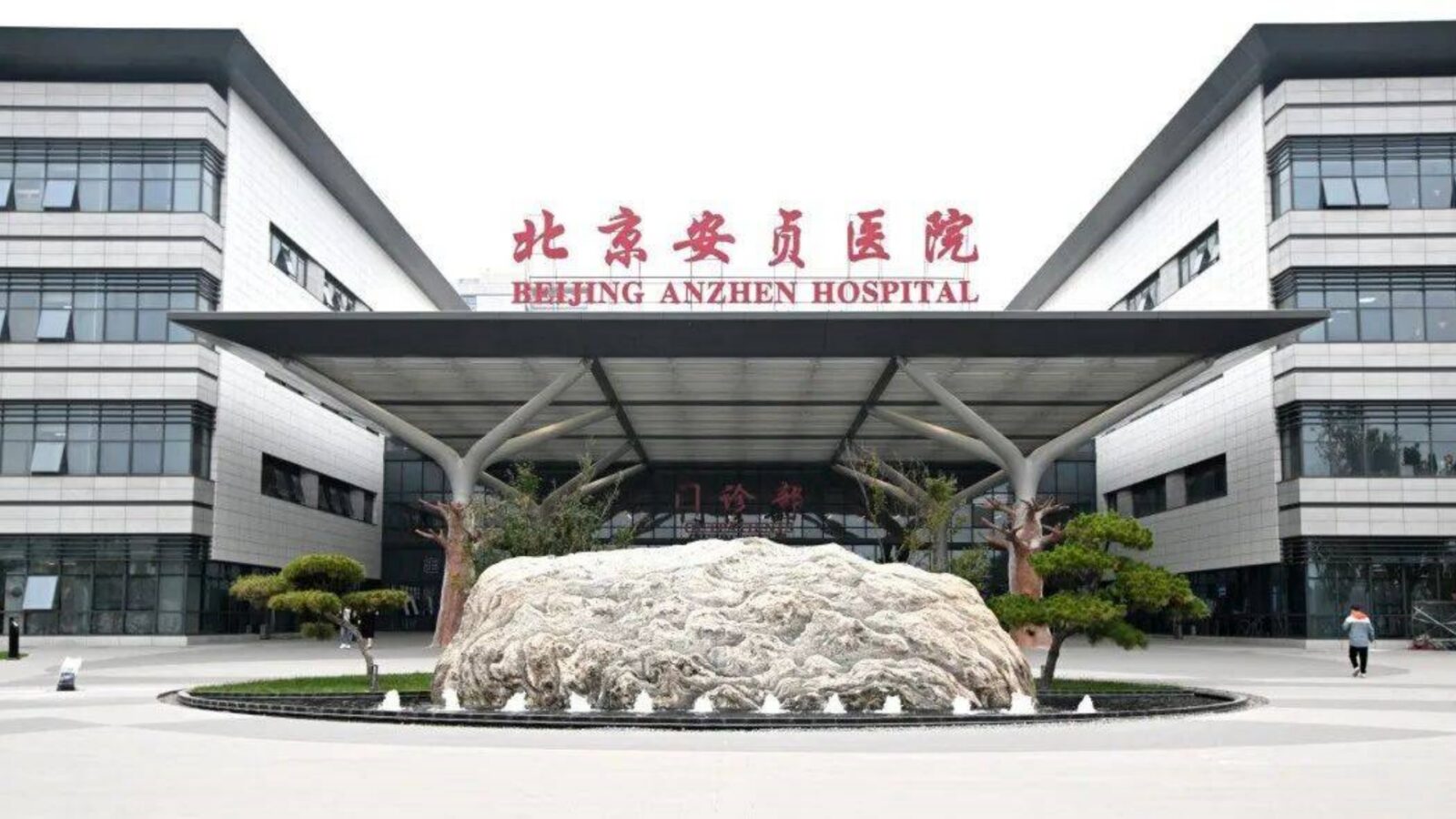
Beijing Anzhen Hospital
Beijing has two world-class cardiac hospitals, and they're not interchangeable.
The Beijing Anzhen is where acute cardiac emergencies go. It's been China's No.1 single-center for cardiac surgeries three years running (2021–2024), with an annual outpatient volume exceeding 2.8 million visits. The emergency and interventional cardiology departments are set up for speed. If someone collapses with a heart attack, Anzhen is the destination.
🏥 Hospital: Beijing Anzhen Hospital, Capital Medical University (首都医科大学附属北京安贞医院)
📍 Address: 2 Anzhen Road, Chaoyang District, Beijing, 100029
📞 Contact: General: 010-64412431 | Consultation: 010-64456637
🌐 Official Site: www.anzhen.org.cn
Fuwai Hospital is where complex, planned cases go — congenital heart disease, heart failure, rare structural abnormalities. It's China's national cardiovascular disease center and one of the highest-volume cardiac surgery centers anywhere in the world. Both hospitals have limited English support, so bring a translator.
🏥 Hospital: Fuwai Hospital, Chinese Academy of Medical Sciences (中国医学科学院阜外医院)
📍 Address: 167 Beilishi Road, Xicheng District, Beijing, 100037
📞 Contact: General: 010-68314466 / 88398866 | Consultation: 010-88322674
🌐 Official Site: www.fuwai.com
5. China-Japan Friendship Hospital: Integrative Medicine
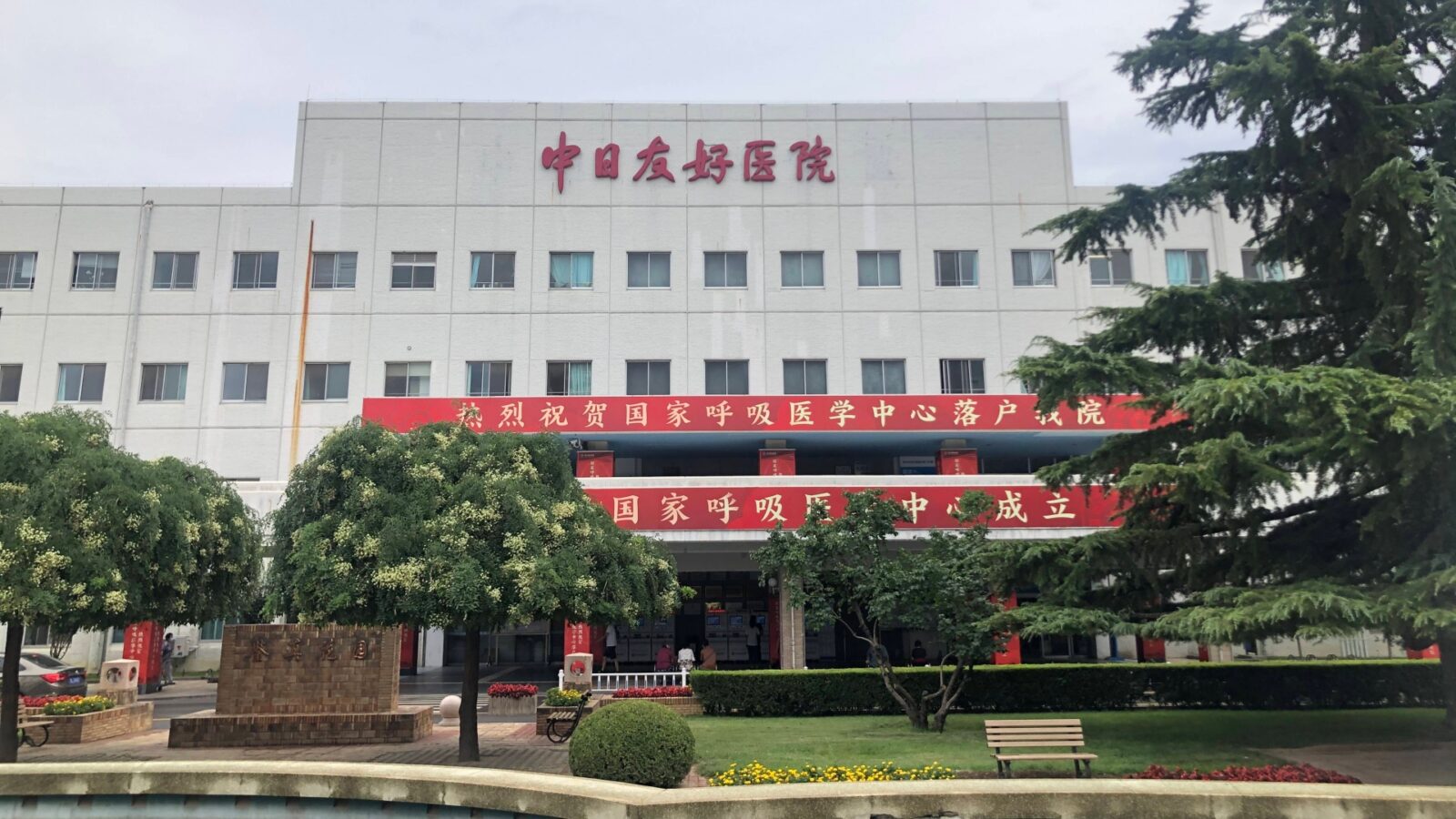
China‑Japan Friendship Hospital
Founded jointly by the Chinese and Japanese governments in 1984, the China-Japan Friendship Hospital is one of the few large public hospitals in Beijing to genuinely combine Chinese and Western non-Western medicine as integral parts, rather than segregating the two into separate departments. It includes around 60 clinical departments and is a teaching hospital for Peking University Medical School. The international department has Chinese-Japanese bi-lingual services and can arrange staff to cover other languages.
If you're interested in complementary treatments — acupuncture, traditional herbal medicine, or integrated oncology protocols — alongside standard diagnostic and treatment pathways, this hospital offers something the purely Western-model hospitals don't.
🏥 Hospital: China‑Japan Friendship Hospital (中日友好医院)
📍 Address: 2 Yinghuayuan East Street, Chaoyang District, Beijing, 100013
📞 Contact: (+86) 10 8420 5288
🌐 Official Site: zryhyy.com.cn
Best International & Private Hospitals
If language and convenience are your top priorities, start here. These four hospitals run almost entirely in English. You can book online, see an English-speaking doctor the same day, and walk out with a medical record your home GP can actually read.
| Hospital | Best For | English Level | Insurance Direct Billing | Approx. Outpatient Cost |
|---|---|---|---|---|
| UFH | Full-service general + specialist | ★★★★★ Full | ✅ 100+ providers | ¥800–2,500 ($110–$345) |
| Oasis | Full family coverage + ICU/NICU | ★★★★★ Full | ✅ 100+ providers | ¥800–2,000 ($110–$276) |
| Raffles | Primary care + health check-ups | ★★★★★ Full | ✅ Major providers | ¥600–1,800 ($83–$248) |
| Amcare | Maternity + pediatrics only | ★★★★★ Full | ✅ Major providers | ¥500–2,000 ($69–$276) |
1. Beijing United Family Hospital (UFH): The Gold Standard
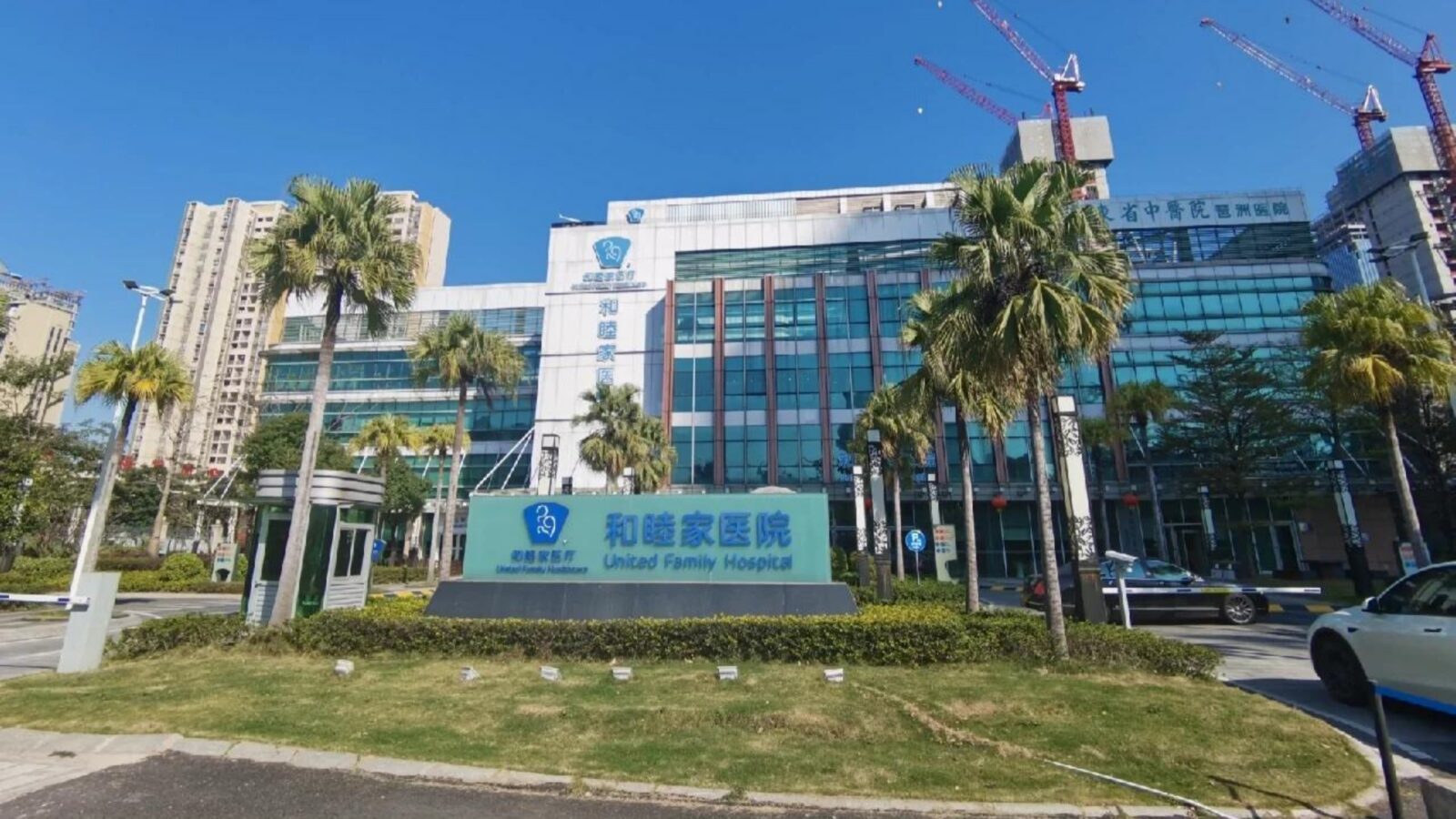
Beijing United Family Hospital
UFH opened in 1997 as China's first international-standard hospital. It's still the benchmark. More than 200 full-time senior physicians and specialists from around the world work here, covering everything from routine check-ups to cardiovascular interventions, laparoscopic surgery and a dedicated Children's Health Center.
For most expats, the real selling point is frictionless insurance. UFH works with over 100 international providers — Bupa, Allianz, Cigna, AXA and more — all on direct billing. You don't pay upfront and chase a reimbursement later. Everything is in English, from the consultation to the discharge summary. You can read more about the full range of services in this detailed guide to Beijing United Family Hospital.
🏥 Hospital: Beijing United Family Hospital (北京和睦家医院)
📍 Address: 2 Jiangtai Road, Chaoyang District, Beijing, 100016
📞 Contact: 24‑h Service: 4008‑919191 | Emergency: (010) 5927 7120
🌐 Official Site: ufh.com.cn
2. Beijing Oasis International Hospital: Versatile JCI Care
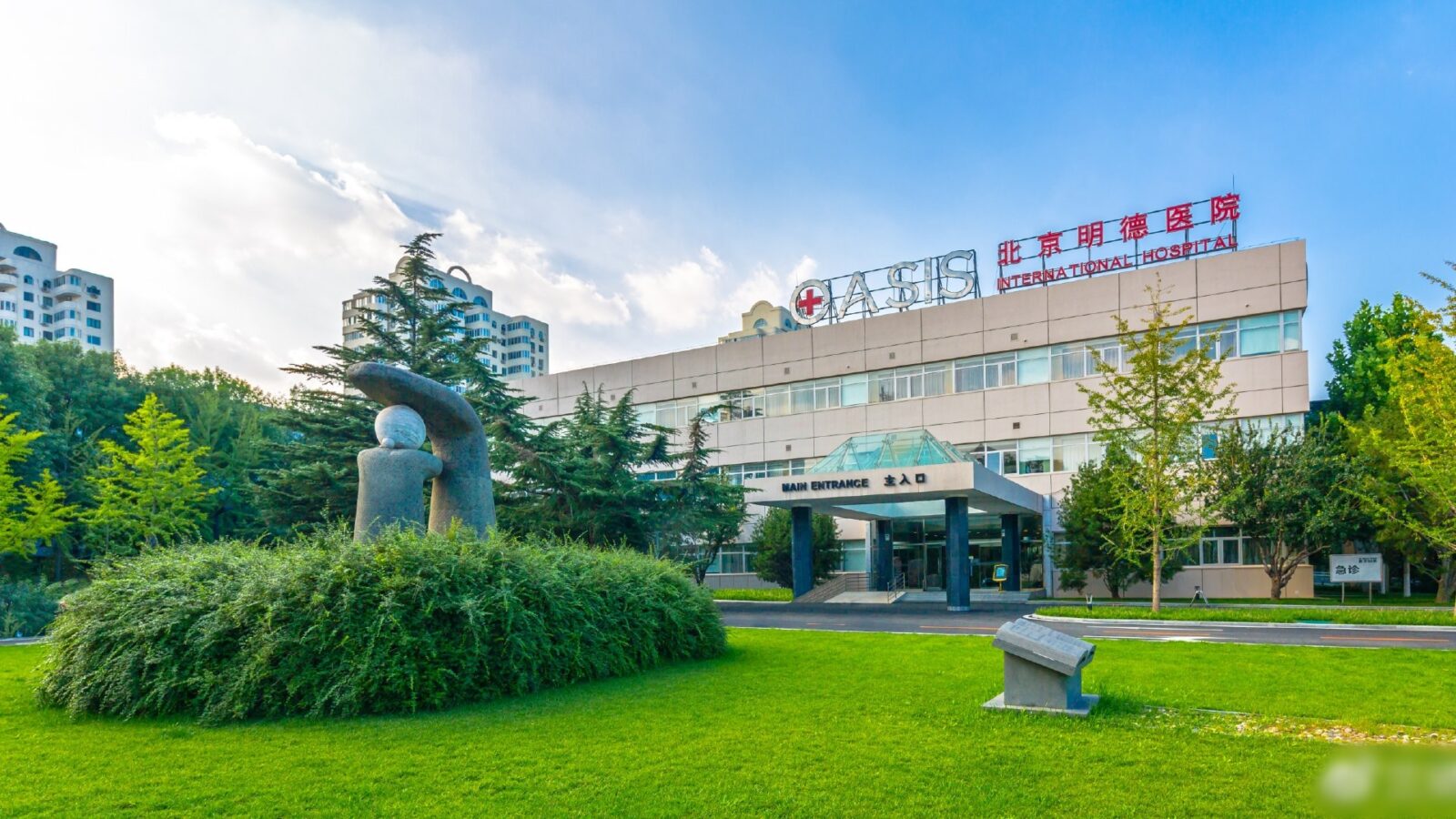
OASIS International Hospital
Oasis is the newer rival to UFH - and in some ways the more versatile option. Built under BOE Technology Group, it carries JCI accreditation and runs 24/7 emergency, ICU and NICU services. Nearly 30 departments cover everything from family medicine and obstetrics to dentistry, ophthalmology, ENT and traditional Chinese medicine.
The bilingual Chinese-English setup is solid. Doctors speak English; medical records are issued in English; and for other languages, translation is available on request. If you need a hospital that handles your whole family's medical needs year-round, Oasis is a strong contender.
🏥 Hospital: OASIS International Hospital (北京明德医院)
📍 Address: 9 Jiuxianqiao North Road, Chaoyang District, Beijing, 100015
📞 Contact: 24h Emergency: (+86 10) 5985 0333 | Appointment: 400-876-2747
🌐 Official Site: www.oasishealth.cn
3. Beijing Raffles Hospital: Premium Primary Care
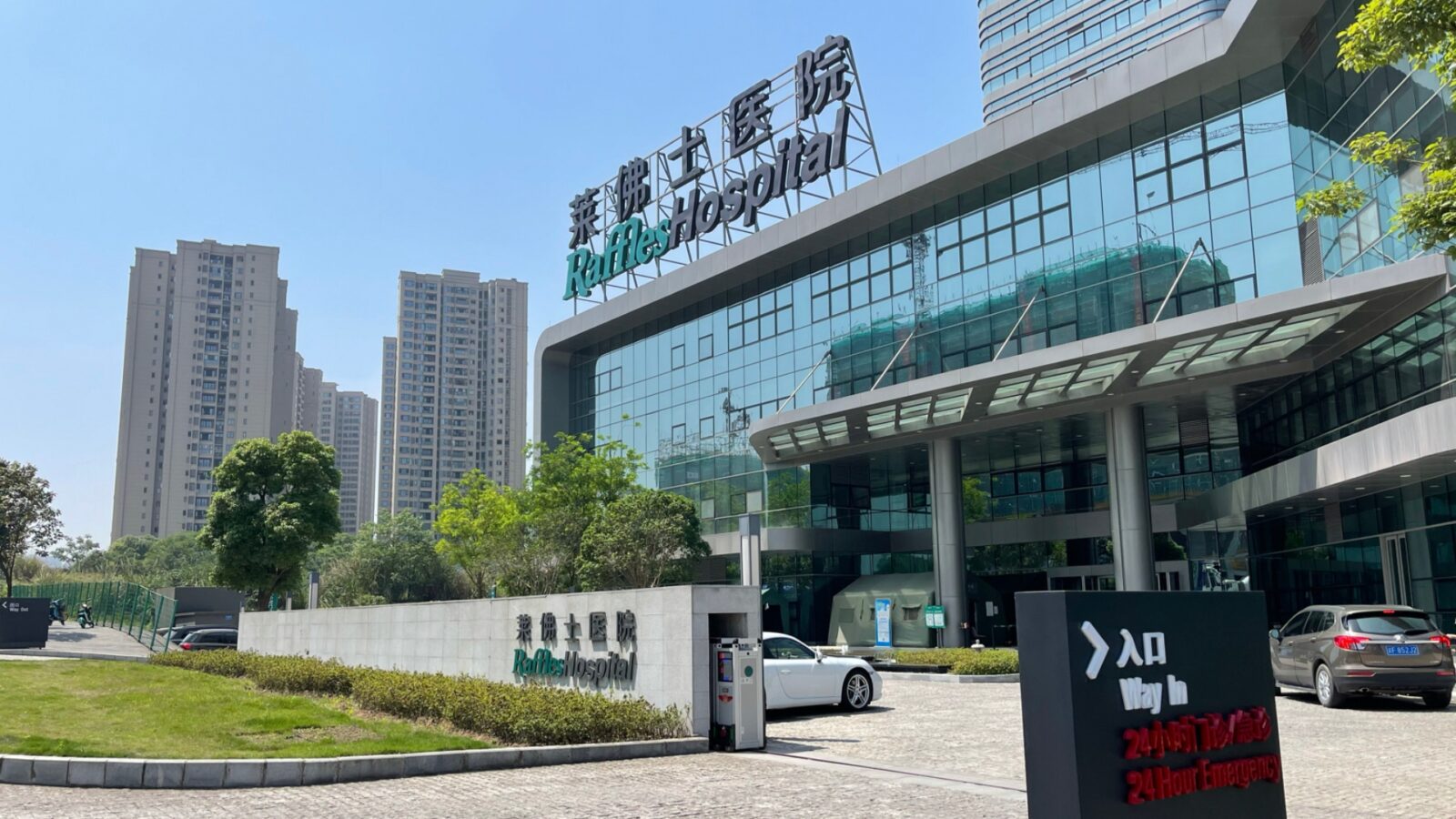
Raffles Hospital Beijing
Raffles delivers the Singapore hospital experience to a Beijing expat hub. It’s a private outpatient and day-surgery facility (not a full inpatient hospital), and therefore good for consultations, check-ups and non-emergency specialist visits. Minimal waiting time. Slick clinical environment. English is the working language throughout.
The downside is that of range - for tricky specialist cases or anything requiring an overnight stay, Raffles will refer you to UFH or a public tertiary hospital. Your first port of call for everyday stuff.
🏥 Hospital: Raffles Hospital Beijing (北京莱佛士医院)
📍 Address: Suite 105, Wing 1, Kunsha Building, 16 Xinyuanli, Chaoyang District, Beijing, 100027
📞 Contact: 24‑h Hotline: 010‑8793 7700 | Visa Check‑up: 010‑6462 0303
📧 Email: [email protected]
🌐 Official Site: www.rafflesmedicalchina.com/site/beijing-hospital
4. Amcare Women's & Children's: Maternity & Pediatric Specialists
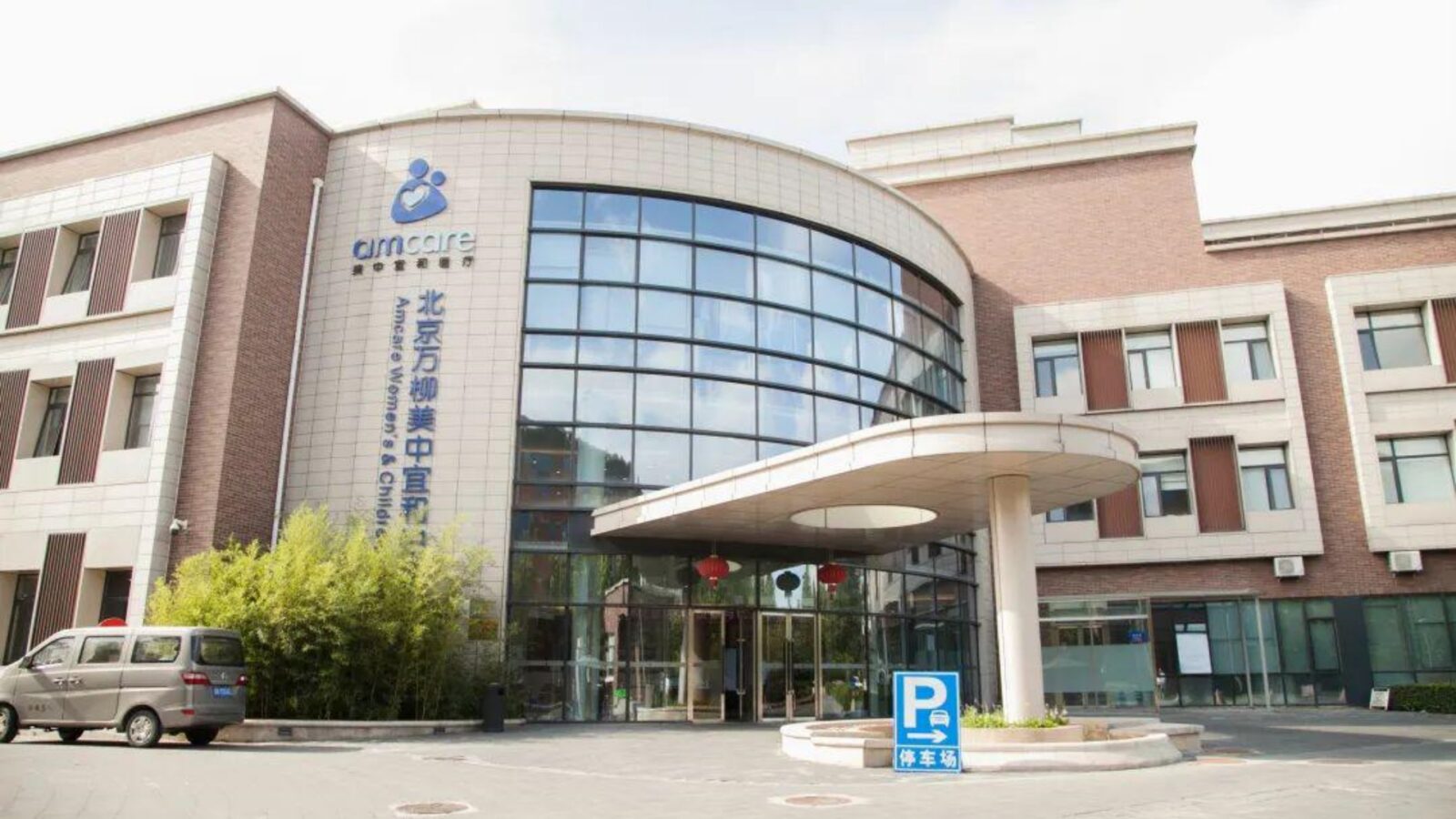
Amcare Women's & Children's Hospital
Amcare has been the default option for expat families in Beijing with pregnancy and little kids since 2004. In 2022 it was acquired by BYtedance, but they’ve left both the brand and clinical team intact. It’s a hospital and a hospital that only does obstetrics & pediatrics, so it’s not a general one that does babies as well.
Services cover prenatal care, delivery (including pain-free options and personalized birthing suites), postpartum recovery, neonatal intensive care and full pediatric outpatient services including vaccines. English-speaking doctors are standard, and medical records come in English. For planned specialist treatment, medical tourism in China is increasingly a real option for international patients.
🏥 Hospital: Beijing Amcare Women's & Children's Hospital (北京美中宜和妇儿医院)
📍 Lido Campus: 9 Fangyuan West Road, Chaoyang District, Beijing
🏥 Yayuncun Campus: Building 5, Anhui Beili Yiyuan, Chaoyang District, Beijing
🏥 Wanliu Campus: 7 Wanliu Middle Road, Haidian District, Beijing
🏥 North Third Ring Campus: 1 Xinjiekou Outer Street, Haidian District, Beijing
📞 Hotline: 400-10000-16
🌐 Official Site: www.amcare.com.cn
Medical Costs & Payment Methods
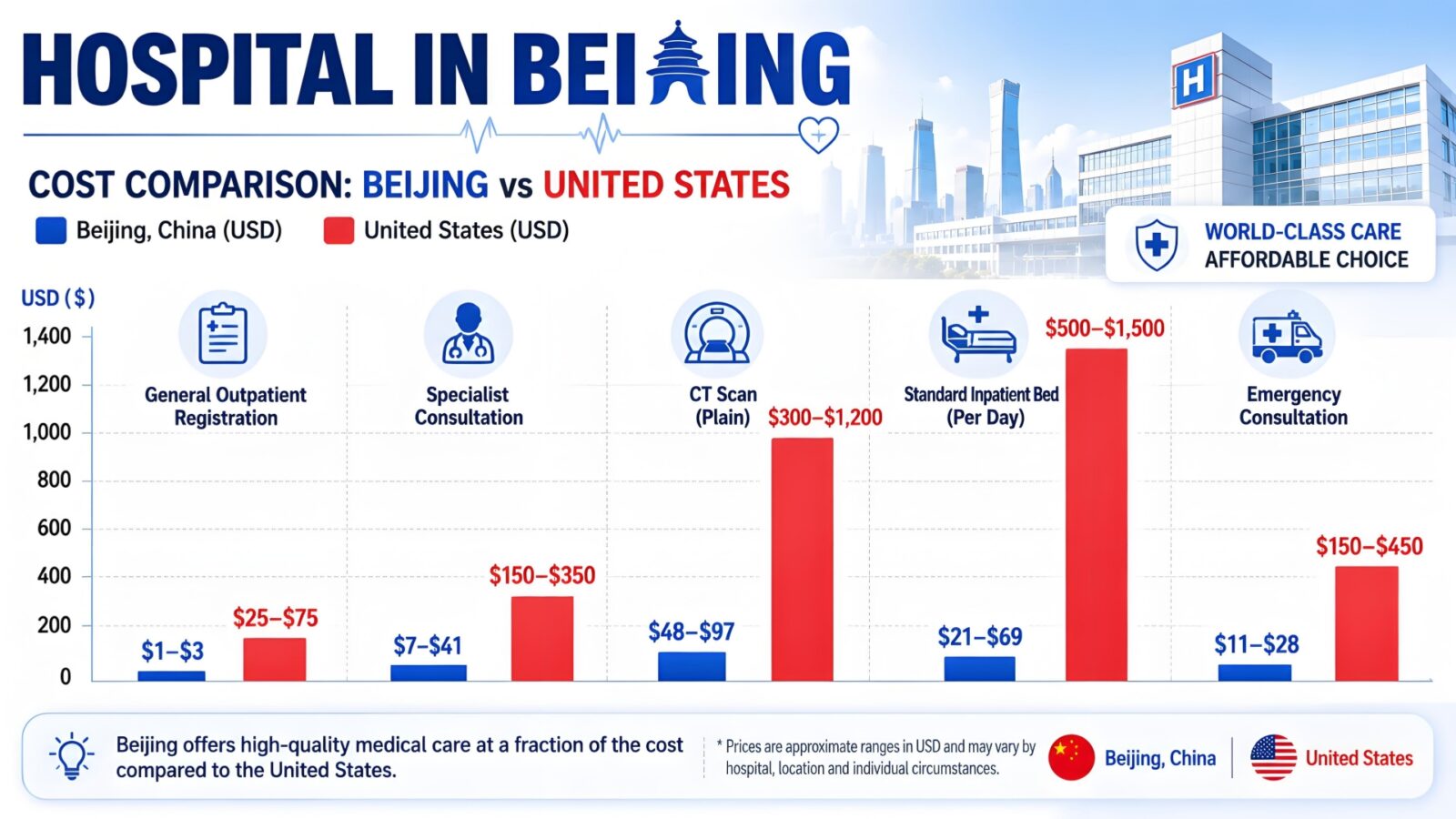
Beijing vs. US Healthcare Expenses Bar Graph
Public Hospital Pricing Breakdown
Public hospital costs in Beijing are genuinely low. And foreigners pay exactly the same rates as Chinese patients — there's no surcharge for overseas visitors.
Here's what you're actually looking at:
| Service | Cost Range |
|---|---|
| General outpatient registration | ¥7–25 ($1–$3) |
| Specialist consultation | ¥50–300 ($7–$41) |
| CT scan (plain) | ¥350–700 ($48–$97) |
| Standard inpatient bed (per day) | ¥150–500 ($21–$69) |
| Emergency consultation | ¥80–200 ($11–$28) |
Prices per Beijing Municipal Medical Insurance Authority 2025 pricing update (Document No. 12/2025). Rates vary by hospital tier.
The International Medical Department at PUMCH charges roughly 2–3x the standard outpatient rate — but even at that level, it undercuts private hospitals by a wide margin. Complex surgeries may require an upfront deposit. Bring a backup plan for payment.
Private Hospital Costs & Insurance
Private hospitals in Beijing cost more. But compared to Western healthcare, the gap is narrower than most people expect.
A standard outpatient consultation at UFH or Oasis runs ¥800–2,500. Emergency presentations start at ¥1,500. Private inpatient care, including a single-occupancy room, runs ¥3,000–8,000 per day. That's expensive by Chinese standards — but it's 30–60% cheaper than equivalent care in the UK, US or Australia.
The practical upside: if you have international health insurance, almost all of this cost disappears. Both UFH and Oasis issue English-language discharge summaries and billing documents in international formats, which makes post-treatment claims and home-country follow-up care much simpler.
Payment: Mobile Apps, Insurance & Digital RMB
Payment at public hospitals is mobile-first. The two systems that work everywhere are:
Public hospitals:
- Alipay and WeChat Pay (universal — accepted at virtually every hospital)
- Cash (bring ¥500 as a backup; some departments require payment before examinations)
- International credit cards: accepted at some private hospital counters, unreliable at public hospitals
- Digital RMB (e-CNY): Since 2025, hospitals including PUMCH and Beijing Friendship Hospital now accept digital yuan payments. Foreigners can register with an overseas phone number and top up via Visa or Mastercard — but you'll need to set this up before arriving in China.
Private hospitals:
- All of the above, plus direct insurance billing (Bupa, Cigna, AXA, Allianz and 100+ others at UFH and Oasis)
- International credit cards accepted at all private hospital counters
Booking Appointments as a Foreigner
WeChat Mini-Programs: The Standard Route
WeChat mini-programs are the standard booking method for public hospitals in Beijing. Most major hospitals have one. New appointment slots typically open at a fixed time each morning — at Jishuitan, for example, new slots open at 07:00 daily and cover the next 14 days.
Here's the process:
- Open WeChat → search the hospital's Chinese name (e.g. 北京天坛医院 for Tiantan)
- Open the official mini-program (look for the small grid icon next to the name)
- Tap "预约挂号" (Appointment Registration)
- Select "境外人员" (Overseas Patient) and enter your passport number
- Choose your department and time slot, then pay the registration fee via Alipay or WeChat Pay
The interface is in Chinese. Use Google Translate's camera function to read it in real time — it handles hospital mini-programs reliably.
Dialing 114: Central Booking Platform
Dialing 010-114 connects you to Beijing's central hospital appointment platform. It covers most Class-A tertiary hospitals. The system is in Chinese, so unless your Mandarin is functional, you'll need help.
The simplest fix: show the hospital page on your phone to the front desk staff at your hotel and ask them to call on your behalf. They handle this regularly and it takes about two minutes. Some hospitals also have direct English lines — Beijing Tiantan's International Medical Center, for instance, can be reached at +86 10 59976611, with English support available during business hours.
Walk-in Registration: Tips for Success
Walk-in registration still works at most public hospitals. Arrive at the outpatient building, find a self-service registration kiosk (the touchscreen machines near the entrance), and look for the English language option — most machines at major hospitals have one. You'll need your passport.
For the best shot at getting a specialist slot on the day, arrive before 08:00 on a weekday. Afternoon slots tend to have more availability. Some hospitals, like PUMCH's International Medical Department, have a dedicated overseas patient window that bypasses the general queue entirely.
Documents & Items to Bring
For public hospitals:
- ✅ Original passport (required for registration — copies not accepted)
- ✅ Visa or residence permit copy
- ✅ Previous medical records (English or Chinese printout — no notarization needed)
- ✅ Phone with Alipay or WeChat Pay active
- ✅ Cash backup ¥300–500
For private hospitals, add:
- ✅ International insurance card
- ✅ Insurance pre-authorization reference number (if required by your provider)
Useful extras:
- A printed list of current medications with English drug names
- Your blood type written on a card
- Emergency contact name and number
Emergency Care in Beijing
Essential Emergency Numbers
Save these before you need them. 📱
Emergency contacts:
- 120 — Ambulance (Beijing Emergency Medical Center)
- 110 — Police
- 119 — Fire
- 122 — Traffic accident reporting (useful if you're driving)
- 12320 — Health consultation hotline (non-emergency; English seats available)
Call 120 for any life-threatening emergency. English-speaking operators are on shift during daytime hours (08:00–20:00). At night, the system routes through a three-way interpreter call — there may be a short delay. Keep the line open and don't hang up. If you're at a hotel, alert the front desk simultaneously; they can relay information in Chinese to the dispatcher.
Note: In a genuine emergency, dial 120 first. Everything else is secondary.
24/7 Hospitals for Foreigners
| Hospital | Type | English in ER | Best Emergency Type | Address |
|---|---|---|---|---|
| Beijing UFH | Private | ✅ Yes | All general emergencies | Chaoyang, 2 Jiangtai Road |
| Beijing Oasis | Private | ✅ Yes | General + pediatric (NICU) | Chaoyang, 9 Jiuxianqiao North Road |
| Jishuitan Hospital | Public | ⚠️ Limited | Orthopedic / bone trauma | Xicheng, 31 Xinjieku Road |
| Tiantan Hospital | Public | ⚠️ Limited | Neurological / stroke | Fengtai, 119 South 4th Ring West Road |
| Anzhen Hospital | Public | ⚠️ Limited | Cardiac / vascular | Chaoyang, 2 Anzhen Road |
For non-life-threatening emergencies — a bad fall, a high fever, severe pain — UFH or Oasis will give you faster service and a smoother experience. Public hospital emergency departments don't have a separate foreign patient track; you join the same queue as everyone else.
Managing Language Barriers in Emergencies
Most major Beijing hospitals now have some form of language support built in. Since late 2025, hospitals including PUMCH's Dongdan Campus and Beijing Friendship Hospital have deployed multilingual AI translation terminals in their emergency areas — devices that support real-time spoken translation across Chinese, English, Japanese, Korean and French. You speak into the device, the screen shows the translation. No phone, no app, no internet connection needed.
If you're at a hospital without one, these workarounds are reliable:
- Open Google Translate on your phone, switch to camera mode, and point it at any Chinese text
- Download the offline Chinese language pack for Google Translate before you travel — it works without data
- Store the following sentence in your phone notes before your trip: "我需要急救,我不会说中文。" (Wǒ xūyào jíjiù, wǒ bù huì shuō Zhōngwén.) Show it to any hospital staff member.
- Tell your hotel what's happening before you leave — they can call the hospital's front desk and relay information in Chinese on your behalf
Practical Tips & Cultural Etiquette
Essential Phrases for Patients
You don't need to speak Mandarin to manage a hospital visit in Beijing. You need about seven phrases. Show them on your phone — staff will understand.
| Chinese | Pinyin | Sounds Like | Use When |
|---|---|---|---|
| 我需要看医生 | Wǒ xūyào kàn yīshēng | Woh shu-yao kan ee-sheng | Arriving at registration |
| 请问在哪里挂号? | Qǐngwèn zài nǎlǐ guàhào? | Ching-wen zai na-li gwa-how? | Finding the registration desk |
| 我这里疼 | Wǒ zhèlǐ téng | Woh juh-lee tung | Pointing to a pain location |
| 我对___过敏 | Wǒ duì ___ guòmǐn | Woh dway ___ gwo-min | Reporting an allergy |
| 我有保险 | Wǒ yǒu bǎoxiǎn | Woh yo bow-shyen | At the billing desk |
| 请再解释一下 | Qǐng zài jiěshì yīxià | Ching zai jyeh-shir ee-shya | Asking a doctor to explain again |
| 谢谢 | Xièxiè | Shyeh-shyeh | Always |
📱 SCREENSHOT THIS · SHOW TO HOSPITAL STAFF: 我是外国人,我不会说中文。我需要帮助。 (I am a foreigner and don't speak Chinese. I need assistance.)
Navigating Chinese Hospital Culture
A few things will feel different from what you're used to.
Consultation times at public hospitals are short — typically 5 to 10 minutes per patient. This isn't neglect; it reflects the volume these facilities manage. Come prepared with a written summary of your symptoms and medication history. If you need the doctor to explain something again, say: "请再解释一下" (Qǐng zài jiěshì yīxià).
Chinese patients typically don't question medical decisions — but as a foreign patient, polite questions are acceptable and generally welcomed. Family members accompanying patients is completely normal; hospitals won't turn away a companion.
On gifts: giving small tokens to doctors exists as a tradition, but modern Class-A tertiary hospitals don't expect or formally accept them. A polite thank-you is all that's needed.
Frequently Asked Questions (FAQ)
Q: Can foreigners go to hospitals in Beijing?
Yes — fully and without restriction. Every hospital in Beijing is open to foreign patients. Public hospitals require your original passport for registration. Private hospitals like UFH and Oasis run entirely in English and accept international insurance directly. If language is a concern, the hospitals in Beijing with dedicated international departments make the process straightforward for anyone.
Q: What is the number one hospital in Beijing?
It depends on what you need. For overall prestige, PUMCH (Peking Union Medical College Hospital) ranks first nationally. And, for orthopedics, Beijing Jishuitan Hospital has held the top China ranking for 13 years. For neurology, Beijing Tiantan Hospital is a WHO-designated global center. The "best" hospital in Beijing for you is the one that leads in your specific condition.
Q: Are there English-speaking hospitals in Beijing?
Yes. UFH, Oasis and Raffles operate entirely in English — consultations, records and billing. PUMCH and Beijing Tiantan's international medical departments also have English-speaking doctors, though some supporting services (pharmacy, imaging) remain in Chinese. When booking any hospital in Beijing, confirm English-language availability when you call ahead.
Q: How expensive are hospitals in Beijing for foreigners?
Public hospitals in Beijing charge foreigners the same rates as local patients — general registration starts at ¥7, specialist consultations at ¥50–300. Private international hospitals run ¥800–2,500 per outpatient visit. Either way, costs are 30–60% lower than comparable care in the UK, US or Australia. If you have international health insurance, private hospitals offer direct billing, so out-of-pocket exposure is often zero.
Q: Is healthcare in China better than in Western countries?
For specific high-complexity specialties, Beijing's top hospitals are genuinely world-class — Tiantan in neurosurgery, Jishuitan in orthopedics, Fuwai in cardiac surgery. Costs are a fraction of Western equivalents. The practical gaps are in primary care infrastructure, family medicine continuity, and consultation time per patient. For planned specialist treatment, medical tourism in China is increasingly a real option for international patients.
Q: How do expats choose which hospital to trust in Beijing?
Four things to check: JCI accreditation (the international gold standard — UFH, Oasis and Raffles all hold it), direct insurance billing capability, whether the hospital has a dedicated International Medical Department, and recent patient reviews on platforms like Dianping or Google Maps. Any hospital in Beijing that clears all four is a reliable choice.
Q: How do I book a hospital appointment in Beijing as a foreigner?
Three routes work. WeChat Mini-Program is the most efficient for public hospitals — search the hospital name, open the official mini-program, register with your passport and book your slot. Phone booking via 010-114 works if you have help from a Chinese-speaker or your hotel front desk. Walk-in registration is still an option at most public hospitals — arrive before 08:00 on a weekday for the best availability.
Q: What documents do I need to bring to a hospital in Beijing?
For any hospital: your original passport and a copy of your visa or residence permit. And, for public hospitals, have Alipay or WeChat Pay set up and bring ¥300–500 cash as backup. For private hospitals, add your international insurance card and any pre-authorization reference your insurer requires. A printed list of current medications with English drug names is useful at every hospital in Beijing, public or private.
Q: Is healthcare free in Beijing for foreigners?
No — but it's very affordable at public hospitals. Foreigners on a tourist visa pay out of pocket; public rates are low enough that most consultations cost under ¥300. Foreign nationals holding a work-type residence permit can be enrolled in China's employee basic medical insurance by their employer — it's not mandatory, but most formal companies offer it, and personal contributions run around 2% of salary. Strong recommendation: get international travel health insurance before any trip to China.
Q: What is the emergency number in Beijing for foreigners?
Dial 120 for an ambulance. Also save: 110 (police), 119 (fire), 122 (traffic accidents), and 12320 (non-emergency health consultation with English seats). The 120 dispatch center has English operators during daytime hours (08:00–20:00). At night, translation is routed through a three-way call. For non-life-threatening emergencies, heading directly to UFH or Oasis — both have 24/7 English-speaking emergency departments — is usually faster than waiting for an ambulance. Full emergency guidance is in the section above.