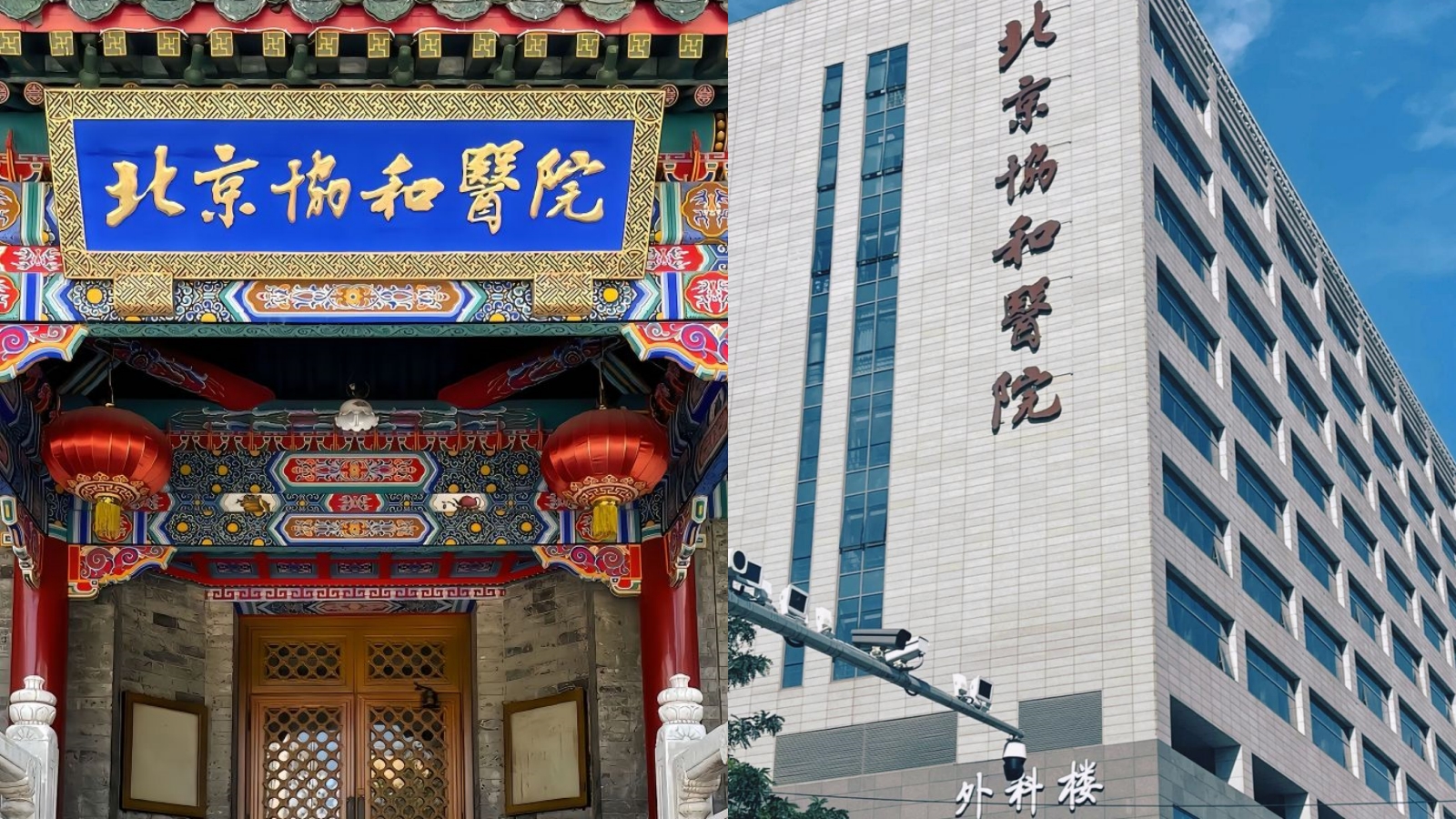
Peking Union Medical College Hospital
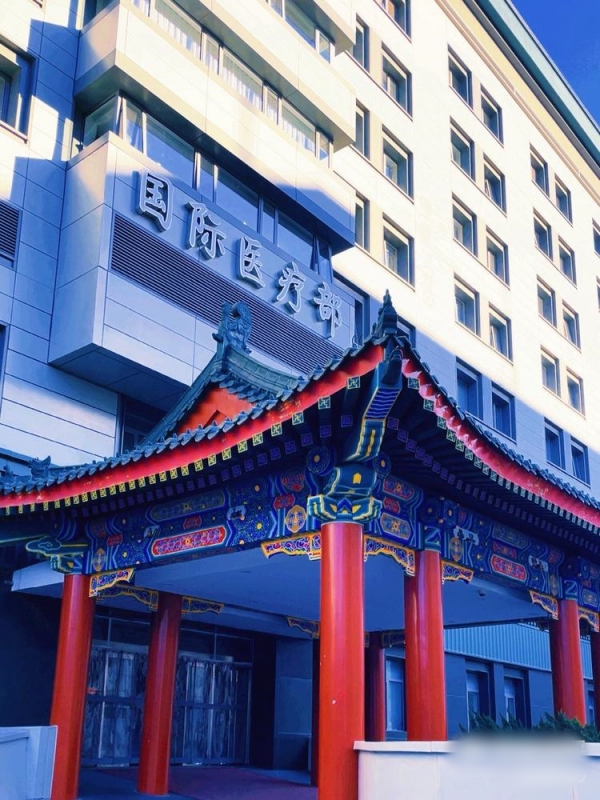
Peking Union Medical College Hospital, alongside the renowned Tiantan Hospital, is regarded as the foremost center for all diagnostic needs regarding the most complicated medical cases in China. PUMCH is located in the Dongcheng District of Beijing at 1 Shuaifu Yuan close to the Wangfujing shopping street and solves medical mysteries from all around the world. The International Medical Service (IMS) is an independent medical department that provides medical care to both domestic and international high-end patients. It was originally created in 1951 as the “Foreign Guest Medical Department” and has steadily progressed over the years into an all-encompassing international medical platform.
As of early 2026, IMS operates across both Dongdan and Xidan campuses in a dual-core development model. The department integrates outpatient care, emergency services, hospitalization, health examinations, and wellness management. International patients access the hospital via subway Line 1 to Wangfujing Station. This comprehensive guide covers department selection, appointment booking strategies, and accurate budget planning for medical tourists navigating China's premier tertiary medical center.
Compelling 3 Reasons to Choose PUMCH for Complex Cases
1. PUMCH Maintains 14-Year Dominance as China's First Hospital with Unmatched Rare Disease Expertise
2. World-Class Multidisciplinary Team Conferences Solve Diagnostic Puzzles Through Collaborative Expertise
3. Dedicated International Medical Services Provides Premium Care Tailored for Foreign Patients
- Comprehensive English Support: The IMS department offers full English-language services with dedicated interpretation, eliminating communication barriers that typically complicate medical care in Chinese public hospitals for international visitors.
- International Protocol Familiarity: IMS physicians trained at European and American institutions understand Western treatment protocols and medication preferences, facilitating care continuity when patients return to their home countries.
- Official Medical Tourism Recognition: Peking Union Medical College Hospital holds government recognition as an approved medical tourism destination, with IMS authorized to issue medical invitation letters supporting visa applications for foreign patients.
- Insurance Partnership Network: Direct partnerships with major international insurance carriers including Cigna Global, Allianz, and Aetna enable streamlined billing processes and facilitate claim submission for reimbursement in patients' home countries.
Key Specialties for International Medical Tourists
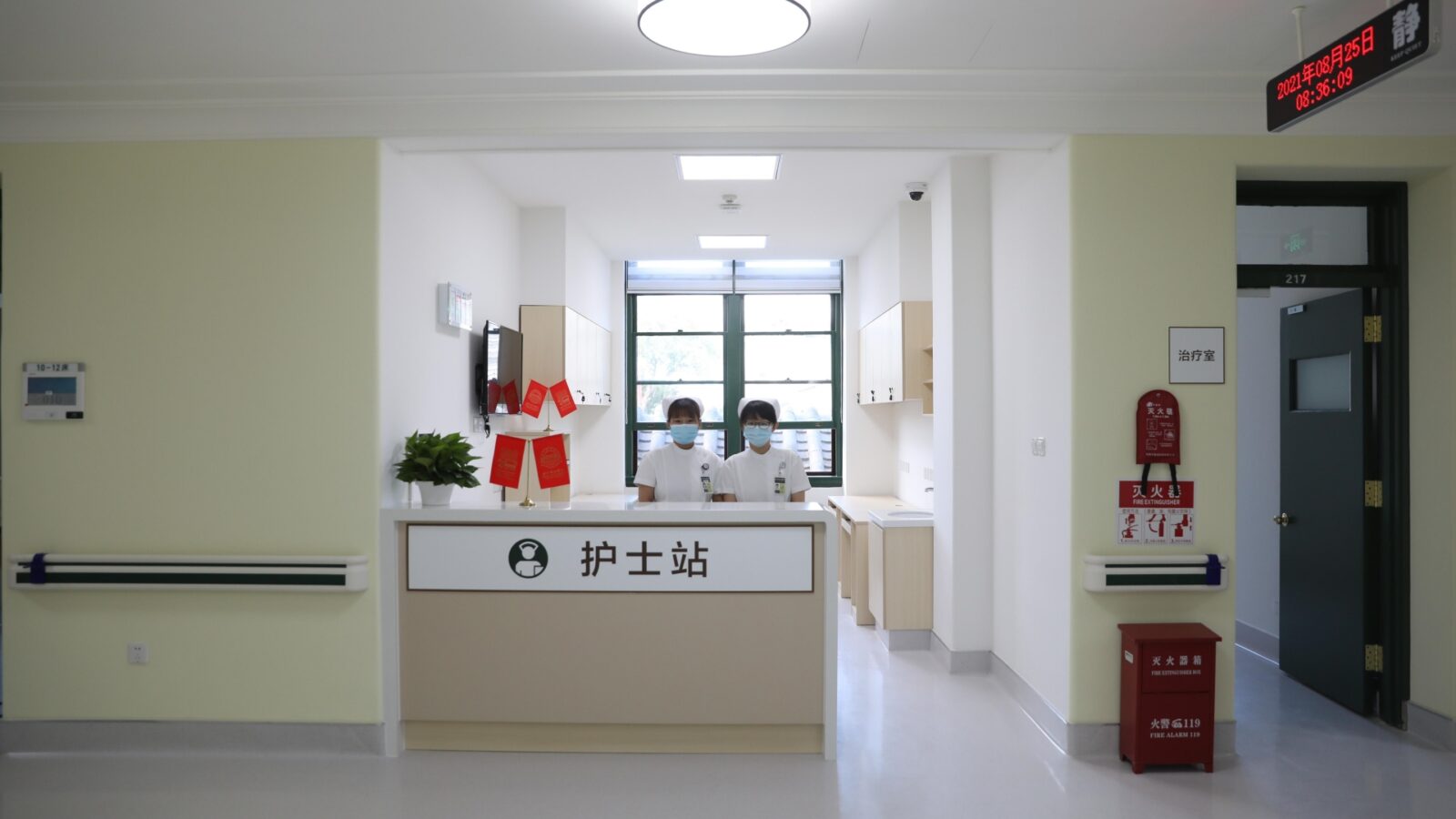
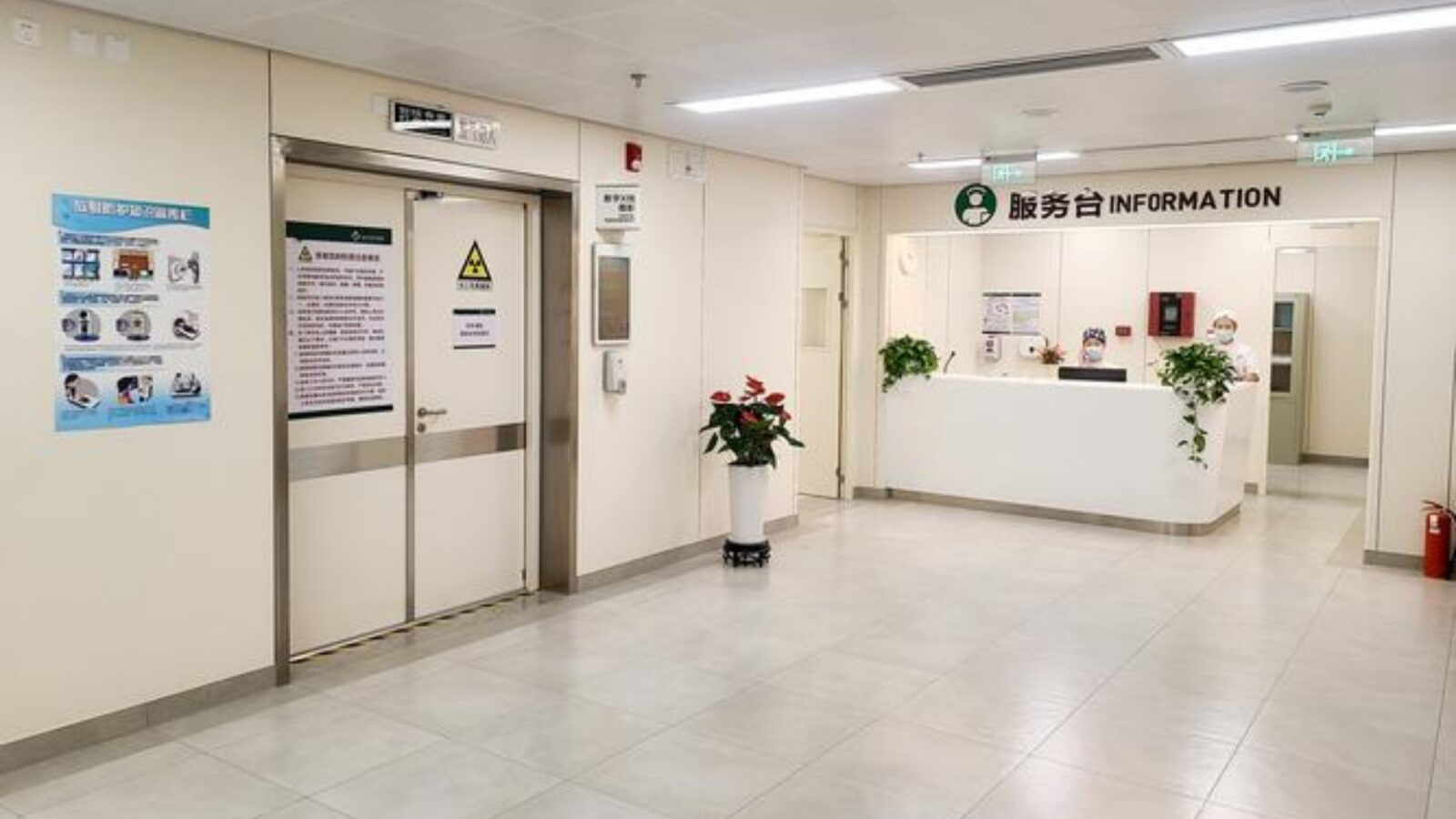
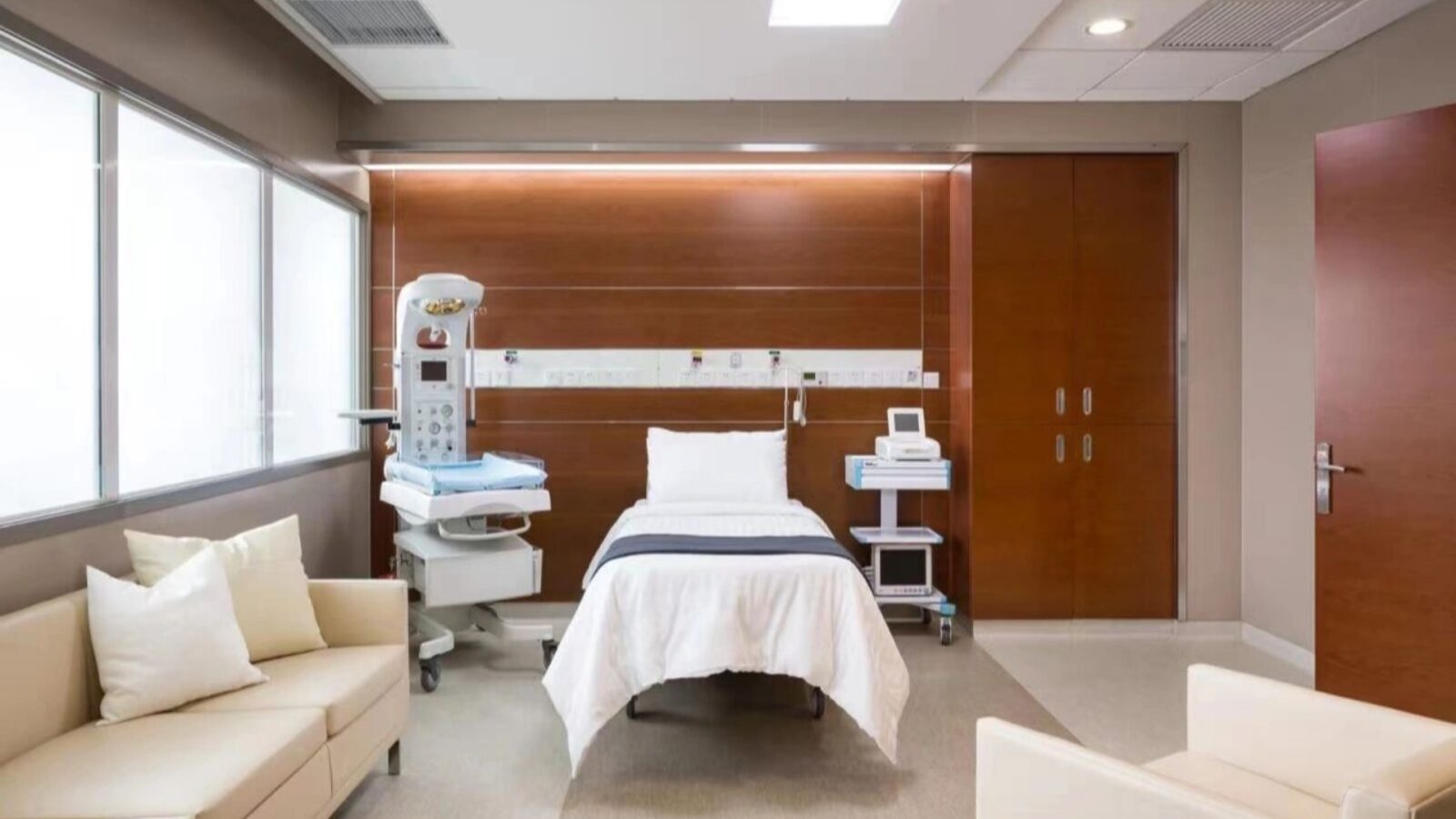
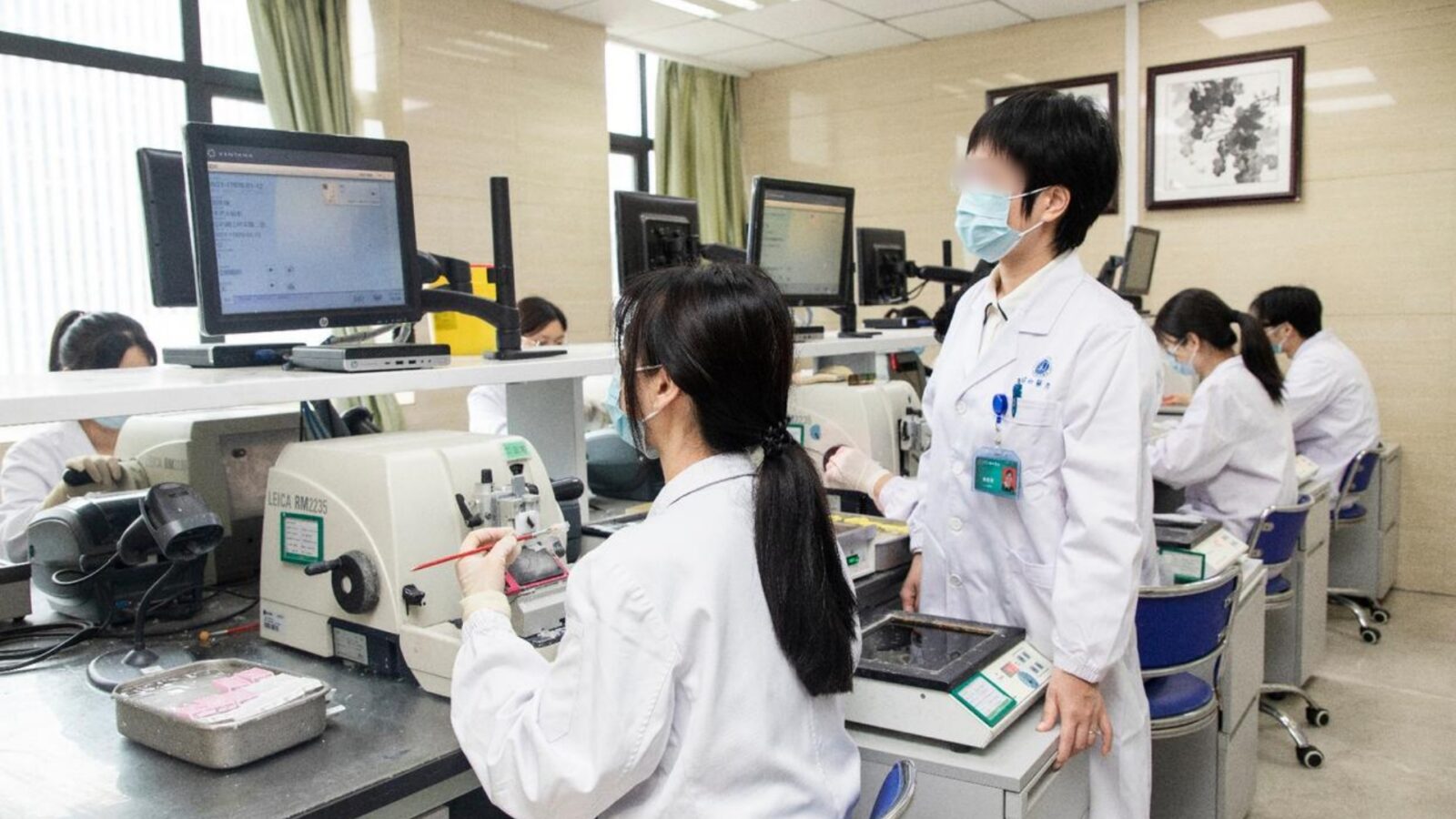
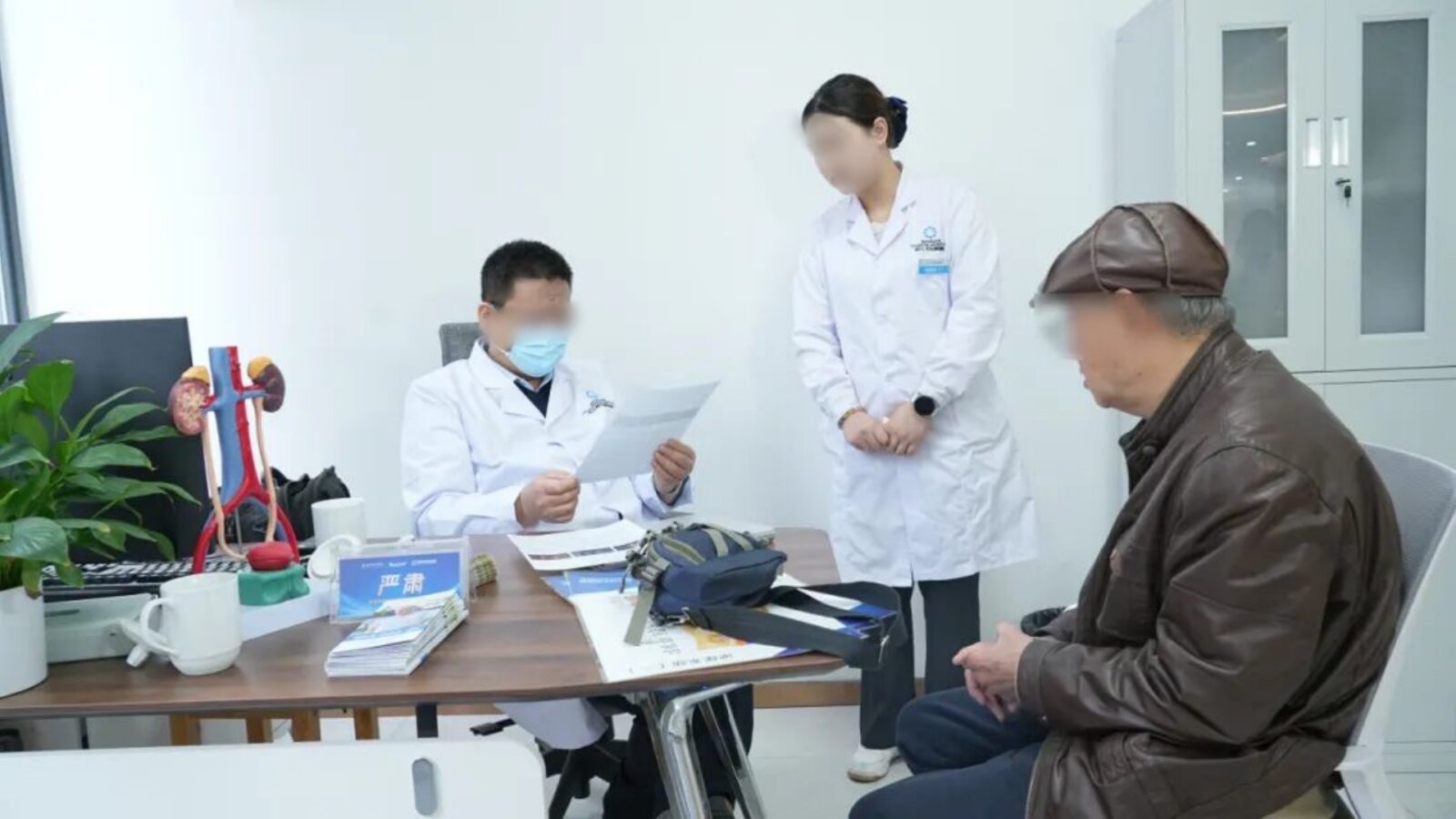
PUMCH's 61 National Key Specialty Departments Overview
Peking Union Medical College Hospital's 61 nationally ranked specialties cover virtually every medical subspecialty. The following table highlights ten departments serving the highest international patient volumes. These departments offer expertise in complex autoimmune diseases and endocrine disorders. Nephrology challenges and rare disease diagnosis represent core competencies.
| Specialty Department | National Ranking | International Patient Percentage | Representative Diseases | Floor Location |
|---|---|---|---|---|
| ⭐Rheumatology & Immunology | National #1 | 35% | Rheumatoid arthritis, SLE, vasculitis | Dongdan Campus 8F |
| ⭐Endocrinology | National #1 | 28% | Diabetes, thyroid disease, pituitary tumors | Dongdan Campus 5F |
| ⭐Nephrology | National #1 | 22% | Lupus nephritis, IgA nephropathy, refractory kidney disease | Dongdan Campus 6F |
| ⭐Rare Disease Center | National-level | 42% | 500+ rare disease MDT | Dongdan Campus 9F |
| Gastroenterology | National #1 | 18% | IBD, cirrhosis, pancreatic disease | Dongdan Campus 7F |
| Hematology | National #2 | 25% | Leukemia, aplastic anemia | Dongdan Campus 4F |
| General Surgery | National #2 | 15% | GI tumors, hepatobiliary-pancreatic surgery | Xidan Campus 3F |
| Neurology | National #3 | 12% | Parkinson's, epilepsy, neuroimmunology | Dongdan Campus 10F |
| Obstetrics & Gynecology | National #3 | 20% | High-risk pregnancy, gynecological tumors | Dongdan Campus 11F |
| Dermatology | National #4 | 16% | Psoriasis, autoimmune skin diseases | Dongdan Campus 2F |
These departments serve as last-resort centers for cases unresolved by hospitals abroad. International patients travel specifically to access this concentrated medical expertise.
NO.1 Rheumatology & Immunology - World-Class Complex Immune Disease Center
Specialty Overview: China's Premier Rheumatology Center | 100,000+ Complex Immune Disorder Cases Treated | National Leader in Biologic Therapy Applications | Expertise in Rare Autoinflammatory Conditions
Rheumatology and Immunology at Peking Union Medical College Hospital is the highest level of the immunology specialty in China. The department was the first to develop biologic therapy for autoimmune disorders in China. Doctors at this center are currently using state-of-the-art therapies such as TNF inhibitors, IL-6 blockers, and B-cell depletion therapies. The department employs a multidisciplinary approach involving rheumatology, immunology, infectious disease and pathology specialists. It is not unusual for complicated cases from other parts of the world to receive definitive diagnostic answers from our expertise.
Core Treatment Areas:
- Rheumatoid arthritis management with biologic agents (etanercept, adalimumab, tocilizumab)
- Systemic lupus erythematosus comprehensive care across all disease stages
- ANCA-associated vasculitis precision diagnosis using advanced antibody panels
- Adult-onset Still's disease and other rare autoinflammatory syndromes
- Sjogren's syndrome, dermatomyositis, and systemic sclerosis treatment
Featured International Physicians:
Real Patient Experience:
NO.2 Endocrinology - National Metabolic and Endocrine Disease Team
Specialty Overview: Birthplace of Chinese Endocrinology | Asia's Leading Pituitary-Adrenal Axis Disease Center | 95%+ Success Rate in Endoscopic Pituitary Surgery | National Cushing Syndrome Diagnosis Authority
Endocrinology in China began with the Peking Union Medical College Hospital, Beijing, and by the 1920s, they were already in charge of the pertinent endocrine-surgical treatment of complex pituitary-adrenal axis disorders. Endoscopic transsphenoidal pituitary surgery with a success rate of above 95%, has become a minimally invasive approach to treating patients. In addition, modern biochemical tests help to delineate subtypes of Cushing syndrome in great detail. Treatment for multiple endocrine neoplasia syndromes is offered in the full-day-long management mode.
Core Treatment Areas:
- Pituitary tumor endoscopic surgery with 95%+ success rate
- Cushing syndrome precise subtype differentiation and targeted therapy
- Treatment-resistant diabetic ketoacidosis intensive management protocols
- Multiple endocrine neoplasia type 1 (MEN1) comprehensive care
- Growth hormone disorders, acromegaly, and pituitary dwarfism treatment
Featured International Physicians:
Real Patient Experience:
NO.3 Nephrology - Refractory Kidney Disease MDT Center
Specialty Overview: China's Nephrology Training Ground | Highest National Volume for Lupus Nephritis Treatment | Long-term IgA Nephropathy Management Leader | Refractory Glomerular Disease Expertise
The Chinese nephrology training program began from the world-renowned nephrology training program established by Peking Union Medical College Hospital in the 1940s. The nephrology department at Peking Union Medical College hospital handles the most cases of lupus nephritis every year in China than any other nephrology department. The department has developed a system of long-term follow-up of patients for optimal outcomes over many decades. Patients treated with biologic therapy for treatment-resistant nephritis achieve much better results than patients treated with conventional immunosuppressive therapies. New methods are being developed for immune monitoring of kidney transplant rejection.
Core Treatment Areas:
- Lupus nephritis biologic therapy for treatment-resistant cases
- IgA nephropathy long-term surveillance and management systems
- Membranous nephropathy precision immunosuppression protocols
- Post-kidney transplant rejection prevention and management
- Focal segmental glomerulosclerosis (FSGS) refractory case treatment
Featured International Physicians:
Real Patient Experience:
NO.4 Rare Disease Center - National Rare Disease Consultation Center
Specialty Overview: 40% of China's Rare Disease Registry Cases | 500+ Rare Condition Diagnostic Experience | National Genetic Testing and Gene Therapy Hub | Multidisciplinary Rare Disease MDT Leader
The Rare Disease Center accounts for 40% of all rare disease registry cases from China. Physicians are experienced in diagnosis across over 500 rare diseases involving multiple organ systems. Whole exome sequencing and targeted gene panel testing identify genetic mutations that went undetected through other means. Multidisciplinary teams involving geneticists, metabolic specialists, and organ system-specific experts work together on each complex case. Access to clinical trial treatments and compassionate use programs provides unique treatment paths that have not traditionally been available in most other countries.
Core Treatment Areas:
- Genetic metabolic disease diagnosis with whole exome sequencing and experimental drug trials
- Mitochondrial disorder comprehensive evaluation and symptomatic management
- Hereditary vascular malformation integrated medical and interventional treatment
- Rare neuromuscular disease diagnosis and multidisciplinary care coordination
- Lysosomal storage disorders enzyme replacement therapy
Featured International Physicians:
Real Patient Experience:
🏆 PUMCH is widely regarded as a cornerstone of Medical Tourism in China, offering internationally trained specialists and world-class diagnostics at a fraction of US or European prices.
Step-by-Step Guide: How International Patients Access PUMCH
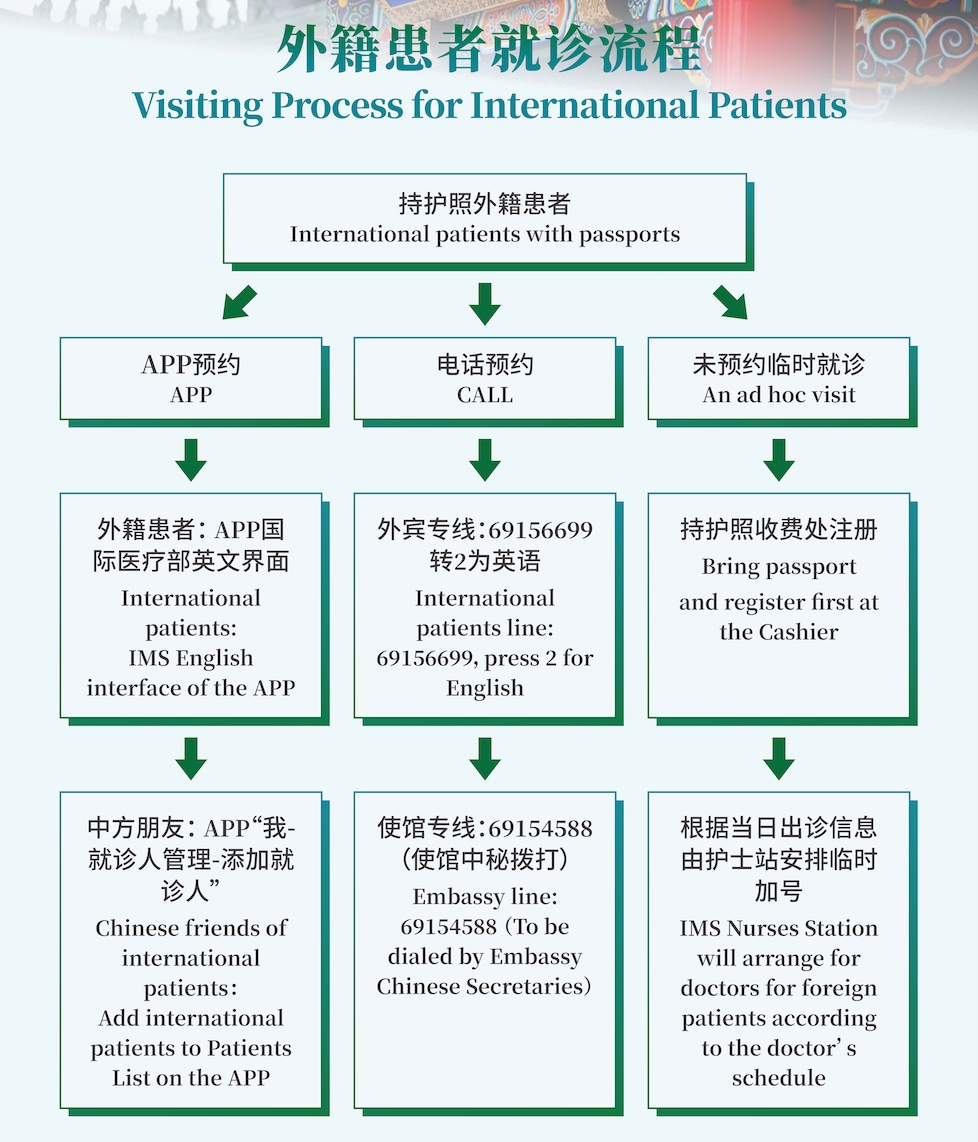
Visiting Process for International Patients to PUMCH
Before You Fly to China
International patients must secure appointments before traveling to Beijing. Multiple booking channels offer varying response times and convenience levels. Medical documentation requires careful preparation to maximize diagnostic efficiency.
Appointment Booking Options:
| Channel | Contact Information | Response Time | Notes |
|---|---|---|---|
| Wechat Mini Progaram | "Peking Union Medical College Hospital" mini program | with immediate effect | Appointments are valid only on the scheduled day |
| IMS Phone | +86-010-69156699 | Weekdays 9:00-17:00 immediate | English customer service direct communication |
| PUMCH App English Version | Download "Beijing Xiehe Hospital" APP | Daily 15:00 ticket release | Need to grab appointment 7 days in advance |
| Partner Medical Tourism Agency | Consult professional intermediary | 24-72 hours | Provide VIP green channel |
Medical Records Checklist:
- Previous medical records: English translation plus original imaging films in DICOM format
- Laboratory tests: Recent three-month blood work including liver and kidney function
- Current medications: Both brand names and generic names listed
- Genetic testing: Include reports if previously conducted
Patients should organize records chronologically before departure. Complete documentation accelerates the diagnostic process significantly.
What to Expect on Your First Visit
Peking Union Medical College Hospital streamlines the international patient experience through dedicated IMS coordinators. Each step follows a carefully designed protocol.
| Step | Duration | Specific Process | Notes |
|---|---|---|---|
| Registration | 15 minutes | IMS desk, bring passport and appointment confirmation | Arrive 30 minutes early |
| Triage and Guidance | 10 minutes | Dedicated staff escort to specialty clinic | Full English guidance |
| Expert Consultation | 30-45 minutes | Chief or associate chief physician for initial visit | Can request interpreter present |
| Auxiliary Tests | Same day or next day | Priority arrangement for CT/MRI/pathology | IMS green channel |
| MDT Discussion | 1-3 days | Complex cases initiate multidisciplinary consultation | Patients can participate in discussion |
Registration requires 15 minutes at the IMS desk. Patients present passports and appointment confirmations. Dedicated staff escort patients to specialty clinics. Chief or associate chief physicians typically conduct initial consultations.
Same-day diagnostic testing receives priority scheduling. Complex cases advance to MDT review within three days. Patients may participate in MDT discussions when appropriate.
Inpatient Care and Discharge Planning
Ward types and pricing:
- Standard three-person rooms: ¥800 per day with shared bathroom facilities
- Private single rooms: ¥1,800 per day with en-suite bathroom and amenities
- VIP suites: ¥3,500 per day with living area and premium services
Companion policies:
- Family overnight stay: Permitted with folding bed provided
- Professional caregivers: Hospital-arranged service at ¥300 per day
- Meal arrangements: Hospital canteen or nearby restaurant delivery
Discharge services include:
- Bilingual medical summary: Complete treatment records in English and Chinese
- Electronic test reports: All imaging and laboratory results on USB drive
- Telemedicine follow-up: Remote consultation appointments scheduled before departure
Patients receive comprehensive discharge documentation supporting continued care abroad. Electronic records facilitate communication with home country physicians.
Understanding Costs at Peking Union Medical College Hospital
Public Hospital Pricing vs IMS Pricing
Peking Union Medical College Hospital operates two distinct pricing tiers. Standard public hospital rates serve Chinese residents. Premium IMS rates provide international patient services.
| Service | Standard Outpatient | International Medical Services | Notes |
|---|---|---|---|
| Chief physician consultation | ¥300-800 | ¥1,000-2,000 | IMS usually arranges chief-level for first visit |
| Expert consultation (academician) | Not available to public | ¥3,000-5,000 | Requires advance special application |
| CT scan | ¥800-1,500 | ¥1,500-2,500 | IMS provides international format report |
| MRI examination | ¥1,200-2,000 | ¥2,000-3,500 | Includes English imaging interpretation |
| Standard ward | ¥200-800/day | Not available | 3-6 person room |
| Single room | Not available to foreigners | ¥1,500-2,500/day | En-suite bathroom equipped |
| Blood test panel | ¥200-600 | ¥400-1,000 | Includes routine biochemistry and immunology |
| Ultrasound examination | ¥150-400 | ¥300-800 | Abdomen, cardiac and other areas |
Chief physician consultations range from ¥300-800 in regular clinics. IMS charges ¥1,000-2,000 for equivalent services. Academician-level experts require special arrangements. Their consultation fees reach ¥3,000-5,000.
Diagnostic imaging costs ¥800-1,500 in standard departments. IMS charges ¥1,500-2,500 for international-format reporting. Private rooms through IMS cost ¥1,500-2,500 daily.
How Insurance Works for Foreign Patients
Payment model:
- Initial payment: Patients pay all charges upfront in Chinese yuan
- Itemized billing: IMS provides detailed English-language invoices
- Claim submission: Patients file reimbursement claims with home insurers
- Processing time: Most carriers process claims within 30-60 days
IMS insurance support services:
- International coding: All bills include ICD-10 diagnostic codes
- DRG classification: Diagnosis-related group codes facilitate claims
- Medical necessity letters: Physicians provide documentation supporting treatment
- Direct billing assistance: Limited direct billing available for select insurers
Recommended insurance carriers:
- Cigna Global: Extensive China public hospital network coverage
- Allianz Partners: Pre-approved PUMCH medical services
- Aetna International: Recognized provider for complex diagnostics
- Bupa Global: Direct billing arrangements for certain procedures
Pre-authorization recommendations:
Complex cases requiring extended hospitalization benefit from advance insurer communication. Patients should discuss treatment plans and cost estimates before travel. Insurance companies appreciate detailed medical documentation supporting necessity.
Sample Budget Scenarios
Scenario 1: Outpatient Complex Disease Evaluation (5 days)
- Registration and consultations: ¥5,000 covering multiple specialist appointments
- Diagnostic testing: ¥10,000 for CT/MRI/comprehensive immunology panels
- Hotel accommodation: ¥4,000 for four-star hotel near hospital
- Meals and transportation: ¥2,000 for daily expenses
- Total estimated cost: ¥21,000 (approximately $2,900 USD)
Scenario 2: Inpatient MDT Treatment (10 days)
- Private room and medical care: ¥35,000 including nursing and basic procedures
- Specialized testing and medications: ¥20,000 for advanced diagnostics and treatments
- Caregiver and meal services: ¥5,000 for professional support
- Additional consultations: ¥8,000 for MDT conference and specialist follow-ups
- Total estimated cost: ¥68,000 (approximately $9,400 USD)
These scenarios represent typical costs for international patients. Actual expenses vary based on specific diagnoses and treatment complexity. Rare disease evaluations may require additional specialized testing.
PUMCH Location, Transport and Nearby Accommodation
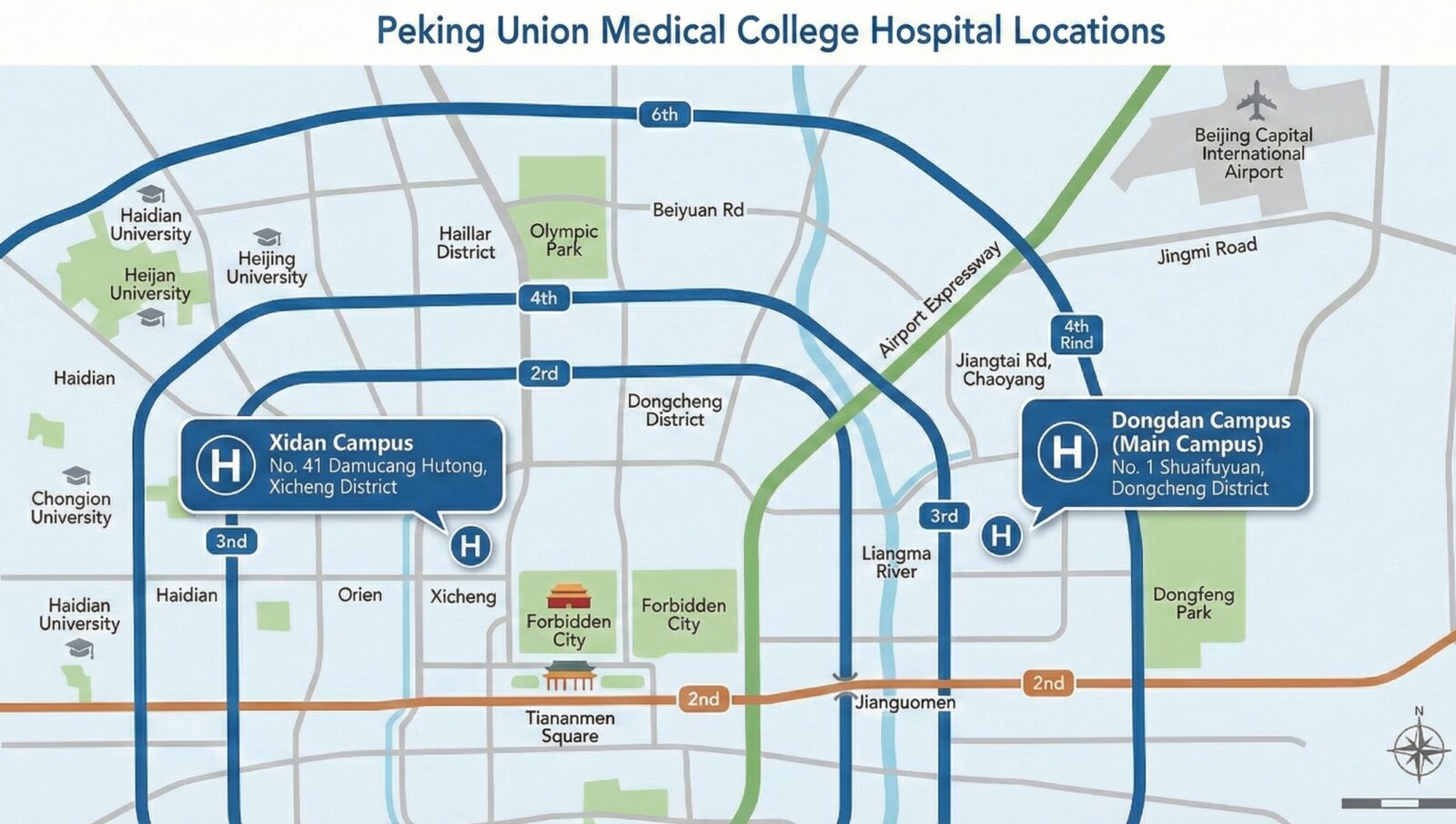
Dongdan & Xidan Campus Maps of PUMCH
Dongdan & Xidan Campuses: Addresses and Maps
Peking Union Medical College Hospital operates two campuses in central Beijing. All international patient services concentrate at the Dongdan location.
Dongdan Campus (Main Campus):
- Chinese address: Beijing Dongcheng District Shuaifuyuan No.1
- English address: No.1 Shuaifu Yuan, Wangfujing, Dongcheng District, Beijing 100730
- Subway access: Line 1 to Wangfujing Station, Exit A, 8-minute walk
- Bus routes: Routes 103, 104, 108, 111 to Dengshikou Station
- Services: IMS department, emergency services, all major specialties
Xidan Campus (Secondary Campus):
- Chinese address: Beijing Xicheng District Da Mu Cang Hutong No.41
- English address: No.41 Da Mu Cang Hutong, Xicheng District, Beijing 100032
- Subway access: Line 4 to Xidan Station, Exit B, 10-minute walk
- Services: Overflow departments, specialized surgical services
- Note: No IMS services or international patient support
The main Dongdan Campus houses all facilities serving international medical tourists. Patients should confirm appointments at this location.
How to Get to PUMCH from Airport
| Starting Point | Subway Route | Taxi Cost | Estimated Time | Notes |
|---|---|---|---|---|
| Capital Airport T3 | Airport Express→Dongzhimen→Line 2→Jianguomen→Line 1 to Wangfujing | ¥100-130 | Subway 60 min/taxi 45 min | Avoid rush hours |
| Daxing International Airport | Daxing Airport Line→Caoqiao→Line 10→Guomao→Line 1 to Wangfujing | ¥120-150 | Subway 80 min/taxi 70 min | New airport, good road conditions |
| City Center (Jianguomen) | Line 1 direct to Wangfujing Station | ¥30-50 | Subway 10 min/taxi 15 min | Most convenient route |
| Beijing West Railway Station | Line 4→Xidan→Line 1 to Wangfujing | ¥50-70 | Subway 25 min/taxi 20 min | High-speed rail arrival |
| Beijing Railway Station | Line 2→Jianguomen→Line 1 to Wangfujing | ¥40-60 | Subway 15 min/taxi 12 min | Train station |
Beijing Capital Airport Terminal 3 connects via Airport Express. Passengers transfer at Dongzhimen to Line 2. Switch to Line 1 at Jianguomen Station. Exit at Wangfujing Station after 60 minutes total.
Taxis from Capital Airport cost approximately ¥100-130. Journey time averages 45 minutes without traffic. Daxing International Airport requires 70-80 minutes by either method.
FAQs about PUMCH and China Medical Tourism
Q: What is the top 1 hospital in China?
Peking Union Medical College Hospital has topped the Fudan University Hospital Ranking for 14 consecutive years. However, specialized hospitals lead in specific fields. PLA General Hospital (301 Hospital) excels in oncology treatment. Fuwai Hospital dominates cardiac surgery nationally. PUMCH excels particularly in internal medicine subspecialties. Rare diseases and complex multidisciplinary cases represent core strengths.
Q: Can Americans go to China for healthcare at PUMCH?
Yes, Americans can access Peking Union Medical College Hospital using standard L tourist visas. The IMS department provides medical invitation letters supporting visa applications when needed. Major U.S. insurers including Cigna and Aetna recognize PUMCH for reimbursement purposes. Patients typically pay treatment costs upfront. The reimbursement process follows standard international medical travel protocols.
Q: Are there English-speaking hospitals in China?
Peking Union Medical College Hospital's IMS department offers English services. However, fluency doesn't match fully international private hospitals comprehensively. For complex diagnostic cases requiring world-class expertise, PUMCH remains recommended. Language challenges exist but prove manageable. International patients can request professional medical interpreters through IMS. Treatment safety improves with proper interpretation support.
Q: Where is the Peking Union Medical College Hospital?
The main Dongdan Campus sits at No.1 Shuaifu Yuan, Wangfujing, Dongcheng District, Beijing. Patients walk 8 minutes from Wangfujing Station on subway Line 1. The IMS international department operates from this central location exclusively. Emergency services and most key specialties concentrate here. This campus provides maximum accessibility for international medical tourists.
Q: How long should I stay in Beijing for PUMCH treatment?
Outpatient diagnostic evaluations typically require 3-5 days minimum. This timeframe allows consultations, comprehensive testing, and MDT conferences. Inpatient treatments average 7-14 days depending on case complexity. Surgical procedures with postoperative recovery extend to 14-30 days. Most international patients benefit from minimum one-week Beijing stays. Complex rare disease workups may need longer durations.
Q: Is PUMCH suitable for medical tourism sightseeing?
Absolutely yes. Peking Union Medical College Hospital's Dongdan location sits within walking distance of major attractions. Wangfujing shopping street lies immediately adjacent. The Forbidden City requires only 15 minutes on foot. We recommend scheduling sightseeing during the first 2-3 days. Cultural exploration proceeds while maintaining energy levels. Post-treatment, patients should plan quiet recovery days. Light activities like nearby park visits suit recuperation periods perfectly.