Beijing Silk Market Shopping Guide
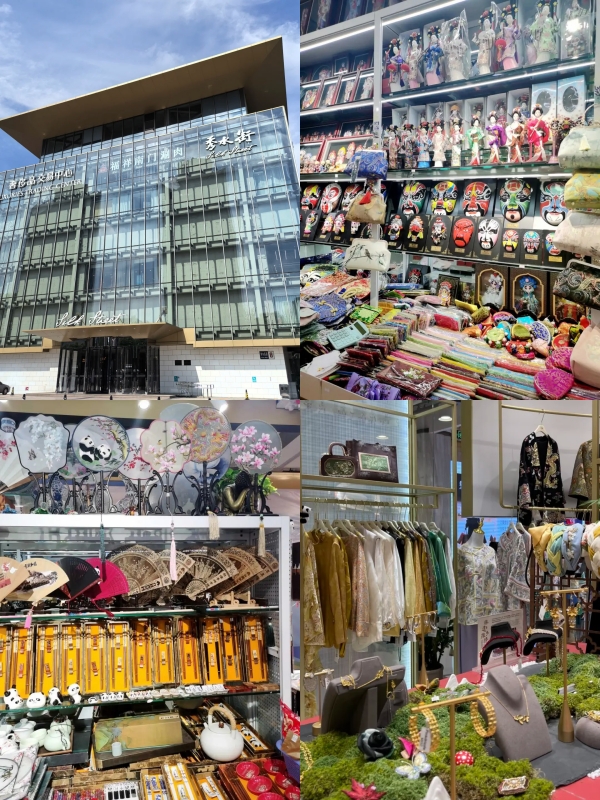
The Beijing Silk Market (秀水街, Xiushui Street) opens at 09:30 and closes at 21:00, seven days a week. It is located at 8 Xiushui East Street in Chaoyang District. The nearest metro station is Yong'anli on Line 1. Bargaining is expected and built into every transaction. The five-floor complex stocks women's and men's clothing, bags, silk products, and custom tailoring services. Cash and mobile payment are both widely accepted.
Quick Facts
Key Information Table
These facts come from Beijing Tourism Net (visitbeijing.com.cn), published in February 2026. Metro directions are confirmed through the Beijing Municipal Government English site. Floor layout details reflect visitor records from 2025; the market management may adjust tenant placement over time, and the on-site directory at the entrance should be your primary reference for current arrangements.
🛍️ Beijing Retail Guide: Planning a broader retail excursion across the capital? Explore our complete breakdown on Shopping in Beijing 2026.
What to Expect at Beijing Silk Market
-
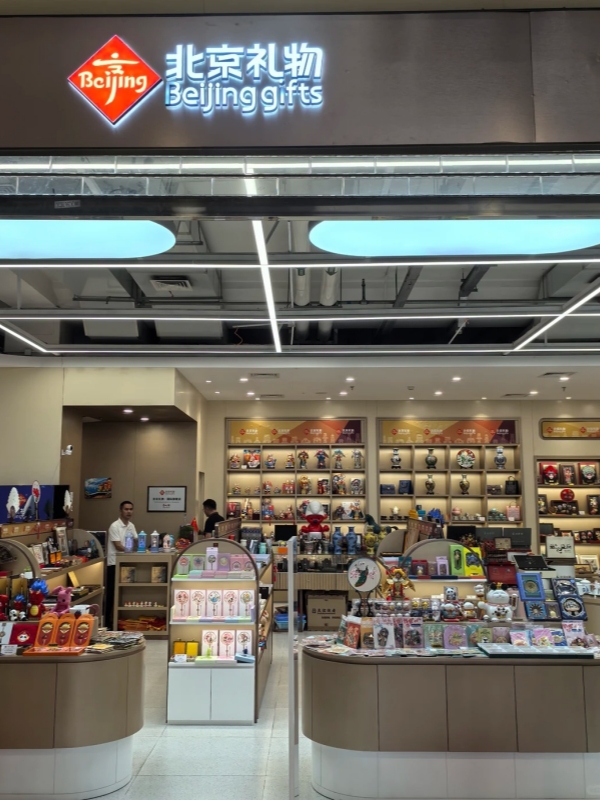

- Beijing Silk Market Shopping
-
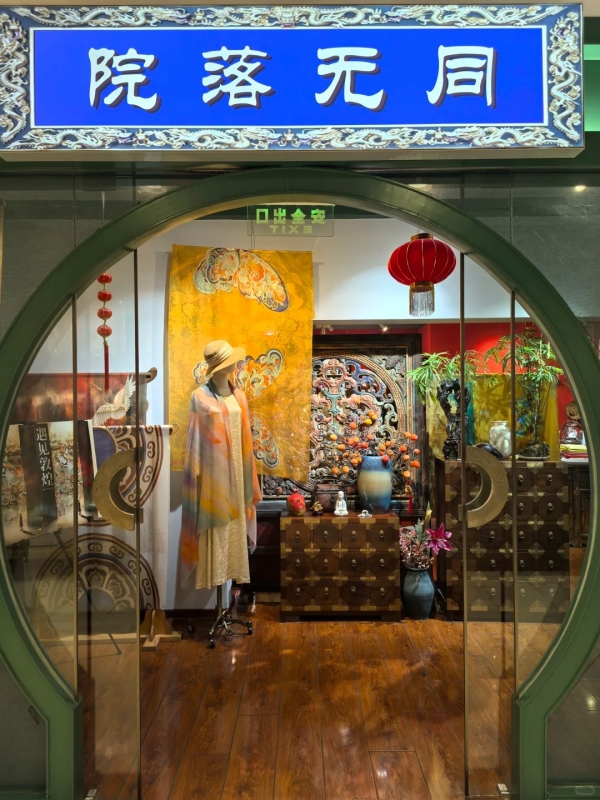
- Beijing Silk Market Shopping
The Beijing Silk Market is a negotiated-price shopping venue. Sellers quote an opening price that visitors are expected to counter. This is not a discount market with fixed labels. It functions more like a trading floor where the final cost depends on your willingness to engage. The experience is social, fast-paced, and very different from a department store. Tourists who understand this entering the market spend less time confused and more time making choices.
One visitor reviewing the market in April 2026 described watching a seller initially quote RMB 250 for an item, then drop the price to RMB 100 during the same conversation. That pattern of visible price movement reflects how the market operates. The same system that frustrates some visitors is what makes the market genuinely competitive. You can walk away, compare three stalls, and return. No transaction is forced.
What You Can Buy Here
The market stocks four main product categories. Women's clothing occupies the first two floors. Bags and accessories are on the upper levels alongside men's fashion. Silk items, including scarves, pyjamas, and fabric by the meter, have been a historic specialty. Custom tailoring is available for suits, dresses, and alterations.
- Women's clothing: dresses, tops, outerwear; ranges from casual to semi-formal
- Bags and luggage: handbags, backpacks, travel bags; leather and synthetic materials
- Silk and fabric: scarves, pyjama sets, silk yard goods; authenticity varies by seller
- Custom tailoring: suits, dresses, coat alterations; historically offered 18-hour express service
Custom tailoring service exists on the third floor according to visitor records. The market has historically promoted 18-hour express custom orders. Buyers should confirm current delivery timelines and any guarantees directly with the tailor before ordering.
🏛️ Beijing Traditional Bazaars: Discover antique bazaars, flea markets, and craft centers in our master guide to Markets in Beijing.
Shopping Steps at Beijing Silk Market
-
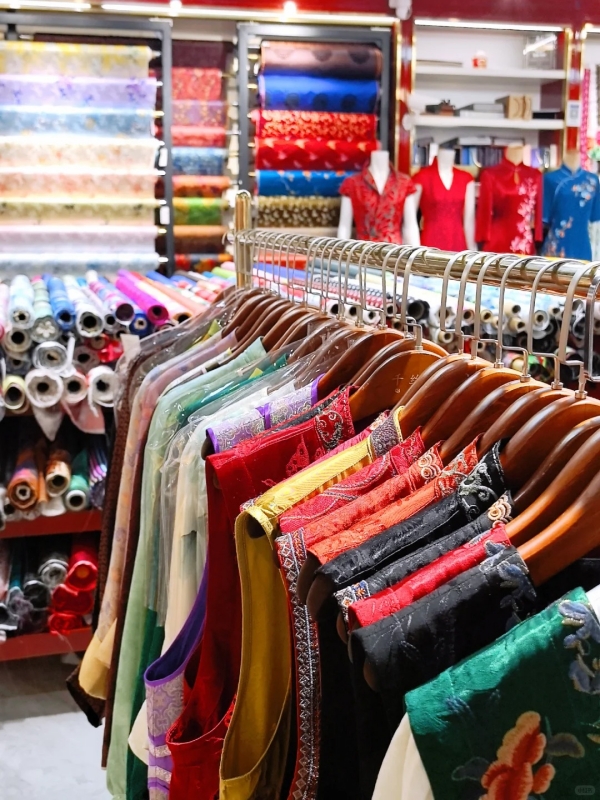
- Beijing Silk Market Shopping Guide
-
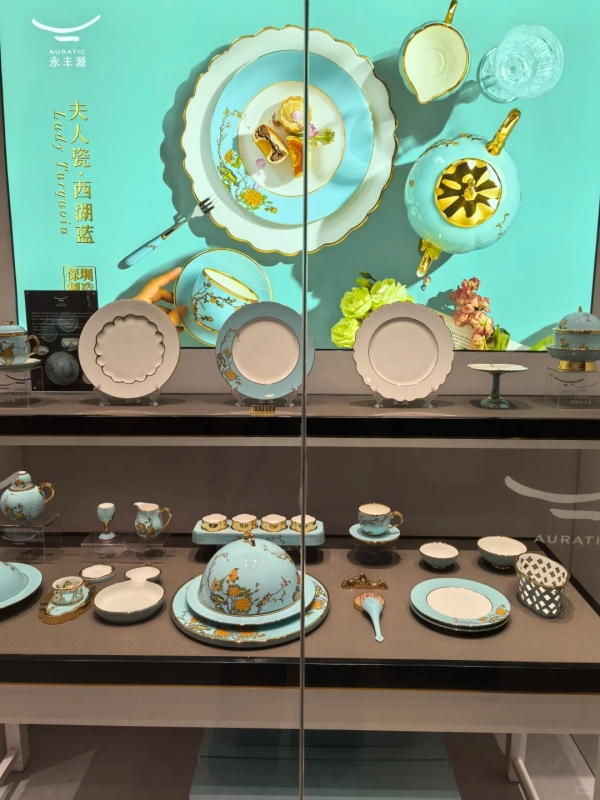
- Beijing Silk Market Shopping
Finding What You Need Floor by Floor
The market has five trading floors plus a restaurant level. Based on visitor records from 2025, the general floor layout runs as follows: women's clothing on floors 1 and 2, men's clothing on floor 3, silk items and bags on floor 4, with custom tailoring and jewelry in the same zone. Floor 5 holds bags, luggage, and additional vendors. The on-site directory near the main entrance provides the most current tenant map and should be checked first.
- Floor 1–2: Women's clothing, accessories, casual and semi-formal wear
- Floor 3: Men's clothing, shirts, suits, and custom tailoring
- Floor 4: Silk items, scarves, fabric, jewelry, and craft goods
- Floor 5: Bags, luggage, and travel accessories
The market underwent a layout adjustment after a 2018 renovation. Some floor assignments have shifted since older English-language guides were published. If a specific product type is your priority, start at the floor where it is most commonly placed, then explore adjacent levels if needed.
Bargaining Basics
Bargaining is the normal way to buy at this market. Vendors build negotiation into every price they quote. Enter with the understanding that the first number you hear is not real. The following steps reflect what experienced visitors report as effective practice.
- Shop around first: Visit three or four stalls selling the same item type before making an offer. This builds a price reference.
- Start at 40–50% of the quoted price: Open lower than your target. Sellers expect to be met halfway, and most will come down from their initial number.
- Stay polite but firm: Walk away if the price does not meet your number. Sellers often call you back with a better offer.
- Buy multiple items from one vendor: Ask for a package deal if purchasing more than one piece. Vendors discount for combined sales.
- Confirm the final price before paying: Agree on a number verbally before handing over money. misunderstandings about final cost are the most common source of dispute.
A visitor's documented experience in April 2026 showed a quoted price falling from RMB 250 to RMB 100 during a single negotiation. That specific result is not a benchmark. Your outcome depends on the item, the vendor, and your approach. Do not use one data point as a universal expectation.
Paying and What to Watch For
Most stalls accept cash and mobile payment apps. Foreign credit card acceptance is not guaranteed. Carry enough cash in RMB for your intended purchases, or confirm mobile payment compatibility with your bank before visiting. If you plan to buy high-value items such as custom suits or significant quantities of silk, clarify the payment process and any deposit requirements before committing.
- Confirm final price before paying: Agree on a number and confirm it verbally before handing over any money.
- Avoid counterfeit goods: Do not purchase items bearing unreviewed brand names. Intellectual property violations create legal risk for the buyer in China.
- Custom orders: For tailoring, get a written receipt listing the item, price, delivery date, and any fitting terms.
- No-return policy: Once a negotiated price is agreed and payment is made, returns are generally not accepted. Inspect items before concluding the transaction.
🌃 Evening Food & Craft Stalls: Looking for vibrant night stalls and local street food experiences? Read our feature on Night Market China.
How to Get to Beijing Silk Market
By Metro
The market sits approximately 500 metres south of Yong'anli station on Line 1. Exit the station and walk south along Jianguo Road or use a map app to navigate to 8 Xiushui East Street. The walk takes roughly six minutes at a normal pace. Older official sources mention a covered walkway connecting the station area to the market, though the current condition and exact exit number for that route lack recent verification. Using a mobile map for real-time pedestrian directions is the most reliable approach.
- Metro line: Line 1 (red line), direction: Sihui East or Pingguoyuan
- Station: Yong'anli (永安里)
- Exit: Use map app to locate best exit for Xiushui East Street
- Walking time: approximately 5–8 minutes
- Alternative: Taxi or Didi drop-off directly at the market entrance on Xiushui East Street
By taxi, tell the driver "Xiushui Jie" or show the Chinese address (朝阳区秀水东街8号) on your phone screen. Traffic around the market can be heavy on weekends and public holidays.
Special Services and Considerations
Custom Tailoring Services
The Beijing Silk Market has maintained a custom tailoring sector for many years. The third floor has historically hosted tailor vendors offering made-to-measure suits, dresses, and coat alterations. The market has promoted 18-hour express custom orders as a distinctive service. Buyers should understand that delivery time commitments are made by individual vendors, not the market management. Before placing an order, confirm the timeline in writing and clarify what happens if the deadline is missed. Ask about fitting sessions and whether adjustments are included in the quoted price.
When to Avoid Common Mistakes
Visiting the market without research is the most common source of regret. First-time visitors who buy from the first stall they see typically pay more than those who spend ten minutes surveying the competition first. The following habits reduce the risk of a poor outcome.
- Do not buy at the first stall: Walk the floor, check prices at three to five vendors, then begin negotiating.
- Do not assume brand authenticity: Items with recognisable brand labels should be treated with scepticism unless the vendor provides verifiable proof of source.
- Do not pay before agreeing a price: Handing over money before confirming the final figure invites disputes.
- Do not rush tailoring decisions: A custom suit or dress involves measurements and fittings. Rushing the process raises the chance of a poor fit.
- Verify holiday hours: Opening times may shift on national holidays. Check before planning a visit on a Chinese public holiday.
Other Markets Near Silk Street
Tourists who enjoy the negotiated-price format at the Beijing Silk Market often compare it with the Hongqiao Pearl Market (红桥市场), located northeast of the city centre. Hongqiao stocks a similar mix of clothing, bags, and accessories, and operates on the same bargaining model. Some visitors prefer it for its slightly smaller scale and different vendor mix. The two markets are close enough to visit in one outing if your schedule allows.
Panjiayuan Antique Market (潘家园旧货市场) is a separate venue southwest of the city centre. It trades in antiques, vintage goods, calligraphy, and decorative art. It attracts a different buyer profile and is worth a separate visit if historical artifacts and folk crafts interest you.
Frequently Asked Questions
Q: What is Beijing Silk Market famous for?
The Beijing Silk Market is a Chaoyang District landmark known for negotiated-price shopping. It stocks clothing, bags, silk items, and custom tailoring across several floors. Its main appeal for foreign visitors is the combination of product variety and the interactive bargaining experience.
Q: What are the Beijing Silk Market opening hours?
The market opens at 09:30 and closes at 21:00 every day. These hours are published by Beijing Tourism Net as of February 2026. Buyers should verify opening times on national holidays, as schedules may change during peak travel periods.
Q: How do I get to Silk Street from Yong'anli metro station?
Take Metro Line 1 to Yong'anli station. Exit the station and use a map app to navigate to 8 Xiushui East Street on foot. The walk takes approximately five to eight minutes. Taxis and ride-hailing drop-offs can go directly to the market entrance if preferred.
Q: Is bargaining expected at Beijing Silk Market?
Yes. Bargaining is the standard purchasing method. Sellers quote opening prices that are intended to be negotiated. Visitors who do not bargain risk paying significantly more than those who engage in the process.
Q: Can I pay by credit card at Silk Street Beijing?
Cash in RMB and mobile payment apps are widely accepted across the market. Whether specific vendors accept foreign-issued credit cards varies by stall. Carrying RMB cash is the safest approach, or confirm card acceptance before committing to a purchase.
Q: Does Silk Street offer custom tailoring?
Custom tailoring services have operated on the third floor of the market. Options include made-to-measure suits, dresses, and garment alterations. The market has historically offered 18-hour express custom orders. Confirm the current service scope, delivery timeline, and any guarantees directly with the tailor before placing an order.
Official source: https://www.visitbeijing.com.cn/article/4QEcJXiIb5w