China Night Market Map
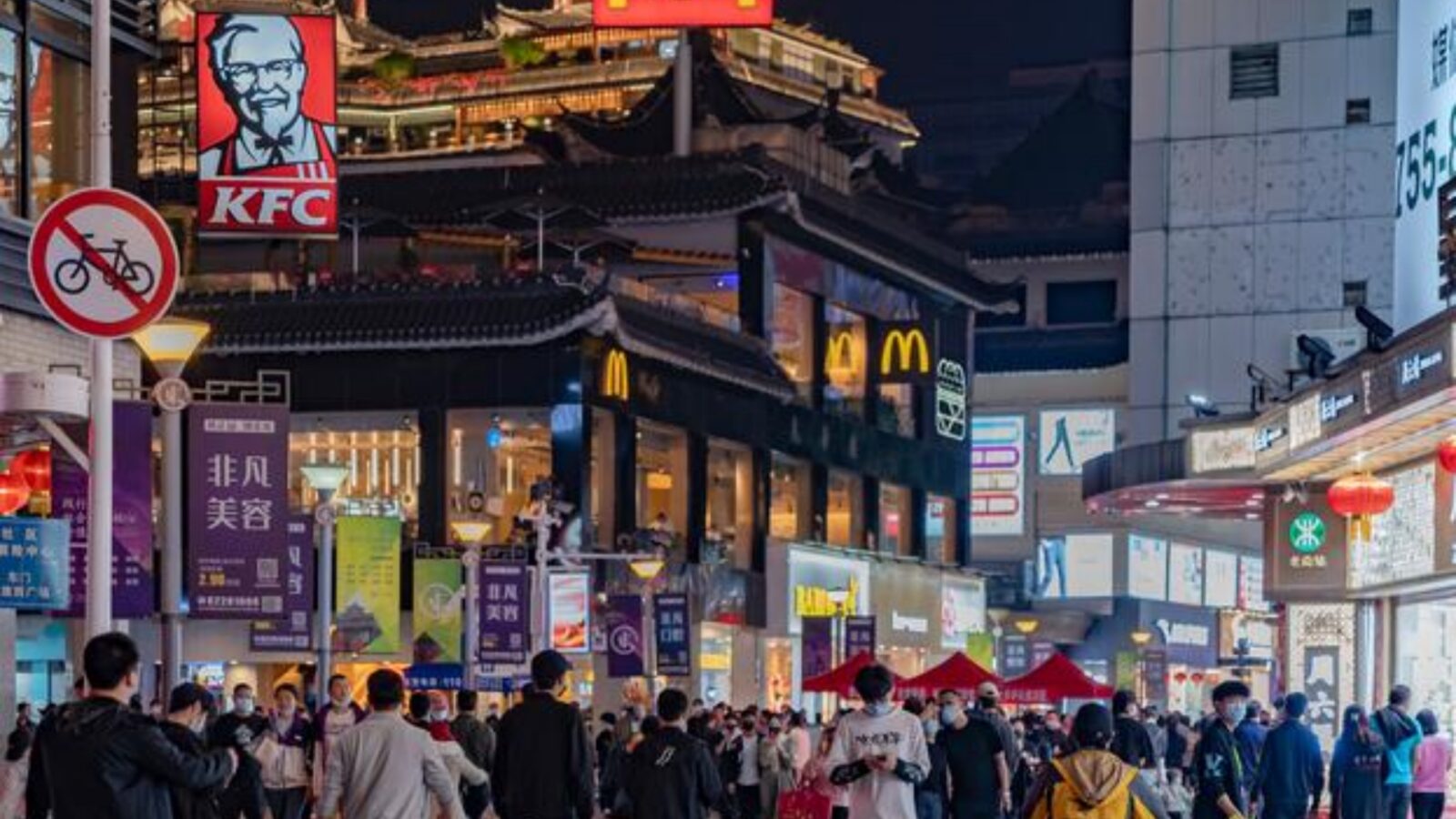
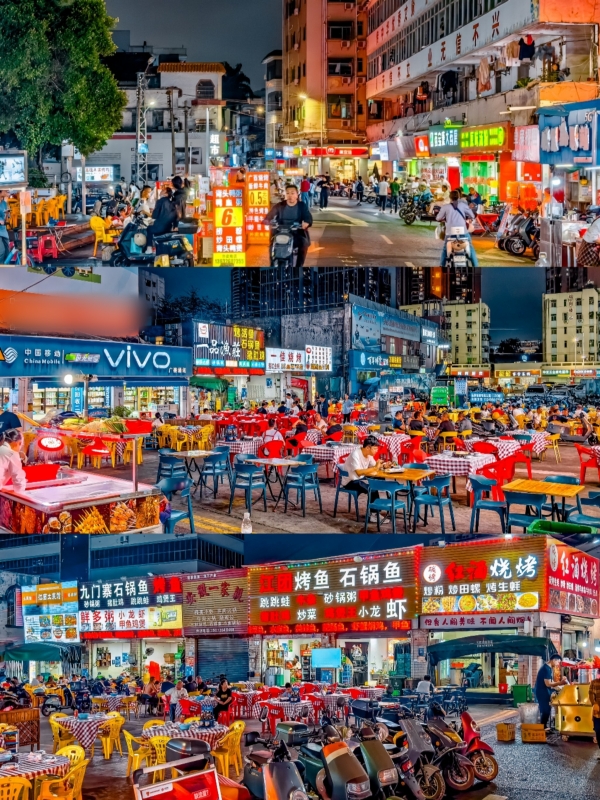
No trip through night market China would be complete without a visit to these urban beacons, the heart of food culture after dark in China’s cities. From the frozen expanse of the northeast and Harbin to the tropics and Xishuangbanna by the river, the cities unfold their food streets at night and each is imbued with its own geography, history, and food identity; smoky northern Chinese lamb skewers, pretty rice rolls from Guangdong, numbing-spicy broths from Sichuan, herbaceous wild-mushroom flavours in Yunnan. These flavours awaken when the sun goes down, served by vendors who perfected one dish over a lifetime. We take you, region by region, into the country’s most distinctive after-dark food cultures, the nine places in China where the ipseity of that geography and that culture is embodied most vibrantly.
Regional Flavors by City in China
I’ve never known food to change so much within a few hundred miles as in China. These nine markets represent almost all of China’s main cuisines, and what unrolls in front of you as you eat your way through them is the fastest and most delightful course in Chinese culture on offer.
Overview of City Flavor and Signature Foods
| City | Flavor Profile (5 Words) | Signature Foods | Top Night Markets | Recommend |
|---|---|---|---|---|
| Xishuangbanna | Tropical, herbaceous, exotic, smoky, sour | Dai BBQ, Lemongrass Grilled Fish, Pineapple Rice | Starlight Night Market, Manting Road Market | ⭐⭐⭐⭐⭐ |
| Guangzhou | Fresh, delicate, refined, umami, traditional | Clay Pot Rice, Rice Noodle Rolls, Sweetheart Cake | Shangxiajiu, Beijing Road Food Street | ⭐⭐⭐⭐⭐ |
| Beijing | Robust, ceremonial, bold, sesame-rich, late-night | Mala Crayfish, Copper Hotpot, Lamb Skewers | Guijie (Ghost Street), Wangfujing Snack Street | ⭐⭐⭐⭐⭐ |
| Harbin | Hearty, cumin-forward, generous, smoky, wheat-based | Grilled Cold Noodles, Lamb Ribs, Griddle Flatbread | Shida Night Market, Central Avenue Food Street | ⭐⭐⭐⭐ |
| Shenzhen | Hybrid, cross-border, creative, cosmopolitan, fresh | Chaoshan Beef Hotpot, Coconut Chicken, Taiwanese Sausage Bun | Shuiwei 1368, Huaqiangbei Food Street | ⭐⭐⭐⭐ |
| Chengdu | Numbing, spicy, fermented, innovative, street-creative | Cold-Pot Chicken, Grilled Sweet Potato Sheet, Crispy Potato Cake | Jianshe Road, Jinli Ancient Street | ⭐⭐⭐ |
| Chongqing | Intense, tallow-rich, fiery, vertical, communal | Chongqing Spicy Noodles, Mala Hotpot, Grilled Fish | Jiaochangkou, Hongyadong Food Terrace | ⭐⭐⭐ |
| Shanghai | Eclectic, sweet-savoury, inclusive, cosmopolitan, accessible | Sheng Jian Bao, Scallion Pancakes, Pan-regional Noodles | Sijing Night Market, Yuyuan Bazaar | ⭐⭐ |
| Kunming | Herbaceous, sour, biodiverse, slow-dining, earthy | Grilled Yunnan Cheese, Wild Mushroom Hotpot, Rice Noodles | Nanqiang Street, Wenlin Street Food Lane | ⭐⭐ |
Harbin & Beijing
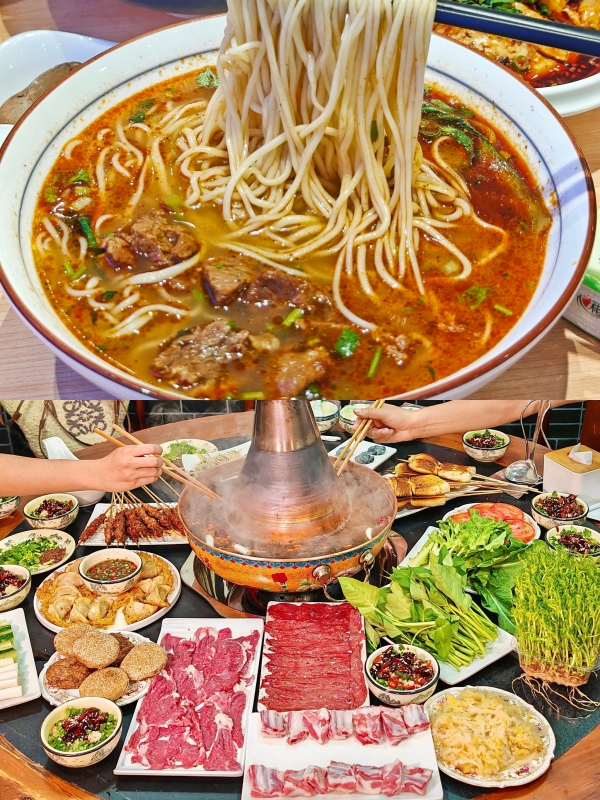
Flavor of Harbin & Beijing
Harbin (Northeast China): Flour-forward and carnivorous. Wheat flatbreads, griddle noodles, and charcoal-grilled lamb define the northeastern palate—food built for cold climates and the kind of generosity that insists on feeding guests past capacity. Key flavours: cumin, garlic, mild chilli, sesame. For a full guide to eating after dark in the city, see our dedicated resource on Harbin night markets.
Beijing (North China): Nuanced and pompous. Beijing street food runs the spectrum from lamb hotpot (meditative and modest) to crayfish (loud and celebratory) united in their love of theater and the insistence of locals to eat well at all hours. Key flavors: sesame paste, wildly sweet thick fermented soybean paste, Sichuan chilli oil. For a comprehensive district-by-district map of the capital's after-dark food scene, explore our full guide to Beijing night markets.
Shanghai
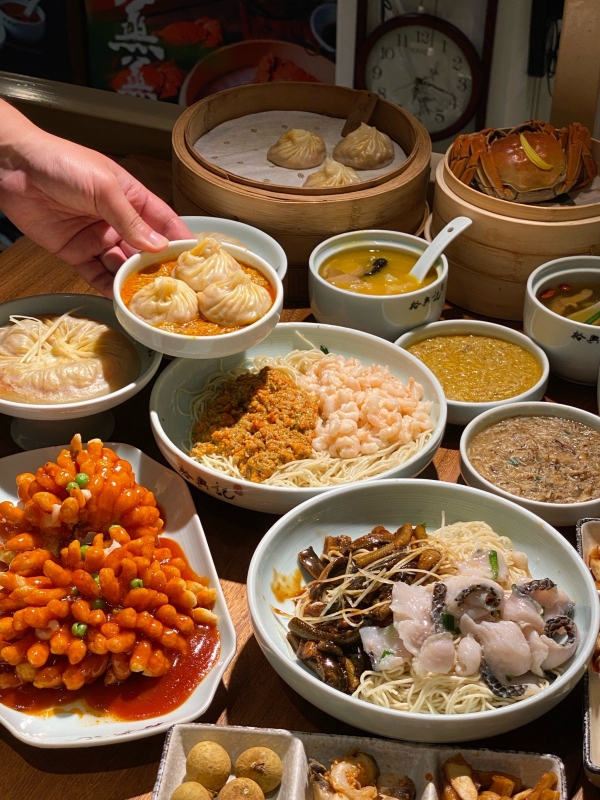
Flavor of Shanghai
Shanghai (Yangtze Delta): Inclusive and eclectic. Far from written rules, Shanghai’s night markets are guided by the city’s history as a trade hub — somewhere flavors from every province come together and are quietly improved. Key flavours: sweet-savoury balance, soy, rice-based starches. Our complete guide to Shanghai night markets maps those choices across every major district.
Guangzhou & Shenzhen
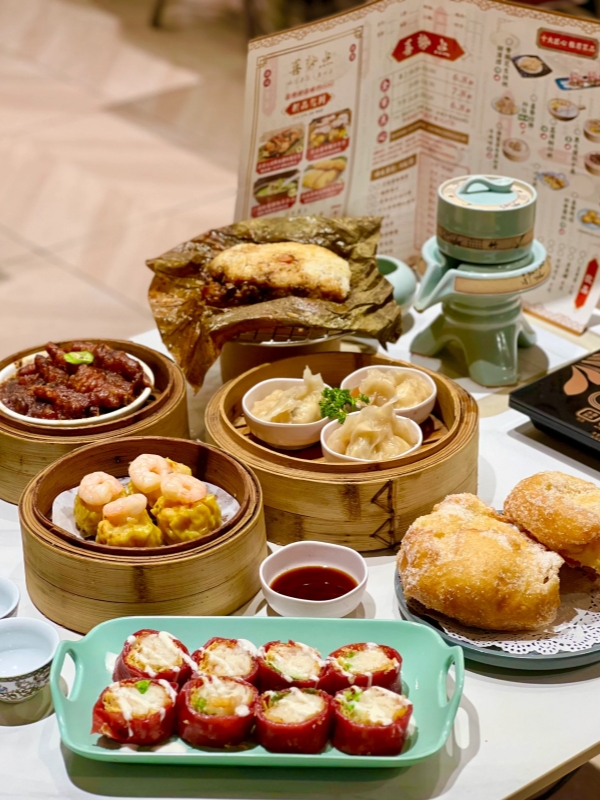
Flavor of Guangzhou & Shenzhen
Guangzhou & Shenzhen (Lingnan / Cantonese): Cantonese cuisine emphasises fresh, seasonally based dishes by using the ingredients natural flavors to provide flavour rather than using overpowering sauces. Key flavorings in this style of cooking include soy, ginger, sesame oil and the umami flavour found in fresh fish and shellfish. Our detailed guide to Guangzhou night markets covers that full nocturnal landscape, district by district. Shenzhen takes those same Lingnan foundations and channels them through the energy of a city built in forty years — its revived urban-village markets have evolved a hybrid character worth exploring in our guide to Shenzhen night markets.
Chengdu & Chongqing
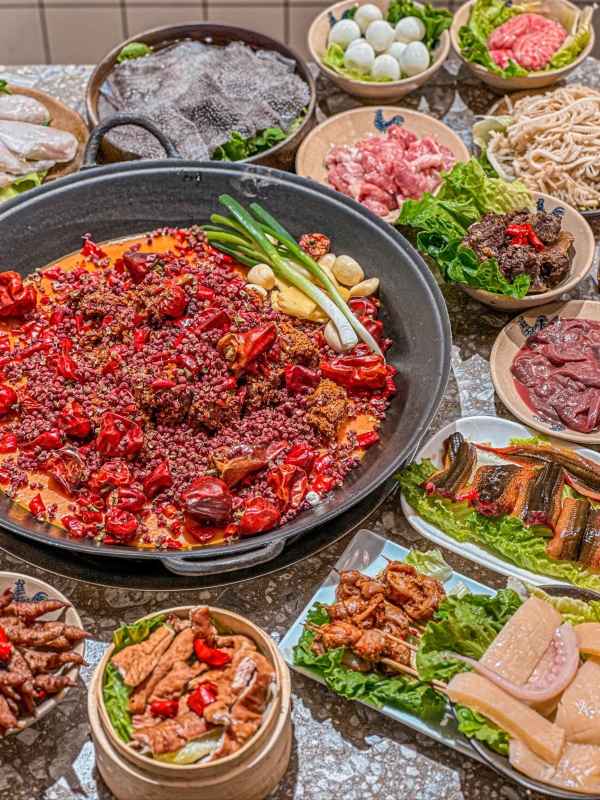
Flavor of Chengdu & Chongqing
Chengdu (Sichuan): Chengdu Street Food has a numbing spice sensation that blurred lines by combining the traditional Sichuan heat with tingling from the peppercorn and fermented richness with innovation and willingness to use new formats. Flavonoids include: Douban Jiang, Sichuan Peppercorn, Platter Fat, and Vinegar. Our guide to Chengdu night markets navigates the balance between heritage stalls and trend-driven newcomers.
Chongqing: Sichuan's strongest alter ego can be found in Chongqing cooking; they share similar historical developments, but Chongqing cooking pushes the Sichuan limits – they use much more tallow and chilli, and they willingly use any edible portion of the animal. The key flavour components include tallow, dried chilli, fermented black beans and Sichuan peppercorns. Our guide to Chongqing night markets traces this topographic food map across the city's most distinctive neighbourhoods.
Kunming & Xishuangbanna
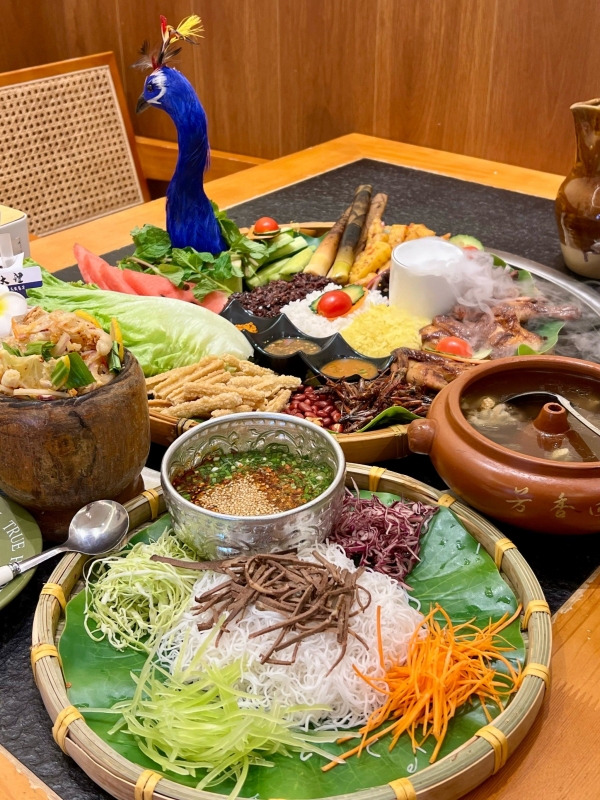
Flavor of Kunming & Xishuangbanna
Kunming & Xishuangbanna (Yunnan): Herbaceous, sour, and biodiverse. Yunnan's food reflects its position at the intersection of Chinese, Southeast Asian, and Tibetan culinary influences, combined with a larder of extraordinary richness — wild mushrooms, fresh dairy, aromatic herbs, and tropical fruits. Key flavours: lemongrass, fermented sauces, fresh chilli, sour notes. Explore the full scene in our guides to Kunming night markets and Xishuangbanna night markets.
Best 9 Night Market in China
With hundreds of night markets operating across China, narrowing the list is no small task. The nine markets below were selected for their cultural authenticity, culinary depth, accessibility, and overall visitor experience. Here's how they rank — and what makes each one essential.
| # | Night Market | City | Signature Experience | Avg Spend | Best Time | Rating |
|---|---|---|---|---|---|---|
| 1 | Sijing Night Market | Shanghai | Pan-China street food in a 1,000-year-old watertown | ¥40–60 | Dusk – 10 PM | ★★★★★ 5.0 |
| 2 | Shangxiajiu Pedestrian Street | Guangzhou | Cantonese classics under century-old qilou arcades | ¥50–80 | 7–9 PM | ★★★★★ 4.9 |
| 3 | Guijie (Ghost Street) | Beijing | 24-hour hotpot & mala crayfish under 2,000 red lanterns | ¥80–150 | After 9 PM | ★★★★★ 4.8 |
| 4 | Shida Night Market | Harbin | Northeast BBQ culture fuelled by university energy | ¥30–60 | 7–9 PM (summer) | ★★★★ 4.7 |
| 5 | Shuiwei 1368 Cultural Block | Shenzhen | Cross-border Chaoshan & Taiwanese fusion in a revived urban village | ¥60–120 | Fri–Sat, 6 PM+ | ★★★★ 4.6 |
| 6 | Jianshe Road Night Market | Chengdu | Sichuan street food innovation powered by student taste-testing | ¥40–80 | 6–8 PM weekdays | ★★★★ 4.6 |
| 7 | Jiaochangkou Night Market | Chongqing | Vertically terraced málà dining with a cyberpunk skyline backdrop | ¥50–100 | After 8 PM | ★★★★ 4.5 |
| 8 | Starlight Night Market (Gaozhuang) | Xishuangbanna | ~3,000 Dai & Southeast Asian stalls under an illuminated golden stupa | ¥50–100 | After 7:30 PM | ★★★★ 4.5 |
| 9 | Nanqiang Street Night Market | Kunming | Qing-era heritage lanes with wild mushroom hotpot and specialty coffee | ¥50–90 | 7 PM weekdays | ★★★★ 4.4 |
1. Sijing Night Market (Shanghai)
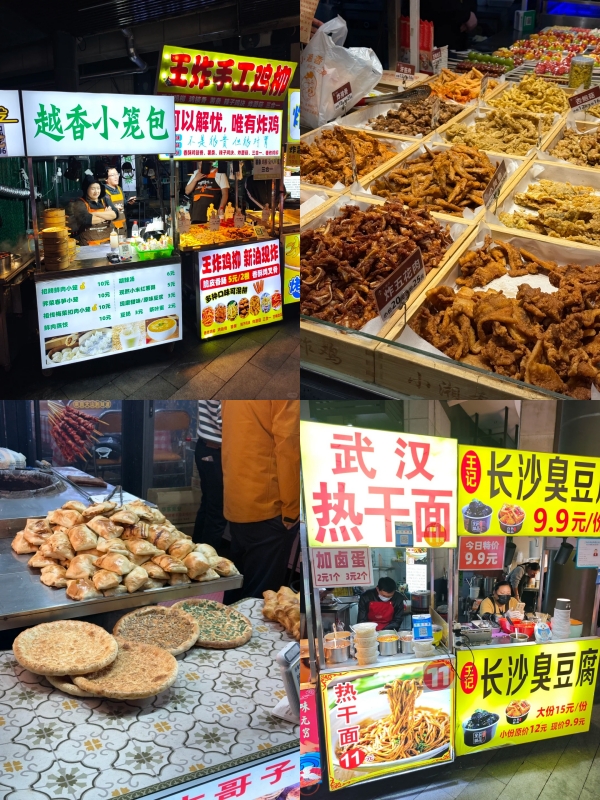
Sijing Night Market
🏮 SIJING ANCIENT TOWN · SONGJIANG DISTRICT
Sijing is Shanghai's most user friendly pan-Chinese street food experimentation centre located on the canals of a 1000 year old Jiangnan watertown. You can wander around and eat from six different provinces without leaving the illuminated canal pathway at night.
| 📍 Location: Sijing Ancient Town, Songjiang | 💰 Budget: ¥40–60 / person |
| 🕒 Hours: Dusk – midnight (peak 7–10 PM) | 🚇 Transit: Metro Line 9 → Sijing Station |
🍽️ Must-Try:
| Dish | Flavour & Character | Est. Price |
|---|---|---|
| Grilled Cold Noodles (烤冷面) | Chewy buckwheat-rice sheets griddled with egg, savoury-smoky with a soft char finish | ¥8–12 |
| Wuhan Hot Dry Noodles (武汉热干面) | Alkaline noodles tossed in sesame paste, warm and dense with a nutty depth | ¥10–15 |
| Cantonese Rice Rolls (肠粉) | Silky steamed rice sheets filled with shrimp or pork, mild and delicate | ¥10–18 |
🎯 Best For: First-timers wanting a breadth-first taste of Chinese street food · Budget eaters · Families seeking a historic setting
2. Shangxiajiu Pedestrian Street Night Market (Guangzhou)
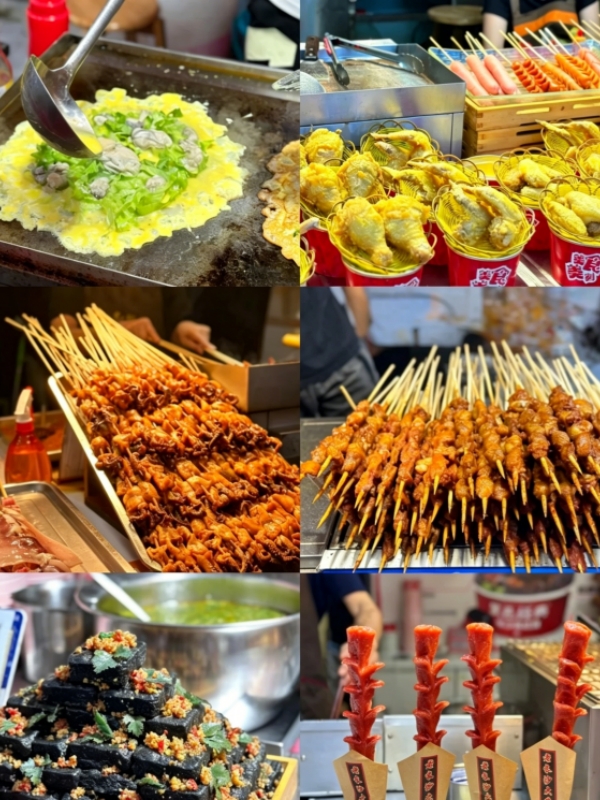
Shangxiajiu Pedestrian Street Night Market
🏮 LIWAN DISTRICT · GUANGZHOU
Shangxiajiu is an example of the edible living museum of Guangzhou. There are all kinds of shopfronts that date back to the early 20th century, along with plenty of neon lighting. The street level of this district contains all kinds of businesses that have operated the same way for hundreds of years and is the epitome of Guangfu cuisine before you go into a restaurant to eat.
| 📍 Location: Shangxiajiu Pedestrian Street, Liwan | 💰 Budget: ¥50–80 / person |
| 🕒 Hours: Night market from 6 PM – midnight | 🚇 Transit: Metro Line 1 → Changshou Lu (Exit D) |
🍽️ Must-Try:
| Dish | Flavour & Character | Est. Price |
|---|---|---|
| Clay Pot Rice (煲仔饭) | Rice slow-cooked in clay until a crispy base forms; savoury, smoky, deeply satisfying | ¥25–40 |
| Ginger Milk Pudding (姜撞奶) | Warm milk set with ginger juice; silky, lightly spiced, subtly sweet | ¥10–15 |
| Rice Noodle Rolls (肠粉) | Gossamer rice rolls around prawn or char siu; fresh, clean, dressed in soy and sesame | ¥10–18 |
🎯 Best For: Cantonese food purists · Architecture lovers · Weekday evening diners seeking a calmer atmosphere
3. Guijie (Ghost Street) Night Market (Beijing)
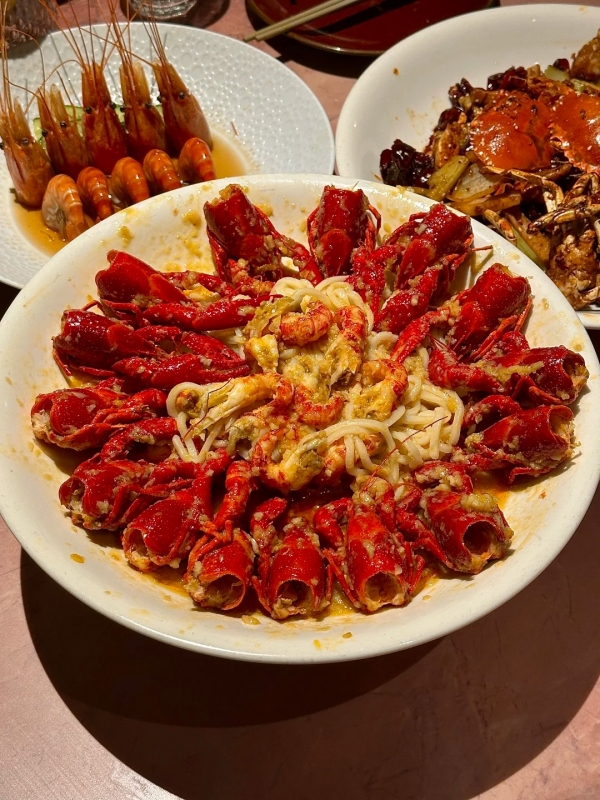
Guijie (Ghost Street) Night Market
🏮 DONGZHIMENNEI DAJIE · DONGCHENG DISTRICT
Beijing's most well-known food corridor, lined with over 2,000 red-looking lights, has a 24-hour operational schedule; therefore if you wonder whether it’s too late for you to order hotpot—the answer is no. Guijie, also known as "food street," celebrates the late-night food scene in Beijing like no other food street can.
| 📍 Location: Dongzhimennei Dajie, Dongcheng | 💰 Budget: ¥80–150 / person |
| 🕒 Hours: 24 hours (peak 7 PM – 2 AM) | 🚇 Transit: Metro L5 → Beixinqiao / L2 → Dongzhimen |
🍽️ Must-Try:
| Dish | Flavour & Character | Est. Price |
|---|---|---|
| Mala Crayfish (麻辣小龙虾) | Bright-red crayfish braised in Sichuan oil; fiery, numbing, finger-staining fun | ¥58–98 / portion |
| Beijing Copper Hotpot (老北京铜锅涮肉) | Paper-thin lamb swirled in clear charcoal-heated broth; pure, clean, ceremonial | ¥80–150 / person |
| Grilled Fish (烤鱼) | Whole fish grilled then simmered in spiced tallow; bold, rich, shareable | ¥60–120 |
🎯 Best For: Night owls · Hotpot enthusiasts · Solo travelers who want a buzzing street at any hour
4. Shida Night Market (Harbin)
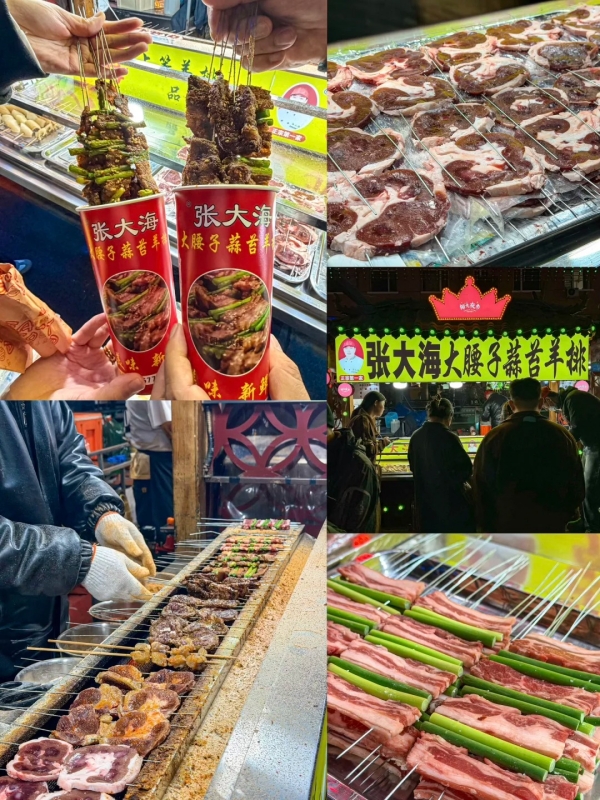
Shida Night Market
🏮 WENXING STREET · NANGANG DISTRICT · NEAR HARBIN NORMAL UNIVERSITY
Even if it's freezing at -20°C, you can still have a great time at Shida Night Market, where you'll find fun activities powered by Students' Energy, lots of food, and the fun & friendly Northeast outdoors grilling tradition. Also featured is an area to hear live music performed on a designated stage, and vendors who enjoy engaging in conversation.
| 📍 Location: Wenxing Street, Nangang District | 💰 Budget: ¥30–60 / person |
| 🕒 Hours: 5 PM – midnight (active May–Oct) | 🚇 Transit: Bus to Harbin Normal University (S. Campus) |
🍽️ Must-Try:
| Dish | Flavour & Character | Est. Price |
|---|---|---|
| Grilled Cold Noodles (烤冷面) | Northeastern classic: griddle-charred noodle sheet wrapped around egg and sauces; smoky and satisfying | ¥8–12 |
| Garlic-Charred Lamb Ribs (蒜香羊排) | Large-cut ribs blackened over charcoal with roasted garlic; bold, cumin-forward, generously meaty | ¥25–45 |
| Zhaodong Griddle Flatbread (肇东烤饼) | Sesame-crusted wheat bread cooked on a dry griddle; crisp outside, chewy within | ¥5–8 |
🎯 Best For: BBQ lovers · Budget travelers · Visitors during Harbin's winter festival season
5. Shuiwei Village Night Market (Shenzhen)
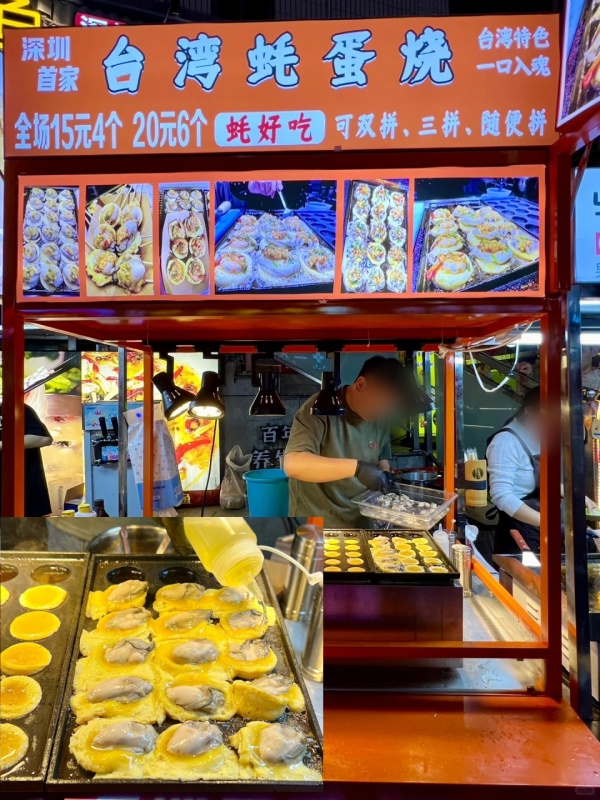
Shuiwei Village Night Market
🏮 SHUIWEI VILLAGE · FUTIAN DISTRICT · SHENZHEN
A resurrected Lingnan fishing settlement that tells the tale of Shenzhen's transformation: streetscapes of preserved old buildings adorned with twinkling fairy lights; dining options representing the cuisine of southern Guangdong and Taiwan; and the continuous, enduring background noise from crowds of tourists from Hong Kong who are continually passing through a Customs kiosk located next door.
| 📍 Location: Shuiwei Village, Futian District | 💰 Budget: ¥60–120 / person |
| 🕒 Hours: 5 PM daily; Fri–Sun busiest until midnight | 🚇 Transit: Metro L4 / L7 / L10 → Fumin Station |
🍽️ Must-Try:
| Dish | Flavour & Character | Est. Price |
|---|---|---|
| Chaoshan Beef Hotpot (潮汕牛肉火锅) | Ultra-fresh hand-cut beef swirled in clear broth; clean, sweet, luxuriously tender | ¥60–120 / person |
| Taiwanese Sausage Rice Bun (台湾大肠包小肠) | Sticky rice "bun" stuffed with pork sausage; sweet-savoury, chewy, deeply satisfying | ¥15–20 |
| Coconut Chicken Hotpot (椰子鸡) | Free-range chicken simmered in fresh coconut water; subtly sweet, herbaceous, clean | ¥50–90 / person |
🎯 Best For: Cross-border food explorers · Weekend visitors from Hong Kong · Creative market shoppers
6. Jianshe Road Night Market (Chengdu)
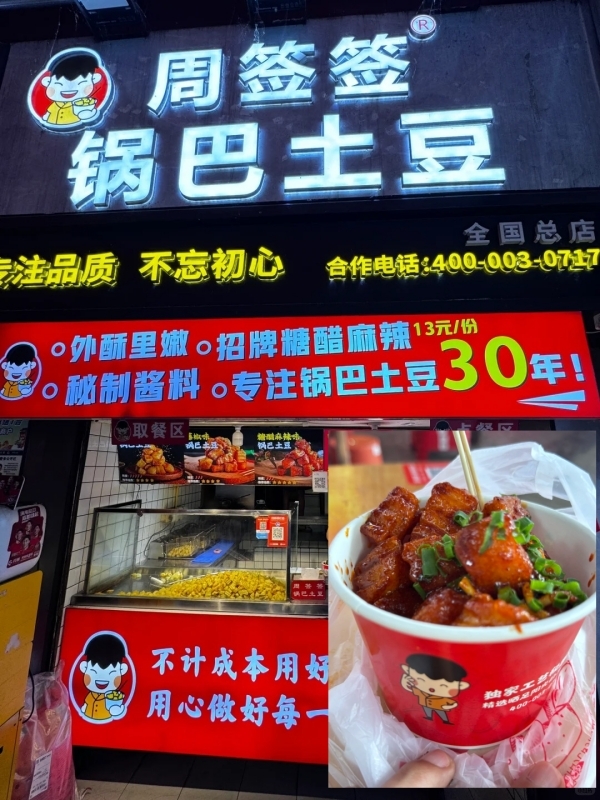
Jianshe Road Night Market
🏮 JIANSHE ROAD · CHENGHUA DISTRICT · NEAR UESTC
This is where Chengdu's future tastes develop and are filmed for Douyin's "Daily Taste Diary". A student led trend incubator which brings together the fundamentals of málà cooking and allows for continuous experimentation while keeping Chengdu's legendary slow pace.
| 📍 Location: Jianshe Road, Chenghua District | 💰 Budget: ¥40–80 / person |
| 🕒 Hours: 5 PM – midnight (or later) | 🚇 Transit: Metro Line 6 → Jianshe North Road |
🍽️ Must-Try:
| Dish | Flavour & Character | Est. Price |
|---|---|---|
| Crispy Potato Cakes (锅巴土豆) | Shredded potato pressed and griddled until lacquered golden; crunchy, savoury, moreish | ¥8–12 |
| Grilled Sweet Potato Noodle Sheet (烤苕皮) | Translucent sheets grilled then doused in chilli oil and vinegar; chewy, tangy, numbing | ¥10–15 |
| Sichuan Cold-Pot Chicken (钵钵鸡) | Cold skewers of chicken and offal bathed in Sichuan chilli oil; numbing, fragrant, addictive | ¥2–5 per skewer |
🎯 Best For: Food trend chasers · Spice enthusiasts · Content creators and food photographers
7. Jiaochangkou Night Market (Chongqing)
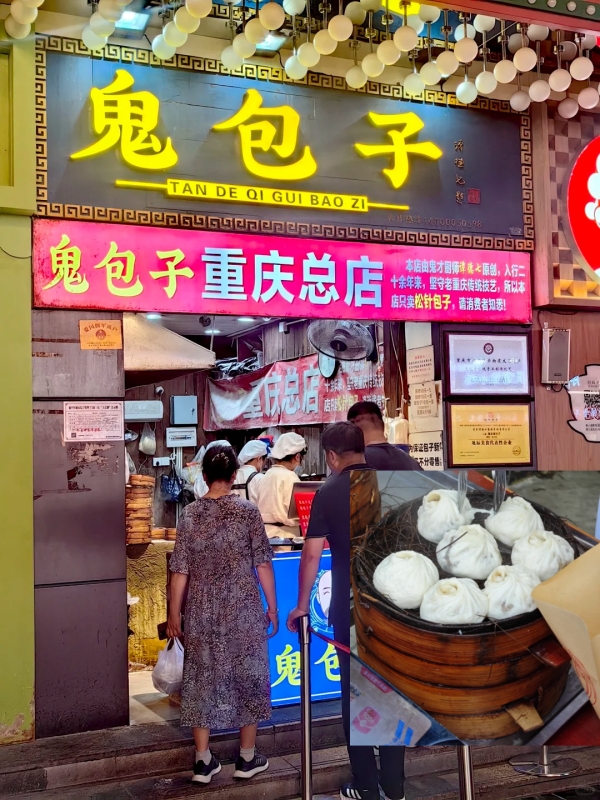
Ghost Bun
🏮 JIAOCHANGKOU · YUZHONG DISTRICT · NEAR JIEFANGBEI
The cascading terraces of food carts located on the steep incline of Chongqing are surrounded by buildings twenty-three stories high and fragrant with the aromas of cooking food. This region offers a very unique mix that is extremely strong and totally different from other parts of China.
| 📍 Location: Jiaochangkou, Yuzhong District | 💰 Budget: ¥50–100 / person |
| 🕒 Hours: 5 PM – 1 AM daily | 🚇 Transit: Metro L1 or L2 → Jiaochangkou Station |
🍽️ Must-Try:
| Dish | Flavour & Character | Est. Price |
|---|---|---|
| Grilled Pork Brain (九村烤脑花) | Whole brain grilled in foil with doubanjiang and scallion; creamy, intensely savoury, boldly funky | ¥20–35 |
| Ghost Dumplings (charcoal bao) (鬼包子) | Jet-black steamed buns coloured with activated charcoal; dramatic appearance, soft and meaty inside | ¥8–15 |
| Chongqing Spicy Noodles (重庆小面) | Thin wheat noodles in tallow-red broth; ferociously spicy, fragrant, deeply warming | ¥10–18 |
🎯 Best For: Adventurous eaters · Architecture & skyline enthusiasts · Evening itineraries anchored near Jiefangbei
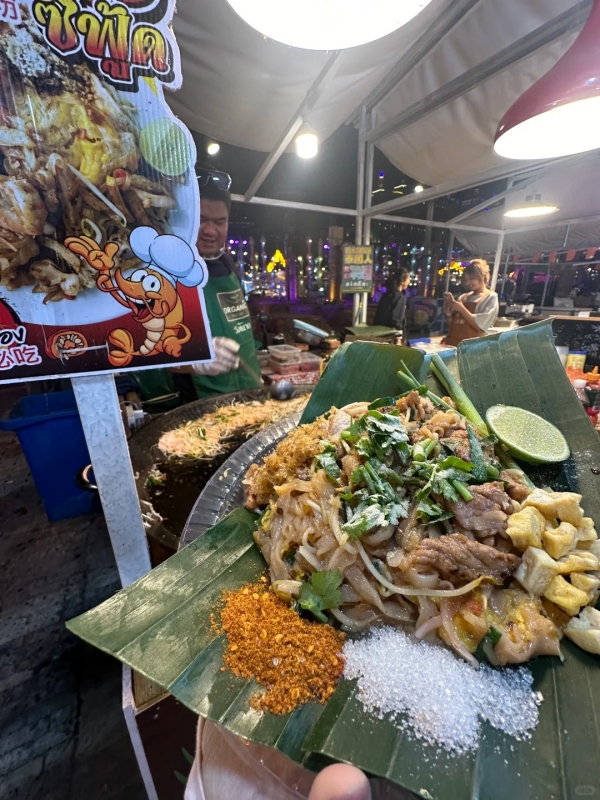
8. Starlight Night Market, Gaozhuang (Xishuangbanna)
Starlight (Gaozhuang) Night Market
🏮 GAOZHUANG RESORT · JINGHONG CITY · XISHUANGBANNA
With the twinkle of almost three thousand stalls on the ground below and a large golden stupa shining down on them from above, plus a variety of menu items representing Yunnanese, Dai, Lao and Burmese cultures — the Starlight Night Market could easily be considered the most beautiful open-air food market in Asia.
| 📍 Location: Gaozhuang Resort, Jinghong, Xishuangbanna | 💰 Budget: ¥50–100 / person |
| 🕒 Hours: 6 PM – midnight (year-round) | 🚇 Transit: Taxi / Didi from Jinghong city centre (~15–20 min) |
🍽️ Must-Try:
| Dish | Flavour & Character | Est. Price |
|---|---|---|
| Pounded Chicken Feet (舂鸡脚) | Blanched feet pounded with lemongrass, chilli, and lime; sour, herbal, brilliantly refreshing | ¥12–18 |
| Dai-Style Barbecue (傣味烧烤) | Lemongrass-marinated meats grilled over coconut husk; fragrant, charred, with tropical herbaceousness | ¥5–15 per skewer |
| Laotian Iced Coffee (老挝冰咖啡) | Strong drip coffee over condensed milk and ice; intensely sweet, smooth, tropical | ¥15–25 |
🎯 Best For: Scale & spectacle seekers · Cross-border cuisine explorers · Dai cultural immersion (especially during the Water Splashing Festival)
9. Nanqiang Street Night Market (Kunming)
Nanqiang Street Night Market
🏮 NANQIANG STREET · WUHUA DISTRICT · KUNMING
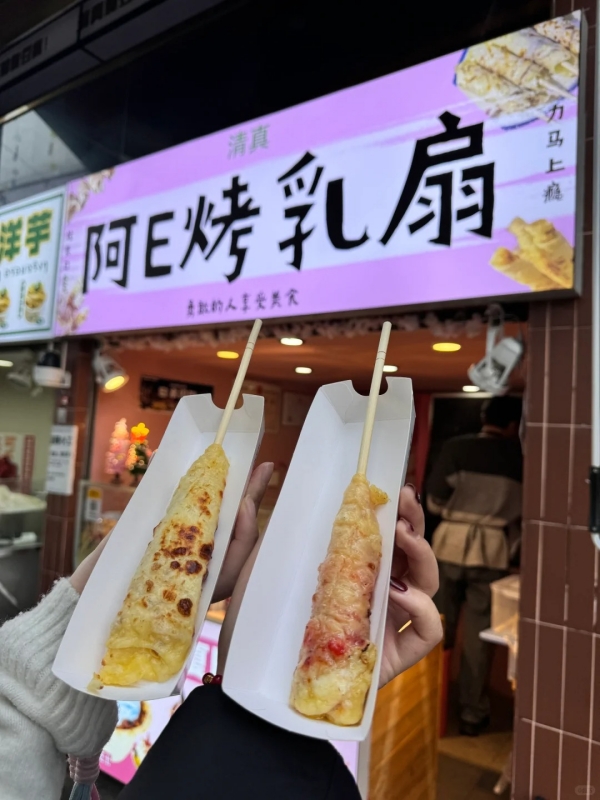
The classiest destinations for an evening out in Kunming include the old lanes containing wild mushroom hotpot, grilled Yunnan-style cheese, intangible cultural heritage artisans and specialty coffee roasters that make up a marketplace designed for leisurely enjoyment, but not to hurry, as it is always appropriate to do so due to the wonderful climate of Kunming.
| 📍 Location: Nanqiang Street, Wuhua District, Kunming | 💰 Budget: ¥50–90 / person |
| 🕒 Hours: 6 PM – midnight (daily; shops open earlier) | 🚇 Transit: Metro L3 → Wuyi Road / L2 → Tangziyan |
🍽️ Must-Try:
| Dish | Flavour & Character | Est. Price |
|---|---|---|
| Grilled Yunnan String Cheese (烤乳扇) | Fan-shaped fresh cheese grilled until blistered; savoury-milky, chewy, often glazed with rose jam | ¥10–18 |
| Wild Mushroom Hotpot (野生菌火锅) | Yunnan foraged mushrooms simmered in clear chicken broth; earthy, complex, umami-rich | ¥80–150 / person |
| Small-Pot Rice Noodles (小锅米线) | Individual copper-pot rice noodles in savoury pork broth; warming, precise, perfectly portioned | ¥15–25 |
🎯 Best For: Heritage architecture admirers · Foodie-coffee crossover travelers · Those who prefer calm depth over loud spectacle
💡 Beijing Food & Shopping Tips: Night market finds are just one part of a bigger adventure — see all the highlights in the best things to do in Beijing guide.
Must Try Street Food in Chinese Night Market
The range of Chinese street food available in night markets is staggering, ranging from grilled meats on skewers to silky soft rice rolls and cold pot chicken. Each type of food is linked to the city it comes from because of its local ingredients, weather, and hundreds of years of experience making food on the streets.
Staple Grains (主食)
Grilled Cold Noodles
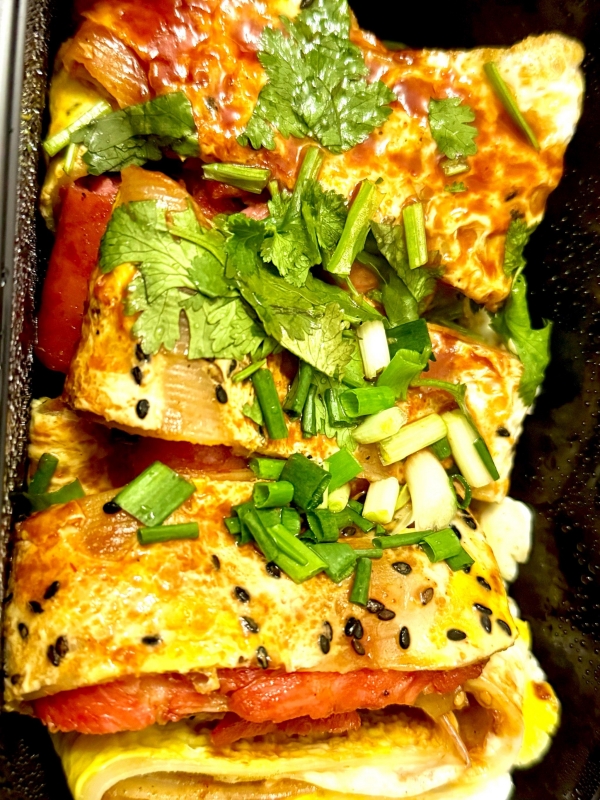
Grain-based street foods are the backbone of Chinese night market eating. From north to south, every region has shaped its local staple — wheat, rice, or buckwheat — into an iconic handheld format that defines the local food identity.
- 🍜 Grilled Cold Noodles (烤冷面): Harbin's defining night market snack — buckwheat-rice sheets char-griddled with egg, sweet sauce, and vinegar. Smoky, chewy, and deeply satisfying. ¥8–12 at Shida Night Market.
- 🍚 Clay Pot Rice (煲仔饭): Guangzhou's slow-cooked clay pot creates a golden crispy rice crust under savoury toppings. The patience required to make it properly is what sets Guangzhou's Shangxiajiu stalls apart. ¥25–40.
- 🍝 Sichuan Cold-Pot Chicken (钵钵鸡): Cold skewers of chicken and offal bathed in numbing Sichuan chilli oil, served cold at room temperature. A Chengdu original — fragrant, addictive, and perfectly portable at ¥2–5 per skewer.
- 🧆 Small-Pot Rice Noodles (小锅米线): Kunming's copper-pot signature — individual-portion rice noodles in savoury pork broth, cooked to order. The precise, unhurried format perfectly reflects Yunnan's slow-dining culture. ¥15–25.
⚠️ Avoidance Tips — What to Skip:
- Rice noodle rolls (肠粉) sold outside Guangdong rarely match the original — transplanted versions tend to be thicker, stickier, and under-seasoned.
- "Chongqing noodles" at tourist-centric markets often use generic chilli oil rather than authentic tallow-based broth — the flavour gap is significant.
- Pre-packaged "regional specialty" grain snacks at airport-style market stalls are typically mass-produced and overpriced compared to stall-fresh versions.
Open Flame (烧烤)
Dai-Style Lemongrass Barbecue
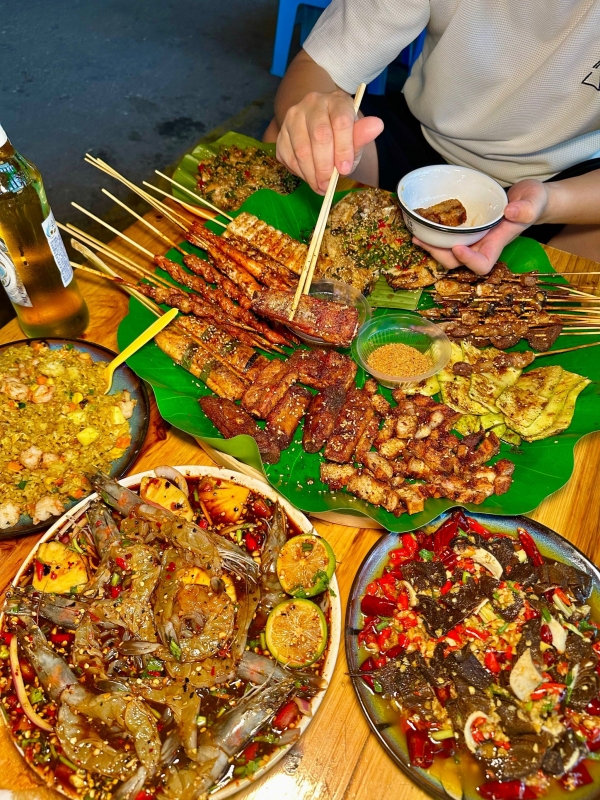
Open-flame grilling is a universal language at night markets throughout China. The BBQ culture in each city tells a different story from the fire and smoke; from the cumin-rubbed lamb pits in the northeast to the lemongrass-wrapped Dai skewers in the tropical southern regions of China.
- 🍖 Garlic-Charred Lamb Ribs (蒜香羊排): The centrepiece of Harbin's BBQ tradition — large-cut ribs blackened over charcoal with roasted garlic and cumin. Bold, generous, unmistakably northeastern. ¥25–45 at Shida Night Market.
- 🌿 Dai-Style Lemongrass Barbecue (傣味烧烤): Xishuangbanna's open-flame skewers wrapped in lemongrass or banana leaf — fragrant, herbaceous, and subtly tropical. Genuine versions are only reliably found at Starlight Night Market. ¥5–15 per skewer.
- 🥔 Grilled Sweet Potato Noodle Sheet (烤苕皮): Chengdu's Jianshe Road signature — translucent sheets grilled then doused in chilli oil and vinegar. Chewy, tangy, numbing. ¥10–15.
- 🦞 Mala Crayfish (麻辣小龙虾): Beijing's Guijie (Ghost Street) is the spiritual home of this messy communal feast — bright-red crayfish braised in Sichuan oil, best ordered after 9 PM. ¥58–98 per portion.
⚠️ Avoidance Tips — What to Skip:
- Whole grilled squid and large seafood pieces are frequently priced by weight with no posted menu — common at tourist-heavy markets in Beijing and Shanghai. Always confirm price before ordering.
- Identical skewer stands with matching signage and packaging are a red flag — real BBQ stalls have smoke-stained setups and individual character.
- "Xinjiang lamb skewers" (新疆羊肉串) sold by non-Xinjiang vendors in touristy areas often lack the authentic cumin-and-fat balance of the real thing. Look for actual Muslim-run stalls.
Sweets and Drinks (甜品饮品)
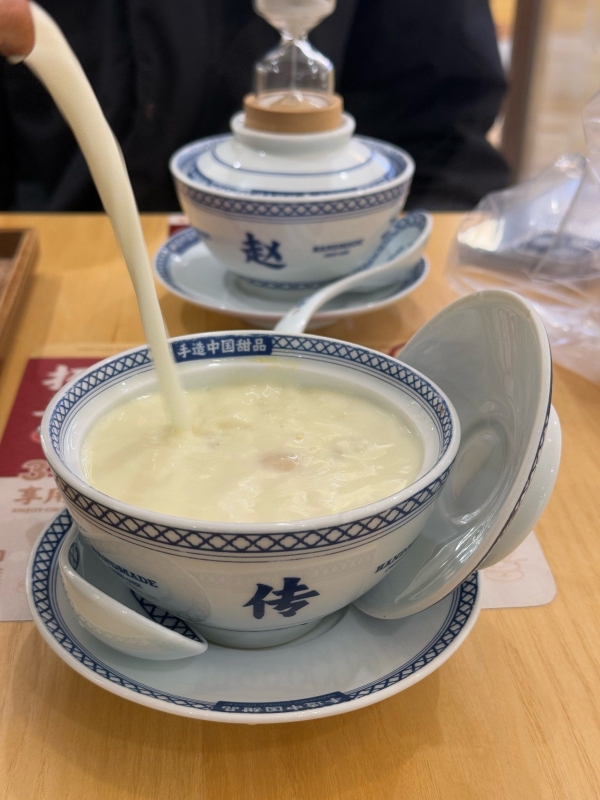
Ginger Milk Pudding
China's night market sweet culture is far more nuanced than generic "dessert stalls" suggest. Each region has its own signature sweet format — rooted in local dairy traditions, tropical fruit, or centuries-old confectionery craft.
- 🍮 Ginger Milk Pudding (姜撞奶): A living Guangzhou tradition — warm milk set with fresh ginger juice into a silky pudding. Subtle, warming, and completely unlike anything from the north. ¥10–15 at Shangxiajiu.
- 🧀 Grilled Yunnan String Cheese with Rose Jam (烤乳扇): Xishuangbanna and Kunming's beloved snack — fan-shaped fresh cheese blistered on the grill, glazed with rose jam. The savoury-sweet combination is uniquely Yunnan. ¥10–18.
- ☕ Laotian Condensed Milk Iced Coffee (老挝冰咖啡): A Xishuangbanna border specialty — intensely sweet, strong, and tropical. Genuinely cross-cultural and difficult to find anywhere outside Yunnan's southernmost markets. ¥15–25.
- 🍡 Chongqing Tanghulu Fruit Skewer (糖葫芦): A Beijing-born confection that Chongqing has claimed as its own — fresh fruit encased in crackling spun sugar. Simple, seasonal, and universally appealing. ¥5–15.
⚠️ Avoidance Tips — What to Skip:
- Dragon's beard candy (龙须糖) and rolled ice cream are extremely photogenic but mass-produced at most tourist markets — their "handmade" performance is largely theatre.
- Fruit teas branded as "local specialty" are typically the same national chain product sold everywhere from Chengdu to Shanghai at a tourist markup.
- Bubble tea and cheese-foam drinks at night markets carry a significant premium over identical products at nearby shops — they're ambient decoration, not genuine local flavours.
Fusion Bites (融合小食)
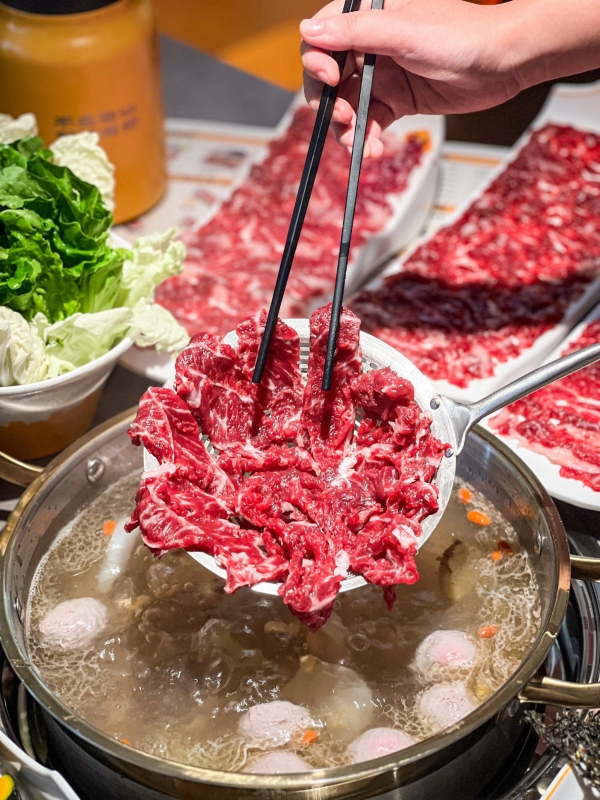
Chaoshan Beef Hotpot
China's most dynamic night market flavours emerge where cultures collide — in migrant cities, border towns, and commercial crossroads that blend culinary DNA from multiple regions into something genuinely new.
- 🥢 Chaoshan Beef Hotpot (潮汕牛肉火锅): Shenzhen's Shuiwei Village delivers ultra-fresh hand-cut beef in clear broth — a Cantonese precision tradition that Shenzhen has made its own signature. ¥60–120 per person.
- 🌭 Taiwanese Sausage Sticky Rice Bun (大肠包小肠): A cross-strait hybrid that works on every level — sticky rice "bun" stuffed with pork sausage, sweet-savoury and deeply satisfying. ¥15–20 at Shuiwei Village.
- 🍜 Pan-Regional Noodle Tasting: Shanghai's Sijing Night Market offers the widest single-venue range of China's regional noodle formats — the best place to compare eight provinces in one evening without leaving the canal path.
- 🎋 Xishuangbanna Dai Pineapple Rice (菠萝饭): Glutinous rice steamed inside a hollowed pineapple with tropical herbs — a Dai staple where Yunnan meets Southeast Asia in a single dish. ¥15–25 at Starlight Night Market.
⚠️ Avoidance Tips — What to Skip:
- "Trending" fusion items sold across ten identical stalls with matching packaging are almost always from central suppliers — the novelty is marketing, not culinary invention.
- Lobster-topped and truffle-infused street food at premium market sections is priced for social media content, not for flavour value — the ingredients rarely justify the markup.
- Shanghai Sijing's busiest tourist section near the main gate tends to serve standardised versions of popular dishes; the real variety is deeper into the market, away from the entrance stalls.
Must Buy Souvenirs at Chinese Night Markets
Night markets in China are about more than just food; many of the more popular ones serve as retail outlets for local artisans, specialty food makers, and independent fashion designers. The four categories in lists below define where night markets in China consistently outshine airport gift stores: products CWV Group 3 have real regional provenance, relatively fair pricing, and authentic cultural significance.
Regional Handicrafts (手工艺品)
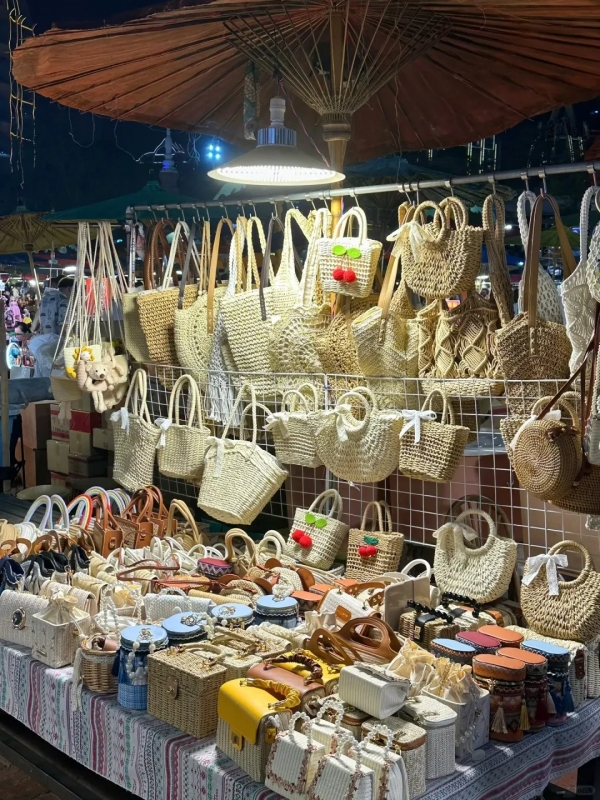
Hand-Dyed Dai Woven Tote Bag
The best souvenirs found at markets are not mass-produced but are created by an artist directly selling his or her products. Products such as hand-dyed Dai textiles available in Xishuangbanna, lacquerware made of bamboo in Kunming, and paper-cuttings produced in parts of Chengdu and Chongqing stand out for their superior quality in comparison to the more typical cheap souvenirs located in a gift shop aisle.
- 🪡 Hand-Dyed Dai Woven Tote Bag: Sold by Dai artisans at Xishuangbanna's Starlight Market — the rich depth of genuine natural dye is unmistakable. ¥40–120.
- ✂️ Hand-Cut Paper Art (剪纸): Portable, affordable, and region-specific. Artisan stalls in Chengdu and Chongqing markets carry designs tied to local opera and mythology. ¥10–50.
- 🧵 Beeswax-Thread Embroidery on Linen: A Yunnan textile tradition with strong market presence in Kunming. Minor stitch variations confirm genuine handwork over machine production. ¥80–200.
- 🎋 Handwoven Bamboo Lacquerware: A Kunming Nanqiang Street speciality — lightweight, functional, and visually distinctive. Small trays and bowls are ideal travel sizes. ¥60–180.
⚠️ Avoidance Tips — What to Skip:
- Jade pendants, dragon figurines, and calligraphy fan sets are mass-produced in Yiwu factories and sold at every market from Harbin to Xishuangbanna — none of these are regional specialties.
- Perfect uniformity across multiple pieces at a "handicraft" stall is a warning sign: real handwork always has slight, deliberate variations.
- "Non-heritage certified" ceramics with official-looking stamps are a common upsell — the stamp adds price, not authenticity.
Local Food Specialties to Take Home (地方特产)
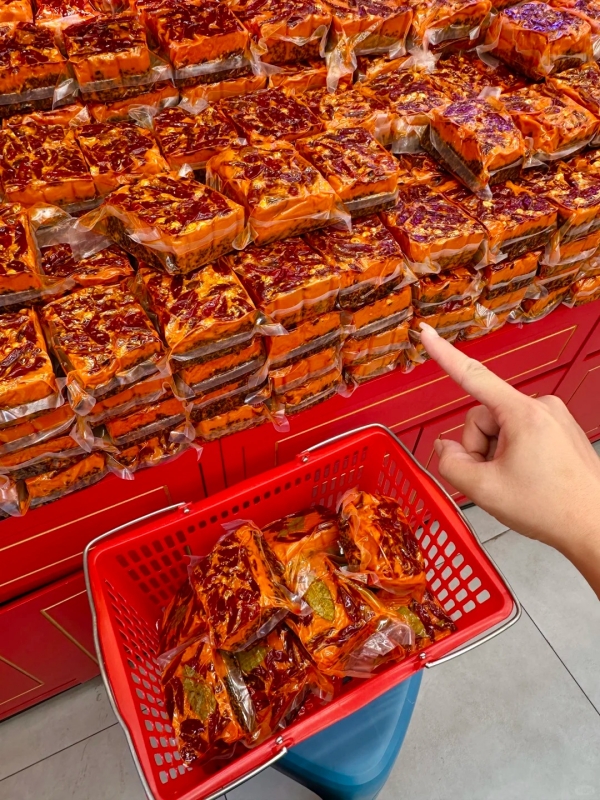
Chongqing Mala Hotpot Base Packets
Packaged regional food products that travel without refrigeration are among the most reliable night market purchases — honest provenance, much better pricing than airport duty-free, and authentic flavour that generic tourist packaging cannot replicate.
- 🌶️ Chongqing Mala Hotpot Base Packets (重庆火锅底料): Buy from vendors who specify ingredient origins — genuine Pixian doubanjiang (郫县豆瓣) in the formula is a quality indicator. ¥20–60 per pack.
- 🍄 Yunnan Dried Wild Mushrooms (野生菌干): Sold by weight at Kunming's Nanqiang Street. Porcini, matsutake, and chicken mushroom (鸡枞菌) — genuinely foraged varieties worth the premium. ¥80–300 per 100g.
- 🍪 Guangzhou Sweetheart Cake (老婆饼): Best purchased from street-side bakers in the Shangxiajiu area — the pastry-to-filling ratio is far better than sealed retail versions. ¥3–8 each.
- 🍵 Yunnan Compressed Pu-erh Tea Cake (普洱茶饼): A genuine collector's and drinker's item sold at Kunming and Xishuangbanna markets. Aged raw (生茶) varieties hold value; avoid mass-market tea with over-designed packaging. ¥60–500+.
⚠️ Avoidance Tips — What to Skip:
- Generic "regional specialty" packaging that uses local imagery but omits any production origin information is almost always made centrally for tourist distribution.
- Vacuum-packed "handmade" snacks at identical prices across multiple stalls are wholesale products — not market-made. Real artisan food varies slightly in size, shape, and price.
- Expensive "premium" tea sold under high-pressure sales tactics at tourist-facing stalls often cannot be verified for origin — stick to stalls with samples and visible loose-leaf stock.
Wearables & Accessories (服饰配件)
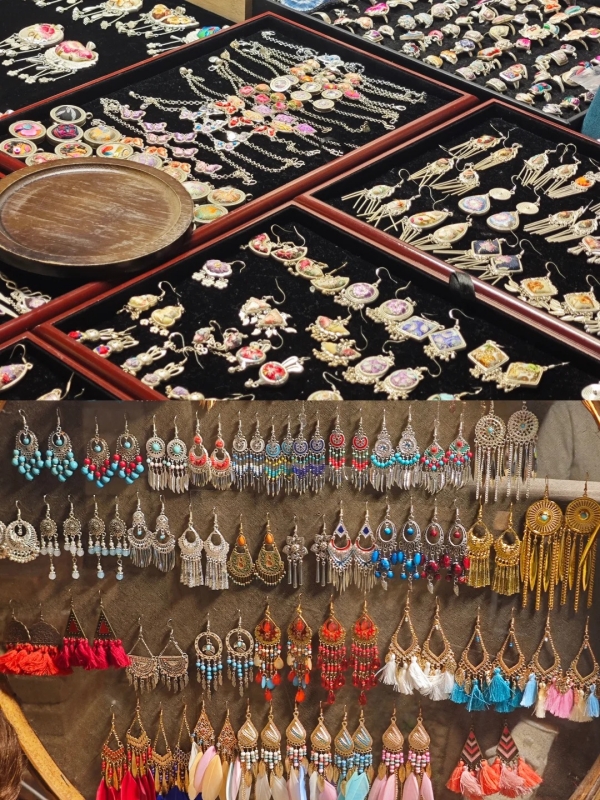
Dai Hand-Hammered Silver Bracelet or Earring Set
The southwest's markets have earned a genuine reputation for handmade wearables that are aesthetically distinctive and culturally grounded — from Dai silver jewellery to Yunnan indigo scarves and Chengdu embroidered accessories.
- 💍 Dai Hand-Hammered Silver Bracelet or Earring Set: Available from Dai craftspeople at Xishuangbanna's Starlight Market. Weight, hammering pattern, and slight asymmetry indicate genuine craft silver over polished factory pieces. ¥80–300.
- 🧣 Indigo-Dyed Natural Linen Scarf: Kunming's Nanqiang Street area. Genuine natural-dye pieces show a complex, layered tonal depth rather than flat uniform colour. ¥60–180.
- 👜 Hand-Embroidered Canvas Bag (Shu Embroidery Style): Chengdu artisan market stalls produce bags using the Shu embroidery tradition — durable as well as decorative, and distinctively non-generic. ¥80–250.
- 🪭 Miao or Bai Ethnic Minority Textile Headband or Sash: Yunnan and Guizhou-origin pieces with geometric pattern work in indigo and red. Handmade pieces have slightly uneven thread spacing — the hallmark of genuine weaving. ¥30–120.
⚠️ Avoidance Tips — What to Skip:
- "Ethnic minority" fashion items sold in bulk with factory packaging are rarely connected to the culture depicted. If a seller cannot describe the piece's origin, it likely has none.
- Mass-market silk scarves at tourist-facing stalls are priced as luxury but are standard polyester blends — genuine silk is cooler to the touch and wrinkles more naturally.
- Cheap silver-coloured jewellery labelled "Tibetan silver" is typically an alloy with negligible silver content — the term has no regulated meaning in China's market context.
Cultural Collectibles & Creative Products (文创艺术品)
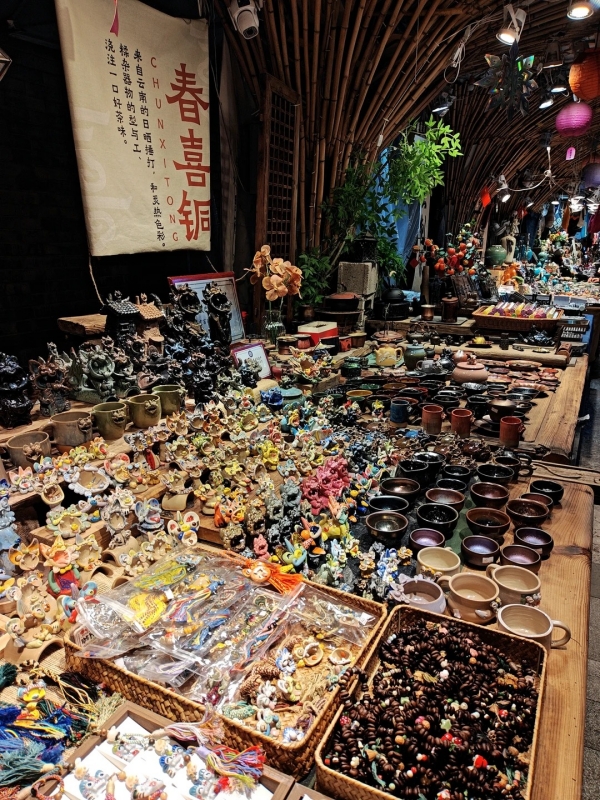
Small Yunnan Lacquerware Dish or Sake Cup
China's 文创 (cultural creative) movement has reached night markets in depth, particularly in heritage cities. Kunming, Chengdu, and Chongqing now host artisans working in lacquerware, bronze, Shu embroidery, and Sichuan opera iconography — items at a higher price tier but representing lasting purchases.
- 🏺 Small Yunnan Lacquerware Dish or Sake Cup: Kunming's Nanqiang Street. Functional pieces in the daily-use tier offer the best value — skip the large decorative showpieces priced for display. ¥60–200.
- 🖼️ Shu Embroidery Bookmark or Framed Textile: Chengdu artisan market stalls. A compact format that travels easily and represents a genuine intangible heritage craft tradition. ¥30–150.
- 🎨 Block-Printed Art Card or Regional Iconography Poster: Available at creative stalls across multiple cities. Lightweight, distinctive, and essentially impossible to find outside the market context. ¥10–50.
- 🥁 Sichuan Opera Mask Miniature (川剧脸谱): Chengdu's artisan stalls produce hand-painted miniature opera masks — a more meaningful alternative to the identical mass-produced versions sold everywhere else. ¥30–120.
⚠️ Avoidance Tips — What to Skip:
- Items carrying 非遗 (intangible cultural heritage) certification stickers often carry a significant price premium over comparable unlabelled pieces from the same tradition — evaluate the piece itself, not the label.
- Miniature terracotta warrior replicas and Great Wall keyrings have no connection to the cities where they are sold — they are standard national-souvenir filler stock, not cultural collectibles.
- Mass-printed "vintage" posters featuring Shanghai or Beijing Republican-era imagery are produced in large print runs and sold at every tourist market — not a night market exclusive.
Before You Go: Practical Suggestion
Choosing the Right Market
Match the market to your priority. For food depth and regional authenticity, Chongqing's Jiaochangkou or Kunming's Nanqiang Street are your best starting points. For scale and visual spectacle, Xishuangbanna's Starlight Night Market stands alone. And for budget-friendly pan-China tasting, Shanghai's Sijing is the most efficient option. For a 24-hour safety net, Beijing's Guijie never closes.
How to Eat Like a Local
The optimal night market circuit is graze-based, not meal-based. Order one item per stall, eat it standing or walking, and move on. Budget for 6–10 different items per visit rather than two or three full dishes. Arrive hungry and plan to walk significantly more than you expect.
Payment and Language
Download WeChat Pay or Alipay with a linked foreign card before you go — this is now more useful than a phrasebook. For ordering, pointing and holding up fingers for quantity works universally. Learning the Mandarin number words (yī, èr, sān…) takes twenty minutes and will transform your market experience.
Food Safety
In managed, regulated markets (which covers most of the nine listed here), food safety standards have improved substantially. Trust stalls with visible customer turnover — fresh inventory moves fast. Avoid pre-cooked items left uncovered for extended periods.
Respect and Etiquette
Bargaining is appropriate at handicraft stalls but not at food stalls, where prices are fixed and already very low. Photograph vendors only with obvious consent — a nod and a raised camera is sufficient. Dispose of packaging in the bins provided; Chinese night markets are increasingly strict about cleanliness.
Frequently Asked Questions
Q: What is the best night market in China overall?
Every night market China destination excels differently — Xishuangbanna dazzles with scale, Chongqing's Jiaochangkou delivers intensity, and Beijing's Guijie never closes. There is no single best answer. Match the market to your travel priorities: food depth, cultural immersion, visual spectacle, or late-night convenience, and you will find the right fit.
Q: Are night markets in China safe for tourists?
Yes — every night market China destination in this guide is well-lit, heavily visited, and generally safe for tourists. Keep valuables secured in dense crowds. Food safety at regulated markets is reliable; stalls with high customer turnover signal the freshest inventory and the most consistent quality throughout the evening.
Q: How much does it cost to eat at a night market in China?
A typical night market China grazing session covering 6–10 items across multiple stalls costs around ¥40–120 per person. Shanghai's Sijing is the most budget-friendly option at ¥40–60, while Beijing and Shenzhen run higher at ¥80–150. Hotpot and seafood dishes will push the total up noticeably.
Q: Can I use a credit card or foreign payment method at China night market?
Most night market China stalls accept Alipay and WeChat Pay only. Since 2023, both apps support foreign Visa and Mastercard — link your card via the international app version before arriving. RMB cash withdrawn from a local ATM remains a reliable fallback option if mobile payment setup fails.
Q: What time do night market in China open and close?
Most night market China venues open around 5–6 PM and close by midnight or 1 AM, with peak hours between 7 and 10 PM. Beijing's Guijie operates 24 hours. Harbin's markets follow a seasonal rhythm, while Xishuangbanna and Kunming run year-round due to their mild climates.
Q: Which Chinese city has the most night markets?
Chengdu and Chongqing lead for sheer variety and density in the night market China scene. Guangzhou is the strongest southern contender. Yunnan's Kunming and Xishuangbanna punch well above their size, offering the widest range of market types and culinary traditions relative to their overall population.
Q: Is it better to visit Chinae night market on weekdays or weekends?
Weekends bring the fullest night market China atmosphere — larger crowds, vendors at peak capacity, and maximum energy. Weekdays, particularly Tuesday to Thursday between 6–9 PM, offer shorter queues and easier vendor interaction. For first-timers, a weekday visit followed by a weekend return is the ideal approach.
Q: What should I eat at a Chinese night market if I am vegetarian or vegan?
Vegetarian navigation at any night market China venue requires intent, as street food defaults to meat. Reliable plant-based options include griddled corn, tofu skin skewers, glutinous rice, and fresh fruit desserts. Yunnan's markets offer the richest vegetarian selection overall, especially dishes built around wild mushrooms and fresh herbs.
Q: What are the most famous Chinese night market foods that I must try?
Across night market China, seven dishes define the experience: Grilled Cold Noodles (烤冷面), Mala Crayfish (麻辣小龙虾), Sichuan Cold-Pot Chicken (钵钵鸡), Clay Pot Rice (煲仔饭), Chongqing Spicy Noodles (重庆小面), Yunnan Grilled Cheese (烤乳扇), and Dai Barbecue (傣味烧烤). Each dish is inseparable from its home city's identity.
Q: How do I get to China night market using public transport?
All nine night market China destinations in this guide are transit-accessible. Guijie (L5/L2), Jiaochangkou (L1/L2), Jianshe Road (L6), Shuiwei (L4/L7/L10), and Shangxiajiu (L1) have direct metro access. Shida and Sijing require a short bus or taxi ride from the nearest station. Use Didi for the final kilometre.