Huadong Night Market Shenzhen
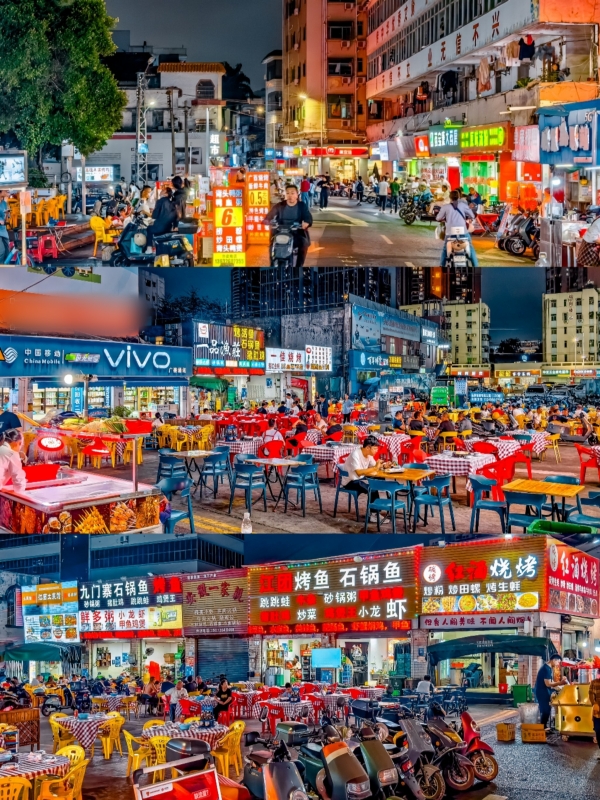
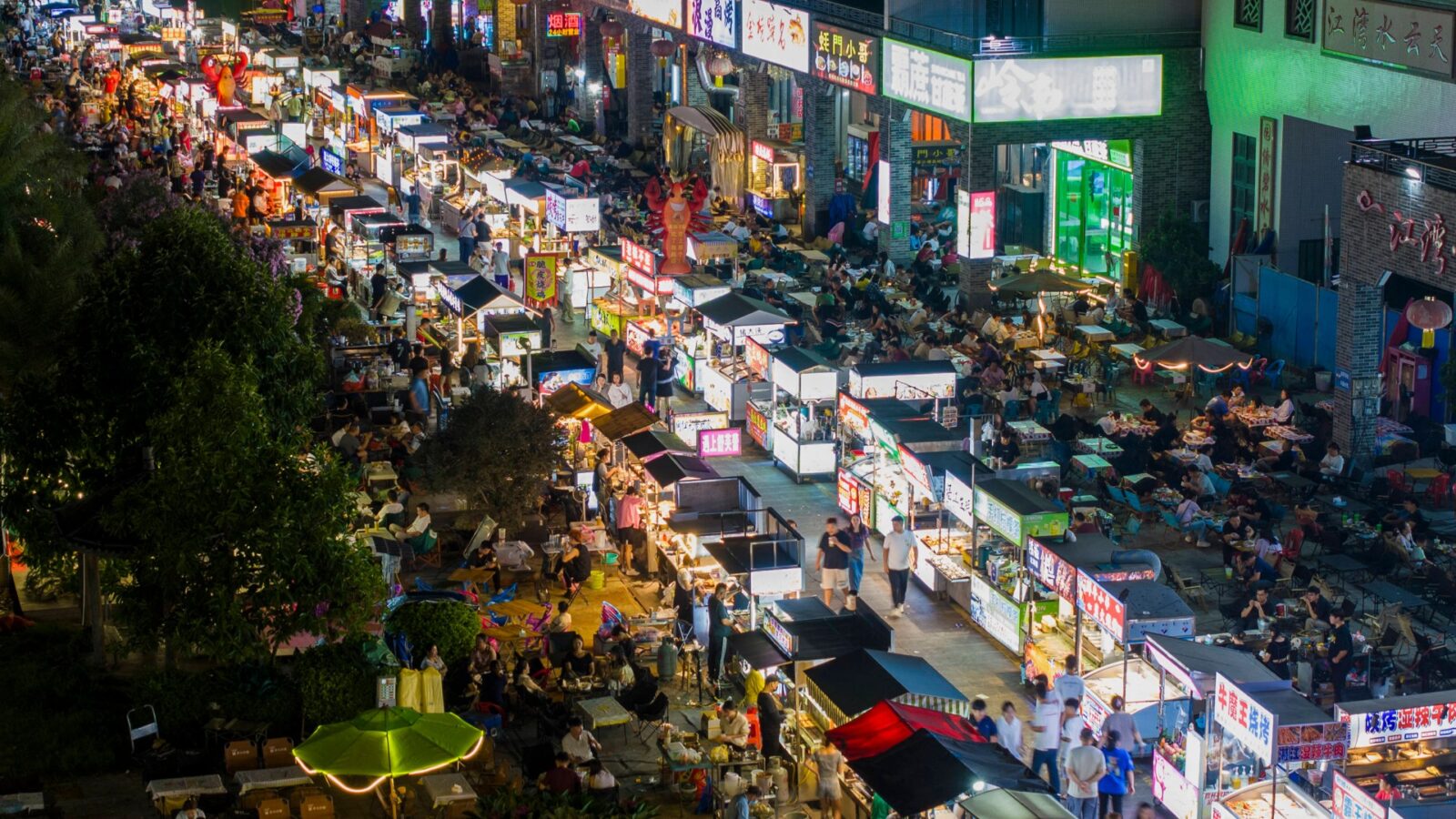
Huadong Night Market Shenzhen draws a mostly local crowd to one of the city's least staged open-air food streets. By 7 p.m. the lanes fill with smoke from charcoal grills and the clang of woks over high heat. The market sits in central Shenzhen, within walking distance of the metro, and operates from late afternoon well into the night — selling grilled skewers, pan-fried dumplings, oyster omelette, fresh juice, and budget accessories alongside the food. Unlike the more commercial Dongmen pedestrian zone a few blocks away, Huadong keeps a working-class grit that most visitors find more interesting than polished tourist zones.
For first-time visitors, the market delivers a genuine Shenzhen eating experience without the souvenir markup. Most stalls open around 17:00 and wind down by 23:00, with the densest crowd arriving between 19:00 and 21:00 on weekends. A budget of $7–14 (¥50–100) per person covers a full food crawl; bring RMB cash or set up a mobile payment app before arriving.
Quick Facts
What to Eat and Drink at Huadong Night Market
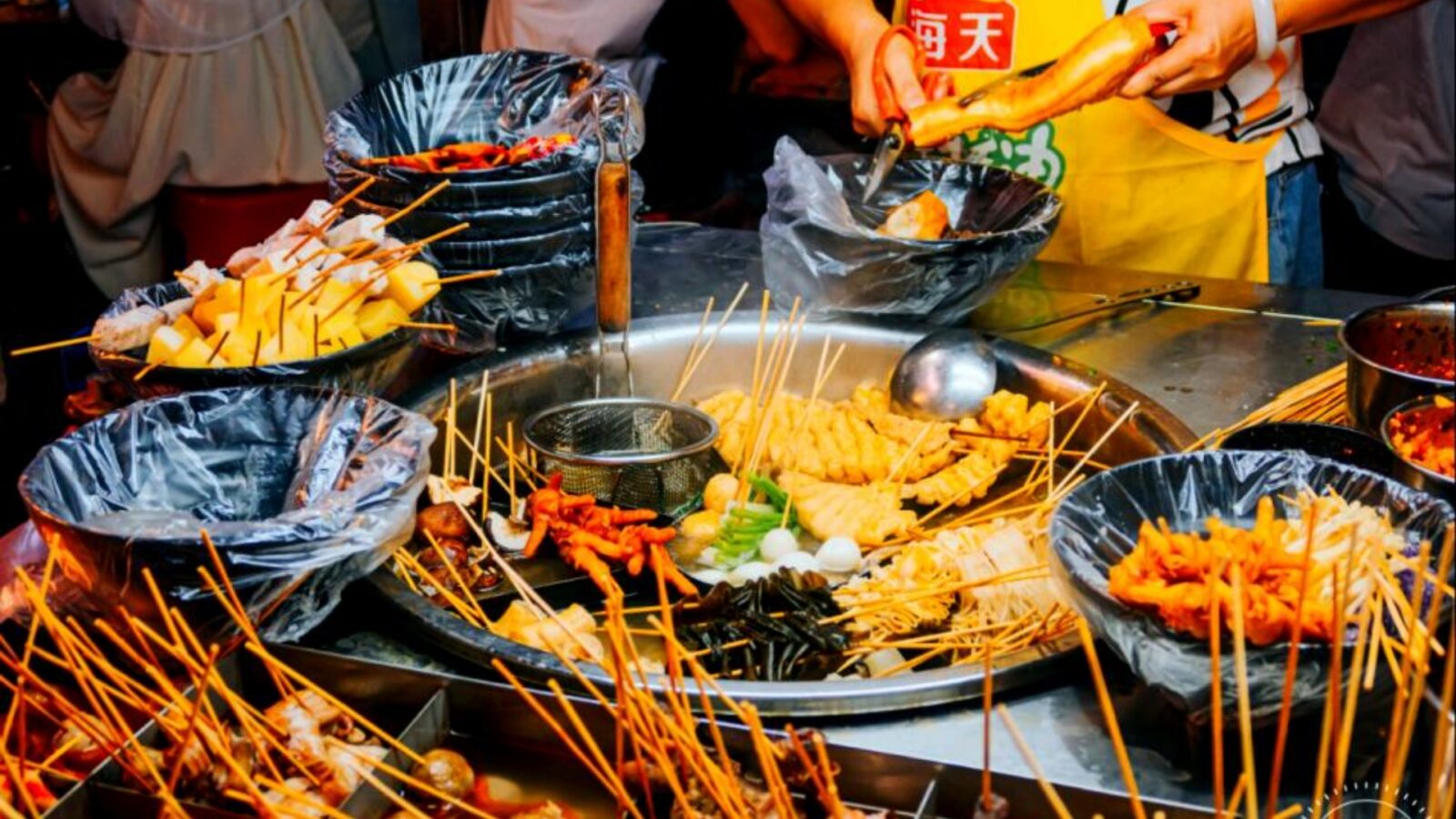
Huadong Night Market Shenzhen
Huadong Night Market concentrates its food stalls along a single pedestrian lane that widens as evening progresses. Each vendor typically runs one specialty — a grill station, a steaming dumpling pot, a juicer set up beside a crate of sugarcane. This division of labor means the best approach is to move slowly and graze rather than sit at one table. Per-person spend for a full evening food crawl runs about $7–14 (¥50–100), which buys five or six different items. Drink prices add another $1.50–4 (¥10–25) depending on whether you grab bottled tea or a sit-down draft beer.
Most stalls display their offerings on handwritten signs or behind a glass case with price labels. Turnover is the best indicator of freshness — the busiest grills and the pots that stay visibly bubbling are the ones to join. Avoid raw shellfish unless you know your tolerance, and skip unpeeled fruit from stalls without running water for washing.
🍢 Discover More Food Streets: While Huadong offers an incredible working-class grit, the city boasts several other nocturnal culinary hubs worth exploring. Compare the best evening food spots across different districts in our complete guide to finding a great Shenzhen Night Market.
Signature Shenzhen Street Foods to Try
-

- Huadong Night Market
-
- Huadong Night Market
-
- Huadong Night Market
-
- Huadong Night Market
Stall culture at Huadong rewards patience. Visitors who linger at the busier grills usually get food that has been cooking on high heat rather than sitting under a warming lamp. The skewer section typically occupies the loudest, smokiest stretch of the lane.
- Chuan'r (grilled skewers): lamb, chicken wings, tofu, and vegetables; ¥2–8 per stick depending on protein
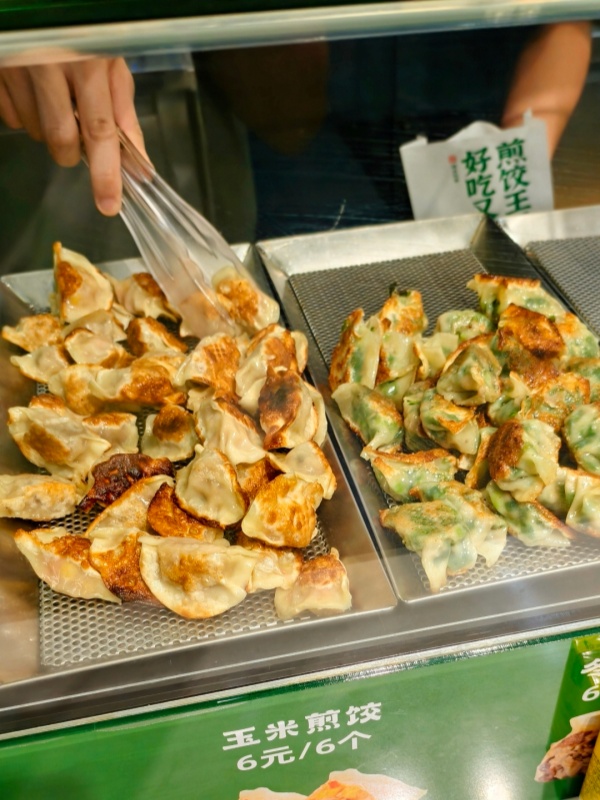
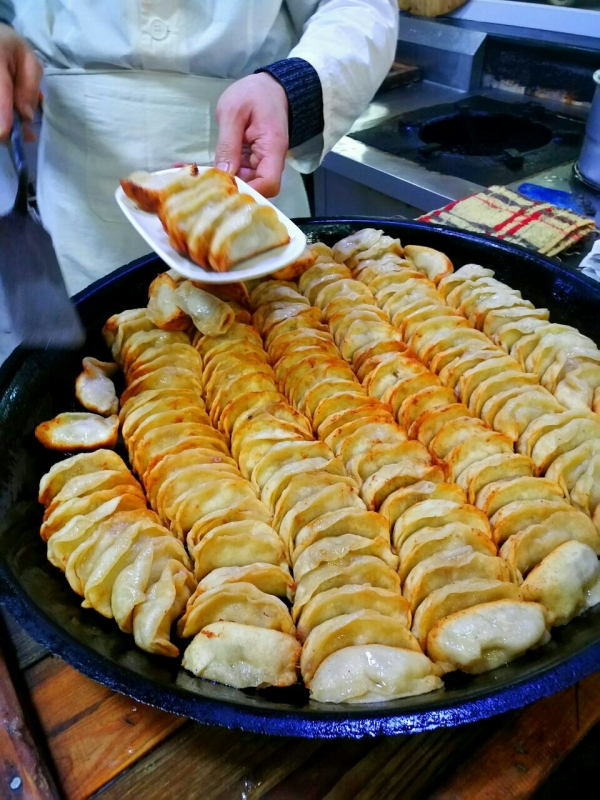
- Guotie (pan-fried dumplings): six pieces for roughly ¥10–15 ($1.50–2)
- Oyster omelette: a Guangdong coastal staple; expect to pay about ¥20–30 ($3–4)
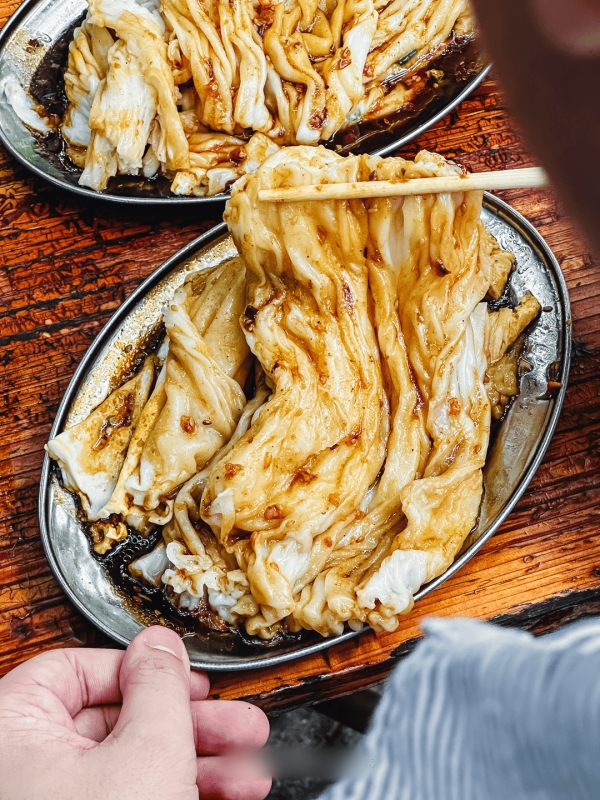
- Cheung fun (rice noodle rolls): thin rolls with savory filling, served with soy; roughly ¥8–15 ($1–2)
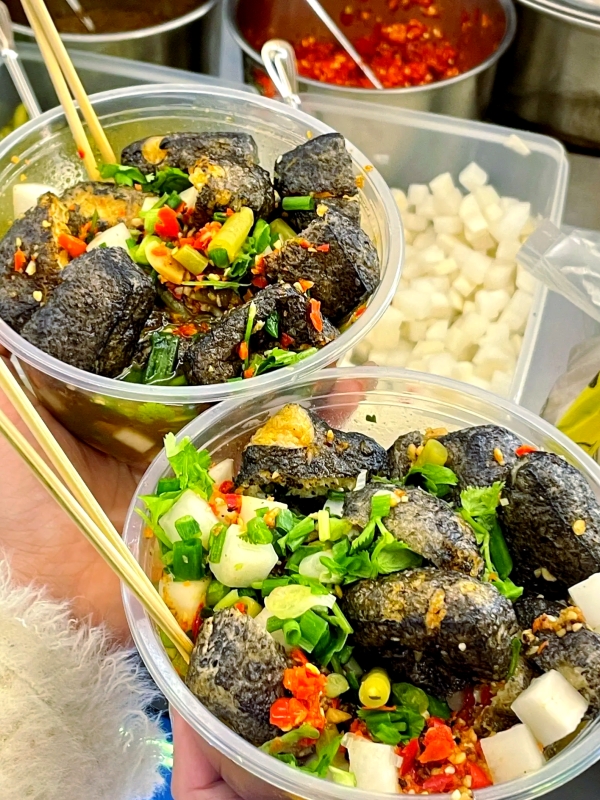
- Stinky tofu: deep-fried cubes with a strong fermented aroma; ¥8–12 ($1–1.50)
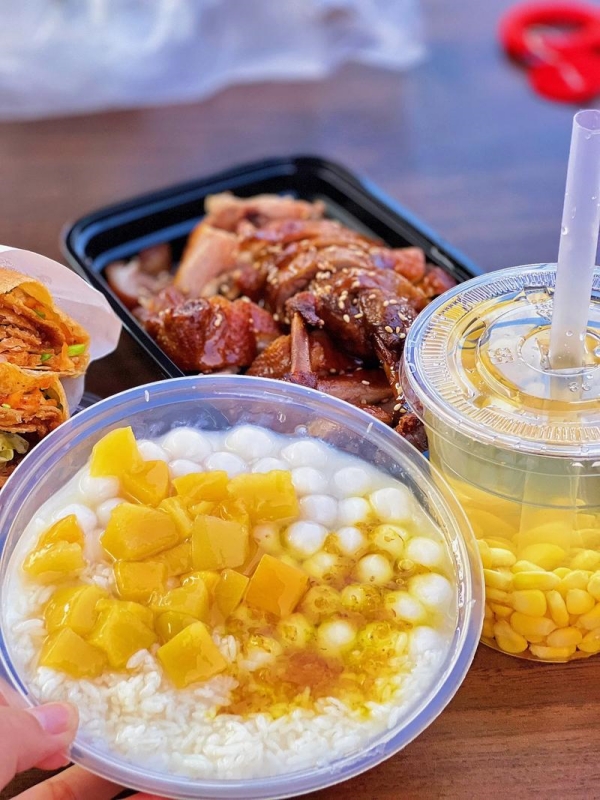
Drinks, Snacks, and Sweet Treats
-
- Huadong Night Market
-
- Huadong Night Market
-
- Huadong Night Market
-
- Huadong Night Market
Drink vendors typically set up near the market entrance or at intervals along the lane. Most offer freshly squeezed options rather than packaged soda, which makes them worth seeking out if the queue is manageable.
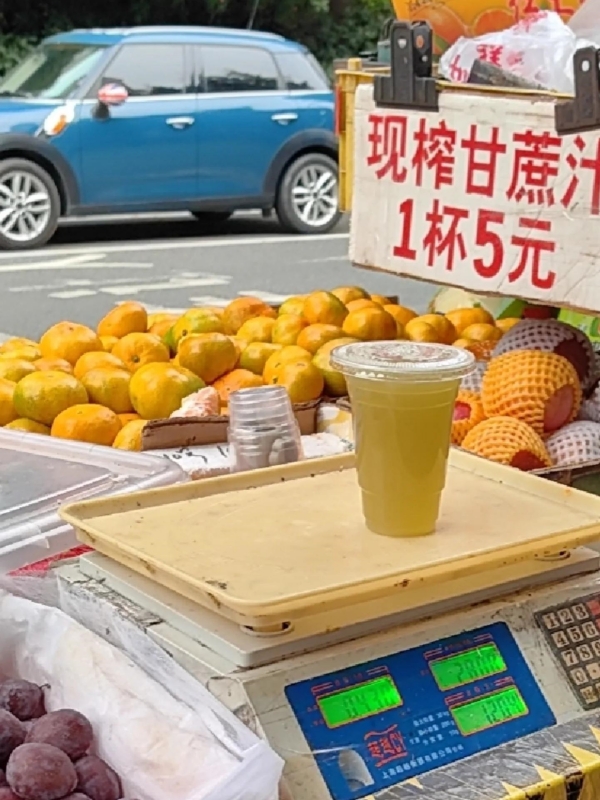
- Sugar cane juice: fresh-pressed stalk; about $1.50–2 (¥10–15)
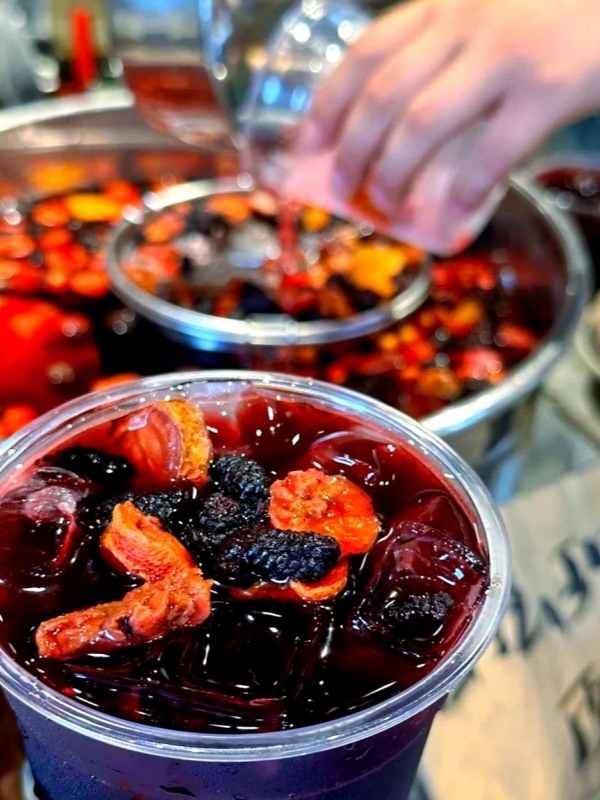
- Sour plum juice (suanmeitiang): a tart, refreshing cold drink popular in Guangdong; roughly ¥10–15 ($1.50–2)
- Bottled herbal tea: lychee or chrysanthemum varieties; ¥8–12 ($1–1.50)
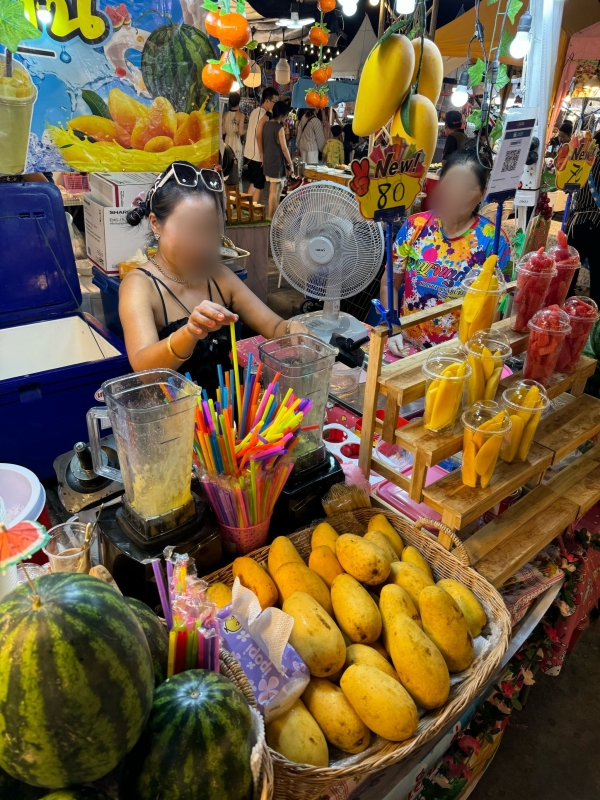
- Mango or pineapple on a stick: pre-cut fruit, sometimes frozen; around ¥10–15 ($1.50–2)
- Tangyuan (sweet rice balls): served in warm ginger soup during cooler months; roughly ¥10–15 ($1.50–2)
🍲 Compare Neighboring Flavors: If you love the smoky woks and vibrant street food culture of Shenzhen, you will find an equally legendary late-night dining scene just a short train ride away. Explore the midnight snacks of the provincial capital in our guide to the best Night Market in Guangzhou, China.
Where Huadong Fits Among Shenzhen Night Markets
Huadong Night Market Shenzhen
Shenzhen has several distinct night-market areas, and each serves a different crowd. Understanding what Huadong offers compared to alternatives helps visitors decide where to spend their evenings.
Dongmen (东门) sits a short walk from Huadong but operates at a different scale. Dongmen is a sprawling commercial pedestrian zone with hundreds of stalls, major retail chains, and a growing tourist presence. Prices there run higher, and the atmosphere leans more commercial. Huadong is smaller, cheaper, and feels less curated for visitors.
Huaqiangbei (华强北) is Shenzhen's electronics district and stays active through the day and into the night, but the evening focus there is tech products and accessories rather than food. Coco Park and the Shekou waterfront offer bar-and-restaurant districts with international food, but they lack the open-air street market feel of Huadong.
- For authenticity and local grit: Huadong is the strongest choice among Shenzhen's accessible night markets
- For scale and variety: Dongmen beats Huadong on sheer size
- For electronics browsing: Huaqiangbei fills that role
- For international dining and bars: Coco Park or Shekou work better
🌆 Explore More of the City: Tasting your way through this authentic night market is just one highlight of visiting this futuristic metropolis. Discover electronics markets, theme parks, and creative hubs in our ultimate guide to the best Things to Do in Shenzhen.
Getting to Huadong Night Market
The market sits in a walkable area of central Shenzhen, which makes it easy to combine with other sights in Luohu or Futian districts. Most visitors arrive by metro and walk the final stretch; a taxi or Didi ride from the Luohu border crossing takes 10–20 minutes off-peak. Bus routes also serve the area, though signage is Chinese-only and stop names can be hard to read without prior knowledge.
By Shenzhen Metro
The Shenzhen Metro operates on a zone-based fare system. Tickets are payable via the Shenzhen Metro app (QR code), the Shenzhen Tong card, or a single-journey token purchased at the station window or machine. Foreign bank cards linked to Alipay or WeChat Pay can sometimes cover metro fares through those apps, though this varies by device and app version. Confirm the current setup before relying on it.
Last trains typically run to approximately 23:00, though this varies by line and station. Check the official Shenzhen Metro site or app for your specific line before planning the return journey.
By Taxi, Bus, or On Foot
Didi, China's dominant ride-hailing platform, offers an English-language interface and accepts foreign credit cards if linked through the app. The service is the most practical option for visitors who find Chinese-language navigation challenging. A Didi from the Luohu border area costs roughly $5–9 (¥35–60) and takes 10–20 minutes in normal traffic.
Buses are cheap at ¥2 standard fare, but all signage and announcements are in Mandarin. The Shenzhen Tong card works on buses, or scan the QR code inside the bus with Alipay. On foot from an adjacent metro station is straightforward if you have a map app running — the market lane is wide enough and well-lit after dark.
🚄 Arriving in the City: If you are traveling into town from Hong Kong or other neighboring hubs to check out the local food scene, you will likely arrive at one of the main transport terminals. Navigate your arrival smoothly with our Shenzhen Railway Station Guide.
Hours, Tickets, and What to Budget
Entry to Huadong Night Market is free, which makes it easy to browse before committing to food. Most stalls begin setting up around 17:00, with the full market running from roughly 18:00 to 23:00. Weekend nights tend to push later, with some vendors staying open past midnight. Weekday evenings thin out earlier, which some visitors actually prefer.
Plan on budgeting separately for food, drinks, and any small purchases. The food crawl alone costs $7–14 (¥50–100) per person for a filling range of skewers, dumplings, and a main dish. Adding drinks and a small accessory or two brings the evening total to roughly $10–18 (¥70–130).
- Food crawl: $7–14 (¥50–100) per person
- Drinks: $1.50–4 (¥10–25) per person
- Total evening estimate: $10–18 (¥70–130) per person
- Cash to bring: ¥200–300 covers a full evening for one person
- Peak crowding: 19:00–21:00 on Friday and Saturday
Safety, Payments, and Speaking English
Huadong Night Market maintains standard urban-market safety conditions. Pickpocketing risk concentrates near the densest stall clusters where crowds press together — keeping phones in a zipped pocket and bags held in front during peak hours reduces exposure. Food safety is generally manageable by following turnover: busy grills and bubbling pots produce the freshest food. Tap water is not safe to drink; bottled water sells for ¥2–4 at most stalls.
Paying Without a Chinese Bank Account
Cash in RMB is the most reliable payment method at Huadong Night Market. Every vendor accepts RMB notes and coins, and the small denominations needed for street food are easy to obtain from any bank ATM in Shenzhen.
Alipay and WeChat Pay are also widely accepted, and both apps now offer limited international card support through a "Tour Card" or equivalent feature within the app. This setup requires downloading the Chinese-language version of each app, linking a foreign credit or debit card, and completing a brief identity verification. The eligibility criteria and accepted card networks change periodically — check the current requirements on each app's official English-language page before assuming the feature will work.
Language and Getting Around
Most vendors at Huadong speak Mandarin or Cantonese and have no English. Hand gestures, pointing, and photos of food items handle most ordering situations. A translation app with a camera-scanning feature can read Chinese menus on the fly; this function is standard in Google Translate and Apple Translate as of 2025.
Two phrases cover the most common interactions: "多少钱?" (duōshǎo qián, meaning "how much?") and "不要辣" (bù yào là, meaning "not spicy"). Written numbers on a phone calculator also work reliably for price negotiation.
Frequently Asked Questions
Q: What are the opening hours of Huadong Night Market?
Most stalls open around 17:00 and close by 23:00. Some food vendors push later on weekends, particularly Friday and Saturday nights — confirming the specific evening before visiting helps avoid finding the market half-closed.
Q: How do I get to Huadong Night Market from the metro?
Take the Shenzhen Metro to the nearest station and walk 5–10 minutes. Metro fares run roughly $0.40–1.40 (¥2–9) depending on the distance from your starting point. The exact station and walking route should be verified against the official Shenzhen Metro map before travel.
Q: Is Huadong Night Market the same as Dongmen?
No. Dongmen is a larger, more commercial pedestrian zone with retail chains and tourist-oriented stalls. Huadong is a smaller, more local street-food and accessories market that runs a different atmosphere and price point.
Q: Do vendors at Huadong Night Market accept Alipay or WeChat Pay?
Most vendors accept both, and both apps now support some foreign cards through their international wallet features. Verify current eligibility in the app itself before relying on mobile payment — these features change and eligibility varies by card network and device.
Q: Can I pay with cash or credit card at Huadong Night Market?
Cash in RMB is accepted by every vendor. Foreign credit or debit cards almost never work at individual stalls — carry sufficient RMB notes and change for larger purchases.
Q: What is the best food to try at Huadong Night Market Shenzhen?
Grilled skewers, pan-fried dumplings, oyster omelette, and freshly squeezed juice are reliable staples that represent the market well. Budget roughly $7–14 (¥50–100) per person for a full food crawl across several stalls.
Q: Is Huadong Night Market Shenzhen safe for tourists?
The market is generally safe for an evening visit. Standard urban-market precautions apply: keep phones secured in a zipped pocket, hold bags to the front in dense crowds, and drink only bottled water rather than tap.
Q: Do vendors at Huadong Night Market Shenzhen speak English?
Most vendors speak Mandarin or Cantonese only, with little or no English. A camera-translation app and the phrase "多少钱?" (how much?) handle most visitor needs without shared language.