Splendid China Shenzhen
Splendid China Shenzhen is easy to underestimate at first—a park of mini landmarks and cultural shows doesn’t sound especially exciting in a city full of modern attractions. But once inside, the mix of scaled-down sights, folk villages, and live performances makes it surprisingly easy to spend hours there. It may not be Shenzhen’s newest attraction, but it’s more enjoyable than expected and worth taking your time with.
Quick Facts about Splendid China Shenzhen
| Item | Information |
|---|---|
| 📍 Official Name | Splendid China Folk Village |
| 🗺️ Area | Overseas Chinese Town (OCT), Nanshan District, Shenzhen |
| 🚇 Nearest Metro | OCT Station |
| 🕒 Opening Hours | Daytime + selected evening programs |
| 🎫 Ticket Type | Full-day ticket / occasional night access |
| 💰 Typical Budget | Ticket + food + drinks |
| ⏳ Suggested Visit Time | 5–8 hours |
| 👨👩👧 Best For | Families / first-time China visitors / photographers |
| 📷 Photo Difficulty | Easy |
| 🎭 Signature Experience | Large outdoor shows + miniature landmarks |
| 🍜 Food Situation | Basic meals + regional snacks |
| 🌙 Night Experience | Recommended |
| 🚶 Walking Level | Medium to high |
| ☀️ Best Season | October–April |
| 💳 Payment | Mobile payment + cards |
| 🌐 Language Support | Basic English support |
| 🧭 Combine With | Window of the World / OCT area |
What You’ll Actually Find Inside
Miniature China Is Much Larger Than Most Visitors Expect
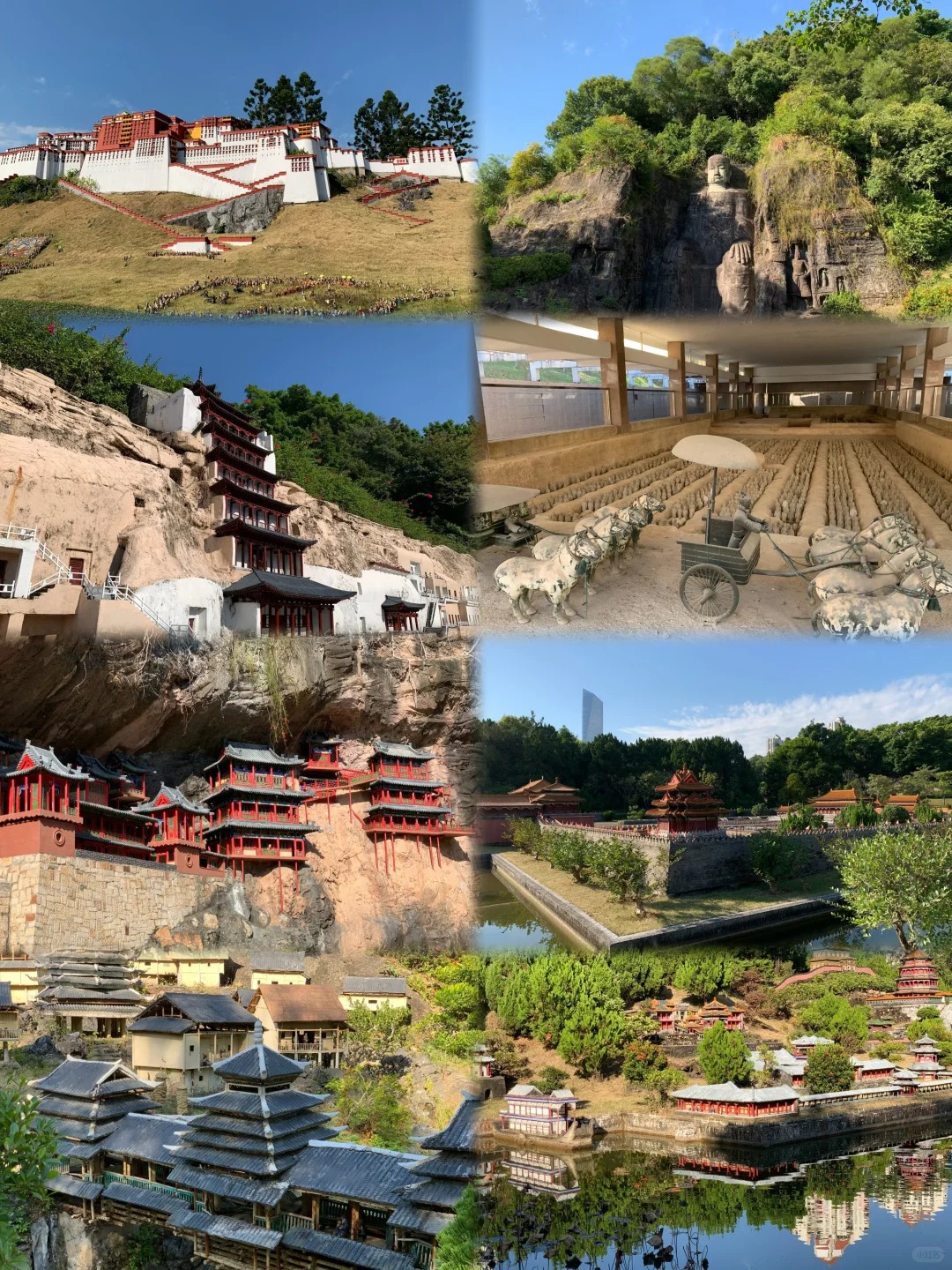
Miniature China
The miniature section is usually the part people underestimate most. The word “miniature” makes it sound like a collection of small displays, but the experience feels closer to walking through compressed landscapes than viewing models.
The landmarks connect into actual walking spaces instead of standing alone. One area leads directly into another, so there is very little stopping and restarting.
- Concept: This section recreates famous places across China in scaled form, but keeps enough space and detail to make them feel walkable rather than decorative.
- Experience: Expect a high landmark density. Bridges, elevation changes, and viewing platforms make the route feel active instead of repetitive.
- Best For: First-time China visitors, families, and travelers who want broad cultural context without moving between cities.
- Time Tip: Around 90–120 minutes feels comfortable. Less than that usually turns the visit into fast photography rather than actual exploring.
This is usually where people realize the park is less of a theme park and more of a condensed travel experience.
Folk Villages Make the Park Feel Less Like a Museum
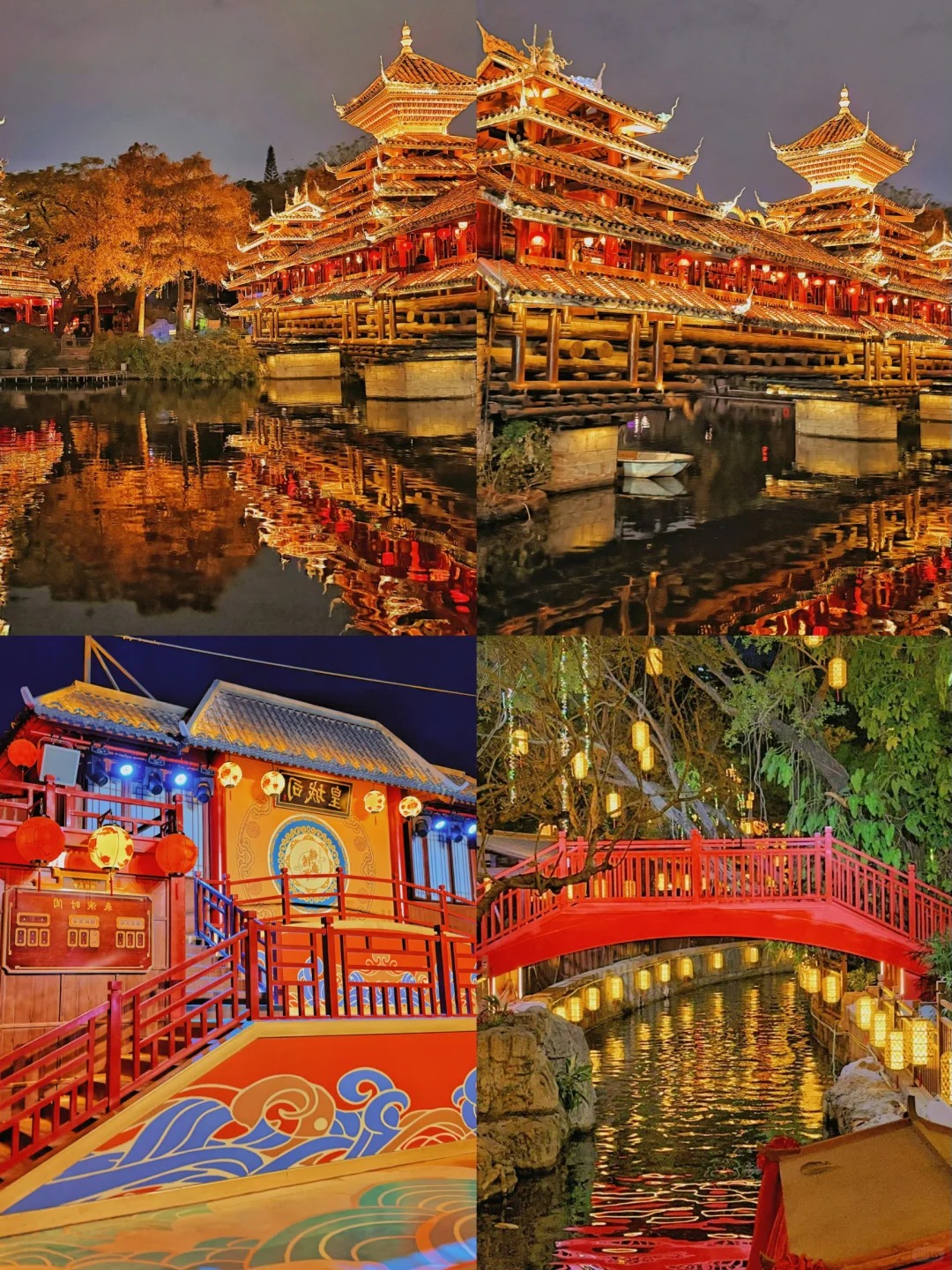
Folk Villages
Once the route shifts into the folk village area, the atmosphere changes noticeably. The miniature section focuses on places. This section focuses more on people, daily life, and movement.
The buildings become full size, and instead of standing outside to observe, visitors start entering spaces and staying longer.
- Concept: Rather than recreating landmarks, this area presents regional architecture, cultural styles, and different local environments across China.
- Experience: Performances, music, costume displays, and occasional interaction make the area feel less planned and more spontaneous.
- Best For: Visitors who prefer atmosphere over photography and anyone traveling with children or mixed-age groups.
- Time Tip: Plan around 60–90 minutes, especially if stopping for performances instead of walking continuously.
People tend to slow down here. There is more sitting, more watching, and fewer attempts to cover everything.
This is also the point where splendid china shenzhen starts feeling alive instead of curated.
The Scale and Walking Distance Catch People Off Guard
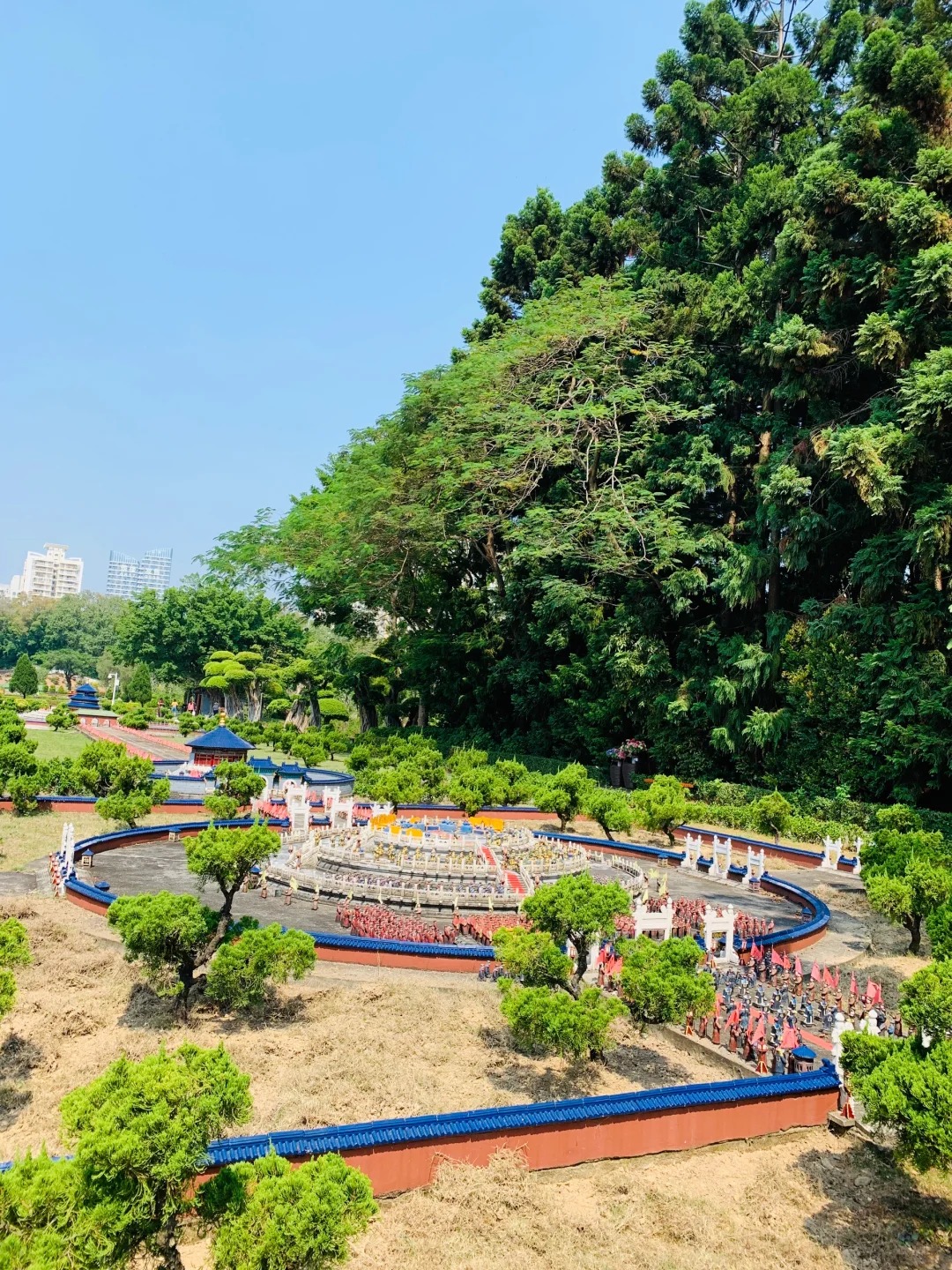
The Scale and Walking Distance
The park itself is not difficult to navigate, but the overall scale changes expectations. It rarely feels exhausting at the beginning, then suddenly people realize several hours have passed.
The challenge is not distance alone. It is the combination of walking, stopping, and deciding what deserves more time.
- Concept: The route naturally expands because areas connect smoothly and there are few clear stopping points.
- Experience: Most people stay longer than planned simply because the pace becomes slower in the second half.
- Best For: Travelers who enjoy flexible schedules and don’t mind choosing highlights instead of covering every section.
- Time Tip: Save energy during the first hour and avoid trying to photograph every landmark. Comfortable shoes matter more than expected.
Very few visitors leave saying there was not enough to see. The more common reaction is wishing they had given themselves another hour.
Places Worth Prioritizing
The Great Wall Area
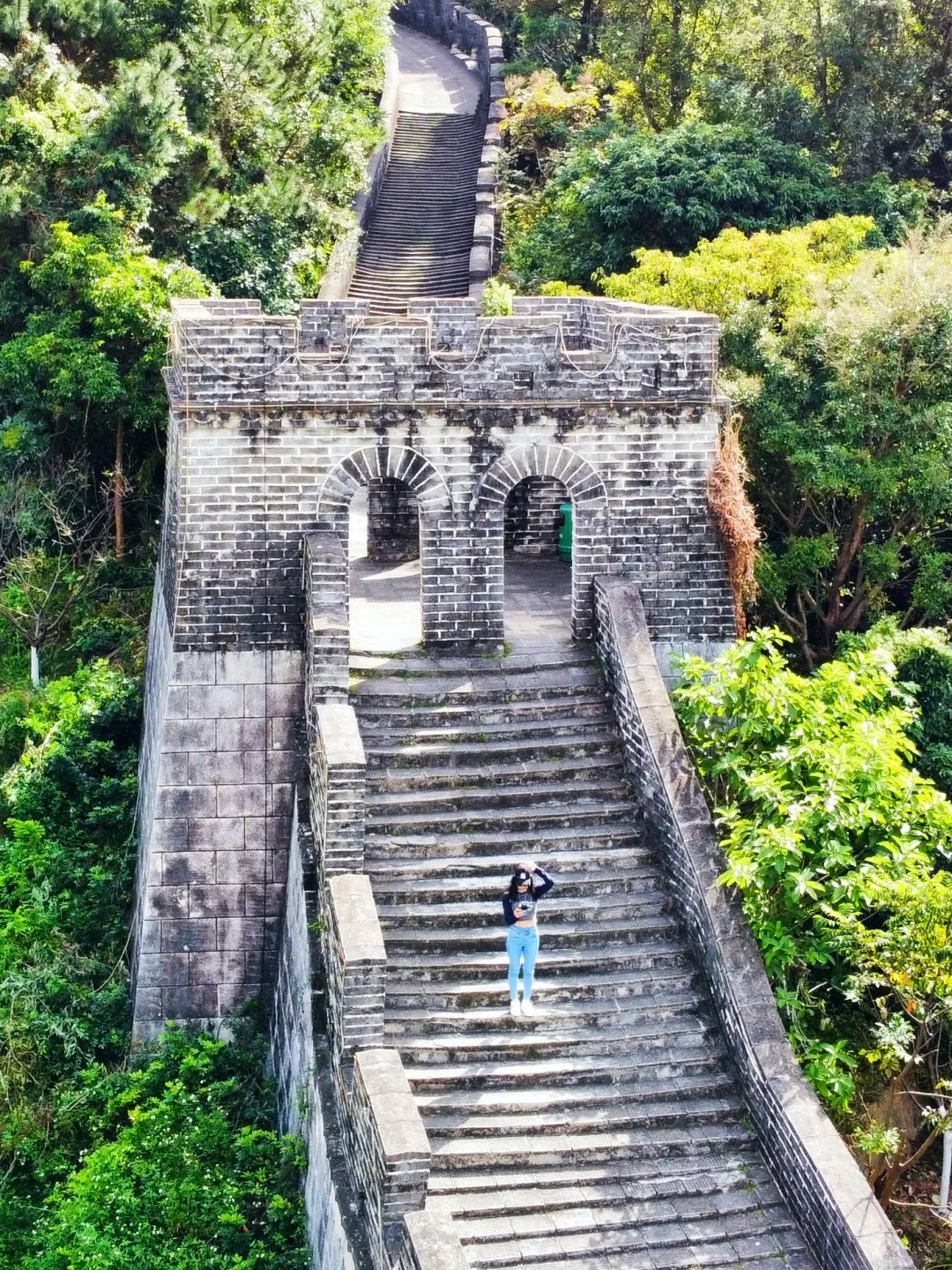
The Great Wall Area
This is usually where most visitors stop first, partly because it sits along the main walking route and partly because the Great Wall Area is instantly recognizable. Even people who didn’t plan their route carefully tend to drift here within the first 10–15 minutes.
- Location & Access: Near the main entrance zone, clearly visible from elevated paths.
- Highlight: The wall section runs along a slope, which gives it more depth than a flat model. From certain angles, it visually blends into the surrounding greenery and creates a stronger “real place” illusion.
- Photo Angle: The best shots come from slightly higher ground looking diagonally along the wall, not straight-on. Side perspective adds length.
- Best Time: Morning light or late afternoon works best. Midday makes the surface look flat and reduces contrast.
- Stay Time: 15–25 minutes depending on how many viewpoints are used.
- Common Mistake: People often stop at the first visible platform. Walking 2–3 minutes further changes the entire composition.
A lot of visitors quietly adjust their expectations here—this is where the park stops feeling like a simple display.
The Potala Palace Replica
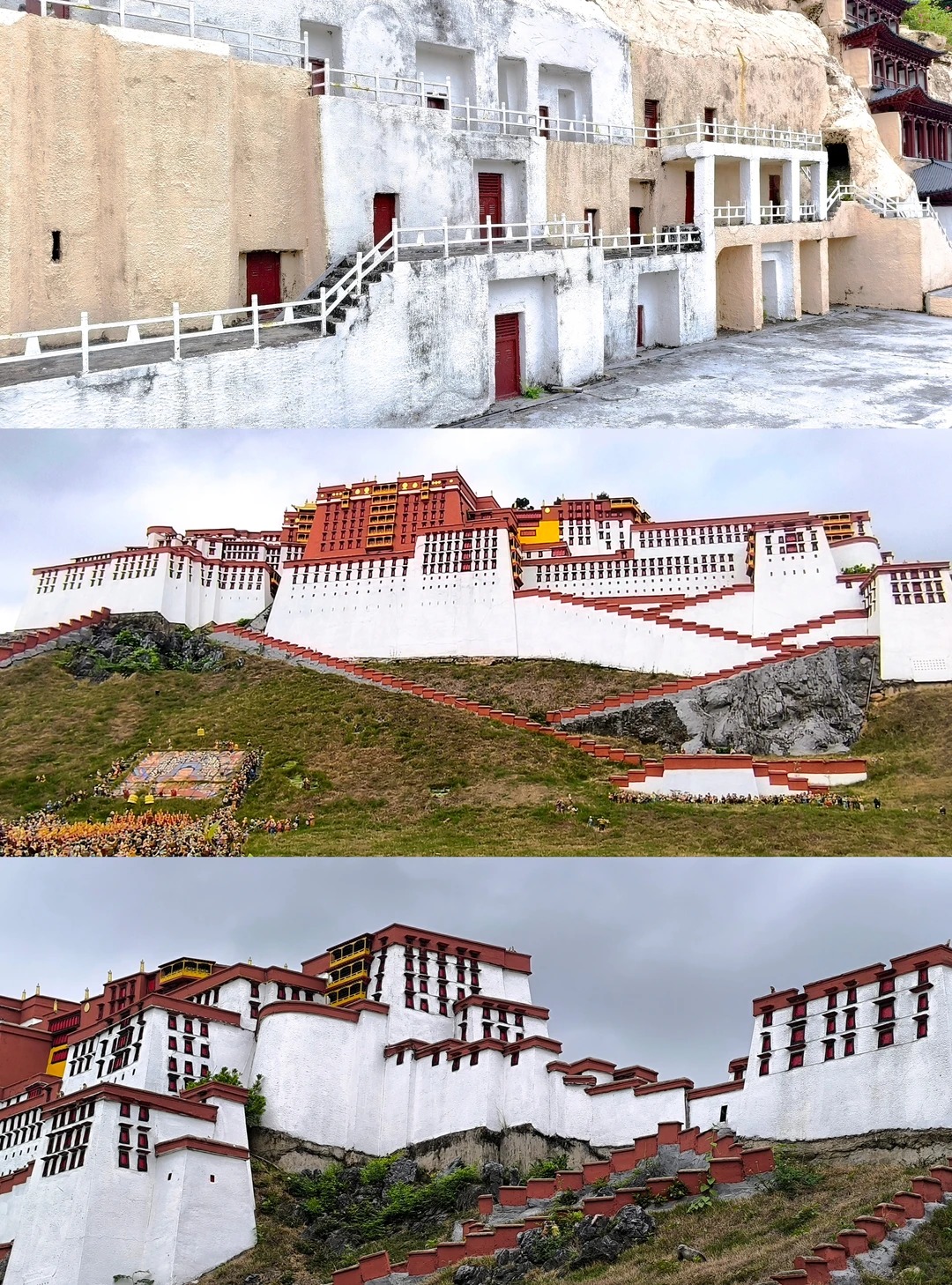
The Potala Palace Replica
This section stands out because it has stronger vertical impact compared to most other miniature landmarks. It is also one of the most frequently photographed spots in the park.
- Location & Access: Mid-park area, connected by a slightly uphill walking path.
- Highlight: The white and red structure creates strong contrast, especially under natural daylight. Even though it is scaled down, the proportions feel unusually balanced.
- Photo Angle: Low-angle shots from the side staircase give the most depth. Frontal shots tend to look flat.
- Best Time: 2–4 pm when sunlight hits from the side, creating shadows along the façade.
- Stay Time: 15–30 minutes depending on crowd levels.
- Common Mistake: Standing too close. Stepping back even a few meters improves composition significantly.
- Quick Observation: TripAdvisor reviews often mention this as the “most unexpectedly photogenic” area, especially for first-time visitors.
This is one of those places where people usually end up taking more photos than they planned.
The Forbidden City Section
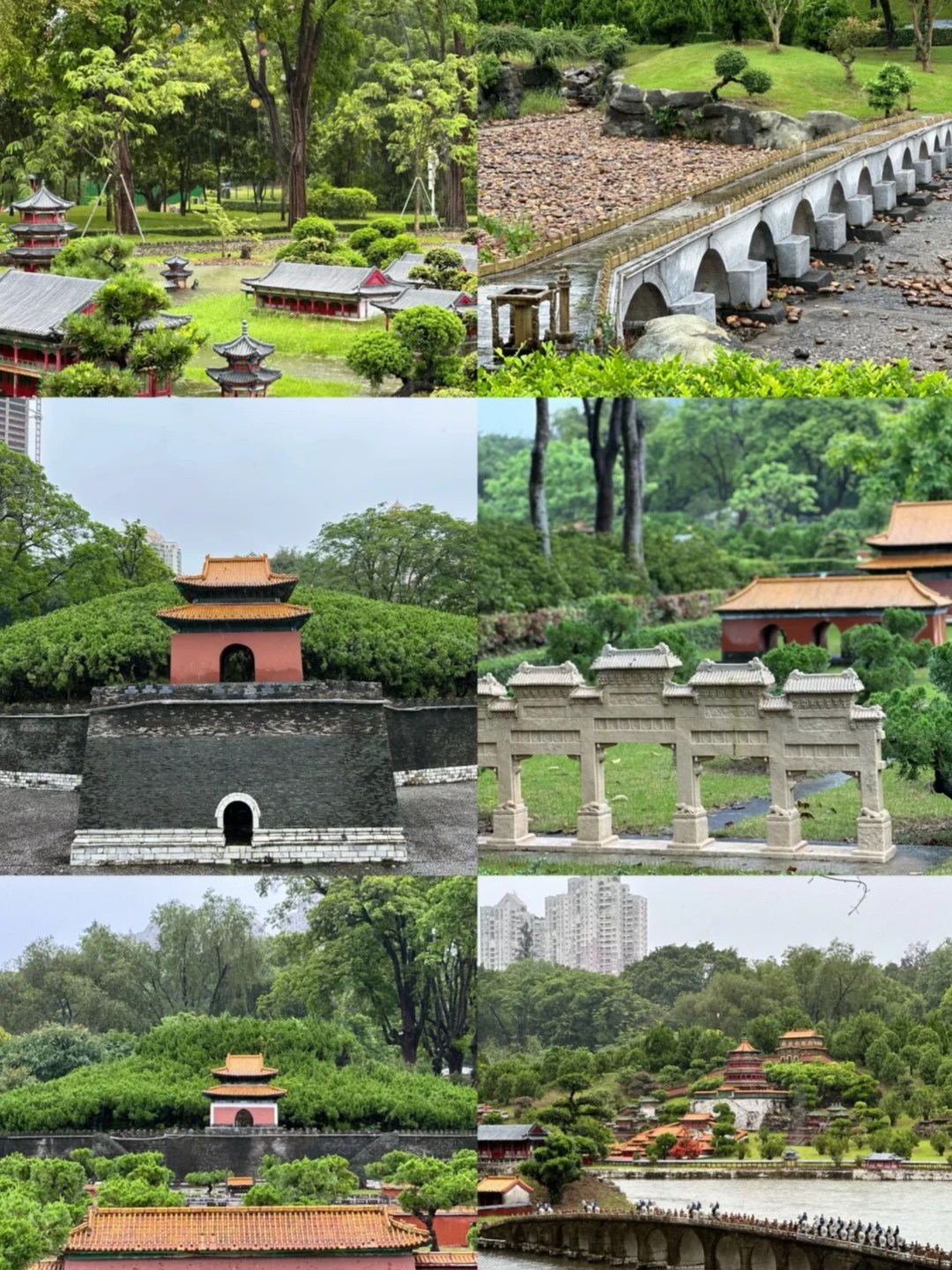
Forbidden City Area
This area feels more structured and formal compared to other zones. The Forbidden City section doesn’t rely on single iconic views but instead on repetition and depth.
- Location & Access: Central loop section of the miniature zone.
- Highlight: Repeated gates and courtyards create a layered perspective effect when walking through.
- Photo Angle: Frame shots through doorways or archways instead of open squares.
- Best Time: Morning hours when crowd flow is still light.
- Stay Time: 15–20 minutes is usually enough unless focusing on architecture details.
- Common Mistake: Most visitors only photograph the main hall and miss the side corridors, which actually give better depth.
- Detail Note: Roof edges, painted beams, and symmetry patterns become more noticeable when slowing down slightly.
It doesn’t feel dramatic at first, but it grows on people who don’t rush it.
Minority Culture Areas
Minority Culture Areas
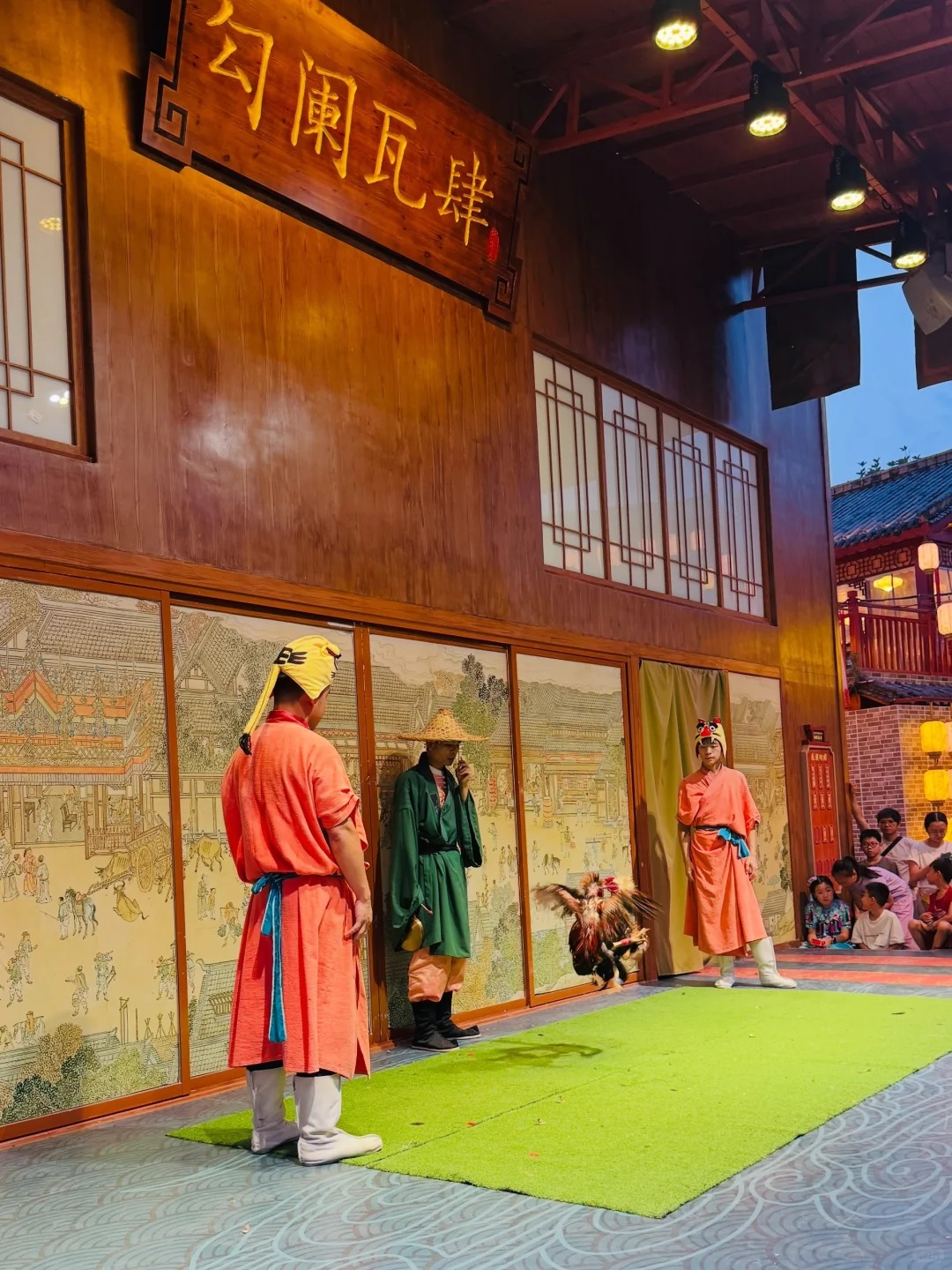
This section changes pace compared to the landmark-heavy zones. It is less about static viewing and more about movement, sound, and short interactions.
- Location & Access: Connected to the performance corridor near the folk village section.
- Highlight: Live performances and cultural demonstrations appear intermittently rather than on a fixed loop.
- Photo Angle: Mid-distance shots work better than close-ups because movement is constant.
- Best Time: Align visit with show schedules (usually afternoon blocks).
- Stay Time: 20–40 minutes depending on performance timing.
- Common Mistake: Treating it like a quick walk-through instead of waiting for activity cycles.
- Visitor Pattern: Many travelers pause here longer than expected once they notice performances starting randomly.
For many visitors, this is where the park stops being just visual and becomes more dynamic.
The Water Town Area
The Water Town Area
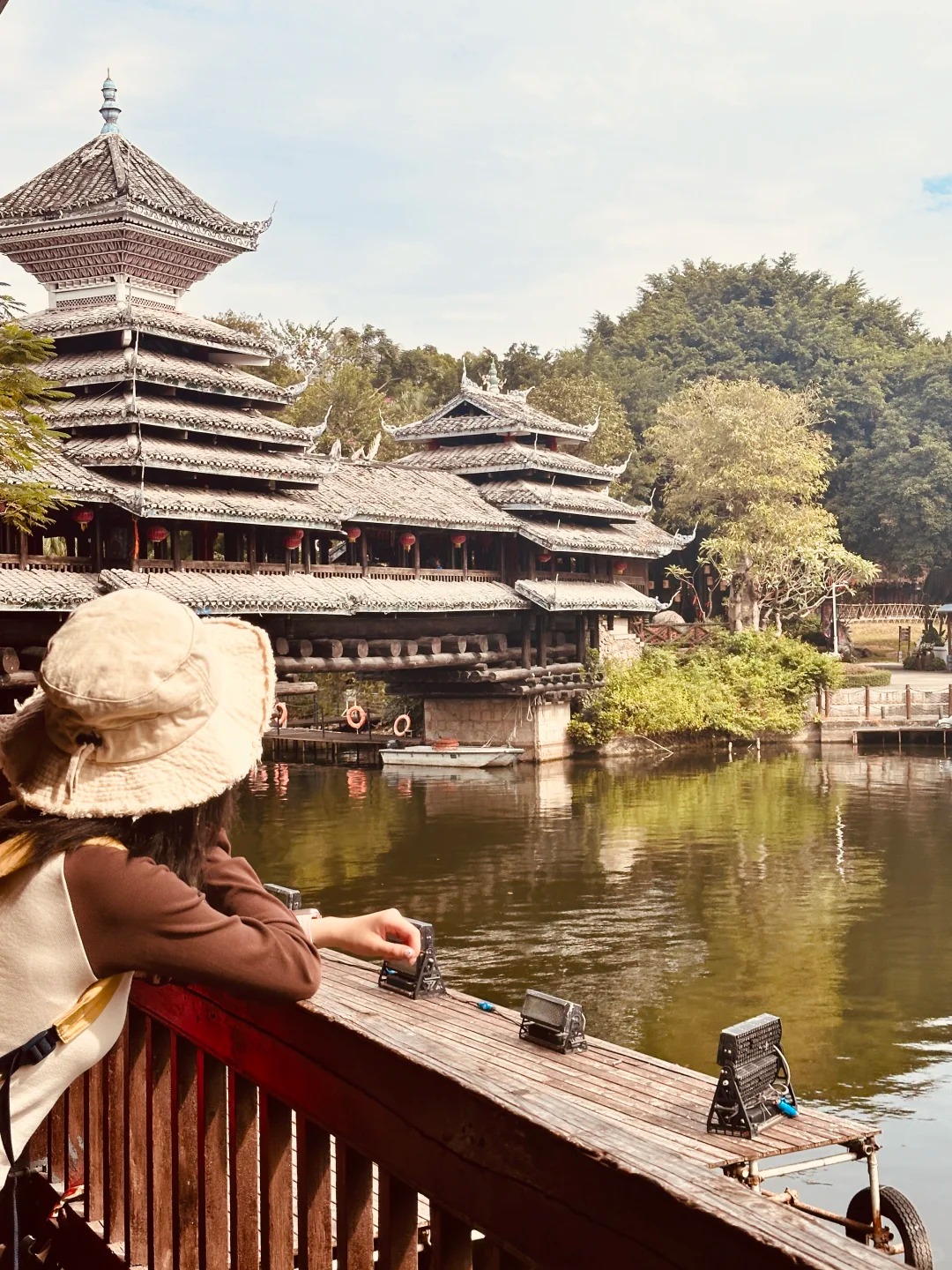
The atmosphere shifts here noticeably. Compared to earlier sections, sound levels drop and walking pace naturally slows down.
- Location & Access: End segment of the main walking loop.
- Highlight: Water paths, small bridges, and shaded corridors create a softer environment.
- Photo Angle: Reflections on water surfaces are more interesting than wide landscape shots.
- Best Time: Late afternoon into early evening when lighting becomes softer.
- Stay Time: Around 15–25 minutes.
- Common Mistake: Visiting too early when light is harsh and reflections are weak.
- Practical Note: This area works better as a “slow finish” rather than a main highlight.
It’s not the most photographed zone, but it often becomes the most remembered.
Hidden Spots Most Visitors Skip

Hidden Spots Most Visitors Skip
These are not official highlights, but they often produce the most natural photos in the park.
- Location & Access: Small turn-offs between major zones and upper viewing platforms.
- Highlight: Less crowded corners where compositions feel more open and less staged.
- Photo Angle: Look for diagonal lines, stair transitions, and background layering.
- Best Time: Any off-peak window, especially mid-afternoon.
- Stay Time: Flexible, usually 5–10 minutes per spot.
- Common Mistake: Following only marked routes and ignoring side paths.
- Photography Note: These spots work better for candid shots rather than posed photos.
If the main attractions are the structure of the park, these small corners are where it quietly feels more real.
Shows You Should Plan Around
The One Show Most Visitors Stay Late For

The One Show Most Visitors Stay Late For
This is the show people usually end up adjusting their whole schedule for once they realize it is not just a small performance tucked into the corner of the park.
- Show Type: Large-scale outdoor performance combining horse riding, choreography, costumes, and staged battle sequences.
- Core Experience: The production uses a wide open arena, so the movement is not limited to a small stage. Actors move across multiple layers of space, which makes the scene feel closer to a live historical reenactment than a theater show.
- Why It Matters: Many visitors initially treat it as optional, but reviews consistently mention it as the moment the park feels “worth the full day.”
- Timing Tip: Arrive at least 20–30 minutes early if you want a central viewing position. Late arrival usually means side-angle seats with partial visibility.
- Stay Time: Around 30–40 minutes including seating and exit flow.
- Common Observation: Tourists often start checking their watches at the beginning, then stop midway through the performance without realizing it.
This is usually the point where “just a theme park show” turns into something people actually remember after leaving Shenzhen.
Where to Sit for Better Views
Where to Sit for Better Views
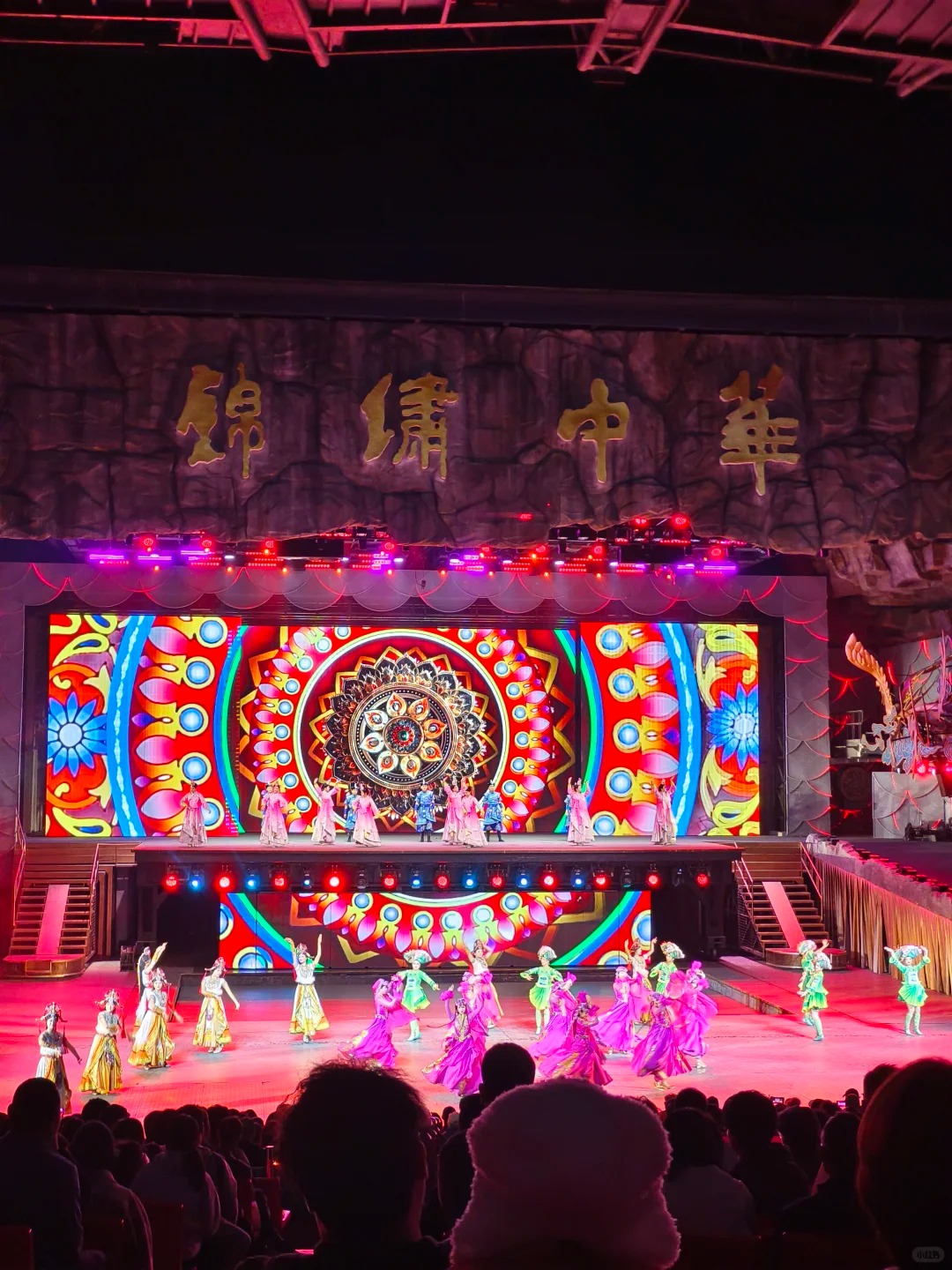
Seating choice changes the experience more than expected, especially during peak hours when the arena fills quickly.
- Viewing Zones: Central seats provide the most balanced perspective, while side seating often distorts depth and reduces visibility of group formations.
- Best Strategy: Enter early and move slightly toward the middle rows instead of staying at the edges near entrances.
- Crowd Pattern: Families and group tours tend to occupy central areas first, so individual travelers usually get better flexibility in side-middle sections.
- Avoid This: Sitting too close to exits leads to frequent distractions from people moving in and out during the performance.
- Family Note: For visitors with children, aisle seats work better for easier movement, especially if leaving early is likely.
- Practical Tip: Even a small change in angle affects how clearly you see the coordinated formations.
A better seat doesn’t just improve visibility—it changes how much of the story actually makes sense.
Is Staying Until Night Actually Worth It
Show at Night
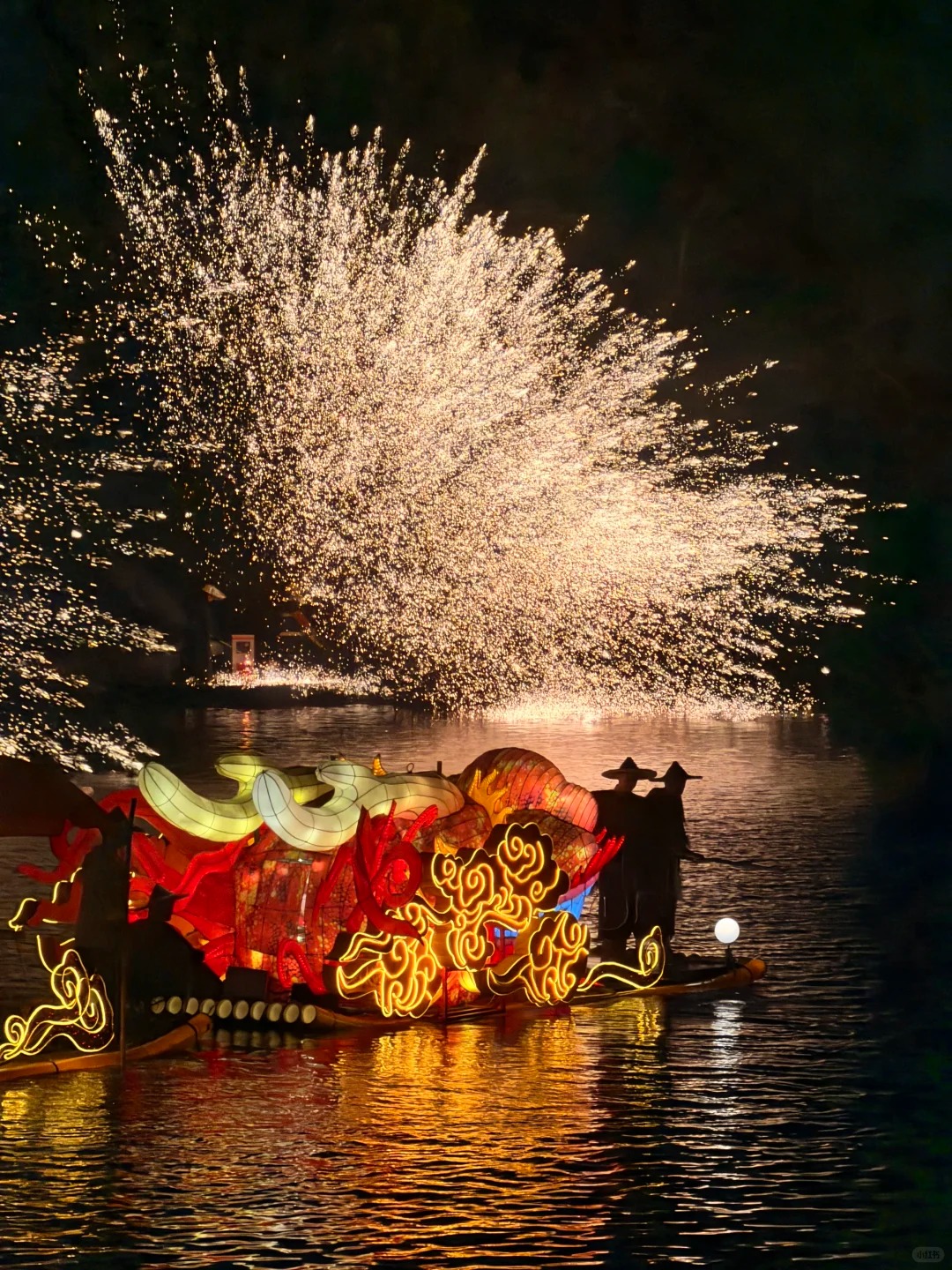
Nighttime is where expectations usually split. Some visitors leave right after the main shows, while others stay longer and experience a noticeably different atmosphere.
- Day vs Night: During the day, the park feels structured and navigational. At night, lighting shifts make the same areas feel slower and less dense.
- Lighting Effect: Warm-toned lights highlight building outlines and soften the miniature sections. Some landmarks look more dramatic at night than during daytime photography.
- Crowd Change: Visitor flow drops significantly after main performances, which makes walking easier and quieter.
- Recommendation: If energy allows, staying for night views is worth it, especially for photography-focused visitors.
- Time Tip: The best window is usually 30–60 minutes after sunset, when lights are fully on but crowds have not completely dispersed.
- Common Mistake: Leaving immediately after the show means missing the calmest part of the park experience.
The night version of splendid china shenzhen feels less like a theme park and more like a scaled-down city under controlled light.
Ethnic Performances That Make the Park Feel Lived-In
Daily Cultural Performers Across the Park
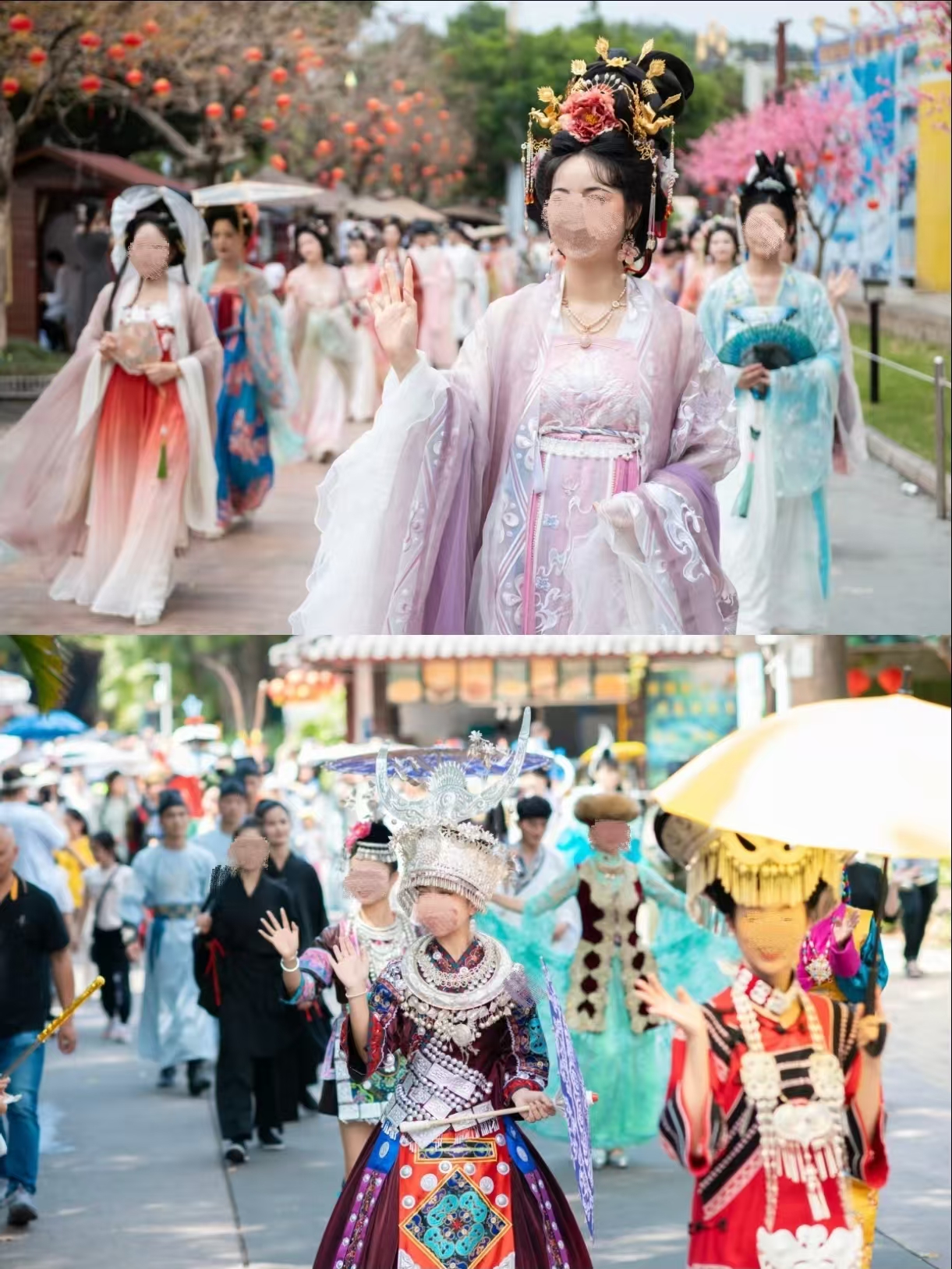
Daily Cultural Performers Across the Park
Unlike many theme parks where performances are locked inside theaters, a noticeable part of Splendid China Shenzhen’s atmosphere comes from performers who move through the park itself. These are not staged shows you sit down for, but smaller encounters that happen while walking between zones.
In different ethnic sections, especially near the folk village areas, performers in traditional costumes appear throughout the day. Some are positioned at fixed points, while others move slowly through walkways, creating moments where visitors suddenly realize a performance is happening without any formal announcement.
- Performance Style: Mixed between static greeting points and slow walking performances across themed streets
- Costume Detail: Distinct ethnic outfits such as silver accessories, embroidered clothing, and region-specific headpieces
- Interaction Level: Light interaction is common, including posing for photos or brief demonstrations
- Visibility Pattern: No fixed schedule in many cases, appearances feel scattered throughout the day
What stands out most is not the scale, but the randomness. A group may appear from a side path, drums may start briefly in the background, and within a minute the street feels different.
These small moments often change how the park feels, turning walking areas into something closer to a living environment than a display.
Costume, Interaction and Visitor Reactions
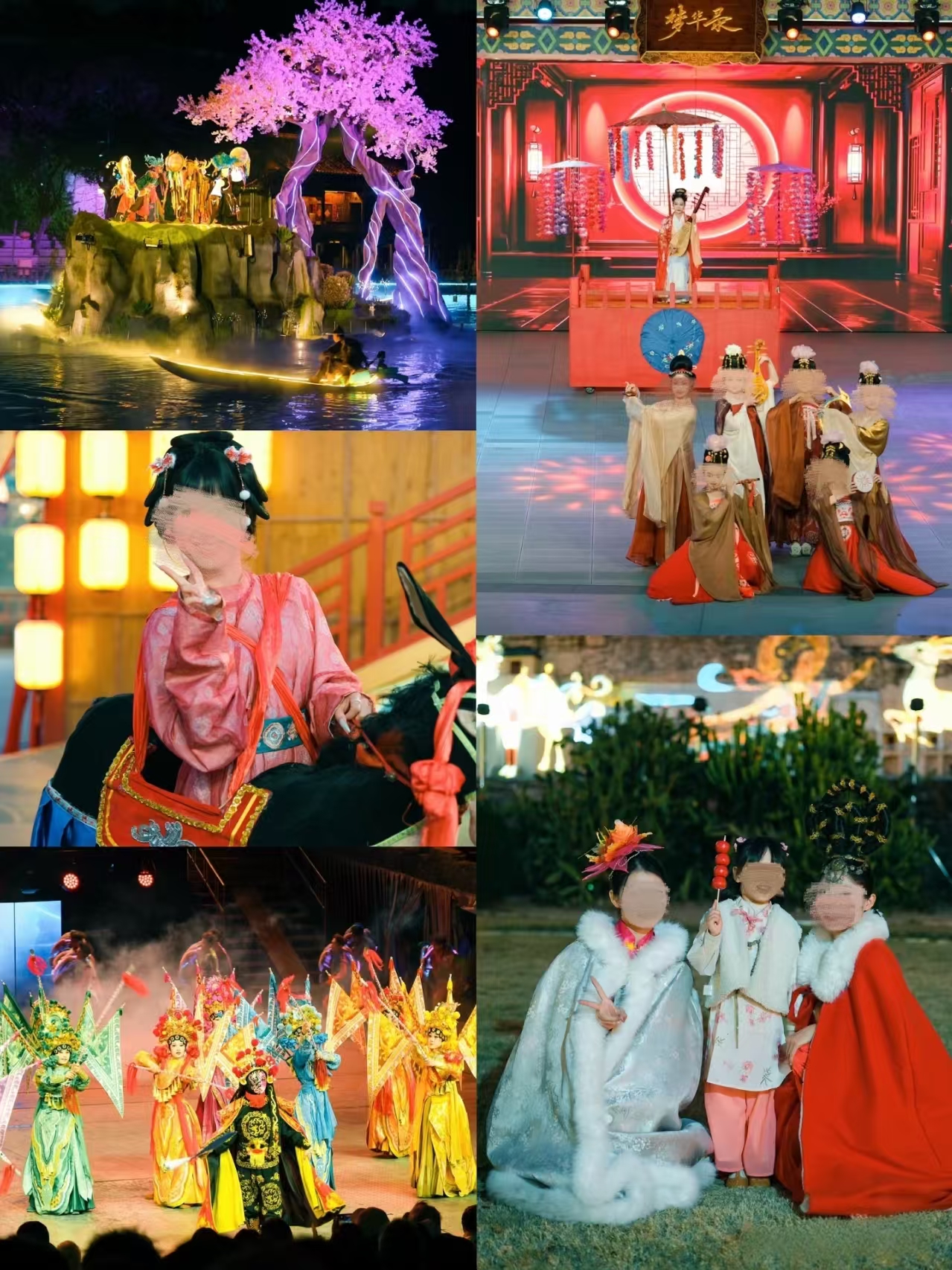
Costume, Interaction and Visitor Reactions
The visual impact of these performers is often stronger than expected, especially for first-time visitors who did not anticipate live cultural presence outside of main shows. The costumes are detailed enough that people usually stop walking just to observe, even without knowing which ethnic group is being represented.
In many areas, visitors can take photos with performers, although the level of interaction varies by zone and timing. Some interactions are free and casual, while others are more structured depending on the specific performance area.
From observation and visitor feedback patterns on platforms like TripAdvisor, a common reaction is that the park feels more “alive” than expected. Instead of moving through static scenes, people frequently find themselves adjusting their walking pace because something is happening ahead or behind them.
- Visitor Behavior: Frequent stopping, photo-taking, and short crowd gathering around performers
- Photo Impact: Costumes create strong contrast against architectural backgrounds
- Atmosphere Shift: Quiet walkways can quickly become focal points of attention when performers appear
This layer of human activity is what prevents the park from feeling like a purely visual exhibition and instead gives it a sense of continuous movement.
Tickets and Booking Tips for Splendid China Shenzhen
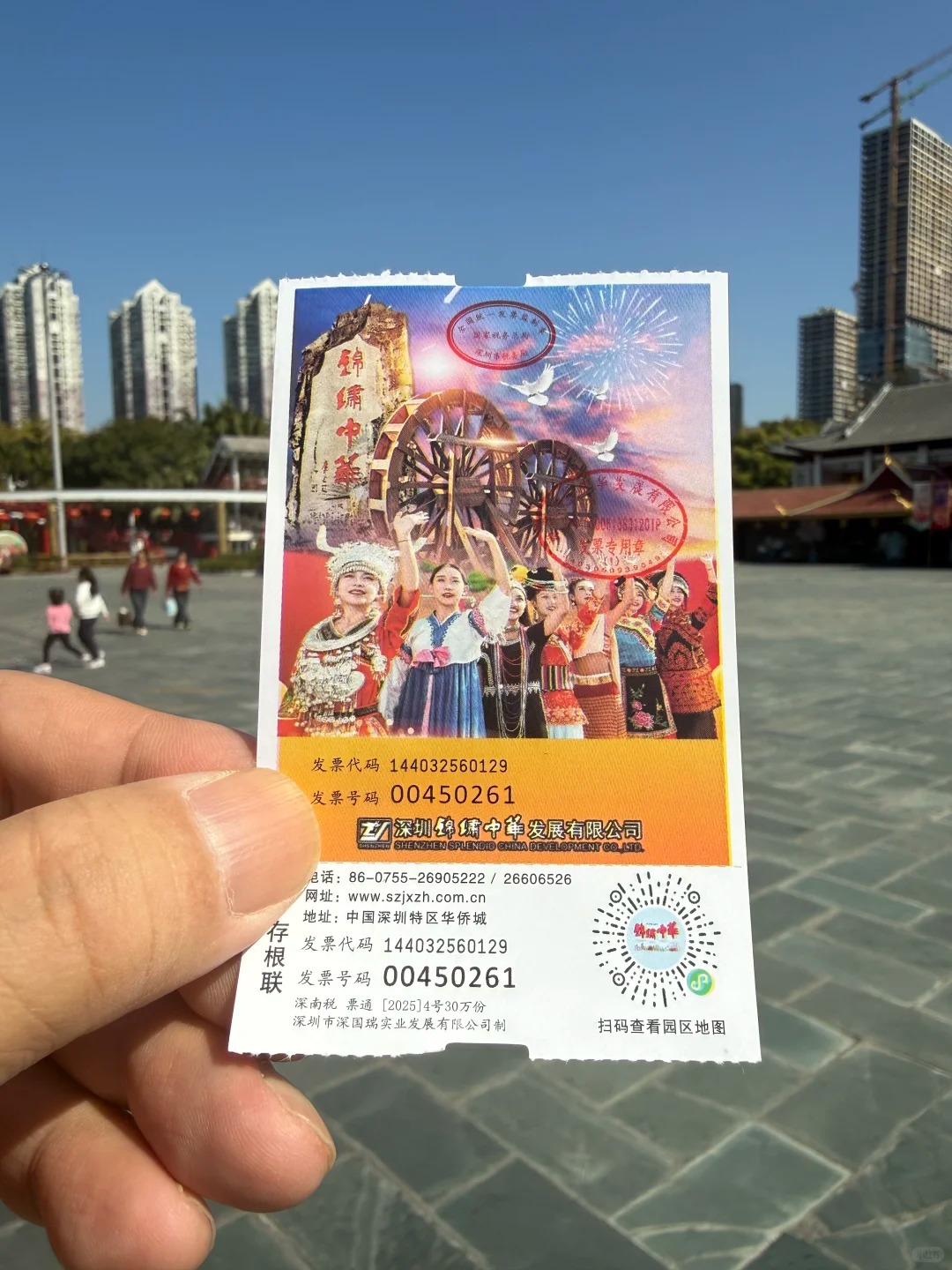
Ticket of Splendid China
Ticket Prices and What’s Included
Ticket prices at Splendid China Shenzhen vary slightly depending on season and weekends, but most visitors will see adult tickets around ¥120–220. Children and seniors usually have discounted rates depending on official policy at the time of visit.
- Price Range: Adult tickets approx. ¥120–220
- Included Areas: Miniature landmarks, folk village zones, and standard daily performances
- Night Access: Some evening shows may follow separate schedules, so checking in advance is useful
- Extra Costs: Food, drinks, and souvenirs are not included in the ticket
The real difference in value comes from how long the visit lasts. A short stop can feel expensive, while a longer stay with shows and evening views feels more balanced.
- Short Visit: 2–3 hours → mainly landmarks
- Balanced Visit: 4–6 hours → landmarks + show
- Full Visit: 6+ hours → full experience including night atmosphere
The ticket feels more worthwhile once the visit is allowed to slow down.
Where Foreign Travelers Usually Book Tickets
For foreign travelers, booking is generally simple, and most choose based on convenience rather than price differences.
- Trip.com (Recommended): English interface, international payment, and QR code entry make it the easiest option
- Official Channels: Available but sometimes less convenient for overseas payment or verification
- On-site Purchase: Still possible, but may involve queues or mobile booking at the gate
In practice, many visitors book right before entering, especially on weekdays. It usually works, but weekend timing can be less predictable.
A few practical points help avoid small issues:
- Booking Timing: Weekdays → same day is fine / Weekends → book earlier
- Entry Tip: Save QR code offline in case of weak signal
- Planning Tip: Check show times before confirming arrival
In most cases, booking ahead is less about price and more about protecting your schedule inside the park.
How to Plan Your Visit
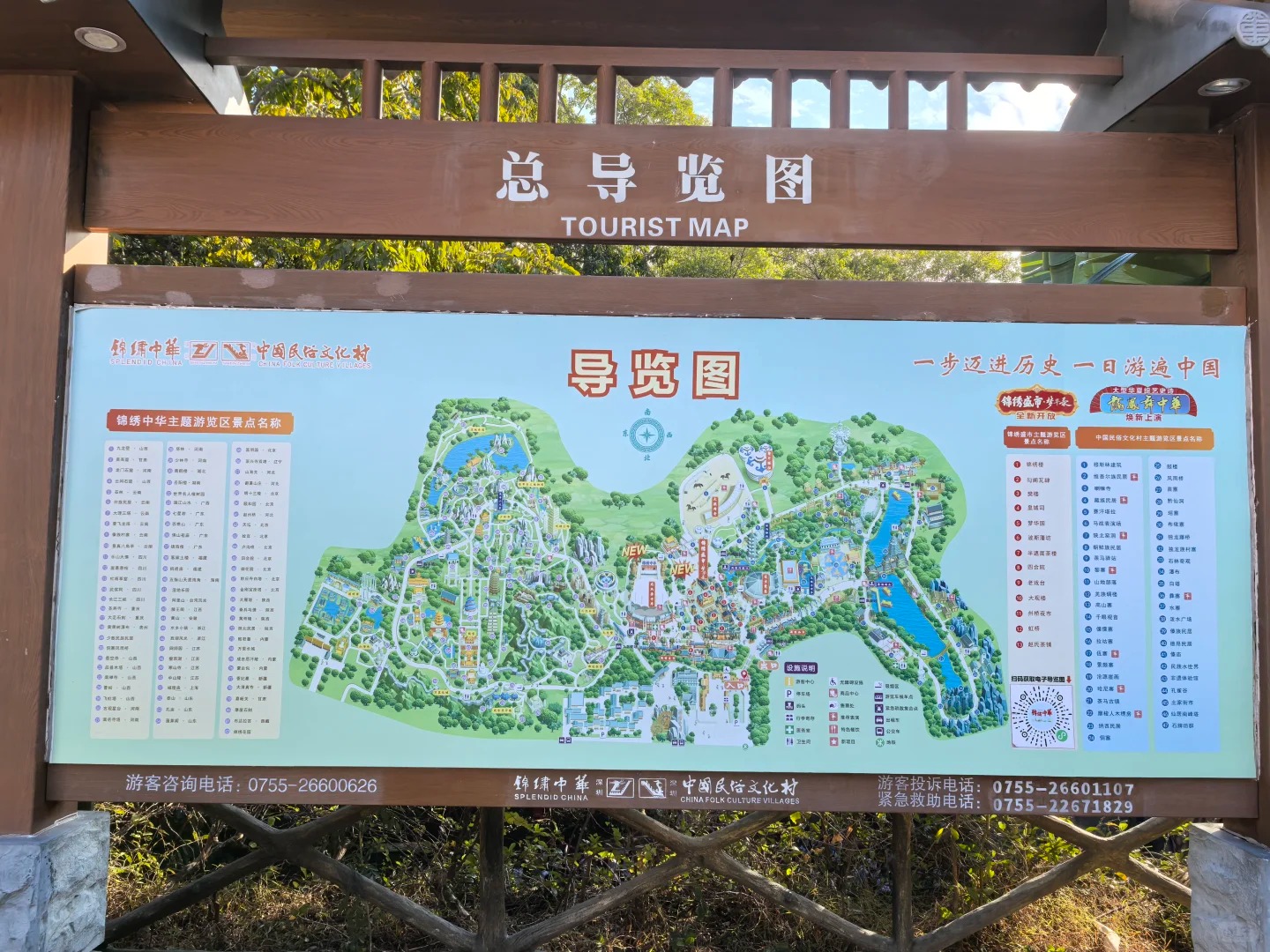
Tourist Map
Route A If You Only Have Three Hours
When time is tight, the goal is to stay on the main loop and avoid detours that don’t change the overall experience.
- Route Path: Great Wall → Potala Palace → Folk Village shortcut → Exit
- Time Allocation: Great Wall (45 min) → Potala (45 min) → Folk Area (40 min) → Exit buffer (30 min)
- Key Focus: Two landmark zones + one cultural highlight
- Avoid: Forbidden City deep walk, Water Town, hidden corners
- Pace Strategy: Move continuously without long stops except main photos
- Energy Tip: Start directly with Great Wall to avoid backtracking later
- Crowd Tip: Midday entry increases congestion near central junctions
This route is essentially a compressed version of the park’s visual highlights.
It works, but only if you accept that half the park will remain unseen.
Route B A Balanced Half-Day Plan
This is the most practical version of a “splendid china shenzhen itinerary” for most travelers, especially first-time visitors arriving before noon.
- Route Path: Great Wall → Forbidden City → Potala Palace → Minority Area → Water Town
- Time Allocation: Wall (35 min) → Forbidden (35 min) → Lunch (40 min) → Potala (40 min) → Show stop (30 min) → Water Town (30 min)
- Key Focus: Landmarks + one show + slow ending zone
- Avoid: Random zigzag movement between zones
- Lunch Strategy: Eat between 11:30–12:00 or after 13:30 to avoid queues
- Show Integration: Plan one performance slot between Potala and Water Town
- Walking Tip: Keep movement linear to reduce backtracking fatigue
This route feels structured without being rushed, and most TripAdvisor-style reviews describe it as “enough time without stress.”
It’s the version where the park finally feels logically connected instead of overwhelming.
Route C Full Day Including Night Shows
This is the only route where the park experience feels complete, including both daytime structure and nighttime atmosphere.
- Route Path: Great Wall → Forbidden City → Potala → Minority Culture → Water Town → Night Show → Exit
- Time Allocation: Morning (2.5h) → Lunch (1h) → Afternoon (3h) → Show (1h) → Night walk (1h)
- Key Focus: Full coverage + photography + performance timing
- Avoid: Leaving before sunset or skipping show scheduling
- Morning Strategy: Cover major landmarks before crowd buildup
- Afternoon Strategy: Slow down and allow flexible stops
- Night Strategy: Stay for lighting shift and low-crowd walking experience
- Show Timing Tip: Treat shows as fixed anchors, not flexible add-ons
This route fits travelers who are not rushing between Shenzhen attractions and want depth instead of speed.
Leaving before night means missing the most visually calm version of the entire park.
Common Mistakes First-Time Visitors Make
Planning errors in a splendid china shenzhen itinerary usually come from misjudging distance and timing rather than attraction choice.
- Late Arrival Problem:
Entering after 14:00 removes flexibility for shows and full loop coverage. - Scale Underestimation:
Walking distance between zones is longer than expected, especially between miniature and cultural sections. - Show Ignorance:
Missing one scheduled performance often breaks the pacing of the visit. - Footwear Issue:
Light shoes or sandals reduce comfort significantly after 3–4 hours of walking. - Weekend Routing Error:
Crowds cluster around central zones, making linear routing more efficient than circular wandering.
Most negative feedback comes from timing mistakes, not the park itself.
Good planning doesn’t make the park shorter—it just makes it feel controlled instead of chaotic.
Food and Rest Stops
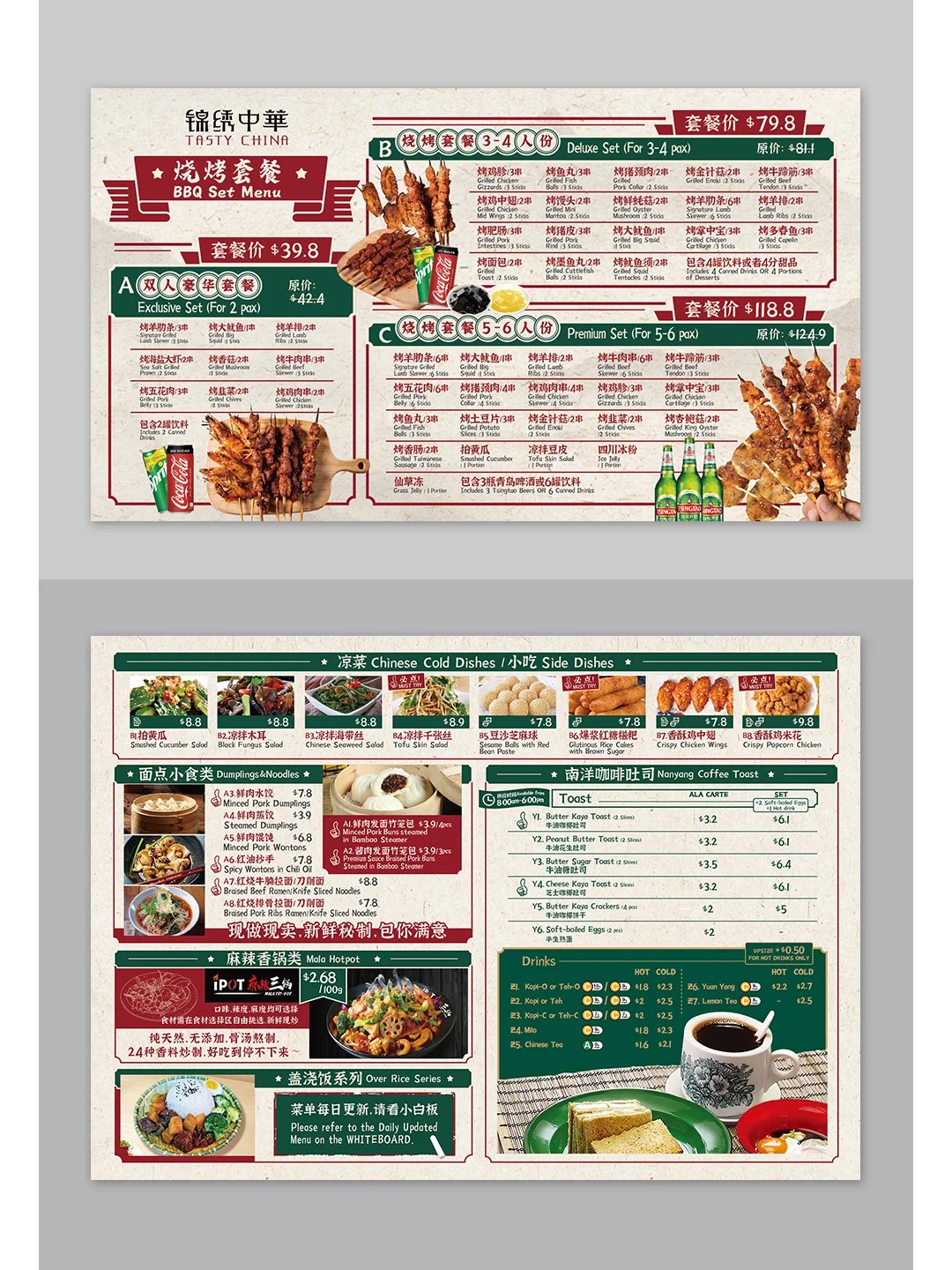
Menu of Splendid China Shenzhen
Fast Meals That Don’t Interrupt the Day
Food inside the park is mostly designed for speed rather than dining. Most visitors end up eating between walking routes rather than sitting down for a proper break, especially since the layout makes it easier to stay inside the main loop instead of exiting for restaurants.
The best time to eat is usually around 11:00–12:00 or after 13:30, when the lunch rush hasn’t fully started or has already passed. I’ve noticed that once it hits noon, queues build quickly near the central food corridors, and even simple meals like noodles or rice sets slow down more than expected. Prices are slightly higher than outside the park, roughly ¥20–50 per meal, depending on portion and location.
Most people don’t really plan food stops here, and that actually works better. Eating quickly and returning to the route keeps the rhythm of the visit stable. Once the walking pace breaks, it’s surprisingly easy to lose momentum and spend more time sitting than exploring. In a place like splendid china shenzhen, that usually means missing either a show or one of the better photo windows later in the day.
The general rule is simple: eat when it’s convenient, not when you’re already tired.
Local Snacks That Visitors Usually Notice
Snacks inside the park are not a highlight on their own, but they appear frequently enough along the main walking paths that most visitors end up trying at least one thing without planning it. The options are fairly standard theme park food in Shenzhen—grilled skewers, small dumplings, fried snacks, and bottled drinks.
The taste is not something people usually remember afterward, but it serves its purpose during long walking sections. Prices usually sit around ¥15–40 per item, with drinks slightly cheaper near vending areas and slightly more expensive near performance zones. Some visitors mention on TripAdvisor that the food is “basic but predictable,” which is a fair description rather than a complaint.
What matters more is convenience. Snack stalls are positioned near junctions and show areas, so grabbing something doesn’t require detouring. It becomes more of a walking companion than a planned meal.
In practice, snacks here are less about eating and more about keeping energy levels stable between attractions.
Where to Sit and Recharge
Resting inside the park is something many visitors underestimate until the middle of the visit. The walking distance is not extreme in one section, but the repeated stop-and-go pattern makes short breaks surprisingly useful. Seating areas are not always clearly marked, but they are distributed in predictable places—near Water Town paths, around folk village zones, and close to performance venues where people naturally gather.
Afternoons, especially between 13:30 and 15:30, tend to be the hardest time to find empty benches. Earlier or later in the day, it becomes much easier to sit for a few minutes without crowds around. Shade also plays a bigger role than seat comfort itself, especially in warmer months, since open areas can feel noticeably hotter even with light walking.
A short rest after major zones like the Potala Palace or Forbidden City section usually makes the rest of the visit smoother. Without it, fatigue builds gradually and often shows up only in the final part of the route.
A few minutes of rest at the right moment usually prevents the last hour from feeling longer than it actually is.
Splendid China Shenzhen or Window of the World
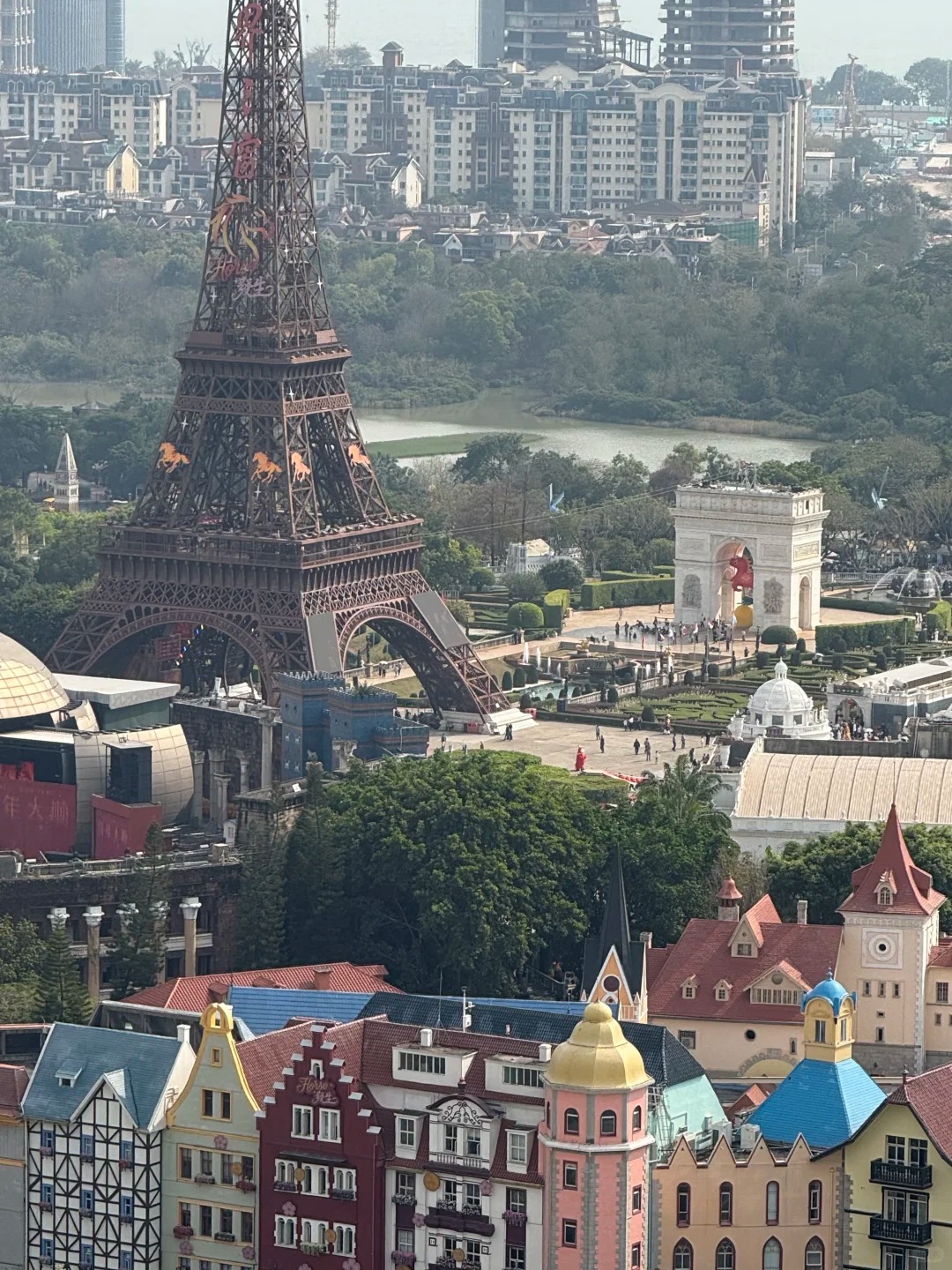
Window of the World
Choose Splendid China for Culture and Shows
Splendid China Shenzhen works better for visitors who are not only chasing photos but also want to see how different regions of China are represented in one place. The experience is less about isolated landmarks and more about movement between miniature architecture, folk villages, and scheduled performances that slowly shape the rhythm of the visit.
It usually fits travelers who prefer slower exploration, families, and first-time visitors who want context rather than just iconic backdrops. The park feels more layered over time, especially when shows are included in the schedule. Compared to more static attractions, the experience here depends heavily on timing and walking flow rather than just photo stops.
The main value is not a single landmark, but how the whole visit builds gradually through walking and watching.
Choose Window of the World for Landmark Photos
Window of the World is more direct in its appeal. It focuses on global landmarks condensed into a compact layout, making it easier for visitors who mainly want recognizable photo spots without spending a full day moving between zones.
It suits travelers with limited time in Shenzhen or those who prefer a faster sightseeing loop. The layout allows quicker coverage, and most highlights can be completed in a shorter visit compared to Splendid China Shenzhen. However, the trade-off is that the experience feels more visual and less immersive, with fewer transitions between different cultural environments.
In practical terms, many visitors treat it as a half-day attraction, especially when combining it with nearby shopping or other city activities.
It is more efficient for photos, but less layered in terms of experience.
Which One Fits a First Shenzhen Trip Better
For a first visit to Shenzhen, the decision usually depends on how much time is available and what kind of travel experience is preferred. If the goal is structured sightseeing with a mix of walking, shows, and cultural environments, Splendid China Shenzhen tends to fit better. If the goal is faster coverage of global landmarks and easy photo collection, Window of the World becomes the more efficient option.
A simple way to plan is to avoid trying to do both in one rushed day. Instead, pick one based on pace:
- Splendid China Shenzhen vs Window of the World: culture + shows vs landmark photos
- Time requirement: 5–8 hours vs 3–5 hours
- Experience style: immersive walking vs compact sightseeing
For most first-time travelers staying more than a day in Shenzhen, Splendid China works better as a full-day experience, while Window of the World fits better into tighter schedules or combined itineraries.
Choosing between them is less about quality and more about whether the trip is about depth or efficiency.
FAQ about Splendid China Shenzhen
Q: Is Splendid China Shenzhen worth visiting?
Splendid China Shenzhen is worth visiting mainly for travelers who want a mix of walking, photography, and short performances in one place. It is not a high-adrenaline theme park, but it offers a dense combination of miniature landmarks and cultural zones that can easily fill half a day or more. Based on visitor feedback on platforms like TripAdvisor, most people who enjoy it are those who don’t rush and follow the show schedule. If the expectation is fast entertainment, it may feel slow, but for structured sightseeing it performs well.
Q: How much time do I need at Splendid China Shenzhen?
Most visitors spend between 5 and 8 hours depending on whether they include shows and night time walking. A quick visit can be done in around 3 hours, but that usually skips several zones. The park layout encourages stopping, especially in the folk village and show areas, which naturally extends the visit. A full experience including photography and performances easily takes a full day. Short visits tend to feel rushed, especially in peak hours.
Q: Is Splendid China Shenzhen suitable for children?
Yes, it is generally suitable for children, especially because of the open walking spaces and visual variety. Many families visit because the miniature landmarks are easy for kids to understand without explanation. The folk village performances also help maintain attention for younger visitors. However, the walking distance can become tiring, so stroller use or planned rest stops are important. Heat in summer afternoons can also make the experience more exhausting for children compared to adults.
Q: Can I buy tickets on the same day?
Same-day ticket purchase is usually possible, either at the entrance or through platforms like Ctrip. However, weekends and holiday periods may lead to queues, especially during peak morning hours. Online booking is more convenient and sometimes slightly cheaper. Entry tickets generally range around ¥120–150, depending on season and promotions. It is also worth checking whether night show access is included, as some ticket types separate daytime and evening entry.
Q: Is Splendid China Shenzhen better during the day or at night?
Daytime and nighttime offer two very different experiences. During the day, visibility is better for photography and walking between landmark zones is easier. At night, lighting changes the atmosphere, especially in Water Town and central show areas, making them quieter and more visually dramatic. Many visitors prefer staying into the evening if they have already spent the afternoon in the park. If time is limited, daytime gives more coverage, but night adds atmosphere.
Q: What is the difference between Splendid China and Splendid China Folk Village?
Splendid China refers mainly to the miniature landmark section, where famous Chinese sites are recreated at reduced scale. The Folk Village is a separate but connected area that focuses on ethnic culture, performances, and full-scale architectural environments. In practice, both are included in the same ticket, but they feel different in experience. One is visual and structured, the other is more active and performance-driven, which is why combining both creates a more complete visit.
Q: Is English commonly used inside the park?
English is available in basic form, mainly through signage and some simplified explanations near major attractions. Staff English varies, so communication often relies on pointing or mobile translation apps. Most navigation is straightforward even without language support because routes are clearly marked. Performance shows do not require language understanding to enjoy. Foreign visitors generally report that while English is limited, it is still manageable for self-guided visits.
Q: Can I combine Splendid China Shenzhen with Window of the World in one day?
Technically it is possible, but not recommended unless both visits are extremely short. Each park is large enough to take several hours, and combining them often results in a rushed experience with missed shows or skipped zones. A more practical approach is to choose one based on interest. Splendid China focuses more on cultural environments and walking flow, while Window of the World is faster and more photo-driven.