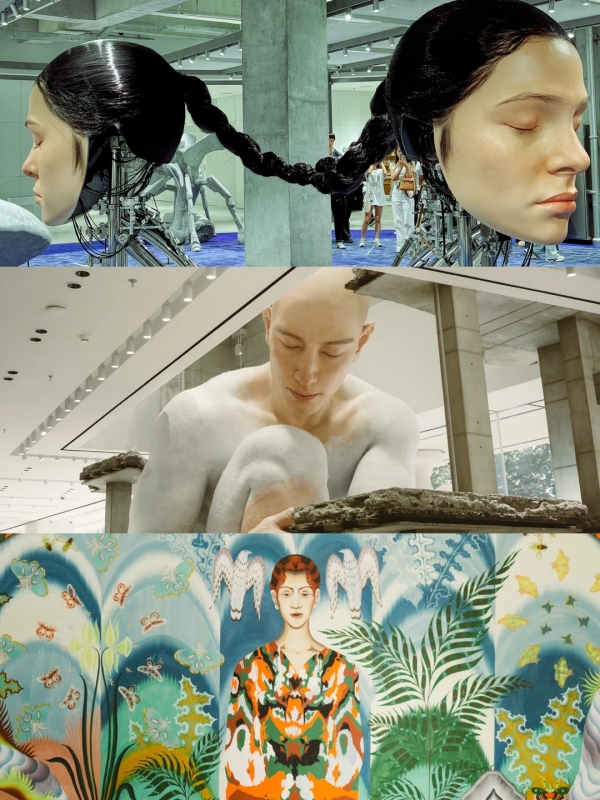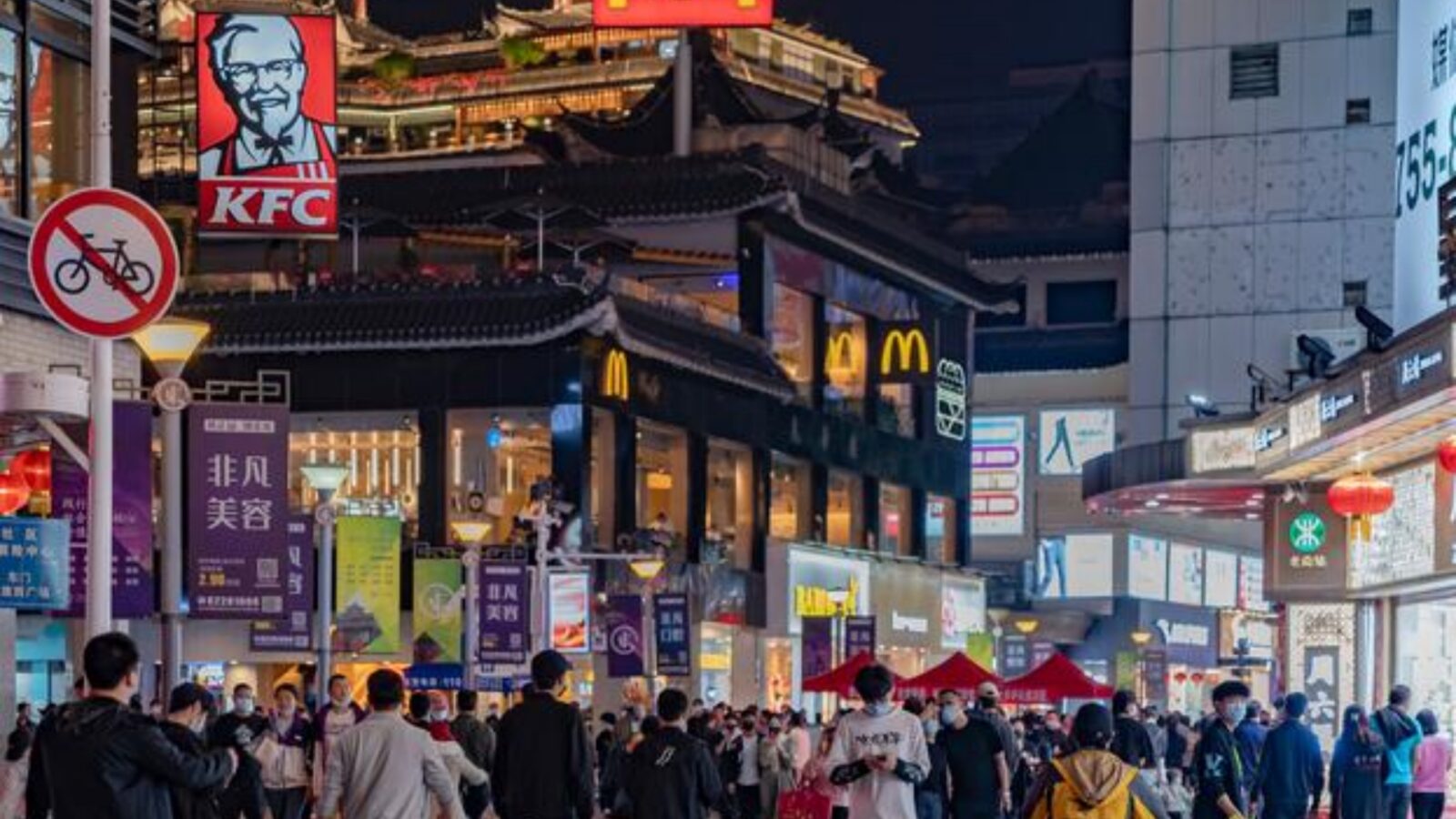
Things to Do in Shenzhen:Must-See Attractions Covering Sightseeing, Art and Regional Dishes
In 1979, Shenzhen was a fishing village of 30,000 people. Today it’s a megalopolis of 18 million — home to DJI, Huawei, and the planet’s most extraordinary electronics market — built entirely from scratch in under four decades. Things to do in Shenzhen boast a wild variety, from free skyline parks and a 630-year-old Ming fortress to neon-lit jewellery halls and drone shows put on by 12,000 UAVs. No other city comes close. This guide covers all major attractions you’ll need as a first-time visitor, with honest views on what to visit, what to skip, and exactly how to get across from Hong Kong without a headache. One day or five — let’s get into it.
☀️ Check the Best Time to Visit: While planning your itinerary around these futuristic skylines and creative art hubs, it is essential to consider the local climate and seasonal rainfall. Plan your packing and outdoor activities perfectly with our detailed guide to Shenzhen Weather by Month.
🏙️ Top Shenzhen City Attractions to Visit
Every city has a short list of places you genuinely can't skip. In Shenzhen, these four are it — not because every guidebook says so, but because each one shows you something the city uniquely is.
1. Lianhuashan Park Panoramic Skyline View
Lianhuashan Park
-
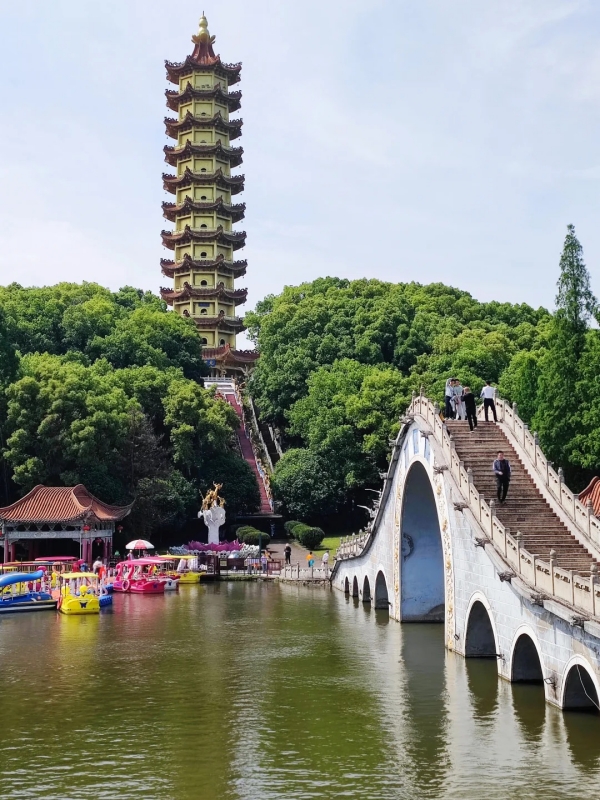

- Lianhuashan Park
-
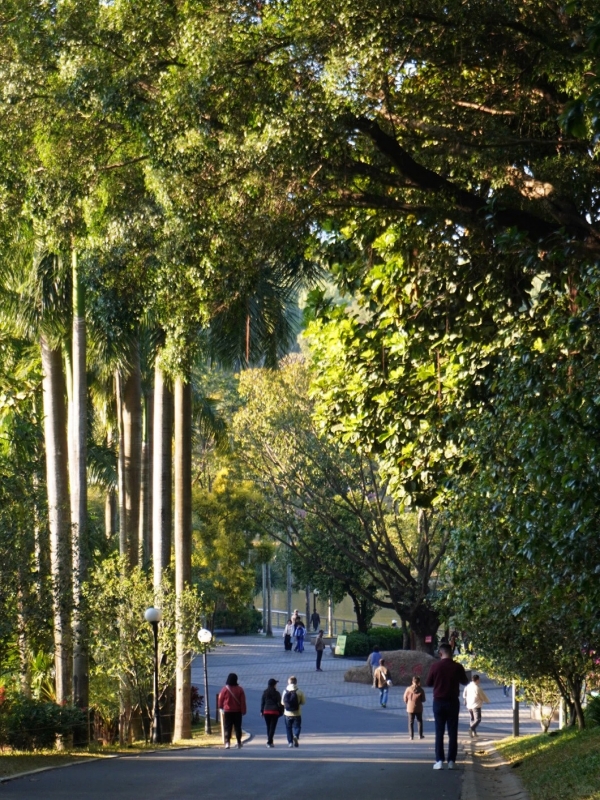
- Lianhuashan Park
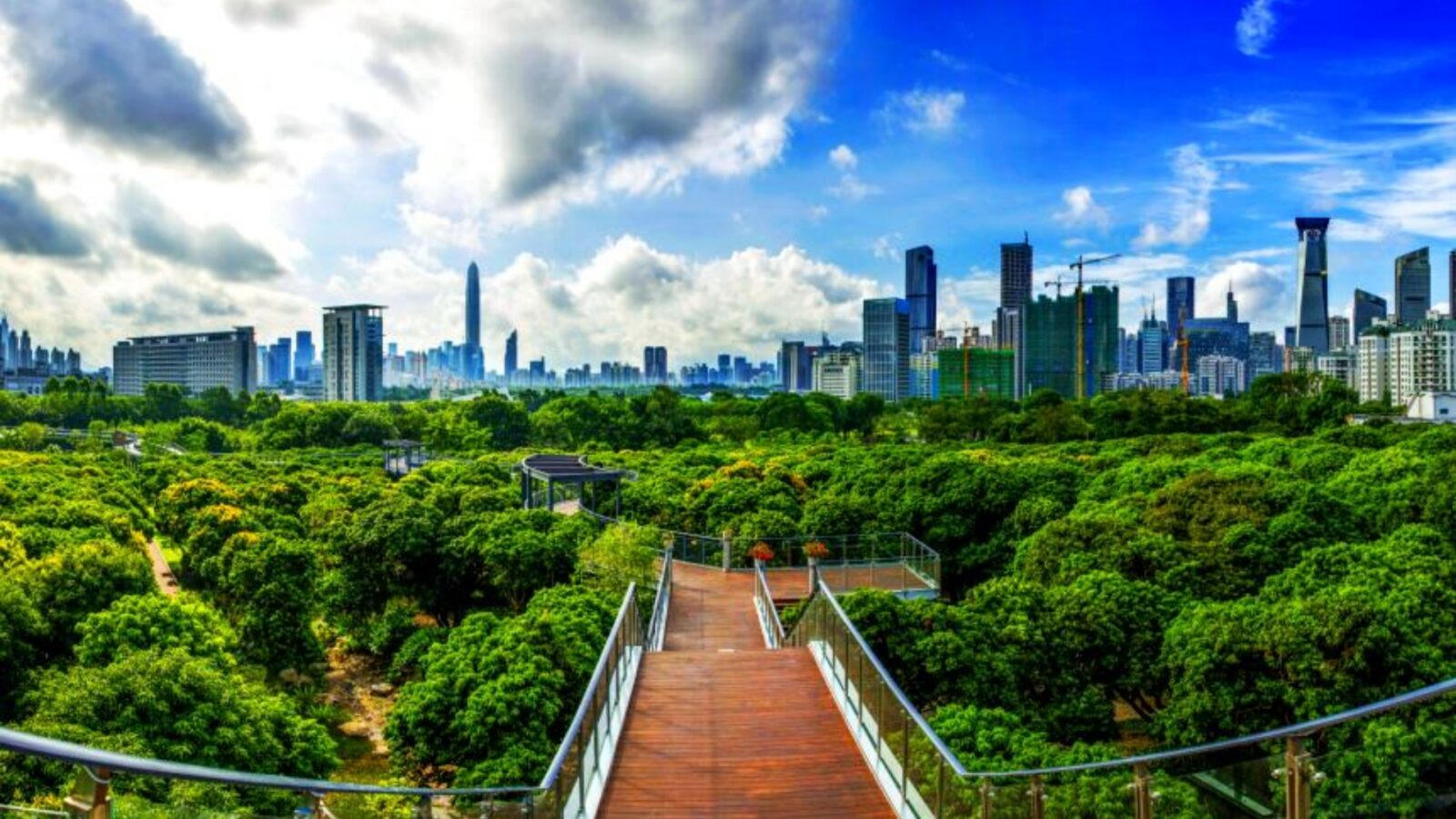
Lianhuashan is the place to begin any Shenzhen visit. It’s a hilltop forest park sitting above the CBD of Futian, and its view from the top is one of the cleanest city viewscapes in China. The Ping An Finance Centre - 600 metres high, the second tallest building in the country - fills the frame. If you come at golden hour then the towers go amber. At the peak, the bronze Deng Xiaoping statue makes a silent statement - the skyline you’re looking at, that decision about SEZ, didn’t exist.
Enter from the north gate (3-min walk from Metro Line 4, Shaonian Gong Station), reach the summit, then exit south along the civic axis toward the Civic Center and museum cluster. Open 06:30–23:00. Free. Allow 1–1.5 hours.
2. Futian CBD Axis and Ping An Tower
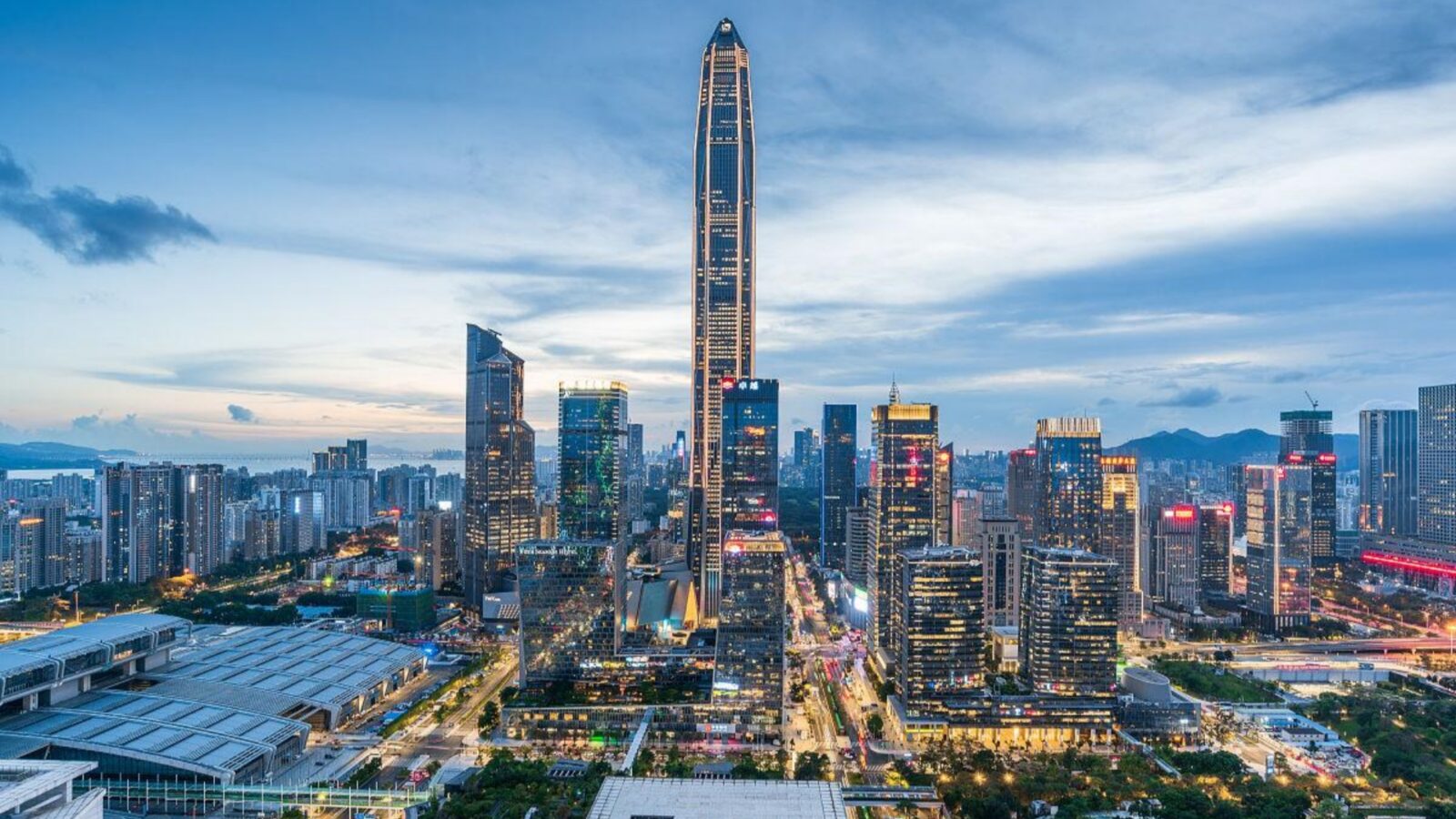
Futian CBD
-
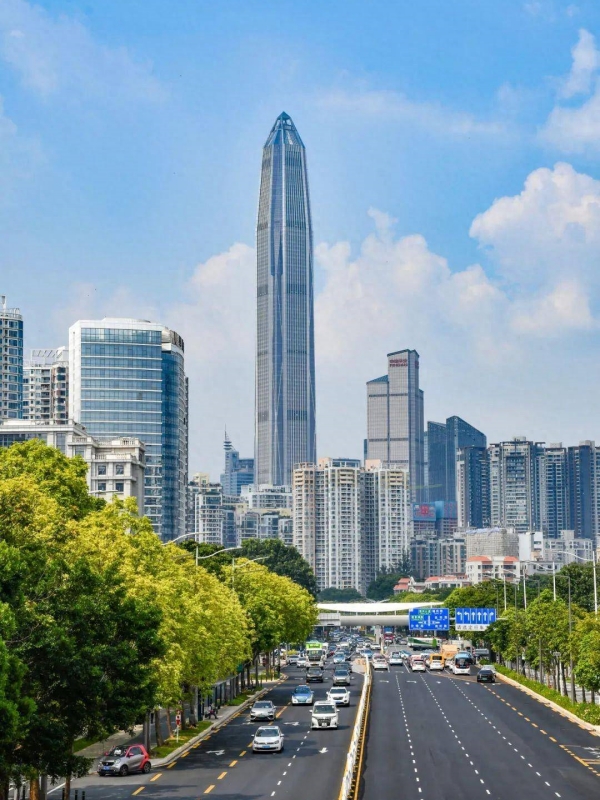
- Futian CBD Skyline
-
- One Avenue Neon Cityscape
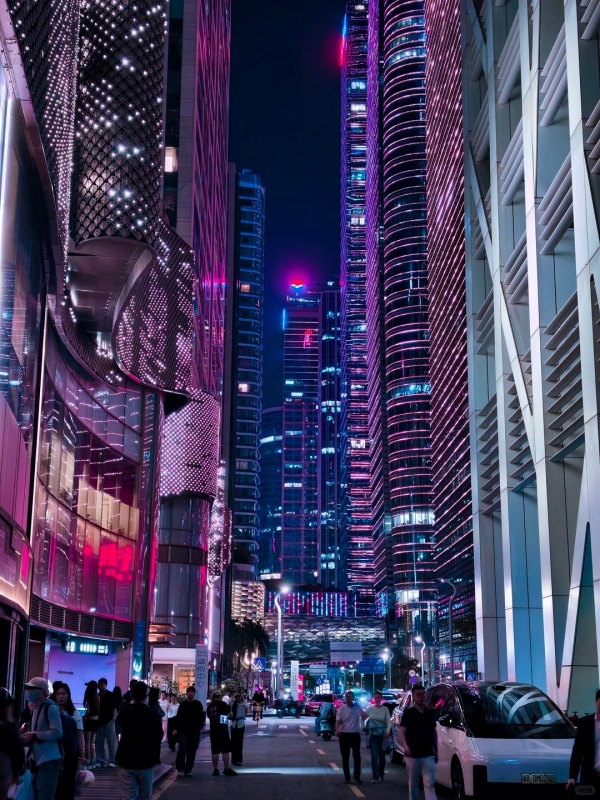
Plunge south from Lianhuashan for a brisk 15-minute walk to the Civic Center. This pleasantly wide pedestrian axis is lined with public art, taking you directly to the free museums located within the Civic Center.
The treat at the end of the road is the Ping An Finance Center tower. Your walk is free, but you can top it with an optional visit to the floor 116 observation deck for ¥280 (easy to book at the desk on the ground floor or via their WeChat mini-program). Allow 1-2 hours for this stroll into the centre.
3. Window of the World Theme Park
Window of the World Theme Park
-
- Window of the World Theme Park
-
- Window of the World Theme Park
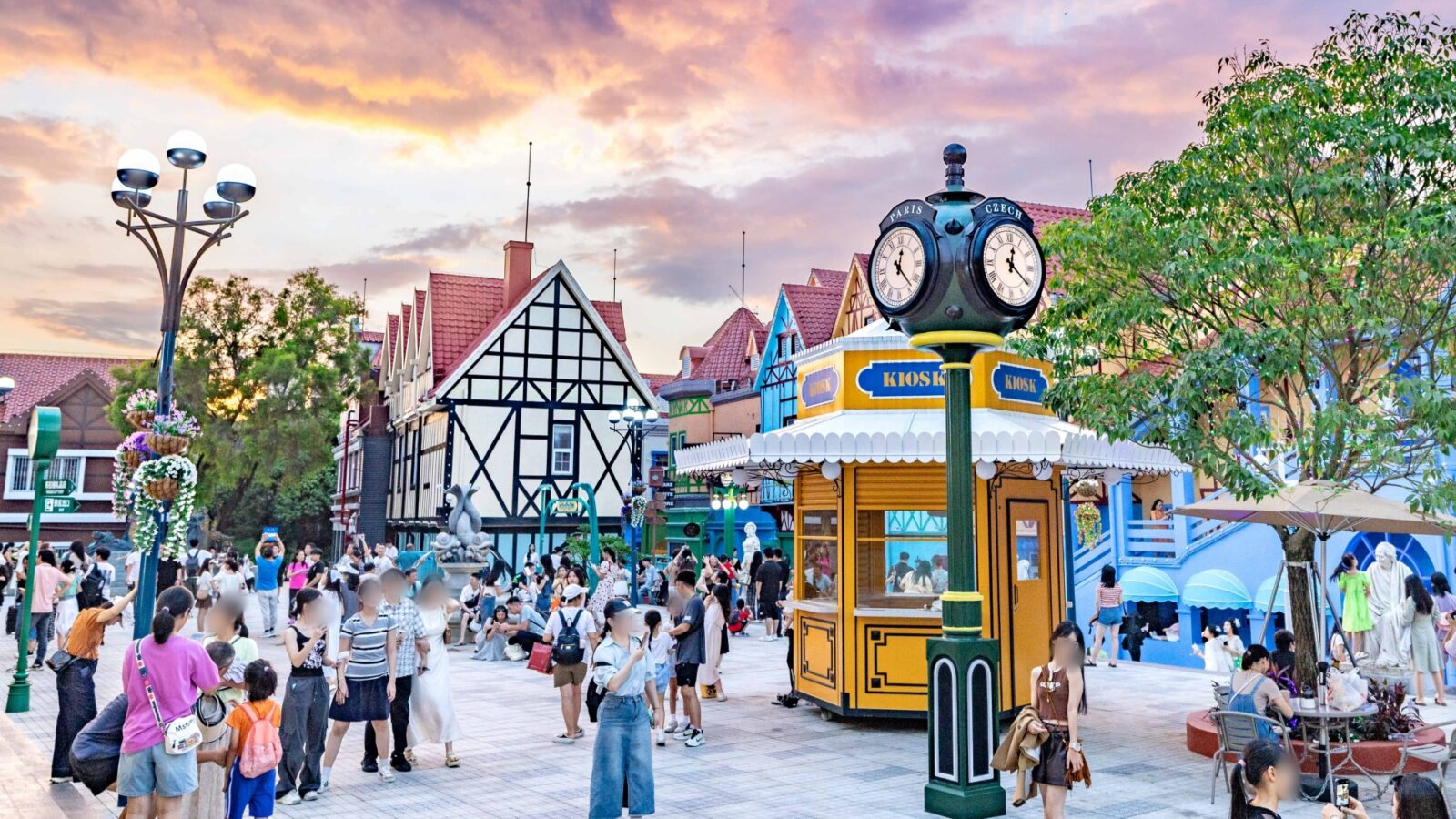
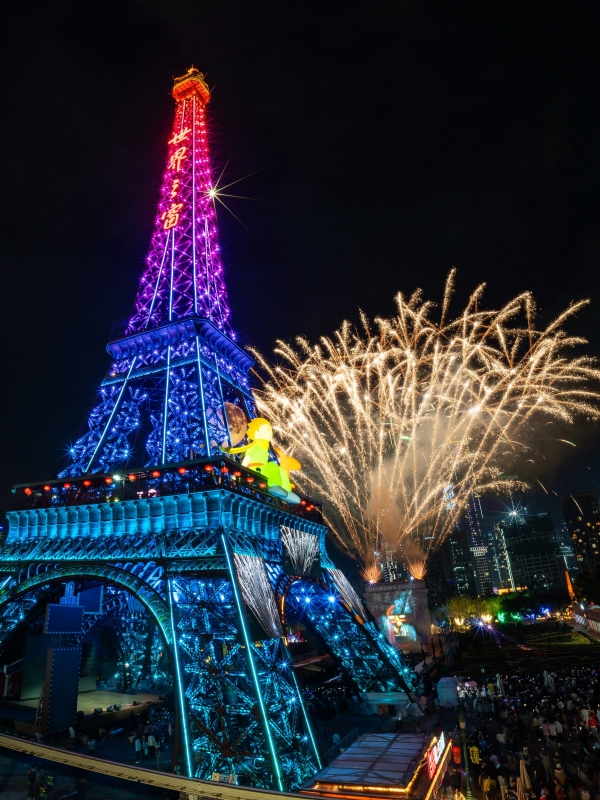
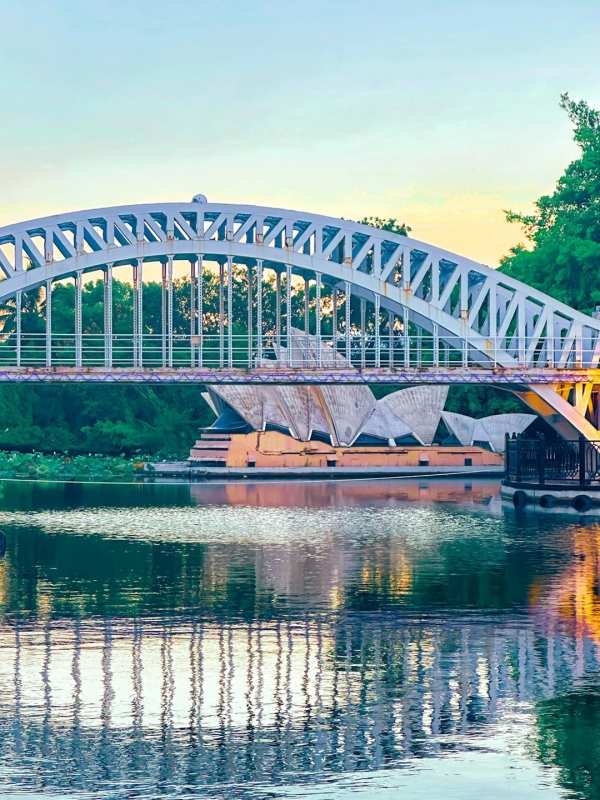
Window of the World is 130 acres of miniatures of monuments from around the globe — the Eiffel Tower at 1:3 scale, the Pyramids, Niagara Falls, the Grand Canyon. It sounds kitsch but is, in practice, oddly compelling, and wandering from Paris to Sydney in 10 minutes produces a pleasant disorientation that feels very Shenzhen. There are rides too: roller coaster, water raft, Ferris wheel.
If you’re arriving from Hong Kong at midday, the night ticket (entry from 18:00) is the smarter move: cheaper, covers 70% of the park, and saves you from the afternoon heat. Pre-book on Klook or Trip.com for a 10-20% saving vs gate price. Metro Line 1, Window of the World Station. Open 09:30-21:30. Full-day ≈ ¥220. Allow 3-5 hours.
4. Vast Huaqiangbei Electronics Market
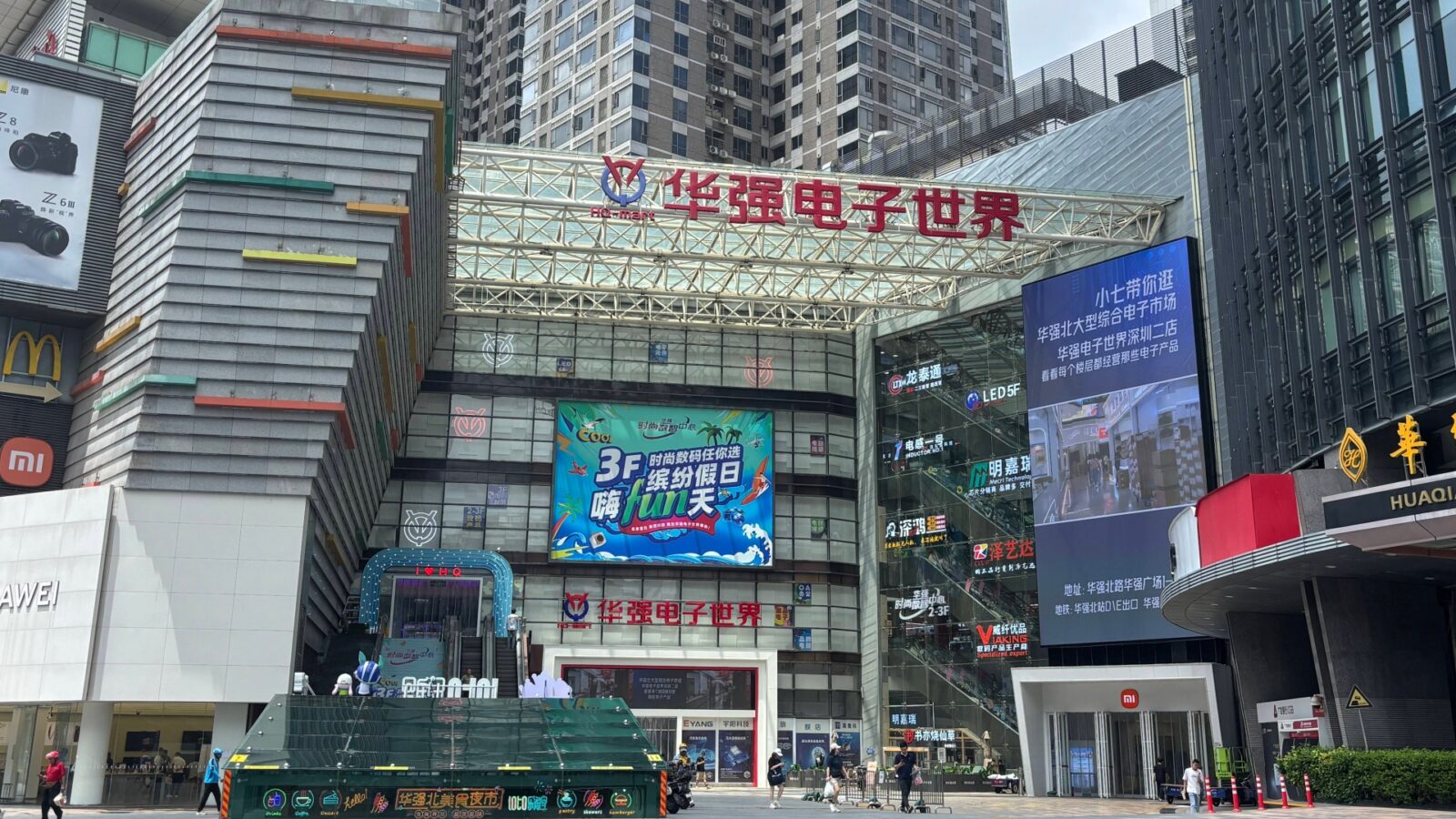
Huaqiangbei Electronics Market
-
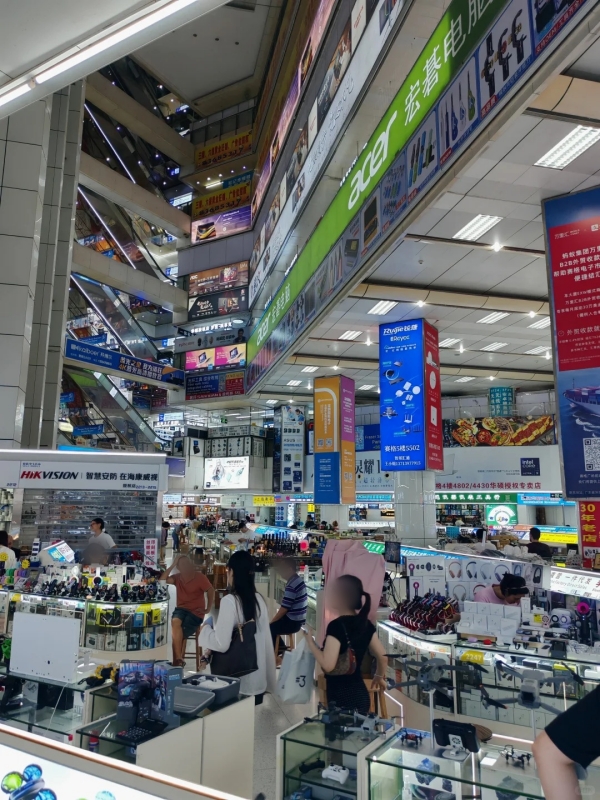
- Huaqiangbei Electronics Market
-
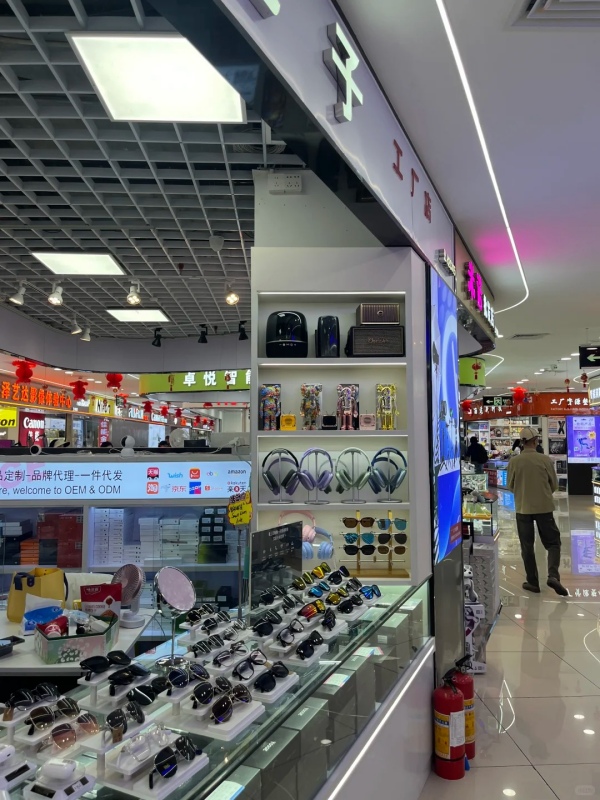
- Window of the World Theme Park
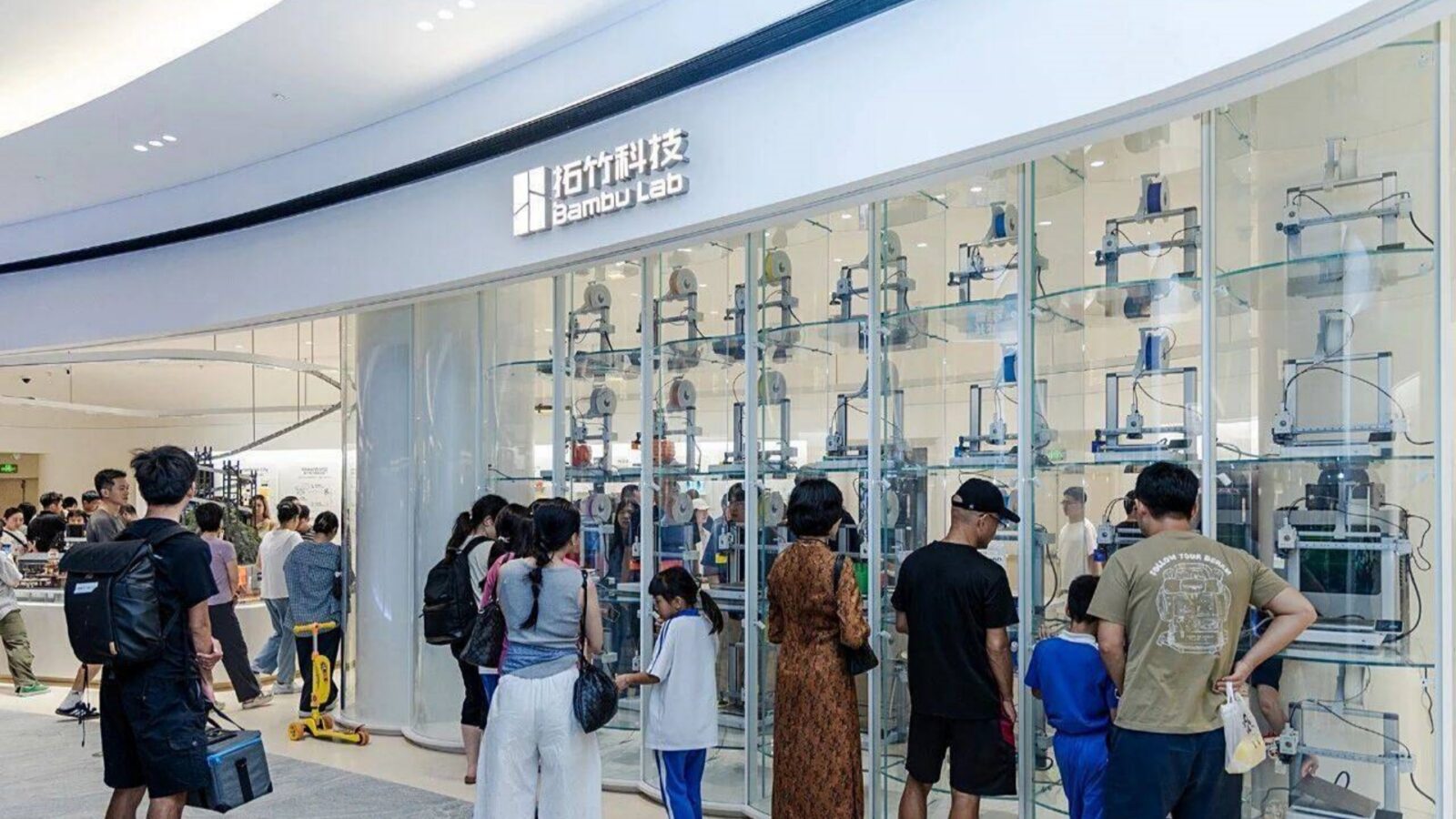
Nothing can really prepare you for Huaqiangbei. On street level it looks just like another commercial strip. Step inside and the scale hits: five interlinked malls piled floor-high with unstoppered stalls selling resistors, raw circuit boards, drone parts and finished smartphones. This is the apparent start of the world’s electronics supply chain, and you walk right into it. The ground floor has raw stuff. The upper floors do assembled gadgets, and the prices will have you looking for extra zeroes.
A few things to know before you go: shenzhen wholesale market guide →bargaining starts around 50% of asking price; if a price is more than 60% below official retail, it's probably a fake; bring ¥300–500 cash for the older stalls. Best spots: SEG Electronics Market (organised, foreigner-friendly) and HQ Mart (Metro Exit A). Stalls close hard at 17:00 — arrive before 14:00 to browse comfortably. Metro Lines 1 & 7, Huaqianglu Station, Exit A. Free entry. Allow 2–3 hours.
🚄 Beyond the Border: Once you've explored Shenzhen's top highlights, why not maximize your vacation by discovering other vibrant mega-cities and cultural hubs right next door? Explore your options in our regional guide to Cities Near Hong Kong.
🔬 Modern Tech Innovations to Experience
DJI, Huawei, Tencent, BYD — they're all here. The R&D density is visible on the streets: EVs everywhere, delivery robots, and, on the right evening, 12,000 drones overhead. These three stops get you closest to what that actually looks like.
5. Shenzhen Museum and Industry Exhibition Hall
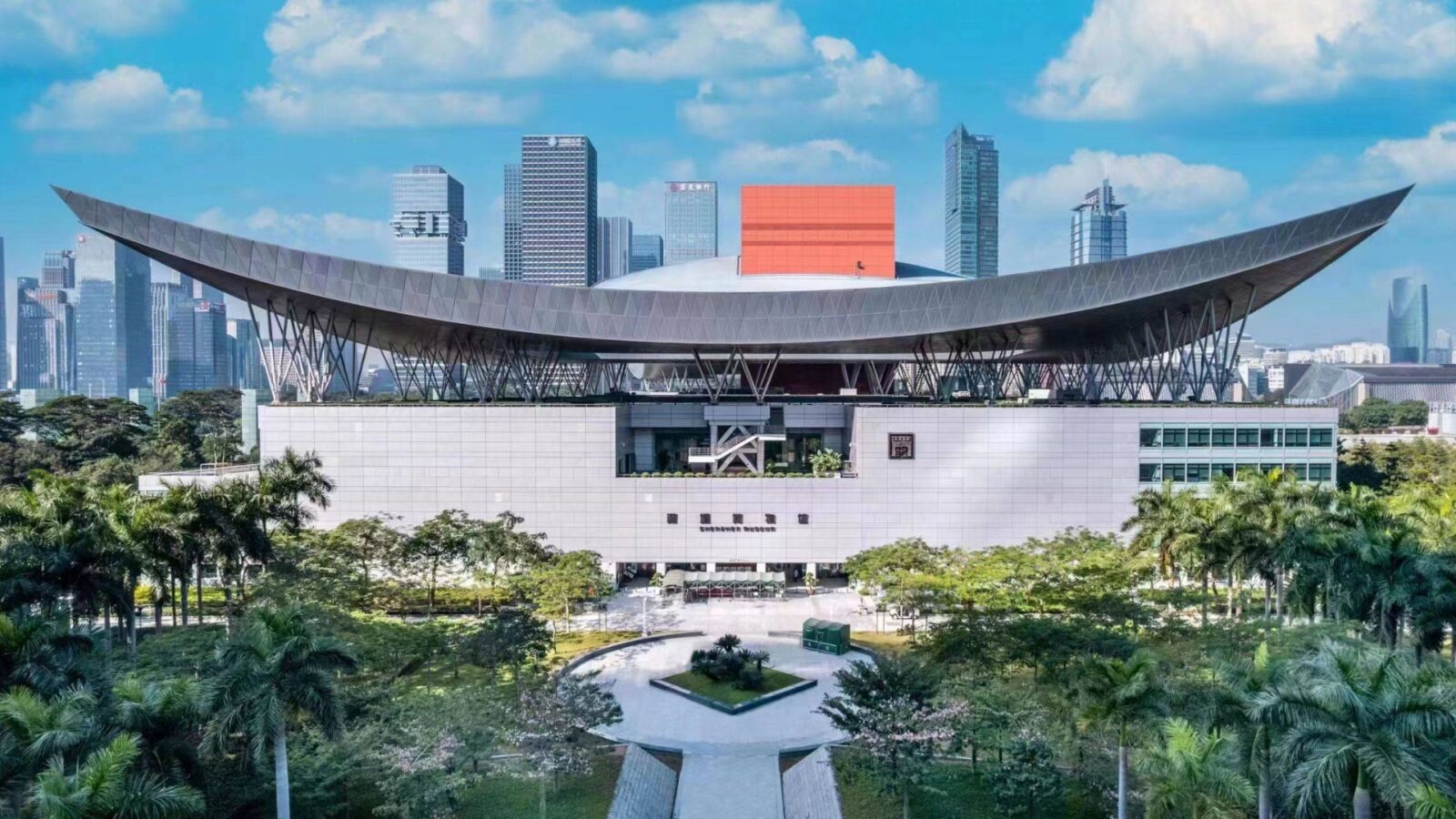
Shenzhen Museum
Two free museums, one building. The Shenzhen Museum (east wing) takes you through the city from prehistoric Pearl River settlements up to the 1979 SEZ proclamation and beyond. English signage is extensive; the highlight is a full-scale diorama directly conceived from the 1979 border crossing — basically a muddy way through paddy fields, nestled beside a photo of today’s eight-lane checkpoint. Allow 2–3 hours. If you want to further explore the city's cultural evolution through contemporary visual arts, visit the nearby Shenzhen Art Museum.
The Industry Exhibition Hall (west wing) feels less like a museum and more like a curated trade show — DJI drones in glass cases, Huawei hook them up with some 5G gear, BYD battery stacks. Signage only sporadically appears in English, but the products speak for themselves. Thirty to forty-five minutes is enough. Both: Civic Center, Metro Line 4 Shimin Zhongxin Station. Free. No bookings.
6. New Shenzhen Science and Technology Museum
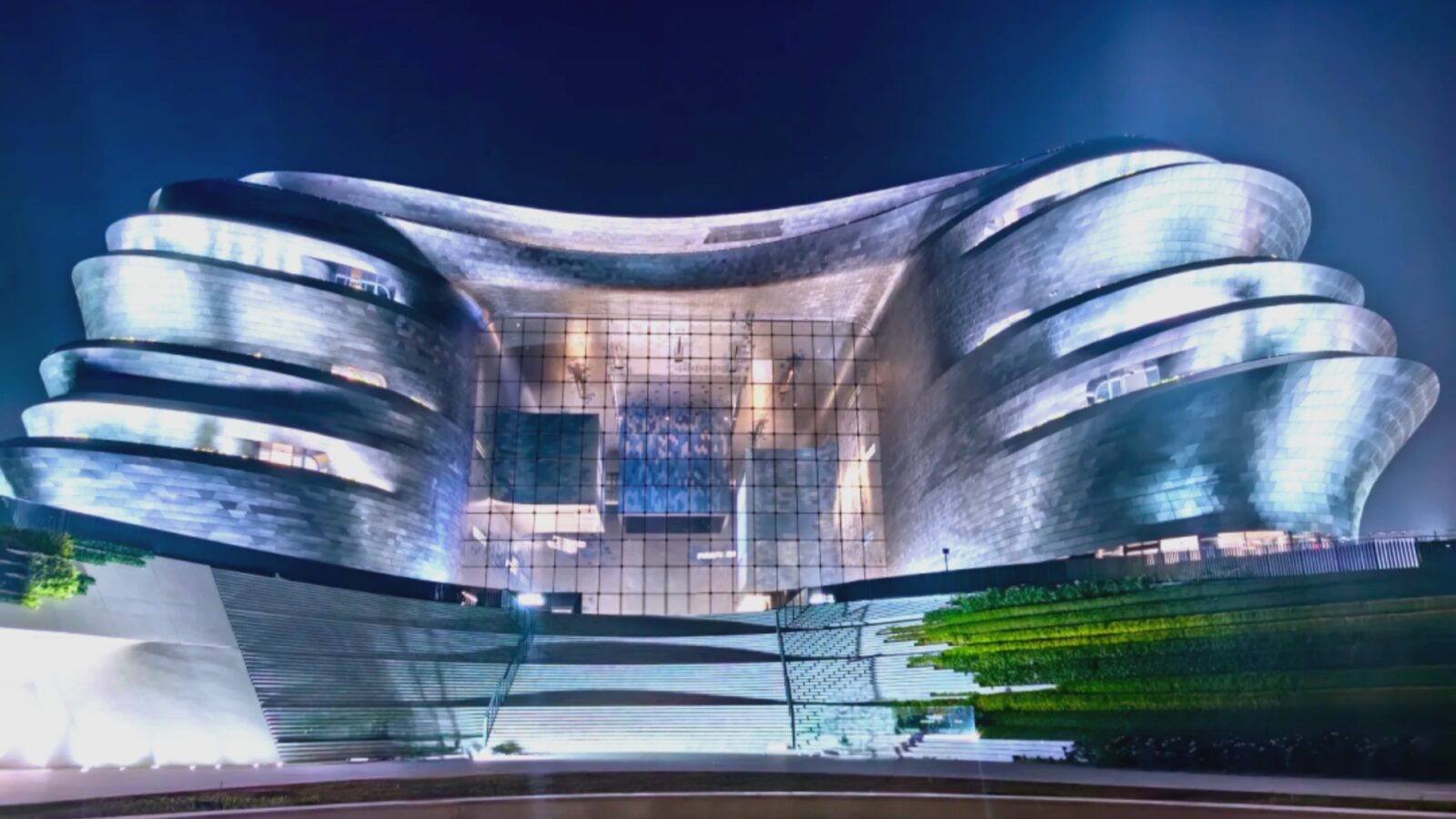
New Shenzhen Science and Technology Museum
Opened in 2025, designed by Zaha Hadid Architects – the building alone is worth the trip. The sweeping courses of white seem like a wave caught mid-collapse. Inside, five interactive halls exploring Universe, Life, Earth, Technology and Civilisation. The practical catch is that you must book in advance via the official WeChat mini-program (slots open 6 days ahead; weekend mornings fill fast). Metro Line 6, Guangming Station. Tue–Fri 10:00–17:00, Sat–Sun 09:30–18:00. Closed Mondays. Adult ¥50. 2–3 hours.
7. Talent Park Night Sky Drone Show
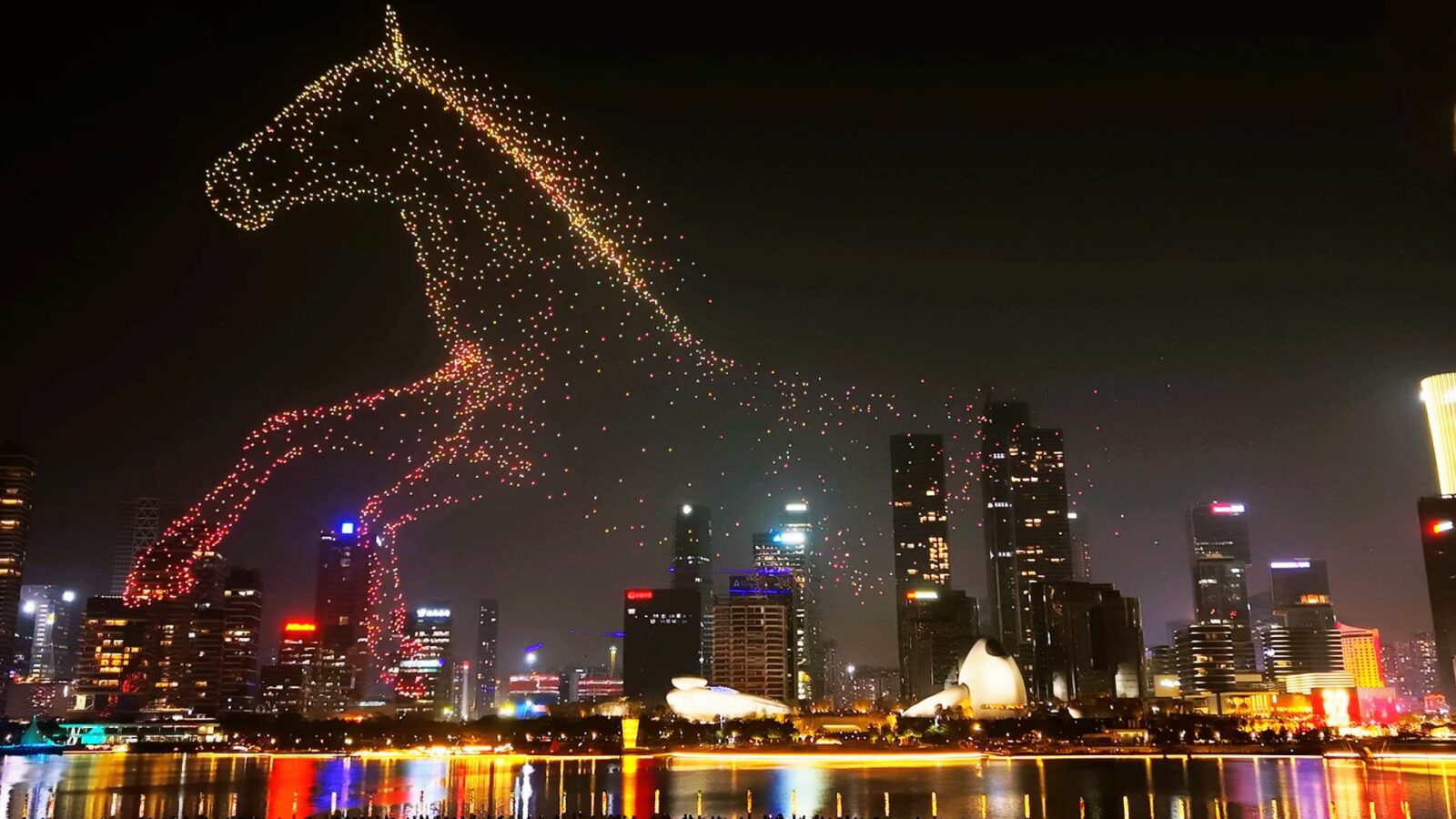
Talent Park
By day, Talent Park is a 770,000 m² stretch of lakeside green in Nanshan’s Houhai area, home to offices for Tencent and Ping An, among others. Come Friday or Saturday night, however, and it’s something else entirely. As dusk falls, up to 12,000 UAVs launch in formations above the bay: silhouettes of the skyline, playful animated figures, patterns of lights and symbols that change faster than seems physically possible. It’s free, and the best place to watch is on the northeast lawn facing the bay bridge; get there half an hour early. Show times are published on the park’s WeChat account — check a week in advance of your visit.
Full Shenzhen Talent Park guide →. Lines 2, 8, 11 within 10-min walk. Free.
🏯 Authentic Historical Sites to Discover
The standard line is that Shenzhen has no history. It's wrong. There's a 630-year-old fortress, inhabited Hakka walled villages, and a traditional-culture park that draws serious crowds. This part of Shenzhen is less visited, more surprising, and mostly free.
8. Ancient Ming Dynasty Dapeng Fortress
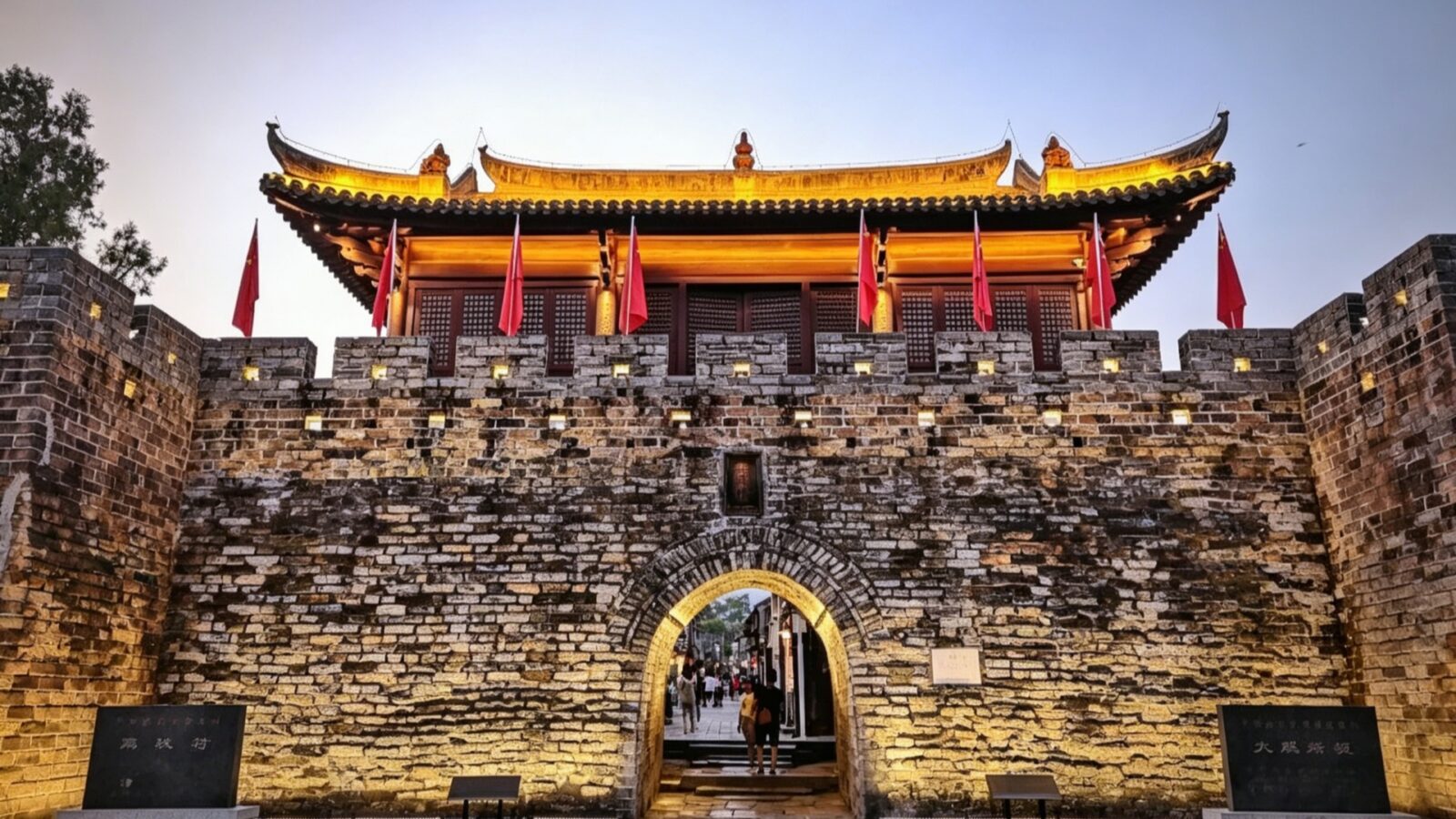
Dapeng Fortress South Gate
Dapeng Walled City. Built in 1394 as a Ming Dynasty military garrison, it’s the only national-level historical relic in Shenzhen. About 300 people still live within its walls. Walking up the main stone-lined alley, Original flagstones, timber-fronted shops, a Tianhou Temple at the far end all produce a specific mild shock you arrived looking for the future and walked into the 14th century.
It's about 35 km east of Futian (Metro Line 8 + Bus 328, 30 min). Worth a dedicated half-day. During Spring Festival and Dragon Boat Festival there are lion dance performances and a garrison carnival — great timing if your visit overlaps. Dapeng Fortress complete guide →. Free. Inner zone 08:00–18:00. Allow 2–3 hours plus transit.
9. Pingshan Hakka Walled Village Heritage
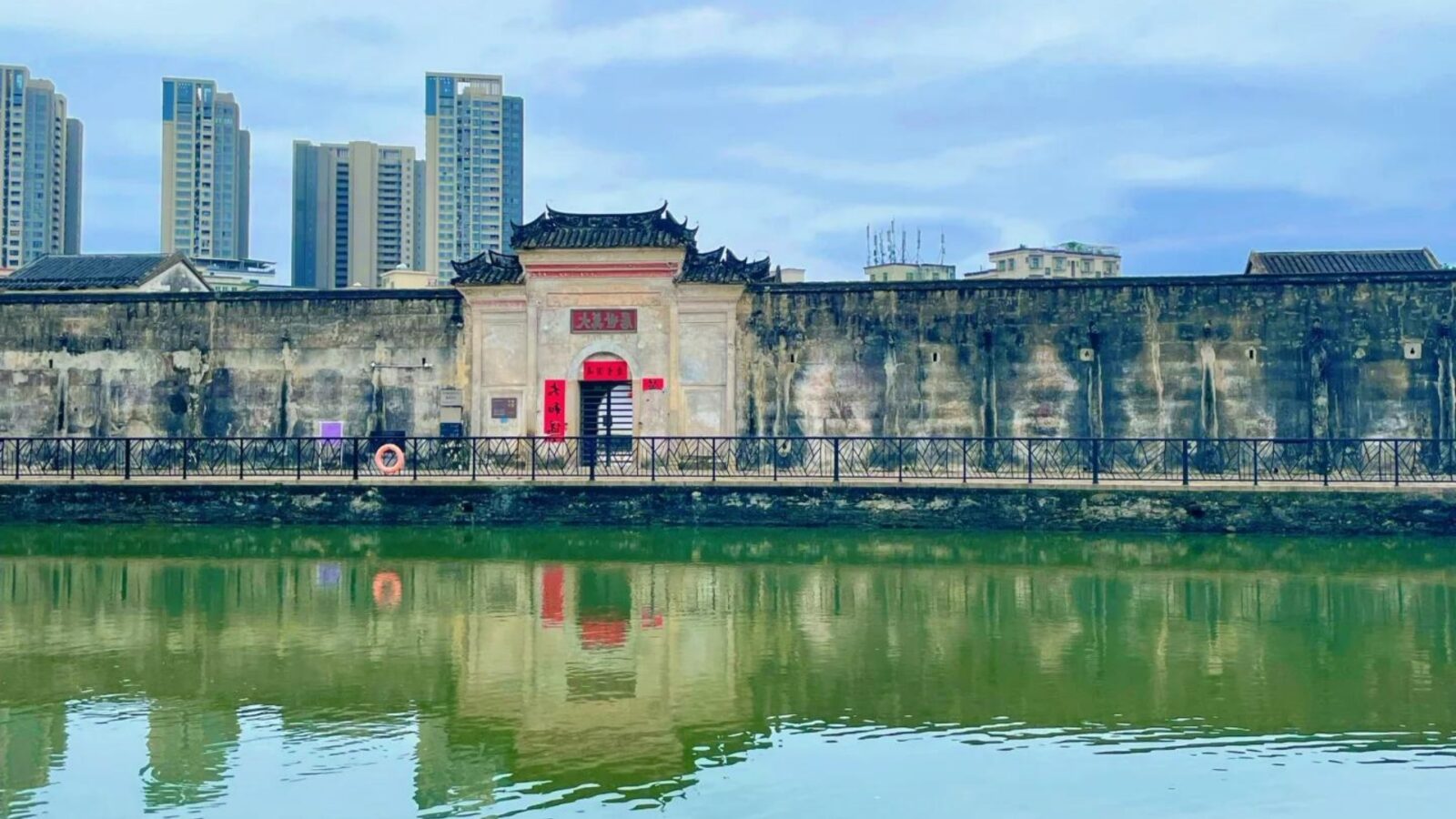
Pingshan Hakka Walled Village
Most visitors never take Metro Line 14 to Pingshan for the northeast ride. Their loss. It has Dawan Shiju — a Hakka walled village built in 1791 and still inhabited, a contemporary art museum designed by Vector Architects that would be impressive in any major city, and trails into Maluan Mountain where the air is measurably cleaner. Hit the village in the morning, art museum after lunch, then a section of trail and dinner from the 40-year-old Hakka roast-goose stall on the old street.
Pingshan district guide → covers the full route with transport details. It pairs naturally with the Hakka food section below. Free. Allow half-day to full day.
10. Splendid China Folk Village Miniatures
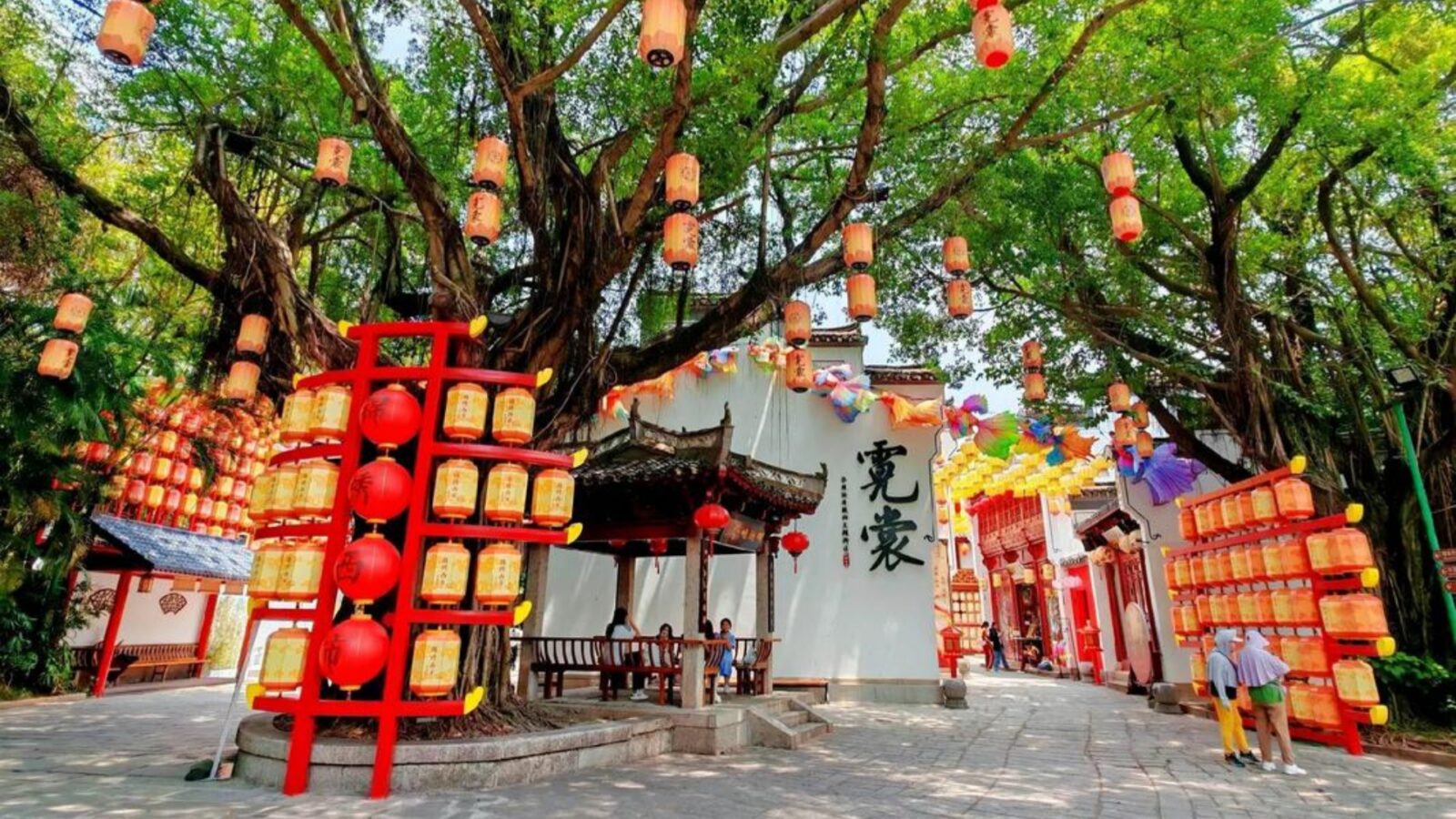
Splendid China Folk Village
Right next to Window of the World and on the same combo ticket, Splendid China reproduces 82 Chinese historical sites at 1:15 scale—the Great Wall, the Forbidden City, the Potala Palace. Best for visitors to China for the first time (you get a compressed overview of the culture), families with kids. If you’re already spending the afternoon next door, it’s worth it to stay on for the evening ‘Eternal Impression’ show (¥160 extra). Metro Line 1, Huaqiaocheng Station. Ticket about ¥180. Allow 3–4 hours.
🎨 Creative Art Districts to Explore
Shenzhen has been a UNESCO Creative City of Design since 2008. That's not marketing — the city has a genuine density of design schools, studios, and cultural institutions. These two spots are the most accessible entry points.
11. OCT Loft Creative Culture Park
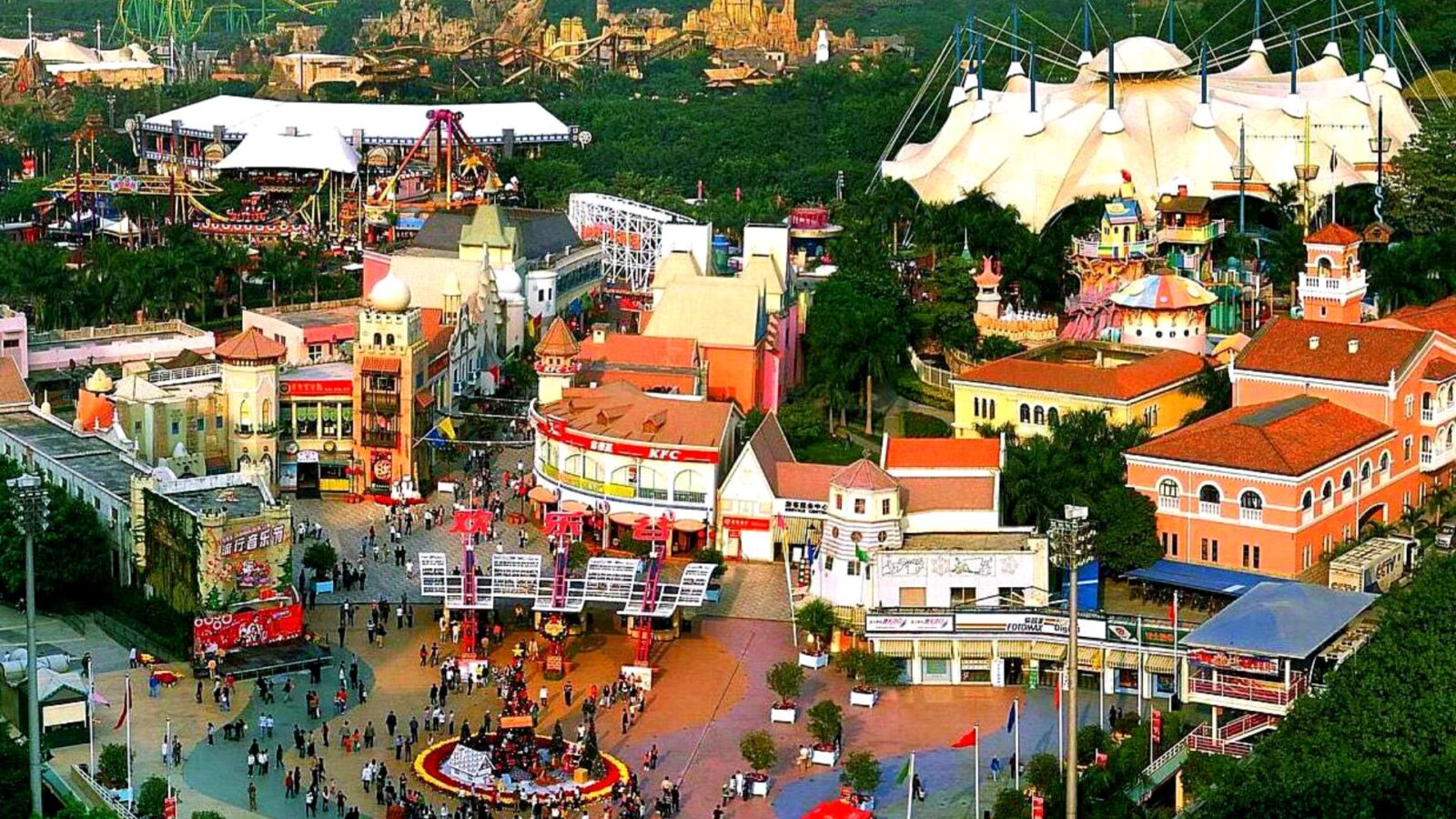
OCT Loft Creative Culture Park
OCT-LOFT is an erstwhile industrial complex put to pasture as an art district over the last decade. The bones are right: red-brick warehouses, open courtyards, OCAT Shenzhen (one of China’s most respected non-commercial contemporary art institutions) at the east end. The rest fills up with independent designers, architects, and the kind of coffee shop where the barista also curates group exhibitions.
Saturday and Sunday bring the T-Street Creative Market to the central plaza — local designers, handmade goods, small-batch food. It's the easiest place in the city to buy something actually made in Shenzhen. Metro Line 1, Huaqiaocheng Station. Park free, all day. OCAT: Tue–Sun 10:00–17:30. Allow 1.5–2.5 hours.
12. Dafen Oil Painting Village Artworks
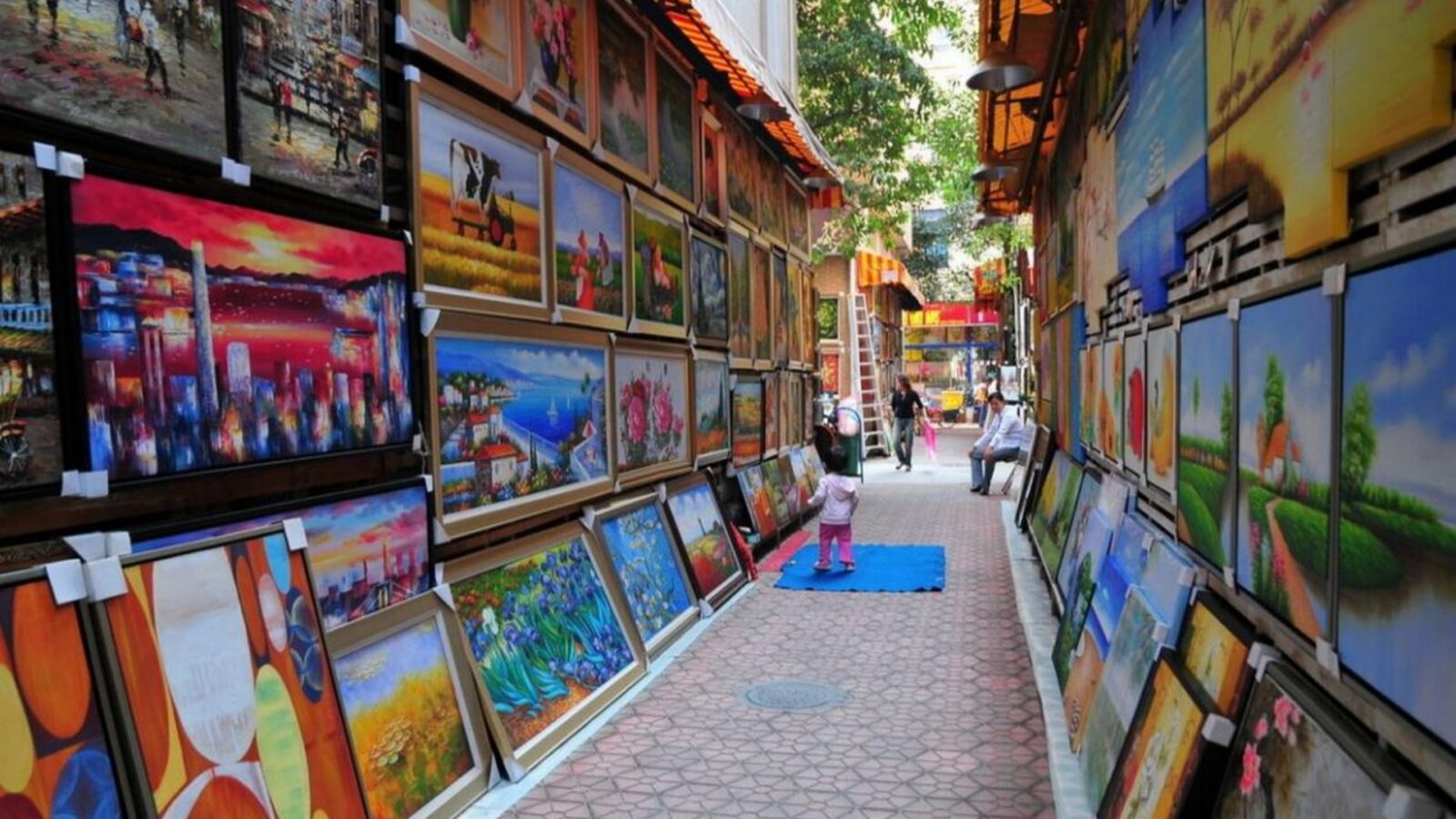
Dafen Oil Painting Village
Dafen, the world’s largest oil painting production base, more than 8,000 artists churning out copies of Van Gogh, Monet (see copies of his waterlilies above) and custom portraits on demand (watch someone reproduce Starry Night at full scale in under two hours!). Bring a photo for a custom portrait you can choose your canvas size and style, and collect your work in 24–48 hours (from ¥300 for a small format). Bargaining 20%–30% is the norm. Metro Line 3, Dafen Station. Shops open 09:00–18:00. Allow 1.5–2 hours.
🌊 Scenic Waterfront Spaces to Enjoy
Shenzhen sits on a coastline, and its best outdoor spaces run along it. Both places below are free, work at any time of day, and are the kind of thing you find in cities that have actually thought about where people go when they're not at work.
13. Shenzhen Bay Park Sunset Promenade
Shenzhen Bay Park is a 15-km continuous waterfront promenade. On one side: mangrove wetlands and a migratory bird reserve (black-faced spoonbills winter here November to March). On the other: the Hong Kong skyline across the water. At sunset, when the bay bridge lights activate, it's genuinely lovely. Shared bikes from Meituan or Hello Bike are available at every metro entrance along the bay (¥1.5/30 min). The east end connects directly to Talent Park for a longer coastal circuit. Metro Lines 2, 8, 11. Open 06:00–23:00. Free. Allow 1–2 hours. If you love the coastal vibes of the sunset promenade but want to trade the stone seawalls for soft golden sand and actual ocean swimming, check out our first-timer's guide to Dameisha Coastal Park.
14. Shekou Sea World Plaza Ocean Liner
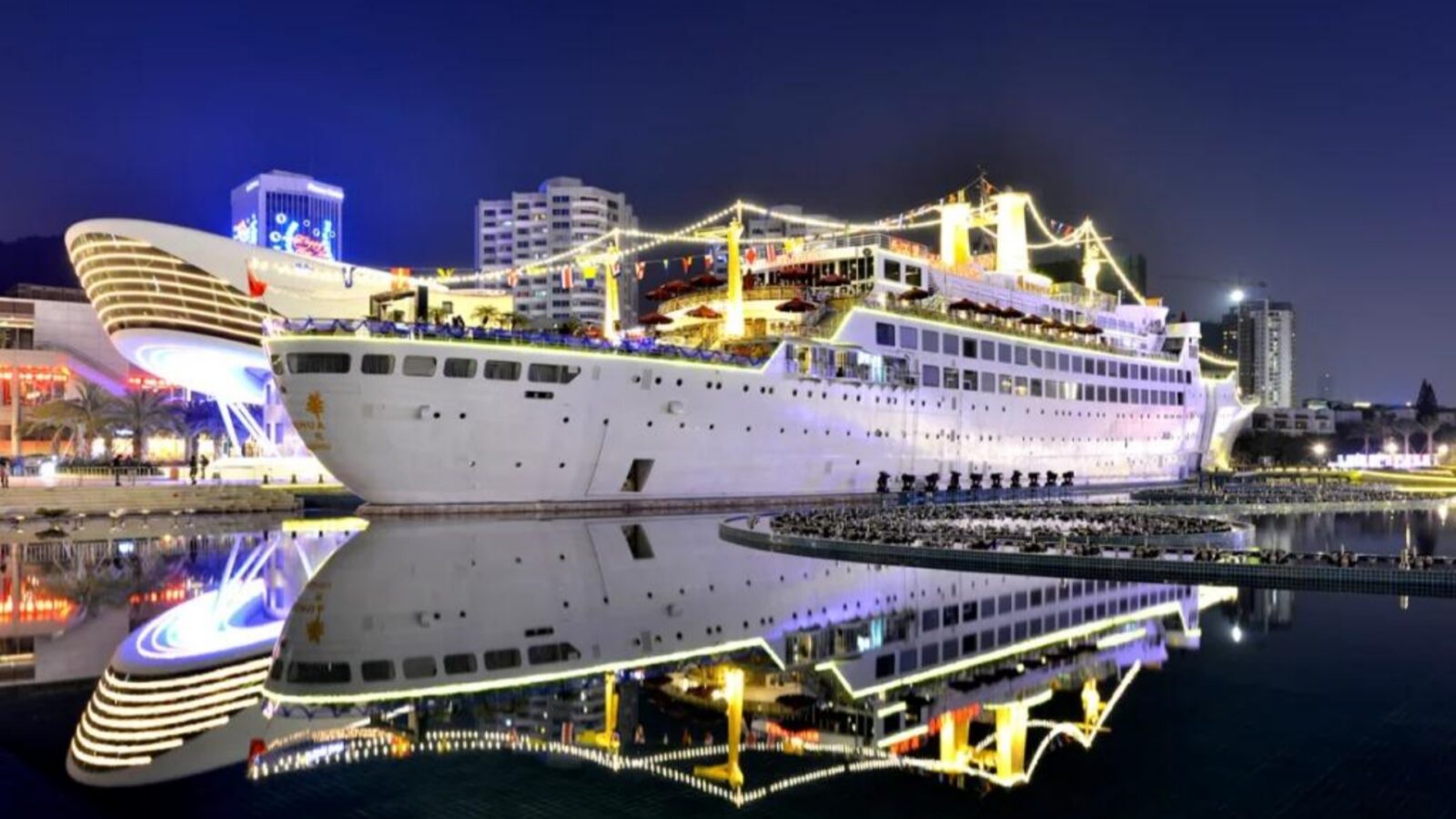
Shekou Sea World Plaza
A retired 1973 ocean liner, permanently docked, now serving as hotel, restaurant, and cultural venue at the centre of Shekou's lifestyle district. The strangeness of it never quite normalises — a full-sized ocean liner rising above a city square, surrounded by diners and pedestrians. Free fountain and laser show on weekend evenings (20:00 and 21:00). The Sea World Culture & Arts Center inside the hull runs high-quality temporary exhibitions. Bonus: the Shekou ferry terminal is 200 m from the plaza — if you're arriving by boat from Hong Kong, you land here. Metro Line 2, Sea World Station. Free. Allow 1.5–2 hours.
🛍️ Premium Retail Markets to Browse
The shopping ecosystem here runs from the world's densest electronics wholesale district to Asia's largest gold market to a new generation of luxury lifestyle malls. For a full zone-by-zone map, see the Shenzhen shopping area guide. Below are the two experiences most worth coming for specifically.
15. Shuibei Wholesale Gold and Jewelry Market
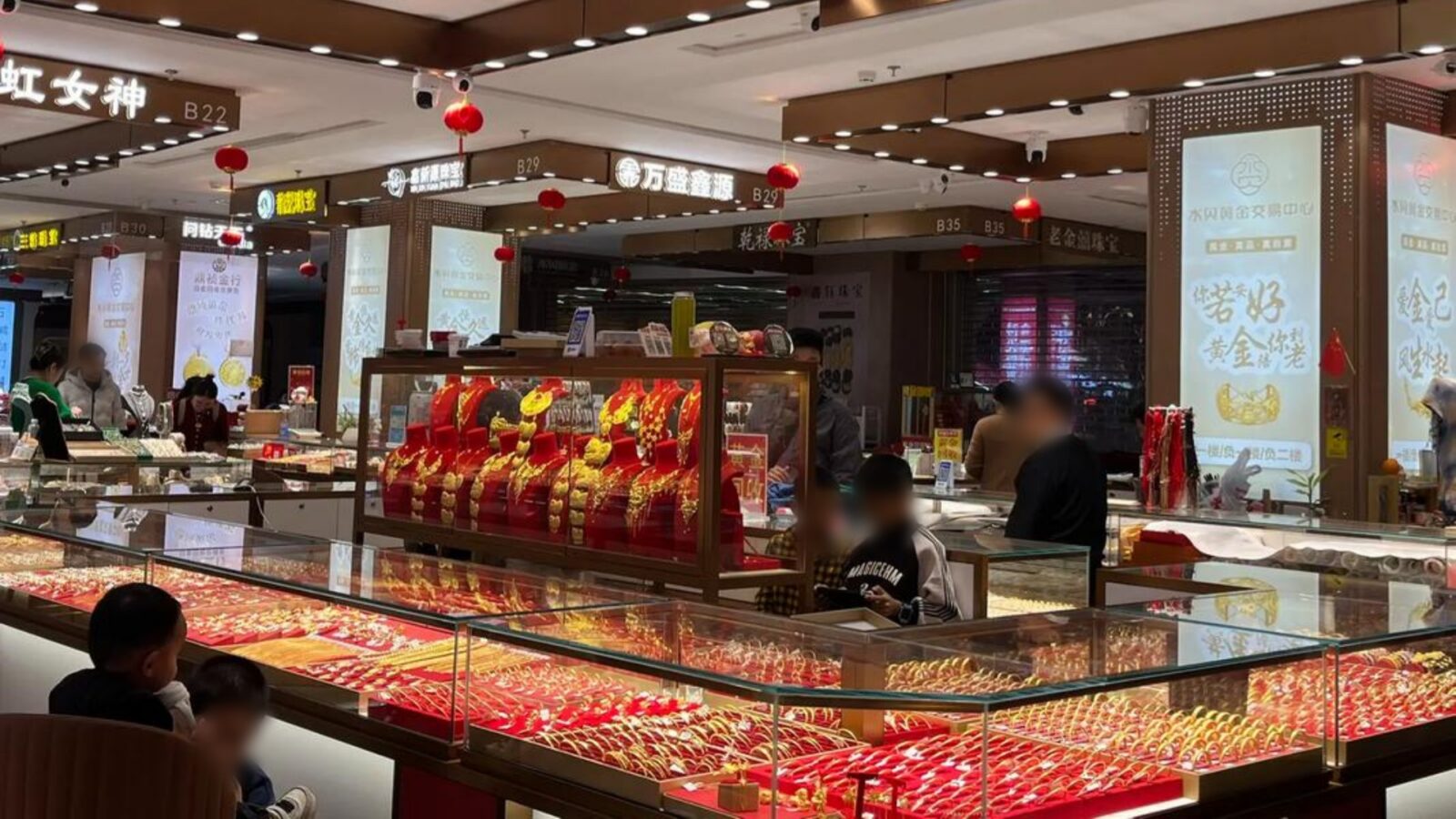
Shuibei Wholesale Gold and Jewelry Market
Shuibei in Luohu handles roughly 70% of China's gold jewellery wholesale output. You buy at spot price plus a negotiable labour fee (工费), with zero brand markup. The difference versus a brand store for an identical item runs 30–60%. For diamonds, expect 30–50% below Hong Kong or Western retail.
How it works: gold price (大盘金价) is fixed by the Shanghai Gold Exchange — you can't negotiate it. The labour fee (typically ¥10–35/g for simple styles) is negotiable. Before agreeing: check the "足金999" hallmark stamp; re-weigh on the in-store scale; request the NGTC certificate and scan its QR code. Red flags: 'fixed-price' gold, missing hallmarks, 'investment gold' schemes. Metro Line 3, Shuibei Station, Exit B. Mon–Sun 09:30–18:30. Allow 3–4 hours.
16. MixC World and Modern Luxury Malls
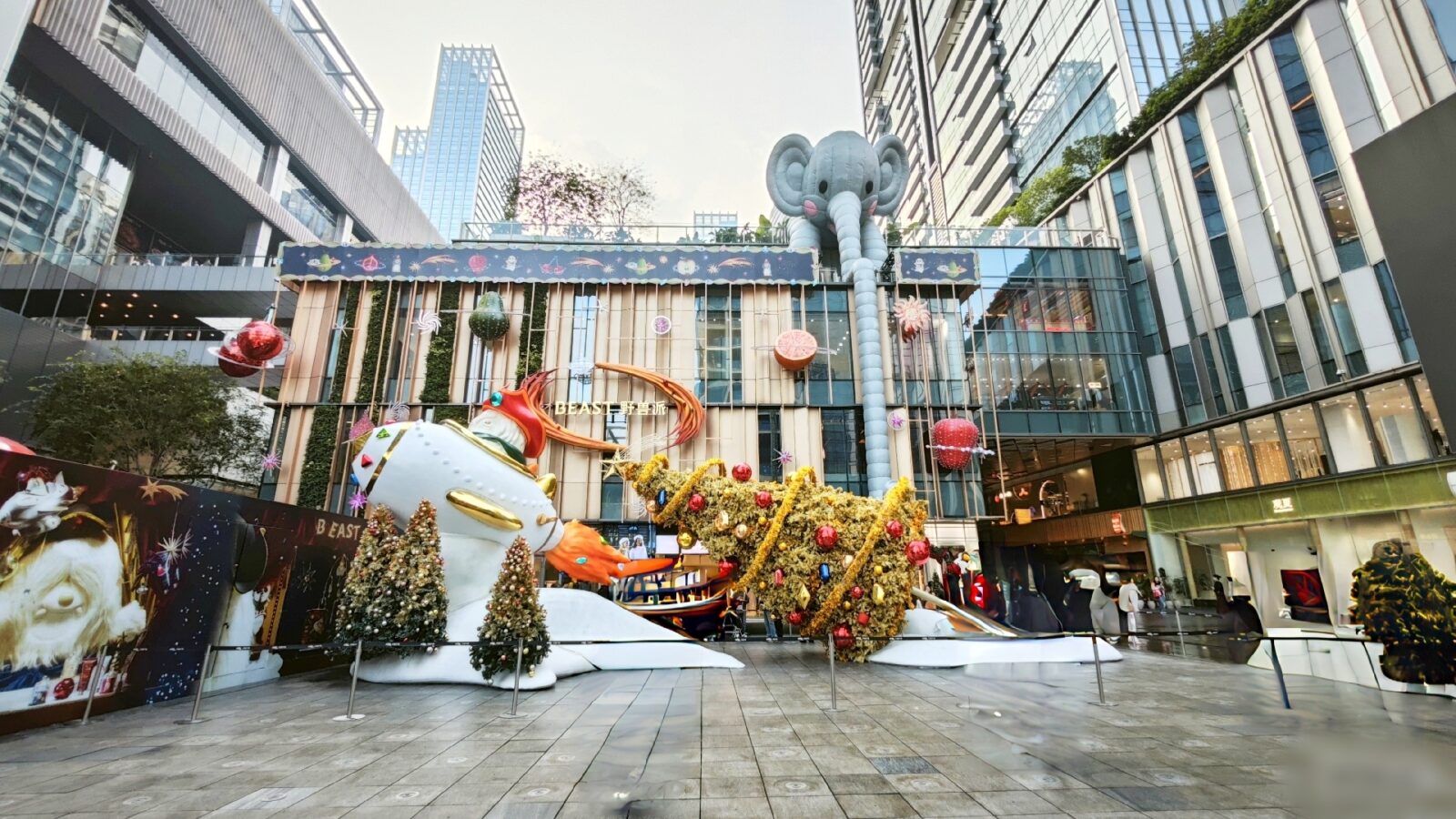
MixC Shenzhen Bay
MixC Shenzhen Bay (万象天地) is the best single argument that the city's luxury retail scene has grown up: Hermès, Louis Vuitton, Bottega Veneta, connected by landscaped pedestrian streets and a food-and-beverage lineup that competes with Hong Kong's best. On a clear evening the outdoor terraces are genuinely good. For the mid-range: COCO Park and Central Walk in Futian are convenient, reliably air-conditioned, and the obvious rainy-day fallback — Shenzhen averages over 180 rain days a year, so plan accordingly. All malls open daily 10:00–22:00.
🍲 Authentic Regional Cuisine to Taste
Shenzhen has no single native cuisine — it's a city of 18 million migrants, most from Guangdong, Fujian, Sichuan, and Hunan. What you get is the best of those regional traditions, intensely concentrated, at mainland rather than Hong Kong prices.
17. Traditional Cantonese Dim Sum Morning Ritual
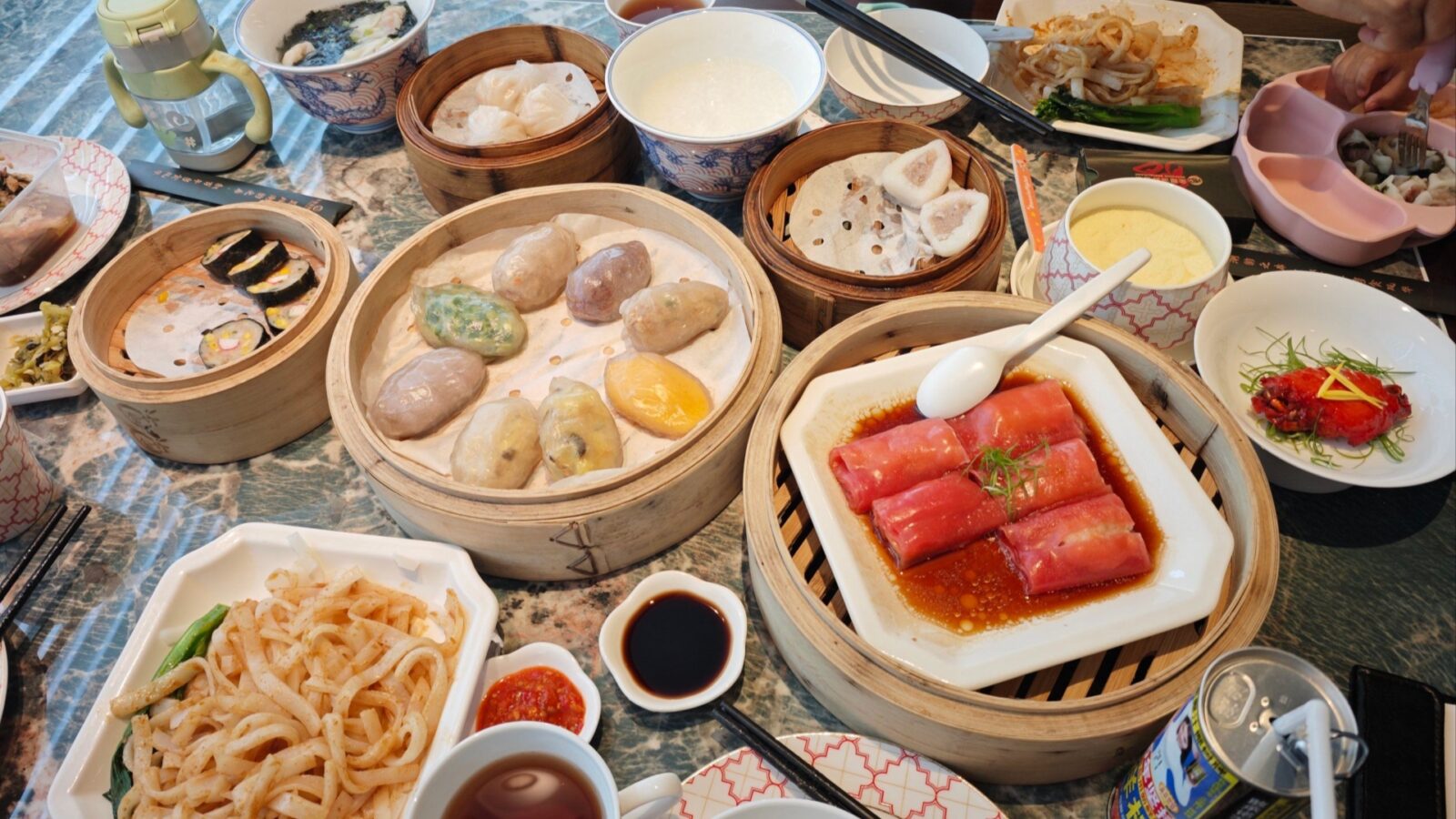
Cantonese Dim Sum
Yum cha — the Cantonese tea-and-dim-sum morning ritual — is the default social event in Shenzhen. It happens 07:00 to midday, involves rounds of bamboo steamers, and costs ¥50–120 per person at a mid-range teahouse. Order the essentials: har gow (shrimp dumpling), siu mai (pork and prawn), char siu bao (BBQ pork bun), cheong fun (rice noodle roll). Most restaurants use tablet ordering with photos — point, tap, done. Look for a sign reading 茶楼 or 茶餐厅, especially along South Huaqiang Road in Futian.
18. Authentic Chaoshan Beef Hotpot Experience
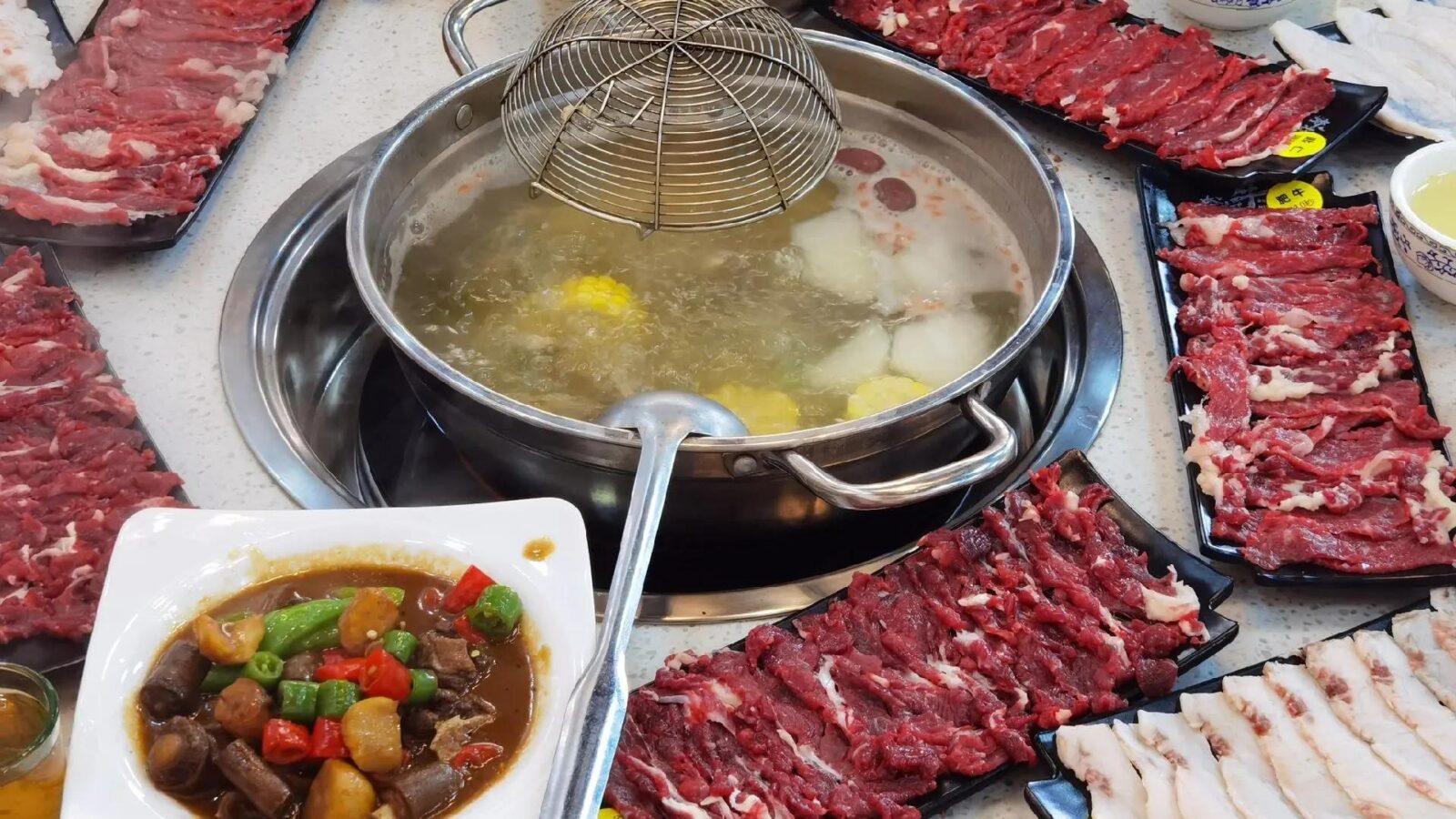
Chaoshan Beef Hotpot
Chaoshan beef hotpot is the meal Shenzhen is most associated with among food-focused visitors — and it earns the reputation. Freshly slaughtered beef, cut within hours into 15-plus anatomical parts, each cooked in clear broth by a 5–15-second dip, eaten with shacha sauce mixed with raw egg. The textures across the parts are radically different and the whole ritual is oddly absorbing. Full Chaoshan hotpot guide → for the cut-by-cut breakdown.
Popular spots in the Chegongmiao area fill by 18:30 on any evening. Arrive at 17:30, take a number, and wander while you wait. For first-timers: order 嫩肉 (tender loin) and 胸口朥 (brisket fat) to start. Price: ¥150–250/person.
19. Bustling Night Markets and Seafood Streets
Dongmen Old Street in Luohu is the most accessible food-street experience in the city: a long pedestrian strip of stalls selling egg waffles, skewered meats, bubble tea, open until midnight. ¥30–60 covers a thorough eating circuit. Further out, Nan'ao fishing village has a small morning fish market and harbour restaurants that cook whatever you select — a natural extension of a Dapeng Fortress half-day. Shenzhen food runs 25–30% cheaper than Shanghai equivalents; the cost of living guide has current 2026 figures.
20. Traditional Pingshan Hakka Regional Cuisine
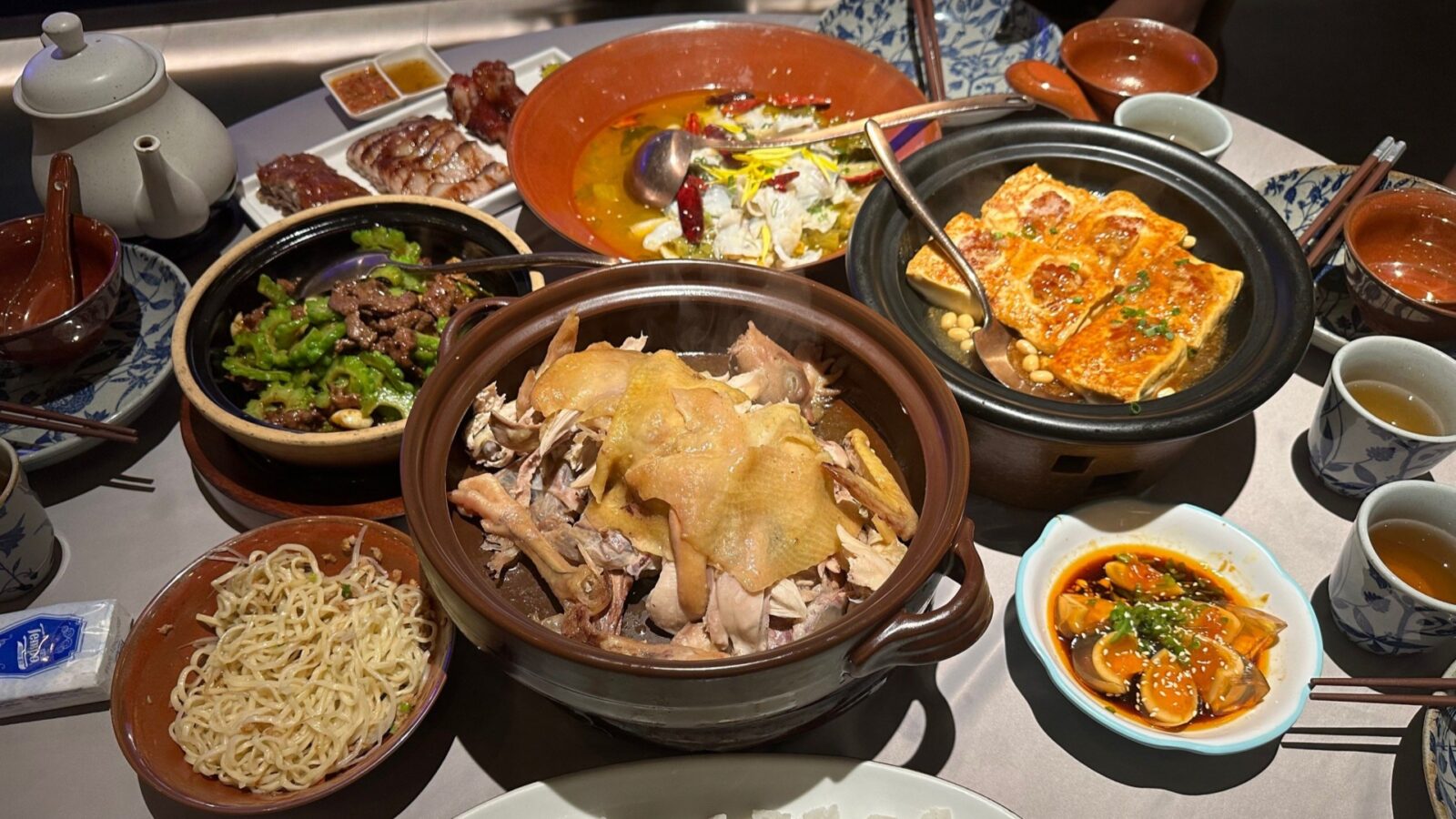
Hakka Regional Cuisine
Hakka cuisine is the indigenous food tradition of the Pearl River highlands — slow-cooked, fermented, built for mountain life, and categorically different from the coastal Cantonese food that dominates most of Shenzhen. The three dishes to know: mei cai kou rou (braised pork belly with preserved mustard greens), salt-baked chicken, and lei cha (ground-herb tea with puffed rice toppings). All three appear at the old street stalls near Dawan Shiju in Pingshan, some open 40 years and entirely tourist-free. Pair with the Pingshan cultural half-day above for a coherent themed day.
💻 Tech-Forward Megacity for travelers drawn to cutting-edge innovation and global design, 12 Cool Cities in China: Giant Pandas, Ancient Hutongs, and Neon 3D Skylines.
Weather Guide and Best Visit Times
The honest answer is autumn. But the fuller picture matters, because the weather and crowd patterns here differ from what most visitors expect.
Monthly Weather and Climate Guide
| Season | Months | Temp | Conditions | Rating |
|---|---|---|---|---|
| 🌸 Spring | Mar–May | 18–28°C | Occasional heavy rain | ⭐⭐⭐⭐ |
| ☀️ Summer | Jun–Sep | 28–35°C | Hot, typhoon risk | ⭐⭐⭐ (indoor fine) |
| 🍂 Autumn | Oct–Nov | 20–28°C | Clear, dry, perfect | ⭐⭐⭐⭐⭐ |
| ❄️ Winter | Dec–Feb | 10–22°C | Cool, almost no rain | ⭐⭐⭐⭐ |
Autumn wins on every measure: clear skies, no typhoon risk, comfortable walking temperatures. Winter is underrated — Shenzhen rarely drops below 10°C and the December light is sharp and clean. Summer isn't impossible: Huaqiangbei, the museums, and the malls are heavily air-conditioned, and accommodation rates drop noticeably. The typhoon caveat is real (July–September): check the Hong Kong Observatory app before travel; most systems pass in 12–24 hours.
Holiday Calendar and Crowd Tips
| Holiday | Period | Impact | Tip |
|---|---|---|---|
| Chinese New Year | Jan/Feb (7 days) | High; some closures | Dapeng carnival is worth it |
| May Golden Week | May 1–5 | Very high | Pre-book theme parks 2 weeks ahead |
| National Golden Week | Oct 1–7 | Extreme at parks | Avoid theme parks; museum slots fill fast |
| Regular weekdays | Mon–Fri | Low | Best for Huaqiangbei and museums |
Always pre-book the Science & Technology Museum (slots open 6 days ahead; weekends go fast). Skip public USB charging points and free WiFi — use your own cable and a VPN.
Ideal Itinerary Durations to Plan
| Duration | Best for | Suggested focus |
|---|---|---|
| 1 Day | HK day-trippers | Lianhuashan → CBD → Museum → Huaqiangbei → Sea World dinner |
| 2–3 Days | Most first-time visitors | Above + OCT-LOFT + Bay Park + drone show evening |
| 5+ Days | Deep explorers | Add Dapeng + Pingshan Hakka day + Science Museum + Dafen |
Two days is the sweet spot for a first visit. One day is genuinely enough to understand what the city is — and to justify the crossing from Hong Kong.
Transport Maps and Hotel Booking Guide
Hong Kong Border Crossing Guide
| Method | Time | Cost (HKD) | Best for |
|---|---|---|---|
| 🚇 MTR + walk | ~60 min | ~HK$60–80 | First-timers, CBD access |
| 🚄 High-speed rail | ~20 min | ~HK$80–120 | Speed, airport connections |
| Ferry (Sheung Wan→Shekou) | ~55 min | ~HK$170–220 | Nanshan / Sea World destination |
For first-timers: MTR East Rail Line from Admiralty to Lok Ma Chau is the cheapest, most frequent, and deposits you directly at Futian CBD. Exit Hong Kong immigration → walk the border bridge (5 min) → clear Chinese immigration → board Shenzhen Metro directly. Total process: 10–25 minutes.
Set these up before you cross, while you're still in Hong Kong:
- 📶 eSIM / China SIM: Buy before departure or at HK Airport — you'll need data the moment you cross
- 🔒 VPN (paid): Install and test while still in Hong Kong; free VPNs don't hold up on the mainland
- 💳 Alipay: Register, link your foreign Visa or Mastercard, and verify your identity before you cross
- 💵 Cash ¥300–500: Exchange at a HK bank or grab renminbi from a Shenzhen ATM on arrival
- 🗺️ Baidu Maps / Amap: More accurate than Google Maps for mainland addresses — download offline maps in advance
- 🚖 DiDi: English interface, cheaper than street taxis, and the fleet is mostly BYD EVs — register your account in HK
- 🈵 Translation app: Google Translate works with a VPN; Youdao works without — either way, you'll need one
Shenzhen Metro Map and Routes
The Shenzhen Metro has 15 lines and 360+ stations. Every spot in this guide except Dapeng Fortress is on the network. Pay by scanning the Alipay QR at the turnstile. Key tourist lines: Line 1 (Huaqiangbei → OCT-LOFT → Window of the World), Line 4 (Lianhuashan → Museums), Line 2 (Bay Park → Sea World). DiDi for anything cross-zone or when carrying bags — most cars are BYD EVs, and fares rarely top ¥40 for a city-centre journey.
Best Areas for Hotel Stays
| District | Best for | Access | Price/night |
|---|---|---|---|
| 🏙 Futian CBD | First-timers; sightseeing | Museums, Lianhuashan — walkable | ¥450–1,200 |
| 🌿 Nanshan | Expat area; OCT-LOFT | Sea World, Bay Park — 10 min metro | ¥500–1,500 |
| 🏛 Luohu / Dongmen | Budget; border access | Shuibei, night market — walking | ¥250–600 |
Futian is the right base for a first visit. Rates run 35–40% below comparable Hong Kong properties for a 4-star room. For a full cost breakdown see the Shenzhen cost of living guide.
FAQs: Common Questions on Shenzhen Activities
Q: What are the best things to do in Shenzhen for first-time visitors?
Start with Lianhuashan Park for the free skyline view, then the Shenzhen Museum for context, then Huaqiangbei for the experience that exists nowhere else. Those three alone make the day. Add Window of the World on a night ticket or Sea World's fountain show in the evening if you want something more. The things to do in Shenzhen that tend to surprise first-timers most are the free ones — not the headline attractions.
Q: Where do foreigners typically go in Shenzhen?
Nanshan and Futian are the most international-friendly districts, with the most English spoken and best infrastructure for visitors. The most visited spots are Huaqiangbei, OCT-LOFT, Shenzhen Bay Park, Sea World Plaza, and Window of the World. Fewer foreigners make it to Dapeng Fortress or Pingshan — which makes those two the best things to do in Shenzhen if you want something genuinely off the usual trail.
Q: What is Shenzhen well known for?
Technology, primarily. DJI, Huawei, Tencent, BYD, and OnePlus are all based here. Huaqiangbei is the world's largest electronics wholesale market. The city is also known as the fastest urbanisation story in modern history — from fishing village to megacity in four decades. For visitors, the things to do in Shenzhen that best reflect those identities are Huaqiangbei (the supply chain, visible), the Shenzhen Museum (the growth story), and Talent Park's drone show (the tech ambition, performed).
Q: How many days in Shenzhen is enough?
One day is genuinely enough to understand what makes the city distinctive, and to justify the crossing from Hong Kong. Two days covers the core comfortably. Three lets you add a drone show evening and one full-day excursion. Five or more opens the outlying districts — Dapeng, Pingshan, the Science Museum — which are the best things to do in Shenzhen for repeat visitors. Most first-time international travellers land between two and three days.
Q: Is Shenzhen worth visiting as a tourist?
Yes — with a clear sense of what it is. There are no ancient temples, limited English outside specific districts, and the cityscape is modern almost to the point of abstraction. What it offers instead is the world's most extreme example of rapid urban development at street level, plus a set of things to do in Shenzhen that are genuinely unreplicable elsewhere: the scale of Huaqiangbei, the drone show at Talent Park, a 630-year fortress most guidebooks omit. For the right visitor, it's one of the most interesting places in Asia.
Q: What free things are there to do in Shenzhen?
More than most people expect. The list: Lianhuashan Park, Shenzhen Museum, Industry Exhibition Hall, OCT-LOFT park area, Shenzhen Bay Park, Talent Park, Dapeng Fortress, Sea World fountain show, and general browsing in Huaqiangbei. The things to do in Shenzhen that cost nothing include some of the most worthwhile in the city. The Science & Technology Museum is not free (¥50) — a common misconception worth clearing up.
Q: Do I need a visa to visit Shenzhen from Hong Kong?
Most EU nationals, UK, Australian, New Zealand, and Canadian passport holders currently enter visa-free for up to 15 days (2026 — verify before travel). US citizens are not on China's visa-free list as of June 2026 and need an L-visa. The 144-hour transit visa-free scheme is a separate arrangement with stricter conditions. Always check the official China National Immigration Administration website before planning any things to do in Shenzhen.
Q: How do I pay for things in Shenzhen?
Alipay is the primary answer. Set it up before crossing the border — it links to foreign Visa and Mastercard, and is accepted virtually everywhere. Carry ¥300–500 in cash for older market stalls and street vendors that predate digital payment. Credit cards work at 5-star hotels and large international brands, but nowhere else reliably. Sorting Alipay before arrival is the single most important logistics step for things to do in Shenzhen.
Q: What apps do I need before visiting Shenzhen?
Five essentials, all installed and tested in Hong Kong before you cross: a paid VPN (NordVPN, ExpressVPN, or Astrill — free ones don't hold up); Alipay with a foreign card linked and identity verified; DiDi for ride-hailing; Baidu Maps or Amap for navigation; and a translation app (Google Translate with VPN, or Youdao without). With those five in place, the practical side of any things to do in Shenzhen is essentially sorted.
Q: Is Shenzhen safe for tourists?
Very safe. Violent crime rates are among the lowest of any major Chinese city. Pickpocketing risk is low — normal awareness in crowded markets is enough. The main caution is digital: avoid public USB charging points and unsecured WiFi; use your own cable and a VPN. The one specific scam to know: counterfeit electronics in Huaqiangbei — test devices before paying. Beyond that, the things to do in Shenzhen are genuinely low-risk and the city doesn't feel threatening at any hour.