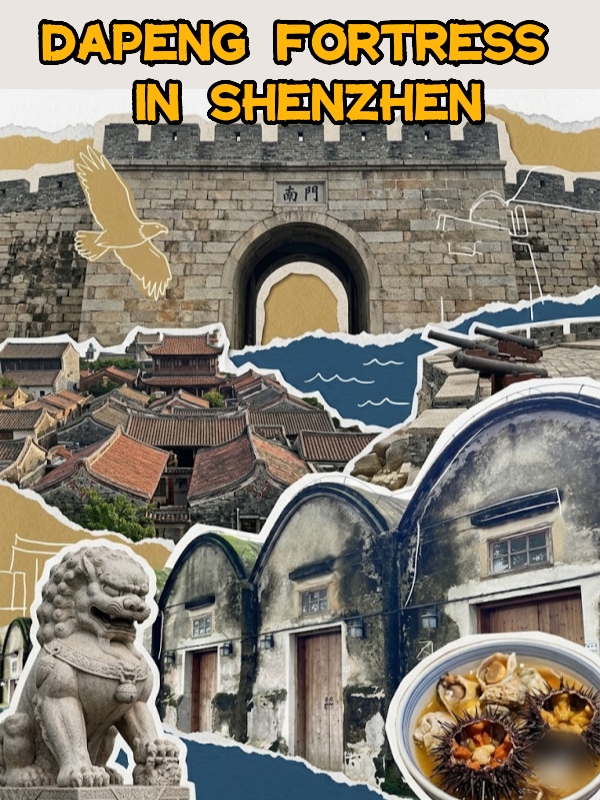
Dapeng Fortress in Shenzhen:Coastal Defense Heritage, Ming Dynasty Architecture, and Hakka Culinary Traditions
Most people come to Shenzhen expecting glass towers and tech campuses. That is, after all, the reputation of the city. What the guidebooks usually miss is the other Shenzhen: the Shenzhen that existed six centuries before the Special Economic Zone. Dapeng Fortress Shenzhen, locals call it: the City of the Peng. And the thing that that name refers to is a walled fortress on the eastern tip of the Dapeng Peninsula, built in 1394, still intact, still inhabited — and utterly fascinating to walk around. This guide covers all the history that makes the site worth knowing, and all the practicalities that make visiting easy, including, crucially, how to get there from Hong Kong. Read it before you go, take the quick-reference table with you, and plan on spending at least one night.
Travel Quick Reference
| Category | Quick Reference |
|---|---|
| 🎫 Admission | Free for the main streets. Combined ticket for General's Mansion + Coastal Defense Museum: ~¥20 (USD 3). |
| 🕒 Opening Hours | 9:00 AM–5:30 PM; closed every Monday. |
| ⏱ How Long | 3–4 hrs for core sites; full day with beach + temple; two days/one night is ideal. |
| 📍 Address | 大鹏新区南门东路与南门西路交汇处北侧大鹏所城 — screenshot this for your driver. |
| 🚌 By Bus | City centre → E11/833 to Dapeng Hub (大鹏中心) → M457/M471/B756 to Ancient City Stop. ~1.5–2 hrs total. |
| 🚗 Car/Taxi | Navigate to 大鹏所城停车场. May–Oct weekends & public holidays: pre-register via Shenzhen Traffic Police WeChat or face a ¥300 fine. |
| 🚢 From HK | Liantang/Lin Tong border → DiDi ~1 hr; or Lo Wu + East Rail. Overnight stay advised. |
| 🅿 Parking | No vehicles inside the walled district. Carpark outside South Gate (first 2 hrs free); 5-min walk to entrance. |
| 🏨 Sleep | Inside: Unijoy (有棵树) heritage guesthouse — book weeks ahead. Outside: Jiaochangwei beach guesthouses, 10–15 min walk. |
| 🍽 Food | Inside: Peng Cheng Fan Guan, Hakka cuisine ~¥80–100/person. Outside: Johnson's Pizza, No. 22 Haibin Road. |
| 📅 Best Time | Oct–Apr; weekday mornings 9–11 AM. Avoid Spring Festival, National Day & Labour Day Golden Weeks. |
Understanding Historical Foundations at the Ancient City
Defensive Ming Dynasty Garrison System
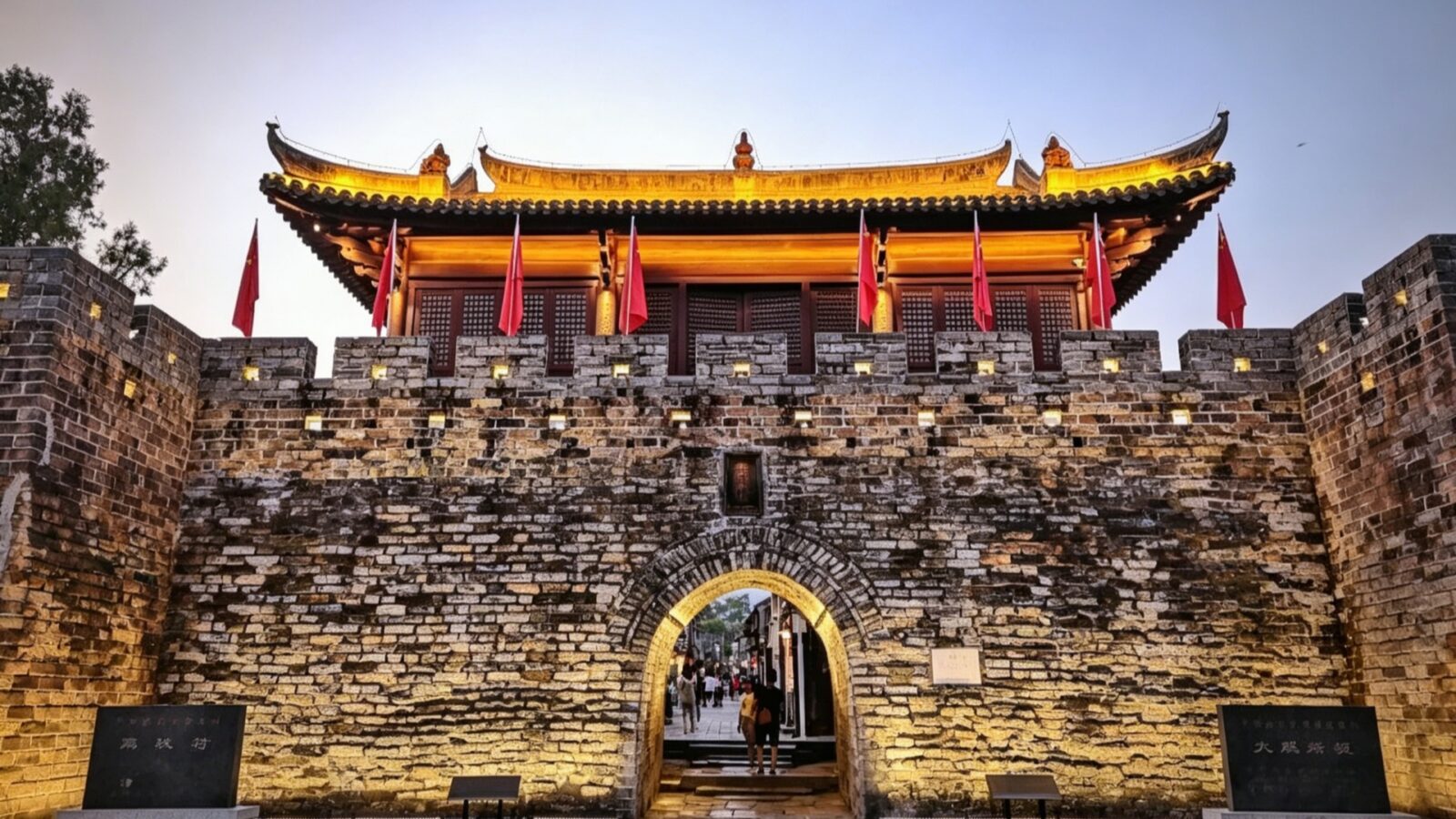
Dapeng Fortress South Gate
Standing for the first time in front of the South Gate, the scale of the thing affects you at once. This is not a rebuilt heritage attraction with souvenir shops stuck onto replicas of ancient walls. The stones are genuinely ancient. The alleyways are genuinely narrow. And once you discover what the word suo (所) really means, the whole visit falls into a different register.
Suo was the smallest independent military unit in the Ming dynasty's garrison system — a purpose-built war machine, not an organic settlement. When the Hongwu Emperor ordered this fortress constructed in 1394, every aspect of the design served military logic: the width of the lanes (wide enough for cavalry), the orientation of the gates (aligned to allow crossfire), the placement of the granary against the north wall (as far from a coastal attack as possible). Dapeng was one of 24 such outposts strung along the Lingnan ridgelines, and it was built to last. Six hundred and thirty years later, the evidence is persuasive. If exploring China's walled settlements draws you in, Travel of China's guide to ancient towns across China offers a broader picture of what else is out there.
Centuries of Regional Coastal Naval History
-
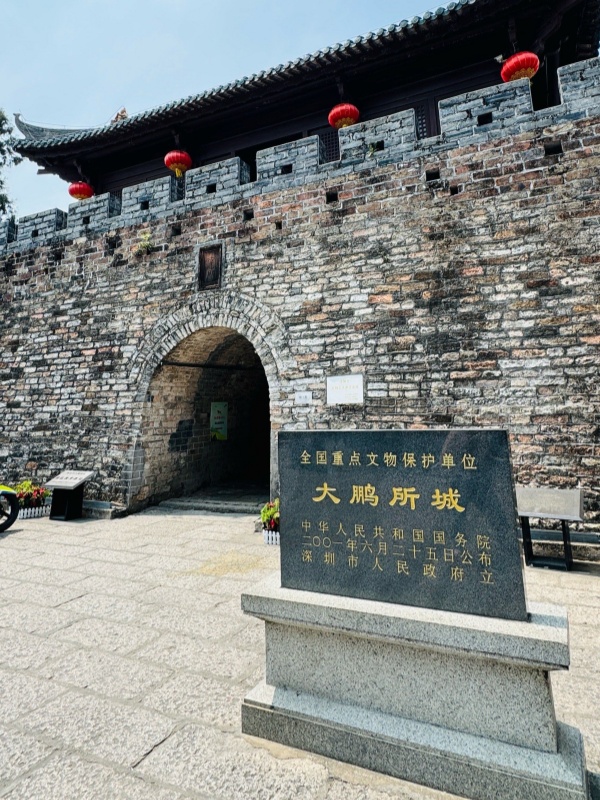

- Dapeng Suocheng Site Sign
-
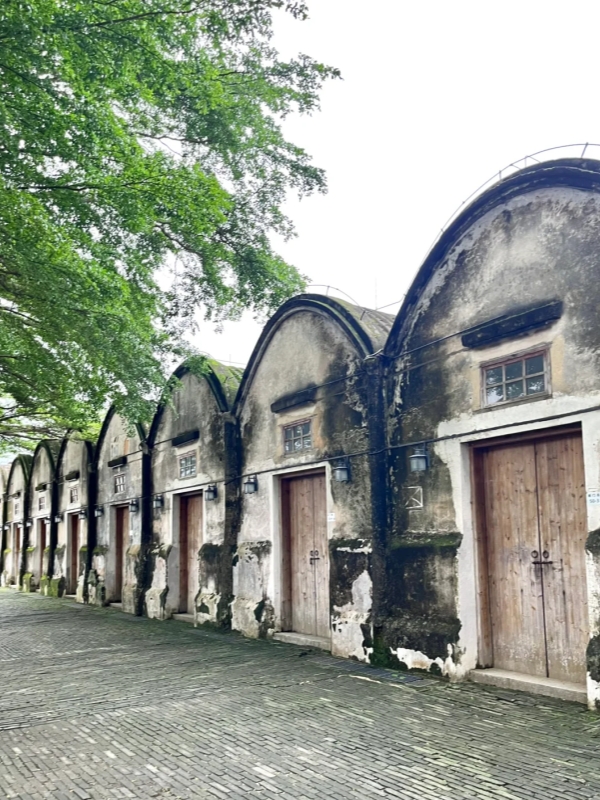
- Dapeng Ancient City Historic Barracks
Nor did the fortress’ association with conflict end there. In 1571 a fleet of Japanese pirates besieged here for more than forty days — and the walls held. Then, in 1704, with piracy seemingly on the rise, the Kangxi Emperor upgraded the garrison to a full regional naval command with jurisdiction over the coastline that we now know as both Shenzhen and Hong Kong. That decision would come to figure crucially into the next century.
On 4 September 1839, General Lai Enjue — born here, trained here, commanding from here — ordered fired on British vessels anchored off Kowloon. Historians tend to identify that encounter as the first shots of the First Opium War. After the result of that fight saw Hong Kong Island ceded to Britain in 1842, Dapeng commanders relocated with their troops across the water to oversee Qing sovereignty at the Kowloon Walled City. The fortress that arose to defend against sea pirates ended up charting the path of modern Hong Kong identity — an association the tourist brochures cast no light on, but which vitalizes both places.
Panoramic Landscapes from South Gate Tower
-

- Aerial View of Dapeng Fortress
-
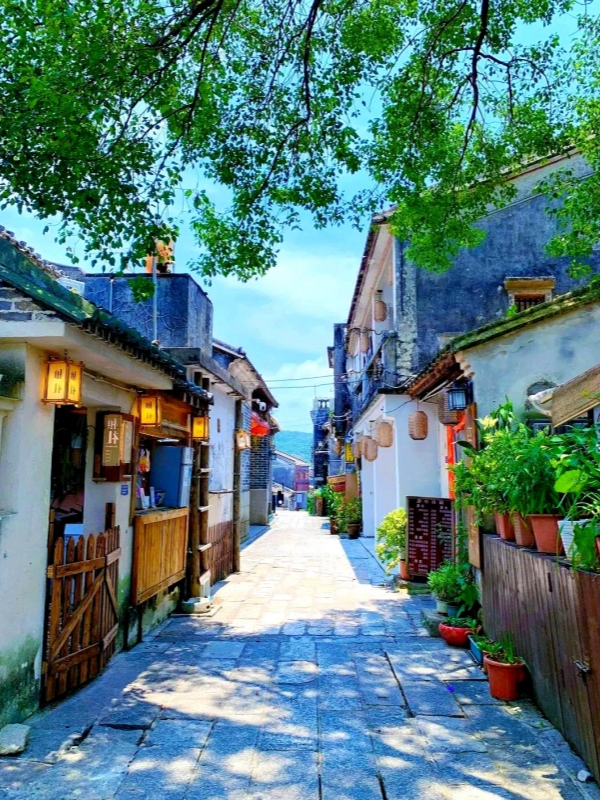
- Shaded Alley in Dapeng Fortress
Before you do anything else, climb the South Gate tower, which costs ¥20 for the combined ticket, takes three minutes, and saves the best part of an hour going aimlessly about without a mental map of what goes where.
From the vantage you can see how the layout constitutes a grid of grey-tiled courtyard houses going north to a second gate, beyond which is the sea and beyond that the modern village of fisherman’s houses. It looks improbably peaceful for a place expecting to die so badly. The dissonance is why the ruin is so appealing; standing on what it pleases to call a platform for the weapons of the cold war, a lookout onto fishing boats and convenience stores, one gets the impression that history has not been curated here so much as left in place.
🏯 Shenzhen Has More Hidden Gems: the fortress is one of many overlooked attractions — see the full picture in our things to do in Shenzhen guide covering both historic sites and modern highlights.
Touring Historic Museums and Hidden Residential Lanes
Efficient North-South Exploration Route
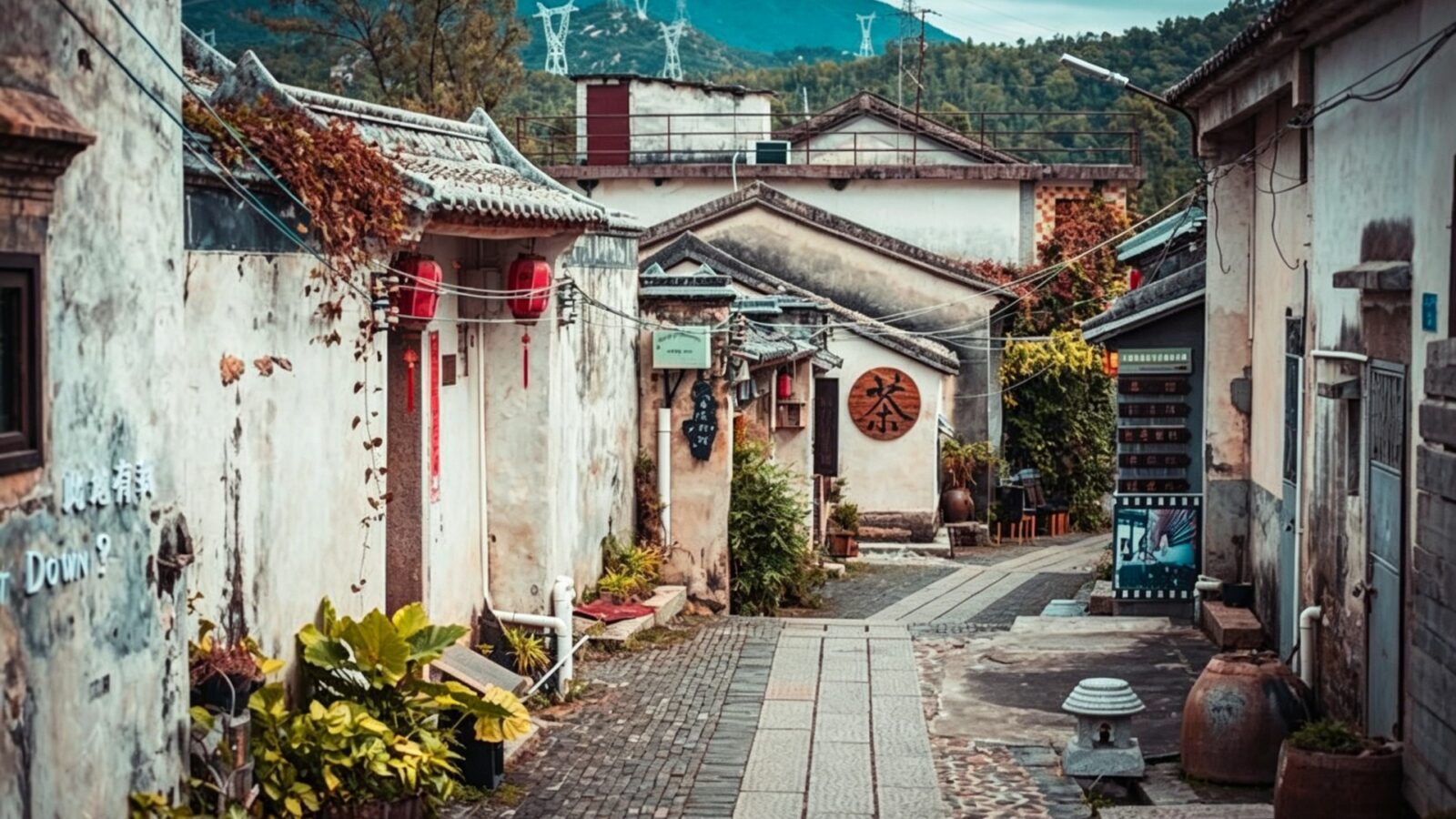
Restored Street in Dapeng Ancient City
The easiest way to catch the highlights is a stroll up Nanmen Road, the main artery of the fortress, and heading southbound. South Gate Tower → General Lai Enjue’s Mansion → Coastal Defense Museum → North Gate. Three or four hours do this properly. Two rushed and you’ll feel you’ve missed the point.
The recommended order:
- South Gate Tower — the aerial overview. Do this first.
- General Lai Enjue's Mansion (赖恩爵振威将军第) — allow 30–40 minutes. The woodcarvings alone are worth the detour.
- Coastal Defense Museum (海防博物馆) — the converted granary. This changes how you read everything else. Budget at least 45 minutes.
- North Gate — quieter, with snack stalls and a second tower view. A good midpoint rest before the side-street wander.
One thing to flag for international visitors: museum display panels are almost entirely in Chinese. Download the offline Simplified Chinese pack for Google Translate before you arrive — the camera-translation function handles placard text well.
Decorated General Mansion War Memorial
-
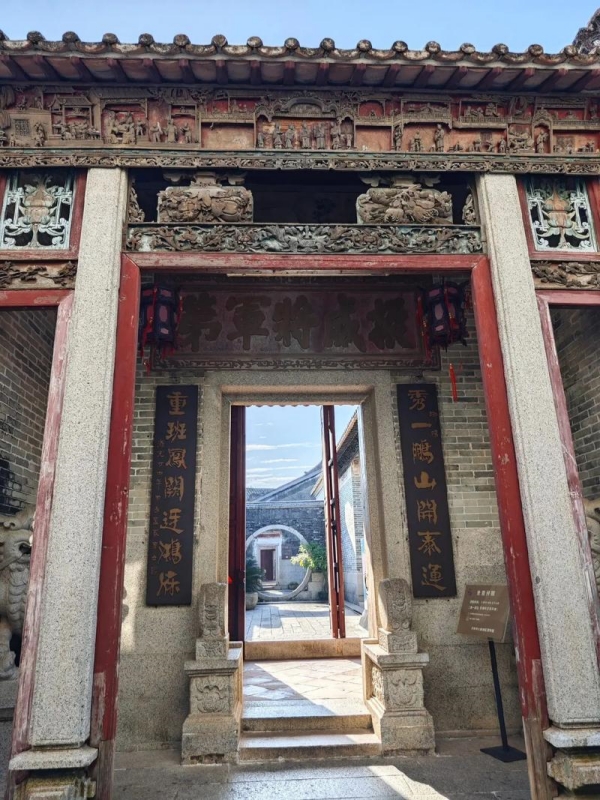
- General Lai Enjue’s Mansion Entrance
-
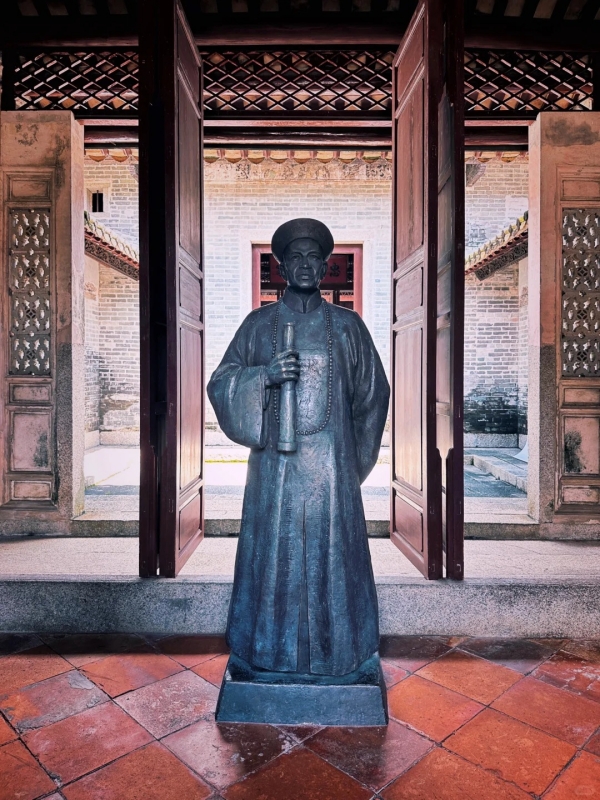
- General Lai Enjue’s Bronze Statue
Visiting the Mansion of General Lai Enjue, it certainly helps to have some knowledge of the man and his story. We’re talking about the man who fired the first cannon shots at the British fleet — the equivalent of a shot heard ‘round the world that earned him an imperial title, a court-given residence, and placement in Chinese textbooks. The building bears this out: the ceremonial gate is bracingly oppressive, and the gilded lacquer woodcarvings that flank almost every doorway are among the most intricately executed examples of Qing military-patron art you are likely to see outside a major museum.
What really threw me, then, was the second layer. The same mansion during the Second Sino-Japanese War was used as the training base for East River Column cadets — the guerrilla force that undertook the rescue of more than 800 cultural figures and foreigners trapped in Japaneseoccupied Hong Kong. One building, two different chapters of Chinese resistance history, a century apart. It deserves the slow second circuit.
Military Secrets Inside the Granary Museum
-
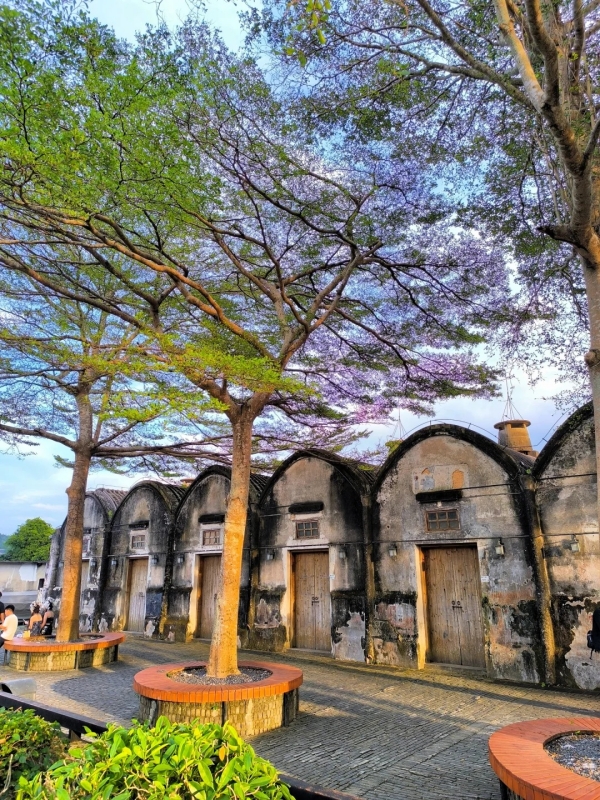
- Coastal Defense Museum Buildings
-
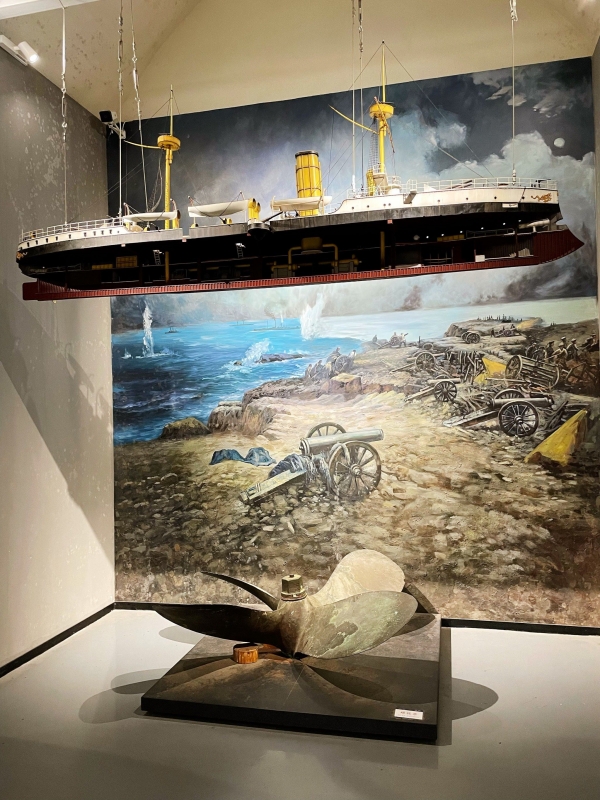
- Historic Warship Model in Museum
Most visitors spend just fifteen minutes here and go on. That’s a mistake worth panning out of your routine. The former granary is turned into a close-reading of exactly how the Dapeng garrison worked, down to troop rotation schedules, the signal system, the chain of subsidiary forts running from here to present-day Hong Kong, and how every major building inside the walls was sighted where it was to maximize its defensibility.
Walking through this section changes the texture of the rest of the visit. That abnormally wide lane you noticed earlier? Cavalry access. The granary’s position flush against the north wall? Chosen to keep foodstuffs as far as practical from any breach in the coast. The floor plans and scale models do most of the interpreting even without diving into the captions.
Authentic Daily Life in Side Alleys
-
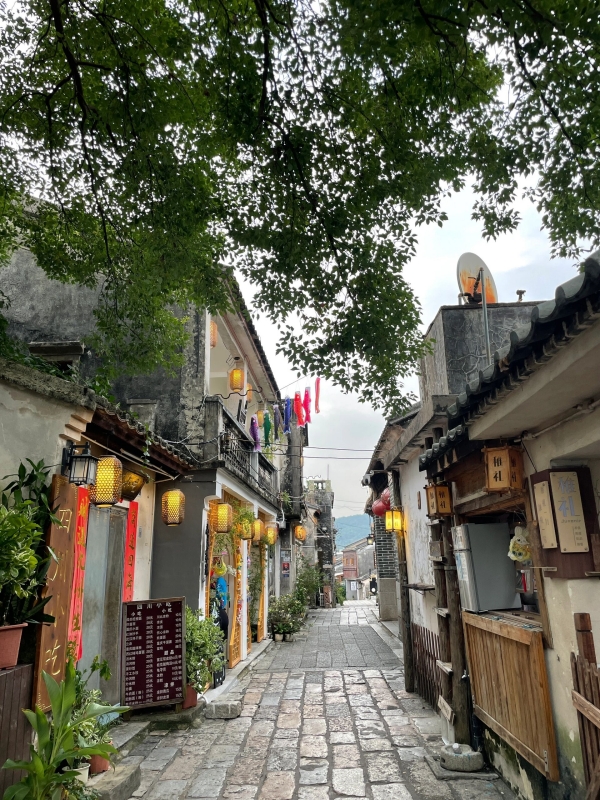
- Lantern-Lined Alley in Dapeng Fortress
-
- Restored Alley in Dapeng Ancient City
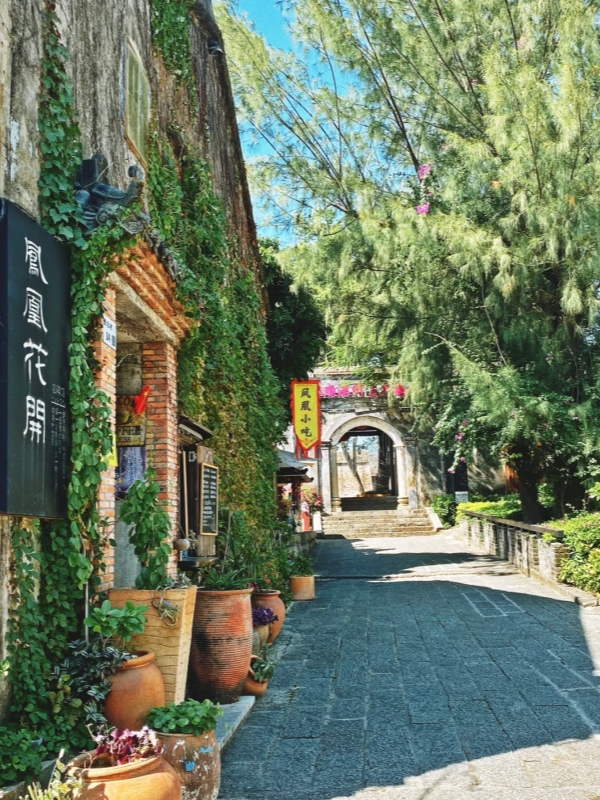
Nanmen Road is interesting enough to walk, but the truly remarkable side of Dapeng Fortress is what you find when you step off it. Step into the western section and the restoration work stops almost immediately. Walls of old houses lean at unlikely angles. Courtyards are cluttered with laundry. Television sets can be heard through half-open doors. The people who live here did not move in for the ambiance — they simply have always been here.
Two places are worth seeking out specifically. Near Phoenix Hall (凤凰堂), a narrow side street holds a scene that could have been composed by a photographer: a rusted bicycle against a peeling wall, an elderly man dozing in a rattan chair. Further along, Zhang Beinian and His Cat (张北年和他的猫) occupies a genuine old house — the owner rented the space to preserve a way of living rather than to run a business. The hand-pour coffee is good. The atmosphere is better. The kind of unhurried, tucked-away character you find here is something Gubei Water Town captures in its own way — a living heritage atmosphere that resists easy categorisation.
Participating in Traditional Festivals and Local Traditions
Immersive Qing-Armor Gate Opening Ceremonies

Ming-Style Soldier Procession at Dapeng Fortress
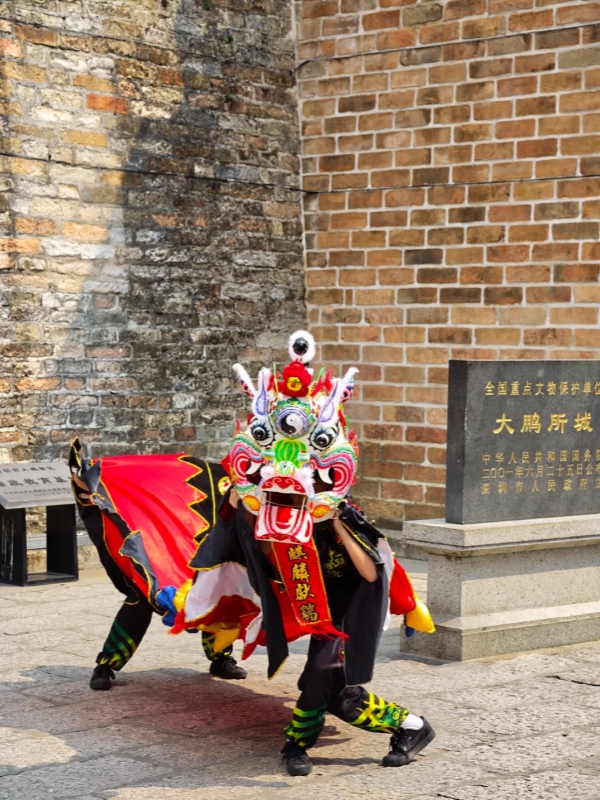
Arriving during a major Chinese public holiday gives a flavour to the visit that’s hard to replicate on another day. The Opening of the City Gate (开城门仪式) takes place at the South Gate on Spring Festival, National Day, and other significant dates — an actor in Qing general’s armour leads a column of costumed soldiers across the square while lion-dancers weave between them and firecrackers rattle off the old stone.
One temptation on seeing such a performance is to dismiss it as theatre for tourist consumption. But that reading misses something. The participants are locals, the audience composed primarily of Shenzhen families, and the entire thing bears the character of a kind of communal act of remembrance. Note that the ceremony doesn’t take place on ordinary weekends — check the Dapeng New District cultural calendar on WeChat before planning a trip around it.
Intangible Cultural Heritage Craft Stalls
-
- Dapeng Fortress Heritage Market Crafts
-
- Qilin Dance at Dapeng Fortress
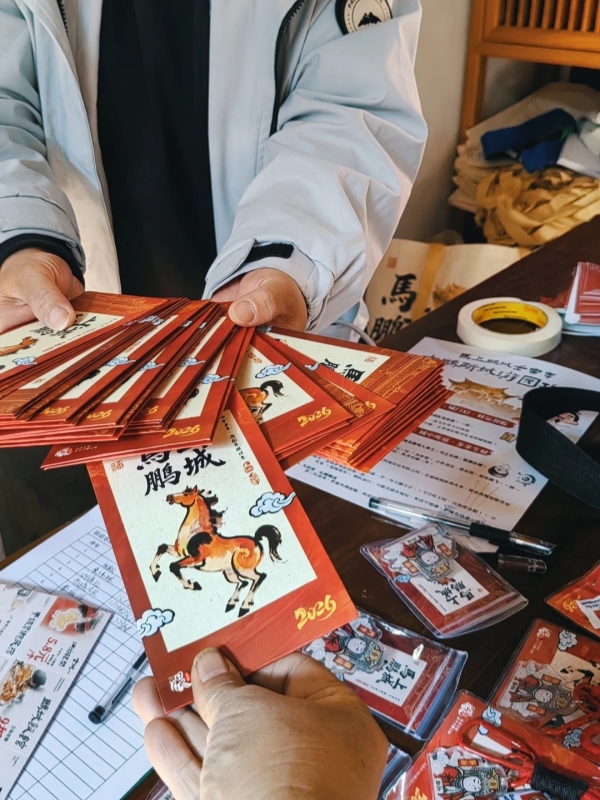
On the same festival days, the open ground beside the main street becomes a living exhibition of intangible cultural heritage. An old man sings Dapeng mountain ballads (大鹏山歌) in a dialect so antique that most of Shenzhen’s residents do not understand it — the beat has a meaning that transcends the words themselves. In nearby stalls, craftsmen create the elaborate qilin heads of lion dances, and others enact the wedding traditions of the fishing community that once ruled this peninsula. 🎋 These skills really were endangered for decades, and many survive today in part thanks to the footfall generated by this fortress and the tourists that come here. Pausing to watch rather than filming and moving on is, in a small way, why the old man is still singing.
Oral Histories from Multi-Generation Families
On some quiet evening, find one of the clan halls prominent in the western section and sit somewhere nearby, kicking back to watch for whatever communes. The old-timers taking the air on their stoops are usually happy to chat. One has lingered in my memory, a man who said his family had been host to foot traffic in their courtyard for five generations. “Does it ever feel like an invasion?” I asked.
He thought for a moment.
“The city is dead,” he said. “The people are alive. If nobody came it would all really be dead.” Such a reframing alters the nature of your entire visit. Dapeng Fortress is not a heritage museum that has a few residents camped in it. It is a living community that happens to occupy a 630-year-old military city. The buildings survive because people poured all the rain. That is the exhibit.
Enjoying Evening Lanterns and Regional Hakka Flavors
Golden Hour Lantern Cobblestone Illuminations
Phoenix Light Installation at Dapeng Fortress
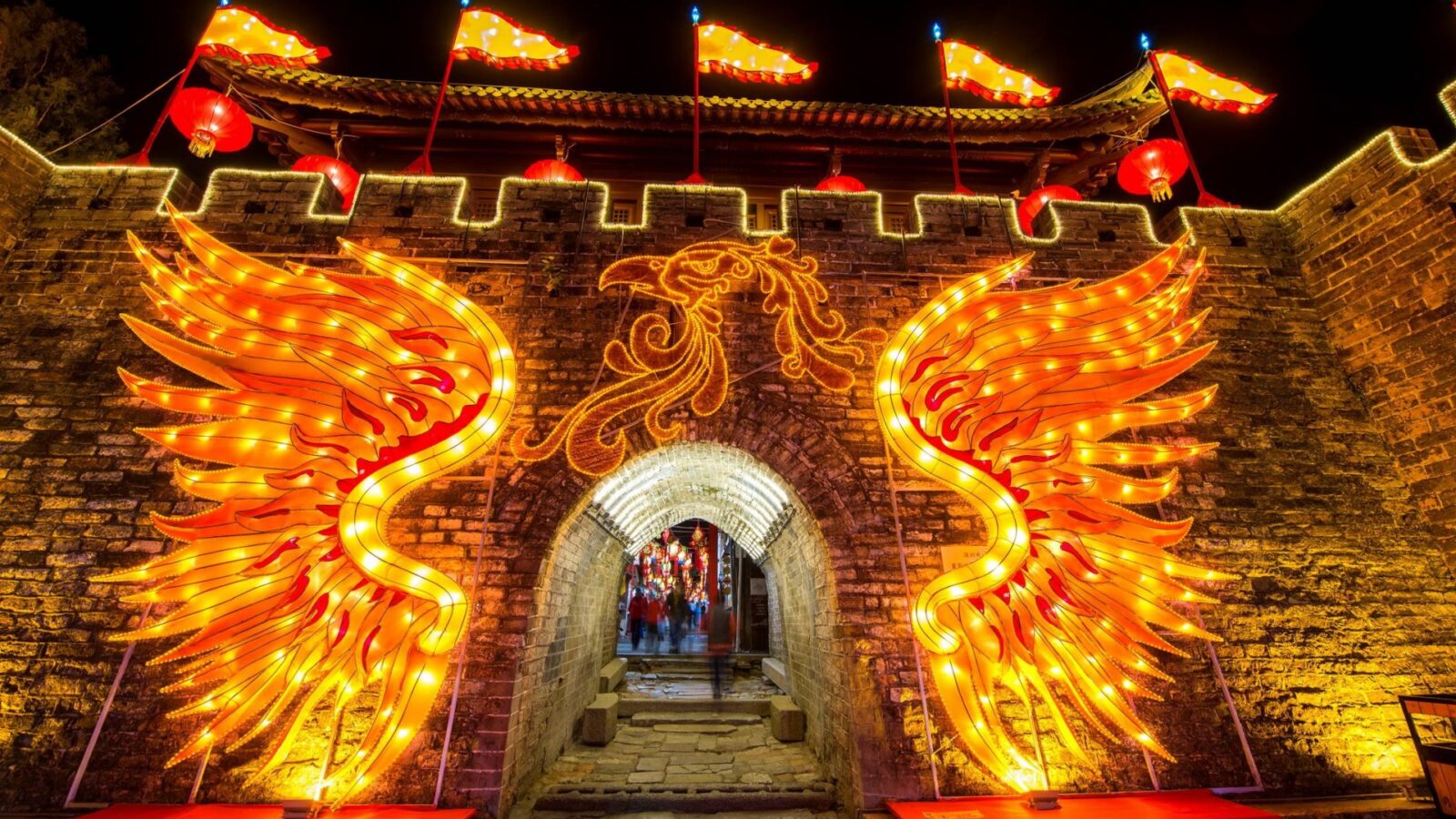
Plan to be inside the fortress when the sun sets. Just beyond dusk, within minutes, more than a thousand red lanterns are lit along the main street as well as in the side alleys, turning the cobblestones the colour of an ember. It happens every single day of the week, not just during festivals. It’s genuinely one of the more beautiful things you might see in Shenzhen.
The trick is, don’t linger on Nanmen Road. Once the lanterns are up, go east to East Gate Street (东门街), or venture into one of the narrow spurs off the western of the two sections. The light here filters through the lanterns rather than being blasted directly into your eyes, creating long shadows on walls that have been weathering for six hundred years. The golden window is approximately between 6 PM and 7.30 PM, after which the bars take over.
Braised General Duck and Stuffed Tofu
-
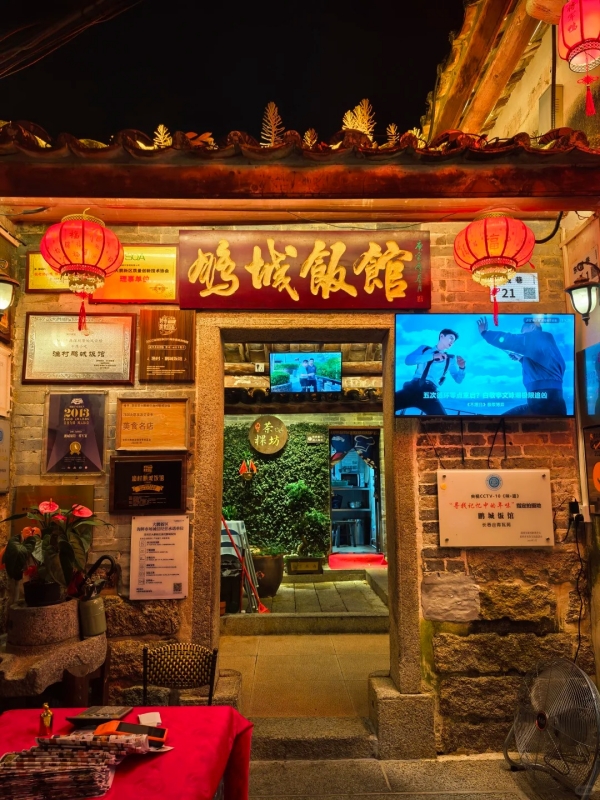
- Pengcheng Restaurant Entrance
-
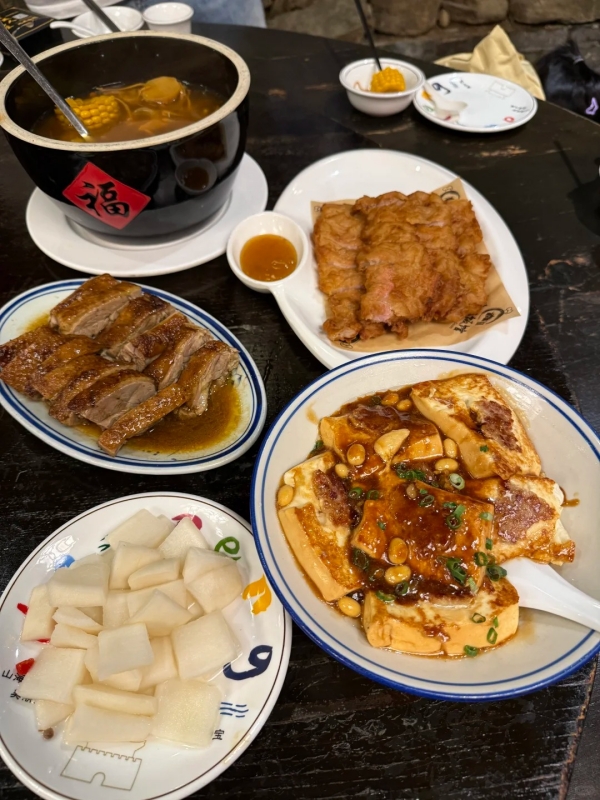
- Hakka Dishes at Pengcheng Restaurant
Peng Cheng Fan Guan (鹏城饭馆), near the East Gate, is your best bet for dinner within the walls. The building is a restored heritage structure — eating here under dark timber beams and beneath tiled eaves feels intuitively different from eating in a restaurant that just happens to be old. It’s Hakka cuisine, which runs towards savoury, fermented, and slow-cooked at the expense of spice or sharpness. 🍜
Order the General’s Duck (将军鸭): stewed until the meat falls apart when poked, and finished with dried mandarin peel for a faintly astringent, fragrant aftertaste. The stuffed tofu (酿豆腐) is no-less reliable, and plan ¥80–100 per person. One practical suggestion: come at lunch rather than dinner if your schedule allows. The lunchtime menu is much more varied, and the slanting daylight passing through the latticed windows is worth an earlier start.
Craft Beer Under Ming Dynasty Eaves
-
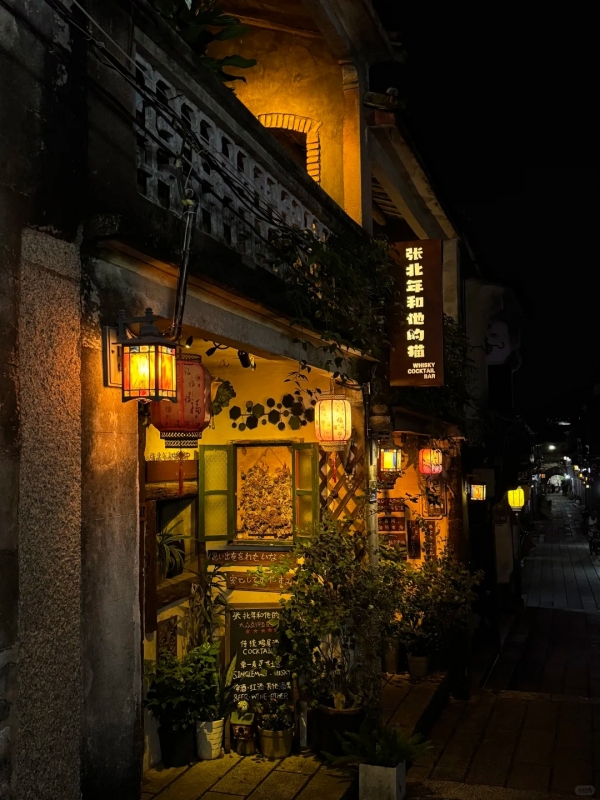
- Zhang Beinian Bar at Night
-
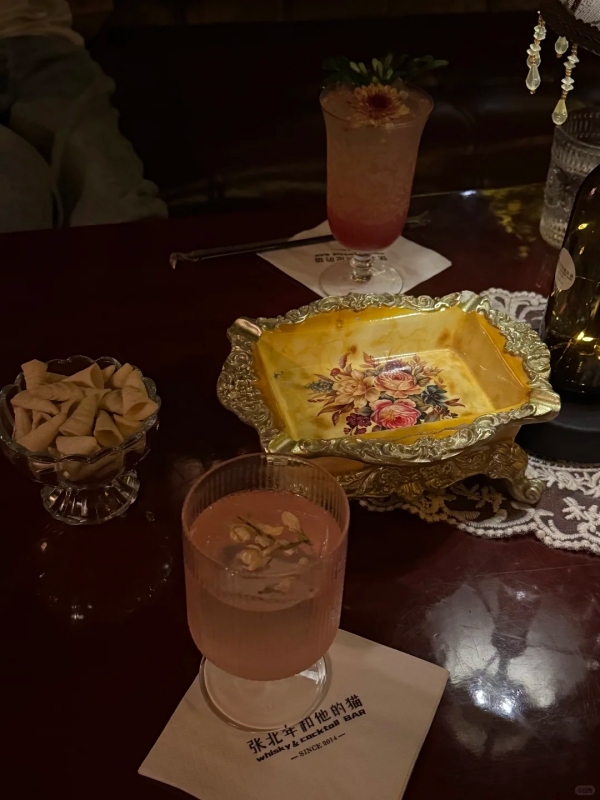
- Signature Cocktails at Zhang Beinian Bar
When you’re done eating, follow the sound of guitars. Several bars within the walls feature live music on weekend nights — acoustic folk and light rock, played to a motley crowd of locals and occasional overnight guests who have surrendered to the rhythm that Dapeng demands of visitors. It’s a kind of surreal in its own right: Ming-dynasty upturned eaves in the window frame, a young singer with a guitar occupying a makeshift stage.
One brewmaster special called Pengcheng Jiushi (鹏城旧事, Old Dapeng Stories) turns up on menus at a number of spots for ¥40-60 a glass. Those seeking a quieter atmosphere can return to Zhang Beinian and His Cat: after dark the coffee stops and cocktails start. It is still the most considered space inside the fortress late into the night
Exploring Seaside Beaches and Ancient Hillside Temples
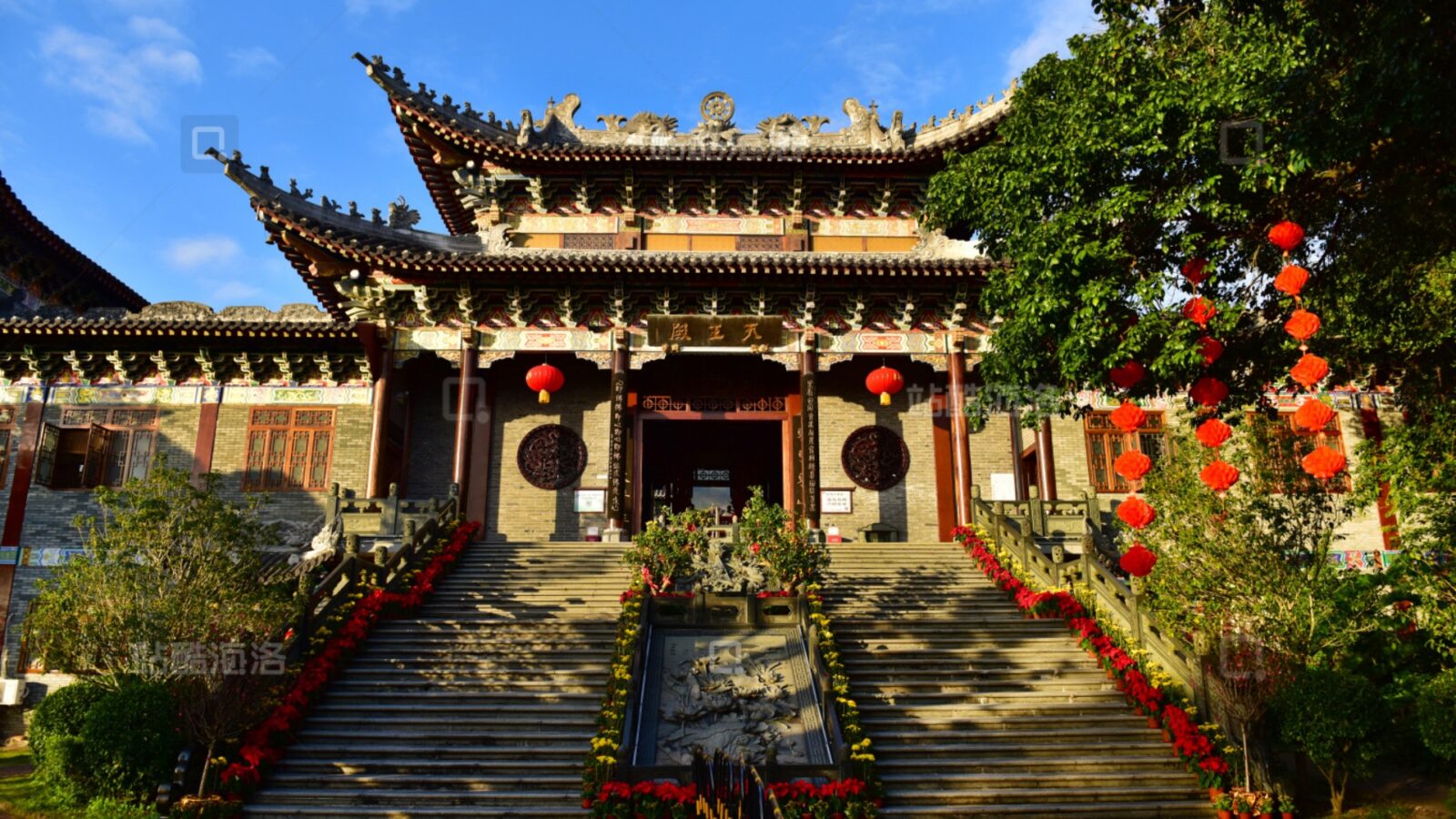
Dongshan Temple
Jiaochangwei Beach Seaside Sands
Walk south from the South Gate along Pengfei Road for roughly fifteen minutes and ancient stone gives way to a crescent of sand backed by colour-washed guesthouses. The beach is best at dusk or early morning. Water sports — paddleboards, speedboats, sailboats — are available from the operators on the sand, though swimming is not recommended due to strong currents. Aloha Beach Club has a reliable sun deck for sunset drinks. The contrast between fortress and shore is one of the quiet pleasures of the Dapeng Peninsula, similar to the way Huanglongxi Ancient Town near Chengdu sits unexpectedly beside modern life.
14th-Century Dongshan Temple Hilltops
A bit of a walk uphill above the village is Dongshan Temple, 2-3 cmbcf from the South Gate. From the early Ming Dynasty, this place has garden courtyards, incense-filled air and views out to sea as well as over the fortress rooftops. Caveat: it sometimes closes for renovations with little warning. check the Dapeng New District WeChat account before making the trek here a centrepiece of your Docker days.
Volcanic Formations at Peninsula Geopark
The geopark occupies the southern tip of the peninsula, about forty minutes' drive from the fortress. Ancient volcanic craters and sea-carved rock formations run along a coastal trail that sees a fraction of the fortress's visitor numbers, even on busy weekends. It works best as a second-morning extension for overnight visitors. Return transport from the trailheads is unreliable late in the day, so arrange a car through your guesthouse beforehand. If your visit falls over the new year period, Shenzhen's New Year's Eve events offer a completely different energy just an hour away in the city centre.
Practical Travel Logistics To Manage Your Visit
How To Navigate Bus Routes From Hubs
Three realistic options, depending on your priorities. One rule applies to all: vehicles are not permitted inside the walled district, so the last five minutes are always on foot from the South Gate carpark.
| Option | Time | How | Best For |
|---|---|---|---|
| 🚌 Bus | 1.5–2 hrs | Futian Hub → E11/833 to Dapeng Hub (大鹏中心) → transfer to M471/B756 → Ancient City Stop. Fare ~¥10 total. | Budget travellers; no driving stress. |
| 🚗 Car / DiDi | ~1 hr | Navigate to 大鹏所城停车场. May–Oct weekends & public holidays: pre-register via Shenzhen Traffic Police WeChat — ¥300 fine if unregistered. First 2 hrs parking free. | Flexibility; travelling with luggage or kids. |
| 🚢 Ferry | ~2 hrs+ | Shekou Pier → Nan'ao Shuangyong Pier → taxi to fortress. Holiday schedules only; check Shenzhen Ferry Terminal WeChat mini-programme. | Scenic-route enthusiasts with time to spare. |
How To Cross Borders Via Transit
A day trip from Hong Kong to Dapeng Fortress Shenzhen is logistically workable, though staying overnight is the better experience. Total travel time from Tsim Sha Tsui runs to about ninety minutes each way on a good day.
| Route/Point | Details |
|---|---|
| Fastest Route | Liantang / Lin Tong (莲塘/香园围口岸) → DiDi taxi direct to fortress parking. ~40 min from border; ~90 min from Tsim Sha Tsui. Set up DiDi International (accepts foreign Visa/Mastercard) before crossing. |
| Familiar Route | Lo Wu (罗湖) → East Rail → Shenzhen Metro → taxi or bus to Dapeng. Adds 30–45 min but stays in a system most Hong Kong residents know. |
| Return Transport | Last public bus toward Shenzhen city departs ~6 PM. If staying for the lanterns and evening bars, plan a DiDi back — more flexible and similarly priced. |
| Overnight Advice | Strongly recommended. The morning fortress — empty streets, cool air, long light — is significantly better than the afternoon version, and only comes with an overnight stay. |
Where To Book Heritage Guesthouses
Two fundamentally different experiences are on offer, depending on what you want from the night.
- Inside the walls: Unijoy (有棵树) is a genuine Qing-dynasty guesthouse with a stone courtyard and birdsong mornings. Prices run ¥800–1,200 per night during holidays — book weeks ahead.
- At the beach: Jiaochangwei guesthouses (¥300–2,000) sit a ten-to-fifteen-minute walk from the South Gate. Maan Coco (~¥350 including breakfast) is decent value — inspect the room on arrival.
- Budget option: Modern economy hotels directly outside the South Gate. No atmosphere, but perfectly placed for an early start.
Where To Find Local Food Options
The eating options split neatly between inside the walls and outside.
- Inside the fortress: Peng Cheng Fan Guan near the East Gate is the go-to for Hakka food at ¥80–100 per person. Come for lunch — the midday menu is broader.
- Street snacks: Clay-pot chicken (窑鸡), tofu pudding (豆腐花), and grilled oysters (烤生蚝) are worth trying near the main entrance.
- Outside the walls: Johnson's Pizza at No. 22 Haibin Road offers wood-fired pies, terrace seating, and occasional live music on weekends.
- For drinks: Zhang Beinian and His Cat runs hand-pour coffee by day and cocktails after dark — the most considered space inside the fortress at any hour.
How To Prepare Offline Language Support
A few details that catch overseas visitors off-guard are worth spelling out before you arrive.
- Getting around: No vehicles are permitted inside the walled district. Taxis drop you at the South Gate carpark; the entrance is a five-minute walk.
- Payment: Set up Alipay International — it links to foreign Visa or Mastercard — before leaving home. Carry ¥200 cash as a backup.
- Language: Signs inside the fortress are bilingual, but restaurants are Chinese-only. Download Google Translate's offline Simplified Chinese pack before arrival.
- Telling your driver: Use 大鹏古城 or 大鹏所城. Saying 大鹏新区 refers to the broader district and sends you the wrong way.
- Crowd avoidance: October through April is the most comfortable season. Weekday mornings 9–11 AM are the quietest windows. Avoid the three golden-week holidays if possible.
- Safety at the beach: Swimming at Jiaochangwei is not recommended due to strong currents and reported shark sightings. Use the organised water-sports operators instead.
Faqs: Essential Information for Dapeng Fortress
Q: Is Dapeng Fortress free to enter?
The walled streets and alleys of Dapeng Fortress Shenzhen are free to enter during opening hours. Access to the two main indoor sites — General Lai Enjue's Mansion and the Coastal Defense Museum — requires a combined ticket priced at approximately ¥20. That ticket is worth buying: the museum completely reframes how you read the rest of the site. Opening hours are Tuesday through Sunday, 9 AM to 5:30 PM.
Q: How long does a visit take?
A focused visit to Dapeng Fortress Shenzhen covering both museums and the main streets takes three to four hours. Add the beach and Dongshan Temple and you are looking at a full day. However, the format most consistently praised by repeat visitors is two days and one night — the morning fortress, empty and quietly lit, is a meaningfully better experience than the afternoon version, and the evening lanterns are a strong second reason to stay.
Q: Can I visit Dapeng Fortress Shenzhen as a day trip from Hong Kong?
Yes, though it requires an early start. The fastest route to Dapeng Fortress Shenzhen uses the Liantang border crossing followed by a DiDi taxi, putting total travel time from Tsim Sha Tsui at around ninety minutes each way. The return journey must account for border queues, and the last public bus leaves around 6 PM. Many visitors from Hong Kong end up extending to an overnight stay after discovering that the day runs out faster than the fortress rewards it.
Q: What is the best time of year to visit?
October through April is the most comfortable window for visiting Dapeng Fortress Shenzhen: mild temperatures, lower humidity, and clearer skies. Within any given week, Tuesday through Thursday mornings between 9 and 11 AM offer the lightest crowds. The three major Chinese public holiday periods — Spring Festival, National Day Golden Week, and the May Day break — multiply visitor numbers three to five times. If the dates are unavoidable, arriving at opening time on a weekday within the holiday window is the best mitigation.
Q: Is Dapeng Fortress Shenzhen worth visiting even if you are not a history enthusiast?
Consistently, yes. Dapeng Fortress Shenzhen combines a walkable ancient city, an accessible beach fifteen minutes away, good food at fair prices, atmospheric bars, and nightly lantern displays — an experience that functions as much as a leisure destination as a historical site. The main streets are free to enter, which removes the usual calculation about whether a site justifies its ticket price. Most visitors leave wishing they had planned a second day.
Q: Is English spoken at Dapeng Fortress?
The main directional signs inside Dapeng Fortress Shenzhen are bilingual. Museum exhibit panels and almost everything commercial — menus, price boards, shop labels — are in Chinese only, and restaurant staff typically speak Mandarin. The most practical preparation is downloading the offline Simplified Chinese language pack for Google Translate before arrival; the camera-translation feature handles menu text and placard captions without needing a data connection.
Q: How do foreign visitors pay?
WeChat Pay and Alipay handle the overwhelming majority of transactions at Dapeng Fortress Shenzhen — food, drinks, guesthouse stays, and market stalls alike. Alipay International allows foreign Visa or Mastercard cards to be linked directly; setup takes about five minutes and works without a Chinese bank account. As a backup, carry ¥200 in cash — the ticket booth, the museum entrance, and a small number of older vendors still accept notes without any fuss.
Q: Is there parking, and what is the traffic restriction?
There is a designated carpark directly outside the South Gate of Dapeng Fortress Shenzhen, with the first two hours free and escalating charges after that. No vehicles are permitted inside the walled district itself — drop-off and pick-up happen at the carpark perimeter, with the entrance a five-minute walk away. Between May and October, driving to the peninsula on weekends or public holidays requires advance registration via the Shenzhen Traffic Police WeChat account. The fine for skipping this step is ¥300, and it is not waivable on-site.
Q: What connects Dapeng Fortress to Hong Kong's history?
The connection is closer than most visitors expect. Dapeng Fortress Shenzhen served as the regional naval command overseeing both Shenzhen and Hong Kong's coastline from 1704 onward. In 1839, General Lai Enjue — born and based at the fortress — ordered the cannon fire on British vessels off Kowloon that historians identify as the opening engagement of the First Opium War. After Hong Kong Island was ceded to Britain in 1842, Dapeng commanders were stationed at the Kowloon Walled City to maintain residual Qing authority over the territory.