Huanglongxi Ancient Town
Huanglongxi Ancient Town is about 40 minutes from Chengdu and feels very different from the city. The town has more than 1,700 years of history, but daily life still happens along the old stone streets and riverside paths. Wooden houses, small temples, and family-run snack shops line the water. On warm days, people sit by the river, wash vegetables, or let kids play in the shallow stream. It’s simple, a bit worn, and easy to slow down in. If you’re curious about planning your own Chengdu day trips and want tips on nearby attractions, check out this comprehensive Chengdu travel guide.
Quick Facts About Huanglongxi Ancient Town
| 🏮 Chinese Name | 黄龙溪古镇 (Huánglóngxī Gǔzhèn) |
| 📍 Location | Shuangliu District, about 40 km south of Chengdu |
| 🕰️ History | Over 1,700 years of continuous settlement |
| ⭐ TripAdvisor | 4.0 / 5 (197 reviews), ranked #1 in Shuangliu County |
| 🎫 Entry Fee | Free |
| ⏰ Opening Hours | 24 hours (most shops run roughly 8:00–21:00) |
| ⏳ Recommended Time | 3–4 hours, easy half-day trip |
| 🌿 Best Season | Summer for river play; spring & autumn for comfort |
Stream-Threaded Streets and Ancient Film Sets
-

- A Living Town
-
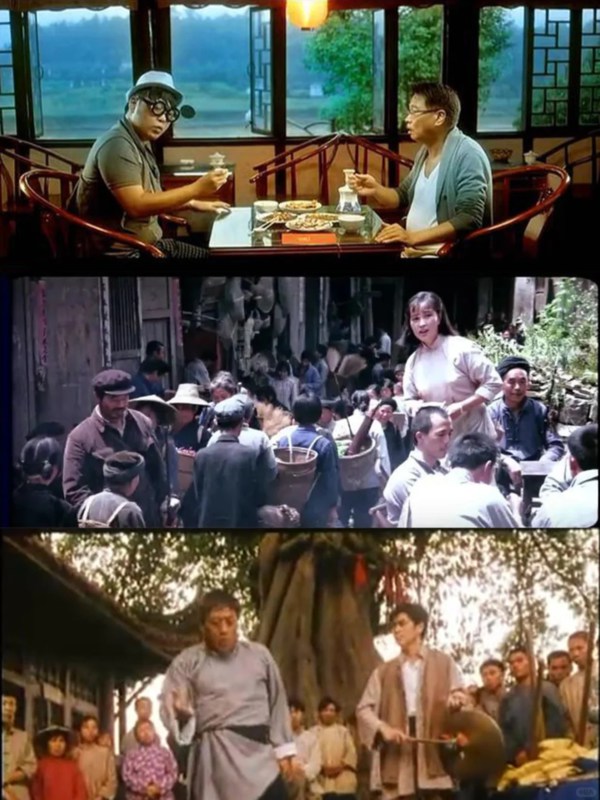
- Chengdu’s Hollywood for Period Dramas
-
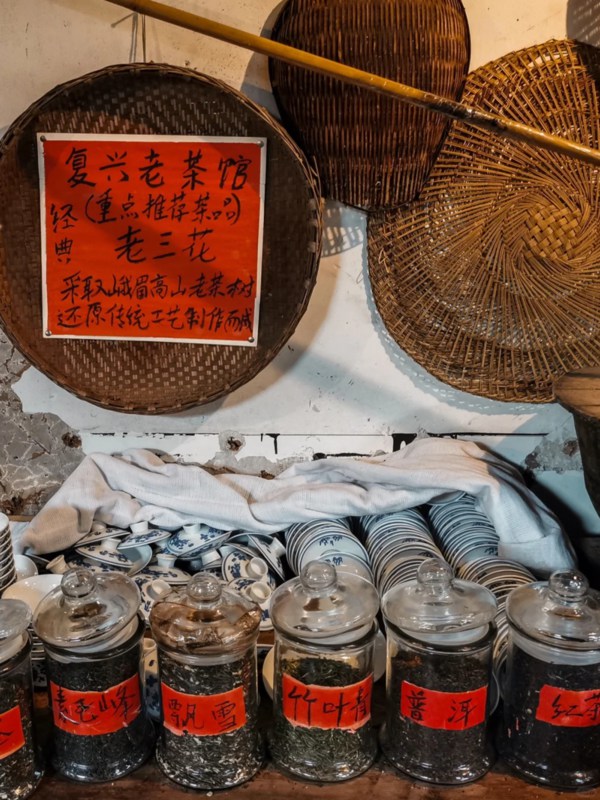
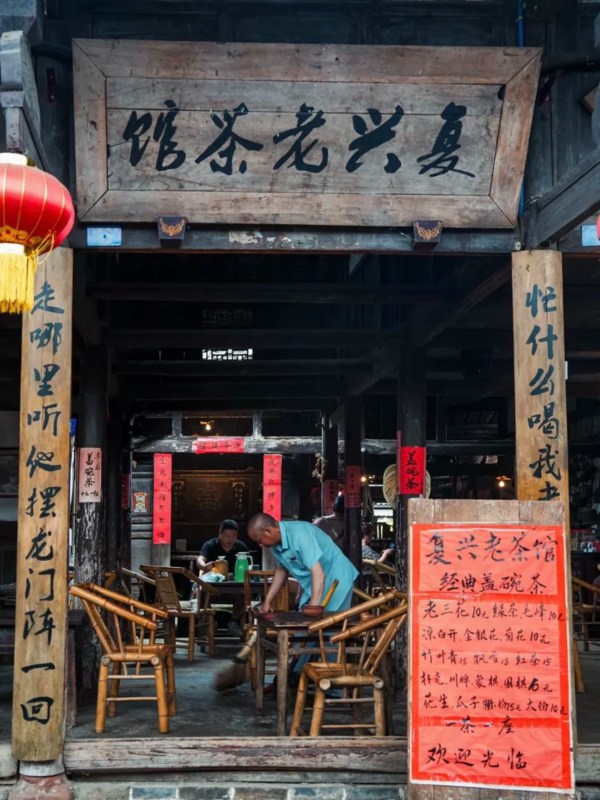
- Teahouse in Huanglongxi
Where Water, Tea, and Daily Life Intersect
Along the river, children are drawing up their shorts and playing in the water with plastic nets, a few yards away older inhabitants sit under plane trees whirling slowly teacups in their hands. This combination is more natural in Huanglongxi Ancient Town where water is not an element in the background but a life element. The shallow streams that pass through the stone streets are making people not look, but to step into them.
In addition to the water culture, more than 180 film and television productions have been done in the town and everything appears camera-ready. And another festival is the Fire Dragon Festival when homemade straw dragons illuminate the night- people still consider it to be a ritual and not a performance. Huanglongxi is less polished and more interactive in comparison to Jinli or Kuanzhai Alley in central Chengdu.
🎬 Huanglongxi, with its streams running through the streets, is one of Chengdu's most vibrant towns; to include it alongside other styles in your bucket list, This Full Selection Guide for China’s Ancient Towns provides a complete comparison from the Southwest to Jiangnan.
Chengdu’s “Hollywood” for Period Dramas
More than 180 historical dramas have filmed in Huanglongxi, mainly because the Ming- and Qing-style buildings stay intact, no fake facades needed. Walking here, you often see door frames marked with faded crew notes in Chinese. Hanfu rental shops sit near the river, and last time I checked, outfits cost around ¥25. It’s casual, not staged.
📜 Imperial Legacy: While Huanglongxi is famous for its lively tea houses, Pingyao Ancient City: Best-Preserved Ming Dynasty Walled Town in Shanxi, China offers a more solemn dive into China’s historical financial hub.
Highlights of Huanglongxi Ancient Town
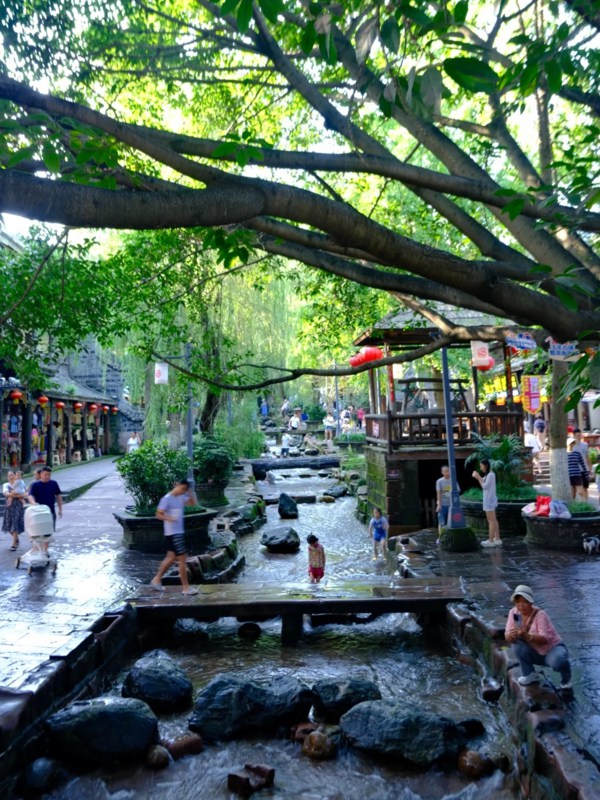
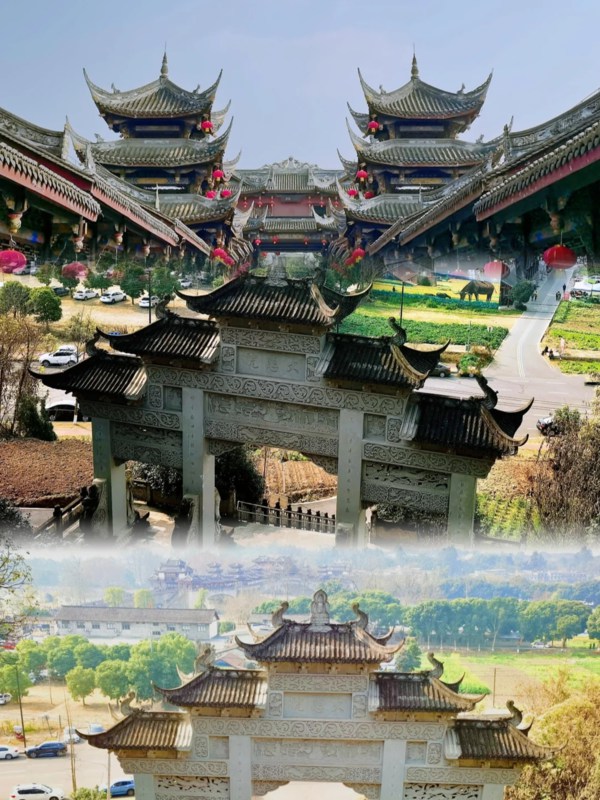
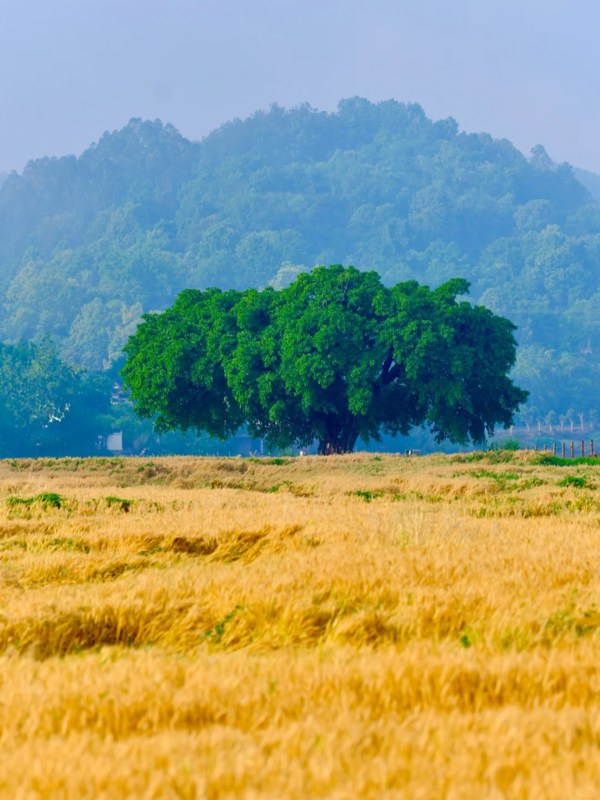
The Iconic Food Street Stream
The food street has a small stream running right down the centre. The stream is shallow so it doesn't stop people from walking through it. During the summer months you'll find people carrying water guns, taking their shoes off and rolling their pants up so their kids can play around in the small stream. Many couples are taking photos and stopping for a photo op while trying to figure out how to get through the stream without getting wet.
No matter how hot the weather, the stream is always cold, and the smooth stones at the bottom of the stream slow down your footsteps as you walk through it. The part of Huanglongxi where you will find the stream invites you to do more than simply observe; it encourages you to play! In contrast to the polished and dry walks you find in other developed areas of the ancient towns, the area surrounding the stream has a lot of character.
Evening Fire Show by the River
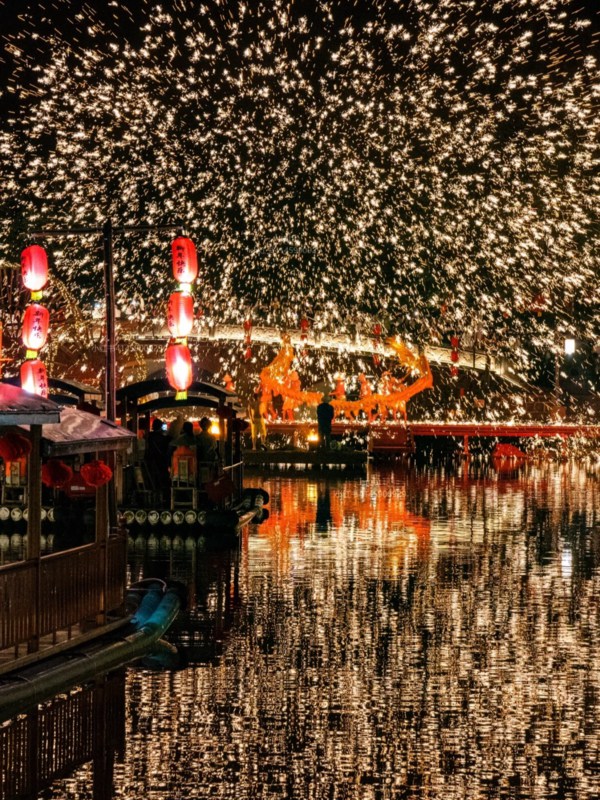
Things become very busy after sunset then all of a sudden it starts to die down again. The river fire busker shows take about 15 minutes to complete and usually take place on Saturday/Sunday and holidays. The flames dance in the air from the water's edge and are mirrored in glassy surface as a large crowd assembles at the side and smaller boats are rowed by them. TripAdvisor user review wrote, “This was one of my absolute highlights! There are lots of ways to view it; by being on the bank or being in a boat nearby"! The time of this activity is brief, but also contains a level of hysterical behaviour, and it's very brief.
Seven Ancient Streets from Ming and Qing Dynasties
In the heart of this historical town are 7 streets that are paved with stone, and there are also 76 preserved Ming and Qing buildings in this town. Nearly all of the lanes of Huanglongxi are about 3.4 metres wide, and they are generally paved with worn bluestone slabs that have been polished by time. Wooden buildings are built on stilts and lean slightly over the water, and among all of the buildings is the former county yamen, which is now a frequently used location for movies and television shows. The compactness of the streets of Huanglongxi creates a very close feeling, as it seems as if the streets were meant for having conversations rather than for accommodating crowds.
Three Buddhist Temples in the Heart of Town
In daily life in this area, religion has an important presence. Gulong Temple is generally recognised as the oldest temple, and it has a traditional opera stage that people in the community reference from time to time. Zhenjiang Temple is known as a temple that blesses water, which is appropriate for a town that is located close to the river. Chaoyin Temple can be easily identified by the extensive detail of the wood carvings. There are two temples outside of Huanglongxi called Dafosi and Guanyin Temple; however, they are typically less crowded because they are not as frequently visited.
🛶 Eastern Zen: If the rushing streams of Sichuan inspire you, the tranquil, mirror-like canals of Tongli Water Town: Ancient Canals and UNESCO Gardens Nestled in Suzhou provide a masterclass in Eastern landscape design.
800-Year-Old Banyan Trees with Legends
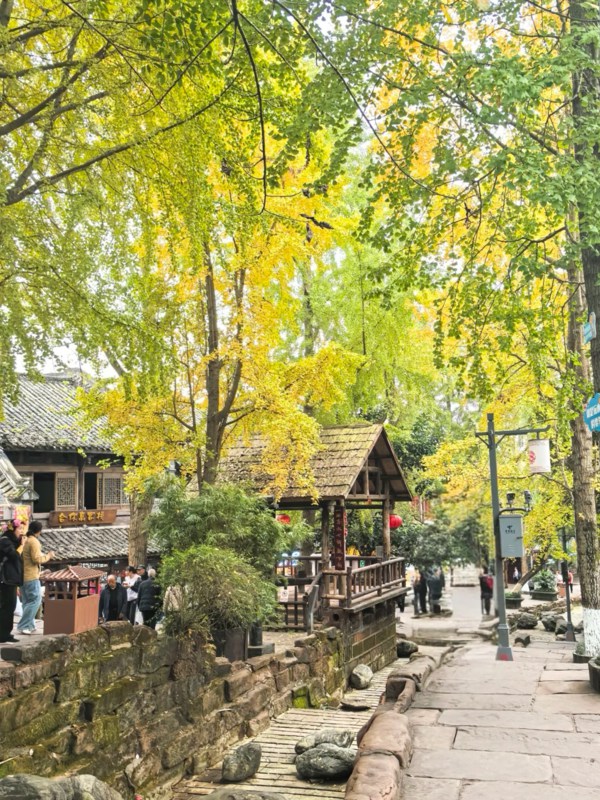
Six banyan trees over 300 years old spread their roots across the town. Local stories link them to Zhuge Liang, though no one seems fully sure. On the eastern side, one “dragon tree” curves upward like a dragon’s head, and people still stop to look—legend or not.
Best Walking Routes Through Huanglongxi Ancient Town
-
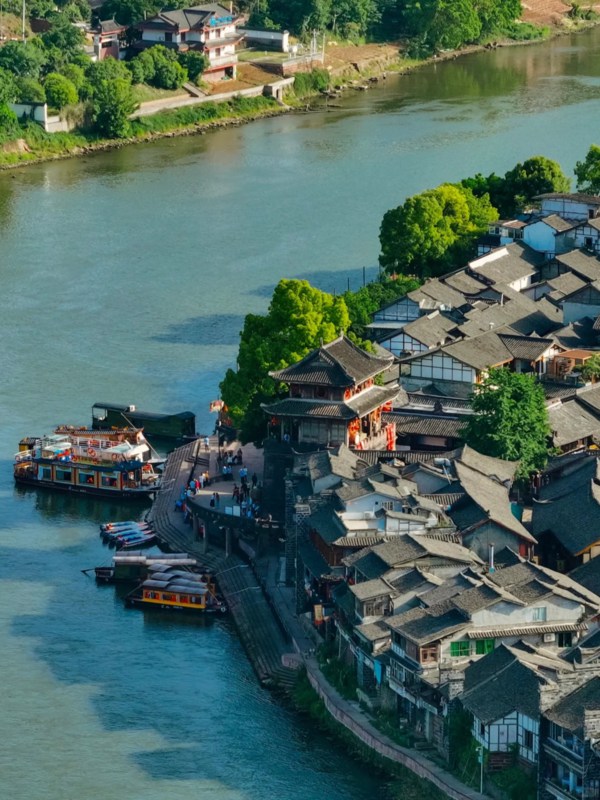
- River Beside Huanglongxi Ancient Town
-
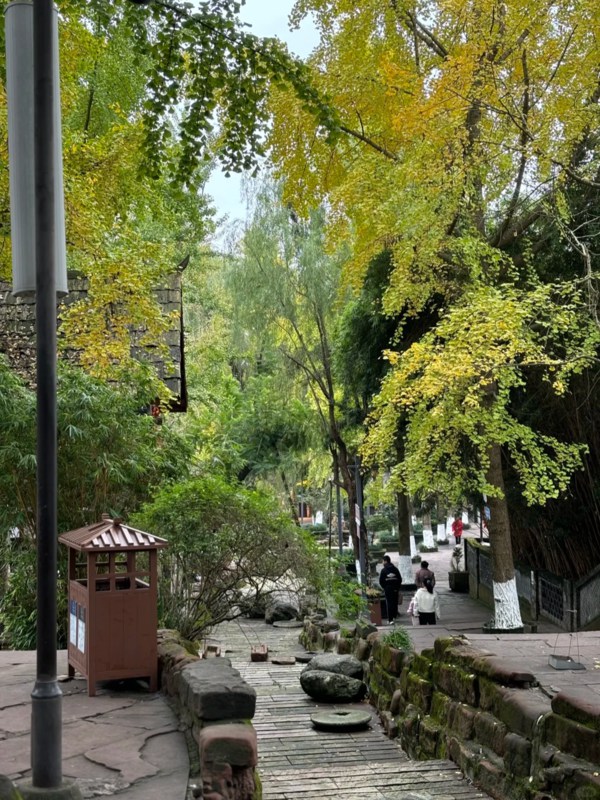
- Road of Huanglongxi Ancient Town
The Classic 2-Hour Route
The Northeast Gate is the most common starting point for most people because it is where transportation from buses and taxi services stop. From the Northeast Gate, continue directly to the food street, where a small creek runs down the centre of the path. Most kids play on the rocks in this area, which is also where most photographs are taken. Continue to Gulong Temple, then follow the arrows to Zhenjiang Temple, both temples within walking distance of each other.
In a few minutes, you will see some of the largest, oldest Banyan trees providing shade over small squares—ideal places to relax and take a break. Continue the loop back down the riverbank. This route may work best for a half day or if you have time to mix your visit with other activities in and around Chengdu.
The Full 4-Hour Exploration
The slower time might give you a chance to take in what you see. Once you have finished at the temple sites, you could visit the less crowded Dafosi and Guanyin temples on the outskirts of town. After that, you will want to make your way to the riverside tea houses in Jinjiang, where you will see many locals spending hours sitting by the river eating sunflower seeds and drinking tea from a thermos.
A TripAdvisor reviewer noted a back alley called “Xifeng corridor” located behind the main street. This is an easy-to-overlook area that contains old tea shops and has almost no other tourists. Arriving in the afternoon means you have a chance to relax by the river and be able to see the fire show later that night without having to rush.
🎆 Nighttime Spectacle: If you enjoyed the fire dragons of Huanglongxi, you will love the glowing stilted houses and dramatic river lighting found in our Fenghuang Ancient Town Travel Guide with Route, Night View and Tips.
Where to Eat and Stay in Huanglongxi Ancient Town
-
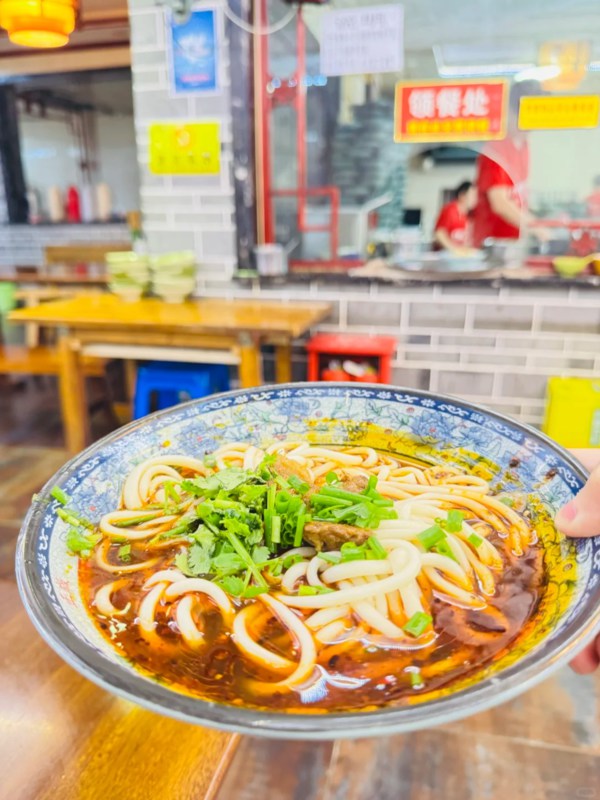
- Yiegen Noodles
-
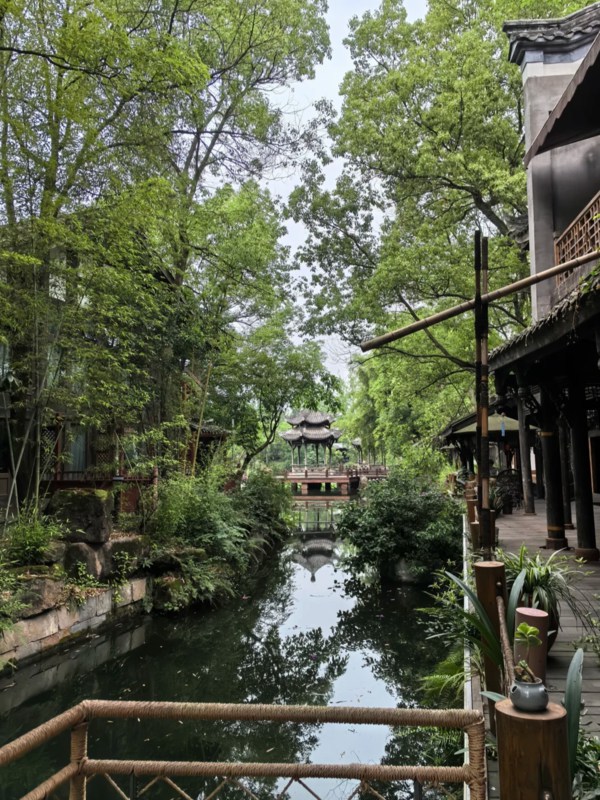
- Intra-riverside Guesthouse
Must-Try Street Foods
In general, the food we enjoyed was comodity food so it could be totally random. The top recommended item by far though, was Yiegen Noodles. If you want to discover more local flavors beyond noodles, check out this detailed guide to Chengdu hotpot restaurants, it’s packed with tips and must-try spots. These noodles are freshly hand pulled from one continuous piece of dough that is theatrically stretched out in front of the location. If you have a difficult time deciding where to go for the best experience, go to the location that is usually the busiest by the river.
Additional options included pearl style tofu pudding, spicy huang lading, chili cake and crispy pork with trotters. Some of the vendors even offered small boat rentals that allowed you to eat and relax while floating down the river. According to TripAdvisor, the quality can be hit or miss so if there are not a lot of people in line, there is probably a reason for it. The best way to experience the food of Huanglongxi is with a relaxed attitude and to be open to trying new things.
Budget-Friendly Guesthouses by the River
Intra-riverside Guesthouse are still reasonably priced, especially during the week, as they lay offer basic but hygienic accommodation to many of whom will accept overnight visits from non-Chinese nationals. If you want an experience similar to that of the traveller who writes on the Trip Advisor about having the have it to himself that he had the night before, then this would be it.
You can anticipate the reflection of your lanterns off the water at night and virtually no sounds as there are just not that many people on the river. Thus, it is imperative to make a reservation ahead of time if you want a room during Spring Festival or on long weekends when demand for rooms is high and availability becomes scarce.
How to Get to Huanglongxi Ancient Town from Chengdu
By Public Bus from Xinnanmen Station
The closest, quickest way to get to Huanglongxi from Chengdu would be taking a long-distance bus from Xinnanmen Bus Station. Long-distance buses depart approximately every thirty minutes, with an average travel time of one (1) to one-and-a-half (1½) hours (depending upon traffic). A ticket will typically cost ¥15-16. When purchasing a bus ticket, the staff will generally request to see your passport.
Once you have arrived at Huanglongxi, returning to Chengdu is easy. You would simply purchase your return ticket at the Huanglongxi Bus Stop for approximately ¥15; however, the last bus back to Chengdu leaves around 6:00 PM. If you miss this bus, you will need to find other means of transportation back to Chengdu.
By Metro Line 5 Plus Local Bus
For those staying near Metro, this option may be less complicated. Metro Line 5 direction Huanglongxi Station, then transfer to a local bus outside of the station. Local bus fare is usually ¥1 (cash or mobile payment). The bus takes longer than taking the direct, but since many Chengdu residents want to avoid the congestion at the bus station, it is a good option for a more leisurely experience touring Huanglongxi.
By Taxi or Guided Day Tour
Riding in a taxi or using a ride-hailing service can cost between ¥80 and ¥120 for each leg of your journey, depending on your starting location. Many travelers book day trips as an alternative to planning out their own itinerary ahead of time. On TripAdvisor, you can find shared tours that include both Huanglongxi and the Leshan Giant Buddha for as low as $93, as well as private tours from the Panda Base for as much as $234.
Honest Tips to Avoid Crowds and Tourist Traps
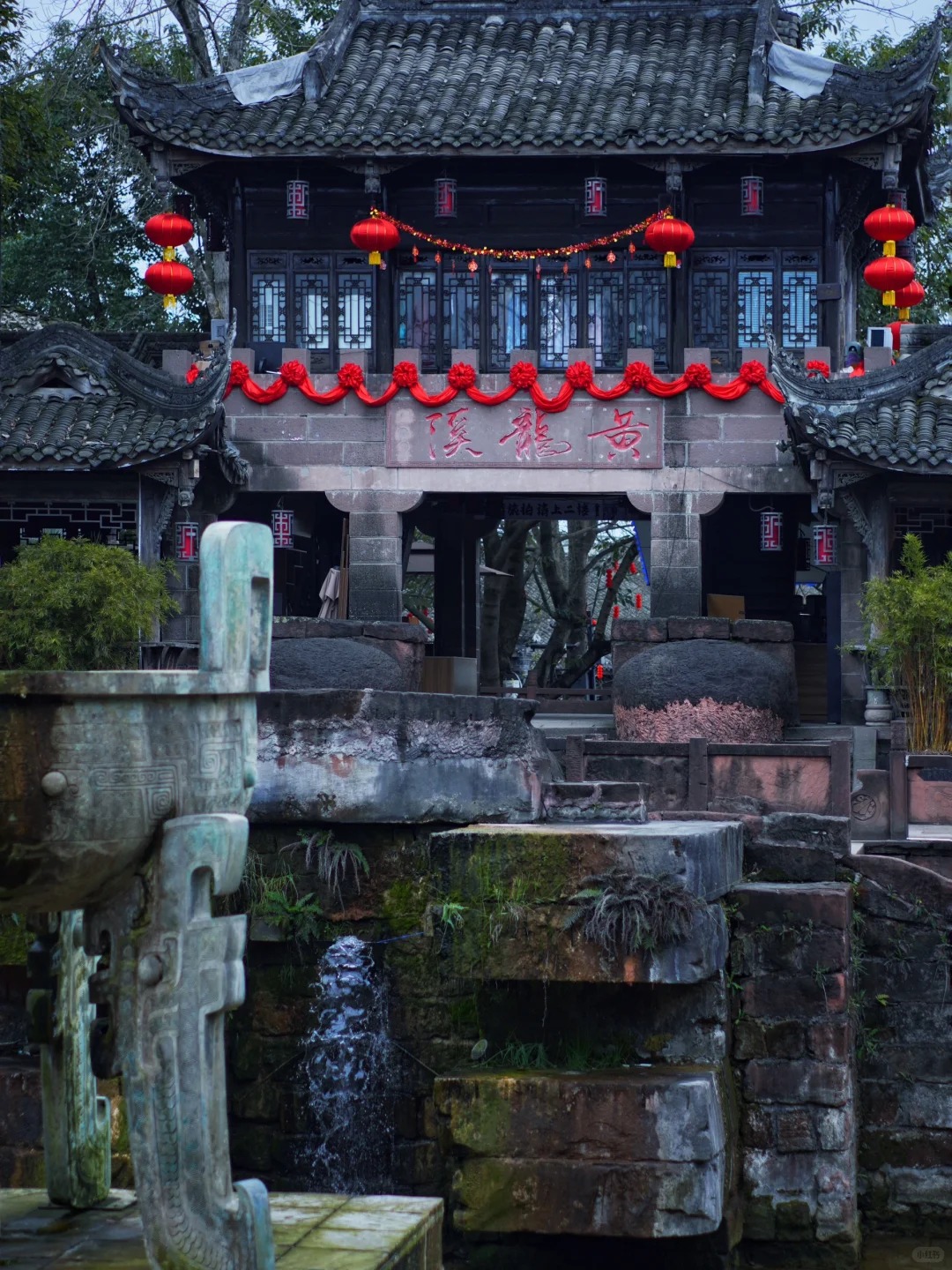
Scene of Huanglongxi Ancient Town
Go Early or Stay Overnight
Numerous reviewers on Tripadvisor have written in all capital letters to stress "GO EARLY!!" Getting here before 9 a.m. helps a lot. The roads are relatively wide open. Shops are just starting to set up for the day. All photographs appear much clearer without people in them. Staying in Huanglongxi is enhanced if you stay the night. Lanterns light the night sky. Morning roads are almost completely deserted. You don’t have to rush to catch the last bus.
Explore Beyond the Main Street
The main thoroughfare is clearly the commercial center of Huanglongxi. Storefronts sell similar snacks and souvenirs every hundred feet. Head to the back streets, and you see locals playing mahjong together. Store owners prepare food items for the next day. Children study on small benches. As one TripAdvisor reviewer stated: “Take time to explore the less busy alleyways – and you'll find it to be true in Huanglongxi.”
Weekdays Beat Weekends
Weekends can feel packed, especially in summer when families come for water play. On weekdays, the pace slows down and the town feels more balanced. Spring Festival and Fire Dragon Festival days are extremely crowded, but the atmosphere is intense and memorable—worth it only if you’re ready for the squeeze.
Huanglongxi vs. Luodai Ancient Town
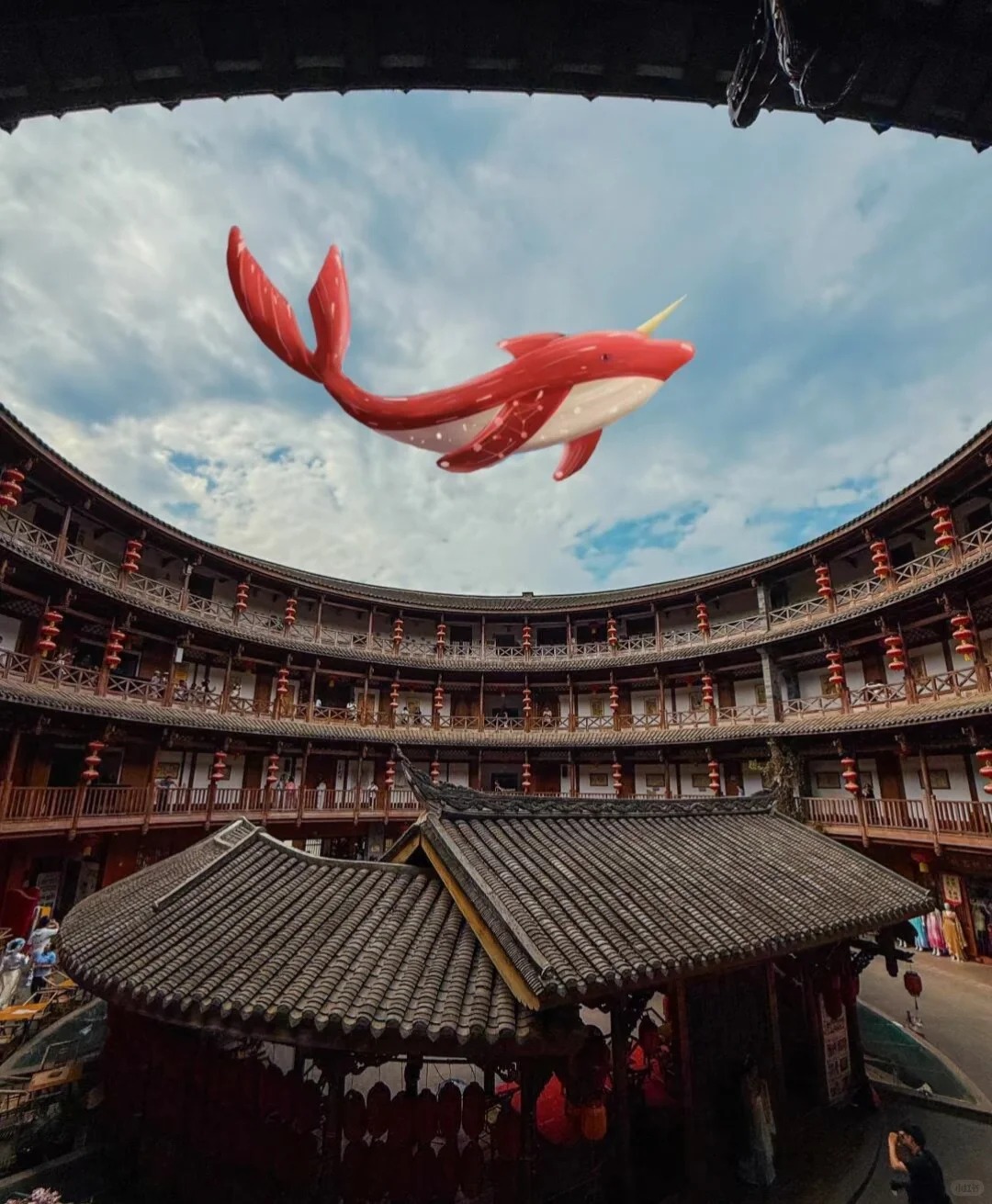
Luodai Ancient Town
| Feature | Huanglongxi Ancient Town | Luodai Ancient Town |
| 🌿 Core vibe | Riverside life, water culture, relaxed pace | Hakka heritage, structured layout |
| 💦 Signature experience | Summer water play, streams through streets | Hakka food streets, folk shows |
| 🕰️ History | Over 1,700 years | Around 1,000 years |
| 🏛️ Architecture | Ming–Qing streets, stilt houses | Hakka-style buildings, tulou replicas |
| 📍 Distance from Chengdu | Farther, better as a full outing | Closer, easy half-day trip |
If time is tight, Luodai works well for a quick cultural stop near the city. But for a slower day with more interaction, Huanglongxi Ancient Town offers water, space, and a less polished feel. Personally, I’d choose Huanglongxi Ancient Town when I want a full day without watching the clock.
FAQ About Huanglongxi Ancient Town
Q: Is Huanglongxi Ancient Town worth visiting?
Absolutely, Huanglongxi Ancient Town is worth visiting, especially in summer when children can splash in the shallow streams and families enjoy water play. The Fire Dragon Festival adds excitement during Lunar New Year. TripAdvisor rates it 4.0/5, #1 in Shuangliu County. While the main street is somewhat commercialized, exploring side alleys reveals authentic local life. Temples, ancient streets, and riverside scenes give a lived-in feel, making it more interactive than typical tourist spots, ideal for photography and relaxed exploration.
Q: Where is Huanglongxi Ancient Town located?
Huanglongxi Ancient Town is located in Shuangliu District, on Chengdu’s southwestern edge, about 40 km from downtown. The town sits along the scenic Jinjiang River, making it one of the most accessible water towns near the city. Travelers can reach it by bus, metro plus local bus, or taxi. Its proximity allows for easy day trips while still feeling distant enough to escape urban crowds. The town combines river scenery, traditional architecture, and local culture in a compact area suitable for half-day or full-day visits.
Q: How do you say Huanglongxi Ancient Town in Chinese?
The Chinese name is 黄龙溪古镇, pronounced Huánglóngxī Gǔzhèn. “黄龙” means yellow dragon, and “溪” means stream. Legend says the river and town viewed from a hill resemble a dragon winding through the landscape, which inspired the name. Travelers will notice signs in pinyin alongside Chinese characters, helping with navigation. Many locals still refer to it by the full name, and pronunciation is straightforward once broken down. Understanding the meaning adds context when exploring temples, streets, and streams throughout the town.
Q: Is there an entrance fee for Huanglongxi Ancient Town?
The main town area of Huanglongxi is free to enter. Some attractions, such as boat rides or specific temples, may charge small fees. Renting a Hanfu for photos costs around ¥25, and river dining experiences are extra. The riverside fire show is free, adding value to a visit. Overall, Huanglongxi is a high-value day trip from Chengdu, offering both cultural immersion and entertainment without heavy costs. Visitors can plan meals, souvenirs, and activities according to budget while enjoying authentic riverside scenery.
Q: What is the best time to visit Huanglongxi Ancient Town?
Summer (June–August) is best for water play, especially along the streams that run through streets. Spring and autumn are comfortable for walking and photography. The Fire Dragon Festival during Lunar New Year is exciting but extremely crowded. To avoid large crowds, arriving early on weekdays is ideal. Morning light also makes photography better. Evening visits allow riverside fire shows. The town’s streams, temples, and alleys are enjoyable in almost any season if planned according to weather and festival schedules.
Q: How long does it take to explore Huanglongxi?
Exploring the core area of Huanglongxi usually takes 2–3 hours, enough to see main streets, temples, and streams. Including outer areas like Dafosi and Guanyin Temple may extend the visit to 4 hours. Those wishing to watch the evening fire show should arrive in the afternoon and stay until night. Staying overnight allows a half-day plus evening experience and a quiet morning. This timing gives visitors a mix of active exploration, riverside relaxation, and authentic daily life scenes without feeling rushed.
Q: Can I combine Huanglongxi with other Chengdu attractions?
Yes, many visitors combine Huanglongxi with other attractions. Popular choices include a day tour with Leshan Giant Buddha (TripAdvisor $93+) or private tours with the Panda Base ($234+). Independent travelers can use metro and local buses for flexible schedules. A full day is recommended, as rushing multiple sites reduces enjoyment. Combining Huanglongxi with nearby cultural or natural attractions allows for a more complete experience of Chengdu’s surroundings, including rivers, temples, and historic streets.
Q: Is Huanglongxi suitable for families with kids?
Absolutely. The food street stream is a natural playground, perfect for kids to splash around—bring water shoes and spare clothes. Street snacks are child-friendly, and Hanfu rentals are fun for children. Weekends can get crowded, so parents should supervise closely. The riverside, alleys, and small squares offer safe spaces for children to explore. Families often spend half a day or a full day here, combining food, photos, and interactive activities while enjoying Huanglongxi’s authentic riverside ambiance.