Fenghuang Ancient Town
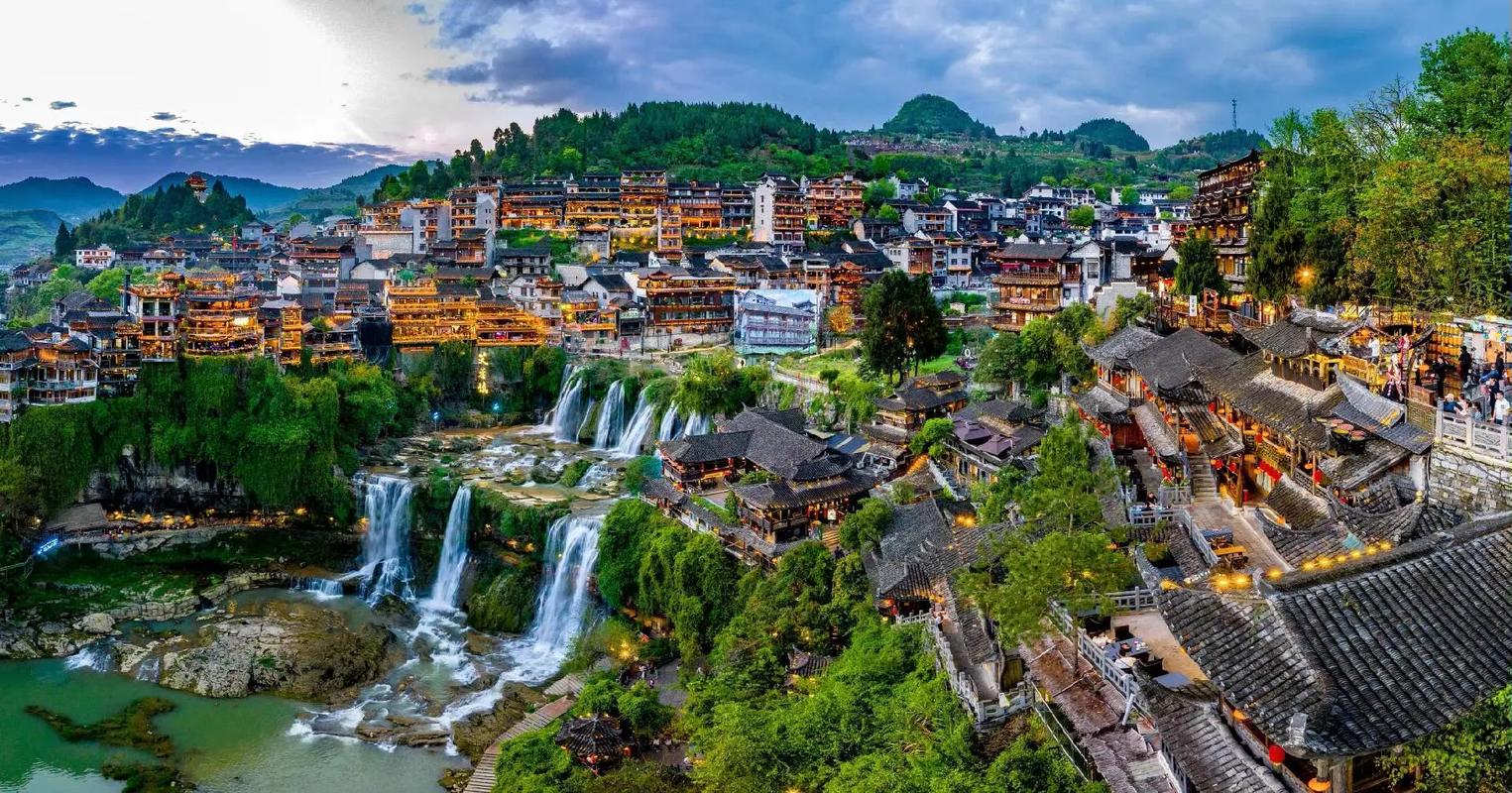
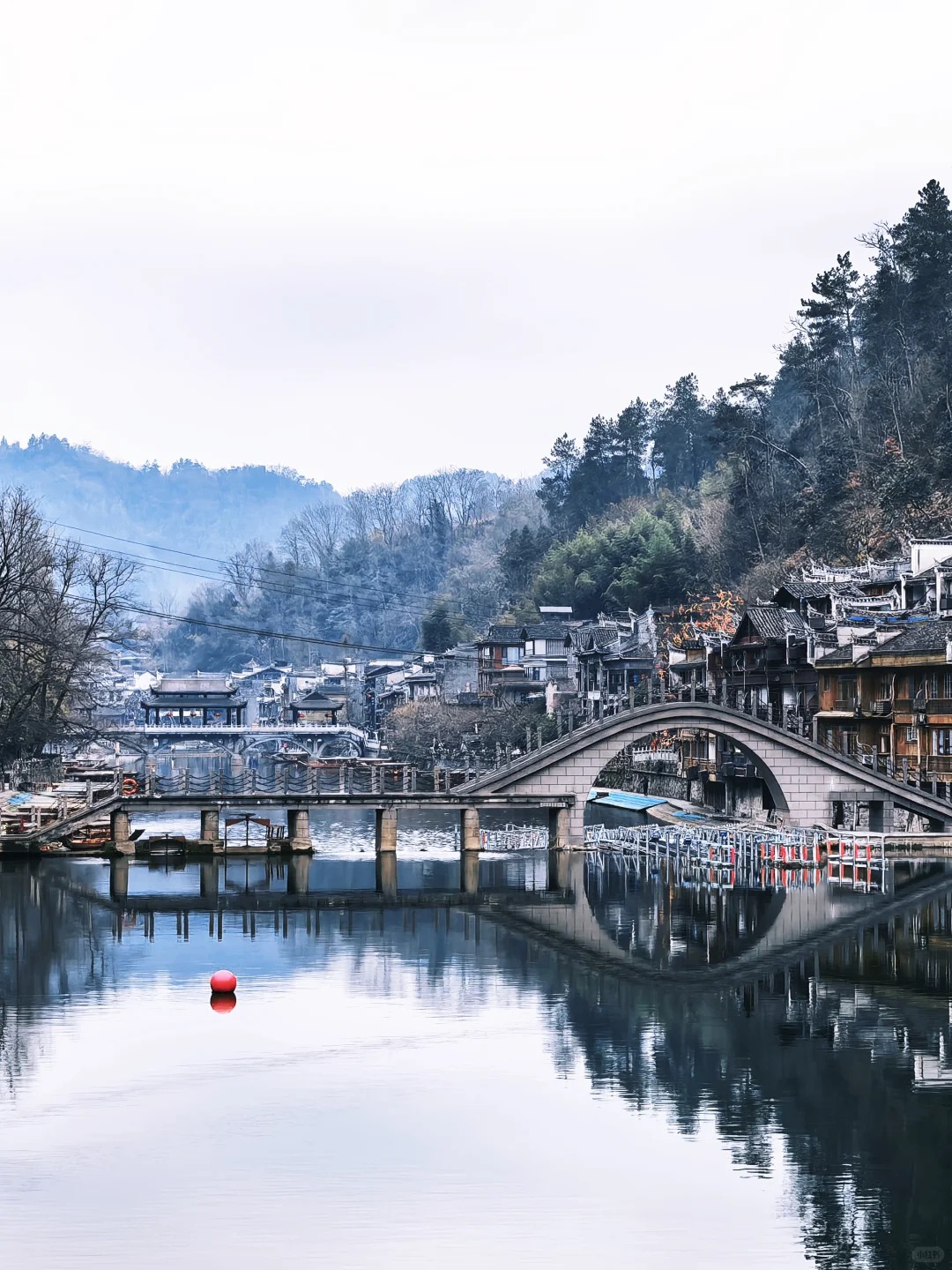
Fenghuang Ancient Town has a reputation that sets expectations pretty high. You see the photos first — glowing wooden houses over the river, soft lights reflecting on the water — and it looks almost unreal. Getting there, though, isn’t exactly effortless, and the first impression can feel more crowded and commercial than expected, especially around the main streets. Curious how it compares with a quieter riverside old town near Chengdu? Take a look at this guide to Huanglongxi Ancient Town.
Still, Fenghuang Ancient Town works a bit differently once you slow down. The best parts aren’t obvious at first glance, and timing matters more than most guides suggest. Based on what I’ve seen and a few small mistakes along the way, it’s a place that can feel either underwhelming or surprisingly memorable, depending on how you plan it.
| 📍 Location | Xiangxi, Hunan Province, China |
| 🏮 Chinese Name | 凤凰古城 (Fenghuang Ancient Town in Chinese) |
| 🚄 Nearest Station | Fenghuang Gucheng Railway Station (凤凰古城站) |
| 🚗 Distance to Zhangjiajie | ~220 km (1–1.5h by high-speed rail + car) |
| 🎫 Ticket | Ancient town free; some attractions ¥128–¥148 |
| 🌃 Best Experience | Night view along Tuojiang River |
| 🏨 Stay Tip | Riverside hotels offer best views but can be noisy |
| 🗺️ Layout | Compact and walkable (2–4 hours main area) |
| 🕰️ Ideal Stay | 1 night (for night + early morning view) |
Things to Do in Fenghuang Ancient Town
Taking a Boat Ride on the Tuojiang River
Taking a Boat Ride on the Tuojiang River
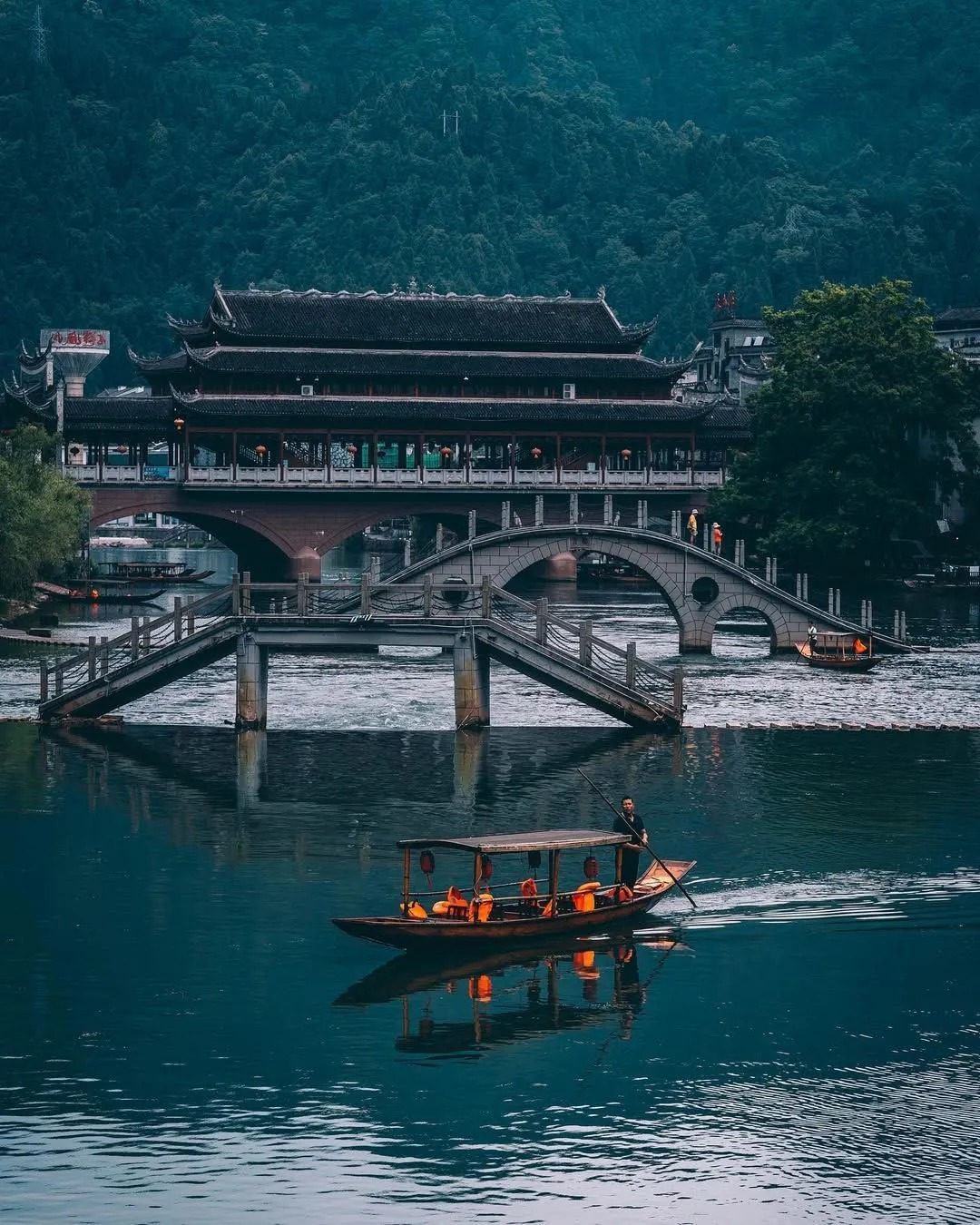
I hesitated a bit before getting on one of those wooden boats. It felt slightly touristy at first glance, and I wasn’t sure if it would add much beyond what you already see from the riverbank. Tickets were around ¥80–100 per person when I checked (prices can shift a little depending on season), and you usually buy them at small counters near the river or through platforms like Ctrip.
During the day, the ride feels calm but not particularly memorable. You’re moving slowly past the same stilt houses you can already walk by, just from a lower angle. At night, though, it’s a different experience. The reflections become more obvious, and being on the water changes the perspective — you’re closer to the lights, and the noise from the streets fades a bit.
The route itself isn’t very long, maybe 15–20 minutes, following a fixed stretch of the Tuojiang River. It’s not something I’d go out of my way to repeat, but doing it once, especially after dark, felt worth it. If you’re deciding between day or night, I’d skip the daytime version entirely.
Trying Traditional Costume Photos
Trying Traditional Costume Photos
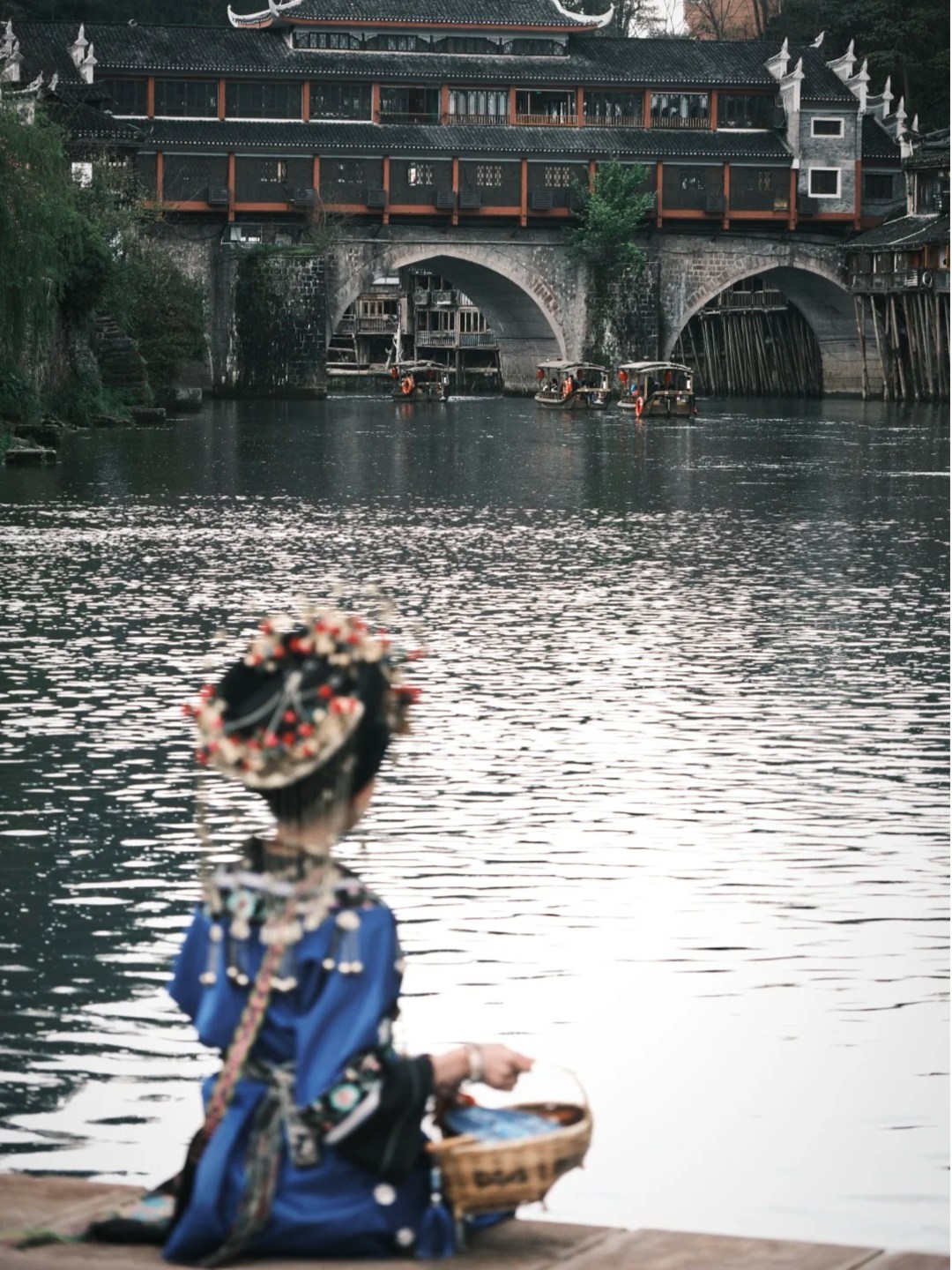
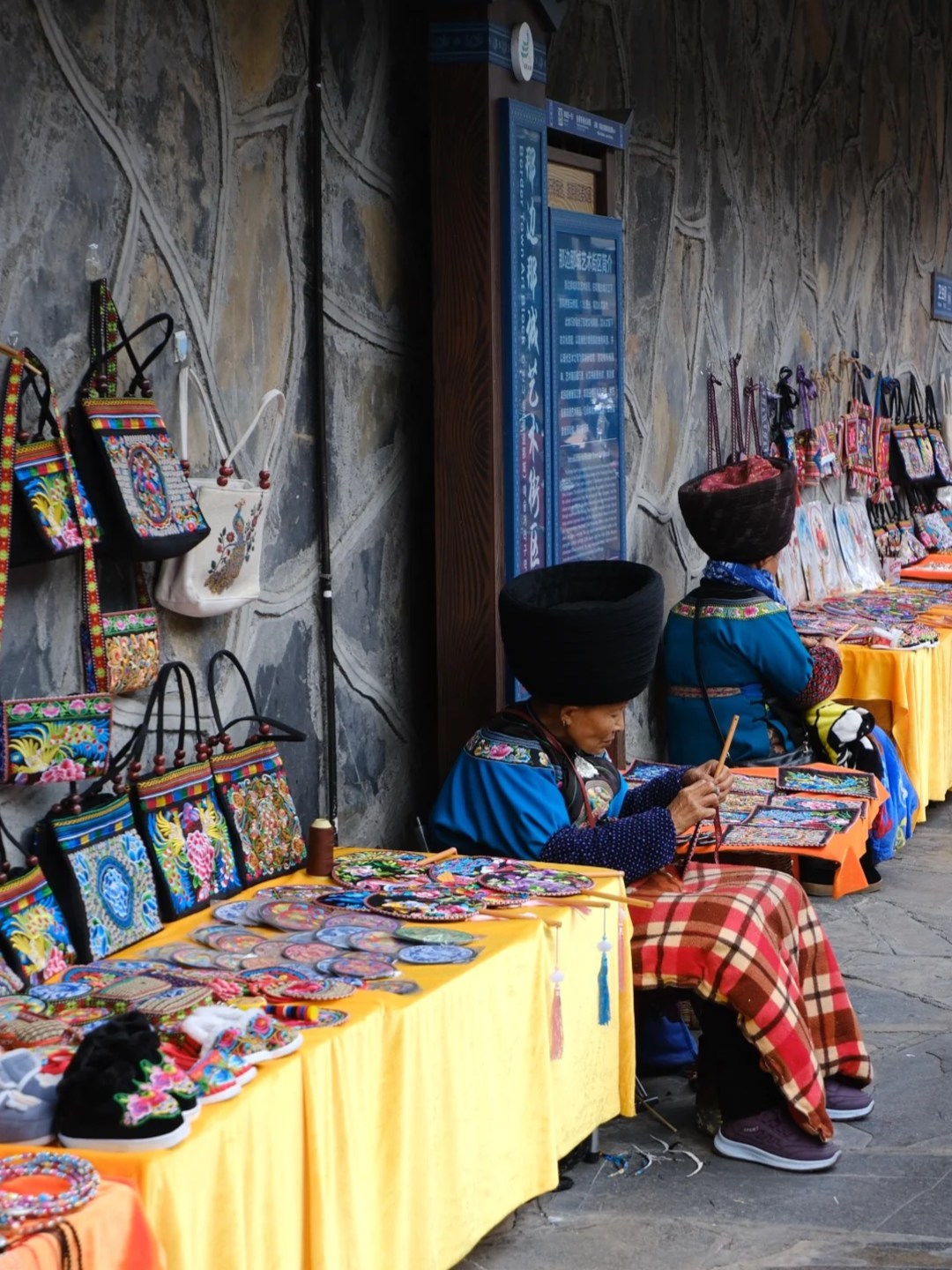
You’ll see these rental shops everywhere in Fenghuang Ancient Town. Rows of colorful Miao-style outfits hanging outside, makeup stations inside, and photographers guiding people into poses along the river. It’s clearly designed for visitors, and there’s no real attempt to hide that. Not sure how to act naturally in local costume photos? Learn a few useful customs first in this guide to Chinese etiquette.
Prices vary quite a bit. I saw basic packages starting around ¥50–80, while more styled setups with makeup and multiple photos could go up to ¥200–300. Some places include quick edits or prints, others just send digital files through WeChat.
I tried it out of curiosity, and it was more structured than I expected. The staff will adjust your outfit, suggest poses, and even direct where to look. It feels staged, but the results actually look decent, especially with the night lighting. Whether it feels “authentic” is another question. It’s clearly a curated version of local culture, but for many people, that’s part of the experience.
Exploring Quiet Alleys Away from the Crowds
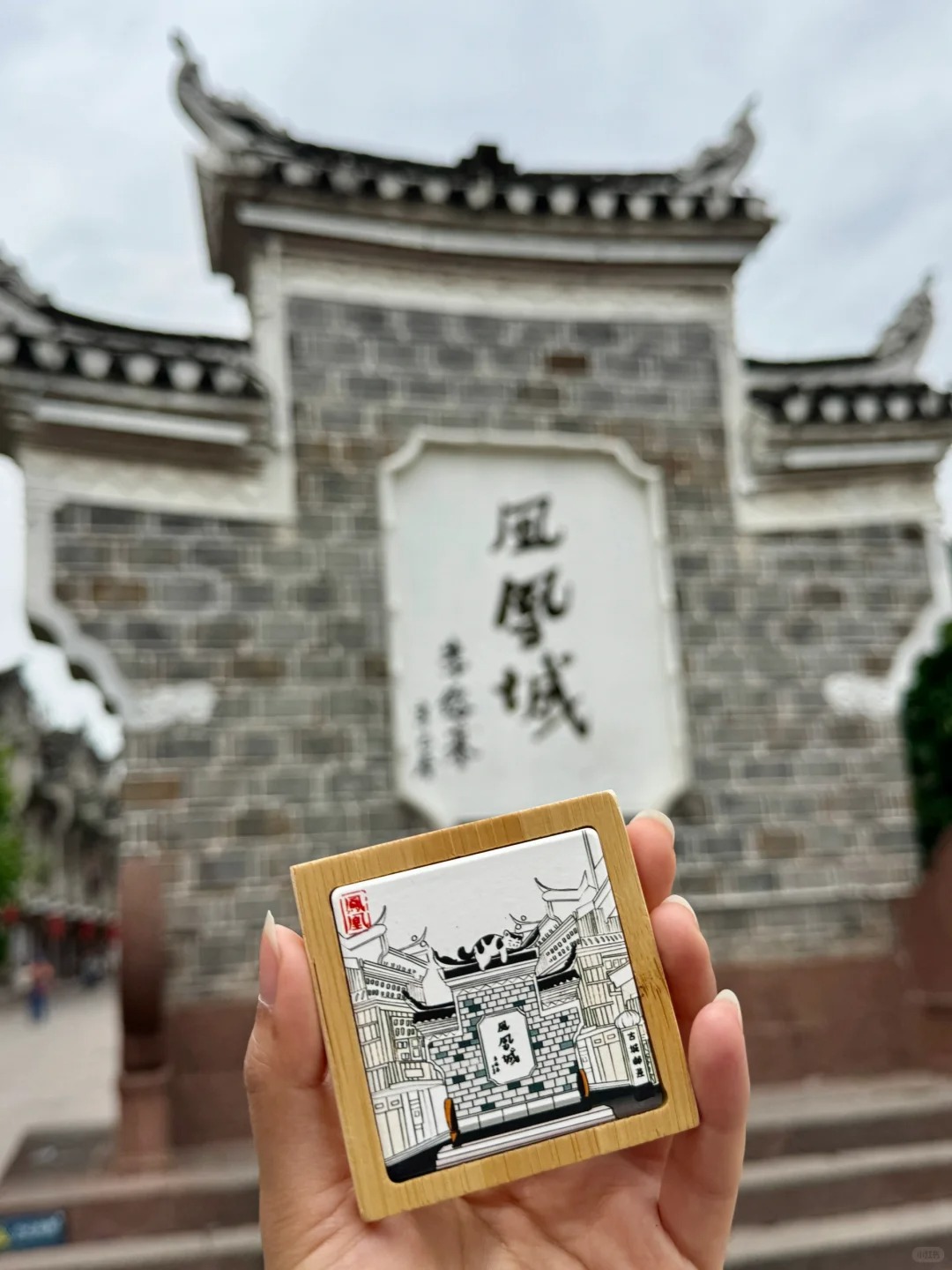
Exploring Quiet Alleys Away from the Crowds
Some of my better moments in Fenghuang Ancient Town didn’t happen along the river at all. A few steps away from the main path, the atmosphere changes quickly. The noise drops, the lighting becomes uneven, and you start noticing small details — a door left open, someone cooking inside, a shop quietly closing for the night.
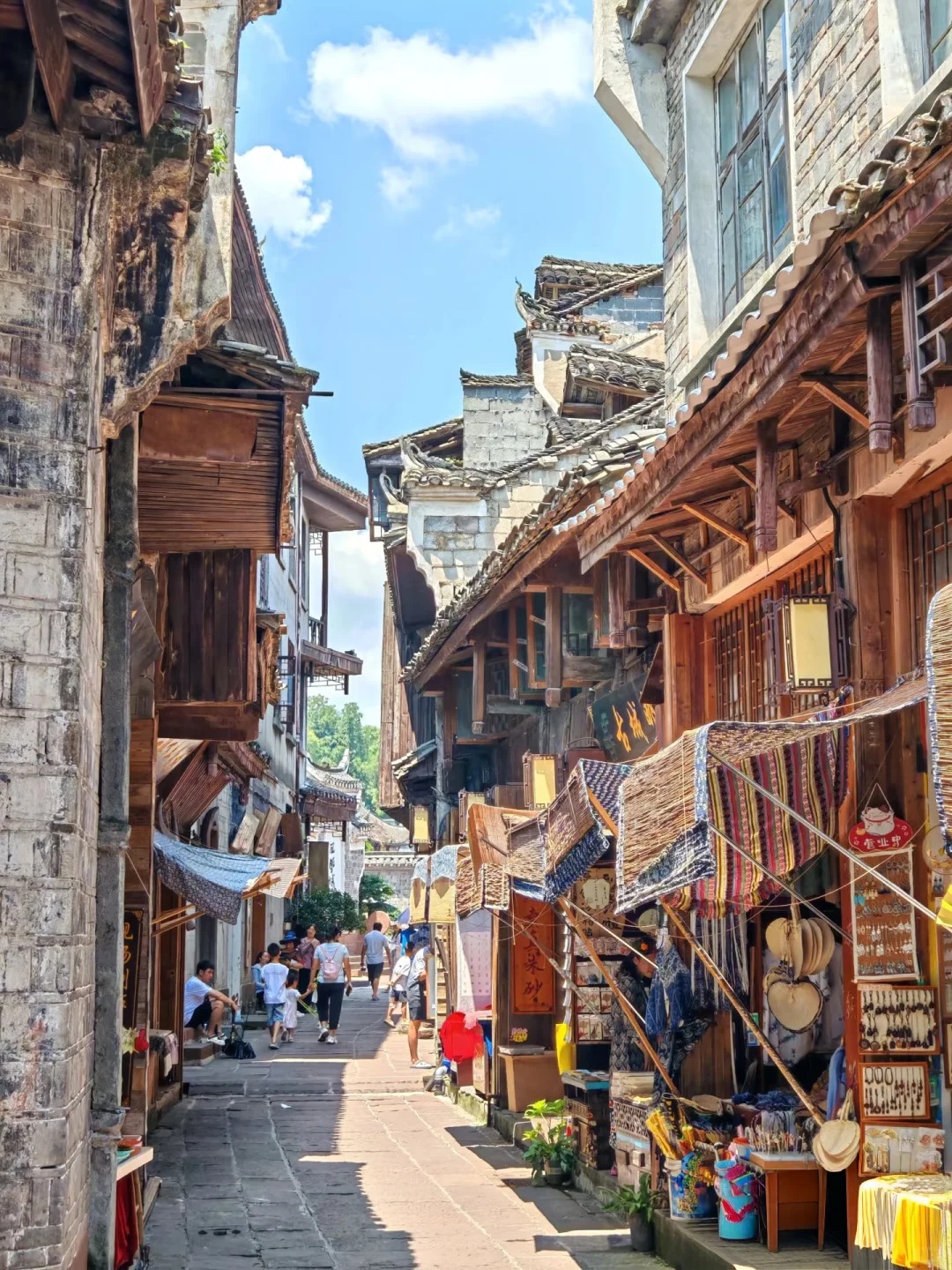
These alleys aren’t designed for visitors, which is exactly why they feel different. You’ll find small craft shops, simple tea places, and occasionally handwritten signs in Chinese that don’t bother with translations. It feels less curated, even if it’s still part of the same town.
Compared to the main street, the pace is slower. No one is trying to sell you anything every few steps. If you go early in the morning, it’s even quieter — just a few locals moving around, some shops opening, and the river still in the background. It’s a good way to balance out the busier parts, especially if you’re spending more than a few hours here and looking for less obvious things to do in fenghuang ancient town.
🌿 Stepping into quiet alleys is the only way to see the true Fenghuang, and this "slow travel" philosophy applies to other regions as well—check out this Deep Travel Guide for China’s Ancient Towns to find the old city that matches your rhythm.
Fenghuang Ancient Town Walking Route
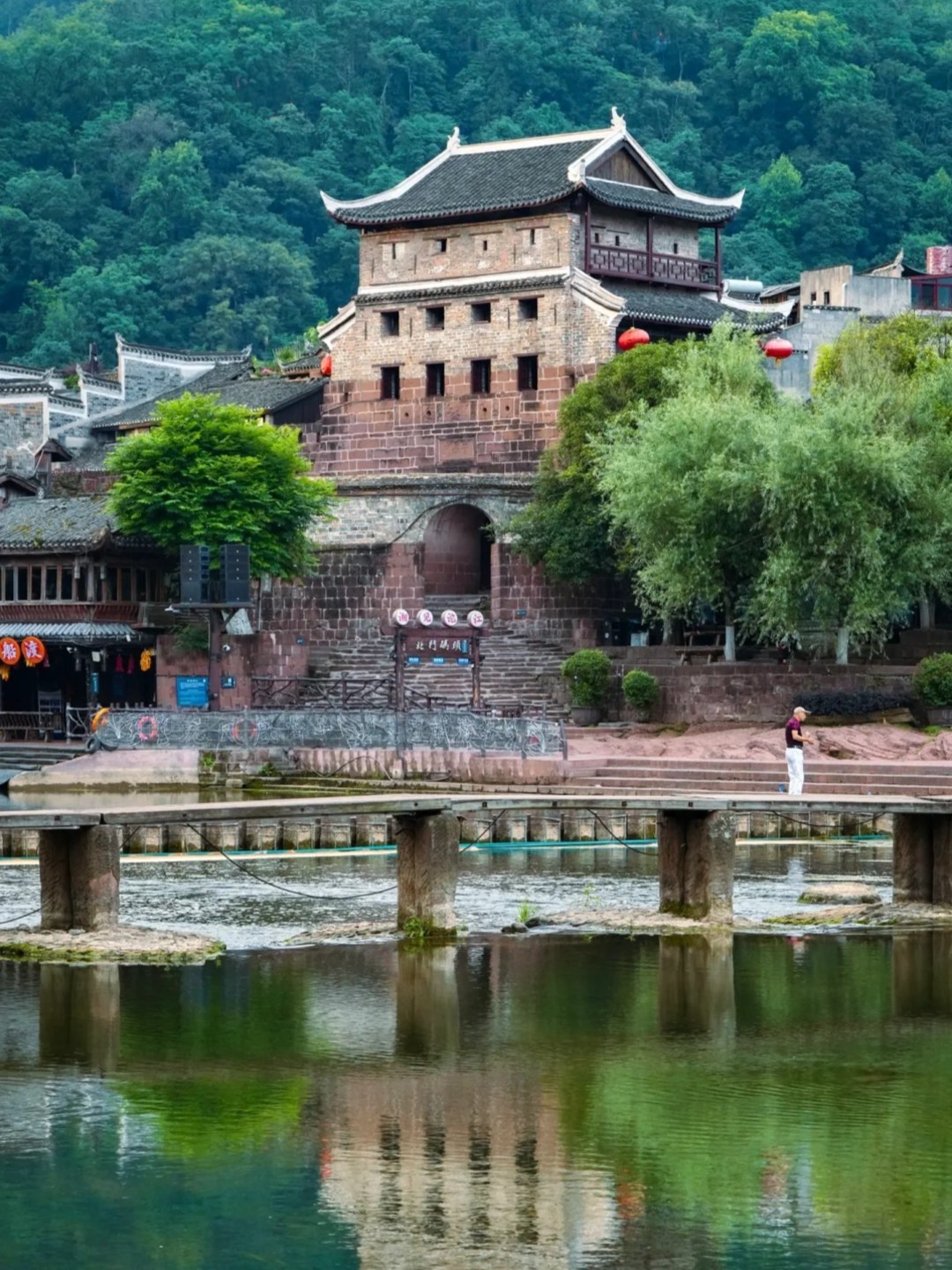
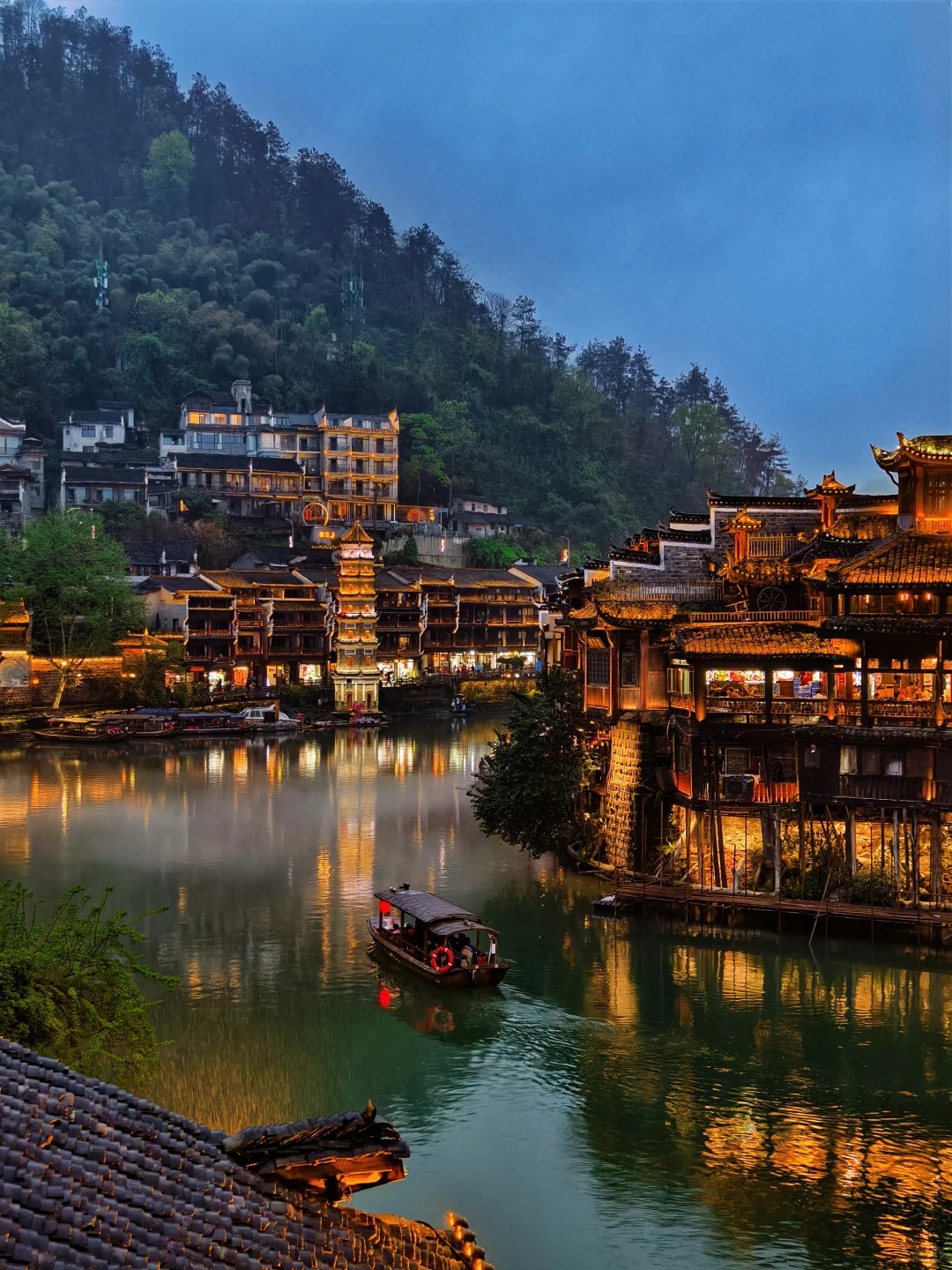
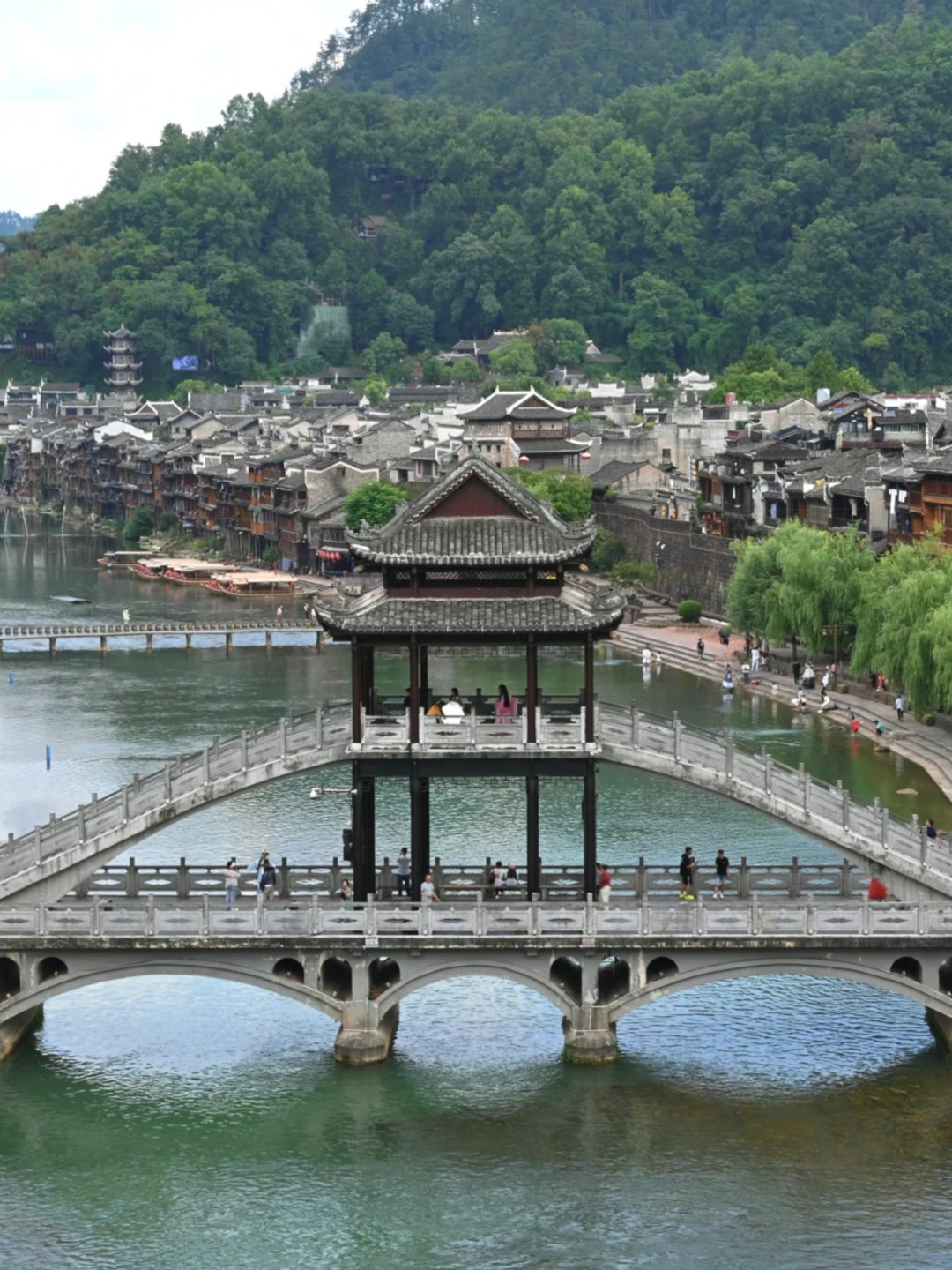
Entering Fenghuang Ancient Town from the North Gate
Starting from the north side of Fenghuang Ancient Town makes things simpler, especially if you’re arriving with luggage or using a taxi. Most drivers will drop you near the Hongqiao area, which works well as a natural entrance. From here, the layout starts to make sense without needing to constantly check a fenghuang ancient town map.
The first few streets don’t feel particularly “ancient.” It’s a mix of souvenir shops, snack stalls, and small guesthouses, all packed tightly together. It can feel repetitive at first, and honestly, a bit disappointing if you expected quiet alleys right away. But keep moving forward. The buildings gradually shift, and once the river appears between the gaps, the atmosphere changes.
A common mistake is asking the driver to go deeper into the town. It sounds convenient, but it often leads to confusion. The inner alleys are narrow and not well marked, and it’s easy to lose your sense of direction early on.
Timing helps more than people expect. Arriving mid to late afternoon gives you enough time to walk the main route before sunset. Too early, and the town feels flat. Too late, and you’re navigating crowds without understanding the layout first.
Walking Along the Tuojiang River
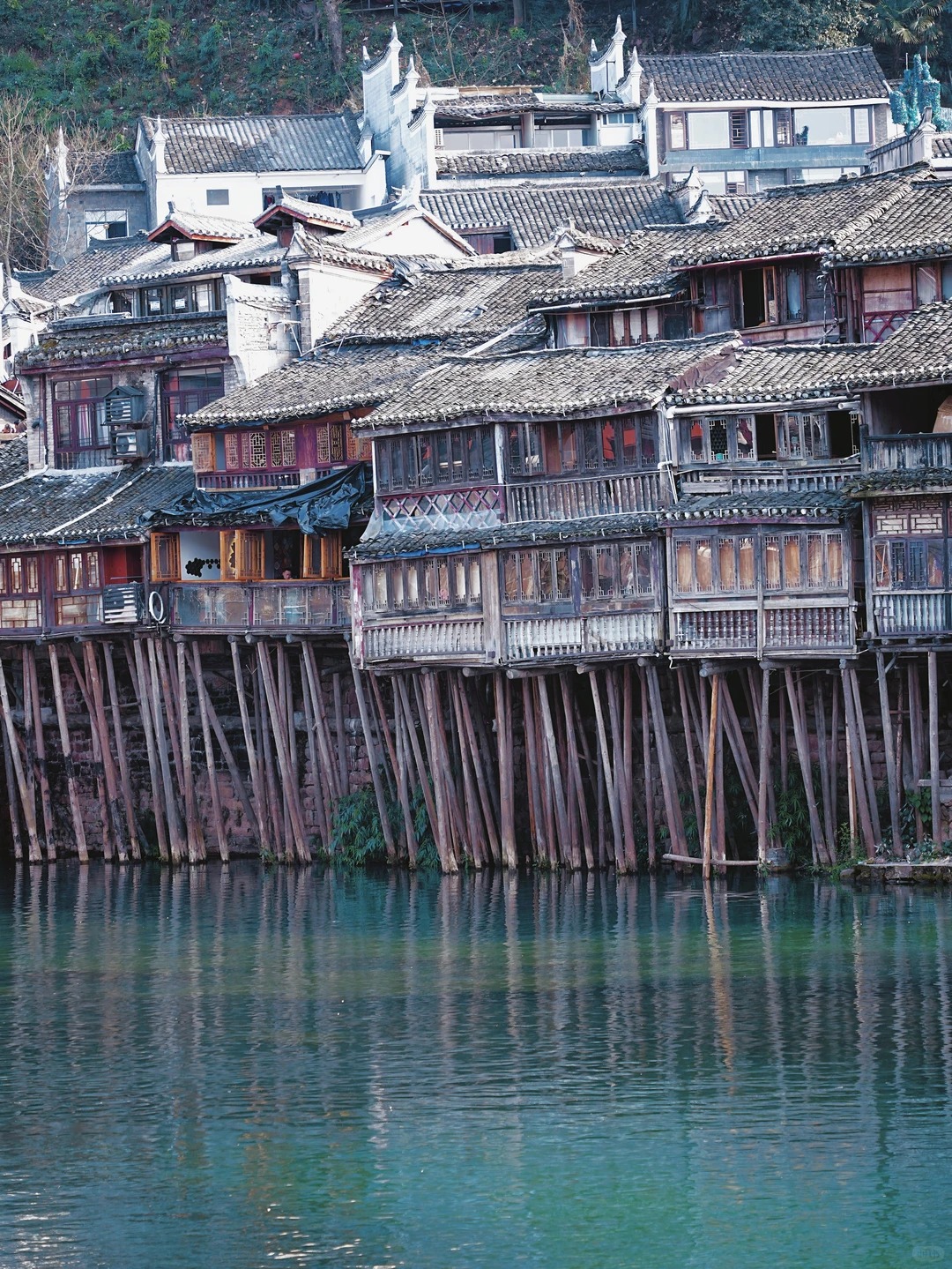
Once you reach the Tuojiang River, the route becomes straightforward. Just follow the water. Almost every iconic view in Fenghuang Ancient Town sits along this stretch, so there’s no need to overcomplicate it.
Walking along the river, the stilt houses look different up close. The wooden structures aren’t perfectly maintained — you’ll notice uneven beams, slight tilts, and marks from years of water exposure. It doesn’t feel staged, at least not everywhere, and that contrast actually makes it more interesting.
The atmosphere shifts slowly as the day moves on. In the afternoon, everything looks clear but a bit plain. Closer to sunset, the light softens, and reflections begin to form on the water. It’s not dramatic all at once, but you’ll notice the difference if you stay long enough.
For photos, it helps to move a little instead of stopping at the first open spot. Some sections of the river are calmer, which makes reflections clearer. Turning around and shooting back toward the light often works better than facing directly into it.
Crossing Hong Bridge for the Classic View
Hong Bridge sits right in the middle of Fenghuang Ancient Town, and most routes naturally lead you there. It’s more than just a crossing point — it’s one of the few places where you get a slightly elevated view without needing to climb anywhere.
From the bridge, you can see both sides of the river at once. During the day, it’s a straightforward view of houses and water. Later in the evening, when the lights turn on, the same view becomes much more layered, especially looking downstream where the buildings are denser.
Inside the bridge, there are small shops and stalls. Nothing particularly unique, but it’s a good place to pause for a few minutes, especially if the walkway outside feels crowded. You don’t need to spend long here, but it’s worth stepping inside briefly.
The timing matters again. Early evening is when this spot starts to work better. The light isn’t fully gone yet, and the reflections begin to show. Later at night, it gets more crowded, but the view is still strong if you’re patient.
Best Photo Spots in Fenghuang Ancient Town
Some of the better photos in Fenghuang Ancient Town don’t come from obvious landmarks, but from small shifts in position. If you only stay on the main street, most shots end up looking the same.
- Riverside bends: Sections of the Tuojiang River with fewer people tend to have cleaner reflections. Walk a bit further from the busiest area, and the difference is noticeable.
- Opposite bank views: Crossing to the other side gives a wider angle of the stilt houses. It’s less crowded and easier to frame shots without people blocking the view.
- Side alleys: Narrow lanes just off the river feel darker but more natural. Early morning works best here, when shops are still closed and the space feels quieter.
- Hotel balconies: If you booked a riverside room in a fenghuang ancient town hotel, some balconies offer a slightly elevated angle. Not guaranteed, but worth checking when booking.
A common pattern is that most visitors stop at the first good-looking spot. Walking just another five or ten minutes usually leads to something better, even if it doesn’t look obvious at first.
Fenghuang Ancient Town Night View
-

- Light Scene
-
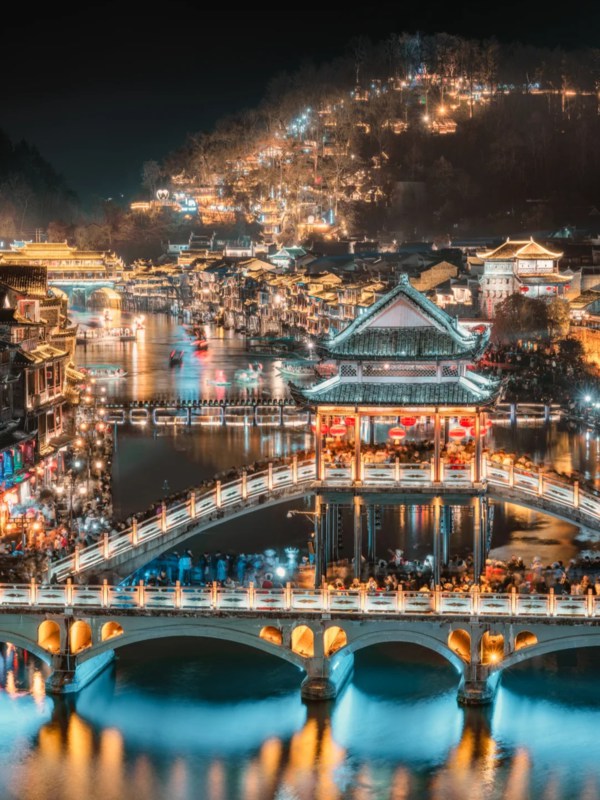

- Night View
What Makes Fenghuang Ancient Town Night View Special
The daytime version of Fenghuang Ancient Town is decent, but not particularly unique. It’s the night that changes everything, and there are a few specific reasons why people keep mentioning it.
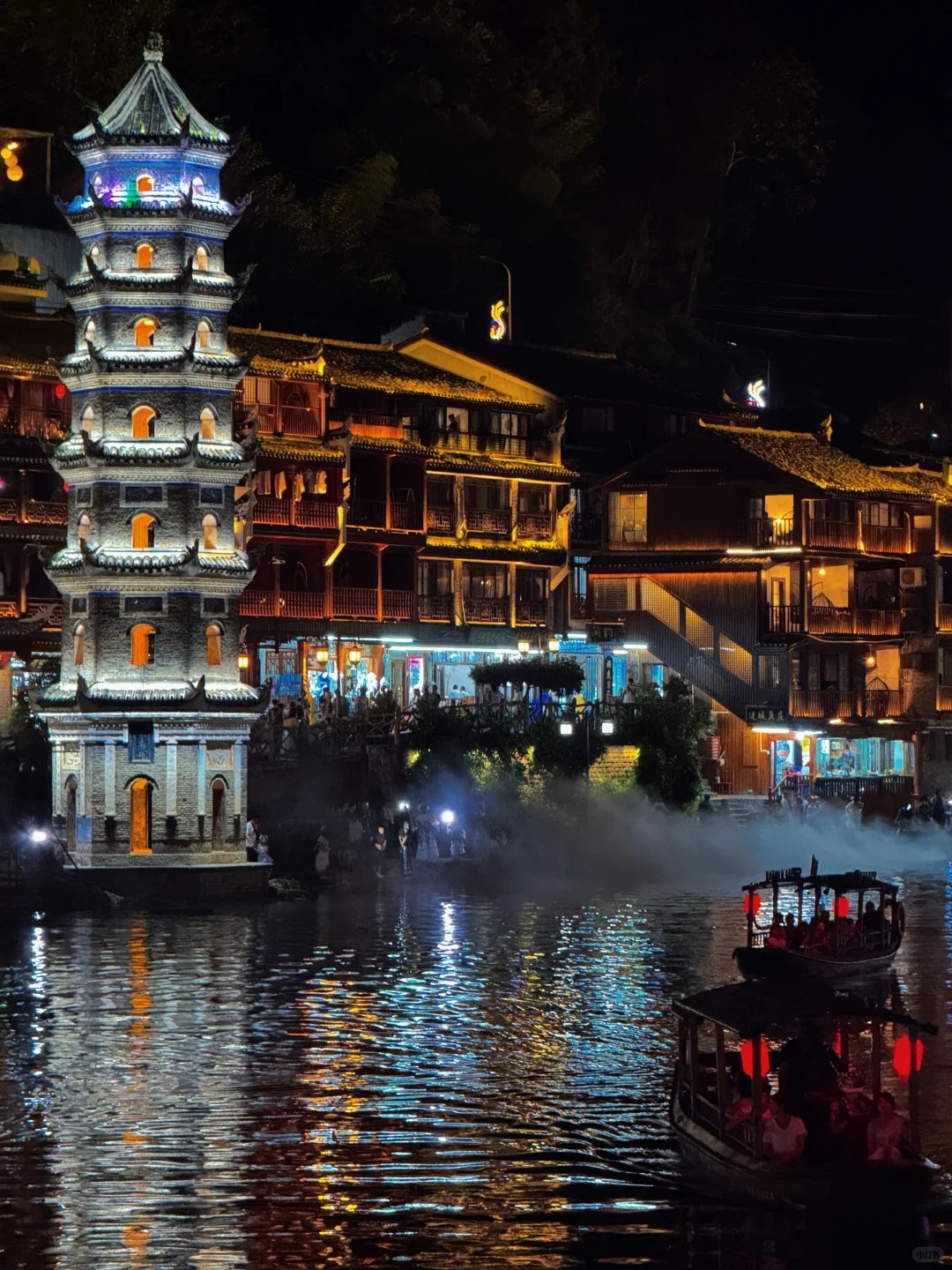
- Lighting: The entire riverfront lights up gradually, not all at once. Warm yellow and orange tones reflect directly on the Tuojiang River, creating a layered effect that looks much stronger in person than in photos.
- Reflections: The water is usually calm enough to mirror the buildings. This is probably the biggest visual highlight, especially in sections with fewer boats passing through.
- Architecture contrast: The stilt houses don’t stand out much during the day, but at night, the shadows and lighting give them more depth. It feels less flat, even slightly dramatic in some spots.
- Expectation gap: A lot of people arrive during the day, feel underwhelmed, then change their opinion completely after sunset. That contrast is mentioned often in reviews.
- User feedback: On platforms like Tripadvisor, the pattern is consistent — daytime is “okay,” but fenghuang ancient town night view is what makes the trip feel worthwhile.
Best Time to See Fenghuang Ancient Town at Night
Timing affects the experience more than most guides suggest. The night view doesn’t just “turn on” — it builds over a short window.
- Lights on (around 18:30–19:00): This is when the first lights appear. It’s still a bit bright outside, but you can see the transition happening. Good for watching the change rather than taking photos.
- Golden window (19:00–21:30): This is the most balanced period. The sky is dark enough, reflections are clear, and most lights are fully on. If you only have limited time, this is the slot to aim for.
- Late evening (after 21:30): Crowds start to thin slightly, but some lights may dim depending on the area. Still decent, just less consistent.
- Crowd pattern: The busiest period is usually between 19:30–20:30. It’s manageable, but certain narrow sections can feel packed.
- Holiday factor: During Chinese holidays, everything shifts. More people, longer peak hours, and less space to stop. If possible, avoid those dates.
Is Fenghuang Ancient Town Too Crowded at Night
Crowds are part of the experience, especially during peak travel seasons. In summer and around public holidays, the main riverside paths can get quite dense. You’ll notice it most near Hong Bridge and along the central street, where people tend to stop for photos and block movement.
That said, it’s not evenly crowded everywhere. Just a short walk away from the main path, things change quickly. The opposite side of the river usually has fewer people, and some smaller side routes feel almost empty in comparison. It doesn’t take much effort to find quieter spots if you’re willing to move a bit.
In terms of overall experience, the crowd doesn’t completely ruin the fenghuang ancient town night atmosphere, but it does affect how long you’ll want to stay in certain areas. Most people end up adjusting — spend some time in the busy sections for the main views, then shift to quieter areas to actually enjoy it.
What to Eat in Fenghuang Ancient Town
-
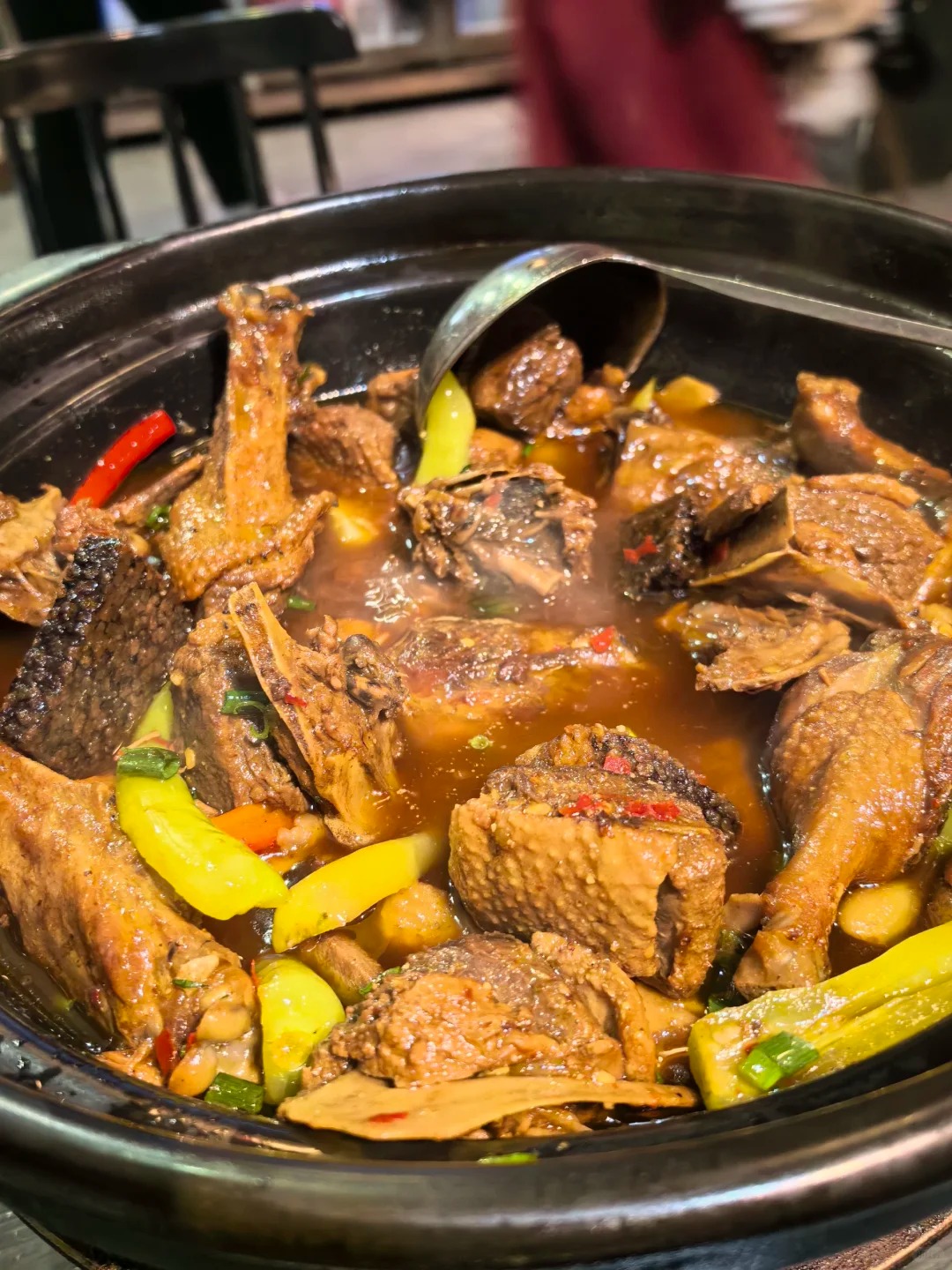
- Blood Duck
-
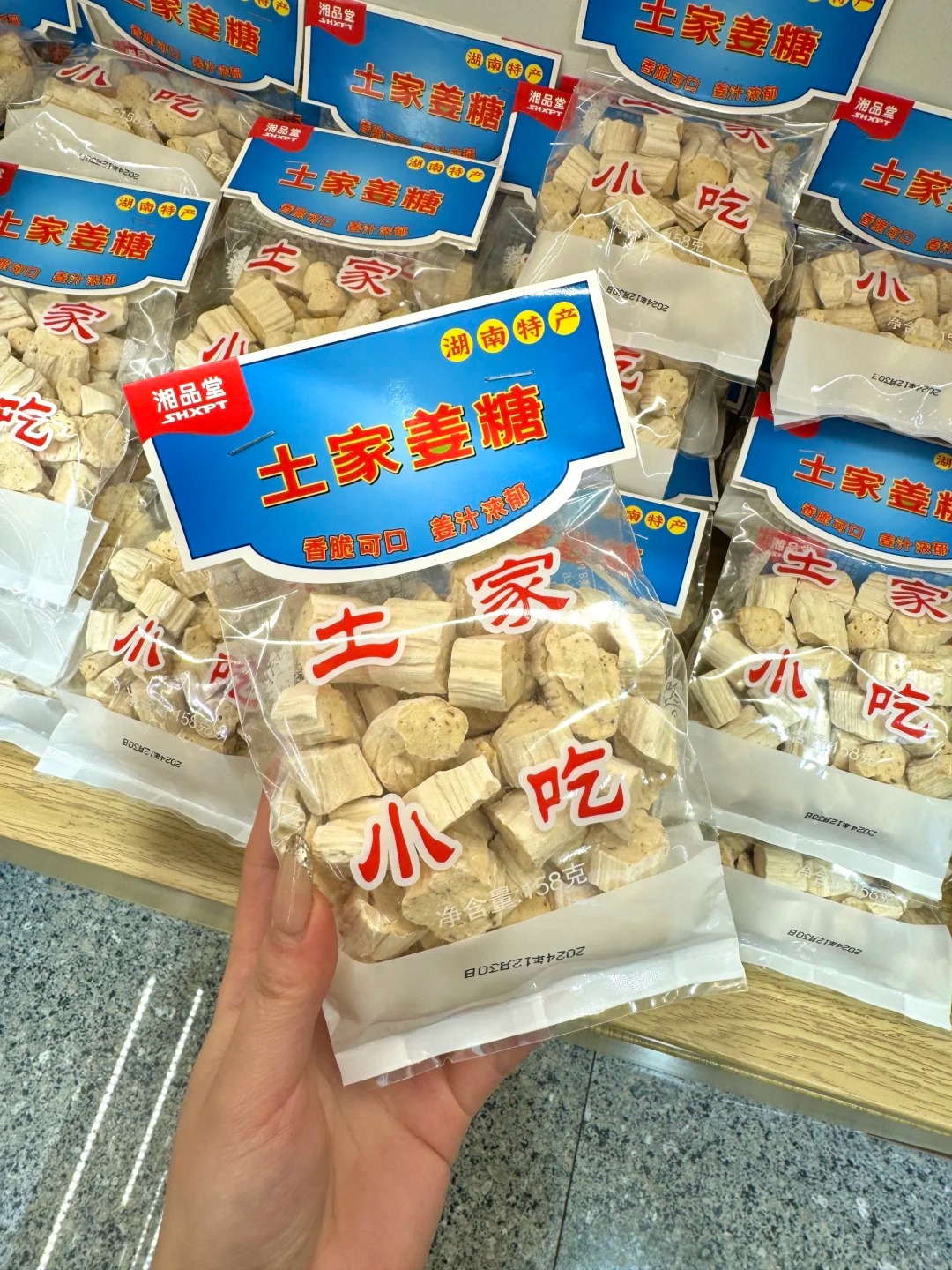
- Ginger Candy
-
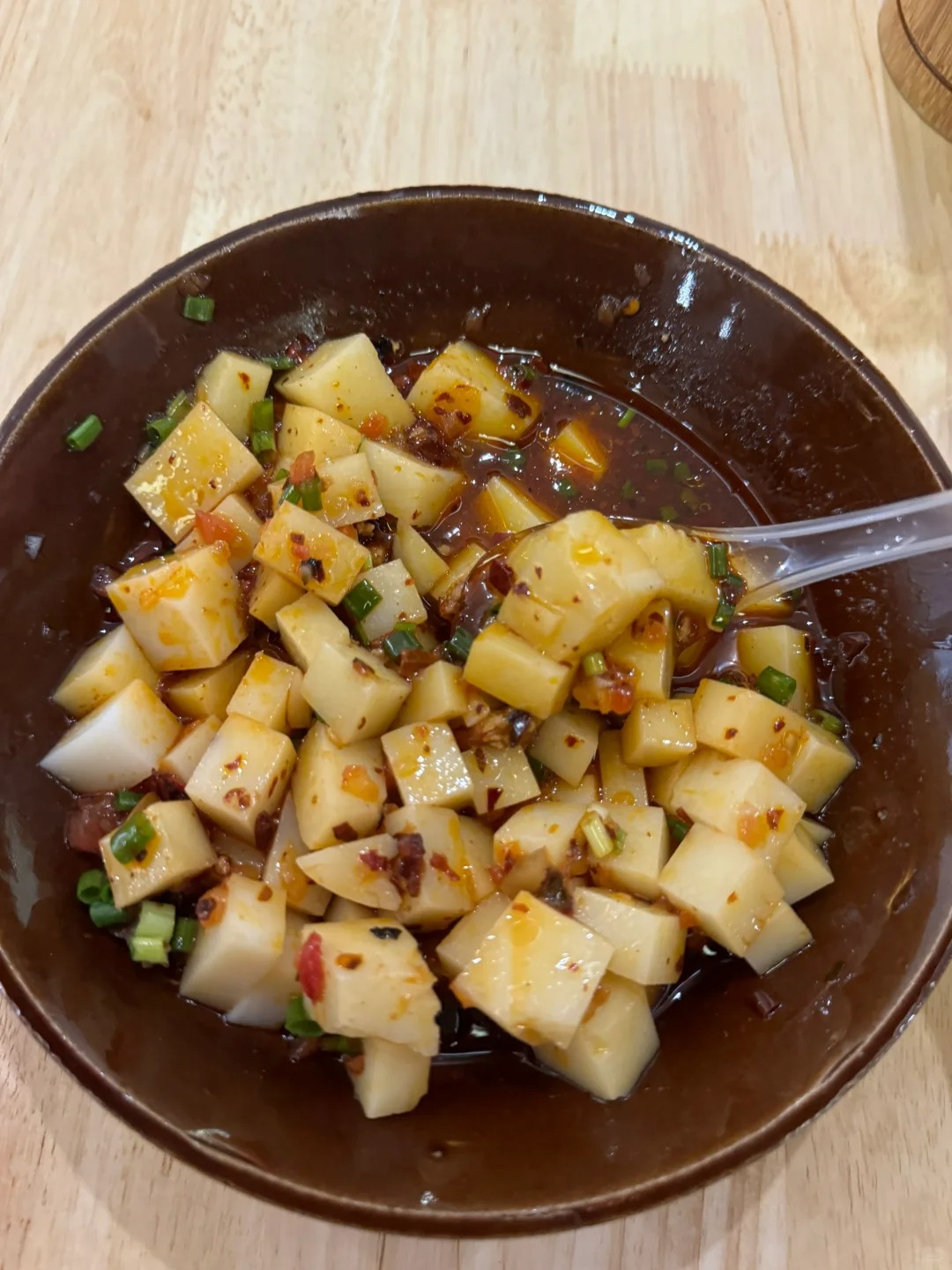
- Rice Tofu
Blood Duck in Fenghuang Ancient Town
You’ll see blood duck (血鸭) mentioned almost everywhere when people talk about local food here. It’s one of those dishes that sounds unusual at first, but it’s deeply rooted in the region, especially in Hunan cuisine.
- Where to find it: Small local restaurants slightly away from the main river street usually do it better. The places right next to the water tend to be more for convenience than quality.
- Price range: I remember paying somewhere around ¥40–60 per dish, depending on portion size and location. Some tourist-facing spots charge more.
- Taste: Strong, savory, slightly spicy, with a rich texture. The duck itself is tender, but the flavor is heavy, especially with the added chili and seasoning.
- Foreign-friendly level: Not the easiest dish if you’re not used to bold flavors or the idea of “blood” in cooking. Some people like it, others leave it half-finished.
- How to try it: If you’re unsure, sharing one dish between two or three people works better than ordering it solo.
Ginger Candy Shops Everywhere
Walking through Fenghuang Ancient Town, it’s almost impossible to ignore the ginger candy shops. They line the streets, often with staff pulling long strips of candy right in front of you.
- Where to find it: Mostly concentrated along the main commercial streets near the entrance and central areas. Hard to miss.
- Price range: Usually sold by weight, around ¥15–30 per pack, though prices can vary depending on packaging.
- Taste: Sweet with a noticeable ginger kick, sometimes stronger than expected. Texture is chewy, slightly sticky.
- Why so common: It’s easy to produce, stores well, and works as a quick souvenir. That’s probably why there are so many nearly identical shops.
- Common pitfalls: Free samples are everywhere, but quality differs. Some versions taste overly sugary with very little real ginger.
Street Food Near the River
Food stalls near the river pick up in the evening, and the atmosphere feels closer to a night market than a traditional dining area. It’s casual, slightly chaotic, but easy to try different things without committing to a full meal. Want to explore a much bigger street-food scene after Fenghuang? See what a full local tasting route looks like in this Chengdu food tour guide.
- Rice tofu (米豆腐): Soft, slightly sour, often served with chili oil and herbs. Light and easy to eat, especially if you’re not very hungry.
- BBQ skewers: Meat, tofu, vegetables — grilled on the spot with strong seasoning. Smells great, tastes decent, but quality varies from stall to stall.
- Fried snacks: Things like fried potatoes or small pastries show up frequently. Good for quick bites, nothing particularly unique.
The overall vibe is lively, especially after dark, but hygiene can be inconsistent. Some stalls look clean, others less so. I’d say it’s fine to try a few things, just avoid anything that looks like it’s been sitting out too long. It’s not the highlight of fenghuang ancient town food, but it adds to the experience if you keep expectations realistic.
Where to Stay in Fenghuang Ancient Town
-
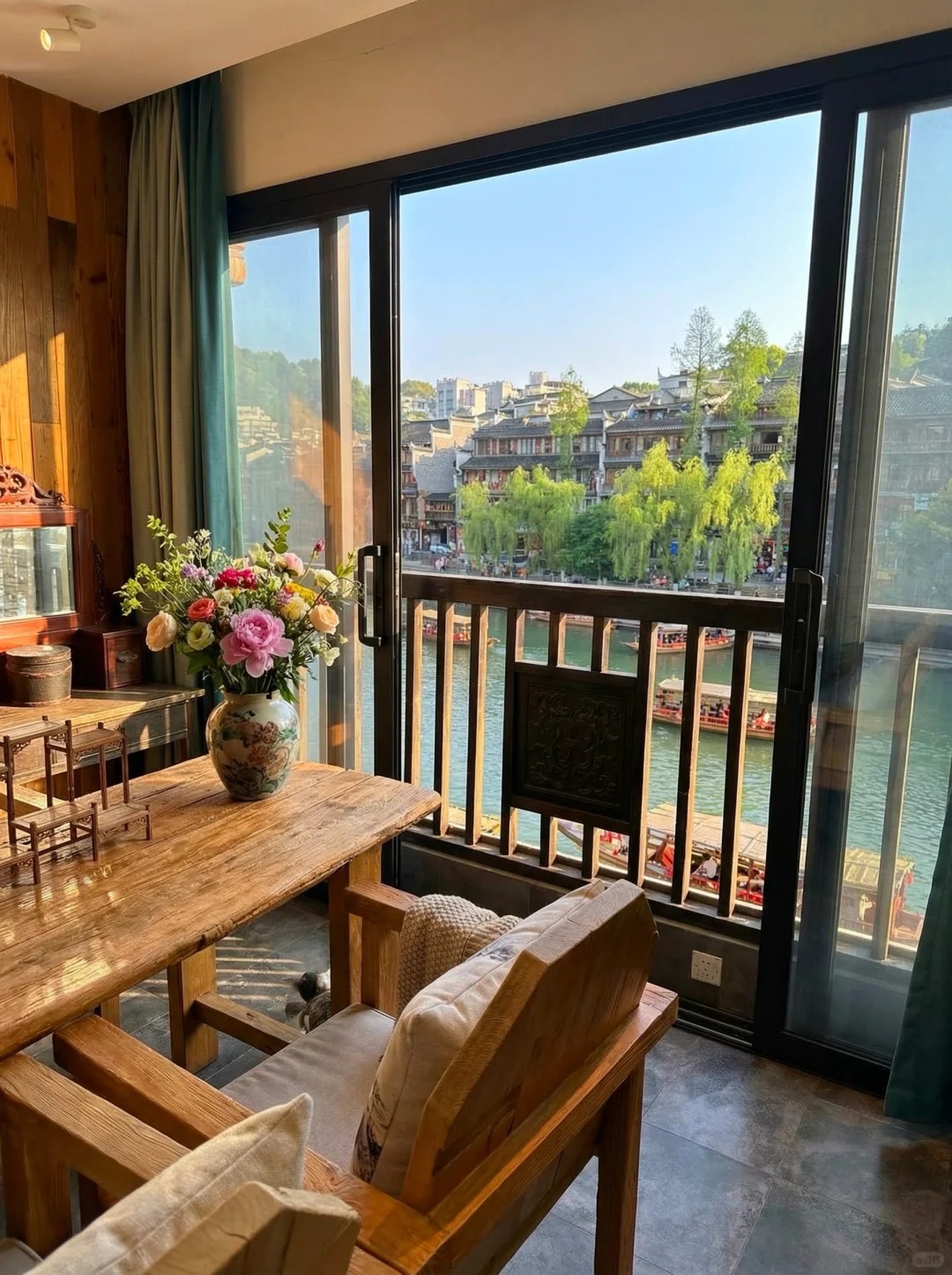

- Riverside Hotels
-
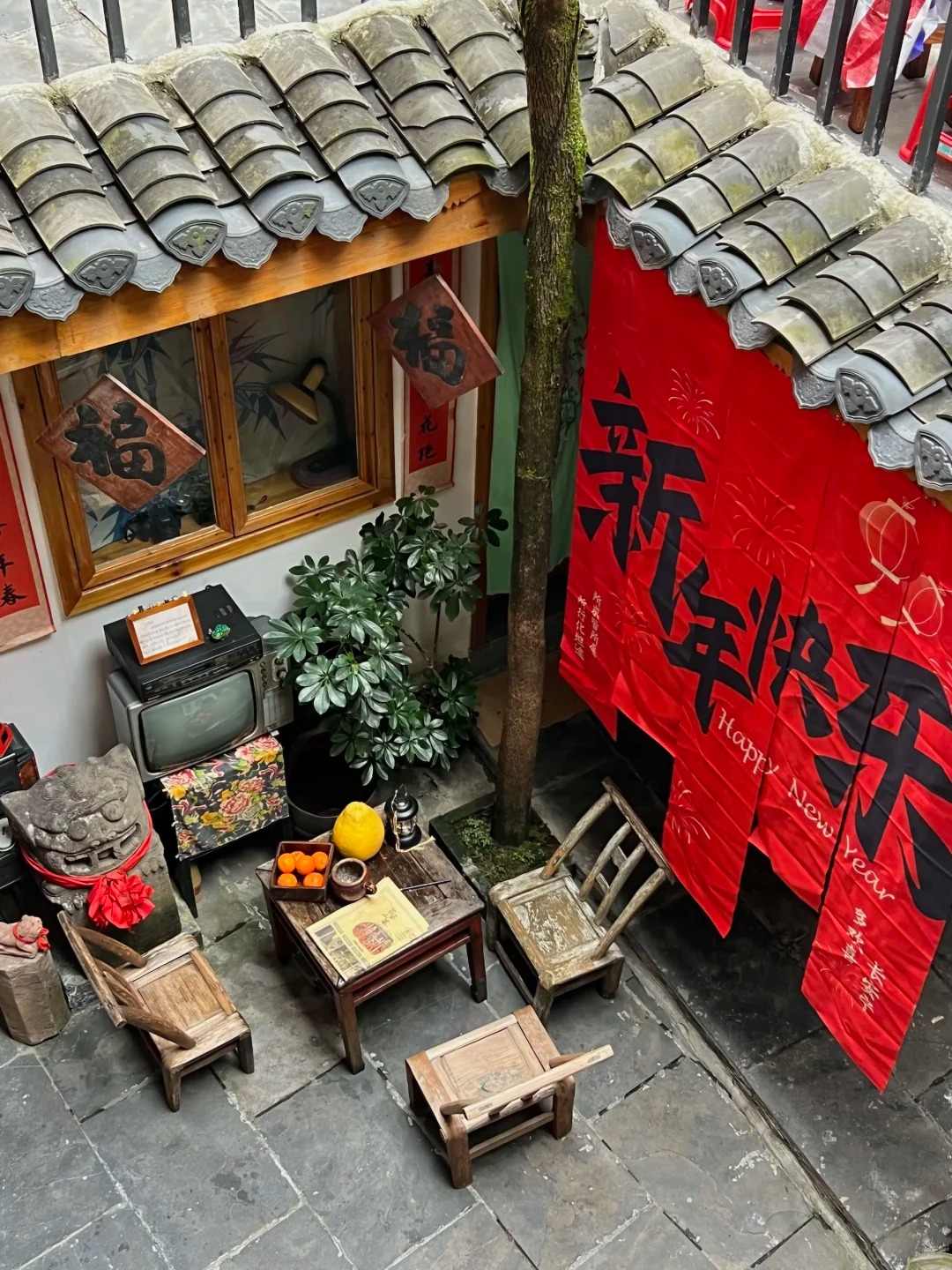
- Budget Hotel
-
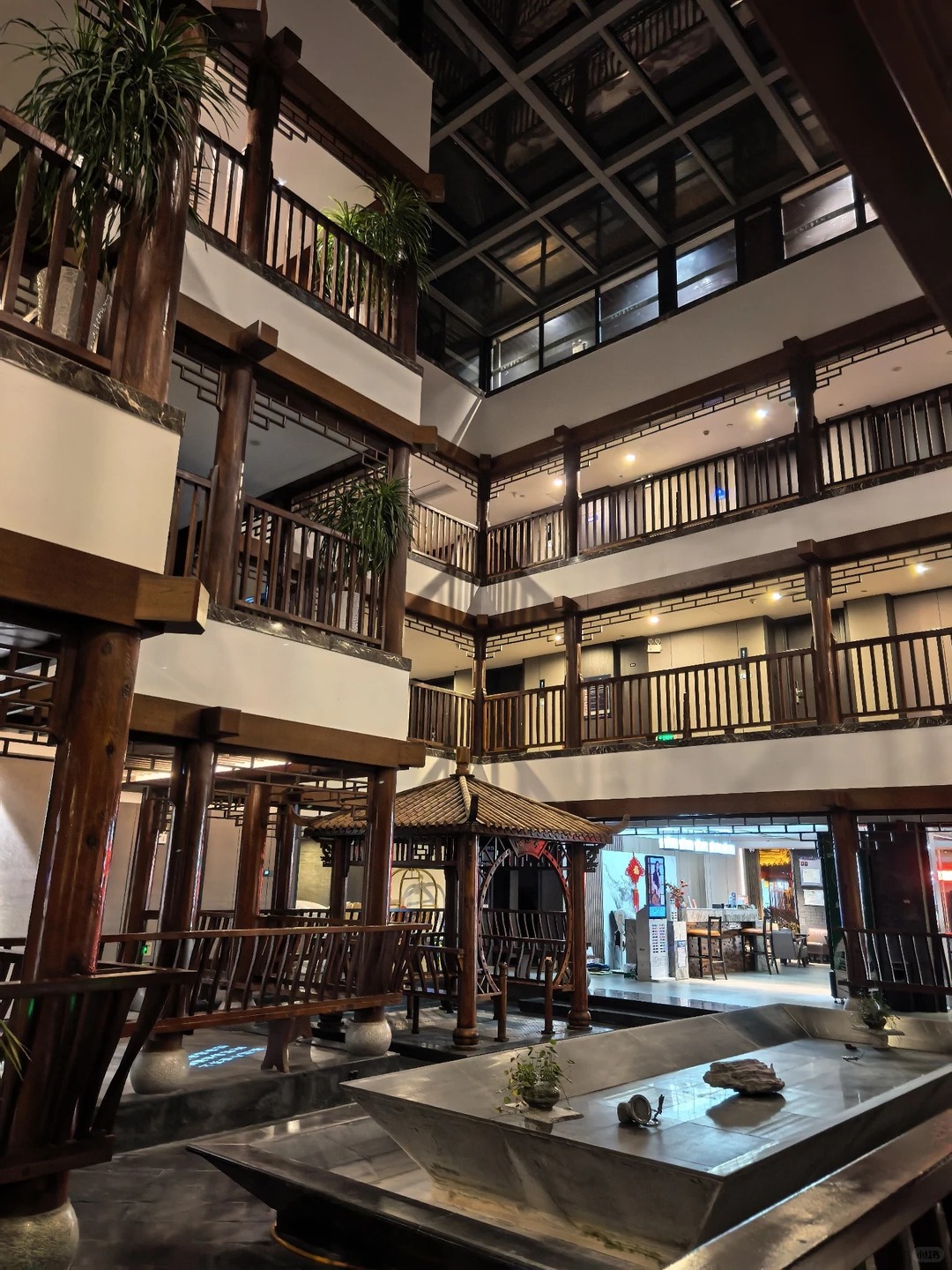
- Boutique Hotels
Riverside Hotels in Fenghuang Ancient Town
Staying by the Tuojiang River is definitely the classic choice. From my experience, waking up to the soft sound of water lapping against the stilted houses is worth considering if you’re chasing that postcard view. Many of the riverside hotels offer rooms with balconies, letting you watch early-morning mist or evening lanterns reflect on the water.
- Drawbacks: Be ready for some noise. Boats, street performers, and occasional crowds can disrupt quiet moments, especially during peak season.
- Price range: Rooms usually start around ¥300–500 per night for a standard double, while upgraded river-view suites can reach ¥800–1,200. Booking via platforms like Ctrip or Booking.com often gives small discounts or free cancellation.
- Value: For first-time visitors who want the quintessential Fenghuang experience, it’s worth the splurge at least one night. The views alone justify the higher cost.
Budget vs Boutique Hotels
If you’re on a tighter budget, hostels and guesthouses are plentiful. Dorm-style beds in youth hostels go for about ¥60–100 per night, while private rooms in small inns or family-run guesthouses hover around ¥150–250. They often include simple breakfast and a personal touch, like handwritten maps or tips from owners.
Boutique hotels, on the other hand, focus on aesthetics and comfort. Some combine traditional Miao-style architecture with modern amenities, and prices usually fall between ¥400–700 per night. Foreign visitors tend to prefer boutique hotels for a balance of style, English-friendly service, and reliable Wi-Fi.
Booking: Use platforms that allow international payment and free cancellation. I’ve found Ctrip and Agoda to be reliable. Some smaller inns don’t show up on global platforms, so messaging in advance is recommended if you want a very specific room or view.
Best Areas to Stay
For convenience, staying near Hong Bridge (虹桥) makes walking around the main streets easy. The downside is that it’s busier, especially in the evenings. If quiet matters more, consider areas a few blocks away from the river, where narrow alleys and local shops dominate. Balancing convenience and tranquility is key — you might sacrifice a few steps to cross the bridge for a more relaxed stay. Overall, location choice depends on whether your priority is fenghuang ancient town hotel views, accessibility, or a calmer environment.
FAQ About Fenghuang Ancient Town
Q: How much does it cost to enter Fenghuang Ancient Town?
The old town itself doesn’t have a general entrance fee, which is great for casual exploring. However, certain attractions like Tuojiang River boat rides, museums, or ethnic exhibitions charge separately, usually around ¥20–50 for small exhibits and ¥80–150 for evening boat rides. Prices might vary by season or holiday. Many Tripadvisor reviews note that visitors often underestimate these extra costs, so budgeting a bit extra is wise.
Q: What is the best time to visit Fenghuang Ancient Town?
Late afternoon to evening, around 16:00–21:00, is when the town truly comes alive. The lights reflecting on the Tuojiang River create iconic scenes, especially near Hong Bridge. Early morning is perfect for quiet alley exploration and photography. Peak tourist months can be overwhelming during the day, so if possible, plan weekday visits or off-season trips for a calmer experience. Weather can also affect comfort, particularly summer heat.
Q: How crowded does Fenghuang Ancient Town get?
Fenghuang can feel bustling, especially on weekends or national holidays. Main streets and riverside paths are crowded, with tourists snapping photos on Hong Bridge or queuing for boats. Side alleys, less-known temples, and tea houses are surprisingly quiet. Tripadvisor users often suggest exploring early mornings or late evenings for a more authentic experience. Crowds rarely ruin the visit completely, but planning your route strategically makes a huge difference.
Q: Are riverside hotels noisy?
Yes, riverside hotels offer stunning views but come with noise from boat traffic, street performers, and evening crowds, especially near Hong Bridge. Rooms further back from the river are quieter but less scenic. Prices for riverside rooms range from ¥300–600 per night, depending on season. Many travelers feel the trade-off is worth it for photos and the atmosphere, but light sleepers should consider earplugs or choosing boutique hotels slightly off the riverfront.
Q: Is it easy to take photos in Fenghuang Ancient Town?
Photos are easy but require planning. Main streets can be crowded, making clean shots tricky. For better results, explore side alleys, riverside balconies, and small bridges. Sunset or early evening provides optimal lighting for fenghuang ancient town photography, with reflections on the Tuojiang River. Tripadvisor users highlight that early morning shots give quiet scenes with locals going about daily life, providing authentic, less-touristy images.
Q: How do I get from Zhangjiajie to Fenghuang Ancient Town?
Travelers can take high-speed trains or long-distance buses. Trains take roughly 2.5–3 hours, costing ¥130–180, offering comfort and predictability. Buses are slightly slower, about 3–4 hours, costing around ¥80–100, and offer more flexible departures but less legroom. High-speed trains are usually preferred by first-time visitors, while buses suit budget travelers or those catching later departures. Travel time can vary depending on traffic or weather.
Q: What local food should I try?
Blood duck is Fenghuang’s signature dish, often spicy and rich, which foreigners may find intense. Ginger candy shops are everywhere, offering sweet souvenirs. Riverside stalls sell rice tofu, skewers, and dumplings. Prices are reasonable, roughly ¥10–30 per snack, but hygiene can vary. Tripadvisor reviews suggest sticking to busy, popular stalls and tasting a few samples before buying larger portions. Overall, trying these local foods enhances the town’s cultural experience.
Q: Are traditional costume photos worth it?
Miao costume rentals are common, costing about ¥30–50 per outfit. The experience is touristy but provides memorable photos, especially on quiet alleys or bridges. Some users note that shops sometimes pressure visitors for extra props or photos. Pairing the costume experience with exploring side streets gives more authentic backgrounds. Tripadvisor reviews are mixed: some call it fun for memories, others feel slightly staged. Timing in the morning or late afternoon avoids crowds.
Practical China Travel Tools, Policy & App Guides
Stay updated and travel smart in China with these essential how‑to guides and policy explainers:
- Alipay for Foreigners in China: Step-by-Step Setup Guide 2025
- How to Use WeChat QR Code in China
- Didi Ride‑Hailing App in China: How to Easily Use It as a Foreigner (2025)
- Trip.com China Guide — Registration, Booking & Local Tips
- Will My Phone Work in China? Guide to SIM, Apps, and Connectivity
- Best SIM Card Options for China Travel
- China Power Bank Ban 2025 — Xiaomi & 3C Travel Guide
- Top 3C‑Certified Power Banks to Buy in 2025 — Travel‑Ready & Globally Approved
- China Tax Refund — Everything You Need to Know