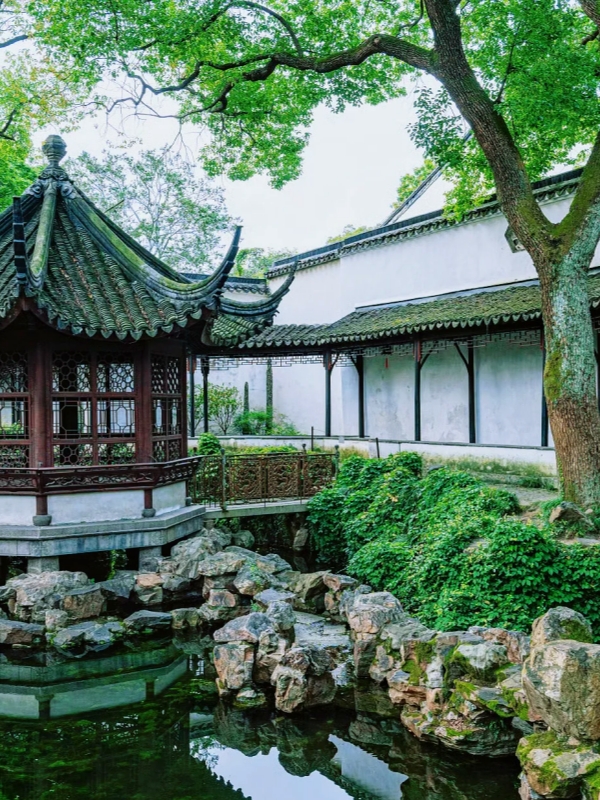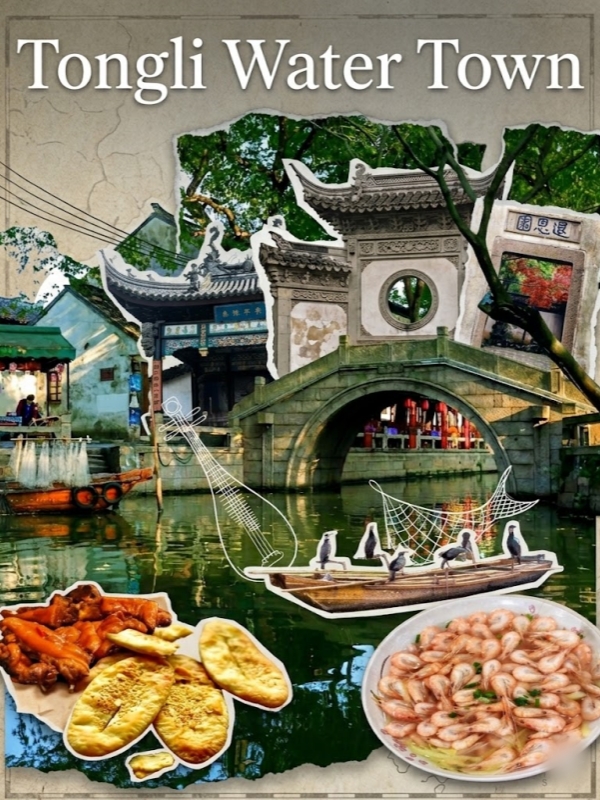
Tongli Water Town:Ancient Canals, Stone Bridges, Traditional Gardens, Local Flavors, Jiangnan Culture
Tongli is a thousand-year-old water town in Wujiang District, Suzhou, Jiangsu Province, founded in the Song Dynasty and built on 7 small islands separated by 15 rivers. There are 49 ancient bridges to traverse its corners. Whitewashed walls, black-tiled rooftops, carved latticed windows are reflected in each mirror-like canal. Tuisi Garden is Tongli’s gem and the exemplar of Ming-Qing waterside design in one. Surprisingly though, my first impression on arrival was not ancient architecture but vibrant local culture. I found a living culture in Tongli. Gondola rides, riverside teahouses, and lantern-lighted garden walks bring it alive at dark. This is my honest guide to everything I found in Tongli.
Tongli at a Glance
| Category | Details |
|---|---|
| 🏮 Name | Tongli Ancient Town (同里古镇) |
| 📍 Location | Wujiang District, Suzhou, Jiangsu Province |
| 🕐 Opening Hours | Day: 08:00–17:15 / Night: 17:30–20:45 (select sites, e.g. Pearl Tower Garden) |
| 🎟️ Ticket Price | Walk-up ¥100 (~$14.64) / Online pre-sale ¥80 (~$11.71) / Suzhou Leisure Card: free / Under 1.4 m & over 70: free |
| 🏛️ Designation | National 5A Scenic Area · UNESCO World Heritage (Tuisi Garden) |
| 🏯 Architecture | Ming-Qing Jiangnan water-town cluster; waterside garden design (贴水园林) |
| ⭐ Must-See | Tuisi Garden, Three Bridges, Pearl Tower Garden, Gengletang, Jiayintang |
| ✨ Must-Do | Walk the Three Bridges ritual, gondola ride, night garden tour, Suzhou opera, Mingqing Street market |
| 🍜 Must-Eat | Braised pork knuckle, Wadiysu pastry, Taihu Three Whites, chestnut cake, sweet green bean soup |
| 👥 Best For | History lovers, families, photographers, slow-travel seekers |
Classic Landmarks of Traditional Jiangnan Gardens
Tuisi Garden: UNESCO Waterside Heritage Masterpiece
-
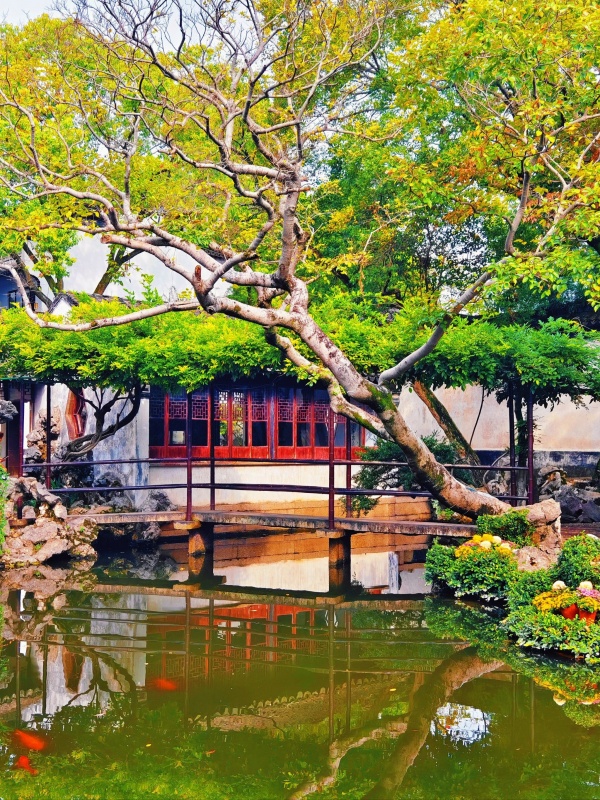

- Tongli’s Tuisi Garden Waterside
-
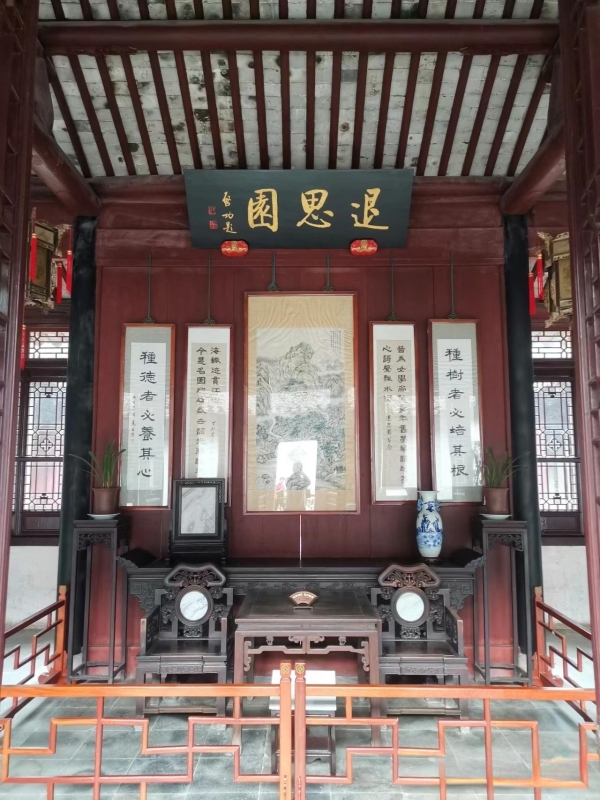
- Tongli’s Tuisi Hall
-
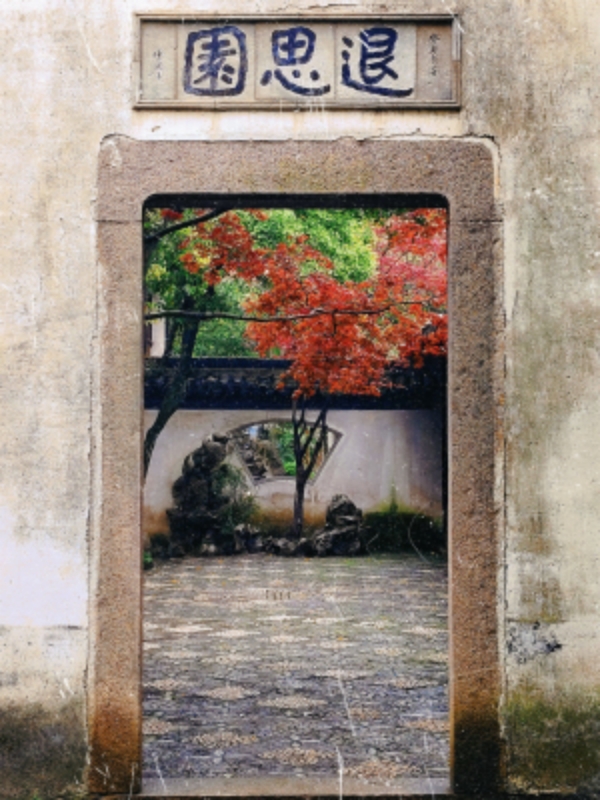
- Tongli’s Tuisi Garden
Tuisi Garden possesses the distinction of being the sole UNESCO World Heritage site within a Jiangnan water town. Hence, entering through its gate is a semi-ceremonial act of sorts. “Retreat to make amends” is its meaning. And indeed, a late-Qing Ren Lansheng built it following his government’s fall from grace, so everywhere reminds one of a scholar escaping from the seat of power.
The “waterside” principle of design is quite its genius. Pavilions seem to grow directly from the water. I spent most of my time in the nine-bend covered corridor, and it’s just impossible to miss reflective shots. The garden was a filming location for period dramas. Come autumn, you find the lingering scent of osmanthus in every breeze; wisteria in spring. I found the light in autumn particularly rewarding of all.
🌸 Tuisi Garden pushes the "waterside art" of Jiangnan gardens to its peak, an aesthetic shared by many Chinese historical sites—this Guide to China’s Top Ancient Towns will lead you to more breathtaking water towns.
Pearl Tower Estate: Historic Ming Dynasty Love Legacy
-
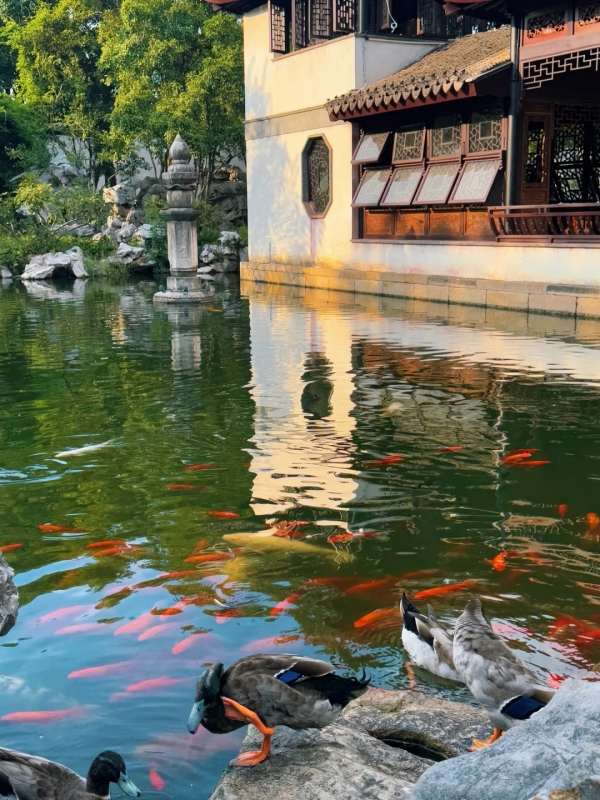
- Tongli’s Pearl Tower Koi Pond
-
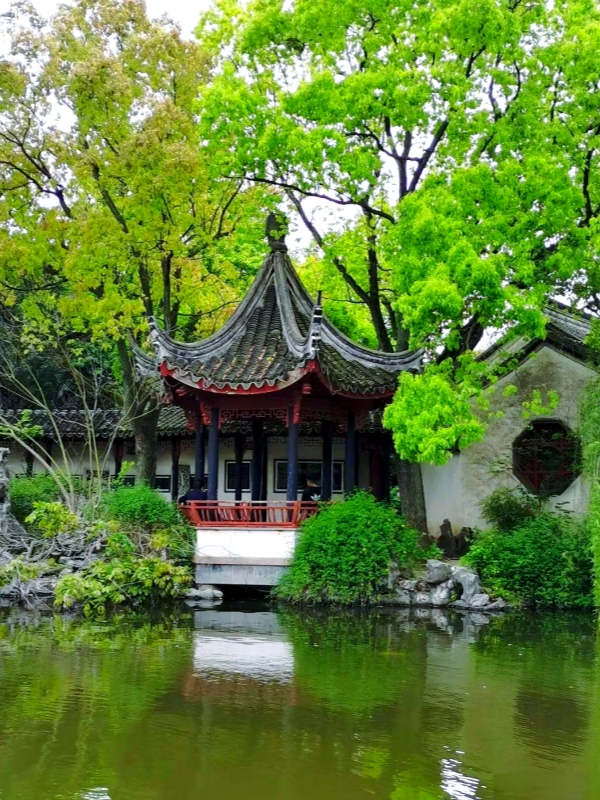
- Tongli’s Pearl Tower Pavilion
-
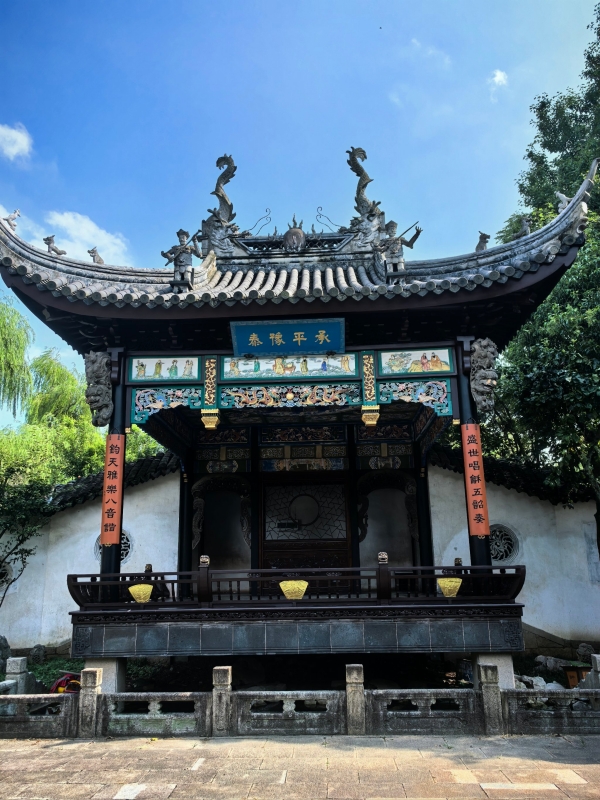
- Chen’s Family Opera Stage, Tongli
Pearl Tower Garden is one of the grandest estates in Tongli, originating from a Ming-dynasty romance — more specifically that of the censor Chen Wangdao who built the compound as a dowry for his daughter. It provides the basis for the classic Xiju opera, Pearl Tower. In line with this, the layout is of the “east-residence, west-garden” variety — a traditional Jiangnan plan. The koi pond draws crowds both young and old.
I was captivated watching kids squat by the water, completely unperturbed by the slow-moving geese nearby. In spring, white magnolia frosts the garden with colour. In fall, ginkgo turns the whole place to brilliant yellow. My favourite session, between 17:30 and 20:45, the lantern light traces the tops of pavilion roofs and there is a live Xiju opera performance at the stage inside giving the full atmosphere.
Gengle Hall: Quiet Reclusive Scholar Residence
-
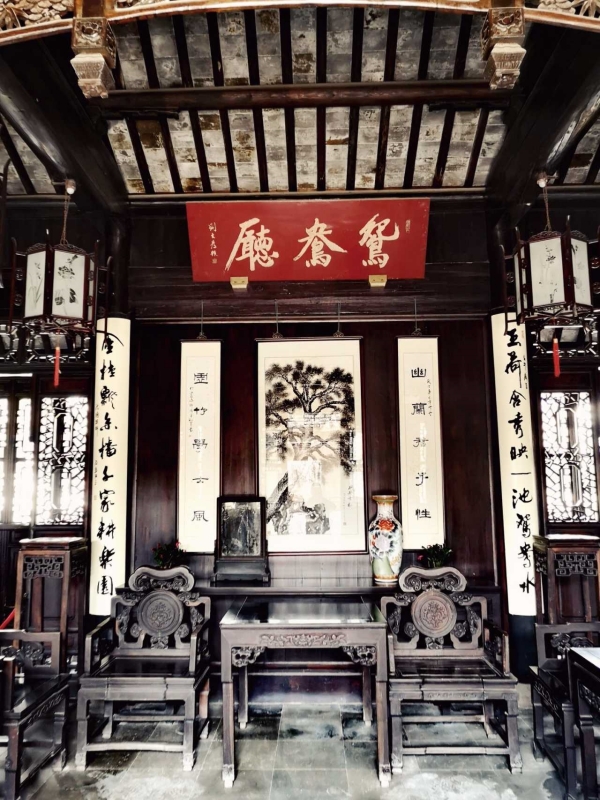
- Tongli’s Gengletang Yuanyang Hall
-
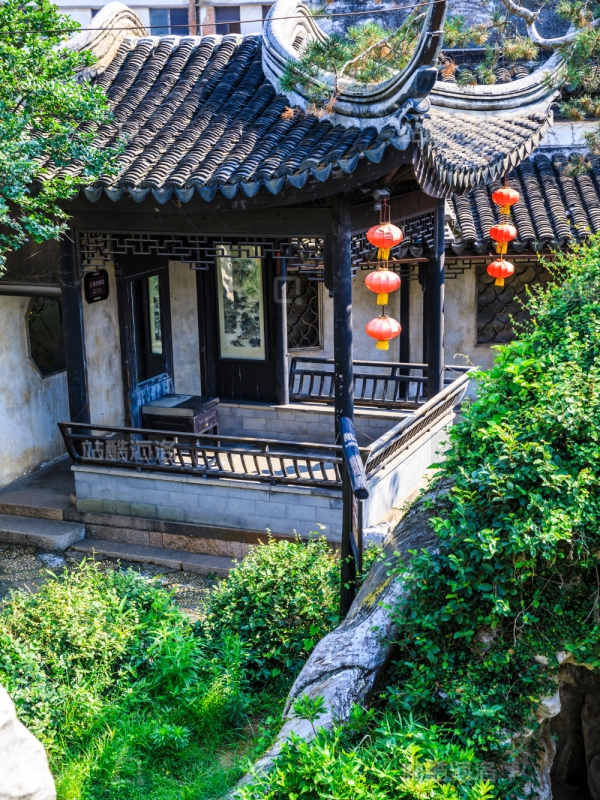
- Tongli’s Gengletang Veranda
If you’re weary of the main-site crowds, my favorite will be Gengletang. This residence from the Ming era belonged to a recluse scholarly fellow by the name of Zhu Xiang. ‘Gengle’ was his pen name, and unlike its more famous counterparts nearby, this courtyard upholds a spirit of literary retreat. At its heart rise four brick-carved gate towers.
Calligraphy such as “乐善家风” and “耕读传家” speaks to a philosophy of humble scholarly living. Then there is the 400-year-old white-bark pine trunk in the main courtyard—its scales look like a dragon’s skin. Quietly awesome. Inside are a series of strange pieces carved from roots. The place is more about atmosphere than anything else.
Jiayin Hall: Extraordinary Traditional Wood Carving Gallery
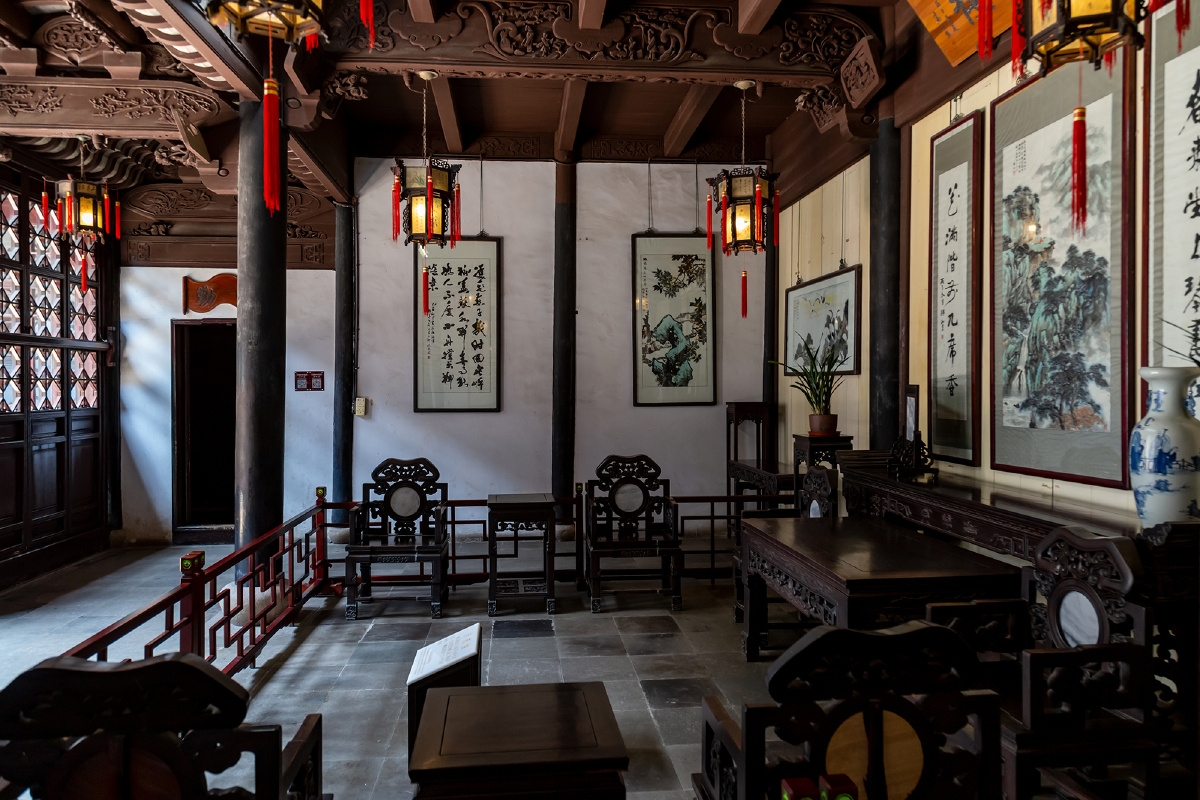
Tongli’s Jiayintang Interior
Jiayintang is a merchant mansion from the Republican period now persisting in use as a living woodcraft museum. Its main hall follows the form of an official gauze hat, a particularly appropriate plan conceit; beams and rafters are excuted with narrative panels telling of “Three Heroes vs. Lü Bu” and the “24 Filial Exemplars” with fantastic detail. However, what stole my attention was the lattice of characters spelling out happiness in dozens of forms in the second floor gallery’s “百寿图” window.
Light comes through 88 kinds of the character for longevity. Finding all 88 was an engrossing game. The back door opens onto a lakeside landing stage, and it was not hard to visualize merchant family arrivals by boat.
Immersive Folk Customs and Waterway Life
Three Bridges: Sacred Local Fortune Ritual Site
-
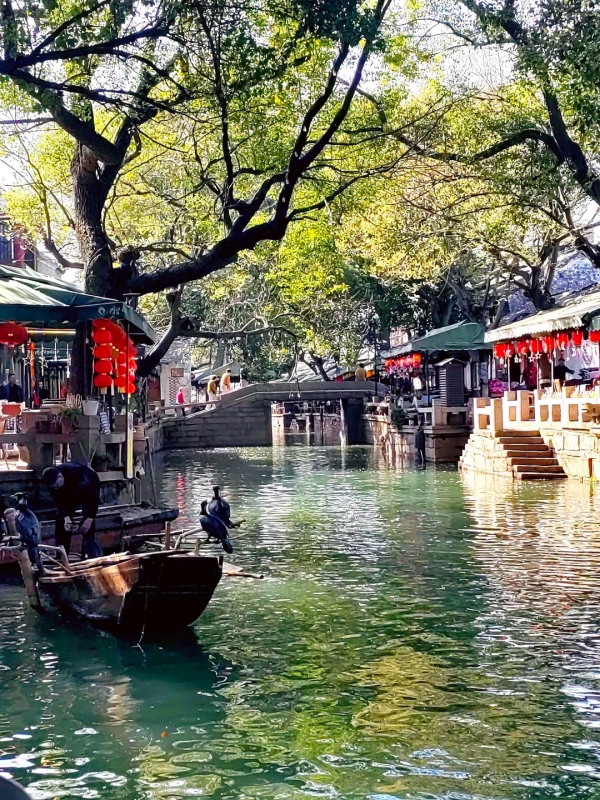
- Tongli’s Three Bridges Waterway
-
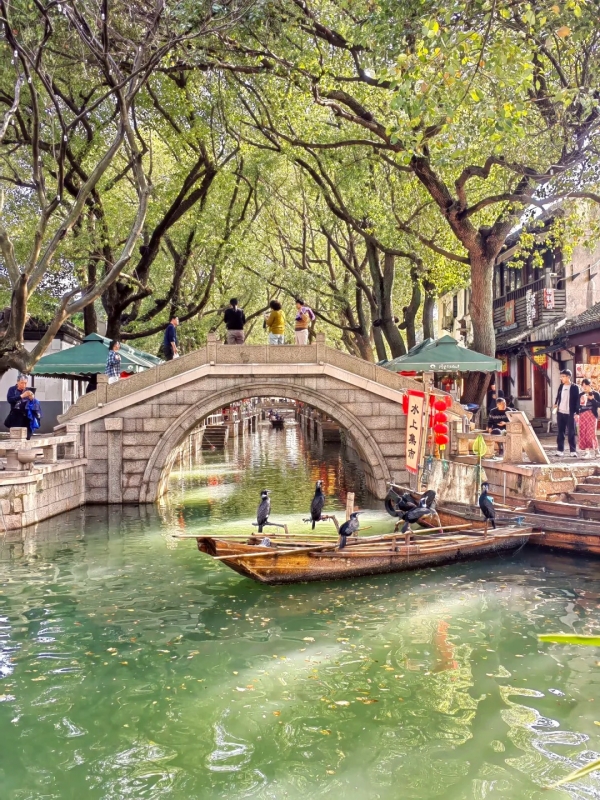
- Jili Bridge, Tongli
Three Bridges —Taiping (Peace), Jili (Luck), and Changqing (Celebration) —form one side of a ‘品’ character pattern across the canals. But to the locals, they are not tourist sites. They are active shrines where families carry their newborns during the full-moon celebration. Newly married couples walk them for good fortune. And elders across them on milestone birthdays.
I walk them with my child each visit, pausing in turn on each bridge to impart its significance. Dawn mist or dusk golden light are the most photogenic. Also, there can be no more quintessential Tongli image than a gondola framed by the arch of a stone bridge. I always aim for early morning or late afternoon here.
Chongben Hall: Authentic Jiangnan Wedding Culture Museum
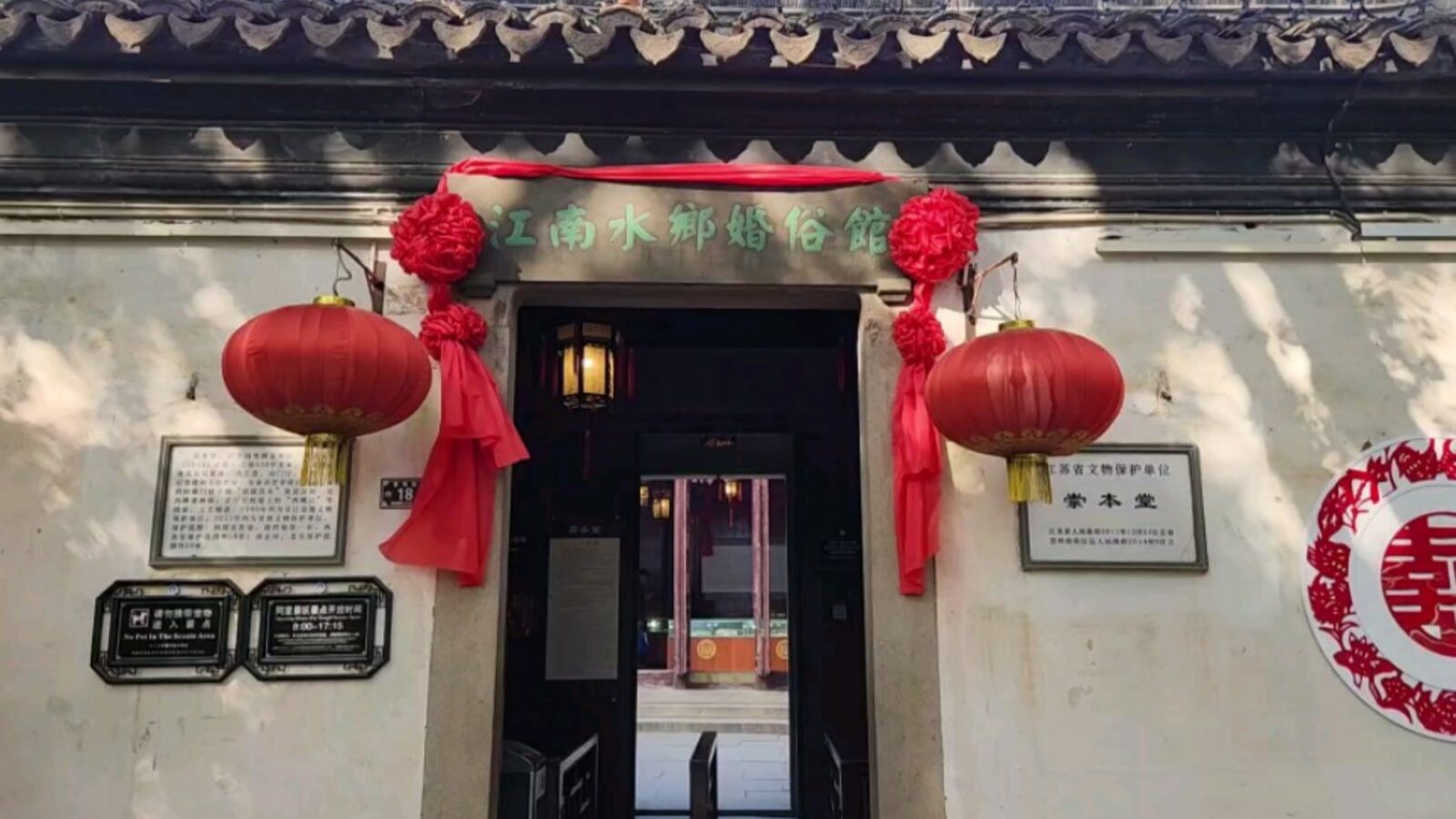
Chongbentang, Tongli Ancient Tow
Once a merchant's mansion, today Chongbentang is the Jiangnan Wedding Customs Museum. The carvings along its beams and door frames are brilliant, and chapters from The Romance of the Western Chamber appear on several panels in vivid detail. Exhibits of phoenix coronets, bridal sedan chairs, and dowry bundles fill the halls in a wonderful blur of color and narrative. My own experience of the Three Bridges ritual next door was deepened by walking through here. I recommend visiting Chongbentang before or after your bridge walk, the experiences work off each other.
Gondola Rides: Scenic Traditional Canal Boat Experience
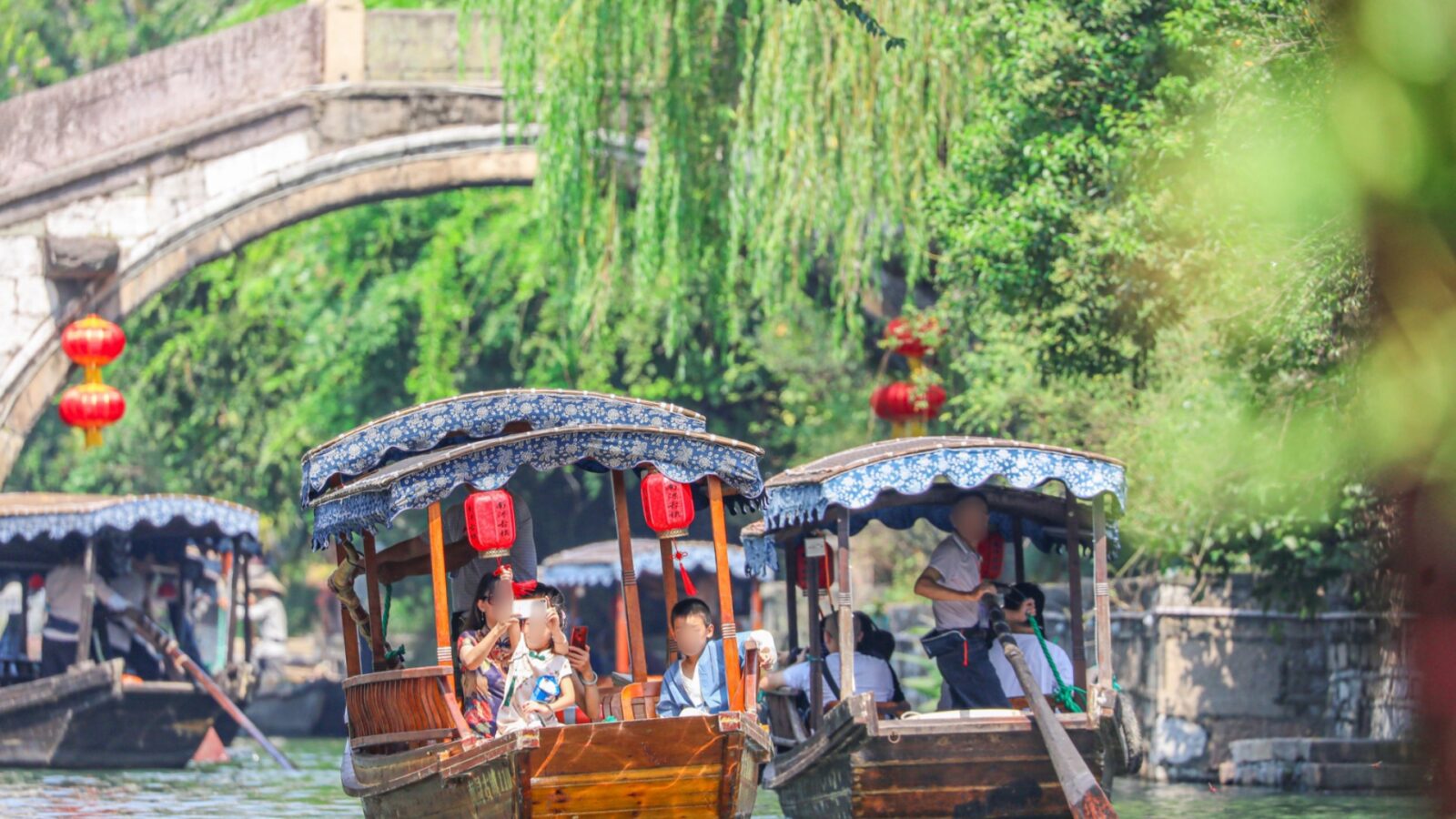
Tongli’s Water Town Boat Ride
No visit to Tongli is complete without a gondola ride on its canals. All gon-do-lah—wooden boats manned by oarsmen—take up to six passengers, and per person the cost is very cheap. My advice is to start at dusk; that is when the riverside lights begin to twinkle on, one by one, and their reflections shatter in the single paddle stroke.
A daylight ride has its beauty too: the people washing their clothes at the doorstep of the watering place, pots thrusting every inch of window sills, pictures of daily life framed by stone and water—these are views denied to pedestrians. After your daylight ride, if time permits, investigate the streets again by water.
Chuanxin Lane: Narrow Resonant Ancient Stone Passage
Chuanxin Lane, Tongli’s narrowest passage, rewards your curiosity. At its narrowest, it’s a squeeze — only one of you can go past sideways at a time. High walls rise on either side, leveled where the fire prevention walls have been set — just a strip of sky above. The sound, when you tread on the hollow stone slabs below, is satisfyingly hard.
Your footfall rings down that narrow corridor like some special kind of echo. It’s a rare sensation — unless it’s a rainy day, when with umbrella in hand this lane is really walking into Dai Wangshu’s Rain Lane. Precicely to hear the footfall ringing I come here in the quiet hour.
Culinary Traditions and Enchanting Canal Nights
Mingqing Street: Vibrant Riverside Local Food Market
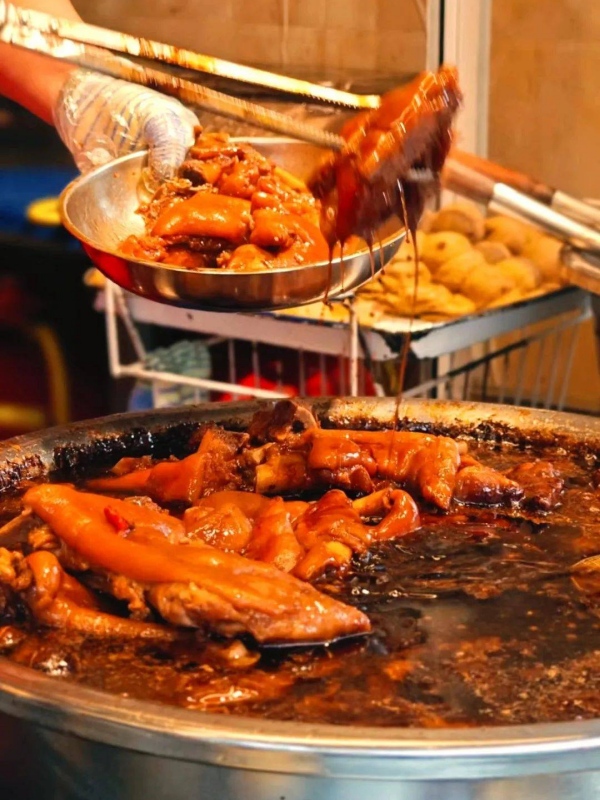
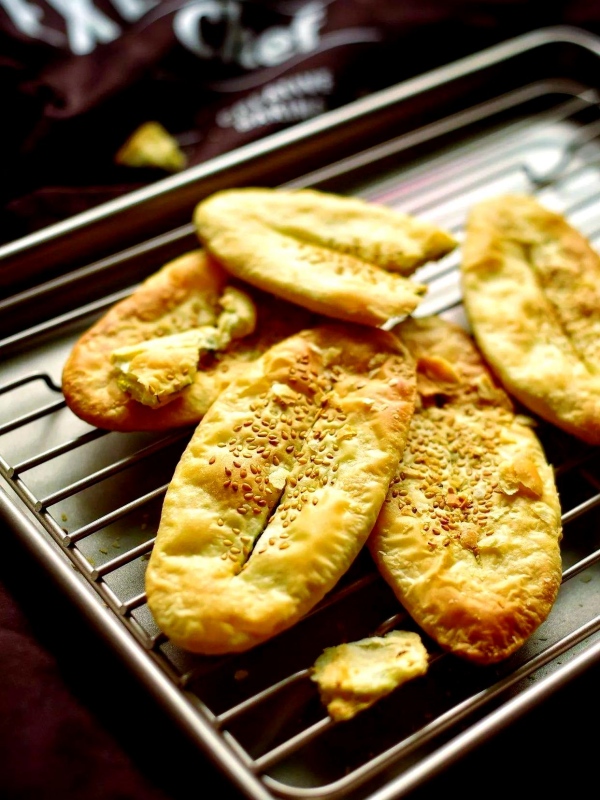
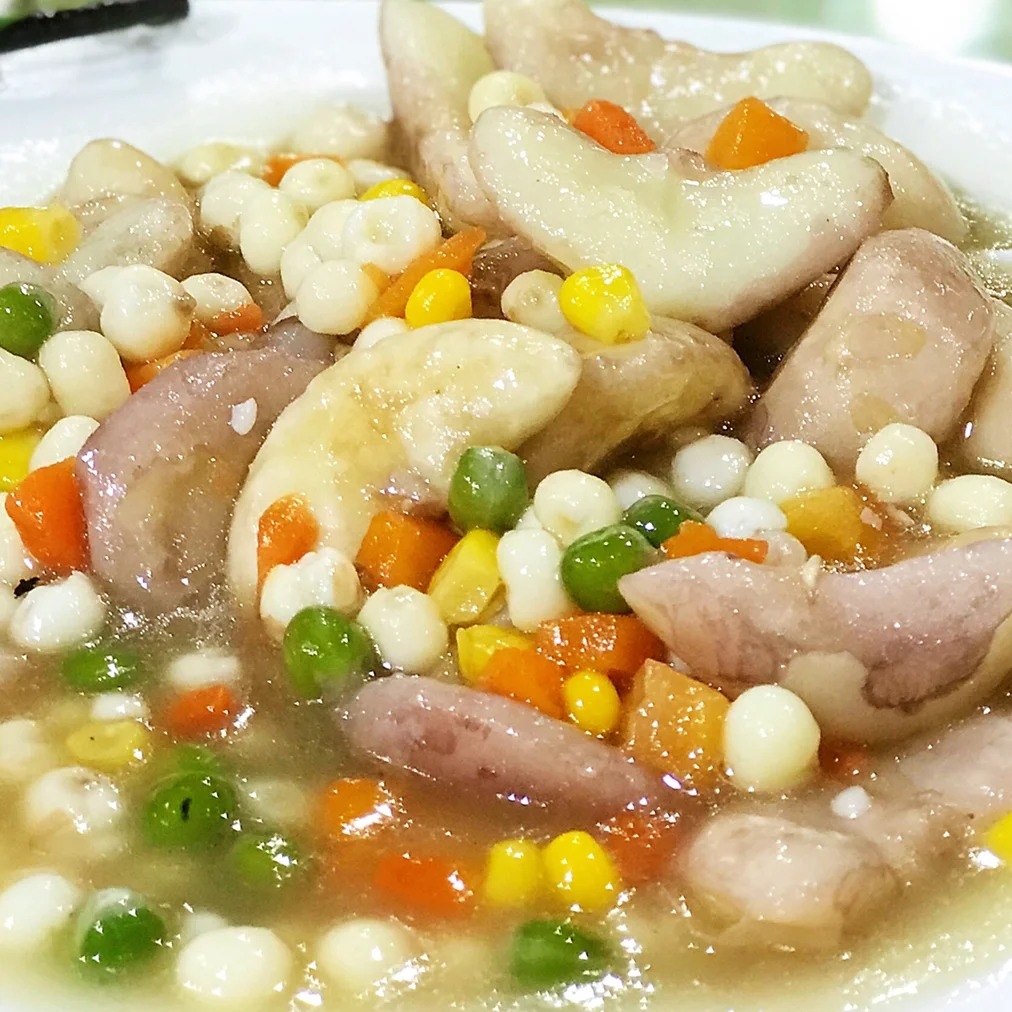
As dusk falls, red lanterns illuminate the cobblestone stretch of Mingqing Street. The air fills immediately with the layered scent of braised pork and sesame-crusted pastry. Specifically, the braised pork knuckle at the clay-jar vendor is the undisputed headliner. Aged brine, fall-apart skin, rich but not greasy — it delivers every time. Furthermore, Wadiysu pastry is crisp, savory, and pairs perfectly with a glass of Biluochun tea. It also makes the best edible souvenir.
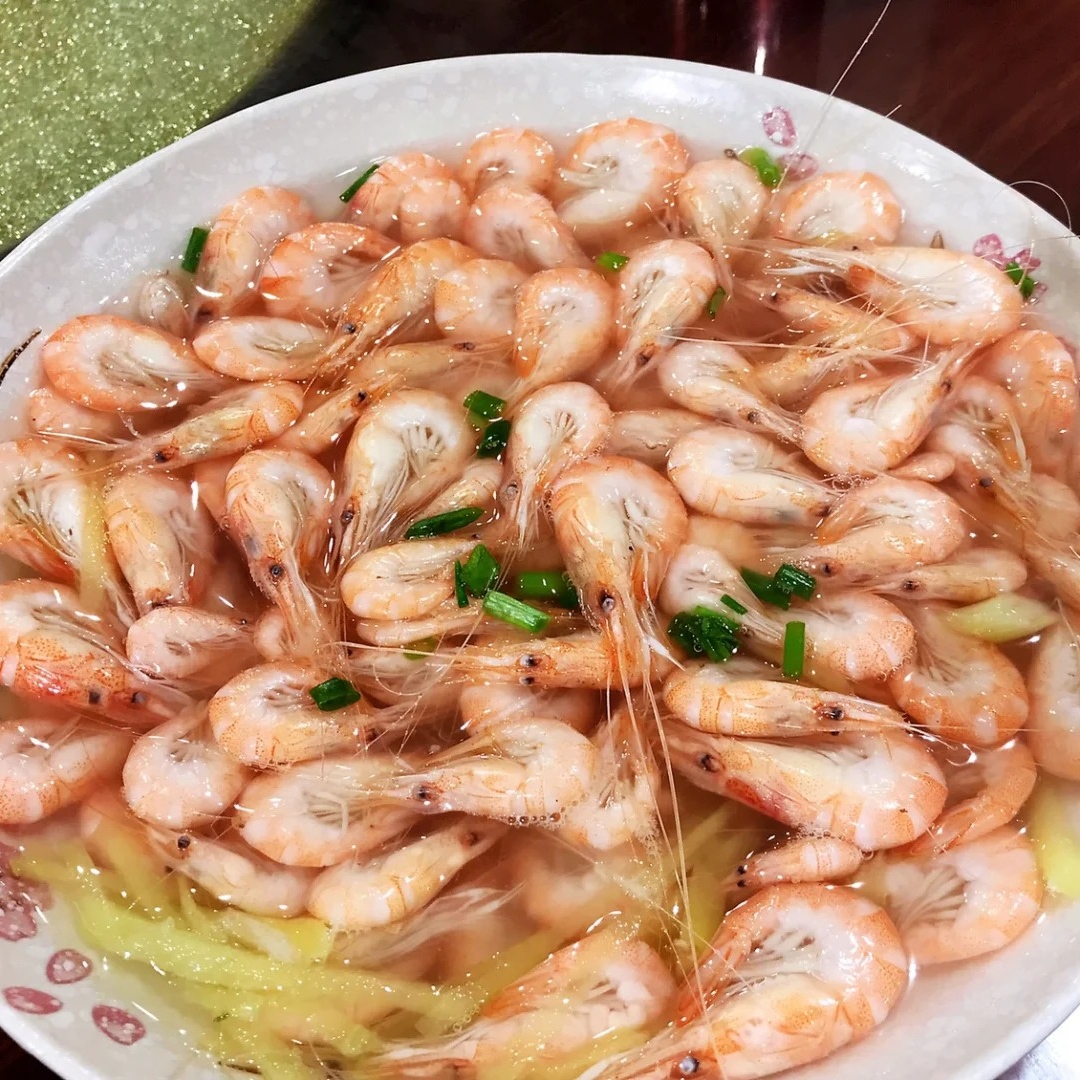
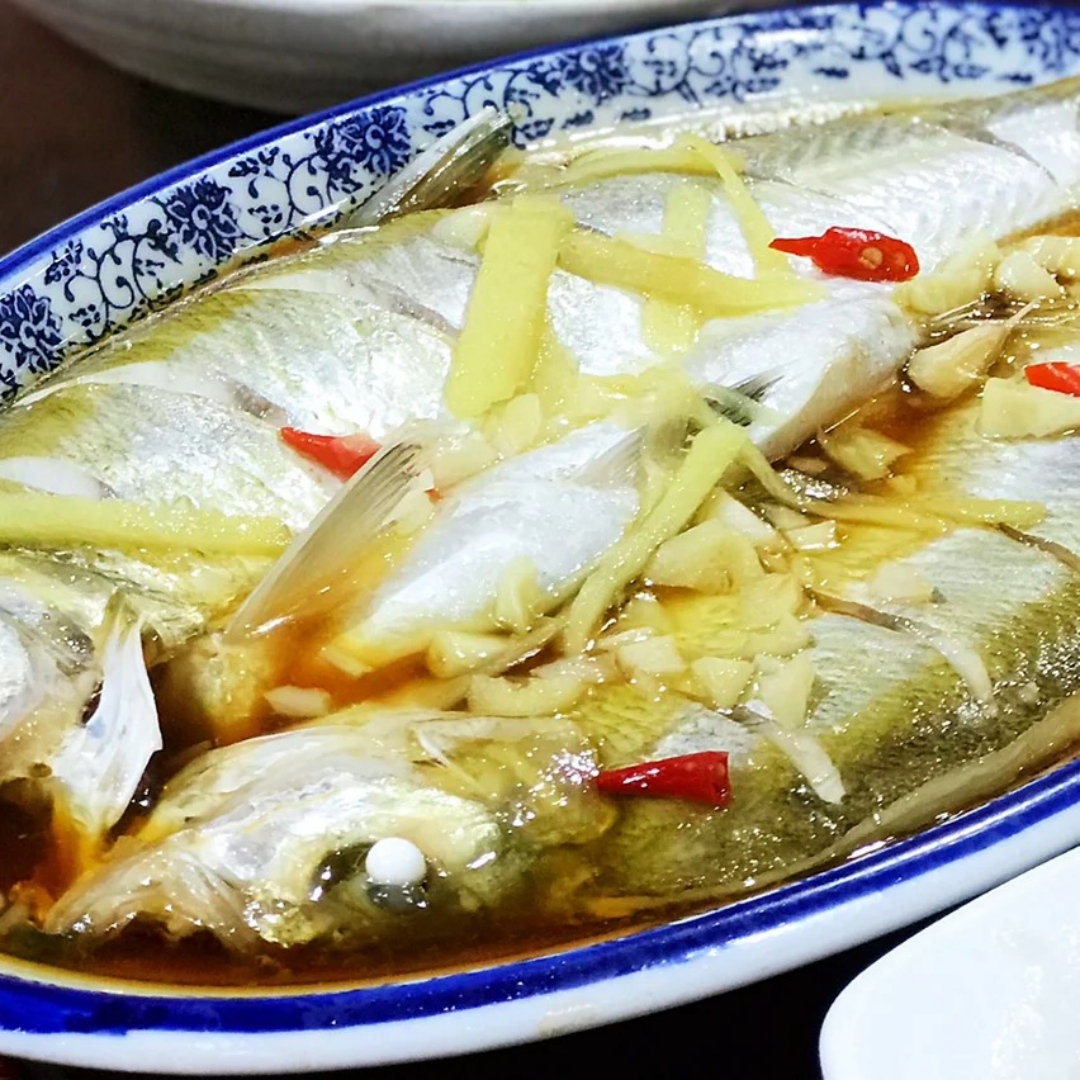
For fresh Taihu seafood, however, the Taihu Three Whites — white fish, white shrimp, and silverfish — are best ordered at a riverside restaurant, steamed simply. Additionally, a curious pastry filled with sweet bean paste and fatty pork is an unexpected delight. In contrast, the Tuisi sesame cake is worth skipping unless you enjoy that style. Moreover, if you step outside the old town, local spots serving pork soup dumplings, guotie, and thick noodle soup often bring the best surprises.
Apo Tea: Timeless Communal Leisure Drinking Custom
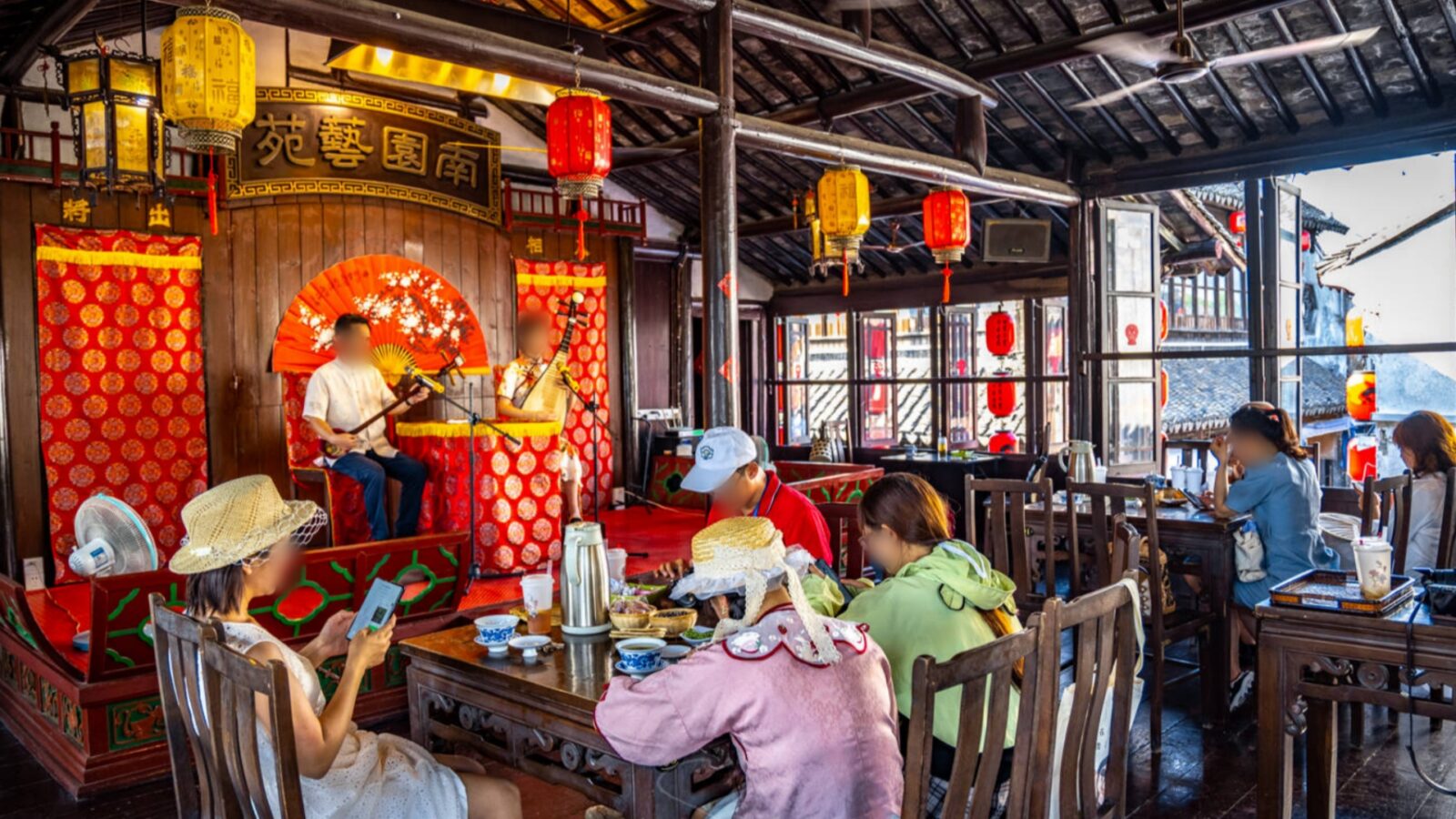
Nanyuan Yiyuan Pingtan Teahouse, Tongli
Apo Tea is not a particular variety of tea. Rather, it describes a hundred-year-old communal drinking tradition unique to Tongli. Find a waterside teahouse, or settle into a guesthouse courtyard. The tea arrives with small dishes of sunflower seeds, smoked green soybeans, and pickled day-lily flowers.
Then, simply sit. Watch the light shift across the walls. Furthermore, listen for the rhythm of oar-strokes from passing gondolas. Indeed, this practice captures exactly what people mean by "half a day of stolen leisure." Therefore, I treat the Apo Tea stop as mandatory, not optional.
Canal Nightscape: Luminous Lantern Lit Waterside Views
A row of bars lines the canal, and several offer open-air terraces facing the water. After a full day of gardens and bridges, this is the right place to decompress. I look for a seat with a direct canal view. Moreover, the opposite bank's lights, doubled in the water below, shift slowly with each passing boat.
Additionally, soft music mixes naturally with the sound of water. Indeed, the combination dissolves every trace of daytime fatigue. Therefore, I always pair an evening here with the night garden session for a complete after-dark experience in Tongli.
Essential Trip Planning and Practical Tips
Tongli Entrance Tickets
| Ticket Type | Price |
|---|---|
| Walk-up | ¥100 (~$14.64) |
| Online pre-sale ("君到苏州") | ¥80 (~$11.71) |
| Suzhou Leisure Card holders | Free |
| Under 1.4 m & over 70 | Free |
| Students | Half-price |
One ticket covers all major sub-sites within Tongli, with one entry per site, and remains valid for two days — a two-night visit offers the best value. Free-entry windows exist before 08:00 and after 17:15: the streets are open without a ticket during these times, though all attractions are closed. These windows are well suited for evening canal walks and photography.
Rail Transport
①Board a high-speed train at Shanghai Hongqiao Station → Suzhou Station ≈ 30 min
②Transfer to Metro Line 4 toward Tongli Station → exit at Gate 9
③Board Smart Tram T1 or take a taxi to the North Gate ≈ 10 min
Total journey from central Shanghai to Tongli: approximately 1.5 hours. Free luggage storage is available at the visitor center inside the old town.
Town Accommodation
Navigate to 同里古镇 and follow signs to the north parking lot, which sits closest to the core scenic area. Note that cobblestone streets inside are not stroller-friendly — use the visitor center's free luggage storage service before entering the old town.
Accommodation Inside the Old Town
🏮 Three Bridges & North Gate Area
Boutique guesthouses with canal views and direct access to all major sites. Representative option: Yinlu Bieyuan. Morning mist over the water is part of the experience at this location.
🛍️ South Gate & Mingqing Street Area
Budget-friendly options close to food streets and transport exits. Convenient for evening markets and early morning departures.
⚠️ Summer tip: pack strong mosquito repellent regardless of zone — waterside insects are heavy in warm months.
Frequently Asked Questions About Tongli
Q: Is Tongli worth visiting, or just another crowded water town?
Tongli stands apart because it preserves a living culture, not just architecture. I found it genuinely quiet even on weekends. The Three Bridges ritual, the gondola rides, and the UNESCO Tuisi Garden give Tongli a depth that justifies a full day or an overnight stay. Most visitors I met wished they had stayed longer.
Q: How long does it take to visit Tongli? Is one day enough?
Half a day covers the main highlights in Tongli. However, a full day lets you experience the gardens, a gondola ride, a teahouse stop, and the evening market at a relaxed pace. Staying overnight is the most rewarding option — the town empties of day-trippers and the morning canal mist is worth waking up early for.
Q: How do I get from Shanghai to Tongli?
Take the high-speed rail from Shanghai Hongqiao to Suzhou Station — approximately 30 minutes. Then transfer to Metro Line 4 to Tongli Station and ride the smart tram T1 or take a taxi to the north gate. The full journey from central Shanghai to Tongli runs about 1.5 hours in total.
Q: How do I return from Tongli to Shanghai or another city?
The return journey from Tongli reverses the inbound route. Take the smart tram or taxi back to Tongli Metro Station, ride Line 4 to Suzhou Station, and board a high-speed train to Shanghai. Suzhou also connects directly to Nanjing, Hangzhou, and other cities by rail, making any onward trip straightforward from Tongli.
Q: What does "Tongli" (同里) mean, and why does it matter?
The name Tongli (同里) evolved from "富土" (Fùtǔ), originally meaning "rich land." The town has lived up to that name for over a thousand years. Understanding this history — as a place shaped by scholars, officials, and merchant families — adds meaningful depth when walking across the bridges and through the gardens of Tongli.
Q: What is the best time of year to visit Tongli?
Spring (March to May) and autumn (September to November) are the most rewarding seasons for Tongli. Spring brings wisteria and magnolia in the gardens. Autumn offers ginkgo color and cleaner air. Summer in Tongli is hot and humid, and waterside mosquitoes are a real issue. Avoid Golden Week holiday dates if crowds concern you.
Q: Can I visit Tongli for free?
Entering the streets of Tongli is free before 08:00 and after 17:15, though all attractions close during these windows. The Suzhou Leisure Card grants free access to all sites within Tongli. Children under 1.4 meters and visitors over 70 enter without charge. Students receive half-price tickets through the gate or via online platforms.
Q: What food should I eat in Tongli, and what can I skip?
In Tongli, the braised pork knuckle at the clay-jar vendor on Mingqing Street is a must. Similarly, Wadiysu pastry pairs well with local tea and makes a great souvenir. For fresh Taihu seafood, choose a riverside restaurant over a street stall. However, the Tuisi sesame cake is skippable unless you already enjoy that style.
Q: Is Tongli suitable for families with young children?
Tongli works well for families with young children. The Three Bridges walk introduces cultural meaning in a simple, engaging way. The koi pond at Pearl Tower Garden delights younger visitors. Gondola rides add adventure for all ages. However, cobblestone streets are not stroller-friendly. Furthermore, summer visits to Tongli require strong mosquito repellent near the water.
Q: What is the "Walk Three Bridges" ritual, and can tourists join?
The "Walk Three Bridges" ritual in Tongli involves crossing three ancient bridges — Taiping (Peace), Jili (Luck), and Changqing (Celebration) — in sequence. Locals walk them at births, weddings, and milestone birthdays to invite good fortune. Visitors are fully welcome to join the walk and make a wish. No ceremony or permission is required.