Guanqian Street
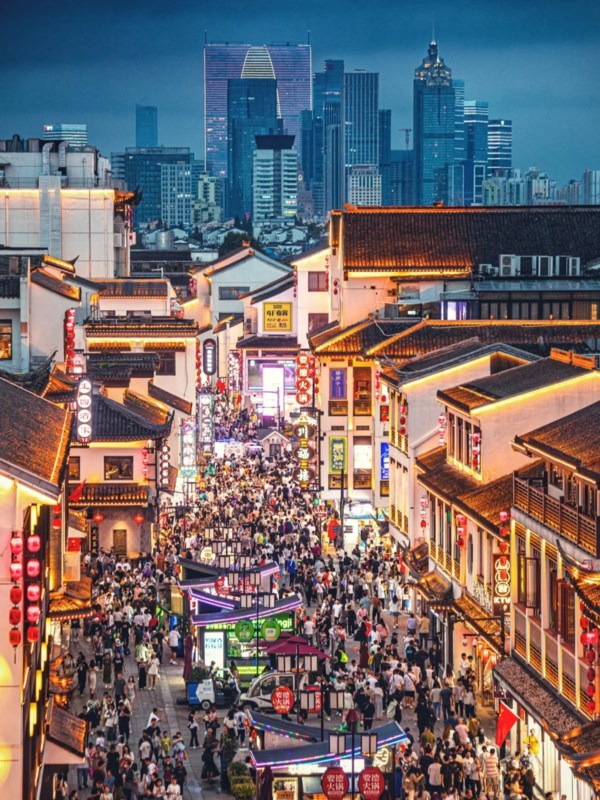
Suzhou feels calm most of the time. Canals, slow boats, quiet lanes. Then you step into Guanqian Street in Suzhou, and the pace shifts. LED screens glow above old shop signs, snack vendors shout prices, and someone nearby is debating which milk tea brand has the shortest queue. It’s not polished in a postcard way. It’s busy, slightly chaotic, and very real. Curious about how the city blooms in spring and where to see its famous gardens in full color? Check out this guide to spring flowers in Suzhou gardens.
Some travelers skip it, thinking it’s “just another shopping street.” I wasn’t sure at first either. But after spending an evening here, watching locals actually live their lives, I realized Guanqian Street in Suzhou shows a side of the city most guidebooks barely mention.
Guanqian Street Suzhou: Not Just a Food Street, But the City’s Commercial Heart
-
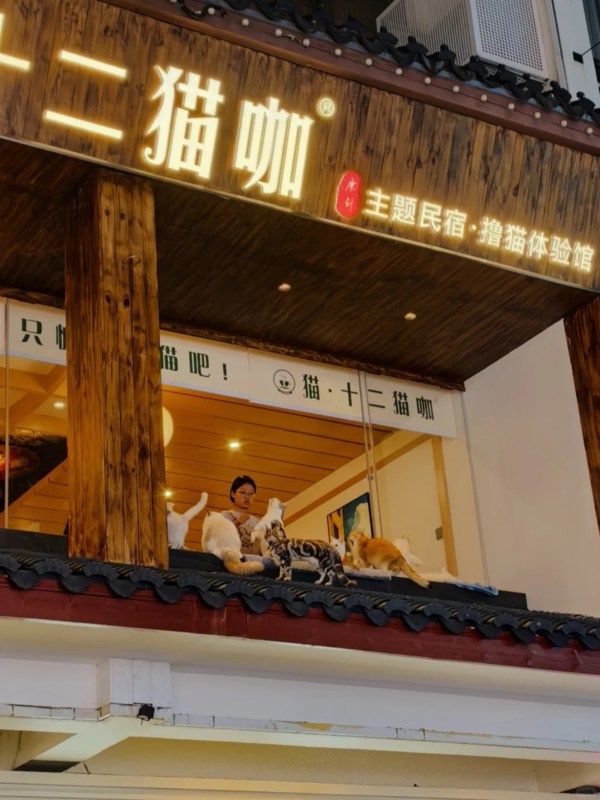

- Store in Guanqian Street
-
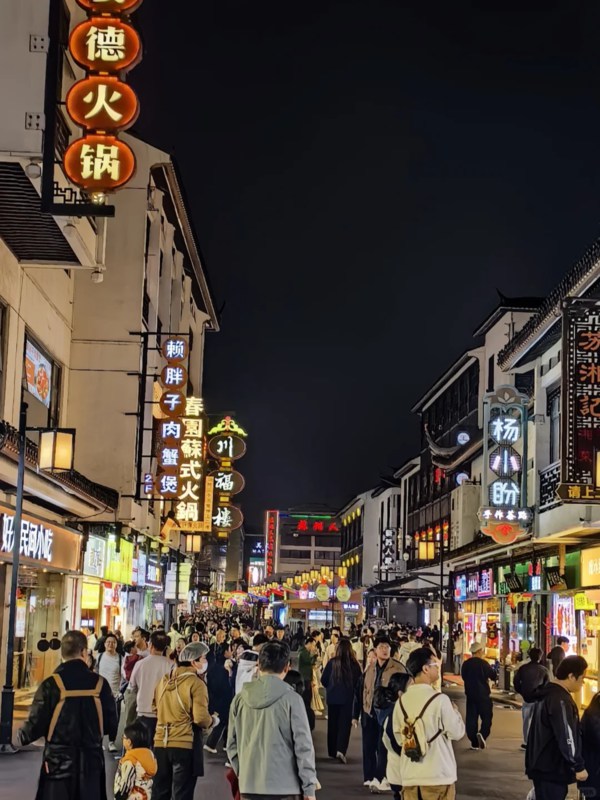
- Crowds in Guanqian Street
-
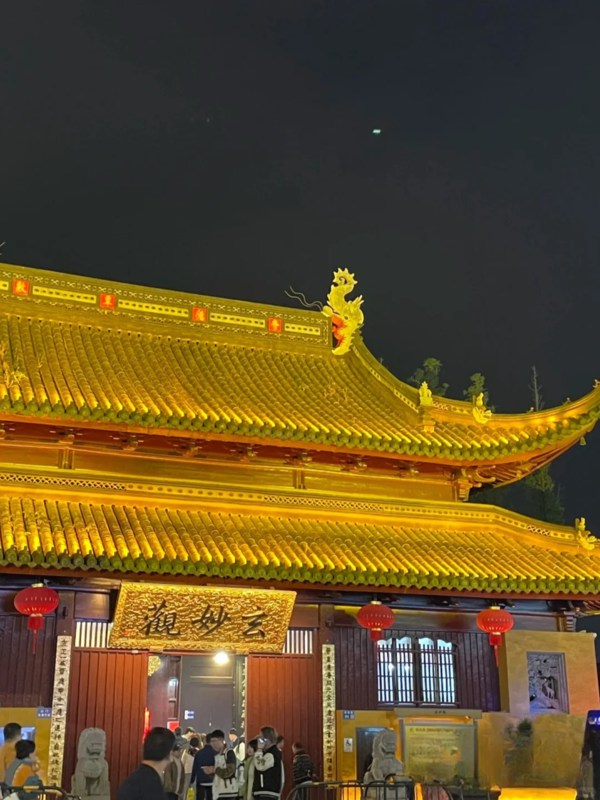
- Night Scene
Walking Through Guanqian Street: What You’ll Actually See Block by Block
-
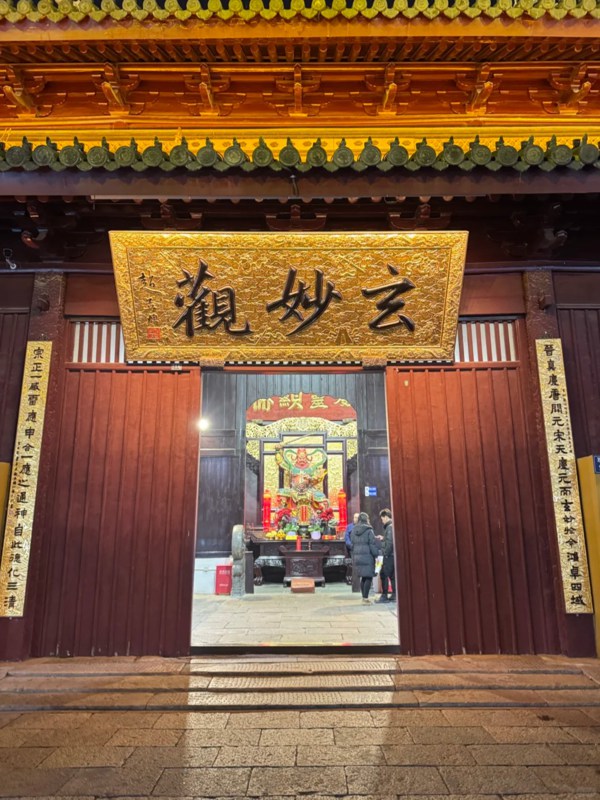
- Xuanmiao Temple
-
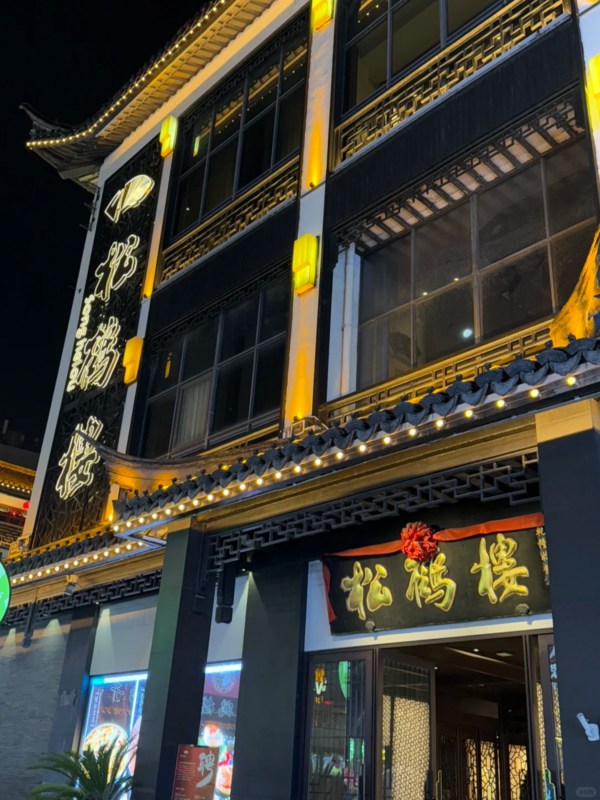
- Century-old Snack Shops
-
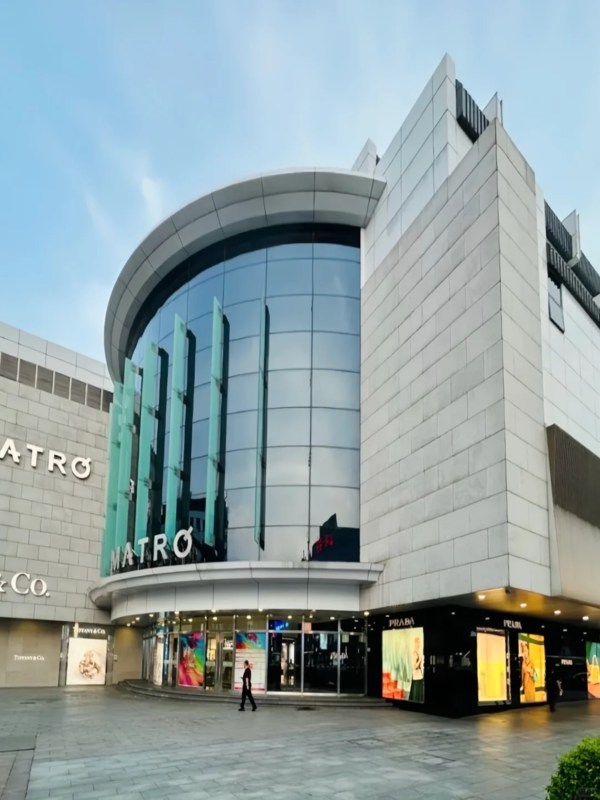
- Modern Malls
Eastern Section — Historic Gates and Xuanmiao Temple
This is where the street’s name makes sense.
Xuanmiao Temple sits just inside the eastern entrance. “Guanqian” literally means “in front of the temple.”
Entry usually costs ¥20–30, and buying tickets at the gate is straightforward.
Incense smoke, quiet side corridors, and locals lighting prayers contrast with fast-moving tour groups.
Architecturally, this stretch of guanqian street suzhou still shows white walls and dark roof tiles. But look closer:
LED shop signs glow against older façades.
Some second-floor wooden window frames remain intact — easy to miss if you don’t look up.
This section feels layered rather than preserved. Old structure, modern function.
As you continue west, the calm temple atmosphere fades. The sound level rises before you even notice the crowd thickening.
Middle Section — Snack Crowds and Old Brands
This is the busiest part of guanqian street, especially after 6 pm.
What changes first is the smell:
Charcoal-grilled skewers
Osmanthus cakes baking
Fresh oil from made-to-order fried snacks
You’ll see long-established pastry shops selling Suzhou-style boxed sweets for ¥25–40 per box. Popular stores often have:
10–15 minute queues
Evening sell-outs
Standard pink gift packaging
Locals tend to avoid the most hyped storefronts and head to smaller, practical shops instead. The rhythm here is fast. People aren’t browsing slowly — they’re buying, picking up, moving on.
Walking further west, the food stalls thin out. Glass replaces wood. The lighting shifts from warm to bright white.
Western Section — Modern Malls and Fashion Chains
The western end of guanqian street feels contemporary.
Glass-front malls
Nike, H&M, and Chinese fashion brands
Bubble tea chains with steady student crowds
Coffee runs around ¥30–40, similar to prices in other Chinese cities. Air-conditioning pulls people indoors during summer, and polished pavement reflects LED billboards after rain.
This part isn’t historical — and it doesn’t try to be. It’s functional, current, and commercially efficient.
Together, these three sections explain why guanqian street works: temple roots in the east, snack intensity in the middle, and modern retail momentum in the west.
Guanqian Street Food and Shopping: What’s Worth It and What’s Overrated
-
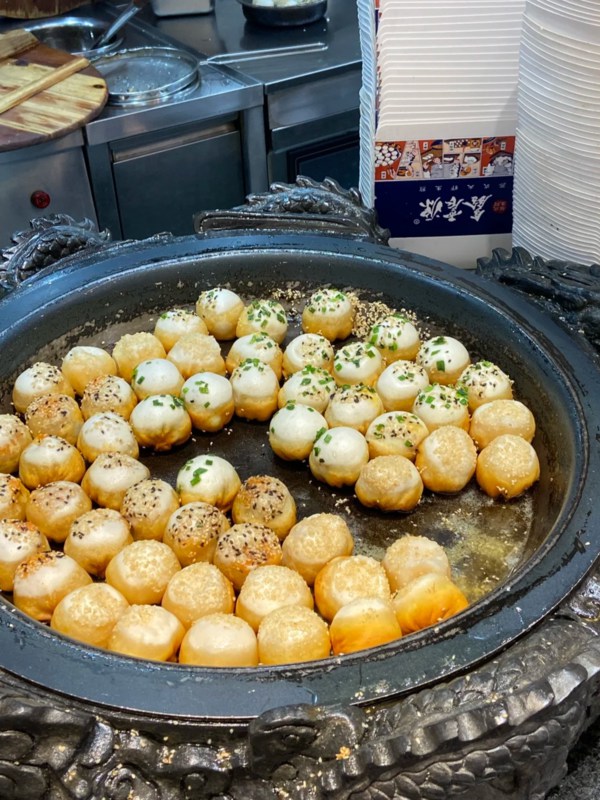
- Pan-fried Buns
-

- Silk Scarves
-
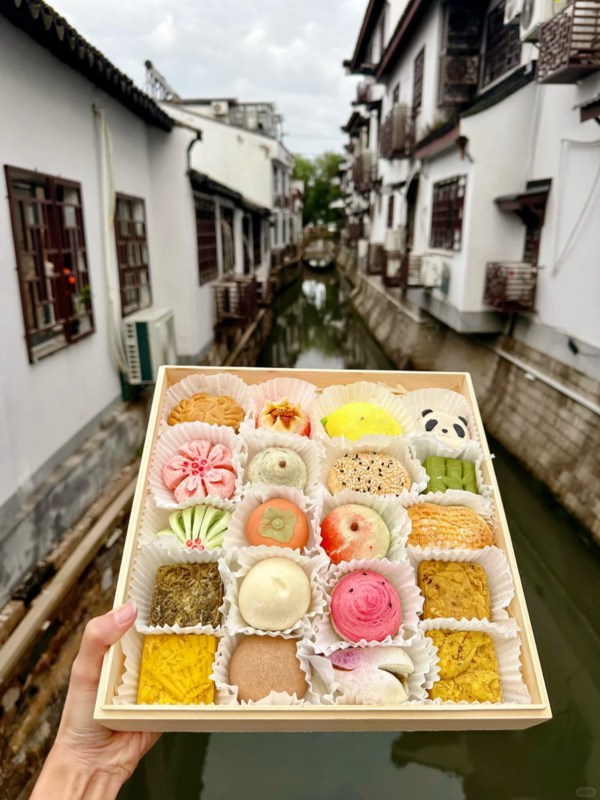
- Suzhou-style Pastries
Street Food I’d Queue For Again
There are some pretty good things to eat on Guanqian Street, but not everything is worth the hype. Some of the absolute must-tries are the shengjian (pan-fried buns): they come in smaller batches, so be careful when biting into them because the soup will be SUPER hot! The last time I bought them, the price for 4 was between ¥12-18, which seemed pretty reasonable.
Another safe bet would be Suzhou-style pastries. Just go to one of those shops where the locals are buying boxed sets rather than just single items on display. The osmanthus cakes will have a ""yes they were made with flowers but no they don't taste like candy"" flavor. The green bean cakes won't feel heavy, although they'll feel dense. The price of the pastries is based on weight, and will usually cost around ¥30-60 per box.
If a shop's packaging is too decorative and the sample trays are completely empty, I'd think twice about going there.
When standing in line, be aware that some stalls have long lines because of influencers filming videos for social media. I like to glance at the line before I decide to stand in line. If most people in line are locals and buying in bulk, that's a better indicator than just an awesome signboard.
Restaurants with History (and Tourist Traps to Avoid)
What to Buy on Guanqian Street
Shopping on guanqian street ranges from practical to purely souvenir-driven. Silk scarves and light garments remain popular. Quality varies widely. A genuine silk scarf might cost ¥150–300, while cheaper blends sell for under ¥80. Touch matters; real silk feels cool and smooth, not stiff.
Suzhou-style pastries make easy gifts. Vacuum-packed options travel better. Small souvenirs — folding fans, calligraphy bookmarks, fridge magnets — cluster near temple entrances. Prices stay modest, often ¥10–40.
Some items feel overpriced, especially mass-produced trinkets labeled “handmade.”If you enjoy exploring historic alleys and finding unique local crafts, take a look at Kuan Alley and Zhai Alley for a slightly different shopping experience. Compare two or three shops before buying. Guanqian street rewards a bit of patience. Rush decisions often cost more than the product itself.
Guanqian Street Practical Guide: Map, Opening Hours, and Best Visiting Times
-
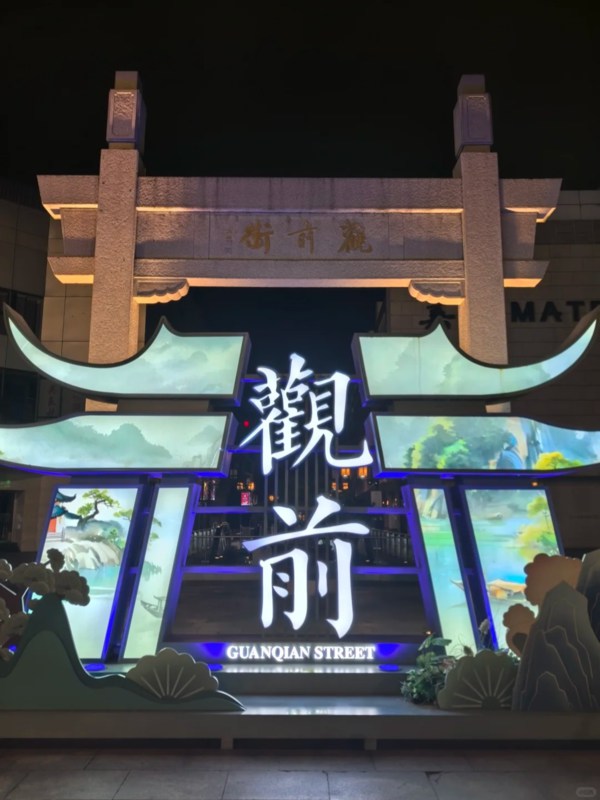
- Light of Guanqian Street
-
- Scene of Guanqian Street
Guanqian Street Suzhou Map and How to Get There
When searching for Guanqian Street in Suzhou, both Apple Maps and Google Maps typically place you close to Xuanmiao Temple. This can be considered pretty accurate. The nearest metro station to Guanqian Street is Leqiao Station (on lines 1 & 4), which is approximately a 5–8 minute walk from exit 8. There are usually signs on ground level that only show pinyin; if you are unsure, look for the characters "观前街".
Taxi rides from Suzhou Railway Station are around ¥20–35, depending on congestion in the area. I have paid ¥28 for a taxi ride from Suzhou Railway Station to Guanqian Street on a Friday afternoon. You can also use Didi to call for a taxi here, and they almost always drop you off at the eastern entrance of the street. The walkable section of Guanqian Street is just less than 1 kilometer long, so wearing comfortable shoes is probably more important than figuring out transport.
Guanqian Street Opening Hours and Crowd Patterns
While there is regularly no set time frame for the street to officially open or close, on weekdays, businesses (stores, snack stands, etc.) generally open around 10:00 am and close around 9:30-10:00 pm and for snack vendors they typically open earlier at 8:00, specifically on weekends.
During the daytime, you can easily move around, look at things without feeling rushed, and take good photos. After 6:00, the crowds seem to come out much thicker than they do during the day; and Friday and Saturday nights have gotten very packed with people all around. Around 8:00 pm that is typically the time that you will see the centre of the street at a complete stop (people only walking in a slow shuffle pace). If you are not one to enjoy being in a crowded area you would likely find a weekday afternoon to be the best time or the least crowded.
Is Guanqian Street Good at Night?
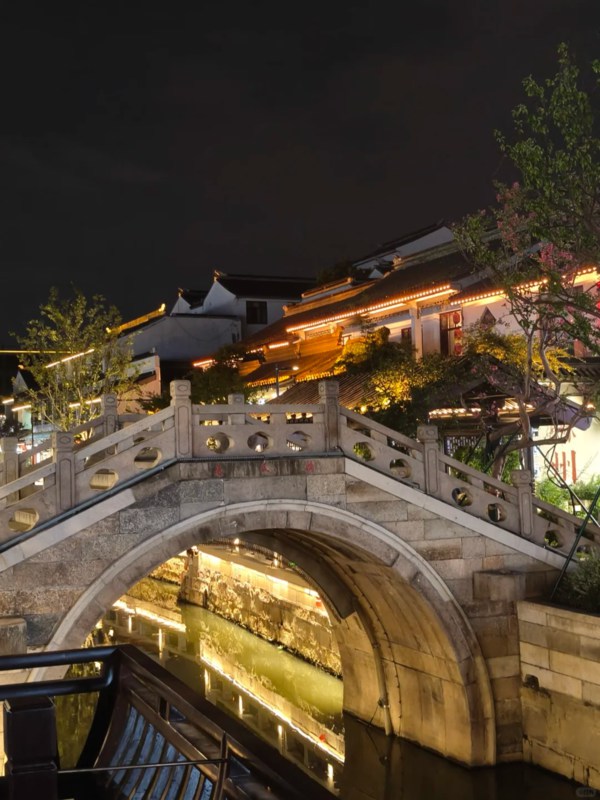
Definitely, but differently. The feel of guanqian street can completely change at night. Neon signs reflect on the polished pavement. Temple roof lines are surrounded by warm lighting. A combination of old facades and new screens can create a true sense of surrealism.
While it’s not romantic in feeling, there’s an energy present on the street at night. You may see street performers (musicians, etc.) at mall entrances. The security presence is prevalent and I’ve always felt safe walking through this area after 9 p.m.; just exercise caution with valuables when you’re in the closer sections. Although guanqian street isn’t quiet at night, it has a rhythm that makes it very different than during the day.
FAQ About Guanqian Street
Q: What is the famous street in Suzhou?
The most visited and talked-about street in Suzhou is Guanqian Street, known for blending local life with tourism. It runs roughly a kilometer, connecting Xuanmiao Temple with modern shops and snack vendors. Walking it, you’ll see office workers buying clothes, teenagers queueing for bubble tea, and elderly locals carrying pastries from century-old shops. Tripadvisor reviews often mention it as “busy,” “energetic,” and “a mix of old and new architecture.” Unlike purely tourist streets, Guanqian Street remains actively used by residents, which makes exploring it feel authentic rather than staged. Evening lighting adds another layer of charm, especially for photography.
Q: What is the famous shopping street in Suzhou?
For shopping enthusiasts, the guan qian shopping street area is the prime destination. It hosts both global brands like Nike and H&M and traditional boutiques selling silk scarves, Suzhou-style pastries, and souvenirs. Pedestrian-only zones make navigating crowds easier, though weekends can get packed. Many locals still buy essentials here, giving it a lived-in feel. Prices vary; silk scarves range from ¥150–300, while trinkets and small souvenirs are usually ¥10–50. A tip: compare at least two stores before purchasing to avoid tourist markups. Snack stalls also add a convenient break while shopping.
Q: What are the Guanqian Street opening hours?
Guanqian street opening hours are generally from 10:00 am to 9:30–10:00 pm for most shops, though food stalls often start earlier, especially on weekends. Snack vendors may open around 9:00 am, and some restaurants close later than 10 pm. Visiting during daytime offers a quieter experience, better for walking and photography. Evenings bring thicker crowds but a lively, neon-lit ambiance. Peak weekends can feel very busy, so if you prefer calmer exploration, weekday mornings or early afternoons are recommended. Some attractions, like Xuanmiao Temple, may have separate ticket hours around ¥20–30.
Q: Where is Guanqian Street located in Suzhou?
According to the guanqian street suzhou map, the street runs east-west in the city center. The eastern section begins near Leqiao Metro Station, while the western end reaches modern shopping malls. Xuanmiao Temple anchors the eastern part, giving the street its historical context. A taxi from Suzhou Railway Station usually costs ¥20–35, and most visitors find the street fully walkable in under 10 minutes. Signage is sometimes only in pinyin, so keep an eye out for “观前街” characters. Side streets host quieter shops and snack stalls that are easy to miss if you follow the main crowd.
Q: Is Guanqian Street better than Shantang Street?
It depends on what you want. Guanqian Street is more energetic, commercial, and convenient for shopping, snacks, and casual dining. Shantang Street offers classical scenery with canals, stone bridges, and historic architecture. If your goal is modern shopping combined with local flavor, Guanqian is more practical. Shantang is better for slower walks, photography, or experiencing a quieter, traditional atmosphere. Many travelers combine both to get contrasting views of Suzhou, but expect very different vibes: one is lively and modern, the other scenic and relaxed.
Q: How long should I spend on Guanqian Street?
Most visitors spend 2–3 hours exploring Guanqian Street, enough to cover shopping, snacks, and key sights like Xuanmiao Temple. If you plan to eat a full meal or browse multiple stores, add an extra hour. Weekday afternoons are ideal for less crowding; evenings show the neon-lit street at its liveliest. For detailed photography or visiting quieter side alleys, a full half-day allows more relaxed pacing. Time can stretch if you’re trying local pastries or milk tea shops — lines move slowly when filming or sampling is popular.
Q: Is Guanqian Street expensive?
Prices are moderate if you know what to pick. Street snacks usually cost ¥10–40, pastries ¥25–60 per box, and souvenirs range ¥10–50. Restaurants along the street charge roughly ¥80–120 per person for local dishes. Tourist-focused shops near the main crossings sometimes overprice trinkets, but side streets often offer better deals. Brand stores match standard city prices. Overall, Guanqian Street provides a reasonable balance between authentic shopping and tourist convenience if you avoid impulse buys and focus on items locals purchase.
Q: Is Guanqian Street good at night?
Yes. Nighttime transforms Guanqian Street into a neon-lit, energetic area. Street performers sometimes appear near malls, and temple rooftops glow softly under warm lights. Crowds grow thicker, but the street remains safe with visible security. It’s lively rather than romantic, perfect for people-watching, photographing illuminated shopfronts, and sampling evening snacks. Some vendors close earlier, but main stores and restaurants stay open. The night vibe contrasts sharply with quieter daytime walks, showing the city’s heartbeat after dark.
Q: What can I buy on Guanqian Street?
Expect a mix of silk products, Suzhou-style pastries, folding fans, bookmarks, and small souvenirs. Silk scarves feel cool and smooth; quality determines whether they cost ¥150–300 or cheaper blends under ¥80. Pastries are usually vacuum-packed for travel convenience. Souvenir trinkets range ¥10–50, though some mass-produced “handmade” items cost more than they’re worth. The trick is to shop where locals buy and compare multiple stalls. Patience pays off — impulsive purchases near high-traffic corners can be overpriced.