Pingshan in ShenzhenAn Underrated Gem Blending Old Hakka Charm, Modern Art, And Traditional Food
Most passers-through in Shenzhen will never peek beyond Futian’s high-gloss towers or Nanshan’s tech campuses. But if you ride the Line 14 metro north east for fifty minutes, Shenzhen reveals itself. Pingshan 深圳 is where a world-class art museum sits near Hakka fortress from 1789, where zero-emission sky tram cable cars connect factory towers to forested hills, and where the airs feels, honestly, different (18.7 μg/m³ PM2.5). Yes BYD global headquarters is here (no, that’s not why you come).
This guide is built for the traveler who wants more than a factory landmark. From the 1791 Dawan Shiju and historic village life to the Vector Architects-designed Pingshan Art Museum and the candlelit drama of Changshou Dramaville, and finally into the leopard-cat territory on Maluan Mountain or a 40-year-old Hakka roast-goose stall on the Old Street—consider this your complete, opinionated companion. Let's go.
Quick Facts About Pingshan
Before you pack your bag, here's everything you need at a glance.
| 🌍 Location | Northeast Shenzhen, bordering Huizhou; eastern wing of the Greater Bay Area |
|---|---|
| 📏 Area | ~168 km² |
| 👥 Population | ~600,000 (2023) |
| 📮 Postal Code | 518118 |
| 🚇 Metro | Line 14 (Express): Gangxia North (Futian) → Pingshan Centre, ~50 min. Line 16: Reaches Dawan Shiju (Pinghuan Station) and deeper into the district |
| 🚟 SkyShuttle | Pingshan SkyShuttle Line 1: 8.5 km, 11 stops, linking Pingshan High-Speed Rail Station to BYD North. Passes Culture Cluster, Pingshan Centre. Hours: ~06:30–23:00. Fare: ¥2–4 |
| ⏱️ From City Centre | ~50 min by Line 14 express from Futian |
| 🍂 Best Season | Oct–Mar for hiking and city walks; May–Sep for dramatic waterfall views (bring insect repellent) |
| 🎂 Established | New District: 2009 · Full Administrative District: 2017 |
Why Pingshan is Shenzhen's most underrated district. While neighboring Longgang draws crowds and Nanshan claims the tech trophy, Pingshan quietly holds a different record: over 50% of its land is protected ecological zone, it hosts 114 immovable cultural heritage sites, and it became a fully independent administrative district only in 2017 — making it the city's youngest and, arguably, its most interesting work in progress. If you've been wondering which part of Shenzhen still has genuine surprises, this is it.
Hakka Heritage: 300-Year Living Old Villages
Pingshan has a cultural imprint that travels deeper than any institution we could dream up today. Following an early Qing mandate in the 1600s called Qianjie Fuijie, which involved effectively relocating coastal peoples inland, Pingshan became home to Hakka who built in the only way they knew how: together, defensively, and permanently. There is physical grammar in the fortified sugarcubes of the complex — thick walls, lookout towers, internal courtyards. What makes Pingshan interesting is that most of these structures are not ruins. They are libraries now. Theatres. Community living rooms.
🗺️ Hakka culture walking route: Changshou Dramaville (allow 2 hrs) → Dawan Shiju (allow 1.5–2 hrs) → Hakka Heritage Sites (detour as desired) → Pingshan Old Street (30–45 min). Use Line 16 to reach these areas, then walk or take a taxi between sites.
Changshou Dramaville: Hakka Village Made Theater
-

- Changshou Dramaville
-
- Changshou Dramaville
-
- Changshou Dramaville
-
- Changshou Dramaville
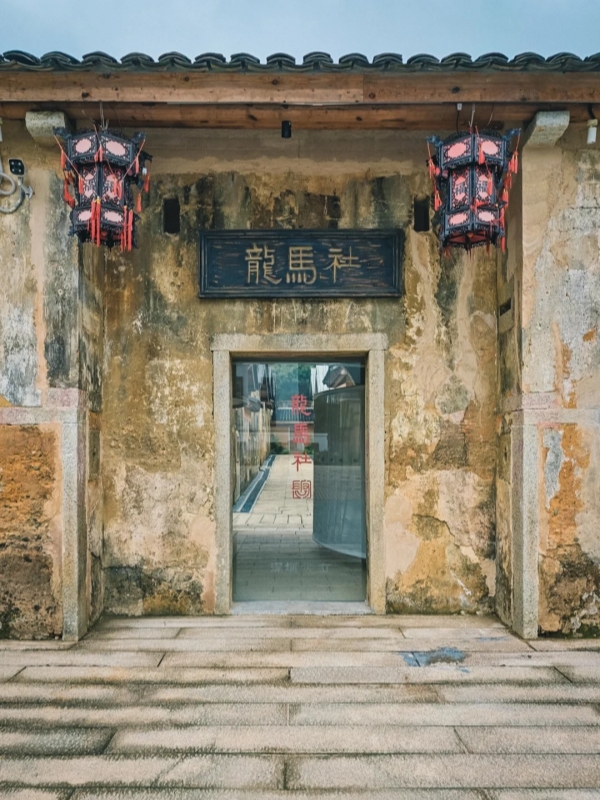
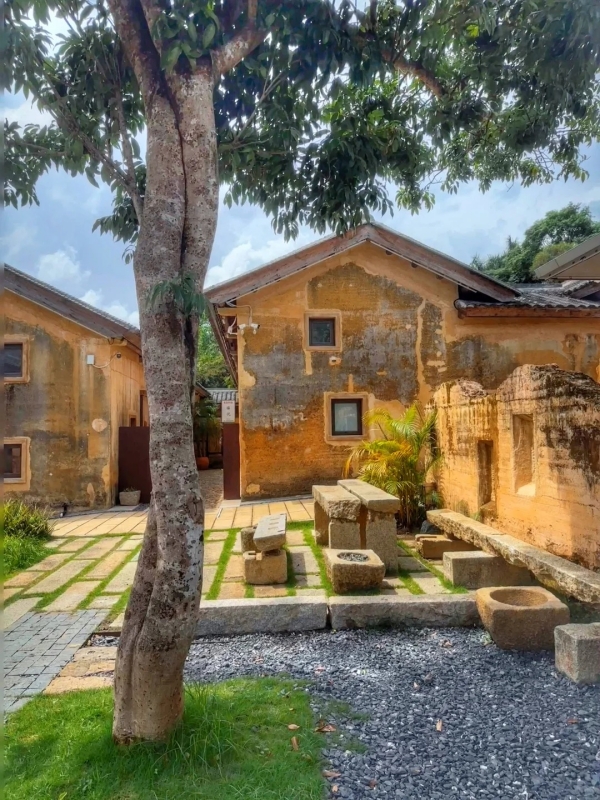
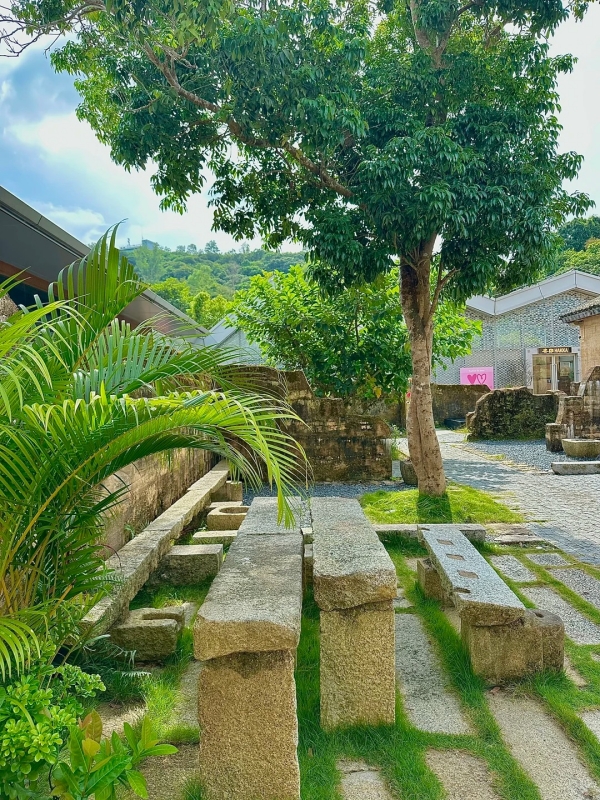
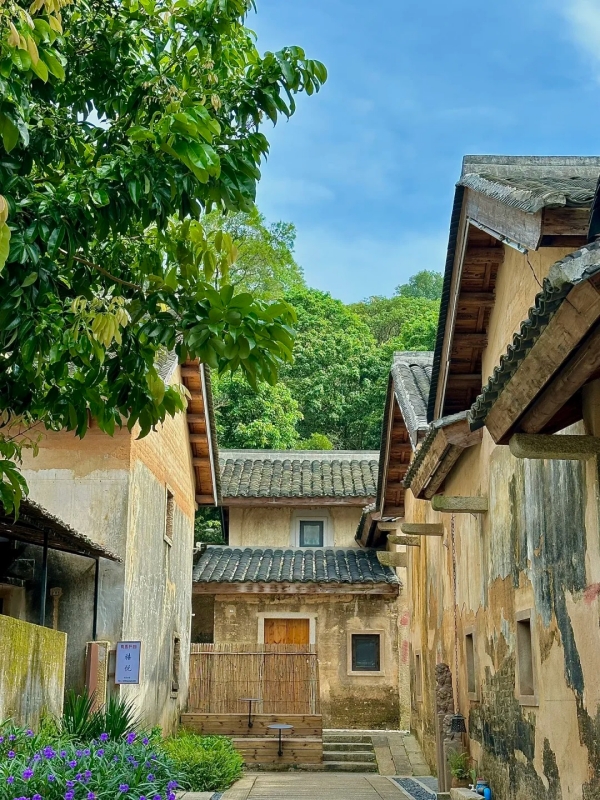
Five of the oldest houses built in the 1760s on the site of a desolate Hakka compound 5km south of downtown, originally a relatively neglected complex of crumbling walls and rubble, complete a jigsaw puzzle of buildings housing a 300-seat theater campus anchored by Longma Drama Society, co-founded by actor Zhang Guoli.
The designers made a deliberate choice to keep the ruin visible. Cracked walls stand alongside new-poured concrete. The original semicircular pond at the compound's entrance has been reimagined as a "soft plaza" — a rope-net structure stretched over the water that visitors can actually walk across, each step producing a gentle bounce. 🌿 In the late afternoon, when the forest behind the theater casts long shadows across the broken tiles, the effect is genuinely cinematic.
From Line 16, exit at Dongzong Memorial Hall Station and transfer to bus M575 or 964 to the village entrance. Allow two hours minimum.
| 📍 Address | Changshou Village, Maluan Street, Pingshan |
|---|---|
| 🕐 Visit Hours | Daytime access free; performances require tickets |
| 🚇 Getting There | Line 16 → Dongzong Memorial Hall Station → Bus M575 or 964 |
Dawan Shiju: Old 1791 Hakka Village Fortress
Dawan Shiju
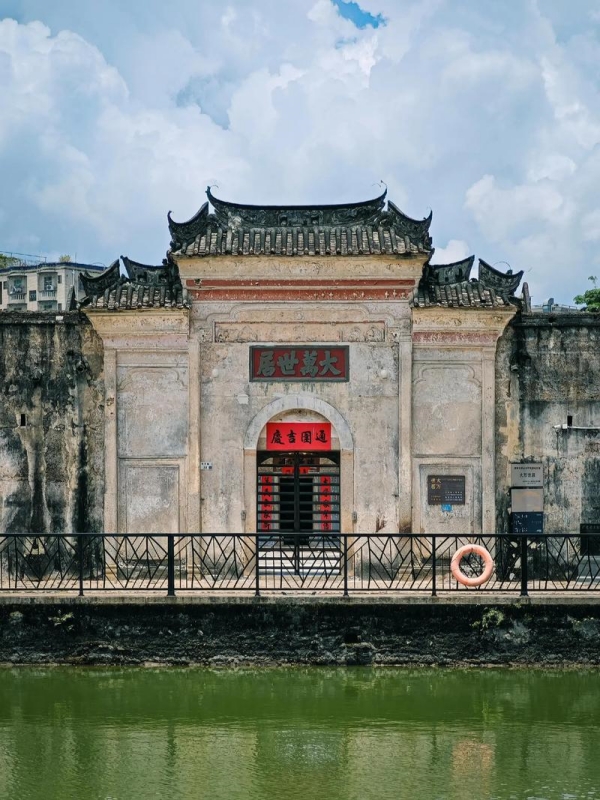
Built in 1791 by the Zeng clan, Dawan Shiju is perhaps the finest preserved example of Hakka fortress architecture in Shenzhen. The compound has an area of around 15,000 square metres—four surrounding walls, four corner watchtowers, and an interior laid out in the traditional configuration of three halls and two wings, and which once housed several hundred people. Walking the perimeter you gain an idea of the logic of a community designed to withstand siege.
Today the compound operates as a free public cultural space — open Tuesday through Sunday, 9:00–12:00 and 14:00–17:30. Inside, well-curated Hakka folk exhibitions sit alongside a City Study Room (城市书房), one of Shenzhen's network of public reading spaces. Periodic non-heritage workshops — including Hakka Kylin Dance demonstrations and traditional craft sessions — run on weekends. From Line 16 Pinghuan Station Exit A1, it's a ten-minute walk.
| 📍 Address | Near Pinghuan Station, Pingshan District |
|---|---|
| 🕐 Hours | Tue–Sun 09:00–12:00 / 14:00–17:30 |
| 🎟️ Admission | Free |
| 🚇 Nearest Station | Pinghuan (Line 16, Exit A1), ~10 min walk |
Hakka Heritage Sites: 114 Old Cultural Spots
Longtian Shiju
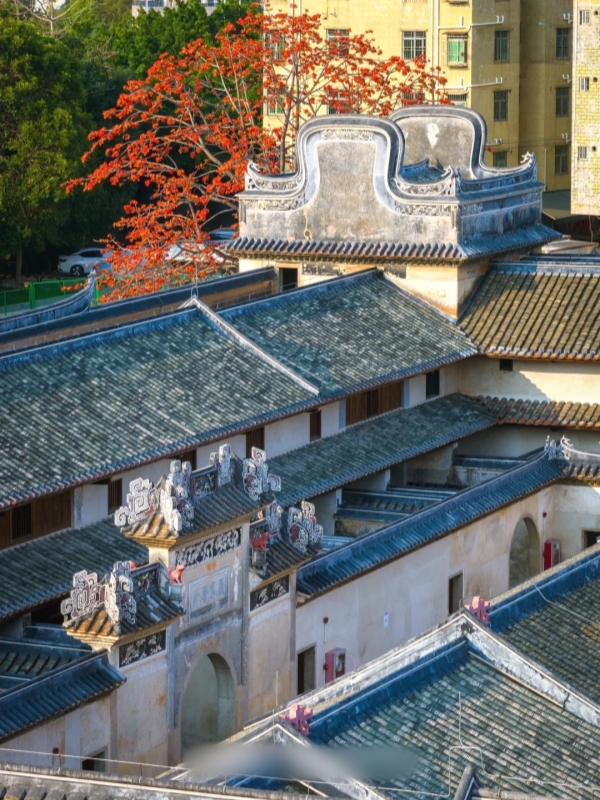
Here’s a figure that hits harder the longer you sit with it: across Pingshan’s 168 square kilometres, there exist 114 immovable cultural heritage sites. Of those, 102 are related to the Hakka — ancestral halls, fortified compounds, watchtowers, village wells. That density means that you’re almost never more than a few minutes wandering from something with a story attached. Some are in perfect condition. Some are just… there. A watchtower crumbling in a carpark. A Qing dynasty threshold stone inhering a garden wall. The provincial level intangible cultural heritage of the Hakka Kylin Dance (麒麟舞) is occasionally performed in villages during festivals — ask locally about upcoming dates.
Beyond Dawan Shiju, two other compounds reward a detour: Longtian Shiju (龙田世居) and Kengzi Laowai (坑梓老围, adjacent to the new Culture Center). Neither is widely documented in English, which is precisely the point.
Pingshan Old Street: Slow Local Daily Life
Pingshan Old Street
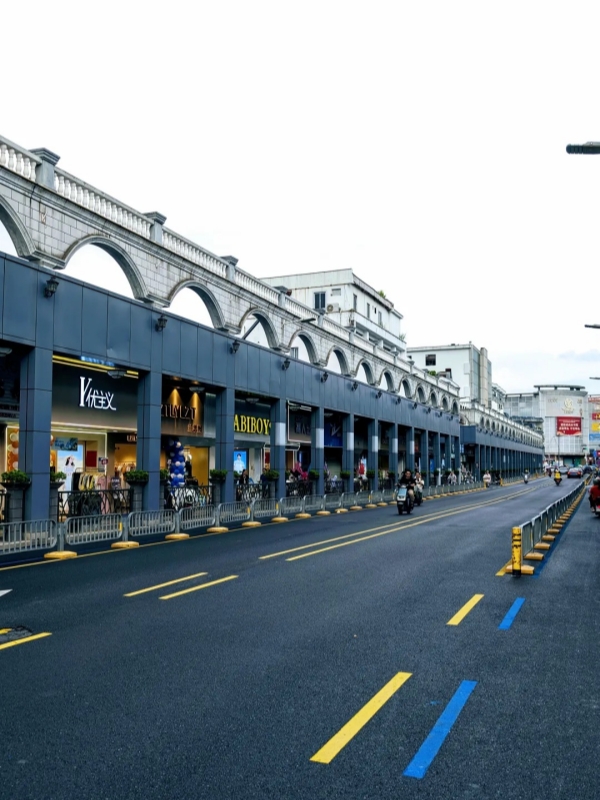
A few blocks from the administrative centre, Pingshan Old Street offers something that the restored heritage sites can’t — somewhere with no one performing for you. Arcade shophouses (骑楼), thick with commercial sediment from years of existence — a Chinese medicine dispensary that hasn’t changed its hand-written price board in decades, a barber shop with a single chair and a ceiling fan, a hardware store whose stock spills out onto the pavement. The old men sit on the same stone benches under the colonnade that their fathers probably sat on.
It's not picturesque in any designed sense. That's the appeal. If you want to understand what neighborhood life actually looks like in this corner of Shenzhen — unhurried, layered, quietly stubborn against the city's relentless pace — spend an hour here before or after Dawan Shiju.
🗾 Expand Your Shenzhen Adventure: Pingshan's heritage is just one layer of Shenzhen — explore more unique attractions in our things to do in Shenzhen overview for a broader city experience.
Cultural Sites: Free Open Art Spaces
Stand at the intersection near Pingshan Central Park and something unusual happens: you realize there are no fences. The art museum, the grand theater, the exhibition gallery, and the public lawns all flow into one another without barriers. This is the Pingshan Culture Cluster — a rare urban experiment where world-class institutions exist not behind velvet ropes, but as ordinary infrastructure of daily life.
✨ Half-day art and architecture loop: Pingshan Art Museum → Pingshan Exhibition Gallery (sky bridge) → Kengzi Culture Center → Pingshan Grand Theater. Start at Pingshan Square Station (Line 14, Exit D) or the Culture Cluster stop on the SkyShuttle.
Pingshan Art Museum: Art in Natural Light
-
- Pingshan Art Museum
-
- Pingshan Art Museum
-
- Pingshan Art Museum
-
- Pingshan Art Museum
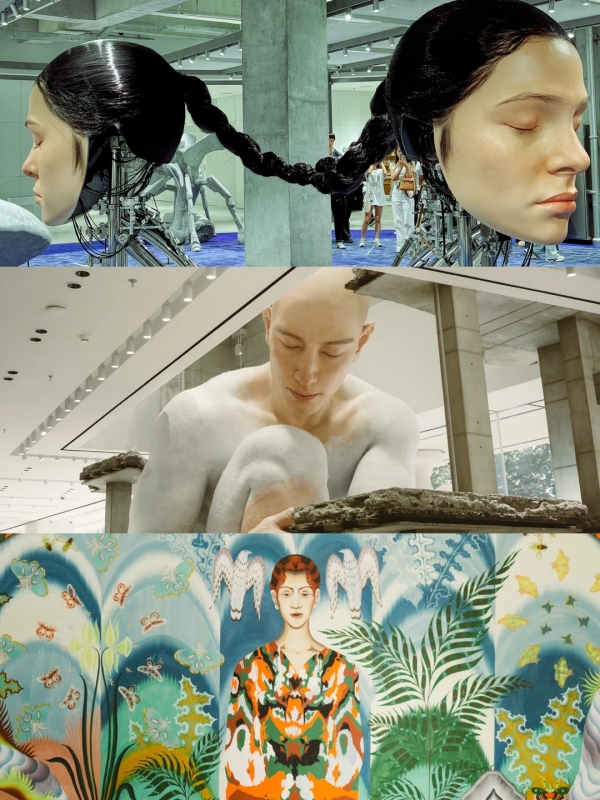
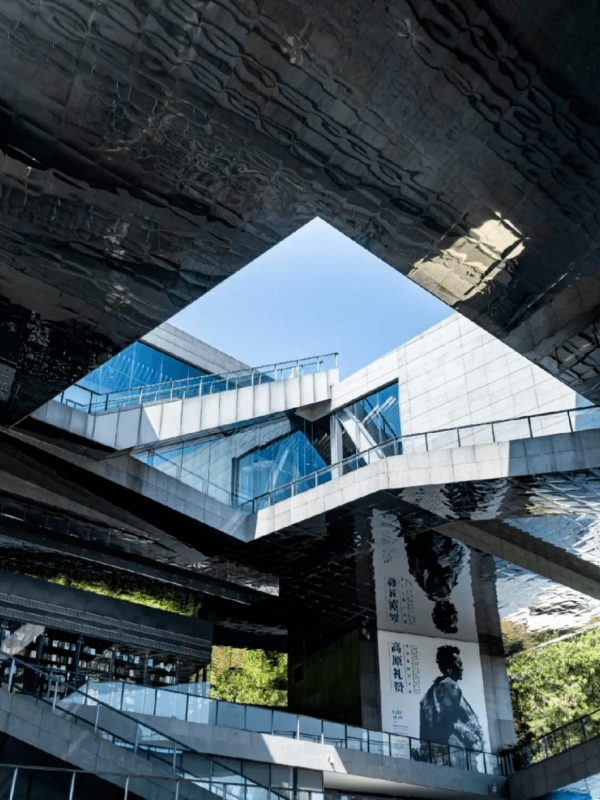
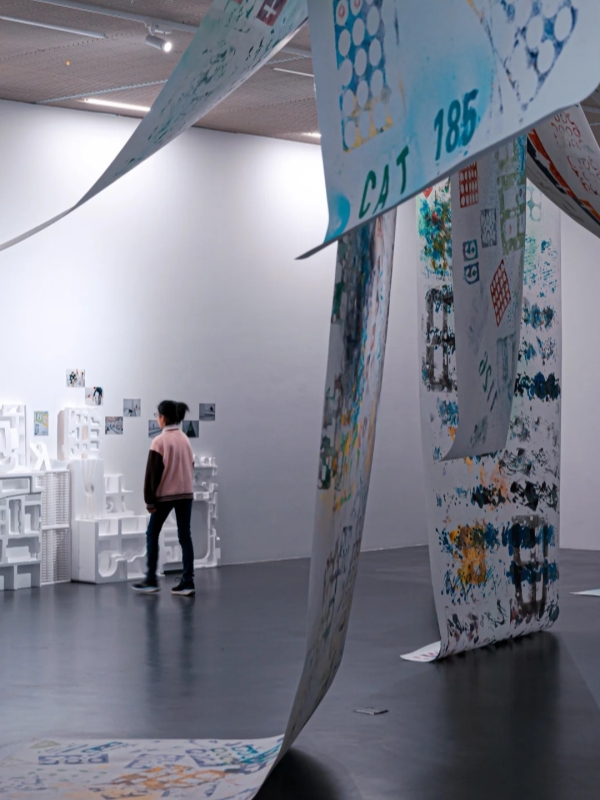
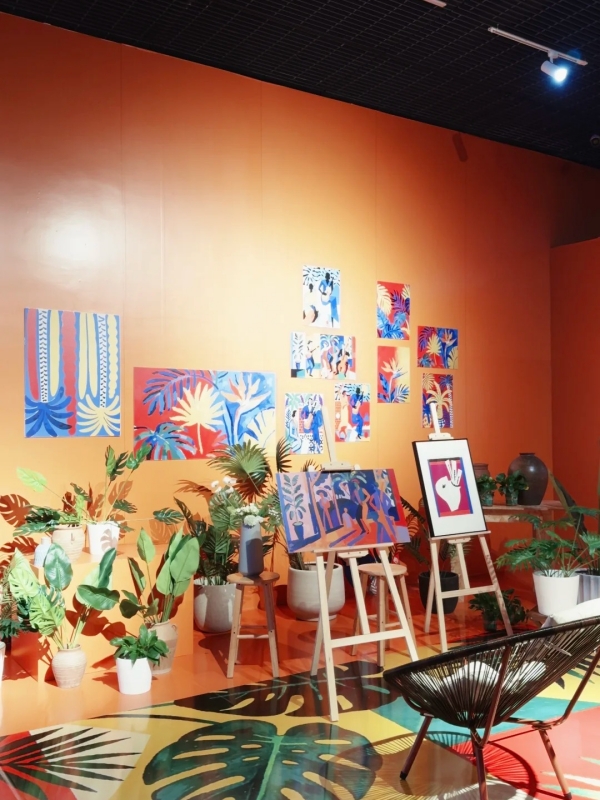
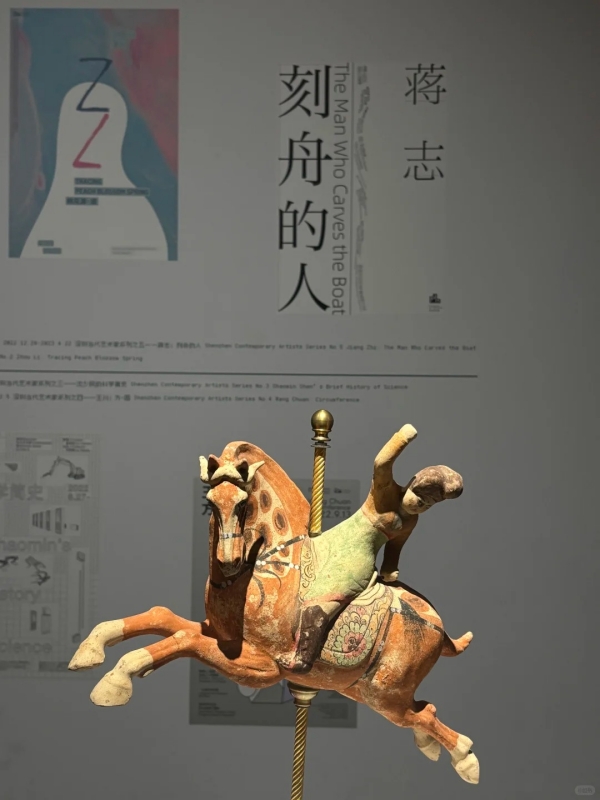
There’s a time of day at the Pingshan Art Museum that doesn’t make it into many travel listicles: the late afternoon light around 2:30, when winter sunlight comes to fit through the building’s carefully made ceiling cuts, filling the room in languid shapes that ooze across the bare-footed concrete walls. Vector Architects intended for the building to be the largest artwork in the room, and it is — a place of grey mass and geometry, hard in photos, riveting in person.
The museum opens Tuesday through Sunday, 9:00–17:00, and admission is free for the permanent collection. Exhibitions lean toward conceptual contemporary work that earns its difficulty. From Line 14 Pingshan Square Station Exit D, it's a four-minute walk. Combine it with the adjacent sky-bridge walk to the Exhibition Gallery — that elevated concrete passage between the two buildings is, honestly, worth the trip on its own.
| 📍 Address | Huanmei Road, Pingshan District |
|---|---|
| 🕐 Hours | Tue–Sun 09:00–17:00 (closed Mon) |
| 🎟️ Admission | Free (permanent collection); special exhibitions vary |
| 🚇 Nearest Station | Pingshan Square (Line 14, Exit D) |
Kengzi Culture Center: Modern and Hakka Mix
Kengzi Culture Center
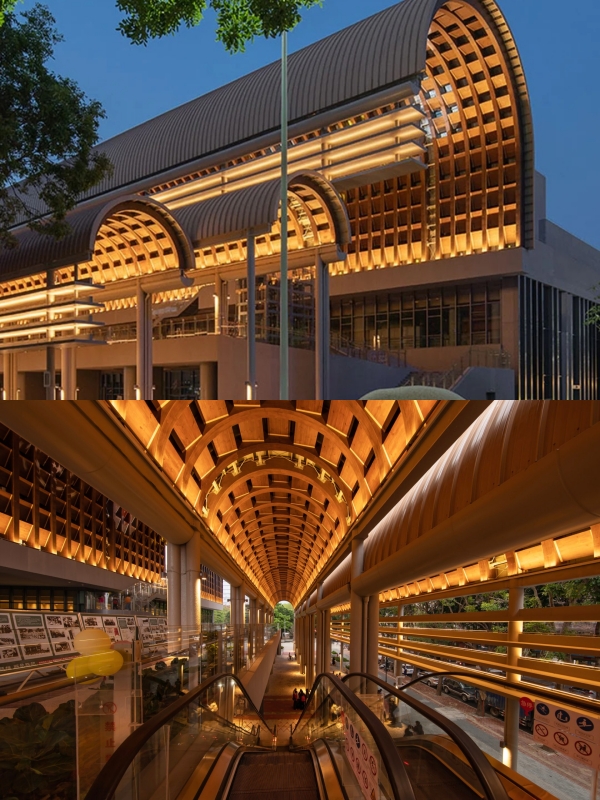
Opened in 2025, the Kengzi Science, Technology & Culture Center is the newest entry in Pingshan's cultural conversation — and its most visually startling one. The structure does something architecturally audacious: a massive timber public corridor winds overhead, connecting a sleek modern innovation park behind it to a centuries-old Hakka village called Laowai in front. Two buildings shaped — from the air, undeniably — like oversized egg rolls anchor either end.
The Cultural Hall already runs free public programs: dance workshops, calligraphy sessions, craft courses. The Science and Library halls were still completing fitout as of early 2026. The rooftop terrace is the building's best-kept photo secret: you get a single frame where contemporary laminated timber meets the traditional grey-tile village roofline below. From Line 14 Kengzi Station, take a taxi or rent a bike (about 1.6 km); cycling takes roughly eight minutes.
Pingshan Grand Theater: World Class Local Shows
Pingshan Grand Theater
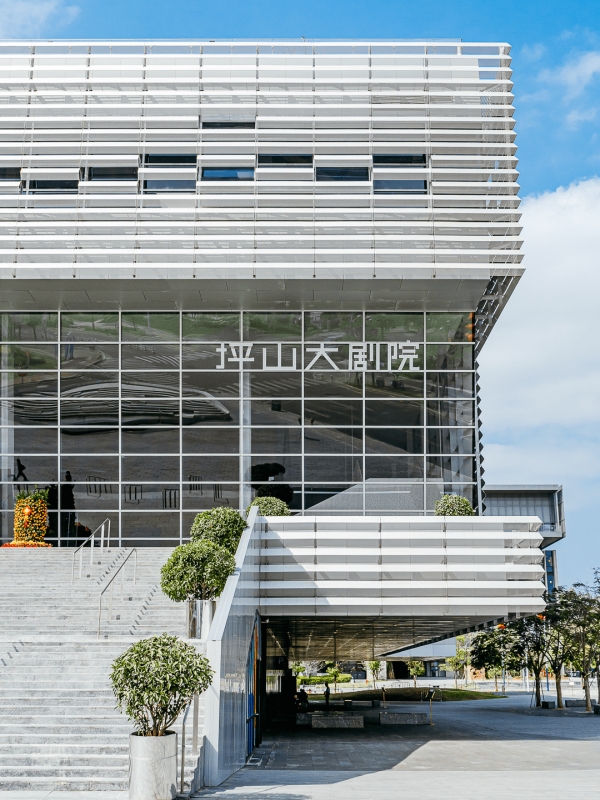
You might assume a theater this far from central Shenzhen would program safe crowd-pleasers. The Pingshan Grand Theater assumes the opposite. Its 1,200-seat main hall and 260-seat black-box stage have hosted the London West End production of Murder on the Orient Express, a Moiseyev Ballet run, and the world premiere of Crocodile — a new play written by Nobel laureate Mo Yan. The acoustics are serious; the programming is genuinely adventurous.
The building itself is worth seeing even if you're not catching a show. Its exterior reads as a silver theatrical box dropped at the edge of the park — understated from a distance, commanding up close. For tickets, follow the Pingshan Grand Theater official WeChat account (坪山大剧院). Popular productions sell out quickly, so check listings a few weeks ahead.
Nature Spots: Wild Mountains and Clean Air
Here's something Shenzhen doesn't advertise loudly enough: Pingshan Shenzhen sits against a mountain range that still has leopard cats in it. From the Art Museum, you can reach the roar of a waterfall in under thirty minutes. That proximity — urban institution to genuine wilderness — is one of Pingshan's defining qualities, and it doesn't take a serious hiker to experience it.
🥾 One-day nature and culture route: Morning at Maluan Mountain West Gate (Biling Waterfall Trail, 2–3 hrs) → Lunch at a farmhouse restaurant at the base → Afternoon at Pingshan Art Museum or Dawan Shiju.
Maluan Mountain: Green Trails and Big Waterfalls
Maluan Mountain
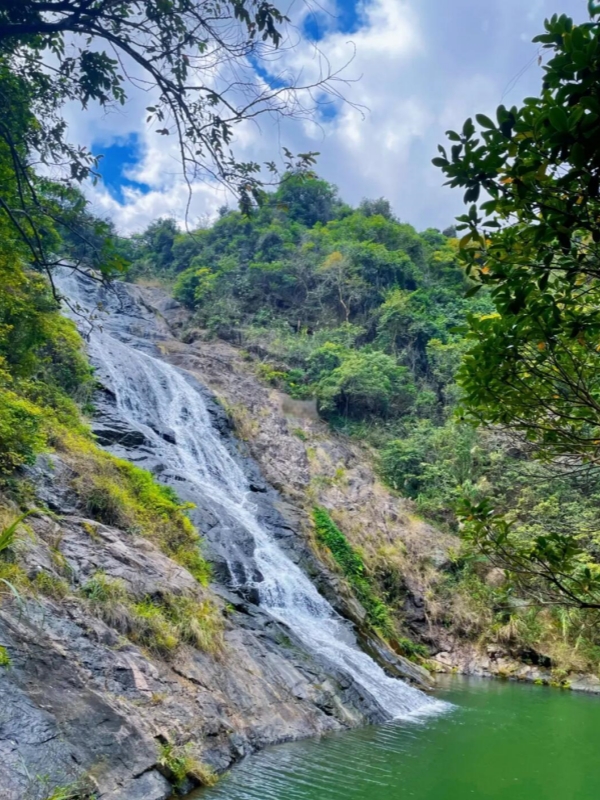
Biling Waterfall Trail (碧岭瀑布群步道) is Maluan Mountain’s most accessible trail, running along a stream uphill through subtropical secondary forest, with a series of waterfalls and plunge pools appearing intermittently as you hike through. It’s mostly flat, stone-paved in places, and genuinely beautiful whatever season you hike in — a rush to walk through when the summer rain has fallen making it roar and spray; precious the winter day when craggy stones brim lusciously in a moss-green hush.
🔑 Key practical details: The park is free. However, for the West Gate / Biling Entrance specifically, you may need to register via a QR code at the gate during public holidays. More importantly: if you're driving, private vehicles must book parking in advance through the WeChat public account "美丽深圳" (Meilidai Shenzhen). Don't skip this step — the car parks fill completely by 9:00 on holiday weekends. Without your own vehicle, take Line 14 to Jinlong Station and hail a taxi (around 10 minutes, ¥15–20).
| 📍 Recommended Entrance | West Gate (Biling Entrance) — not the South Gate |
|---|---|
| 🕐 Hours | Daily ~08:00–17:00 |
| 🎟️ Admission | Free |
| 🚇 Getting There | Line 14 Jinlong Station → taxi, ~10 min |
Dashanpi Greenway: Flat Lakeside Walking Paths
Dashanpi Greenway
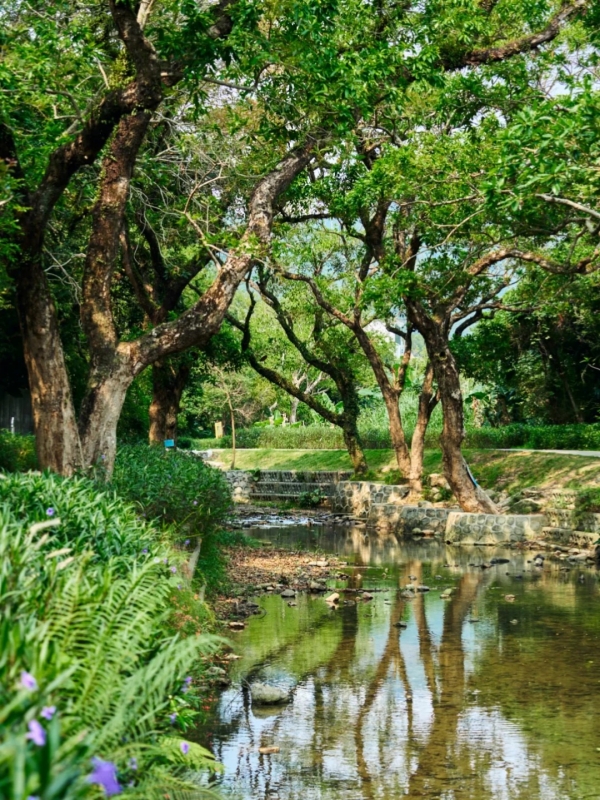
For something easier, try the Dashanpi Reservoir Greenway, which travels 6.8 kilometres around a shoreline that clearly won its landscape architecture award for good reason. The path is paved and flat—it’s running, cycling or pram-shoving friendly. Come in November or December, and the bald cypress grove on the eastern bank will turn a deep amber-red, the kind of colour subtropical cities rarely get to claim.
The Pingshan Balcony (坪山阳台) is a viewing platform built over the Zhinanbu Water Purification Plant — an unlikely piece of infrastructure that delivers one of the district's best panoramas: the Pingshan River threading through wetland below, and further east, the steel frame of the Shenzhen Museum of Natural History rising at a scale that will, by its projected 2027 completion, make it one of the largest natural history museums in Asia.
Wildlife Spotting: Local Cats, Birds and Newts
Wildlife in Pingshan
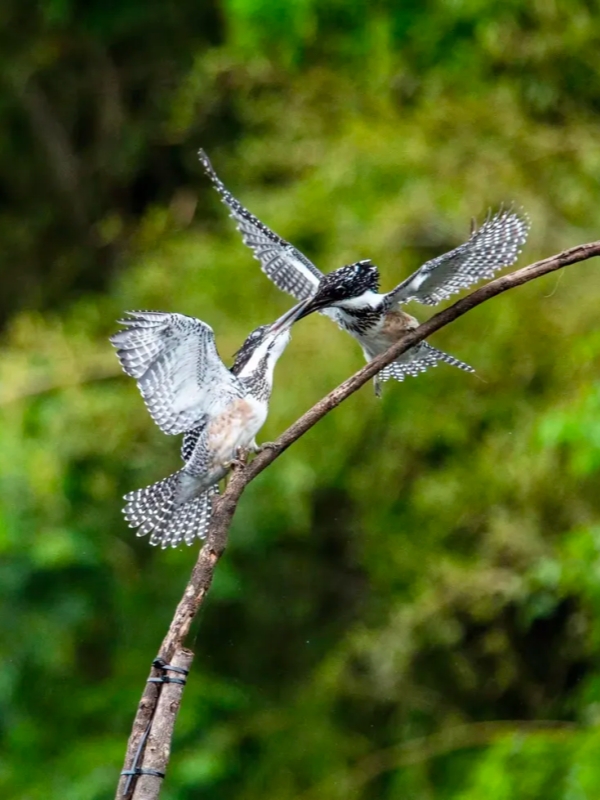
You won't find this section in any competing guide, but it's real: Pingshan's forests support over 1,000 recorded animal species and 1,900+ plant species. The government's own ecological data lists leopard cats (Prionailurus bengalensis) in the Tiantoshan range, Hong Kong newts (Paramesotriton hongkongensis) in the plunge pools along the Biling stream, and multiple egret species along the Pingshan River corridor.
🌅 Early morning — before 8:00 — is when you're most likely to encounter birds along the reservoir greenway. The Biling waterfall pools, visited mid-week in spring, offer the best chance of spotting the newts. Maluan Mountain's upper trails, though less developed, have credible leopard-cat sighting records from camera traps placed by local researchers. This isn't safari territory, but for wildlife-curious travelers, Pingshan offers more than almost any other Shenzhen district.
Local Food: Old Hakka Dishes and Cafes
-
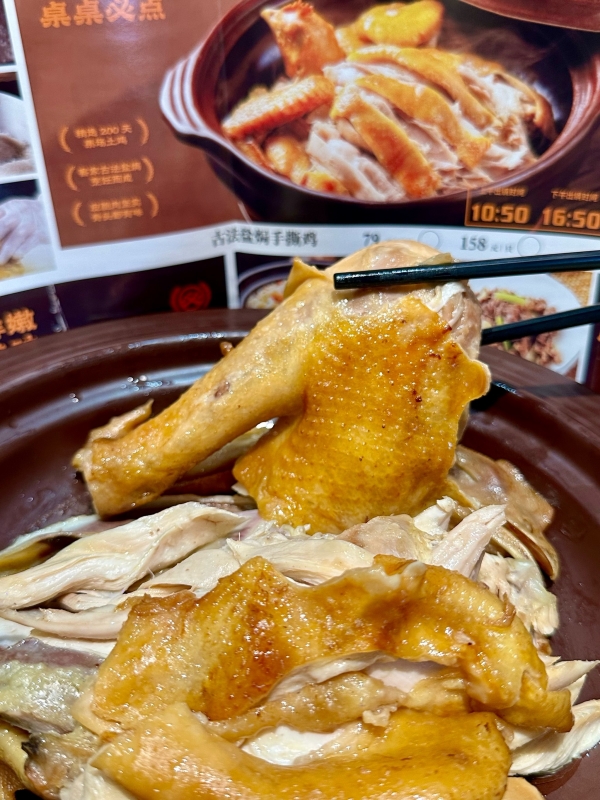
- Salt-baked Chicken
-
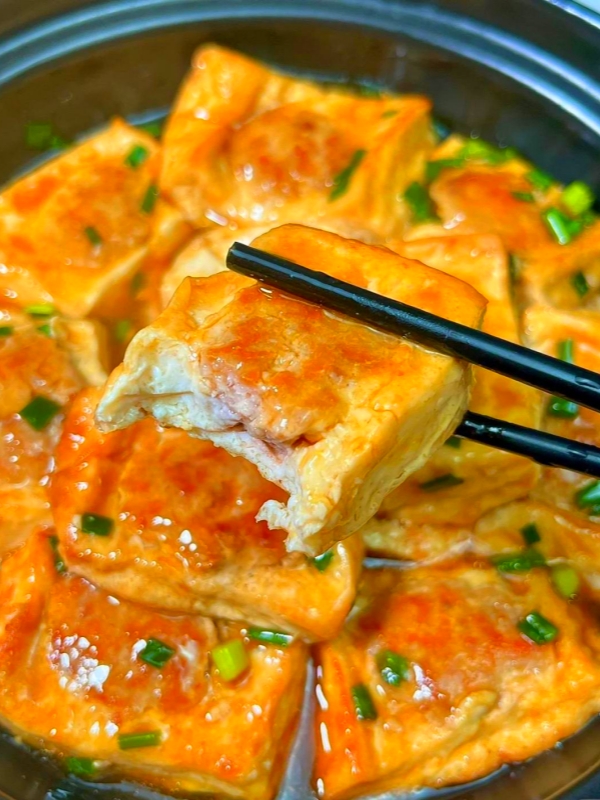
- Stuffed Tofu
-
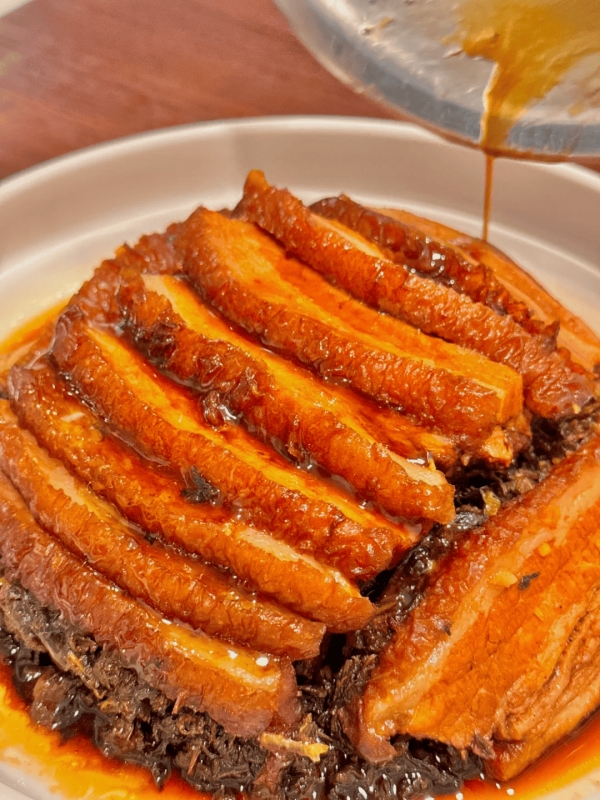
- Braised Pork with Mreserved Mustard Greens
Pingshan’s food scene is getting the same gentle revamp as its built form. You’ll find the old Miyazaki casting choice cachetnow fruiting through its new leaves — Hakka roots build layers of flavour on preserved ingredients and steeped concoctions rather than hot oil and flash. New arrivals, like the specialty coffee in the courtyard, Japanese izakayas next to roast-goose stalls that haven’t budged for thirty years, are growing through. You’ll never go hungry here. You just might eat very well.
Hakka Classics: Salt-Baked Chicken and Meat
Three dishes define the Hakka table in Pingshan, and they're worth understanding before you order.
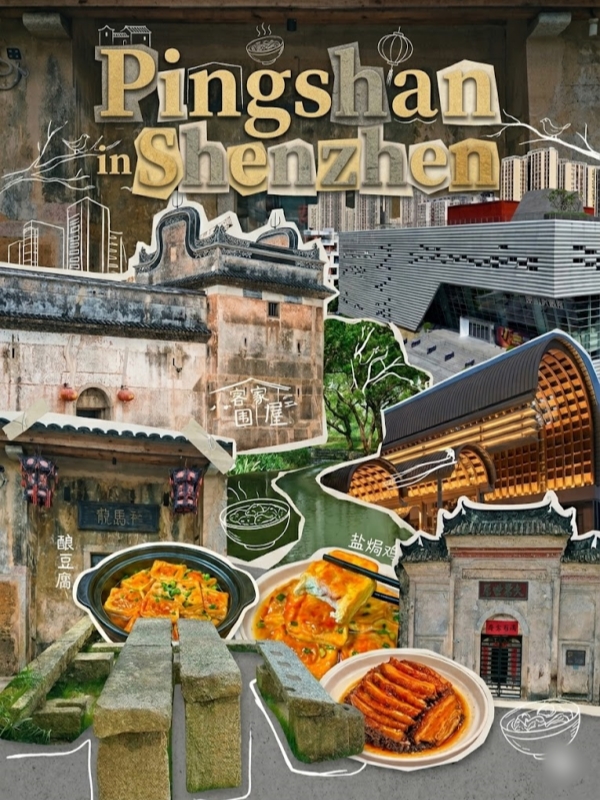
- Salt-baked chicken (盐焗鸡): The whole bird is wrapped in parchment and packed in hot salt — a slow-heat method that concentrates flavor into every fibre. The skin crisps; the meat stays juicy and picks up a saline depth that roasting alone can't produce. Order it whenever you see it.
- Stuffed tofu (酿豆腐): Soft tofu pockets are filled with seasoned ground pork and pan-fried until the exterior just catches color. It's simple and extraordinarily satisfying — the kind of dish that tastes like someone's grandmother is in the kitchen, because she probably is.
- Braised pork with preserved mustard greens (梅菜扣肉): Five-layer pork belly slow-steamed over Hakka dried mustard greens. The fat renders completely and the greens absorb it; the result is rich without being cloying. Order with plain rice.
For restaurants: Pinyan Private Kitchen (品宴私房菜) does refined versions of the classics with a reliable kitchen. Ziyuan Restaurant (紫园餐厅) in Longtian focuses on sourcing — their white-cut chicken and sauna chicken are the benchmarks locally. Liulian Restaurant (六联酒楼), open since 1981, is the old-guard option for full Hakka banquet cooking.
💡 Ordering tip for foreign visitors: Most kitchens in Pingshan don't have English menus. Use Google Lens or the built-in translate function in your phone camera to scan the menu — it works remarkably well for Chinese food terms. Pointing at neighboring tables' dishes is always a valid strategy.
| 💰 Budget guide | Estimated cost |
|---|---|
| Street food / canteen | ¥20–40 per person |
| Mid-range restaurant | ¥80–150 per person |
| Private kitchen / banquet | ¥200+ per person |
Modern Cafes: Good Coffee in Old Houses
For something that didn't exist in Pingshan five years ago: HAKKA客咖 is a specialty coffee shop built inside a restored Hakka courtyard house, with original blue-brick walls and an open skywell ceiling. It's the best example in the district of a renovation philosophy that's becoming common here — old architecture as venue rather than obstacle. The coffee is genuinely good; the midday light through the skywell is better.
At the Chaoshang Plaza development near Pingshan Centre Station, the Chaoyuehui retail strip has MANNER Coffee, a Tim Hortons, and Niao Peng izakaya for quick meals. It's corporate-chain territory, but convenient.
On Pingshan Old Street, don't miss General Roast Goose (将军烧鹅) — a stall that's been operating for close to thirty years. The skin is lacquered and crackling; the meat holds moisture. Go before 12:30; it sells out. Alin Private Kitchen (阿林私房菜) nearby is a local favorite for Huazhou-style poached chicken (化州香油鸡) and white-cut pig's trotter — slightly unusual ingredients for foreign palates, but worth the experiment.
Travel Guide: Transport and Hotel Tips
Transit Options: Fast Metro and SkyShuttle Lines
Metro is the most reliable option. Line 14 is the spine:
| Route | From | To | Time | Approx. Fare |
|---|---|---|---|---|
| Line 14 Express | Gangxia North (Futian) | Pingshan Centre | ~50 min | ¥12–15 |
| Line 16 | Liuyue (transfer from Line 14) | Pinghuan (Dawan Shiju) | ~20 min addl. | ¥4–6 |
| SkyShuttle Line 1 | Pingshan HS Rail Station | BYD North | ~20 min full run | ¥2–4 |
High-speed rail: Shenzhen Pingshan Station (深圳坪山站) is on the Xiamen–Shenzhen intercity line. From Shenzhen North Station, it's approximately 20 minutes — useful for visitors arriving from Guangzhou, Xiamen, or other regional cities.
Driving: Out-of-province plates are subject to Shenzhen's restriction zones. Check current rules before driving into the district. For Maluan Mountain, mandatory parking reservation via "美丽深圳" WeChat account applies on public holidays — this is not optional.
Attractions vs. nearest station:
| Attraction | Nearest Metro/SkyShuttle | Walk Time |
|---|---|---|
| Pingshan Art Museum | Line 14 Pingshan Square (Exit D) | 4 min |
| Pingshan Grand Theater | Line 14 Pingshan Square | 6 min |
| Dawan Shiju | Line 16 Pinghuan (Exit A1) | 10 min |
| Kengzi Culture Center | Line 14 Kengzi Station + taxi/bike | ~10 min |
| Changshou Dramaville | Line 16 Dongzong Memorial Hall + bus M575/964 | ~20 min |
| Maluan Mountain (West Gate) | Line 14 Jinlong + taxi | ~10 min |
Hotel Guide: Top Chains and Local Rooms
| Area | Type | Price range (per night) | Best for |
|---|---|---|---|
| Chaoshang Plaza / Pingshan Centre | International (Hilton Garden Inn) | ¥500–900 | Business travelers, couples |
| Pingshan Centre Station area | Mid-range chains (Jigang, Atour) | ¥250–450 | Most independent visitors |
| Kengzi / Maluan Mountain area | Budget guesthouses | ¥120–200 | Hikers, budget travelers |
The Hilton Garden Inn Shenzhen Pingshan, which opened in late 2025, is the most comfortable option and the first internationally-branded hotel in the district. For budget travelers, guesthouses near the Kengzi or Jinlong stations are clean and close to the mountain trailheads.
Foreigner Tips: Easy Language and Payment Help
| Challenge | Solution |
|---|---|
| 💬 Language | English is limited even in cultural venues. Use Google Translate camera mode for menus, signs, and schedules. Most staff will try; patience goes further than loudness. |
| 💳 Payment | WeChat Pay and Alipay are standard. Foreign passport holders can now link international cards to Alipay directly (policy updated 2023) — set this up before you arrive. Carry ¥200–300 in cash as backup. |
| 🗺️ Navigation | Gaode Maps (高德地图) or Baidu Maps for real-time transit and walking. Google Maps works for overview but misses bus and real-time metro data in China. |
| 🚌 Parking / Park Access | For Maluan Mountain, book parking 48 hours ahead via the "美丽深圳" WeChat account. For BYD headquarters, individual visits are not possible — group bookings only via corporate application. |
🆘 Emergency contacts: Police 110 · Ambulance 120 · Tourist hotline 12301.
FAQs: Basic Questions for Pingshan Trips
Q: Is Pingshan Shenzhen worth visiting for tourists?
Absolutely — but it rewards travelers who are willing to look beyond the obvious. Pingshan Shenzhen is not a single-attraction destination. The combination of the Pingshan Art Museum, Changshou Dramaville, Dawan Shiju, and Maluan Mountain creates a full day of genuinely varied experiences. If you're in Shenzhen for more than 48 hours, a day or half-day in Pingshan will likely be the most surprising part of your trip.
Q: How do I get from central Shenzhen to Pingshan?
The fastest route from central Shenzhen to Pingshan uses Line 14 express, departing from Gangxia North (岗厦北) in Futian. The journey to Pingshan Centre Station takes approximately 50 minutes and costs ¥12–15. Buy your ticket via the Shenzhen Metro app or tap in with Alipay. Line 16 branches off from Line 14 at Liuyue and covers the district's inner attractions like Dawan Shiju.
Q: Can individual tourists visit BYD headquarters in Pingshan Shenzhen?
Not currently. BYD's global headquarters in Pingshan Shenzhen is restricted to pre-booked group visits — schools, corporate delegations, institutional partners. Individual walk-in access is not available. If you're determined to experience BYD technology, ride the SkyShuttle (BYD-built), visit the Denza & Fangcheng Leopard flagship showroom adjacent to the campus, or photograph the Hexagonal Tower from the public perimeter road.
Q: Is English widely spoken in Pingshan?
Less so than in Futian or Nanshan. Cultural venues (the Art Museum, the Grand Theater box office) have some English-speaking staff, but restaurants, transport staff, and local shops generally do not. The practical workaround is reliable: use Google Translate camera mode for signs and menus, use Gaode Maps for navigation, and use Alipay for payment. Most locals are patient and willing to help even without a shared language.
Q: What is Hakka culture and why does it matter in Pingshan?
Hakka people are a Han Chinese subgroup historically associated with migration — their name literally means "guest families." After the Qing dynasty forcibly relocated coastal communities in the 1660s and then permitted resettlement decades later, Hakka families rebuilt in the Pearl River Delta using fortified communal compounds as their architectural signature. In Pingshan Shenzhen, 102 of the district's 114 registered heritage sites are directly tied to this Hakka history — making the area one of the most intact Hakka cultural landscapes in Guangdong Province.
Q: When is the best time to visit Pingshan Shenzhen?
October through March is ideal for most activities. Temperatures are mild (15–22°C in peak winter), humidity drops, and the air quality is at its cleanest. May through September brings the waterfall season — Maluan Mountain is at its most dramatic after heavy rain — but heat, humidity, and mosquitoes are real considerations. Avoid Golden Week holidays (October 1–7, Chinese New Year) if you want uncrowded hiking; Maluan Mountain's parking fills completely and online reservations are mandatory.
Q: Is Pingshan safe for foreign travelers?
Yes. Pingshan Shenzhen is consistently ranked among Shenzhen's safest districts. Standard urban precautions apply, but there are no specific areas or situations that require special concern for foreign visitors. The usual advice holds: keep an eye on your phone in crowded areas, use registered ride-hail apps (Didi) rather than unmarked taxis, and note emergency numbers: police 110, ambulance 120.
Q: How many days should I spend in Pingshan?
Half a day covers the Art Museum and Exhibition Gallery well. A full day allows you to add either Dawan Shiju and the Old Street (cultural route) or Maluan Mountain (nature route). Two days enables the complete experience — art, Hakka heritage, wilderness, and a SkyShuttle ride. Pingshan also pairs naturally with a day-trip to Dapeng Peninsula (accessible via Line 16 to Kengfang Station, then bus), making an excellent two-day eastern Shenzhen itinerary.
Q: Is Pingshan Art Museum free to enter?
The permanent collection at Pingshan Art Museum is free, open Tuesday through Sunday from 9:00 to 17:00. Special exhibitions at the adjacent Pingshan Exhibition Gallery are separately ticketed, typically ¥68–128 per person depending on the show. Check both venues' WeChat accounts for current programs — the galleries update their schedules regularly and some exhibitions have timed-entry slots.
Q: What should I eat in Pingshan Shenzhen?
Start with the Hakka staples: salt-baked chicken, stuffed tofu, and braised pork with preserved mustard greens. General Roast Goose (将军烧鹅) on Pingshan Old Street has been operating for nearly thirty years and sells out by lunchtime — arrive early. For a more refined meal, Pinyan Private Kitchen (品宴私房菜) does creative updates on Hakka classics. Budget roughly ¥80–150 per person for a sit-down meal; street food and canteen options come in at ¥20–40.