Cool Cities in China:World-Famous Attractions, Distinct Regional Flavors & Breathtaking Natural Landscapes
China has hundreds of cities, many of which have their own pulse — 660 to be exact. Some are even “cool”. By “cool” we don’t mean trendy or hipster. We mean the kind of city where you can learn something from the historical bones, feel the thrum of life that belongs to locals and travelers alike, and rest easy that the needs of a foreign traveler are taken care of. Cities where the history is not shut away in a museum, where street food ignites conversation, where you don’t feel dislocated no matter how lost you become — even if you don’t speak Chinese. These are China’s cool cities.
But discovering those cities is challenging. Before my first trip, I was inundated with contradictory counsel: “Beijing is a must,” “Skip Beijing, go to Chengdu!”, “Don’t miss Shanghai,” “Shanghai is too Western.” I arrived in Beijing with a headache, not a plan. Then I took a gondola across the Yangtze River in Chongqing at sundown while the megacity fanned out around me like origami. And I realized: The best cities don’t shout. They show you something unexpected. By the end of this guide, you’ll know if China has a city that fits your travel style, budget, and timeline. No more guess.
Quick Overview
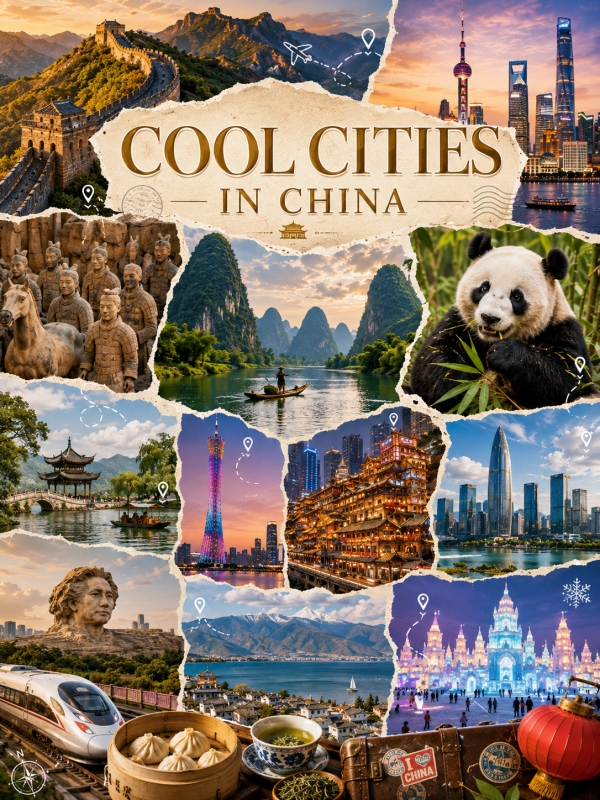
Before diving in, here's a quick snapshot of all 12 cool cities in China covered in this guide.
NO 1. Beijing
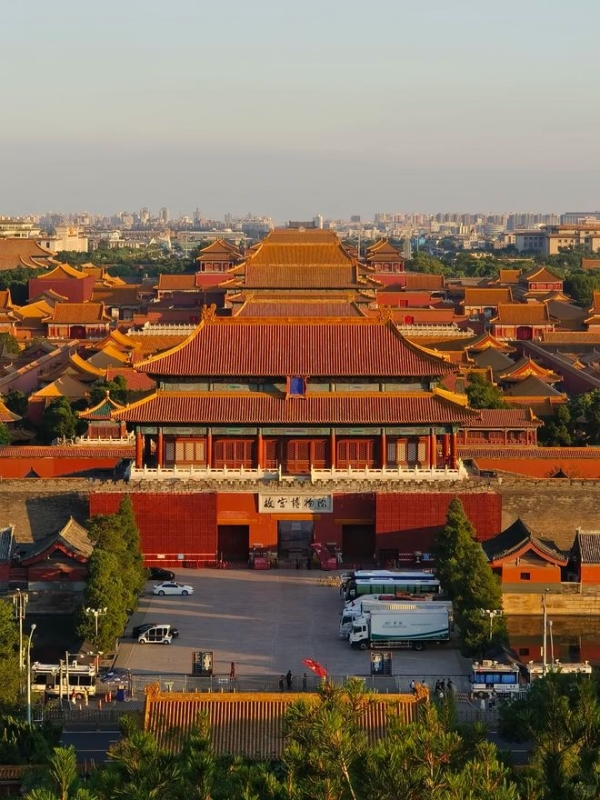
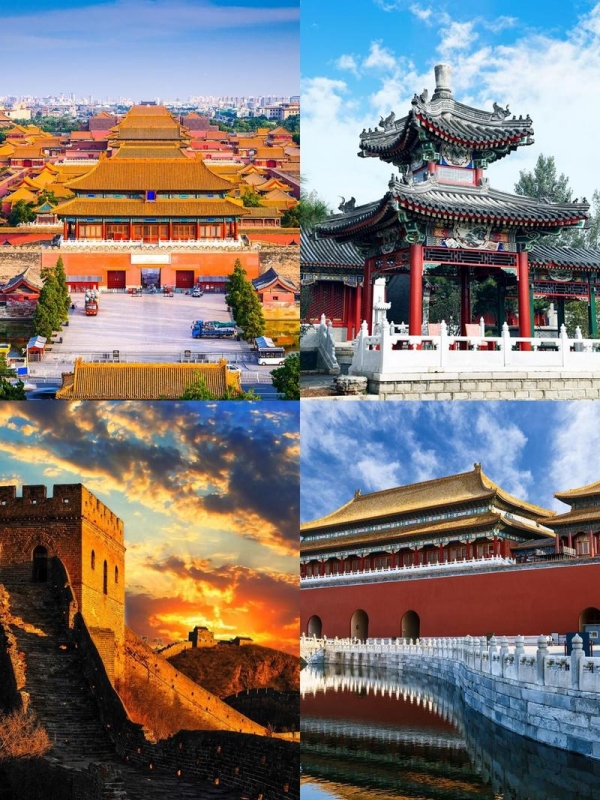
Forbidden City
What Makes It Cool
Beijing’s cool is contrast, ancient imperial majesty next to the funky 798 Art District. Impossible and yet a human scale — a hutong breakfast for ¥8, then an hour in a 9,999-room palace.
No other Chinese city compresses this much history into a single subway ride. For the full Beijing experience, dive into our full guide to things to do in Beijing.
Top Attractions
-
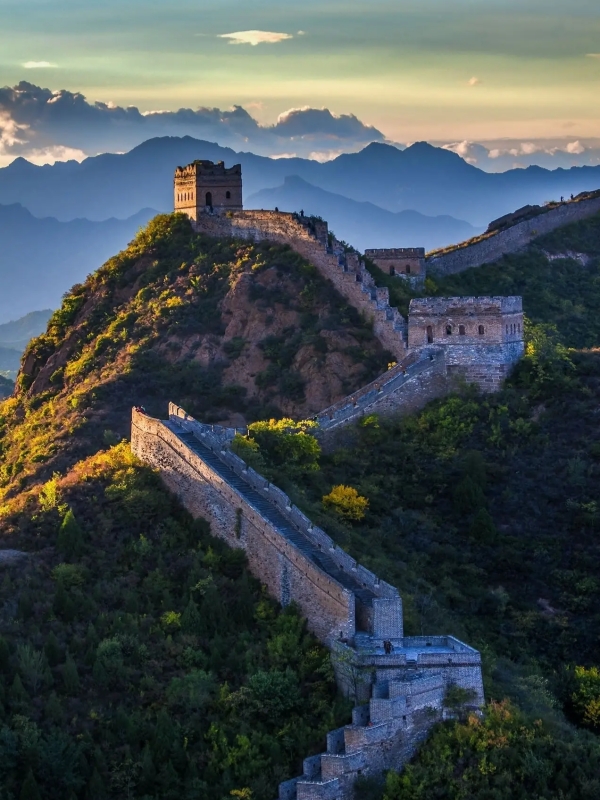

- Great Wall
-
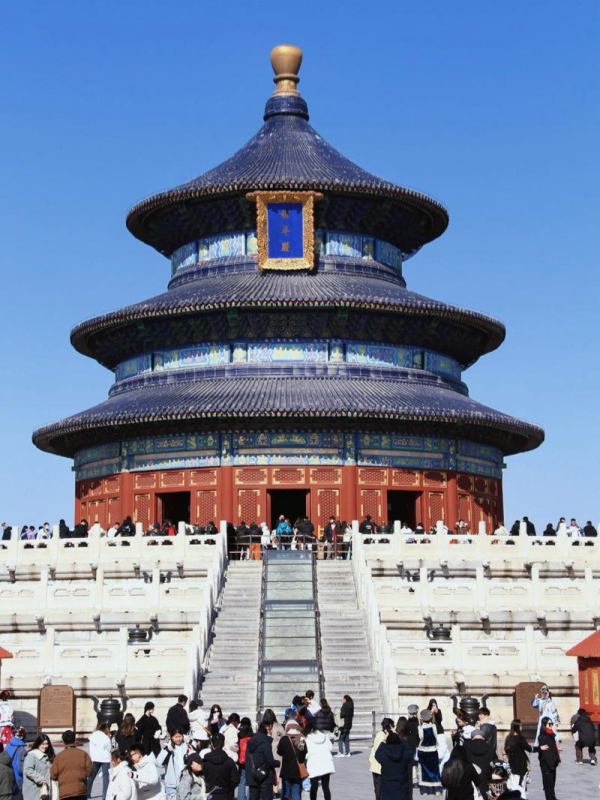
- Temple of Heaven
-
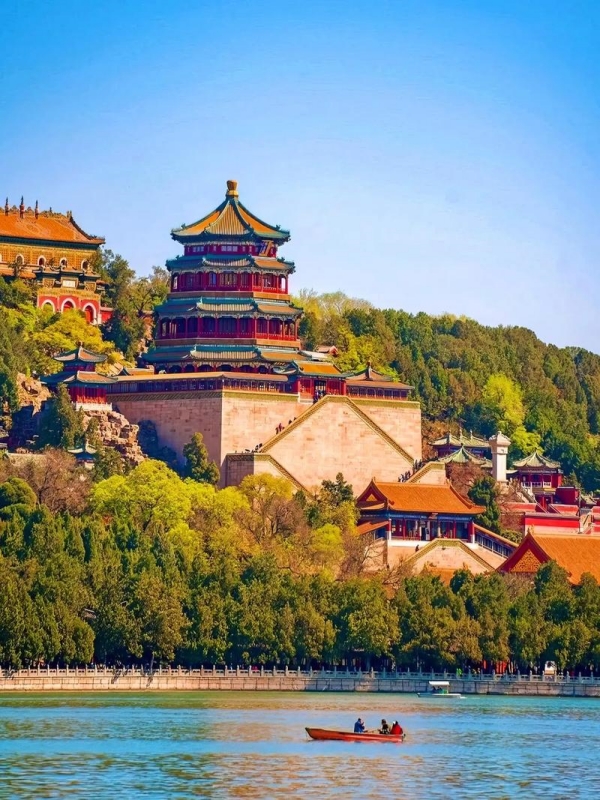
- Summer Palace
Beijing isn't just China's capital — it's the most historically layered of all cool cities in china, where 5,000-year-old alleyways run parallel to Olympic-era towers.
- 🏯 Forbidden City (故宫): World's largest collection of ancient wooden buildings; peak-season tickets ¥60 (Apr–Oct), off-peak ¥40 (Nov–Mar); closed every Monday except public holidays; book up to 7 days ahead via dpm.org.cn or the official WeChat mini-program; passport required at entry.
- 🧱 Great Wall at Mutianyu: Best section for foreign visitors — fewer crowds than Badaling; entry ¥45 adult / ¥25 student; shuttle bus ¥15 one-way; cable car ¥100 single or ¥140 return; allow 1.5–2 hours door-to-door from the city center.
- 🌅 Temple of Heaven: 15th-century imperial altar; park entry ¥15 off-peak / ¥34 peak; combined ticket covering the main ceremonial halls approximately ¥34–35; tai chi in the outer park grounds is free and best before 9am.
- 🌿 Summer Palace (颐和园): UNESCO imperial garden; rent a rowboat on Kunming Lake; entry ¥40.
- 🏘️ Hutong alleys: Free to explore; Nanluoguxiang for atmosphere, Dashilar for authentic old Beijing vibes; best on foot or by rented bike.
Practical Info
- Best time to visit: Apr–May and Sep–Oct — clear skies, mild temperatures, and manageable crowds.
- Avoid: Jan–Feb (sub-zero temperatures) and the first weeks of May 1 and Oct 1 Golden Weeks (extreme crowds at every major site).
- Getting there: High-speed rail from Shanghai in approximately 4.5 hours (¥553 2nd class).
- Foreign-friendly: ★★★ — English signage at major sites; subway has an English interface throughout.
- Where to stay: Stay near Wangfujing or Qianmen for walking access to the Forbidden City and hutongs. Sanlitun suits those who want nightlife and international restaurants. Budget travelers should consider hutong courtyard hostels — sleeping inside a grey-brick alley is half the reason to come to Beijing.
💡 Insider Tip: The Forbidden City is closed every Monday — plan your entire week around this. Book tickets at least 3–7 days ahead via dpm.org.cn; slots sell out on weekends and public holidays without exception.
NO 2. Shanghai
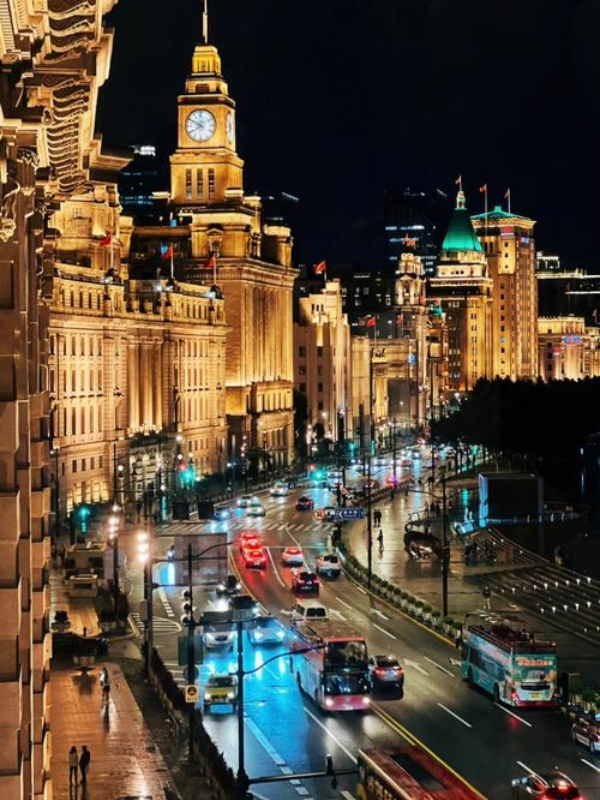
The Bund
What Makes It Cool
Shanghai is faster than any city in China, and better dressed than most cities in the world. It is the only place where you can eat exquisite handmade dumplings at a hole-in-the-wall for ¥10 and walk up into a rooftop cocktail bar overlooking a Manhattan-caliber skyline, all on the same block.
The real insider move? Skip Wukang Road's tourist crush and walk into Anfu Road or Xinhua Road instead — that's where the authentic French Concession neighborhood still breathes. For more hidden gems, see our guide to unusual things to do in Shanghai.
Top Attractions
-
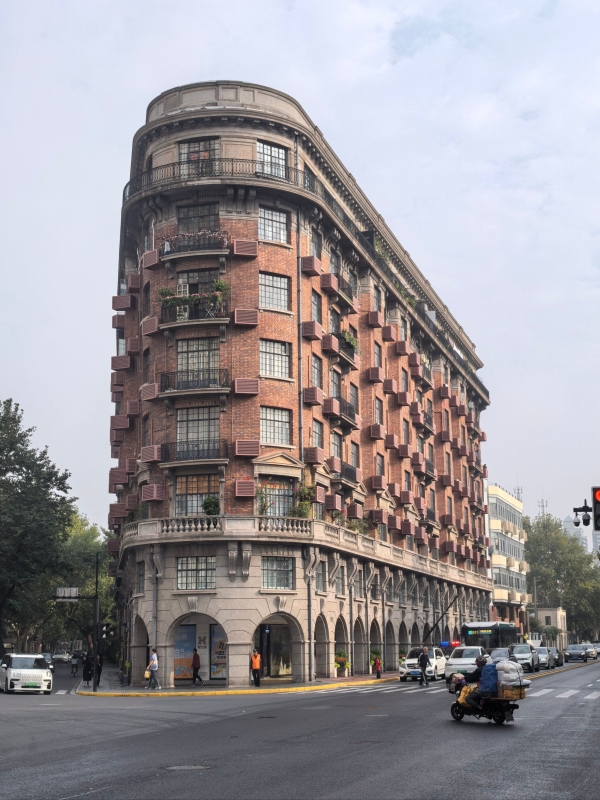
- French Concession
-
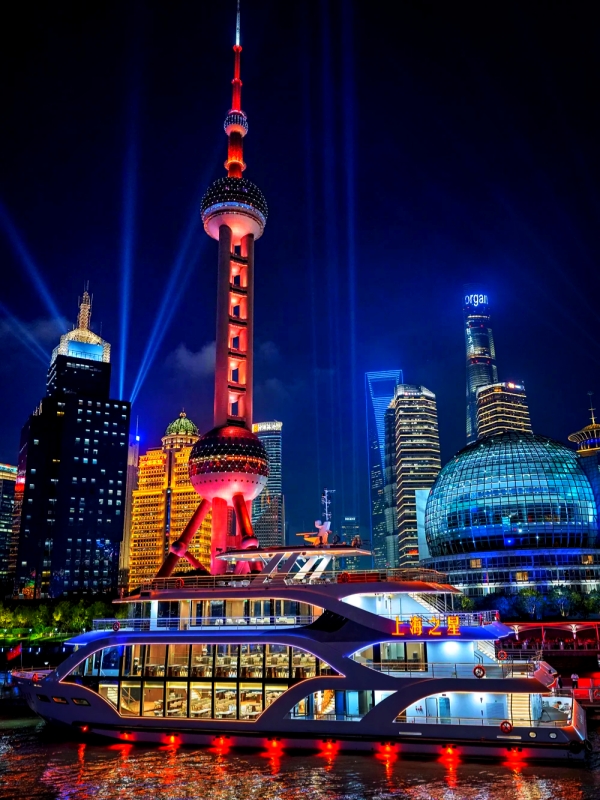
- Huangpu River Night Cruise
-
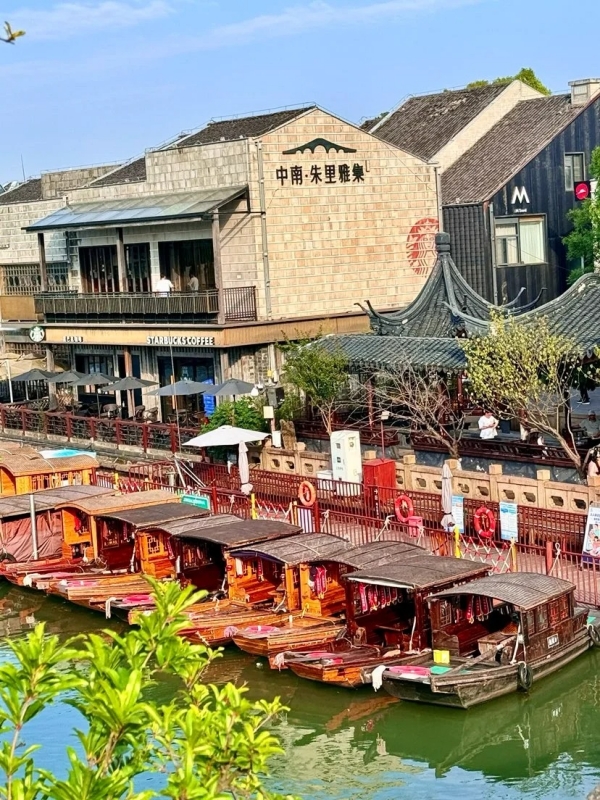
- Zhujiajiao Ancient Town
Shanghai is the most cosmopolitan of all cool cities in china — a place where 1920s Art Deco jazz bars hide behind WeChat-era skyscrapers, and every neighborhood tells a different century's story.
- 🌇 The Bund (外滩): Iconic waterfront promenade with colonial buildings facing Pudong's skyline; free; best at sunset or post-9pm for neon reflections on the river.
- 🌳 French Concession (法租界): Tree-lined streets, indie cafes, boutiques; walk Anfu Road and Xinhua Road for genuine local atmosphere; Wukang Road is photogenic but perpetually crowded.
- 🏡 Yu Garden (豫园): Classical Ming garden with carved woodwork and koi ponds (adult ¥40 / student ¥20); note that Yu Garden (paid) and the City God Temple commercial zone (free) are adjacent but entirely separate — last entry time applies; go before 9am to beat crowds.
- 🚢 Huangpu River Night Cruise: 70-minute cruise past the Bund and Pudong's glowing skyline (¥100–150/person); book in advance for weekend slots.
- 🛶 Zhujiajiao Water Town (朱家角): 45-minute drive from the city; canal gondola rides and ancient bridge photography; free town entry — an ideal 1-day trip.
Practical Info
- Best time to visit: Mar–May and Sep–Nov — warm but not humid, with decent air quality.
- Avoid: Jul–Aug (35°C+ heat and heavy smog).
- Getting there: High-speed rail from Beijing in approximately 4.5 hours; from Hangzhou in approximately 1 hour (¥73).
- Foreign-friendly: ★★★★ — Highest English proficiency in mainland China; Alipay and WeChat Pay both support foreign Visa and Mastercard.
- Where to stay: The French Concession (Xuhui/Jing'an districts) puts you within walking distance of the best cafes, bars, and boutiques. The Bund area suits luxury hotels with skyline views. Hongqiao is convenient if arriving by high-speed rail but feels detached from the action.
💡 Insider Tip: Shanghai South Bund Fabric Market (南外滩轻纺面料市场, Lujiabang Rd 399) can tailor suits from roughly $100–$250 depending on fabric and detail. However, quality varies enormously — compare at least 3 vendors, agree on fabric weight and lining specs in writing, and allow 1–2 days for at least one fitting. Don't follow anyone to a "warehouse" off-site.
NO 3. Xi'an
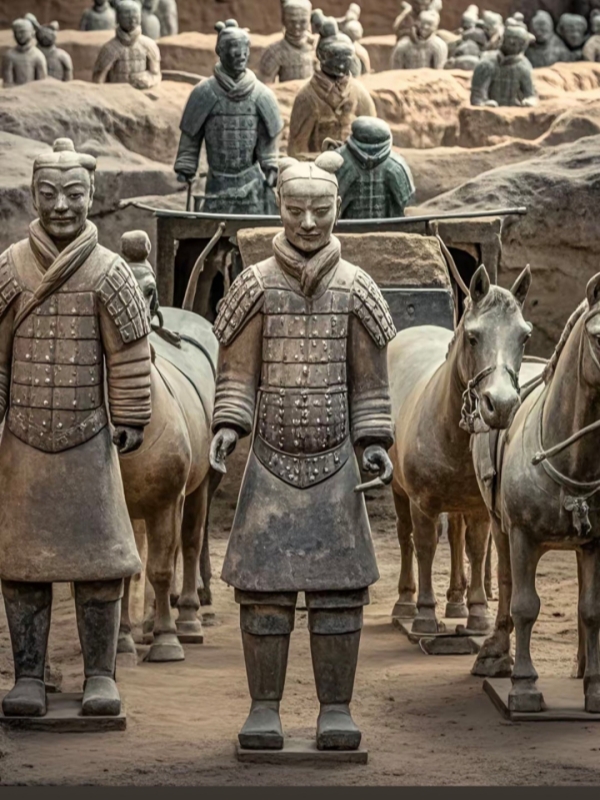
Terracotta Warriors
What Makes It Cool
Xi'an is the only major Chinese city with its towering ancient wall completely intact — you can literally bicycle the circuit of a 14th-century capital in two hours. And the Muslim Quarter has something no other city has: a living Silk Road neighborhood with under Arabian calligraphy glowing Farsi in red lantern light at midnight.
Don't miss our full guide to things to do in Xi'an for day-by-day planning.
Top Attractions
-
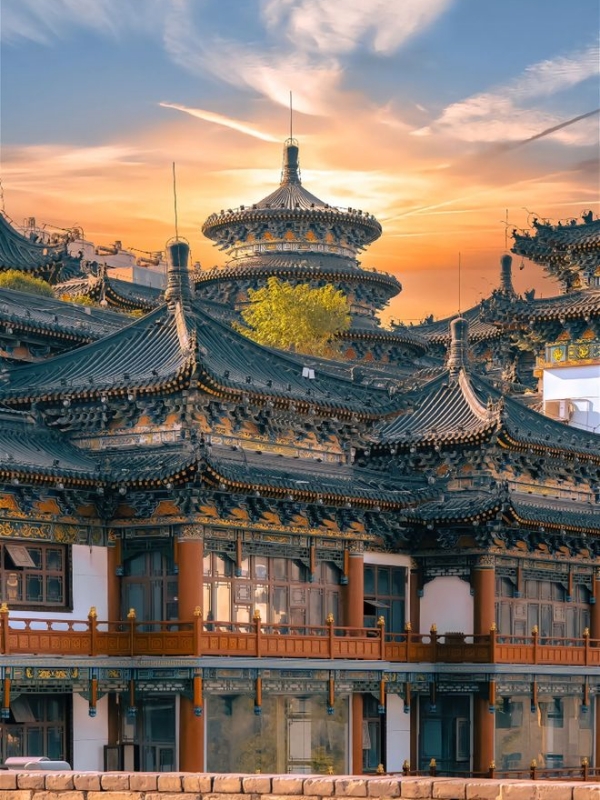
- Ancient City Walls
-
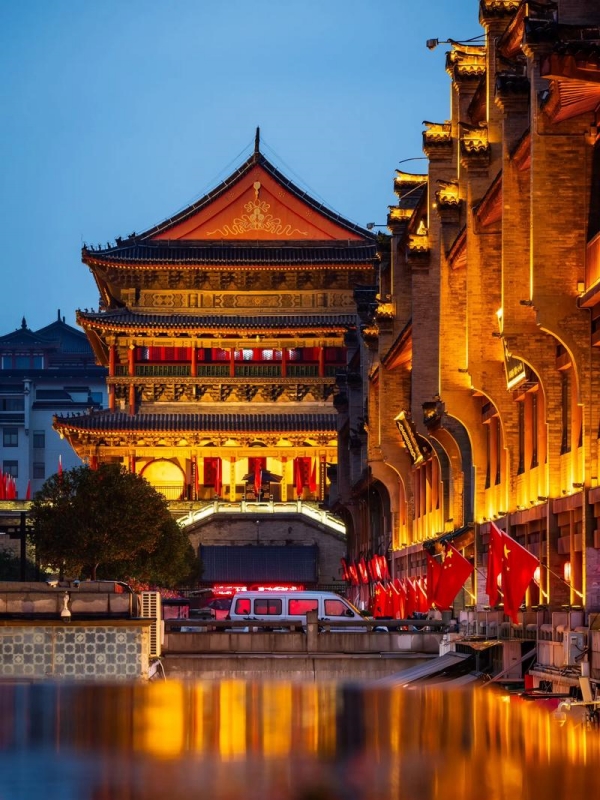
- Bell Tower & Drum Tower
-
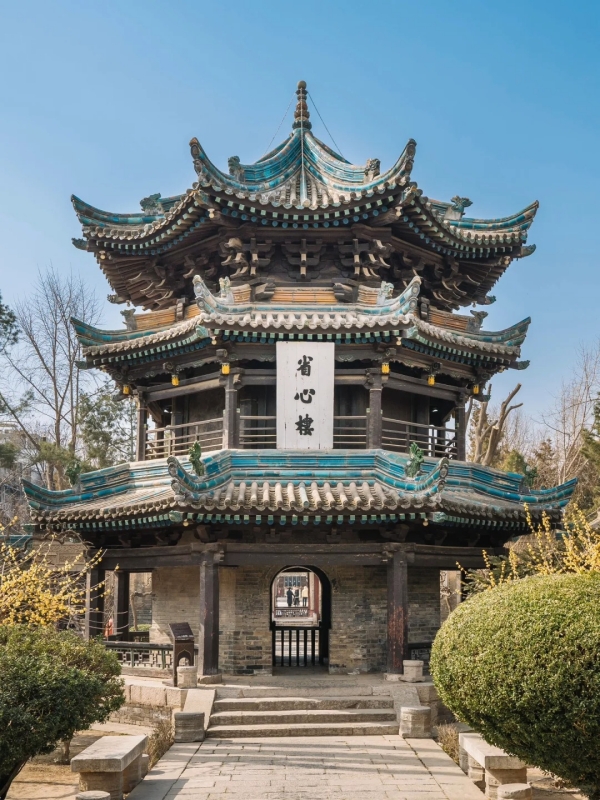
- Great Mosque
Xi'an is where China's imperial story begins — this Silk Road capital is home to the world's most jaw-dropping underground army and the country's best-preserved ancient city walls.
- ⚔️ Terracotta Warriors (兵马俑): 8,000+ life-sized clay soldiers from 221 BC; tickets ¥120 (includes Lishan Garden); real-name registration required — book via bmy.com.cn or the official WeChat account and collect with your passport; allow approximately 1 hour door-to-door from the city center.
- 🏰 Ancient City Walls (古城墙): Cycle the full 14km loop on top (approximately 2 hours); entry plus bike rental ¥98; best in early morning mist before tour groups arrive.
- 🍢 Muslim Quarter (回民街): Best after 8pm when vendors hit full swing; cumin lamb skewers, rou jia mo (肉夹馍), cold noodles; skip the main drag — walk 5 minutes northwest to Sajinqiao (洒金桥) or into Dapiyuan (大皮院) for the same food at half the markup.
- 🔔 Bell Tower & Drum Tower: 14th-century landmarks at the city's historic crossroads (¥35 combo ticket).
- 🕌 Great Mosque (清真大寺): One of China's oldest mosques with stunning Islamic-Chinese hybrid architecture (¥25 peak / ¥15 off-peak); non-Muslims may visit the courtyards but not the main prayer hall; dress code — knees and shoulders covered; restricted access during Friday noon prayers (approximately 12:00–14:00).
Practical Info
- Best time to visit: Mar–May and Sep–Nov — spring blossoms and autumn clear skies are both exceptional.
- Avoid: Chinese New Year (Feb) and Oct Golden Week — both cause sites to sell out fast.
- Getting there: High-speed rail from Beijing in approximately 4.5 hours; from Shanghai in approximately 5.5 hours.
- Foreign-friendly: ★★★ — Major sites have English signage; Muslim Quarter vendors know basic English; most payment is now via Alipay or WeChat — set these up in advance.
- Where to stay: Inside or just outside the city walls is the best base — walking distance to the Bell Tower, Muslim Quarter, and the main historic lanes. Budget guesthouses cluster around South Gate (南门); mid-range hotels on Jiefang Road balance location and price well.
💡 Insider Tip: The Terracotta Warriors require real-name booking — register your passport details at bmy.com.cn before arriving. For Muslim Quarter food, skip the tourist main street entirely and head to Sajinqiao (洒金桥), 5 minutes northwest — same dishes, no markup.
NO 4. Chengdu
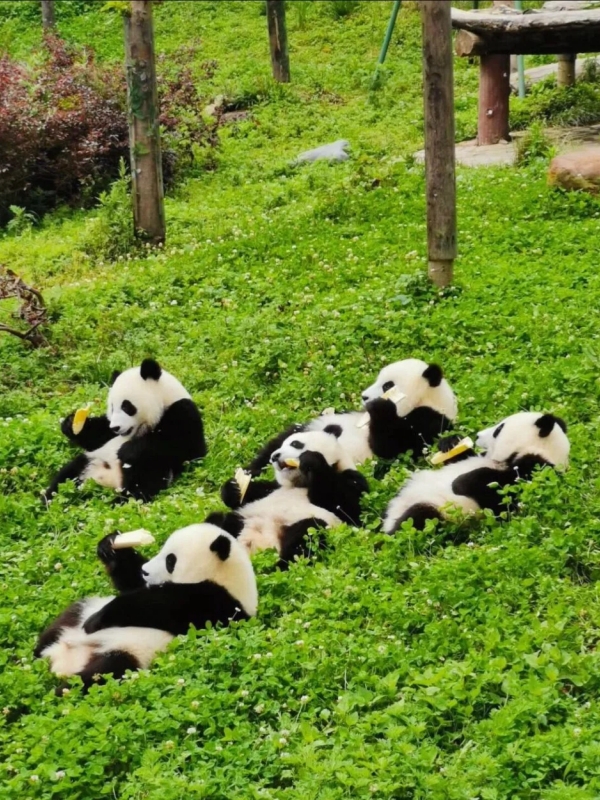
Giant Pandas of Chengdu
What Makes It Cool
Chengdu is the only city in China where stopping to chill feels appropriate. The Chengdu personality — relaxed, drinking tea, playing mahjong — bleeds into everything. Even its food scene, which is quite possibly the best in China.
Add the world's most accessible giant panda experience and it's easy to see why this city keeps climbing every cool cities in china list. Plan your visit with our full guide to things to do in Chengdu.
Top Attractions
-
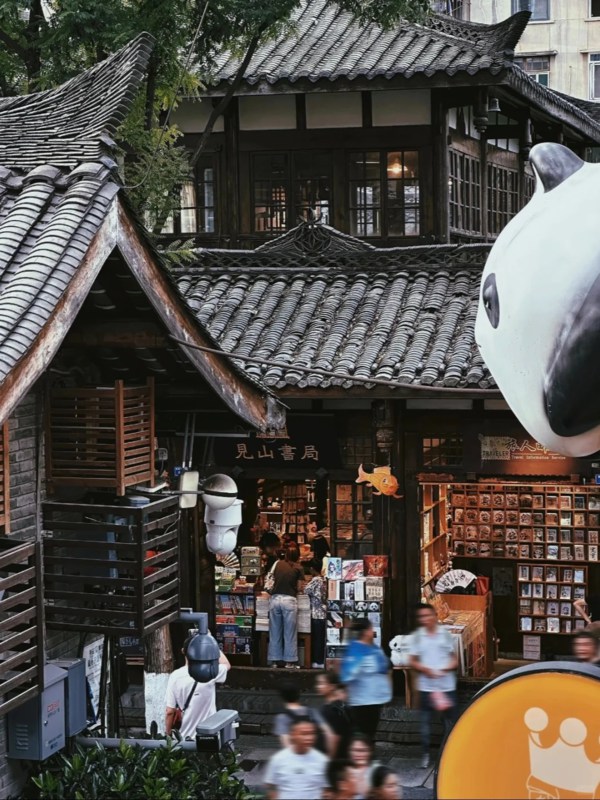
- Kuan Alley and Zhai Alley
-
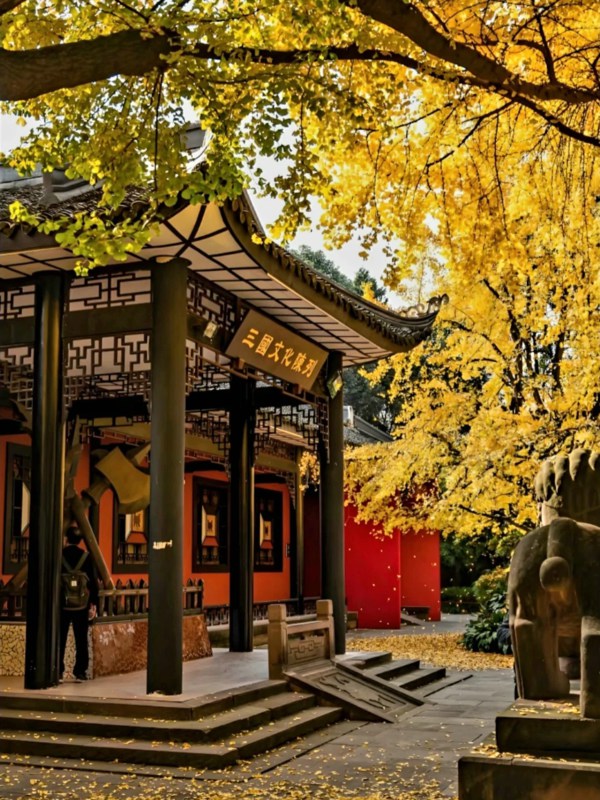
- Wuhou Temple
-
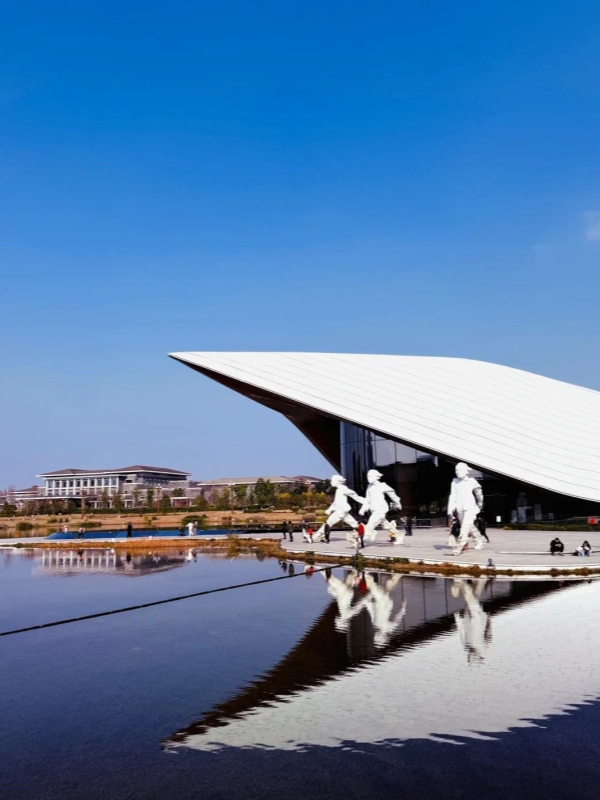
- Tianfu Art Park
Chengdu consistently surprises — most visitors come for the pandas and leave hooked on the food, the temples, and the effortlessly cool neighborhood energy that no other Chinese city quite replicates.
- 🐼 Giant Panda Breeding Research Base (大熊猫繁育研究基地): Book the morning slot (7:30–12:00) — pandas are active and feeding in the first hour; the afternoon slot (12:00–17:00) typically finds them asleep; tickets ¥55 adult; book via the official WeChat mini-program at least 2–3 days ahead as weekends sell out.
- 🏮 Jinli Ancient Street (锦里古街): Free to enter; best at dusk when red lanterns light up; try tangyuan and spiced rabbit heads, a genuine Chengdu specialty.
- 🏛️ Wide and Narrow Alleys (宽窄巷子): Historic lane complex with boutiques, teahouses, and street performers; quieter on weekday mornings, busiest at weekends after 6pm.
- 🌿 Wuhou Shrine (武侯祠): 3rd-century memorial temple in a lush garden setting adjacent to Jinli (¥50; combo ticket with Jinli available).
- 🎨 Tianfu Art Park (天府艺术公园): Opened 2024; free outdoor art installations; rapidly becoming a new cultural anchor in the south of the city.
Practical Info
- Best time to visit: Mar–Jun and Sep–Nov — comfortable temperatures, with spring blossom at the panda base in April.
- Avoid: Jul–Aug — very humid and crowded with domestic tourists.
- Getting there: High-speed rail from Chongqing in approximately 1 hour; from Xi'an in approximately 3.5 hours.
- Foreign-friendly: ★★★★ — Best English-language traveler resources of any inland city in China; many hostels have English-speaking staff. Chengdu is one of the best cool cities in china for first-time visitors venturing beyond the coast.
- Where to stay: Jinjiang District (锦江区) near Jinli and Wuhou Shrine is the most convenient base for first-time visitors. Kuanzhai Alley area suits those wanting boutique guesthouses in a historic lane setting. High-speed rail connections from Chengdu East Station also make day trips to Leshan easy.
💡 Insider Tip: Book the morning slot (7:30–12:00) at the panda base — pandas feed and play in the first 90 minutes, then nap for the rest of the day. A late-afternoon booking is significantly less rewarding and not worth the entrance fee.
NO 5. Guangzhou
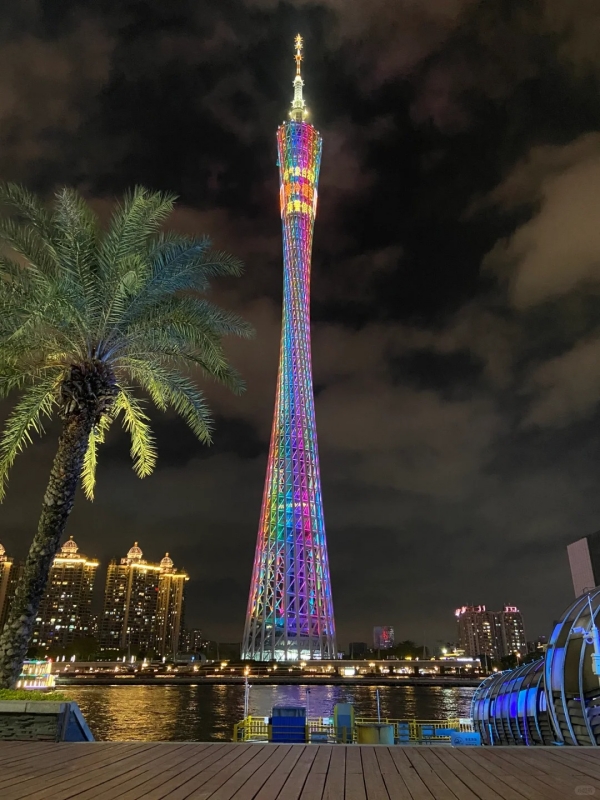
Canton Tower View
What Makes It Cool
Guangzhou’s cool is quieter than Shanghai’s and more down-to-earth than Beijing’s, the place where the world’s finest dim sum is wheeled around on squeaky trolleys at 7am, where colonial mansions sit three streets away from some of China’s tallest new skyscrapers... where every night the Pearl River presents a floating light show.
Yongqing Fang (永庆坊) stands out as one of 2025's most praised real historic neighborhood experiences for foreign visitors — locals consistently rate it above Shanghai's Xintiandi for authenticity. Explore more at our top Guangzhou tourist attractions guide.
Top Attractions
-
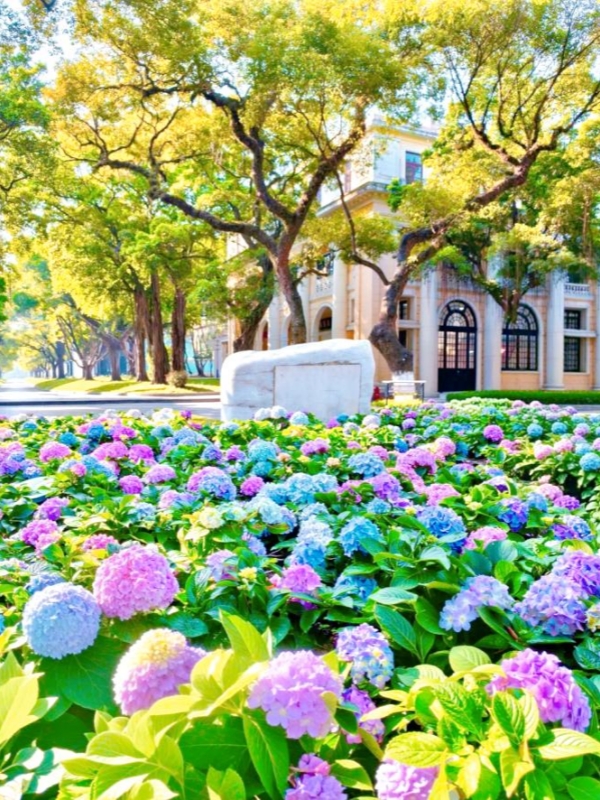
- Shamian Island
-
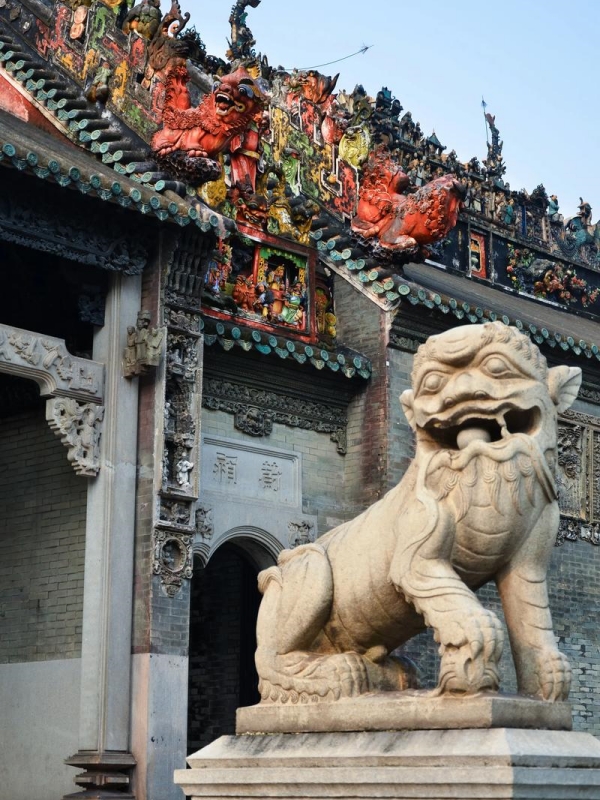
- Chen Clan Ancestral Hall Stone Lion
-
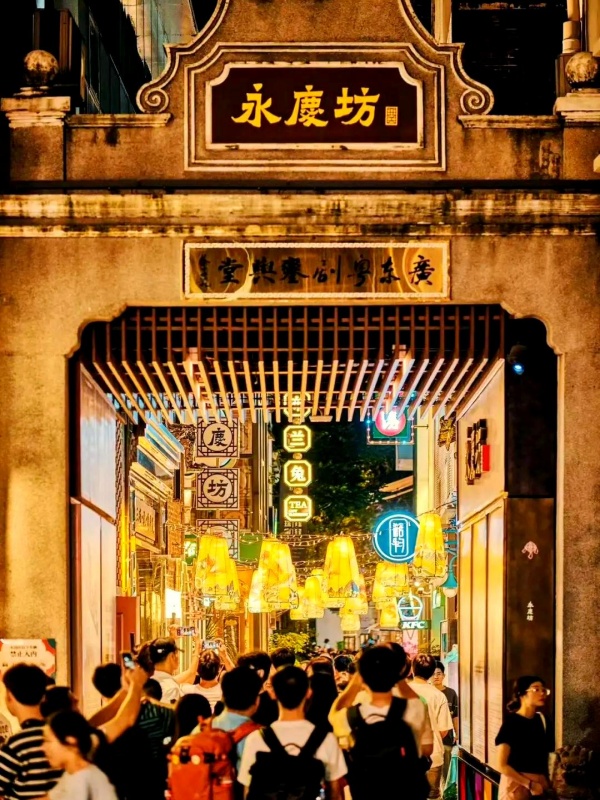
- Yongqingfang
Guangzhou rewards the curious traveler who looks beyond first impressions — tucked inside its sprawling modernity is one of southern China's richest collections of colonial-era lanes, ancestral halls, and world-class Cantonese food.
- 🗼 Canton Tower (广州塔): 600m iconic tower with nightly LED facade show visible across the Pearl River; indoor 433m observation deck ¥135; outdoor 450m sky walk ¥221; there is no single "¥150 combo" — choose your level and book a timed slot online.
- 🚢 Pearl River Night Cruise: 70-minute cruise past Canton Tower and Guangzhou Opera House; departs from Tianzi Wharf (天字码头); ¥100–150/person; best on clear weeknights to avoid weekend queues.
- 🏛️ Shamian Island (沙面岛): Former European concession with well-preserved colonial mansions and tree-lined boulevards; free; relaxed cafe scene; one of the most photogenic free walks in southern China.
- 🎨 Chen Clan Ancestral Hall (陈家祠): Elaborate 19th-century folk-art museum with intricate wood carvings and ceramic friezes (¥15).
- 🏮 Yongqing Fang (永庆坊): Revamped historic Xiguan merchant lane with street food, craft bars, and local designers; free to walk; best in the evening when lights come on.
Practical Info
- Best time to visit: Oct–Apr — cooler and drier; Guangzhou has a subtropical climate that makes summer genuinely unpleasant.
- Avoid: May–Sep monsoon season — heavy rains and high humidity.
- Getting there: High-speed rail from Shenzhen in approximately 35 minutes; from Hong Kong in approximately 1 hour via direct train.
- Foreign-friendly: ★★★ — Less English than Shanghai; Cantonese plus Mandarin spoken; Alipay and WeChat Pay support foreign cards.
- Where to stay: Liwan District (荔湾区) near Shamian Island and Yongqing Fang is the most characterful base. Tianhe District suits business travelers and has the best metro connectivity. Staying in Haizhu puts you close to Canton Tower and the Pearl River waterfront.
💡 Insider Tip: For dim sum, Guangzhou Restaurant (广州酒家, 文昌总店) is the safer classic choice — long-running and consistently good. Lianxianglou (莲香楼) on 第十甫路 has been revived under new ownership since 2024; quality reviews are currently mixed, so check recent ratings before committing.
NO 6. Hangzhou
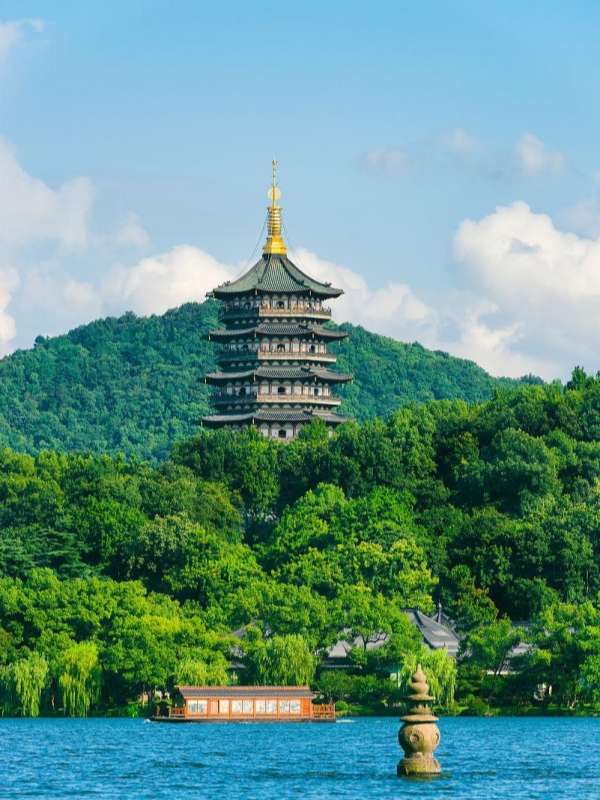
West Lake
What Makes It Cool
Hangzhou has something no other megacity can boast: a UNESCO-recognised natural landscape at its literal heart. Yet its cool factor sprawls far beyond popular West Lake; the tea culture is participatory (you can pick leaves with a grower for a day at Longjing Village), the Buddhist temple scene is authentic, and the pace leisurely enough that you can actually catch your breath.
Tip to insiders: head to West Lake after 4pm as the tour groups disperse, to an evening lakeside reflection of Leifeng Pagoda that turns gold. That light, that calm - it’s free, and it’s the best version of the destination.
Top Attractions
-
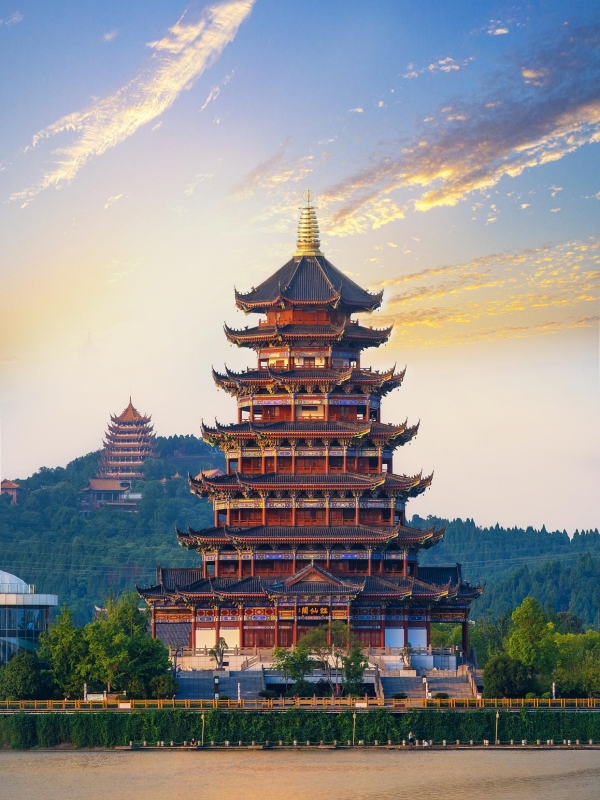
- Leifeng Pagoda
-
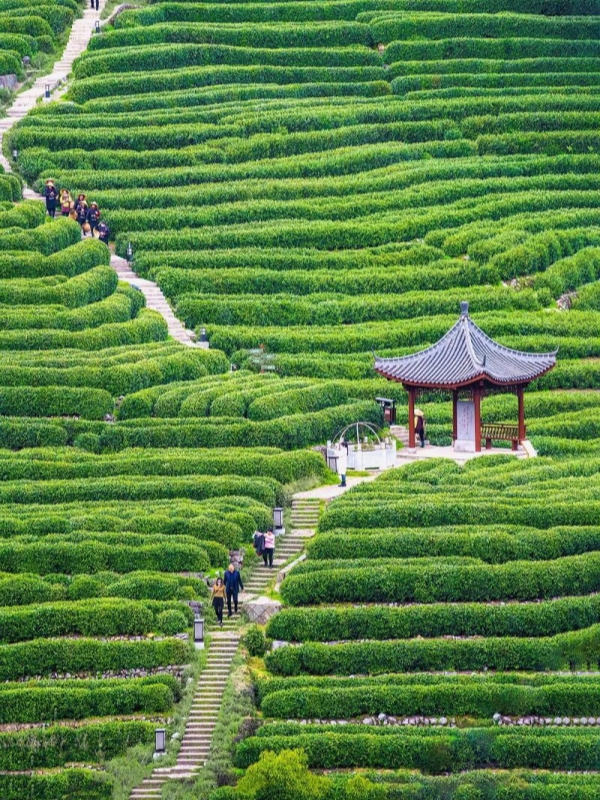
- Longjing Tea Village
-
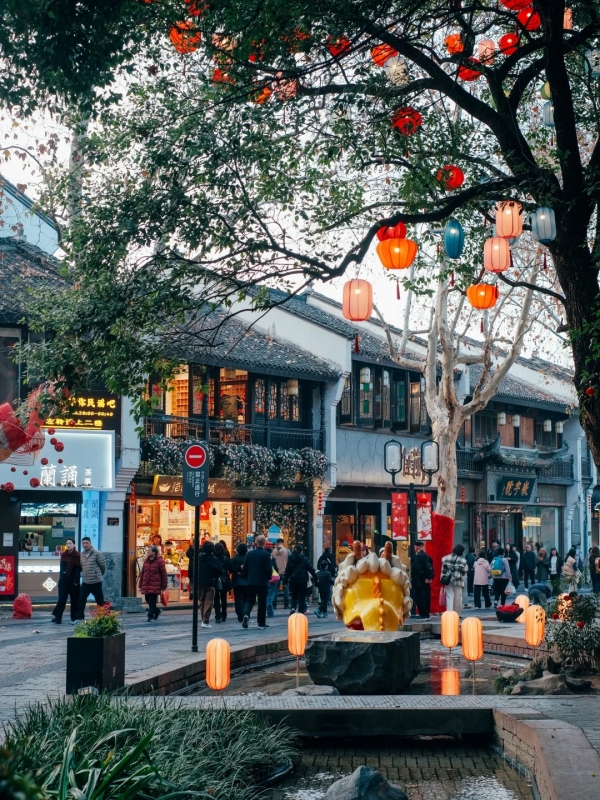
- Hefang Street
Hangzhou is the rare Chinese city where the star attraction sits right in the center — West Lake, a UNESCO World Heritage landscape of pavilions, pagodas, and willow-lined causeways that feels nothing like a typical tourist park.
- 🌊 West Lake (西湖): UNESCO-listed since 2011; free entry to all lakeside grounds; top walking routes are Su Causeway (苏堤) and Broken Bridge (断桥); rent bikes or wooden boats (¥30); after 4pm crowds drop significantly.
- 🏯 Leifeng Pagoda (雷峰塔): 5-story lakeside pagoda with panoramic sunset views (¥40); best visited late afternoon for the golden-hour reflection.
- 🛕 Lingyin Temple (灵隐寺): One of China's most revered Buddhist temples set on a wooded hillside (¥75); arrive before 9am to avoid tour groups.
- 🍵 Longjing Tea Village (龙井村): 20-minute drive from West Lake; walk through working tea terraces and drink freshly brewed Longjing directly with growers; non-commercial and free to walk around; best Mar–Apr during the picking season.
- 🏘️ Hefang Street (河坊街): Historic pedestrian lane with traditional snacks, TCM shops, and street performers; best mid-afternoon.
Practical Info
- Best time to visit: Mar–Apr for cherry blossom and tea picking season; Oct–Nov for clear skies.
- Avoid: May–Jun plum rain season — persistent drizzle makes outdoor attractions less appealing.
- Getting there: High-speed rail from Shanghai in approximately 1 hour (¥73); from Beijing in approximately 5.5 hours.
- Foreign-friendly: ★★★ — Decent English at hotels; West Lake area has bilingual signage; makes an easy day-trip from Shanghai.
- Where to stay: West Lake's eastern shore (湖滨路 area) puts everything within walking distance. Budget guesthouses cluster along Nanshan Road (南山路). For a splurge, lakeside hotels with water-view rooms are genuinely transformative — worth the premium for at least one night.
💡 Insider Tip: West Lake after 4pm is a completely different experience — tour groups evaporate, locals emerge for evening walks, and the Leifeng Pagoda reflection at dusk is genuinely spectacular and entirely free.
NO 7. Guilin
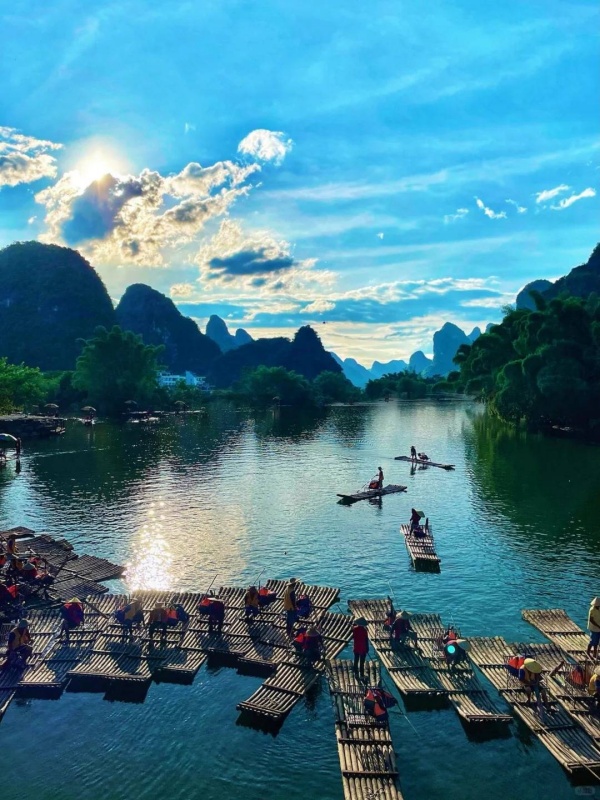
Guilin & the Li River
What Makes It Cool
The cool in Guilin is entirely due to the environment: these karsts look like they were pulled out of sci-fi worldbuilder’s notebook. But the smart move is to skip Guilin city itself, which isn’t worth visiting on its own, and base yourself in Yangshuo, a small, foreigner-friendly town where you can revel in the scenery by e-bike, raft or on foot all to yourself.
Bamboo raft beats tour boat every time: you get closer to the peaks, deeper into the gorge sections, and there's room to actually breathe. Find out what to do after dark with our Guilin nightlife guide.
Top Attractions
-
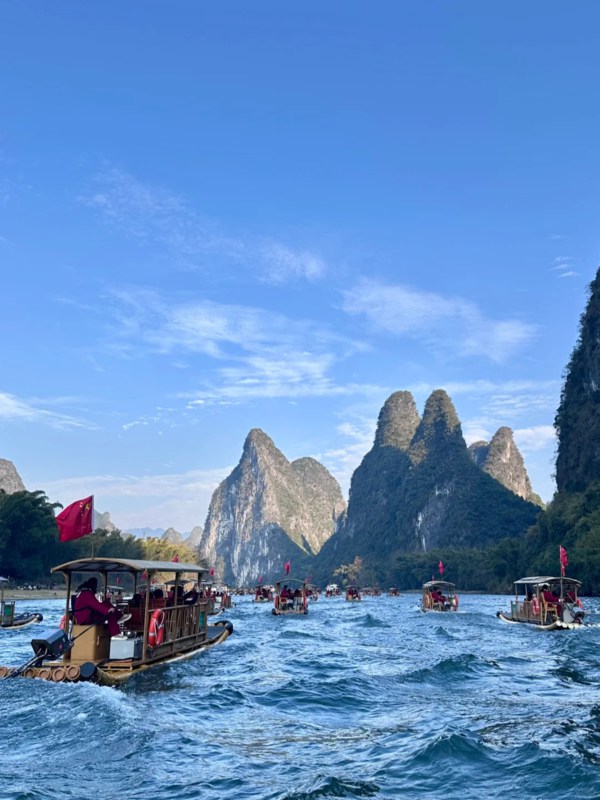
- Scenery of Yangshuo
-
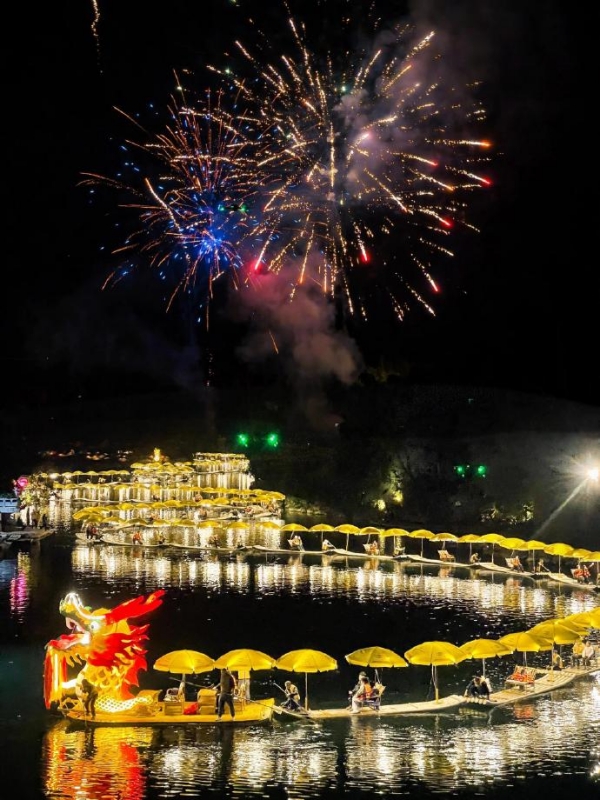
- Yulong River
-
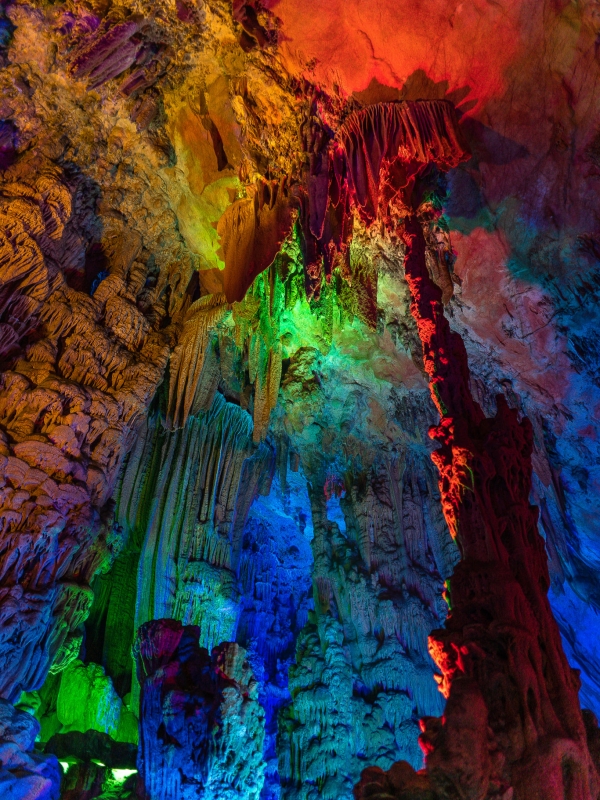
- Reed Flute Cave
Guilin is the landscape that put China on the travel map — those misty limestone peaks rising above the Li River are not a painting, they're the real thing, and they're even more surreal in person.
- 🚣 Li River Bamboo Raft (漓江竹筏): Most immersive karst experience; private raft from Yangdi to Xingping (approximately 4 hours, ¥360–400); far closer to the peaks than large tour boats, which anchor mid-river.
- 🛵 Yangshuo (阳朔): The real base for exploring the region — 60km south of Guilin (1 hour by bus); rent an e-bike and ride the rice paddy back roads at your own pace.
- 🌊 Yulong River (遇龙河): Quieter and more intimate than the Li River; bamboo punting past ancient stone bridges (¥100–150); best in morning light before crowds arrive.
- 🦇 Reed Flute Cave (芦笛岩): Dramatic limestone cave with colored stalactites illuminated by LED lights (¥75); 15 minutes from Guilin city center.
- 🎵 West Street (西街), Yangshuo: The nightlife and social hub for foreign travelers; bars, restaurants, and live music in a compact pedestrian lane; very foreigner-friendly after dark.
Practical Info
- Best time to visit: Apr–Jun and Sep–Nov — mist adds drama to the karst scenery; avoid winter fog that can delay or cancel flights.
- Avoid: Jan–Feb — heavy valley fog and occasional freezing rain.
- Getting there: Flights to Guilin Liangjiang Airport from major cities; direct high-speed rail from Guangzhou in approximately 2 hours.
- Foreign-friendly: ★★★ — Yangshuo's West Street is one of the most foreigner-friendly pockets in all of China; most guesthouses have English-speaking staff.
- Where to stay: Stay in Yangshuo, not Guilin city. The karst landscape is right outside your guesthouse door, prices are lower, and the village atmosphere is part of the experience. River-view guesthouses near Yulong River are the sweet spot for slow-travel types.
💡 Insider Tip: Book a private bamboo raft, not a seat on a large tour boat. The raft takes you into narrower gorge sections where the peaks surround you on all sides. Large boats anchor mid-river with the scenery at a frustrating distance.
NO 8. Chongqing
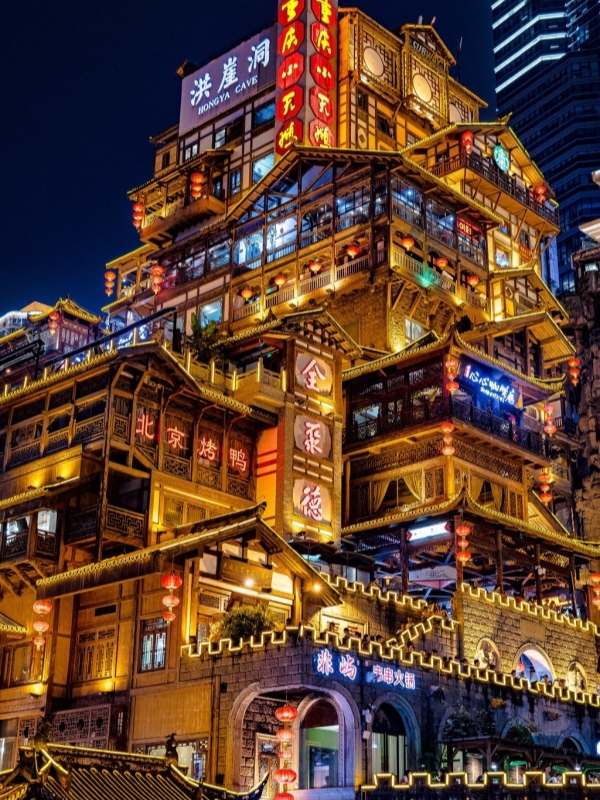
Hongyadong
What Makes It Cool
Chongqing is built on mountains, so nothing is flat, nothing is predictable, and every other street corner is a different level of city. It’s been dubbed China’s most cyberpunk city — and the infrastructure agrees with that: bridges stack on bridges, metro trains burst through apartments, and the whole skyline ripples off the Yangtze at night like a scene from a sci-fi movie.
One free move that no guidebook can quite prepare you for: ride Line 2 through Liziba Station (李子坝站) and watch the metro emerge from an apartment block mid-air — the most surreal ¥4 you'll spend in China. Dig deeper with our Chongqing cyberpunk and hotpot guide.
Top Attractions
-
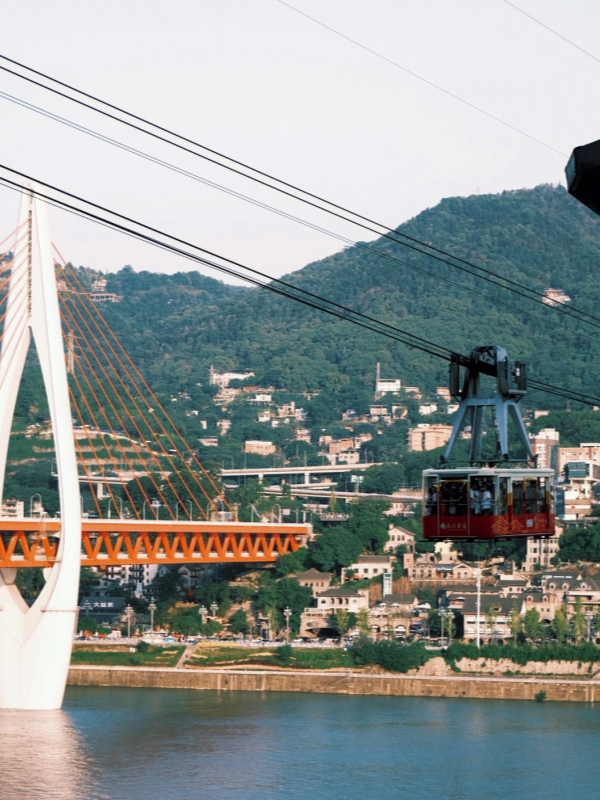
- Yangtze River Cableway
-
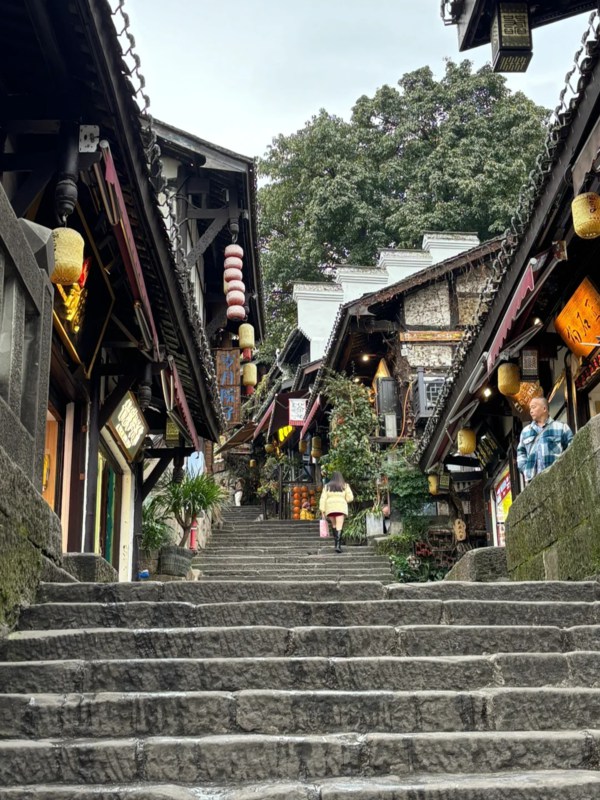
- Stairs of Ciqikou
-
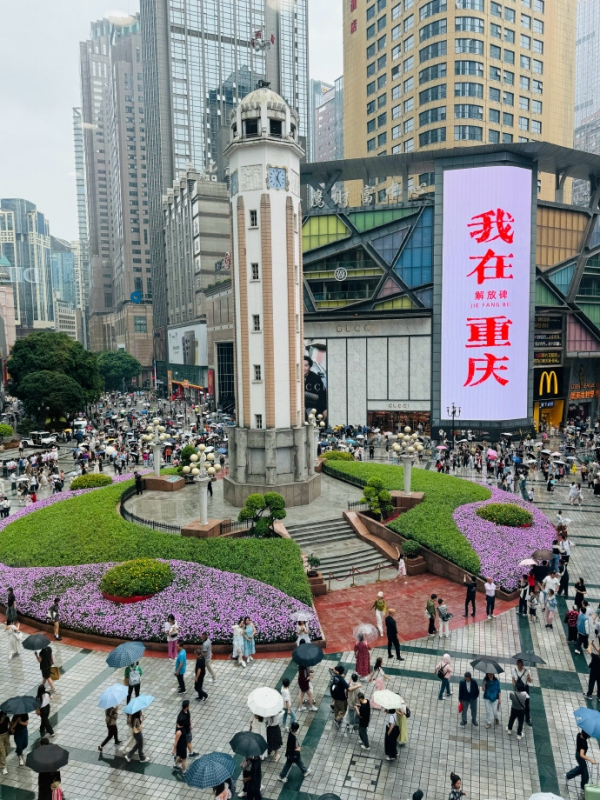
- Jiefangbei square
Chongqing is the city that broke the internet — and when you arrive and see highways running through skyscrapers, metro trains emerging from apartment buildings, and a skyline that shifts every time you move, you'll understand why it ranks among the most visually stunning cool cities in china.
- 🏮 Hongya Cave (洪崖洞): 11-story riverside stilted building complex; exterior light show from 7:30pm; free to walk past; best viewed from the opposite bank of the Jialing River for the full reflection shot.
- 🚡 Yangtze River Cableway (长江索道): Retro cable car crossing the Yangtze between skyscrapers; ¥30 single / ¥50 return (updated 2025 price — no longer ¥25); depart from South Station (上新街) to avoid longer queues at North Station; operating hours approximately 08:00–22:00.
- 🏛️ Ciqikou Ancient Town (磁器口古镇): Well-preserved Ming-dynasty river port town; free to enter; river-port atmosphere plus spicy local snacks.
- 🚇 Liziba Metro Station (李子坝站): Line 2 light rail passes through the middle of an apartment block; ride through for the cost of a metro fare; one of the world's most surreal public transit moments.
- 🌃 Jiefangbei CBD (解放碑): Neon-lit commercial pedestrian district; best experienced at night when the full LED skyline kicks in.
Practical Info
- Best time to visit: Mar–May and Sep–Nov — foggy mornings add drama to the skyline; avoid summer heat.
- Avoid: Jul–Aug — Chongqing is one of China's "Three Furnaces" with extreme humidity and heat.
- Getting there: High-speed rail from Chengdu in approximately 1 hour; from Xi'an in approximately 3.5 hours.
- Foreign-friendly: ★★★ — Growing international tourism scene; hotpot restaurants increasingly offer picture menus; Alipay and WeChat widely accepted.
- Where to stay: Jiefangbei/Jiangbei (解放碑/江北) is the central commercial base for first-timers. Nanbin Road (南滨路) along the Yangtze suits night-view lovers. Ciqikou area suits those who want a quieter base with easy access to the ancient town.
💡 Insider Tip: Chongqing's map is three-dimensional — Google Maps often fails here. Download Amap (高德地图), which renders the city's vertical street layers accurately. Also note: the Yangtze cableway now costs ¥30 single, not ¥25 — prices were updated in 2025.
NO 9. Shenzhen
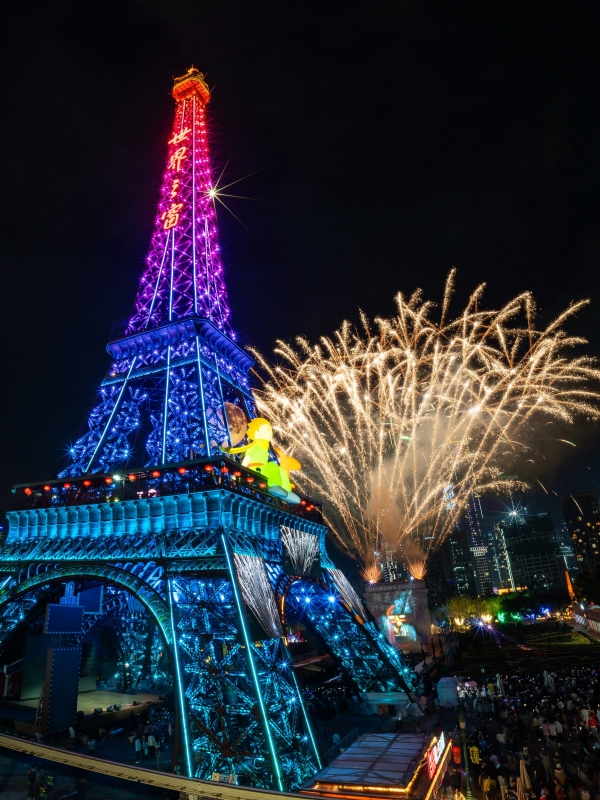
Window of the World Theme Park
What Makes It Cool
Shenzhen went from fishing village to 12-million-person tech megalopolis in less than 40 years — and that energy is still palpable. It’s the most futuristic of all the cool cities in china: all-glass towers, cashless payments, and electric vehicles wherever you look. It’s also the easiest entry point from Hong Kong, making it a natural first stop for travelers coming in from the South.
See our guide to things to do in Shenzhen for the full breakdown.
Top Attractions
-
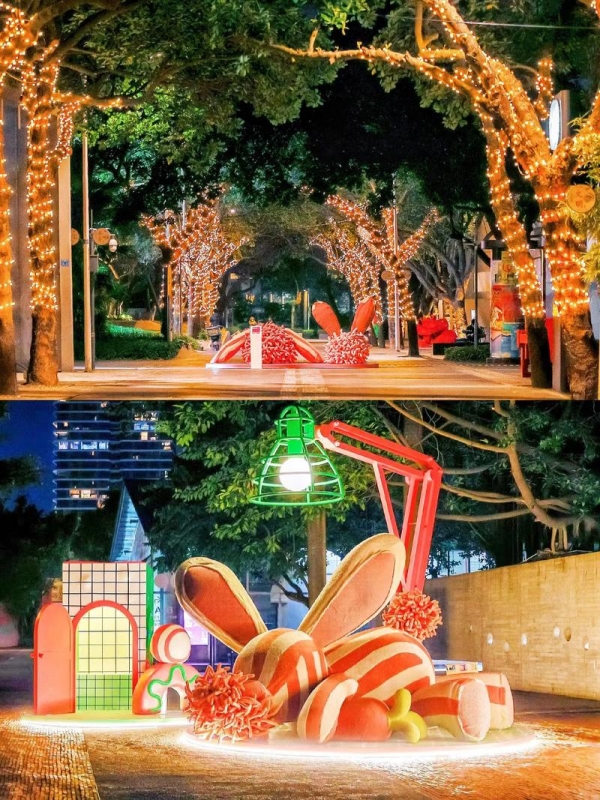
- OCT-LOFT Creative Park
-
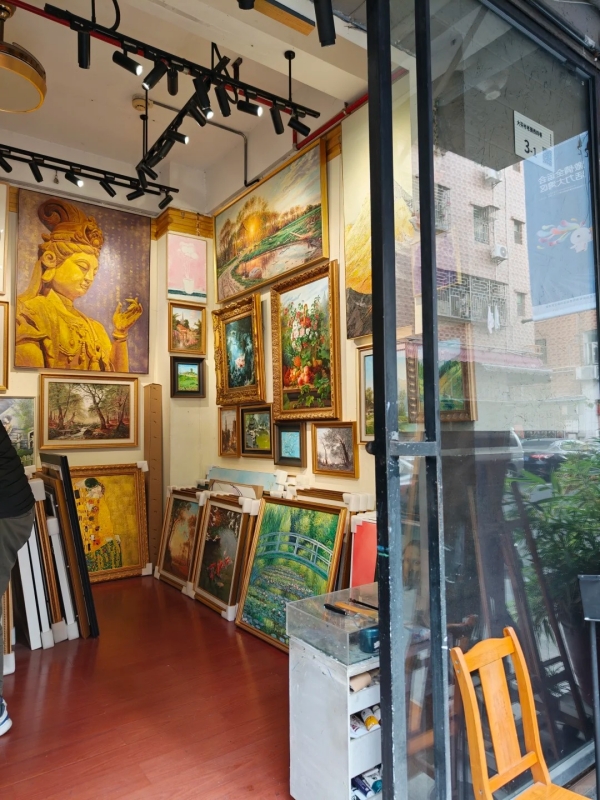
- Dafen Oil Painting Village
-
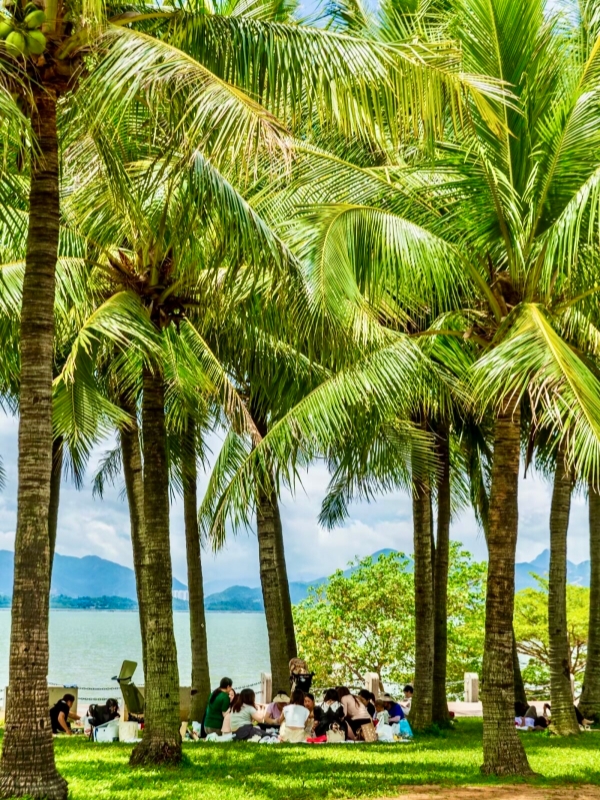
- Shenzhen Bay Park
- 🌍 Window of the World (世界之窗): Miniature replicas of world landmarks (¥180); kitschy but surprisingly photogenic — better than it sounds.
- 🎨 OCT-LOFT Creative Park (华侨城创意文化园): Converted factory complex with galleries, design studios, and independent cafes; free; one of Shenzhen's best art neighborhoods and a genuine local hangout.
- 🖼️ Dafen Oil Painting Village (大芬油画村): Global hub for reproduction oil paintings; hundreds of artists' studios; free to browse; custom paintings available within days.
- 🌊 Shenzhen Bay Park: 15km waterfront with Hong Kong skyline views across the water; free; popular with locals for cycling and kite-flying.
Practical Info
- Best time: Oct–Apr — subtropical climate; avoid the summer typhoon season.
- Getting there: 35 minutes from Guangzhou by high-speed rail; 40 minutes from Hong Kong via the Lo Wu border crossing.
- Foreign-friendly: ★★★★ — Highest concentration of English-speaking professionals in mainland China; all major international payments accepted.
- Where to stay: Futian District (福田区) is the business center with the best metro coverage. Nanshan District suits tech-scene visitors and those arriving from the port. Luohu (罗湖) is right on the Hong Kong border — convenient but less interesting as a base.
NO 10. Changsha
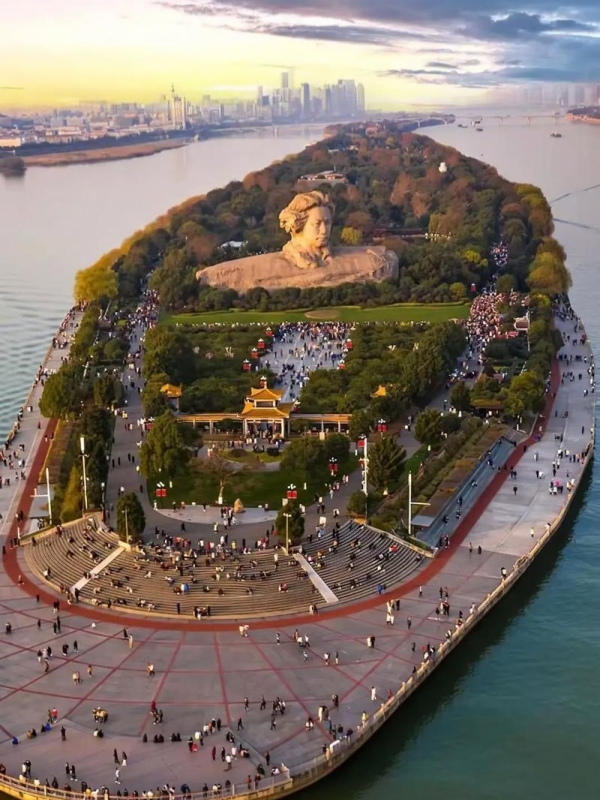
Orange Island (Juzizhou)
What Makes It Cool
Changsha is the coolest city in China that you haven’t heard of yet. Where China’s Gen Z food culture began–the tea drink craze, the night market revival, and the live music bar scene. All Hunan, all Changsha, all by the banks of the Xiang River.
Curious? Our guide to things to do in Changsha covers it all.
Top Attractions
-
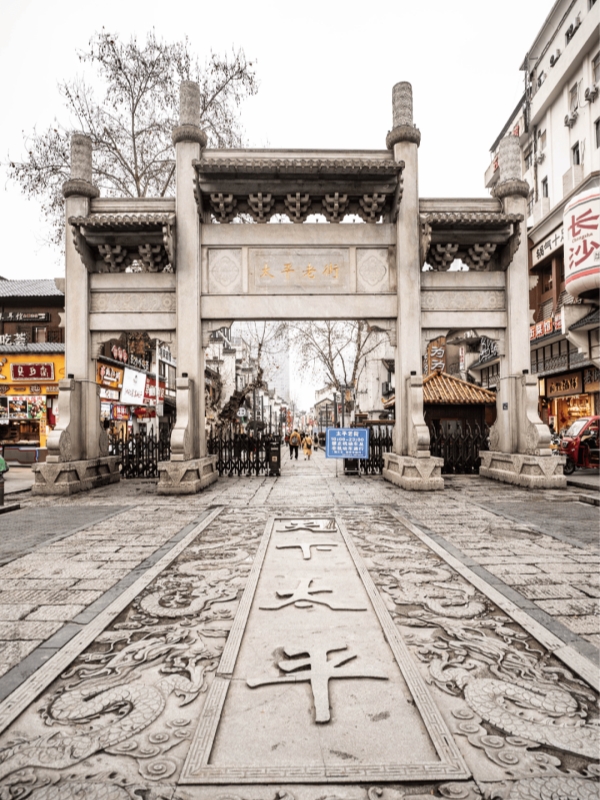
- Taiping Street
-
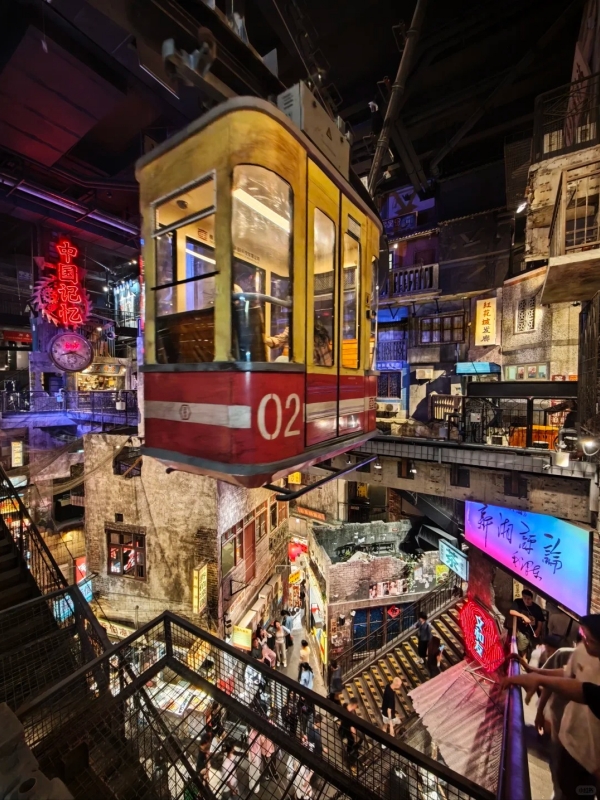
- Super Wenheyou
-
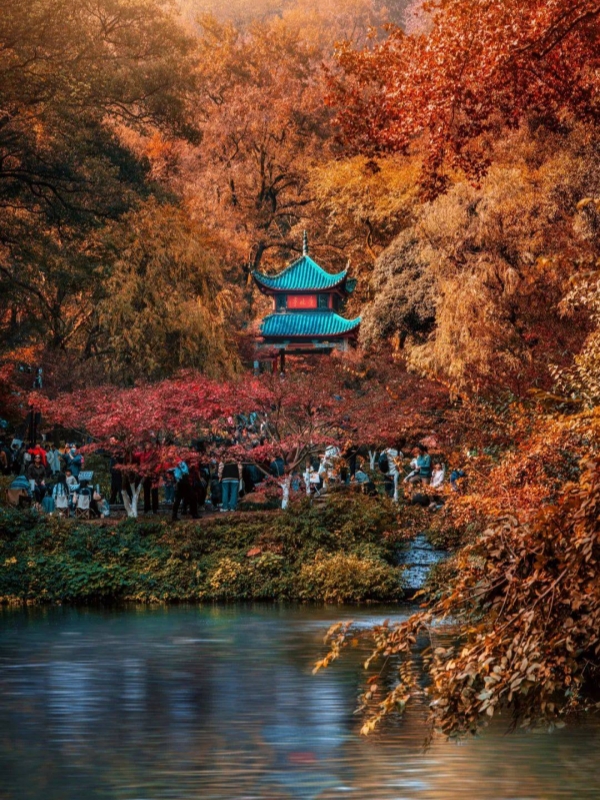
- Yuelu Mountain
- 🗿 Orange Island Park (橘子洲头): Free, but requires advance reservation via WeChat mini-program; take Metro Line 2 to Juzizhou Station; the island is several kilometers long — take the official sightseeing shuttle (¥20–40) rather than walking the full length in the heat.
- 🚶 Taiping Street (太平街): Qing-dynasty pedestrian street lined with tea drink shops and local snacks; the Cha Yan Yue Se (茶颜悦色) flagship is here — expect 30–45 minute queues but worth it for the original recipe; however, the side alleys have the same local snacks without any wait.
- 🏙️ Super Wenheyou (超级文和友): 6-floor recreation of 1980s Changsha street scenes; part food court, part immersive installation; best experienced at night; however, expect 60–120 minute waits on weekends — check same-day reviews before committing. If you want old-Changsha food without the crowd, Pozijie (坡子街) is the local alternative.
- 🎓 Yuelu Academy (岳麓书院): One of China's four great ancient academies, still active as part of Hunan University (¥30).
Practical Info
- Best time: Mar–Jun and Sep–Nov.
- Getting there: High-speed rail from Guangzhou in approximately 2 hours; from Shanghai in approximately 4.5 hours.
- Foreign-friendly: ★★ — Less English than major tourist cities; Changsha rewards adventurous travelers who are comfortable using translation apps.
- Where to stay: Furong District (芙蓉区) near Taiping Street and Wenheyou is the most convenient base. Yuelu District suits those prioritizing the academy and university area. Most accommodation connects well via metro.
NO 11. Dali
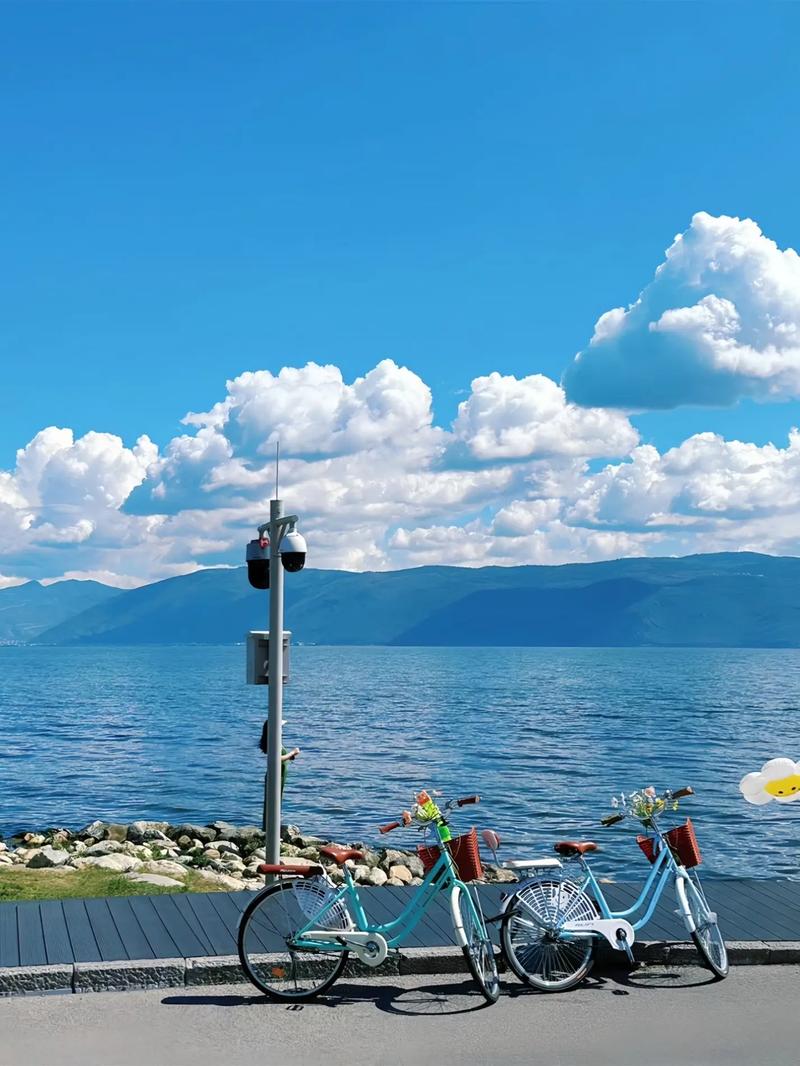
Erhai Lake
What Makes It Cool
Dali is for the kinda traveller that wants to slow China down. You’ll find genuine character in Old Town — independent bookshops, Bai minority restaurants and lake-view guesthouses that make you want to stay an extra week. The cities in China that don’t ‘matter’ are sometimes the best, and that’s the whole point.
Our things to do in Dali guide covers the full region.
Top Attractions
-
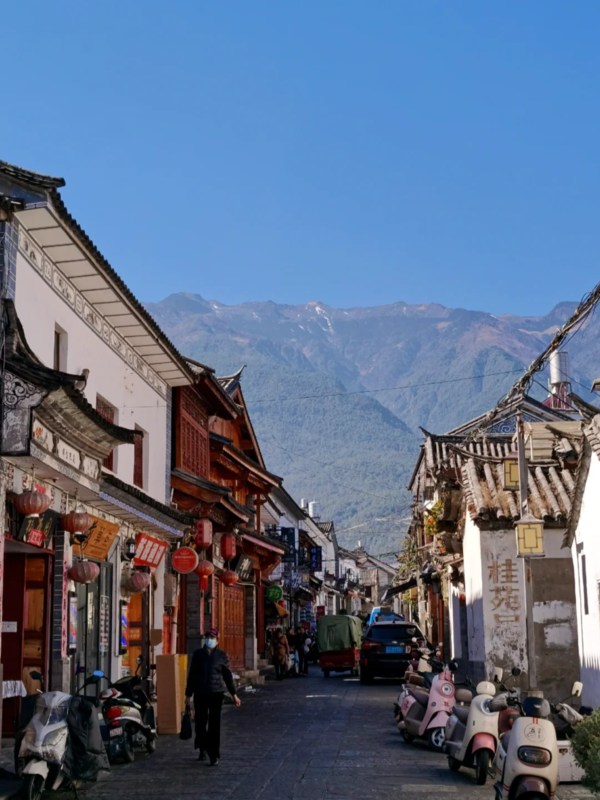
- Dali Ancient City
-
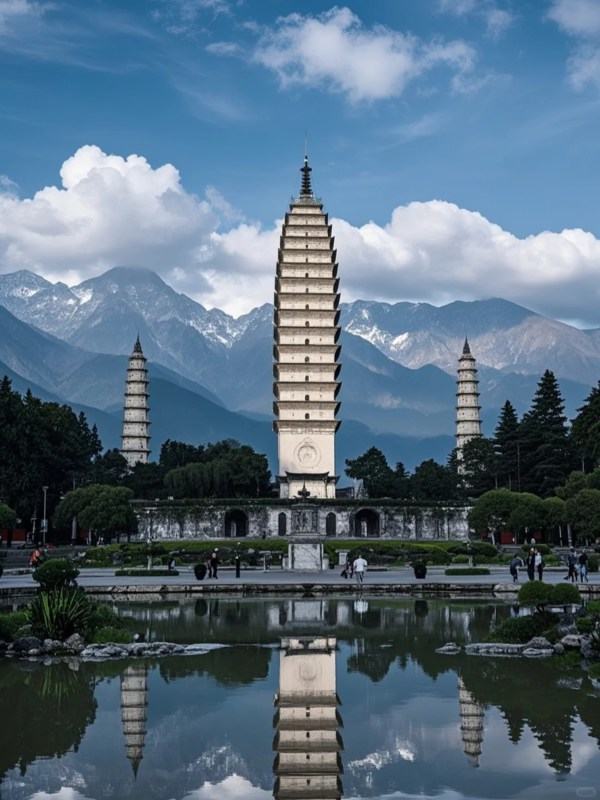
- Three Pagodas
-
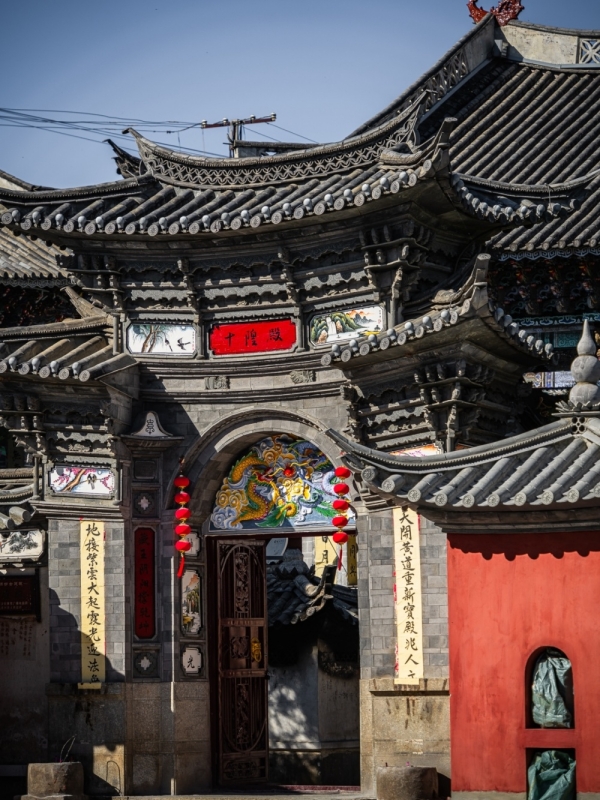
- Xizhou Ancient Town
- 🚲 Erhai Lake (洱海): Vast highland lake surrounded by mountains; rent a bike and cycle sections of the 130km shoreline; take an electric boat to Nanzhao Island.
- 🏯 Dali Old Town (大理古城): Well-preserved Ming-dynasty walled city with cobblestone lanes, indie cafes, and craft shops; free to walk around; far less commercialized than Lijiang.
- 🏛️ Three Pagodas (崇圣寺三塔): 9th-century Buddhist pagoda complex with Erhai Lake and the mountains as backdrop (¥75).
- 🏡 Xizhou Village (喜洲村): 20-minute drive from the Old Town; authentic Bai minority architecture and local market on market days; free to walk around.
Practical Info
- Best time: Mar–Jun and Sep–Oct — dry season; Yunnan plateau climate is mild year-round; avoid Jul–Aug rains.
- Getting there: Flights to Dali Huangcao Ba Airport from Kunming (approximately 30 minutes); high-speed rail to Dali North Station from Kunming (approximately 2 hours).
- Foreign-friendly: ★★★ — Large expat and long-stay traveler community; many cafes and guesthouses have English-speaking staff.
- Where to stay: Stay inside Dali Old Town for the full walled-city atmosphere; guesthouses on the quieter northern lanes offer the best balance of character and calm. Erhai lakeside villages (海东/双廊) suit those prioritizing the lake over town convenience.
NO 12. Harbin
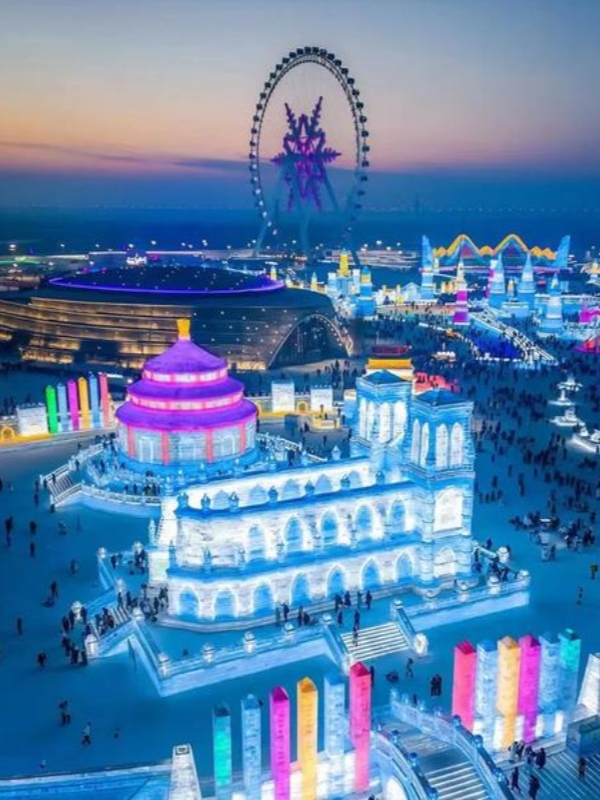
Ice and Snow Festival in China
What Makes It Cool
Harbin is the most seasonally extreme destination in China — and, in winter, it’s this very extremity that becomes the attraction. Even when temperatures drop to -30°C, no-one stays indoors: locals eat ice cream in the streets, children sled down riverbanks that are thick with ice, and a million of us pay to walk through a city built of ice.
Check the things to do in Harbin guide for full seasonal planning.
Top Attractions
-
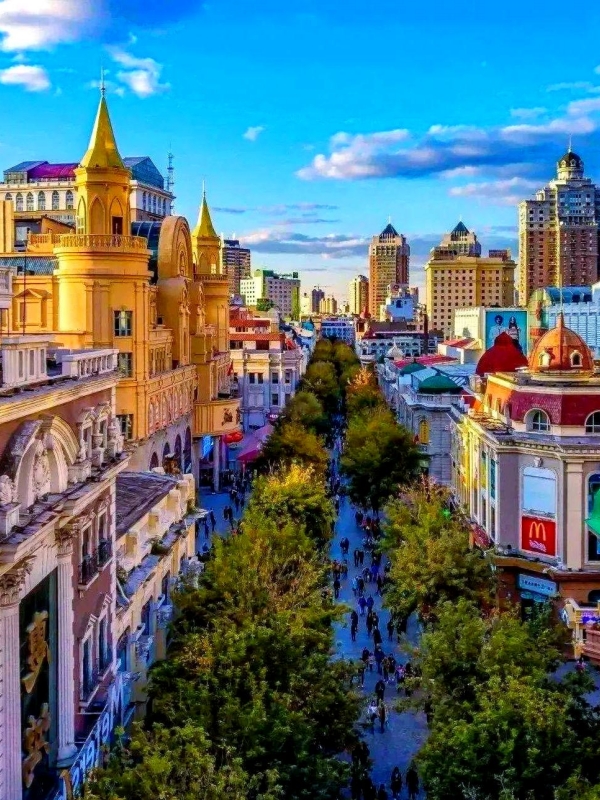
- Overview of Zhongyang Pedestrian Street
-
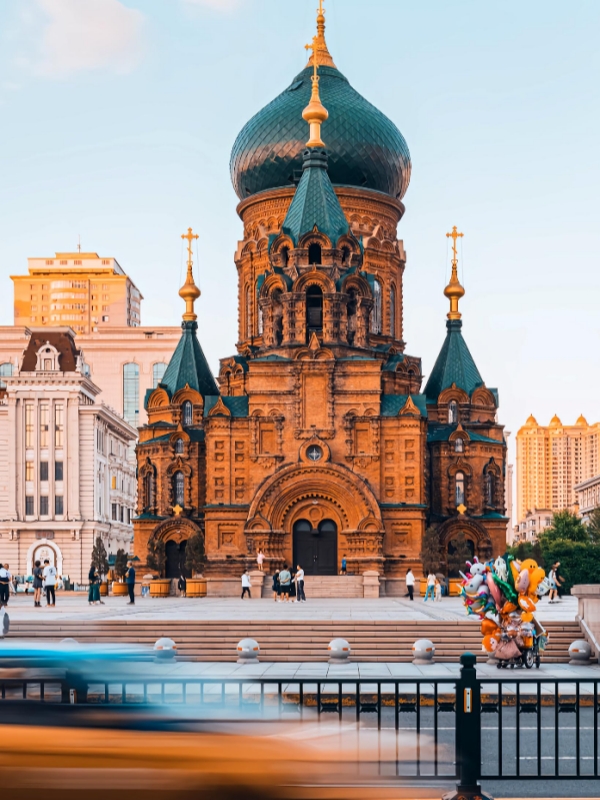
- Saint Sophia Cathedral
-
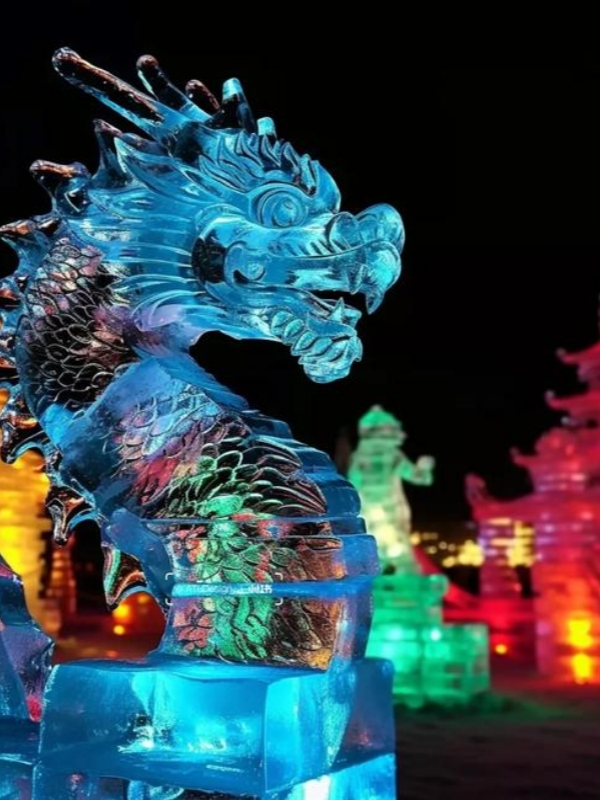
- Dragon Ice sculpture in Zhaolin Park
- ❄️ Harbin Ice and Snow World (冰雪大世界): Annual winter festival running Dec–Feb; full-scale ice palace city lit by colored LEDs; best at night; pricing changes each season — check the official site (ice.hrbicesnow.com) for current year tickets (approximately ¥300–400 in recent seasons); popular ride attractions use on-the-day QR reservation slots, not just gate entry.
- 🍦 Central Avenue (中央大街): 1.4km cobblestone pedestrian street lined with early 20th-century European-style buildings; free; locals eat ice cream here even at -20°C — the tradition is real and absolutely worth joining.
- 🕌 Saint Sophia Cathedral (索菲亚大教堂): Byzantine-style Russian Orthodox cathedral from 1907; now an architecture museum (¥20); striking against a winter snow backdrop.
- 🏮 Zhaolin Park Ice Lantern Festival: More local and less commercial alternative to Ice and Snow World; intricate ice sculptures lit from within (¥100); less queuing, more intimacy.
Practical Info
- Best time: Dec–Feb only — the ice festival season is the entire reason to come; the city has limited appeal in other months.
- Getting there: Direct flights from Beijing (approximately 2 hours) and Shanghai (approximately 3 hours); high-speed rail from Beijing takes approximately 9 hours.
- Foreign-friendly: ★★ — Russian-influenced culture adds an unusual dimension; less English than southern cities; bring thick-soled insulated boots as temperatures regularly hit -20°C to -30°C; translation apps are essential.
- Where to stay: Daoli District (道里区) near Central Avenue and the Songhua River is the most convenient base. Proximity to Central Avenue means everything is walkable. Riverside hotels have winter views of the frozen Songhua River — a sight in itself.
Planning Tips for Foreign Visitors
When to Go
The best time to visit cool cities in china depends on which region you're targeting — but spring and autumn consistently deliver across the board.
Getting Around
China's high-speed rail network connects nearly all 12 cities in this guide, making multi-city itineraries genuinely easy without flying.
Money and Payments
Paying in China is easier for foreign visitors than it was five years ago — but a little preparation before arrival makes a significant difference.
- Alipay and WeChat Pay: Both support overseas Visa and Mastercard via their international versions — set up before arrival for a seamless experience at markets, restaurants, and smaller vendors who don't accept cash.
- Cash: Carry ¥200–300 as backup; useful for older vendors in smaller cities like Dali or at heritage site entrances that haven't gone fully cashless.
- ATMs: UnionPay ATMs accept most international cards; found at ICBC and Bank of China branches in all 12 cities.
- Budget context: ¥7,200 (approximately $1,000 USD) covers roughly 7–10 days of mid-range travel in cities like Xi'an or Chengdu — budget ¥150–250/day for accommodation and ¥80–150/day for food. The same budget stretches less far in Shanghai or Beijing.
Frequently Asked Questions
Q: What is the coolest city in China for first-time visitors?
Beijing and Shanghai together make the strongest first-timer combination across all cool cities in china — Beijing for imperial history and hutong culture, Shanghai for modern China at its most international. If choosing only one, Shanghai has the gentler learning curve for foreign visitors, while Beijing delivers the deeper historical impact. Either way, both consistently top every traveler ranking and will not disappoint.
Q: Which Chinese cities are most foreigner-friendly?
Shanghai ranks highest for English language access and international infrastructure across all cool cities in china. Chengdu and Yangshuo (near Guilin) follow closely for their well-developed traveler ecosystems. Shenzhen surprises many visitors with its high proportion of English-speaking professionals. All 12 cities in this guide are accessible — some simply require more use of translation apps than others.
Q: Is $1000 USD enough for a trip to China?
$1,000 USD equals roughly ¥7,200, which covers approximately 7–10 days of mid-range travel across the cool cities in china covered here, excluding international flights. Budget ¥150–250/day for accommodation, ¥80–150/day for food, and ¥50–100/day for transport and entry tickets. Cities like Xi'an, Chengdu, and Changsha stretch a budget significantly further than Shanghai or Beijing.
Q: What is the hippest city in China right now?
Among all the cool cities in china on this list, Changsha is the domestic answer — China's Gen Z made it the country's hottest food and nightlife destination in 2024–2025. For international travelers, Chongqing's cyberpunk aesthetic generates the most global social media traction by far. Meanwhile, Shanghai's French Concession remains the benchmark for urban cool among long-term expats and design-world visitors.
Q: How many cool cities in China can you visit in two weeks?
A comfortable 14-day itinerary covers 4–5 cool cities in china by high-speed rail: Beijing (4 days) → Xi'an (2 days) → Chengdu (3 days) → Chongqing (2 days) → Shanghai (3 days). A more scenic-focused alternative: Shanghai (2 days) → Hangzhou (2 days) → Guilin and Yangshuo (3 days) → Chengdu (3 days) → Chongqing (2 days). Both routes use rail for every leg and require no domestic flights.
Q: Are China's cool cities safe for solo female travelers?
China is one of the safest destinations in Asia for solo female travelers visiting cool cities in china. Violent crime is rare in all 12 cities covered in this guide, and local attitudes toward foreign visitors are generally respectful and helpful. Standard precautions apply: stay aware of your surroundings in crowded night markets, use Didi rather than unmarked taxis, and share your itinerary with someone you trust back home.
Q: Do I need a visa to visit cool cities in China?
Several dozen nationalities currently enjoy unilateral visa-free entry to cool cities in china — commonly 15 days, with some nationalities on trial extensions to 30 days. However, the list and permitted stay lengths have changed multiple times since 2023 and continue to be updated. Do not rely on any article's country list, including this one. Verify your specific nationality's current status at nia.gov.cn or via your nearest Chinese embassy within 30 days of departure. If your country is not on the waiver list, a tourist (L) visa is required.