Things to Do in Xian:Majestic City Walls, Mysterious Terracotta Warriors, Flavorful Street Snacks, and Glowing Tang Dynasty Nights
Xi’an welcomes travelers with its ancient capital standing between the past and the present: futuristic skyscrapers towering just beyond the 600-year ancient walls where generations and generations of history continue to pulse alongside a beating beehive city. Xi’an isn’t a textbook passage of dead things, but of things alive and monumental in today’s world. If you’re planning a two-day trip, the legendary gates of Chang’an greet you with an incredible list of things to do in Xian. It’s a journey of light steps, a boundless curiosity and an eagerness to incline an eye and ear and witness a living miracle unfold.
For me, this journey marks a deeply immersive encounter with a destination that feels simultaneously solemn and youthful. I am ready to measure the depth of civilization by pedaling along the massive city walls, taste the warm hospitality of local life through the aromatic culinary alleys, and marvel at the neon-lit nightscapes. From the echoing historic towers to the bustling morning markets, I cannot wait to experience a sensory and deeply rewarding connection with China's enduring heart.
Ancient Landmarks: Cycling the Walls and Ringing the Bells
1. Xian City Wall
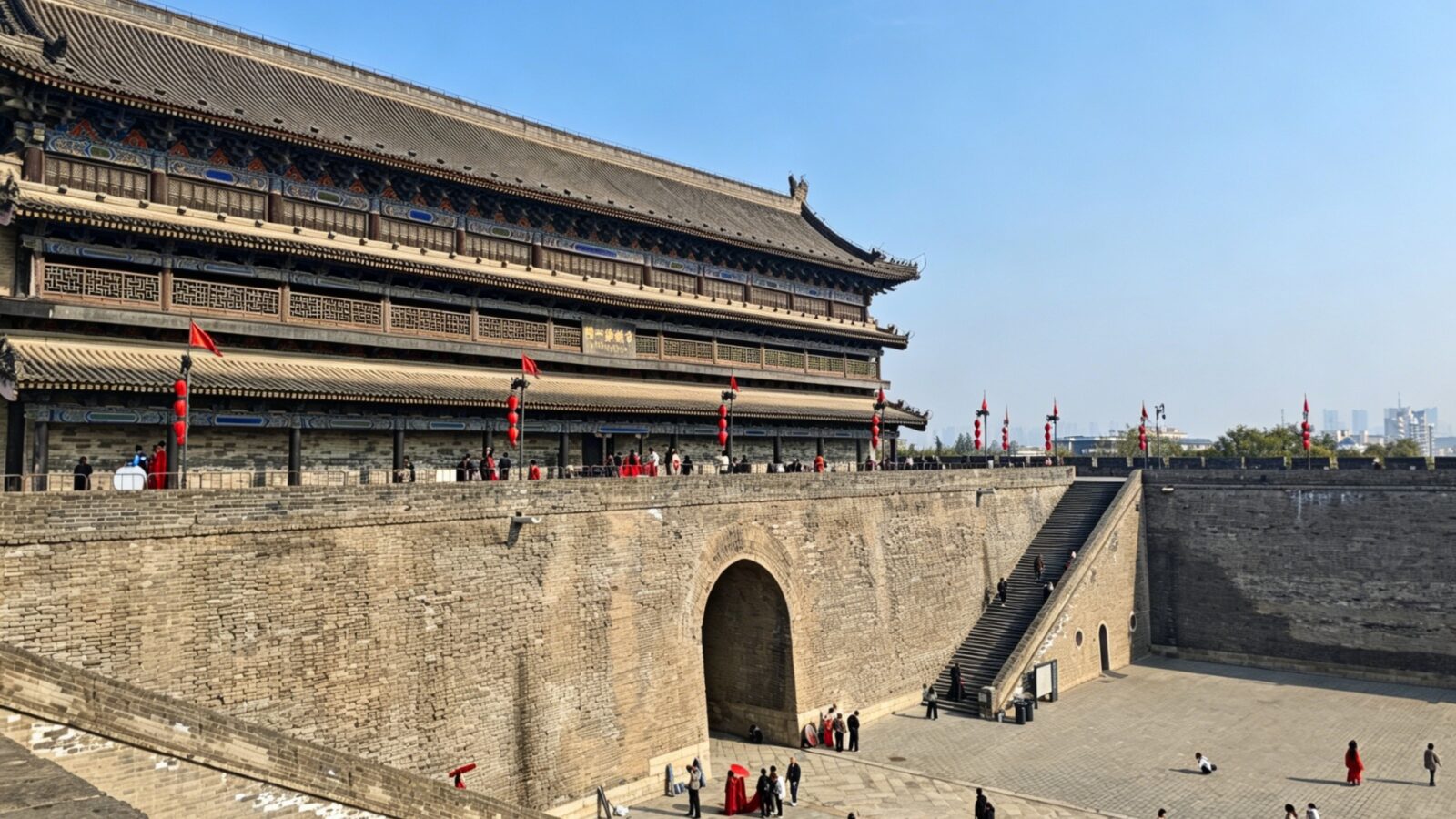
Xian City Wall
-
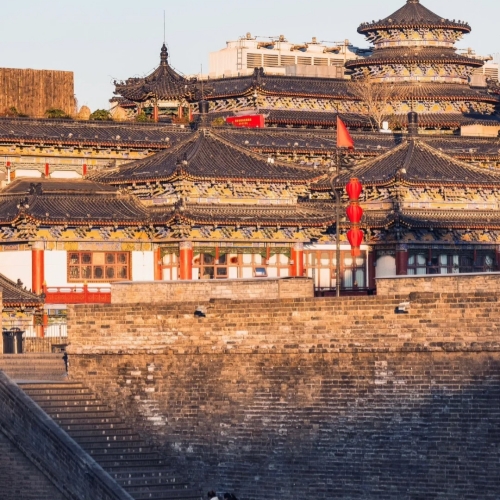

- Xi’an City Wall at Yongning Gate
-
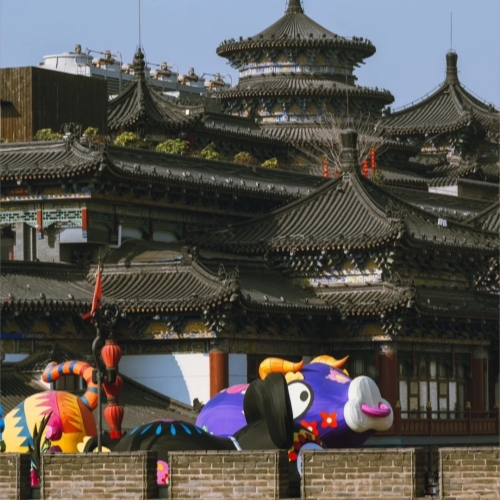
- Colorful Lanterns at Xi’an’s Ancient City Wall
A perfect sunshine welcomed the early morning. My first destination was the historic Xian City Wall. It felt like I was travelling back in time as I climbed up through Yongning Gate. This is the largest and best-preserved ancient fortification in all of China. I rented a bicycle and pedalled away on the expanse of flat pathway running the length of the wall. Under my feet were the six hundred year old bricks that have been subject to all the elements. The moat sparkled before my eyes in the sun, and willows bowed down to kiss it. Modern skyscrapers flash glinting smiles in the background. Conversations of time periods mingle. A ghost of darkness whizzed past my ears aided by the wind. I as felt like the guardian of this city surveying it from the clouds.
2. Bell Tower & Drum Tower
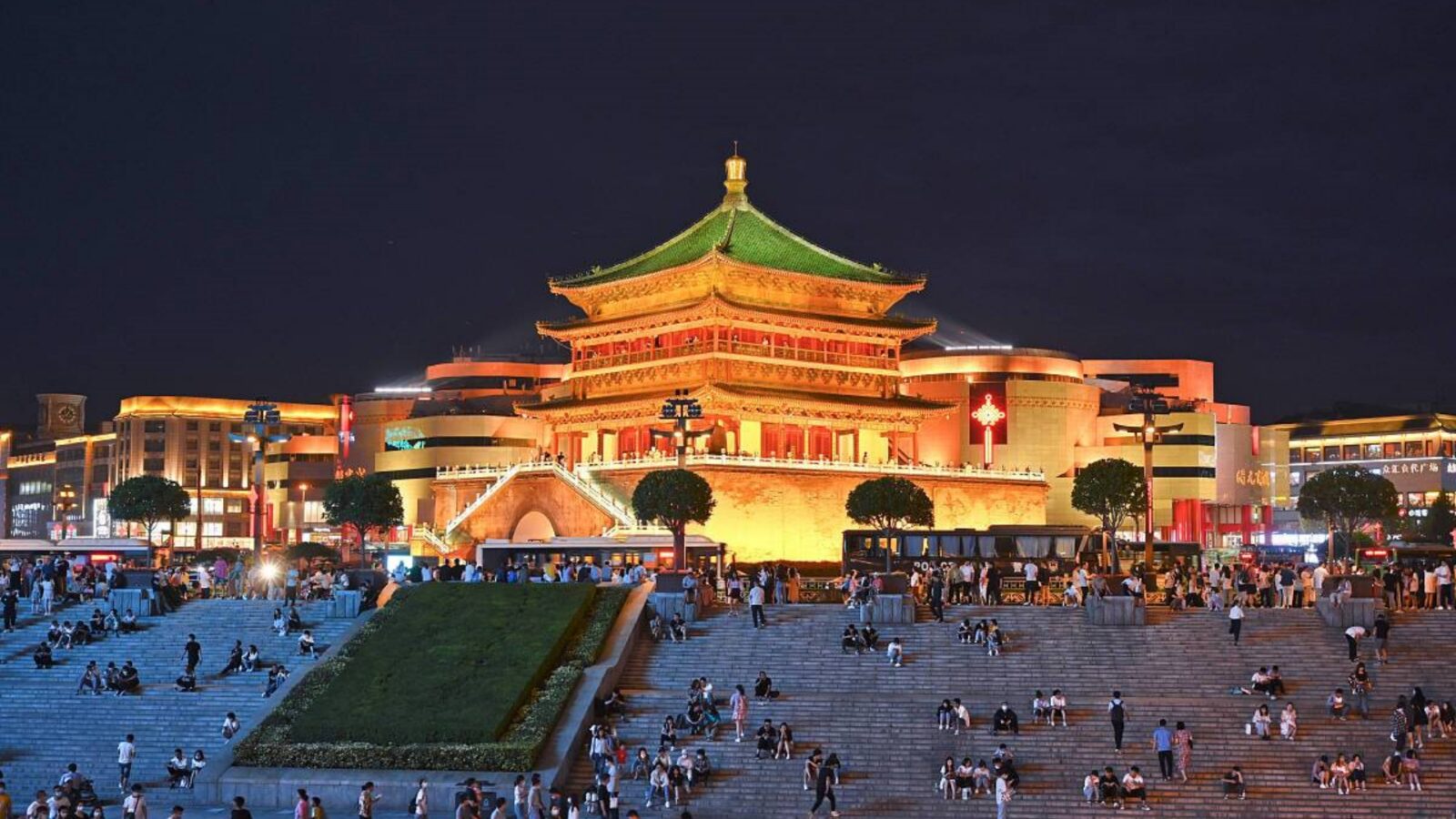
Bell and Drum Towers at Night
-
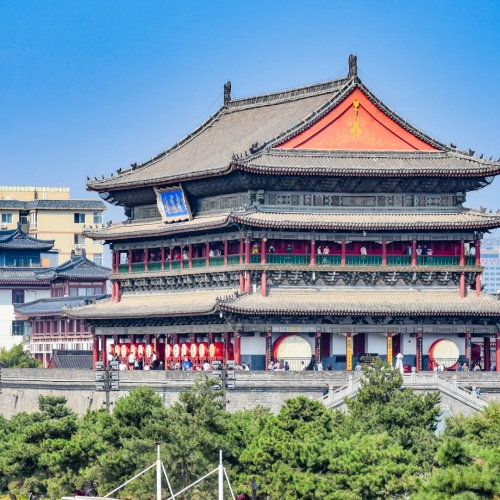
- Bell Tower
-
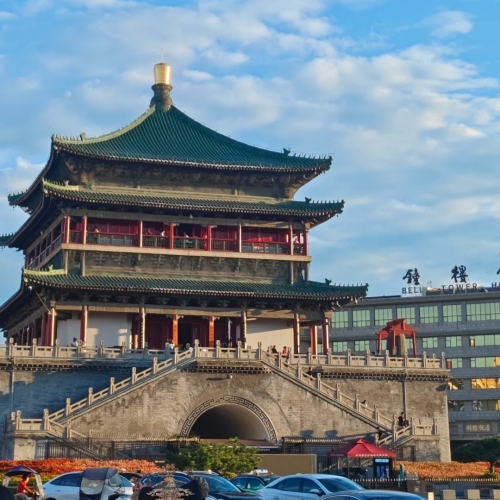
- Drum Tower
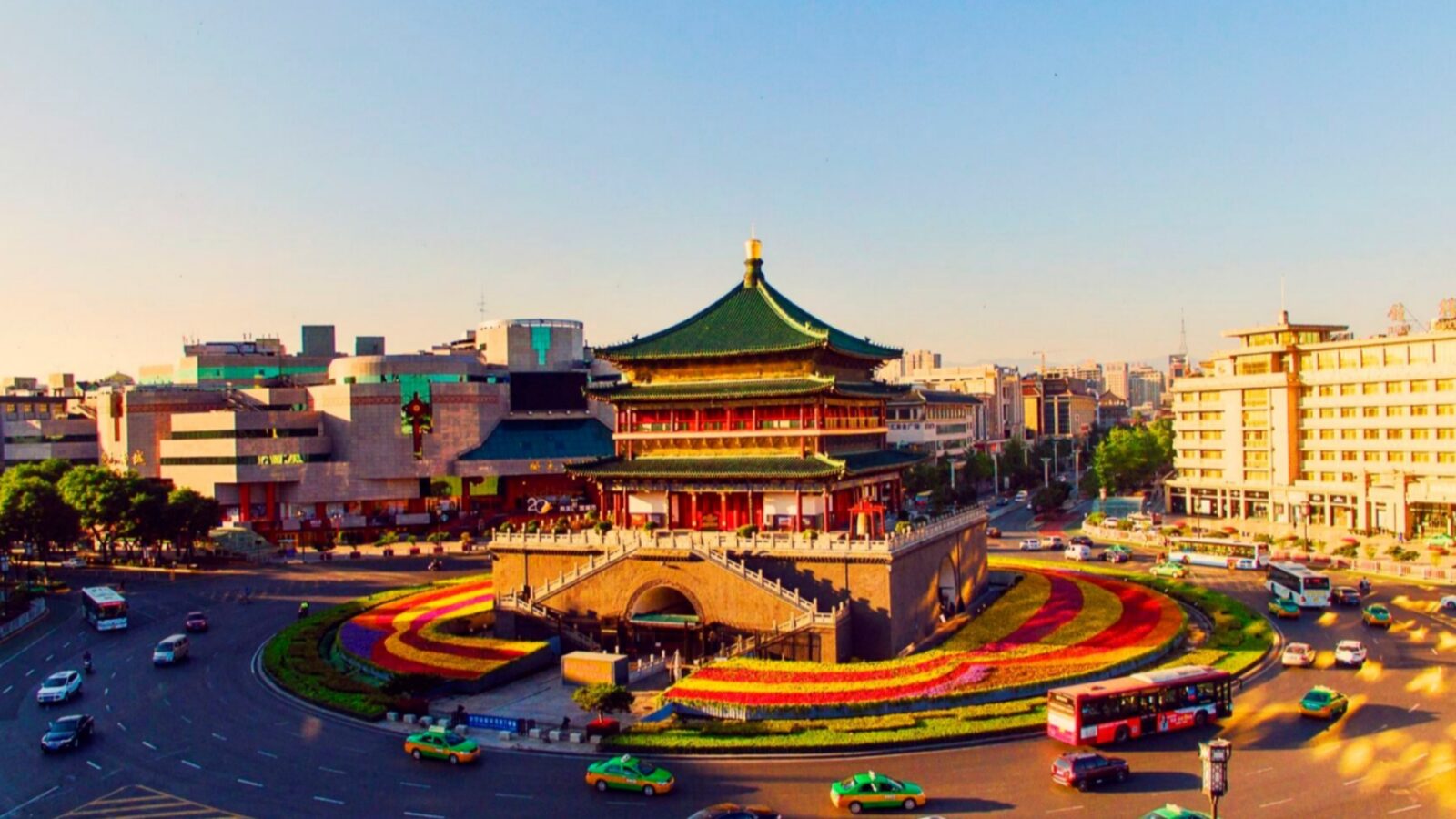
I then descended the wall and fought my way through the market streets to the Bell Tower, the centre of the city, indeed of China, biggest and best-preserved of the bell towers. Built in 1384 by the founder, Emperor Zhu Yuanzhang, it resembles an old man to whom one looking up must pay deference, in the midst of his gossiping endless talk of the changes of dynasty and dynasty. I looked up at it and felt the clattering commotion emanating as a whirlwind from this centre of city and heart of Xian. Here, then, was our goal, a shrine to ancient craft.
Right beside the Bell Tower stands the impressive Drum Tower. Completed in 1384, it faces the Bell Tower across a plaza. This wooden structure reaches 34 meters high, traditionally used for striking the evening drum. Though I missed the morning drum-beating ceremony, standing beneath the grand tower stirred my imagination vividly. I envisioned that solemn "morning bells and evening drums" ritual from centuries past. Wandering between these two towers, surrounded by bustling shops and endless crowds, I experienced something remarkable: that complete merging of history and modernity. Therefore, centuries-old timekeeping centers remain Xian's most vibrant commercial heart.
Culinary Heritage: Tasting Authentic Flavors in the Muslim Quarter
4. Muslim Street
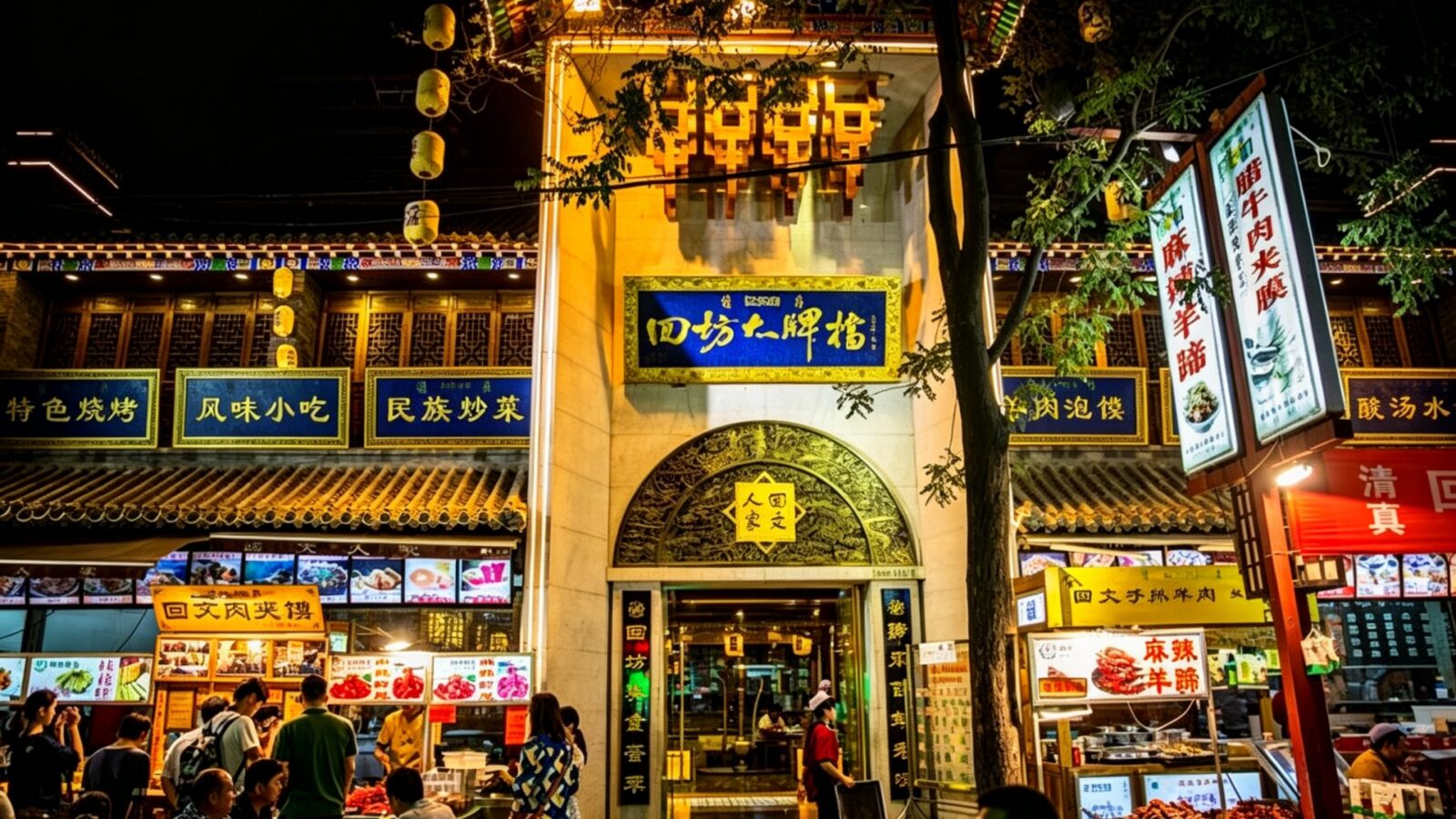
Xi'an Muslim Quarter
-
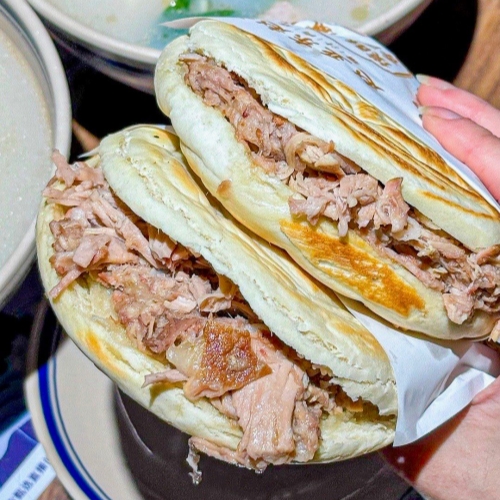
- Roujiamo
-
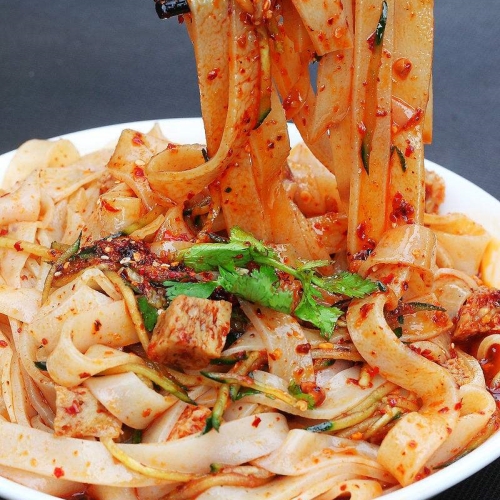
- Crystalline clear jelly noodles
By noon my stomach was howling for lunch, and the alluring scent of the Muslim Street was back in the air. Instead of the crowded thoroughfare, I slipped into quieter byways. This famous food street is made up of the alleyways connected by turns; a street that compiles the treasure of Shaanxi from the perspective of culinary delights, bespeaking zero altitude of Islamic culture. The scents of cumin, chili and roasted lamb were wafting all around. I got in lines at a well-known old house there, just for crystalline clear jelly noodles and fragrance miserable meat stuffed bread. One bite gave me pure unconfused happiness. Next, I know, this is working people's honest creation to celebrate good living.
5. Gao Family Manor
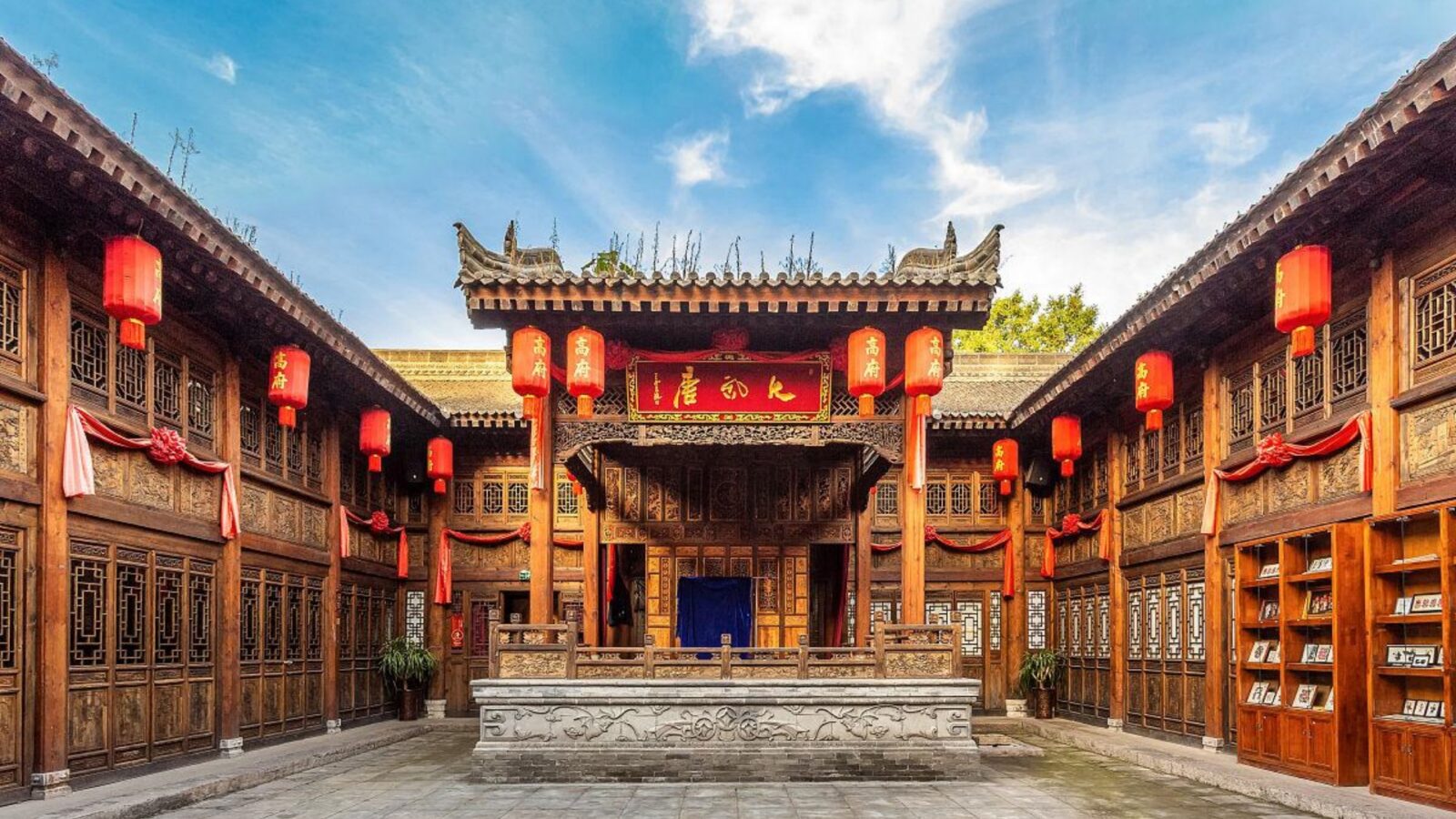
Gao Family Manor
-
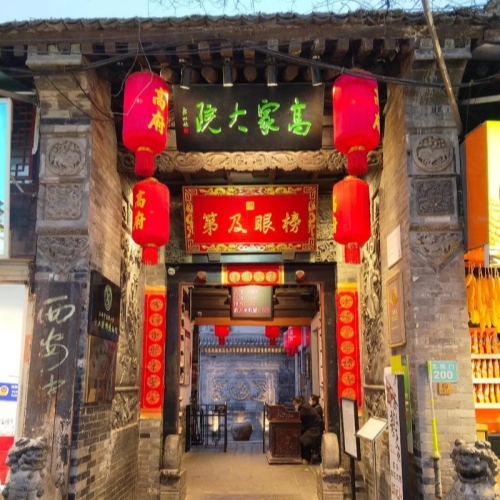
- Gao Family Manor
-
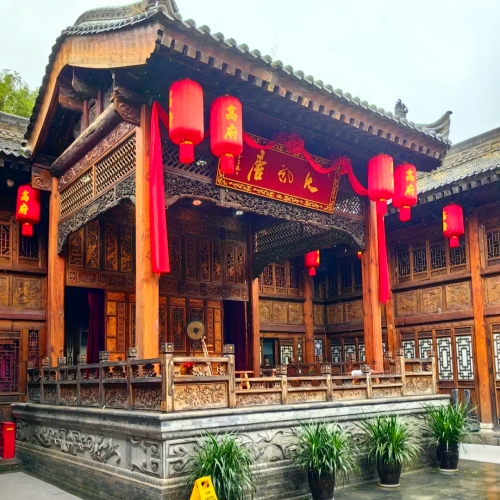
- Gao Family Manor
After my appetite was satisfied, deep in Muslim Street I found Gao Family Manor. This Ming dynasty courtyard (Chongzhen period to be exact) displays a relatively modest yet luxurious “Jinshi” gateway, and its quiet interiors completely block out the street noises. What captivates you most here are the shadow puppet shows. Sinking back into its ancient halls, you can see colourful silhouettes flitting behind the white screens, while impassioned Qin operatic voices recount age-old mythical tales. This isn’t mere entertainment; it’s intimate contact with the world of intangible cultural heritage, and discovering a dergelijke cultural enclave tucked within the heart of such a busy marketplace was one of the trip’s biggest surprises.
6. Yongxingfang
Yongxingfang
-
- Yongxingfang
-
- Yongxingfang
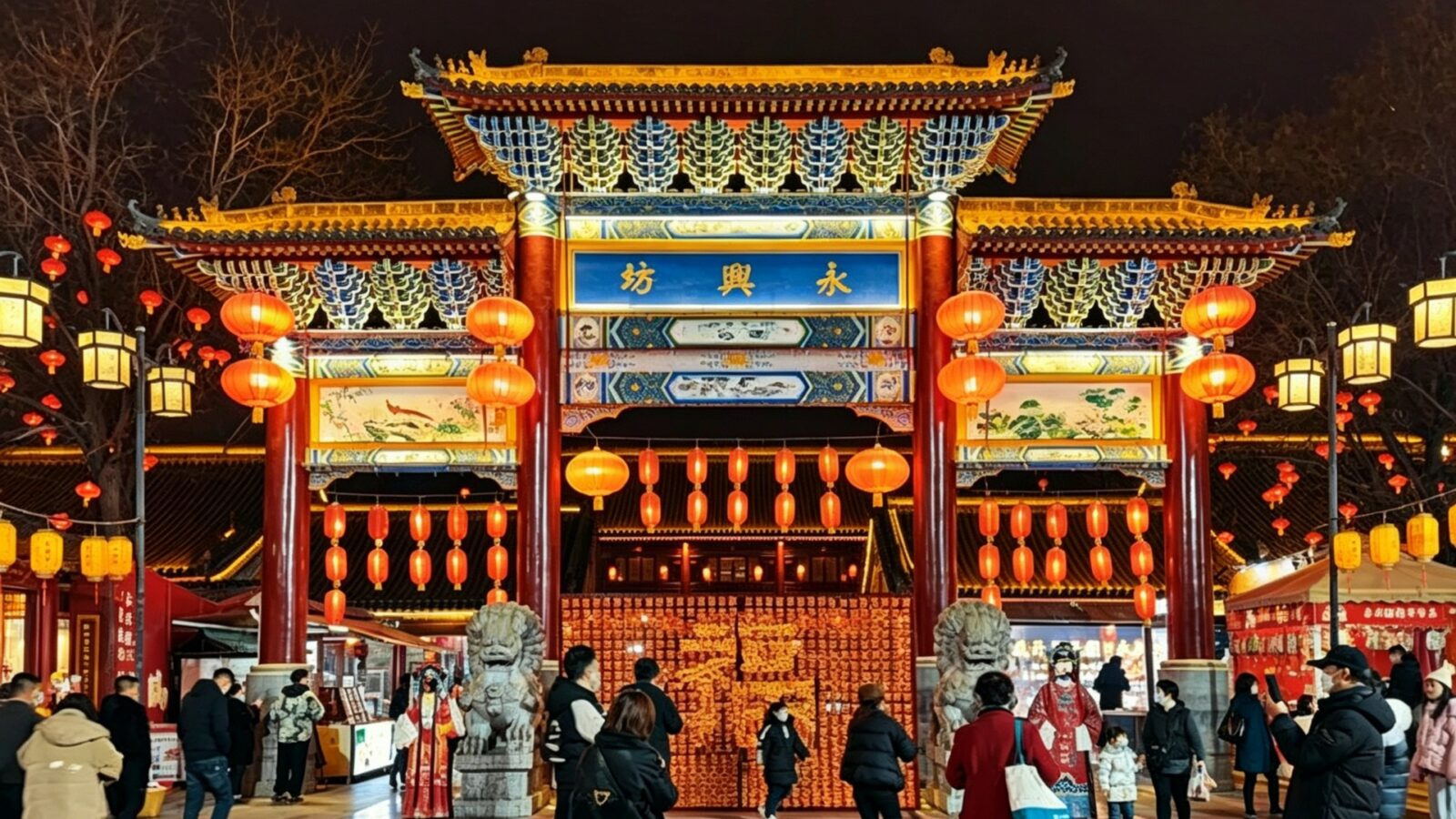
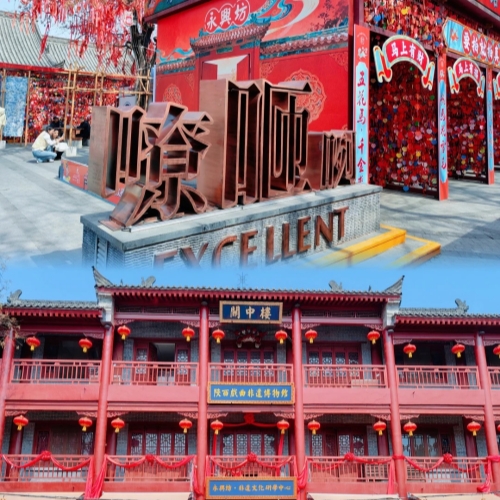
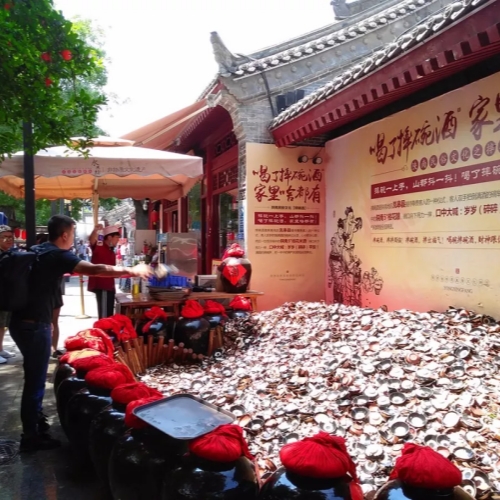
For a change, I strolled up to Yongxingfang, China’s first non-heritage food theme street. Ming and Qing architecture intersperse trendy modern design. Unlike Muslim Street’s genuine character, this place feels younger, hipper. I drank smashing-bowl wine - no alcohol content, but superior for the ritualistic theatricality - and tried the famously weirdly-shaped biangbiang noodles and stewed lamb hooves that have been teetering on tears at the convention’s edges. Yongxingfang acts like an immense food museum and accommodates anywhere the whole culinary DNA from Shaanxi to fulfil that “discerning” tongue. Here too, young people and families try to find tradition reborn.
Imperial History: Tracing Civilization at Museums and Pagodas
7. Shaanxi History Museum
Shaanxi History Museum
-
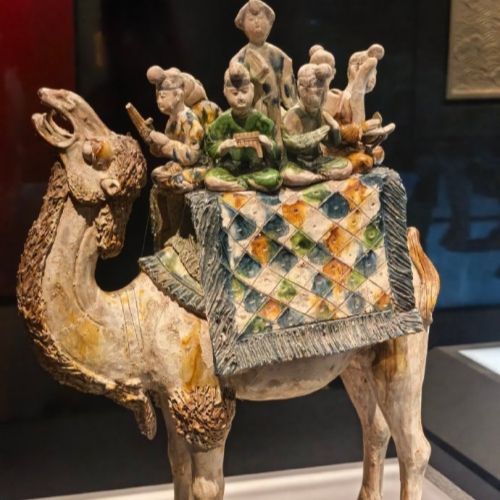
- Tri-colored Camel Carrying Musicians Figurine
-
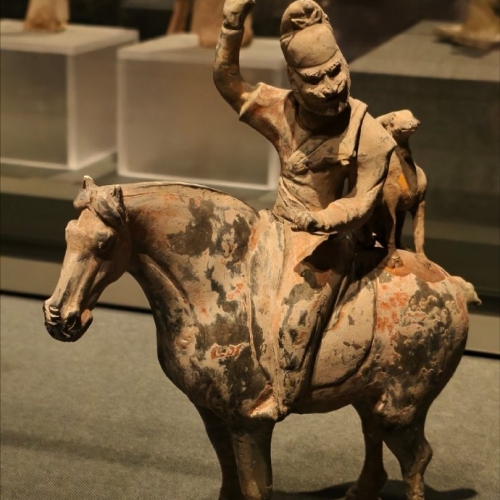
- Painted Hu Rider Hunting Figurine with Hound
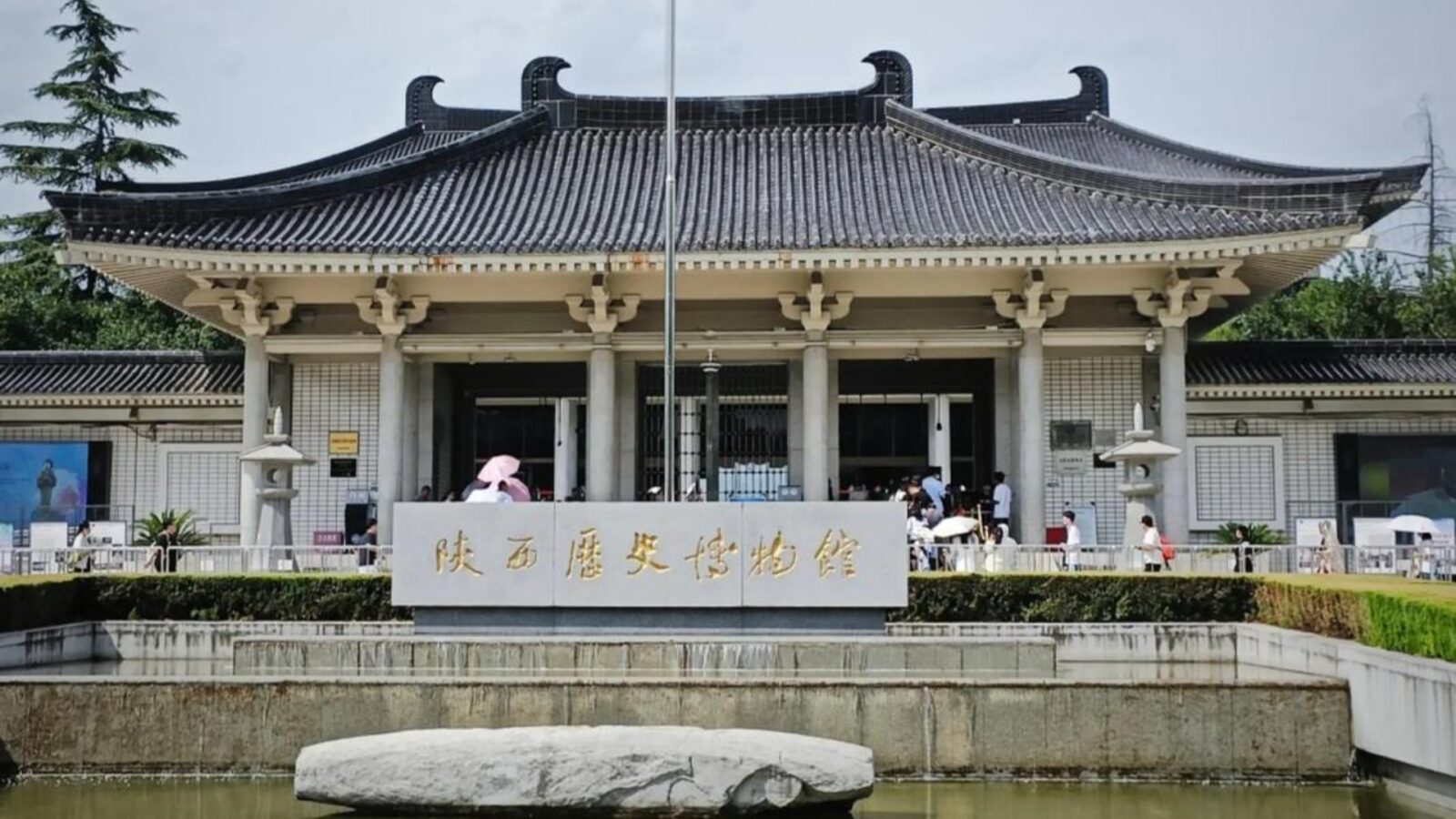
Afternoon was for replenishment of mind and spirit. Adventure found me first in the exuberant Shaanxi History Museum—China’s first large-scale modern national museum, presenting over 370,000 pieces of cultural relics related to Shaanxi’s ancient civilization. The line was daunting, but we were impatient to bear witness to history, and when those heavy doors swung, wonder gave way to awe. Priceless bronzes to vivid Tang three-color ceramics to bright gold and silver—each piece a storyteller of grand, flush Chang’an. As I stood in front of the He Village treasure hoard, there one could almost see the Tang Dynasty, alive and wealthy and poised, a millennium ago. This is what visiting museums in China can be like.
8. Big Wild Goose Pagoda
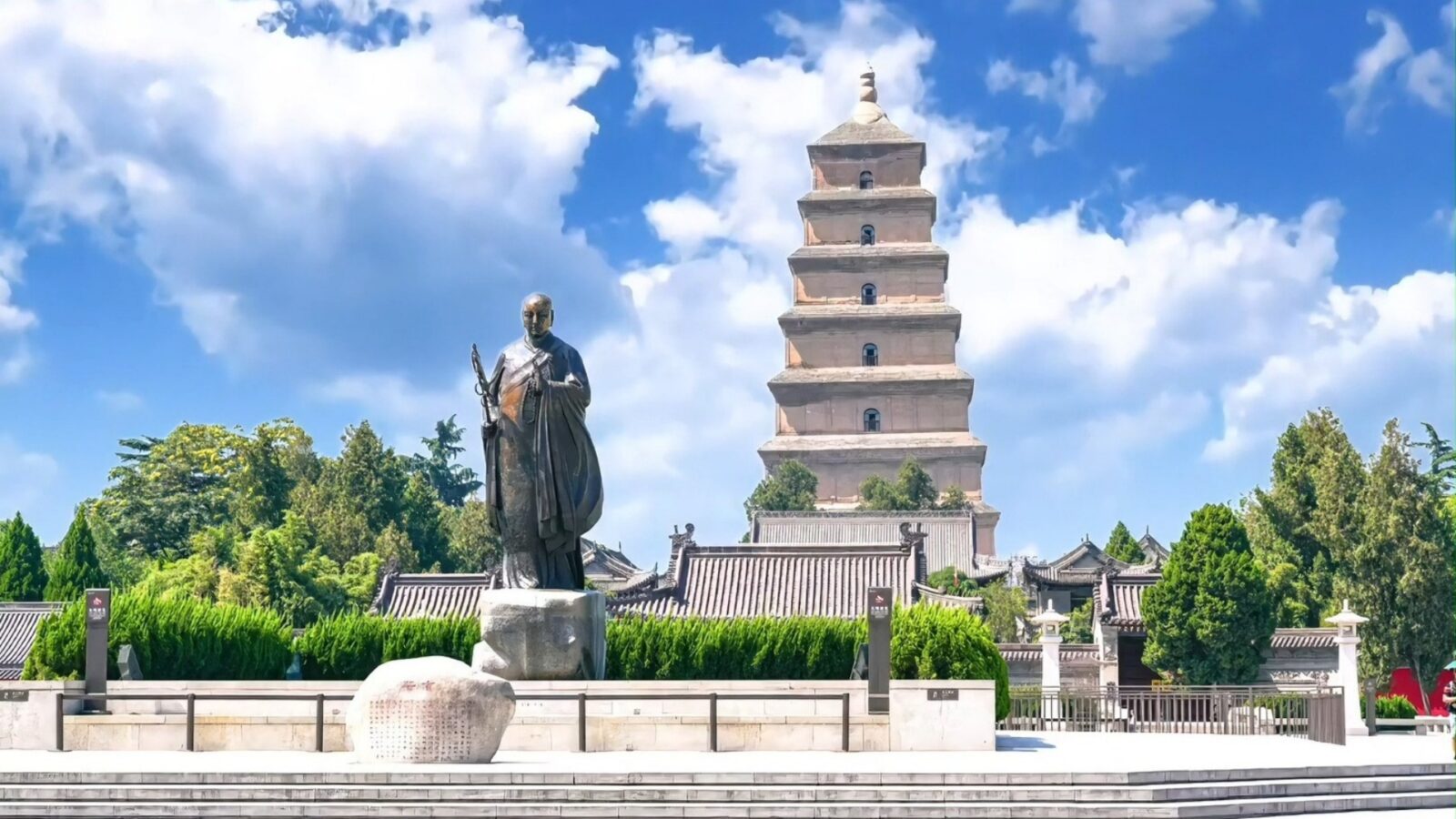
Giant Wild Goose Pagoda
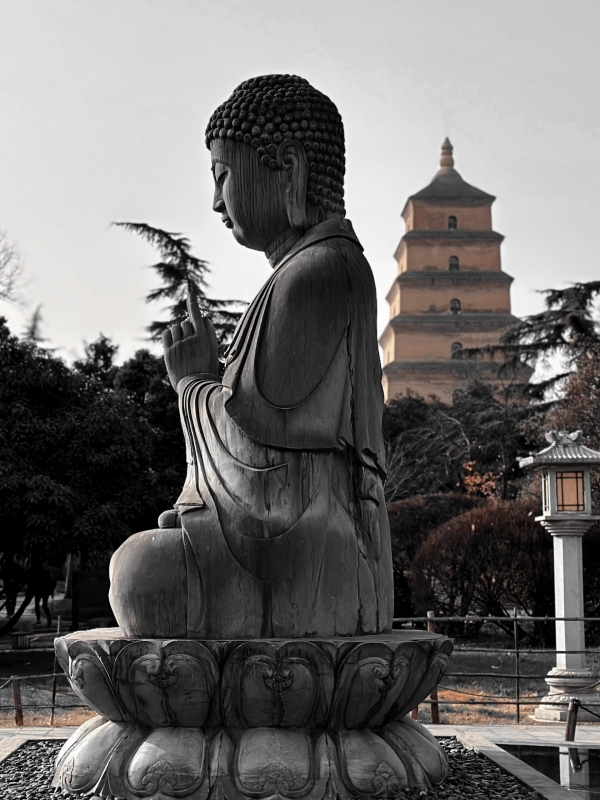
Afterwards I made my way to Big Wild Goose Pagoda as the sun was setting. This Tang dynasty tower measures 64 m high, seven-storey on a square base, and is the shrine where xuanzang copied his sutras is also a repository for many of the greatest of human stories. Late evening sunshine painted the pagoda gold, a holy hue of Buddhism. I walked around it reverentially, gazing in awe at its majestic upstanding presence. I thought upon Xuanzang’s journey of a thousand hardships to India, and the sutras teaching he mastered there. The spirit of this tower is one of tired resolute, struggling on in search of truth.
🏮 Plan Your Visit to Da Ci'en Temple: To check entrance fees, opening hours, and the surrounding musical fountain schedule, read our comprehensive travel guide on the Giant Wild Goose Pagoda.
Tang Dynasty Splendor: Immersive Nightlife in Golden Age Theme Parks
9. Datang Furong Garden
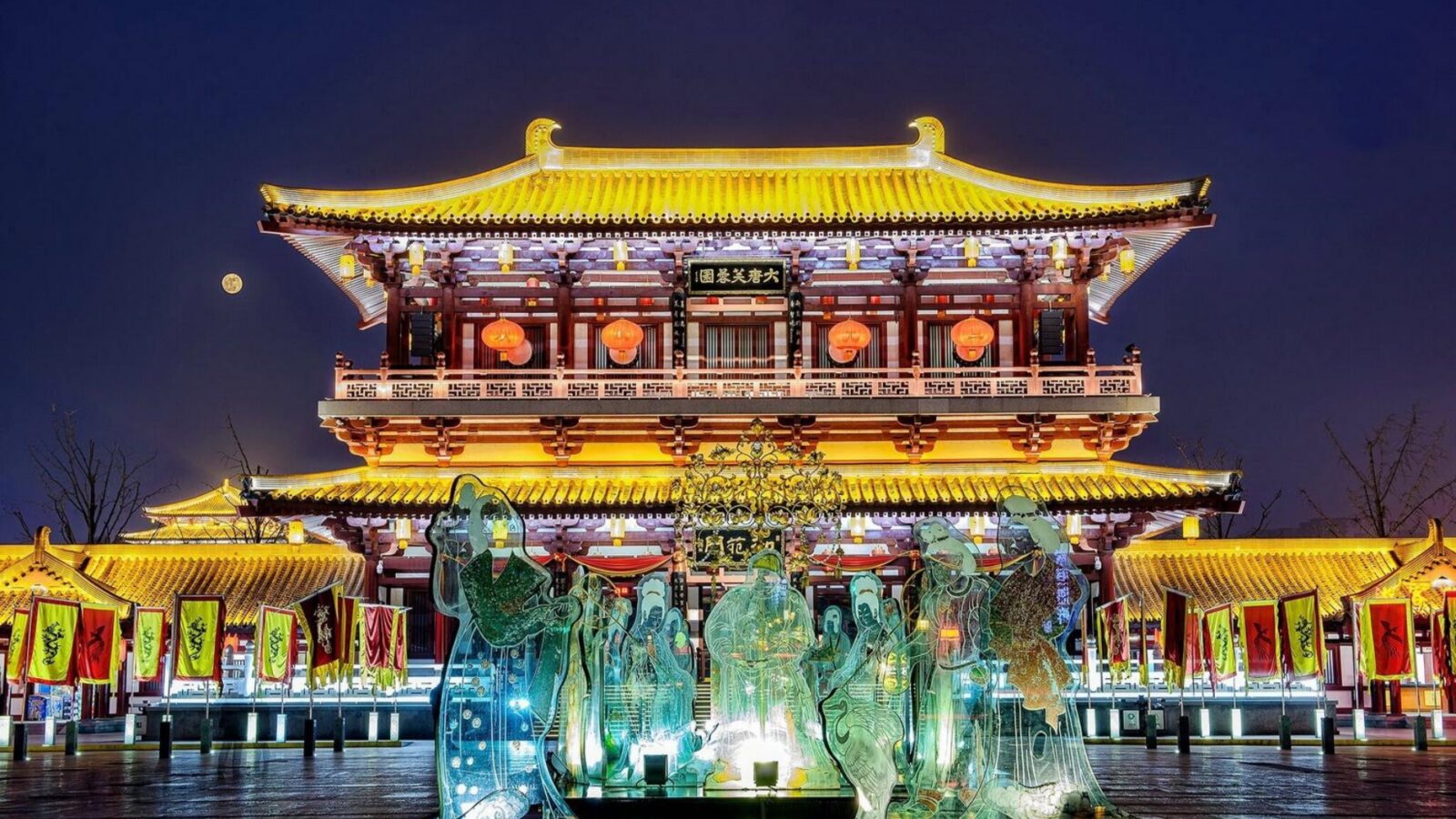
Datang Furong Garden
As night fell, I entered Datang Furong Garden. This Chinese first theme park comprehensively displays Tang Dynasty splendor with imposing architecture and beautiful landscape scenery. Upon entering, I stood amazed by pavilions, towers, bridges and flowing water everywhere. Young ladies wearing traditional hanfu filled streets photographing—we'd truly stepped back into prosperous Tang times! I boarded a night boat floating across moonlit waters, watching lamplight trace ancient building silhouettes. Elegant classical music drifted from everywhere, creating a dreamlike atmosphere. For instance, riding that boat transformed me completely into that glorious era.
10. Datang Everbright City
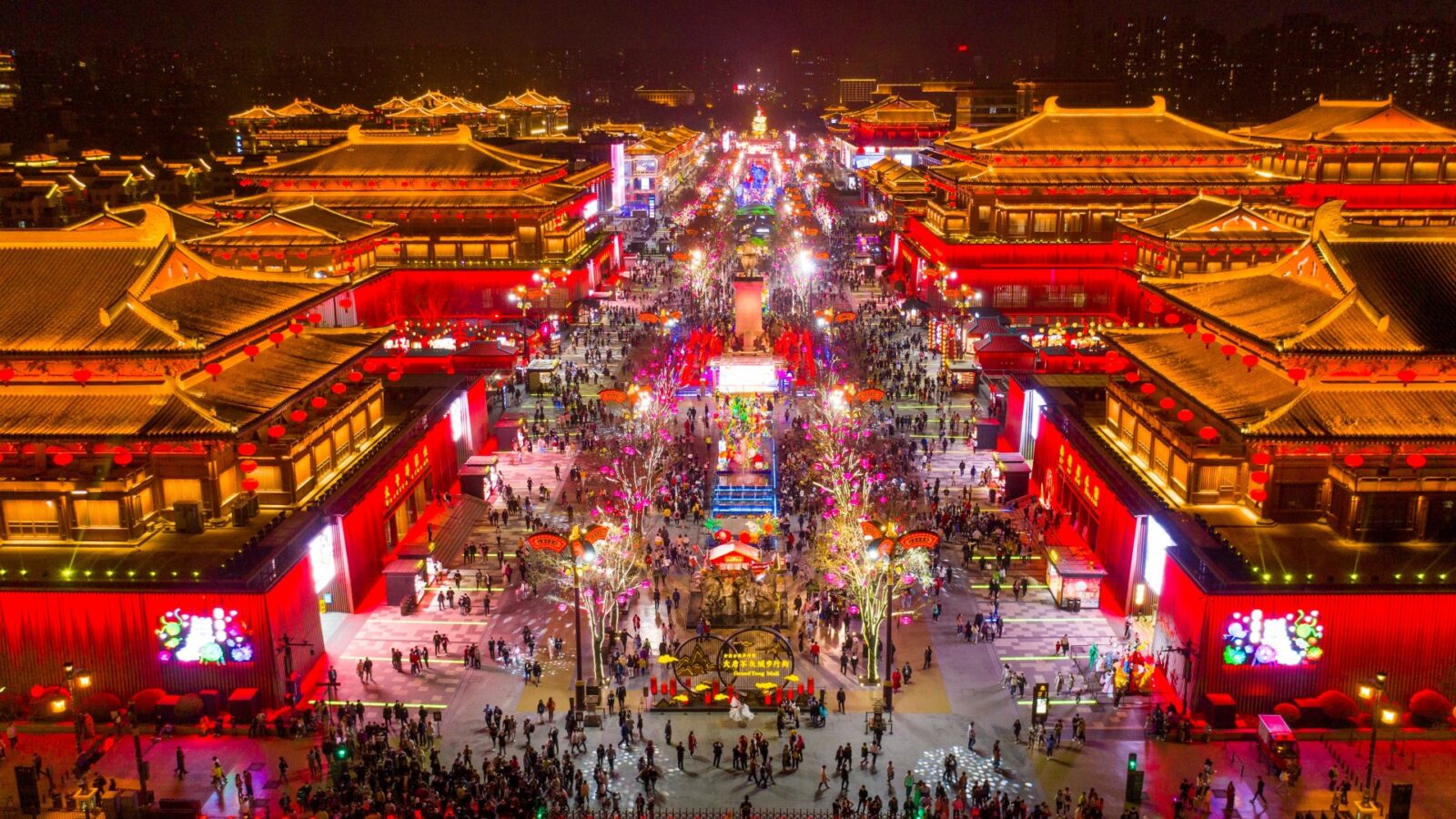
Tang Paradise Night City
Exiting the garden, steps brought me to Datang Everbright City—a Tang-culture-themed pedestrian street featuring spectacular performances and dazzling night scenery, representing Xian's new tourism landmark. Brilliant lights illuminated every corner while massive crowds surged forward. Walking along, I admired various Tang-culture sculptures and installations. Occasionally, I encountered the famous "inverted" young lady performing—her weightless dancing and sweet smile ignited the whole crowd's excitement. Therefore, I completely surrendered to Xian's enchanting nightscape, unwilling to awaken from such dreams.
Eighth Wonder: Marveling at Terracotta Warriors and Royal Springs
11. Terracotta Warriors Museum
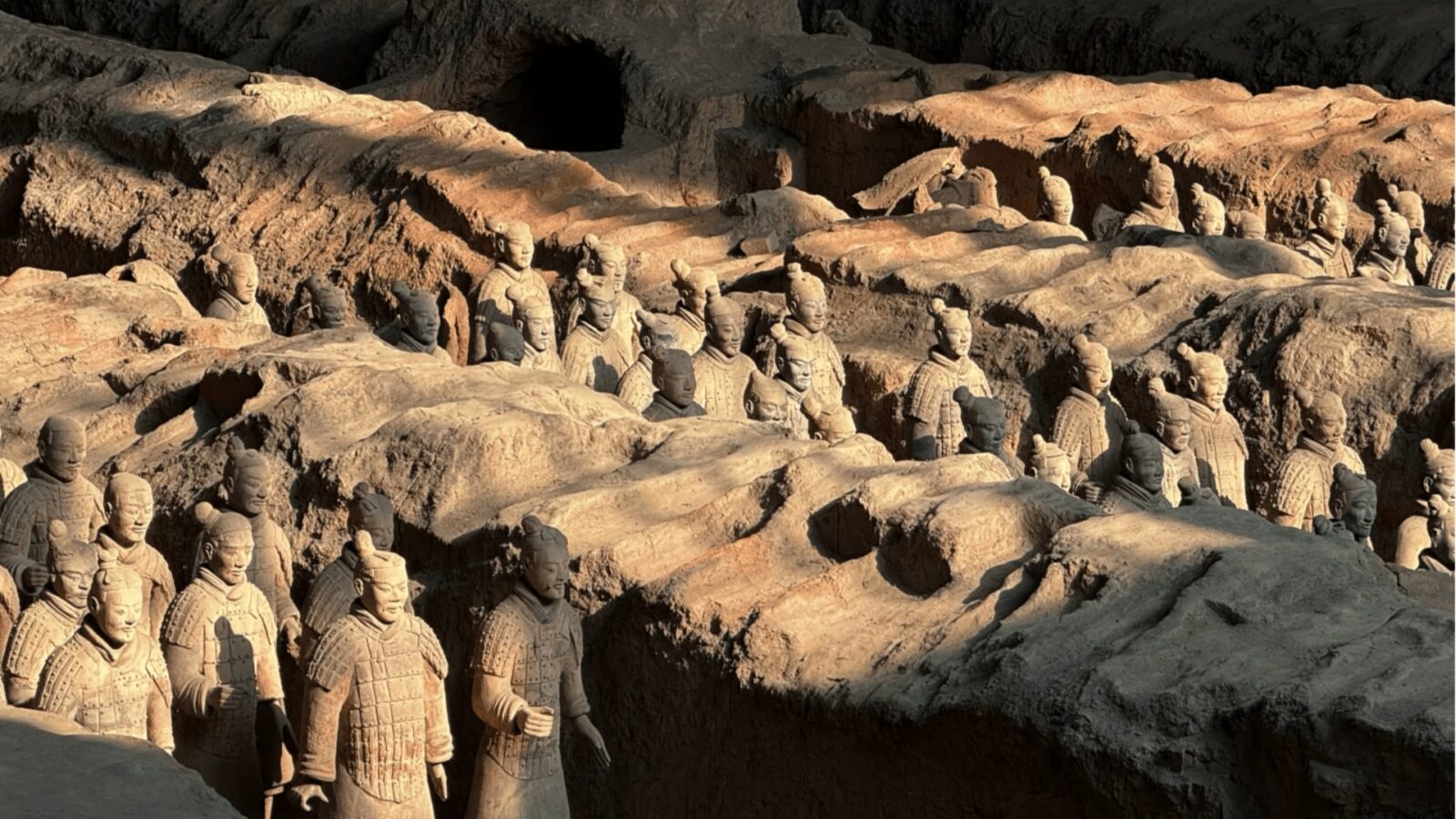
Terracotta Warriors at Pit 1
-
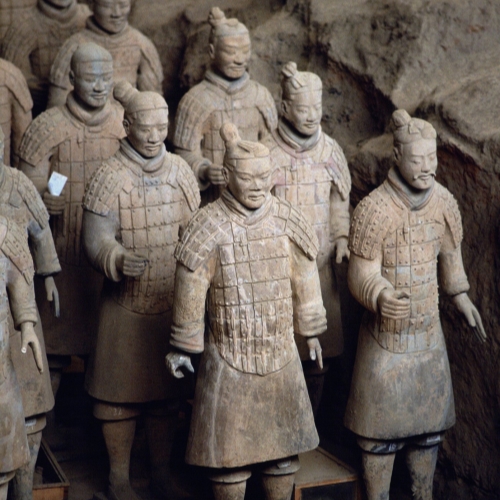
- Terracotta Warriors in Formation
-
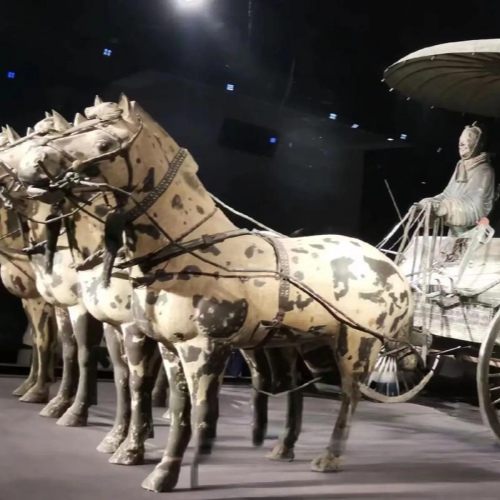
- Bronze Chariot No.1
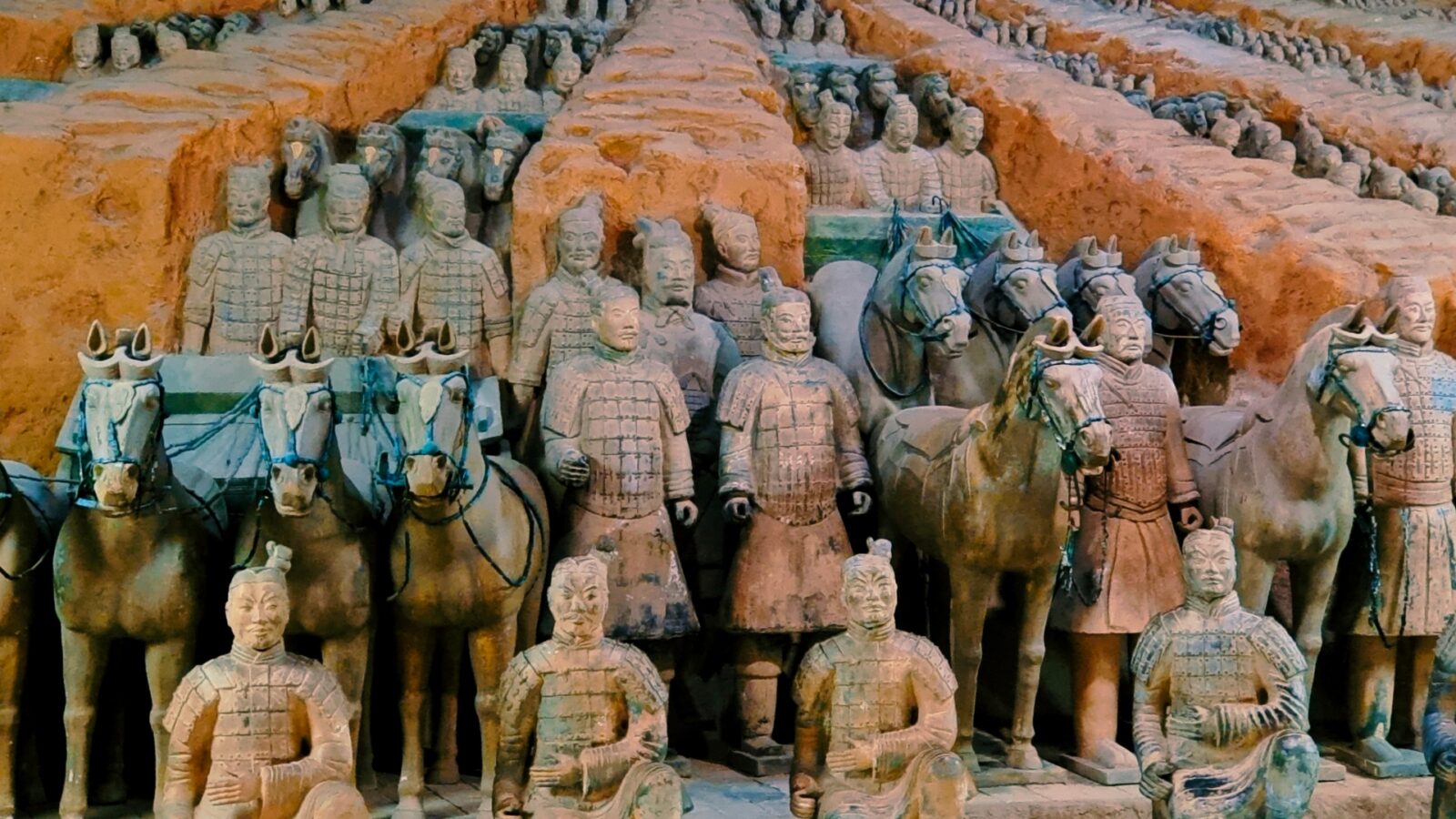
The second day began early with a minibus ride toward Lintong's Terracotta Warriors—the world's eighth wonder and Qin Shi Huang's burial pit army. Thousands of life-sized clay warriors stand in perfectly lifelike formations displaying Qin military prowess. When that massive underground army finally appeared before me, my breath stopped entirely. Thousands of uniquely formed, expressively faces clay figures composed an awe-inspiring underground military force. They seemed prepared to march forward at any moment, emerging from those ancient pits. Standing before them, I felt completely insignificant. Therefore, this transcends mere clay objects; it represents that ancient empire's vast scope and countless craftsmen's crystallized intelligence and sweat.
12. Qin Shi Huang Mausoleum
Next came Mount Li Park, actually Qin Shi Huang's Mausoleum. Covering 56.25 square kilometers and mirroring ancient Xianyang's layout, this imperial tomb holds the "First Emperor" of unified China eternally. Though excavation remains limited, the enormous earthen mound alone stirred profound shock. Standing before this mysterious landmark, I sensed an overwhelming authority that made me desperate to uncover that vast unified dynasty's secrets. Moreover, this place emanates a spiritual power beyond ordinary description.
13. Huaqing Palace
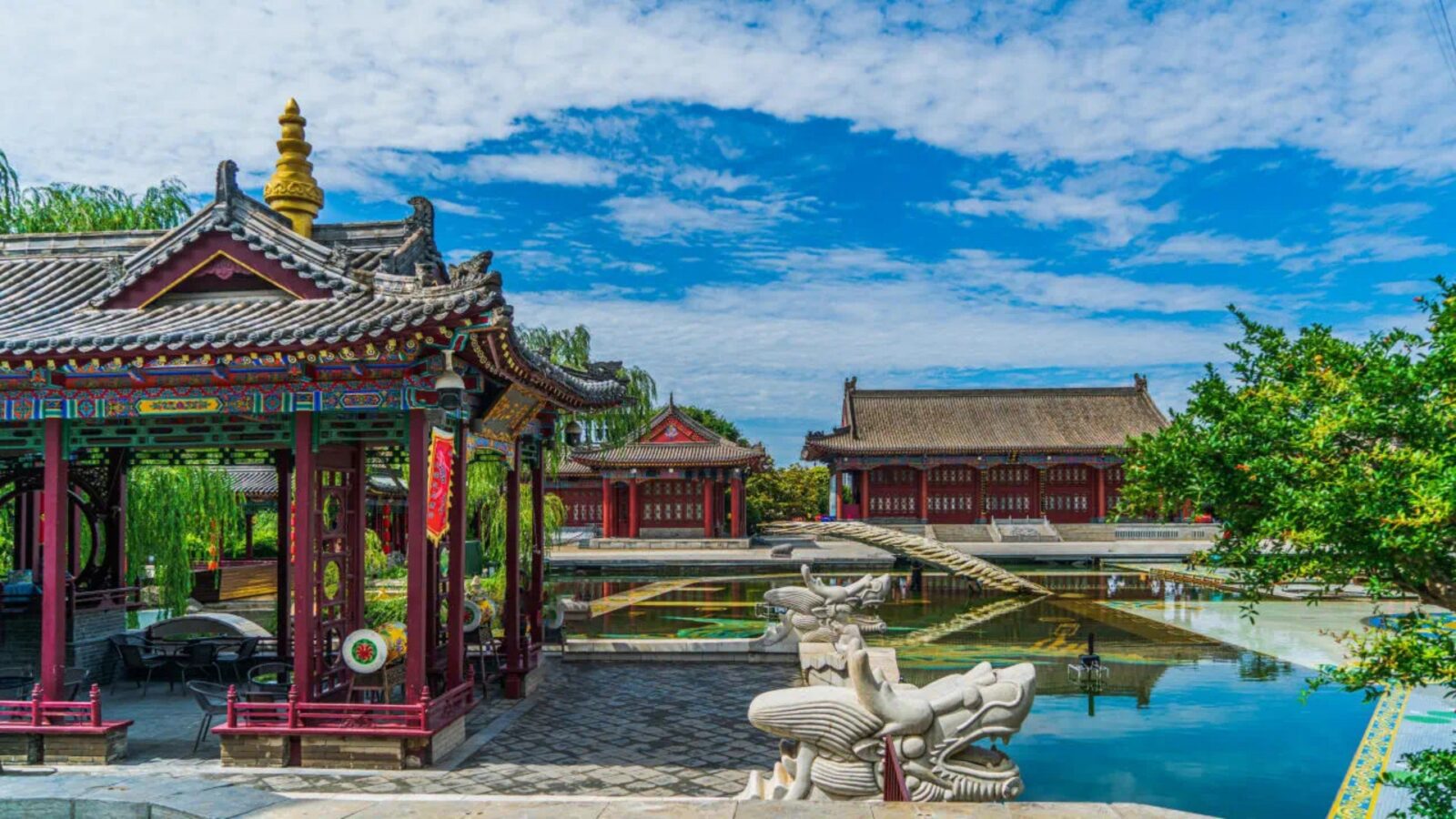
Huaqing Palace
Leaving the mausoleum, I visited Huaqing Palace—the Tang emperors' mountain hot spring resort, famous for Emperor Xuanzong and Consort Yang's legendary love story and the Xi'an Incident. This gorgeous landscape with cascading thermal waters beckoned travelers for centuries. However, what fascinated me most was the history itself. Wandering through Longevity Hall ruins, I imagined that famous vow: "In heaven we wish to be birds flying together; on earth we wish to be trees intertwined." Yet the An Lushan Rebellion shattered this beautiful love into tragedy. Therefore, Huaqing Palace witnessed both Tang's magnificence and inevitable decline, reminding us of history's cruel indifference.
14. Mount Li

Mount Li
Mount Li, a branch of the Qin Mountains, offers stunning vistas with beacon towers and profound cultural depth. I rode the cable car to the summit. Standing at the beacon tower, surveying Huaqing Palace below and the vast Guanzhong Plain beyond, my vision opened completely. This location combines beautiful natural scenery with historical significance—the "beacon fire deceives the lords" legend originated here. Therefore, nature and human culture achieve perfect harmony, leaving visitors enchanted.
15. Long Hatred Song
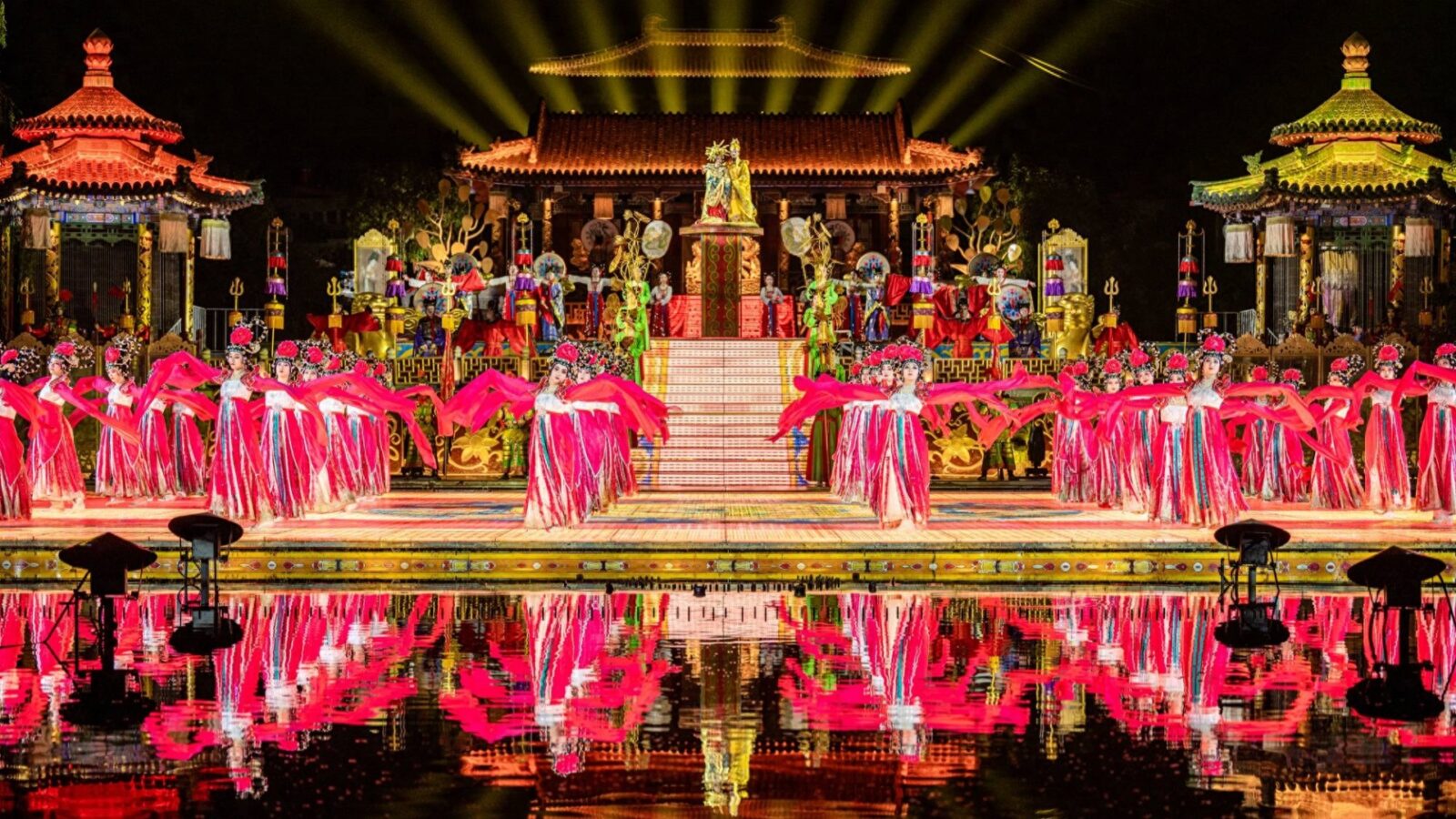
Long Hatred Song Performmance
As darkness fell, Long Hatred Song performance transformed Mount Li's foot into a miraculous stage. This large-scale outdoor production recreates the tragic love story between Xuanzong and Yang Guifei with stunning visual effects. When those lights ignited, Huaqing Pool's water became an enormous stage. The actors' brilliant performances, grand scenes, and lifelike special effects rendered that poignant love story completely vivid. Therefore, when the theme song "In heaven we wish to be birds flying together; on earth we wish to be trees intertwined" resonated, my eyes glistened with tears. This performance transcended entertainment; it constituted profound historical and cultural education.
⚔️ Ancient Capital of Emperors for history lovers eager to walk where emperors once stood, 12 Cool Cities in China: Giant Pandas, Ancient Hutongs, and Neon 3D Skylines.
Local Morning: Embracing Daily Life at the South Gate
16. Xiaonanen Early Market
My journey's final day didn't involve rushing toward attractions. Instead, I leisurely wandered to South Gate Morning Market—Xian's lively marketplace nestled against the city wall featuring diverse specialty snacks and genuine human warmth. Sky barely lightened when the market already bustled with energy. Vegetable sellers, breakfast vendors, bird and flower merchants filled every space—their hawking voices, haggling conversations crisscrossed everywhere. I squeezed through crowds buying steaming hot pepper soup and fresh meat-stuffed bread. This unadorned market atmosphere couldn't exist in fancy restaurants. It radiates authenticity, vibrancy, brimming with life's true temperature and genuine human connection.
Traveler's Toolkit: Essential Tips for Your Perfect Xi'an Trip
Getting Around
- Subway: Xian's metro network is incredibly developed, covering all major attractions. Obtain a "Xian Electronic Metro Card" through Alipay or WeChat for rapid, hassle-free entry—no fumbling for change needed.
- Buses: Explore slightly distant locations or enjoy city street views via public buses. Scan your phone for payment, just as convenient as subway travel.
- Taxis: In-city rides cost very little with low base fares. However, expect traffic congestion during peak hours. For distant attractions like the Terracotta Warriors, tourist shuttle buses prove more efficient.
Where to Stay
- Bell Tower / South Gate Neighborhoods: These remain premium choices! Transportation proves incredibly convenient. Reaching the city wall, Muslim Street, or Shaanxi Museum takes under thirty minutes. Evening strolls through Everbright City connect you with the city's heartbeat.
- Big Wild Goose Pagoda / Qujiang New District: Perfect for visitors seeking tranquility and upscale accommodation. Beautiful surroundings, modern hotels, and close proximity to Everbright City nightlife ensure convenient evening entertainment.
Tickets and Reservations
- Shaanxi History Museum: Free tickets sell out quickly—book several days ahead through official WeChat. Without reservations, consider purchasing 30-yuan treasure hall tickets for entry without waiting.
- Terracotta Warriors and Huaqing Palace: These tickets are relatively available. Purchase through official channels or apps like Ctrip a day prior, then swipe your ID to enter without queuing.
- Shaanxi Museum Qin-Han Hall: If missing the main museum, try the newly opened Qin-Han Hall with fewer visitors and equally excellent exhibitions.
Dining Recommendations
- Meat Buns: Personal noodle-breaking remains essential! Crumble them smaller and more evenly for maximum flavor absorption when cooked.
- Cold Noodles: Try Weijiazhaomian or neighborhood stalls—chewy texture with perfectly balanced sour and spicy seasonings.
- Meat-Stuffed Bread: Fanjiluxurou Jiamo represents the old standard, but street-grilled versions often surpass it in fragrance.
- Ice Peak: When eating cold noodles and meat bread, match them with Ice Peak soda—the standard Xian pairing! Orange flavor, refreshingly crisp.
FAQs: Things to Do in Xian Answered
Q: How many days should I spend exploring things to do in Xian?
Most visitors require three to four days experiencing major attractions and embracing Xian's cultural essence thoroughly. However, two days allow you to witness highlights—day one for city attractions, day two for Terracotta Warriors excursion. For deeper cultural immersion and discovering hidden gems things to do in Xian offers, extending your stay to one week provides richer experiences and genuine local connections unavailable during rushed itineraries.
Q: What's the best season visiting things to do in Xian?
Spring (April-May) and autumn (September-October) offer ideal temperatures and comfortable weather conditions. Avoid national holidays when crowds overwhelm things to do in Xian sites. Summer brings family travelers, while winter proves cold though less crowded. Pleasant autumn weather makes September through October peak season—perfect for outdoor activities despite increased visitors exploring museums and ancient monuments.
Q: Are English guides available for things to do in Xian attractions?
Major attractions offer English-speaking staff and informational materials. However, hiring private guides significantly enriches cultural understanding through historical context and insider knowledge. Many things to do in Xian sites provide audio guides available in multiple languages, proving helpful for self-guided exploration. Hotel concierges can arrange professional English-speaking guides who provide engaging narratives about Xian's diverse dynasties and cultural significance.
Q: What authentic souvenirs should I buy when exploring things to do in Xian?
Traditional crafts like terracotta warrior replicas, brush painting, and calligraphy scrolls represent popular authentic souvenirs. Shaanxi tea, local wine, and specialty snacks make excellent gifts. Muslim Quarter vendors sell high-quality dried fruits and traditional handicrafts. Things to do in Xian experiences often inspire purchases supporting local artisans—hanfu clothing, shadow puppet sets, and ceramic pottery represent investment pieces carrying meaningful cultural significance beyond typical tourist trinkets.
Q: Is Xian safe for solo travelers discovering things to do in Xian?
Xian is generally safe for solo travelers of all backgrounds. The city welcomes international visitors warmly, and major tourist areas provide excellent safety and infrastructure. Locals appreciate respectful travelers interested in Chinese culture and history. Standard precautions apply—keep valuables secure in busy markets and avoid walking isolated areas late at night. Therefore, solo travelers confidently explore things to do in Xian with minimal concerns while maintaining basic travel awareness.
Q: What food allergies or dietary restrictions should I disclose things to do in Xian dining?
Xian's cuisine heavily features sesame, cumin, and chili—inform vendors early about specific allergies or restrictions. Vegetarian options exist abundantly despite meat-heavy street food culture. Muslim restaurants accommodate halal requirements respectfully. Apps like WeChat or translation tools help communicate dietary needs at smaller establishments. Many things to do in Xian restaurants, especially mid-range and upscale establishments, understand common allergies. Therefore, discussing requirements prevents complications while enjoying authentic culinary experiences.