Shaanxi History Museum
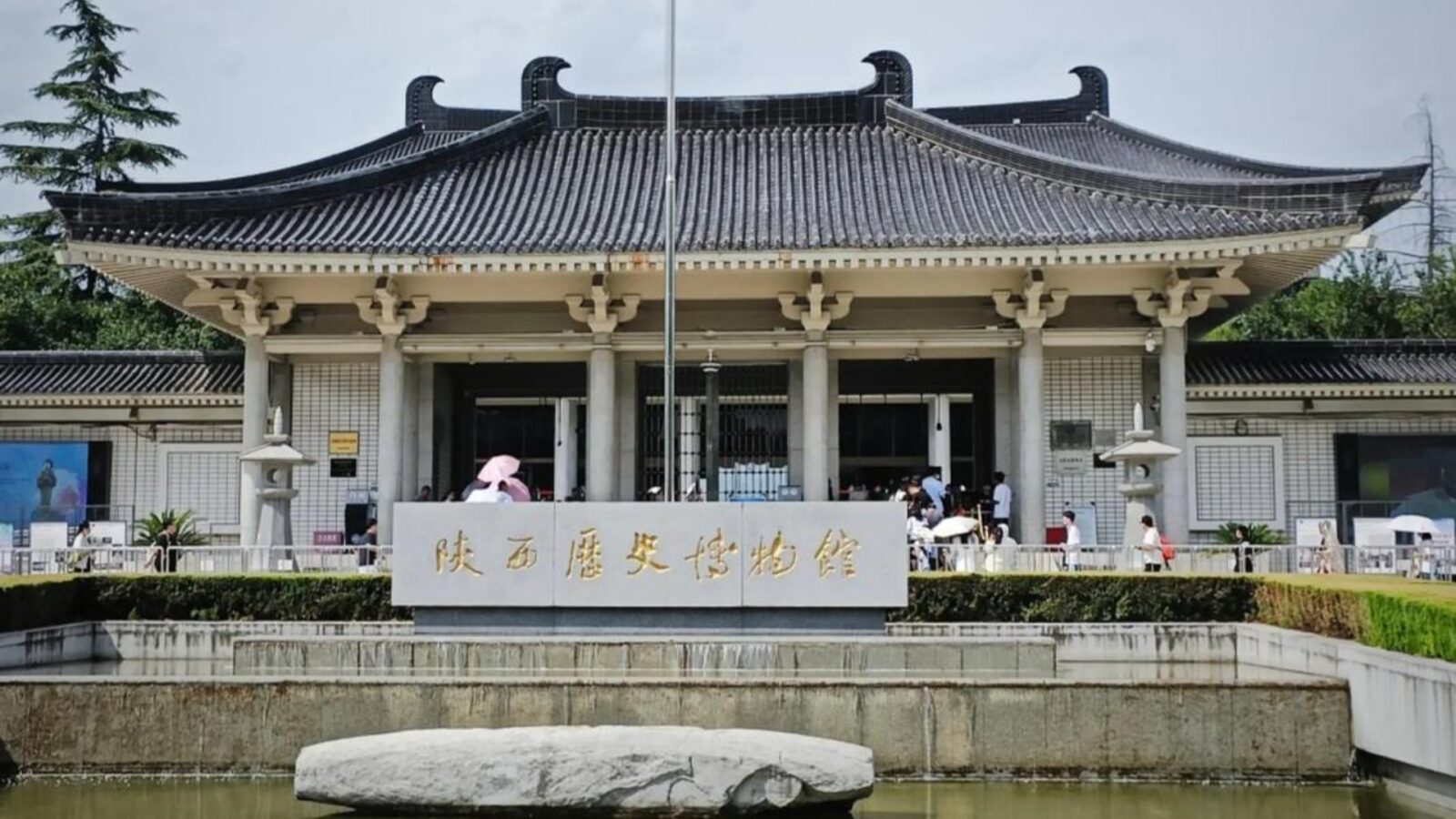
Shaanxi History Museum, in Xi'an, China, is the province's flagship museum — a 370,000-relic survey of the 13 dynasties that ruled from this ancient capital, including the Zhou, Qin, Han, and Tang. The Tang-style palace complex sits a short walk from the Big Wild Goose Pagoda and is widely cited as the first modern museum in China, opened in 1991. Inside, the collection runs from prehistoric tools to original Tang tomb murals, but the three ticket tiers, the daily free-ticket queue, and the official booking site that requires a Chinese ID card all take some decoding for foreign visitors.
Quick Facts
What to See: Hall-by-Hall Collection Highlights
The 370,000-relic collection spans more than one million years and 13 dynasties, laid out across three chronological halls and two paid annexes.
Halls 1–3: The Chronological Journey (Prehistory to 1840)
-

- Shaanxi History Museum
-
- Shaanxi History MuseumShaanxi History Museum
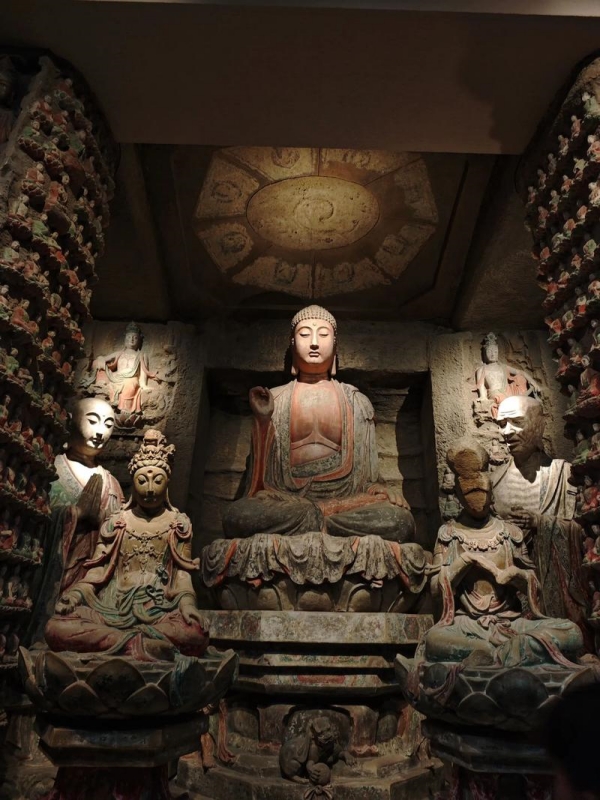
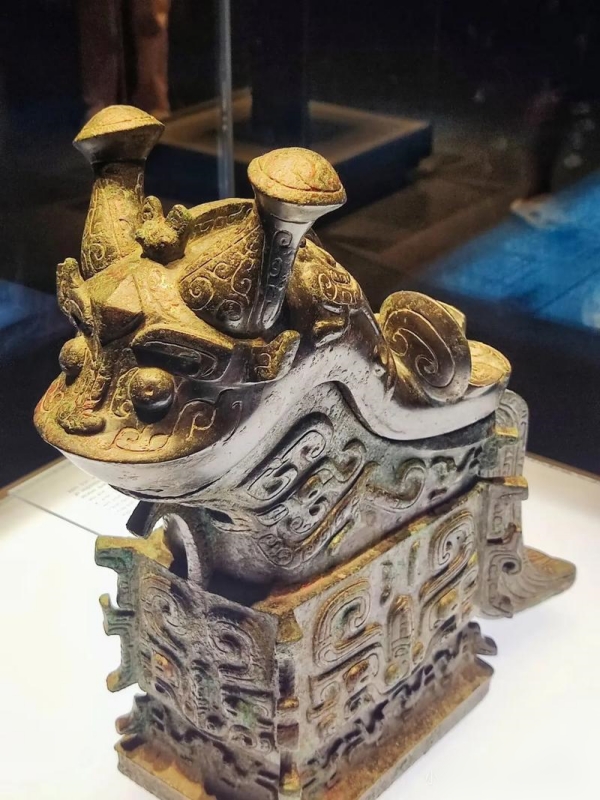
Halls 1, 2, and 3 walk visitors from prehistoric stone tools to the late Qing in 1840. Hall 1 opens with the Zhou and Qin dynasties and is anchored by bronze ritual vessels that mark the rise of centralized state power.
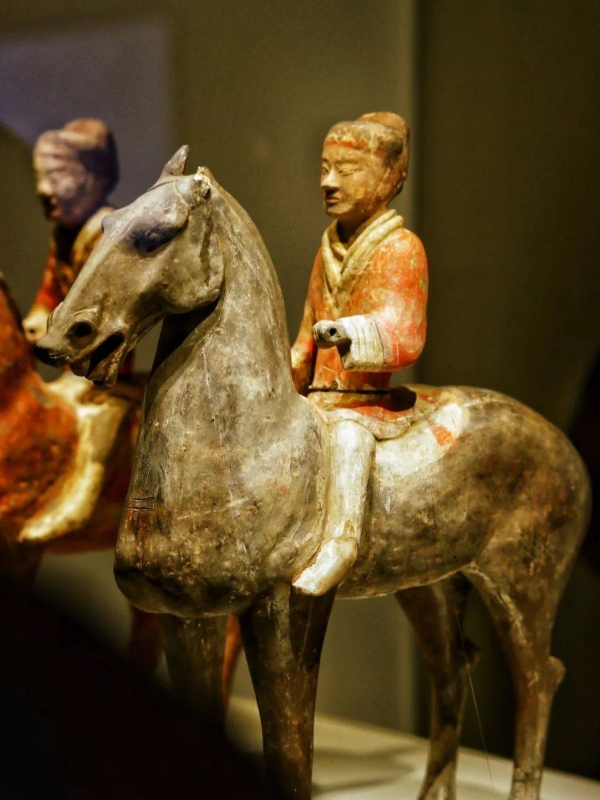
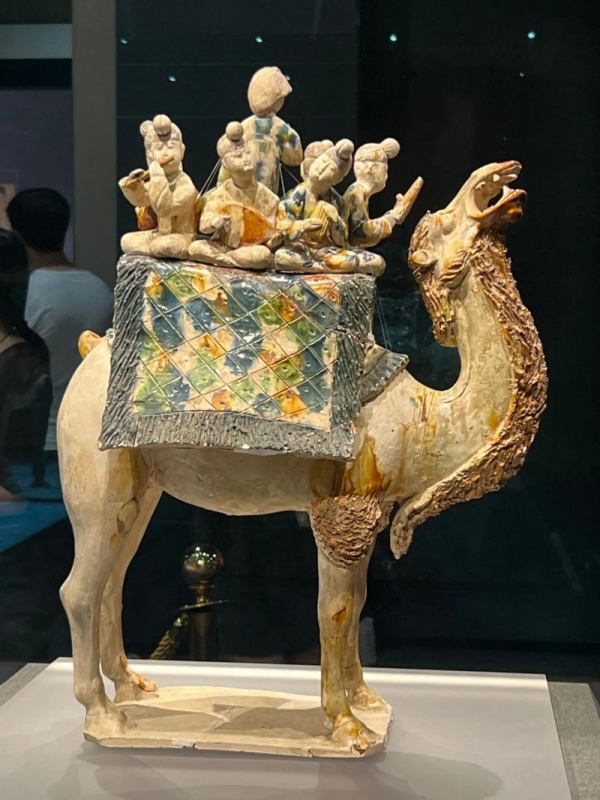
Hall 2 carries the survey through the Han, with pottery, bronze wares, and a strong lineup of tomb figurines. Hall 3 lands on the Tang — gold and silver work, Tang sancai pottery, and a rotation of tomb murals. Together, these three halls form the free section, capped at 6,000 visitors per day.
Hall 4 and the Tang Treasure Gallery
-
- Shaanxi History Museum
-
- Shaanxi History Museum
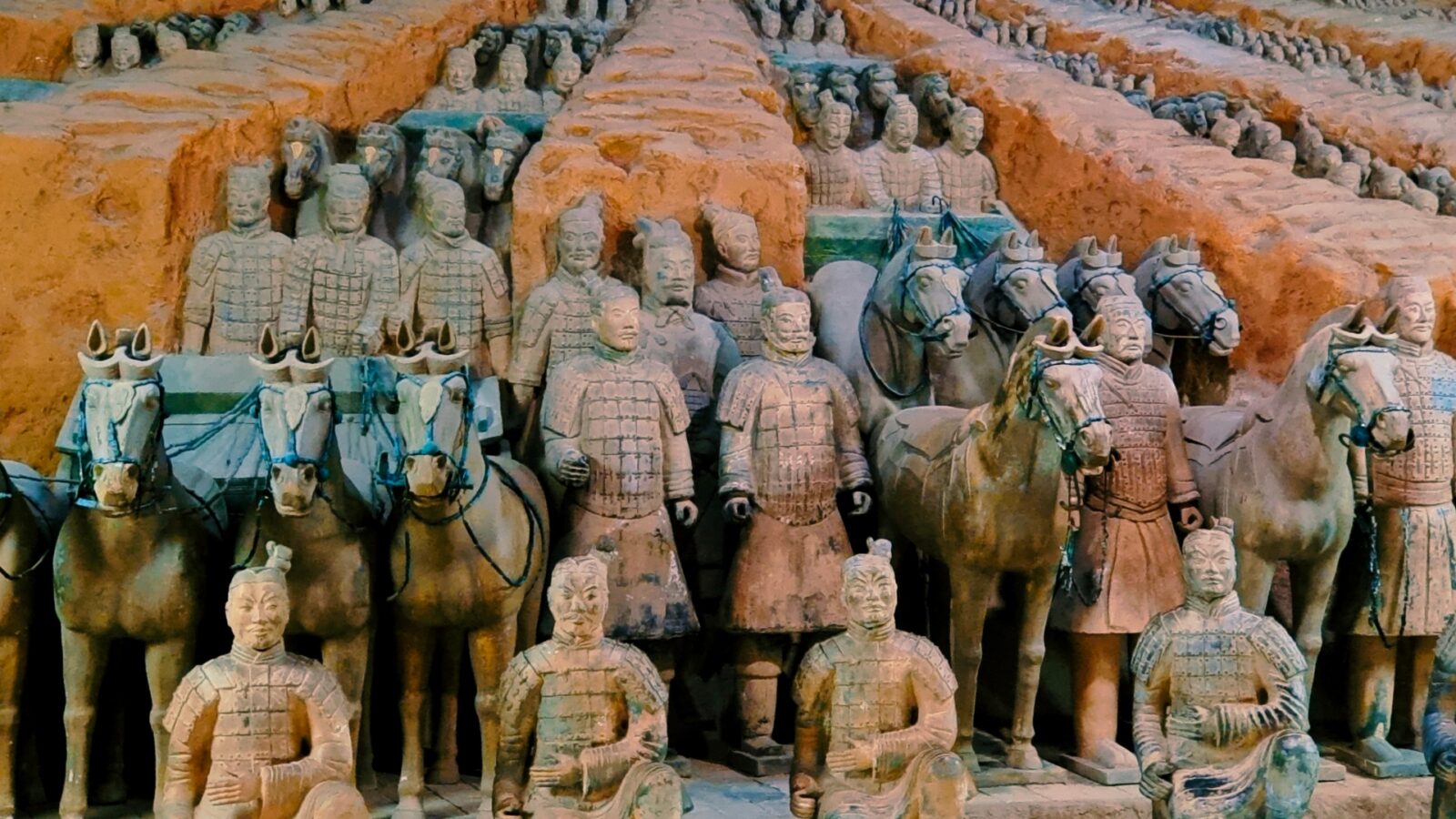
Two paid sections extend a Tang-focused visit. Hall 4, the Tang Treasure Gallery, costs about $4 (¥30) on top of the free halls and gathers Tang-dynasty masterpieces the main halls don't have room for — including four original terracotta warrior statues on long-term display.
The Tang Mural Paintings Hall, in a separate wing, costs about $42 (¥300) and is the only public way to see certain original tomb murals. Two highlights anchor the gallery: the twelve zodiac sculptures from a Tang imperial tomb, and a polo-match mural lifted from the wall of a Tang prince's tomb.
🏙️ Contextualize Xi'an's History: Beyond housing relics from 13 ancient dynasties, this former Silk Road terminus has grown into a bustling modern metropolis. Learn about the city's size, demographic growth, and district scale in our breakdown of Population Xian.
Tickets and Booking for Foreign Visitors
The museum runs three ticket tiers, and the booking system was built for Chinese ID cards. Halls 1–3 are free, capped at 6,000 visitors per day, but only 500 of those tickets are released to the official online reservation system. Foreign visitors typically buy at the door on the day, or book a guided-tour bundle on Trip.com or Klook that includes an English-speaking guide.
Ticket Types, Prices, and Opening Hours
Opening hours run 8:30am–6:00pm (Mar 15–Nov 14) and 9:00am–5:30pm (Nov 15–Mar 14). The museum is closed Mondays year-round.
How Foreign Visitors Can Actually Book
The official reservation site requires a Chinese ID card, and only 500 of the day's tickets are released there. Three practical options exist for foreign visitors.
- Buy at the door: queue for a free ticket, or pay about $4 (¥30) at the Hall 4 counter for queue-skip entry. Mornings at 8:30 and after 15:00 are calmest.
- Book a Trip.com or Klook guided-tour bundle: entry plus an English-speaking guide, with skip-line access bundled in.
- Hire a private guide on arrival: about $42–70 (¥300–500) for a half-day English guide, the most flexible option for a Tang-focused visit.
Avoid July, August, and the October National Day week — even the about $4 (¥30) queue stretches well past the gate.
Getting There from Central Xi'an
DiDi accepts foreign credit cards, and bus stops sit at the museum gate for direct service from several districts.
Combining with the Big Wild Goose Pagoda
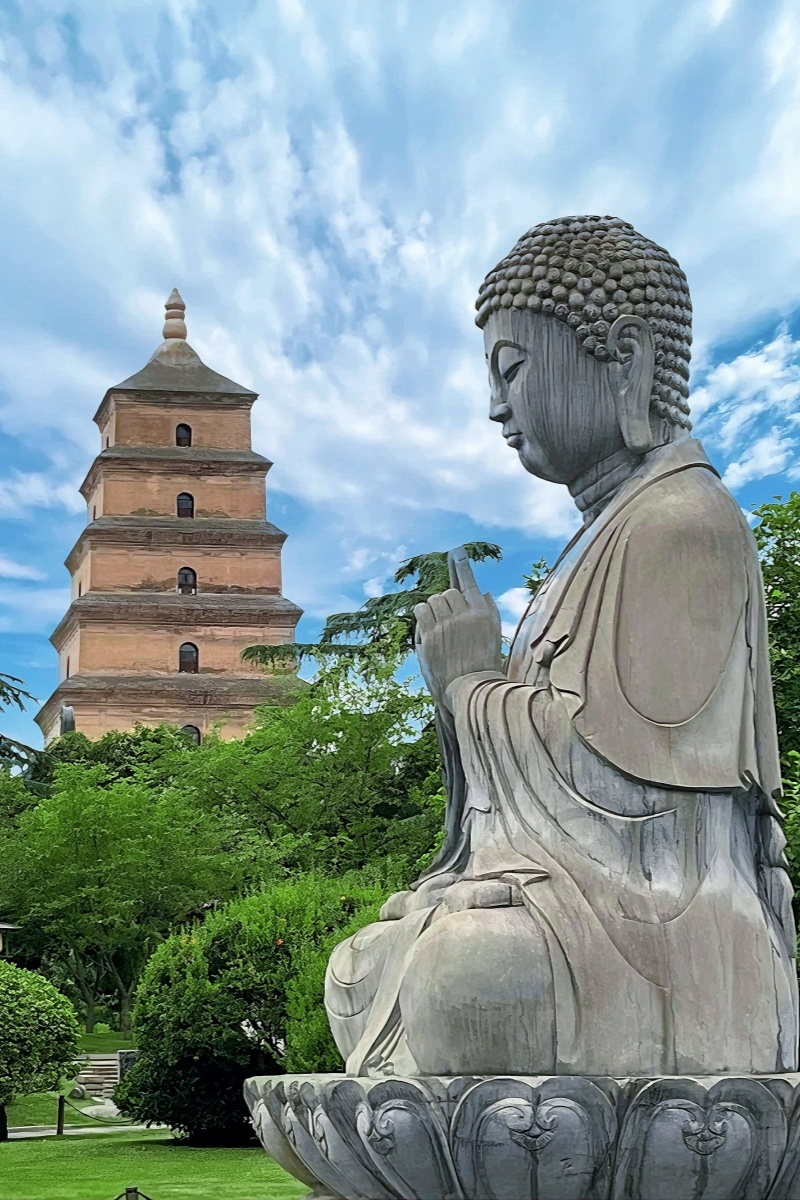
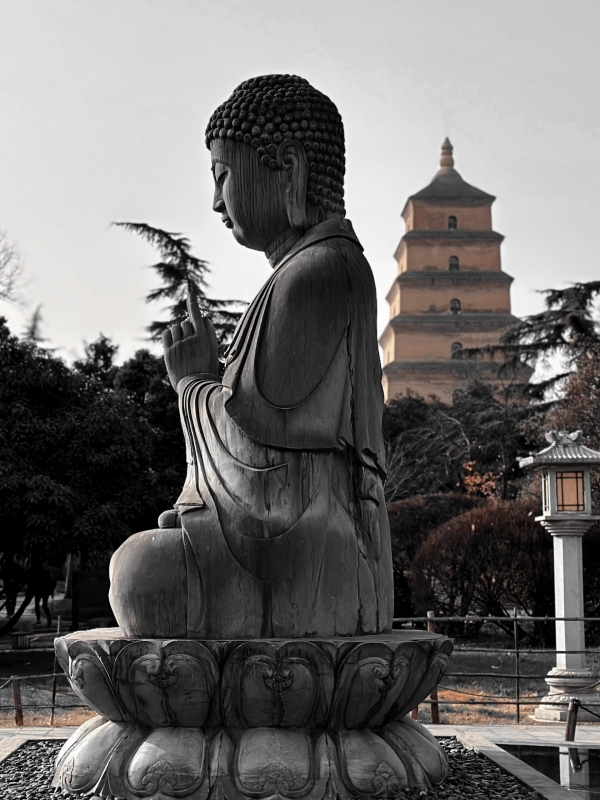
The Big Wild Goose Pagoda
The museum sits inside the Qujiang cultural district, where the Big Wild Goose Pagoda is a 5–10 minute walk north and Tang Paradise lies directly across the street. The outer square of the pagoda is free to enter; climbing the pagoda itself costs about $4–7 (¥30–50).
Tang Paradise, a Tang-themed park across the street, stages an evening water-and-light show for about $17 (¥120). A natural full-day pairing runs like this:
- Morning: arrive at the museum's 8:30 opening, beat the queues
- Lunch: stay in the Qujiang district for a meal near the pagoda
- Afternoon: climb the Big Wild Goose Pagoda and walk the square
- Evening: Tang Paradise show, then dinner nearby
Visiting Tips: Crowds, Guides, and Photography
The museum runs busy most days, with free-ticket queues peaking between 10:00 and 14:00. Arrive at the 8:30 opening or after 15:00 for a calmer visit. July, August, and the October National Day week are the worst windows — both the free ticket queue and the Hall 4 line stretch well past the gate.
English captions cover the major exhibits but skip many secondary items. An English audio guide rents for about $3–4 (¥20–30), though stock is limited and devices go fast in the morning. A private English-speaking guide runs about $42–70 (¥300–500) for a half-day and is the most reliable way to read the collection — our pick for any Tang-focused visit.
All bags must be left at the coat check before entry. Flash photography is not permitted in any of the halls.
Frequently Asked Questions
Q: How much does it cost to enter the Shaanxi History Museum?
Entry to halls 1–3 is free, capped at 6,000 tickets per day. Hall 4 costs about $4 (¥30), and the Tang mural hall costs about $42 (¥300) with skip-line priority. The about $4 (¥30) ticket also lets you bypass the free-ticket queue.
Q: Do I need to book tickets in advance?
Not for foreign visitors. The official reservation site requires a Chinese ID card and is essentially unusable. Buy at the door on the day, or book a Trip.com or Klook guided-tour bundle that includes entry and an English-speaking guide.
Q: What is the difference between the ¥30 and ¥300 tickets?
The about $4 (¥30) ticket adds Hall 4, the Tang Treasure Gallery, to the free halls 1–3 and skips the free-ticket queue. The about $42 (¥300) ticket adds the Tang mural hall and stronger skip-line priority.
Q: Can I visit the museum on a Monday?
No. The Shaanxi History Museum is closed on Mondays year-round. Tuesday through Sunday is the operating schedule, with seasonal hours varying by month.
Q: Is there English signage or an English audio guide?
English captions cover the major exhibits but not everything. English audio guides rent for about $3–4 (¥20–30) in limited stock. A private English-speaking guide costs about $42–70 (¥300–500) for a half-day.
Q: How long should I plan for a visit?
Two to three hours covers halls 1–3. Add Hall 4 for three to four hours total. A full day is needed if you also include the Tang mural paintings hall.
Q: How do I get to the museum from central Xi'an?
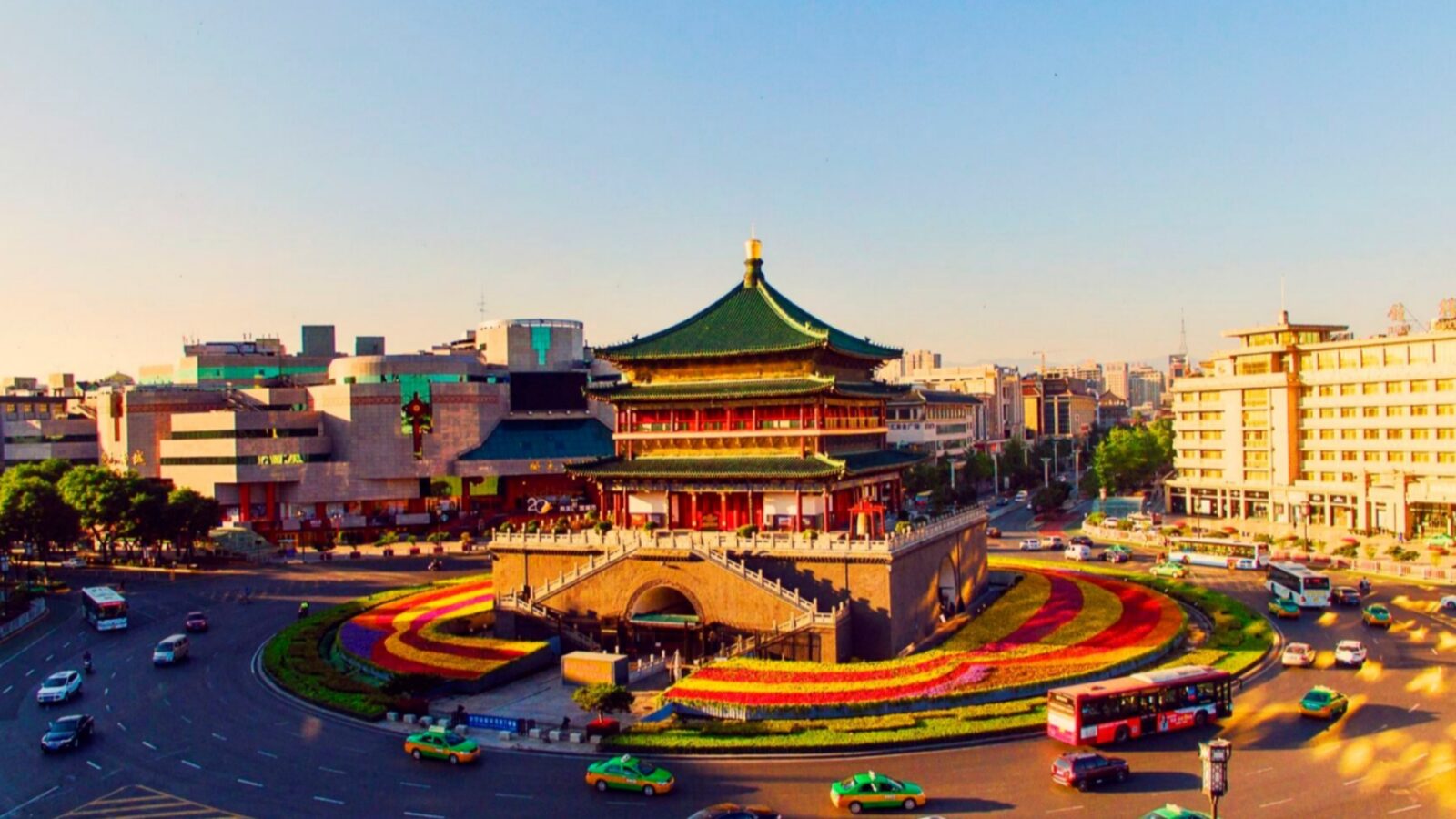
Subway Line 2 to Xiaozhai station, Exit B, then a 5–10 minute walk. A taxi from the Bell Tower or Muslim Quarter takes 20–30 minutes and costs about $4–6 (¥30–40).
Q: Can I take photos inside the museum?
Yes, without flash, in most halls. Flash photography is banned throughout. The Tang mural paintings hall restricts photography entirely, including no-flash shots.