Xi'an China Population
Xi'an, the capital of Shaanxi Province in central-northwest China, is one of the country's oldest continuously inhabited cities and a major hub for trade, education, and tourism. The city occupies a vast administrative footprint of 10,762 km² and held 12,952,907 residents as of the 2020 national census. For foreign visitors and analysts, however, the numbers can be confusing — multiple population definitions coexist, and older travel guides often cite figures that no longer reflect the city's current scope. This article untangles those layers and maps the city into its districts and counties. The Xi'an metropolitan area spans three population tiers, several terrain zones, and a ring-road district structure that determines where most visitors spend their time. Below is the full breakdown.
Quick Facts
Xi'an's Population Today
Xi'an in China
Three different population figures appear in official records and published guides. The most recent national census records 12,952,907 residents for the full subprovincial city. Meanwhile, the built-up urban area held 11,904,805 residents, and the broader metropolitan zone recorded 12,283,922. Older travel guides sometimes cite around 8.7 million permanent residents — that figure corresponds to an earlier, narrower administrative definition and should not be compared directly with current figures.
- Citywide population: 12,952,907 (2020 census) — the full subprovincial city across all 11 districts and 2 counties
- Urban population: 11,904,805 (2020 census) — the built-up contiguous urban area
- Metro population: 12,283,922 (2020 census) — the broader metropolitan zone
- Older guide figures: ~8.7 million permanent / ~5.1 million urban — refer to a narrower scope predating administrative expansion
Citywide Population
Per the 2020 national census, Xi'an's citywide population stands at 12,952,907 residents. This covers the full administrative footprint of the subprovincial city, including urban districts, suburban counties, and mountain areas. Within China's western region, Xi'an ranks third after Chongqing and Chengdu. It is the largest city in Northwest China by total population.
Urban vs Metro Population
The urban population of 11,904,805 measures the contiguous built-up area, while the metro figure of 12,283,922 captures a slightly broader commuter zone. The gap between citywide and metro is roughly 670,000 residents, reflecting rural districts that fall outside the metropolitan boundary. The older 8.7-million figure, still visible in some published guides, refers to a much narrower definition — either a pre-merger boundary or an urban-core-only count — and predates the administrative expansion that incorporated surrounding counties.
Population Growth Trend
The most dramatic shift occurred between 2010 and 2020. A 2010 baseline put Xi'an's total population at roughly 5.4 million. By the 2020 census, the count had reached nearly 13 million. This near-doubling was driven largely by administrative consolidation — the city absorbed portions of the adjacent Xianyang administrative region, adding several counties and their populations to the municipal total. Long-term, Xi'an has fluctuated between roughly 5 and 13 million across different boundary definitions, and the city's rank among China's top-10 most populous municipalities has remained stable once the expanded boundaries are applied.
📍 Discover Top Attractions Across Xi'an: From the ancient City Wall within the central ring roads to the Terracotta Warriors in Lintong District, explore the capital's must-see destinations in our guide to Xi'an Tourist Places.
Land Area and Density

Silk Road's Xi'an
Citywide Area
The subprovincial city covers 10,762 km² (4,155 sq mi). For context, this is roughly the size of Jamaica or Lebanon. The area stretches far beyond the tourist city center — visitors crossing to the Terracotta Warriors in Lintong District travel roughly 40 km east, while the mountain retreats in Zhouzhi County lie over 80 km to the southwest.
District and County Breakdown
The urban area spans 5,808.6 km² and encompasses the six central districts plus nearby suburban districts. The metro area covers 4,903.9 km² of contiguous built-up land. Both figures are smaller than the citywide total because the full municipal boundary includes rural mountain districts — Lantian and Zhouzhi in particular add significant area with relatively low population density. The terrain shifts from the flat Guanzhong Plain (averaging around 410 m elevation) through the Qinling Mountain foothills to the south, creating a radial city pattern where lower-density outer districts surround a densely packed urban core.
Districts and Counties of Xi'an
Xi'an's administrative structure comprises 11 districts and 2 counties, totaling 13 county-level divisions. The municipal government is based in Weiyang District, which also hosts the city government offices. The six central urban districts — Xincheng, Lianhu, Beilin, Weiyang, Yanta, and Baqiao — form the core tourist and commercial zone, roughly within or near the Second Ring Road.
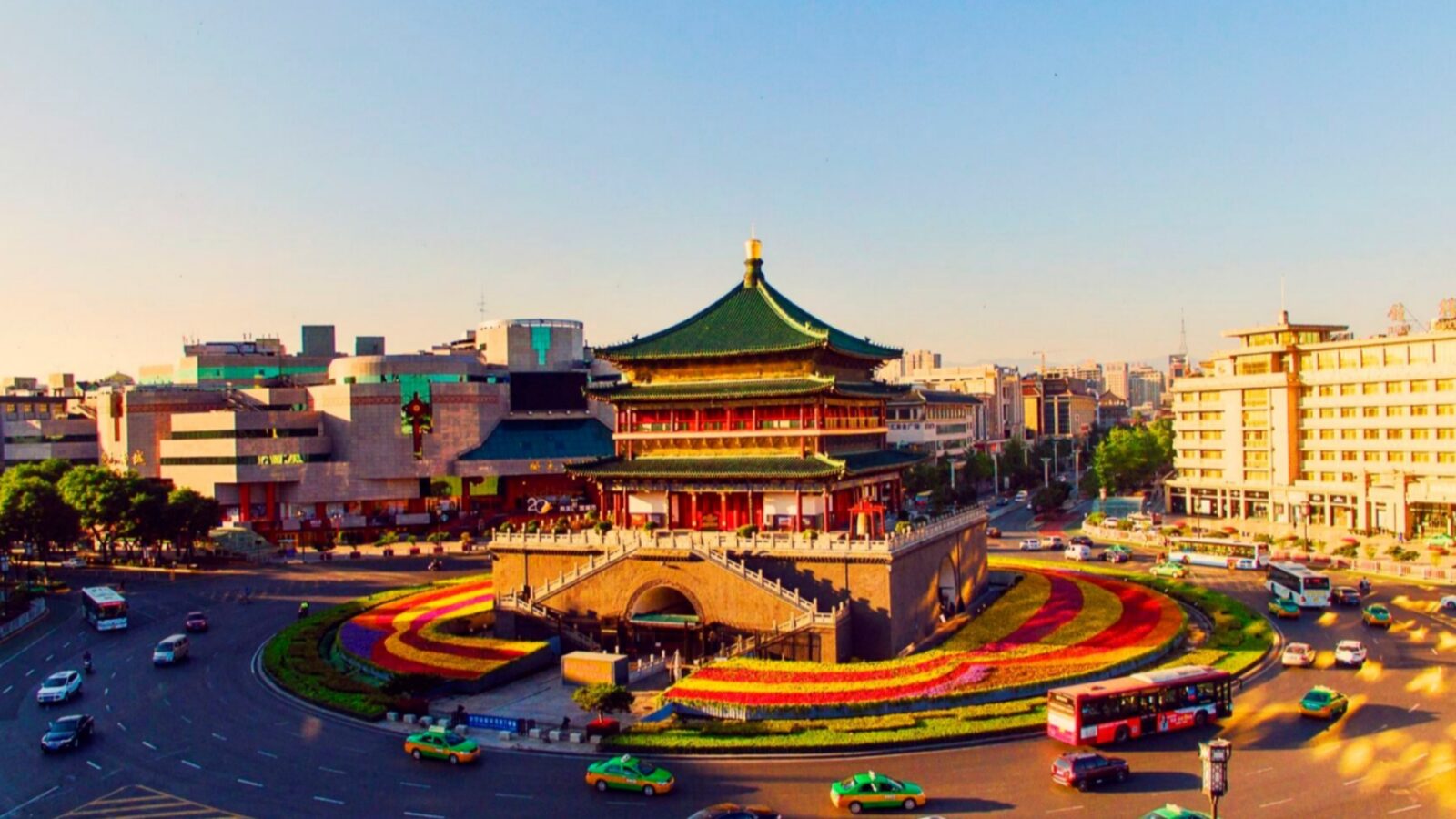
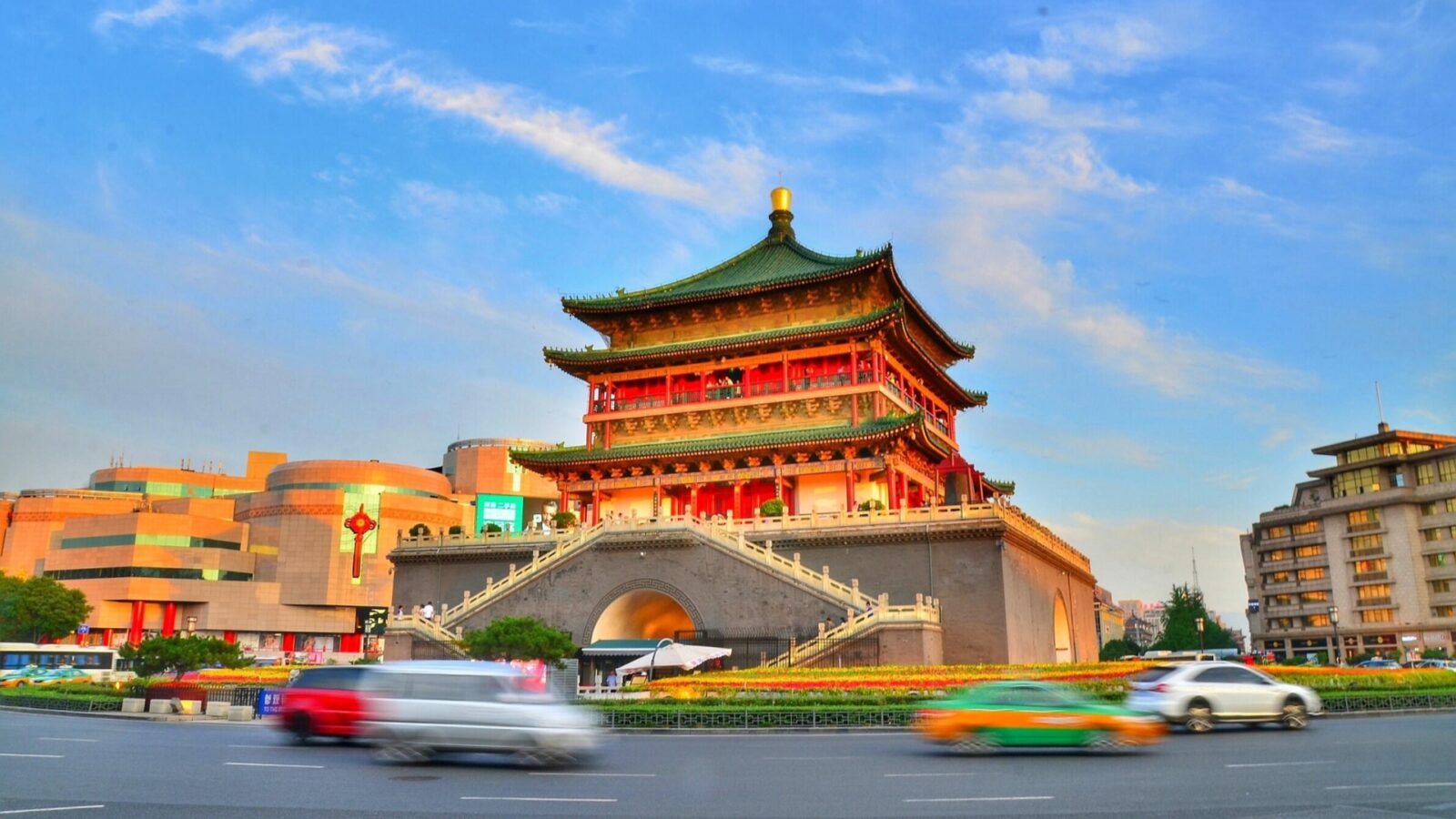
- Xincheng District: The old city wall area; the Bell Tower marks the historic center
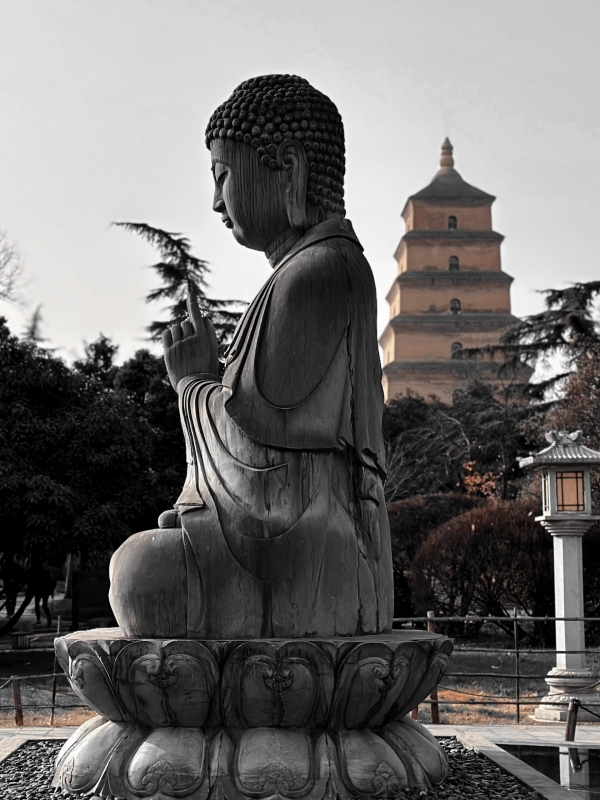
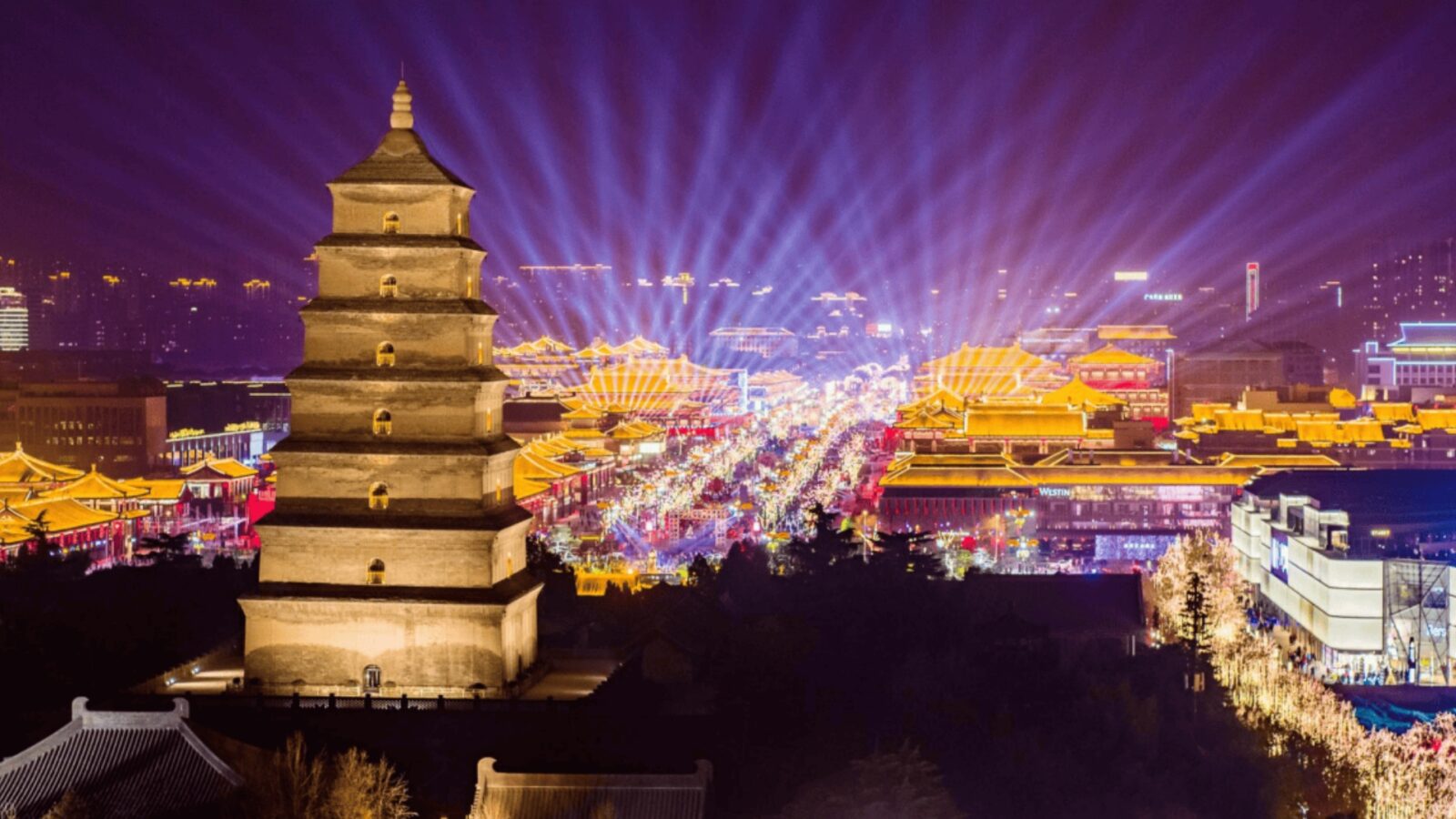
- Beilin District: Home to the Great Wild Goose Pagoda and Shaanxi History Museum
- Lianhu District: Commercial hub; Hui Muslim Quarter nearby
- Weiyang District: Municipal seat; Daming Palace archaeological site
- Yanta District: Southern urban core; many universities and tech parks
- Baqiao District: Eastern gateway; Chanba Ecological Zone
- Yanliang District: Aerospace industrial base; former airbase
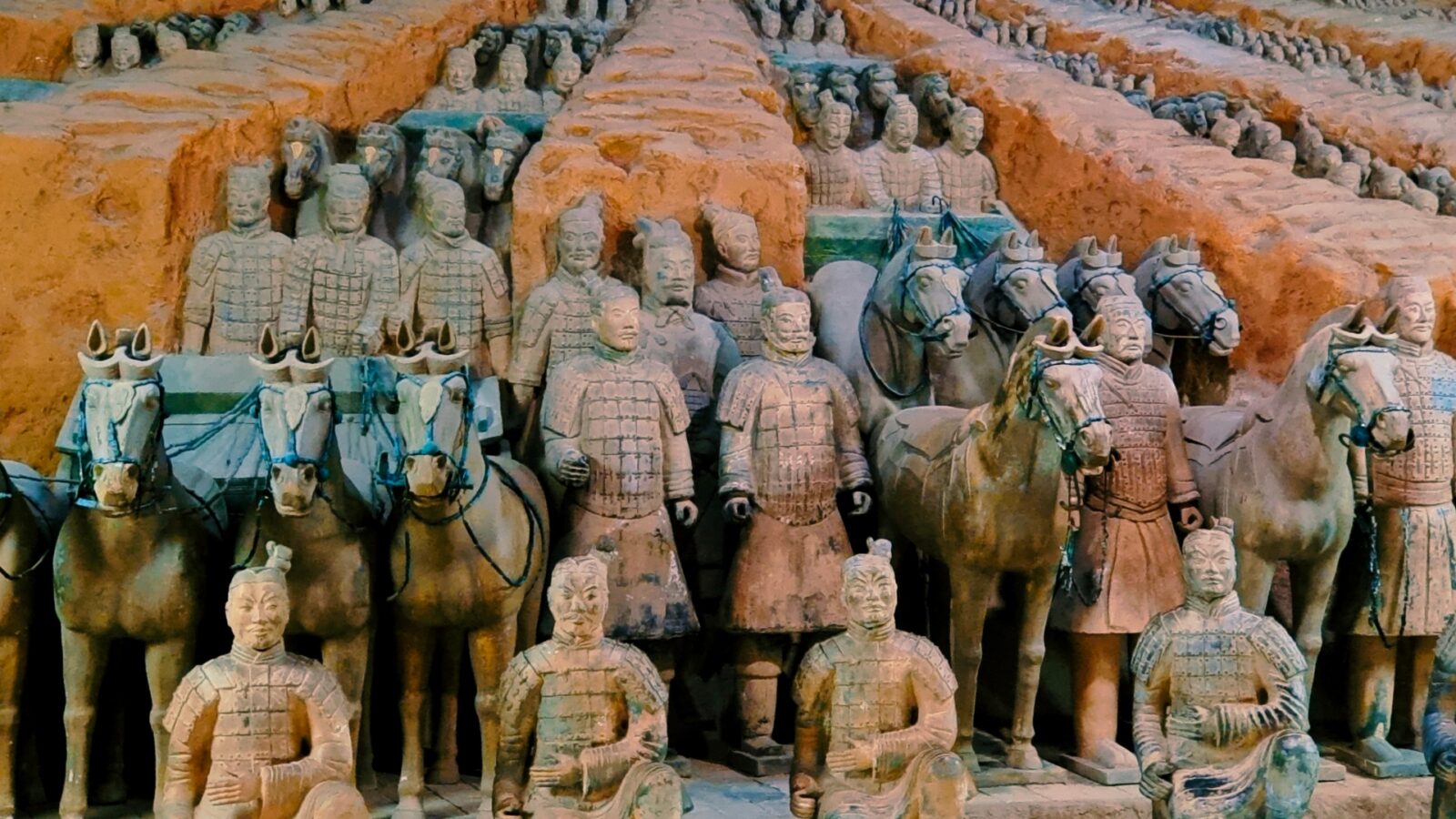
- Lintong District: Terracotta Warriors and Huaqing Pool; 40 km east of center
- Chang'an District: Southern residential and university zone; home to Xi'an Jiaotong University
- Gaoling District: Northern suburban district
- Huyi District: Southern hilly district; Louzhan River scenic area
- Lantian County: Eastern mountainous county; notable for geopark
- Zhouzhi County: Southwestern county; Mount Taibai area
Population by District
🏺 Explore Ancient Treasures & Imperial Relics: When visiting the city's central Yanta District, don't miss the country's premiere collection of Tang Dynasty gold, silver, and murals. Plan your visit with our guide to the Shaanxi History Museum Xi'an.
How Xi'an Compares in China
Among China's western cities, Xi'an sits in the same population tier as Chongqing and Chengdu — the two largest municipalities in the western region. It is the most populous city in Northwest China. Within national rankings, Xi'an competes with Tianjin and Hangzhou in terms of citywide population. Xi'an was designated a UNESCO World Historical City in 1981, and the Terracotta Army gained UNESCO World Heritage status in 1987. The city hosted over 300 million tourist visits in 2019, reflecting its standing as one of China's premier travel destinations.
Frequently Asked Questions
Q: What is the population of Xi'an China?
Per the 2020 national census, Xi'an's total population is 12,952,907, covering the full subprovincial city across 11 districts and 2 counties. The urban-area population is 11,904,805 and the metro-area population is 12,283,922. Older travel guides sometimes cite around 8.7 million, which refers to a narrower urban-only definition or an earlier administrative scope.
Q: What is Xi'an China's land area?
The full administrative city covers 10,762 km² (4,155 sq mi). The urban area spans 5,808.6 km² (2,242.7 sq mi) and the metro area covers 4,903.9 km² (1,893.4 sq mi). Average elevation on the Guanzhong Plain is around 405 meters.
Q: How many districts does Xi'an have?
Xi'an has 11 districts and 2 counties — 13 county-level divisions total. The six central urban districts are Xincheng, Lianhu, Beilin, Weiyang, Yanta, and Baqiao. The municipal seat is Weiyang District.
Q: What is Xi'an China population density?
Citywide density is 1,203.58/km² (3,117.25/sq mi). Urban density reaches 2,049.51/km² (5,308.22/sq mi) and metro density sits at 2,504.93/km² (6,487.74/sq mi). Density varies dramatically by district — from 26,298/km² in Beilin District down to 191/km² in Zhouzhi County.
Q: How large is Xi'an's Muslim population?
Xi'an is home to a Hui Muslim community of roughly 50,000 people, concentrated around the historic Muslim Quarter near the Drum Tower. The Great Mosque of Xi'an, founded during the Ming Dynasty and rebuilt on Tang-era foundations, remains the community's principal place of worship and ranks among the oldest mosques in China.
Q: How has Xi'an population China changed over time?
A 2010 baseline recorded roughly 5.4 million residents. The 2020 census showed nearly 13 million — the jump reflects administrative expansion that incorporated surrounding Xianyang-area counties. Across recent decades, Xi'an's population has fluctuated between roughly 5 and 13 million as the city's administrative boundaries evolved.
Q: Is Xi'an one of China's largest cities?
Yes. Xi'an ranks third in Western China after Chongqing and Chengdu and is the largest city in Northwest China. It sits in the same population tier as Tianjin and Hangzhou. The GaWC ranking classifies it as a Beta- global city. It is also one of China's Four Great Ancient Capitals alongside Beijing, Nanjing, and Luoyang.
Q: What was Xi'an population China in 2024?
China does not publish annual city population updates between decennial censuses. The most recent confirmed figure remains 12,952,907 from the 2020 national census. This is the official figure to cite for 2024 reference unless a later national survey has been published.