Silk Road Xi'an
For more than a thousand years, Xian served as the eastern gateway to the ancient Silk Road — a vast network of trade routes that connected China with Central Asia, the Middle East, and beyond. Under its historic name Chang'an, the city funnelled silk, porcelain, tea, and iron westward while receiving horses, jade, gold, and glass in return. Today, Xi'an's UNESCO-anchored Silk Road sites, a living Muslim Quarter, and convenient high-speed rail links make it the ideal starting point for an overland journey into Gansu province and onward to Dunhuang's desert caves. This article covers the history, the top sites in the city, and a complete 7-day Xi'an-to-Dunhuang route.
Quick Facts
Xi'an and the Silk Road: The Eastern Capital
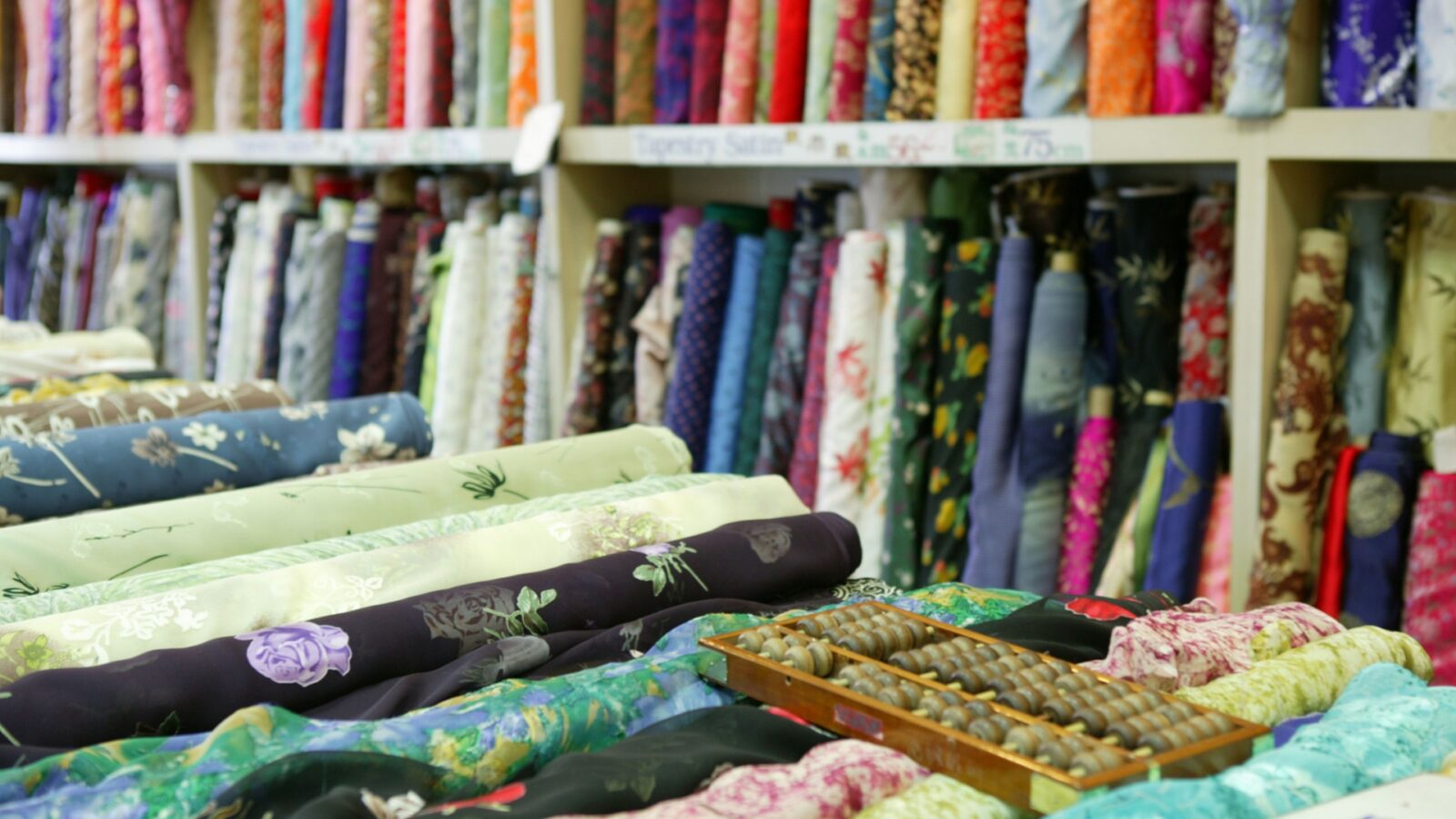
Silk Bolts
No Chinese city hosted more dynasties or hosted them longer than Xi'an. Thirteen imperial courts — from the Western Zhou around 1046 BCE through the Tang dynasty until 904 CE — chose this flat, well-watered plateau as their seat of power. The Tang-era capital, renamed Chang'an, swelled to roughly one million residents by the eighth century, making it among the most populous urban centres in the world at that time.
Because the imperial court, the customs office, and the western gateway through the Hexi Corridor all converged here, Chang'an naturally became the eastern terminus of the Silk Road. Every caravan that departed west carried goods that had passed through the city's markets; every envoy or trader arriving from Central Asia, Persia, or Arabia first entered China through Xi'an's gates.
Chang'an and the Imperial Mandate
The name Chang'an literally translates as "Perpetual Peace," an aspiration that proved elusive across more than a millennium of rule. The city was laid out on a precise grid — a political statement as much as an urban plan — and that regularity drew merchants, monks, and diplomats from across Asia. They settled in designated wards, conducted business in regulated markets, and left behind communities whose descendants still live in the Muslim Quarter today. The Western Zhou, Qin, Han, Sui, and Tang dynasties each rebuilt or expanded the capital on roughly the same site, each layer adding to the city's accumulated significance as the heart of Chinese imperial power.
What Left Xi'an on the Silk Road
The outbound cargo from Chang'an was dominated by Chinese manufactures. Silk bolts — the most sought-after commodity — moved west alongside porcelain, tea, lacquerware, iron tools, and paper, all of which had been invented or refined in China. These goods traveled in ox carts and on pack animals through the Hexi Corridor, across the Taklamakan Desert, and eventually reached Rome, Constantinople, and the Persian Gulf.
Westbound cargo took a different form. The Ferghana Valley sent its prized "Heavenly Horses" eastward; jade from Khotan, gold and silver from Central Asian mines, glassware that dazzled Chinese consumers accustomed to opaque ceramics, frankincense from Arabia, and agricultural imports — walnuts, pomegranates, and later spices and medicinal herbs — all arrived in Chang'an's markets. This two-way exchange defined the corridor for centuries.
The UNESCO Chang'an–Tianshan Corridor
In 2014 the United Nations Educational, Scientific and Cultural Organization inscribed the Silk Roads Chang'an–Tianshan Corridor as a shared heritage route stretching roughly 5,000 kilometres across China, Kazakhstan, and Kyrgyzstan. The Big Wild Goose Pagoda and several other Xi'an monuments form the corridor's eastern anchor. The inscription formalised what historians had long argued: the Silk Road was not merely a Chinese export route but a genuinely transnational network, and Xi'an sits at its easternmost documented point.
🐪 Historic Silk Road Gateway: Explore the rich history, ancient trade routes, and key cultural sites with our detailed guide to Xi'an China Silk Road.
How the Silk Road Shaped Xi'an
Trade routes carried more than goods. Ideas, faiths, technologies, and artistic techniques moved along the same paths as silk bolts and horse herds, and the evidence of that exchange remains visible in Xi'an's streets, kitchens, and places of worship today.
Cuisine: Silk Road Flavors in the Muslim Quarter
-
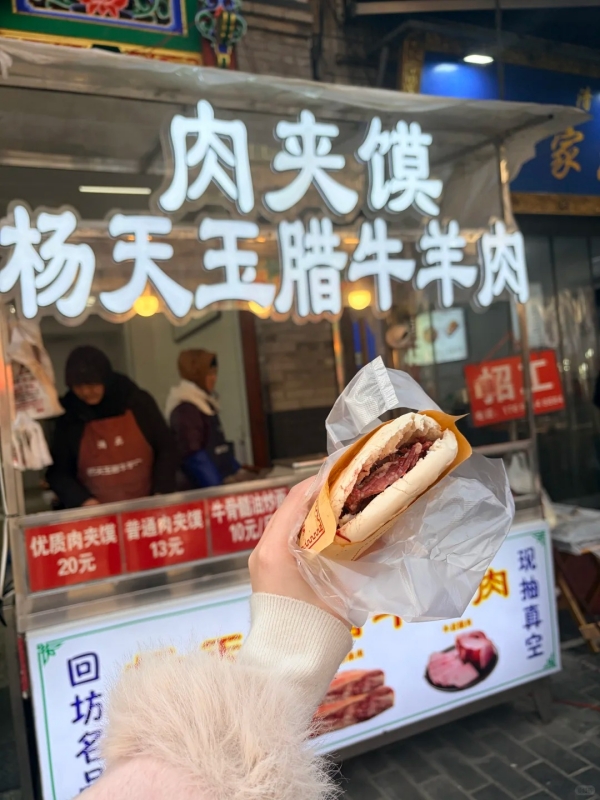

- Yang Tianyu Roujiamo
-
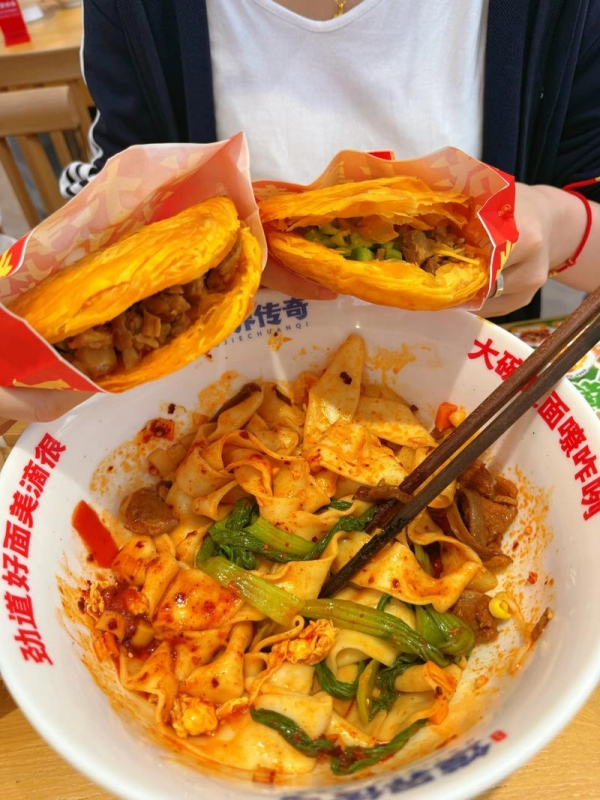
- Biangbiang Noodles
The Muslim Quarter sits in the shadow of the city wall's West Gate, a dense network of lanes where the descendants of Central Asian merchants and Arab soldiers who settled during the Tang dynasty still run restaurants and food stalls. Their cuisine fused Persian, Central Asian, and Islamic traditions with local Shaanxi ingredients.
- Roujiamo: Often called "Chinese hamburger," this flatbread sandwich is stuffed with Persian-style braised and shredded mutton or beef. The technique of slow-braising spiced meat inside a bread pocket traveled west to east along the corridor.
- Biangbiang noodles: Wide, thick belt-shaped noodles doused in chilli oil, vinegar, and garlic — a flavour profile shaped by northwest China's grain staples and spice routes rather than the subtler sauces of eastern China.
- Yangrou paomo: Hand-torn flatbread crumbled directly into a rich lamb broth, served with sliced lamb and pickles. The dish carries strong Islamic dietary traditions and remains a Xi'an breakfast staple.
- Persimmon cakes: Dried persimmon sweets pressed into cakes, a technique for preserving fruit that echoes methods brought from Central Asia along the overland route.
Religion: Buddhism, Islam, and Beyond
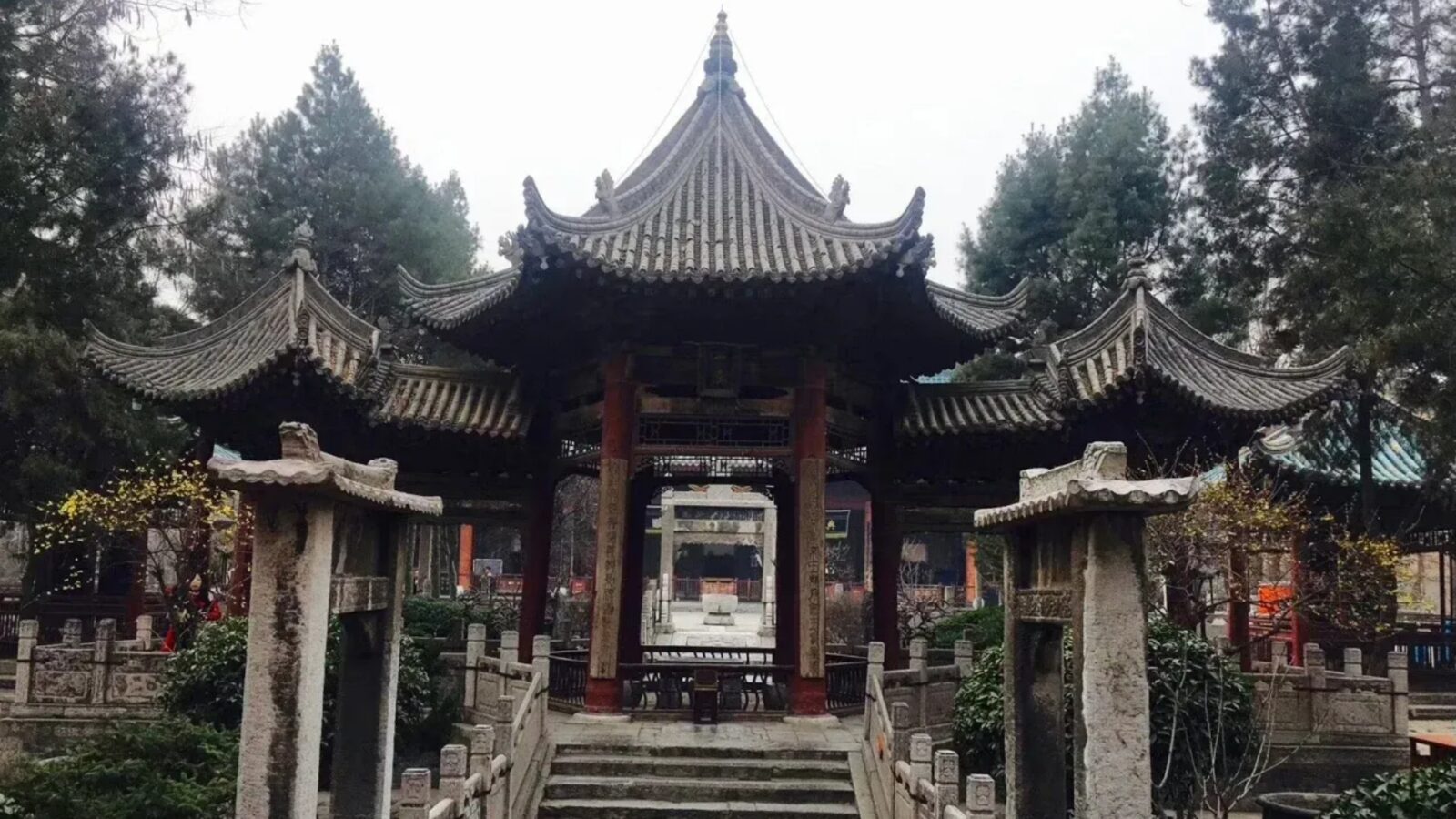
Great Mosque
The Silk Road was one of history's most consequential conduits for religious transmission. Buddhism entered China from India during the Han dynasty, its monks following the same routes as caravans. Emperor Taizong of the Tang dynasty commissioned the Great Wild Goose Pagoda in 652 CE specifically to house the Buddhist sutras and statues that the monk Xuanzang had carried back from his seventeen-year journey to India — a direct consequence of the overland corridor.
Islam arrived with merchants and soldiers during the Tang period, formalised by the founding of the Great Mosque in 742 CE. That mosque still operates in the Muslim Quarter today. Christianity, Manichaeism, and Zoroastrianism also reached Chang'an through the same networks, though none left institutions as enduring as the mosque or the pagoda.
Clothing, Crafts, and Daily Life
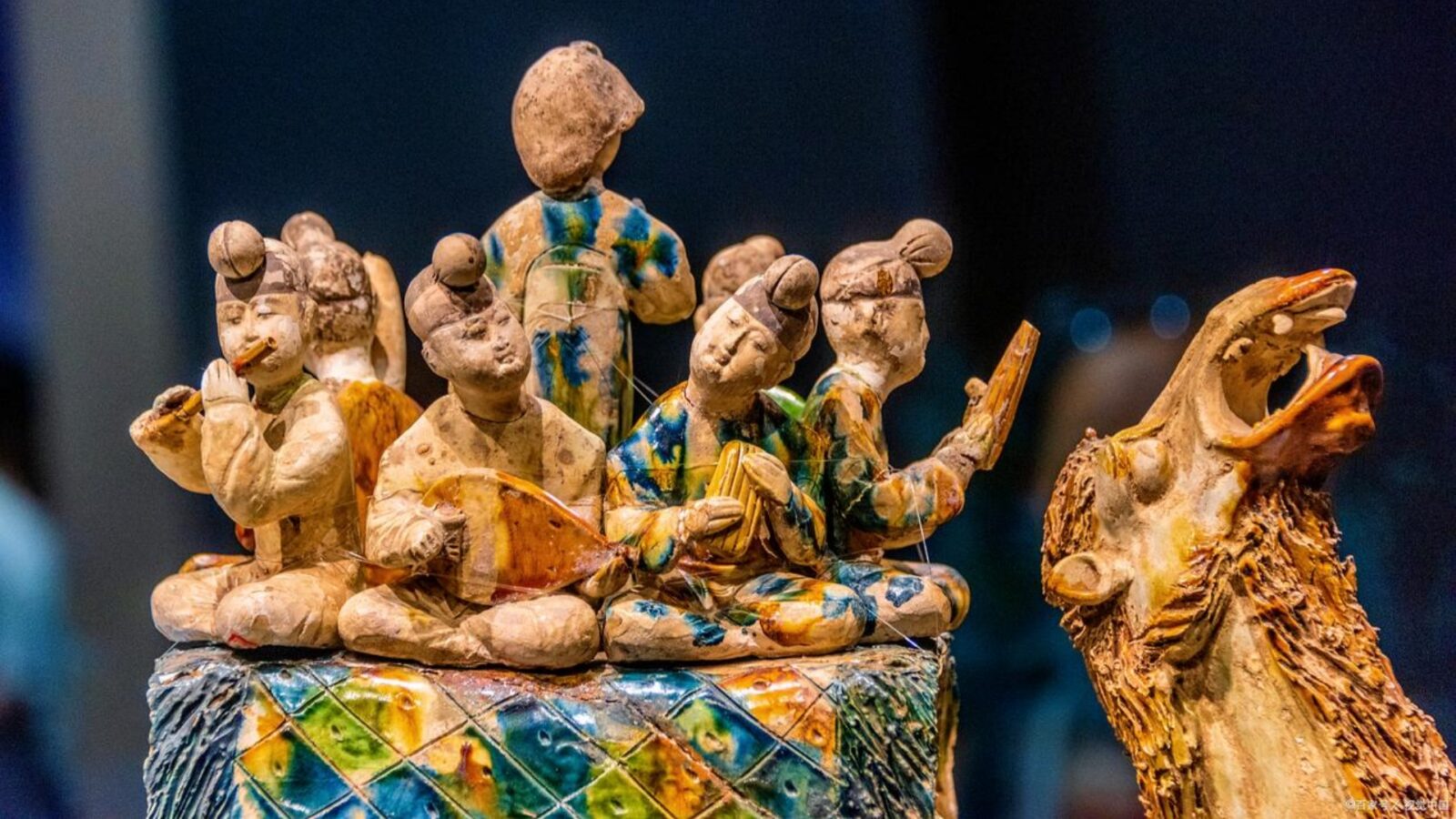
Sancai Three-glaze Ceramics
Tang dynasty dress broke sharply from the buttoned, high-collared styles of earlier dynasties. Women's robes featured open collars and wider sleeves — features historians trace to Persian and Central Asian influence brought in by merchants and envoys who settled in the capital.
- Tang women's open-collar robes: Visible in surviving Tang murals at Shaanxi History Museum, these garments reflect a cosmopolitan court unafraid of foreign fashion.
- Sancai three-glaze ceramics: The characteristic tri-colour lead-glazed pottery — amber, green, and white — was produced for export demand along the Silk Road, with kilns clustered around the capital.
- Silk brocade weaving: Tang workshops near Chang'an developed brocade techniques influenced by Persian looms, producing patterns that reached markets from Chang'an to Samarkand.
- Jade carving: Western jade from Khotan arrived in Chang'an through the Hexi Corridor, stimulating a carving tradition that drew on both local and Central Asian design motifs.
🗺️ Desert Oasis Navigation: Planning your route through Gansu's ancient desert hubs and cave temples? Explore our interactive Dunhuang China Map.
Top Silk Road Sites in Xi'an Today
Three sites anchor any visitor's engagement with Xi'an's Silk Road legacy. Each is accessible within the city, requires minimal travel time, and carries direct historical links to the trade corridor.
Big Wild Goose Pagoda
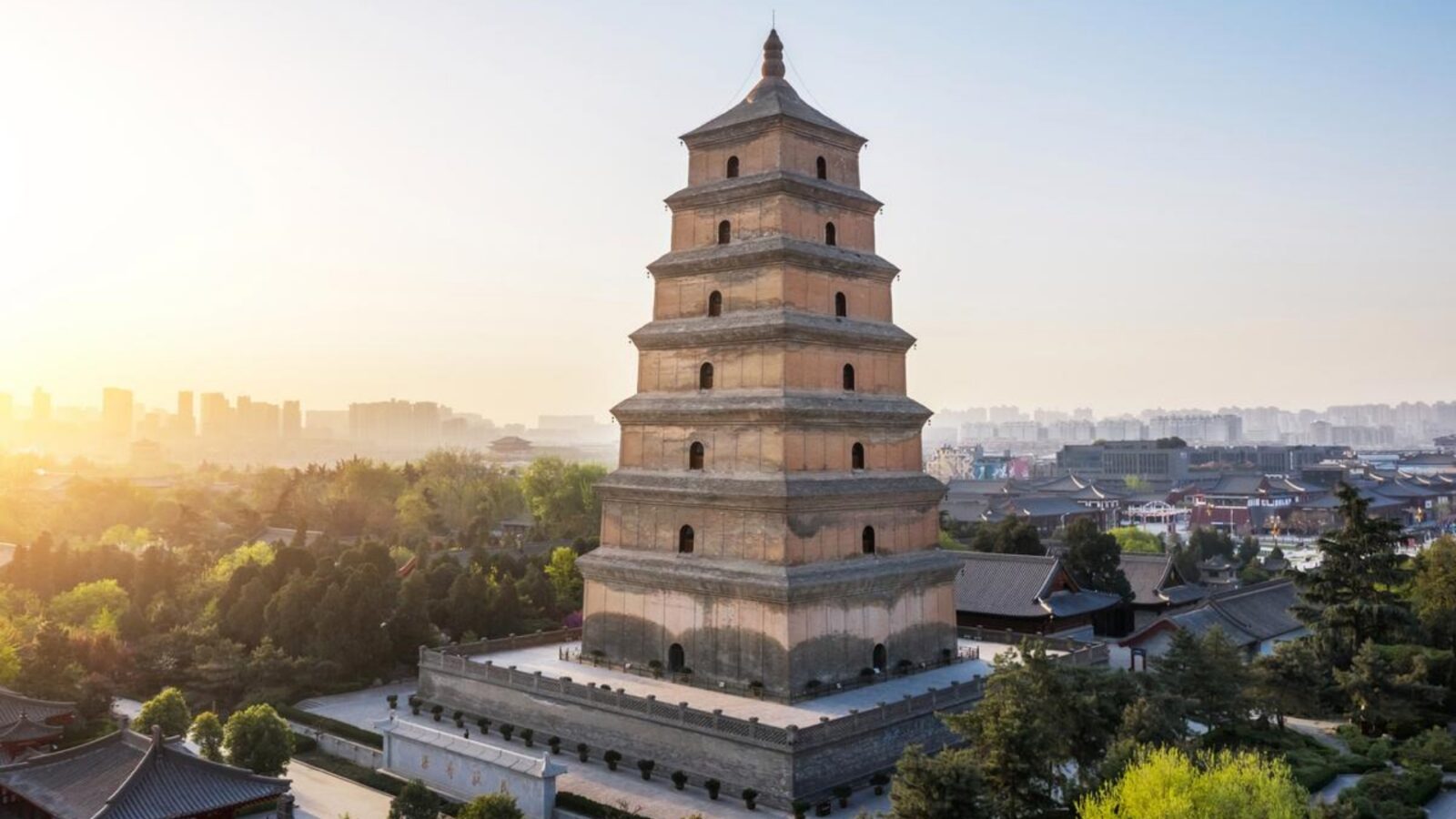
Big Wild Goose Pagoda
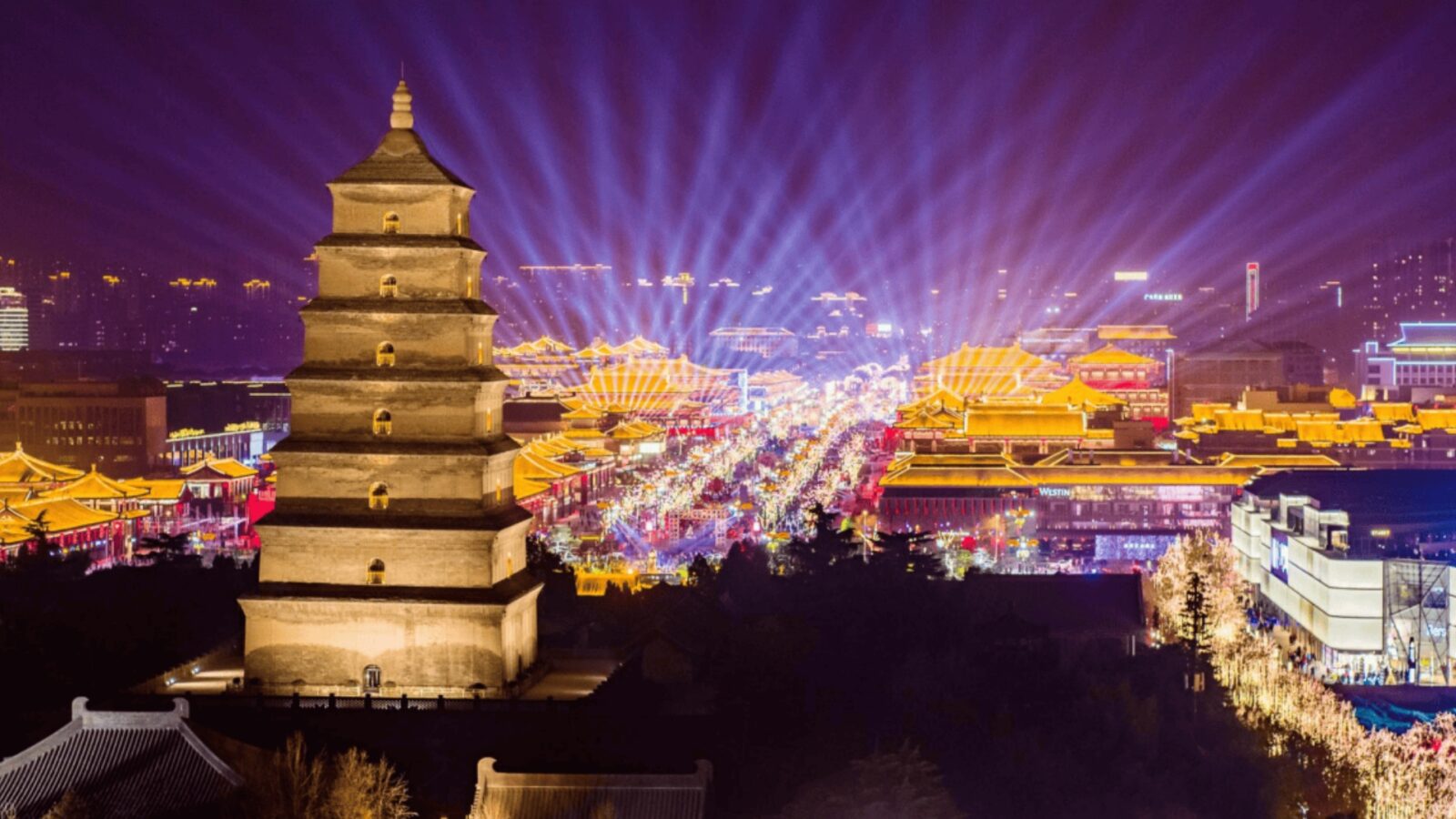
The pagoda rises seven storeys above its square in the city's south, a stone structure that began as a timber building in 652 CE before being rebuilt in brick. Xuanzang supervised the translation of the hundreds of Buddhist sutras he had carried back from India inside these walls. The UNESCO inscription of 2014 specifically cites the pagoda as the eastern anchor of the Chang'an–Tianshan Corridor. Tickets cost about $7–9 (¥50–65); the site opens 08:00–17:30. In summer, the musical fountain in the north square runs most evenings.
Great Mosque of Xi'an
Founded in 742 CE, the Great Mosque claims to be the oldest surviving mosque in China. The 12,000 square metre compound is laid out like a Chinese temple garden — no domes, no minarets in the Middle-Eastern style, just a series of courtyards, arched gateways, and prayer halls planted with ancient cypresses. Admission is free, though a small donation of about $3 is customary. The mosque sits inside the Muslim Quarter, making it easy to combine with a food walk through the surrounding lanes.
Tang Paradise and Tang Legacy Sites
-
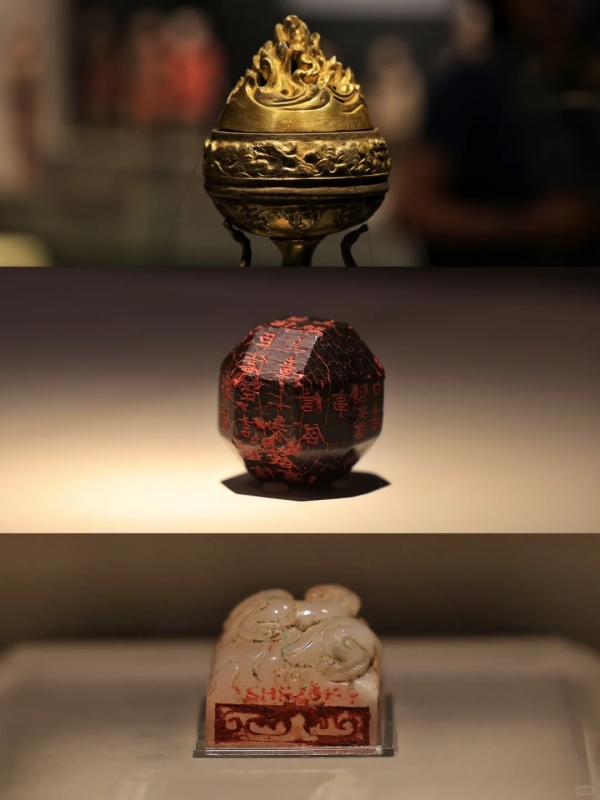
- Shaanxi History Museum in Xian
-
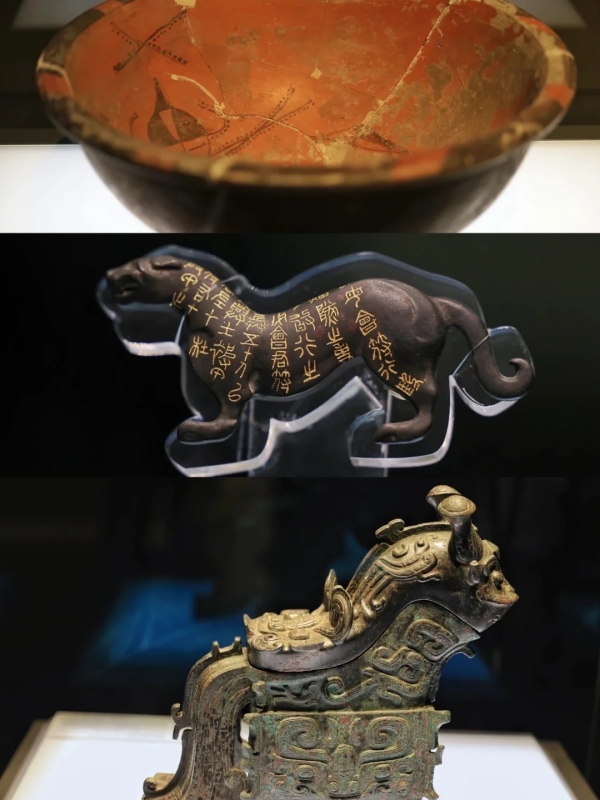
- Shaanxi History Museum in Xian
The Tang dynasty left more than a pagoda and a mosque. Tang Paradise is a full-scale Tang-era themed garden on the site where Emperor Xuanzong built his original pleasure palace, complete with pavilions, lakes, and an evening light show that draws crowds. Nearby, the Daming Palace ruins mark the Tang imperial compound, now a UNESCO-nominated archaeological park.
- Tang Paradise: Full-scale Tang garden park, admission about $17 (¥120); best visited in the evening when the light show runs.
- Daming Palace ruins: Tang imperial palace site on the city's north side; outdoor and largely free to walk, with a small museum on the grounds.
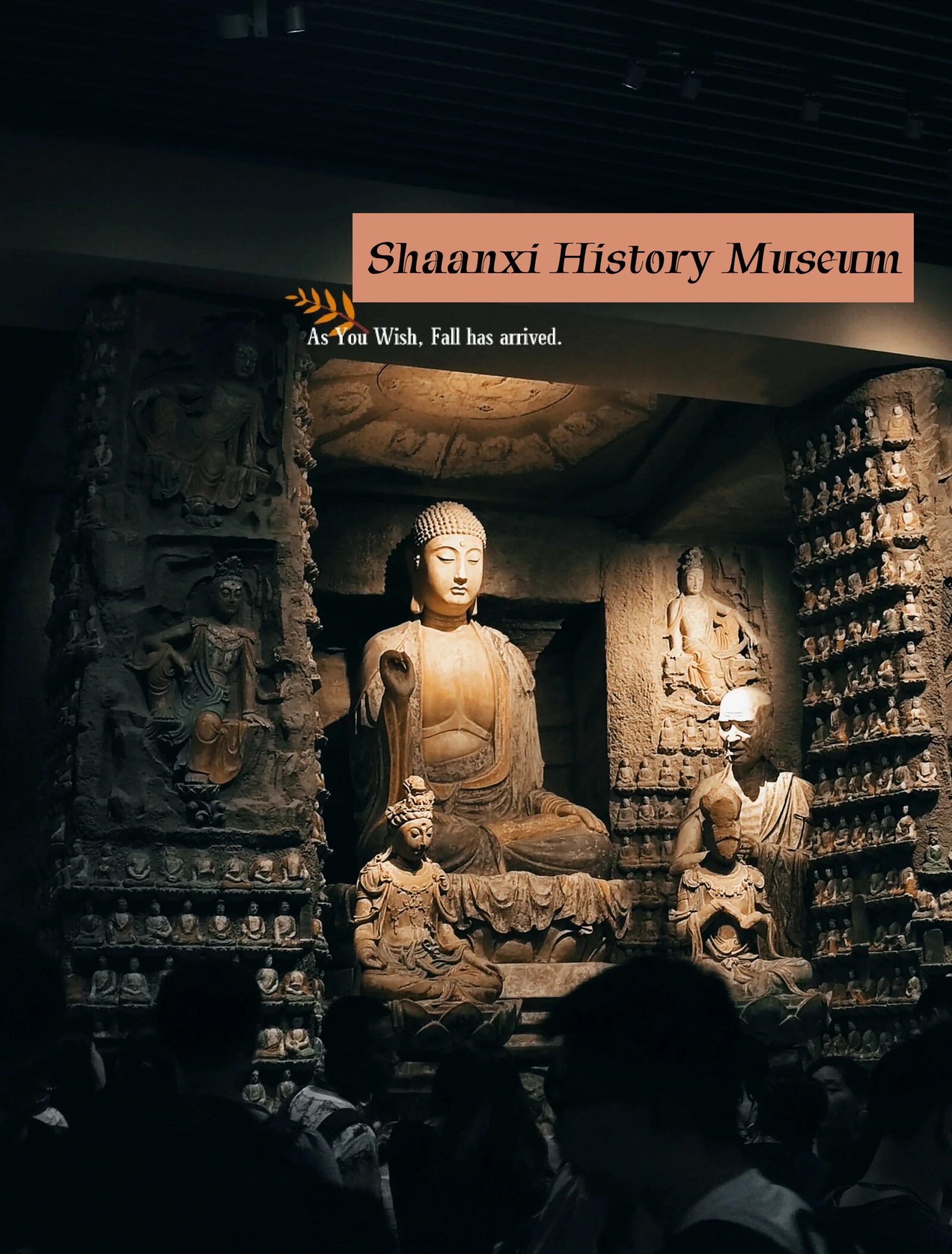
- Shaanxi History Museum: Free admission but requires an advance reservation; holds the Tang gold and silver hoard, Buddhist sculptures from the Silk Road era, and the mural gallery that documents Tang court life.
🏔️ Beyond Gansu: Extending your Silk Road journey further west across the border regions? Check out our comprehensive Xinjiang Travel Guide.
Xi'an to Dunhuang: 7-Day Silk Road Route
The most rewarding way to experience the Silk Road is on the ground, moving west through the Hexi Corridor from Xi'an toward Dunhuang. A 7-day itinerary captures the key waypoints, mixes high-speed rail with short flights, and leaves enough time at each stop to explore rather than just pass through.
Day-by-Day Itinerary
Self-Drive vs Group Tour
Two approaches cover the Xi'an–Dunhuang corridor effectively, and the right choice depends on your comfort with Mandarin logistics and how much schedule flexibility you want.
- Self-drive freedom: A private car lets you stop at smaller Silk Road waypoints — a roadside market town, a minor grotto site — that group tours skip. Road conditions on the Gansu expressway are generally good; remote stretches near Dunhuang have light traffic but limited English signage.
- Self-drive cost: Rental runs about $40–55 (¥300–400) per day plus fuel of roughly $25–35 (¥180–250) per day, totalling around $450–620 (¥3,200–4,500) for a full week departing from Xi'an.
- Group-tour cost: A 7-day escorted tour including hotels, transport, and an English-speaking guide typically costs about $830–1,100 (¥6,000–8,000) per person, departing Xi'an. The tour handles HSR ticket booking and grotto reservations that are otherwise hard to coordinate in Mandarin.
- Language barrier: Group tours eliminate the need to communicate in Mandarin for transport, entry tickets, and hotel check-ins — a genuine advantage west of Lanzhou.
- Road conditions: The G30 expressway from Xi'an to Dunhuang is well-maintained and signposted in Chinese. Drivers with international licences can rent vehicles through major platforms, though English-language rental support is thinner outside Xi'an.
Bookings, Transport, and Practicalities
Booking the Xi'an–Dunhuang route requires some advance planning, particularly for the cave sites that enforce strict visitor caps.
- HSR tickets: High-speed rail runs multiple daily services from Xi'an North to Tianshui, Lanzhou, Jiayuguan, and Dunhuang. Book 1–2 weeks ahead via Trip.com or the 12306 app to secure the most convenient departure times.
- Maijishan Grottoes: Book a guided slot through Klook, which handles the reservation and includes an English-speaking guide — essential for interpreting the cave carvings, many of which lack English captions.
- Mogao Caves: Timed-entry tickets are mandatory; only about 6,000 visitors are allowed per day. Current ticket price is about $28–35 (¥200–250). Reserve at least a week ahead, and longer during peak season, through the official booking platform or a verified reseller.
- Dunhuang flights: Dunhuang Airport connects to Xi'an with multiple daily flights. Book 3–5 days in advance; summer slots fill quickly because tourist and business demand peaks simultaneously.
Silk Road Shows and Live Performances in Xi'an
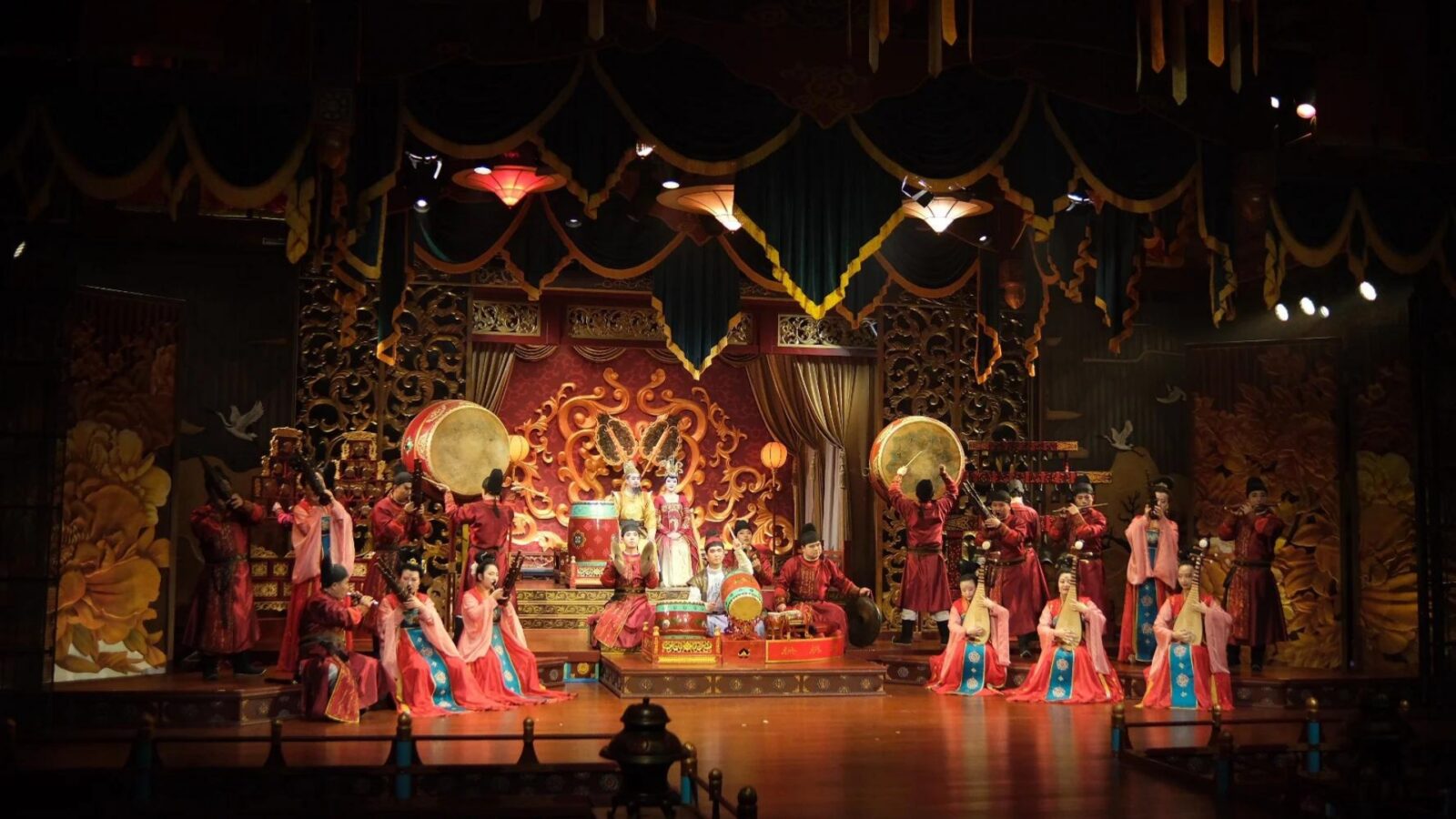
Tang Dynasty Music and Dance Show
Two flagship performances bring the Silk Road and Tang dynasty to life for evening visitors. Both venues offer hotel pick-up from central Xi'an, making them convenient additions to a daytime sightseeing schedule.
Silk Road Show at the Theatre
The Silk Road Show at Shaanxi Grand Theatre runs most evenings at 19:30, with choreography that blends dance, acrobatics, and music into a narrative of encounters along the trade corridor. Performances last 70–90 minutes. Tickets are priced at about $40–55 (¥298–388) per person with hotel transfer included. The show appeals to visitors who want a theatrical introduction to the route's cross-cultural history without requiring deep prior knowledge.
Tang Dynasty Music and Dance Show
The Tang Dynasty Music and Dance Show runs at the Tang Dynasty Theatre adjacent to the Big Wild Goose Pagoda. At 75 minutes, it focuses on classical Tang court entertainment — elaborate costumes, court music, and choreographed dances that evoke the cosmopolitan atmosphere of Chang'an during its peak. Tickets are similarly priced at about $40–55 (¥298–388) per person including transfer. This show suits visitors who want a more historically grounded evening experience, though it covers the Tang court rather than the wider Silk Road trade narrative.
Planning Your Silk Road Trip from Xi'an
Xi'an itself is a well-trodden tourist destination with strong English-language support, but the western overland route into Gansu and beyond requires a few additional preparations for international visitors.
Best Time and Weather
The climate along the Xi'an–Dunhuang corridor swings dramatically from the humid plains around Xi'an to the arid Gobi Desert around Dunhuang. Timing your visit to the shoulder seasons gives the most comfortable conditions.
- Late September to early November: Golden autumn across the Gansu corridor; stable, clear weather; temperatures in Xi'an around 15–22 °C, in Dunhuang around 10–18 °C. This is the top pick for the overland route.
- April to May: Pleasant spring in Xi'an and Lanzhou; occasional dust haze from the Gobi can reach eastern Gansu but rarely blocks travel. Blossoming orchards around Tianshui add colour to the Maijishan approach.
- June to August: Daytime highs of 35 °C+ are common in Dunhuang; summer tourist crowds peak at the Mogao Caves and Mingsha Mountain. The heat is dry rather than humid, but sun exposure is intense.
- December to February: Quiet conditions on the overland route; snow can fall at Jiayuguan and the surrounding Great Wall peaks. Transport runs normally but fewer facilities operate outside Xi'an.
Visas, SIM, and Payments
China's entry and payment systems present practical challenges for foreign visitors that are manageable with advance preparation.
- Visa: Most foreign visitors require an L-visa (tourist), which typically permits a 30-day single entry. Apply through the nearest Chinese embassy or consulate at least four weeks before departure.
- SIM and data: An eSIM or roaming SIM can be arranged at Xi'an Xianyang International Airport on arrival. Major carriers offer tourist plans with data packages that cover the entire route, including Gansu's more remote stretches.
- Payments: Mobile payment platforms dominate in cities, but cash in CNY remains necessary at rural Silk Road stops. Carry enough yuan for meals, small admissions, and tips where card terminals are absent. Trip.com and Klook handle virtually all bookings that foreign visitors need — hotels, HSR tickets, grotto tours, and show tickets — without requiring a domestic payment app.
What to Pack
The Xi'an–Dunhuang route covers altitudes and climates that shift from urban humidity to high-UV desert in the space of a few days. Layering and sun protection are the two non-negotiables.
- Layers: Temperatures on the overland route can swing from 10 °C in the morning to 25 °C by midday. Pack a light down or fleece layer plus a wind jacket for desert mornings and mountain evenings.
- Sturdy walking shoes: Maijishan's cliff-face walkways and the Mogao approach involve uneven stone steps and gravel paths. Ankle support and grippy soles make a noticeable difference.
- Sun protection: Dunhuang's desert has very high UV indices even in spring. A wide-brim hat, SPF 50+ sunscreen, and polarized sunglasses are essential for outdoor sightseeing.
- Dust barrier: A scarf or neck buff protects against fine dust at the open-air Mogao Caves approach and on clear days at Jiayuguan's western fortifications.
- Universal power adapter: China uses Type A, C, and I plugs at 220 V. A universal adapter covers all three configurations and is useful from the first airport transfer.
Frequently Asked Questions
Q: Was Xi'an really the starting point of the Silk Road?
Yes — historically known as Chang'an, Xi'an was the eastern anchor of the overland Silk Road, formalised by UNESCO's 2014 inscription of the Silk Roads Chang'an–Tianshan Corridor. During the Tang dynasty, Chang'an was among the largest cities on earth, making it the logical departure point for caravans heading west through the Hexi Corridor.
Q: What did Xi'an trade on the Silk Road?
Eastbound goods leaving Chang'an included silk, porcelain, tea, lacquerware, iron, and paper. Westbound imports arriving in the city included Ferghana horses, Khotan jade, gold and silver, glassware, frankincense, walnuts, and pomegranates — a two-way exchange that shaped both economies.
Q: How did the Silk Road change Xi'an's food?
The Muslim Quarter preserves the most visible culinary legacy of the trade routes. Dishes such as roujiamo (a Persian-influenced braised-meat sandwich), yangrou paomo (lamb broth with torn flatbread), biangbiang noodles, and persimmon cakes reflect Central Asian, Persian, and Islamic culinary traditions that merged with local Shaanxi cooking.
Q: When is the China Xi'an Silk Road International Tourism Expo held?
The expo is held annually in Xi'an, typically in late May or early June. The 2015 edition ran 26–28 May at the Xi'an Qujiang International Conference Center. It functions primarily as a B2B trade fair rather than a public tourism event, though industry professionals may find it relevant.
Q: Do I need a guide for the Xi'an-Dunhuang overland route?
Not strictly required, but strongly recommended. English signage thins out significantly between Lanzhou and Dunhuang, and coordinating HSR tickets and Maijishan Grottoes guided slots in Mandarin is challenging without local support. A guide or tour also removes the logistics burden on the road itself.
Q: Can I drive the Xi'an to Dunhuang route solo?
Yes — the G30 expressway is well-maintained, and rental cars are available from Xi'an. Daily rental costs about $40–55 (¥300–400) plus fuel of roughly $25–35 (¥180–250) per day. Plan for three full driving days each way with overnight stops at Tianshui and Jiayuguan. English-language road signage is limited outside major cities.
Q: Is Xi'an safe and easy to visit for English-speaking travelers?
Xi'an ranks among China's most visitor-friendly cities for English-speaking travellers. Metro signs display English, hotels employ English-speaking staff, and Trip.com or Klook handle virtually every booking — HSR tickets, hotel rooms, show seats, and grotto tours. The Muslim Quarter and major sites are well-worn tourist territory with ample English guidance.