Rings of Beijing
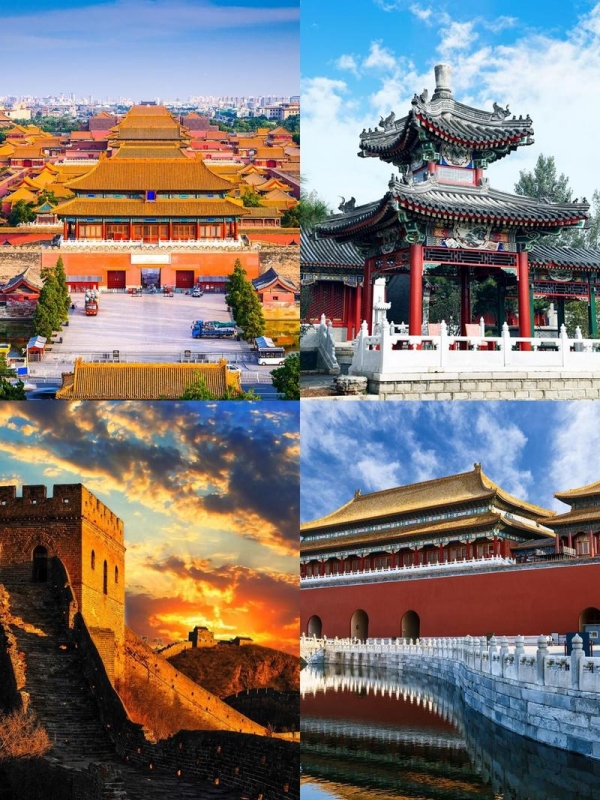
Beijing grew outward in rings, and almost every landmark visitors come for sits on one of them. The 2nd Ring wraps the imperial core with the Forbidden City and hutongs. The 3rd Ring holds the modern CBD and embassy district. The 5th Ring marks where the city meets its suburbs and Great Wall (like Tourist Spots in Beijing) gateways. This guide maps those rings, names what to see inside each, and shows how to cross them by subway, taxi, or sightseeing bus.
Understanding Beijing's ring structure transforms how you plan each day. A morning at the palace can blend into an afternoon in the CBD. A quick subway transfer crosses a ring boundary in minutes. Whether you stay near Wangfujing or book a hotel near the airport, the rings give Beijing a logic that first-time visitors quickly learn to read.
Quick Facts
How Beijing Is Built in Rings
Beijing's ring roads are concentric expressways circling Tiananmen Square as their fixed center. The 2nd Ring was the first complete loop, built in the mid-1980s and expanded through the 1990s. Each later ring added phases moving outward. Today seven numbered rings exist, with the Capital Region Ring Expressway often called the "7th Ring."
Tourist landmarks cluster mostly inside the 4th Ring. The 2nd Ring traces the old Ming-dynasty wall lines. The 3rd Ring followed later as the city expanded south and east. Outer rings serve commuters, suburban housing, and Great Wall day-trip routes. Most first-time visitors spend their time within the 2nd and 3rd Ring corridors.
Inside the 2nd Ring: Old Beijing
The 2nd Ring holds Beijing's imperial heart. Five must-see stops sit inside this loop:
- Forbidden City: Standard ticket about $8 (¥60), discount $4 (¥30)
- Tiananmen Square: Free entry
- Beihai Park: Entry about $1.40 (¥10)
- Jingshan Park: Entry about $1.40 (¥10)
- Drum and Bell Tower: Combo ticket about $4 (¥30)
Wangfujing shopping street cuts through the eastern 2nd Ring. Galaxy SOHO complex on the East 2nd Ring (completed 2013) marks a modern landmark amid the historic core. The 2nd Ring roughly traces Ming-dynasty wall lines, making it the most legible boundary in Beijing.
Forbidden City and Tiananmen Square
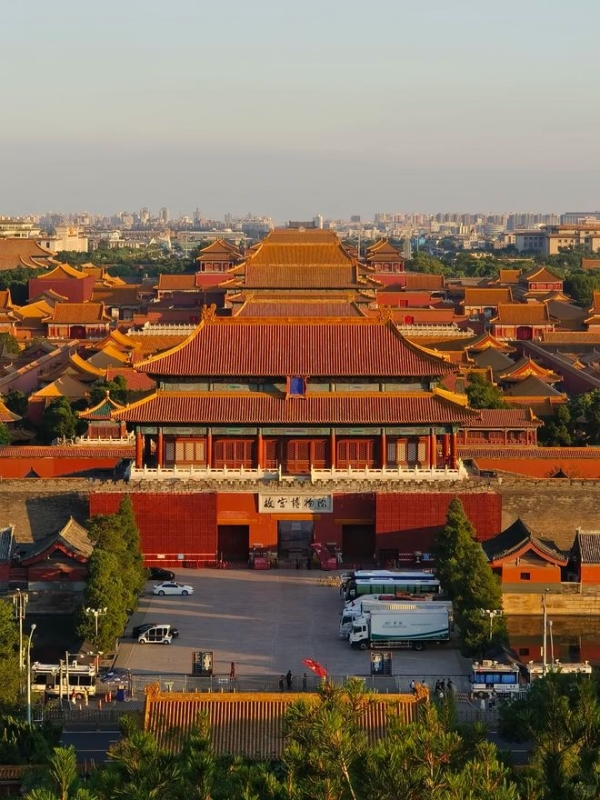
Forbidden City
Enter the Forbidden City through Meridian Gate. Exit at the Gate of Divine Prowess on the north side. The palace opens Tuesday through Sunday from 8:30 to 17:00, with last entry at 15:30. It closes on Mondays. Standard admission costs about $8 (¥60), with a discount at $4 (¥30) for students and children. Tiananmen Square stays free and connects to multiple 2nd-ring metro stations, including Tiananmen East and Tiananmen West.
Hutongs and Courtyard Architecture
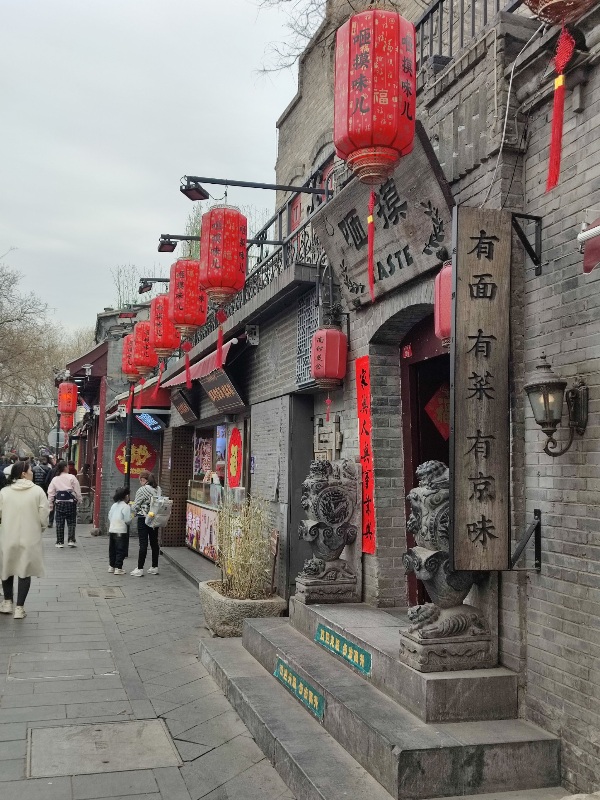
Nanluoguxiang Hutong
Hutongs cluster in Dongcheng District near Nanluoguxiang, Yandai Xiejie, and Shichahai. These narrow alleys preserve centuries of courtyard life. The symbolic "head ring" (tian jing) refers to the round skylight at the center of a siheyuan courtyard, echoing the traditional Chinese cosmology of "round heaven, square earth" (tian yuan di fang). Walking a hutong gives visitors a feel for the city's oldest neighborhoods.
Beihai and Jingshan Parks
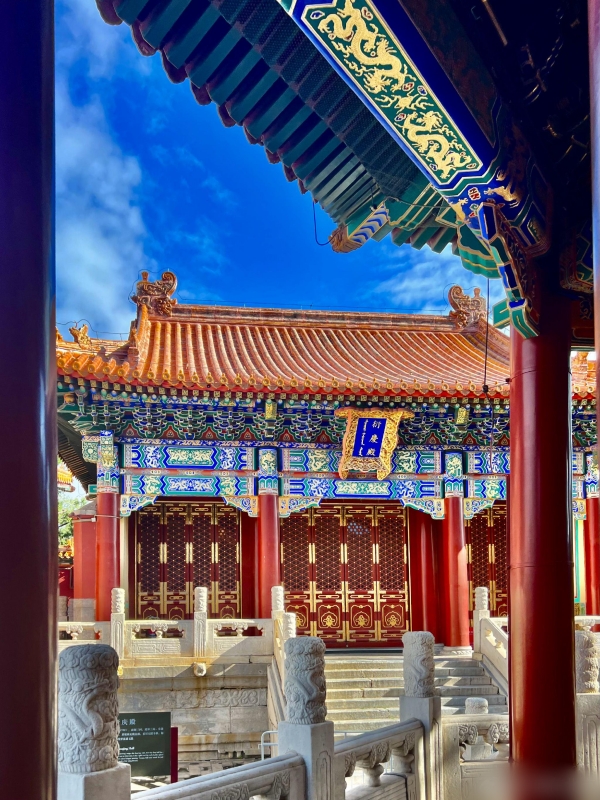
Jingshan Park Yanqing Hall
Beihai Park charges about $1.40 (¥10) at the gate. Jingshan Park costs the same for entry to the central-hill summit. The Jingshan summit offers one of the best views over the Forbidden City rooftops, especially at sunrise. Both parks sit just inside the northwest 2nd Ring. The closest metro stops are Xizhimen and Andingmen.
Inside the 3rd Ring: Modern Beijing
The 3rd Ring holds Beijing's modern center. Four signature stops anchor this area:
- Guomao CBD: China World Trade Center on the East 3rd Ring
- CCTV Headquarters: Landmark on the East 3rd Ring elevated section
- Sanlitun: Bar and restaurant zone between the 2nd and 3rd Ring east
- Temple of Heaven: Combo ticket about $5 (¥35) between 2nd and 3rd Ring south
The Jianguomenwai embassy district and large expat communities make this zone feel international. The area mixes diplomatic compounds, mid-range hotels, and older neighborhoods in close proximity.
Guomao CBD and CCTV Tower
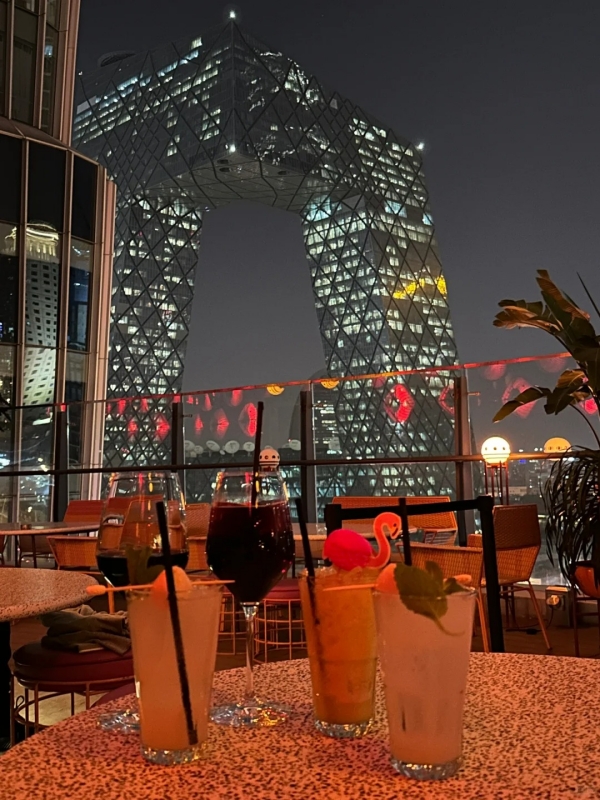
Guomao's Rooftop Bars in Beijing
Guomao CBD sits on the East 3rd Ring. The CCTV Headquarters landmark rises along the elevated East 3rd Ring section. The nearest metro is Guomao station, an interchange for Lines 1 and 10. The area also hosts the China World Trade Center mall for shopping and dining. At night the CCTV tower glows distinctly against the skyline.
Sanlitun and the Embassy District
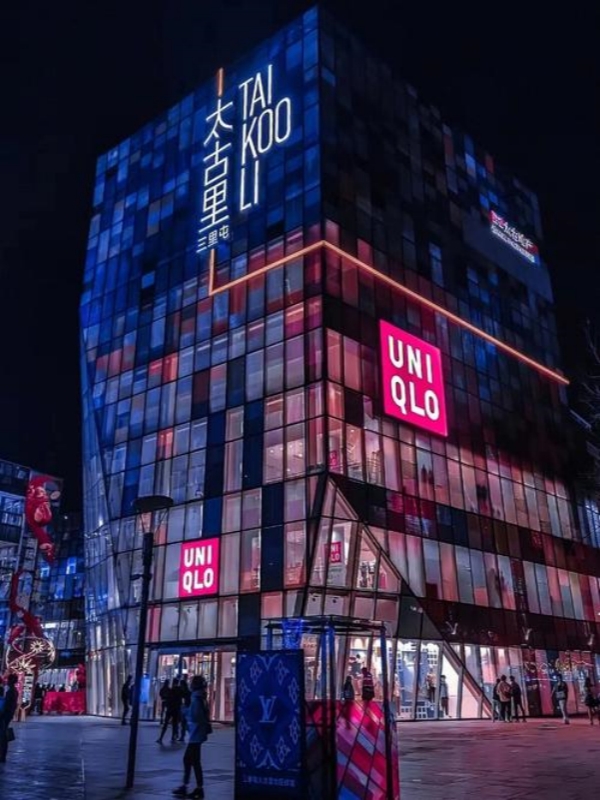
Sanlitun in Beijing
The Sanlitun sits between the 2nd and 3rd Ring east of the city center. The Jianguomenwai embassy district lies inside the 3rd Ring east. Tuanjiehu Park provides a green break nearby. Mid-range international hotels cluster most densely in this zone, making it convenient for visitors who want restaurants, bars, and shops within walking distance.
Temple of Heaven and Surrounding Parks
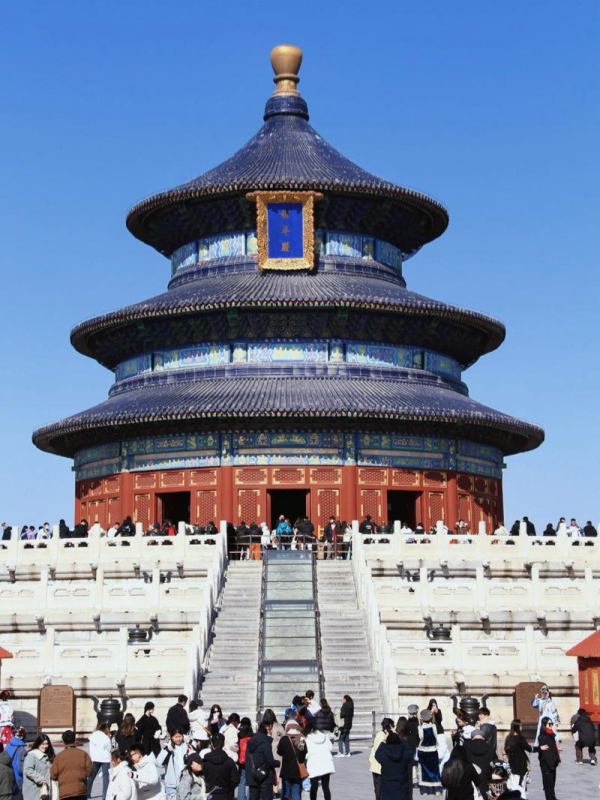
Temple of Heaven
The Temple of Heaven complex lies between the 2nd and 3rd Ring south. A combo ticket covers all three parks for about $5 (¥35): Temple of Heaven, Ditan, and Zhongshan. Outdoor areas open from 6:00 to 22:00. Inner halls open from 8:00 to 17:00. The closest metro stations are Tiantandongmen and Tiantanximen on Line 5.
The 4th to 6th Ring: Where Beijing Spreads Out
Three outer-ring draws draw visitors beyond the central rings:
- Olympic Park: Free outdoor admission; Bird's Nest interior tour about $7 (¥50)
- Summer Palace: Standard ticket about $8 (¥60), just outside the 5th Ring northwest
- Badaling Great Wall: Access from the 6th Ring north
The 4th Ring also covers the Haidian university district and Zhongguancun tech zone. Most international-tourist hotels cluster between the 2nd and 4th Ring, though airport-adjacent options sit near the 5th Ring for early departures.
Olympic Park and the Bird's Nest
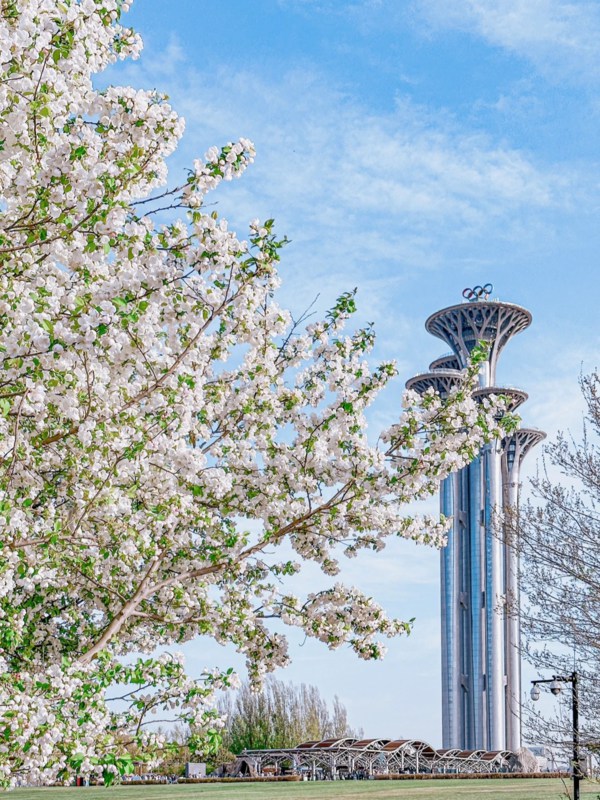
Cherry Blossom in Olympic Park
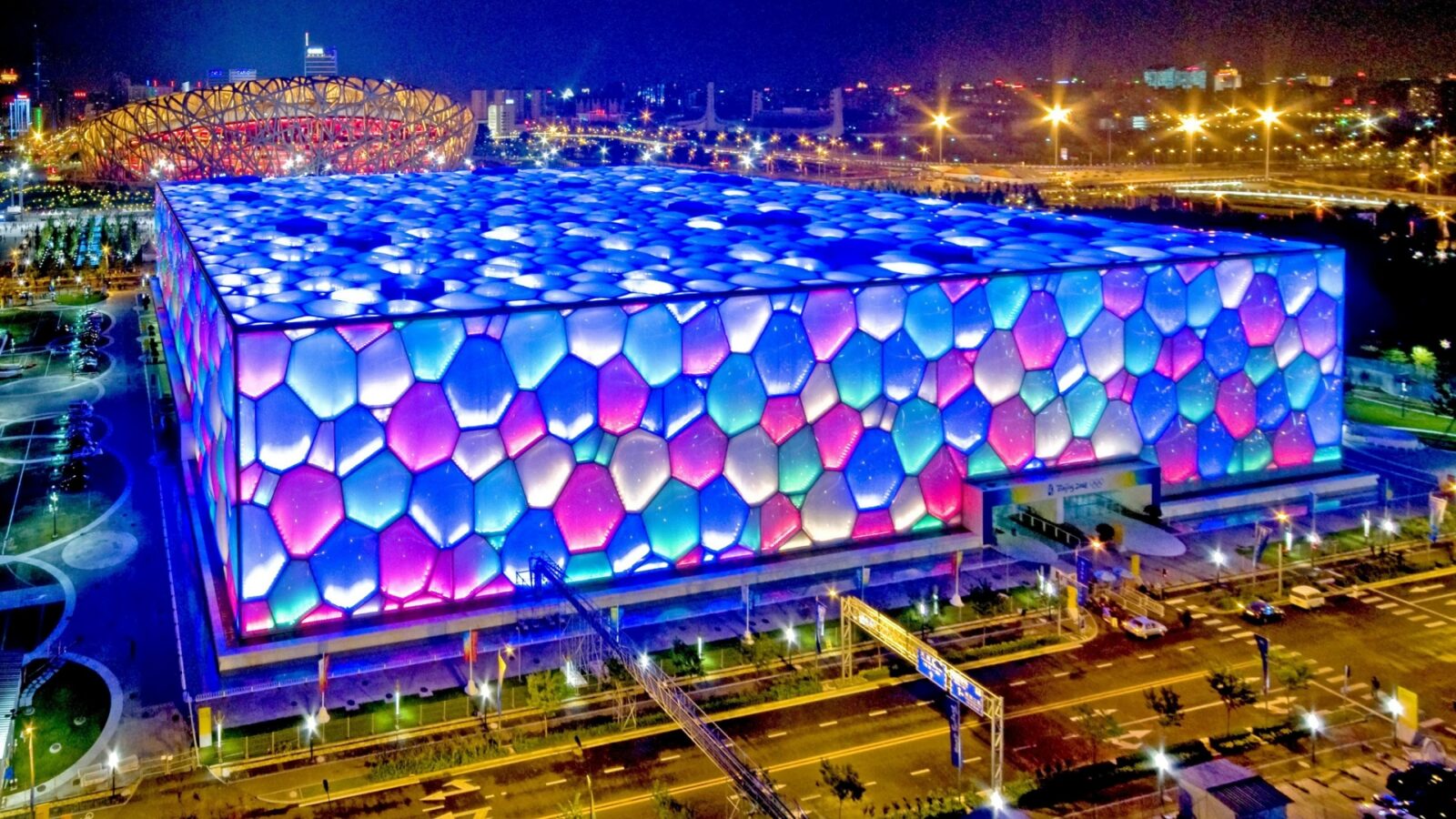
The Olympic Green occupies the north 4th Ring. Outdoor areas are free. A Bird's Nest interior tour costs about $7 (¥50). The Water Cube aquatics center charges about $4 (¥30). Metro Line 8 stops at Olympic Park station. During the 2008 Olympics, the original Olympic Lane ran along the 4th Ring, connecting venues across the city.
Summer Palace and Western Beijing
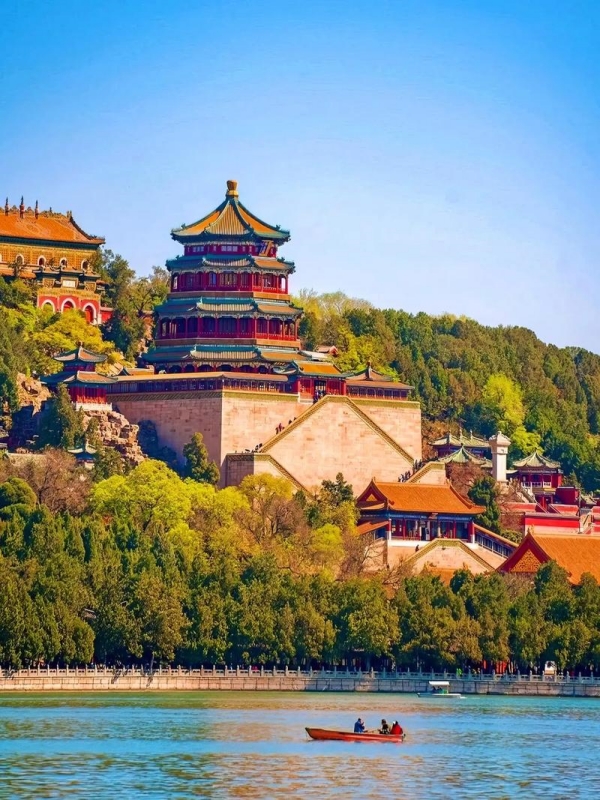
Summer Palace
The Summer Palace sits just outside the 5th Ring northwest. Standard admission costs about $8 (¥60), with a discount at $4 (¥30). A combined ticket also covers Suzhou Street and the Tower of Buddhist Incense. The nearest metro is Xiyuan on Line 4. The Haidian university district occupies the zone between the 4th and 5th Ring west, giving this area a younger, more academic feel.
Where to Stay by Ring
Hotels split into three main zones by ring:
- 2nd Ring: Luxury near Wangfujing and Qianmen, walking distance to Forbidden City
- 3rd Ring: Business hotels in Chaoyang, close to Sanlitun and the CBD
- 5th Ring: Airport-adjacent hotels near Capital Airport for early layovers
Expect mid-range rates around $80–150 (¥570–1,070) per night. Luxury properties start above $200 (¥1,430+). All three zones offer booking through Trip.com with international card support.
Getting Around the Rings: Transport Guide
Three main ways to cross Beijing's rings work for tourists:
- Beijing Subway: Covers 2nd–6th Ring via Lines 1, 2, 4, 5, 10, 13, 14; rides from $0.40–1.10 (¥3–8) by distance
- Taxi and Didi: 2nd to 5th Ring costs about $5–8 (¥35–58) one-way
- Tourist Sightseeing Buses: Link 2nd–4th Ring landmarks; one-day pass about $7 (¥50)
Beijing Subway Lines by Ring
Line 2 circles the 2nd Ring in a complete loop. And Line 10 circles the 3rd Ring as the longest loop in the world. Line 13 partly traces the 4th Ring north. Every station carries English signage. Single-ride tickets from vending machines accept cash, foreign bank cards, and mobile pay. Foreign cards have worked at metro machines since 2019.
Taxi and Didi Between Rings
Taxi flag-fall costs $1.80 (¥13) for the first 3 km. The meter then adds $0.32 per km (¥2.3/km). A night surcharge of $0.39 per km (¥2.8/km) applies between 23:00 and 5:00. The Didi China app works with foreign phone numbers. A typical fare from the 2nd Ring to Capital Airport runs $15–20 (¥110–145).
Tourist Sightseeing Buses
Beijing Tourist Sightseeing Bus routes link 2nd–4th Ring landmarks including the Forbidden City, Temple of Heaven, Olympic Park, and Summer Palace. A one-day pass costs about $7 (¥50). Night routes operate during summer months. Tickets are available at kiosks and through Trip.com.
Frequently Asked Questions
Q: How is Beijing made up of ring roads?
Beijing has seven numbered ring roads plus the Capital Region Ring Expressway. The 2nd Ring, completed in the 1980s, is the innermost complete loop. Each later ring was built outward in phases. Most tourist landmarks sit inside the 4th Ring.
Q: What is the symbolic head ring in a Beijing siheyuan?
The "head ring" (tian jing, literally "sky well") is the round skylight at the center of a siheyuan courtyard. It reflects the traditional Chinese cosmological idea of "round heaven, square earth."
Q: Who lives in the 3rd ring of Beijing?
The Jianguomenwai embassy district, diplomatic residences, large Chaoyang expat communities, and middle-class Beijing residents occupy the 3rd Ring. The area mixes diplomatic compounds, international apartments, and older hutong neighborhoods.
Q: Is Beijing's 7th ring road real?
Yes. The Capital Region Ring Expressway, sometimes called the "7th Ring," opened in sections from 2018. The Tongzhou-Daxing section was the first to open and stretches beyond Beijing municipality into Hebei Province.
Q: How do tourists pay for transport in Beijing?
Subway: cash, foreign bank card, or mobile pay at vending machines. Taxi: cash or Didi app with foreign phone number. Sightseeing buses: cash at the kiosk or via Trip.com.
Q: What is the ring of light over Beijing?
The phrase describes Beijing's circular skyline glow visible at night from elevated ring-road viewpoints. It also refers to a 2016 viral image of an atmospheric light halo over the city.
Q: Is there a map of Beijing's ring roads?
Yes. Beijing Subway system maps show all ring lines (Line 2, Line 10) clearly. Tourist maps from hotels and Trip.com show ring positions layered over the city with landmarks marked.
Q: What are the four rings of power in Beijing?
The phrase comes from Sean French's 2018 novel "Beijing: The Four Rings of Power." It is a fiction title, not an official Beijing geography term.