What Is The Quality Of Living In China?Safe, Affordable, Convenient
I’ve lived in Shanghai for six years and the question I get asked the most – the hardest question in my life to give a clean answer to and one asked almost the same number of times I’ve been asked it – is, what is the quality of living in china, really? The no-spinner honest is: It’s first-world infrastructure at third-world prices, with a friction layer – payment apps, internet walls, AQI days – that redefines habits while never going away. You make a sacrifice dont seek dedicated partner conveniences to get a cost, safety, food and convenience most expats can’t fathom back home. I will take you through and deconstruct each layer of that transaction in this so you can choose your own poison.
Living in China at a Glance
China's expat experience distills into two short lists — and the rest of this article expands each one.
Where Expats Win
- Solid middle-class life: $3,000–6,000/mo after-tax puts you there in most cities, comfortably.
- Cheap, world-class food: rice-plus-meat lunch at $3–4.50; Michelin tasting menus at $30–60.
- Fast intercity reach: 8-hour high-speed rail covers 80% of major cities for a weekend.
- Genuine safety: late-night walks are routine, not brave.
- English-friendly clinics: 1-hour consults in international hospitals, mostly US/UK-trained.
Where Expats Struggle
- The "wall": VPN situation works but never fully settles; treat it as a subscription.
- Language drop-off: English fluency falls off fast outside Tier-1 expat bubbles.
- Squat toilets: still the default in older districts and highway rest stops.
- Winter air: 2–3 months of AQI > 150 across northern cities every year.
- Social isolation: ~38% of long-term expats report difficulty with deep ties.
Best Chinese Cities for Expats
Six cities dominate the expat map. I've spent real time in four of them, and I'll tell you what your Tuesday actually looks like in each.
Chinese cities record some of the lowest street robbery and violent-crime rates globally; the Numbeo crowd-sourced Safety Index falls in the ~50–65 band (self-reported, not police crime stats). Walking alone at night has consistently felt safer to me here than in most US or European cities of comparable size.
Shanghai and Beijing Compared
-
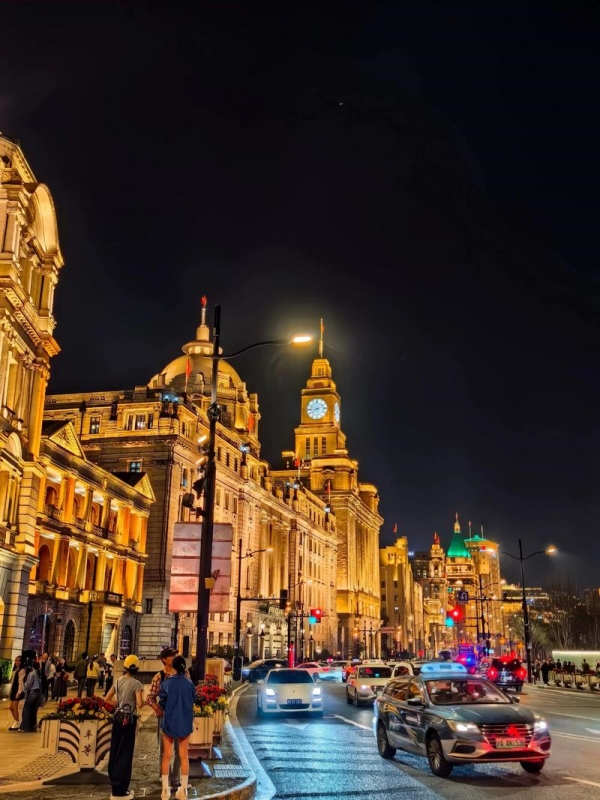

- Shanghai
-
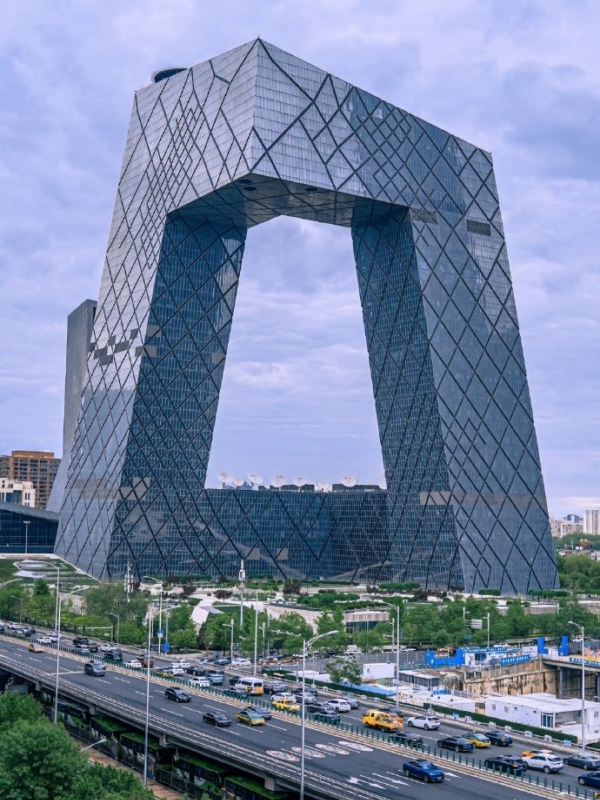
- Beijing
I've placed both cities head-to-head, and the verdict depends entirely on what you want your Tuesday to look like.
- Shanghai wins on: bilingual metro, dense international hospitals, French Concession expat ecosystem; foreign-teacher pay runs 10–15% higher than Beijing.
- Beijing wins on: hutong coffee scene, embassy district, weekend Great Wall hikes; cultural depth that hits you in the chest.
- My rule for new arrivals: pick Shanghai if you want the smoother ramp; pick Beijing if you want the country to press in on you.
If you find yourself leaning toward Shanghai for the food scene specifically, our 2025 guide to eating Shanghai like a local is the next thing to read.
Tier-2 Picks: Chengdu, Hangzhou, Shenzhen
-
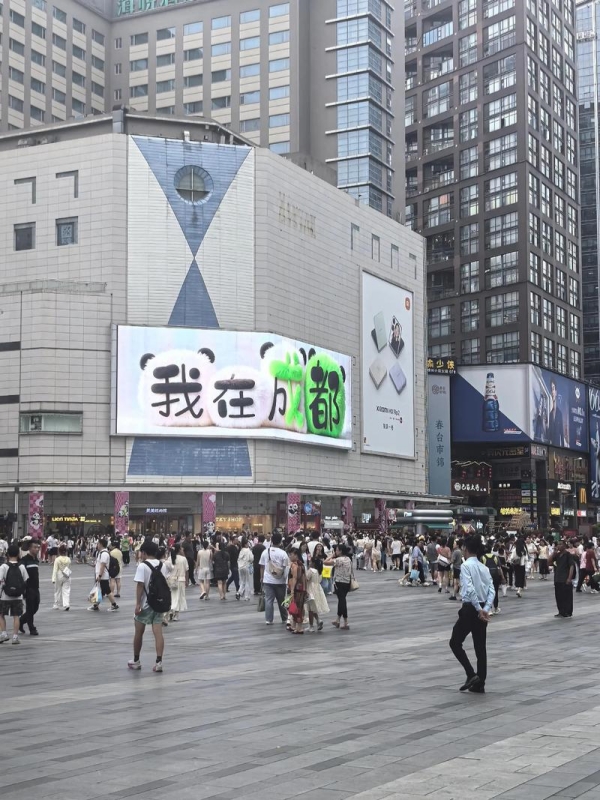
- Chengdu
-

- Hangzhou
-
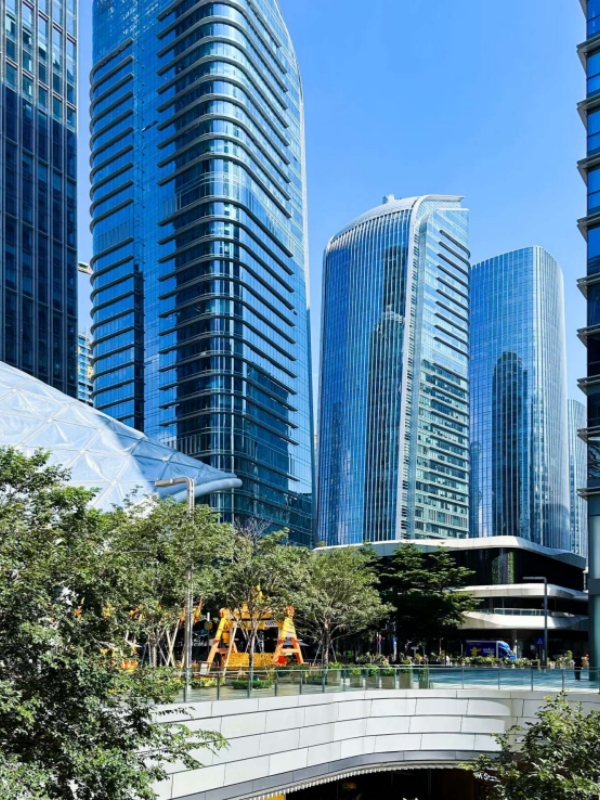
- Shenzhen
I've spent real weeks in Chengdu and Shenzhen, and I've walked Hangzhou's West Lake in three seasons. Here's what I tell friends who ask me to pick their first T2 city.
- Chengdu: runs at half the speed of Shanghai — and the food is the point. Mapo tofu at a 30-seat place costs $3; rent for a one-bedroom in the city center runs $400–800.
- Hangzhou: balances tech (Alibaba's backyard) with West Lake calm; pick it if you want a tech salary with a slower daily rhythm.
- Shenzhen: younger, faster, and 30 minutes by MTR from Hong Kong; pick it if you want the maximum startup density in China.
All three drop your cost of living 30–40% versus Tier-1. The trade-off: thinner English signage, fewer international schools, and a medical-tourism safety net that you'll want mapped in advance — start with our medical tourism in China overview before you book a flight.
Where Foreign Communities Cluster
I've attended InterNations mixers in three of these cities. Here's what the bubbles actually look like, on the ground.
- Shanghai's Pudong and French Concession: the country's largest foreign population — roughly 70,000 residents historically. My first month in Shanghai, my entire social calendar came from a Thursday-night mixer in Jing'an.
- Beijing's Sanlitun and Wangjing: another 30,000. More policy and academic types than Shanghai's finance tilt.
- Chengdu's south-of-the-river international community: around 15,000. Smaller, warmer, food-obsessed.
Your first week move: join an InterNations chapter, attend a Thursday mixer, and ask a neighbor which clinic their family uses. The expat bubble is real, and leaning into it for month one saves you from reinventing the wheel on every minor decision.
Cost of Living in China
The single biggest surprise for first-year expats is how cheap the good life is — until you hit the line items that aren't. I've lived through all five surprises below.
Housing and Rent Across Tiers
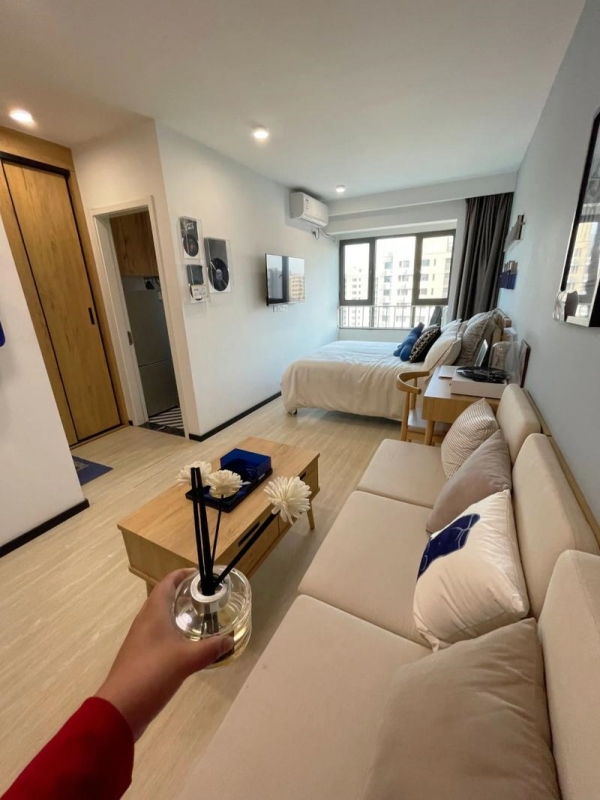
One-Bedroom Apartment in Beijing
When I moved to Shanghai in 2020, I learned the rental game the hard way: most expats over-shop the unit and under-shop the building. The numbers below are market-rate in mid-2026.
- Tier-1 (Shanghai within Ring Rd / Beijing inside 4th–5th Ring): $800–1,500/mo one-bedroom; serviced apartments in new towers can hit $2,000+.
- Tier-2 (Chengdu downtown / Hangzhou by West Lake): $400–900/mo; Ziroom-style buildings include management in the listed price (+15% over raw).
- Tier-3 (Changsha / Kunming / non-tourist Chongqing): $250–500/mo; the cheapest option for comfortable single life.
Standard lease: one month deposit, three months prepaid. The bigger gatekeeper is the building — some compounds quietly refuse foreign tenants unless the owner co-signs in person. Bring a bilingual agent; run the check before you sign.
Want the city-by-city breakdown? Our Shenzhen cost-of-living guide and Chongqing cost-of-living guide drill into the tier-1 versus tier-3 contrast.
Food, Transit, and Daily Budget
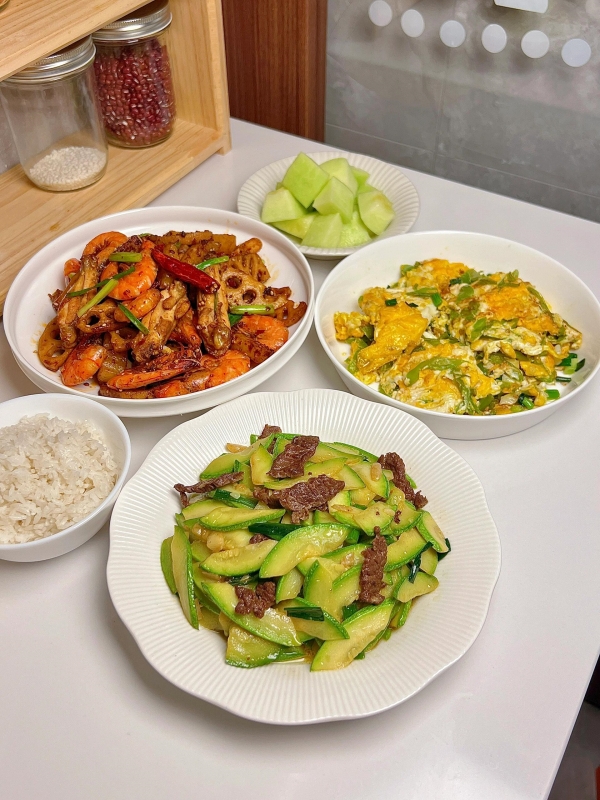
Authentic Chinese Solo Meal
A rice-plus-meat-plus-veg lunch at a work canteen runs $3–4.50. An acceptable sit-down dinner for two at a non-Western restaurant can run anywhere from $20–35. Metro fare is ¥3–9 (approx $0.40–1.25) per ride and the price of monthly passes maxes out around $25-35. A 5G unlimited SIM with a passport costs around $8-12/month post-setup. For a cue, we’ve modeled a is China-expensive-to-visit breakdown that stacks up tourist spending against resident baselines.
Healthcare Costs for Expats
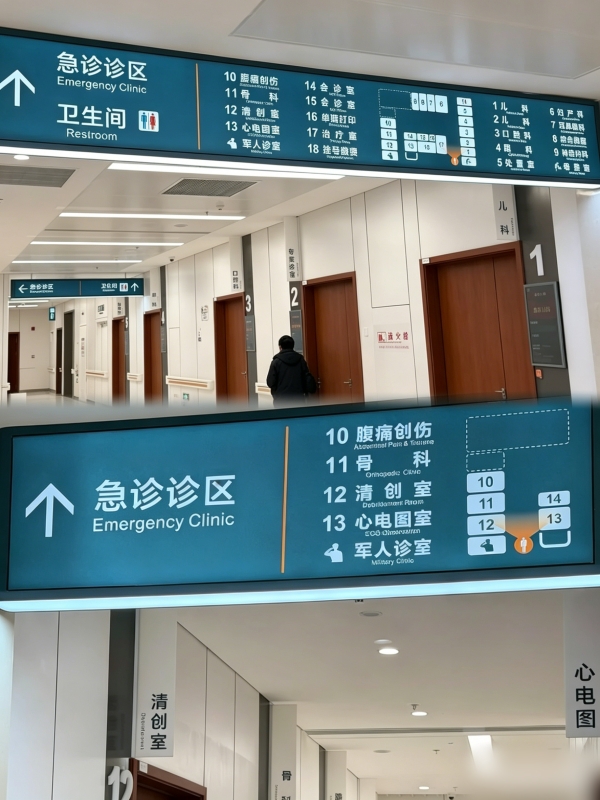
Emergency Clinic Directory, 301 Hospital
A visit to a public hospital is cheap (¥50 registration fee, then a consult fee of ¥20-50), but the line and the language barrier are real. Visits to private and international clinics run ¥800-2,500/consult. People without insurance (like me) run $3,000-8,000 of out-of-pocket per year on the healthy side; a solid international health plan runs $2K-6K based on age and tiers. Getting direct-billed into the hospital by insurers like Cigna or Allianz reduces the wait time substantially. I’ve cut down a 90 minute process in a public-hospital queue down to a 25 minute international-clinic consult by simply paying out of pocket and attaching the receipt.
Education Costs for Expats
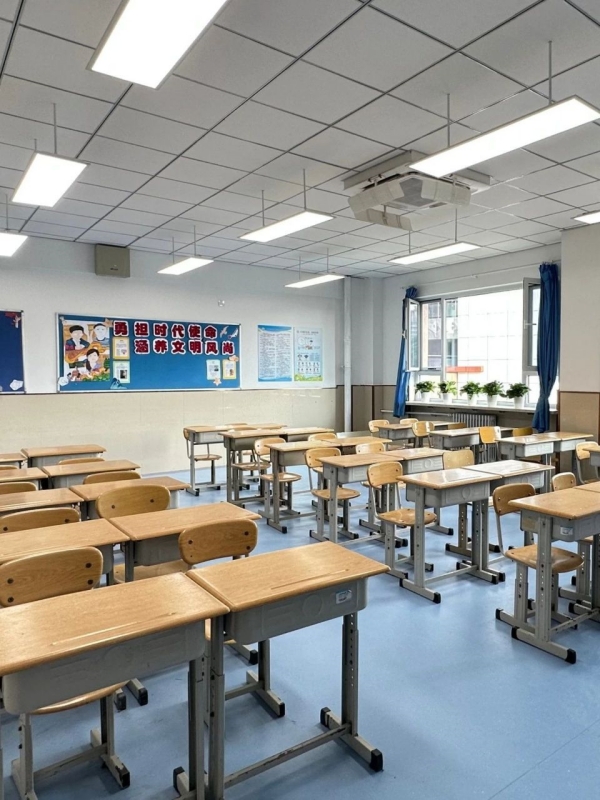
Authentic Campus Scene
I sat on the school-selection committee for two expat families; here's what the premium tier actually costs in mid-2026.
- Day tuition, premium international school (SH/BJ): $15,000–35,000/year.
- Boarding overlay: add another $5,000–10,000/year on top of day tuition.
- Public-school international tracks: limited availability and rarely accept non-resident children — plan accordingly.
For a step-by-step enrollment walkthrough, our China survival guide lays out the school-selection workflow.
Hidden Costs Expats Overlook
Three line items that quietly consumed my first year's budget — and for nearly every expat I've mentored since.
- FX and wire fees: 2–4% of every repatriation eaten by spread plus flat bank fees.
- Security deposit + agent fee: 1–2 months' rent upfront, plus half to one month for the agent.
- Short-stay premium: Airbnb and serviced apartments cost 30–50% more than a leased flat for the first 30 days.
These three together can quietly consume an extra month's rent every year.
What $1,000 a Month Buys
Out in Chongqing, Kunming or Changsha, 1 grand covers a comfortable single life: $250-450 rent, $3-5 meals, cheap transport, weekend trips. Chengdu or Hangzhou, 1 grand works if you share a flat and forget the imported cheese. In inner Shanghai or Beijing, living solo in 1k is not happening - bridge the gap with another $800-1500/month, depending on how central you need to be.
Daily Realities: Safety, Crowds, and Air
The three things that hit me in week one — and the three things I stopped noticing in month six.
Safety and Personal Space
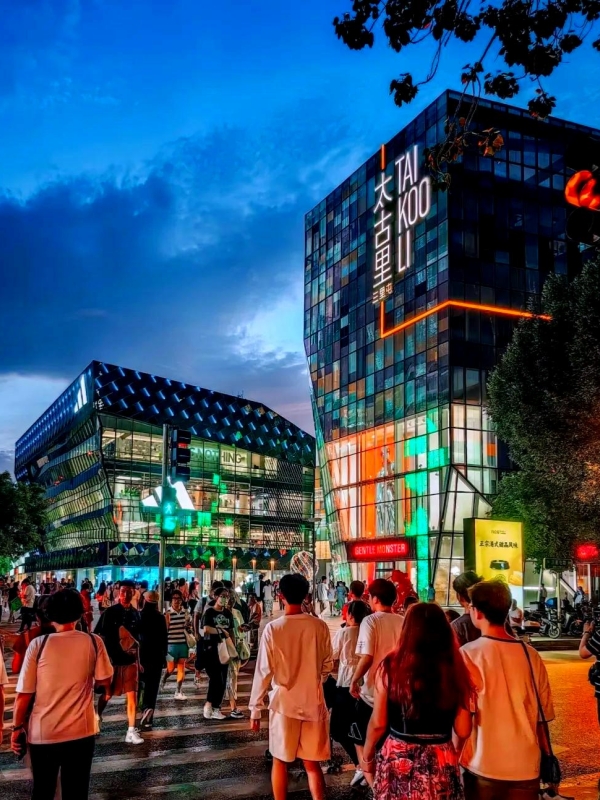
Sanlitun Night View
I've walked home alone in Shanghai's Jing'an at 1 a.m. and in Chengdu's Taikoo Li at 2 a.m., and felt the same thing both times: nothing. That feeling — or its absence — is the single biggest expat surprise.
- Street robbery / violent crime: among the lowest globally per crowd-sourced indices and resident interviews.
- Surveillance density: cameras on every corner, check-ins at every compound — oppressive at first, invisible by month three.
- Female solo night-walking: consistently scores safer here than in comparable US/European metros, per crowd data and my own experience.
Density, Crowds, and Public Transit
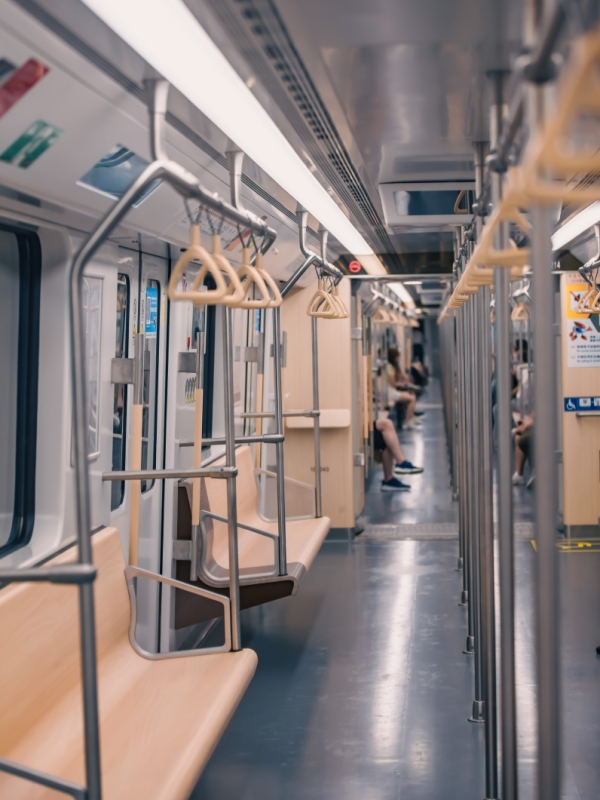
Modern Shanghai Metro Carriage
I ride the Beijing and Shanghai metros most weeks. Here's the real talk on density: yes, it's dense — but the system is engineered to make density survivable.
- Population scale: 65+ Chinese cities above one million; the US has roughly 14.
- Peak crush: Golden Week and Chunyun volumes triple; Line 10 at 8 a.m. is a human compression test.
- Operational compensation: trains every 30–120 seconds; the worst crush rarely lasts more than a few minutes.
If shoulder-to-shoulder is your hard line, learn the bypass routes around Lines 1, 2, and 10, and never board at Guomao at 8:47 on a Monday. For the full system breakdown, our transportation in China guide maps every metro line, app, and high-speed rail class.
Air Quality and Health Trade-Offs
I've run through three Beijing winters and two Hangzhou springs. Here's what the air actually does to your week, by season.
- Winter PM2.5 (Dec–Feb): northern cities AQI 100–180; southern metros 50–100 with trapped-haze weeks.
- Annual means: ~55–75 north, ~45–60 south — much better than the headlines suggest.
- Survival kit: KN95 mask + Xiaomi/352 purifier ($150–400); check aqicn.org or IQAir before any outdoor run.
Internet, Apps, and the Digital Wall
WhatsApp voice calls, Google services, Instagram, most Western social apps don’t connect reliably without a workaround. I’ve gone through three generations of VPNs and half a dozen eSIMs. Some 2025–2026 eSIMs (Airalo, Holafly on certain routing) offer partial “clean” access for light browsing - but not reliably enough to bet your work commuting on. Most long-termers will be running a paid VPN at the router-level at their homes, and treat public Wi-Fi as untrusted. WeChat and Alipay with a bound foreign card now cover > 95% of my daily payment surface. For a full setup walkthrough from airport-arrival to settled-in, our China survival guide is the playbook.
Work Culture and the 996 Rule
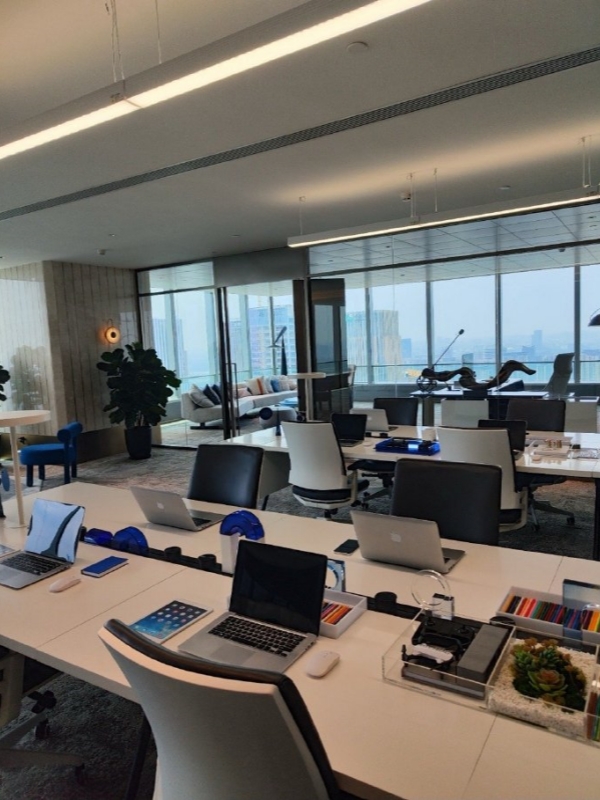
Real Workplace Scene
I've worked with both multinational and domestic teams in China, and the 996 story has two layers — one in law, one in practice. You need both to make an informed decision.
- Legal baseline (unambiguous): in August 2021, the Supreme People's Court and the Ministry of Human Resources & Social Security jointly issued typical-case guidance (人社部函〔2021〕90号) declaring "9-to-9, 6 days/week" contracts void, with back-pay penalties.
- On-the-ground texture: multinational teams run 955/965 (9–5 or 9–6, five days); domestic tech / manufacturing / startup roles are where implicit long-hours culture persists, often disguised as "flexible scheduling" or "project crunch."
If you're interviewing at a China-headquartered firm, ask directly about tracked hours, comp time, and weekend expectations. Offer letters that don't spell it out are telling you it's negotiable only after you're in.
Visa, Banking, and First-Month Logistics
Three things to lock down in week one; one thing to set in motion by month three. I've done this four times across two cities.
Visa Categories and Work Permits
I've watched friends move through three rounds of visa changes. The clean version of the sequence is below.
- Z → Work Residence Permit: employer gets the Notification Letter → you apply for Z visa at a consulate → convert to Work Residence Permit within 30 days (1 / 2 / 5 years by talent tier).
- M visa: up to 90 days of business activity; no employment with a Chinese entity.
- R visa: fast-track multi-entry + dependent residence for spouse and children.
- DN reality (mid-2026): no standalone Digital Nomad visa — use 30-day visa-free (38 countries), an M business invite, or employer-sponsored Z. Shanghai's municipal reps have proposed a DN-style pilot, but it isn't an active inbound product yet.
WeChat Pay, Alipay, and Banking Setup
I bound my first foreign card to WeChat in 2023 and have re-done the flow twice since. Here's the version that actually works in mid-2026.
- WeChat "外卡内绑": register with a non-Chinese phone → bind Visa/MC/AmEx/JCB/Diners/Discover → after passport verification, single ≤ ¥5,000 / annual ≤ ¥50,000; ≤ ¥200 fee-free, ~3% above.
- Alipay international: same direct foreign-card binding; UnionPay Tour Card (prepaid top-up) for clean daily caps.
- Week-1 banking: HSBC / Standard Chartered easiest for foreigners; BoC / ICBC work but move slower.
First-Month Housing and Connectivity
The platform picks below are what I'd choose again for each stay length.
- Short stays: Booking / Agoda / Trip.com — price spread 20–40%.
- Mid stays: SmartShanghai / Anytime / Ziroom — Chinese UI; bring a bilingual agent.
- Long stays: Beike / Lianjia — get written property-management consent for foreign tenants before signing.
- eSIM pre-flight: buy Airalo or Holafly before you fly; 7 days ~$10, 30 days $30–45. Land with data on.
For a side-by-side of the booking platforms, our Trip vs Booking vs Agoda comparison cuts the choice down to one paragraph.
Frequently Asked Questions
Q: Is $1,000 USD enough to live on in China?
In my honest view, $1,000 a month goes much further in Chongqing or Kunming — comfortable single life — than in inner Shanghai, where it's not enough solo. The quality of living in china at this budget really depends on the city tier; plan accordingly.
Q: Is China a good country for foreigners to live in?
If your priority stack is safety, food, savings, and convenience — yes, it's excellent. But if your dealbreakers include unfiltered Western internet or always-in-English bureaucracy, the friction adds up. The quality of living in china scores highest when you treat it as full immersion.
Q: What is the 996 rule in China?
"996" means 9 a.m. to 9 p.m., six days a week — ruled illegal in 2021 by joint Supreme Court and HR ministry guidance. I've seen it persist in domestic tech under "flexible scheduling" labels. The quality of living in china at work hinges on which side you join.
Q: How far does $100 USD go in China?
In my daily experience, ¥720 covers three days of local meals plus a week of metro rides — or one nice dinner for two with drinks. Imported-cheese habits burn it faster. The quality of living in china for your wallet is genuinely remarkable compared to Western capitals.
Q: Is Shanghai or Beijing better for new expats?
I tell new arrivals: Shanghai for the gentler landing — bilingual metro, dense international hospitals, French Concession ease; Beijing for depth — hutongs, embassies, weekend Great Wall hikes. The quality of living in china differs by city; pick what fits your Tuesday.
Q: Can foreigners buy property in mainland China?
Yes, conditionally. From what I've seen, you need one full year of continuous legal residence and the purchase must be for your own use. Process: residency proof, FX compliance, housing bureau filing. The quality of living in china improves when paperwork is sorted early.
Q: Do I need a VPN to live in China in 2026?
If your work depends on WhatsApp, Google Workspace, Instagram, or Western news — yes, you'll want one. I run a router-level VPN at home; some eSIMs offer partial clean access but it's inconsistent. The quality of living in china doesn't hinge on this — but your workflow might.
Q: Is China safer than the United States?
On street robbery, random violent crime, and stranger abduction at night — yes, dramatically. In my six years here, I've never felt unsafe walking at 1 a.m. The trade-off is different risks: traffic chaos, scam vigilance, periodic AQI. The quality of living in china on safety is genuinely outstanding.
Q: What salary do expats need to live comfortably?
From watching my friends settle in, $2,500–3,500 a month after tax is very comfortable in T2 or T3 cities. $3,500–5,500 works for Shanghai or Beijing, assuming housing help. The quality of living in china at $2,500 in T2 often beats $5,000 in New York or London.
Q: Which Chinese city is easiest for first-time expats?
In my honest view, Shanghai — English-friendly hospitals, international grocery, expat services, and WeChat groups that actually answer are thickest there. Chengdu is runner-up. The quality of living in china on day three feels least stressful when your infrastructure is already solving small problems for you.