China in July:Wide temperature gaps, featuring 14 pleasant cool summer destinations.
Sweat pools at 9 a.m. in the subway tunnels of Chongqing, yet just a few 1,000 miles away, in July, frost still clings to prayer flags outside the Potala Palace in Lhasa. That 25-degree climate gap within one country is why China in July is feared and misunderstood. This guide maps the territory of where July in China turns brutal on the plains, where it stays refreshing on the plateau, which 14 cool escapes deserve a spot on your 2026 itinerary, what to eat and drink through the season, and which visa rules will save you a consulate visit. The trick is matching the right week to the right altitude — I can tell you, after leading visitors across this country for seven summers, that the rhythm of July is far kinder than the headlines.
July Weather Across China
China's July weather is a four-way split, not a single forecast. Read the row that matches your destination before packing.
Best Regions for July Travel
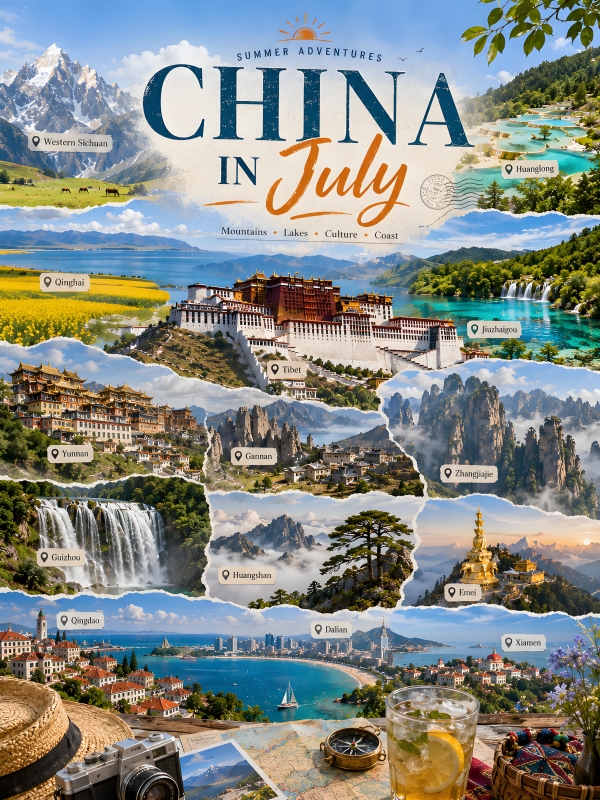
China's 14 cool escapes cluster across plateaus, glacier-fed lakes, breezy coasts and misty peaks — for a deeper seasonal index, see our summer cool-off roundup. The list below is sorted from coolest to warmest, so start at the top if heat avoidance is your priority.
1. Tibet (Lhasa, Shigatse, Everest Base Camp)
-
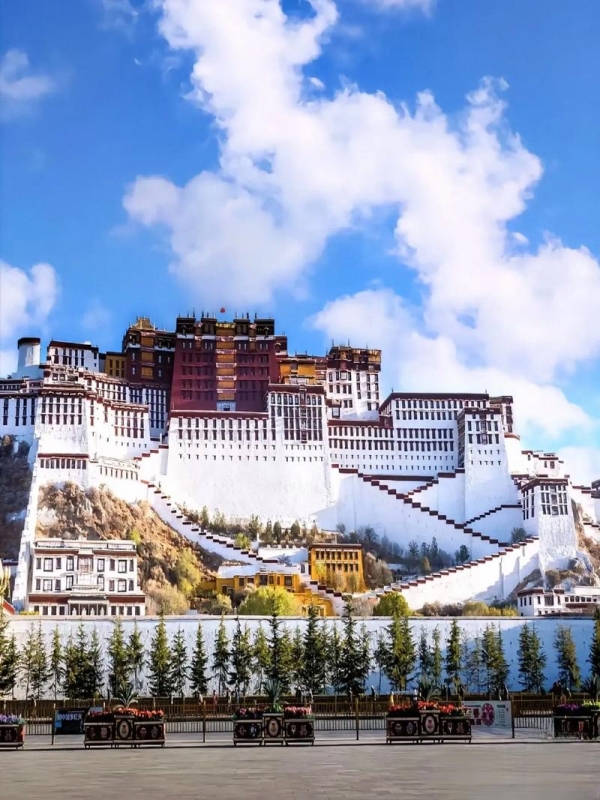

- Potala Palace
-
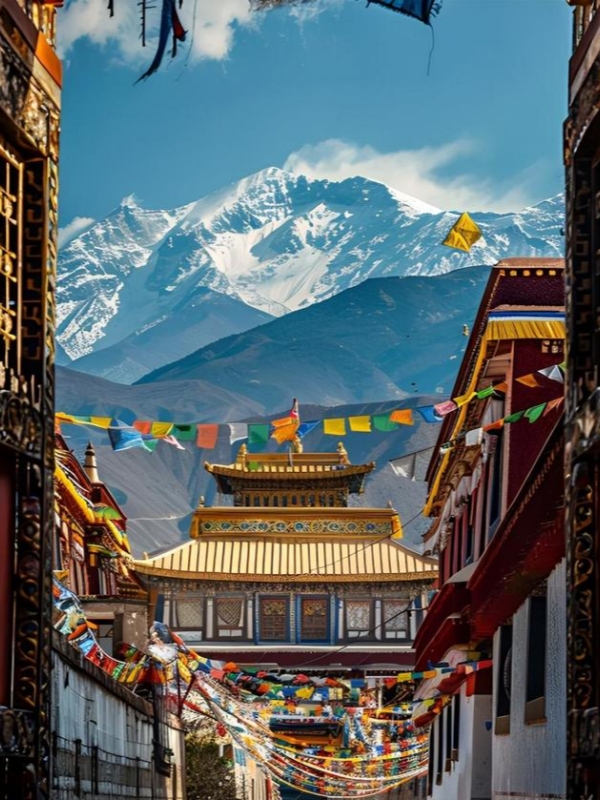
- Jokhang and Barkhor
-
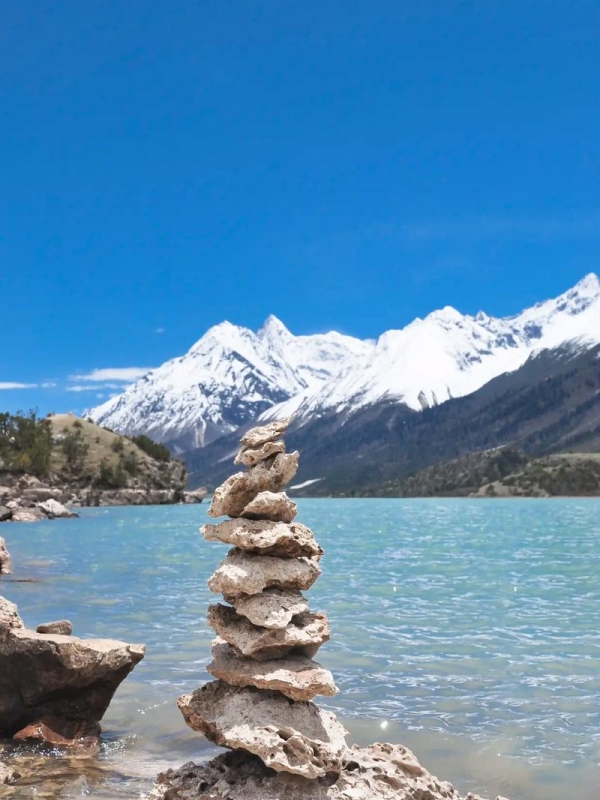
- Lake Namtso
-
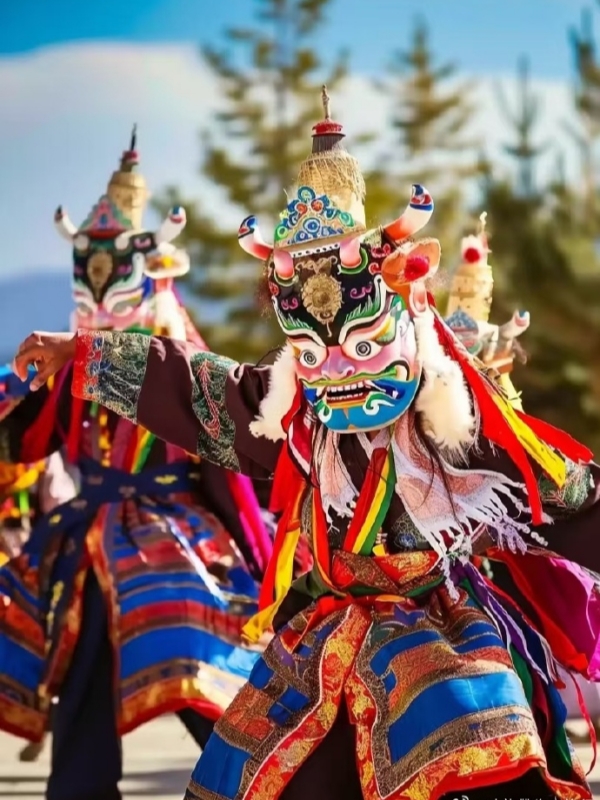
- Shoton Festival
🌡️ Days cool to 15–25°C under clear dry skies; nights drop to 8°C. UV extreme above 4,000 m.
“7:10 a.m., sunrise over Jokhang Temple from a Barkhor Street café; I’m in a sweater, my mate a t-shirt, sunburnt shoulders on the table. Come July, while the patrons of an Lhasa tea house can expect intermittently clear weather for the next month as the dry monsoon opens its window, travelers can actually drive the high Friendship Highway to Everest Base Camp and get a view of the summit nearly every morning. There were two nights in Lhasa first, for altitude headaches arrive quickly on the first day.”
- Potala Palace: 3,650 m palace complex, reserve online one day ahead
- Jokhang and Barkhor: Tibetan Buddhism's heart, pilgrims circle clockwise
- Lake Namtso: 4,718 m sacred lake, day trip from Dangxiong
- Shoton Festival: late July at Norbulingka, one week of thangka unveiling
2. Western Sichuan (Daocheng Yading, Litang)
-
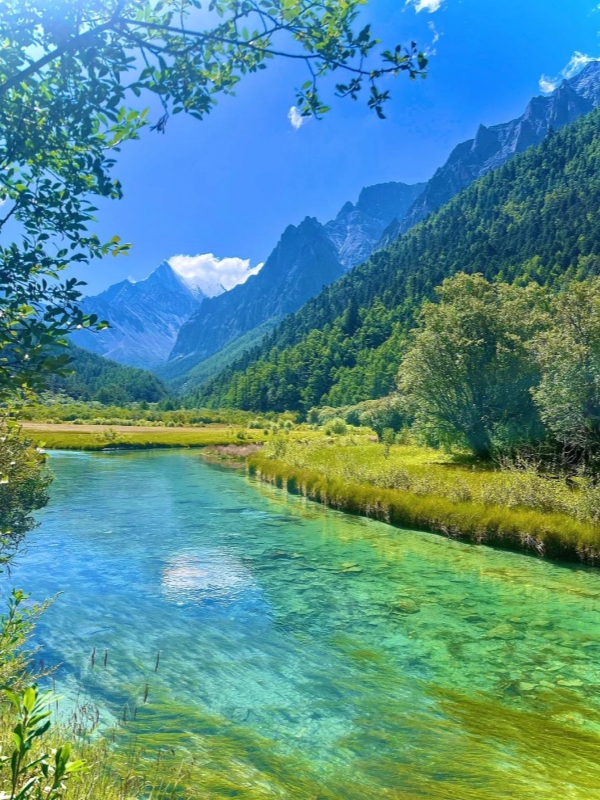
- Daocheng Yading
-
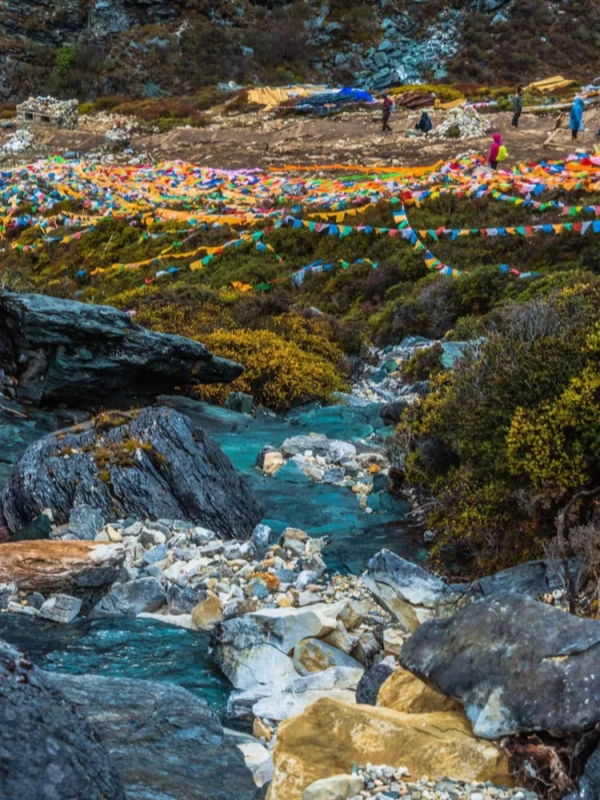
- Five-Color Lake
-
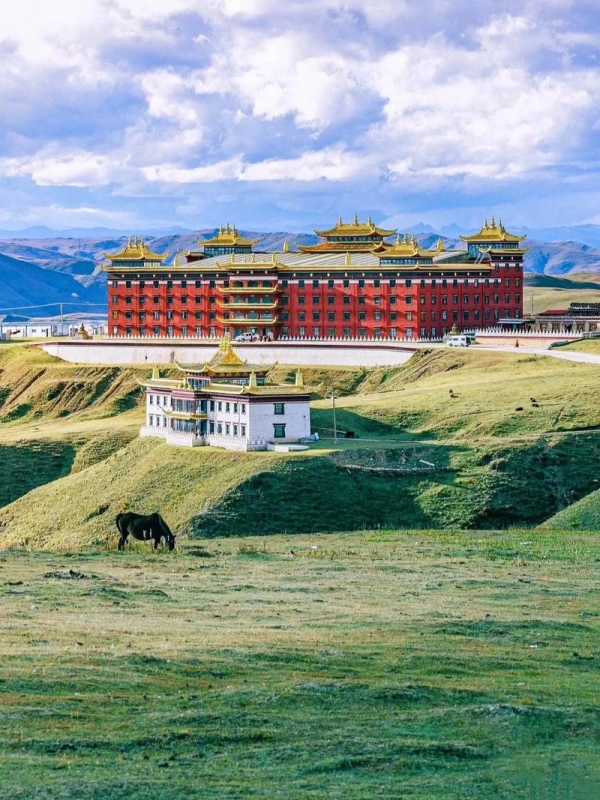
- Tagong Grassland
-
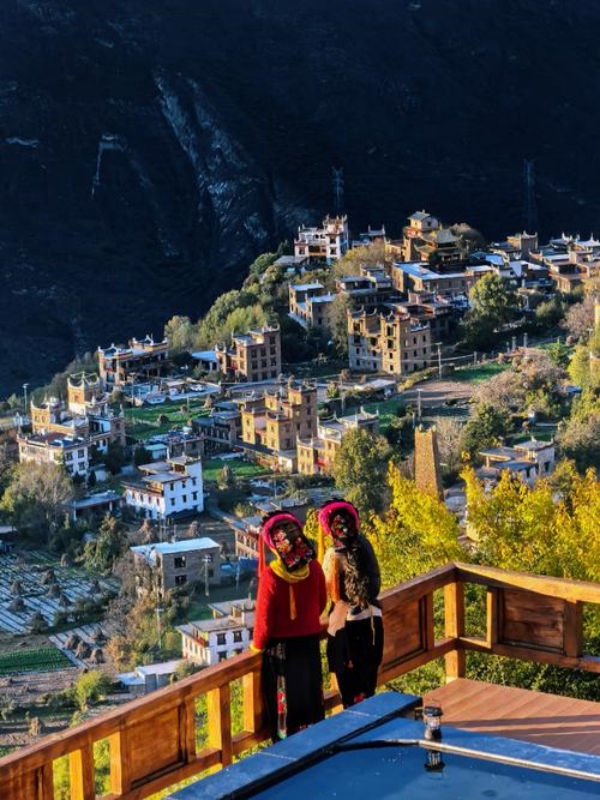
- Danba Tibetan Fortresses
🌡️ Alpine days sit at 7–22°C; nights freeze near 0°C above 4,000 m. UV extreme, dry air.
I stood in the Luorong Pasture watching the three sacred peaks of Yading turn pink at sunrise, then headed off five hours down the Daocheng–Litang highway past marmot colonies, prayer-flag passes, and the Yulong Snow Mountain, a mammoth why-am-I-here wall of rock and ice. The new paved road condenses what was once a four-day trek into a two-day flip flop from Chengdu. Acclimatize a full day in Litang before attempting serious hikes.
- Daocheng Yading Three Peaks: 6,032 m sacred mountains, 6–8 hour trek
- Milk Lake and Five-Color Lake: 4,600 m glacial lakes, horse or hike up
- Tagong Grassland and Yala Snow Mountain: Khampa Tibetan heartland
- Danba Tibetan Fortresses: 5–6 hours from Chengdu, Jiarong Tibetan culture
3. Qinghai (Qinghai Lake, Chaka Salt Lake)
-
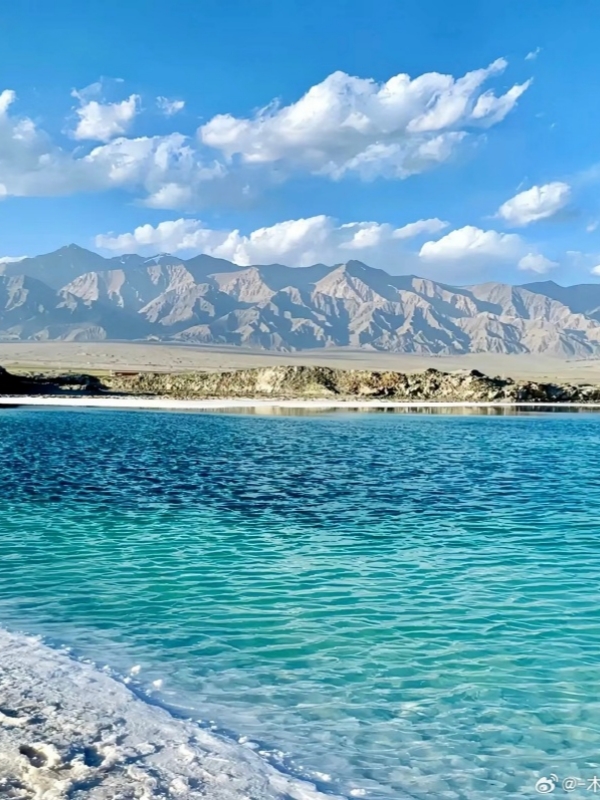
- Qinghai Lake
-
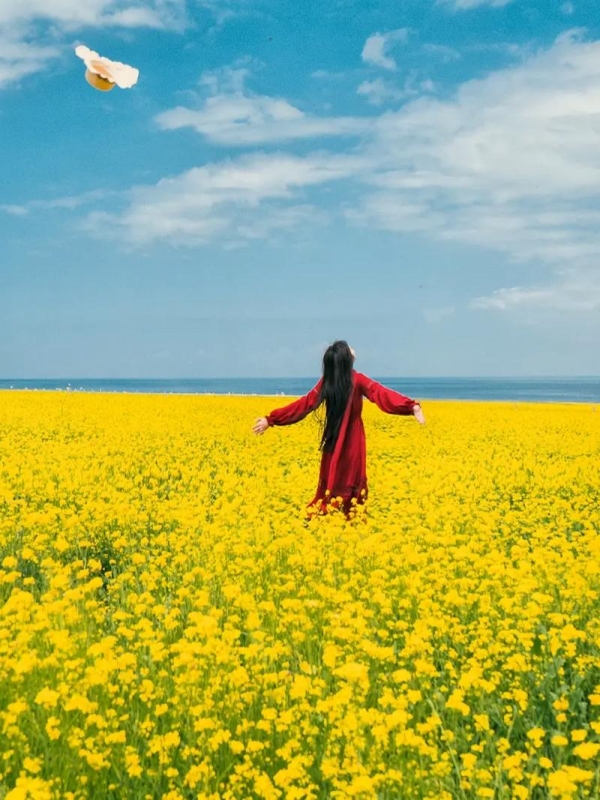
- Rapeseed Fields
-
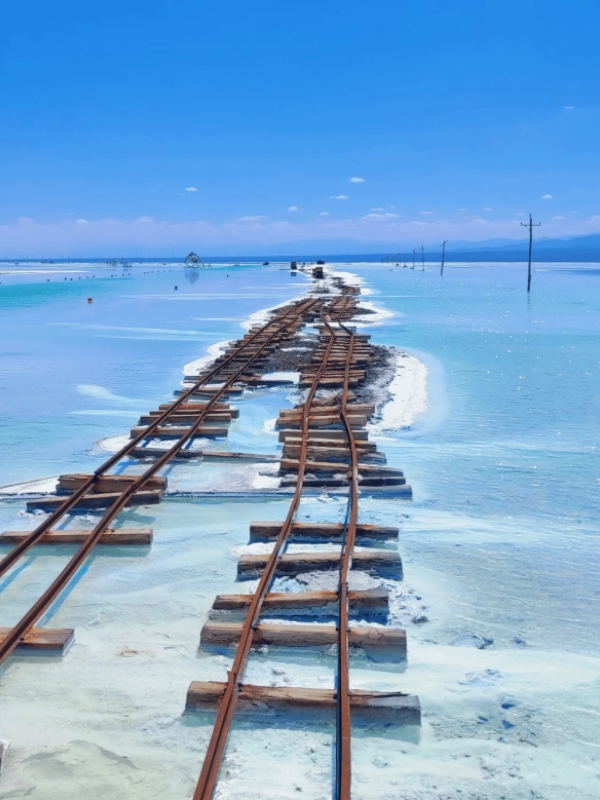
- Chaka Salt Lake
-
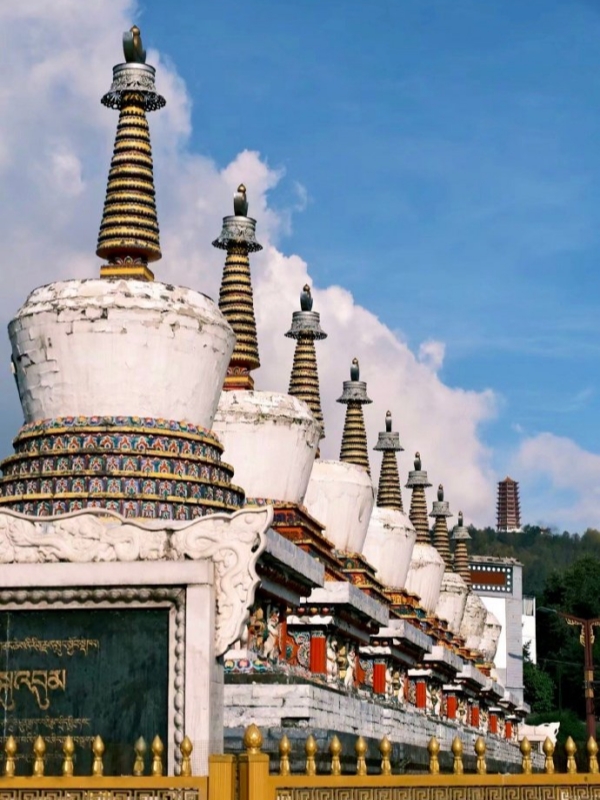
- Ta’er Monastery
🌡️ Days average 15–22°C beside the lake; nights drop to 8°C. Strong UV, dry thin air, big day-night swing.
The rapeseed bloom peaks from July 10-25, covering the western shore of Qinghai Lake in a uniform reach of pure gold, so bright it almost doesn’t look real against the blue water. I rented a bike at Erlangjian Scenic Area at 8 a.m. and completed the 30-km loop before lunch. The Xining–Qinghai Lake–Chaka loop takes three or four days by car, or a two-day trip on the high-speed train from Lanzhou.
- Rapeseed Fields: July 10–25 peak bloom, Heimahe sunrise viewpoint
- Chaka Salt Lake: "Mirror of the Sky," wear bright colors for reflections
- Ta'er Monastery: Yellow Hat sect monastery, butter sculptures and appliqué thangka
- Sun-Moon Mountain: 3,520 m pass on Princess Wencheng's historic route
4. Jiuzhaigou (Five-Flower Lake, Nuorilang Waterfall)
-
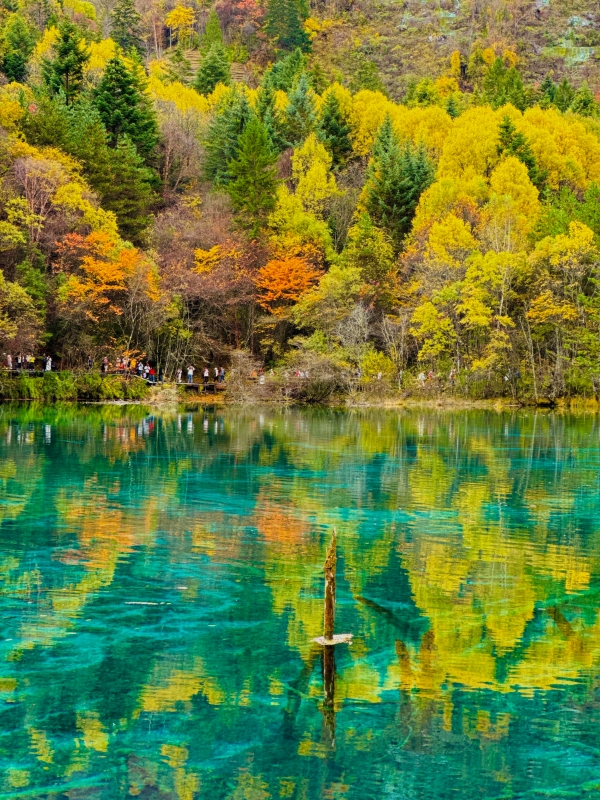
- Five-Flower Lake
-
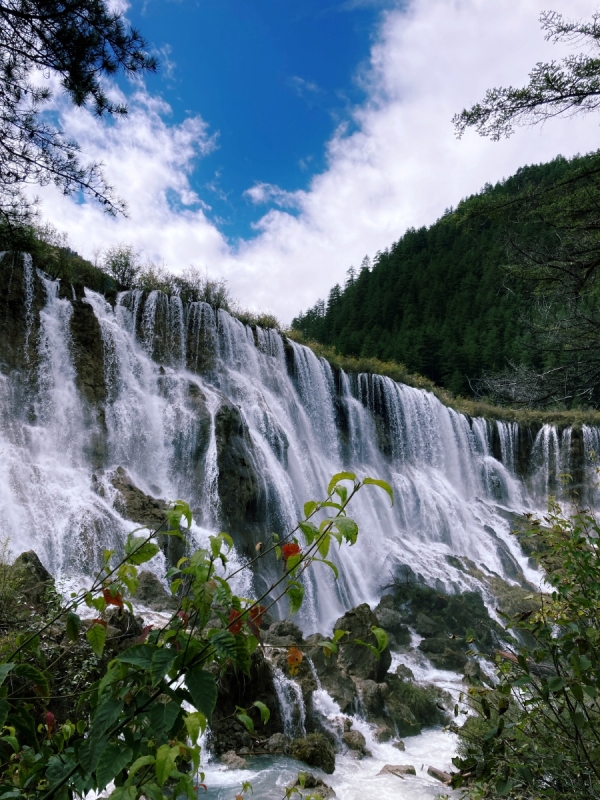
- Nuorilang Waterfall
-
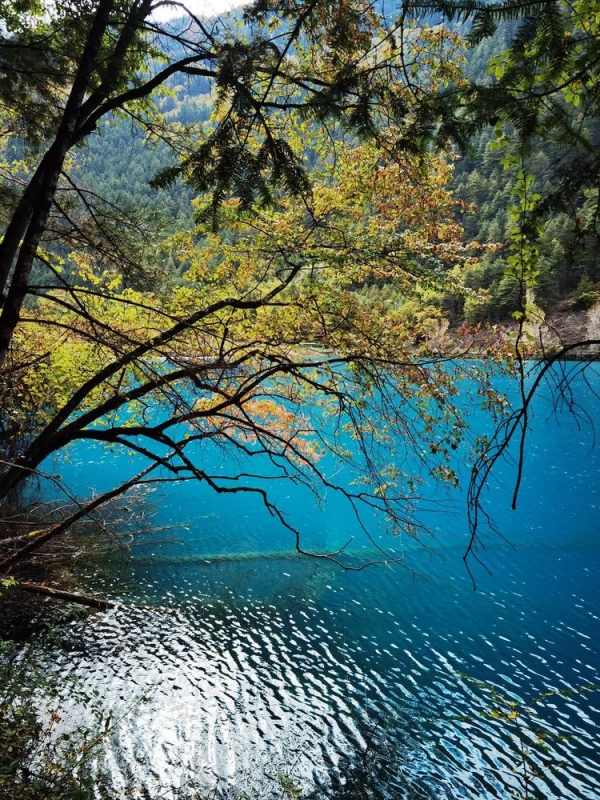
- Shuzheng Lakes
-
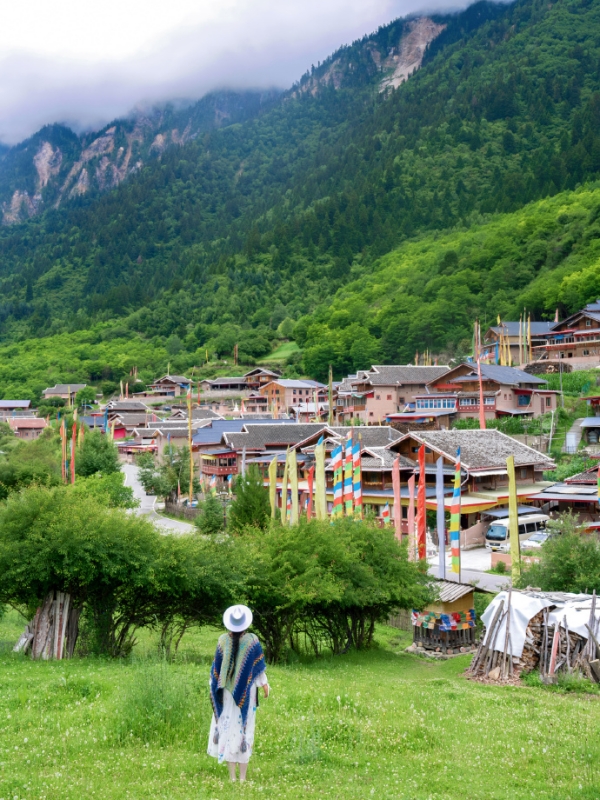
- Tibetan Village
🌡️ Days stay 16–23°C as waterfalls run at peak flow; nights 12°C. Brief afternoon showers common; mist clears by 10 a.m.
Jiuzhaigou’s calcified lakes turn from emerald to turquoise with a summer rain; Nuorilang Waterfall thunders too loudly for the tour-bus radios to join the racket. Book entry via Trip.com’s English channel seven days beforehand; 2024’s new rules ended on-site ticketing. Combine with Huanglong for a three-day loop from Chengdu.
- Five-Flower Lake: calcified pools, the most colorful kilometer in China
- Pearl Shoal Waterfall: 86 m wide, classic "Journey to the West" filming location
- Nuorilang Waterfall: China's widest travertine cascade, peak summer flow
- Shuzheng Lakes and Tibetan Village: yak hotpot and butter tea tastings
5. Huanglong (Travertine Pools, Forest Trail)
-
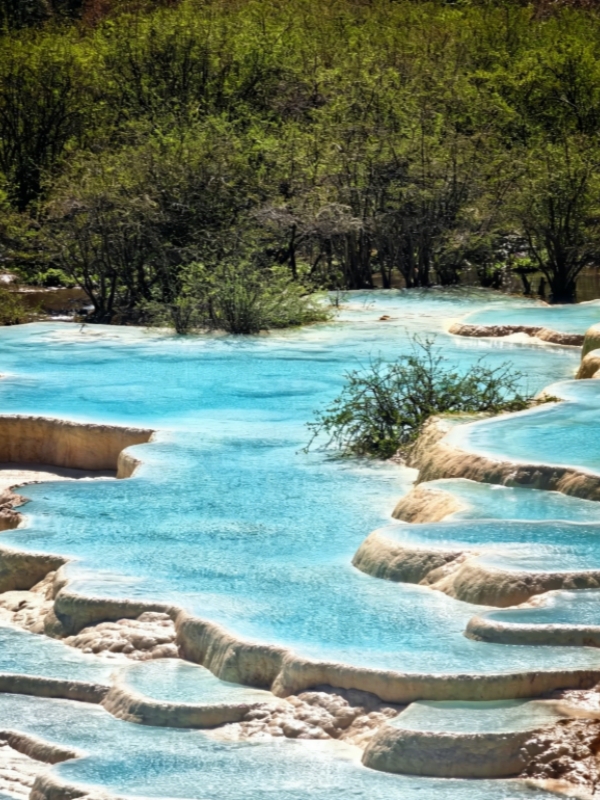
- Five-Color Pond
-
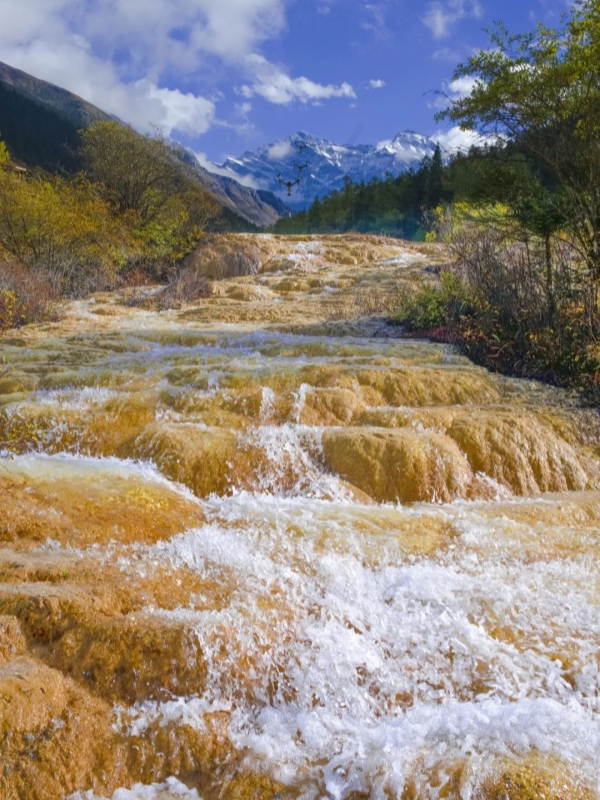
- Golden Sand
-
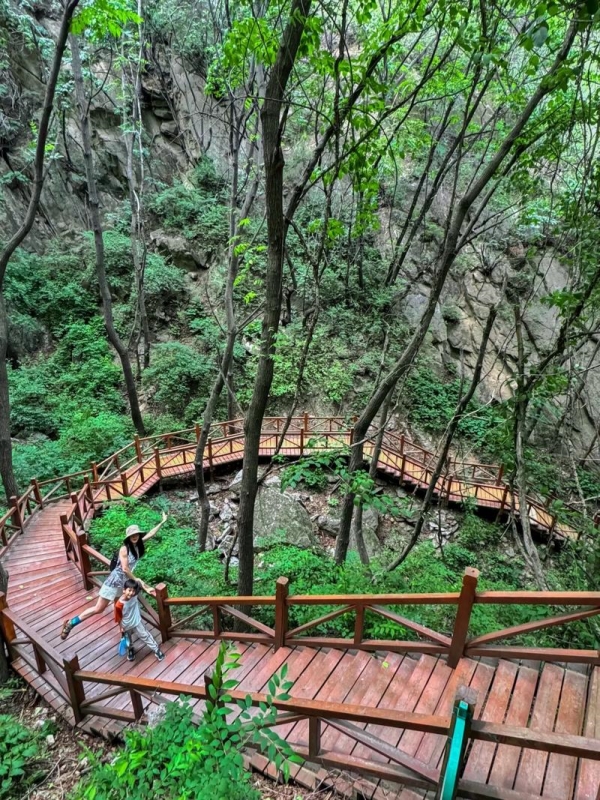
- Primeval Forest Trail
-
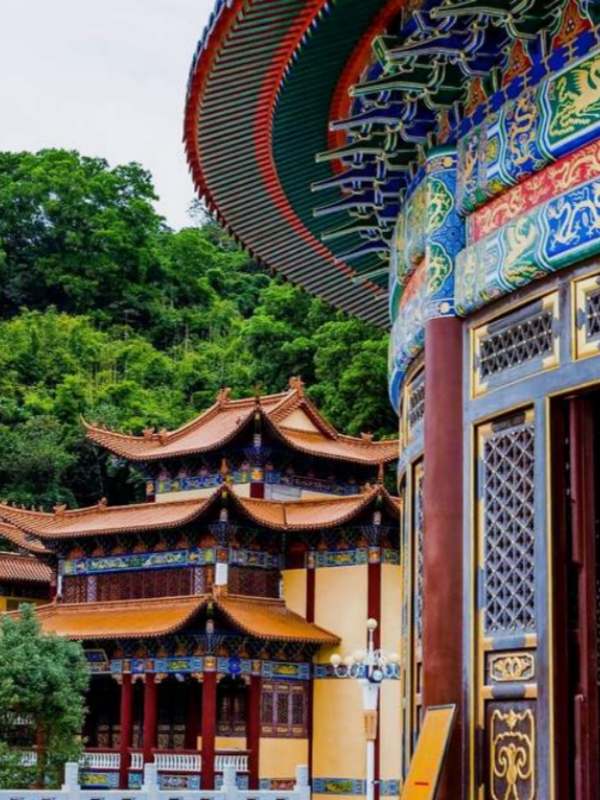
- Huanglong Temple
🌡️ Travertine pools glow at 14–18°C under cool forest shade; nights 8°C. Pleasant for hiking year-round.
Huanglong sits 380 m above Jiuzhaigou and adds a vivid palette of calcified terraces descending 3.5 km through primeval fir forest. The cable car climbs 600 m in seven minutes; the walk down the wooden boardwalk is the real show, with moss-covered trunks framing every pool. I finished the descent in two hours with two rest stops.
- Five-Color Pond: 3,576 m at the top, most saturated calcified pools
- Contending Pools and Golden Sand: travertine cascades and beach terraces
- Primeval Forest Trail: 3,200–3,500 m elevation, lichen-draped firs
- Huanglong Temple: mid-mountain monastery, both Taoist and Tibetan Buddhist
6. Yunnan (Lijiang, Shangri-La, Dali)
-
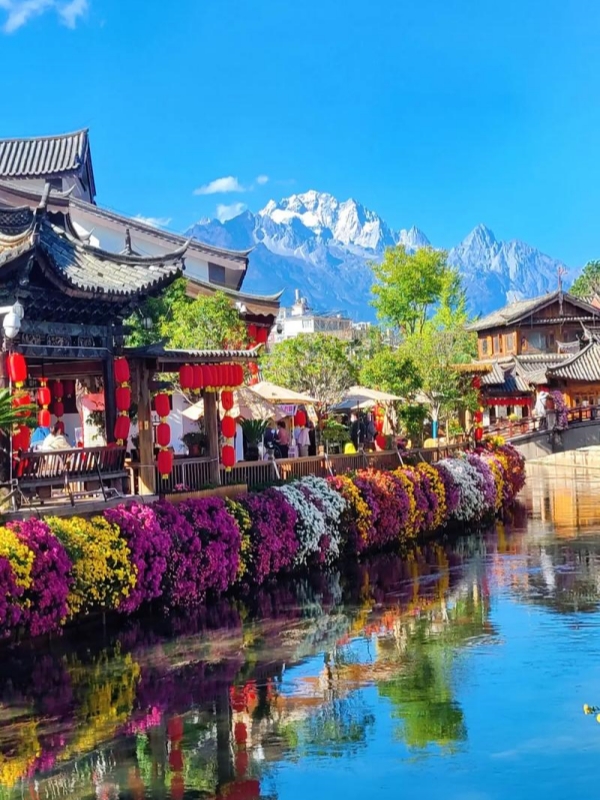
- Lijiang Old Town
-
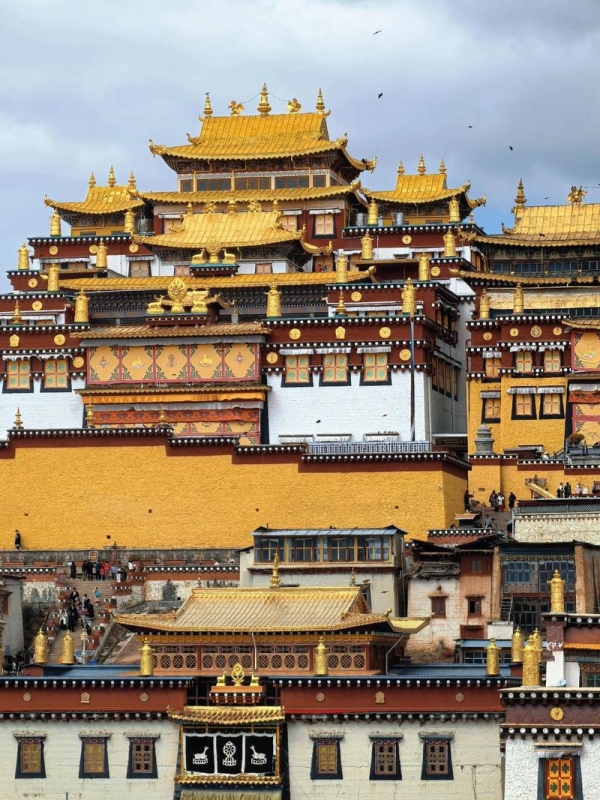
- Songzanlin Monastery
-
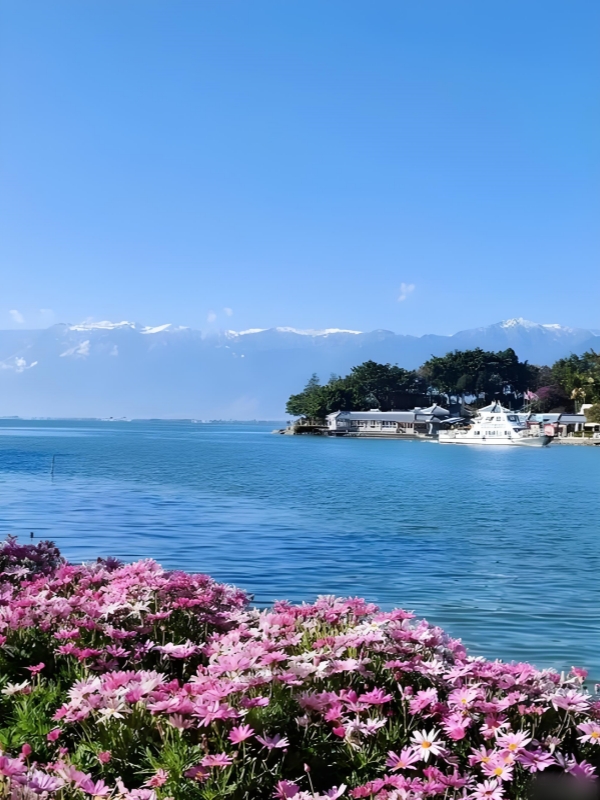
- Erhai Lake
-
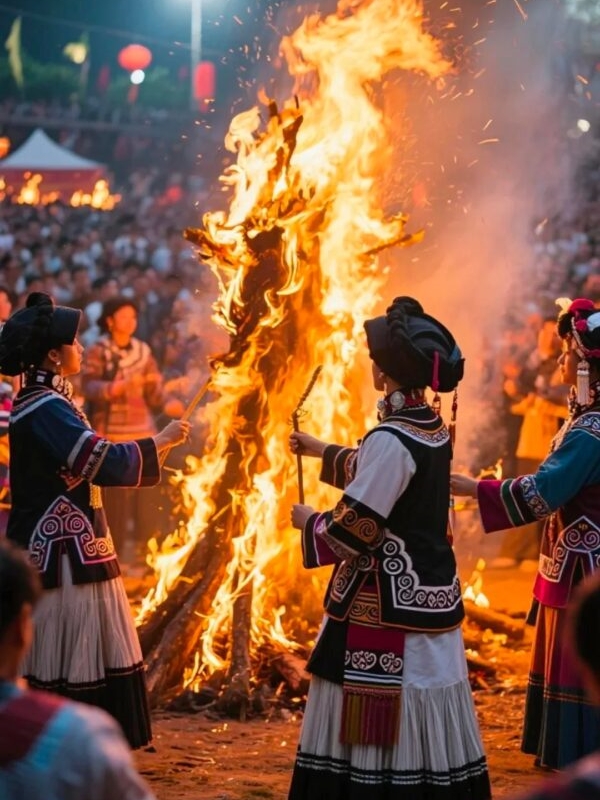
- Torch Festival
🌡️ Temperatures swing 10–26°C across the three old towns; nights 8–12°C. Layer for altitude shifts in one day.
I walked Lijiang's cobbled lanes at dawn before the tour buses arrived, then caught the 9:42 high-speed train to Shangri-La and stood in front of Songzanlin Monastery by lunch. Dali's Erhai Lake cycling loop fits one sunny afternoon, and the Torch Festival lights Yi villages in late July. Yunnan is the rare province where three cultures sit on a single rail line.
- Lijiang Old Town: UNESCO Naxi culture, Mu Palace and Black Dragon Pool
- Shangri-La and Songzanlin: "Little Potala," Tibetan Buddhist Gelug school
- Dali and Erhai Lake: 100 km lakeside cycling, Bai tea ceremony
- Torch Festival: lunar 6/24 (late July), Yi bonfires across Chuxiong
7. Guizhou (Huangguoshu, Miao Villages)
-
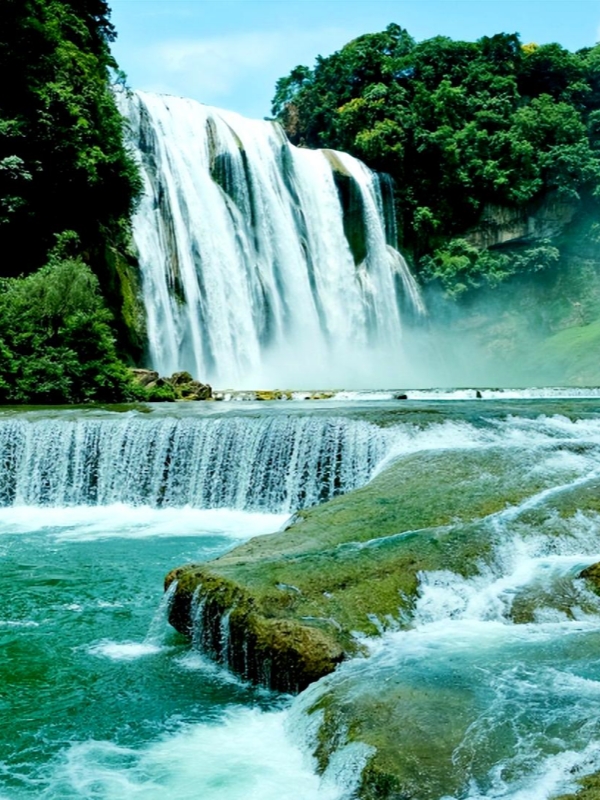
- Huangguoshu Waterfall
-
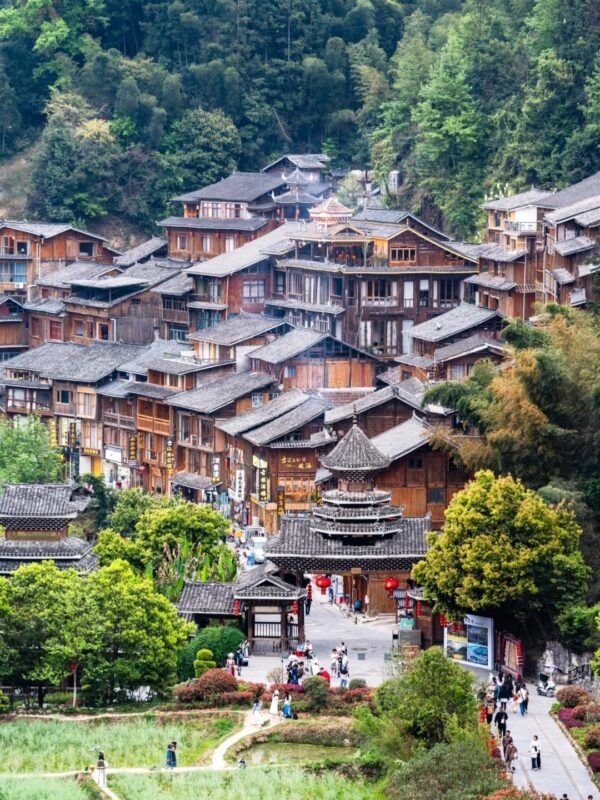
- Zhaoxing Dong Village
🌡️ Karst country cools to 19–26°C with frequent afternoon showers; nights 18°C. Pack a light shell.
I crouched inside the Water Curtain Cave behind Huangguoshu’s main drop, poncho required unless you want a drenching. Xijiang’s thousand Miao stilted houses light up at night—a good reason to forego sleep. Guizhou’s vast karst plateau gets the southwest monsoon and thus has cool temperatures while at peak summer flow, the waterfalls are thunderous.
- Huangguoshu Waterfall: 77.8 m drop, walk behind the curtain
- Xiaoqikong: emerald water and 68 cascades, rowboats at Mandarin Duck Lake
- Xijiang Thousand Miao Village: thousand stilted houses lit at night
- Zhaoxing Dong Village: drum-tower cluster, birthplace of Kam Grand Choir
8. Gannan (Zhagana, Labrang Monastery)
-
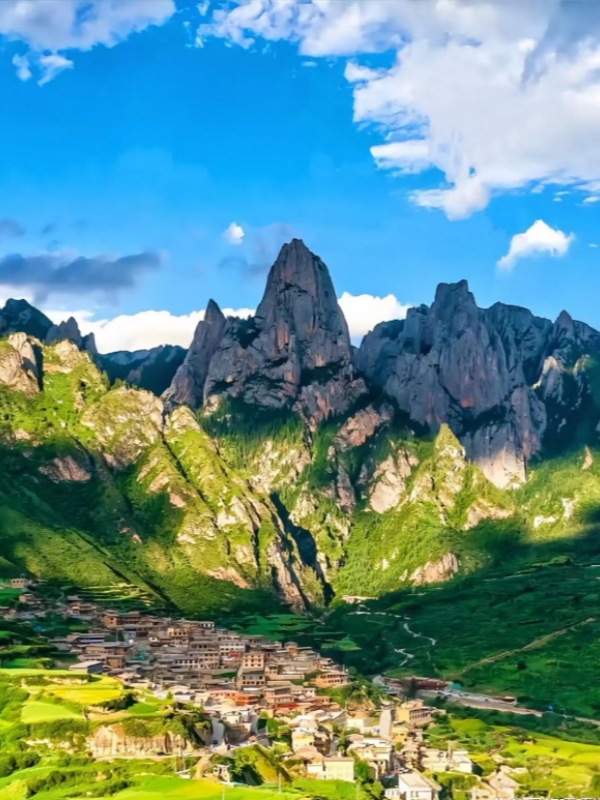
- Zhagana Stone City
-
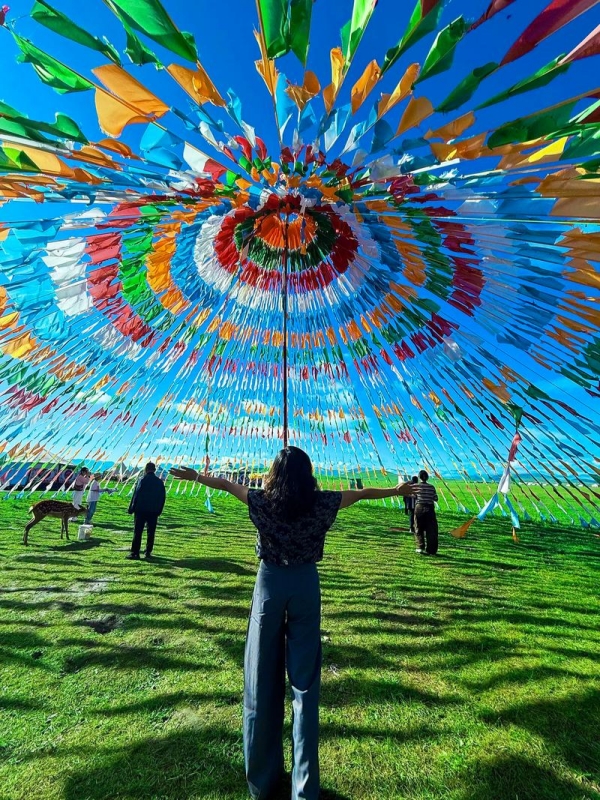
- Sangke Grassland
🌡️ High plateau cools to 15–25°C under wide open sky; nights 5–10°C. UV is fierce.
Gannan straddles the border of Tibetan, Hui and Han China. At Zhagana, the stony village tucks into granite folds like a secret the mountain doesn’t want you to know. At Labrang, a 3.5-km-long corridor of prayer wheels makes it the longest in the world and I joined the monks doing the full circuit at 5.30 a.m.. Distances are great, often over 200 km between sights, so hire a driver.
- Zhagana Stone City: 3,000 m, 4–6 hour hike into cliff folds
- Langmusi and Namo Canyon: Gansu-Sichuan border, two sects coexist
- Labrang Monastery: 3.5 km prayer-wheel corridor, longest in the world
- Sangke Grassland: horseback riding and tent stays
9. Huangshan (Sea of Clouds, Hongcun Village)
-
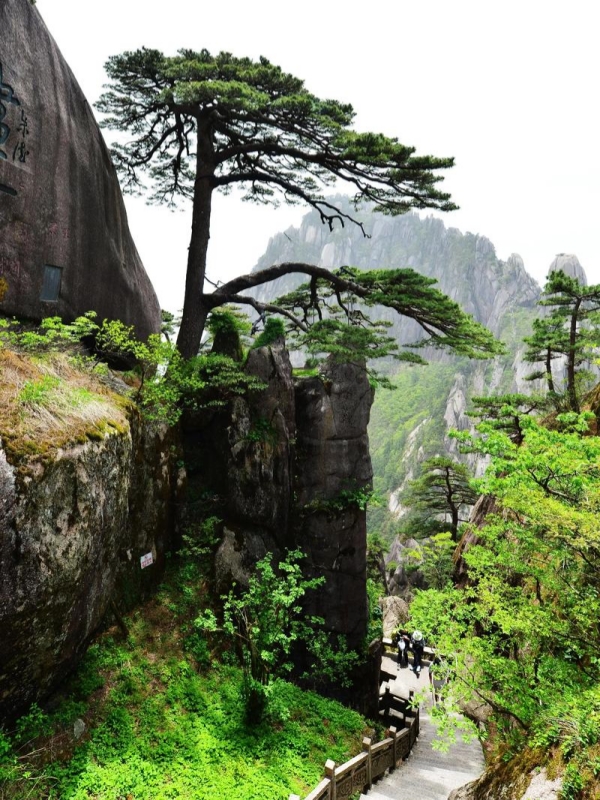
- Welcome Pine
-
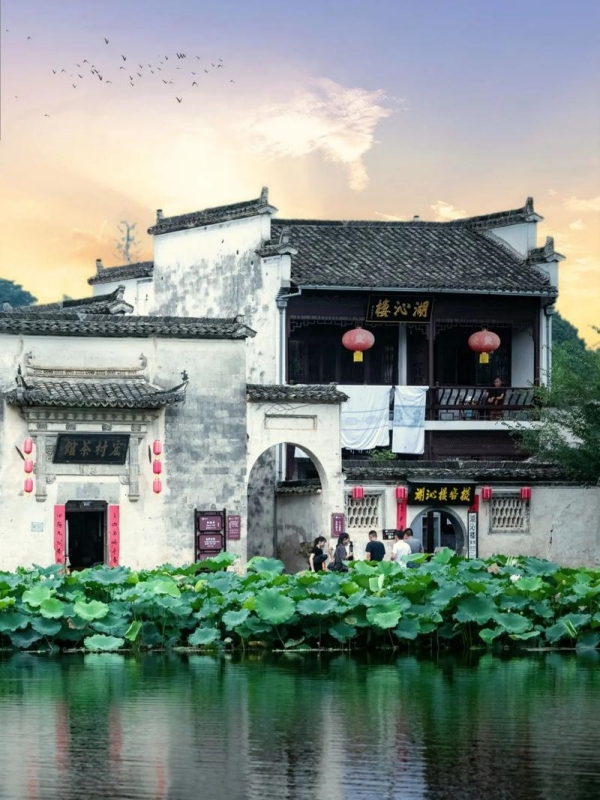
- Hongcun Village
🌡️ Summit temperatures sit at 15–22°C; nights 10°C. Sea-of-clouds mornings follow rain.
I left my summit hotel at 4:30 a.m. and reached Bright Summit as first light cut through the inversion layer below. July's frequent showers set up these morning clouds; cable cars usually run by 7 a.m. even after heavy rain. Pair the mountain with Hongcun and Xidi for UNESCO Huizhou architecture and ink-making workshops.
- Welcome Pine: 1,300-year-old icon at Yuping Tower
- West Sea Canyon: cable-car ride through the most dramatic terrain
- Bright Summit sunrise: 1,860 m, leave hotel by 4:30 a.m.
- Hongcun and Xidi: UNESCO Huizhou villages, ink workshops
10. Mount Emei (Golden Summit, Leshan Buddha)
-
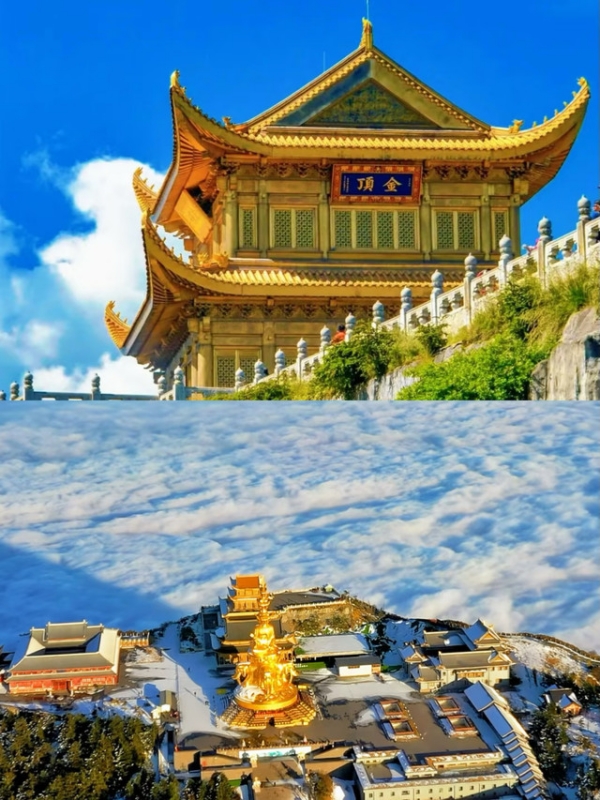
- Golden Summit Sunrise
-
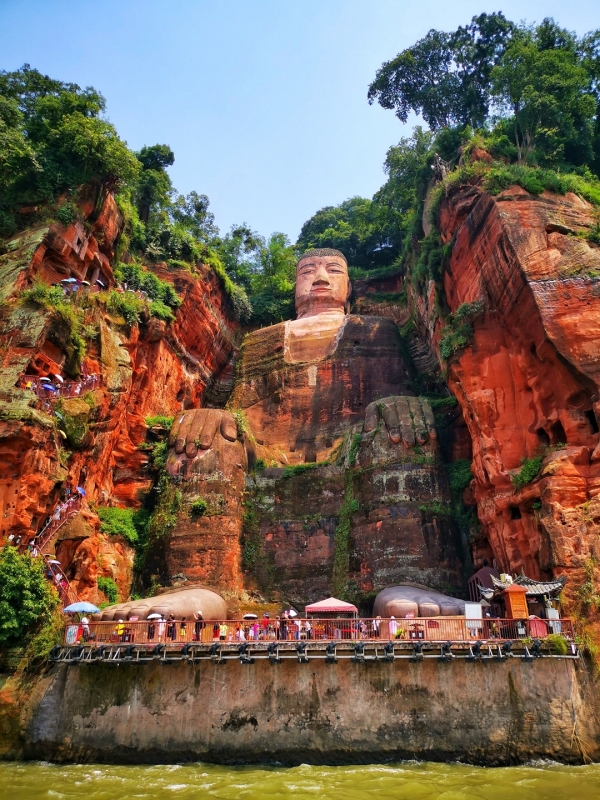
- Leshan Giant Buddha
🌡️ Summit cools to 10–22°C for sunrise; base 22°C. Layer from 22°C down to 5°C in one day.
I took the 6 a.m. cable car up and stood above the cloud sea by 7:20, then descended to Leshan's 71 m Giant Buddha for a 3 p.m. boat ride. Mount Emei layers pilgrimage, sculpture and alpine sunrise into one accessible Chengdu trip. Two nights catches both without rushing.
- Golden Summit sunrise: 3,079 m, frequent cloud sea
- Leshan Giant Buddha: 71 m Tang statue, river boat view
- One-Line Sky: Qingyin Pavilion trail, wild macaques
- Wannian Temple: 1,000-year-old monastery, Samantabhadra bronze
11. Zhangjiajie (Tianmen Mountain, Yuanjiajie)
-
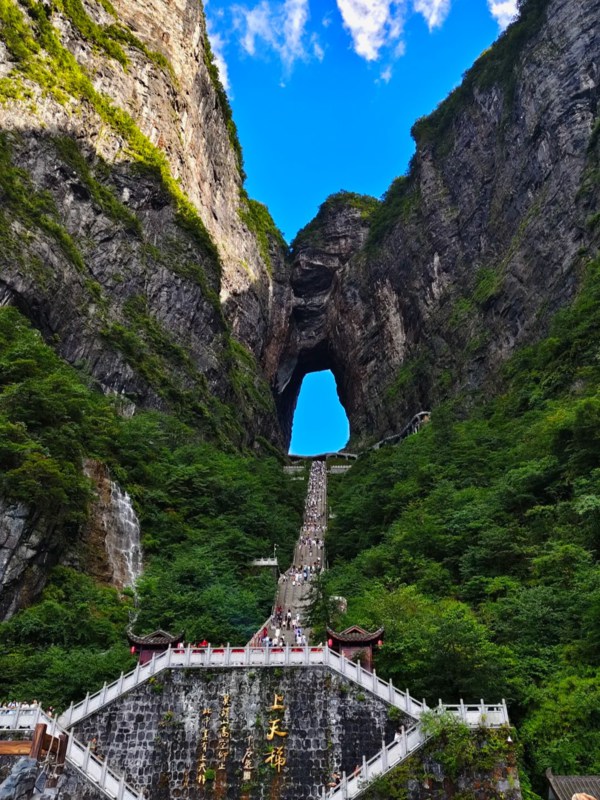
- Tianmen Mountain
-
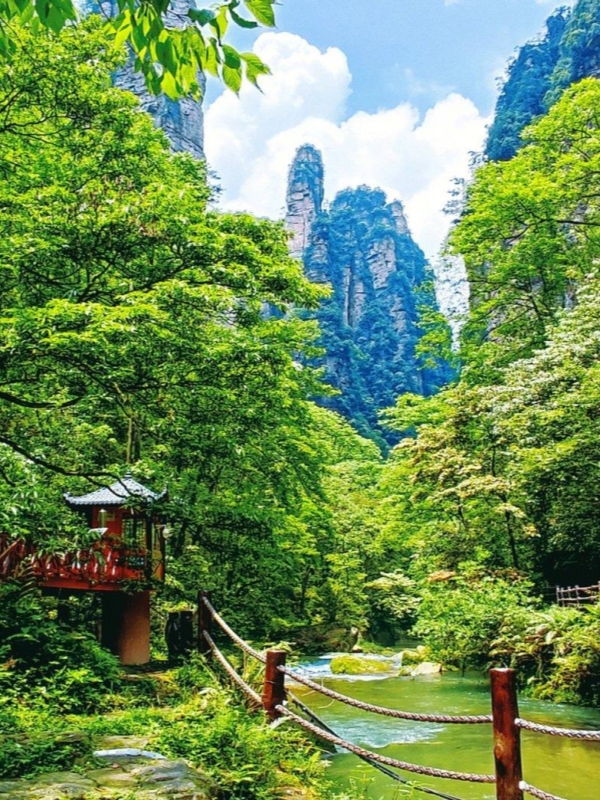
- Golden Whip Stream
🌡️ Misty days average 22–28°C amid the floating peaks; nights 18°C. Mornings clearest.
I caught the 7:15 a.m. cable car up and walked the 999 steps before tour groups arrived. Skip weekends at Tianmen — the staircase bottlenecks from 9 a.m. Yuanjiajie's Avatar prototypes draw half the crowds if you arrive by 7:30 a.m., and Golden Whip Stream is a 7 km flat canyon walk.
- Tianmen 999 Steps: plus Fox trail and glass skywalk
- Yuanjiajie: Avatar's Hallelujah Mountain prototype
- Yangjiajie: lesser-known trails, more solitude
- Golden Whip Stream: 7 km flat canyon, 2–3 hours
12. Dalian (Tiger Beach, Xinghai Square)
-
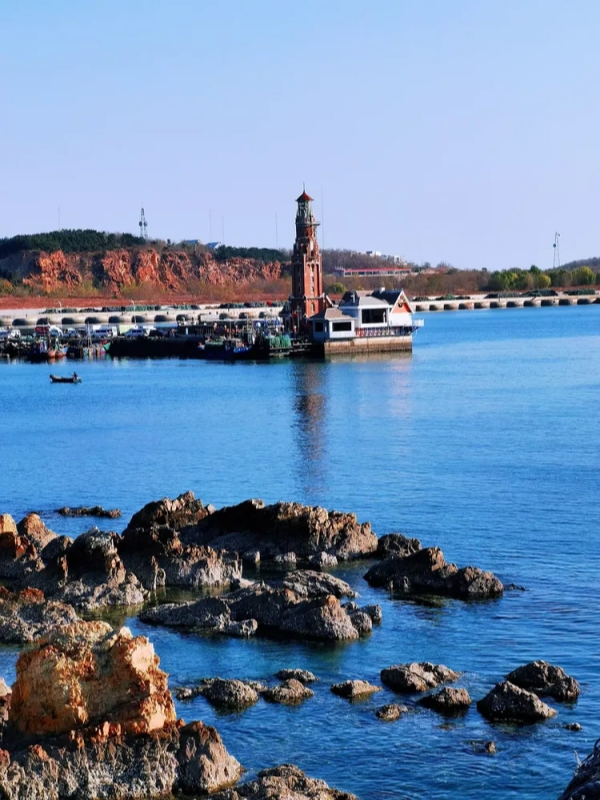
- Tiger Beach Ocean Park
-
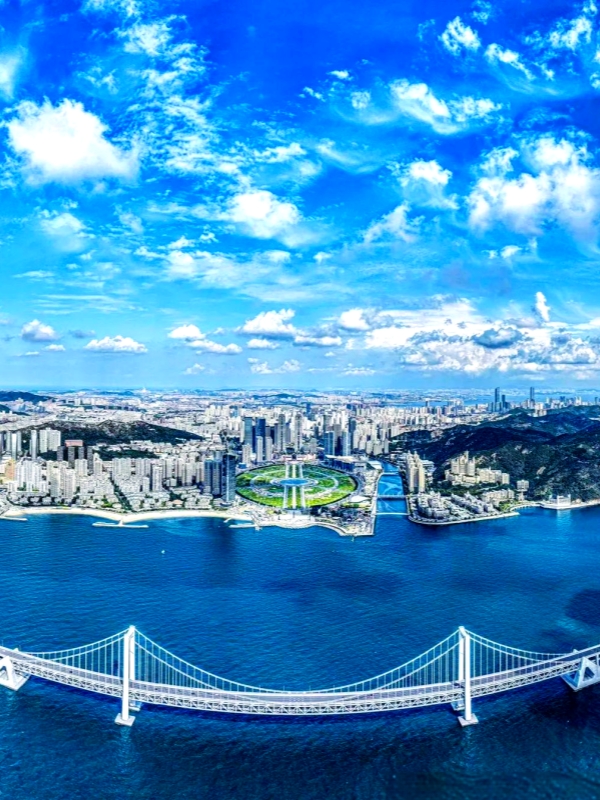
- Xinghai Square
🌡️ Northeast coast averages 25°C, dry and breezy; nights 20°C. Avoid midday sun.
Dalian offers the most comfortable seaside July temperatures in northern China, with European-style squares, beaches and a working fishing harbor. I walked the 3-km seafront from Xinghai Square to Tiger Beach on a Tuesday morning and barely shared the path with anyone. July weekdays beat the weekend crowds arriving by high-speed rail from Beijing and flights from Seoul.
- Tiger Beach Ocean Park: dolphin shows and polar pavilion
- Xinghai Square: Asia's largest city square, seafront promenade
- Fujiazhuang and Bangchui Island: quieter swimming beaches
- Russian Street: 1900s Russian architecture preserved
13. Qingdao (Badaguan, Tsingtao Beer Festival)
-
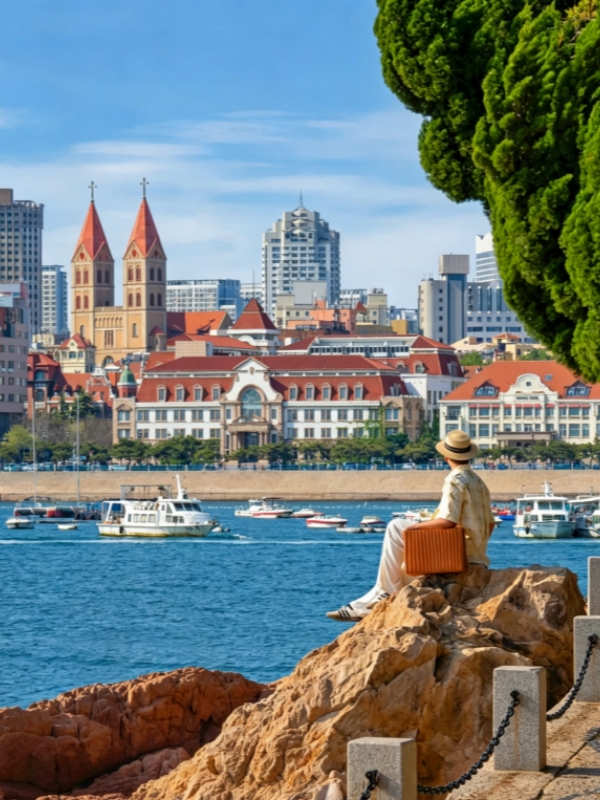
- Badaguan
-
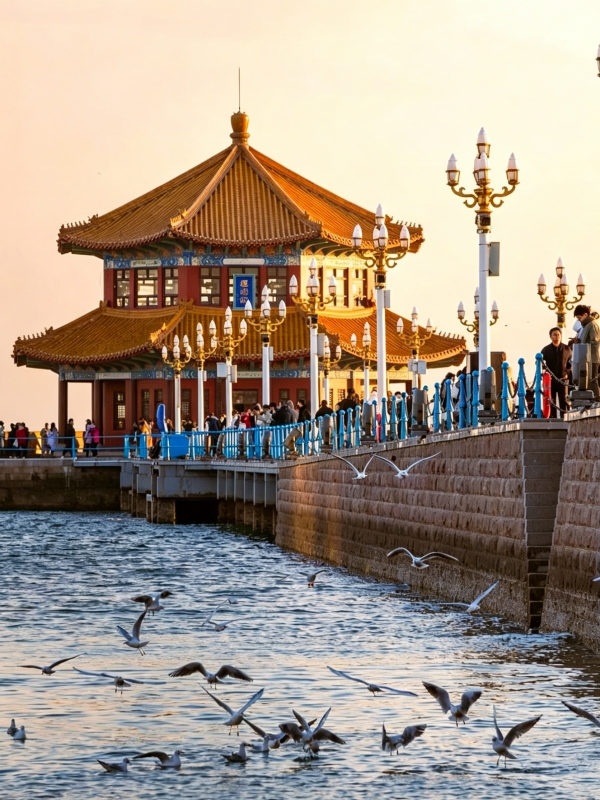
- Zhanqiao Pier
🌡️ Sea breezes hold days at 22–28°C; nights 22°C. The most pleasant July coastal city in East China.
I arrived at Jinsha Beach at 5 p.m. on opening Saturday and immediately turned around — the entrance queue stretched 90 minutes. Pre-book festival tickets online and walk straight in. Qingdao blends German colonial villas, the Tsingtao brewery and a beachfront Beer Festival running the last week of July through August.
- Badaguan: ten streets, ten architectural styles
- Zhanqiao Pier: Qingdao's city symbol
- Tsingtao Beer Museum: 1903 brewery, bottle your own draft
- Beer Festival: Jinsha Beach, opens last Saturday of July
14. Xiamen (Gulangyu Island, Island Ring Road)
-
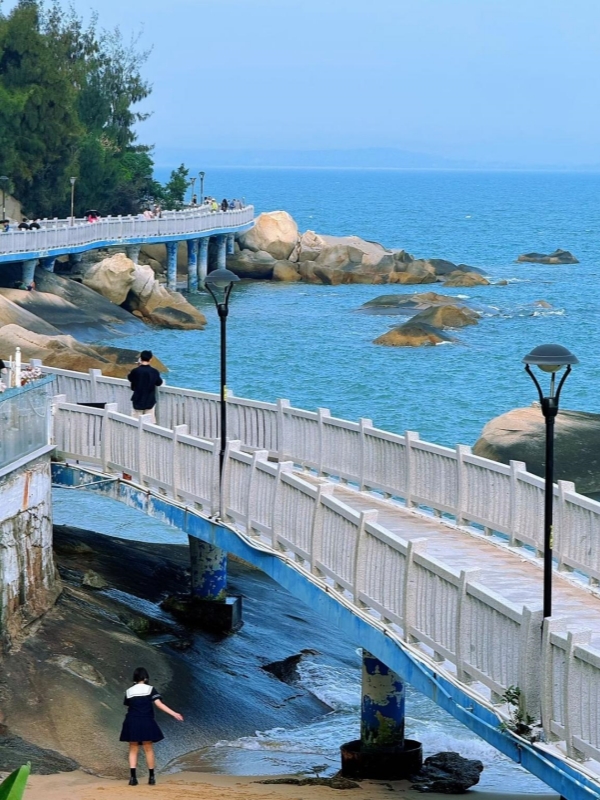
- Island Ring Road
-
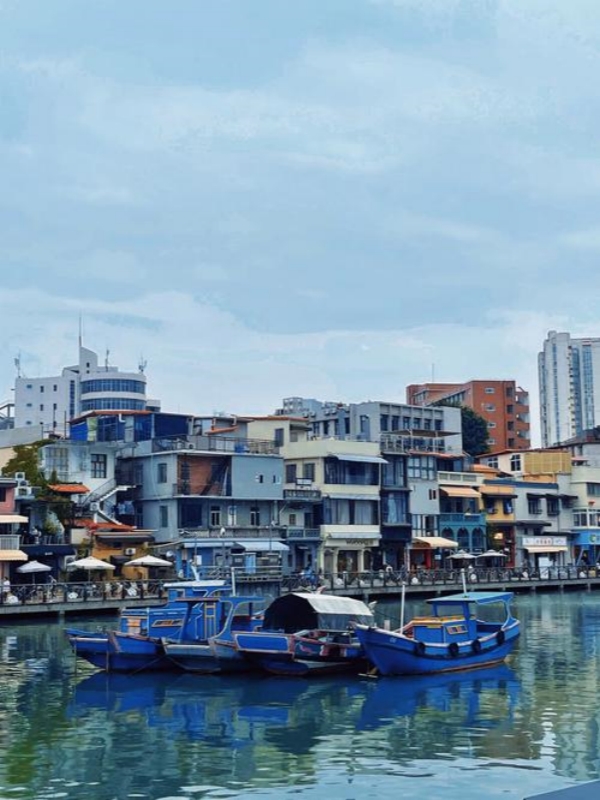
- Shapowei
🌡️ Days warm to 28–32°C with steady sea breeze; nights 26°C. Afternoon showers common.
I caught the 7:10 a.m. ferry to Gulangyu, walked the piano museum before crowds, then biked the 43 km Island Ring Road at sunset. Avoid midday by hitting beaches early and old town after 4 p.m. Xiamen sits at the warm end of July's coastal spectrum but trades heat for charm.
- Gulangyu Island: UNESCO piano museum, no cars
- Island Ring Road: 43 km coastal cycling
- Nanputuo Temple: Buddhist center, 2-hour Wulao Peak climb
- Shapowei and Zengcuoan: fishing villages turned creative quarters
❄️ Explore China’s Diverse Winter Landscapes: While summer brings extreme heat to lowland regions, winter transforms vast areas of the country with freezing temperatures and snowfall. Learn where and when winter conditions occur in our guide to Does It Snow in China?
July Festivals and Cultural Events
July in China is festival-rich — three of the country's most photogenic cultural events fall within a single month. Book transport first; hotels second.
North China and Inner Mongolia Festivals
Shoton Festival
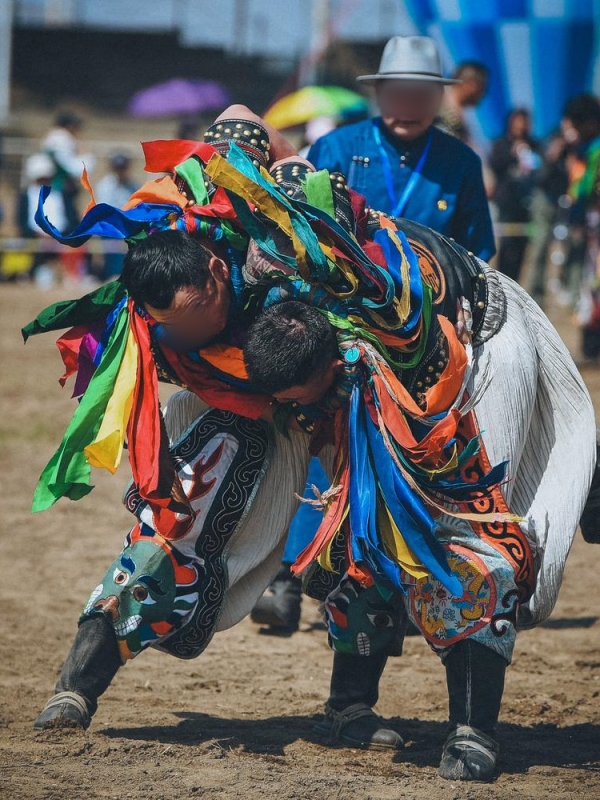
Qingdao International Beer Festival is on Jinsha Beach starting the last Saturday of July, running for a month and drawing 6 million visitors, so book hotels two months in advance. Naadam celebrates unleashing Mongolia’s nomadic spirit and peaks around July 13-25 in Huitengxile, Xilamuren and Hulunbuir grasslands, with Mongolian wrestling, horse racing and archery. 2025 is confirmed for July 13 and 2026 dates air roughly two weeks before opening, so recheck before booking flights.
- Qingdao Beer Festival: opens last Saturday of July, Jinsha Beach
- Naadam: July 13–25, three games of men on the grasslands
- 2026 dates: official announcement comes two weeks before opening
Southwest and Tibetan Festivals
Naadam
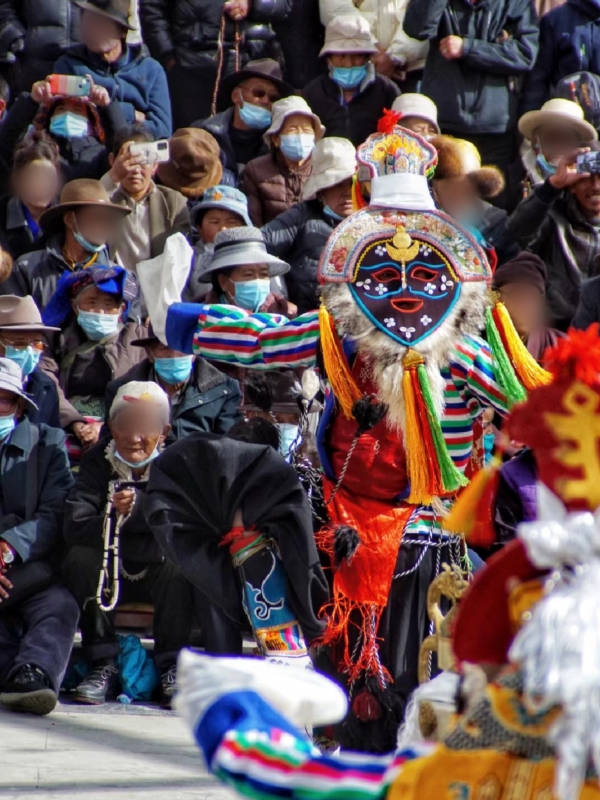
Torch Festival lights Yi villages across Chuxiong, Dali and Honghe on lunar 6/24 (late July), with bonfire dances and colorful Yi costumes — I joined one in Dali and ended up dancing until 2 a.m. Shoton Festival opens in Norbulingka Park, Lhasa in late July or early August, unveiling giant thangka and staging Tibetan opera for one week. Tashilhunpo's Thangka Unveiling in Shigatse runs for three days around mid-July.
- Torch Festival: lunar 6/24, Yi bonfires across Chuxiong and Dali
- Shoton Festival: Norbulingka Park Lhasa, thangka unveiling and Tibetan opera
- Tashilhunpo Thangka: Shigatse, three days around mid-July
Festival Calendar and Booking Tips
Arrive one day before each festival opening. Qingdao Beer Festival hotels sell out two months ahead, Naadam yurts one month ahead, Shoton Festival Lhasa hotels three weeks ahead. Bring a light jacket for evening bonfires and outdoor Tibetan opera stages — both drop below 15°C after dark. Festival admission is free at most venues, but VIP seating and photography zones charge ¥50–200. Confirm Naadam 2026 dates 14 days before travel.
July Food and Seasonal Flavors
July in China tastes different from every other month — lychee orchards, Yangshuo river fish and Qingdao seafood all peak together. Most travelers skip the seasonal calendar entirely; now you won't.
Peak-Season Summer Fruits
Lychee
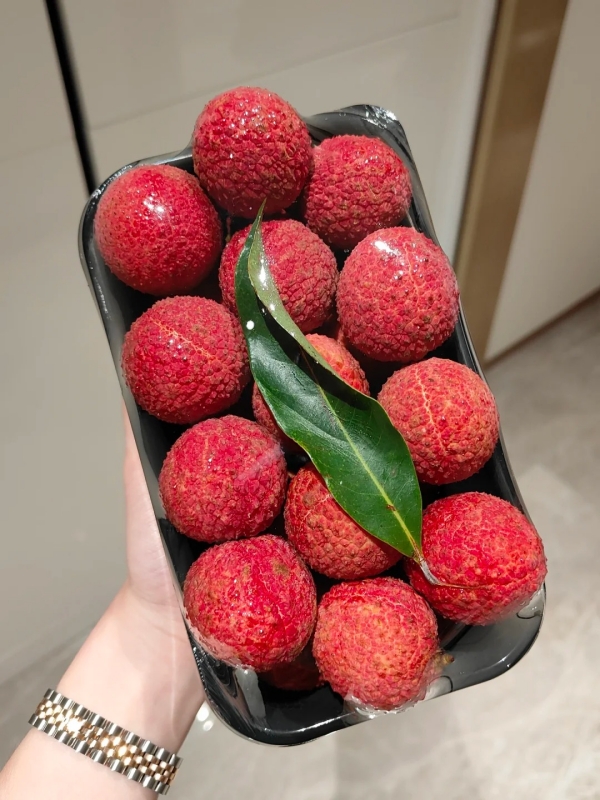
I bit into a freshly picked lychee at 11 a.m. outside a Guangzhou orchard, the skin still cool from morning shade. Late June through July is lychee season across Guangdong, Hainan and Fujian — for orchards and harvest calendars, see our china lychee season guide. Longan, mango, peach and watermelon hit Guangzhou, Hainan and Yunnan simultaneously. Buy lychee at orchard gates for ¥10–20/kg; cold-chain shipped fruit reaches Shanghai and Beijing supermarkets within 48 hours. Avoid pre-peeled fruit at street stalls in hot weather.
- Lychee: June–July peak across Guangdong and Hainan
- Longan and mango: hit Guangzhou and Hainan simultaneously
- Peach and watermelon: Yunnan and Beijing markets
- Buying tips: orchard gates ¥10–20/kg; avoid pre-peeled street fruit
Regional Cool Dishes to Try
Qingdao Seafood
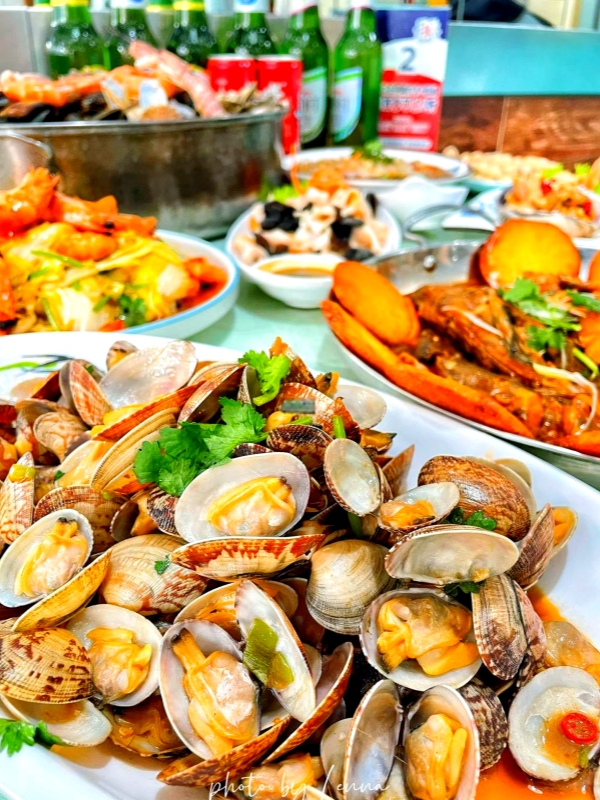
Chilled wonton and Shanghai cold noodles anchor Jiangzhe summer plates; had both at a Yongkang Road hole-in-the-wall for ¥18 total. Yangshuo beer fish sits amidst karst views, served with fresh Li River catches, while Qingdao seafood (蛤蜊、扇贝、鲍鱼) are good for Westerners with lighter palates. For the kids, ask for Yunnan mushroom hotpot as well as Guizhou sour soup fish if you like it milder — “不要太辣” is your friend.
- Shanghai cold noodles and wonton: Jiangzhe summer staples
- Yangshuo beer fish: karst-view Li River catch
- Qingdao seafood: clams, scallops, abalone for Western palates
- Yunnan and Guizhou mild options: ask "不要太辣"
Summer Drinks and Street Food
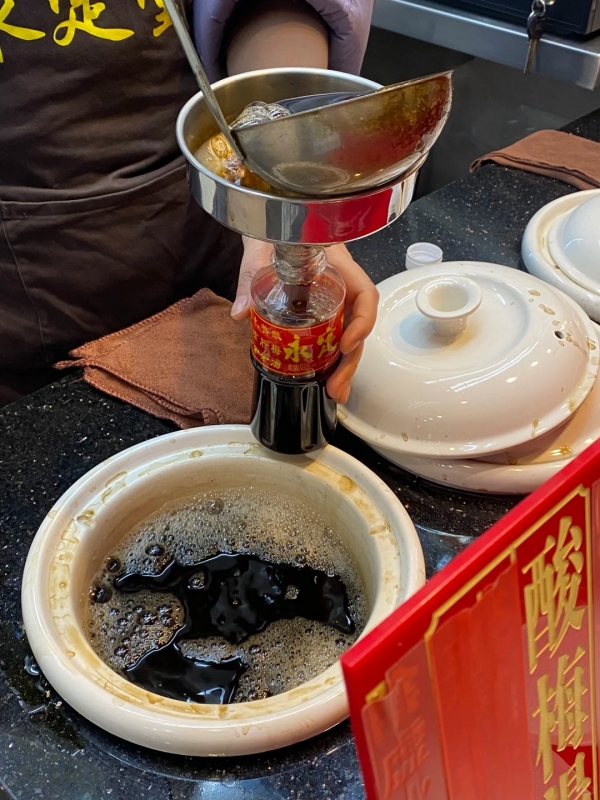
Cantonese Herbal Tea
Tsingtao draft and bagged原浆 define Qingdao summer; the Beer Festival adds 200+ international brands. I sipped butter tea at a Lhasa family kitchen while a thunderstorm rolled over the Potala — the salt-fat warmth is exactly what 3,500-m altitude craves. Guangzhou herbal cooling teas and Suzhou's mung-bean popsicles appear in every old-town dessert shop, and night markets from Shanghai's Yuyuan to Chengdu's Jinli serve grilled squid and crawfish until 1 a.m.
- Tsingtao draft and原浆: Qingdao summer essentials
- Tibetan butter tea and Qingke beer: Lhasa evenings
- Cantonese Herbal Tea and Suzhou mung-bean popsicles: cooling old-town desserts
- Night markets: Yuyuan (Shanghai) and Jinli (Chengdu), open until 1 a.m.
Practical Travel Tips for July Travel
Five things to lock in before boarding — booking, transport, payment, health and packing. Get these right and the rest of the trip runs itself.
Tickets, Permits and 2026 Visa-Free Policy
Reserve Jiuzhaigou, Huangshan and Forbidden City 7–30 days ahead via Trip.com's English channel. Tibet Travel Permit requires 15 working days through a registered agency; Xinjiang border permits need 10. As of late 2025, 38 countries enjoy visa-free entry for 30 days; another 60 nationalities qualify for 240-hour transit visa-free at eligible ports.
Flights, Trains and City Transit
Fly into Beijing, Shanghai, Chengdu, Xi'an or Kunming, then connect to Lhasa, Jiuzhaigou or Shangri-La by China Railway high-speed (English e-ticket via Trip.com). Beijing and Shanghai metro accept Apple Pay directly; Lhasa and Kunming require Alipay+ QR. Book Z21 Beijing–Lhasa soft sleeper 30 days ahead.
Payments, Apps and Connectivity
Bind Visa or Mastercard to Alipay+ Tour Pass or WeChat Pay international before arrival for QR payments citywide. Keep ¥200–500 cash for rural Yunnan and Tibet. Install Amap (AutoNavi) international, Dianping international and Pleco translator. eSIM via Airalo or Holafly beats roaming 70% in price.
Heat, Altitude and Health Safety
July ranks as China's hottest month on the plains — heat indices pass 45°C in Nanjing and Chongqing. Take rhodiola 7 days before Tibet; purchase oxygen cans at Lhasa pharmacies. Children and elderly should descend immediately if headache persists over 24 hours at altitude. Carry oral rehydration salts and a folding fan.
Seasonal Food, Packing and Etiquette
Pack quick-dry shirts for the plains and a fleece for Yunnan and Tibet nights. Layer for altitude swings over 15°C. Tipping is not customary but ¥10–20 is welcome. Hotel scales help under the 20 kg high-speed rail limit. Children's menus exist at chain restaurants; ask for "不要太辣" (not too spicy).
Frequently Asked Questions
Q: Is July the hottest month in China?
For most eastern and central China, July is the hottest month, with daytime highs of 35–38°C and humidity that pushes the heat index above 45°C. High-altitude regions like Tibet, Western Sichuan and Qinghai stay pleasantly cool at 10–25°C, so July is hot only if you stay on the plains.
Q: When should I avoid China in 2026?
Avoid the first week of October (National Day Golden Week) and Chinese New Year week (February 17–23 in 2026). July itself is workable — just skip July 22–28 peak domestic family travel and the rainy tail of the Yangtze plum-rain season around mid-July. Most visitors miss this distinction — now you won't.
Q: Which China city is best in July?
For cool weather plus iconic sights, Lijiang or Shangri-La in Yunnan wins — daytime 22°C, ancient towns, and Naxi culture. For city culture without the heat, Qingdao offers 25°C sea breezes, German colonial architecture, and the lively International Beer Festival. Most visitors pick one or the other — split your week for both.
Q: Is it good to visit Shanghai China in July?
Shanghai in July is hot at 31–35°C with high humidity, and plum rains usually end around July 15. It still works well for the Bund, Yu Garden and Disneyland with indoor AC breaks, but pair the trip with a side excursion to cooler Huangshan or Tonglu for a balanced week.
Q: Can I visit the Great Wall without July crowds in China?
Yes — skip Badaling and Mutianyu on weekends. Instead, drive to Jiankou or Jinshanling, hike at 7 a.m., and take the cable car down. July weekdays at these wilder sections see only a handful of visitors, while the restored ramparts stay photogenic under summer haze. Most tour groups miss this — now you won't.
Q: Do I need a visa for China in July 2026?
Citizens of 38 countries — including most of Europe, Australia, New Zealand, South Korea and Japan — enjoy visa-free entry for up to 30 days in 2026. Another 60 nationalities can use 240-hour transit visa-free at eligible ports. Always confirm on the National Immigration Administration site before booking.
Q: How early should I start my day in Julyin China?
Begin outdoor sightseeing by 7 a.m. and finish by 11 a.m. Indoor attractions like museums and malls fill the 11 a.m.–3 p.m. gap. Resume outdoor visits after 4 p.m. when the temperature drops 4–6°C. Hydrate constantly, carry a folding fan, and avoid walking black asphalt at midday — the surface heat is brutal.
Q: Is Tibet safe for foreign tourists in July in China?
Yes — Tibet is safe and stable for foreign visitors in July, with Shigatse and Lhasa fully open. You need a Tibet Travel Permit arranged through a registered agency (apply 15–20 working days in advance), and acclimatize in Lhasa for 48 hours before heading higher. Expect 10–25°C and sunny skies.