Gannan Travel Guide
Gannan is the southern strip of Gansu province and the eastern fringe of the Tibetan Plateau, as covered in this Gannan travel guide. It packs working Tibetan Buddhist monasteries, summer nomad grasslands, and stone mountain villages into a single driveable loop out of Lanzhou. Unlike Lhasa and Shigatse, Gannan does not require a Tibet permit — a standard Chinese visa covers the entire region.
This gannan travel guide covers the core stops: Labrang Monastery in Xiahe, the rock towers of Zhagana, Sangke Grassland, the border town of Langmu Si, and the Ruoergai wetlands. A private driver covers the full loop in 5–7 days. Public buses work, but schedules are thin and Mandarin-only — most foreign visitors book a driver or a small-group tour.
Quick Facts
Why Visit Gannan
-

- Gannan Travel Guide
-
- Gannan Travel Guide
-
- Gannan Travel Guide
-
- Gannan Travel Guide
Gannan is the closest thing to Tibet that a foreign visitor can reach without a Tibet permit. The region is part of Gansu province, sitting at 2,900–3,500 m on average, and it functions as a working Tibetan cultural area — not a heritage reconstruction. Labrang Monastery in Xiahe is one of the six great Gelug (Yellow Hat) monasteries, founded in 1709, and its 3.5 km kora is the longest pilgrim circuit in Tibetan Buddhism.
For travelers who cannot or do not want to enter the Tibet Autonomous Region, Gannan is the next-closest equivalent. You can walk through an active prayer hall, watch herders move yaks on horseback, and sleep in a Tibetan family guesthouse — all within a single loop out of Lanzhou.
The region is also compact. The full circuit from Lanzhou through Xiahe, Sangke, Zhagana, Langmu Si, and Ruoergai fits into 5–7 days by private car. Public buses connect the main towns, but the secondary roads to Zhagana and the grasslands reward a driver.
The main trade-off is altitude. Day-one headaches are common at 3,000+ m, and travelers with cardiac or respiratory conditions should consult a doctor first. The reward — gold-roofed temples, yak pastures, and stone villages that predate the road network — is the reason Gannan stays on repeat-traveller lists.
🏛️ Start Your Journey in Lanzhou: Since your road trip begins in the provincial capital, don't miss the chance to see the region's incredible Silk Road treasures and ancient artifacts before heading into the mountains. Plan your pre-trip stop using our guide to the Gansu Provincial Museum.
Top Places to Visit in Gannan
Six anchor stops form a loop out of Lanzhou. Labrang and Zhagana are the highest-demand stops; Sangke, Langmu Si, and Ruoergai complete the circuit.
Labrang Monastery (Xiahe)
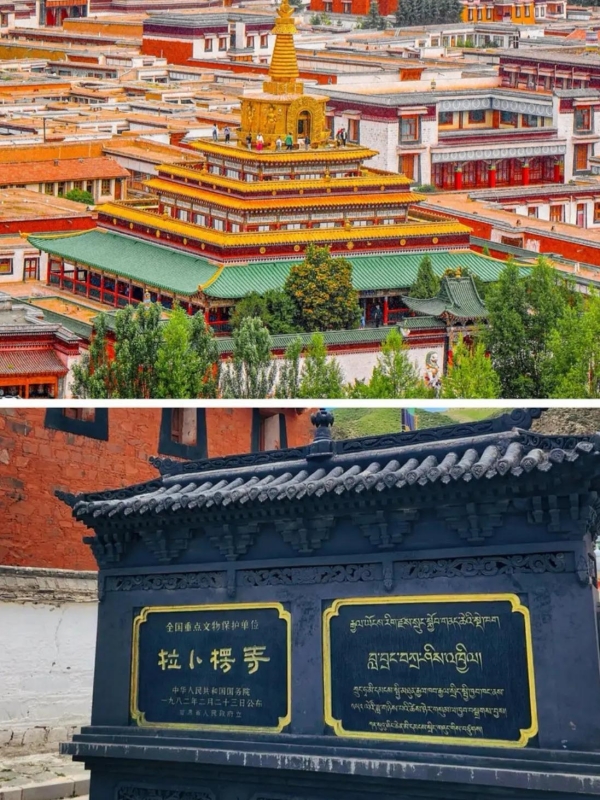
Labrang Monastery (Xiahe)
One of the six great Gelug (Yellow Hat) monasteries, founded 1709 in Xiahe, 4–5 hours by road from Lanzhou. The 3.5 km kora is the longest pilgrim circuit in Tibetan Buddhism. Entry about $5 (¥40). A local guide is the practical way into the upper halls and the Great Golden Tiled Hall.
Zhagana
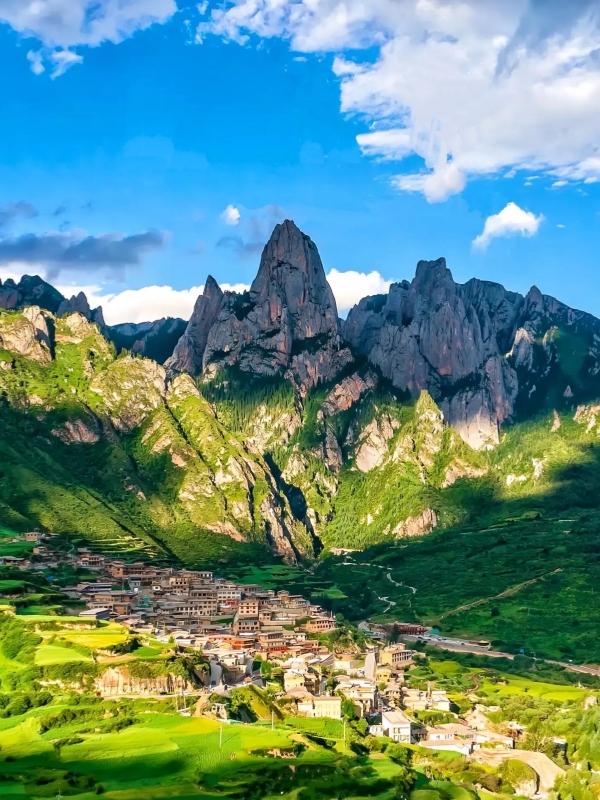
Zhagana
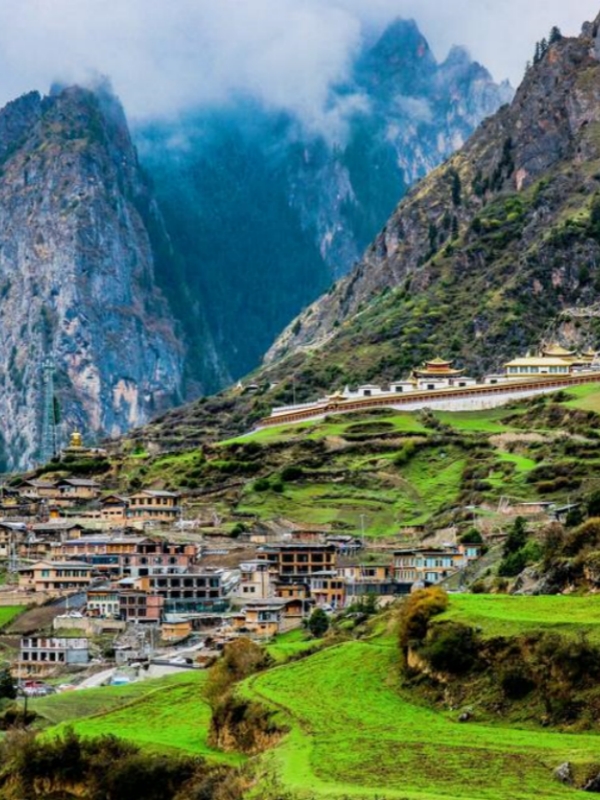
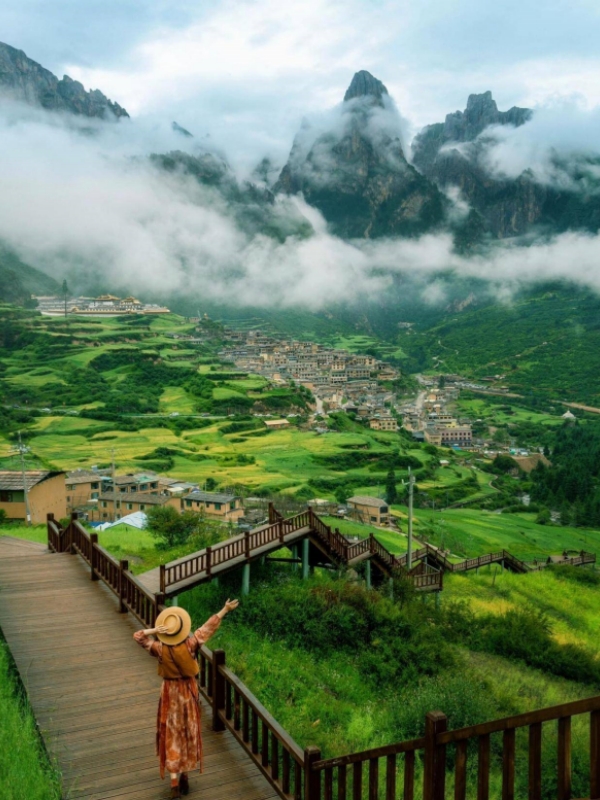
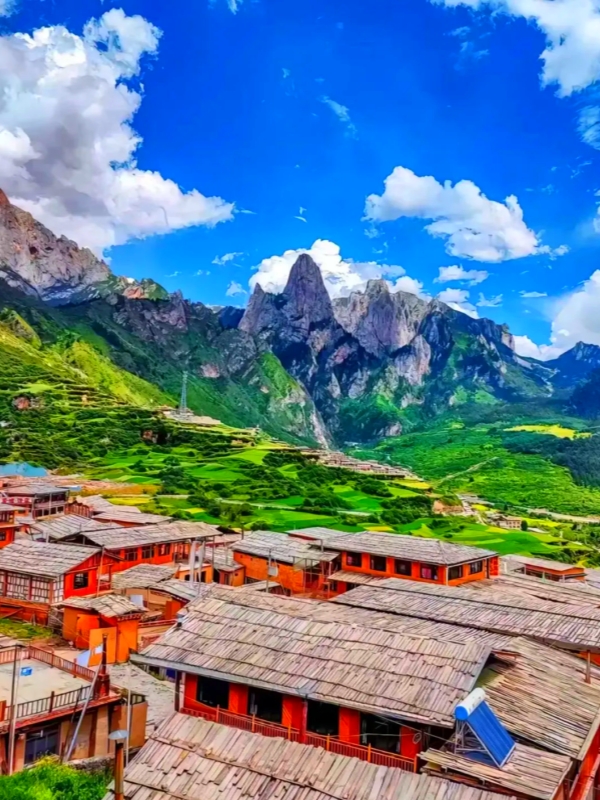
Stone-village Tibetan settlement ringed by green peaks (highest ~3,800 m), 3 hours from Xiahe or 6–7 from Lanzhou. Entry about $8 (¥55). Stay in a Tibetan family guesthouse; sunrise mist over the rock towers is the signature view. Fairy Lake hike: 3–4 hours round trip. Pack layers — weather shifts in minutes.
Sangke Grassland
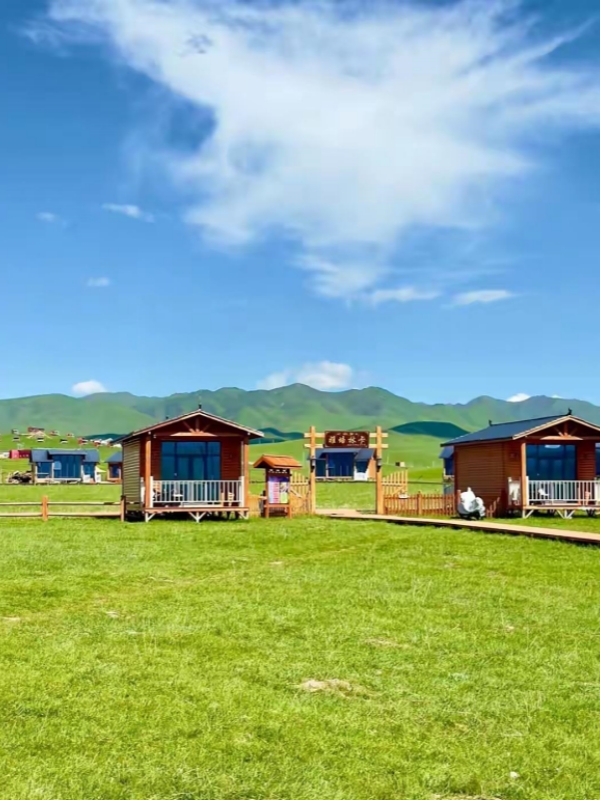
Sangke Grassland
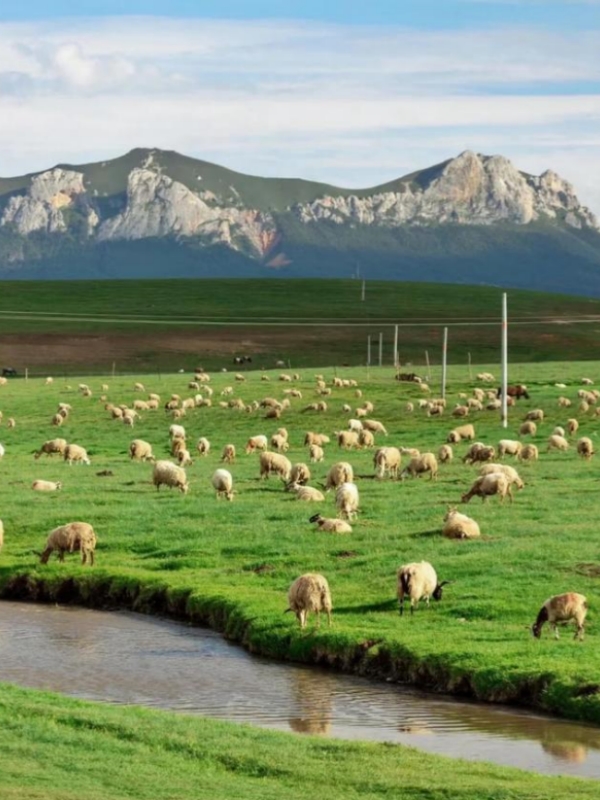
High-altitude pasture at 3,800+ m, 30 km south of Xiahe. Nomad summer grazing land. Entry about $8 (¥55); horse rental $10–14 (¥70–100) per hour. Best late June to early August, when yaks are on the plateau. Day trips from Xiahe are the practical default; bring a sleeping bag for tent stays.
Langmu Si (Langmusi)
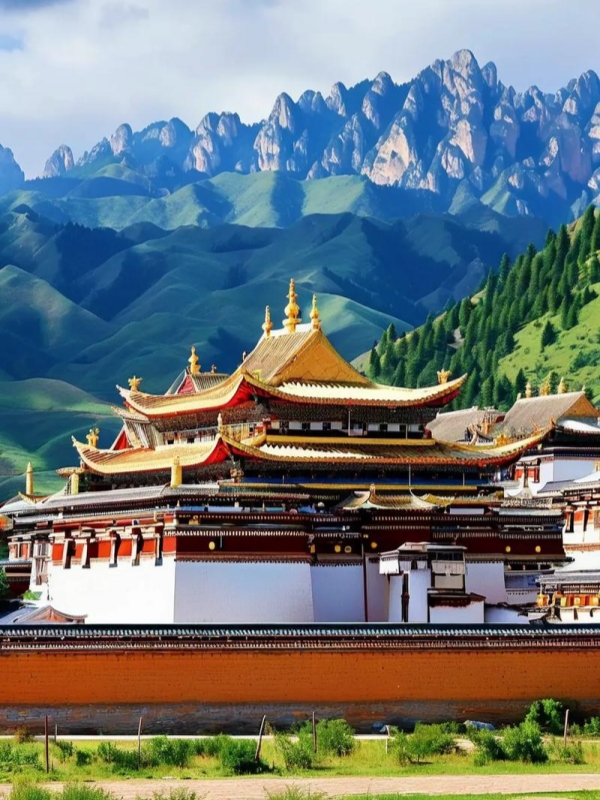
Langmu Si (Langmusi)
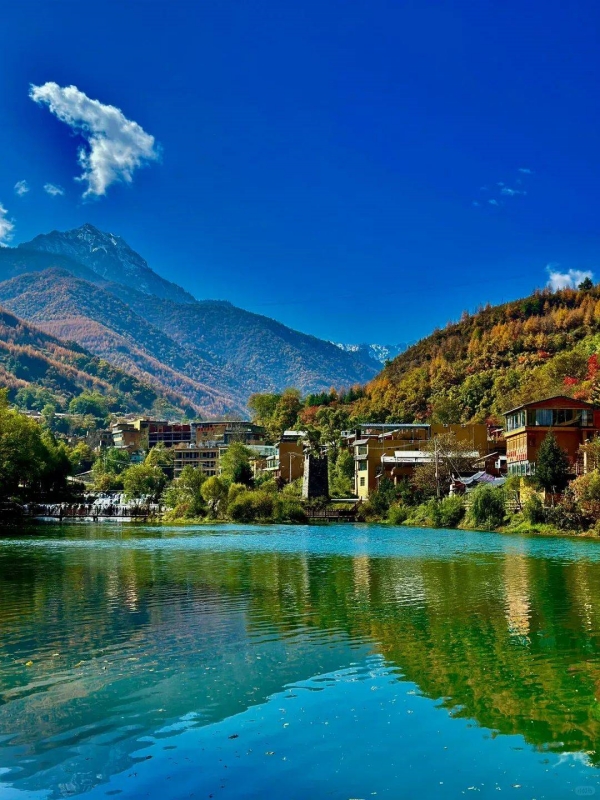
Town split by the Gansu–Sichuan border; Gansu-side is Gelug, Sichuan-side (Badi Gompa) is Sakya. About 4–5 hours from Xiahe, 7–8 from Lanzhou, at 3,400 m. Entry about $4 (¥30). Walk across the bridge to see both temples. Headache is common on night one — pace yourself.
Ruoergai Grassland and Awancang Wetland
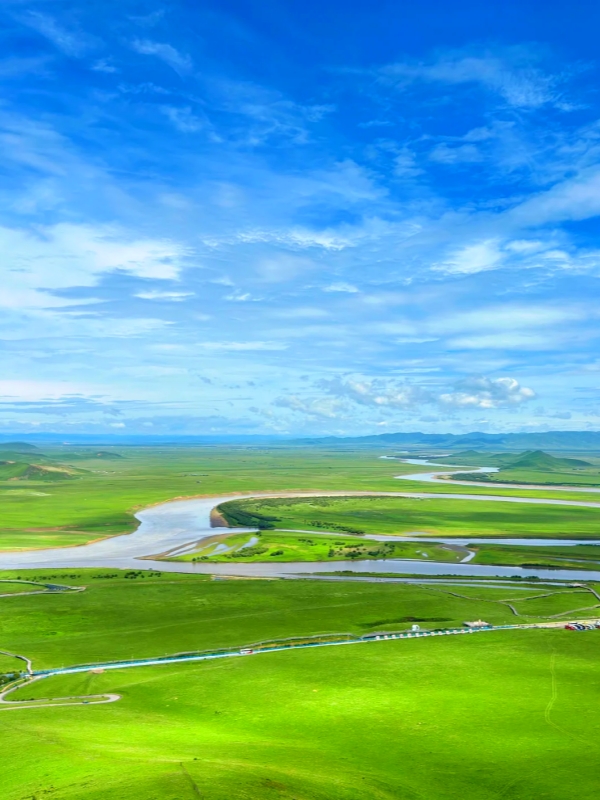
Ruoergai Grassland
The largest high-altitude wetland on the Yellow River. The developed stop is Awancang (Flower Lake), a black-necked crane habitat May–September. 4–5 hours from Langmu Si. Entry about $11 (¥75) plus $4 (¥30) shuttle. Best June to early October; the wetland freezes in winter. Bring cash.
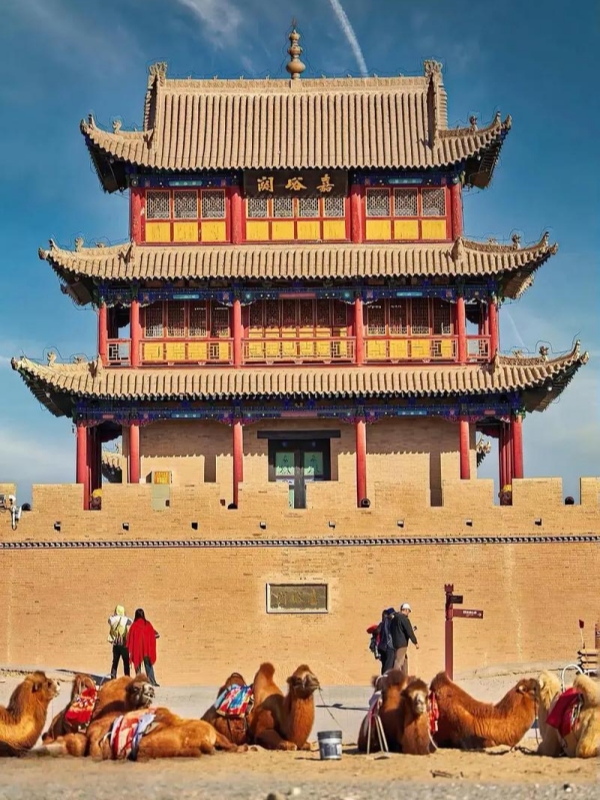
⚔️ Explore More of Gansu's Heritage: While Gannan showcases the breathtaking Tibetan Buddhist culture and grasslands of the province's southern rim, the northern desert corridor holds legendary frontier history. Discover the magnificent western end of the Great Wall in our guide to Jiayuguan Pass, Gansu.
Sample 7-Day Gannan Itinerary

Gannan Travel Food Guide
Day 1 — Lanzhou arrival. Overnight Lanzhou.
Day 2 — Lanzhou to Xiahe (4–5 h bus). Afternoon at Labrang Monastery and the kora.
Day 3 — Sangke Grassland day trip from Xiahe. Return to Xiahe.
Day 4 — Xiahe to Zhagana (3 h). Afternoon hike to the viewpoint or Fairy Lake.
Day 5 — Zhagana sunrise. Drive to Langmu Si (4–5 h).
Day 6 — Langmu Si morning. Drive to Ruoergai and Awancang Wetland (3–4 h).
Day 7 — Return to Lanzhou via Hezuo and Milarepa Palace (6–7 h drive).
This mirrors the standard private loop. Travelers using public transport can stretch it to 8–9 days. A buffer day helps at altitude, and we recommend placing any extra time on the front end rather than the back.
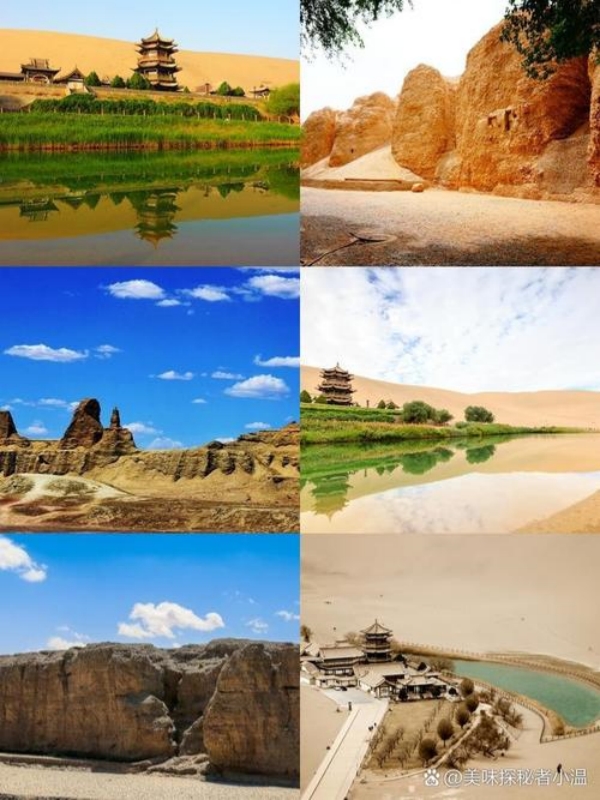
🗺️ Map Out Your Western Adventure: For travelers looking to extend their Gansu loop beyond the grasslands and deep into the historic desert oases of the Silk Road, navigating the vast geography is key. Visualize your next route with our detailed Dunhuang China Map.
Best Time to Visit Gannan
The practical travel window runs May through early October. Altitude effects hit hardest on day one regardless of season — pace accordingly.
How to Get to Gannan
Gannan has no commercial airport. The gateway is Lanzhou (Lanzhou Zhongchuan International Airport, IATA LHW). The Qinghai–Tibet Railway does not pass through Gannan proper — Lanzhou is the transfer point.
Within Gannan, intercity buses connect Xiahe, Hezuo, Maqu, and Langmu Si, but schedules are thin and Chinese-language-only. A private driver is the practical choice for a multi-stop loop.
Practical Tips for Foreign Visitors
Gannan is in Gansu province, not the Tibet Autonomous Region, so no Tibet permit is required — a standard Chinese visa covers the entire trip. This is the most common point of confusion for first-time visitors.
- Permits: No Tibet permit needed. A standard Chinese visa is sufficient.
- Passport: Carry it at all times for monastery entry and hotel check-in.
- Language: Mandarin and Tibetan dominate; English is limited to Xiahe and Lanzhou. Download Pleco and an offline Mandarin–Tibetan translation app.
- Money: Carry RMB cash for nomad guesthouses, horse rental, and small temples. Cards and Alipay or WeChat Pay work in Lanzhou and Xiahe.
- Connectivity: Mobile signal is patchy in Zhagana and on the grasslands. Download offline maps before departure.
- Altitude: Rest on day one at 3,000+ m. Drink water and avoid alcohol. Consult a doctor before travel if you have cardiac or respiratory conditions.
- Pack: Layered clothing year-round, sunscreen, lip balm, sturdy shoes, and a sleeping bag for nomad-tent stays.
Frequently Asked Questions
Q: How many days do you need for a Gannan trip?
Five days is the minimum for a Xiahe–Sangke–Zhagana taster. Seven days is the standard loop including Langmu Si and Ruoergai. Nine to ten days allows a buffer day for altitude adjustment, extra hiking, or a side trip to Maqu grassland. Place the extra day on the front end for acclimatization.
Q: Do foreign visitors need a Tibet permit for Gannan?
No. Gannan is in Gansu province, not the Tibet Autonomous Region. A standard Chinese visa is sufficient. The permit requirement applies only to Lhasa, Shigatse, Mt. Kailash, and other TAR destinations. Carry your passport at all times for monastery and hotel checks.
Q: What is the altitude in Gannan and will I get altitude sickness?
Average elevation runs 2,900–3,500 m, with high passes above 4,000 m. Mild headache and shortness of breath are common on day one. Rest on arrival, drink water, and avoid alcohol. Severe AMS is rare under 3,500 m; consult a doctor before travel if you have cardiac or respiratory issues.
Q: When is the best time to visit Gannan?
May to early October is the practical window. May–June and September–early October are the best months: green or turning gold, fewer crowds, daytime 15–22°C. July–August is peak season with afternoon thunderstorms. Winter is cold and many grassland guesthouses close.
Q: Can visitors attend the Monlam Prayer Festival at Labrang?
Yes. Monlam runs roughly 8 days in the first lunar month (January or February by the solar calendar). Visitors are welcome. Expect large crowds, blocked roads, and very cold mornings. Book Xiahe accommodation weeks in advance and pack for sub-zero starts.
Q: How do you get to Zhagana from Lanzhou?
Direct buses run Lanzhou South Bus Station to Zhagana in 7–8 hours for $14–18 (¥100–130). More commonly, travelers take a Lanzhou → Xiahe bus, then transfer to a Xiahe → Zhagana bus (3 h, about $6 / ¥40). A private car for the full day costs $90–130 (¥650–950) including driver and fuel.
Q: Is English spoken in Gannan?
Limited. Mandarin is the working language. English appears in some Xiahe and Lanzhou hotels and at the larger tour companies. Download Pleco and a translation app with offline Mandarin and Tibetan. A Mandarin-speaking guide or driver is strongly recommended for the grassland and Zhagana sections.
Q: How much does a Gannan trip cost?
Budget independent travel (hostels, public buses, basic guesthouses) runs $40–60 (¥280–420) per person per day. Mid-range with a driver, 3-star hotels, and entries runs $110–160 (¥800–1,150) per person per day. Private guided 7-day packages run $1,400–1,800 (¥10,000–13,000) per person including transport, hotels, English guide, and entries.