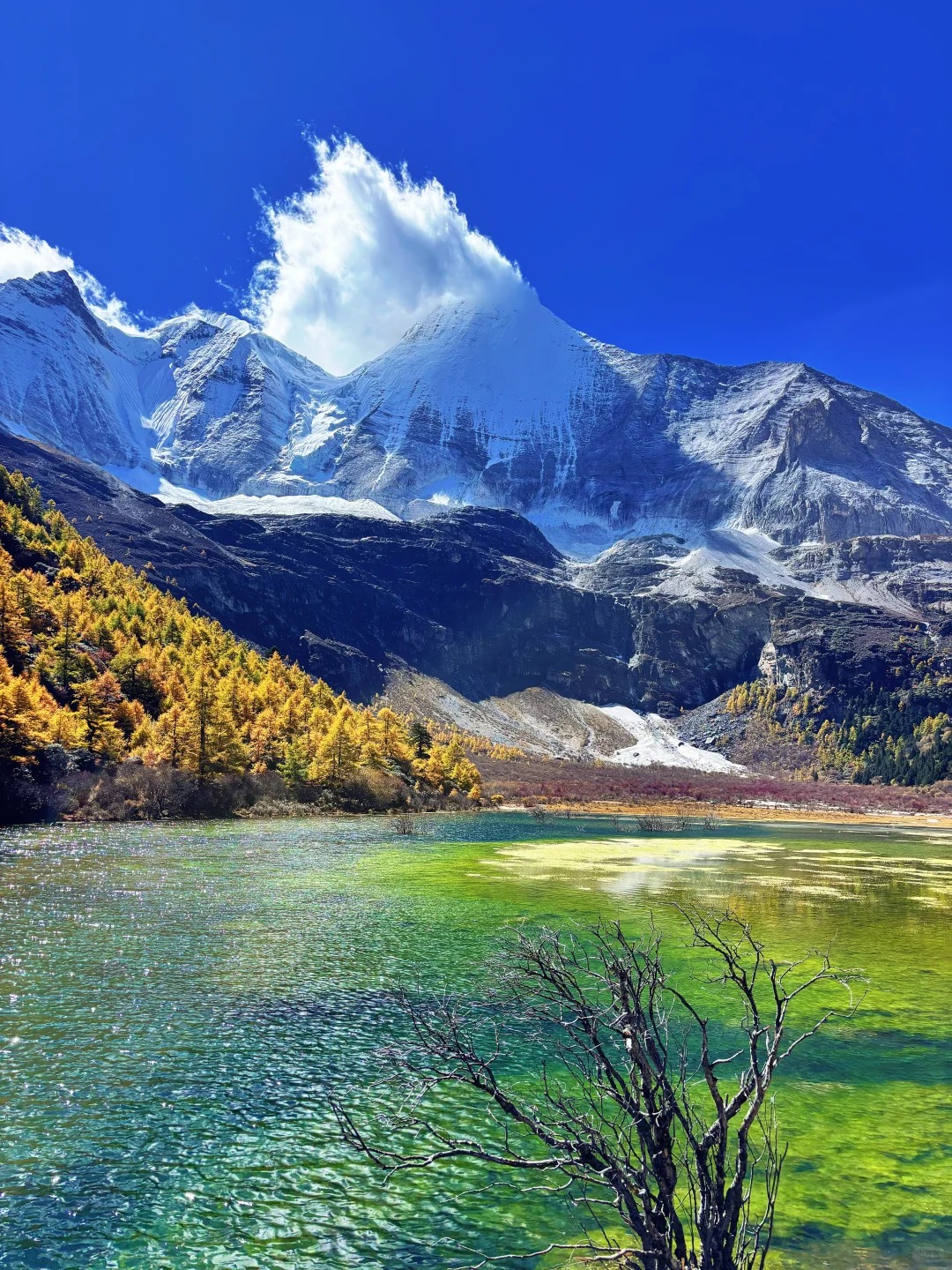
Daocheng Yading
Daocheng Yading gets mentioned a lot when people talk about the “best landscapes in China,” and yeah, the photos usually look unreal. Snow peaks, bright alpine lakes, wide open valleys—it’s all there. But what those photos don’t show is how the place actually feels once you’re on the ground. The altitude hits pretty quickly, and even simple walks can slow you down more than expected. If you’re coming from Chengdu and want a proper introduction to local flavors before hitting the mountains, you might want to explore some authentic Sichuan dishes here.
It’s not a casual sightseeing spot where you just hop off a bus and wander around. Daocheng Yading takes some effort to reach, and even more to explore properly. Based on what I’ve seen—and what a lot of travelers mention after visiting—it’s impressive, but not as easy as it looks.
Quick Facts about Daocheng Yading
| 📍 Location | Daocheng Yading Nature Reserve, Sichuan Province, China, near the border with Tibet. |
| 🏔 Altitude | Ranges from 3,700m at base to 4,700m at peaks like Five Color Lake. Visitors often feel mild to moderate altitude effects. |
| 🌤 Best Time to Visit | May to October. September–October for fewer crowds and stable weather; spring for wildflowers. Winter is open but trails icy. |
| ✈️ Access | Flights to Daocheng Yading Airport (~1 hour from Chengdu, ticket ¥1,200–1,800). Road trips from Chengdu (~14–16 hrs) or Shangri-La (~8–10 hrs) possible. |
| 🥾 Hiking Routes | Short route: Chonggu Meadow → Milk Lake (3–5 hrs, easier). Long route: Luorong Pasture → Milk Lake → Five Color Lake (6–10 hrs, high difficulty). |
| ⚠️ Difficulty | Hiking difficulty mostly due to high altitude, not terrain. Short hikes manageable; long hikes require stamina and acclimatization. |
| 🌄 Scenic Highlights | Milk Lake, Five Color Lake, Chonggu Meadow, snow-capped peaks, alpine meadows, seasonal wildflowers. |
| 🎫 Entrance Fee | ~¥248 per adult (variable by season, ticket includes shuttle bus). Shuttle tickets extra (~¥50–80). |
| 🏨 Accommodation | Daocheng town or local guesthouses. Some hotels accept foreigners; early booking recommended during peak season. |
| 🌡 Weather | High-altitude alpine climate: cool summers, cold nights, sudden afternoon clouds. Carry layers and rain protection. |
| 🗺 Map & Navigation | Trails well-marked; official maps available at visitor center. GPS apps like Amap and Gaode help but may lose signal in valleys. |
| ⭐ TripAdvisor Rating | Avg 4.5/5 based on scenery, natural beauty, and remote experience. Reviews note stunning lakes but highlight altitude challenges. |
| 💡 Local Tips | Start hikes early, avoid overpacking, carry snacks/water. Morning light best for photos, afternoon clouds can darken lakes. |
Top Attractions In Daocheng Yading You Should Not Miss
Yangmaiyong Peak Is The Most Photogenic Snow Mountain
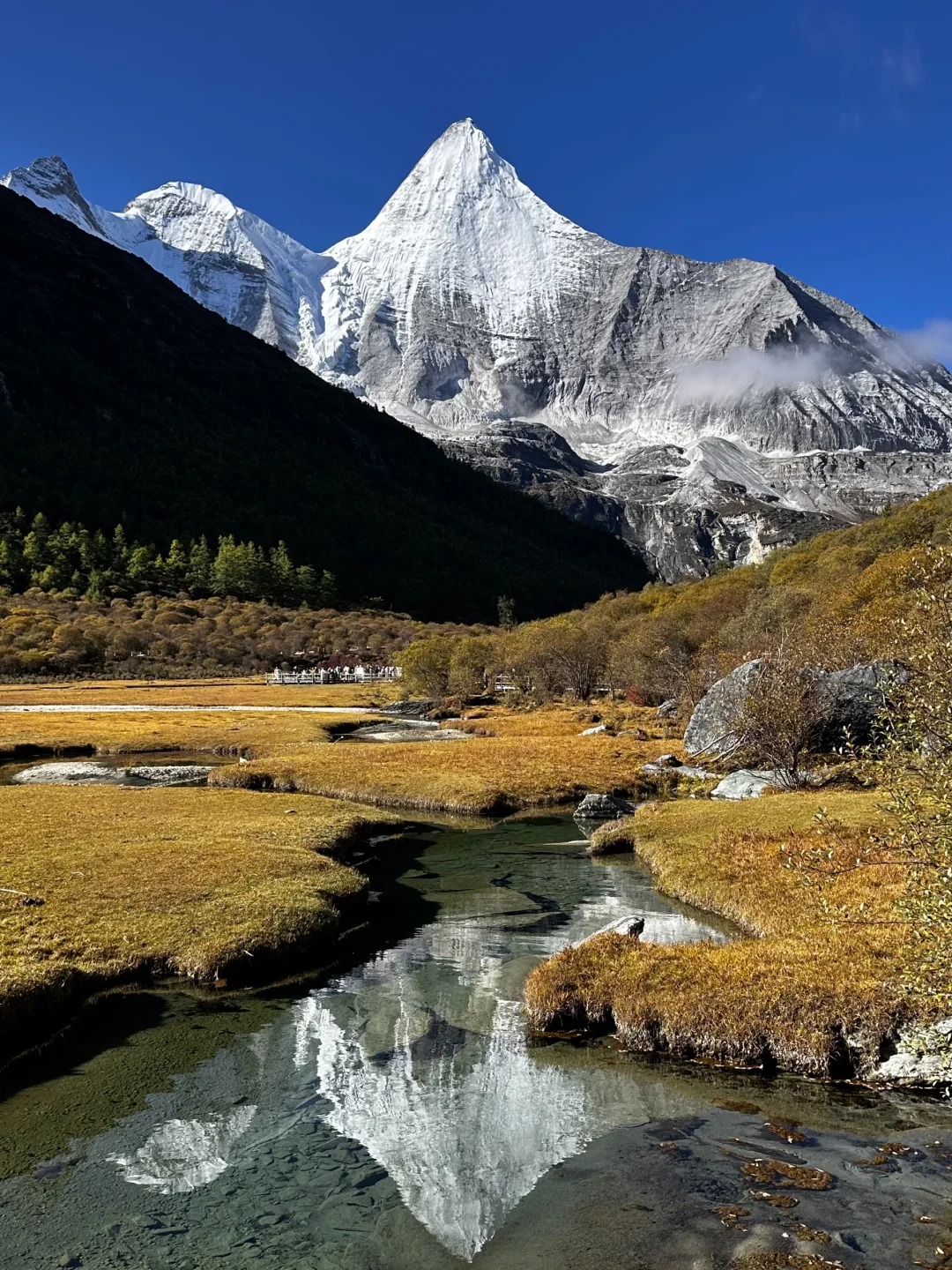
Yangmaiyong
Yangmaiyong is one of the three sacred peaks in Daocheng Yading, and probably the one you’ve already seen in photos without realizing it. The shape is unusually clean and symmetrical, almost like a perfect pyramid. On clear days, it stands out sharply against the sky, especially when viewed from Luorong Pasture.
Getting a clear view isn’t guaranteed though. Clouds move fast in this region, and it’s pretty common for the peak to be partially hidden by midday. A lot of travelers mention waiting around for 20–30 minutes just for a brief opening. Mornings tend to be more reliable if you’re serious about photos.
Even when visibility isn’t perfect, the scale still hits you. It doesn’t feel like a distant mountain—it feels close, almost too close, especially when you’re already breathing harder at altitude. That combination makes Yangmaiyong one of the most memorable views in daocheng yading attractions.
Milk Lake Is The Most Photographed Spot In Daocheng Yading
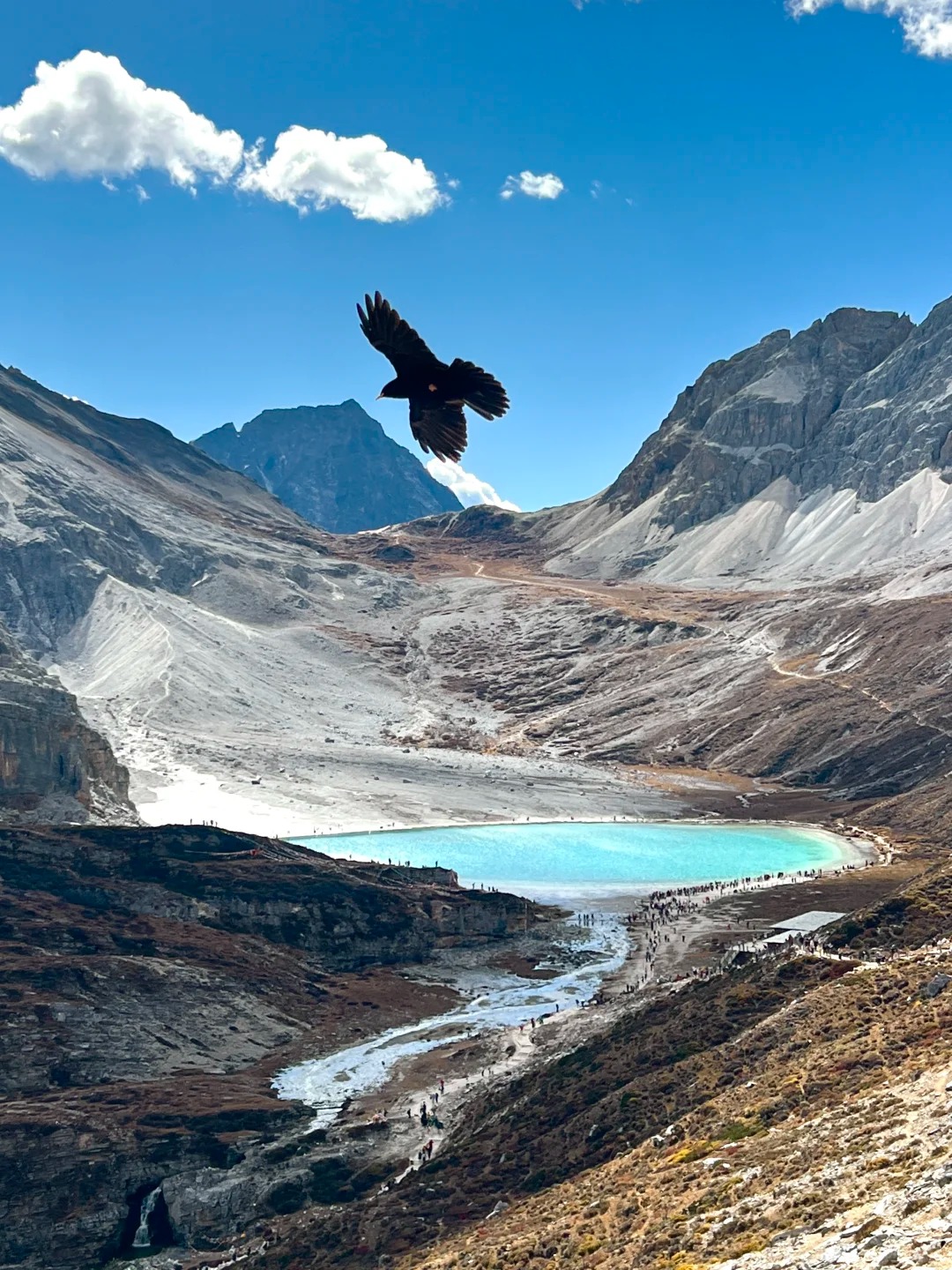
Milk Lake
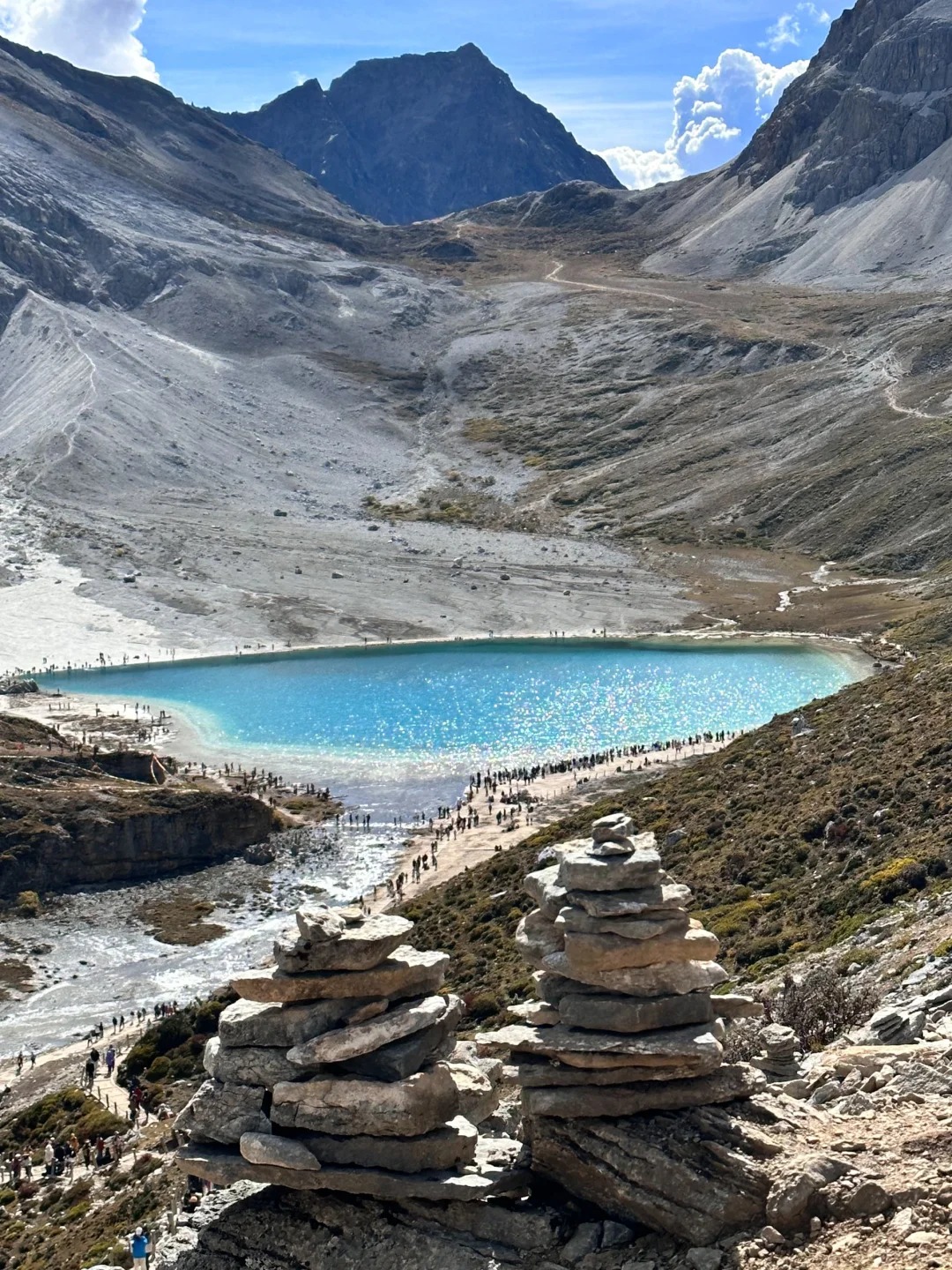
Milk Lake is the image that shows up everywhere when people search for Daocheng Yading. The color can be a bright turquoise, but it’s not always like that in real life. Weather plays a big role, and on cloudy afternoons the lake can look darker or even slightly grey.
The altitude here is close to 4,600 meters, and you really feel it. By the time you reach the lake, most people are already tired, and that changes how long they stay. Some visitors take a few photos and leave quickly, while others sit down and rest before heading back.
If you want that “postcard” look, timing matters more than camera gear. Early morning with direct sunlight usually gives the best results. Even then, the surrounding rocks and mountain backdrop often matter just as much as the water color when it comes to good daocheng yading photos.
Five Color Lake Sits Higher But Looks More Stable
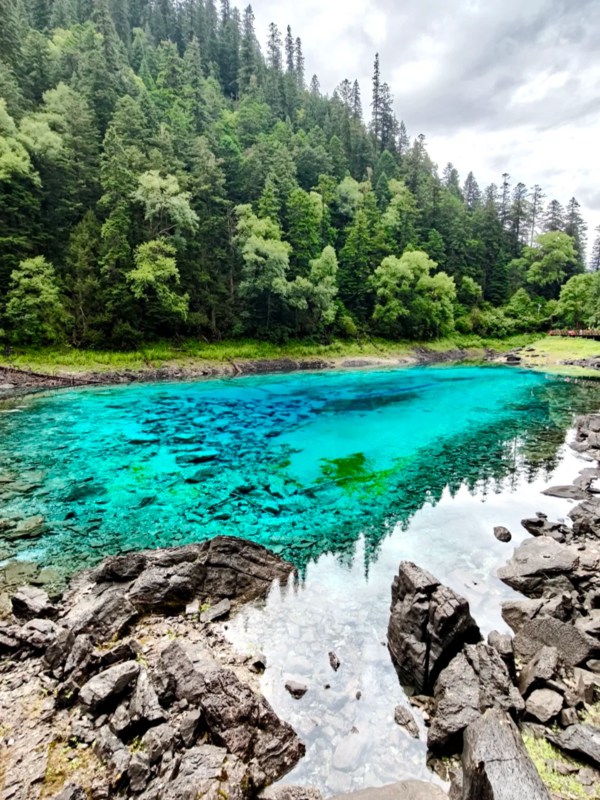
Spring of Five Color Lake
Five Color Lake sits slightly higher than Milk Lake, and the difference is noticeable—not just in altitude, but in how your body reacts. The final stretch to reach it can feel slow and heavy, even if the distance isn’t that long.
What surprises a lot of people is that the lake’s color tends to be more consistent. Even when the light isn’t perfect, it still shows layers of blue and green. Compared to Milk Lake, it’s less “dramatic” at first glance, but more reliable if you’re trying to capture what you actually see.
Because fewer people make it all the way here, it also feels quieter. You won’t get complete solitude, but it’s noticeably less crowded. For many hikers, reaching this point feels like finishing the hardest part of the daocheng yading hike, both physically and mentally.
Pearl Lake Is The Easiest Lake To Reach
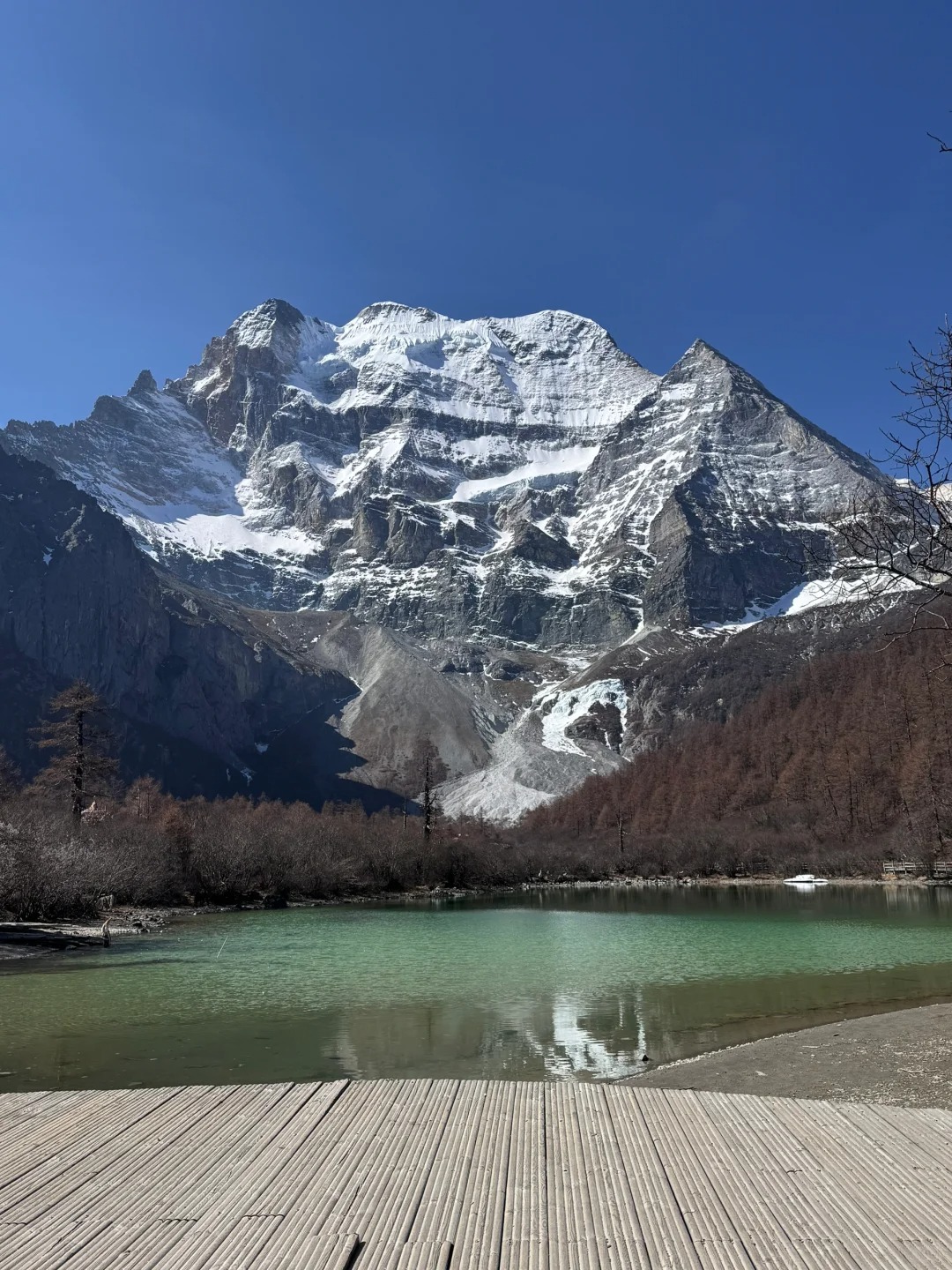
Pearl Lake
Pearl Lake is part of the short route, and it’s one of the most accessible spots in the entire reserve. The walk is relatively short, usually under an hour one way, and the path is well-maintained. Even so, the altitude still makes it feel slightly harder than expected.
The main highlight here is the reflection. On calm days, the surrounding peaks mirror almost perfectly on the water surface. It’s one of those places where you don’t need to look for angles too much—just stand still for a moment and the composition kind of forms on its own.
For travelers who don’t plan to do the long hike, this is often the most satisfying stop. It gives you a clear sense of what daocheng yading nature reserve looks like without pushing your limits too far.
Chonggu Meadow Offers Wide Open Views Without Climbing
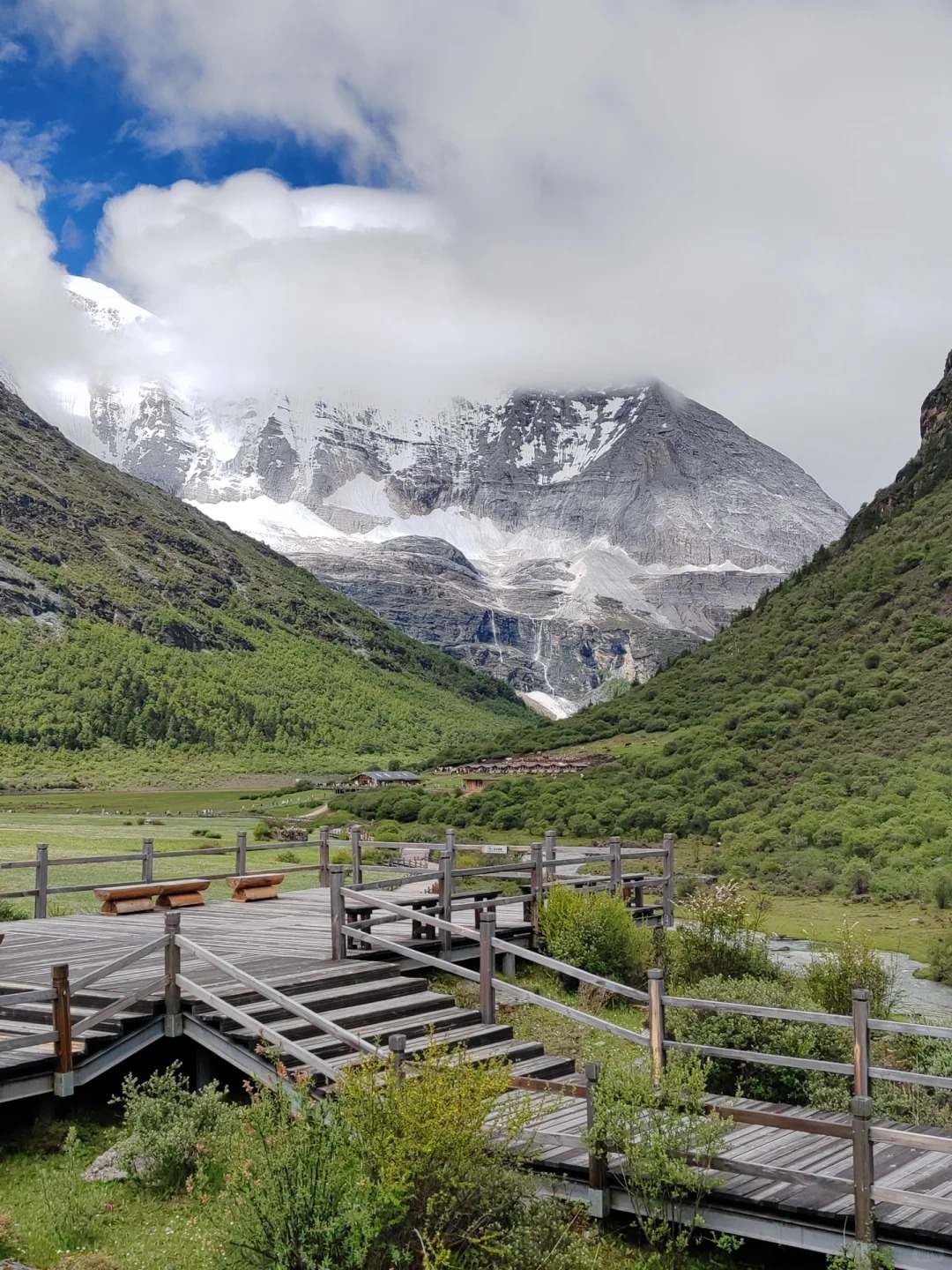
Chonggu Meadow
Chonggu Meadow is where a lot of visitors first slow down and actually take in the landscape. Wide grasslands stretch toward the mountains, and the view feels open in a way that’s hard to capture in photos. It’s also one of the few places where you don’t need to climb to get a strong visual payoff.
The area is easy to reach by shuttle bus, followed by a short walk. Because of that, you’ll see a mix of people here—serious hikers, casual tourists, and even families. Despite the traffic, it doesn’t feel overly crowded due to the space.
If you’re unsure about your stamina or dealing with early altitude symptoms, this is a good place to stop and reassess. Many people decide here whether to continue further or turn back, and honestly, you’re not missing out too much if you choose to stay.
Yading Nature Reserve Feels Bigger Than Just A Scenic Spot
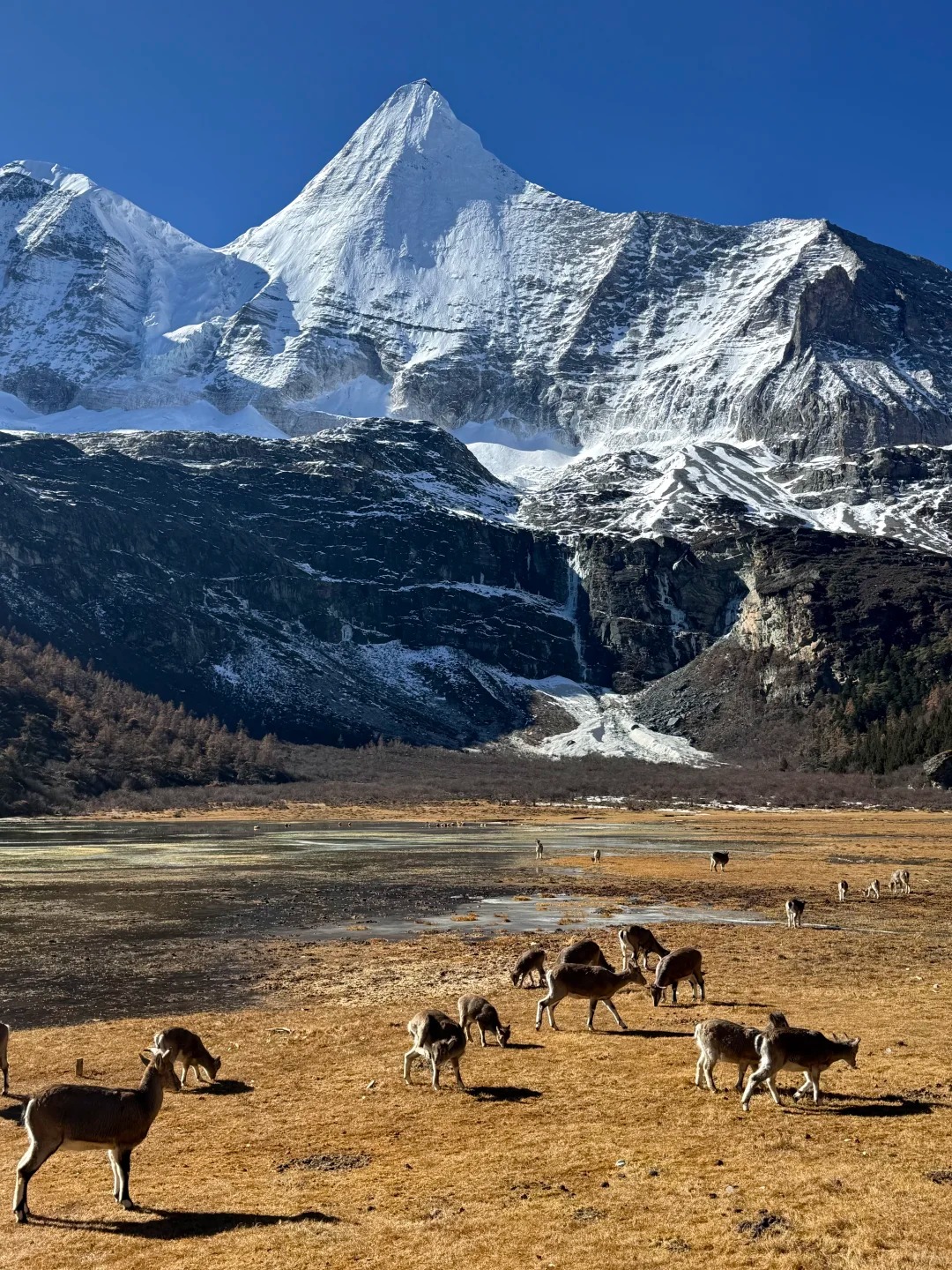
Yading Nature Reserve
It’s easy to think of Daocheng Yading as just a hiking destination, but the entire Yading Nature Reserve is much larger and more complex than that. The area includes forests, alpine meadows, rivers, and multiple mountain systems, not just the famous lakes.
The three sacred peaks—Xiannairi, Yangmaiyong, and Xianuoduoji—are deeply tied to Tibetan Buddhist beliefs. You’ll notice prayer flags and small shrines along certain paths, especially near viewpoints. Even if you’re not familiar with the culture, the atmosphere feels different from typical tourist parks.
What makes this place stand out isn’t just one single viewpoint, but how everything connects. The scale, the altitude, the silence in certain areas—it all builds into something that feels more remote than most places people visit in China. And that’s really what defines daocheng yading attractions as a whole.
Daocheng Yading Hiking Routes Explained Simply
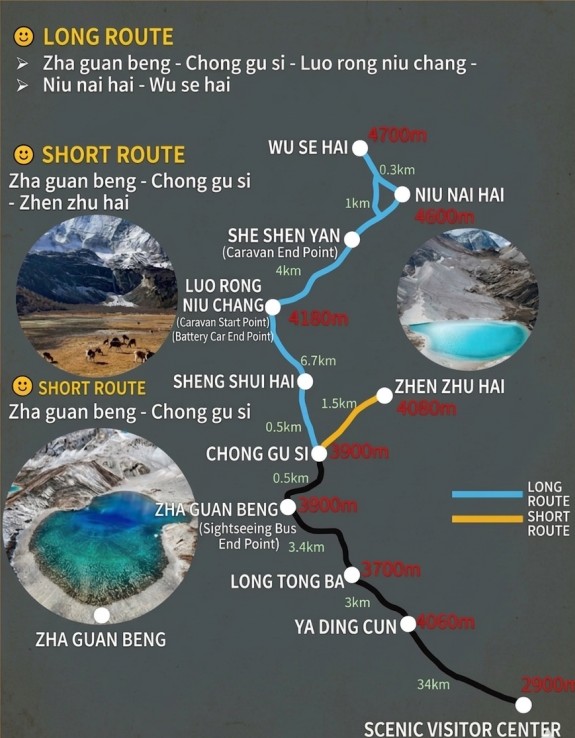
Hiking Routes Picture
Daocheng Yading Short Route Is Easier But Still Tiring
- Route: Chonggu Temple → Pearl Lake → return the same way. The path is mostly paved with clear signposts, gentle inclines, and plenty of spots to rest. Small bridges and wooden walkways cross streams, and the scenery changes gradually from forested slopes to open lake views, giving a sense of accomplishment even before reaching the lake.
- Time: Around 3–5 hours round trip. Most people take closer to 4 hours if moving at a steady pace and pausing occasionally for photos. Walking slower at altitude is normal, so factor in extra time if you’re not used to thin air.
- Difficulty: Light to moderate. There’s no technical climbing, but altitude above 3,900m makes your heart beat faster and your legs tire sooner. Uphill sections feel longer than they look, and even short stretches can force frequent breaks.
- Who it suits: Travelers with limited time, families, or anyone unsure about high-altitude hiking. It’s suitable for those who want scenic highlights without committing to a full-day trek, but still expect physical effort.
Even on the short route, you’ll notice your body adjusting. Breathing feels heavier than normal, and stopping every few minutes is common. Many hikers underestimate the altitude, thinking a few kilometers of walking is easy—then quickly realize it’s more challenging than it appears.
Daocheng Yading Long Route Is Where Most People Struggle
-

- Milk Lake
-
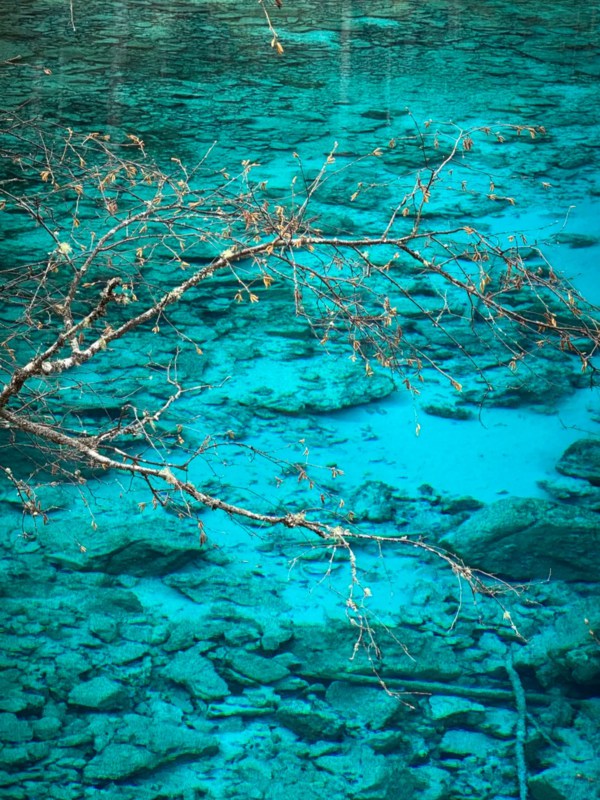

- Five Color Lake Never Freezes in Winter
- Route: Luorong Pasture → Milk Lake → Five Color Lake → return the same way. The trail starts fairly gentle across Luorong Pasture, then gradually ascends toward Milk Lake. Wooden and stone pathways alternate with open dirt trails, and some sections near Five Color Lake require careful footing, especially if wet or icy.
- Time: Typically 6–10 hours round trip. The time depends on pace, weather, and altitude adaptation. Many groups report needing at least 8 hours to cover the full circuit safely, including rest breaks and photo stops.
- Difficulty: High. The final ascent reaches near 4,700m, and the combination of distance, altitude, and uneven paths makes it a true test of endurance. Even experienced hikers walk a few steps and pause repeatedly.
- Who it suits: Fit hikers with experience at high altitude and good stamina. Those who are prepared for long days, can carry their own food and water, and are comfortable with potential altitude effects will benefit most from this route.
The long route is where you feel Daocheng Yading’s scale. Views of Milk Lake and Five Color Lake are unrivaled, but hikers often stop more than expected. People sometimes underestimate the effort, starting early but running out of energy before reaching the top. Planning extra time and pacing yourself is essential.
Daocheng Yading Route Comparison Helps You Decide Faster
-
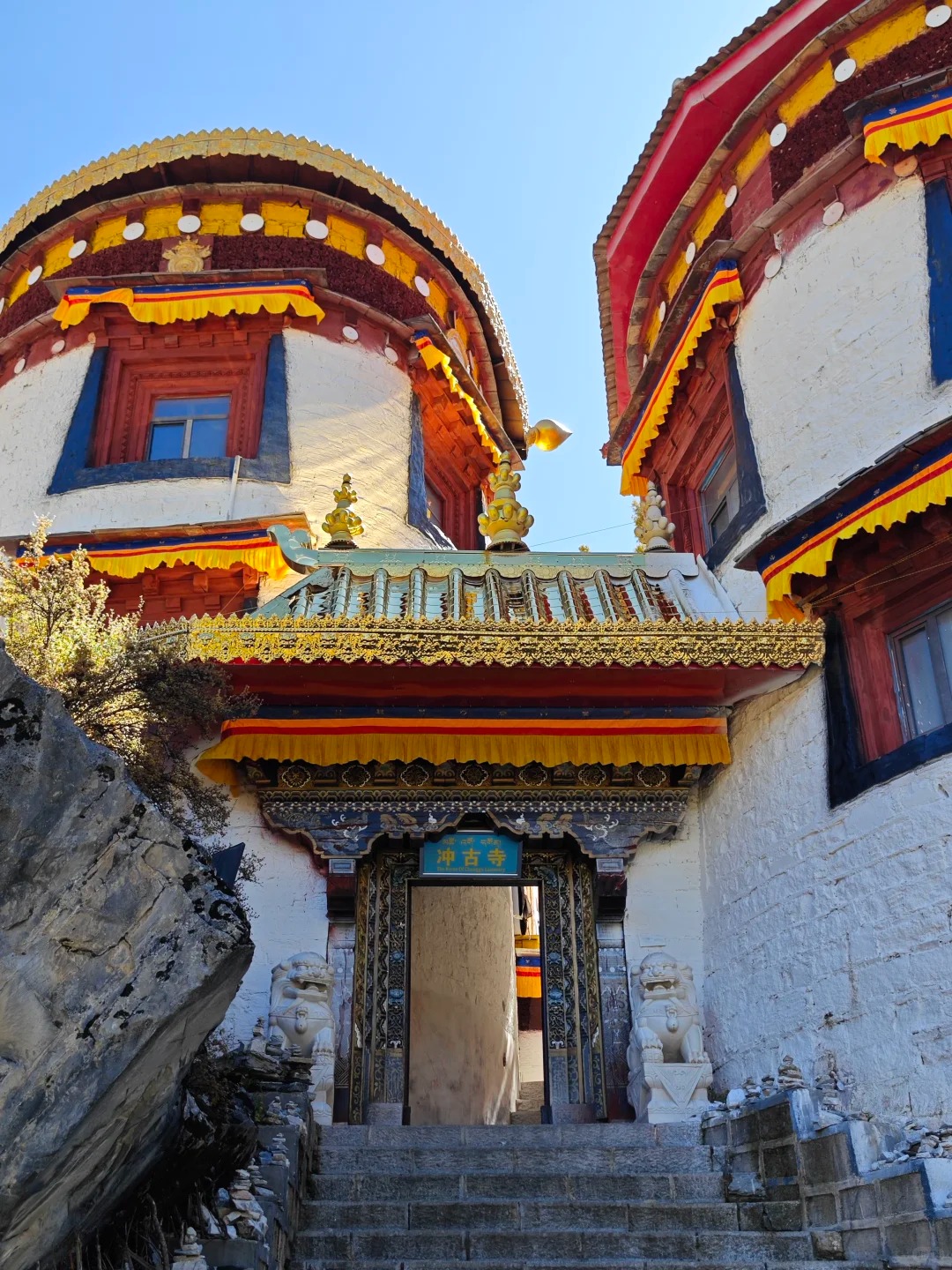
- Chonggu Temple
-
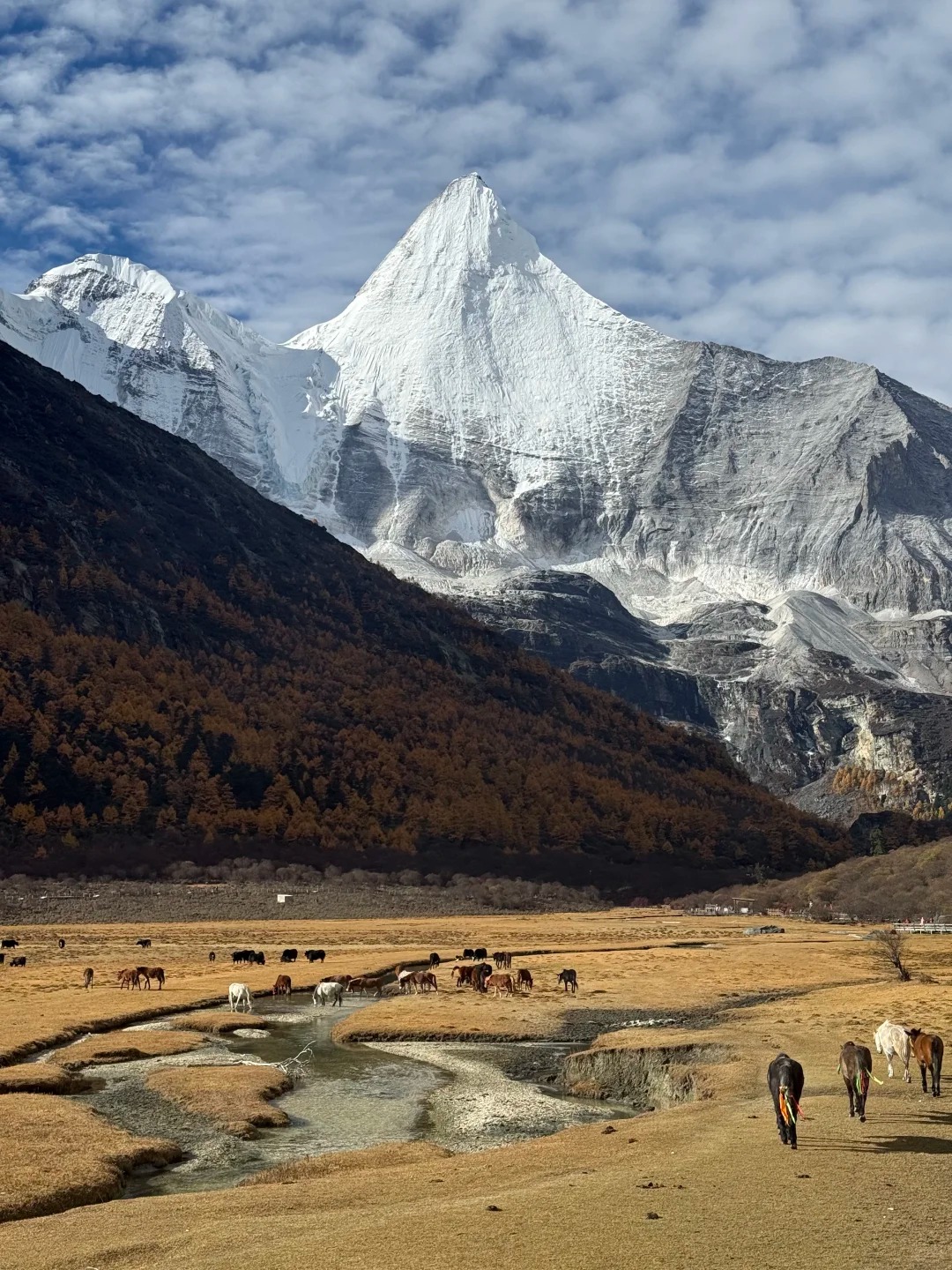
- Luorong Pasture
- Route: Short = Chonggu Temple → Pearl Lake; Long = Luorong Pasture → Milk Lake → Five Color Lake. Both routes start from well-marked trailheads and pass through iconic scenery, but the long route covers more terrain and higher altitude.
- Time: Short = 3–5 hours, Long = 6–10 hours. Altitude and pace determine actual duration; long route hikers should plan for a full day with breaks.
- Difficulty: Short = moderate, Long = high. Both involve walking at altitude, but the long route adds extended ascents and exposure to weather changes.
- Who it suits: Short route for casual visitors, first-timers, or families. Long route for fit hikers, photographers, or those chasing the iconic lake views.
Comparing the two helps you plan effectively. Many travelers choose the short route first to acclimate and return for the long hike on a second visit. The choice is more about stamina and time than scenery—both routes are beautiful, but the long route demands respect.
Daocheng Yading Hiking Timeline Hour By Hour
- Route: Follow your chosen route—short or long—with clearly marked trailheads. Most hikers start at the main parking area, taking shuttle buses or walking to the trail entrance.
- Time: Morning 8–10am: enter the park and reach trailhead; 10am–12pm: early walking, moderate pace; 12–2pm: hardest segment, energy dips; 2–4pm: higher sections, clouds may roll in; late afternoon: start heading back to avoid missing shuttle or dark trails.
- Difficulty: Light at first, then moderate to high depending on the route. The key is pacing, rest stops, and monitoring for altitude fatigue. Weather can make even easy sections harder.
- Who it suits: Anyone planning to hike should consider the timeline. Short route walkers may finish by early afternoon, long route hikers need all day and should start early to allow extra rest.
Timing is crucial in Daocheng Yading. Starting early gives better light and more predictable weather, while late starts increase risk of fatigue or rushing. Many travelers regret underestimating how long breaks and altitude effects add to total time, so building in buffers is smart.
🐯 The Valley’s Roar: Once you’ve conquered the silent, 4,700m high-altitude lakes, descend into the raw power of Yunnan’s greatest chasm. For a hike defined by dramatic vertical drops rather than oxygen levels, see our Tiger Leaping Gorge Yunnan: A Hiking Guide for Nature Lovers to experience one of the world’s deepest canyons.
Daocheng Yading Altitude And How To Prepare For It
-
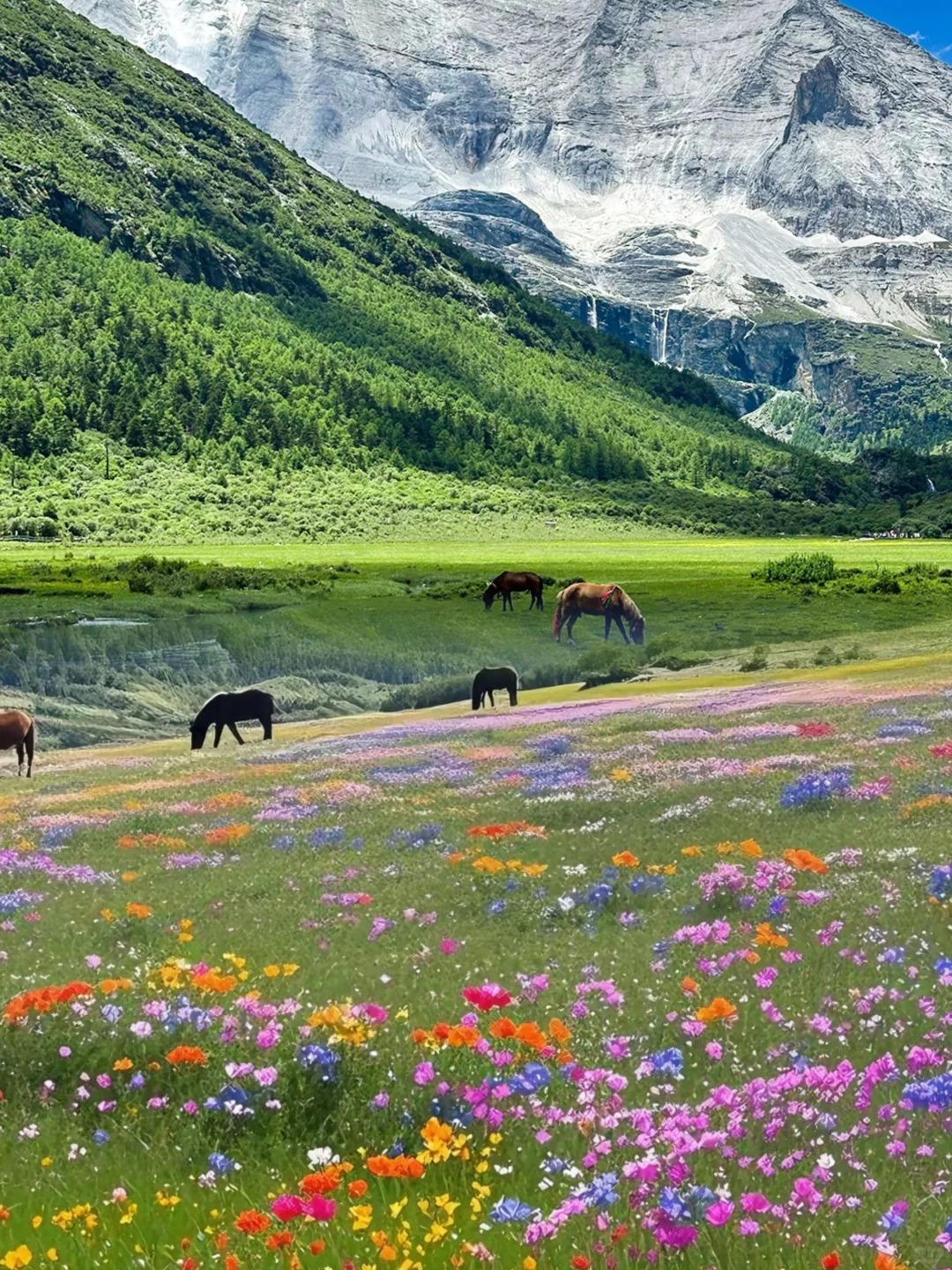
- Flower in Daocheng Yading
-
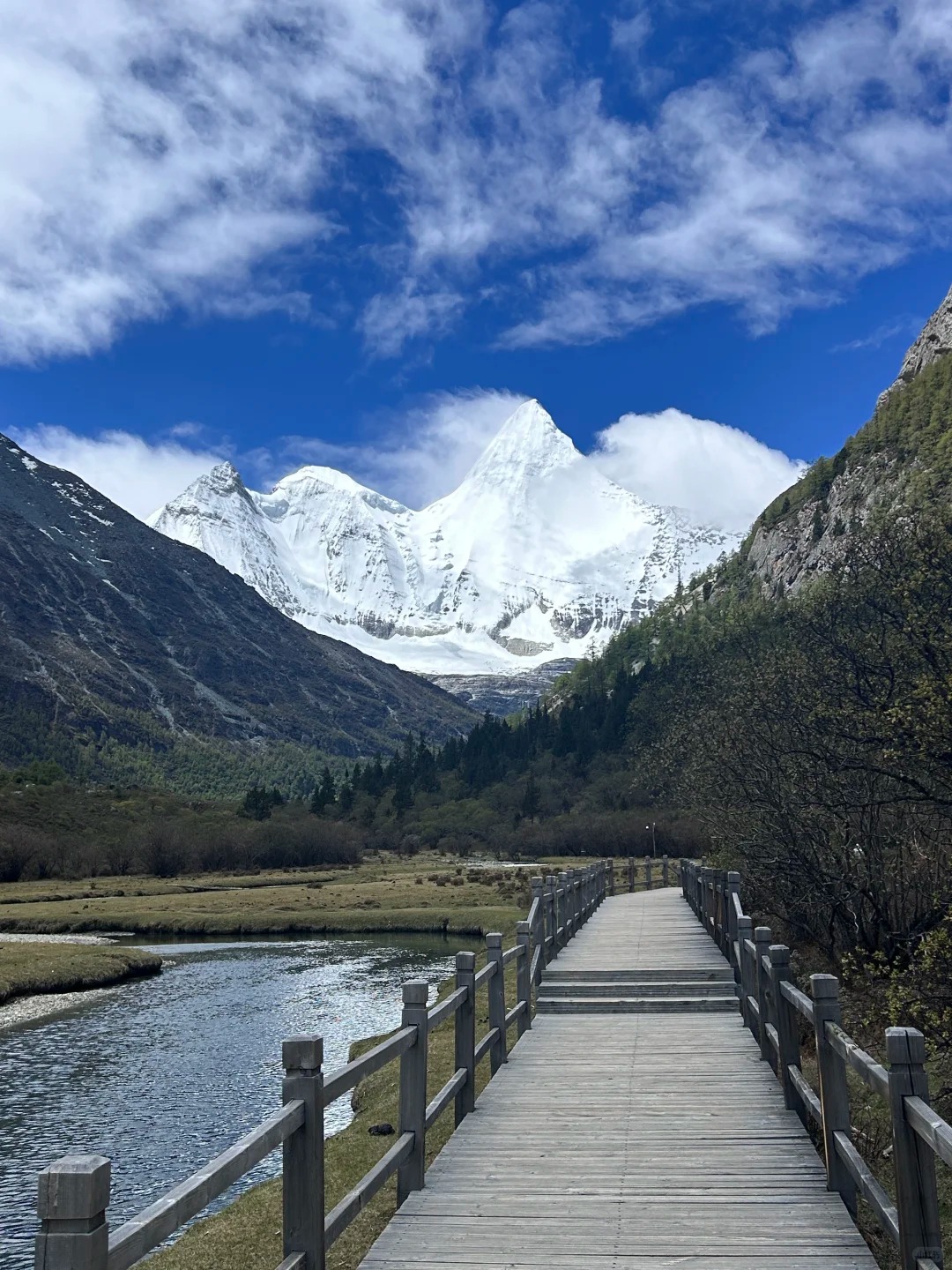
- Wooden Road
-
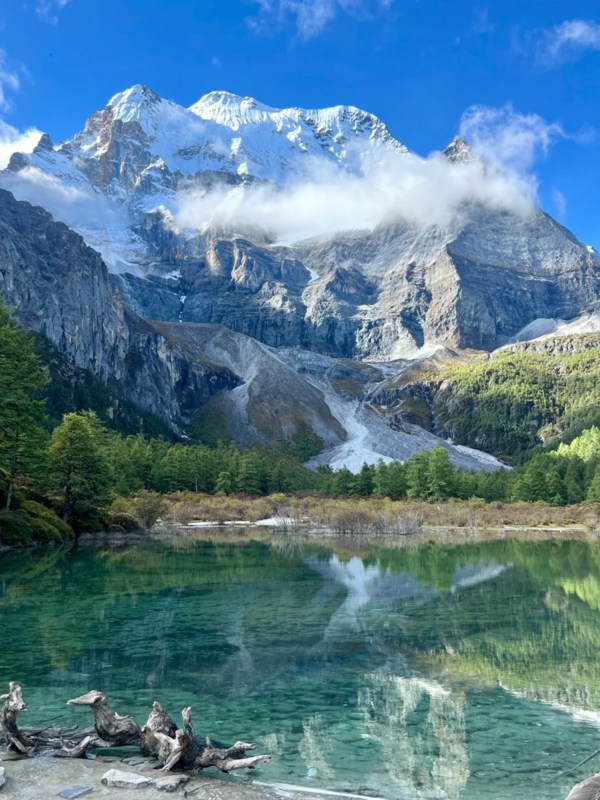
- Sky and Mountain
Daocheng Yading Altitude Symptoms Are Very Common
Most visitors notice the effects of altitude almost immediately upon entering Daocheng Yading. Headaches, shortness of breath, dizziness, and unusual fatigue appear even on gentle walks. Moving a few hundred meters can feel exhausting, and simple tasks like adjusting camera gear or carrying a small backpack can leave your heart racing. TripAdvisor reviews show many travelers were surprised by how quickly they felt out of breath, with some needing extra rest stops or even shortening planned hikes. Cloudy or windy days seem to make symptoms worse, and staying hydrated or eating lightly only partially helps. Even experienced hikers can find their stamina dropping unexpectedly, highlighting how deceptive high-altitude exertion can be.
The Hardest Section In Daocheng Yading For Altitude
- Route section: The final stretch approaching Milk Lake is widely recognized as the most physically demanding. The trail climbs steadily above 4,600 meters, and there’s almost no natural shelter along the path.
- Altitude: This section represents the peak elevation most hikers encounter on the long route. The combination of low oxygen and constant incline causes noticeable shortness of breath and frequent stops.
- Conditions: Exposed terrain means strong winds and open sky, increasing both physical strain and psychological pressure. Even minor missteps require careful attention due to loose rocks and uneven surfaces.
- Impact: Many hikers pause repeatedly or slow to a near crawl. For some, this section becomes the limiting factor for completing the long route, while others choose to turn back to prevent overexertion.
It’s easy to misjudge the effort required here. What looks like a short final slope on maps can feel relentless when every step feels heavier than the last.
How To Reduce Altitude Impact In Daocheng Yading
- Acclimatization: Spend at least a day or two in Shangri-La or Daocheng before entering the park to allow the body to adjust. Early exposure to moderate altitude can make subsequent hiking far more manageable.
- Pacing: Walk slowly and steadily, taking regular breaks. Even experienced hikers benefit from measuring effort in short intervals rather than rushing to checkpoints.
- Oxygen support: Carry small portable oxygen canisters or masks, particularly for hikers prone to high-altitude symptoms. They provide short bursts of relief and can prevent minor headaches from escalating.
- Mindset: Avoid pushing beyond personal limits. It’s tempting to keep up with others, but overexertion can lead to dizziness or nausea. Conserving energy ensures a safer and more enjoyable experience.
Proper planning and awareness can dramatically reduce the impact of altitude. Those who prepare find Daocheng Yading’s breathtaking scenery more accessible, while those who underestimate it often struggle and regret skipping acclimatization steps.
How To Get To Daocheng Yading From Chengdu And Shangri-La
-
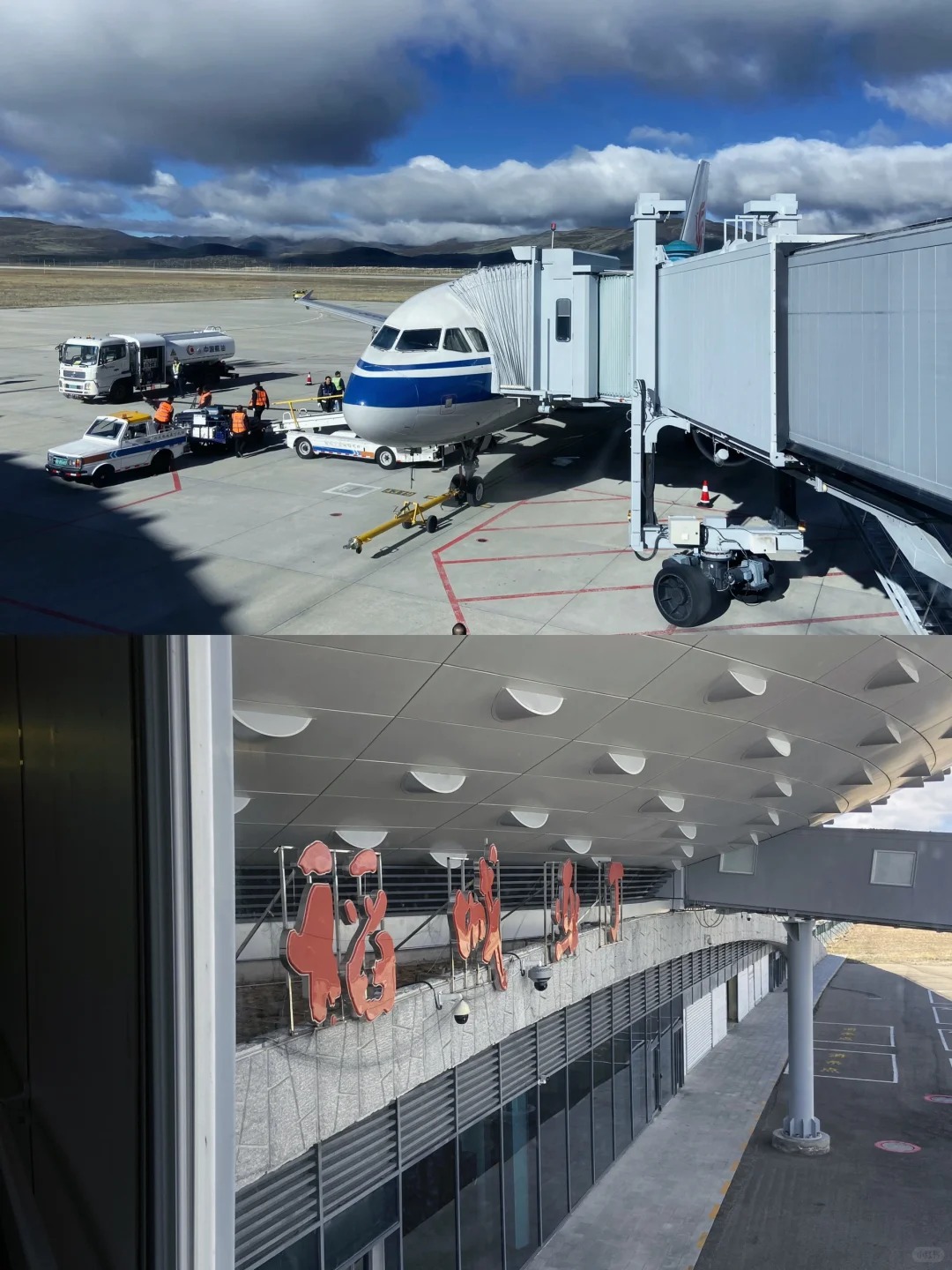
- Daocheng Yading Airport
-
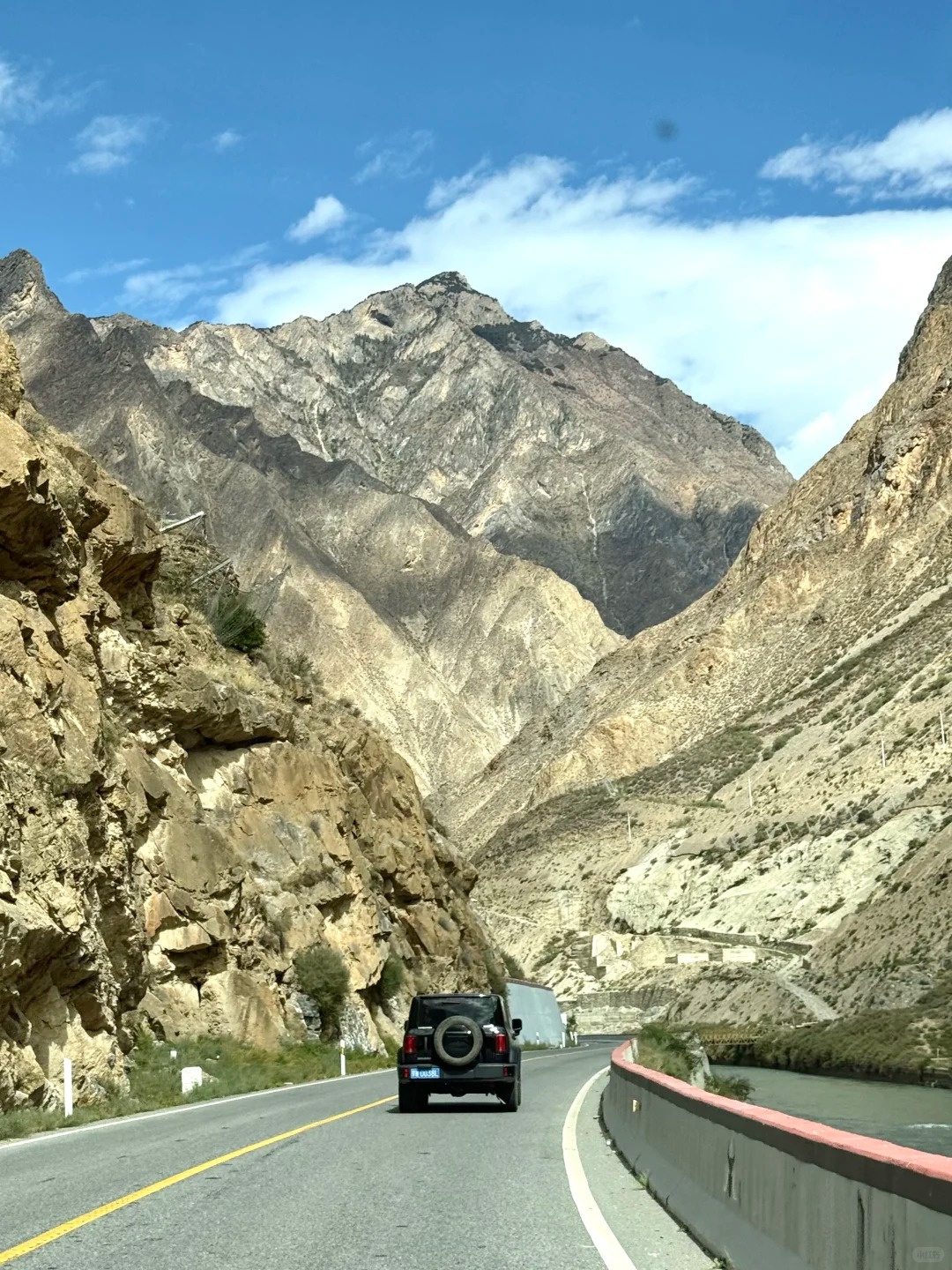
- Shangri La To Daocheng Yading Route Experience
Chengdu To Daocheng Yading Flight Vs Road Trip
Choosing between flying or driving from Chengdu depends on your priorities—speed, budget, or scenic experience:
- Flight: Fast but pricey. Flights take roughly 1.5 hours, with tickets around ¥1,200–1,500. Weather, especially fog or snow in winter, can delay departures. Ideal for travelers with limited time who prioritize convenience.
- Road Trip: Slow but scenic. Driving or taking a bus can take 24–30 hours. The winding mountain roads reveal rivers, valleys, and Tibetan villages not visible from the air. Exhausting and not ideal for motion sickness, but a visual reward for adventurous travelers.
- Recommendation: Time vs experience. Short on days → fly. Seeking adventure and landscape immersion → road trip. Both options introduce the dramatic terrain of Daocheng before even reaching the reserve.
Shangri La To Daocheng Yading Route Experience
The journey from Shangri La to Daocheng Yading is mostly by road, weaving through mountains and high-altitude valleys. Road conditions vary: some sections are newly paved and smooth, while others are narrow and prone to landslides during the rainy season. Travelers often need 5–8 hours, depending on stops and weather.
The scenery is stunning along the way, with rolling grasslands, snow-capped peaks, and rivers threading through valleys. Tibetan villages appear intermittently, offering glimpses of local life. Many travelers stop to photograph prayer flags or yak herds grazing along the roadside.
Despite the beauty, the route can be physically demanding. The high altitude begins affecting passengers even before reaching Daocheng, and drivers need to remain cautious on sharp bends. Those who pace themselves and take short breaks generally enjoy both comfort and memorable views.
Daocheng Yading Airport Feels Different Immediately
Daocheng Yading Airport sits at an altitude of 4,411 meters, making it one of the highest civilian airports in the world. The moment you step off the plane, the thin air is noticeable. Breathing feels heavier, and some visitors experience mild altitude sickness, including headaches or dizziness.
Airport facilities are relatively small but functional. Check-in, luggage, and taxis are easy to navigate, though it can feel crowded when multiple flights arrive close together. The compact terminal allows quick access to buses and rental cars heading to Daocheng town or directly to the nature reserve. If you’re curious about comfortable places to rest before heading up to the mountains, you can explore some highly recommended boutique hotels in Chengdu here.
Experiencing daocheng yading airport at this altitude is a unique introduction to the region. It sets the tone immediately: every step takes more effort, and travelers are reminded to pace themselves. Even for seasoned hikers, adjusting to the elevation at the airport itself is part of the adventure.
How Many Days To Spend In Daocheng Yading
2 Days In Daocheng Yading Is Possible But Tight
- Day 1: Acclimatization: Arrive early in Daocheng town or at the reserve entrance. Spend the day walking lightly around Chonggu Meadow or nearby low-altitude spots. The goal is to adjust to the thin air. Some travelers take short naps and drink plenty of water to minimize daocheng yading altitude effects.
- Day 2: Hiking: Start early for either the short route or the long route. You’ll cover key sites like Milk Lake and Five Color Lake if you push for the long route. Expect fatigue due to altitude and limited recovery time. Every step requires pacing; stopping often is normal.
- Risks: This schedule is intense. Any delays—traffic, weather, or altitude adjustment—can compromise the experience. The second day is fully packed, leaving little room for photos or resting breaks.
3 Days In Daocheng Yading Feels More Comfortable
- Day 1: Acclimatization: Similar to the 2-day plan, but with more time to explore low-altitude meadows, take photos, and settle into your lodge.
- Day 2: Short Hike: Focus on the Daocheng Yading short route, including Chonggu Meadow and Milk Lake, with ample rest stops. Travelers report better energy and more opportunities for photography.
- Day 3: Optional Long Hike or Scenic Drive: Attempt the long route or explore nearby villages and viewpoints. The slower pace reduces risks from altitude, allowing you to enjoy scenery fully.
FAQ about Daocheng Yading
Q: Is Daocheng Yading Worth Visiting?
Daocheng Yading is absolutely worth visiting if you enjoy pristine alpine scenery, turquoise lakes, and remote landscapes that feel untouched. Many travelers describe the views as life-changing, but getting there is physically demanding due to high altitude and long hiking routes. Some visitors find it exhausting, especially on short trips. Suggestion: Plan for at least three days to acclimate properly, focus on the main scenic spots like Milk Lake and Five Color Lake, and avoid trying to see everything in a single day. This approach makes the experience enjoyable rather than overwhelming.
Q: How High Is Daocheng Yading Altitude?
The reserve ranges from about 3,700 meters at the base to nearly 4,700 meters at the peaks near Five Color Lake. Even easy trails put you above 3,700 meters, which can cause headaches, shortness of breath, dizziness, or fatigue. Many TripAdvisor reviews mention high-altitude discomfort. Suggestion: Spend a day in Daocheng town or Shangri-La before hiking to help your body adjust. Carry oxygen or altitude medicine if prone to symptoms, and pace yourself. Don’t underestimate the impact of the thin air—it can turn short hikes into challenging experiences.
Q: Can Beginners Hike Daocheng Yading?
Beginners can attempt the short route from Chonggu Meadow to Milk Lake, but the altitude makes it tougher than it looks. Even though the path is technically easy, hikers often stop frequently to catch their breath. The long route to Five Color Lake is not recommended for newcomers, as it requires endurance at nearly 4,700 meters. Suggestion: Start with the short route, go slowly, and consider hiring a local guide. Bring trekking poles, water, and snacks, and avoid pushing yourself to cover too much ground on your first day.
Q: When Is The Best Time To Visit Daocheng Yading?
The ideal window is May to October, when snow is mostly melted and trails are accessible. Early September offers stable weather, fewer crowds, and clear lake colors. Monsoon season can bring rain, slippery trails, and muddy paths, making hikes riskier. Suggestion: Visit in late summer or early autumn for pleasant temperatures and high photo quality. Morning light is best for Milk Lake, while Five Color Lake is more consistent throughout the day. Plan carefully to avoid bad weather and maximize scenic conditions.
Q: Is Daocheng Yading Open In Winter?
The park remains open during winter, but heavy snow and icy paths make most hikes challenging or unsafe. Shuttle services may not operate, and road access can be unpredictable. The landscape is beautiful with frozen lakes and snow-covered peaks, but temperatures can drop below -10°C. Suggestion: Only attempt winter visits if you have winter hiking experience, full cold-weather gear, and plan for shorter, safer hikes. Otherwise, winter trips are more stressful than enjoyable, and most travelers prefer the accessible summer or autumn months.
Q: How To Get To Daocheng Yading From Chengdu?
Flights from Chengdu to Daocheng Yading Airport take roughly 1 hour, but tickets can be expensive (¥1,200–1,800 one-way) and sell out quickly. Driving or taking a bus takes 14–16 hours, offering scenic mountain views but requiring careful planning. Roads are winding and sometimes narrow, so travel time can vary. Suggestion: Fly if your schedule is tight and you want to save time. If you prefer scenic stops and gradual altitude adaptation, a road trip is viable but needs good planning, early departure, and overnight stays along the route.
Q: How Difficult Is Daocheng Yading Hiking?
Hiking difficulty is mainly due to altitude, not technical terrain. Short hikes are manageable but still require pacing and breaks. Long hikes to Milk Lake and Five Color Lake demand endurance and frequent rests, as oxygen levels drop. Even fit individuals may need extra time near 4,500 meters. Suggestion: Know your limits and acclimate beforehand. Carry water, light snacks, and optional oxygen. Avoid completing long routes in a single day if you’re inexperienced, and focus on enjoying the scenery rather than rushing to finish.
Q: What To Pack For Daocheng Yading?
Key items include warm layers, waterproof jackets, trekking boots, trekking poles, sunglasses, sunscreen, and a small first-aid kit. Oxygen or altitude medication is recommended for sensitive travelers. Snacks and water are necessary as shops are scarce inside the reserve. Suggestion: Pack efficiently for changing temperatures; mornings and afternoons can differ by 10–15°C. Prepare for sudden weather shifts and ensure you have enough supplies for a full day on the trail. Avoid overpacking but don’t skip safety essentials.
Q: Is Daocheng Yading Safe For Solo Travelers?
Daocheng Yading is generally safe, but its remoteness and high altitude introduce risks. Trails and roads are marked, but weather changes rapidly, and mobile signals are limited. Solo travelers may face emergencies with less immediate help available. Suggestion: Inform someone of your itinerary, start hikes early, and avoid long routes alone. Hiring a local guide is highly recommended for first-time visitors or solo hikers, both for navigation and safety. With preparation, solo travel is feasible but should be approached cautiously.