Transportation in China
The wall to the other side of the frustrating maze you find yourself in is paper-thin. Unlocking the digital Garden of Eden only requires a new cadence, something in-time to the digital Da Vinci’s. You don’t need to learn to speak the local language so long as you trade in a few of your native habits for some local currency. The puzzle becomes a perfectly cued ballet performed entirely at your tempo.
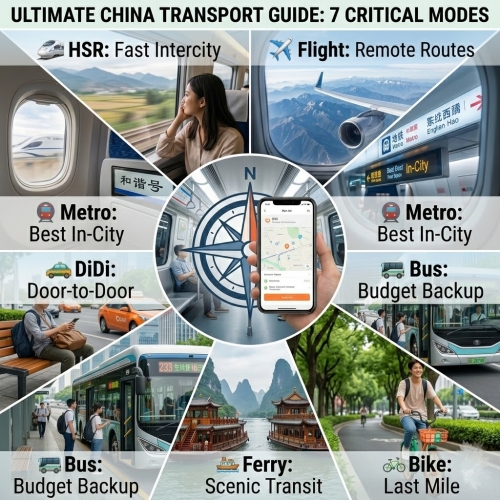
Quick Answer:🚄 HSR: Fast Intercity | ✈️ Flight: Remote Routes | 🚇 Metro: Best In-City | 🚗 DiDi: Door-to-Door | 🚌 Bus: Budget Backup | ⛴️ Ferry: Scenic Transit | 🚲 Bike: Last Mile
All Transportation Options in China at a Glance
Not ready to get into the weeds? Use this overview table to pick your best option fast. It contains every significant mode of transport in China, both intercity and in-city. All prices are 2026 approximate reference costs in Chinese yuan (¥).
| Transport | Type | Cost | Best For | English? | Section |
|---|---|---|---|---|---|
| High-Speed Rail | Intercity | ¥100–600 | Cities <1,000 km | Good | Section 2 |
| Domestic Flight | Intercity | ¥300–1,500 | Long distance | Good | Section 3 |
| Metro / Subway | In-city | ¥2–10 | City travel | Excellent | Section 4 |
| DiDi (Ride-hail) | In-city | ¥15–50 | Door-to-door | Yes (app) | Section 5 |
| City Bus | In-city | ¥1–3 | Local routes | Limited | Section 6 |
| Taxi | In-city | ¥10+ start | Short trips | Rare | Section 5 |
| Long-dist. Bus | Intercity | ¥50–200 | Remote areas | No | Section 6 |
| Ferry / Cruise | Both | Varies | Yangtze, scenic | Limited | Section 6 |
🗺️ Connecting the dots: Understanding the entire transportation grid from buses to flights gives you ultimate freedom, all of which ties back to the essential pre-departure checklist outlined in the comprehensive China Travel Survival Guide.
High-Speed Rail (Intercity)
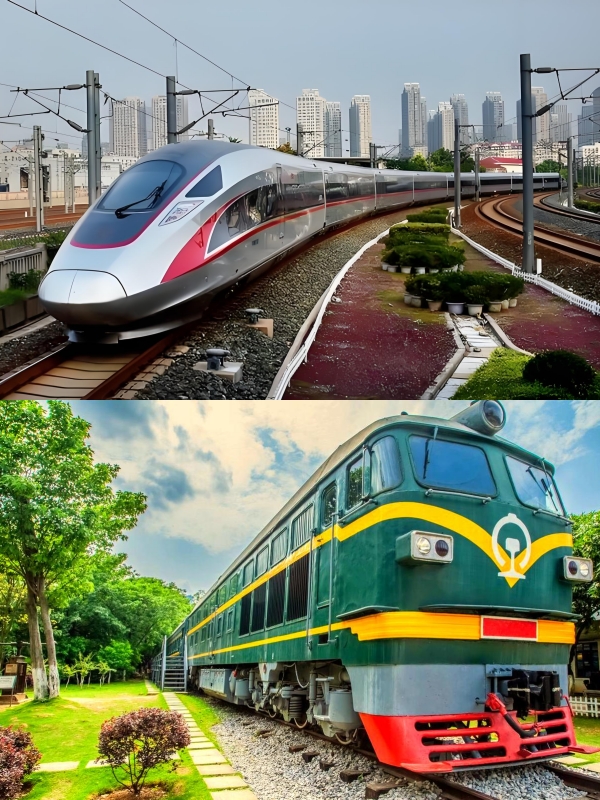
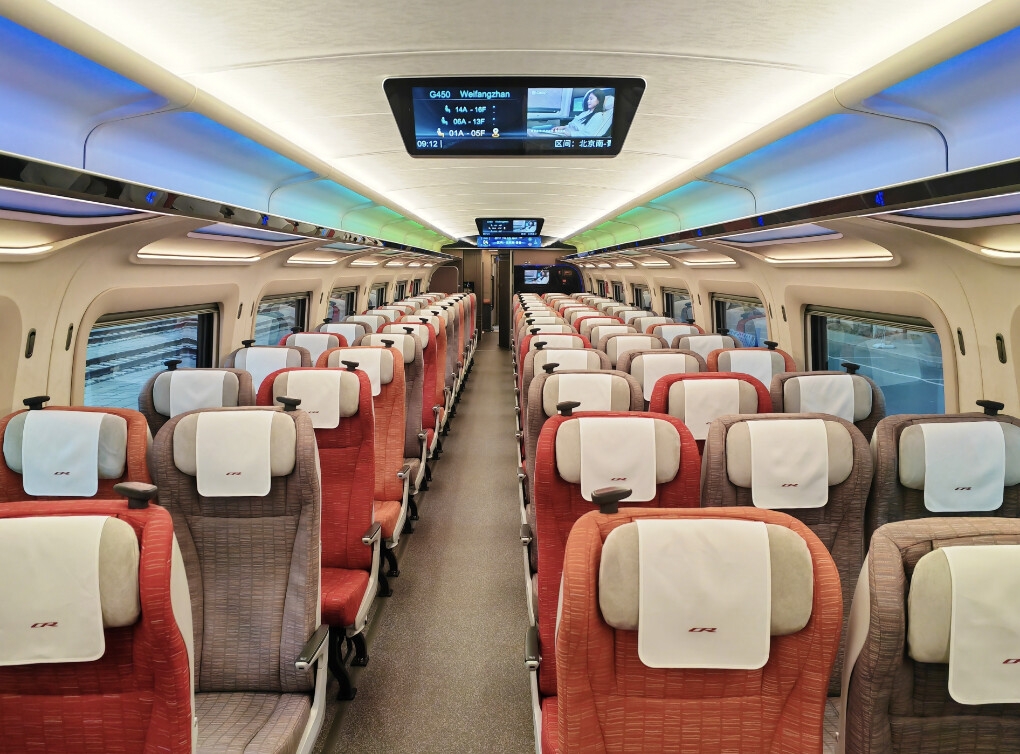
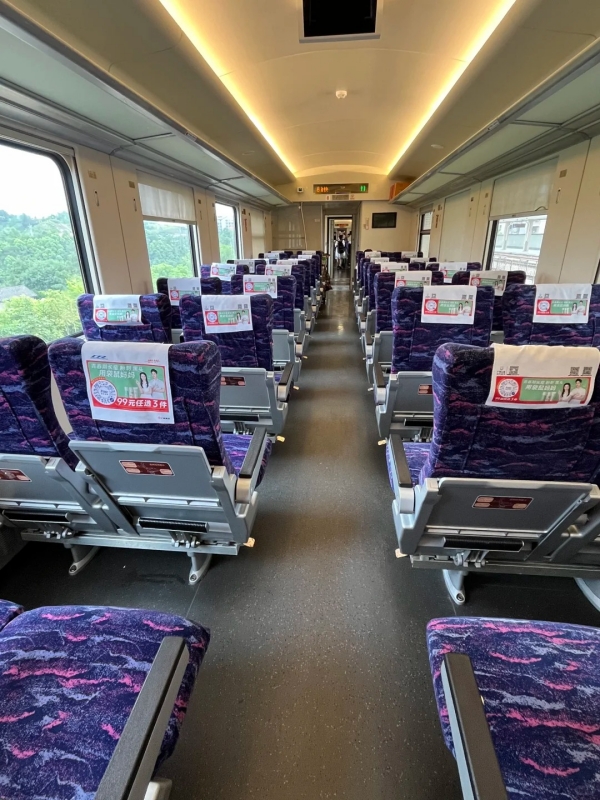
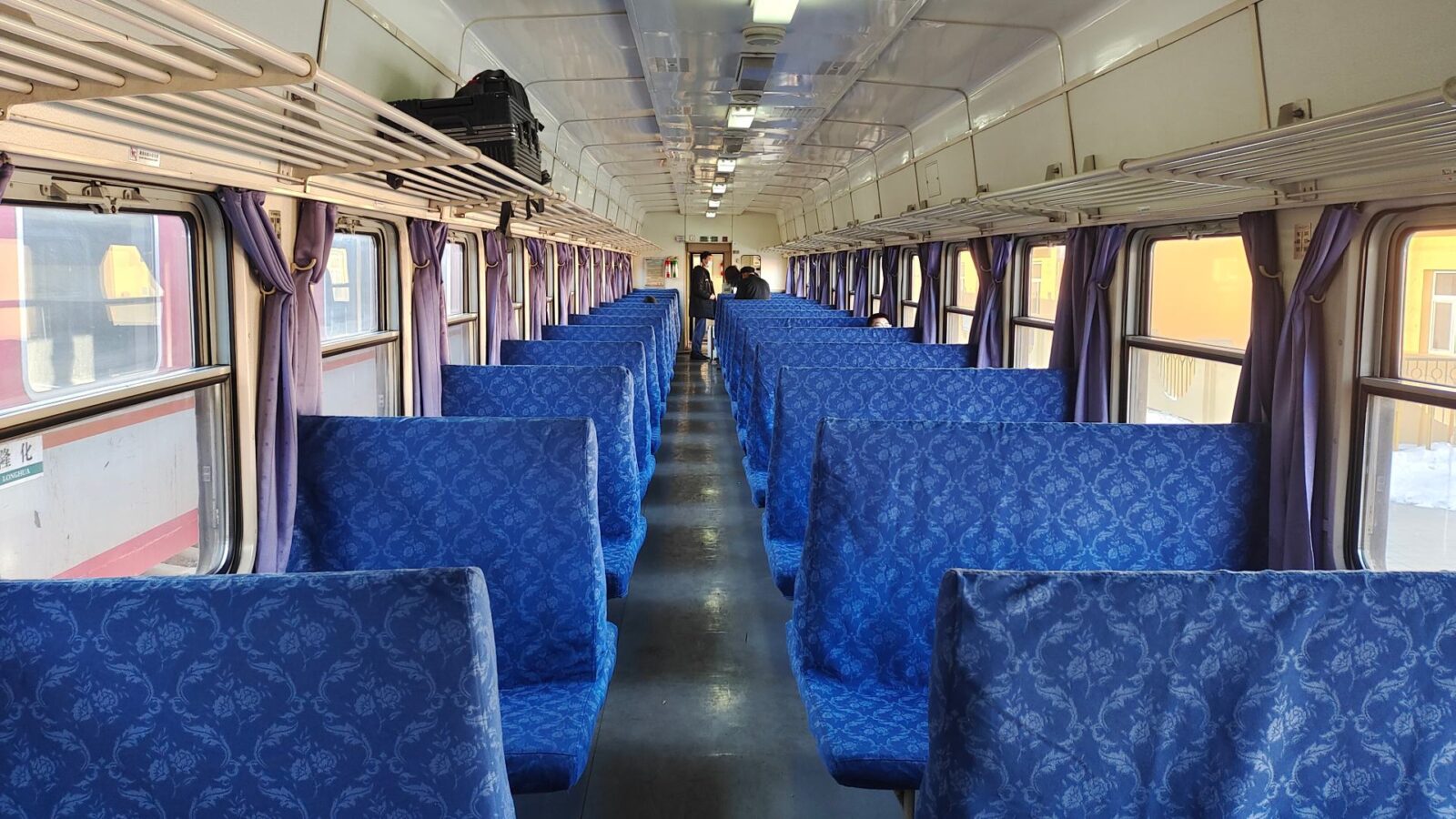
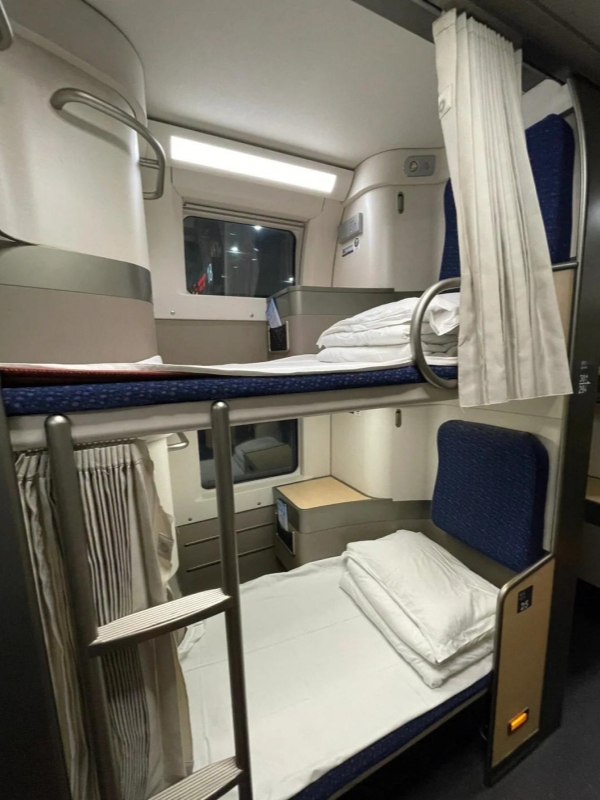
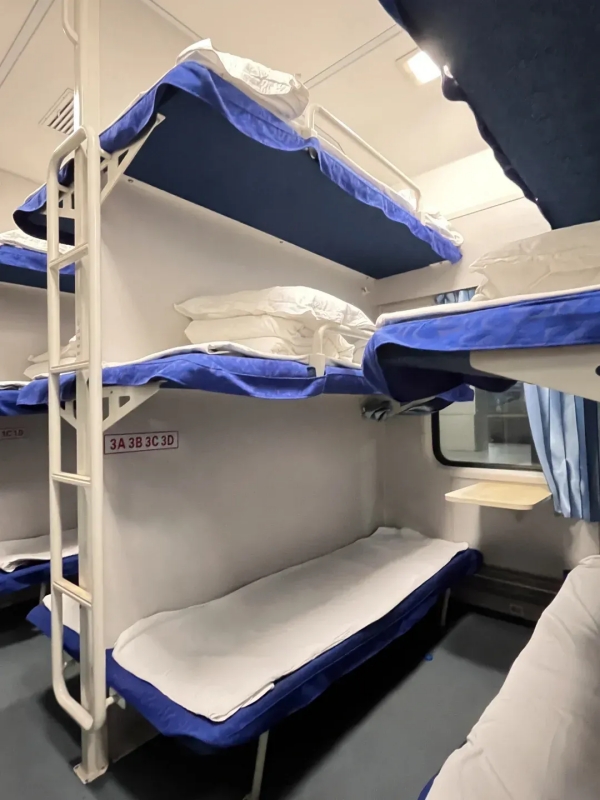
China's high-speed rail (HSR) network is the world's largest, stretching over 45,000 km. For most intercity trips under 1,000 km, it is simply the smartest way to travel — fast, punctual, and city-center to city-center.
① Core Advantage: The 3-Hour Rule — Why Rail Beats Flying
🚄 The 3-Hour Rule — How It Actually Works
- Any HSR journey under 3 hours is faster door-to-door than flying.
- Trains depart from city centers — no 2-hour airport check-in, no transit to a suburban airport.
- China's rail punctuality rate exceeds 95%, consistently outperforming domestic flight reliability.
- Over 8,000 trains now offer dedicated silent carriages for a more comfortable ride.
- For routes like Beijing–Xi'an or Shanghai–Nanjing, the airport is simply the wrong choice.
✅ Choose high-speed rail when:
- The journey is under 1,000 km and both cities have direct HSR connections
- You want seamless city-center to city-center travel — no airport terminals, no transit buses
- Punctuality matters — HSR is far more reliable than domestic flights on short-to-medium routes
- You are traveling as a group or with luggage — no weight limits, no baggage fees
❌ Rail is not the answer when:
- Distance exceeds 1,000 km and there is no suitable overnight sleeper option
- Your destination is in western China — Lhasa, Urumqi, Lijiang, or Dunhuang
- Time is critical and the price gap between train and flight is negligible
② Network Overview & Key Routes
The HSR network nowadays connects virtually every significant Chinese city with G-trains (maximum speed 350 km/h) and D-trains (250 km/h). The most heavily travelled routes for foreign visitors are given below, along with reference journey times and 2nd class fares.
| Route | Train Time | 2nd Class Cost | Verdict |
|---|---|---|---|
| Beijing → Shanghai | 4h 30min | ¥553 | Train wins (city-center to city-center) |
| Shanghai → Hangzhou | 1h | ¥73 | Train wins — no flight needed |
| Guangzhou → Shenzhen | 30min | ¥79 | Train wins by far |
| Beijing → Xi'an | 4h 30min | ¥515 | Train wins vs. flying total time |
| Shanghai → Chengdu | ~11h (sleeper) | ¥370 soft sleeper | Fly if time-sensitive |
Second class is the standard choice for most travelers — comfortable, well-spaced seats comparable to business class on many foreign trains. First class and business class are available on all G-trains for those who want more space or a dining-car experience.
③ Booking Guide & Station Tips
Three reliable methods exist for purchasing HSR tickets as a foreigner. Choose based on how far in advance you are planning and your comfort with Chinese-language interfaces.
Trip.com (Recommended) — English interface, ¥15 service fee per ticket
- Confirmation email includes train number, seat number, and gate information
- Automatic re-queuing when tickets sell out — essential during Chinese national holidays
- Cancellation and refund process is smooth and foreigner-friendly
12306 App (Official) — No booking fee, but Chinese interface
- The cheapest option when tickets are available directly
- Requires patience to navigate; passport registration can take extra steps for foreigners
Station Counter — No app required, passport pickup on the day
- Present your passport at the ticketing window and receive a physical ticket
- Arrive 60+ minutes early to account for queue time, especially at major hubs
💡 Tip: Arrive at any major station at least 1 hour before departure. Boarding gates close 5–10 minutes before train time. Security screening and passport checks at the entrance are non-negotiable steps that add time.
📚 Related Guides on Train Travel
| [How to Book Train Tickets in China (Complete Foreigner's Guide 2026)] | Step-by-step booking on 12306, Trip.com, and at the counter |
| [Chengdu East Railway Station — Traveler's Complete Guide 2025] | Station layout, connections, and transit tips for international visitors |
| [Kunming South Station — China to Laos in Under 10 Hours] | Gateway to Southeast Asia via the Laos-China Railway |
Domestic Flights (Intercity)
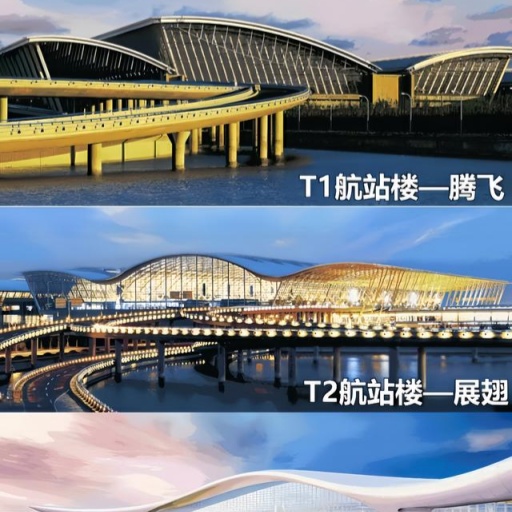
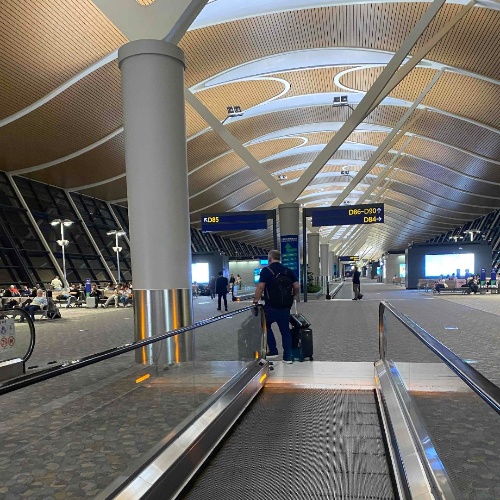
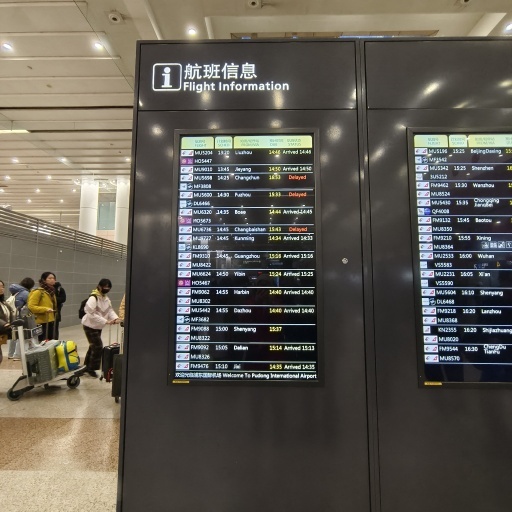
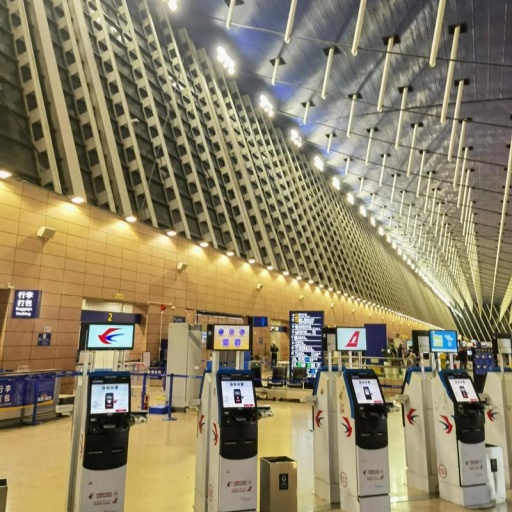
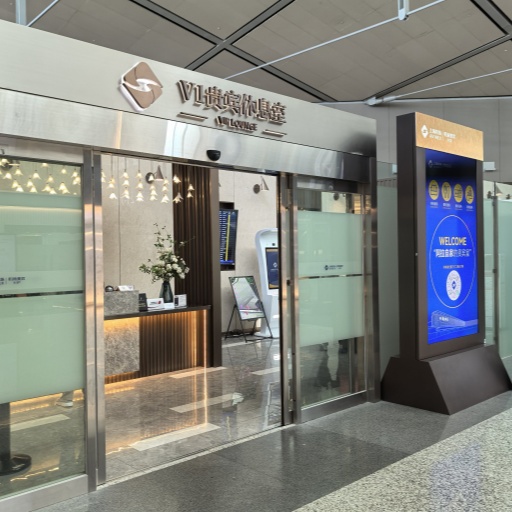
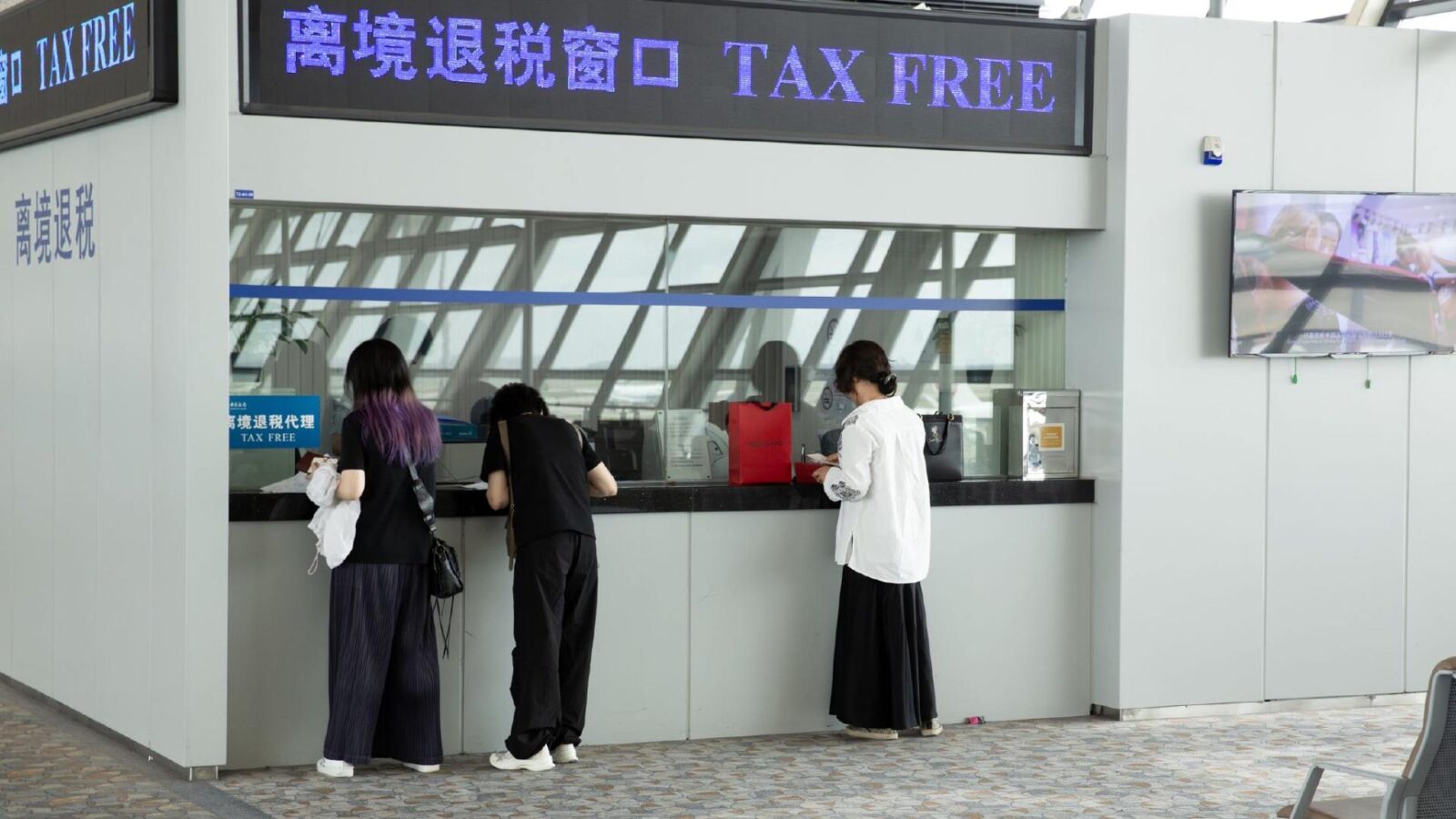
Domestic flights become the clear choice when distance pushes past 1,000 km or when your route heads into China's vast western regions — places where high-speed rail simply does not yet reach.
① Core Advantage: When Flying Is the Only Sensible Choice
The decision between rail and air almost always comes down to distance and destination type. Use this framework before you book. For western China, flying is frequently not a preference — it is a necessity.
✅ Choose a domestic flight when:
- Distance exceeds 1,000 km and no overnight sleeper train fits your schedule
- Your destination is in western China — Lhasa, Urumqi, Lijiang, or Dunhuang
- Time is the overriding factor and the price difference between plane and train is small
- You need to connect multiple far-flung cities in a short itinerary window
❌ A flight adds unnecessary friction when:
- The HSR journey is under 3 hours — total door-to-door time favors the train
- Both cities sit on a direct high-speed rail line (most major tourist cities do)
- You are arriving with heavy luggage — rail has no baggage weight limits or fees
- Your schedule has flexibility and train reliability matters more than marginal time savings
② Key Airports & Major Carriers at a Glance
China has a vast domestic air network, and the six airports below are the only airports likely to be of interest to foreign travelers. Your destination city has major terminuses that directly affect how you plan your ground transport see where to go.
| City | Airport Name | IATA | Key Notes for Travelers |
|---|---|---|---|
| Beijing | Daxing International | PKX | New, modern terminal; closer to south Beijing |
| Beijing | Capital International | PEK | Older hub; most international arrivals land here |
| Shanghai | Pudong International | PVG | Maglev train connects to metro in 8 minutes |
| Guangzhou | Baiyun International | CAN | South China hub; direct metro link to city center |
| Chengdu | Tianfu International | TFU | Main gateway for West China; newer terminal |
| Xi'an | Xianyang International | XIY | Key for Silk Road travel; metro link in service |
✈️ China's Three Major Carriers — each with a distinct strength:
- Air China (CA) — National carrier; strongest Beijing hub and international connections.
- China Eastern (MU) — Shanghai-based; comprehensive domestic and Asia-Pacific coverage.
- China Southern (CZ) — Guangzhou hub; largest fleet and the broadest domestic route network.
Hainan Airlines consistently earns strong passenger satisfaction ratings and is worth considering for longer domestic routes where cabin comfort matters.
③ Booking & Airport Navigation Guide
Major Chinese airports offer excellent English signage and staffing. The language barrier that feels real on city streets largely disappears inside airport terminals — you can navigate arrivals, departures, and connections with confidence.
Booking domestic flights: Trip.com offers a full English interface with international card payment and is the simplest option for foreigners. Ctrip and direct airline apps also work well once you have AliPay or WeChat Pay set up.
Airport to city center — best options by hub:
- Beijing Capital (PEK): Airport Express rail to Dongzhimen in 25 minutes — ¥25
- Beijing Daxing (PKX): Metro Line 19 direct to the city center
- Shanghai Pudong (PVG): Maglev to metro in 8 minutes at ¥50; metro Line 2 all the way
- Guangzhou Baiyun (CAN): Metro Line 3 direct to city center — fast and cheap
- Other cities: DiDi is typically the best balance of speed, price, and ease
💡 Tip: Don't worry about the language barrier at major Chinese airports. English communication is standard, signage is bilingual throughout, and staff at information desks are trained for international passengers. You can travel with total confidence.
📚 Related: Airport Guides
| [Beijing Airport Transfer 2025: Best Ways to Get from Airport to City] | PEK & PKX — metro, express train, taxi, and DiDi options compared |
| [Shanghai Pudong International Airport Guide 2026] | Flights, transit, shopping, Maglev, and foreigner-friendly hotel tips |
| [Zhangjiajie Airport Guide for Foreigners] | Getting in and out of the Avatar Mountains gateway airport |
| [Wushan Airport in Chongqing — China's Cloud-Top Terminal] | Unique high-altitude airport serving Three Gorges visitors |
Metro Systems (In-City)
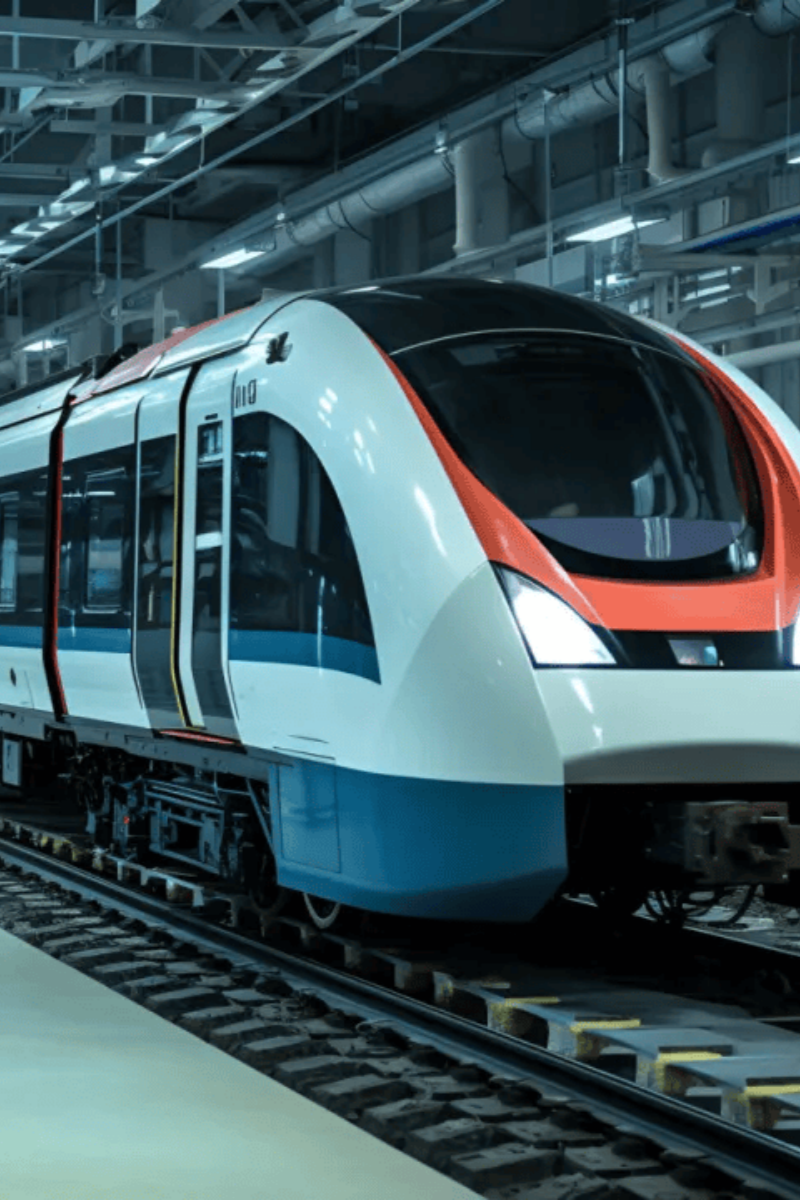
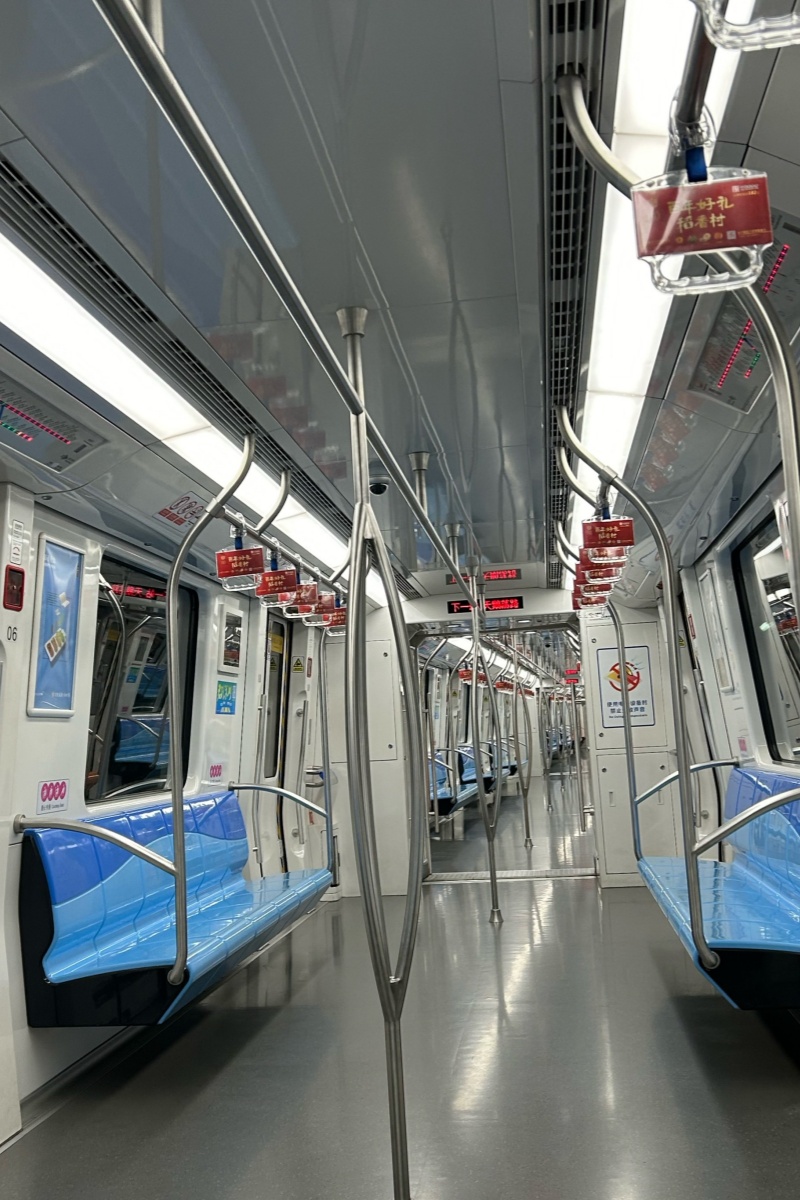
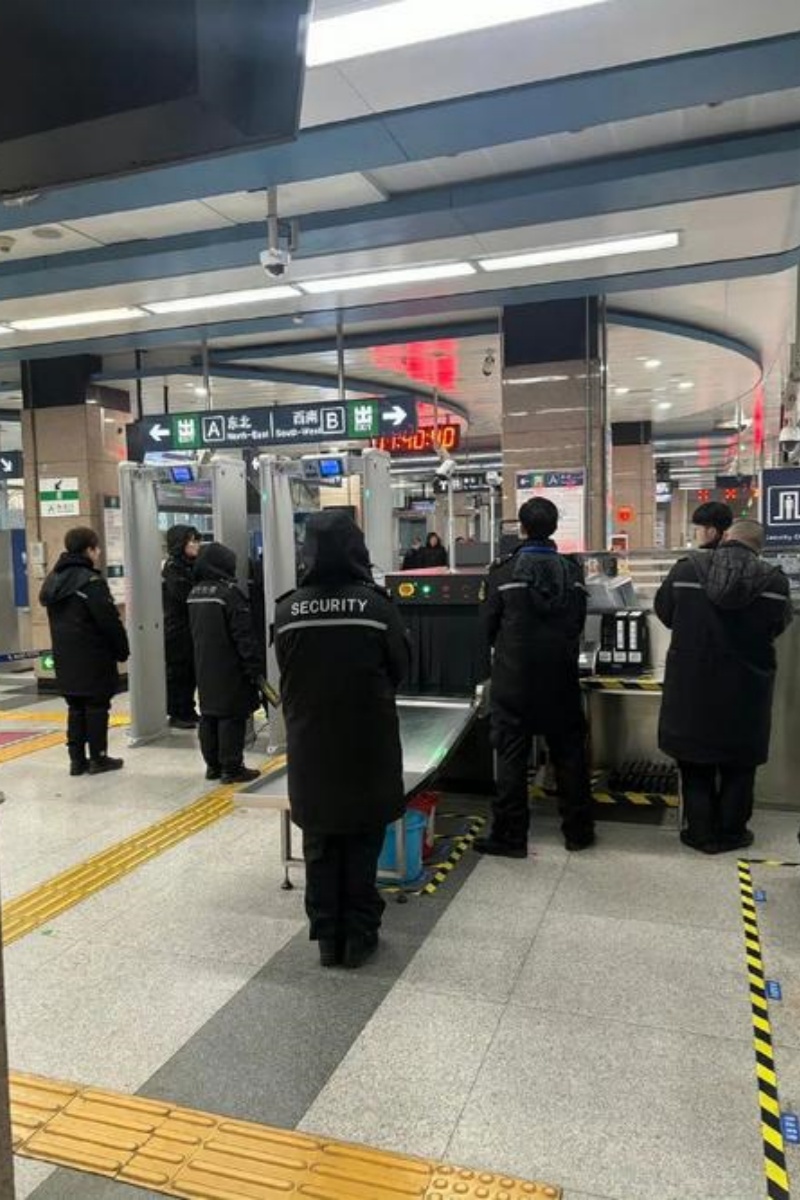
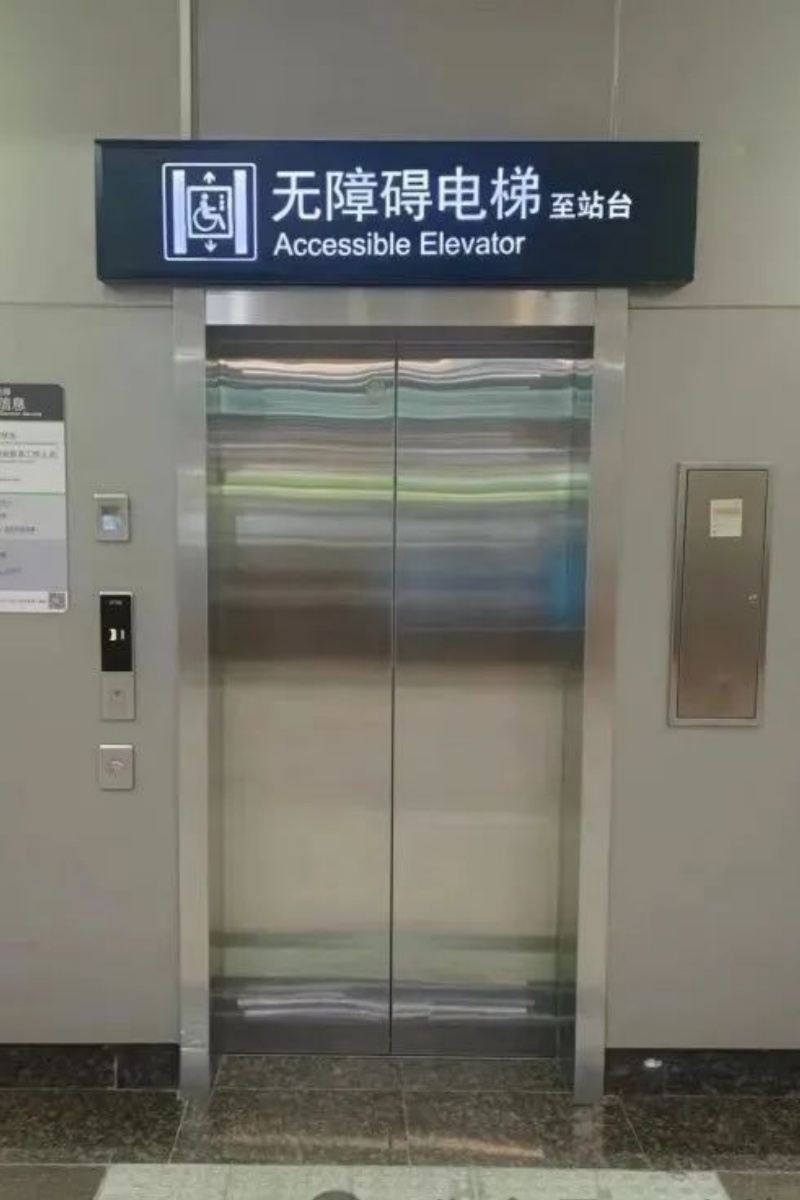
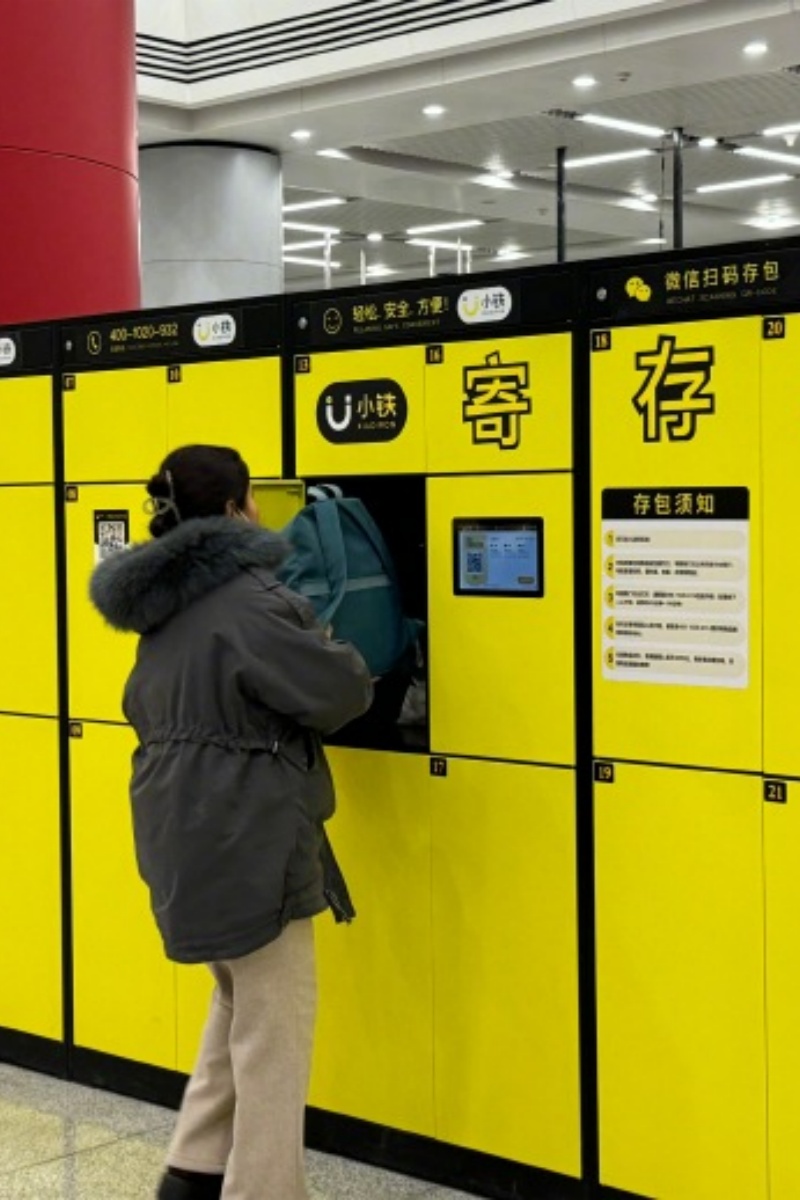
For getting around inside Chinese cities, the metro is the default answer. It is fast, cheap, safe, and runs with English signage in every major destination city. Once you understand the payment system, it becomes effortless.
① Core Advantage: Unbeatable Speed, Cost, and Predictability
“Nothing in the cities of China compares to the low cost, the traffic immunity and the reliability of the metro, which at peak hours when the surface roads are clogged in gridlock travels on its own schedule completely unaffected. This is precisely when we are needing transport.”
✅ Default to the metro when:
- Any two points on your itinerary are connected by a line — check Gaode Maps first
- It is rush hour (7–9am or 5–8pm) — the metro is completely immune to surface congestion
- Cost is a factor — metro fares are the lowest available option in every city
- You are traveling to or from an airport that has a metro link (most major cities do)
- You have a fixed schedule to keep — metro timetables are fully reliable
⚠️ Consider DiDi or a taxi instead when:
- The metro has closed for the night (typically 23:00–23:30, varies by city)
- Your destination sits more than 15–20 minutes' walk from the nearest station
- You are carrying heavy luggage and stairs/transfers would be impractical
- Your group is large enough that DiDi's cost per person rivals the metro fare
② Metro Networks Across Major Tourist Cities
🚇 China's Metro Systems at a Glance
- Over 50 Chinese cities now operate metro systems.
- All major tourist destinations offer English signage, bilingual announcements, and AliPay QR entry.
- Fares are universally low: ¥2–10 per journey regardless of city.
- Children under 1.2m ride for free on all systems nationwide.
| City | Lines | Key Feature for Tourists | Airport Link? |
|---|---|---|---|
| Beijing | 27 | Full English signage; foreign card tap-in (Visa/MC) | Yes (Line 19 to Daxing) |
| Shanghai | 20+ | World's largest network; extends to Pudong & Hongqiao | Yes (Line 2) |
| Guangzhou | 16 | Clean and modern; links Canton Fair venues | Yes (APM / Line 3) |
| Shenzhen | 16 | Excellent app integration; connects to HK border | Yes (Line 11) |
| Chengdu | 13 | Fast-expanding; reaches Panda Base and Tianfu | Yes (Line 18) |
| Hangzhou | 12 | Direct links to West Lake area and major tourist spots | Yes (Line 1) |
The metro is the most consistent in-city option across China. In Shanghai, the network extends across the entire metropolitan area. In Beijing, 27 lines cover virtually every tourist site. About Chengdu and Hangzhou, newer networks are fast-expanding and reach the key attractions visitors care about most.
③ Digital Payment & Gate Entry: Step-by-Step
The entry process is identical in every Chinese city. Set up AliPay once before you travel and the same steps work in Shanghai, Beijing, Chengdu, or Hangzhou. You will be through the gate in under 30 seconds.
- Pass through security at the station entrance — bag on the X-ray belt, walk through the detector
- Open AliPay → tap "Transport" → select your current city → a QR code appears
- Hold the QR code up to the scanner on the turnstile gate — the gate opens instantly
- Follow bilingual (English + Chinese) signs to your line number and platform direction
- Board the train — doors open fully and close with a clear audible chime
- At your exit station, scan your QR code again at the gate — fare is auto-deducted by distance
Payment alternatives if you haven't set up AliPay yet:
- Beijing metro: Visa / Mastercard contactless tap works directly at gates — note the fare is slightly higher than AliPay
- Physical transport card: Buy at any station kiosk or airport arrivals hall, load with cash, works everywhere in that city
- Single-journey ticket machine: accepts ¥5, ¥10, ¥20 banknotes — use as a last resort
💡 Tip: Avoid eating or drinking inside metro carriages — it is prohibited on most systems and draws strong disapproval. Rush hours (7–9am and 5–8pm) are genuinely crowded in tier-1 cities. Traveling just outside those windows makes a noticeable difference to comfort.
📚 Related: In-City Transport Comparisons
[Taxi vs DiDi vs Metro in China: Which Should You Take?] | Not sure when to switch from metro to DiDi or a taxi? This comparison breaks down every scenario by cost, time, and ease |
DiDi & Taxis (In-City)
-
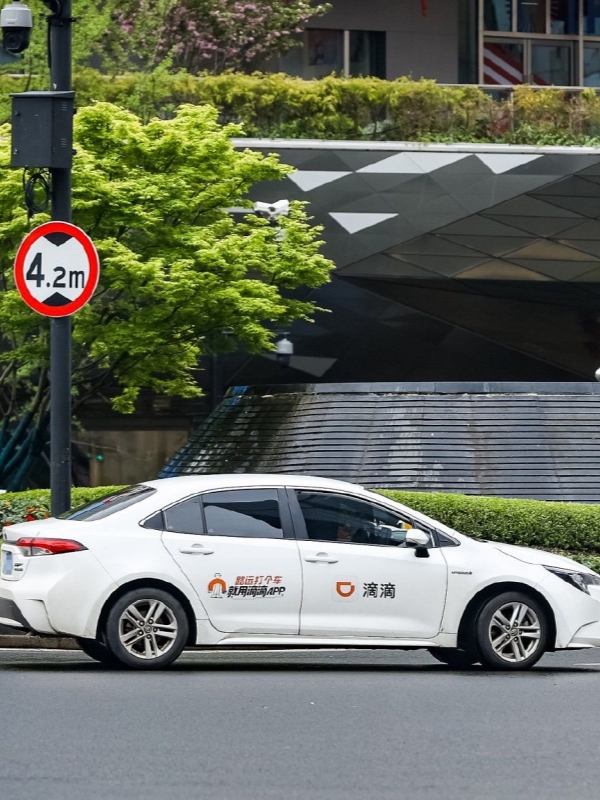

- DiDi Premier
-
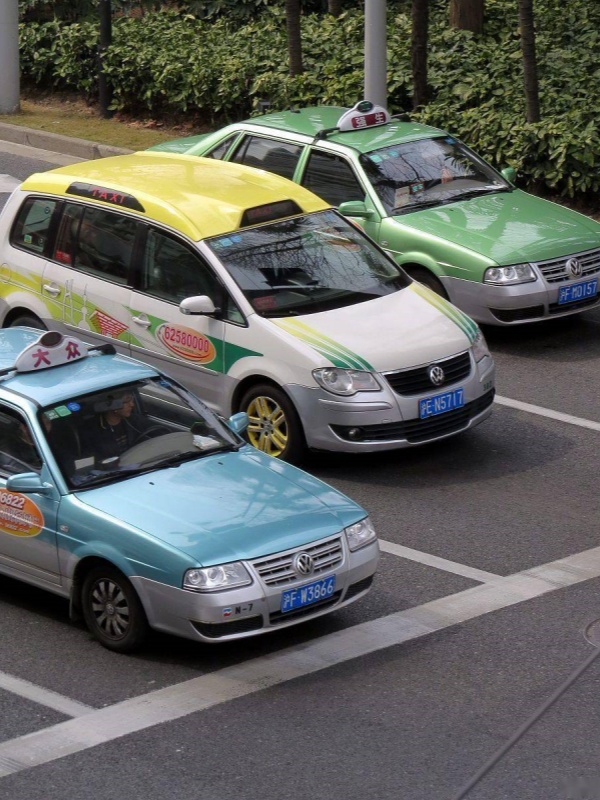
- Taxi in China
-
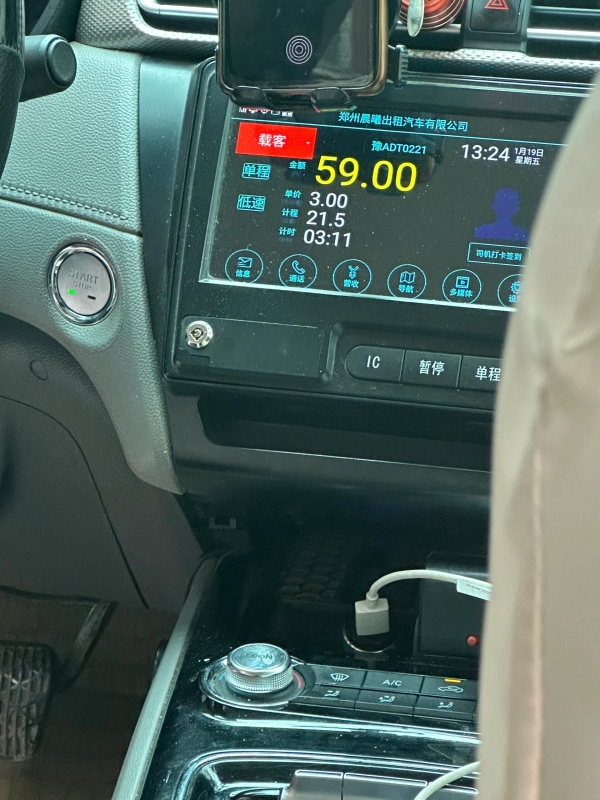
- Taxi Dashboard
Uber does not operate in mainland China. DiDi is the dominant ride-hailing platform with over 550 million registered users — and critically for travelers, it works in English with international payment cards, no Chinese bank account required.
① Core Advantage: Scenario-Matched Door-to-Door Flexibility
DiDi's main win over taxis — for foreign visitors at least — is seeing your price upfront with no confusion if you don’t speak Chinese. You type in your destination in English, see the amount, and when you hit go, it’s all taken care of. No haggling, no meter surprises, no cash.
✅ DiDi is the clear choice when:
- Traveling to or from airports — upfront pricing eliminates metered fare uncertainty
- It is late at night and the metro has stopped running — DiDi operates 24/7
- Your destination is not near a metro station and walking is impractical
- You have luggage or are traveling as a group — spacious vehicles available at fixed fares
- You need to communicate with your driver — the in-app translation function handles this
✅ A street taxi works well when:
- You need a vehicle immediately with no waiting — hailing on the street is instant
- The trip is very short and the DiDi minimum fare makes it proportionally expensive
- Your destination is a major landmark that any driver will know without Chinese text
⚠️ Neither DiDi nor taxi is needed when:
- Your destination is on a metro line — the metro is cheaper and usually faster
- It is rush hour in the city center — surface traffic can make ride-hail very slow
- A shared bike covers the final 1–2 km from a nearby metro station
② DiDi & Taxis: On-Demand Ride Options at a Glance
Both DiDi and taxis fill the gaps where the metro cannot: late nights, heavy luggage, remote locations, and the last stretch between a station exit and your actual destination. Understanding which to use in each scenario saves both time and money.
| Scenario | Best Choice | Approx. Cost | Why |
|---|---|---|---|
| Airport → City center | DiDi | ¥80–150 | Upfront price; no metered surprises |
| Between tourist sights | Metro | ¥3–8 | Fastest during rush hour; no traffic congestion |
| Late night with luggage | DiDi | ¥30–80 | Metro may be closed; DiDi runs 24/7 |
| Quick short trip | Taxi | ¥15–35 | Faster to hail on the street; no app needed |
| Beijing Airport → Sanlitun | DiDi | ~¥100 | vs. ¥130+ taxi meter; ¥25 metro (but slower) |
Traditional metered taxis remain widely available in every Chinese city. They are particularly useful for very short trips or when you need a vehicle immediately without opening an app. The key limitation is communication: the driver almost certainly speaks no English. Always have your destination written in Chinese characters before you get in.
③ Setting Up DiDi & Calling Your First Ride
📱 Two Access Methods — Choose the One That Fits Your Setup
- Method A (WeChat Mini-Program): No separate download. Open WeChat → search "DiDi" → launch the mini-program. English interface. Pay with WeChat Pay linked to your international card.
- Method B (Standalone DiDi App): Download from App Store or Google Play. More features (scheduled rides, premium cars). Link Visa or Mastercard directly in payment settings.
- Both methods accept international cards. WeChat mini-program is faster to set up for first-time users.
Calling a ride — step by step (WeChat Mini-Program method):
- Open WeChat → search "DiDi" in the top search bar → open the mini-program
- Allow location access when prompted — your pickup point appears on the map
- Tap the destination field and type your destination in English
- Select your vehicle type (Express is standard; Premium for more comfort)
- Confirm the upfront fare shown — no surprises at the end
- Your driver's name, car model, and license plate appear once matched
- Walk to the pin location shown — verify the car's plate before getting in
- Payment is fully automatic at the end of the trip
💡 Tip: Always verify the pickup pin in DiDi before confirming. Drivers cannot enter certain mall entrances, gated communities, or restricted zones. Walk to the suggested spot shown on the map — it saves confusion and prevents the driver cancelling on you.
📚 Related: DiDi & Ride-Hailing Guides
| [How to Use DiDi in China 2025: Complete Guide for Foreigners] | Setup, payment with foreign cards, driver communication, and common mistakes to avoid |
| [DiDi vs Uber: Which App Truly Works Best in China?] | Side-by-side comparison of both platforms for travelers visiting mainland China |
Buses, Ferries & Other Ways to Get Around
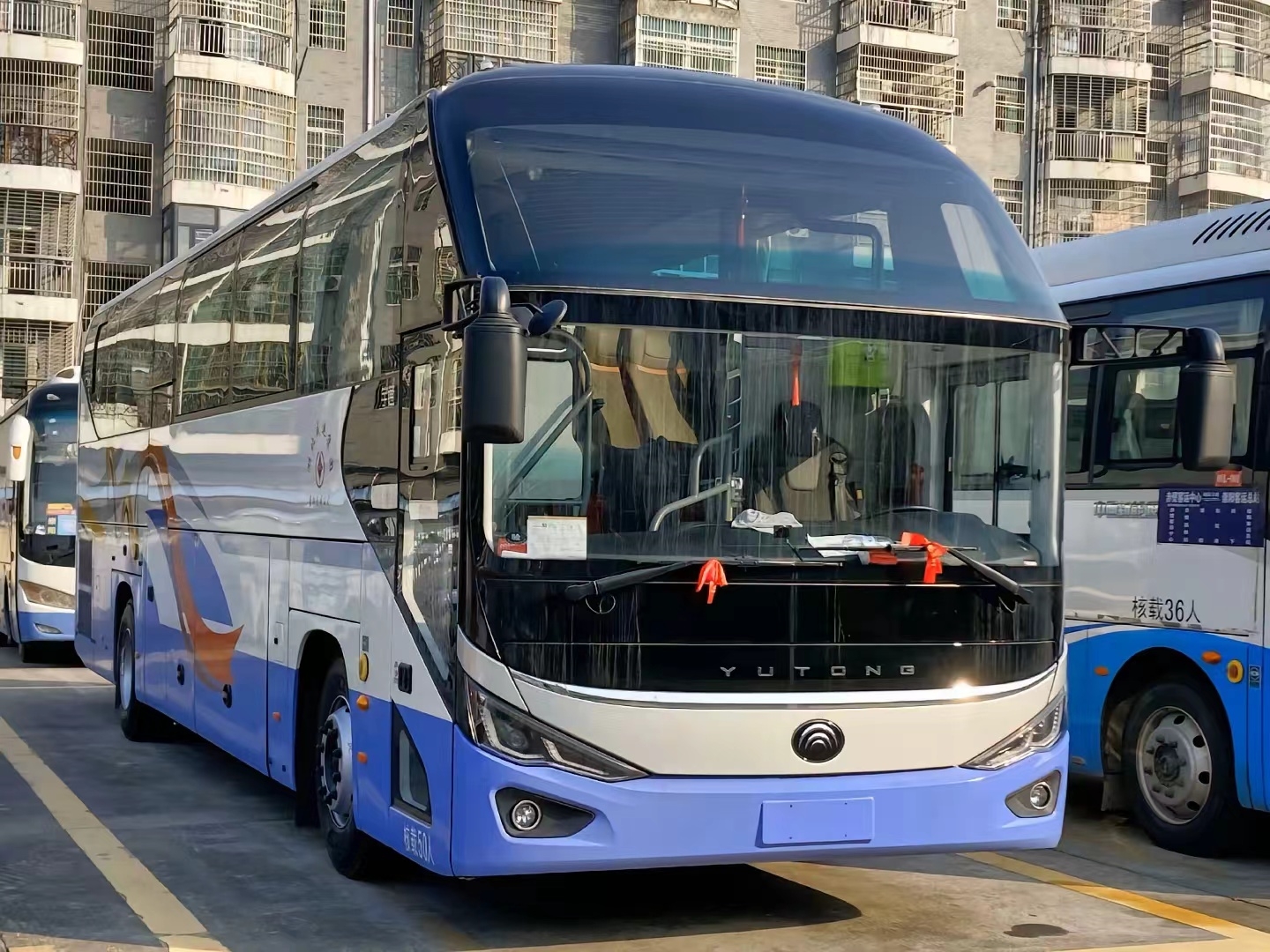
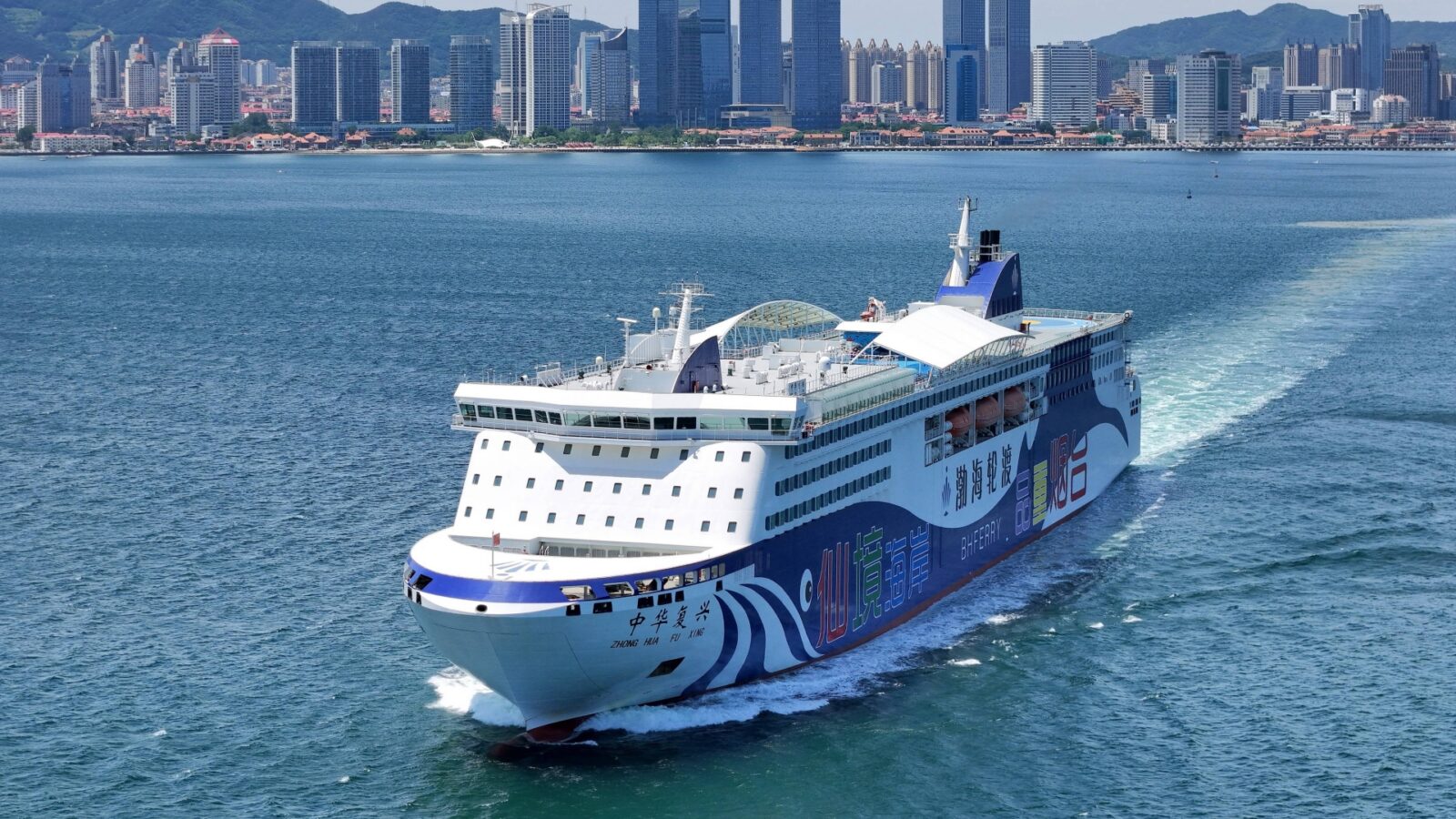
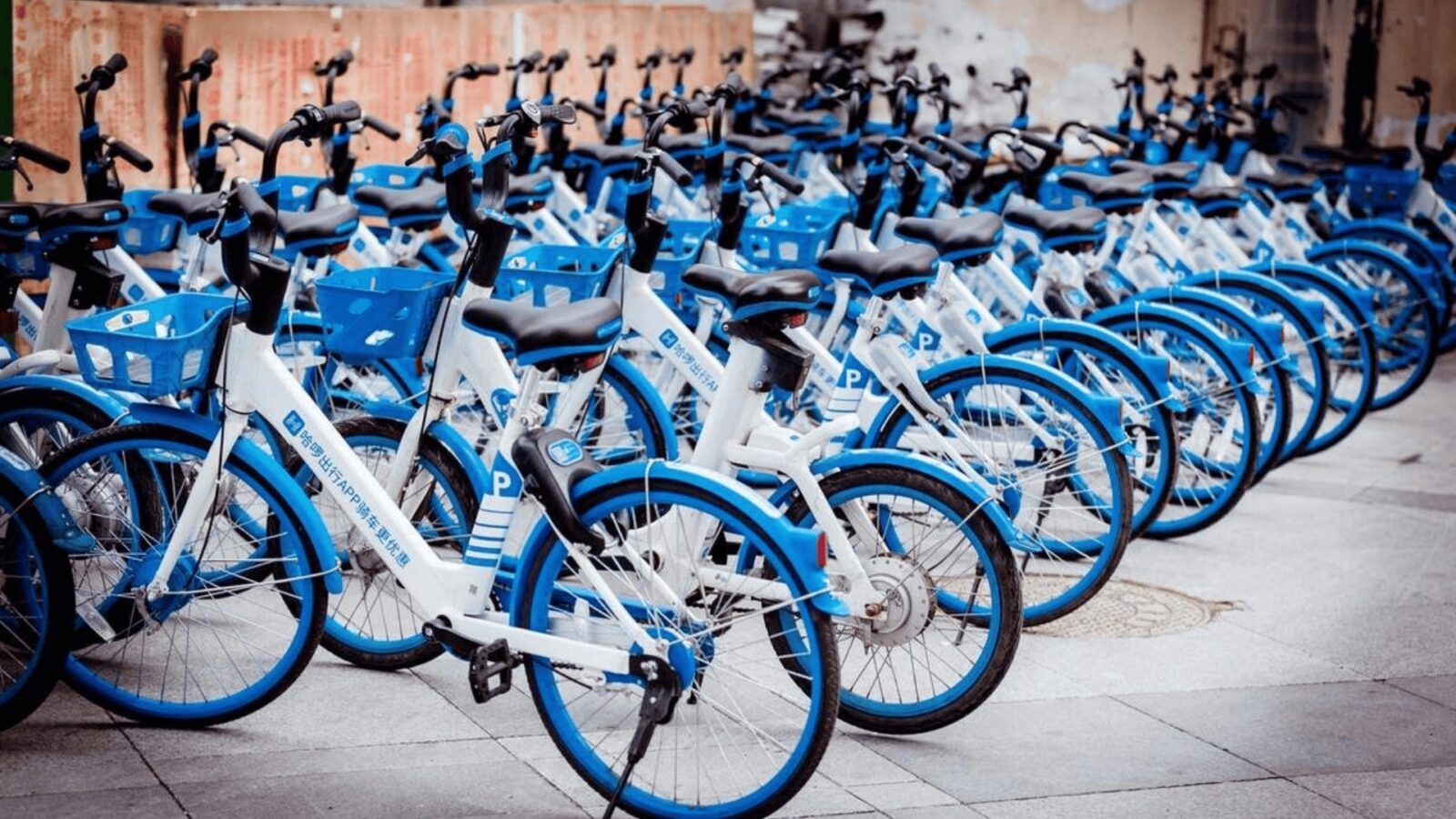
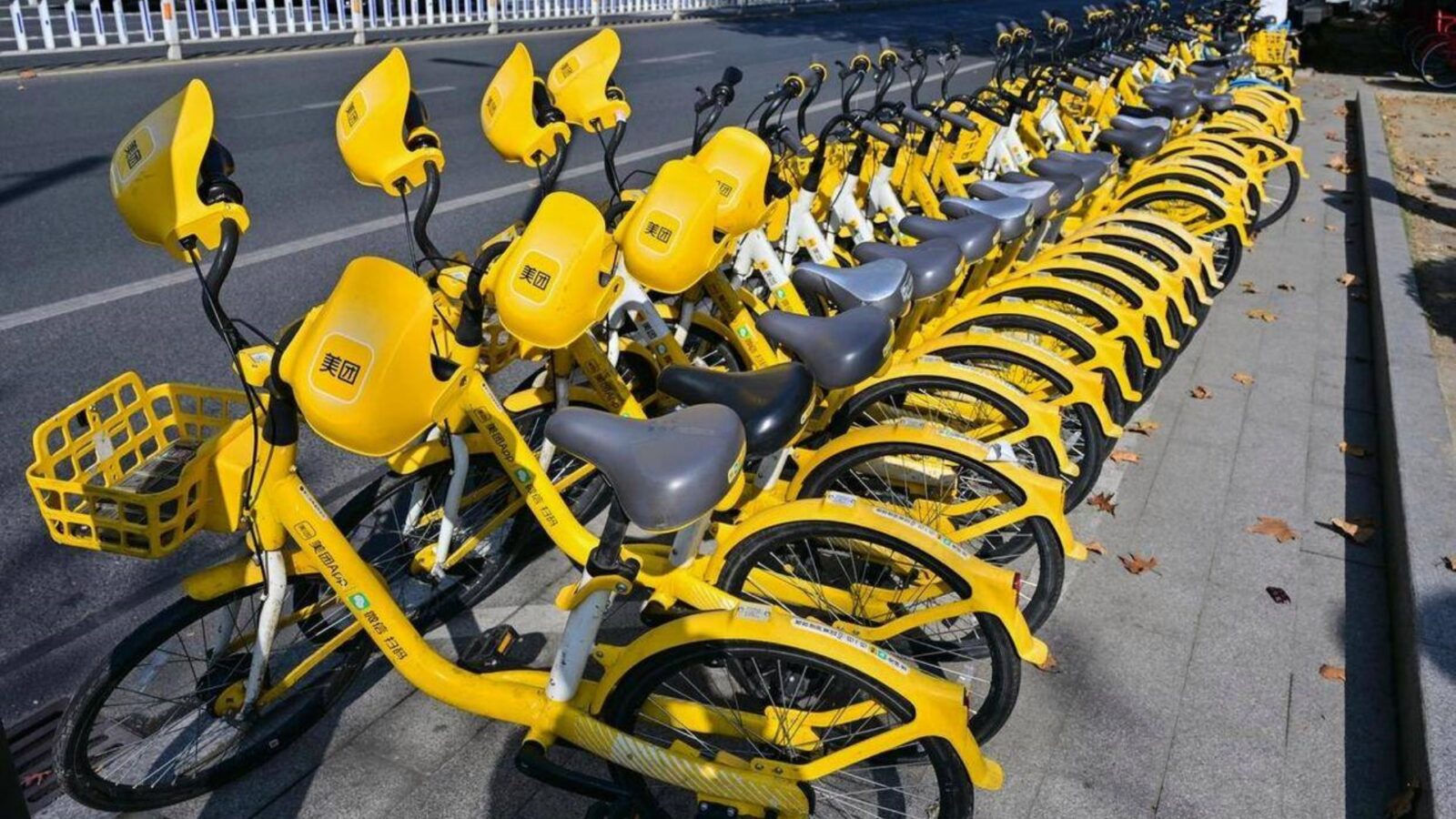
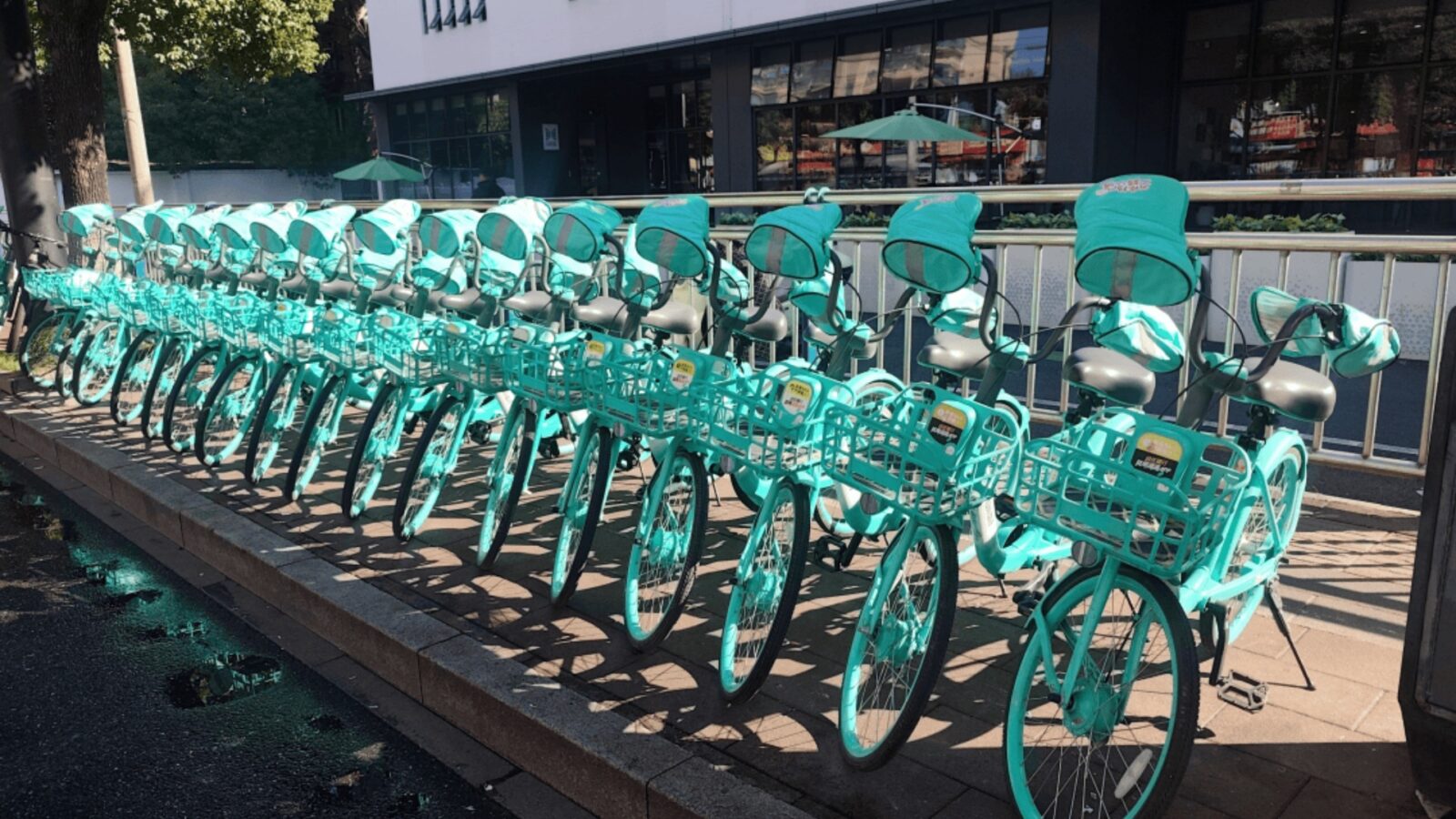
Beyond our headline modes, three other transport types fill in the edges of our system: long-distance coaches for when the railway doesn’t reach, ferries for incredible scenic and urban routes that don’t fit the angular geometry of the metros, and shared bikes for the last-mile problem that are effectively free.
① Core Advantage: Covering the Gaps Beyond Rail and Metro
Each of these three modes has a distinct use case where it becomes not just useful, but often the only viable option. The table below maps the decision clearly:
| Mode | When It's the Right Choice | When to Avoid It |
|---|---|---|
| Long-Distance Bus | Destination has no rail link (rural Yunnan, Guizhou, Tibetan border towns); budget is tight; you want deep local immersion | Any route where a train exists — bus is always slower; English support is minimal; overnight buses are tiring |
| Ferry / Cruise | Yangtze Three Gorges experience; scenic river crossings in Shanghai / HK; you have 3–4 days and slow travel is the point | Tight schedules; no interest in scenic experience; routes where a flight or train is faster |
| Shared Bike | Final 1–3 km from a metro station; narrow hutong alleys cars can't access; quick neighborhood exploration | Heavy luggage; unfamiliar city with no bike lanes; rainy weather; distances over 5 km |
✅ Long-distance bus is the right call when:
- High-speed trains or flights don't serve your destination (Yuanyang, rural Guizhou, Tibetan border towns)
- It is the cheapest available option and you have time flexibility
- You want deep-country immersion and English support is not a priority
✅ Choose water transport when:
- The Yangtze Three Gorges cruise is on your itinerary — this is a must-do experience, not just a commute
- You are in Shanghai or Hong Kong and want to cross a river with skyline views for ¥2–3
- Slow travel is the point and you have 3–4 days to spare between Chongqing and Yichang
② Three Supplementary Modes: Full Picture
🚌 Long-Distance Bus — The Rural Connector
- Connects areas that trains and flights do not reach: Yunnan's Yuanyang rice terraces, rural Guizhou villages, smaller Tibetan towns.
- Cost: ¥50 for short regional routes up to ¥200+ for overnight cross-province journeys.
- Staff rarely speak English. Comfort varies widely between operators.
- Book directly at the dedicated long-distance bus station (separate from train stations).
⛴️ Ferry & Water Transport — Scenic and Urban Crossings
- Yangtze River Cruise: Chongqing to Yichang, 3–4 days through the Three Gorges. One of China's signature travel experiences.
- Shanghai Huangpu River ferry: ¥2, crosses in 10 minutes — beats tunnel traffic with a world-class skyline view.
- Hong Kong Star Ferry: Tsim Sha Tsui to Central for HK$3 — an iconic urban crossing.
- Limited English support; book cruises in advance through Trip.com or specialist agents.
🚲 Shared Bikes — The Last-Mile Solution
- Bikes are parked at virtually every metro exit in major Chinese cities.
- Cost: ¥1.5–2.5 per 30 minutes. Requires AliPay to unlock.
- Major providers: Hello Bike (哈啰), Meituan Bike, DiDi Bikes.
- Works best for the 1–3 km gap between a metro station and your actual destination.
③ Practical Usage Guide for Each Mode
🚌 Long-Distance Bus — How to Board:
- Locate the long-distance bus station (客运站) — it is always separate from the train station
- Go to the ticketing window directly — bring your passport
- Buy your ticket on the day or the day before; rural routes rarely sell out
- Carry ¥100–200 in cash — some stations do not accept mobile payment
- Confirm departure bay number (站台号) from your ticket or by asking staff
- Keep your ticket throughout the journey — inspectors may check mid-route
💡 Tip: For remote destinations in Yunnan or Guizhou, ask at your guesthouse about private minibus services (小面包车). These run more frequently than official coaches and are often faster, though you book them on arrival rather than in advance.
🚲 Shared Bike — How to Unlock via AliPay:
- Make sure AliPay is set up with an international card and your real-name verification is complete
- Open AliPay → search "Hello Bike" (哈啰) or "Meituan Bike" (美团单车)
- The app shows bikes near you on a map — walk to the nearest one
- Tap "Scan to Unlock" — scan the QR code on the bike's handlebar lock
- The lock releases automatically — check brakes briefly before riding
- At your destination, park within a white-line designated zone shown in the app
- Tap "End Ride" in the app — fare is deducted automatically
💡 Tip: Always park within a designated white-line zone visible on the app map. Parking outside approved areas triggers an automatic penalty fee of ¥5–20. The app will flag whether your parking spot is valid before you close the trip — always check.
Digital Essentials: Must-Have Apps & Payment Setup
The apps you install before arriving determine how smooth your entire transportation experience in China will be. Two apps are non-negotiable: AliPay and WeChat. Everything else builds from there.
| App | Primary Transport Use | Foreign-Friendly? | Key Note |
|---|---|---|---|
| AliPay | Metro QR entry, bus, payments | ✅ Yes — Visa/MC accepted | Most essential app. Set up transport code per city. |
| DiDi mini-program, payments | ✅ Yes — international card | DiDi lives inside WeChat. Also your main messaging tool. | |
| Trip.com | Train ticket & flight booking | ✅ Yes — full English | Best platform for booking intercity travel in advance. |
| Gaode Maps (高德) | Navigation, transit directions | ⚠️ Partial English | Most accurate maps for mainland China. |
| Baidu Maps (百度) | Navigation, transit routes | ⚠️ Partial English | Strong alternative; excellent at finding transit connections. |
| 12306 | Official train ticket booking | ⚠️ Mostly Chinese | Useful for checking schedules; booking easier via Trip.com. |
💡 Tip: Google Maps does not work in China. Do not rely on it. Install Gaode Maps or Apple Maps (which uses domestic map data inside China) before your arrival. Both give accurate transit directions across all cities.
International card payment hierarchy — from best to backup:
- AliPay (Best overall): Link Visa or Mastercard. Works for metro QR entry, buses, DiDi, and most in-store purchases nationwide.
- WeChat Pay: Also accepts international cards. Most useful via DiDi mini-program and daily spending.
- Physical Transport Card: Buy at station kiosks. Load with cash. Works universally for metro and buses in that city. No phone required — ideal backup.
- Foreign Credit Card (Contactless): Beijing metro now accepts Visa/Mastercard tap directly at gates. Slightly higher fare than AliPay. Other cities rolling out gradually.
FAQs — Your Top Transportation in China Questions Answered
Q: What is the main transportation in China?
For intercity travel, high-speed rail dominates transportation in China — it is fast, affordable, and connects every major city. Inside cities, the metro is the primary option for most travelers. Between these two modes, you can cover the vast majority of your itinerary without needing anything else.
Q: What is the 3-hour rule in China?
The 3-hour rule is a practical travel guideline for transportation in China: any high-speed train journey under 3 hours is faster door-to-door than flying. Trains depart from city centers, require no 2-hour check-in, and maintain punctuality above 95%. For routes like Beijing–Xi'an or Shanghai–Nanjing, skip the airport entirely.
Q: What is used in China instead of Uber?
DiDi is the dominant ride-hailing platform for transportation in China. It replaced Uber after Didi acquired Uber China in 2016. As a foreigner, you can access DiDi directly through a WeChat mini-program — no separate app needed. The interface works in English and accepts international payment cards without a Chinese bank account.
Q: Can foreigners use DiDi in China?
Yes — foreigners can use DiDi easily for transportation in China. Open the DiDi mini-program inside WeChat, enter your destination in English, and pay with an international card. The app includes an in-built translation tool for communicating with drivers. No Chinese phone number is required if you access DiDi through the WeChat mini-program route.
Q: How much does public transport cost in China?
Public transportation in China is genuinely affordable. Metro rides cost ¥2–10 per journey. City buses run ¥1–3. DiDi trips start around ¥15 and reach ¥50 for cross-city rides. High-speed train tickets between major cities range from ¥70 (Shanghai–Hangzhou) to ¥600 (Beijing–Shanghai 2nd class). See the Quick Reference Table at the top of this guide for full comparisons.
Q: What maps app works in China?
Google Maps does not reliably work in China for transportation in China planning. Use Gaode Maps (高德) or Baidu Maps instead — both offer transit routing with metro and bus directions. Apple Maps uses local Chinese map data inside China and works well. Gaode is the most accurate and is available with a basic English interface on iOS and Android.
Q: Do I need cash for public transportation in China?
For modern transportation in China, you rarely need cash. AliPay and WeChat Pay handle virtually everything — metro, buses, DiDi, and taxis. However, carry ¥100–200 as an emergency reserve. Long-distance bus stations and rural transport sometimes require exact cash. Ticket vending machines accept 5, 10, and 20 RMB banknotes if you need a physical subway ticket.
Q: Is China's public transport safe for tourists?
Transportation in China is consistently rated as very safe for foreign travelers. All metro stations have security screening at entry — bag X-ray and metal detector. Train stations also screen passengers and luggage before boarding. Petty theft is uncommon on public transport. Keep your phone and wallet in a front pocket during rush hour, as in any crowded city.
Q: Can I use my credit card on China's metro?
In Beijing, Visa and Mastercard contactless payments now work directly at metro turnstiles — a significant upgrade for transportation in China accessibility. However, the tap fare is slightly higher than using AliPay. Other major cities have not yet rolled this out universally. Set up AliPay as your primary method; treat the credit card as a convenient backup for Beijing specifically.
Q: What is the best way to get from the airport to the city center?
The best airport-to-city options vary by destination for transportation in China arrivals. In Beijing, take Line 19 metro from Daxing (PKX) or the Airport Express from Capital (PEK) — both are fast and cheap. In Shanghai, the Maglev from Pudong to metro takes 8 minutes at ¥50. But in most other cities, DiDi offers the best balance of speed, price, and convenience.