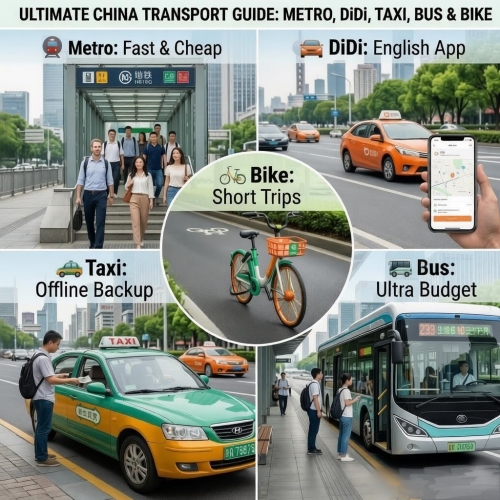
Taxi vs DiDi vs Metro in China
Moving around in China can be a daunting task when you realize that in terms of distance cities tend to be bigger than any city in the West and the rules around transport change at every stop. The key to a happy trip across China is to master the balance of Taxi or DiDi or Metro, because what works seamlessly in mega-city Shanghai could be a miserable failure in tourist hot spots in second and third tier cities. While tier-1 cities like Shanghai do have world class metros that beat any road traffic, in popular destinations like Sanya or Lijiang there is no metro, meaning a total reliance on taking taxis or DiDis! We give you the most practical way to get across China without losing your mind.
China's Urban Transit: Comparing 5 Key Modes
| Mode | Price Range | Wait Time | Language Barrier | Best For | City Coverage |
|---|---|---|---|---|---|
| Metro | ¥2–6 / ride | Almost none | Very low (English signs) | Sightseeing, rush-hour commute | 40+ cities; best in tier-1 |
| DiDi | ¥12–40 | 3–10 min | Low (English app) | Late night / luggage / remote areas | Most cities nationwide |
| Taxi | ¥10–50 | Street hail | High (drivers rarely speak English) | Airport queues / no internet | Nationwide |
| Bus | ¥1–2 / ride | 5–15 min | High (Chinese-only signs) | Ultra-budget / scenic slow rides | Nationwide |
| Bike-sharing | ¥1.5–3 / hr | Instant | Very low (Alipay scan) | Short trips / hutongs / parks | Most cities |
Metro Systems in Major Cities
-
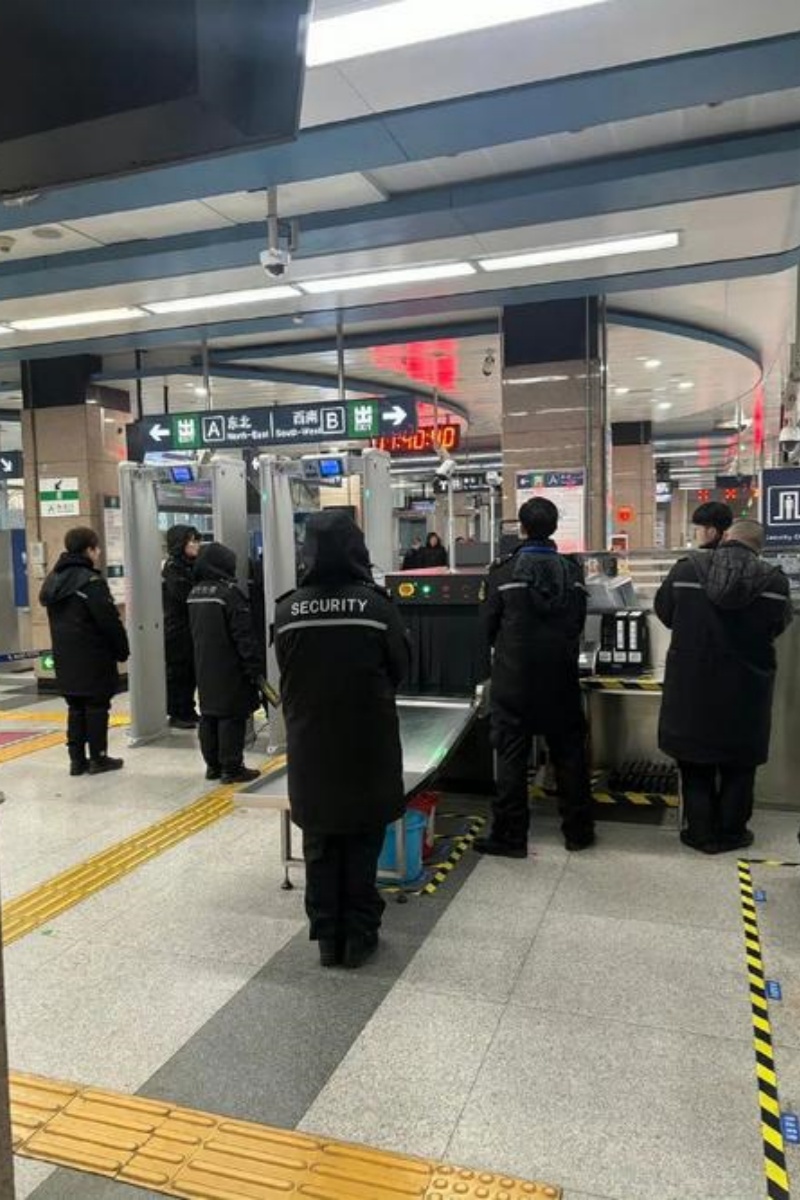

- Enter the Station and Pass Security
-
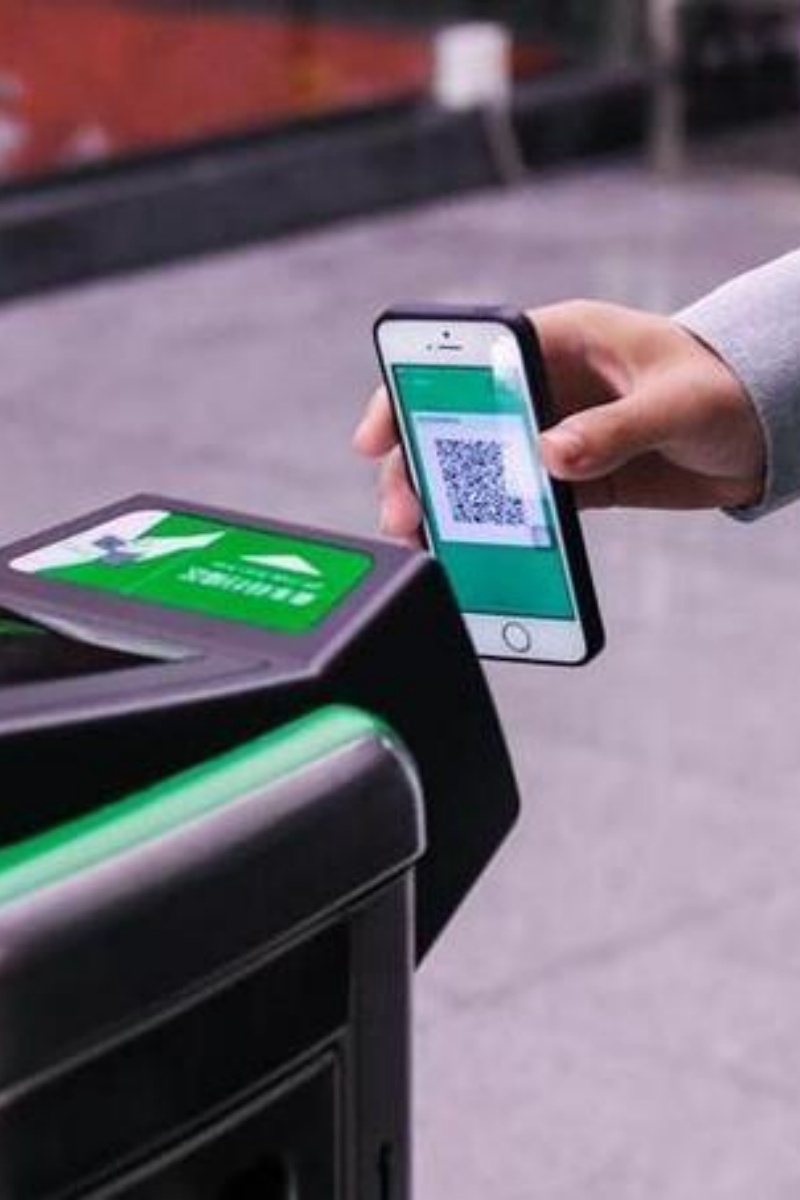
- Choose a Payment Method
-
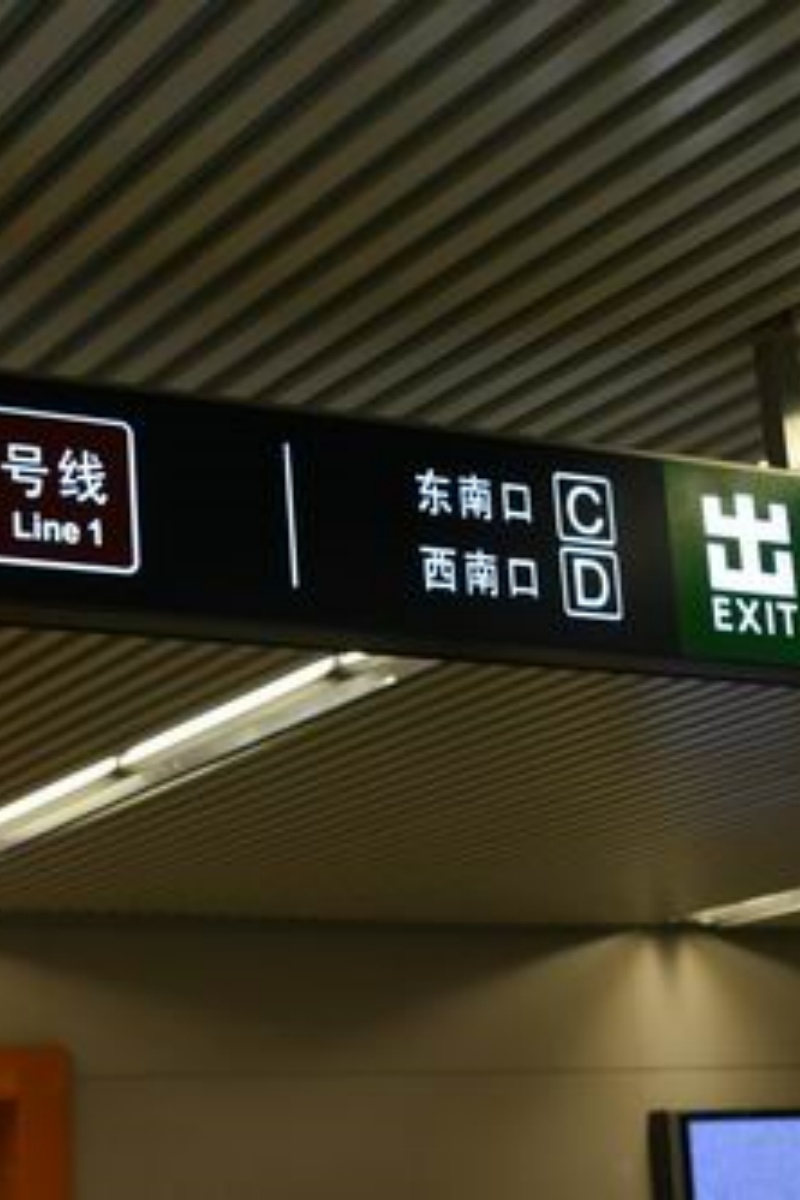
- Follow the Signs and Ride
Metro Efficiency: Cheapest Fares, Zero Language Barrier, Beats All Road Traffic
At least for westerners in the big cities, the metro is the default first choice — and for very good reason. Some 40 cities covered, flat pricing from ¥2-6 per ride at the city gates, trains frequency of just between 2- and 4-minutes, and every major network carpeted in English signage. It beats every alternative on price, speed, and ease of navigation. Indeed there is no surge pricing (and no catch), no traffic, the language friction is kept to a minimum. For most trips across most tier-1 cities nothing else comes close.
Stacked against other transport options, the metro's core advantages are immediate:
| Advantage | Detail |
|---|---|
| 💰 Price Stability | Fixed ¥2–6 flat fare. No surge during rain, no peak-hour premium. DiDi and taxis both fluctuate; the metro never does. |
| 🌐 Zero Language Barrier | Every station across major networks carries English signage. You navigate entirely without speaking a word of Mandarin. |
| ⚡ Speed & Frequency | Trains every 2–4 minutes. No traffic, no detours, no wait at a curb. The metro beats every road-based option during rush hour. |
| 🗺️ Comprehensive Coverage | Beijing's 27 lines reach hutong districts, Olympic Park, and both airports. Shanghai covers nearly every district visitors need. |
The metro's limitations are equally specific: It shuts down around 22:30–23:00 nightly. Rush hours (7:30–9:30 and 17:00–19:00) bring shoulder-to-shoulder crowding. And many hutong neighborhoods or suburban attractions still sit 10–15 minutes' walk from the nearest station. In those three situations, switch to DiDi or a taxi — the metro's weak points are predictable and easy to plan around.
Metro Scope: Geographic Coverage by City
| City / Destination | Metro | Lines | Key Attractions Served | Fallback Option |
|---|---|---|---|---|
| Beijing | ✅ Full | 27 lines / 800+ km | Forbidden City, Temple of Heaven, Olympic Park, hutong areas | DiDi for late night |
| Shanghai | ✅ Full | 20+ lines / 800+ km | The Bund, Yu Garden, Disneyland, Pudong, both airports | Walk + metro covers nearly all |
| Guangzhou | ✅ Full | 16 lines | Canton Tower, Shamian Island, both railway stations | Metro + DiDi combo |
| Chengdu | ✅ Good | 13 lines | Panda Base (transfer), Kuanzhai Alley, city center | Great cycling city — shared bikes |
| Xi'an | ✅ Moderate | 9 lines | Bell Tower, Muslim Quarter — Terracotta Army requires transfer | DiDi beyond the city wall |
| Sanya | ❌ None | — | Beach resorts, Tianya Haijiao, Nanshan Temple | DiDi + taxi; bikes near resorts |
| Lijiang | ❌ None | — | Old Town (car-free zone), Jade Dragon Snow Mountain | Taxi + walking only; no cars in Old Town |
| Zhangjiajie | ❌ None | — | Avatar Mountains, Tianmen Mountain, Glass Bridge | Bus + taxi combination |
| Dunhuang | ❌ None | — | Mogao Caves, Crescent Lake, Singing Sand Dunes | Bus + DiDi (limited coverage) |
Metro Access: Digital and Physical Payment Methods
Payment confuses many visitors the most. Fortunately, three reliable methods exist today. Each one suits a different traveler profile.
- Alipay International QR Code:
- Download Alipay and link your Visa or Mastercard
- Open the "Transport" tab and activate the QR code for your city
- Note: each city requires separate activation
- Physical Transit Card:
- Buy at any major station service counter
- Load cash or use Alipay to top up
- Refund remaining balance before you leave
- Foreign Credit Card Tap-In:
- Currently available in Beijing and parts of Shanghai
- Visa and Mastercard contactless work at select gates
- Slightly higher per-ride fee than local payment methods
| 🚇 | [Complete Guide to China's Metro Systems for Foreign Visitors] Everything you need to know about navigating metro networks across 40+ Chinese cities — maps, payment methods, and city-by-city tips. |
💡 Tip: Google Maps is blocked in China. Use Apple Maps on iOS or Amap (Gaode) on Android for accurate metro navigation.
DiDi Ride-Hailing for International Visitors
-
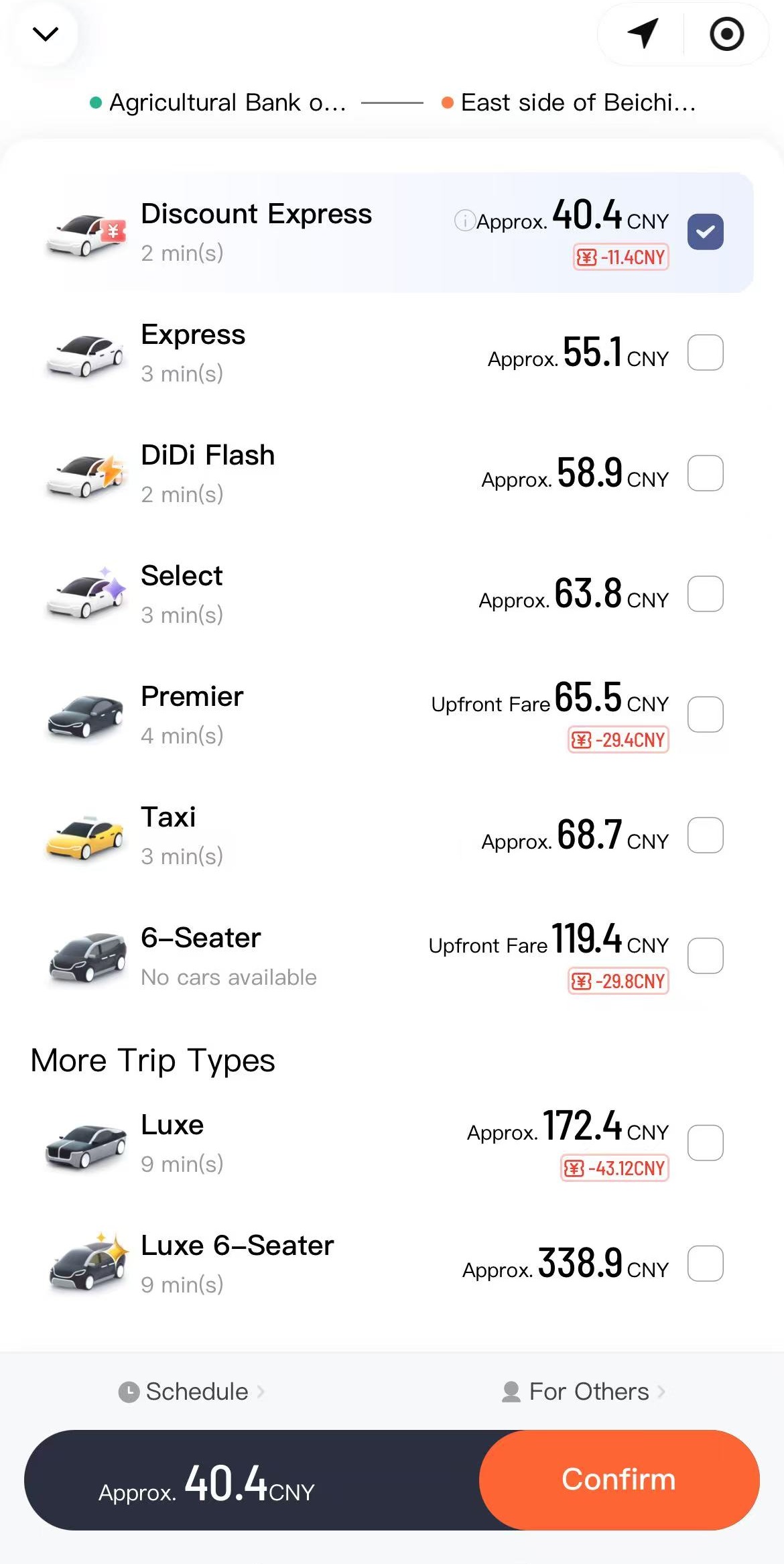

- Didi Car Type
-
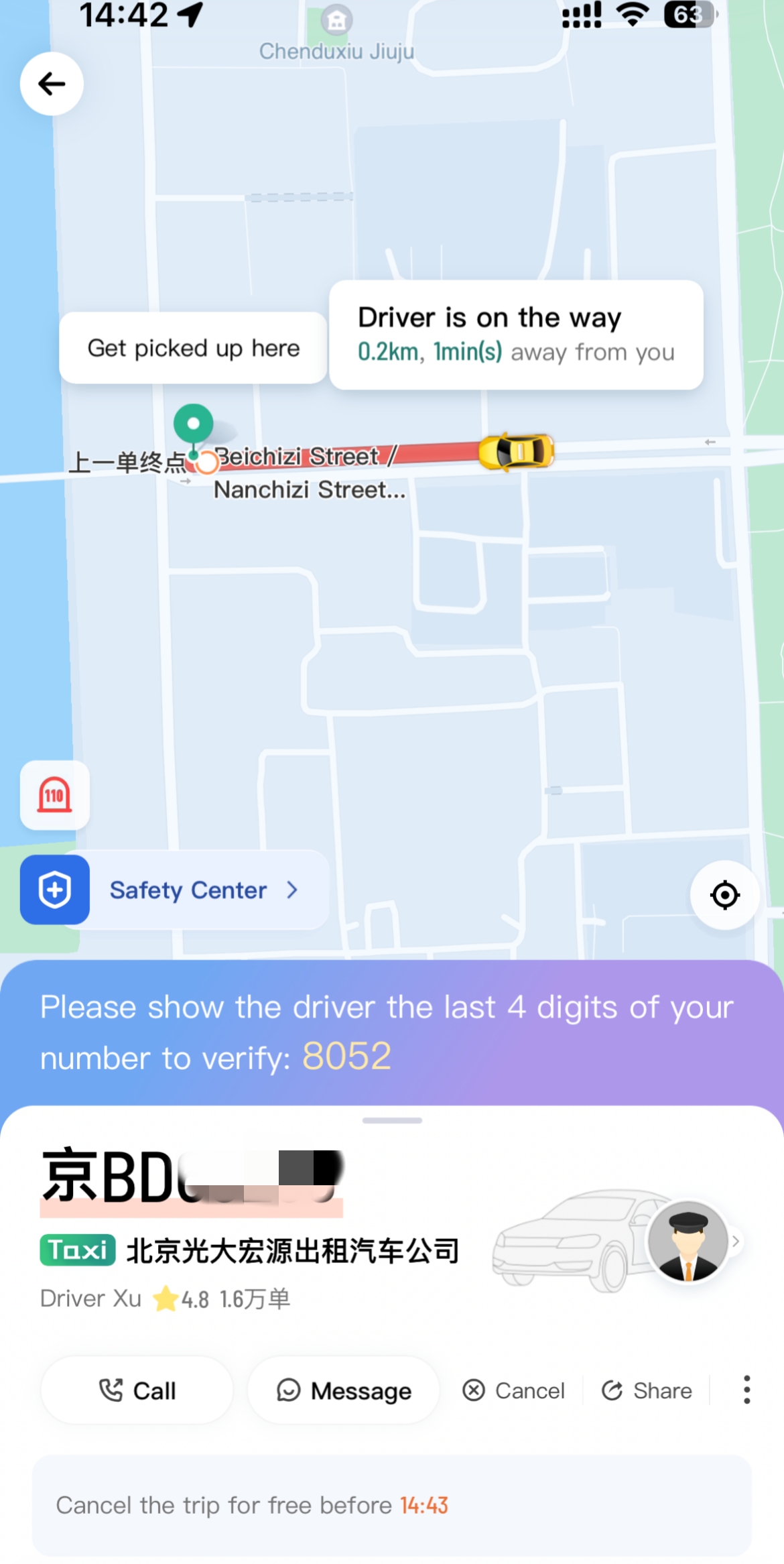
- The information you will see
-
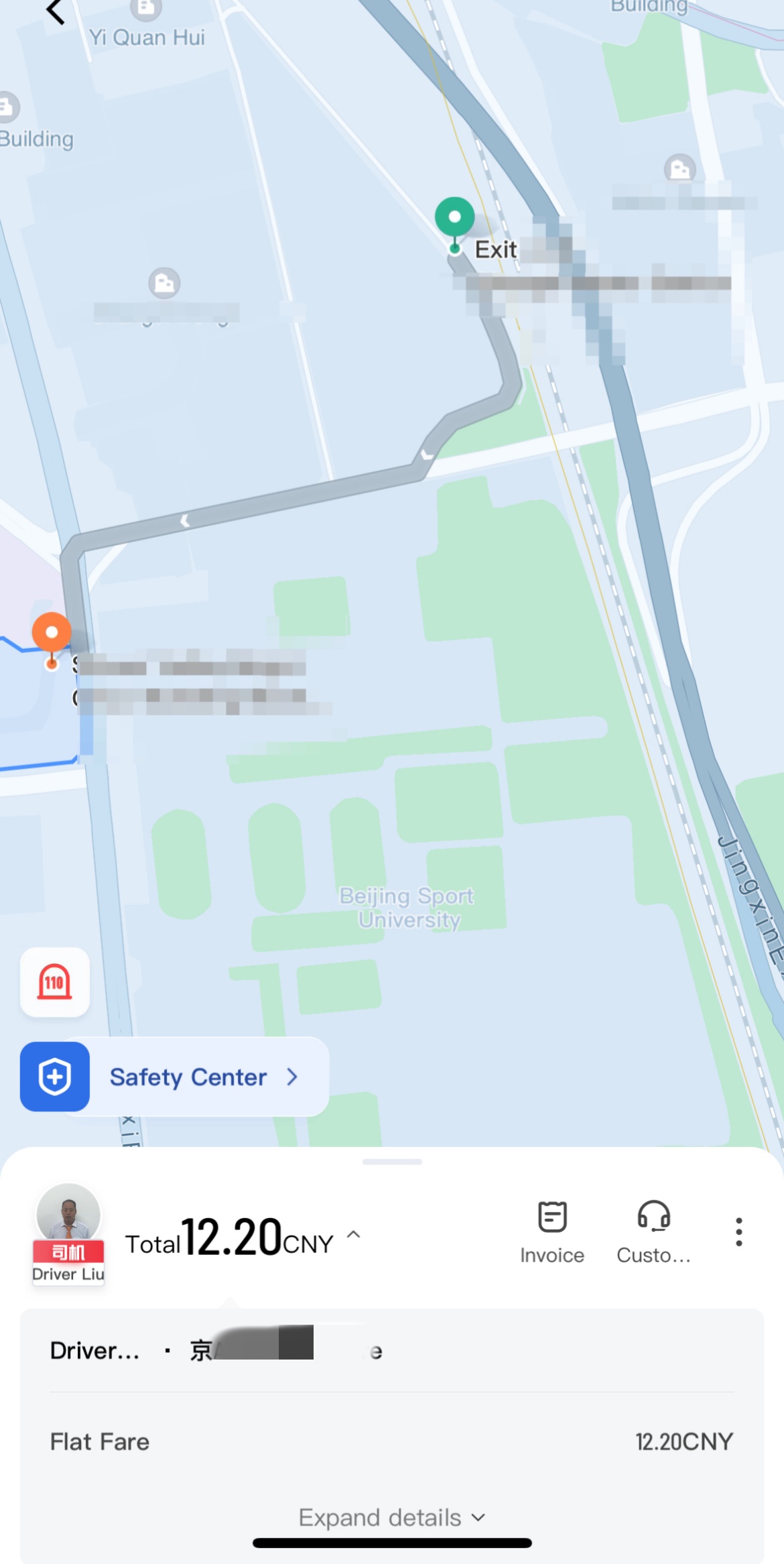
- Complete Ride
DiDi Convenience: Door-to-Door in English, 24/7, No Taxi Haggling Required
DiDi. China’s primary ride-hailing service since Uber was unceremoniously exited in 2016, DiDi provides the same door-to-door mobility service we’re accustomed to, with a full English interface (if you’re not a Mandarin speaker), international card payment and real-time trip tracking. Acting like a nationwide transit tier, it guarantees communication autonomy via in-app English inputs and serves as a continuous transport option when there’s not a metro station nearby.
DiDi's advantages over both alternatives, presented directly:
Strategic Edge Over Taxis:
- Total Communication Autonomy: Bypass the need for translation apps or handwritten addresses; the system syncs your English input directly to the driver's navigation.
- Cost Efficiency: You typically save a quarter of the fare compared to street-hailed meters, making it the smarter choice for budget-conscious travelers.
- Anti-Detour Guardrails: The app’s fixed-path routing ensures you aren't overcharged for "extra mileage," providing a layer of financial security taxis lack.
Strategic Edge Over the Metro:
- Ultimate Convenience: Avoid the "last-mile" struggle by getting dropped off at the exact doorstep of your hotel or a hidden hutong cafe.
- Post-Midnight Lifeline: While the subway sleeps, DiDi remains active, serving as the only reliable transit during late-night hours.
- Filling the Infrastructure Gap: In major tourist hubs without rail networks (like Sanya), DiDi acts as the primary backbone for getting around quickly.
DiDi Setup: Account Registration and International Card Linking
✅ Yes — foreigners from any country can use DiDi in China.The easiest path goes through Alipay's built-in DiDi mini-program. It runs fully in English and accepts international Visa or Mastercard. You do not need a Chinese phone number. Download Alipay, link your foreign card, tap "Transport" then "DiDi," and start booking rides immediately.
Alternatively, you can download the standalone DiDi app. However, registration sometimes requires a Chinese phone number. The Alipay route avoids this issue entirely. After booking, your driver may call to confirm pickup. Simply share the last four digits of your phone number — this is standard practice.
💡 Tip: In narrow hutong streets, cars cannot enter. Set your pickup point on the nearest main road. Then walk out to meet the driver.
| 📱 | [How to Use DiDi in China as a Foreigner (2026 Update)] Full setup walkthrough — registration, international payment, booking your first ride, and communicating with drivers without speaking Chinese. [DiDi vs Uber in China: What's the Difference?] A full comparison of features, pricing, availability, and foreign-user experience between the two platforms — and why one clearly wins in China. [Getting Around Shanghai: Uber, DiDi & Ride-Hailing Options Explained] Planning a trip to Shanghai? Here's exactly which ride apps work, how to get from the airport, and how to navigate the city like a local. |
Licensed Taxis & Street Hailing
-
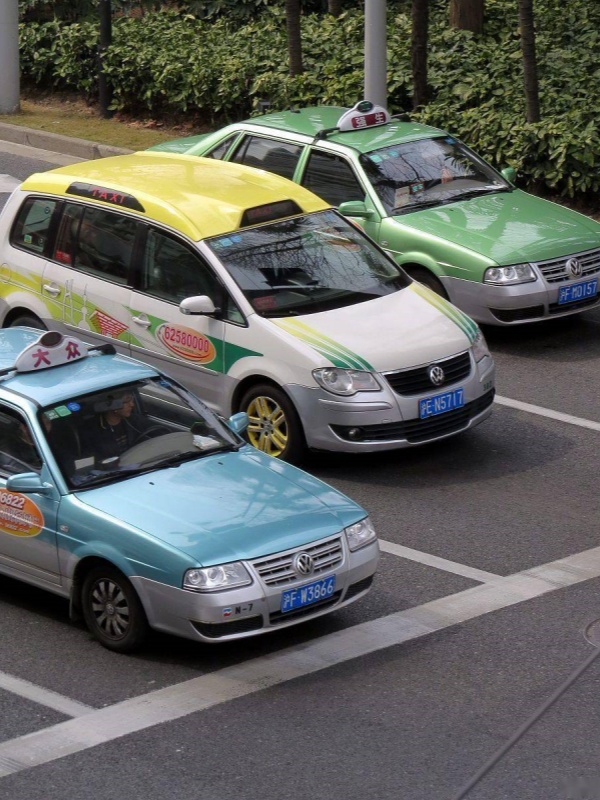

- Taxi in China
-
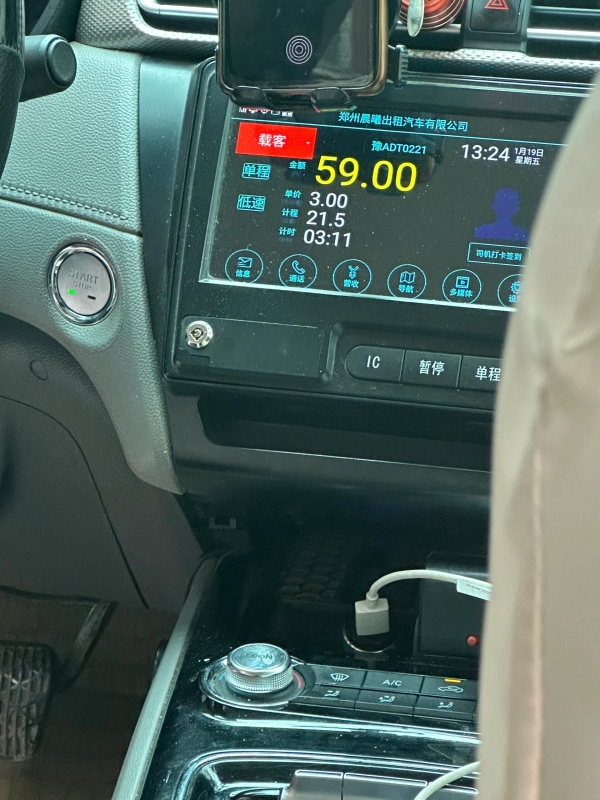
- Taxi Dashboard
Taxi Reliability: No App, No Signal, No Problem — Works When Everything Else Fails
Taxis are everywhere in China. Every city, every town, every airport has taxis. They run on regulated meters with government mandated start fares. You won’t find yourself randomly overcharged by a licensed cab. The only downside of taxis, however, is the language barrier: most drivers don’t speak any English. Language is certainly your biggest challenge, but taxis also score over DiDi in a few specific situations.
The biggest advantage of taxis is also the one thing that neither metro nor DiDi can replicate: they work offline. No signal, no Alipay, battery out of juice? No problem, there’ll be a taxi. For those reasons, it’s the most reliable option in our transport lineup.
| Advantage | Detail |
|---|---|
| 📶 Works Without Internet | No app, no data, no setup required. The only transport option that functions when your phone battery dies, your SIM fails, or you have no Alipay configured. |
| ✈️ Airport Advantage | At peak arrival hours, dedicated taxi queues move far faster than DiDi's elevated wait times. No surge pricing at the stand. |
| 🌧️ Surge-Proof Pricing | The government-set meter holds its rate regardless of weather or demand. When DiDi quotes ¥68 in a rainstorm, the taxi stand charges ¥35. |
| 🏙️ Nationwide, Always | Cities, towns, tourist destinations — even places with zero DiDi coverage maintain a functioning taxi fleet. Taxis never go dark. |
Taxi Protocol: Three Ways to Communicate Without Chinese
Hailing a taxi in China requires no app and no preparation beyond knowing your destination. Stand on a main road, raise your hand as a cab approaches, and confirm the driver accepts your trip before getting in. The meter starts automatically at the city's regulated base fare.
🗣️ Three strategies that resolve the language barrier every time:
- Strategy 01 — Screenshot in Chinese: Screenshot your destination name in Chinese characters before leaving the hotel. Show it the moment you get in. No words needed.
- Strategy 02 — Translation App + Voice: Use a translation app with voice output to speak your destination aloud in Mandarin. Most drivers respond instantly to spoken Chinese.
- Strategy 03 — Hotel Address Card: Ask your hotel concierge to write key addresses on a card before you head out. Show it for any destination — including the return trip home.
💡 Tip: Watch for unlicensed "black cars" (黑车) at airports and tourist spots. Always verify three things before entering: the rooftop taxi sign, the running meter display, and the driver ID card on the dashboard. Licensed taxis show all three.
Public Buses & Bike-Sharing
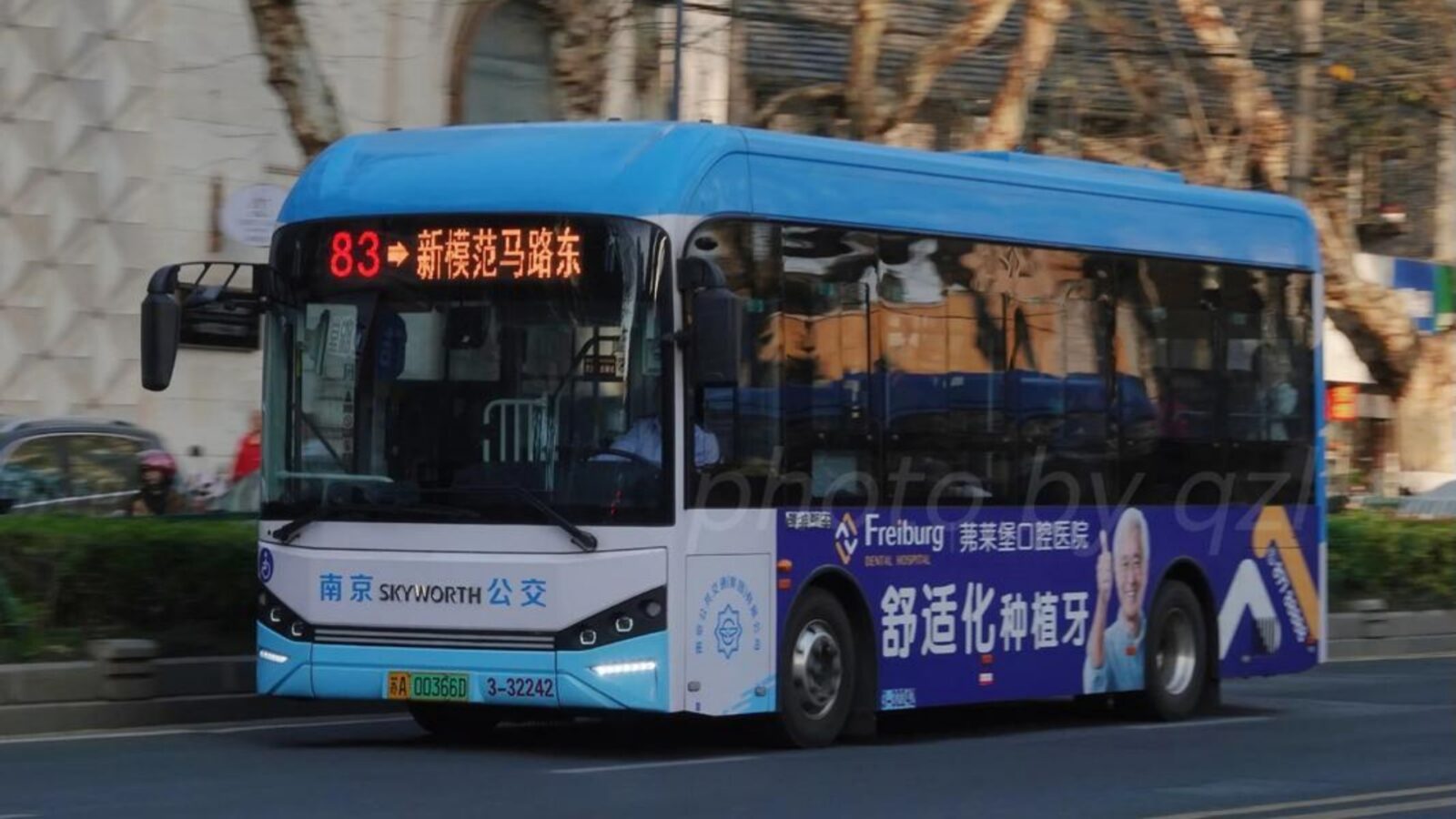
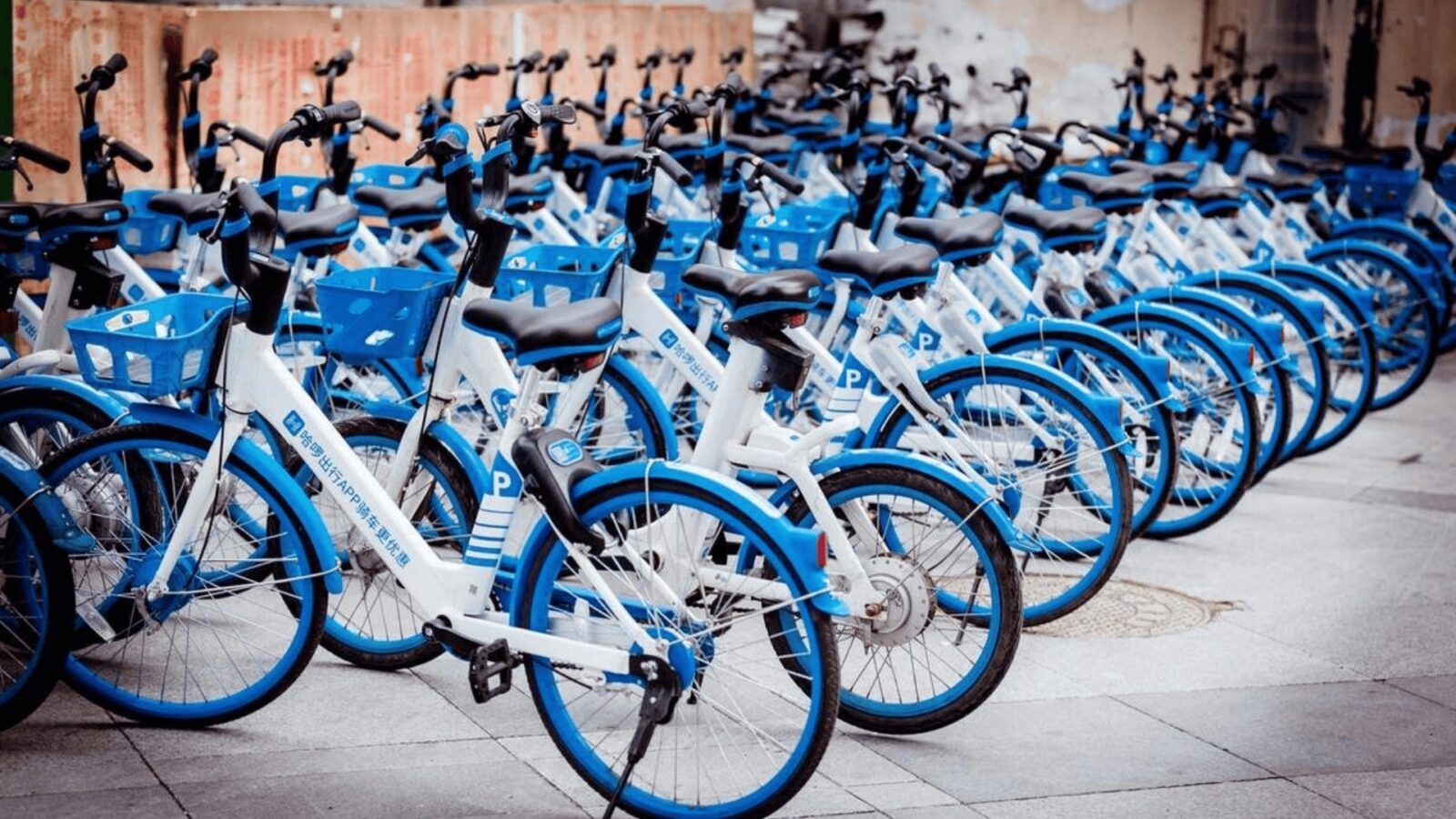
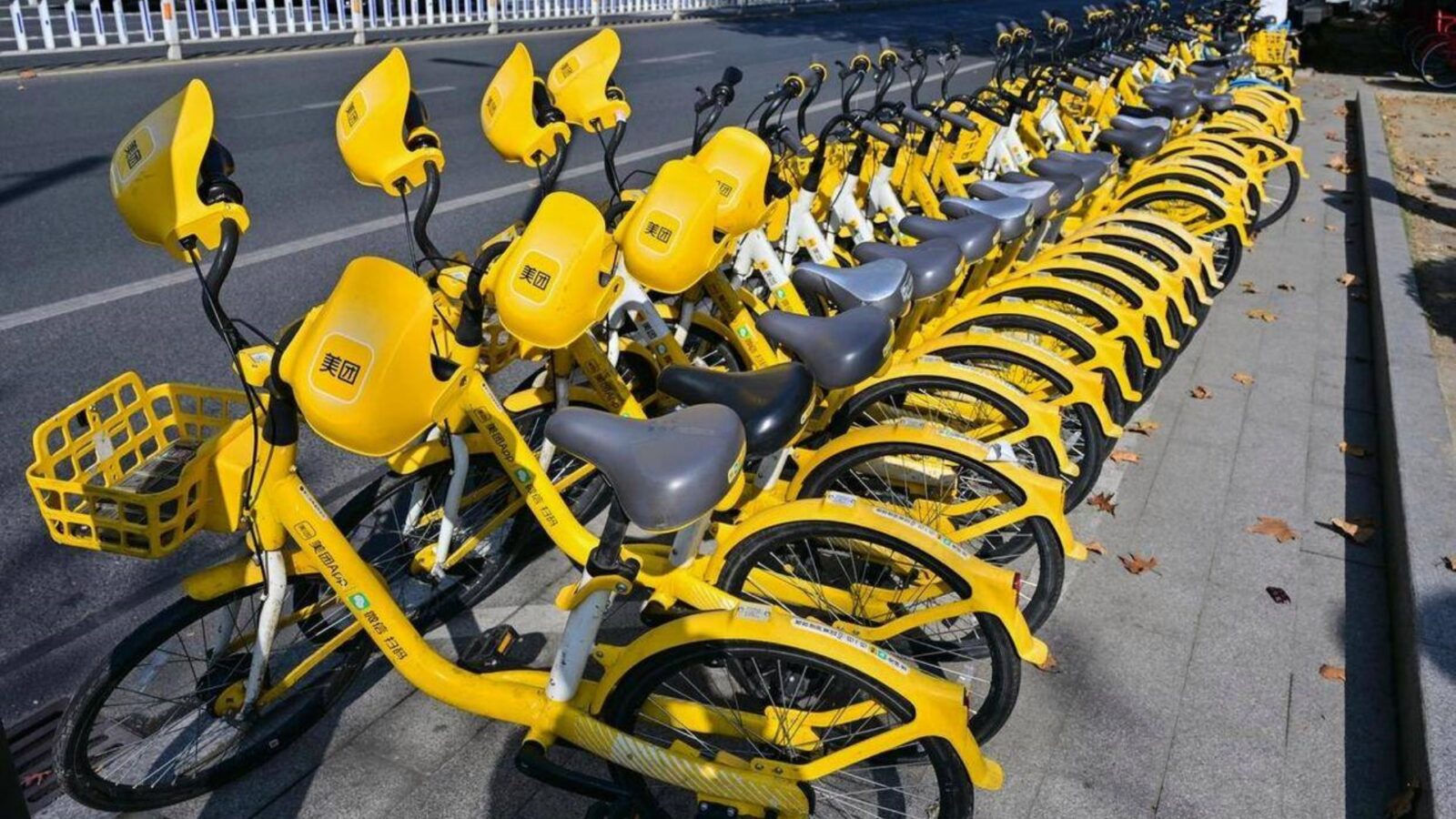
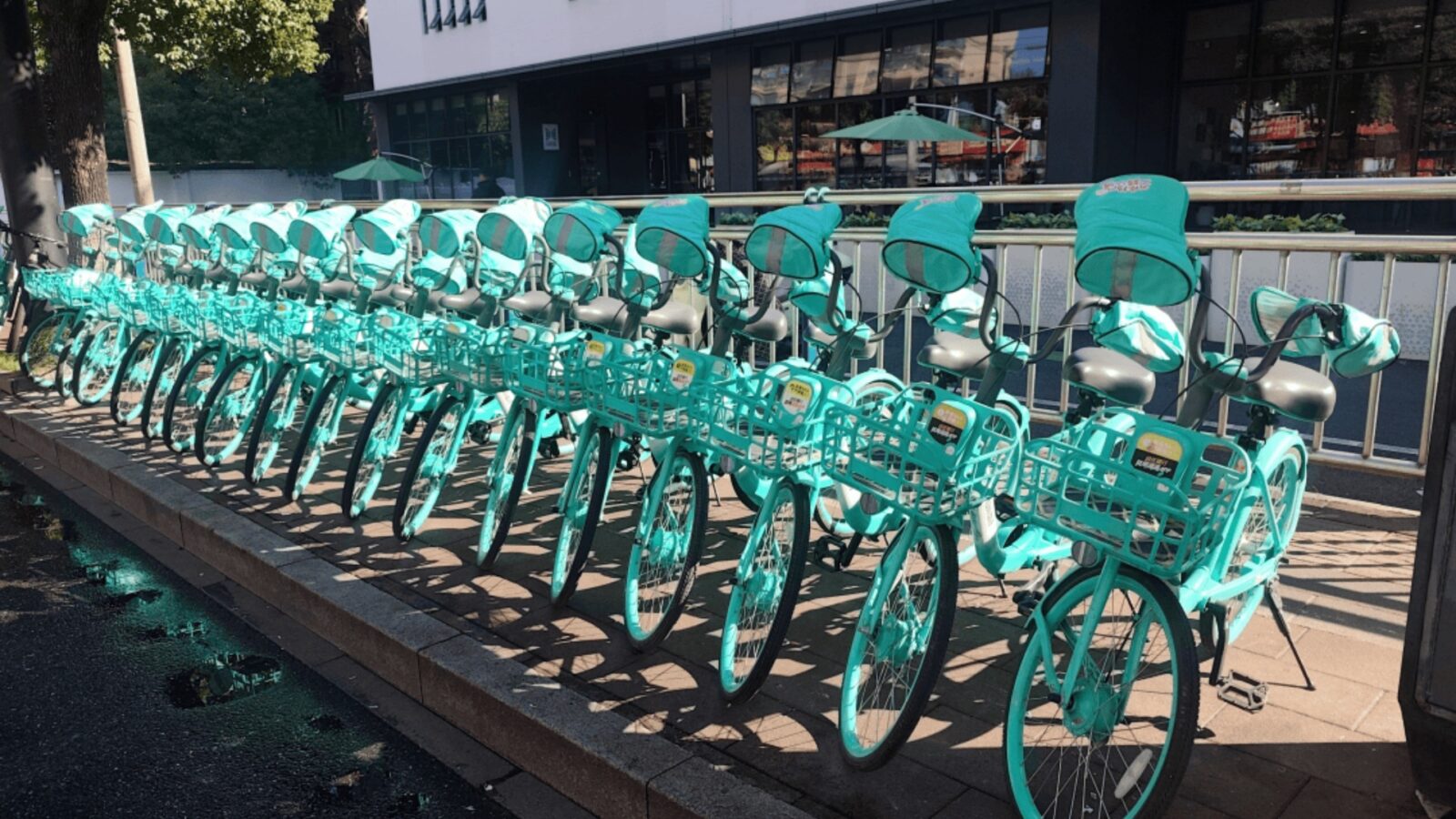
Most foreign visitor guides to China ignore buses and shared bikes altogether. This is a mistake. At the right time in the (Chinese) city, both are superior to taxis and even DiDi. Buses are almost free, and shared bikes will get you to places cars cannot reach.
Bus Transit: Route Navigation and Fare Structure
City buses in China charge ¥1–2 per ride. Alipay and WeChat Pay both work for scanning on board. Coverage extends far beyond metro lines, reaching suburbs and smaller districts that rail misses.
🚌 Buses shine brightest in cities without metro systems.In places like Zhangjiajie, Dunhuang, and smaller tourist towns, buses plus taxis form the primary transport combination. They cost a fraction of DiDi and reach areas no other option covers.
Three advantages no other mode in China matches at this price:
- The ¥1 Budget Anchor: Travel across entire districts for the price of a local snack.
- Infrastructure Connector: Serves as the primary transit backbone in rail-free regions.
- Digital Live-Tracking: Real-time GPS syncs with your phone to eliminate stop-side waiting.
Honest Warning: Bus signage is almost entirely in Chinese. Route maps rarely include English. Unless you read basic Chinese or use Amap for real-time guidance, navigating buses independently can be frustrating.
💡 Tip: Amap (Gaode) shows live bus positions, estimated arrival times, and exact stop locations. It works far better than Google Maps for Chinese public transit.
Bike Rental: Shared-Bike Activation and Short-Distance Use
Shared bikes appear on almost every sidewalk in Chinese cities. Three major brands dominate: Hellobike, Meituan Bike, and Qingju. You unlock any of them through Alipay by simply scanning the QR code. No deposit is required for foreign users.
🚲 Shared bikes cost ¥1.5–3 per hour and require zero language skills.They work best for short distances: hutong exploration, park rides, lakeside routes, and first-or-last-mile connections from metro stations. Cycling infrastructure varies — Shanghai and Chengdu offer excellent dedicated lanes.
Three advantages that cars, taxis, and metros simply cannot offer:
- Instant QR Access: Unlock any bike via Alipay instantly with no deposit or complex registration.
- Total Visual Navigation: Requires zero language skills; just grab a bike and follow the path.
- Short-Range Agility: Ideal for exploring narrow alleys or scenic lakesides that cars cannot enter.
Decision Framework: Choosing Your Mode in 30 Seconds
You do not need to memorize every detail above. Instead, answer three quick questions each time you need to move. This framework works in any Chinese city, whether it has a full metro or none at all.
Q1: Is your destination near a metro line in a major city? → YES → Take the metro. It is the fastest and cheapest option. → NO → Move to Q2. Q2: Is it currently rush hour (7:30–9:30 / 17:00–19:00)? → YES (city center) → Prefer metro or bus. Avoid road congestion. → NO, or you need door-to-door service → Use DiDi. Q3: Do you have internet access and Alipay set up? → YES → DiDi is always better than a street-hail taxi. → NO → Hail a taxi. Prepare a screenshot of your destination in Chinese characters. |
🎯 Metro + DiDi covers 90% of urban trips across China.If you are entering China on a visa-free short trip, this two-app combination handles nearly every transport need. Set up Alipay before you land, and you are ready to move from day one.
Quick Scenario Examples: Hotel to the Forbidden City → Metro Line 1. Metro station to a hutong guesthouse → Shared bike or walk. Late-night return from a bar → DiDi. Airport arrival with no internet → Taxi queue.
🚦 Choosing the smartest ride: Knowing when to hail a cab versus taking the subway saves you time, but communicating your destination to a driver without speaking Mandarin relies on the phrase cards provided in the China Travel Survival Guide.
Frequently Asked Questions About Getting Around in China
Q: Can Americans use DiDi in China without a Chinese phone number?
Yes, Americans can use DiDi through Alipay's mini-program without a Chinese phone number. Link your Visa or Mastercard to Alipay, then access DiDi from the "Transport" tab. This method works for all foreigners. When comparing taxi vs DiDi vs metro, DiDi offers the most app-friendly experience for international visitors.
Q: Which is cheaper — a taxi or DiDi in China?
DiDi is generally 20–30% cheaper than metered taxis for the same route. However, surge pricing during rain or rush hour can reverse this gap. In the taxi vs DiDi vs metro comparison, the metro remains the cheapest option overall. Taxis offer more stable pricing when DiDi demand spikes.
Q: Is DiDi better than Uber for China travel?
Uber does not operate in mainland China anymore. DiDi is the sole app-based ride option available nationwide. It provides English support, international card payments, and full trip tracking. For the taxi vs DiDi vs metro decision, DiDi fills the ride-hailing role that Uber serves elsewhere.
Q: Do I need WeChat Pay or Alipay to use public transport in China?
Alipay is the most foreigner-friendly payment app for metro, bus, and bike-sharing. WeChat Pay also works but requires more complex setup. Physical transit cards remain available at every metro station too. Across the taxi vs DiDi vs metro spectrum, Alipay covers payment for all three modes seamlessly.
Q: How do I pay for the metro in China as a foreigner?
Three methods work reliably: Alipay QR code scanning, physical transit cards, and foreign credit card tap-in at select stations. Alipay requires activating the QR code separately for each city. Among taxi vs DiDi vs metro options, the metro offers the widest range of payment methods for foreigners.
Q: Is the metro available in all Chinese cities?
No. Over 40 cities operate metro systems, but many popular tourist destinations lack rail entirely. Sanya, Lijiang, and Dunhuang have no metro. In these places, the taxi vs DiDi vs metro choice simplifies — DiDi and taxis become your primary options, supplemented by buses.
Q: Are taxis safe for foreign tourists in China?
Licensed taxis in China are regulated, metered, and generally very safe. Always verify the rooftop sign, dashboard ID, and running meter. Avoid unlicensed "black cars" that approach you at airports. Within the taxi vs DiDi vs metro framework, taxis remain the most reliable offline backup option.
Q: Can I use Google Maps to navigate in China?
Google Maps is blocked in mainland China without a VPN. Even with VPN access, its data on Chinese transit remains incomplete. Apple Maps works on iOS devices. Amap (Gaode) provides the best local coverage. For navigating taxi vs DiDi vs metro routes, Amap gives the most accurate results.
Q: How does bike-sharing work in China for tourists?
Scan a bike's QR code through Alipay to unlock it instantly. No deposit is needed for international users. Rates run about ¥1.5–3 per hour. Hellobike, Meituan Bike, and Qingju are the main brands. Beyond the taxi vs DiDi vs metro comparison, bike-sharing excels for short distances and scenic rides.
Q: What is the best way to get around China on a short visa-free trip?
Set up Alipay before landing and use metro plus DiDi as your core combination. This pair handles over 90% of urban trips efficiently. Add bike-sharing for short distances and scenic exploration. The taxi vs DiDi vs metro balance shifts by city, so check metro availability at each destination first.