Odyssey China
Royal Caribbean's Odyssey of the Seas brings Quantum-class cruising to Asian waters under the "Odyssey China" name. The ship departs primarily from Shanghai's Wusongkou International Cruise Terminal, offering 4 to 9-night round-trip itineraries that call on Japanese, Korean, and Southeast Asian ports. This guide covers the vessel itself, every major China departure point, cabin pricing in USD, how to book as a foreign visitor, the best shore excursions, and the visa rules that apply at Chinese cruise ports.
Quick Facts
What Odyssey China Means
Odyssey China
"Odyssey China" most commonly refers to Royal Caribbean's Odyssey of the Seas when the ship is deployed on Asian itineraries departing from Chinese ports. The vessel operates under the same brand standards whether sailing from Shanghai, Hong Kong, or Singapore, but the China-season label distinguishes the homeport and regional itinerary mix from other deployment regions. Users searching for this term typically want practical planning information on the ship, its ports, and how to book as a foreign visitor. However, several unrelated products share the "Odyssey" name. This guide focuses exclusively on the Royal Caribbean cruise ship; readers with other intent can check the brief disambiguation below.
The Ship Behind the Name
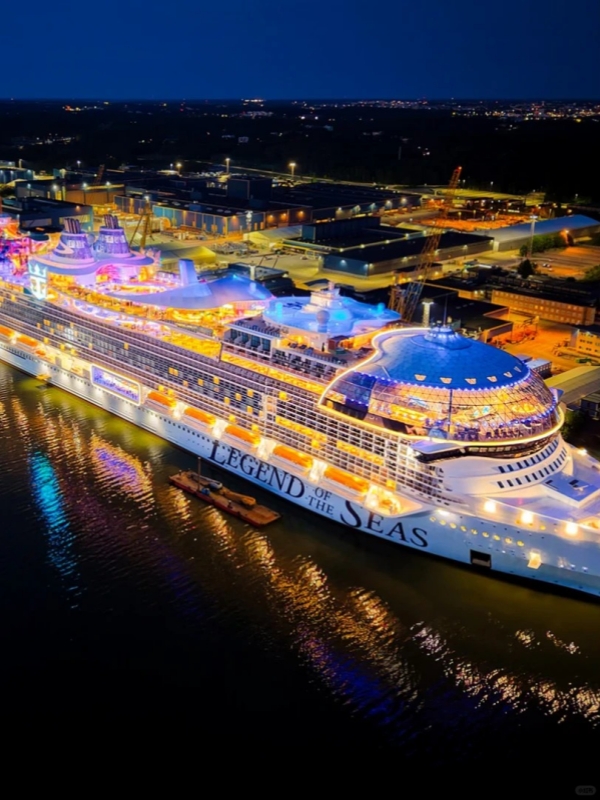
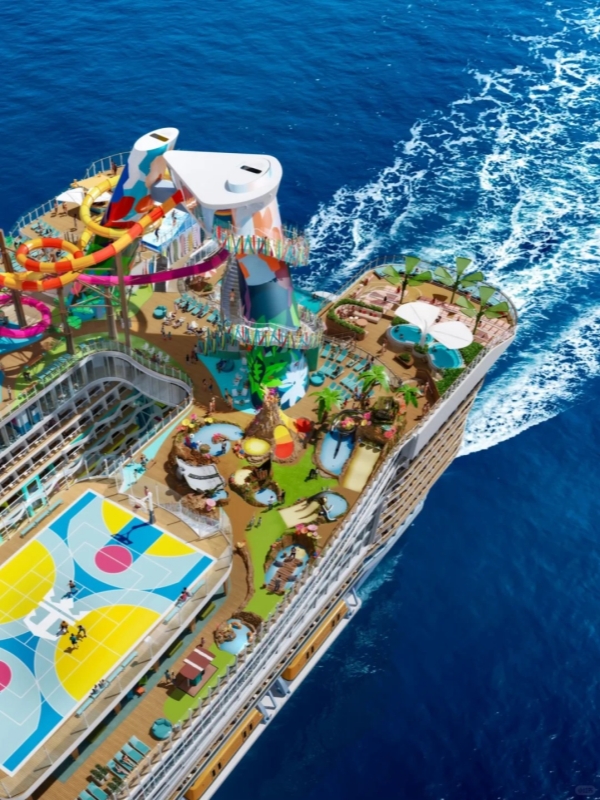
Odyssey of the Seas is a Quantum Ultra-class vessel in the Royal Caribbean fleet. The ship was designed for the Asia-Pacific market and carries approximately 4,200 passengers at double occupancy. Signature features that recur throughout this guide include the North Star observation pod, which rises roughly 90 meters above the deck, and the FlowRider surf simulator. Passengers seeking more adrenaline can try RipCord by iFLY, the indoor skydiving experience. Younger travelers gravitate toward SeaPlex, an indoor arena hosting bumper cars, basketball, and roller skating. Evening entertainment centers on Two70, a multipurpose venue with panoramic windows and robotic screens, while the Bionic Bar offers drinks mixed by robotic arms. These features define the Quantum Ultra experience and set it apart from smaller China-based cruise vessels.
Disambiguating From Tours, Cars, and Games
Searches for "Odyssey China" occasionally point to products unrelated to the Royal Caribbean ship. The guide does not cover these alternatives:
- Odyssey Traveller: A senior-focused tour operator offering escorted land tours worldwide, including China itineraries; ranks for similar keywords but operates no ships.
- My Odyssey Tours / Odyssey's Unlimited: Independent travel agencies with China group-tour products; unrelated to the cruise ship.
- Honda Odyssey: A minivan model; outside the scope of travel content.
- Super Mario Odyssey: A Nintendo video game; no connection to China travel.
- A Space Odyssey / Imperial Art Treasures: A film and a book series respectively; not cruise or travel topics.
🌃 Explore Southern Urban Waterways: If you are visiting South China before or after your ocean voyage, experience Guangzhou’s illuminated skyline on a scenic evening boat ride. Plan your trip with our guide to the Guangzhou Pearl River Cruise.
China Homeports and Itineraries
Odyssey China
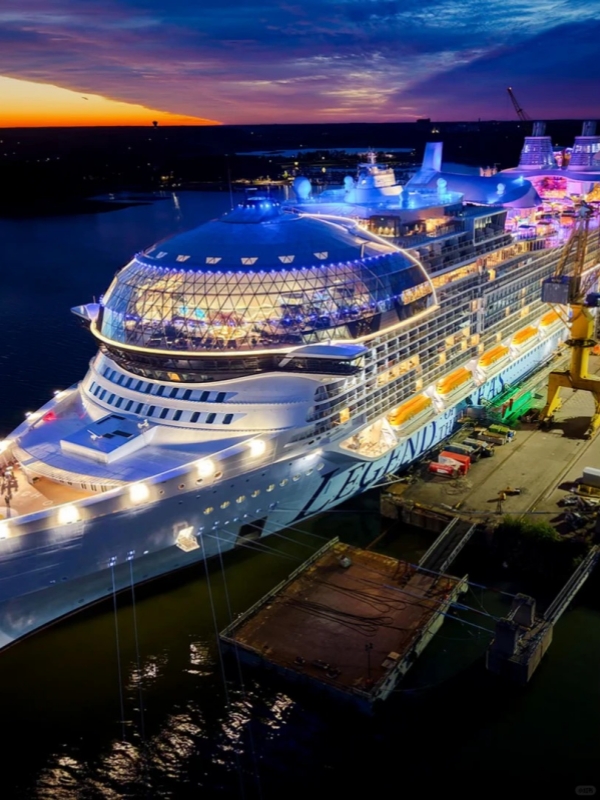
Odyssey of the Seas operates from three main departure points in greater China. Each port has distinct logistics for boarding, transfers, and the mix of itineraries available. The ship rotates between ports based on seasonal deployment and repositioning needs.
Shanghai Wusongkou Terminal
The primary China homeport is the Wusongkou International Cruise Terminal in Baoshan District, Shanghai. This purpose-built facility handles large international vessels and sits roughly 50 kilometers from central Shanghai. Passengers typically fly into Shanghai Pudong International Airport and connect by taxi or pre-arranged transfer. Boarding generally begins in the early afternoon, with sail-away in the evening. The terminal is newer and better equipped than Shanghai's older international cruise berths, with clearer signage for foreign visitors.
Hong Kong and Shenzhen
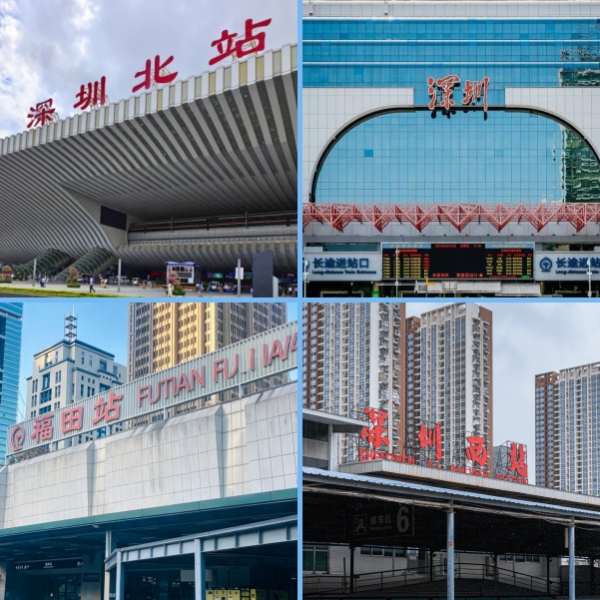
Hong Kong's Kai Tak Cruise Terminal and Shenzhen's Shekou International Cruise Homeport serve as secondary departure points. Kai Tak, built on the former airport runway in Kowloon, handles mid-sized to large vessels and connects easily to the MTR metro system. Shekou sits in the Nanshan District of Shenzhen, across the water from Hong Kong, and is accessible via the Shenzhen Metro. When Odyssey of the Seas repositions between Singapore and Shanghai, these ports often anchor the transition itineraries. Passengers boarding in Hong Kong or Shenzhen should factor in cross-border transfer time if arriving from mainland airports.
Sample Itineraries
Royal Caribbean publishes seasonal itineraries that vary year to year. The following represents the typical mix available on China-season sailings:
Onboard Highlights
Odyssey China
Odyssey of the Seas carries the full slate of Quantum Ultra-class attractions. The ship is designed for mixed groups—families, couples, and solo travelers—and the activity program reflects that breadth. The following covers the features most worth knowing about before boarding.
Signature Activities
The standout attractions define the Quantum Ultra experience. Each is available to most passengers, though height and weight restrictions apply to some:
- North Star: A glass observation pod rises roughly 90 meters above sea level, rotating over the bow for panoramic views; open to most passengers at no extra charge.
- FlowRider: A dual-line surf simulator with a steady wave for bodyboarding; height minimum typically applies for standing surfing.
- RipCord by iFLY: An indoor skydiving chamber with vertical wind speeds reaching 200 km/h; height and weight restrictions apply.
- SeaPlex: The largest indoor active space at sea, hosting bumper cars, basketball, roller skating, and trapeze; evening sessions often feature bumper-car games and open-screen movie nights.
- Two70: A multipurpose entertainment venue with floor-to-ceiling panoramic windows and a array of robotic screens that animate during shows; home to production performances and DJ sets.
- Bionic Bar: Two robotic bartenders mix and serve cocktails ordered via tablet; the experience is as much about the performance as the drink.
Dining and Entertainment
The complimentary dining program centers on the main dining room for sit-down breakfast and dinner, and the Windjammer Marketplace buffet for casual meals throughout the day. Specialty restaurants operating on a cover charge include Chops Grille (steakhouse), Wonderland (creative small plates), Jamie Oliver's Italian, and Izumi (Japanese cuisine). Evening entertainment follows a two-track format: production shows in the Two70 venue and the main theater, plus the SeaPlex evening program offering bumper-car races, silent disco, and open-air movies on the pool deck when weather permits. A full activities schedule appears in the Cruise Compass daily planner, published each evening for the following day.
🏞️ Discover China's Most Iconic River Trip: Beyond ocean cruising, China is famous for its dramatic karst mountain river routes in the southwest. Learn how to book and ride the famous river boat in our guide to the Li River: Guilin to Yangshuo.
Shore Excursions From Chinese Ports
Odyssey China
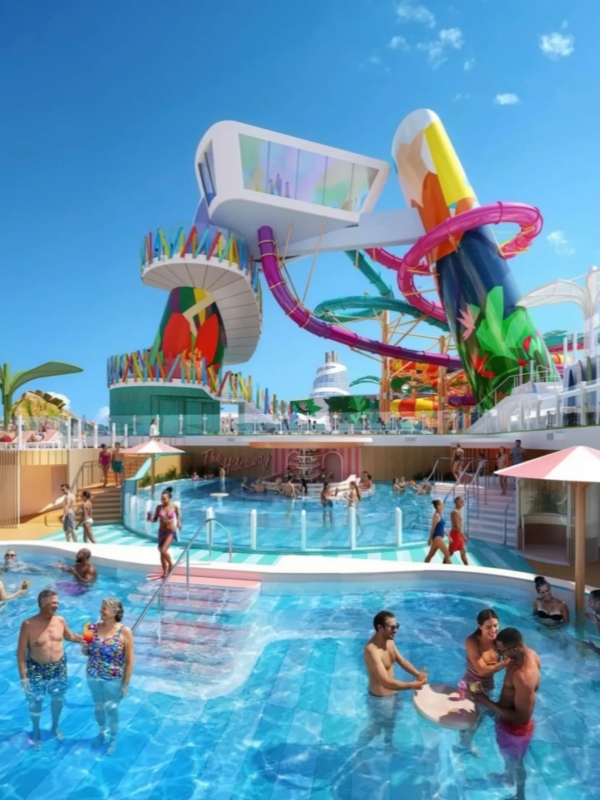
Shore excursions from Shanghai and other China homeports range from half-day city highlights to full-day regional tours. The ship's excursion desk publishes options in advance through Royal Caribbean's shore-excursion portal and continues selling tours once onboard. Independent exploration is also viable for confident travelers, though private arrangements require pre-planning.
Day-Trip Classics
Royal Caribbean offers a standard set of shore excursions at Chinese ports. The following are the most commonly available, with indicative per-person pricing:
- Shanghai City + The Bund: A half-day driving tour of central Shanghai, passing Nanjing Road, People's Square, and the colonial waterfront of the Bund; about $50–100 per person (¥350–700).
- Zhujiajiao Water Town: A canalside old town roughly 50 kilometers from the port; cobblestone lanes, stone bridges, and boat rides; about $50–80 per person (¥350–550).
- Suzhou Classical Gardens: Full-day tour to Suzhou's UNESCO-listed gardens, including the Humble Administrator's Garden and a silk factory; about $80–150 per person (¥550–1,050).
- Hangzhou West Lake: Full-day excursion to Hangzhou, covering West Lake, the Tea Plantation, and the Liangzhu culture museum; about $100–180 per person (¥700–1,280).
- Beijing by Air (Forbidden City + Great Wall): Available on overnight or extended port stays; flights to Beijing with guided tours of the Forbidden City and a Great Wall section; about $300–500 per person (¥2,100–3,500).
Going It Alone at the Terminal
Independent passengers can explore without a ship-organized tour. At Wusongkou, licensed taxis queue outside the terminal and can be hired by the day for roughly $120–200 (¥850–1,400). Drivers typically do not speak English; translating the destination address into Chinese characters beforehand is the most reliable approach. DiDi, China's dominant ride-hailing app, requires a mainland phone number for verification and cannot be used with a foreign SIM without a registered Chinese account. Private car services with English-speaking drivers are available through platforms such as Viator and GetYourGuide, often booked in advance from home. Car and driver rates for a full day from Shanghai generally fall between $150 and $250 depending on vehicle class and itinerary distance.
🚤 Experience Scenic Gorge Boat Tours Near Beijing: Travelers pairing a cruise departure with northern sightseeing can explore towering canyon walls and jade-green waters just outside the capital. Discover visitor details in our guide to Longqing Gorge, China.
Cabins, Pricing, and Third-Party Booking
Odyssey China
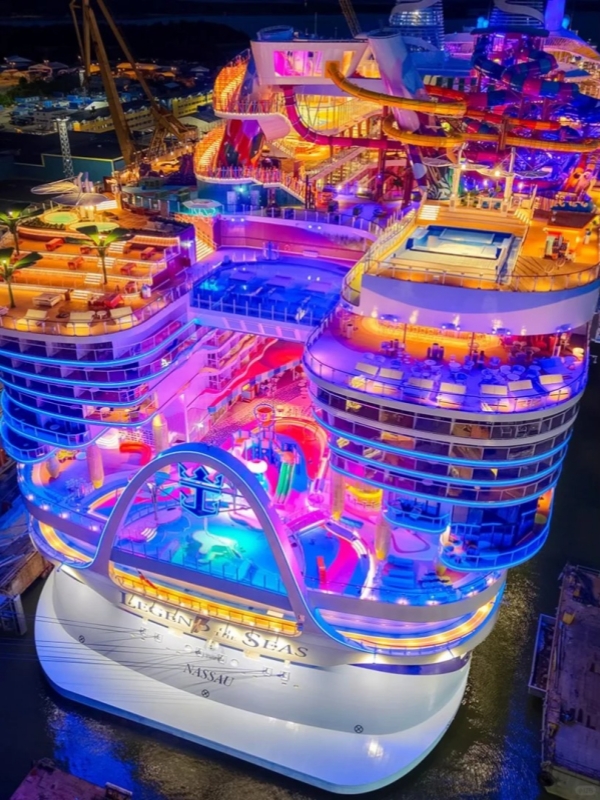
Cabin pricing on Odyssey of the Seas China sailings varies by category, deck position, and promotional window. Interior and ocean-view categories fall at the lower end; suites command the highest premiums. Prices are listed in USD with RMB equivalents based on typical booking-channel rates. All figures are subject to change; confirm at the time of booking.
Cabin Tiers and Price Ranges
The following ranges reflect per-person costs for a 4–6 night Shanghai departure in standard season:
Booking Channels for Foreign Travelers
Foreign visitors have several English-language options for booking Odyssey of the Seas China sailings. The following channels accept international credit cards and present pricing in USD:
- Royal Caribbean Direct: The operator's own website offers the full cabin inventory, English-language interface, and direct customer support; foreign cards are accepted.
- Trip.com: Lists Odyssey of the Seas China departures with USD pricing, English navigation, and refund-processing support; a practical alternative when Royal Caribbean promotions differ.
- Klook: Carries select Royal Caribbean China sailings with Asian-market pricing; occasional cruise-specific vouchers appear during promotional periods.
- Hong Kong / Shenzhen Travel Agents: Local agents are particularly useful when the ship sails from Kai Tak or Shekou, as they handle documentation and transfers more seamlessly than online-only channels.
Mainland Chinese platforms such as Meituan, Dianping, and the WeChat mini-program ecosystem require a mainland phone number and local payment methods; foreign visitors generally cannot access these.
Visa and Entry for Foreign Visitors
China's visa policy for cruise passengers has evolved, and the 240-hour visa-free transit scheme now covers most major cruise ports. Understanding the rules before booking is essential, as the requirements differ from standard tourist visas.
Visa-Free Transit Policies
The 240-hour visa-free transit policy applies to passengers arriving at Chinese cruise ports from more than 50 countries. Key conditions include:
- Eligible ports: Shanghai, Tianjin, Dalian, and other designated ports participate in the scheme; Hong Kong operates under separate entry arrangements.
- Passport validity: The passport must be valid for at least three months beyond the planned exit from China.
- Approved carrier: The cruise line must be an approved operator; Royal Caribbean qualifies under current regulations.
- Regional restriction: Transit stays are limited to the administrative area of the arrival port—Shanghai arrivals may travel within Shanghai, Jiangsu, and Zhejiang only.
- Onward ticket: Passengers must hold a confirmed onward ticket out of China within the 240-hour window.
Cruise-Specific Visa Rules
Multi-port itineraries typically require a single entry at the first Chinese port of call; no additional entries are needed for subsequent ports within the same sailing. Passengers who do not qualify for visa-free transit must apply for a tourist visa (L visa) before arrival. Typical costs run about $140–185 per person (¥1,000–1,300) for most nationalities, with longer processing times for US passport holders. The Chinese embassy or official visa service centers handle applications. Travel insurance is not formally required for the visa application but immigration officers may request proof of funds and accommodation. Cruise passengers entering at Hong Kong's Kai Tak terminal are subject to Hong Kong's separate immigration policy, which permits most nationalities to transit visa-free for short stays under different conditions from mainland entry.
Frequently Asked Questions
Q: Is Odyssey China a cruise ship or a tour company?
"Odyssey China" most commonly refers to Royal Caribbean's Odyssey of the Seas sailing from Chinese ports. The senior-tour operator Odyssey Traveller is a separate product and is not covered in this guide.
Q: How much does an Odyssey of the Seas China cruise cost?
A 4–6 night Shanghai round-trip typically ranges from $400–700 per person for an interior cabin, $800–1,300 for a balcony, and $1,800–3,000+ for a suite. Final pricing depends on season, cabin tier, and current promotions.
Q: Do I need a China visa for an Odyssey of the Seas cruise?
Passport holders from more than 50 countries can use the 240-hour visa-free transit when boarding the ship at eligible Chinese ports. Those who do not qualify need a standard tourist (L) visa before arrival.
Q: Where does Odyssey of the Seas depart from in China?
The primary homeport is the Wusongkou International Cruise Terminal in Shanghai's Baoshan District. Hong Kong Kai Tak and Shenzhen Shekou appear on repositioning and shorter sailings.
Q: Can cruise passengers use China's 240-hour visa-free transit?
Yes. Cruise passengers are explicitly included in the 240-hour scheme provided the cruise line is an approved operator, the passenger holds a passport from an eligible country, and a confirmed onward ticket out of China is presented.
Q: How long are typical Odyssey China cruises?
Most China-season sailings run 4–6 nights round-trip from Shanghai. Selected itineraries of 8–12 nights combine Japan, Korea, and occasionally Hong Kong.
Q: Can I book Odyssey China cruises on Trip.com or Klook?
Yes. Both Trip.com and Klook list Odyssey of the Seas China departures in English with USD pricing. The Royal Caribbean website and selected travel agents are alternative options.
Q: What is the best season to sail Odyssey China?
Spring (April–May) and autumn (September–October) offer the most comfortable weather at port. Summer is warm and popular with families; December–February sailings are colder but less crowded.
Q: Is English spoken onboard Odyssey of the Seas?
Yes. The ship operates primarily in English with an international crew. All announcements, dining menus, and the daily activity planner are available in English, and shore-excursion guides are offered in English.
Q: What about other "Odyssey" searches like tour operators or Honda?
This guide covers the cruise ship only. For Odyssey Traveller, My Odyssey Tours, or Odyssey's Unlimited, consult those operators directly. Honda Odyssey, Super Mario Odyssey, and A Space Odyssey fall outside the scope of China travel content.