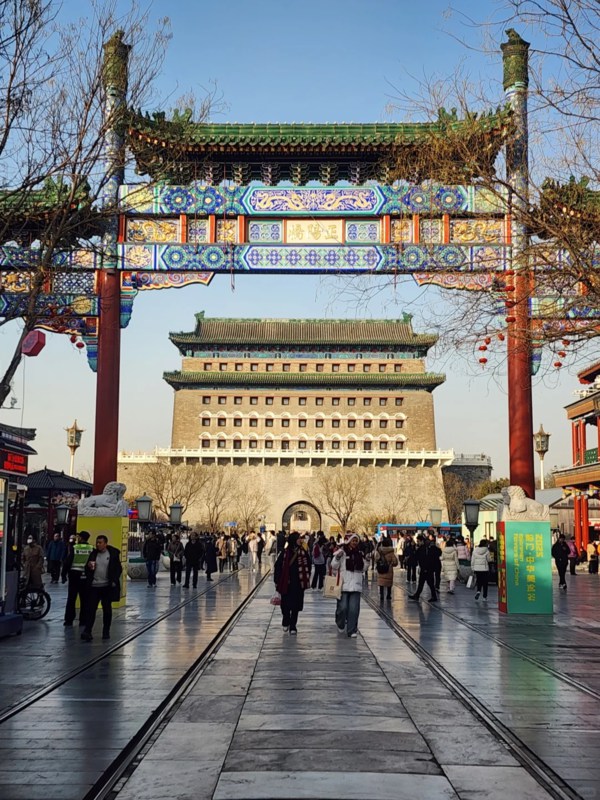
Scene of Qianmen Avenue
People talk about qianmen avenue beijing like it’s either a historic treasure or a polished tourist strip. The truth sits somewhere in between. You step out of Qianmen subway station, and the street opens wide in front of you—grey brick buildings, shop signs in gold characters, a slow tram rolling past with a soft bell. It feels organized, almost staged, yet the smell of roast duck and sweet tanghulu drifting in the air reminds you this is still Beijing.
I’ve walked qianmen avenue beijing on busy weekends and quiet weekday mornings. It changes depending on the hour. Some parts feel crowded and commercial. Others, especially near Dashilan, still carry a bit of old-city rhythm.
Qianmen Avenue Beijing Quick Facts
| 🏮 Chinese Name | 前门大街 (Qianmen Dajie) |
| 📍 Address | Qianmen Street, Dongcheng District, central Beijing |
| 🚇 Nearest Subway | Line 2 – Qianmen Station, Exit C (closest to main gate) |
| 🕒 Opening Hours | Street open 24 hours; most shops 9:30am–10:00pm |
| 🚋 Tram Price | Around ¥20–30 one way (may vary slightly by season) |
| 🌆 Best Time to Visit | Late afternoon to evening, around 4:30pm–8:00pm |
| 🎟 Entrance Fee | Free to enter; no ticket required |
| 📌 Nearby Spots | Tiananmen Square, Dashilan Street, Zhengyangmen Gate |
-
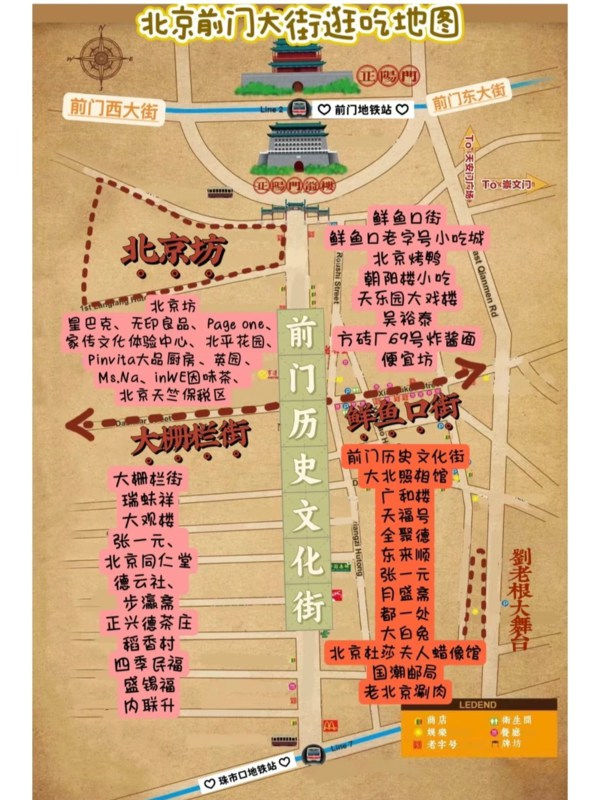

- Map of Qianmen Avenue
-
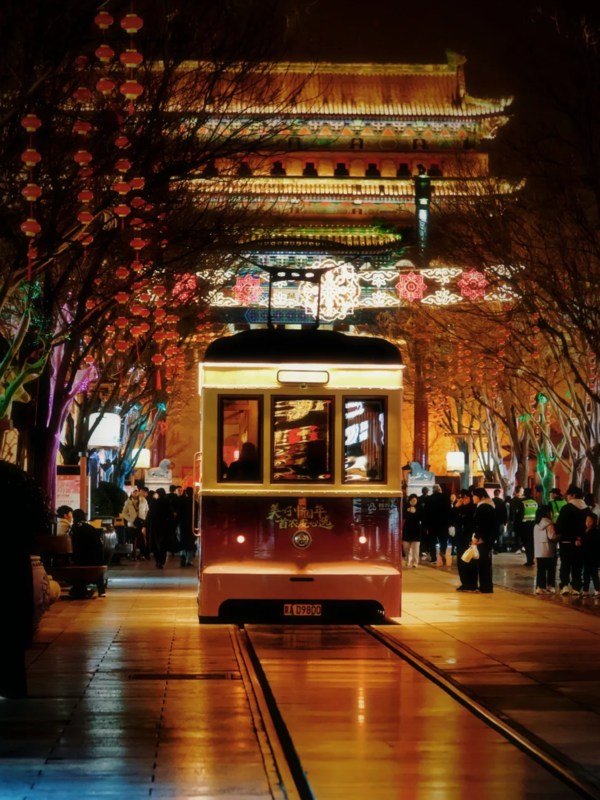
- Qianmen Street Tram
-
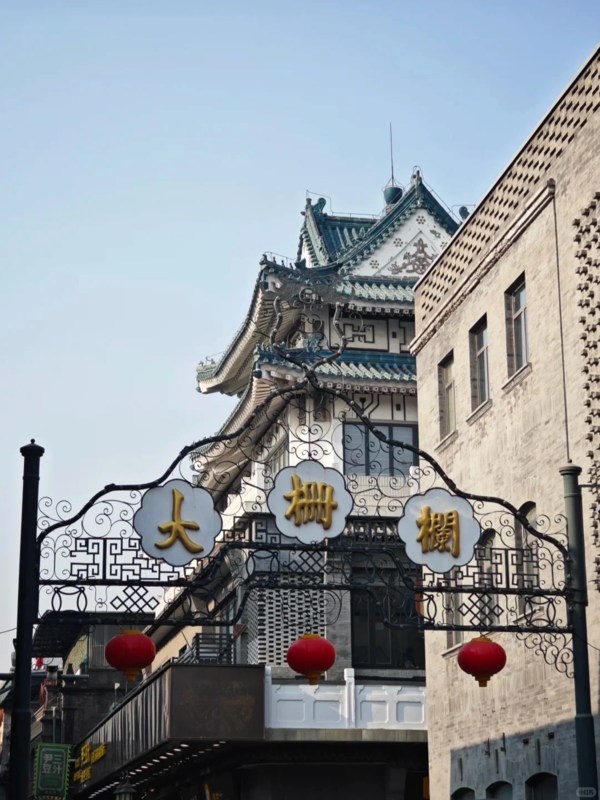
- Old Buildings in Qianmen
Where to Start: North Gate or South Entrance
North Gate: the main entry point
The north gate sits closer to Tiananmen Square, and that’s where most visitors arrive. From Line 2, Exit C, the wide pedestrian street suddenly opens in front of you. Tour groups gather there, flags raised, cameras out—busy almost immediately.South Entrance: calmer and more local
The south entrance near Zhushikou feels noticeably quieter. Fewer large groups pass through, and more locals cut across the street on their way. It’s a less crowded way to begin, but the visual impact builds more gradually.Best walking direction
I personally prefer walking from north to south. Afternoon light, around 4–5pm, casts a warmer glow on buildings, making photos look less flat. My first visit started at the south end by mistake, coming up from Zhushikou Station—I felt slightly disoriented and didn’t get the full street experience until halfway through.Route tips for first-timers
For the classic reveal, start near Zhengyangmen Gate and walk straight down without turning into side alleys at first. Save Dashilan for later. This keeps orientation simple, avoids backtracking, and prevents frustration on busy weekends. Qianmen Avenue Beijing stretches farther than it appears on maps, so starting correctly makes the entire walk smoother, especially for first-time visitors exploring qianmen avenue beijing.
The Qianmen Street Tram: Should You Ride It
Design and ambiance
The qianmen street tram has a nostalgic feel: dark green exterior, brass decorations, and wooden-style seats inside. It travels slowly along the middle of the street, ringing a small bell that punctuates the atmosphere.Ticket price and waiting times
Tickets typically cost ¥20–30 per ride. I paid slightly above ¥20 last spring, though prices can fluctuate during holidays. Queues often form, especially after sunset; I once waited about 25 minutes.Practicality versus experience
In terms of transport, the tram isn’t strictly necessary—the street is walkable in 15–20 minutes. Tripadvisor reviews show mixed opinions: many tourists enjoy the atmosphere and photo opportunities, while others feel it’s overpriced for such a short ride.Personal take
I see the tram as more of an experience than transportation. It’s helpful if you have tired legs or older relatives. Otherwise, walking allows for closer observation of qianmen avenue beijing’s details. The tram adds charm to the scenery but doesn’t define the street itself.
Is Qianmen Authentic or Rebuilt for Tourists
A majority of what we have today was refurbished in the run up to the Olympics of 2008. The exteriors are in late Qing and early Republican styles, although much of the building was reconstructed or greatly refurbished. That is something to know. Qianmen Avenue Beijing is a historical place and heritage, but not all the bricks are of original origin.
Other visitors want to see the unspoilt ancient Beijing. That’s not what this is. Compare with other nearby lanes of Dashilan, smaller lanes are tighter and rougher. Dashilan is loaded with everyday life delivery scooters, handwritten signs, and lopsided shopfronts. By comparison, qianmen avenue beijing is planned and designed.
Still, I wouldn’t dismiss it. Clarity is useful to first-time visitors. Spacious areas of pedestrian use, good signage, familiar brands. It’s approachable. It presents the business history of Beijing that does not bombard you. It is not the raw hutong culture, but it narrates a part of the city history in a manner that is easy to follow.
💡 Beijing Historic Streets Guide: Qianmen is one stop on a much richer journey — plan ahead with the full things to do in Beijing itinerary guide.
What to Explore & Where to Shop
-
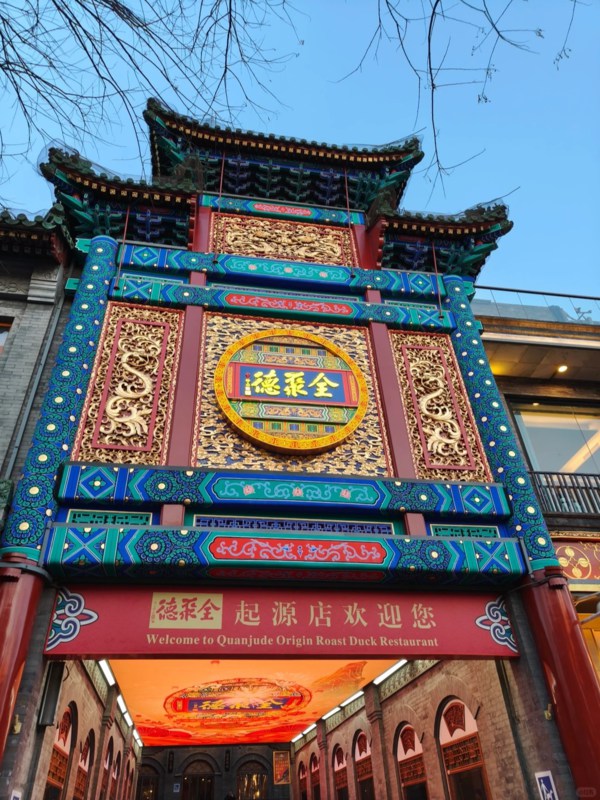
- Quanjude
-
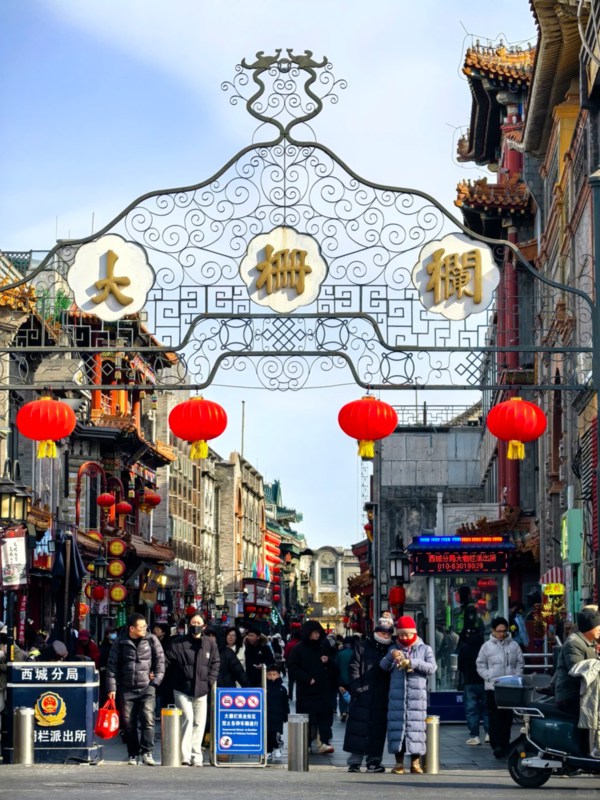
- Dashilar
-
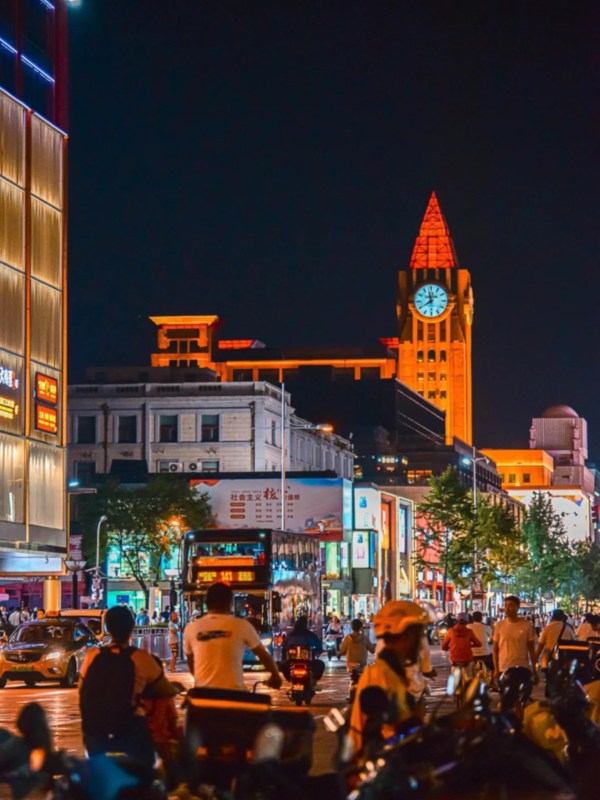
- Wangfujing
Time-Honored Brands Along Qianmen Avenue Beijing
Not every shop along qianmen avenue beijing deserves a purchase. Some newer souvenir chains blend in architecturally but lack heritage. Here’s how to focus your attention:
Quanjude Roast Duck: Iconic for Beijing duck. Worth visiting if you plan to eat; otherwise, mostly a photo stop.
Tongrentang Pharmacy: Traditional Chinese medicine with drawers of herbs and old diagnostic tools. Entry gives cultural context even without buying.
Ruifuxiang Silk Shop: Embroidered fabrics and qipao-style garments. Prices are high but quality is genuine.
Neiliansheng Cloth Shoes: Simple design, still preferred by older locals for comfort.
Tips to avoid wasting time or money: Stick to true Laozihao brands, treat newer shops as window-shopping, and plan which ones are must-see versus optional.
🏮 Planning to shop at more locations beyond Qianmen? Explore our comprehensive Beijing Shopping Guide for First-Time Visitors & Savvy Travelers covering luxury malls (SKP, China World), market bargaining at Pearl Market and Silk Street, Sanlitun Taikoo Li fashion, budget shopping spots, payment methods, haggling techniques, and spotting authentic items!
Dashilan Street Beijing The Side Street That Feels More Local
Dashilan street beijing, located just west of the main pedestrian road, offers a stark contrast to Qianmen’s polished facades:
Atmosphere: Narrow lanes, intimate storefronts, and minimal tour groups. You hear locals chatting, elders bargaining, and occasional delivery carts squeezing through. It feels lived-in and spontaneous.
Local snacks: Flatbread with sesame seeds, hawthorn candies, miniature barbecue skewers—prices are generally lower than on the main avenue. These snacks provide a more authentic taste of Beijing street life.
Exploration strategy: Start on the main avenue and turn west into Dashilan halfway through your walk. This preserves the visual contrast: Qianmen Avenue’s symmetry and grandeur versus Dashilan’s local vibrancy. The sequence also helps visitors avoid missing either atmosphere.
Observation: Dashilan offers a sensory and cultural depth that the main avenue cannot replicate. The streets are quieter, less commercial, and give insight into real Beijing daily life.
Qianmen Street vs Wangfujing Street Which One Feels More Beijing
It is not a secret that the discussion of qianmen street vs wangfujing street is a frequent issue. Wangfujing is bigger, more contemporary and full of international retail brands. Bright LED displays, shopping center, snack streets, which are aimed at mass tourism. It is more convenient and less anchored in traditional architecture.
Beijing qianmen avenue, on the contrary, leans towards historical pictures. The street pattern and architectural forms even after refurbishment reflect the pre-renovation commercial Beijing. The crowd differs too. Wangfujing appeals to younger customers and tourists visiting the malls. Qianmen attracts family travelers, history tourists as well as first-time international tourist.
With just half a day to spare I would go to qianmen avenue beijing. It is closer to Tiananmen and has an easy time matching big landmarks. Wangfujing is also good when you need to do shopping as your primary purpose. To create the atmosphere and a feeling of old Beijing identity, Qianmen pulls ahead.
Honest Food Reviews & Trap Warnings
-
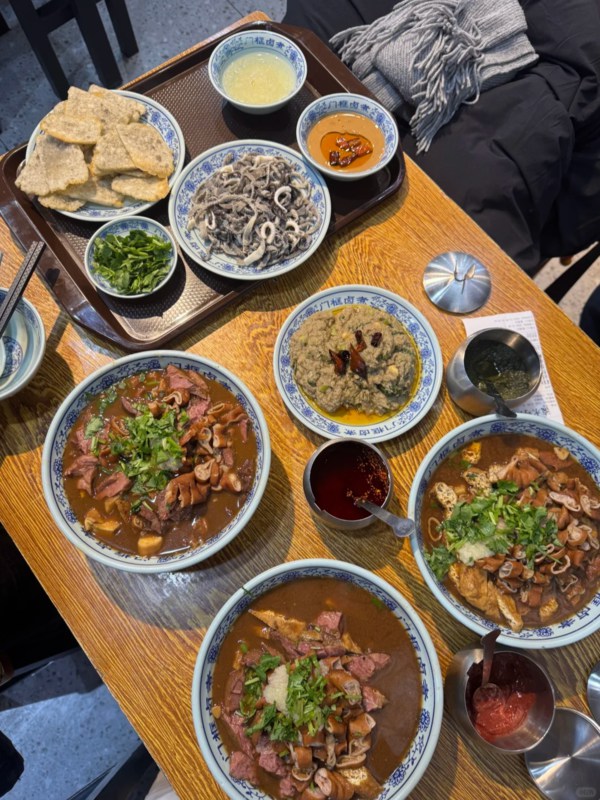
- Stewed Pork Offal
-
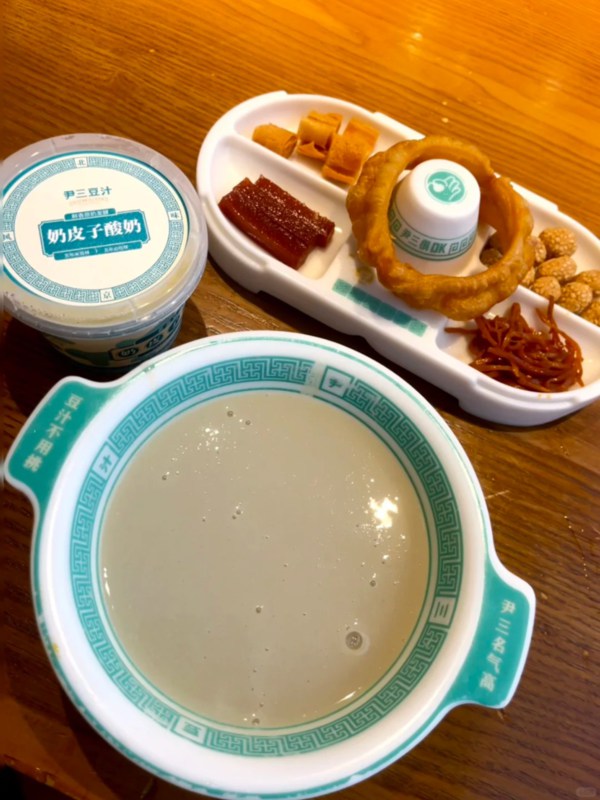
- Douzhir
-
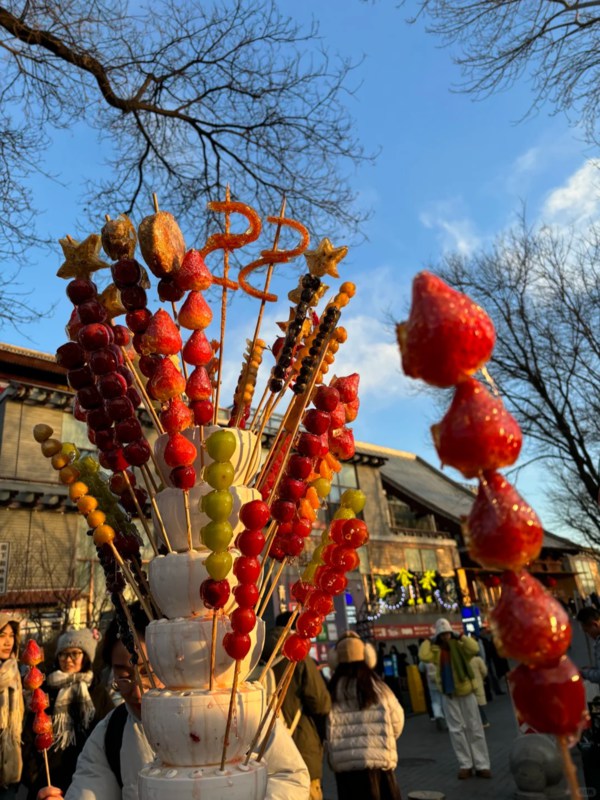
- Tanghulu
Classic Old Beijing Snacks on Qianmen
When exploring qianmen street beijing food, you quickly realize the experience is a mix of excitement and challenge. Here’s how to navigate the local snacks:
Douzhi (fermented mung bean drink): This one is divisive. The aroma is slightly sour, reminiscent of fermented peas. Many foreigners find it surprising on the first sip. If curious, sample a small cup first rather than committing fully. Locals grow up with it, and it’s a quintessential old Beijing taste.
Luzhu (pork offal stew with bread pieces): Rich in garlic and soy, with dense textures. Traditional and hearty, but texture-sensitive eaters might hesitate. Best sampled in smaller portions.
Zhajiangmian (noodles with soybean paste): Thick wheat noodles topped with minced pork, shredded vegetables, and fermented soybean paste. Familiar in structure, flavorful, and approachable for first-timers. A great starting point for newcomers.
Tanghulu (candied hawthorn on a stick): Sweet exterior, tart interior, photogenic and easy for tourists. Safe and visually appealing snack for all ages.
Tip: Not all stalls along qianmen avenue beijing maintain high quality. Some rely heavily on tourist foot traffic. Stick to established storefronts for a more reliable experience. For first-timers exploring qianmen avenue beijing, start with zhajiangmian or tanghulu before venturing into stronger flavors like douzhi or luzhu.
Extra resource: If you want to dive deeper into local flavors and hidden gems, take a look at this detailed Beijing food tour. It provides practical tips for navigating the city’s culinary landscape.
Tourist Traps on Qianmen Street Beijing and How to Avoid Them
Souvenir quality: Items like magnets, silk scarves, or trinkets appear in multiple shops with wildly varying prices. Compare at least two or three locations before committing. Paying attention prevents overpaying for the same item.
Roast duck pricing: Well-known chains are pricier but consistent in quality. Smaller vendors might offer promotions but may compromise authenticity. Choose according to preference, especially if trying to stay on budget.
Qianmen Street Tram: Long queues often form during peak times—sometimes up to 30 minutes. It’s more scenic than practical, and skipping it can save time for exploring the architecture and street life along qianmen avenue beijing.
Identifying genuine Laozihao brands: Look for official plaques at storefronts, usually placed at visible entrances. Not every “old-style” sign guarantees authenticity. Being selective ensures your experience of qianmen avenue beijing combines heritage with quality rather than paying high prices for replicas.
Overall strategy: Balance is key. Try a mix of iconic snacks and safe options, observe the crowd to avoid long waits, and check for official signage before purchasing souvenirs. Following this approach keeps your visit authentic, enjoyable, and cost-effective.
Evening Guide: Atmosphere & Photography
-
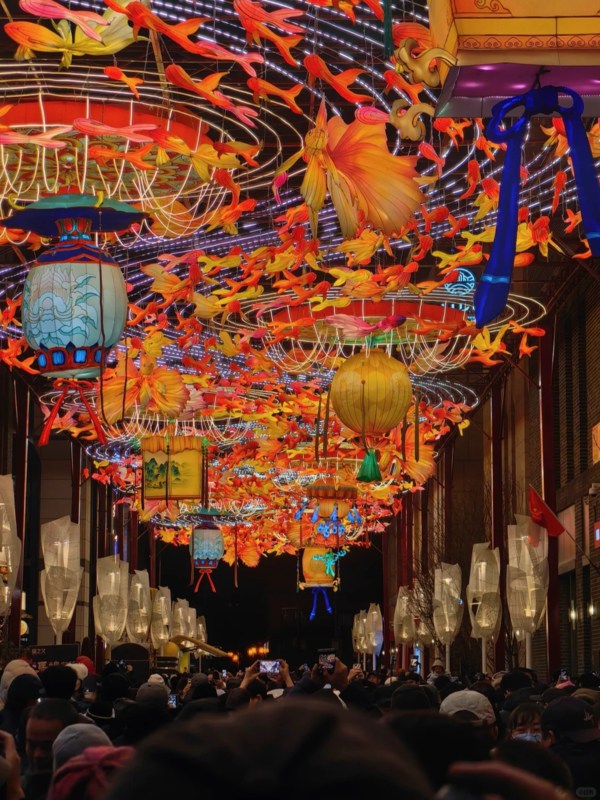
- Light of Qianmen
-
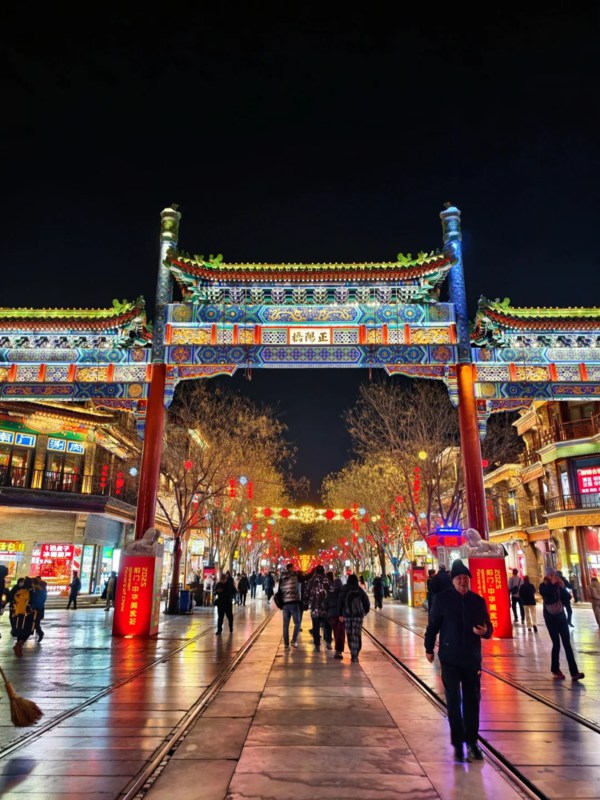
- Night Scene of Qianmen
-
- Photo Spots of Qianmen
Night Atmosphere and Crowd Level
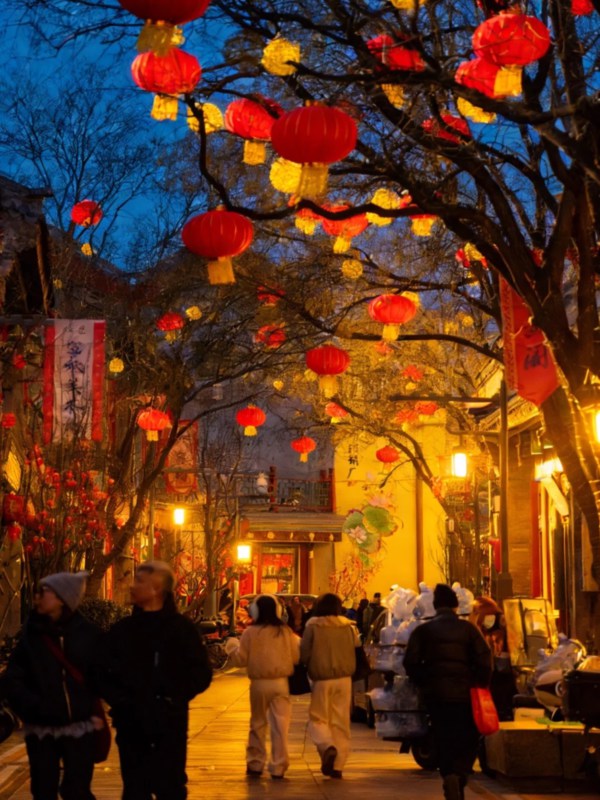
Beijing qianmen avenue is different after sunset. Lantern-like warm lights are lit in the facades, which make the reconstructed architecture less commercial. The shop windows and the tram tracks are lightly bounced off. The impact is not glitzy as in the contemporary shopping quarters.
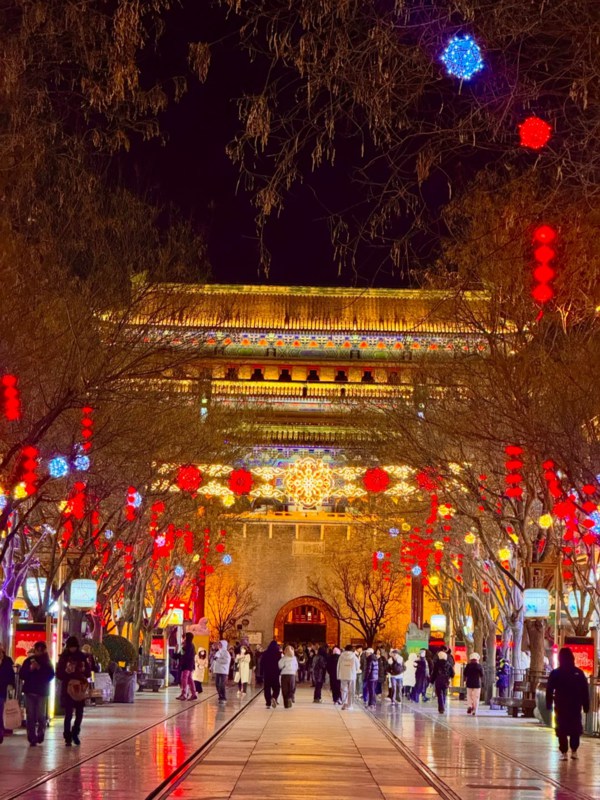
The crowds are constant, but the composition is changed. Daytime tour groups thin out. Much more independent travelers and couples emerge. Peak evening flow is about 79pm and occurs mostly during the warmer seasons. It is energetic yet mostly controllable provided that you are patient.
Qianmen street during the night is a particular search term of many visitors and I can see why. If you’re curious about more lively nighttime spots and hidden evening gems around Beijing, this guide to night markets is worth a look. The street itself is more photogenic. Shadows provide depth which the daylight tends to flatten. Regarding security, the neighborhood is well-lit and in the central location. There is the presence of police around big intersections. I have passed by 9pm without any problems. There is a minimum of city consciousness.
Best Photo Spots
The tracks that pass down the center are tram tracks and the tracks form great leading lines. Be a little out of the center and wait until the tram comes near. It is the best moment to have rhythm of qianmen avenue beijing.
To the lesser side of the south arch, there are fewer high modern buildings to break the sky. Photos seem more balanced with this end. Going down smaller side hutongs off qianmen avenue beijing, the frames will be smaller and there will be fewer people on the road.
Regarding timing, it should be just after the sunset when the sky still has some blue hues. Contrast may be flattened by full darkness. In the early evening there would be stratified light that is not too glare and as such qianmen avenue beijing becomes richer to the eye than it would be in the midday.
Transport Map and Travel Tips
Crowds in Qianmen
Qianmen Street Map and Direction Tips
Navigating qianmen avenue beijing is straightforward if you know the subway and street layout. Line 2 takes you directly to Qianmen Station, with Exit C closest to the northern gate near Tiananmen. From there, it’s a short 5–10 minute walk to the main pedestrian street. Heading south toward Zhushikou, the street gradually widens, making it easy to follow without detours.
Walking from Tiananmen Square to Qianmen takes about 10 minutes. The route is mostly flat and visually guided by large grey brick façades. Taxis can drop you at either end, but during peak hours, traffic slows considerably. Drivers sometimes struggle with exact street names. Saying “前门大街” or showing the map in your phone usually works. Using ride-hailing apps with GPS helps avoid confusion and ensures a smoother trip along qianmen avenue beijing.
Qianmen Street Opening Hours and Best Time to Visit
Most shops along qianmen avenue beijing open around 9:30am and close at 10:00pm. The street itself is pedestrian-only, so technically accessible 24/7, but most activity occurs during daylight and evening hours. Weekdays are less crowded; weekends, especially afternoons, draw heavy tourist traffic.
For first-timers, early morning or late afternoon provides the best balance between light, photos, and crowd size. Evening brings lantern-style lighting and a warmer glow, perfect for capturing qianmen street at night, but expect slightly higher foot traffic. Avoid the busiest midday hours if you want to move freely or stop at specific time-honored shops without waiting.
FAQ About Qianmen Avenue Beijing
Q: What is Qianmen Street famous for?
Qianmen Avenue Beijing is famous for its mix of historic architecture and time-honored shops. Visitors often come for the old-style façades, Laozihao brands like Quanjude roast duck and Tongrentang pharmacy, and traditional snacks such as zhajiangmian and tanghulu. The street also hosts cultural landmarks near Dashilan and Zhengyangmen Gate. It’s not just a shopping street—it offers a glimpse into Beijing’s commercial history and pedestrian-friendly atmosphere, blending tourism with heritage.
Q: What is the most famous street in Beijing?
While Wangfujing is often called the most famous shopping street, qianmen avenue beijing holds historical weight that Wangfujing lacks. Wangfujing is modern, filled with malls and flashy LED signs, but Qianmen represents old Beijing’s commercial core. Travelers seeking history, authentic façades, and a structured pedestrian experience often prefer Qianmen. Its proximity to Tiananmen Square also makes it a convenient cultural stop for first-time visitors.
Q: Where do you start at Qianmen Street?
The ideal starting point is the northern gate near Zhengyangmen. From Line 2, Exit C at Qianmen Station, you step right into the main pedestrian zone. Walking south gives better light for photos and a natural progression past historic shops, Dashilan lanes, and the tram line. Starting here avoids confusion and backtracking. For newcomers, qianmen avenue beijing flows logically from north to south, giving the full experience without getting lost.
Q: Is Qianmen Avenue Beijing worth visiting?
Absolutely. Qianmen Avenue Beijing offers a curated slice of historic Beijing, combining shopping, food, and culture. It’s not raw hutong life, but for first-time visitors or families, it’s approachable and photogenic. Time-honored stores, traditional snacks, and wide pedestrian streets make it enjoyable. Even if you skip the shops, the street itself provides a sense of Beijing’s history, architecture, and atmosphere that few other central streets manage to preserve.
Q: Is Qianmen Street touristy?
Yes, parts of qianmen avenue beijing are tourist-focused, especially the northern gate and main pedestrian areas. Weekends and holidays are busiest. However, side streets like Dashilan are quieter and feel more local. Tourists dominate some eateries, but the overall experience blends heritage with accessibility. Being aware of peak times and planning weekday visits can reduce crowds while still enjoying the historic ambiance.
Q: How long should I spend at Qianmen Avenue Beijing?
Most visitors spend 2–3 hours exploring qianmen avenue beijing, enough to walk the length, check out time-honored stores, sample snacks, and maybe ride the tram. Adding Dashilan side lanes and photo stops can extend your visit to 4 hours. The pace depends on interest. Food enthusiasts and photographers may spend longer, while quick sightseeing can be done in an hour and a half.
Q: Is Qianmen Street good for food?
Yes. Qianmen street beijing food ranges from traditional snacks like zhajiangmian, douzhi, and tanghulu to full restaurants like Quanjude roast duck. Some options are adventurous; others are more approachable for foreign palates. Small stalls and time-honored eateries offer authentic taste, though tourists should be selective to avoid overpriced or lower-quality options. Sampling a few signature dishes is highly recommended.
Q: What is Qianmen Street in Chinese?
In Chinese, qianmen avenue beijing is written as 前门大街 (Qiánmén Dàjiē). “前门” means “Front Gate,” referencing its location near Zhengyangmen Gate. “大街” literally means “main street.” The name reflects both geographic position and historical significance, emphasizing its role as a central commercial and cultural corridor in Beijing’s old city planning.