Beijing Ghost Street
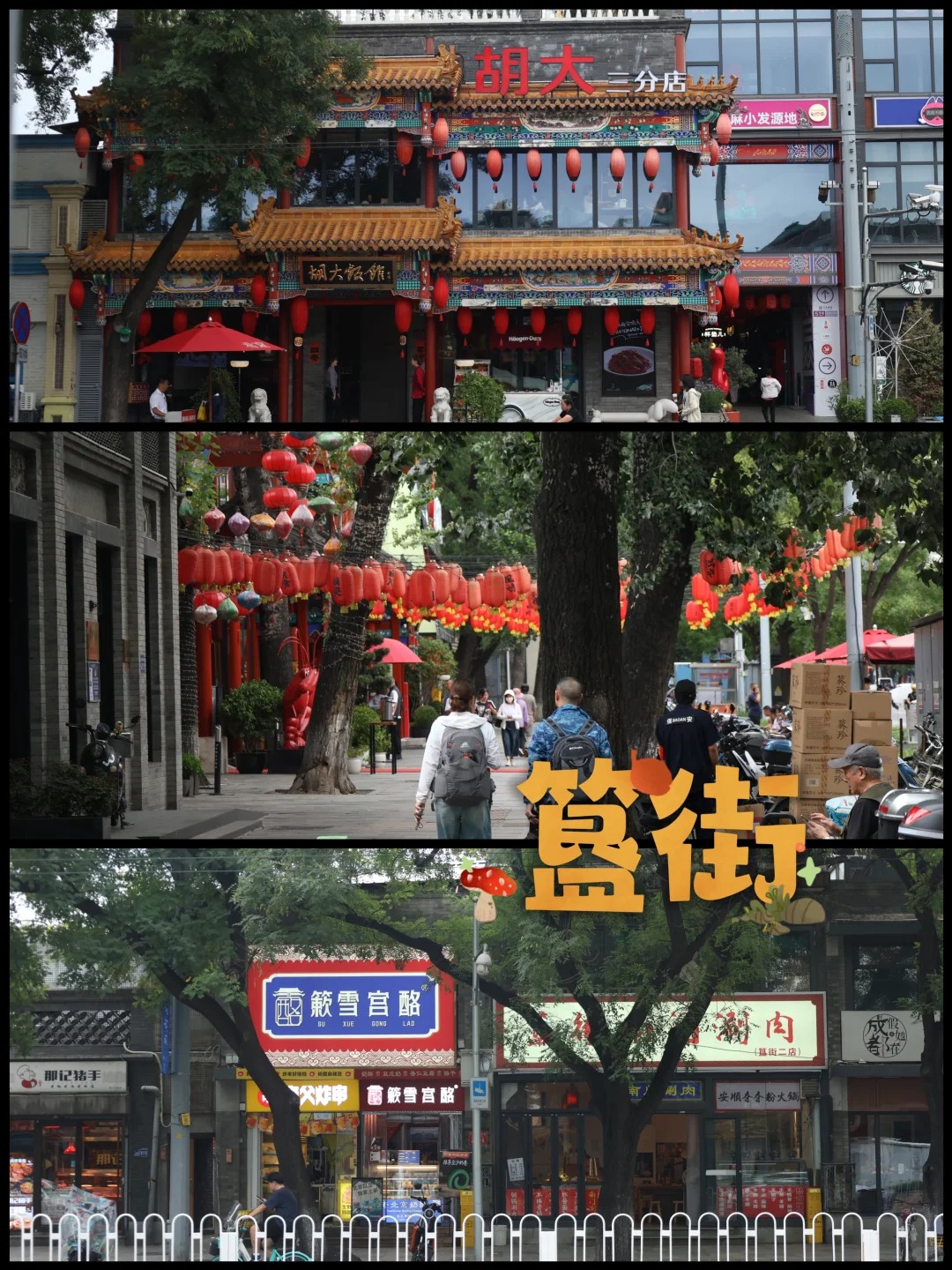
Beijing Ghost Street sits just east of Dongzhimen and is where the city goes when dinner turns into a late night. The street stays busy past midnight, packed with restaurants serving crayfish, skewers, and spicy dishes that keep people ordering more. It’s not really a traditional night market—more like a long, slightly chaotic dining street that never slows down. Some people come because they’ve seen it online, others just follow the crowd, but either way, you quickly notice it runs on noise, heat, and waiting in line. It’s not perfect, but it’s hard to ignore, and if you’re curious how it compares to other spots, local night markets in Beijing feel quite different.
Quick Facts about Beijing Ghost Street
| Item / Details | Information |
|---|---|
| 📍 Location | Dongcheng District, between Dongzhimen & Beixinqiao |
| 🧭 Street Length | About 1.5 km long |
| 🏮 Chinese Name | 簋街 (Gui Jie) |
| 🍤 Famous For | Crayfish, spicy Sichuan food, BBQ, hot pot |
| 🕒 Opening Hours | Most restaurants open until 2–4 AM |
| 🌙 Best Time to Visit | 7 PM – midnight |
| 🚇 Nearest Subway | Beixinqiao (Line 5), Dongzhimen (Line 2 & Airport Express) |
| 💰 Average Cost | ¥80–¥200 per person |
| 📊 Tripadvisor Insight | Highly rated for food, complaints about crowds & queues |
| 📌 Type of Street | Late-night dining street, not a traditional night market |
| 🧑🤝🧑 Crowd | Mix of locals, tourists, late-night diners |
| 🗺️ Search Keywords | ghost street beijing map / guijie street |
Why It’s Called Ghost Street
The name “Ghost Street” has nothing to do with anything spooky. Locals call it Gui Jie (簋街), and the English name comes from how it sounds rather than its meaning. Some older explanations link it to the street’s late-night history, when it stayed open after most of Beijing had gone quiet. Today, the identity comes more from its red lanterns, constant noise, and late-night crowds. The name stuck over time, but for most people now, it’s simply a well-known food street rather than anything mysterious.
What to Eat on Ghost Street
Mala Crayfish
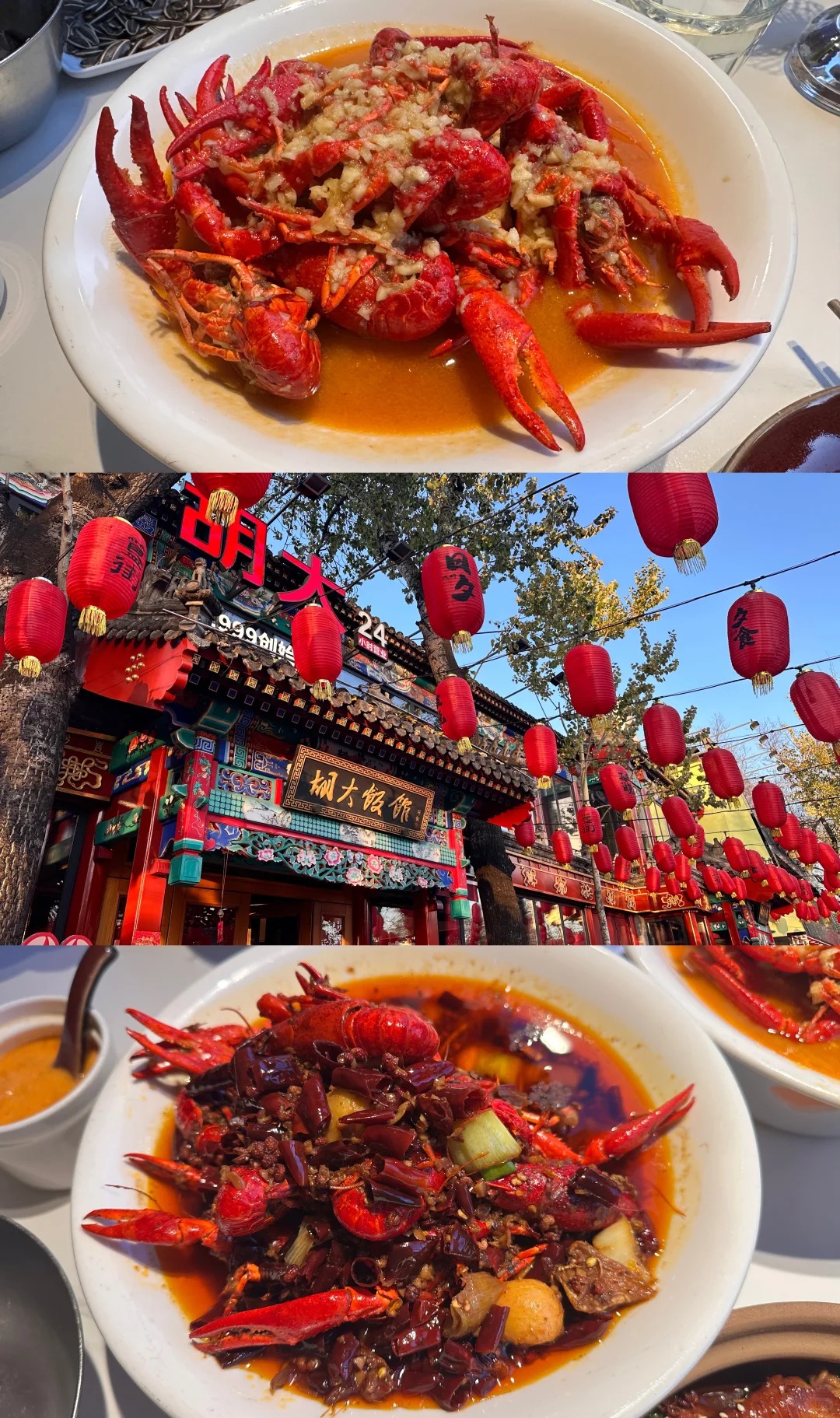
Mala Crayfish
If there’s one reason people keep coming back to Beijing Ghost Street, it’s crayfish. You’ll notice it immediately—huge trays stacked near entrances, staff calling people in, and tables full of bright red shells. It’s not just popular, it’s basically the default order.
Most places keep it simple with two main flavors. Mala (spicy and numbing) is the one everyone talks about. It’s oily, intense, and builds up slowly. Garlic is milder, still rich but easier if you’re not used to heavy chili. I’ve seen people confidently order spicy and then quietly switch halfway through—it happens more than you’d think.
Pricing usually goes by weight. Roughly ¥100–¥150 per kilo, sometimes more depending on the restaurant. You’ll get plastic gloves, and you’ll need them. Eating crayfish is slow and messy—peel the shell, pull the meat, then suck the sauce out of the head if you’re into it.
A couple of small things to watch. Some restaurants add side dishes or charge for sauces without making it obvious. Also, spice levels vary a lot. “Medium spicy” can still feel pretty aggressive if you’re not used to it.
BBQ Skewers
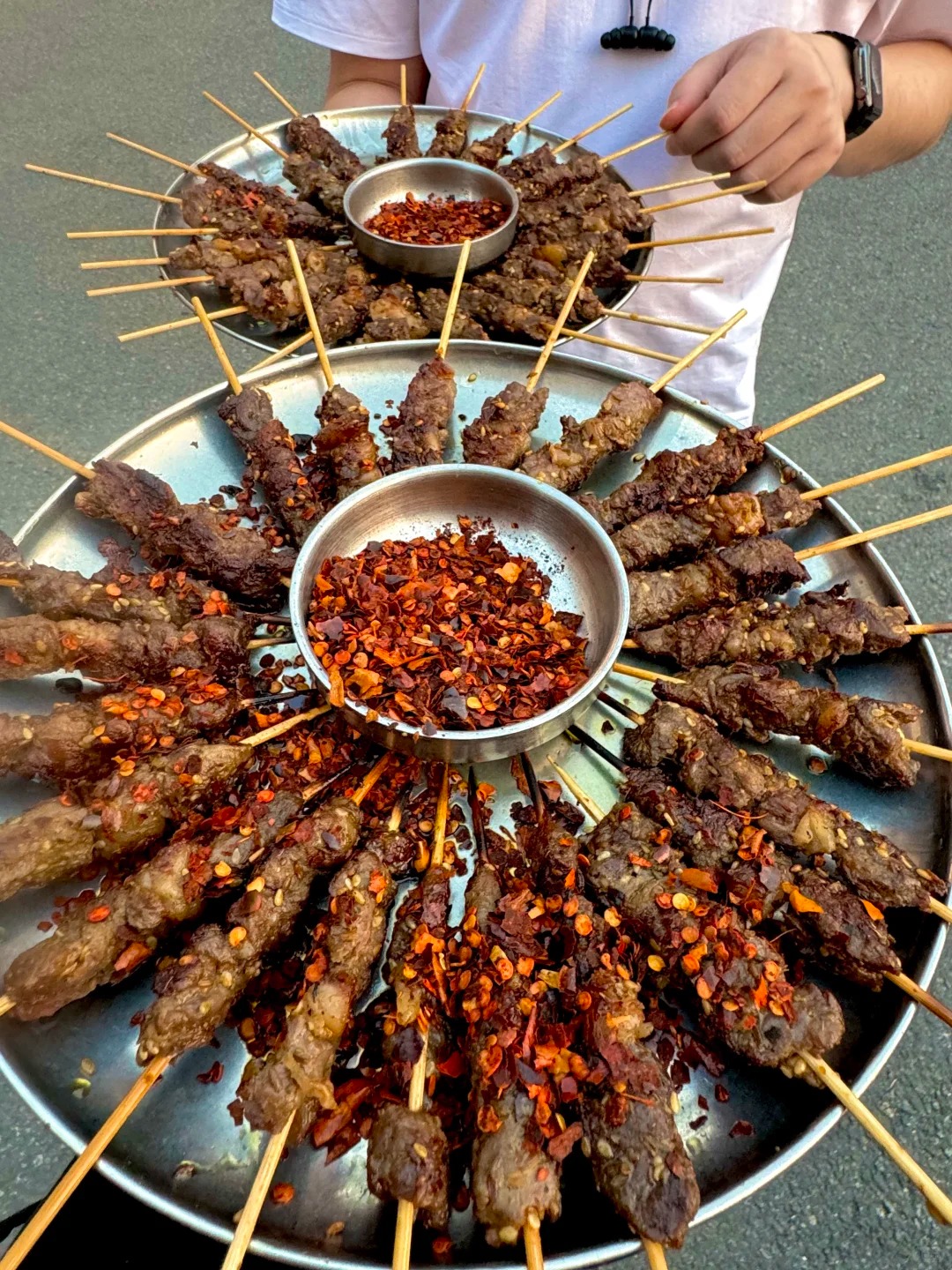
BBQ Skewers
BBQ starts to take over the street later in the night. Around 10pm, you’ll see more skewers hitting the grills, more smoke in the air, and tables ordering in batches instead of just a few sticks.
The usual lineup is pretty consistent—lamb skewers, chicken wings, grilled eggplant, sometimes tofu or mushrooms. The flavor leans heavy: salt, chili powder, cumin, and oil. It’s not trying to be refined. It’s bold, slightly greasy, and works well with cold beer.
What makes it different from typical street food markets is the pace. You’re not walking around with skewers in your hand. You sit down, order a dozen at once, and stay there. It turns into a slow meal without really planning it.
For visitors, this is one of the easier things to navigate. You don’t need to understand a long menu. Pointing works most of the time, and portions are small enough to try different things. Just keep an eye on how quickly it adds up—orders tend to stack without you noticing.
Hot Pot
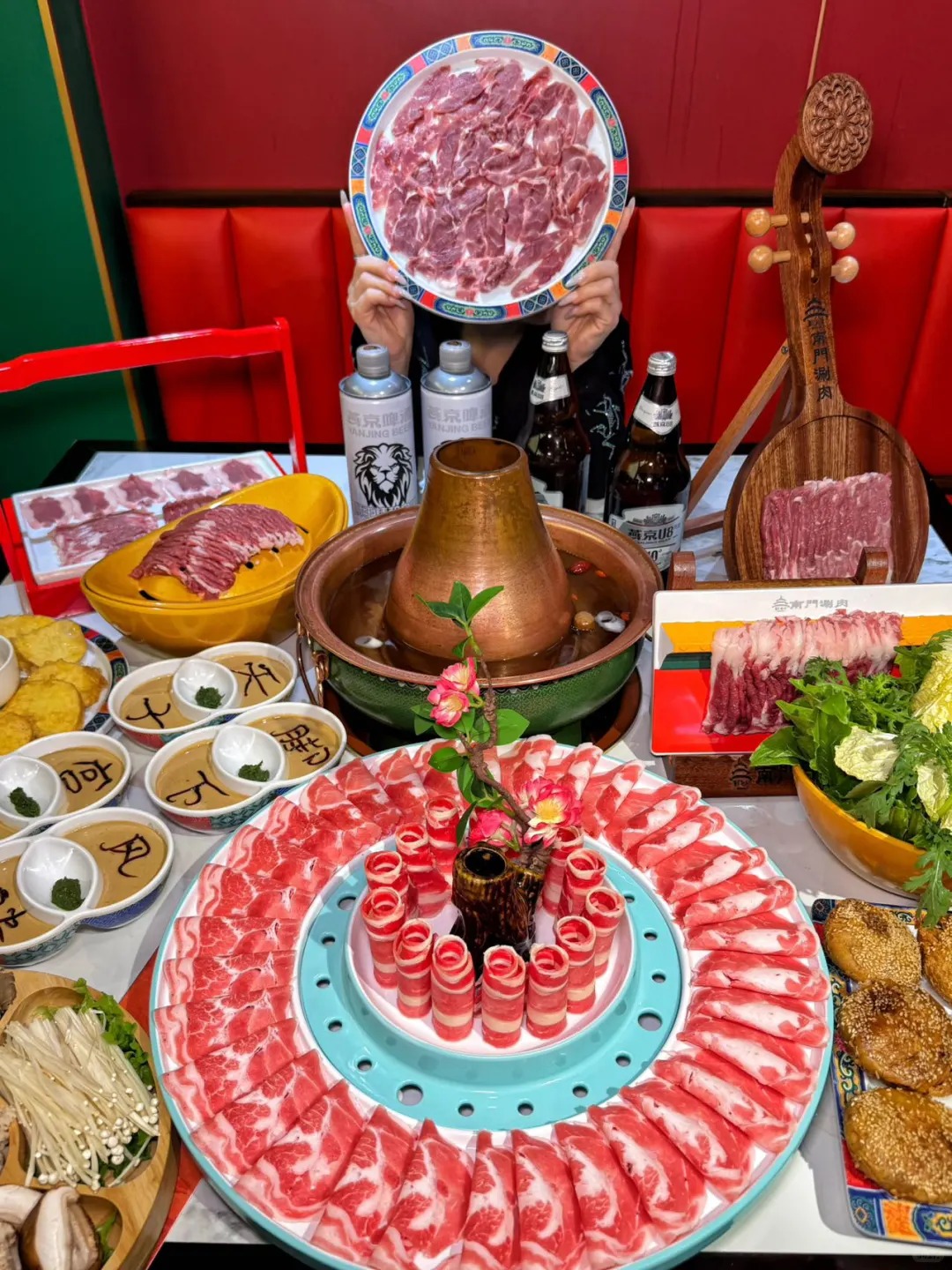
Hot Pot
Hot pot usually comes in as the second round. People start with crayfish or BBQ, then move somewhere quieter (or just indoors) and settle in again. It’s slower, more social, and honestly easier on the stomach if you avoid the full spicy broth.
You’ll typically choose between a spicy base and a clear one, or split the pot in half. The spicy version can get intense pretty fast, so mixing it helps. Ingredients are ordered separately—meat slices, vegetables, tofu, noodles—everything cooked at the table.
It works best with a group. Ordering solo doesn’t really make sense here unless you’re very hungry. Budget-wise, it’s usually around ¥80–¥150 per person, depending on how much you order. Some places push extras like dipping sauces or snacks, so the bill can creep up without you noticing.
Small Dishes and Street-Style Food
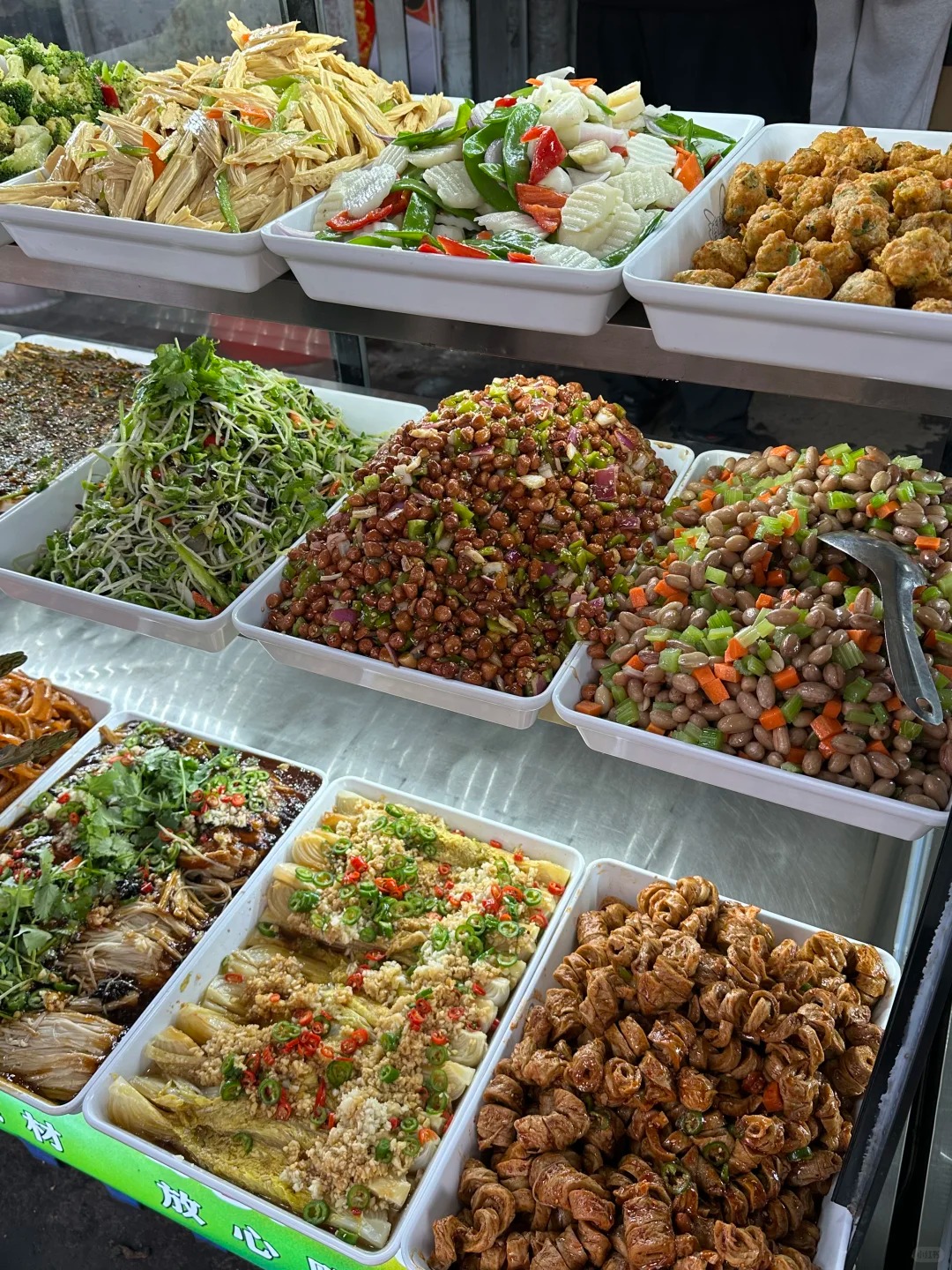
Small Dishes & Street-Style Food
These are easy to miss, especially if you’re focused on the bigger dishes, but they show up on almost every table. Cold cucumbers, peanuts, tofu strips, shredded potatoes—simple things that don’t stand out at first.
They usually arrive quickly, sometimes before you even finish ordering. A lot of people treat them as background food, something to snack on while waiting. But after a while, they become the things you reach for the most, especially when the main dishes get too heavy.
Flavor-wise, they’re lighter but still punchy. A bit sour, a bit salty, sometimes with garlic or chili oil. They cut through the richness of crayfish and BBQ, which helps more than you expect after an hour of eating.
They also pair well with drinks. You’ll notice groups ordering beer and just letting these small plates sit in the middle, picking at them between conversations. Not the highlight of the meal, but without them, the whole experience feels slightly off.
Restaurants Worth Trying on Ghost Street
Hu Da Restaurant
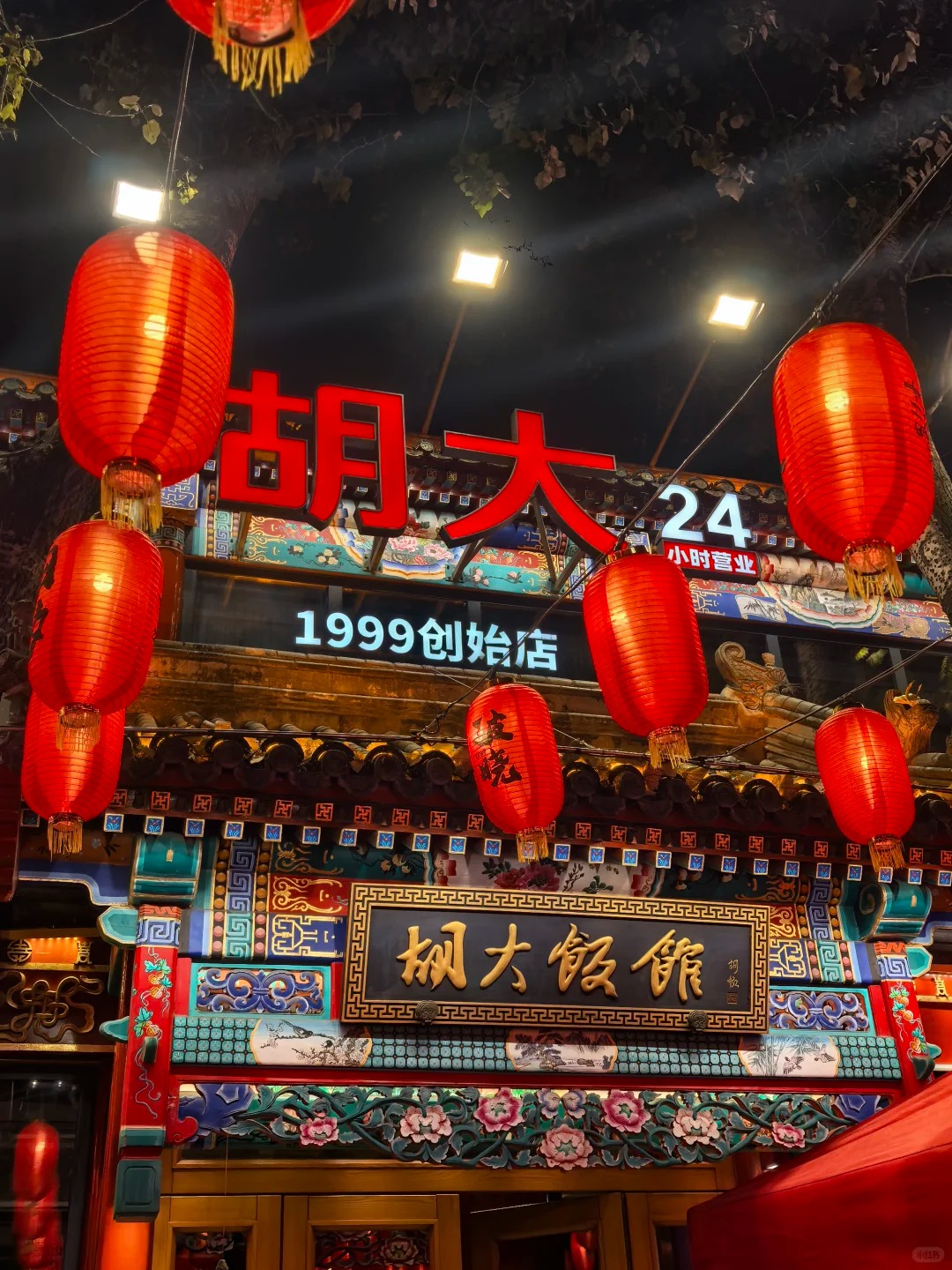
Hu Da Restaurant
- Location: Main stretch of Ghost Street, multiple branches close to Beixinqiao side
- Suitable For: First-time visitors, groups who want a “safe choice”, people okay with waiting
- Taste Profile: Heavy spice, oily base, consistent flavor across branches
- Signature Dish: Crayfish (especially mala spicy crayfish) with beer pairing
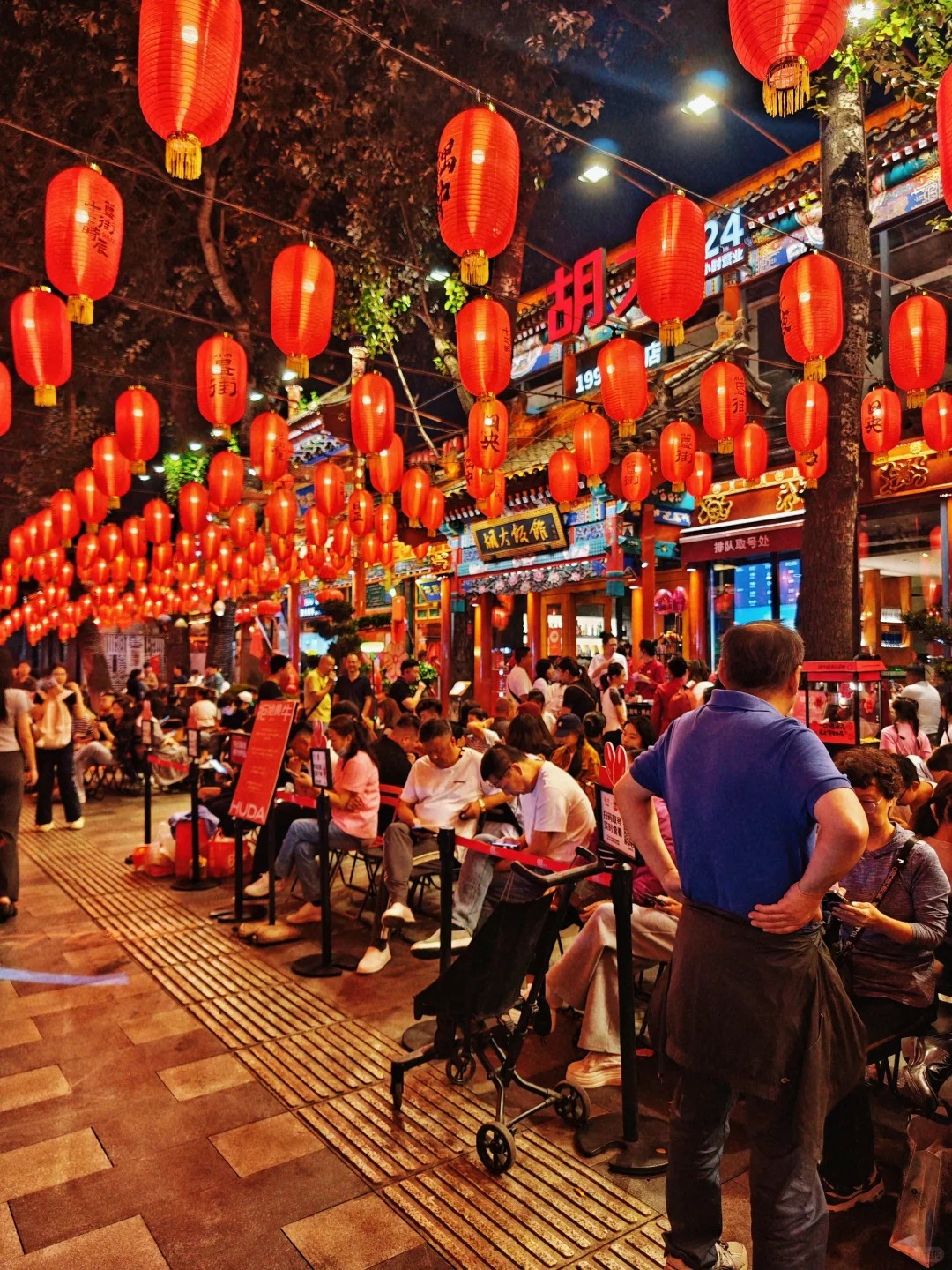
This is the most visible restaurant on the street, and you can’t really miss it. The queue usually starts forming before dinner time and stays until late night. I’ve seen waits range from 30 minutes to nearly 2 hours, especially on weekends. Some locals still go here, but most customers are tourists or groups trying crayfish for the first time.
The food itself is reliable. Not the best on the street, but rarely disappointing. If you want a predictable version of Ghost Street crayfish, this is the one. If you hate waiting though, it can feel a bit much.
Hua Jia Yi Yuan
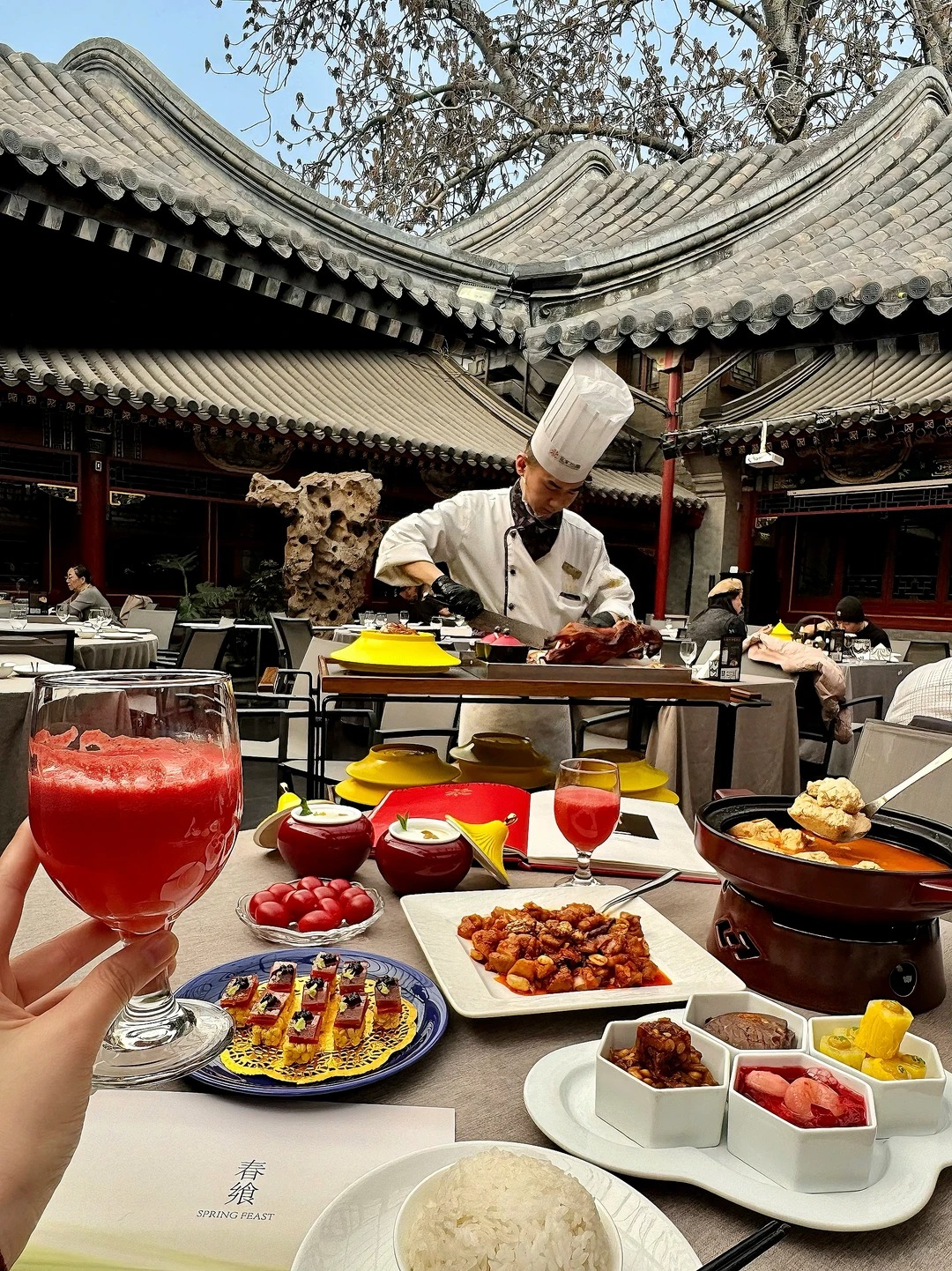
Hua Jia Yi Yuan
- Location: Midsection of Ghost Street, slightly set back from the loudest crowd area
- Suitable For: Couples, families, travelers avoiding heavy spice or oil
- Taste Profile: Lighter Beijing-style cuisine, less chili, more balanced flavors
- Signature Dish: Traditional Beijing dishes like roast duck, stir-fried meats
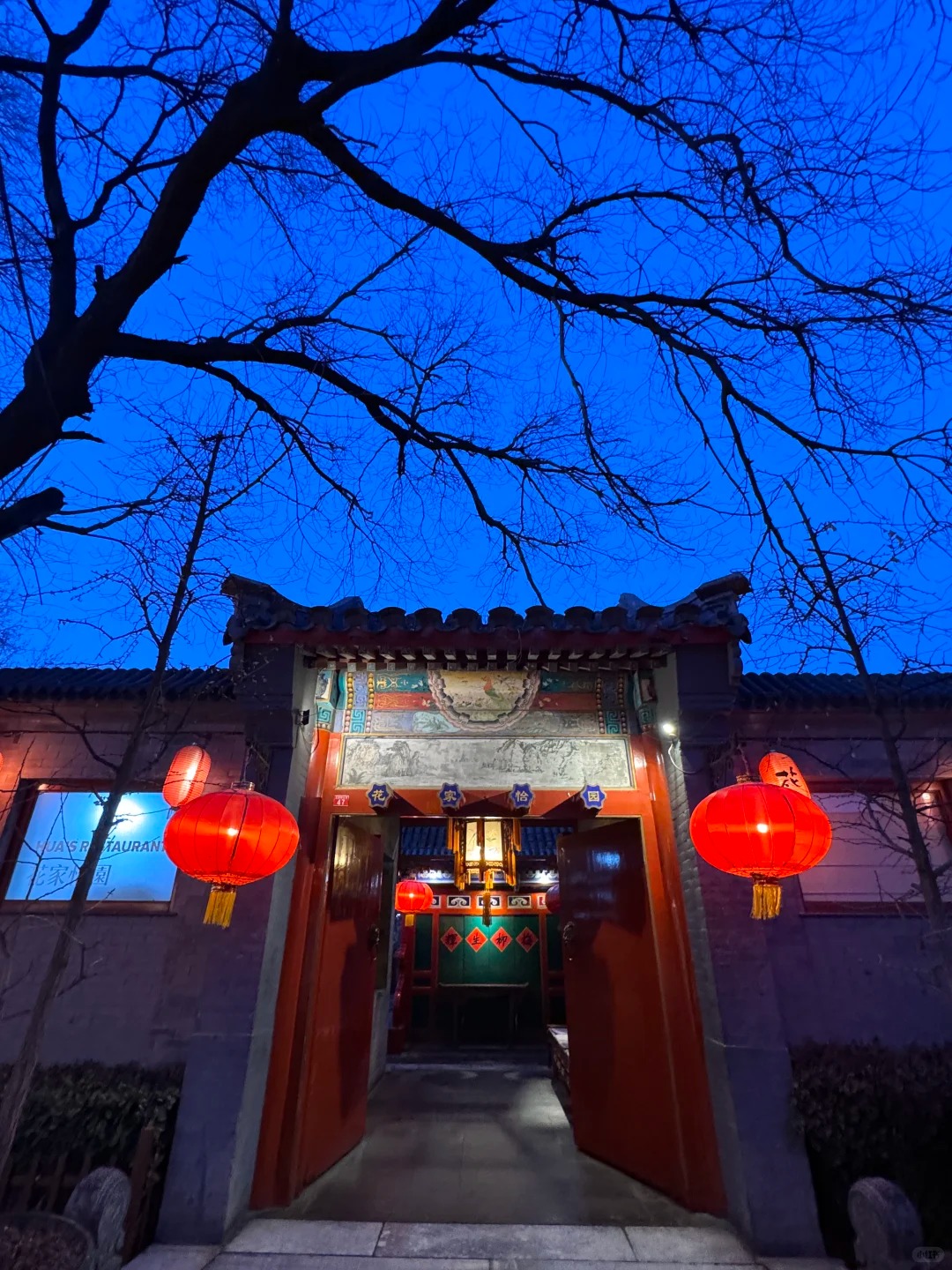
Compared to the crayfish-heavy restaurants, this place feels calmer and more structured. You sit indoors, not on crowded sidewalk tables, and the pace is slower. It doesn’t feel like a typical late-night “street food” stop.
The menu leans more traditional. If you’ve already tried spicy crayfish and BBQ earlier, this is where you reset your stomach a bit. It’s also more comfortable for people who don’t handle heavy spice well.
Prices are slightly higher than average on Ghost Street, but the environment is cleaner and easier to manage.
Smaller Local Restaurants
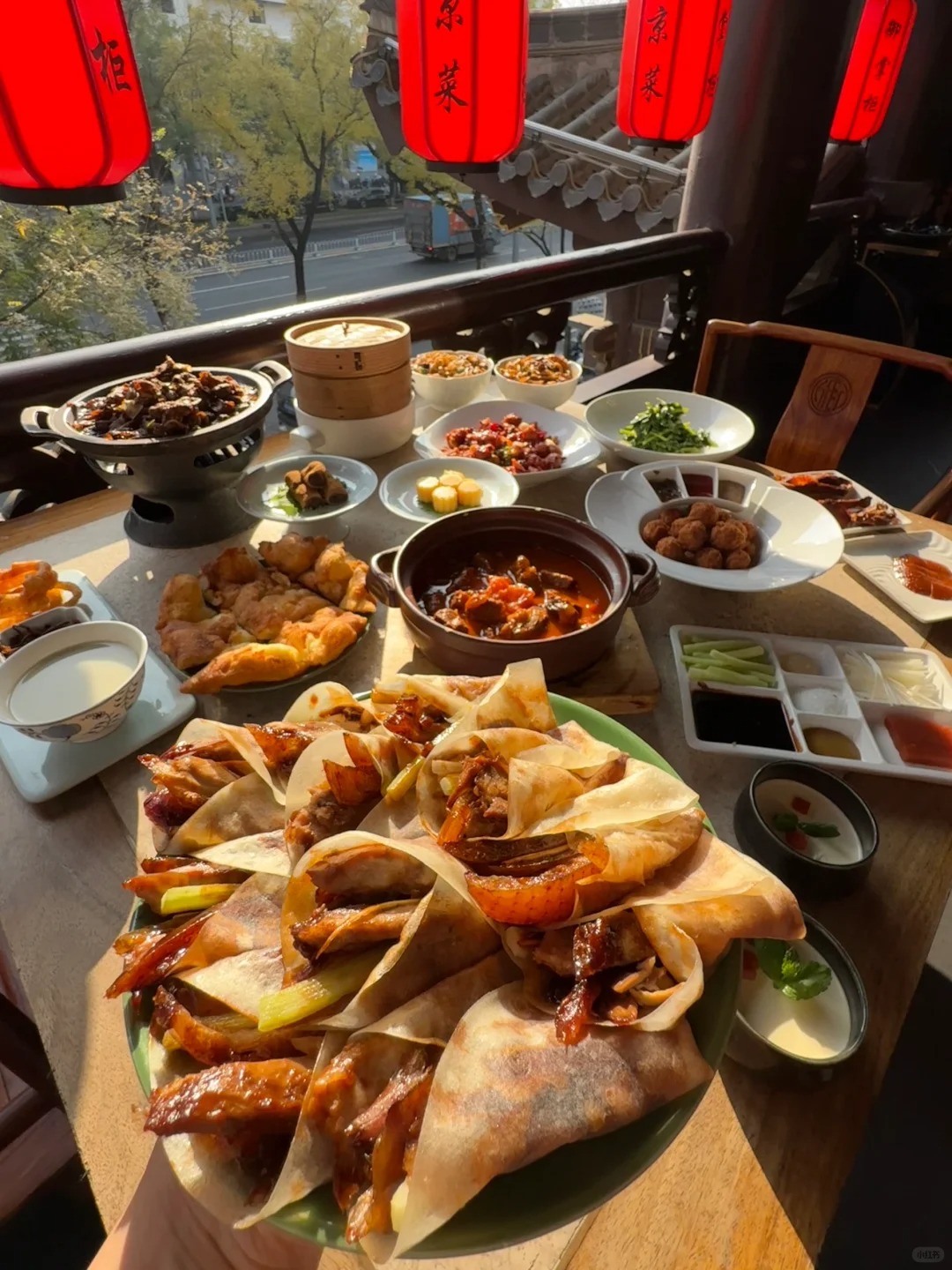
Smaller Local Restaurants
- Location: Scattered along side sections and less crowded corners of Ghost Street
- Suitable For: Budget travelers, repeat visitors, people avoiding queues
- Taste Profile: Mixed—can be strong or average depending on the shop
- Signature Dish: Standard crayfish, BBQ skewers, simple stir-fried dishes
These are the places most people walk past without noticing. No long lines, no big signs, sometimes even no English menu. But they are often where locals actually sit when they don’t want to wait for famous names.
The experience is less predictable. Some meals are surprisingly good, others just average. The key is observation—if you see steady local foot traffic and food coming out quickly, it’s usually a good sign.
Prices here are generally lower, often around ¥60–¥120 per person, which makes them a practical option if you just want to eat without planning too much.
When to Visit
-

- Early Evening
-
- Peak Hours
-
- Late Night
Early Evening (6–8 PM)
- Crowd Level: Relatively light, tables are still easy to find
- Seating: Walk-in seating is usually available without waiting
- Atmosphere: Quiet start, staff still setting up grills and tables
- Best For: People who want to eat without queues or noise
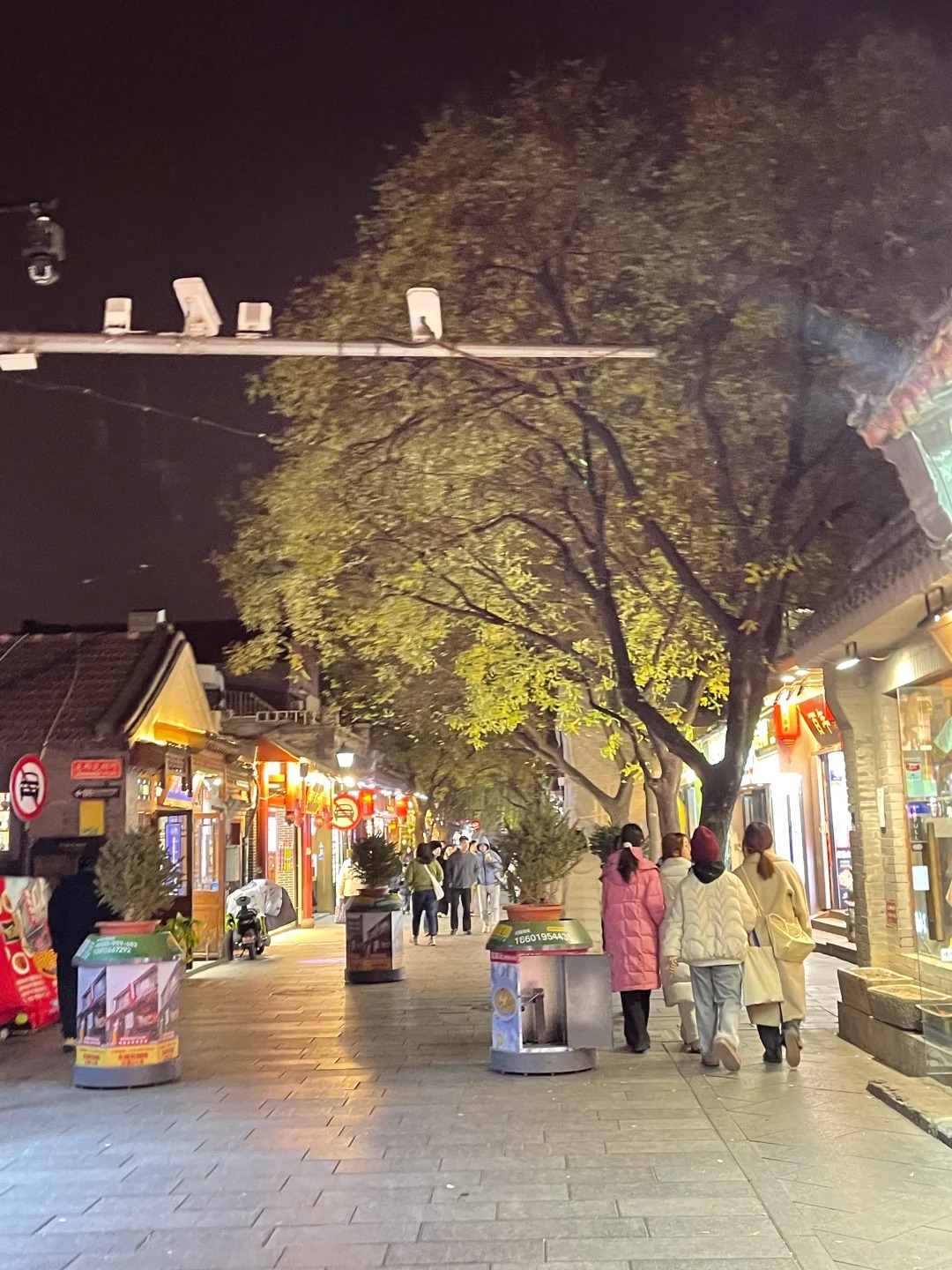
Between 6 and 8 PM, Beijing Ghost Street is still in its “warming up” phase. Some restaurants are open but not fully packed yet, and you can actually walk along the street without bumping into too many groups. It feels more functional than lively at this point, almost like a regular dining street before the rush begins. If your main goal is to avoid waiting, this is the easiest time to come, but the energy is not at its peak yet.
Peak Hours (8 PM–12 AM)
- Crowd Level: Highest density of people on the street
- Waiting Time: Commonly 30–90 minutes for popular restaurants
- Atmosphere: Loud, smoky, busy, fully active food street
- Best For: First-time visitors who want the “real” experience
This is when Beijing Ghost Street feels like itself. Every restaurant is full, the sidewalks are packed, and staff are constantly calling out orders or numbers. The air gets heavier with spice and grilling smoke, and it’s hard to walk without passing someone carrying crayfish trays or skewers.
This is also the most recommended time. Even though you’ll likely wait for a table, the atmosphere is what people usually come for. It feels less like dining and more like being inside a constant food gathering that doesn’t slow down.
Late Night (After Midnight)
- Crowd Level: Thinning out, but still active in sections
- Dining Style: More drinking-focused, slower pace
- Atmosphere: Local groups, casual drinking, less tourist presence
- Best For: Night owls and people staying out late
After midnight, Ghost Street changes tone. Some restaurants start closing, but many remain open, especially those serving crayfish and BBQ. The crowd shifts too—fewer tourists, more local groups finishing drinks or ordering one last round of food.
It feels more relaxed but also more unstructured. Tables are less organized, conversations get louder, and service slows down slightly. Safety is generally not a major concern in this area, as it remains busy enough, but transport options become more limited, so planning your return matters more than earlier in the night.
Things to Do Nearby After Eating
-
- Dongzhimen
-
- Qianmen&Dashilan
-
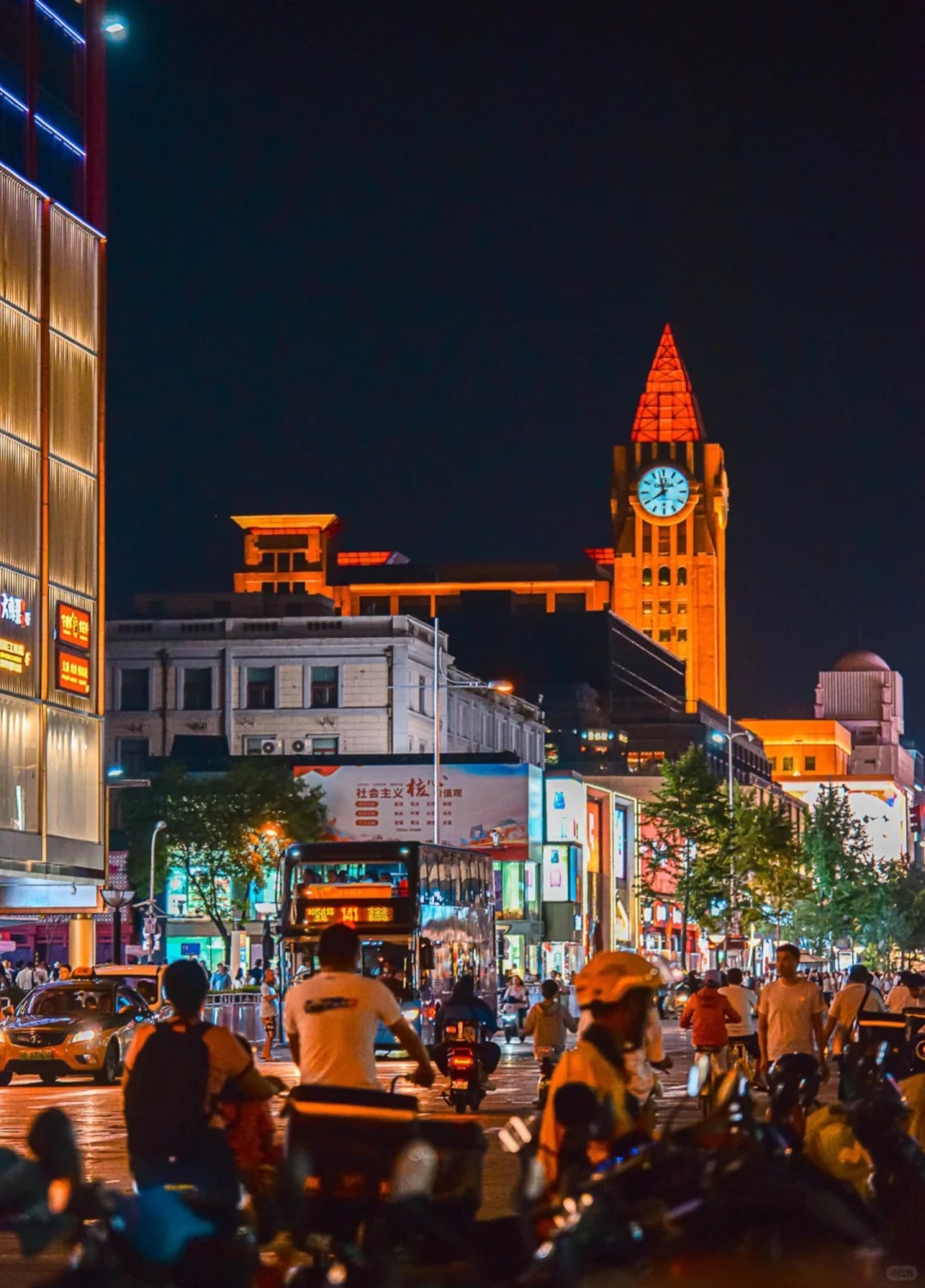

- Wangfujing Street
Night Walk Around Dongzhimen
After finishing a meal on Beijing Ghost Street, most people don’t leave immediately. The Dongzhimen area stays active even late at night, but in a quieter way. You’ll see delivery riders waiting near crossings, small groups standing outside metro exits, and people slowly walking away from the main food street while still holding leftover drinks or snacks.
The walk itself is not a “sightseeing route.” It’s more like drifting through normal city life after the noise. The neon signs from restaurants still glow, but the density drops quickly once you leave the main strip. A few convenience stores stay open, and some late diners are still sitting outside, especially in warmer months. It’s simple, but it helps reset the atmosphere after the heavy, noisy dining experience.
Compare With Other Streets
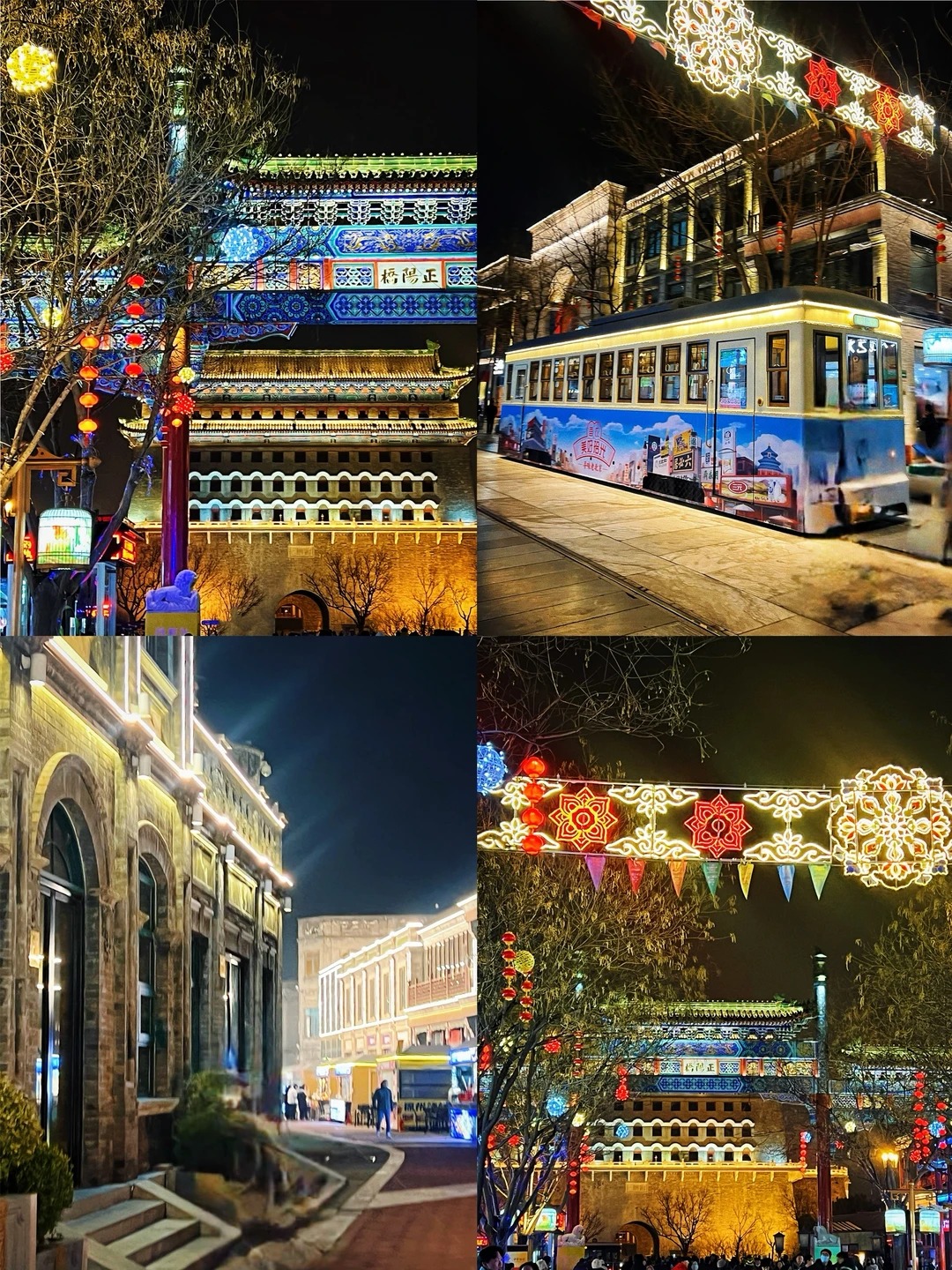
- Qianmen Street: This street is highly structured and restored, with uniform architecture and a clear walking layout. It feels more like a planned cultural corridor than a food destination. Shops and snacks exist, but the main focus is walking, shopping, and sightseeing. Prices are generally higher, and the overall experience is more curated than spontaneous.
- Dashilan Street: Dashilan has a more traditional commercial atmosphere. You’ll find older storefront styles mixed with modern snack shops. It still carries a historical feeling, but many businesses are now clearly aimed at visitors. Compared to Ghost Street, it’s calmer, less crowded at night, and not built around late dining or long sitting meals.
- Wangfujing Street: Wangfujing is one of Beijing’s most well-known commercial areas, combining malls, branded stores, and a famous snack street section. It’s more structured and commercialized, with clearer separation between shopping and food zones. The snack area gets attention from tourists, but the overall experience is more about browsing than sitting down for long meals.
How to Get to Beijing Ghost Street
Subway Routes
The easiest way to reach Beijing Ghost Street is by subway. The closest station is Beixinqiao Station on Line 5, and from there it’s only about a 5–8 minute walk. This is usually the most direct option if you already know where you’re going and just want to arrive quickly.
Another common option is Dongzhimen Station, which connects multiple lines including Line 2 and the Airport Express. It’s slightly farther—around 10–12 minutes on foot—but more convenient if you’re coming from the airport or central Beijing areas. Both stations work well, but Beixinqiao feels more straightforward for first-time visitors.
Walking Directions
After exiting the subway, the walk is fairly simple. From Beixinqiao, you head south along the main road and start noticing food signs and small crowds forming. There’s no complicated turning involved, and you’ll naturally start seeing restaurants spilling onto the street.
At night, the red lanterns and queues make it even easier to spot. You don’t really need detailed navigation once you’re close—the smell of grilled food and the number of people moving in one direction usually point you toward the entrance of Beijing Ghost Street without much effort.
Map Tips
For navigation apps, results can vary slightly. Google Maps works for general positioning, but in Beijing it sometimes lacks detailed walking accuracy. Apple Maps tends to be more stable for step-by-step walking routes in this area.
When searching, using the Chinese name “簋街 (Gui Jie)” is usually more reliable than typing “ghost street beijing map,” since most local listings use the Chinese version. You may also see “Dongzhimen Inner Street” as the address reference, which points you to the correct zone but not always the exact entry point.
Once you’re nearby, navigation becomes less important. The crowds, lighting, and restaurant signs naturally guide you into the street, especially in the evening when the whole area is active.
FAQ About Beijing Ghost Street
Q: Where exactly is Beijing Ghost Street located?
Beijing Ghost Street is located in Dongcheng District, running between Dongzhimen and Beixinqiao. The main stretch is about a 10–15 minute walk depending on where you enter. Most people use Beixinqiao Station on Line 5 or Dongzhimen Station on Line 2. If you search “Gui Jie” on maps, it usually shows up more accurately than the English name. The street is easy to find once you exit the subway because you’ll start seeing red lanterns and restaurant signs quickly.
Q: Why is it called Ghost Street?
The name comes from the Chinese name “Gui Jie (簋街)”, which sounds similar to “ghost street” in English. It has nothing to do with anything spooky. Historically, the street became known for late-night food, and the name gradually stuck because of the sound and translation. Today, most locals just recognize it as a food street, and the “ghost” part is more of a linguistic coincidence than anything cultural or symbolic.
Q: What food is Ghost Street most famous for?
The most famous food is spicy crayfish, often served in large shared plates. After that, BBQ skewers are everywhere, especially lamb skewers and grilled vegetables. Hot pot is also common if you stay longer or move indoors. Most dishes are heavy in flavor—spicy, oily, and designed for group eating with beer. It’s not a light dining street, and most people come specifically for these bold flavors.
Q: Is Beijing Ghost Street expensive?
It depends on where you sit. On average, a meal costs around ¥80–¥200 per person, but it can go higher in popular restaurants. Crayfish is usually priced by weight, while BBQ and hot pot depend on how much you order. Smaller local places are cheaper, sometimes closer to ¥60–¥100 per person. It’s not the cheapest food area in Beijing, but it’s also not luxury dining.
Q: Is Beijing Ghost Street safe at night?
Yes, the area is generally safe even late at night. It stays busy until after midnight, especially on weekends, which helps maintain a steady flow of people. You’ll still see families, groups of friends, and delivery workers around. The main concern is not safety but transport—subway lines stop earlier, so planning how to get back is more important than the street itself.
Q: Do restaurants on Ghost Street have English menus?
Some larger restaurants do, especially well-known chains like Hu Da. However, many smaller places only have Chinese menus. In practice, ordering is still manageable because dishes are often displayed outside or pointed out directly. Translation apps help a lot here. It’s not a fully tourist-friendly menu system, but it’s also not complicated once you see what others are ordering.
Q: What time is best to visit Beijing Ghost Street?
The best time is usually between 8 PM and midnight. This is when the street is fully active, with the most food options and strongest atmosphere. Earlier in the evening is easier for seating but quieter. After midnight, it becomes more local and less structured, with fewer tourists and a slower pace. Most first-time visitors prefer peak hours despite the waiting time.
Q: Is Beijing Ghost Street the same as a night market?
Not exactly. It looks like a night market at first, but it functions more like a long restaurant street. You don’t walk around picking snacks from stalls—you sit down at restaurants and order full meals. The structure is more sit-down dining than street browsing. That’s a key difference compared to typical night markets in other Chinese cities.
Q: How long should I spend on Ghost Street?
Most people spend around 1.5 to 3 hours here. Waiting time can take a big part of that, especially at popular restaurants. Once seated, meals are usually slow because of shared dishes and drinking culture. If you want a relaxed experience, it’s better not to rush. Some visitors end up staying longer just because the atmosphere makes it easy to order “one more round.”