Solana Shopping Beijing
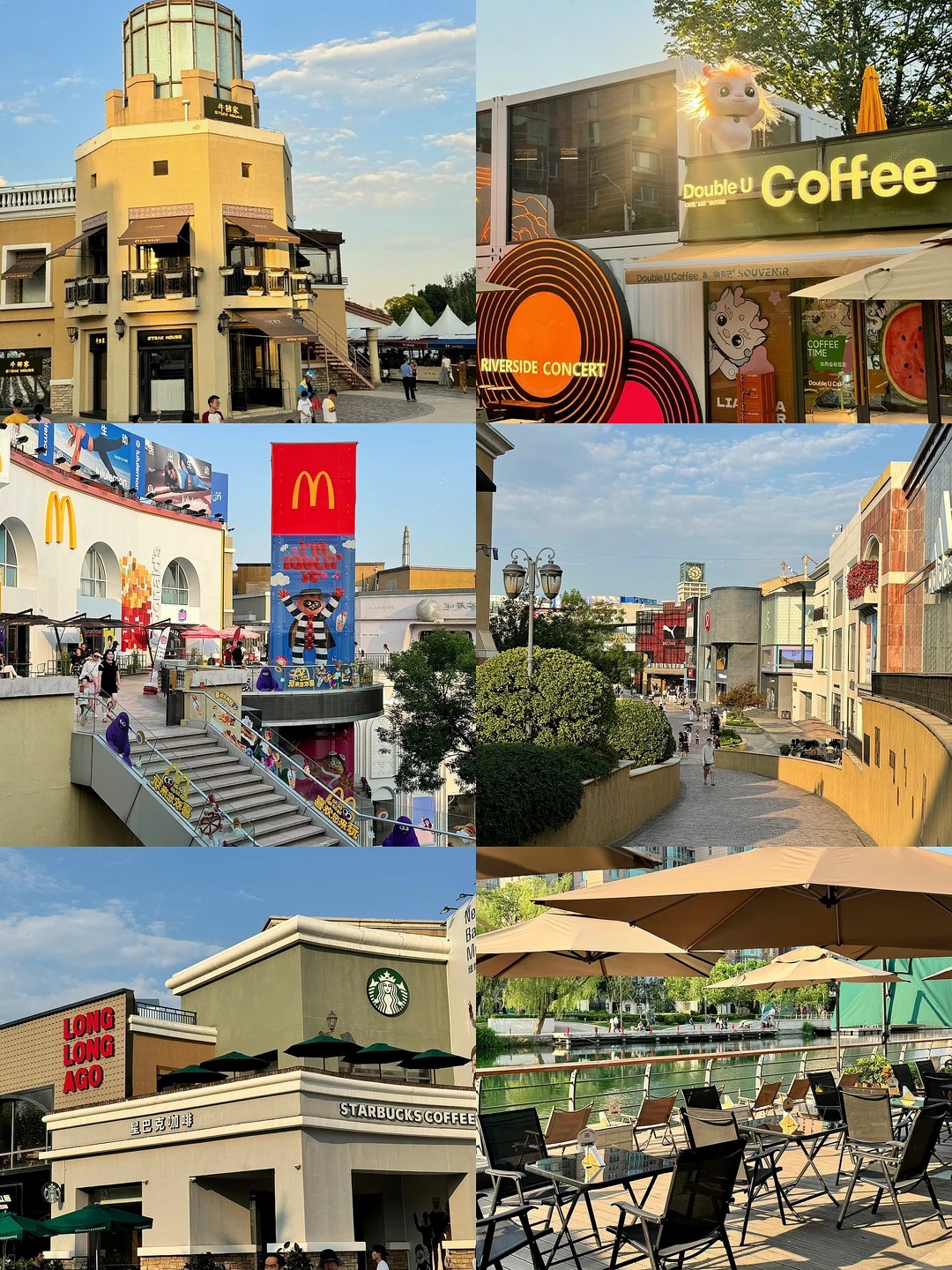
Most people picture Beijing shopping as big indoor malls, escalators, and brand-heavy floors. Solana Shopping Beijing feels different right away. It’s spread out along a small lake, more like a walkable neighborhood than a single building. You don’t really “enter” it—you just arrive and start wandering. Cafés, restaurants, and shops sit side by side, and it’s easy to lose track of time without buying much at all.
That said, it’s not perfect. Shopping options are a bit limited compared to Sanlitun, and getting there by subway takes some extra effort. Still, based on a couple of visits, this is one of those places that works best when you don’t overplan it.
Quick Facts about Solana Shopping Beijing
| Item | Details |
|---|---|
| 📍 Full Name | Solana Blue Harbor (SOLANA 蓝色港湾) |
| 📌 Address | No.6 Chaoyang Park Road, Chaoyang District |
| 🌍 Area | Next to Chaoyang Park, Embassy District |
| 🏬 Mall Type | Open-air lifestyle shopping park (European-style) |
| 🏗️ Opened | 2008 |
| 🛍️ Number of Stores | 500+ retail & dining venues |
| 🏙️ Layout Style | Multiple low-rise buildings + lakeside streets |
| 🚇 Nearest Subway | Liangmaqiao (Line 10) + 5–10 min taxi |
| 🚕 Taxi Tip | Easier than subway for first-time visitors |
| 🕒 Opening Hours | 10:00–22:00 (restaurants later) |
| 🍽️ Dining Focus | Western dining, cafes, casual restaurants |
| 🛍️ Shopping Style | Mid-range fashion, lifestyle stores |
| 📸 Best Photo Time | Sunset and evening lights |
| ❄️ Winter Experience | Cold due to open-air design |
| 👨👩👧👦 Best For | Couples, families, relaxed travelers |
| ⭐ Visitor Rating | ~4.3/5 (Tripadvisor summary) |
🗺️ Solana is just one chapter in Beijing's vibrant retail story — our full guide to the best Beijing shopping malls maps out where else to go for every taste, from luxury CBD flagships to youth-fashion hotspots.
Solana Blue Harbor Layout and Walking Route
| Zone | What You’ll Find | Key Stores / Restaurants | Notes |
|---|---|---|---|
| 🌊 Lakeside Area | Restaurants, cafes, photo spots | %Arabica, Lakeside Steakhouse, Häagen-Dazs | Most crowded, best views |
| 🍽️ Dining Streets | International restaurants | M Stand, Seesaw Coffee, various Italian & Western restaurants | Best at night, many terraces |
| 🛍️ Retail Area | Fashion & lifestyle stores | ZARA, Mango, MINISO | Smaller than typical malls |
| 🎡 Central Plaza | Events, decorations | Pop-up brand booths, seasonal markets, event installations | Seasonal highlights, photo spot |
Lakeside Area
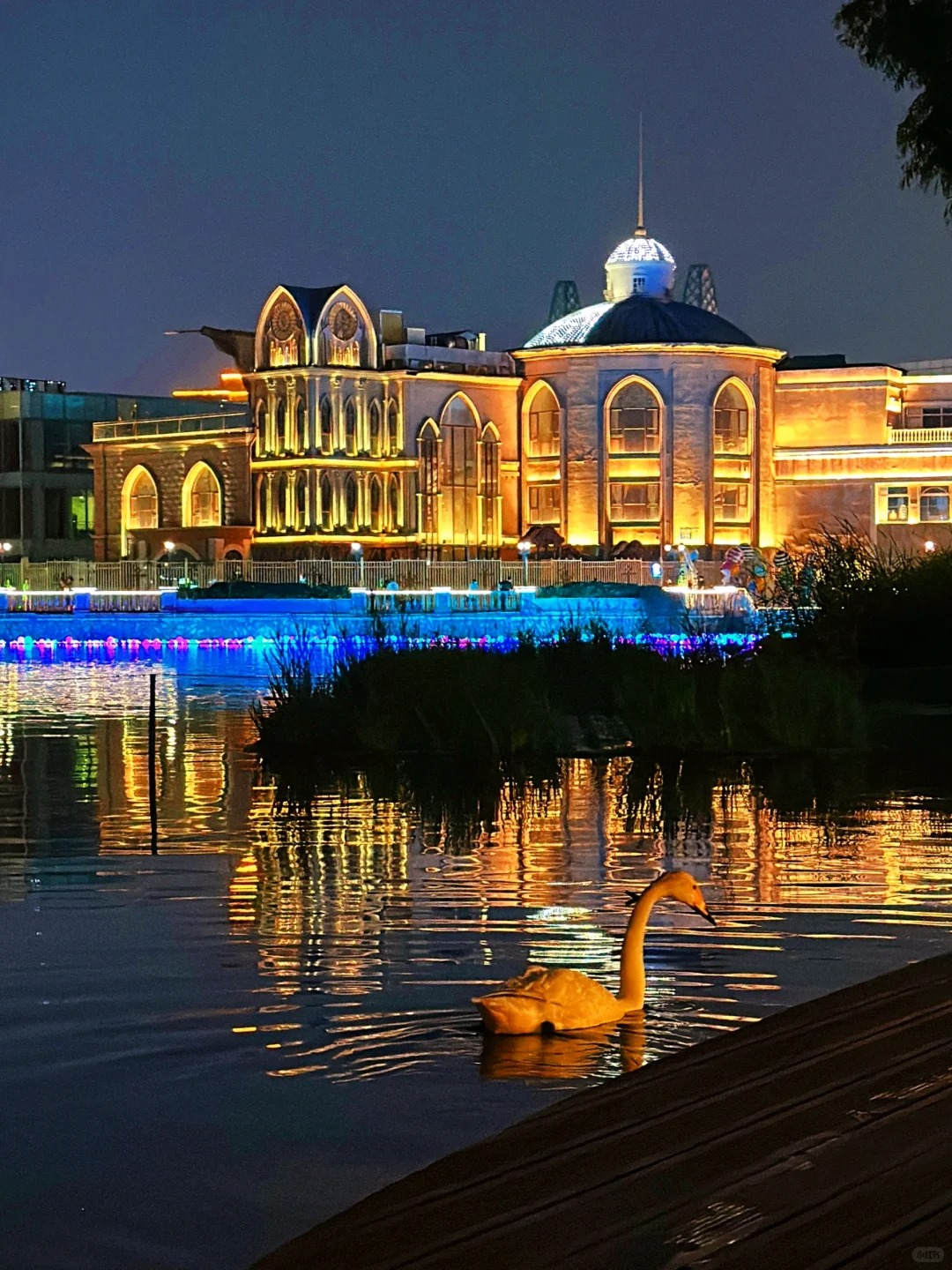
Lakeside Area
This is the core part of the whole area. If you only have limited time, this is where you’ll spend most of it without really planning to.
- Location: right along the central lake, connected to almost every main walkway
- Representative places: terrace restaurants, café seating, small bridges and viewing spots
- Main features: open water views, reflections at sunset, soft lighting at night
- Best for: couples, first-time visitors, people looking for a relaxed walk
During the day, it feels open and slow, but things shift in the evening. Lights turn on gradually, restaurants fill up, and the whole area becomes more social. It’s also where most photos you see online are taken. Weekends can get crowded, especially near the bridges, so if you prefer space, earlier in the day works better.
Dining Streets
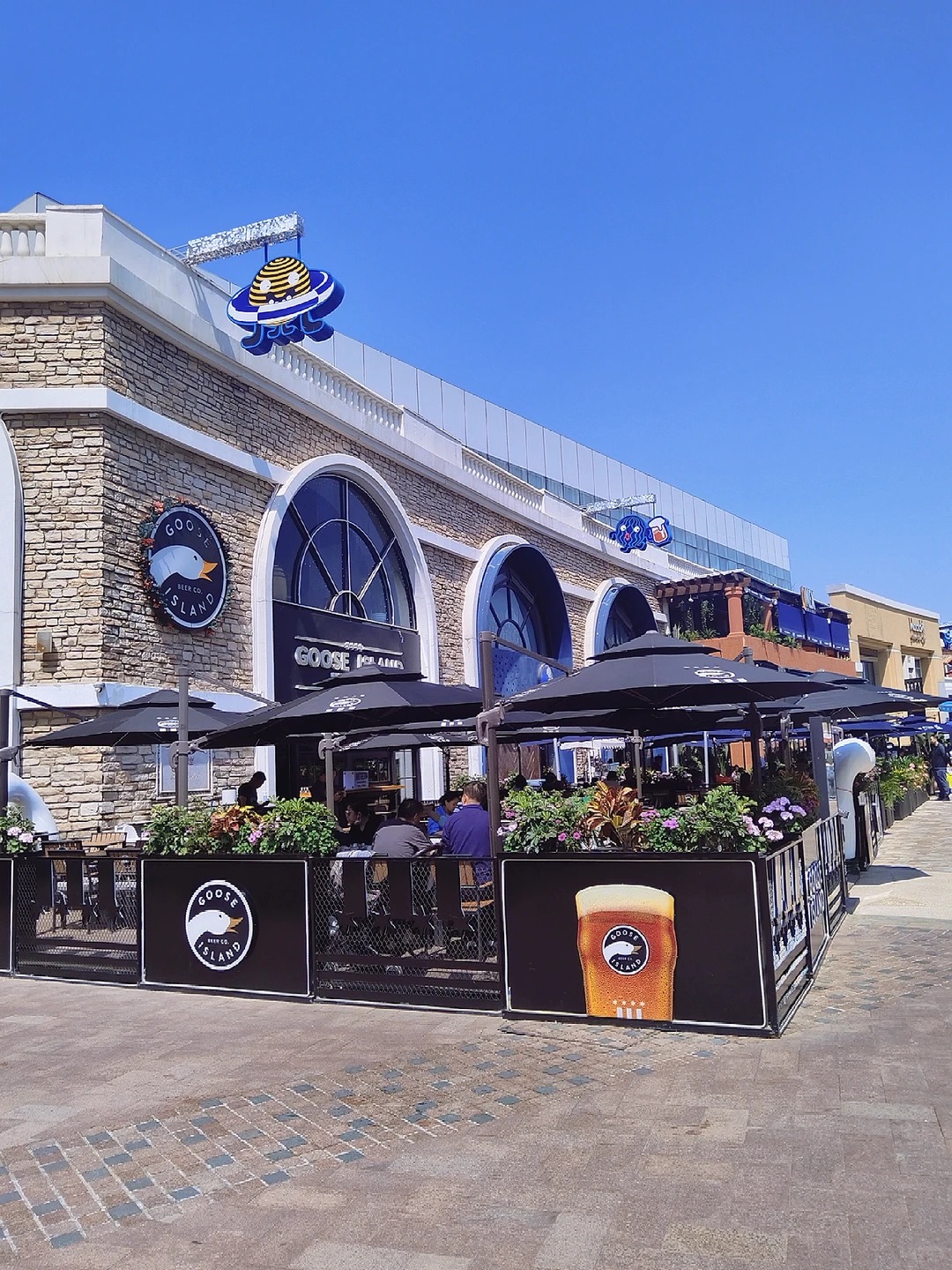
Dining Streets
The dining streets sit just behind the lakeside, but the atmosphere feels slightly different—more focused, more about sitting down and staying.
- Location: parallel to the lakeside, a short walk inward from the water
- Representative places: Western restaurants, brunch cafés, dessert shops
- Main features: dense restaurant layout, outdoor seating, evening activity
- Best for: small groups, casual dinners, date nights
This area gets noticeably busier around dinner time. Some places have short queues, usually 10–30 minutes, depending on the day. Compared to other parts of solana shopping Beijing, this section feels more practical—you come here with a purpose, usually to eat, and end up staying longer than expected.
Retail Corners
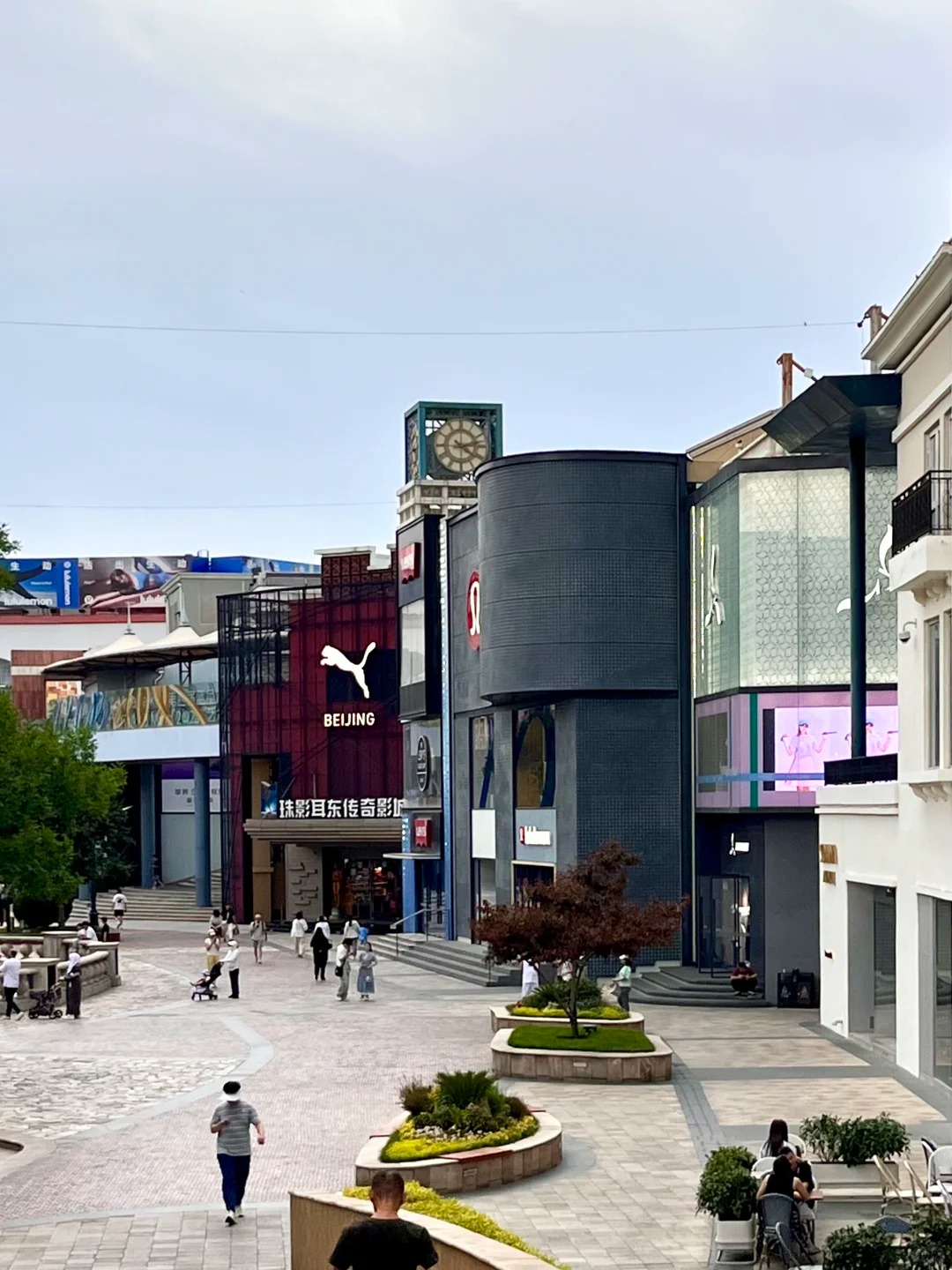
Retail Corners
Shopping is here, but it doesn’t dominate the layout. You’ll find stores as you walk, not in one concentrated area.
- Location: spread between pathways, side streets, and near dining zones
- Representative places: mid-range fashion brands, lifestyle stores, small boutiques
- Main features: low density, street-style browsing, open storefronts
- Best for: casual shoppers, people passing through, light browsing
It’s not the kind of place where you go floor by floor checking brands. Instead, you walk, notice something, step in, then move on. If you’re comparing it to bigger malls, the selection feels limited, but also less tiring. It works better as part of the overall experience rather than the main reason to come.
Best Shops in Solana Shopping Beijing
| Category | Typical Brands | Price Range (RMB) | What You’ll Actually Buy | Shopping Experience | Time Needed | Best For |
|---|---|---|---|---|---|---|
| 👗 Fashion | Zara, Mango, Abercrombie & Fitch | ¥200–800 | Daily outfits, basics, seasonal pieces | Easy, low-pressure | 20–40 min | Casual shoppers |
| 🧴 Lifestyle | MINISO, local design stores | ¥30–300 | Gifts, candles, small home items | Quick browsing | 10–25 min | Tourists |
| 👟 Sports | Columbia, outdoor brands | ¥300–1200 | Jackets, bags, walking gear | Practical | 15–30 min | Travelers |
| 🎁 Boutique | Independent shops | ¥50–500 | Handmade items, niche products | Unpredictable | 15–30 min | Browsers |
Fashion Stores
-
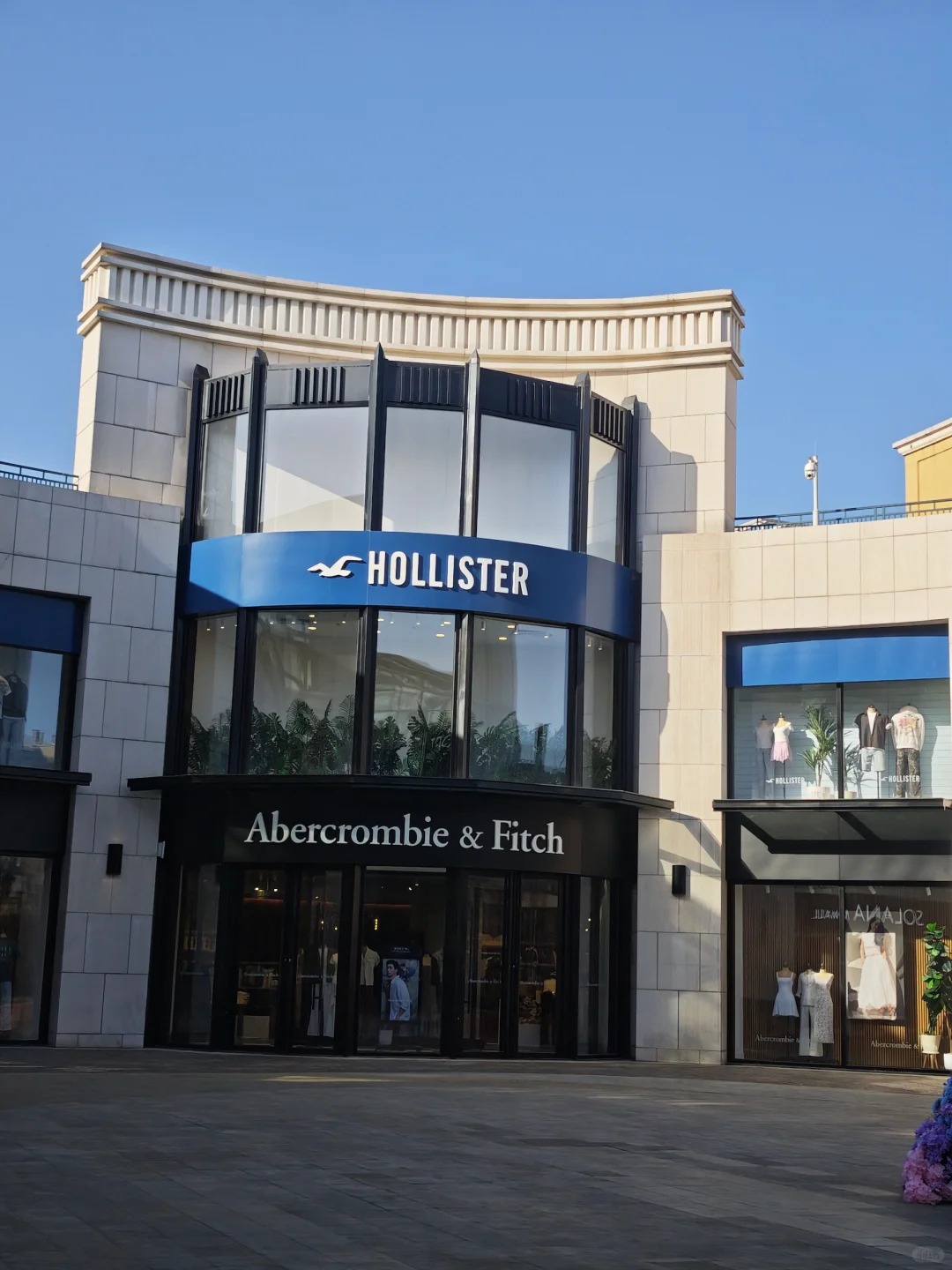

- Hollister
-
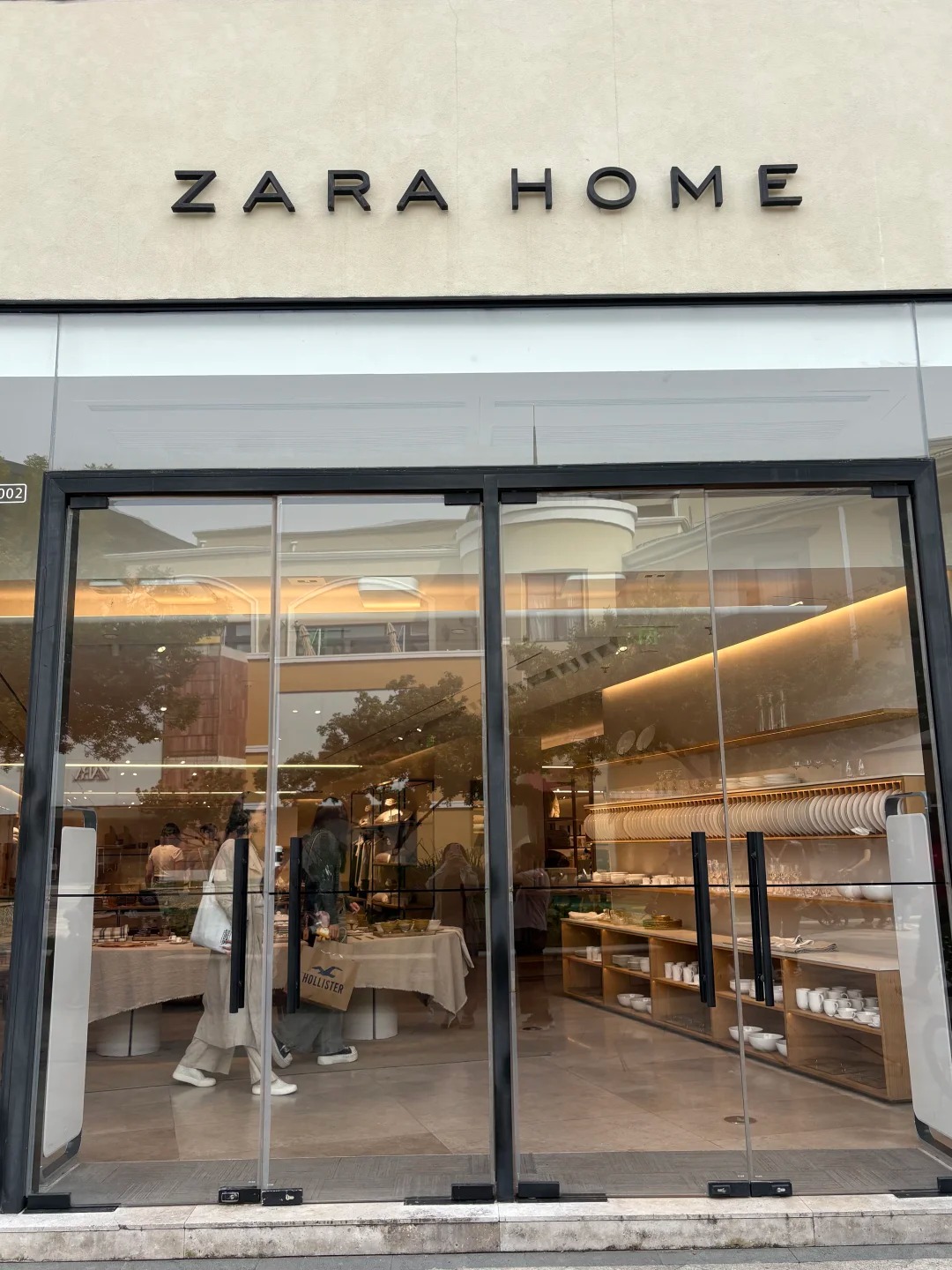
- Zara Home
-
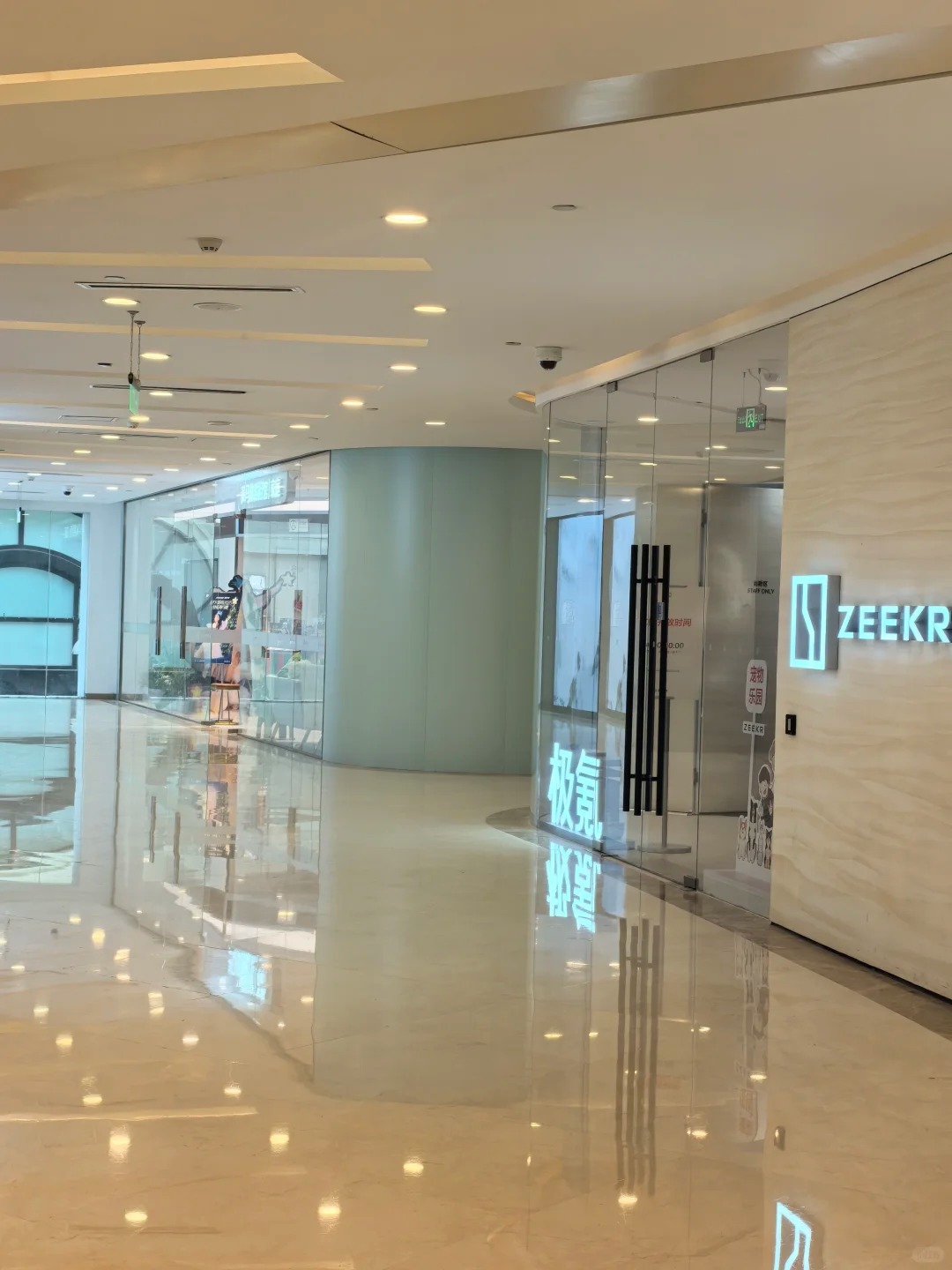
- Zeekr
Fashion here feels lighter than most Beijing malls. You’ll recognize some brands, but it’s not overwhelming.
- Representative brands: Zara, Mango, ONLY, Abercrombie & Fitch (abercrombie.com)
- Price range: around ¥200–800, sometimes lower during sales
- Best for: casual outfits, travelers who need something quick
You won’t find heavy luxury clusters here. Compared to Sanlitun, the selection is clearly smaller, but also easier to navigate. Stores are street-facing, so you can just step in, check a rack, and leave in five minutes.
This part of solana shopping Beijing shops works best if you’re not planning to shop seriously. It’s more like “I’ll grab something if I see it” rather than a dedicated shopping trip.
Lifestyle Stores
-
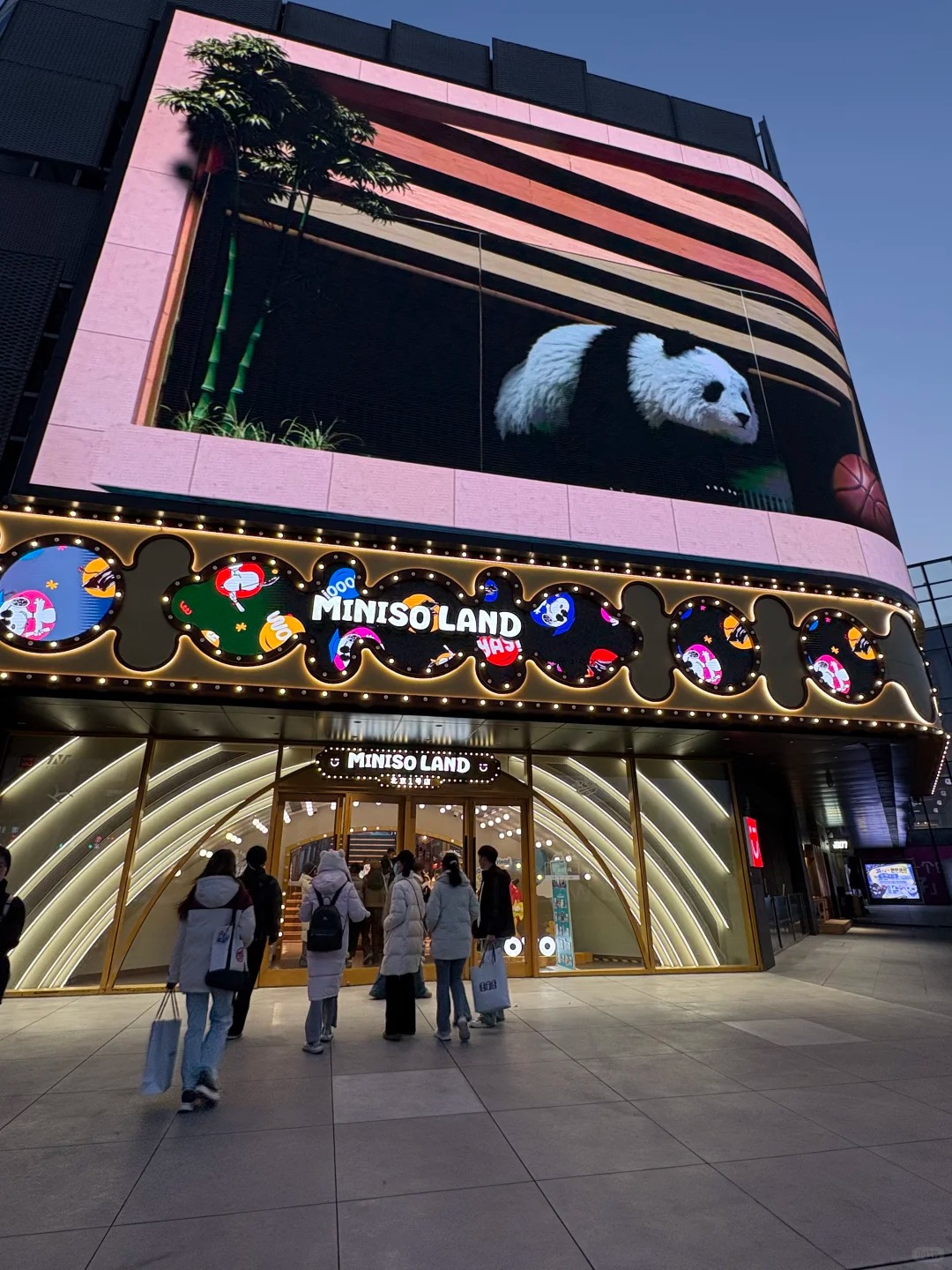
- Store of Miniso
-
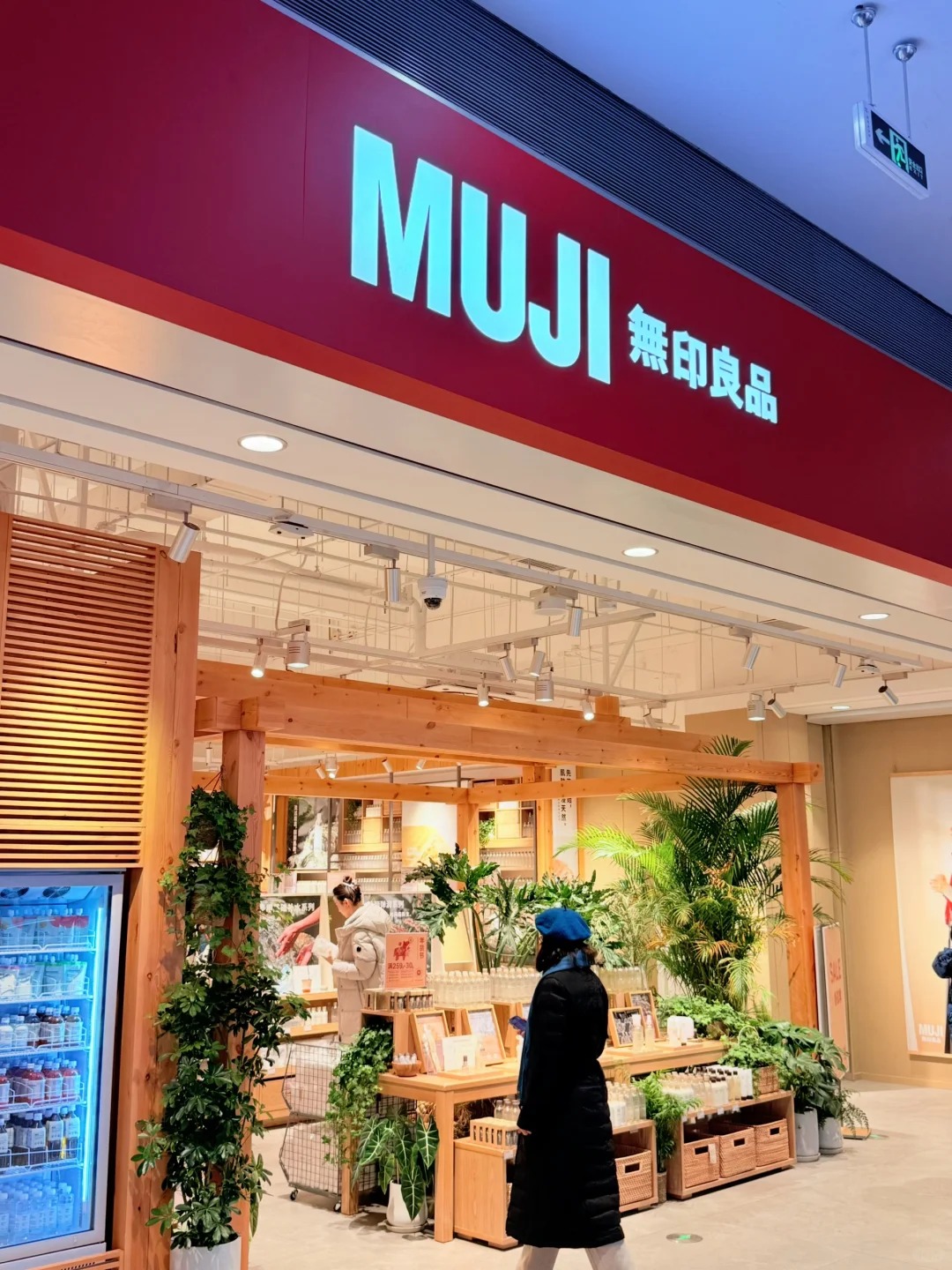
- Store of MUJI
-
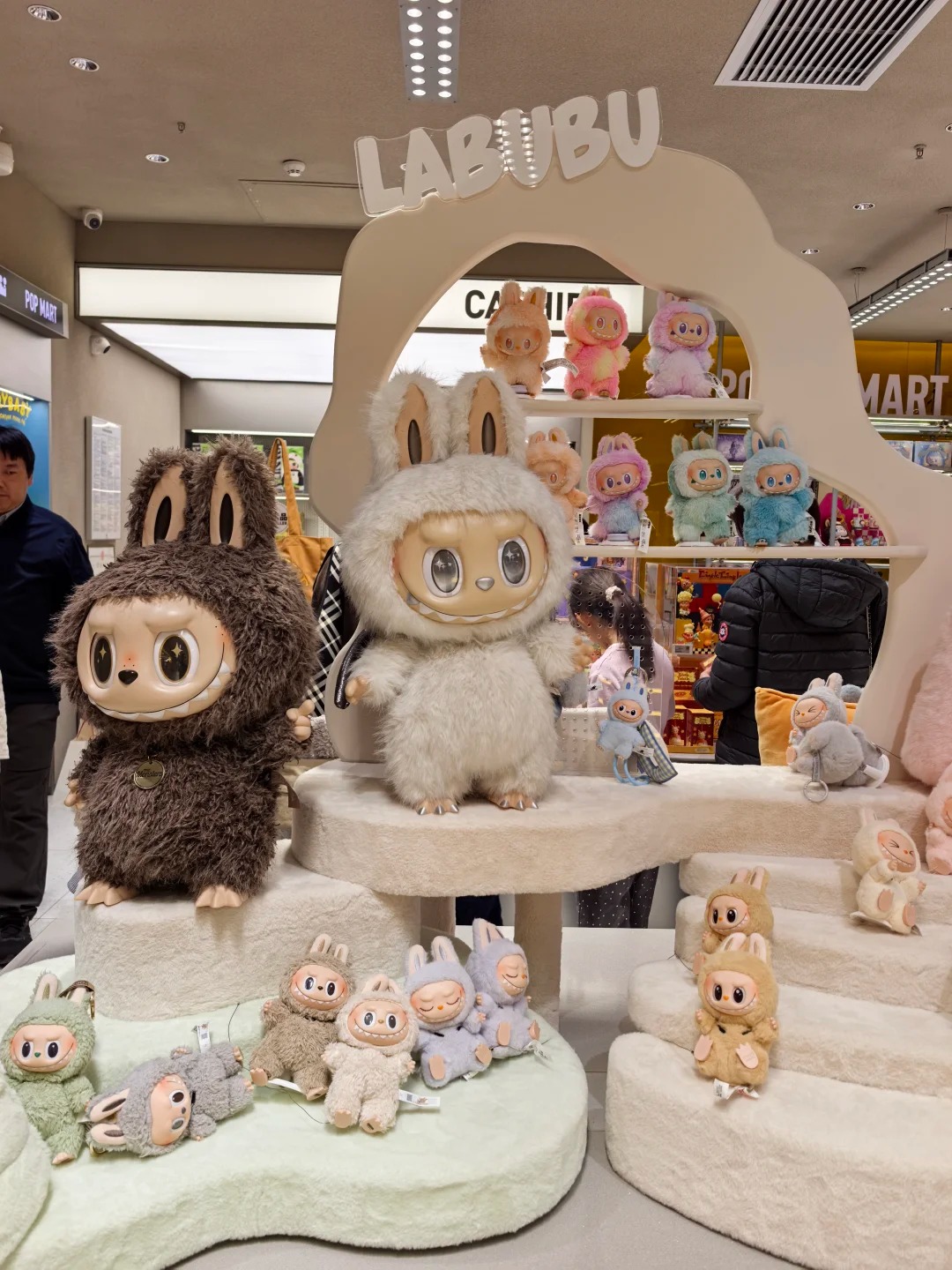
- Store of POPMART
Lifestyle stores are mixed into the walking routes, so you usually notice them between cafés.
- Representative brands: MINISO, local home brands, small fragrance stores
- Price range: about ¥30–300, depending on item type
- Best for: souvenirs, small gifts, practical travel items
These places are surprisingly useful. Things like portable chargers, simple décor, or scented candles are easy to find without going out of your way.
I’ve seen people skip souvenir markets entirely and just pick things up here. It’s less crowded, and the quality is more consistent. Not unique, but convenient—and that matters when you don’t want to spend half a day shopping.
Sports and Casual Brands
-
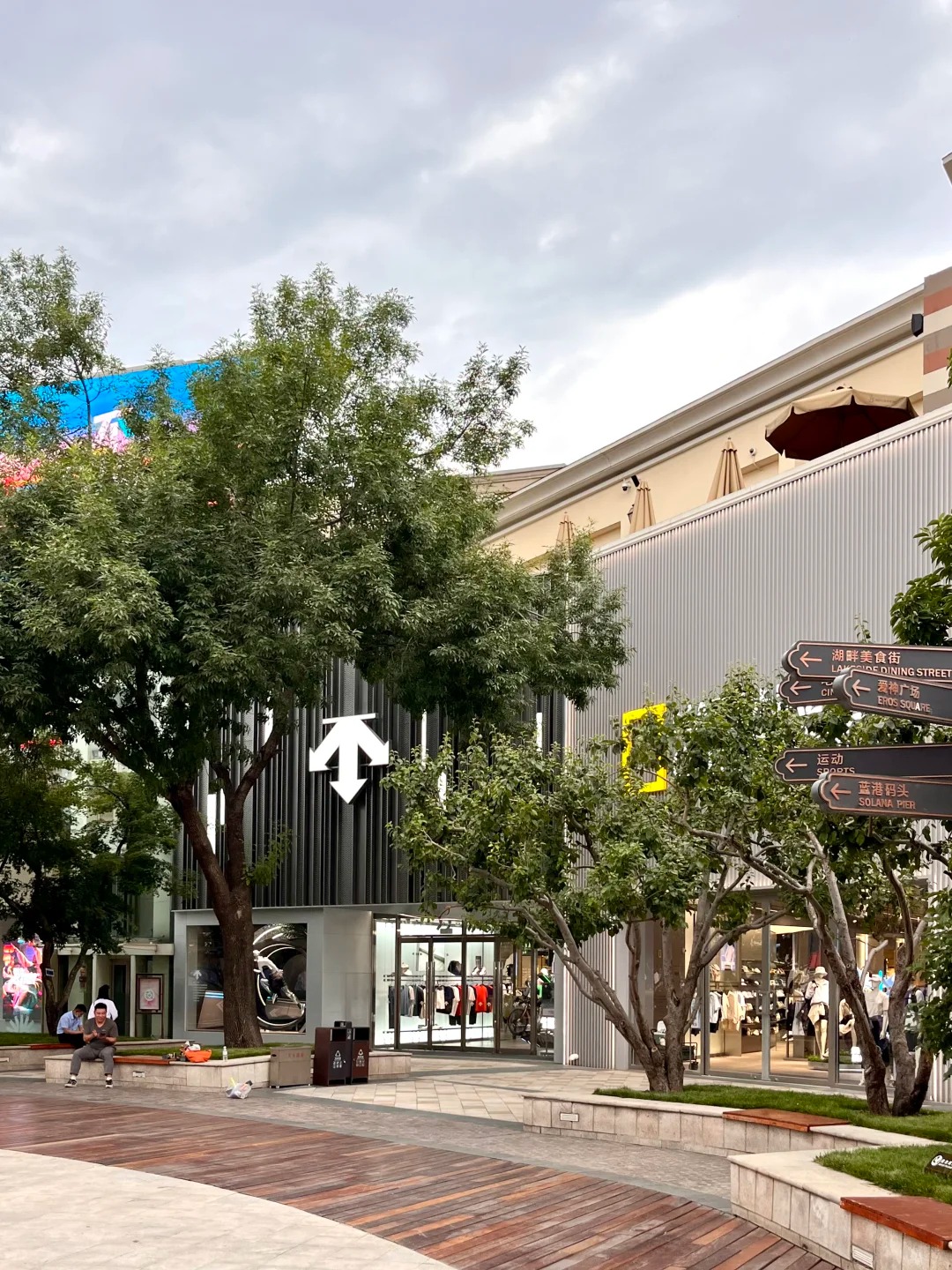
- Sports and Casual Brands
-
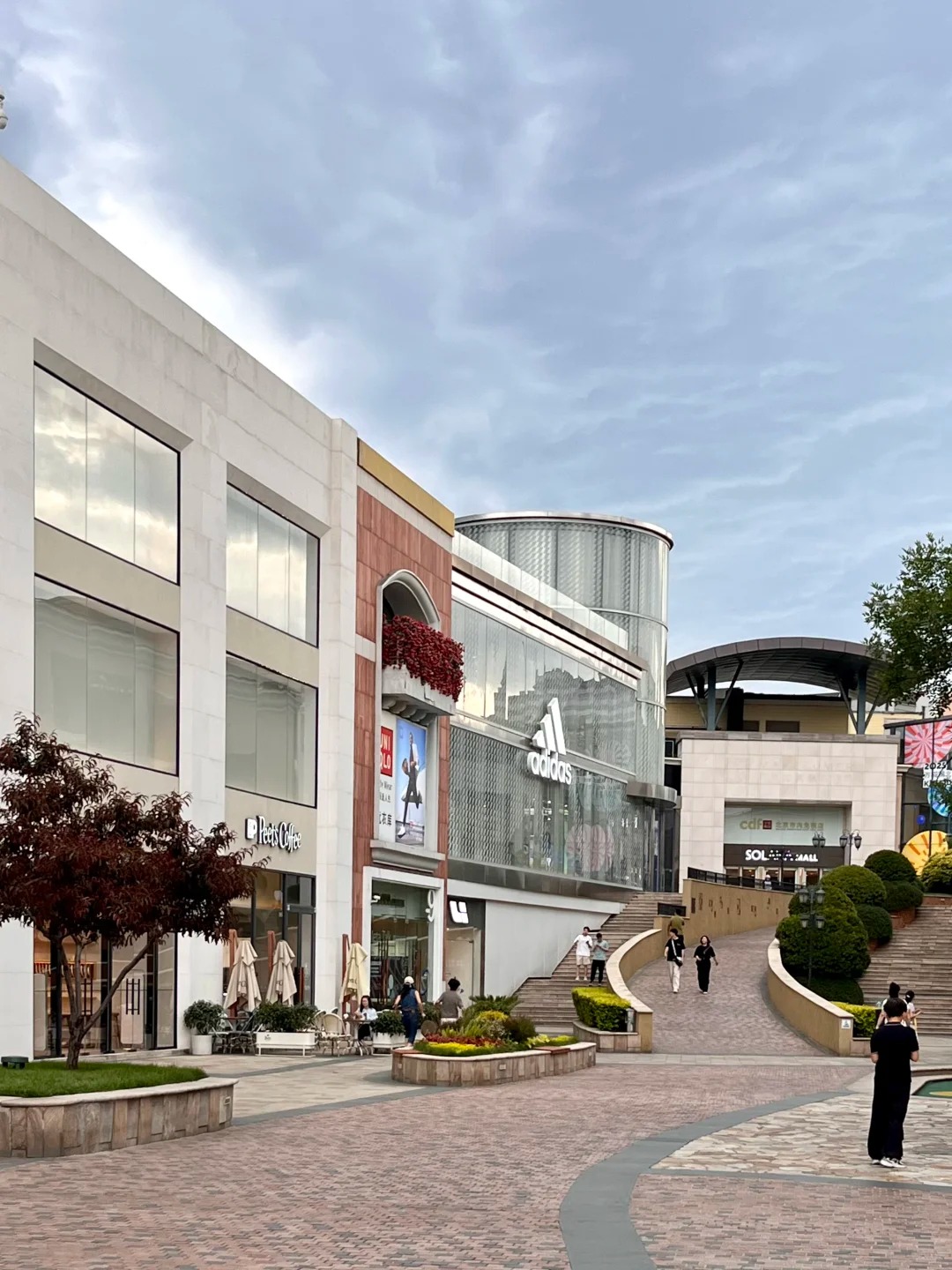
- Store of Adidas
-
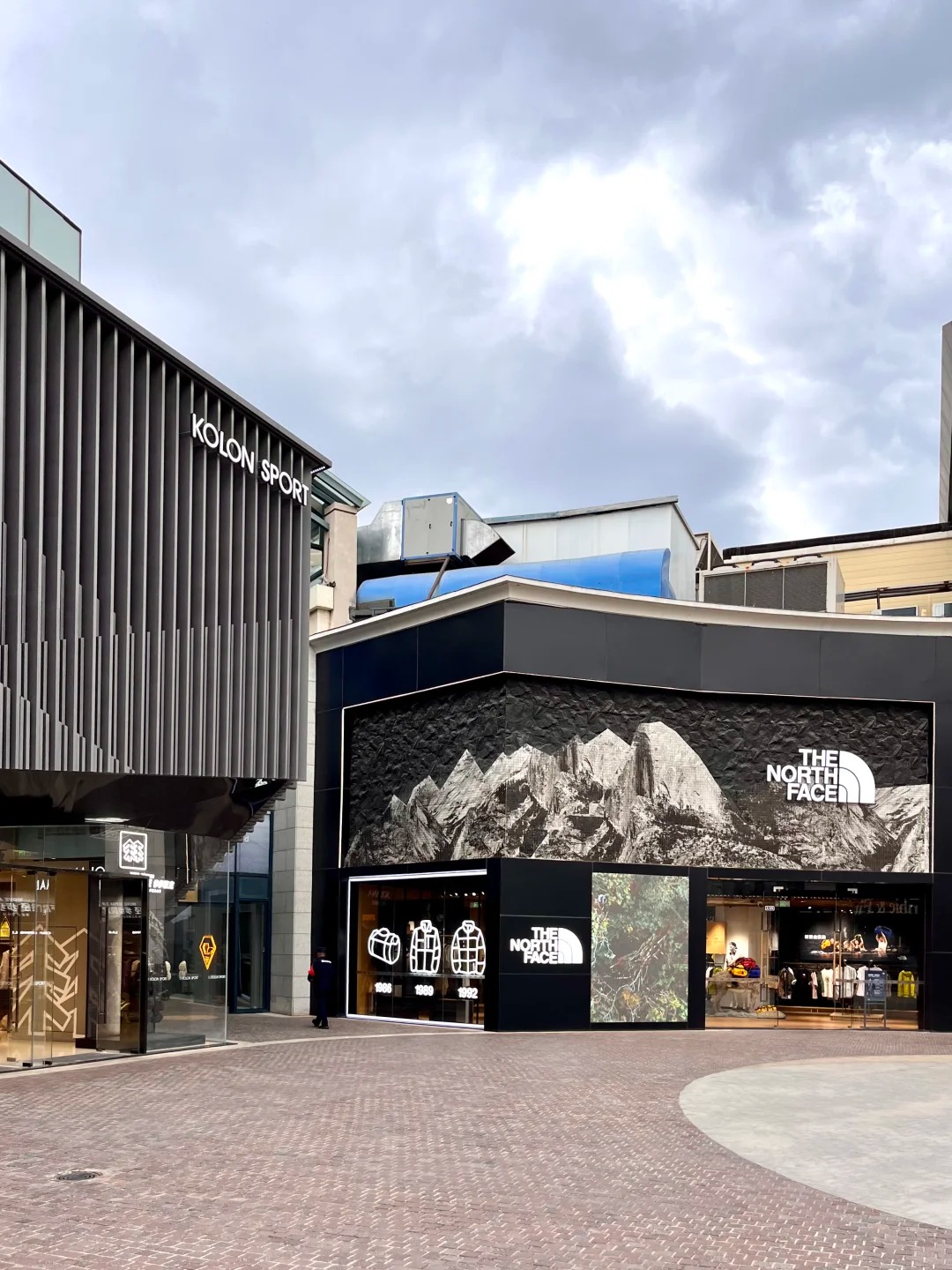
- The North Face
This category leans toward outdoor and everyday wear rather than hardcore sports gear.
- Representative brands: Columbia, L.L.Bean-style stores, casual outdoor labels
- Price range: roughly ¥300–1200 for jackets or gear
- Best for: walking shoes, light outdoor clothing, travel use
Given the location near parks and open space, this mix makes sense. You’ll see people buying jackets or backpacks and using them immediately.
It’s not a full sports mall setup, but for practical items—especially if you underestimated the weather—it does the job without needing to leave the area.
Boutique Stores
-
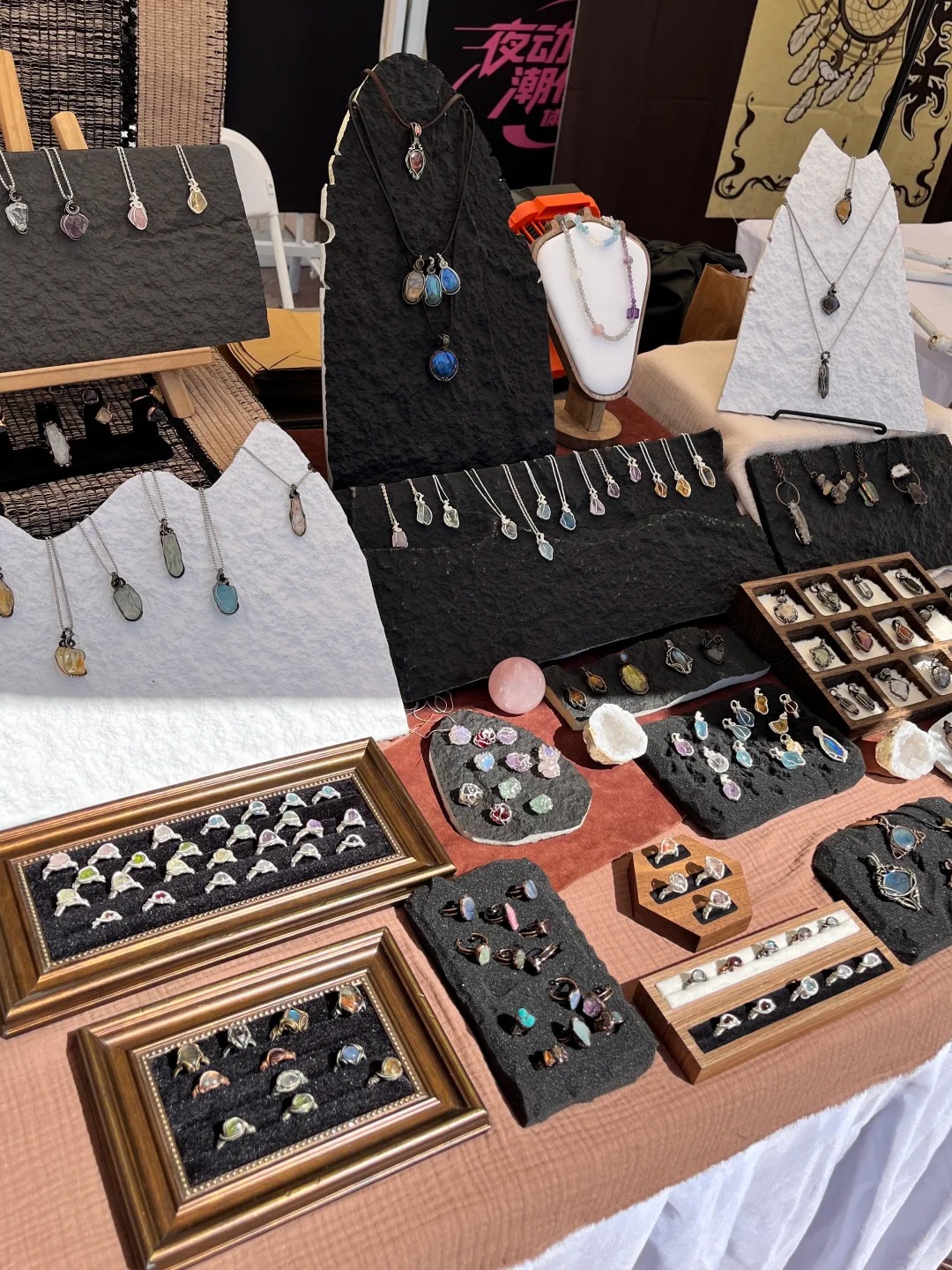
- Handmade Craft Shops
-
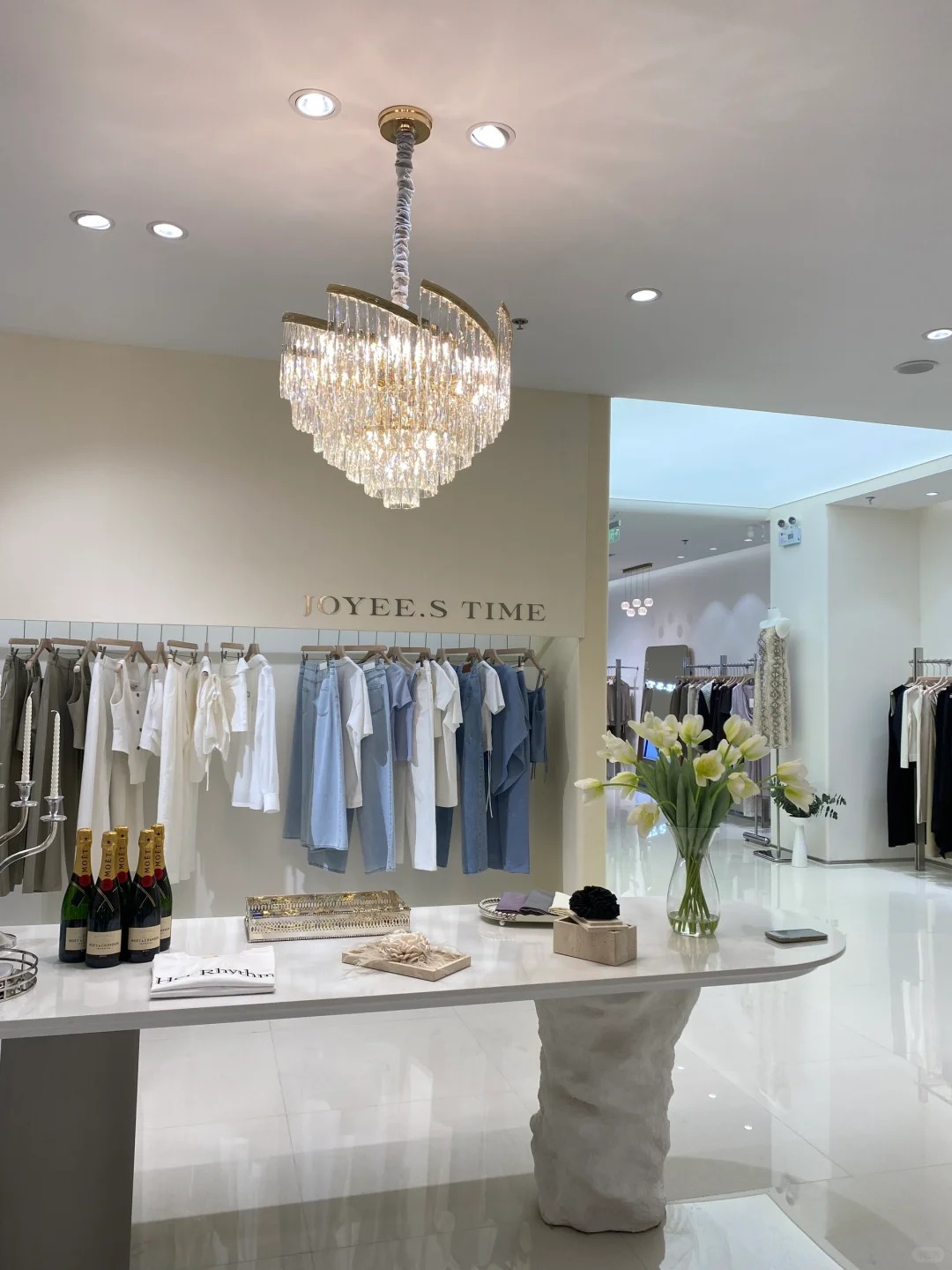
- Local Designer Concept Stores
-
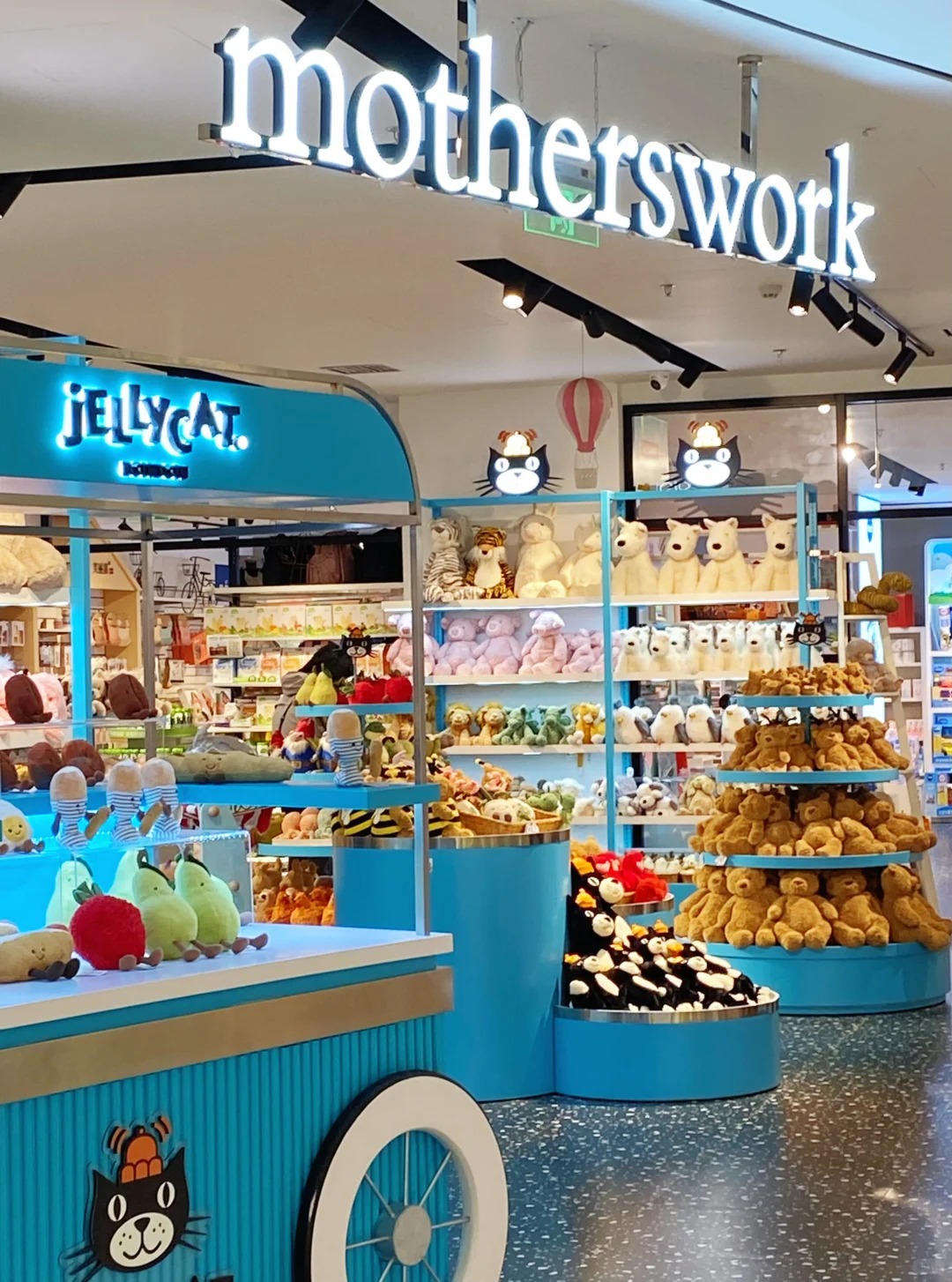

- Where to Buy Jellycat
This is where things feel less predictable, in a good way.
- Representative brands: independent designers, handmade goods shops
- Price range: around ¥50–500, depending on materials
- Best for: browsing, finding something slightly different
These stores don’t follow a clear pattern. One might sell handmade jewelry, another focuses on stationery or niche clothing.
You’ll probably miss a few on your first pass, then notice them on the way back. That’s part of the experience—less structured, more like wandering through a small street market, but cleaner and easier to navigate.
Best Restaurants in Solana Shopping Beijing
| Type | Typical Restaurants | Price Range (RMB) | What to Expect | Time to Spend | Best For |
|---|---|---|---|---|---|
| 🍷 Western Dining | Steakhouse, Italian bistros | ¥150–400 per person | Outdoor seating, full meals | 1–2 hours | Dates, dinner |
| ☕ Cafes | %Arabica, local cafés | ¥30–80 | Coffee, dessert, relaxed seating | 1–2 hours | Solo, friends |
| 🥢 Chinese Food | Sichuan, fusion Chinese | ¥60–150 | Shareable dishes, easier menus | 1–1.5 hours | Tourists |
| 🍰 Dessert | Ice cream, bakeries | ¥20–60 | Quick snacks, takeaway friendly | 10–20 min | Walk-and-eat |
Lakeside Restaurants
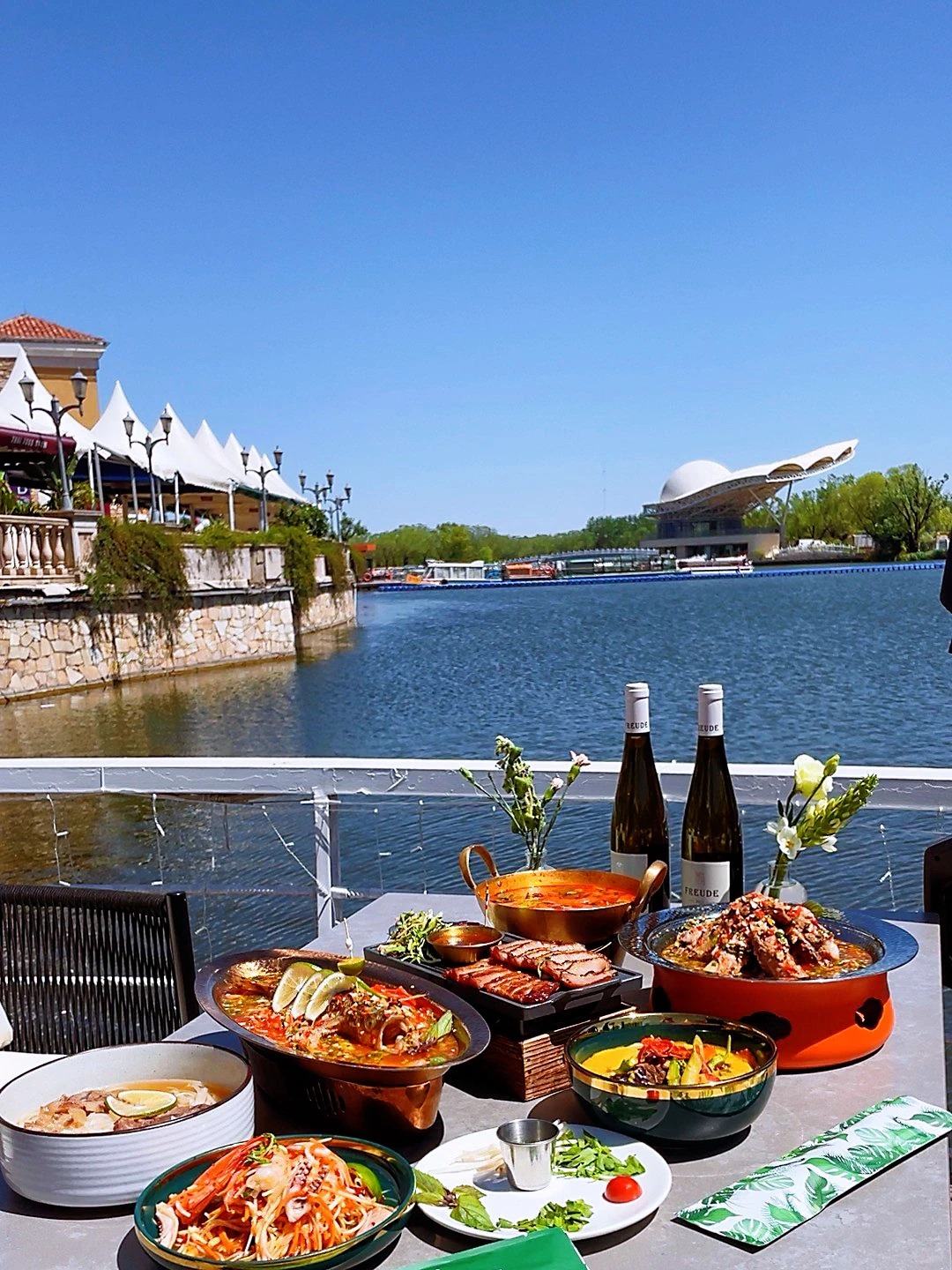
Lakeside Restaurants
This is where most of the “popular” restaurants are. If you’ve seen photos of Solana at night, chances are they were taken here.
- Representative restaurants: Italian bistros, steakhouse-style venues, wine bars
- Main features: outdoor terrace seating, direct lake views, evening lighting
- Best for: dates, small groups, slow dinners
Prices are slightly higher than average. A typical dinner here runs around ¥150–300 per person, sometimes more depending on drinks.
The advantage is the setting. Once the lights come on, the reflections on the water make even simple meals feel different. That’s why tables near the railing fill up first. If you’re coming on a weekend, arriving before 6 PM helps avoid waiting.
Cafes and Brunch Spots
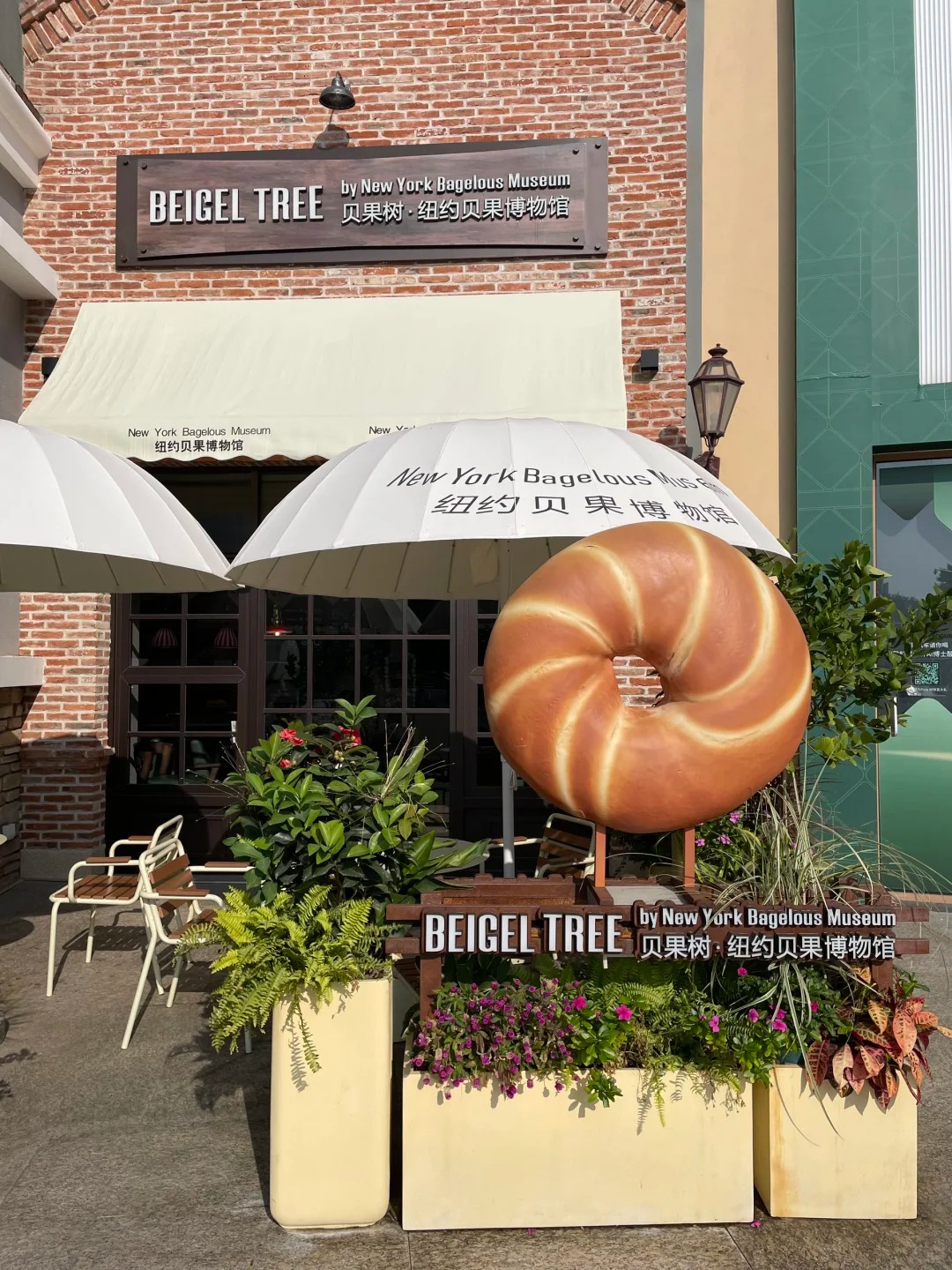
Cafes and Brunch Spots
Cafés here are easy to settle into. You’ll see people staying for hours without being rushed.
- Representative spots: %Arabica, boutique coffee shops, brunch cafés
- Main features: comfortable seating, outdoor tables, quiet music
- Best for: afternoon breaks, remote work, casual meetups
A coffee usually costs around ¥30–50, while brunch sets go up to ¥80–120.
Some places get busy in the afternoon, especially the more “photo-friendly” ones. Still, turnover is slow, so once you get a seat, you can stay. It’s one of the easiest places in Beijing to just sit and do nothing for a while.
Chinese Restaurants
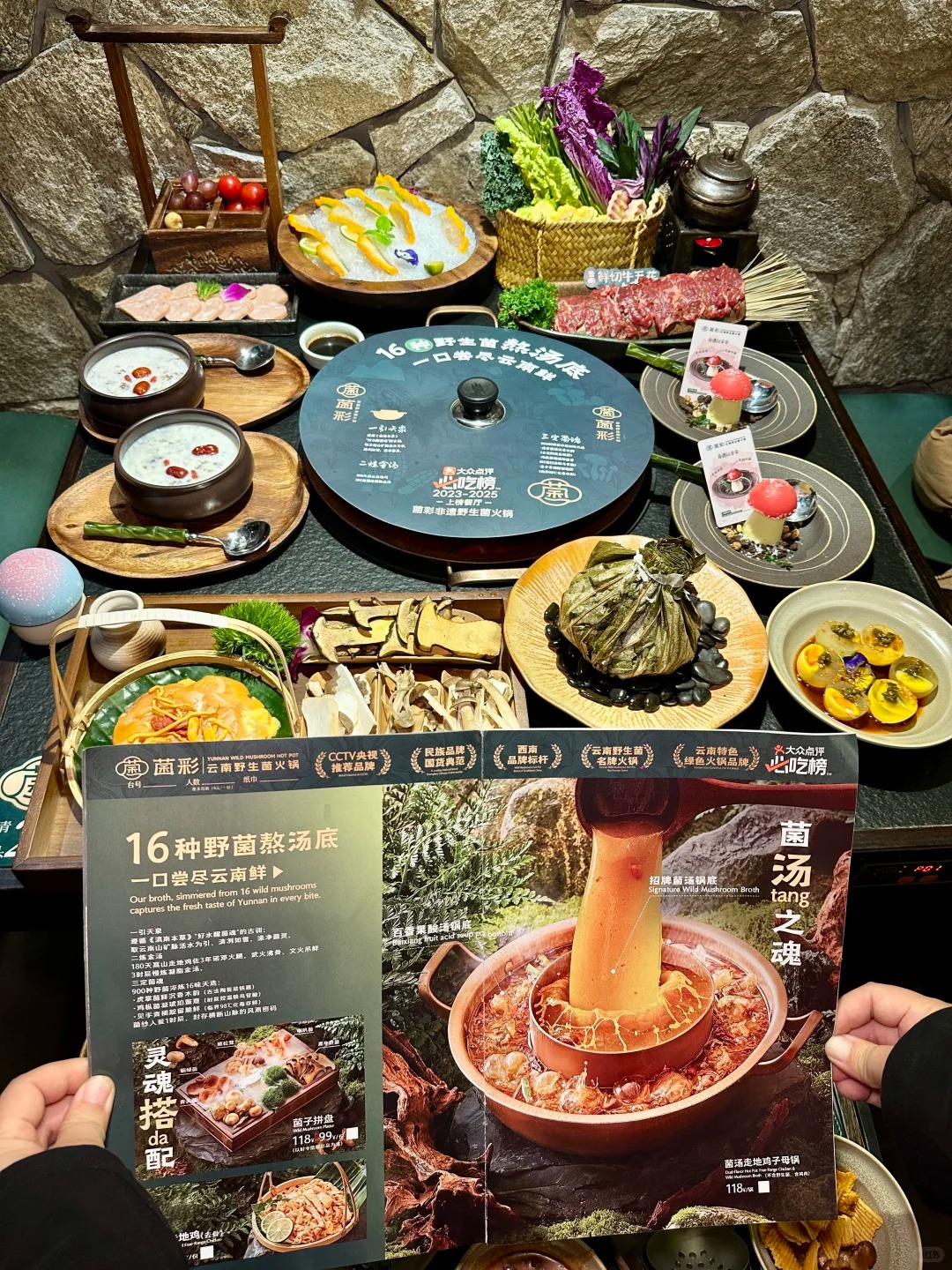
Chinese Restaurants
Compared to Western options, Chinese restaurants here feel more practical and less crowded.
- Representative restaurants: Sichuan-style chains, modern Chinese fusion spots
- Main features: shared dishes, straightforward menus, quicker service
- Best for: groups, travelers who want local food without complexity
Prices are more moderate, usually around ¥60–120 per person.
Menus often include photos or English descriptions, which makes ordering easier if you’re not familiar with Chinese dishes. It’s a good middle ground—local food, but without the stress of navigating a traditional restaurant. If you want to explore more authentic food experiences across the city, it’s worth seeing how locals actually eat in different neighborhoods.
Dessert and Quick Bites
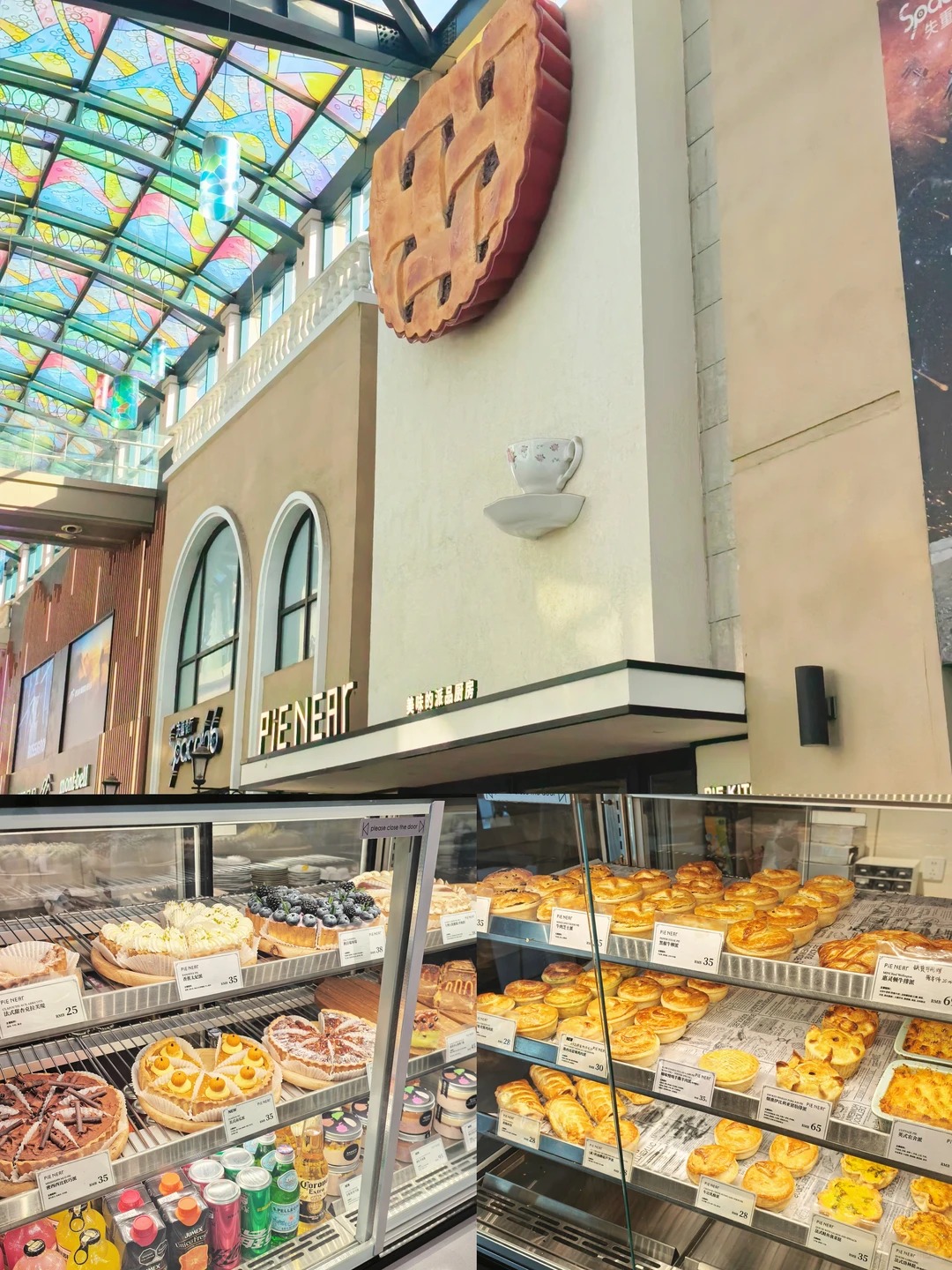
Dessert and Quick Bites
These are everywhere, especially near the lakeside and main walking paths.
- Representative spots: ice cream stands, bakeries, small dessert shops
- Main features: quick service, takeaway options, visual presentation
- Best for: short breaks, walking snacks, casual stops
Most items cost between ¥20–50, so it’s easy to try a few without thinking too much.
You’ll notice people grabbing something sweet and heading back toward the water. It fits the flow of the place—walk a bit, stop, eat something small, then keep moving.
Events and Seasonal Activities
Winter Lights
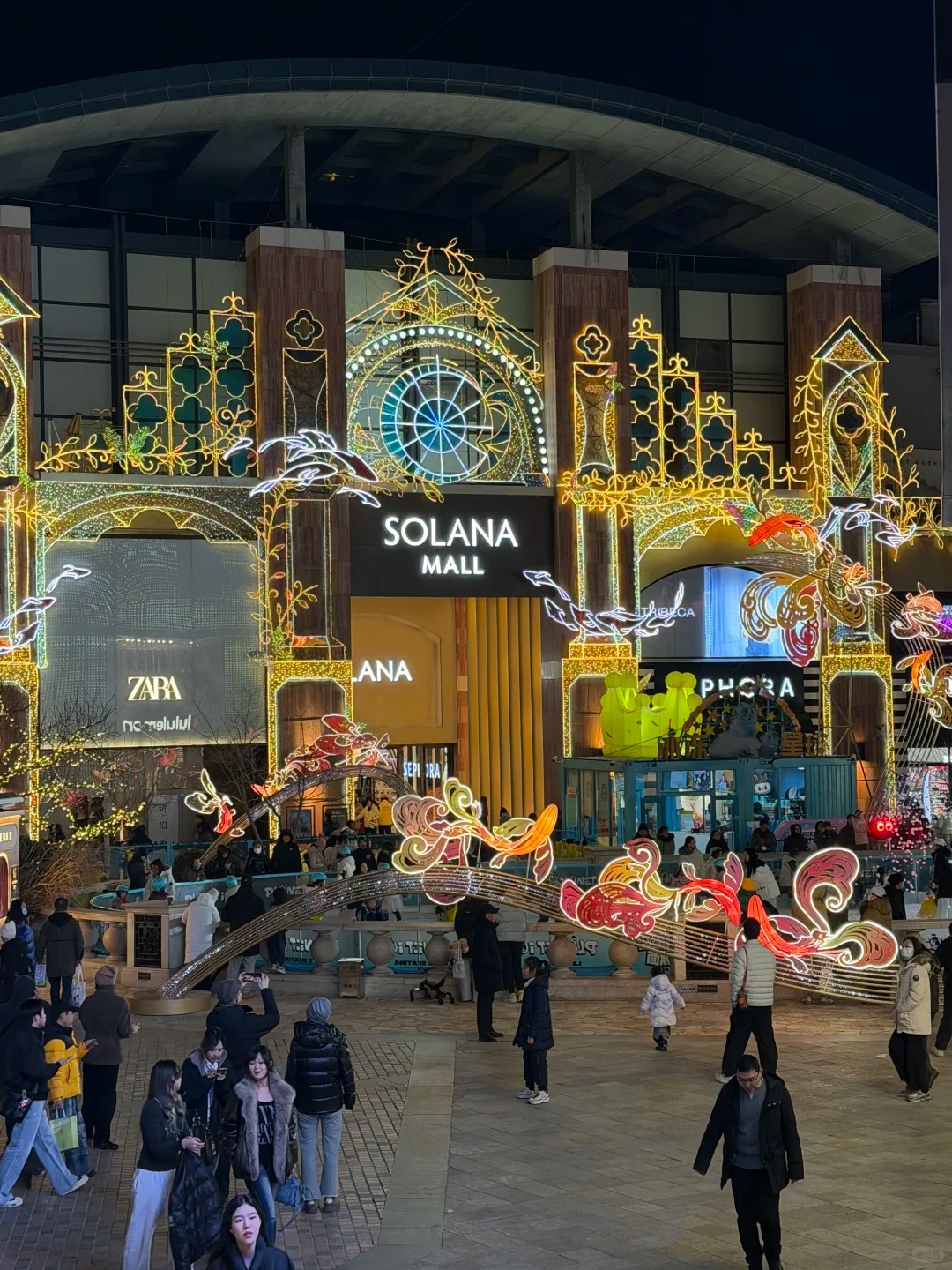
Solana Christmas Light Festival
This is easily the most talked-about season online. If you search Solana on Xiaohongshu or Douyin, most posts come from winter nights, not daytime visits.
- Event type: large-scale light installations, themed decorations, Christmas-style setups
- Timing: usually late November to early February, peak around Christmas and New Year
- Worth visiting: yes, especially if you plan your visit after sunset
The entire lakeside gets covered in lights—trees, railings, even building outlines. It’s not subtle. Some areas feel almost like a small European-style light festival. That’s why it gets crowded. On weekends, the main bridge areas can get packed, and you’ll notice people waiting just to take photos.
If you want a smoother experience, weekday evenings work much better. I’ve seen posts mentioning after 8 PM being slightly less crowded, though it depends on the day. It’s probably the only time of year when visiting Solana specifically for the atmosphere actually makes sense.
Summer Events
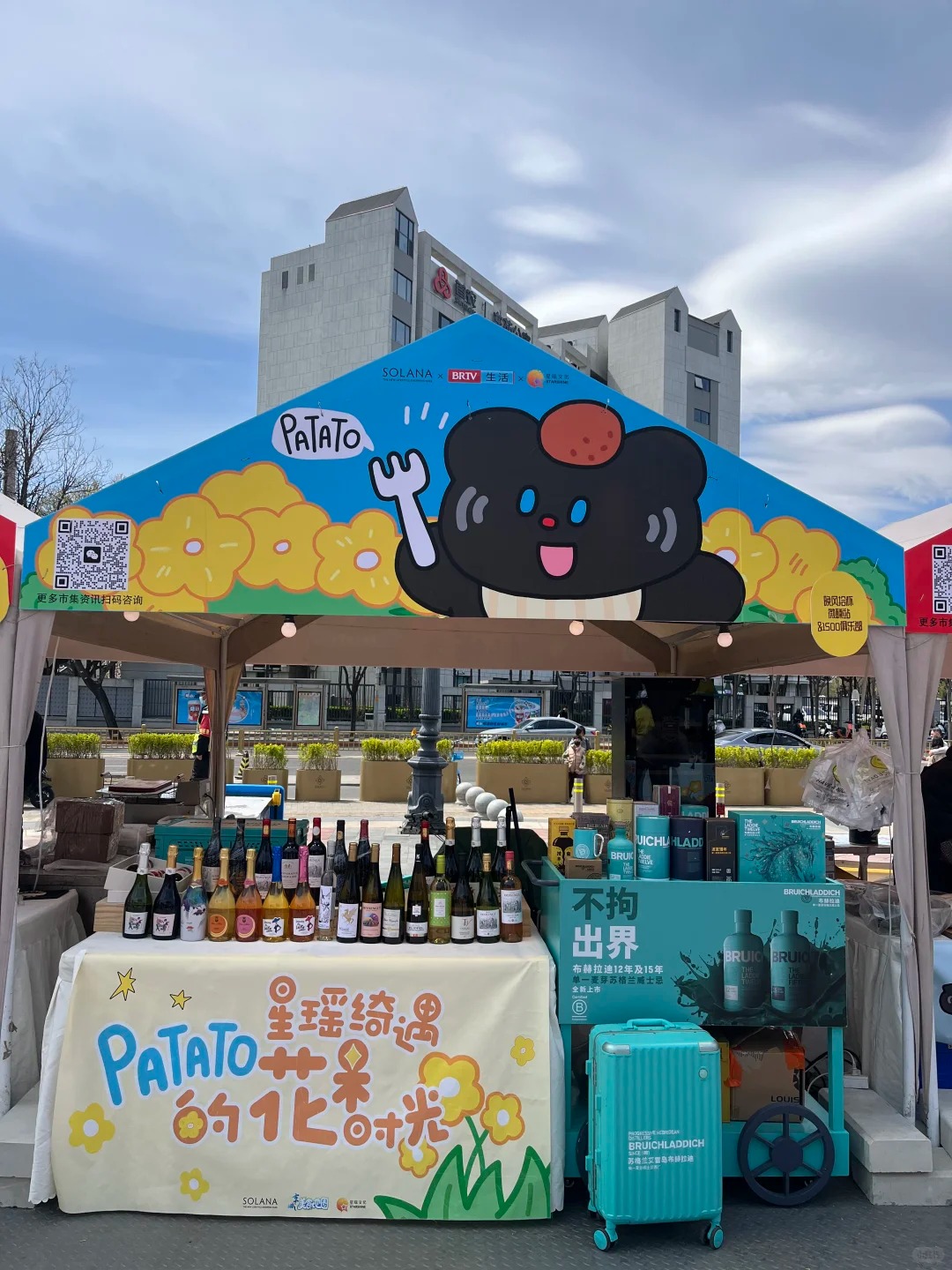
Solana Summer Night Market
Summer doesn’t have the same “visual impact,” but it feels more natural and easier to enjoy without planning too much.
- Event type: small live music, outdoor seating extensions, late-night dining vibe
- Timing: June to August, mostly active after 7 PM
- Worth visiting: not as a main reason, but good if you’re already nearby
Instead of big installations, the focus shifts to how people use the space. Restaurants extend seating, cafés stay open later, and the lake area becomes more active at night.
On Douyin, you’ll see short clips of people just walking around with drinks or sitting by the water. That’s pretty accurate. It’s less about events and more about atmosphere. If the weather is too hot during the day, evenings feel much better, especially with a bit of breeze from the water.
Pop-Ups
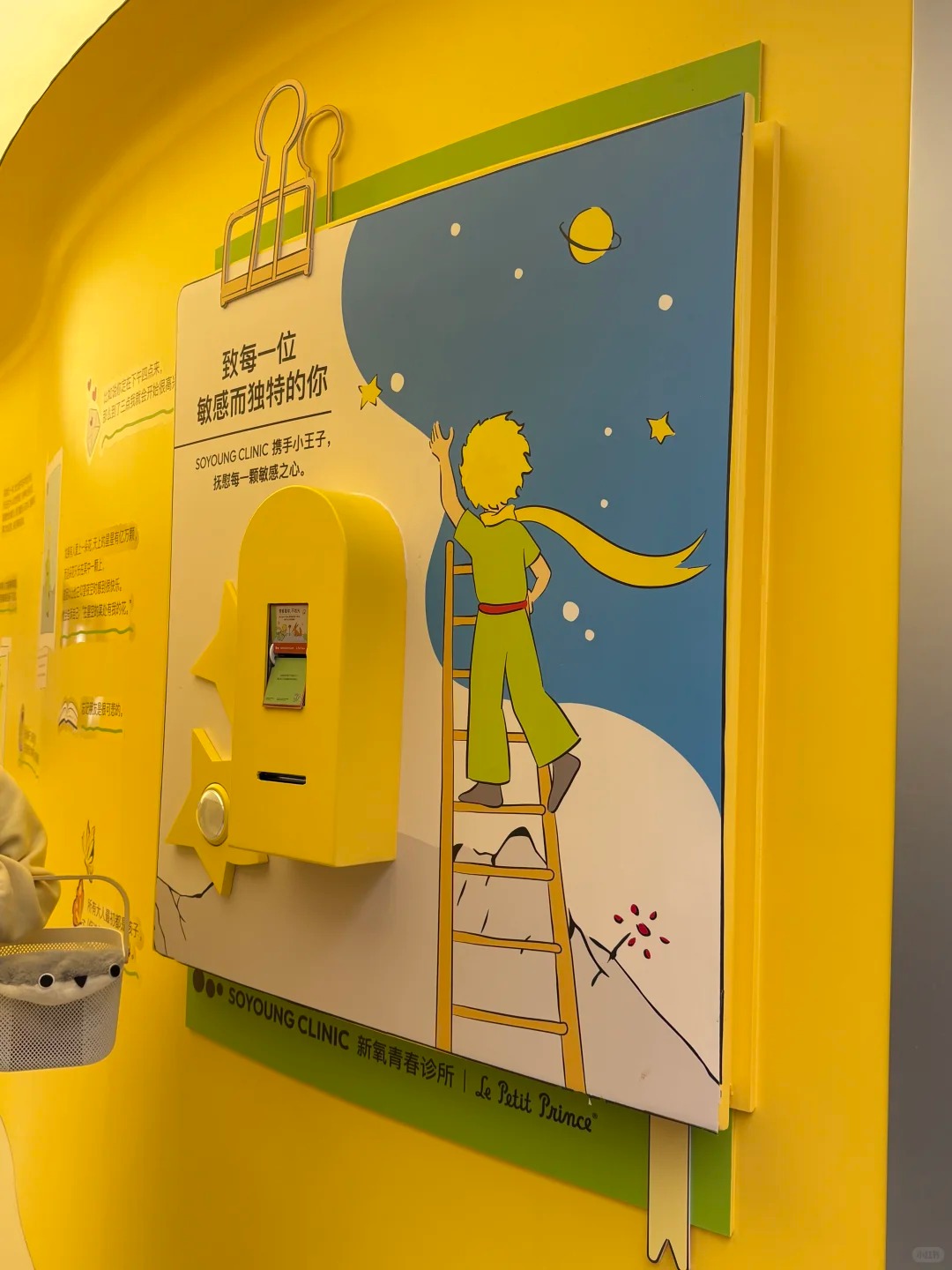
Solana Brand Pop-up Market
Pop-ups are less predictable, but they show up often enough that you’ll probably run into one if you visit at the right time.
- Event type: brand activations, small weekend markets, seasonal booths
- Timing: irregular, often weekends or holidays like May Day and National Day
- Worth visiting: only if it matches your timing, not something to plan around
These can range from a few small stalls near the central plaza to larger branded setups. Xiaohongshu posts usually highlight them early, but there’s no official schedule that’s easy to follow.
Some are quite simple—coffee stands, handmade goods—while others feel more like mini events. The key thing is they don’t last long. If you see one, it’s probably temporary. That unpredictability adds a bit of variety, but also means you shouldn’t expect anything specific unless you’ve checked recent posts before going.
Solana vs Sanlitun vs WF Central Which One Should You Choose
-
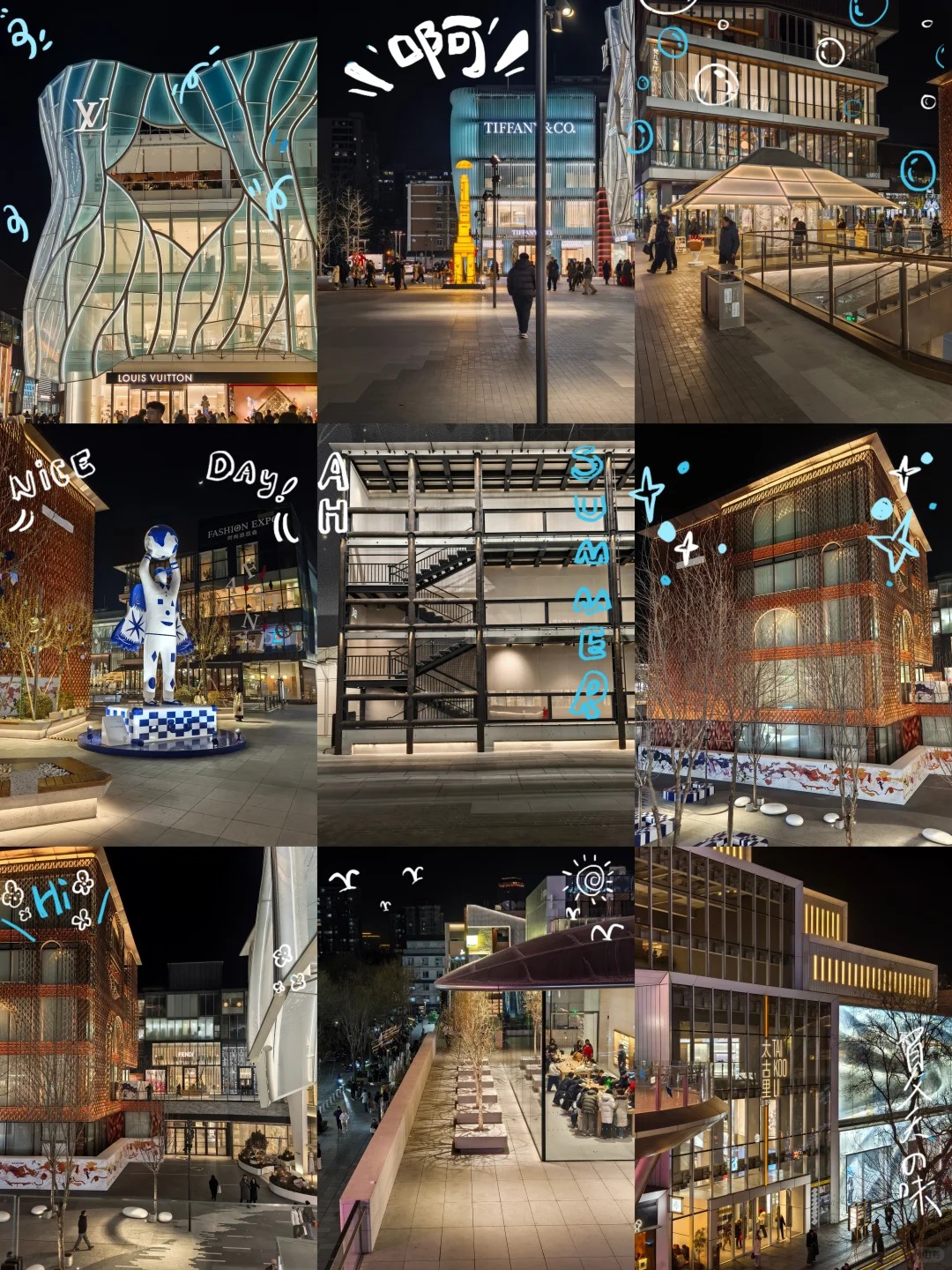
- Nightlife of Sanlitun
-
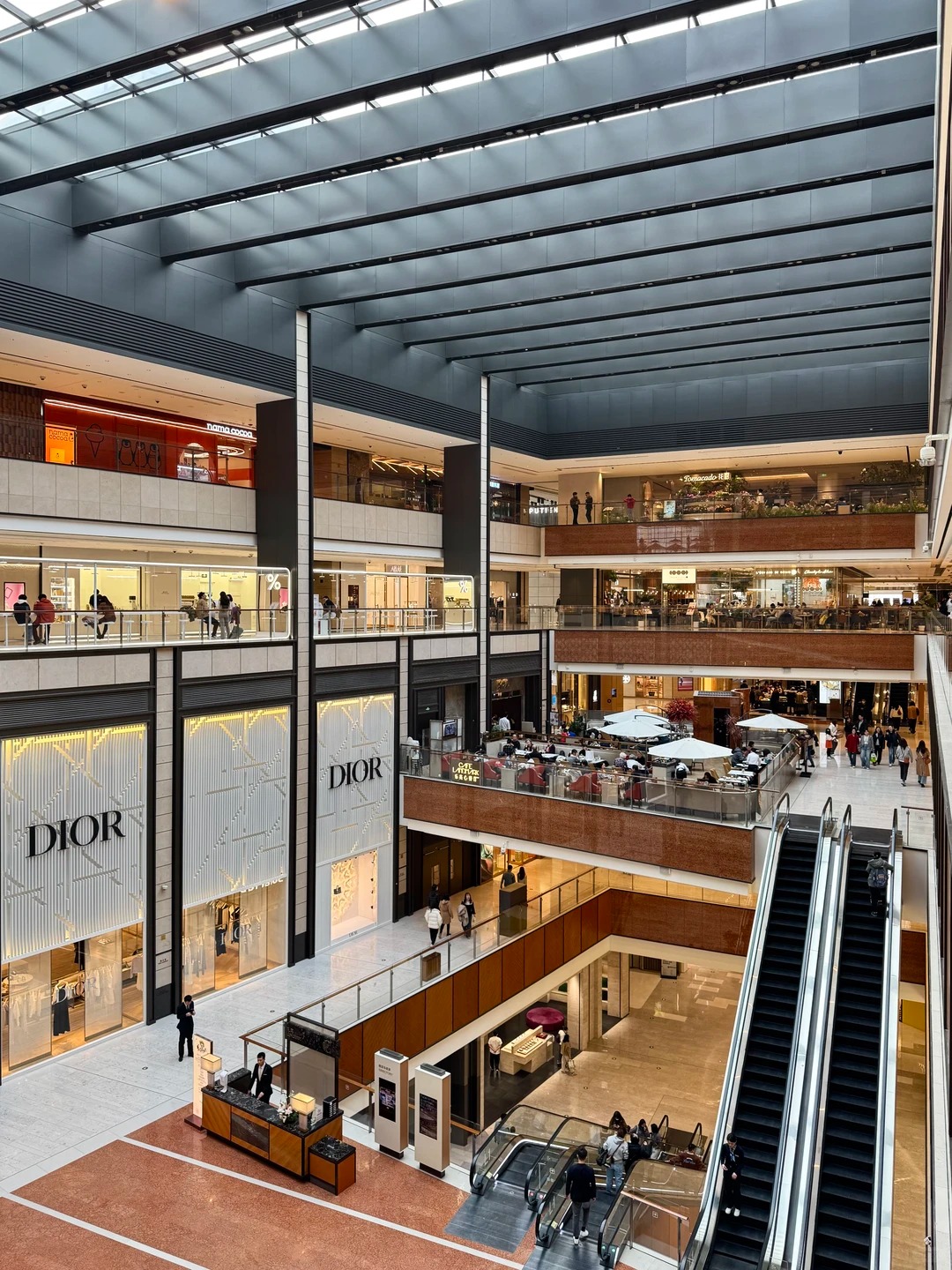
- WF Central Ground Floor
Atmosphere Comparison
Beijing’s shopping areas don’t feel the same at all, and the difference shows up the moment you arrive.
- Solana Blue Harbor: open-air, lakeside walking, slow and spaced-out layout
- Sanlitun: dense, busy, nightlife-driven, always moving
- WF Central: modern luxury, quiet, controlled, more “curated” experience
Solana is the most relaxed of the three. You walk around water, sit down easily, and there’s no pressure to “shop properly.” Sanlitun feels like the opposite—bright screens, crowds, and constant activity. WF Central sits in between in terms of energy, but leans toward calm luxury. It’s indoors, polished, and feels more like a high-end gallery than a mall.
Shopping Experience
The shopping logic changes completely depending on where you go.
- Solana Blue Harbor: scattered stores, mid-range brands, casual browsing
- Sanlitun: widest brand mix, from fast fashion to designer labels
- WF Central: luxury-focused, boutique stores, curated selections
Solana works more as a “walk and see” place rather than a shopping destination. You might buy something small, but it’s not the main point. Sanlitun is where most people go for actual shopping variety. WF Central is smaller in scale but more selective, with brands like luxury fashion, beauty, and premium lifestyle stores.
Who Should Go Where
It really depends on your travel style and how much time you have in Beijing.
- Solana: best for couples, relaxed evenings, low-pressure visits
- Sanlitun: best for first-time visitors who want energy + variety
- WF Central: best for luxury shopping or quieter indoor experience
If you’re only choosing one, Sanlitun is the most “complete.” But if your trip already feels fast-paced, Solana offers a slower break that doesn’t require planning. WF Central is more for people who already know what they want and prefer a controlled indoor environment.
FAQ About Solana Shopping Beijing
Q: Is Solana Shopping Beijing worth visiting for tourists?
Yes, but it depends on what you expect. Solana is not a traditional shopping mall like Sanlitun or WF Central. It’s more of a lakeside lifestyle area where people walk, eat, and take photos. If your goal is luxury shopping or brand hunting, it may feel limited. But if you want a relaxed evening, outdoor seating, and a place where you can slow down between sightseeing spots, it works well. Many visitors combine it with Chaoyang Park or nearby embassy area stops.
Q: How long should I spend at Solana Shopping Beijing?
Most people stay around 2 to 3 hours. That’s enough to walk the lake area, pick a restaurant, and maybe browse a few shops. If you stay for dinner, the visit naturally extends into the evening. Some visitors end up staying longer without planning to, especially when the lights come on. It’s not a place you rush through, but also not large enough to fill a full day.
Q: What is the best time to visit Solana Shopping Beijing?
Late afternoon to evening is usually the best timing. Around sunset, the lakeside becomes more active and the lighting improves for photos. In summer, evenings are more comfortable because of the cooler air. In winter, it gets cold due to the open-air design, so visiting after dark works better when the lights are on. Weekdays are quieter, while weekends are noticeably busier near the lake.
Q: How do I get to Solana Shopping Beijing?
The closest subway station is Liangmaqiao on Line 10, but it still requires a short taxi or walking transfer. Most visitors actually prefer taking a taxi or ride-hailing apps like Didi because the area is easier to reach directly. If you are coming from Sanlitun or Chaoyang Park, it’s only about 10–15 minutes by car depending on traffic.
Q: Is Solana better for shopping or dining?
Dining is clearly stronger than shopping. You’ll find a mix of cafes, Western restaurants, and casual Chinese food, especially around the lakeside area. Shopping exists, but it’s more scattered and not as extensive as places like Sanlitun. Most visitors treat shopping as a secondary activity and focus more on food, walking, and the atmosphere.
Q: Are there any luxury brands in Solana Shopping Beijing?
Not many. Solana mainly focuses on mid-range and lifestyle brands rather than luxury fashion. If you are looking for high-end labels, WF Central or SKP are better choices. Solana is more about casual shopping and small boutiques rather than flagship luxury stores.
Q: Is Solana Shopping Beijing good for families?
Yes, it works quite well for families. The open layout makes it easy to walk around with children, and there are many outdoor spaces near the lake. Restaurants are varied enough for different tastes, and the environment is generally relaxed. However, it can get crowded on weekends, so visiting earlier in the day is usually more comfortable.
Q: What is the difference between Solana and Sanlitun?
Solana is slower, more open, and focused on lifestyle experiences like dining and walking. Sanlitun is more urban, energetic, and shopping-focused, with a much wider brand selection and nightlife scene. If you want atmosphere and relaxation, Solana is better. If you want variety and shopping options, Sanlitun is more complete.
Q: Is Solana expensive?
Prices are moderate. Cafes and casual dining are usually reasonable, but lakeside restaurants can be slightly more expensive due to the location and view. Shopping prices depend on the store, but most brands are mid-range. It’s not considered a budget area, but it’s also not as expensive as luxury malls like WF Central or SKP.