Weather in China in February
February weather in China spans a vast range. Harbin sits at -20°C while Sanya reaches 25°C in the same week. Most of the country sits in late winter, dry inland and damp along the southeast coast. Spring Festival usually lands in mid-to-late February, when the largest annual travel rush reshapes both crowd levels and prices. This guide breaks down February weather by region, sets out what to pack for each climate zone, and shows how to plan around the Spring Festival surge.
Quick Facts
Regional Weather in February by City
-

- Beijing Weather in February
-
- Shanghai Weather in February
-
- Guangzhou Weather in February
-
- Harbin Weather in February
February splits China into distinct climate zones. The north endures arctic conditions with lows reaching -20°C, while the far south holds mild temperatures around 20°C. Inland cities are dry and windy; coastal areas carry damp air from the east. Daylight ranges from 10 hours in Harbin to nearly 12 in Sanya. Humidity climbs from 30-50% in the north to 60-80% along eastern coastal cities. Spring Festival 2026 falls on February 17, with travel surges beginning 15 days before and easing 15 days after the holiday.
Beijing Weather in February
Beijing averages a high of 5°C (41°F) and a low of -6°C (21°F) in February. The city sees 1-3 snowy days per month, though snow rarely accumulates deeply. Conditions are very dry with strong winds that push the real-feel temperature well below the actual reading. Brief dust episodes can occur, reducing visibility for short stretches. Daylight stretches 10-11 hours. The Spring Festival week often marks the coldest real-feel days of the month as heating systems cycle down in some tourist areas.
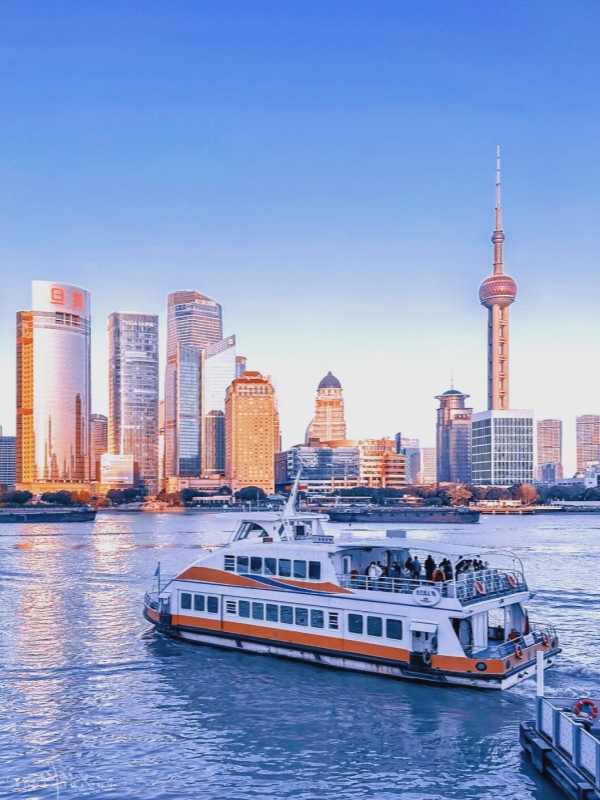
Shanghai Weather in February
Shanghai posts an average high of 10°C (50°F) and a low of 4°C (39°F). The city sits under overcast skies for much of the month, with light drizzle common and rainfall around 59 mm. Sea fog may roll in along the Bund, softening the cityscape in early mornings. Freezing temperatures are rare, but the damp air makes 4°C feel closer to -2°C. Humidity typically runs 70-80%, so layers matter more than heavy insulation.
Hong Kong Weather in February
Hong Kong enjoys an average high of 18-19°C (64-66°F) and a low of 14-15°C (57-59°F) in February. Rainfall stays low at around 50 mm, and sunny days dominate. Sea temperature hovers near 18°C, too cool for extended swimming but pleasant for coastal walks. The Chinese New Year period brings fireworks, night parades, and festive markets that shape the city's atmosphere. Outdoor exploration works comfortably in light layers.
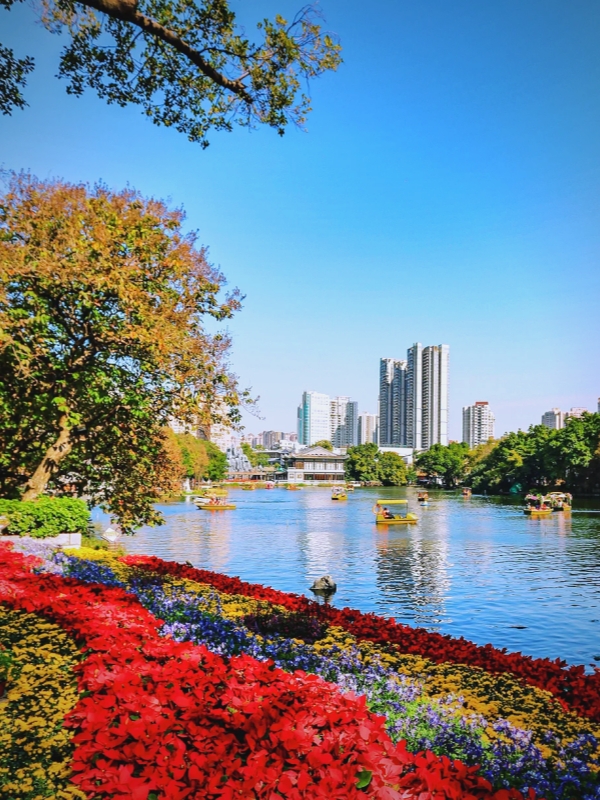
Guangzhou Weather in February
Guangzhou sees an average high of 18°C (64°F) and a low of 11°C (52°F) in February. Damp conditions and light rain are frequent, with overcast skies common. Brief cold snaps can push lows toward 5°C, especially early in the month. By late February, spring flowers begin blooming and humidity starts climbing. Heavy winter clothing is rarely needed; a fleece plus light jacket handles most days comfortably.
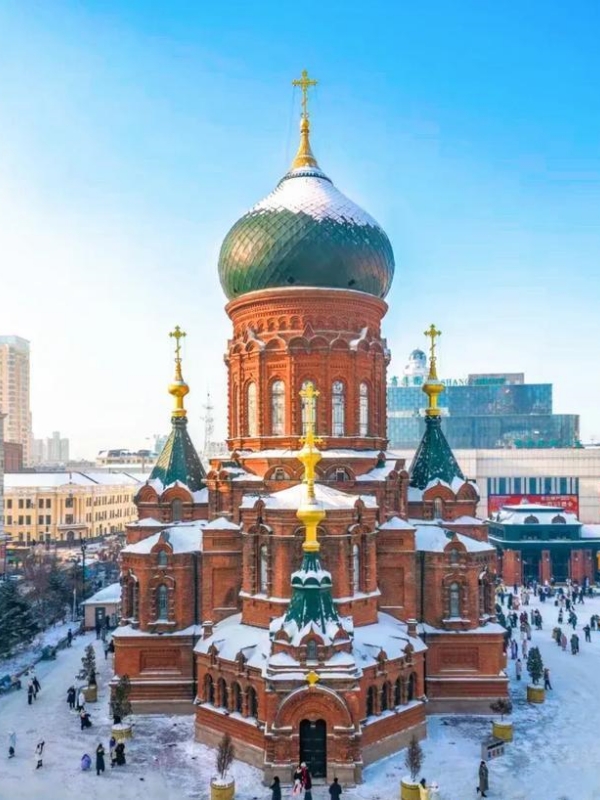
Harbin Weather in February
Harbin endures an average high of -7°C (19°F) and a low of -20°C (-4°F). The cold is extreme but dry, which actually feels more bearable than damp cold at the same temperature. Snow covers the ground consistently, creating the white landscapes the city is famous for. Daylight lasts about 10 hours. Ice and Snow World and Snow Town draw the bulk of February visitors. Hand warmers and wind-rated outerwear are essential for outdoor evening activities.
🗺️ Plan Across Weather Zones: Want to map out your itinerary and packing list according to China's five distinct meteorological regions? Read our guide to Climate Zones in China.
Best Destinations by Climate Preference
-
- Harbin Ice in China
-

- Changbai Mountain Crater Lake
-
- Sanya
-
- Dali Ancient City
February rewards travelers who choose their destination based on what kind of weather they want to experience. The three climate clusters below group cities by the conditions they offer, making it easier to match preferences to reality.
Snow and Ice Destinations
February is peak season for China's northern snow belt. These destinations deliver guaranteed cold and reliable snow cover.
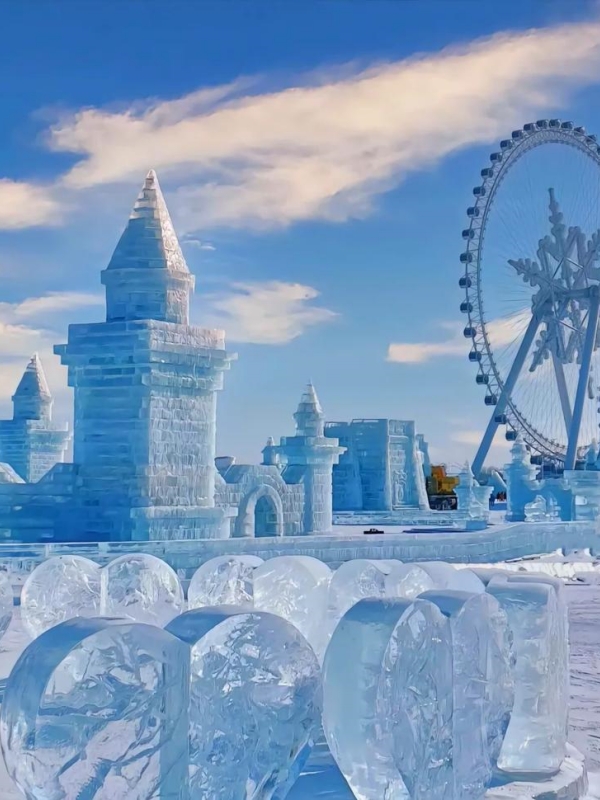
- Harbin Ice and Snow World: Giant illuminated sculptures built entirely from ice and snow. Best visited after dark when the lights make the structures glow.
- Snow Town (Xuexiang): A village famous for its mushroom-shaped snow caps on wooden houses. The snow accumulation here is among the heaviest in China.
- Changbai Mountain: Skiing on the eastern slopes combined with views of the frozen Tianchi (Heavenly Lake) and natural hot springs at the base.
- Jilin Rime Frost: An icy fog deposits frost on trees along the Songhua River, creating a natural phenomenon called rime ice that occurs on 40+ days each winter.
- Beijing Great Wall in Snow: Mutianyu or Jinshanling sections covered in white create a dramatically different Great Wall experience from the summer view.
- Xinjiang Altay Ski Area: China's newest world-class ski destination, with modern facilities and reliable snow coverage through February.
Warm Escapes and Tropical Coast
The south offers genuine warmth for travelers fleeing northern cold. These destinations provide comfortable temperatures and outdoor-friendly conditions.
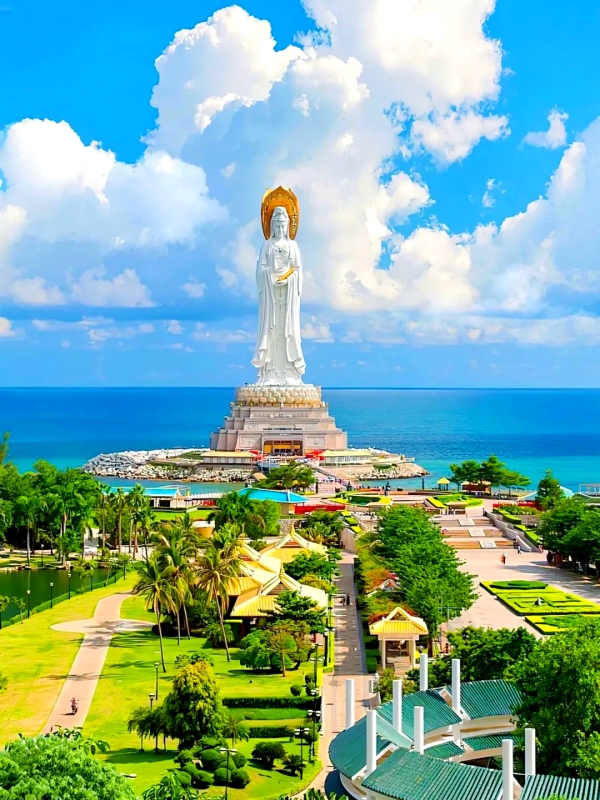
- Sanya, Hainan: Beach resorts at Yalong Bay and Houhai Beach with temperatures of 22-26°C. Sea water stays cool enough for swimming but pleasant for water activities.
- Hong Kong: City walking weather at 17-19°C with clear February skies. CNY fireworks add a festive backdrop to urban exploration.
- Macau: Heritage streets and colonial architecture in comfortable 17°C weather. Less crowded than Hong Kong during the Spring Festival.
- Kunming: Known as the "Spring City" with temperatures around 15°C year-round. A mild base for exploring Yunnan province.
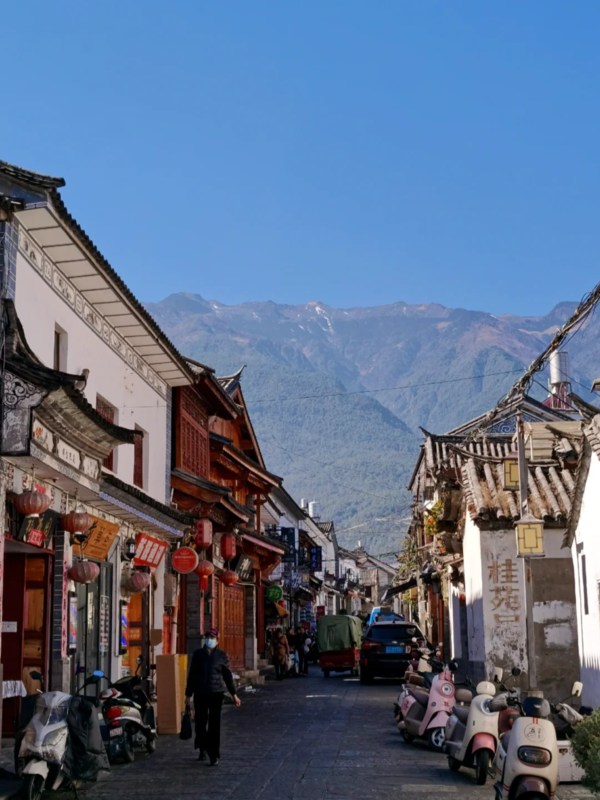
- Dali and Lijiang: Mild days of 15-18°C in these ancient towns. Erhai Lake and Jade Dragon Snow Mountain provide day-trip options.
- Guilin: Karst peaks along the Li River in soft winter light. River cruises operate year-round, and the misty atmosphere suits the landscape.
Spring Blossoms and Early Spring Landscapes
Late February marks the transition into spring in southern China. Specific destinations hit their most photogenic windows at this time of year.
- Luoping, Yunnan: Rapeseed (canola) flowers begin blooming in late February, covering terraced hillsides in yellow. The color peak typically arrives in early March.
- Yuanyang Rice Terraces: Water-filled terraces reflect sunrise light like mirrors. The agricultural cycle here puts the terraces at their most dramatic in February.
- Huangshan (Yellow Mountain): Snow dust on granite peaks combined with rime ice on trees. Fewer crowds than summer while the winter scenery reaches its peak.
- Zhangjiajie: Sandstone pillars emerge through winter haze. The landscape has a moody, atmospheric quality different from summer's clarity.
- Tiger Leaping Gorge: The world-class trek reopens after winter closures. Temperatures are cool, but the trail is manageable and the gorge dramatically empty.
Top February Activities and Experiences
-

- Sun Island International Snow Sculpture
-
- Central Street
-
- Temple Fair
-
- Yu Garden Lantern Festival
February activities in China split along climate lines. The north offers ice-centric festivals and winter sports, while the south and central regions focus on cultural celebrations and mild-weather exploration.
Ice and Snow Festival Highlights
Harbin's ice festival is the anchor event for February visits to the north. Beyond the main venue, several related sites complete the winter experience.
- Harbin Ice and Snow World: Giant illuminated ice sculptures covering 600,000 square meters. Standard adult tickets run about $43 (¥298); evening or VIP access costs roughly $70 (¥490). Open through late February.
- Sun Island Snow Sculpture Art Expo: Elaborate snow sculptures reach monumental scale across the exhibition grounds on the Songhua River's north bank.
- Zhaolin Park Ice Lantern Garden: Traditional Chinese lantern art rendered in ice. Quieter than Ice and Snow World and well-suited for evening visits.
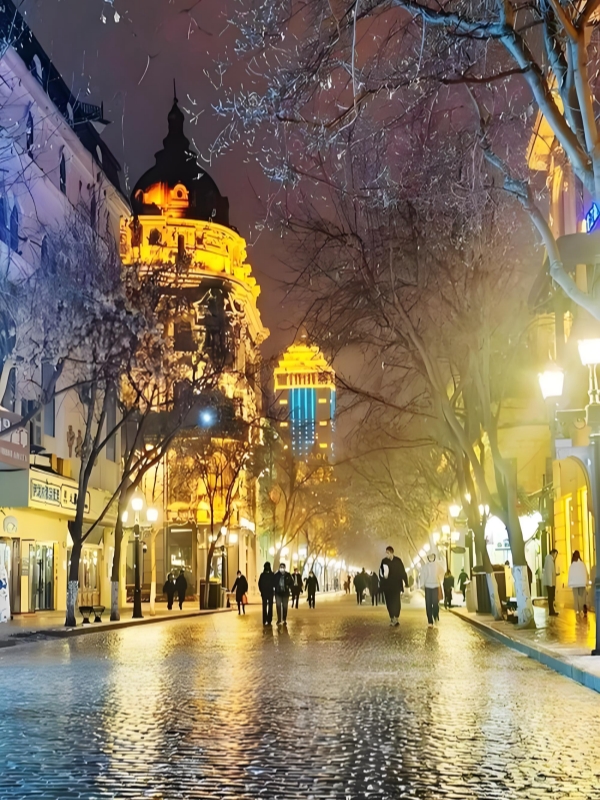
- Central Street (Zhongyang Daxijie): A pedestrian avenue lined with Russian-influenced architecture and ice sculptures embedded in the street itself.
- Festival Timing: All venues run from mid-December through late February. Peak illumination occurs after 17:00 when the evening lighting activates.
Skiing and Hot Springs
China's ski industry has expanded rapidly, with several resorts now meeting international standards. Hot springs provide a natural complement to cold-weather activities.
- Yabuli Ski Resort: China's largest ski area in Heilongjiang province. Day passes cost approximately $45 (¥320). The resort hosted international competitions and offers varied terrain.
- Beidahu Ski Resort: Jilin's largest ski area with beginner-friendly slopes and more advanced terrain. A solid alternative to Yabuli for eastern access.
- Changbai Mountain Hot Springs: Natural hot springs at the mountain's base offer outdoor bathing with mountain views. Entry typically runs $15-25 (¥100-180).
- Songhua Lake Ski: Near Jilin City, combining ski access with lakeside scenery. Growing in popularity as infrastructure improves.
- Hebei Ski Areas: Thaiwoo and Wanlong resorts offer shorter travel times from Beijing, making them practical for weekend trips from the capital.
Spring Festival Traditions and Lantern Festival
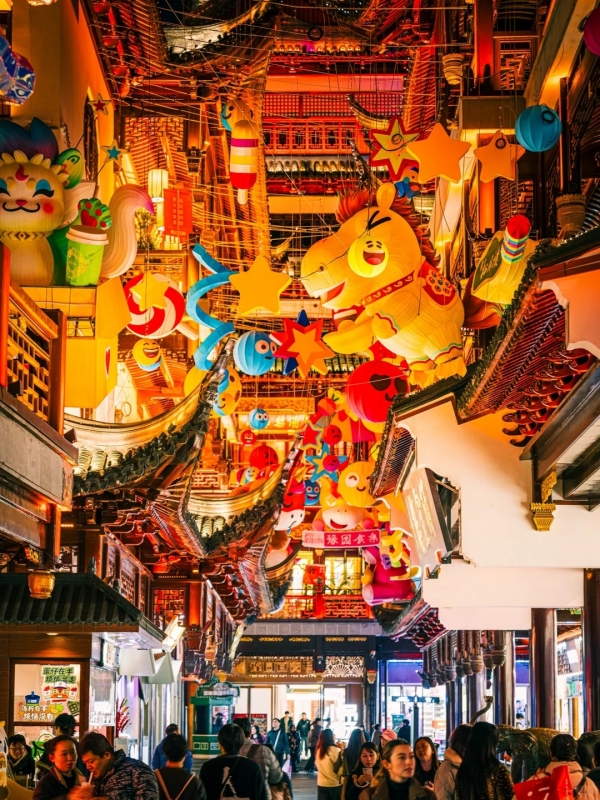
February includes both the main Spring Festival and the Lantern Festival that follows 15 days later. Both offer cultural immersion opportunities unavailable at other times of year.
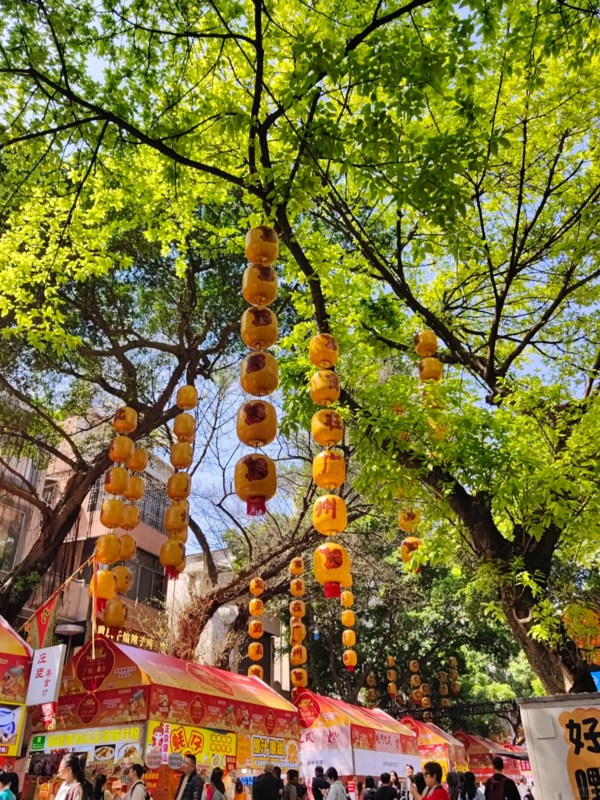
- Temple Fairs: Ditan Park in Beijing and the Confucius Temple in Nanjing host traditional temple fairs with crafts, performances, and street food during the holiday week.
- Dragon and Lion Dances: Historic districts across China stage performances during the festival period. The choreography and drumming are most elaborate on the first three days.
- Dumpling-Making Classes: Half-day cooking workshops teach the art of making jiaozi. Prices typically range $15-30 (¥100-200) per person.
- Xi'an City Wall Lanterns: The ancient wall hosts massive lantern installations during the festival period, viewable after dark.
- Lantern Festival Riddle Games: Traditional riddle-solving games (caihong) take place at temples and cultural venues on the 15th day (March 3 in 2026).
- New Year Food Tastings: Seasonal specialties include nian gao (sticky rice cake), jiaozi (dumplings), and tang yuan (glutinous rice balls). Local food markets stock these items throughout the holiday.
Chinese New Year Travel: Climate, Crowds, and Costs
Spring Festival reshapes every dimension of a February China trip. The holiday compresses the country's 1.4 billion people into a single travel window, driving costs up and availability down. Understanding the intersection of weather, crowds, and pricing lets travelers either ride the wave or time their arrival to miss the peak entirely.
- Climate Impact: Northern cities feel 3-5°C colder during the Eve-through-Day 3 stretch as some buildings reduce heating. Southern cities turn wetter. Frost-viewing sites around Jilin hit peak rime-ice formation during the holiday week.
- Crowding Hotspots: Beijing, Shanghai, and Guangzhou see airport and HSR station traffic surge 30-100%. The Forbidden City, Great Wall, and Temple of Heaven draw huge daytime crowds on Days 1-3.
- Flight Costs: Off-peak domestic fares run $49-69 (¥350-500) on routes like Chengdu-Dali. During Spring Festival, those same routes jump to $208-278 (¥1,500-2,000).
- Hotel Premium: Yangshuo hotels that cost $28-42 (¥200-300) off-season spike to $139+ (¥1,000+) for the holiday week.
- Cheapest Travel Windows: Early February (before February 11) and after the Lantern Festival (after March 3) offer the best combination of lower fares and thinner crowds.
- Booking Lead Times: Book domestic HSR tickets 4-6 weeks ahead, international flights 6-8 weeks ahead. Flights into and out of tier-1 cities need the longest lead time.
When Spring Festival Falls in February
Spring Festival 2026 falls on February 17, with the Eve celebrated on February 16. The official public holiday window runs February 16-22. The Lantern Festival follows 15 days later on March 3. Travel chaos typically begins 15 days before the Eve and tapers about 15 days after. Spring Festival 2027 will shift earlier, landing on February 6 (Eve February 5), which pushes some of the holiday costs and crowds into January.
How the Holiday Reshapes Weather Impact
The holiday amplifies cold in northern cities. Some public buildings reduce heating during the 7-day holiday window, and reduced staffing means some outdoor tourist sites run shorter hours or close entirely for Days 1-3. Southern cities experience the opposite shift: increased travel brings more visitors to gardens and waterfront areas just as light rain becomes more frequent. Jilin's famous rime frost along the Songhua River actually peaks during this week, giving the holiday an unexpected natural anchor.
Costs, Crowds, and Booking Windows
Spring Festival costs spike hard on domestic routes. Beijing-Shanghai high-speed rail runs about $80 (¥570) second class off-peak but doubles or triples during the holiday window. Hotel premiums follow the same pattern, with popular scenic towns adding 100-300% to off-season rates. The two safe windows are clear: arrive before February 11 or after March 3. Booking lead times are strict for the holiday period. Domestic HSR requires reservations 4-6 weeks out; international flights need 6-8 weeks. Some major sites close during the first three days of the holiday, including portions of the Forbidden City and Temple of Heaven in certain years. Harbin Ice and Snow World and ski resorts keep running through the entire month.
What to Pack and Wear in February by Region
February packing for China depends entirely on which regions are on the itinerary. A single trip through Harbin, Shanghai, and Hong Kong requires three distinct wardrobes. The table below sets the tier framework; the following sections break down each zone with specific items.
Northern China (Harbin, Beijing, Xi'an)
Northern China demands serious cold-weather gear. The temperature range justifies the bulk in the suitcase.
- Outerwear: Down jacket rated to -25°C or lower for Harbin; -10°C rated jacket sufficient for Beijing and Xi'an.
- Base Layer: Thermal underwear made from merino wool or synthetic fabric. Cotton holds moisture and chills the body in extreme cold.
- Footwear: Waterproof snow boots with felt liners. Wool socks add crucial warmth on ice-covered streets.
- Hand Warmers: Disposable warmers cost about ¥2-5 each (roughly $0.30-0.70). Pack a supply for Harbin Ice and Snow World evenings.
- Hand Protection: Windproof gloves or mittens that allow touchscreen use without removing them.
- Face Protection: Neck gaiter or scarf, plus a windproof hat. Sunglasses protect against snow glare.
- Skin Care: Lip balm and heavy moisturizer. Humidity often drops below 30% in heated interiors.
A common mistake: wearing cotton base layers under a single heavy coat. The moment cotton gets damp from sweat, it loses all insulation. Thermal merino or synthetic base layers are non-negotiable in Harbin.
Central and Eastern China (Shanghai, Hangzhou, Chengdu)
Central and eastern China require adaptable layering rather than maximum insulation. Temperatures fluctuate between mild afternoons and cold evenings.
- Outerwear: Mid-weight down or fleece paired with a waterproof shell handles the range from 0°C mornings to 12°C afternoons.
- Mid Layer: Layered fleece plus light wool works well. A single thick sweater can substitute for the fleece layer.
- Pants: Long pants with a comfortable base. Fleece-lined pants are optional rather than required.
- Footwear: Closed walking shoes with good grip. Wet pavement from drizzle makes slick soles dangerous.
- Rain Gear: A compact umbrella or packable rain jacket. February brings around 59 mm of rainfall to Shanghai.
- Evening Layer: One warmer top for evenings when temperatures drop toward freezing.
A common mistake: packing a single heavy jacket and nothing else. The temperature swing between 12°C daytime and 2°C at night in Shanghai makes layering essential.
Southern China (Yunnan, Hainan, Hong Kong, Guangzhou)
Southern China operates in a completely different season. Light layers handle most situations, though altitude and latitude create subtle variations.
- Outerwear: Light fleece or knit jacket for mornings and evenings. Daytime in Hainan rarely needs more than a t-shirt.
- Tops: T-shirts work for daytime in Hainan and Guangzhou. One long-sleeve covers cooler mornings in Kunming and Lijiang.
- Pants: Long pants or jeans throughout the region. Shorts work in Hainan for beach days.
- Sun Protection: Sunscreen with SPF 30+ is essential. UV rays are strong in Yunnan highlands and Hainan beaches even in February.
- Rain Gear: A light rain layer handles Guangzhou drizzle and Kunming afternoon showers.
- Swimwear: Packing a swimsuit opens access to Hainan resort pools and Sanya beach hotels.
A common mistake: assuming Yunnan is warm everywhere. Kunming sits at 1,900 meters elevation and can drop to 5°C on cold mornings. Lijiang's nights also turn cool. Always check the specific altitude of each destination.
Travel Logistics, Booking, and Practical Tips
Logistics for a February China trip require extra preparation. The Spring Festival period adds pressure to booking timelines, and cold-weather travel creates specific equipment needs.
- Visa and Transit: Many nationalities qualify for visa-free transit of up to 240 hours or 10 days as of late 2024. Reconfirm current policy before arrival, as terms change. Standard tourist visas remain valid for longer stays.
- Payment Apps: Alipay and WeChat Pay accept international cards linked to the app. Set these up before arrival with sufficient funds. Cash is rarely needed in major cities but helps in rural areas.
- VPN and Connectivity: Google, Meta platforms, and many news sites are blocked in China. A reliable VPN is essential for most travelers. eSIM data plans work better than physical SIMs for international visitors.
- Transport Booking: High-speed rail tickets require booking 4-6 weeks ahead during Spring Festival. Off-peak Beijing-Shanghai second class runs about $80 (¥570). International flights need 6-8 weeks advance purchase for tier-1 city routes.
- English Availability: Major airports, tier-1 city hotels, and prominent scenic sites have English signage and some English-speaking staff. Rural Yunnan, smaller ancient towns, and Harbin's outer areas offer limited English support.
Frequently Asked Questions
Q: What is the weather in China like in February?
February weather in China spans a massive range, from -20°C in Harbin to 25°C in Sanya. The north is dry and cold, the east coast is damp and cool, and the south stays mild and sunny. Spring Festival falls in mid-to-late February (February 17 in 2026), reshaping crowd levels and travel costs across the country.
Q: What is the weather like in Beijing China in February?
Beijing averages a high of 5°C (41°F) and a low of -6°C (21°F) in February. Conditions are dry and windy with 1-3 snowy days per month. Daylight lasts 10-11 hours. Pack a heavy down jacket, scarf, and lip balm for the cold wind.
Q: What is the weather like in Shanghai China in February?
Shanghai sees an average high of 10°C (50°F) and a low of 4°C (39°F). The city is humid and overcast, with light drizzle common and around 59 mm of rainfall. Freezing is rare, but the damp air makes it feel colder. A fleece plus waterproof shell handles most days.
Q: What is the weather in Guangzhou China in February?
Guangzhou averages a high of 18°C (64°F) and a low of 11°C (52°F). The weather is damp with light rain and overcast skies. Occasional cold snaps can push lows toward 5°C. T-shirts plus a light jacket handle most days comfortably.
Q: What is the weather in Harbin China in February?
Harbin endures an average high of -7°C (19°F) and a low of -20°C (-4°F). The cold is extreme but dry, with abundant snow cover. Daylight lasts about 10 hours. Dress in a down jacket rated below -20°C with insulated boots and hand warmers for Ice and Snow World evenings.
Q: Is February a good time to visit China?
February works well for snow festivals, southern escapes, and experiencing Spring Festival traditions. The best deals and thinnest crowds appear before the February 11 pre-holiday rush and after the March 3 Lantern Festival. Northern outdoor activities are less ideal due to extreme cold.
Q: Does it snow in China in February?
Snow is reliable in the north, including Harbin, Snow Town, Changbai Mountain, parts of Beijing, Xinjiang, and Inner Mongolia. Snow becomes rare or nonexistent from Shanghai southward. The most consistent snowfall occurs in Heilongjiang and Jilin provinces.
Q: Where is warm in China in February?
Sanya on Hainan reaches 22-26°C and is the warmest major destination. Hong Kong and Macau stay around 17-19°C. Guangzhou sits at 18°C, Kunming at 15°C, and Xishuangbanna holds 22-25°C. Even Guilin and Lijiang remain mild at 12-18°C during daytime hours.
Q: What should I wear in China in February?
Clothing depends entirely on region. Harbin needs a down jacket rated below -20°C. Beijing, Xi'an, and Shanghai work with mid-weight down or fleece plus a shell. Yunnan and southern cities require only light jackets and layers. Always bring lip balm, heavy moisturizer, and sunscreen for southern destinations.
Q: Is China crowded during Chinese New Year?
Yes — Spring Festival week (February 16-22 in 2026) is the largest annual travel rush. Airports, high-speed rail stations, and major tourist sites are extremely crowded. Book flights and rail tickets 4-8 weeks in advance. Hotel prices typically rise 30-100% or more during the holiday.