Tibet Currency: RMB for Visitors
Tibet uses the Chinese renminbi (RMB, ¥) — there is no separate regional currency. This guide covers what foreign visitors actually need to know about handling money in Tibet today: which RMB denominations to bring, how to set up Alipay and WeChat Pay before arrival, where to find working ATMs, and when cash remains the only option. Lhasa, Shigatse, and Nyingchi accept cards and mobile pay at most hotels, restaurants, and shops. Remote monasteries, small markets, and high-altitude villages still run on paper RMB, so carry small notes for donations, tips, and rural transport.
Quick Facts
Renminbi: The Currency in Tibet Today
The Chinese renminbi is the only legal tender in Tibet and across all of mainland China. Issued by the People's Bank of China, it carries the symbol ¥ and ISO code CNY. No separate Tibetan regional currency exists for daily transactions — this unification dates to the monetary reforms completed in the 1950s when the renminbi replaced all regional and local note-issuing authorities across China. For visitors, this means one straightforward rule: RMB is accepted everywhere, from luxury hotels in Lhasa to teahouses in Gyantse.
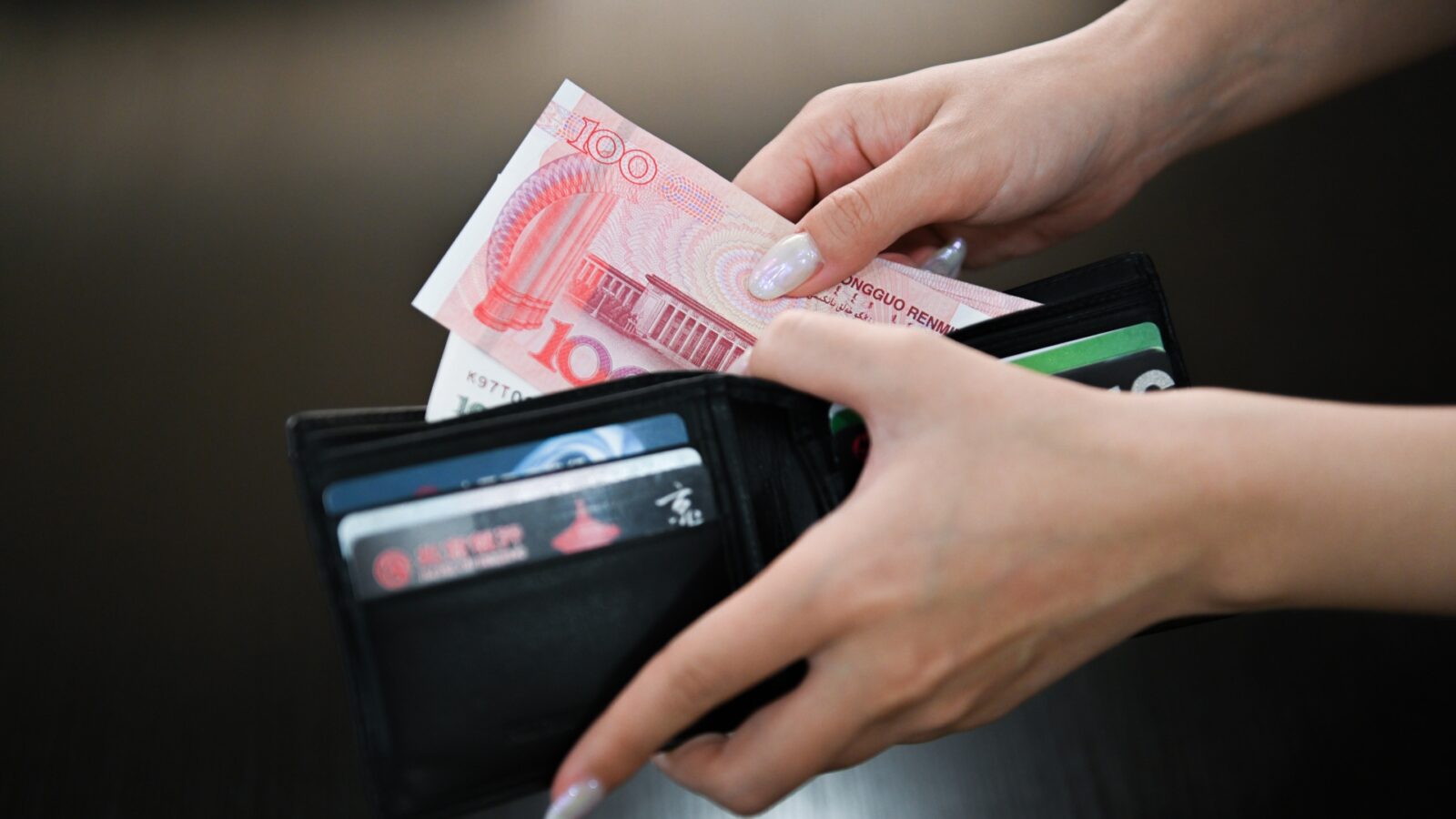
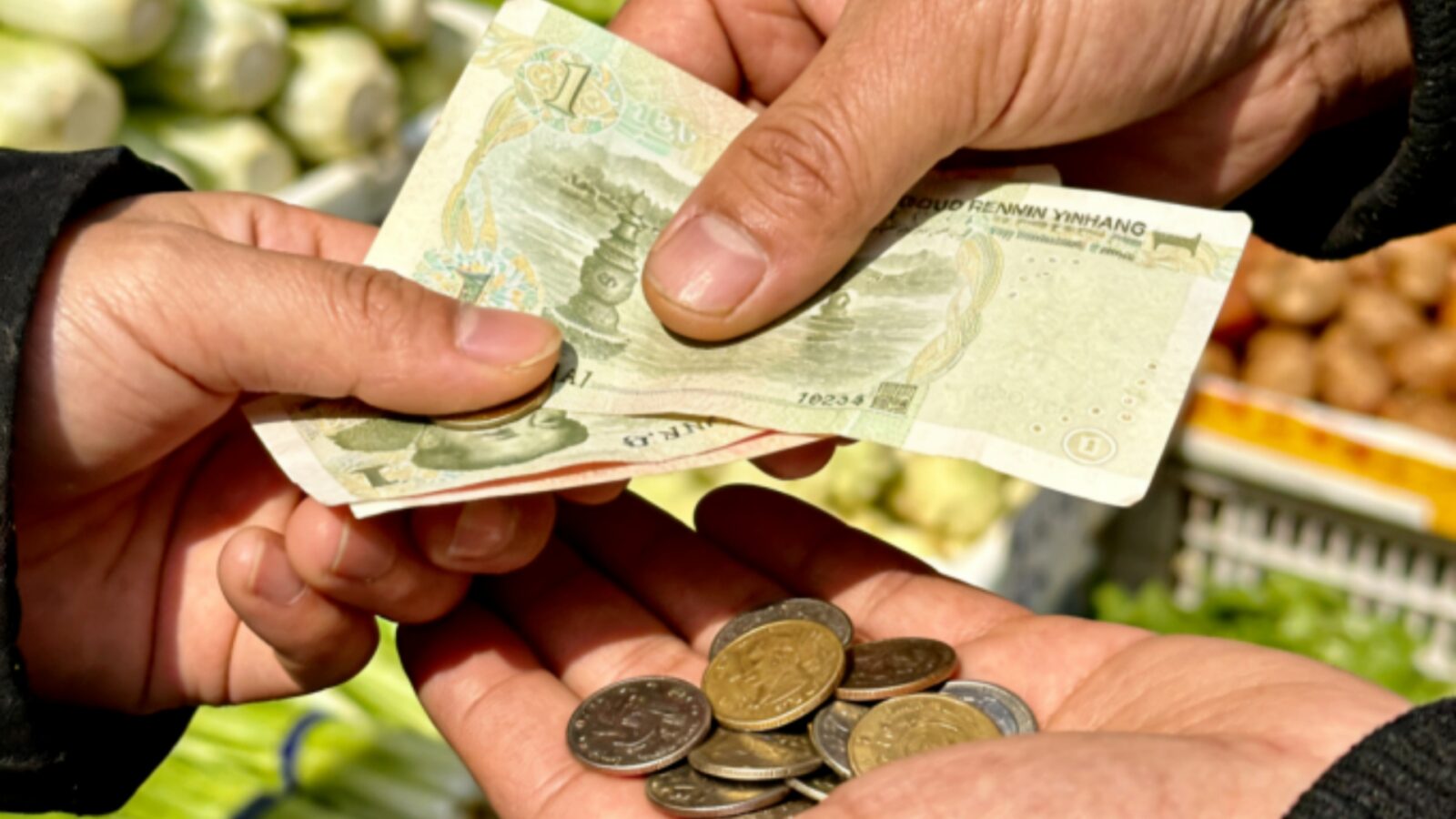
Circulating denominations include ¥100, ¥50, ¥20, ¥10, and ¥5 notes, plus ¥1, ¥0.5, and ¥0.1 coins. A distinctive feature of modern RMB notes is the Tibetan script printed on the reverse side, alongside Mandarin Chinese — a practical detail for visitors who can read Tibetan characters. Commemorative RMB banknotes featuring Tibetan imagery occasionally appear as collectibles rather than everyday currency, so do not expect them in regular change.
💳 Understanding FX Rates & Digital Fees: When paying for hotels or meals via mobile apps, learn how exchange rates and foreign transaction fees work in Alipay Currency Conversion.
Exchanging Money and Using ATMs
Tibet Currency: RMB for Visitors
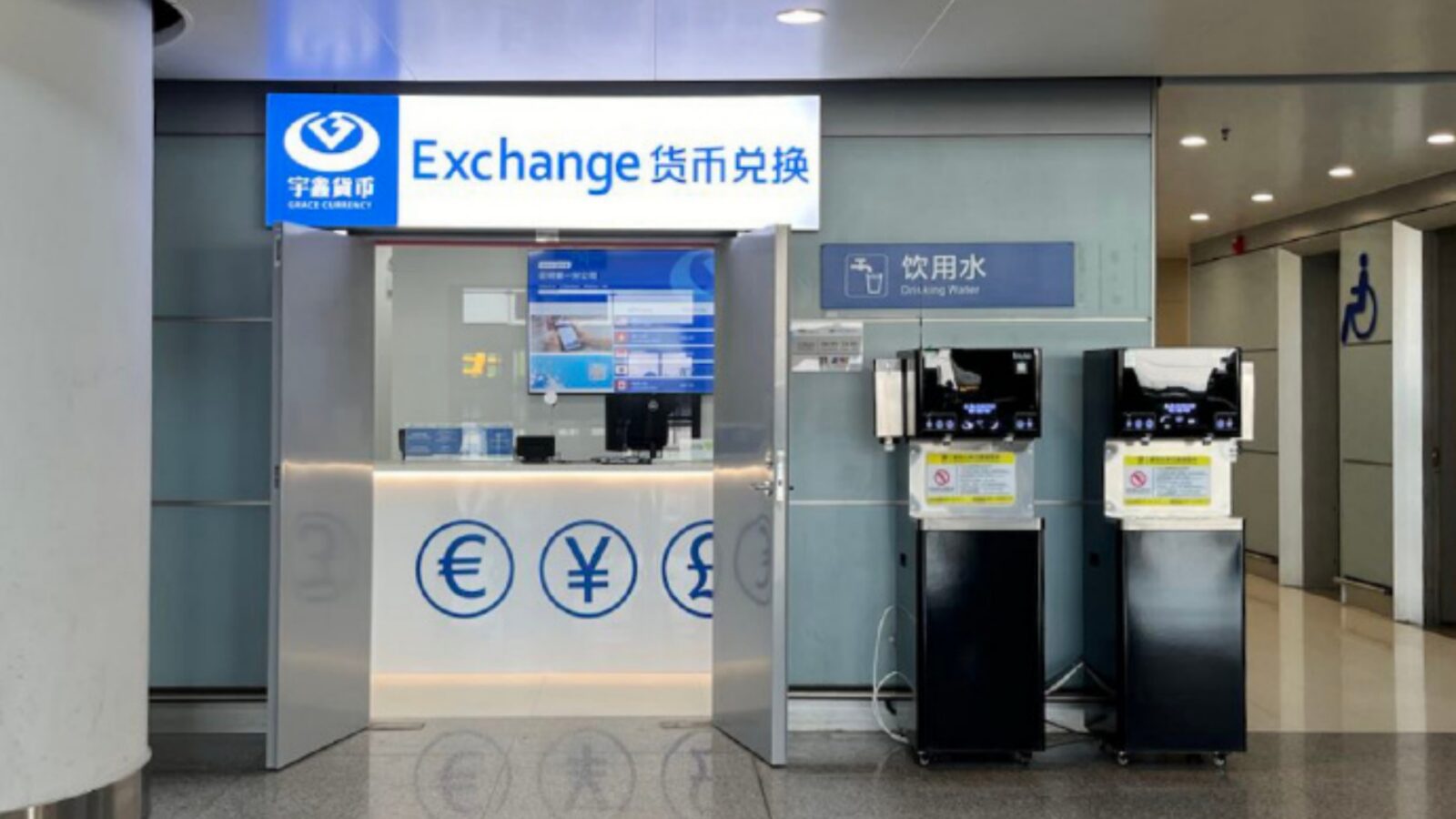
The best exchange rates for foreign visitors come from banks and exchange services available before arrival. In Tibet itself, four official channels handle currency exchange. First, Bank of China branches in Lhasa, Shigatse, and Nyingchi offer the most reliable rates and accept major foreign currencies with a valid passport. Second, Industrial and Commercial Bank of China (ICBC) and Agricultural Bank of China counters serve visitors who cannot reach a Bank of China location quickly. Third, Lhasa Gonggar Airport has exchange counters open when flights land — convenient for immediate cash needs but typically offering slightly less favorable rates. Fourth, major hotel front desks in Lhasa provide exchange services, though the spread is wider than at banks. Travelers should keep all exchange receipts until departure, as authorities may request documentation for large currency movements.
- Bank of China branches: Best rates; Lhasa, Shigatse, Nyingchi; passport required
- ICBC and Agricultural Bank: Reliable backup; limited locations outside Lhasa
- Airport counters: Convenient on arrival; rates slightly less favorable
- Major hotel front desks: Convenient but highest spread; use only in emergencies
- Pre-arrival home-country exchange: Often yields better rates than Tibet; recommended for EUR, GBP, USD
Exchange Options Across Tibet
Lhasa hosts the densest network of banking services in Tibet, with multiple Bank of China and ICBC branches throughout the city center and near major tourist areas. Shigatse, the second-largest city and a major pilgrimage destination, has at least one major-bank branch serving currency exchange needs. Nyingchi, in the southeastern lowland corridor, also supports basic banking services. Smaller towns like Gyantse and Tingri, which many travelers pass through en route to Everest Base Camp, have very limited banking infrastructure — sometimes no working ATM for tens of kilometers. In remote mountain regions, carrying sufficient cash from Lhasa is not optional; it is a practical necessity.
How to Pay: Cash, Cards, and Mobile Pay
Tibet Currency: RMB for Visitors
Four payment methods dominate Tibet's economy, and knowing when each applies can save visitors from awkward moments at monastery donation boxes or village markets. Cash remains universally accepted and genuinely necessary in many situations. Visa and Mastercard work at hotels and larger restaurants in Lhasa and Shigatse, though rural establishments rarely accept foreign cards. Alipay and WeChat Pay have become the default for urban transactions, but both require setup before arrival using an international card. UnionPay, China's domestic card network, is widely accepted in cities but useless for visitors without a Chinese bank account.
Payment Methods at a Glance
Mobile Pay for Foreigners
Setting up mobile payment before flying to Tibet eliminates one major friction point upon arrival. Both Alipay and WeChat Pay now support international card linking, a policy change that began with Alipay's Tour Pass in 2019 and expanded to WeChat Pay in subsequent years. For Alipay, download the app, select Tour Pass under the wallet section, and link a Visa or Mastercard by scanning your passport. WeChat Pay follows a similar flow under Services > Wallet. Per-transaction limits for unverified accounts typically cap around $500 (approximately ¥3,500), while fully verified accounts enjoy higher ceilings. A stable internet connection is essential — this means either a VPN-enabled data plan or a local Chinese SIM card, as Google services and many international apps face restrictions.
When Cash Is Still King
Despite Tibet's urban adoption of digital payments, several scenarios demand physical currency. Monastery donation boxes throughout the region — at Jokhang Temple, Sera, and remote hilltop shrines — operate on small cash offerings. Family-run Tibetan restaurants outside Lhasa, where owners appreciate the simplicity of cash, rarely have card terminals. Rural markets and handicraft stalls in towns like Tingri and Gyantse sell everything from prayer flags to yak wool directly for cash. Taxi fares and rural minibus tickets are almost universally cash-only, as are small-town bus stations serving villages off the main routes. Visitors who arrive with only ¥100 notes will quickly discover that breaking large denominations in remote areas is genuinely difficult — ¥10 and ¥20 notes are the practical currency of rural Tibet.
- Monasteries and temples: Donation boxes prefer small bills; carry ¥10/¥20
- Family-run Tibetan restaurants: Cash only at most off-the-grid eateries
- Rural markets and handicraft stalls: Bargaining works better with cash
- Taxis and rural minibus fares: No card readers; exact change appreciated
- Small-town bus stations: Cash purchase required; no digital booking systems
🌐 Funding Your Mobile Wallet: Looking for ways to move funds into your digital wallet using third-party financial platforms? Check out step-by-step instructions in How to Transfer PayPal to Alipay.
Practical Money Tips for Visitors
Planning cash logistics before departure prevents most money-related problems in Tibet. The region's geography means ATM outages or branch closures can happen without warning, especially during festivals or winter road closures. Keeping a cash reserve equal to one or two days of estimated spending covers these gaps. In Lhasa's Barkhor Street market and similar tourist bazaars, vendors respond more favorably to cash offers during negotiations — digital payment leaves no room for the traditional discount dance. Mobile payment setup should happen while connected to a stable home WiFi network, not at the airport where confusion and time pressure increase the chance of errors.
- Carry small denominations: ¥10/¥20/¥50 notes spend easily; ¥100 notes are hard to break in rural areas
- Keep your passport on hand: Required for all bank exchange transactions and ATM withdrawals
- Set up mobile pay before arrival: Alipay Tour Pass and WeChat Pay require setup before landing in Tibet
- Withdraw at the airport on arrival: Lhasa Gonggar Airport ATMs offer rates close to bank rates; convenient and safe
- Maintain an emergency reserve: 1–2 days of cash in hand; ATMs can go offline in remote areas
- Bargain better with cash: Small notes at Barkhor Street and rural markets yield better negotiation results
🏔️ Discover High-Plateau Highlights: Before diving into daily expenses and cash logistics, explore the iconic monasteries, mountain passes, and cultural traditions in What is Tibet Known For.
🏞️ Overland Routes & Gateway Regions: Many visitors enter the region via the Qinghai-Tibet Railway starting in Xining. Learn more about neighboring landscapes and cultural sites in Qinghai Province in China.
Old Tibetan Currency: A Brief History
Tibet did issue its own coins and notes within living memory, a detail that surprises many visitors who assume the region has always used RMB. The earliest Tibetan coinage dates to roughly the 1790s, though more recognizable modern notes appeared in the early 20th century. The People's Government of the Tibet Autonomous Region issued banknotes in four denominations — 1 yuan, 5 mao, 2 mao, and 1 mao — with the reverse side printed entirely in Tibetan script, distinguishing them visually from standard Chinese notes. These circulated alongside silver dollars in the Chamdo area and tea bricks, which served as currency along Tibetan-Mongolian trade routes for centuries.
The renminbi replaced all regional currencies during China's monetary unification in the 1950s. Old Tibetan notes now exist only as collectibles traded among numismatists and historians — they carry no purchasing power in modern Tibet. Visitors occasionally encounter reproduction notes sold as souvenirs near tourist sites, but genuine historical notes are rare and valuable. Understanding this monetary history adds context to visits at the Tibet Museum or during conversations with elderly Tibetans who remember the transition.
Frequently Asked Questions
Q: What currency does Tibet use?
Tibet uses the Chinese renminbi (RMB, symbol ¥, ISO code CNY), issued by the People's Bank of China. It is the only legal tender in Tibet and all of mainland China — there is no separate regional currency.
Q: Can I use US dollars in Tibet?
US dollars are not accepted directly at shops, restaurants, or hotels in Tibet. Visitors must exchange USD for RMB at bank branches, Lhasa Gonggar Airport counters, or major hotel front desks. Bringing some USD as backup is fine, but it cannot be spent directly.
Q: Do they accept credit cards in Tibet?
Visa and Mastercard work at hotels and larger restaurants in Lhasa and Shigatse. Rural areas, small Tibetan restaurants, and monastery areas rarely accept cards. Foreign cardholders can withdraw cash in RMB at Bank of China ATMs using their regular cards.
Q: Is Alipay available for foreigners in Tibet?
Yes — Alipay's Tour Pass feature, available since 2019, lets international Visa and Mastercard holders link a card and pay by QR scan. Per-transaction limits are roughly $500 (about ¥3,500) for unverified accounts. WeChat Pay offers a similar international card setup.
Q: Should I bring cash to Tibet?
Yes. Bring RMB in small denominations (¥10/¥20/¥50 notes). Mobile payment and cards work in cities, but cash is essential at monasteries, rural markets, and for taxi fares. ATMs can be offline in remote areas, so carry a 1–2 day reserve.
Q: Where can I exchange money in Lhasa?
Bank of China branches are the best option, with several locations in central Lhasa. ICBC, Agricultural Bank of China, and Lhasa Gonggar Airport counters also exchange currency. Bring your passport for all over-the-counter transactions.
Q: What is the old Tibetan currency?
Historical Tibetan coins and banknotes circulated roughly from the 1790s to the 1950s, with denominations of 1 yuan, 5 mao, 2 mao, and 1 mao. The reverse was printed in Tibetan script. These were replaced by renminbi in the 1950s and are now only collectibles, not spendable currency.
Q: Can I use Indian rupees in Tibet?
Indian rupees are not accepted at Tibetan businesses. Some major banks in Lhasa may exchange INR, but rates are less favorable than exchanging RMB directly in advance. For Indian travelers, carrying pre-exchanged RMB is the practical approach.