What Is Tibet Known For
Tibet draws visitors from across the globe who seek one of the world's most extraordinary high-altitude landscapes and a spiritual culture unlike anywhere else on Earth. The Tibet Autonomous Region occupies roughly 1.2 million square kilometers of the Tibetan Plateau, averaging more than 4,500 meters above sea level. Lhasa, the regional capital, anchors a network of ancient monasteries, centuries-old palaces, and pilgrim routes that have shaped Tibetan Buddhism for over a thousand years. The region sits at the intersection of Central and South Asia, sharing borders with China, Nepal, India, Bhutan, and Myanmar. Whether travelers arrive by the Qinghai-Tibet Railway or by flight into Lhasa Gonggar Airport, the first sight of snow-capped peaks and the Potala Palace rising above the city leaves a lasting impression. The combination of natural grandeur, spiritual depth, and living cultural traditions makes Tibet one of the most compelling destinations in Asia.
Quick Facts
🏔️ Explore Amdo Tibetan Heritage: Beyond the administrative borders of the TAR, Southern Gansu offers sweeping grasslands and historic monasteries. Read our Gannan Travel Guide.
The Tibetan Plateau: Geography and Natural Wonders
The Tibetan Plateau stretches across approximately 2.5 million square kilometers, earning the English nickname "Roof of the World" for its immense size and altitude. Its average elevation exceeds 4,500 meters, making it the highest and largest plateau on Earth. The plateau'sCry me a river: the elevated terrain gives rise to six of Asia's most significant rivers, including the Yangtze, Yellow, Mekong, Brahmaputra, Indus, and Salween. These waterways supply water to billions of people downstream, yet they begin as small streams on the high grasslands and glaciers of the plateau.
- Yangtze: Asia's longest river, originating on the plateau and flowing east to the East China Sea
- Yellow River: The cradle of Chinese civilization, rising in Qinghai Province on the plateau's northeastern edge
- Mekong: Flows through Southeast Asia, sustaining communities in Laos, Thailand, Cambodia, and Vietnam
- Brahmaputra: Cuts south through the Himalayas into India and Bangladesh, carrying glacial meltwater
- Indus: Waters Pakistan's agricultural heartland, originating near Mount Kailash
- Salween: Flows through Myanmar and Thailand, remaining relatively free-flowing compared to other major rivers
Mount Everest and the Himalayan Range
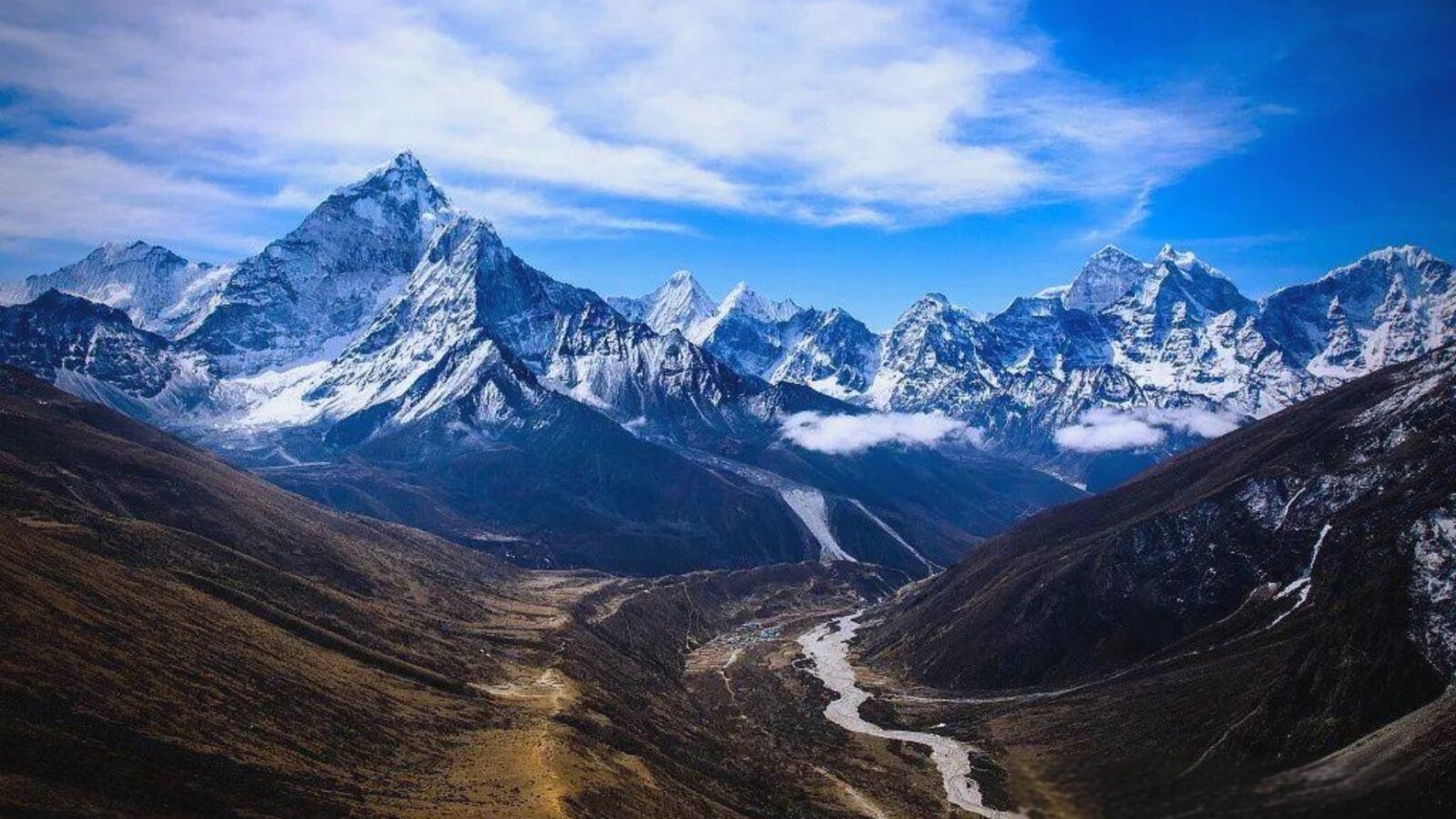
The Mount Everest
Mount Everest rises to 8,848.86 meters according to the official 2020 joint China-Nepal survey, standing as the world's highest peak. The Himalayas form a 2,400-kilometer arc along Tibet's southern border, containing more than 110 peaks averaging above 7,300 meters. From the Tibetan side, visitors reach Everest Base Camp at 5,200 meters, where the scale of the surrounding peaks becomes fully apparent.
- Everest (Qomolangma): 8,848.86 m; the world's highest summit, straddling the China-Nepal border
- Cho Oyu: 8,188 m; known as the "Turquoise Mountain," often considered the easiest 8,000-meter peak to climb
- Lhotse: 8,516 m; connected to Everest by the South Col, visible from base camp
- Makalu: 8,485 m; the world's fifth-highest peak, located southeast of Everest
- Gawula Pass: 5,198 m; a viewpoint on the road from Lhasa to Everest, offering panoramas of five peaks above 8,000 meters
🏕️ Visiting Everest Base Camp: Planning a high-altitude trek or drive to view Mount Everest up close? Read our travel guide to Chinese Highest Mountain.
Sacred Lakes of Tibet
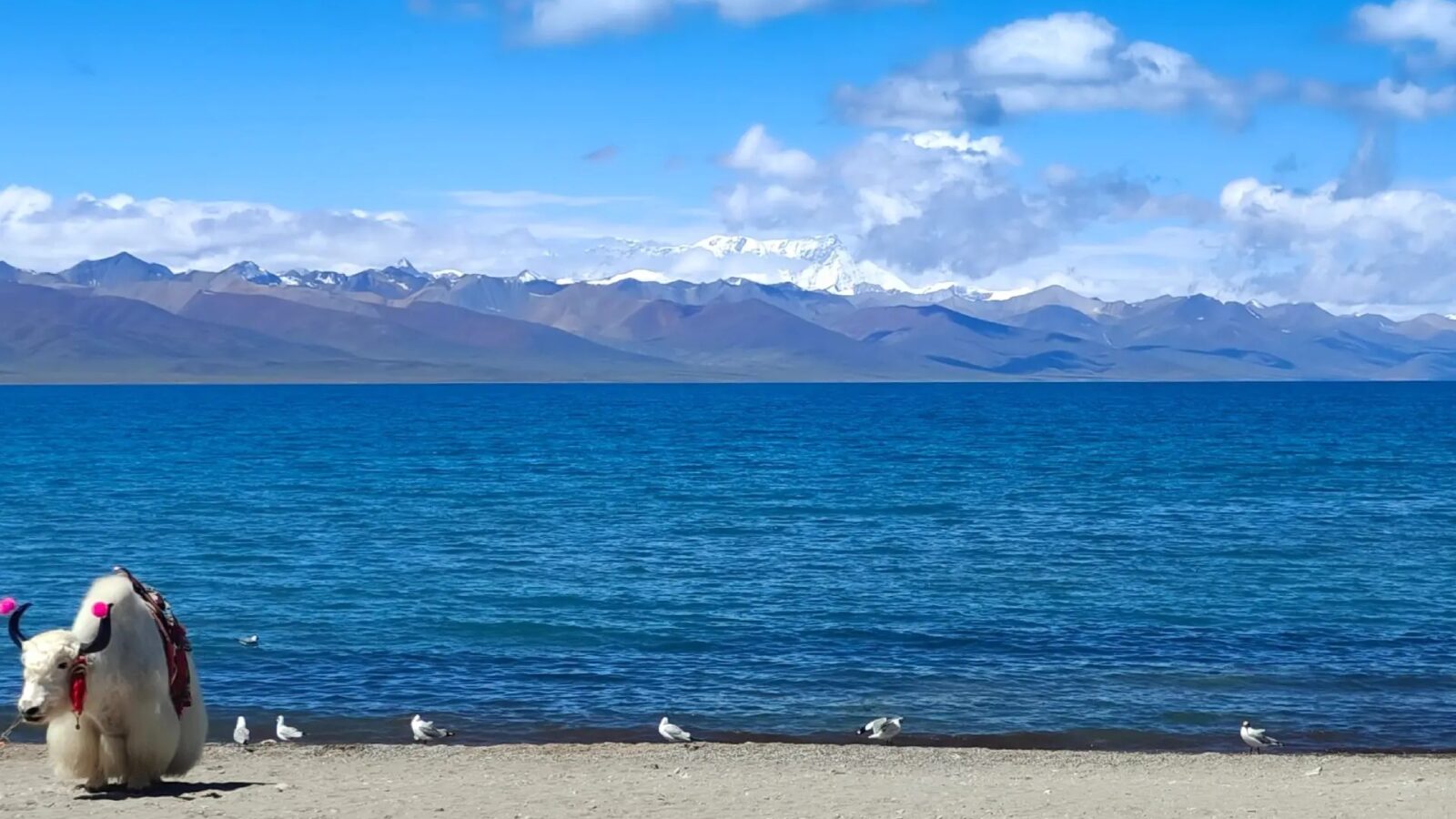
Namtso Lake
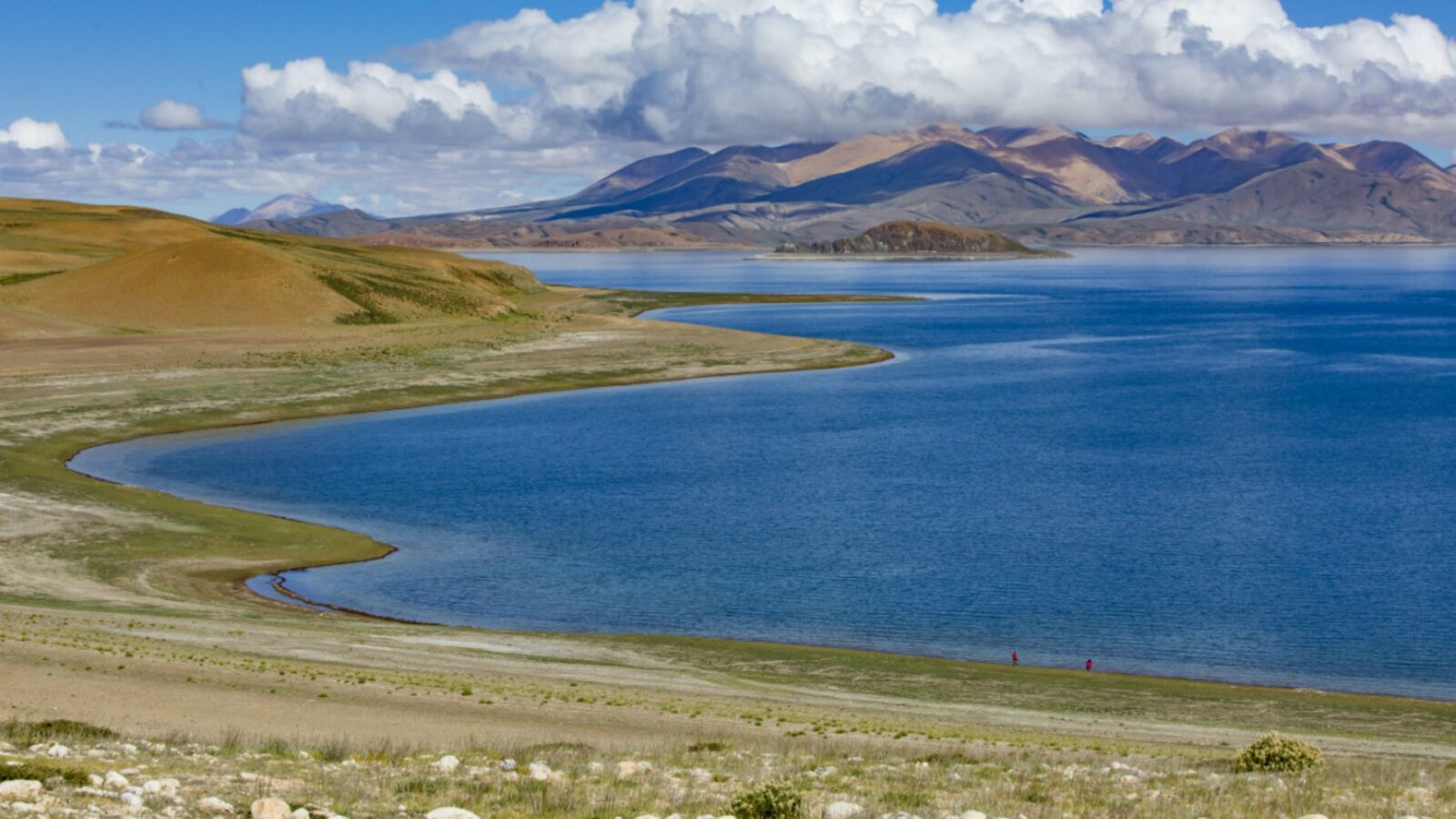
Tibet contains hundreds of high-altitude lakes, many considered sacred in Buddhist tradition. Pilgrims travel for weeks to complete kora circuits around these bodies of water, which range from small alpine tarns to vast alpine lakes visible from space. The three most prominent sacred lakes draw both pilgrims and tourists to their turquoise shores.
🌊 Journey Across the High Plateau: Discover alpine lakes, Buddhist monasteries, and overland transit routes in Qinghai Province in China.
Glaciers and Plateau Wildlife
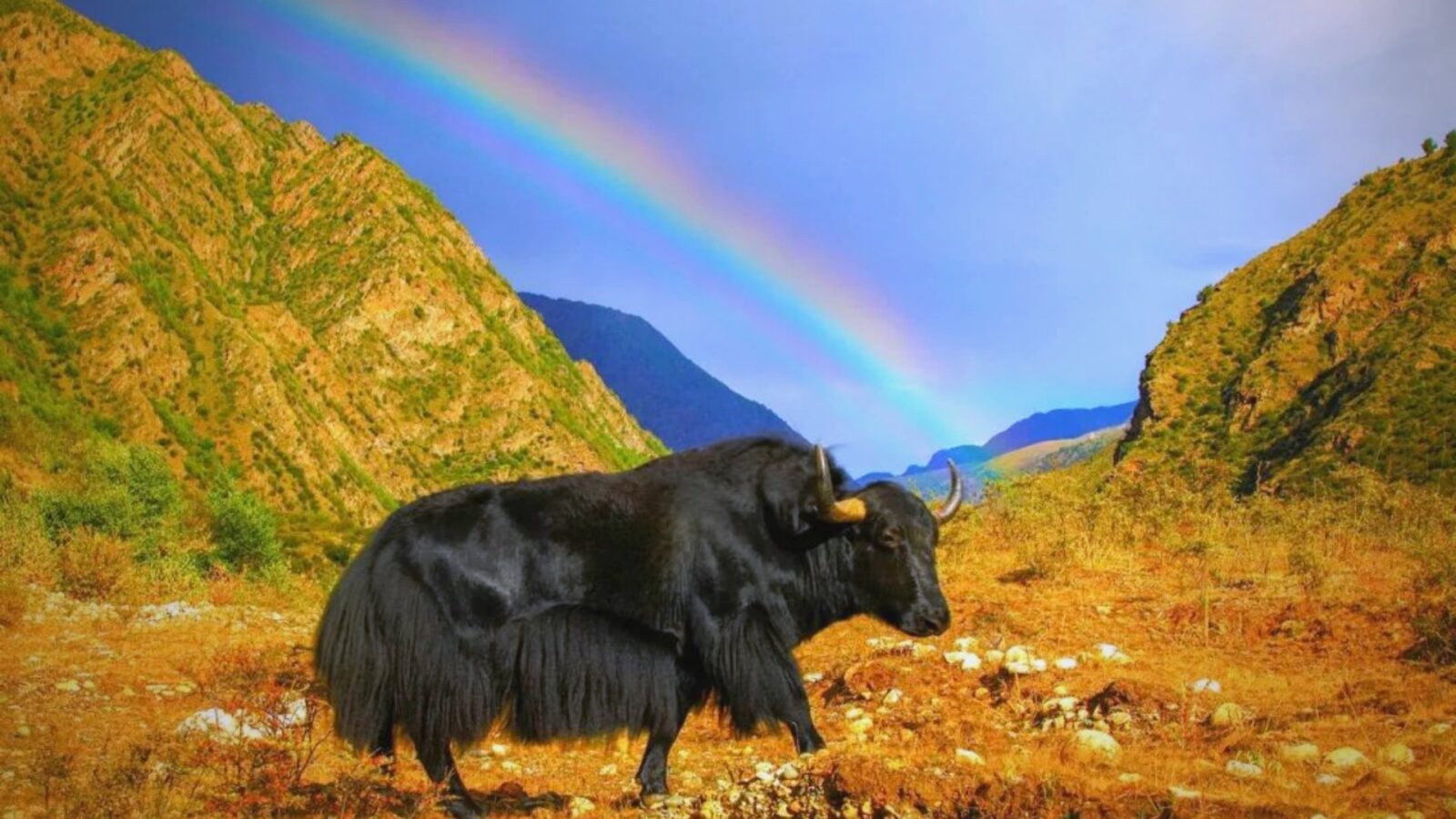
Wild Yak
Vast glacier systems blanket the plateau's high terrain, feeding rivers and shaping the landscape over millennia. The Karola Glacier lies along the Lhasa-Shigatse road near Gyantse, while the Rangbuk Glacier descends toward the Everest region. In eastern Tibet, Namcha Barwa (7,782 m) rises above lush valleys carved by the Yarlung Tsangpo River.
- Karola Glacier: Located in the Gyantse region, accessible from the main highway between Lhasa and Shigatse
- Rangbuk Glacier: Near Mount Everest, visible from the northern climbing route
- Tibetan Antelope (Chiru): Protected species, known for its轻声 wool; inhabits the Chang Tang plateau
- Wild Yak: The plateau's largest mammal, weighing up to 1,000 kg; domesticated yaks provide milk, meat, and transport
- Kiang: Tibetan wild ass; commonly seen grazing on high-altitude grasslands
- Snow Leopard: Elusive predator inhabiting remote mountain ranges; a flagship species for conservation
Iconic Tibetan Architecture: Palaces, Temples, and Monasteries
Tibetan architecture reflects centuries of religious devotion and royal ambition. Buildings rise from stone foundations, with thick walls tapering inward as they climb—a design adapted to the cold climate and seismic conditions of the plateau. White walls capped with dark timber beams and red and gold accents characterize the style seen throughout Lhasa's religious complex. These structures often occupy strategic hillsides or central positions within the city, making them visible landmarks from great distances.
- Potala Palace: UNESCO World Heritage Site since 1994; 13 stories, 117 m tall, winter residence of the Dalai Lamas
- Jokhang Temple: UNESCO 2000; houses the life-size 12-year-old Sakyamuni Buddha statue
- Tashilhunpo Monastery: Seat of the Panchen Lama in Shigatse; features a massive gilded statue
- Samye Monastery: Founded in the 8th century; the first Buddhist monastery established in Tibet
- Gyantse Kumbum: A 15th-century stupa standing 35 m tall, containing 100,000 Buddha images
- Norbulingka Park: The "Jewel Park"; served as the summer palace of the Dalai Lamas
The Potala Palace in Lhasa
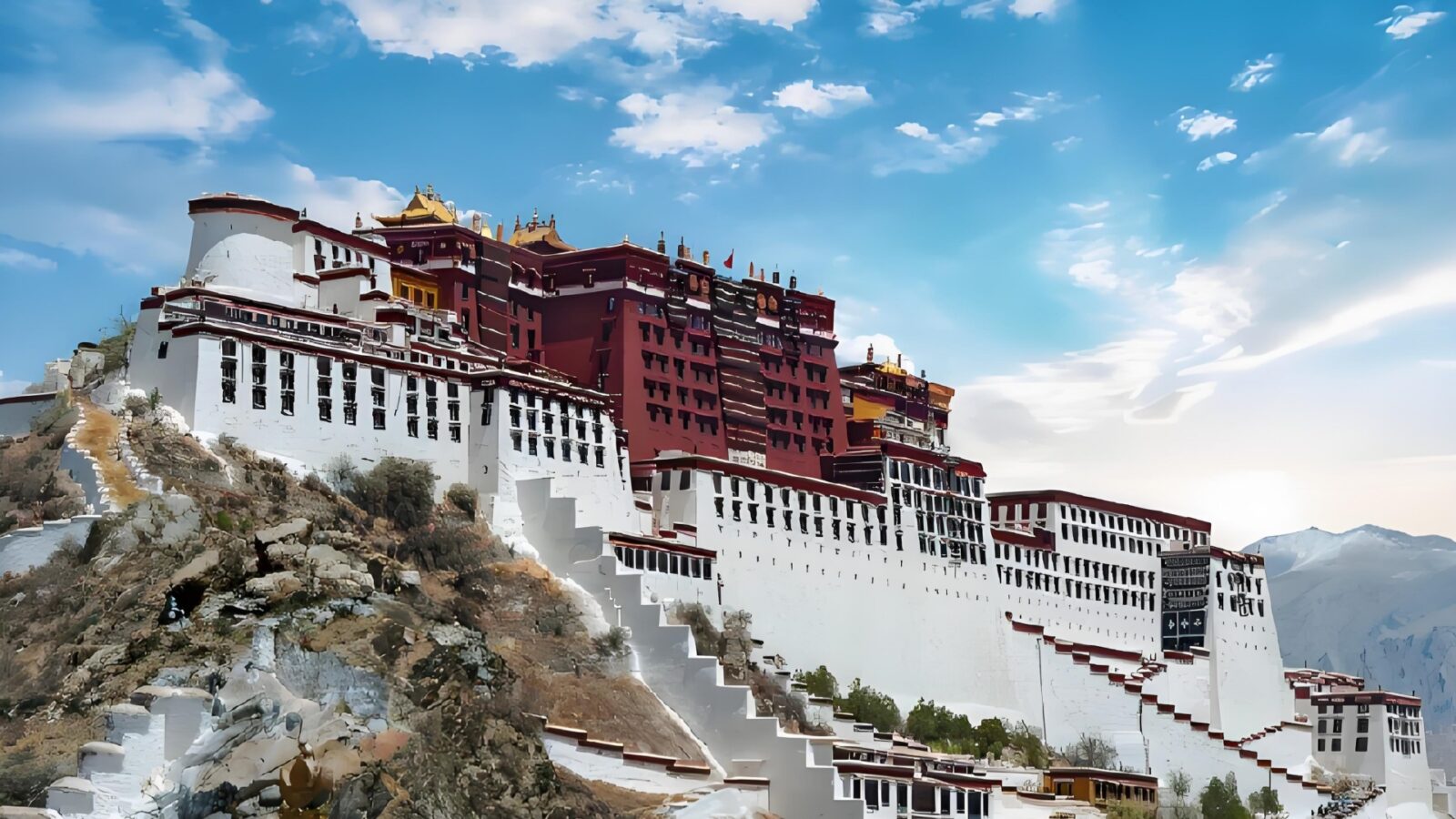
Potala Palace in Lhasa
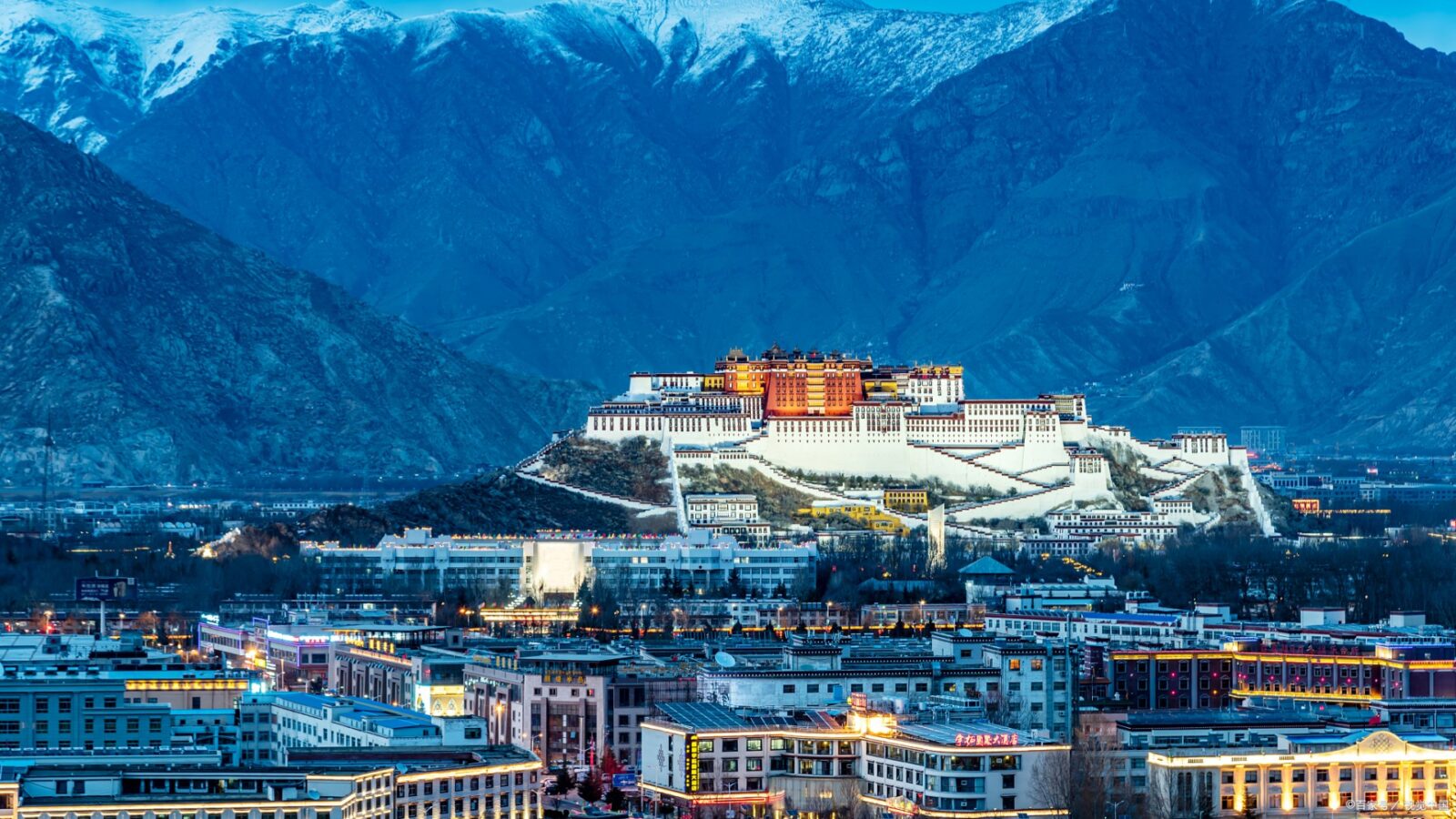
The Potala Palace dominates Lhasa's cityscape from its position atop Red Hill. Construction began in the 7th century under King Songtsen Gampo, though the current structure took its final form under the 5th Dalai Lama in the 17th century. The palace complex extends 117 meters in height across thirteen stories, housing thousands of rooms decorated with Buddhist frescoes and precious thangka paintings. Foreign visitors pay approximately $14–18 (¥100–200) for entry, and daily visitor numbers are capped to protect the structure.
- Tickets: About $14–18 (¥100–200) for foreign visitors; book through tour operators in advance
- Hours: Confirm current opening hours on site, as schedules vary by season
- Highlights: The Red Palace contains the burial stupas of past Dalai Lamas; the White Palace served as the Dalai Lama's residence
- Access: Allow two to three hours to explore; stairs are steep and altitude can affect endurance
🏔️ Elevation Prep & Health Tips: Learn about altitude sickness prevention, acclimatization schedules, oxygen tips, and elevation profiles across the plateau in Tibet Lhasa Altitude.
Jokhang Temple and Barkhor Street
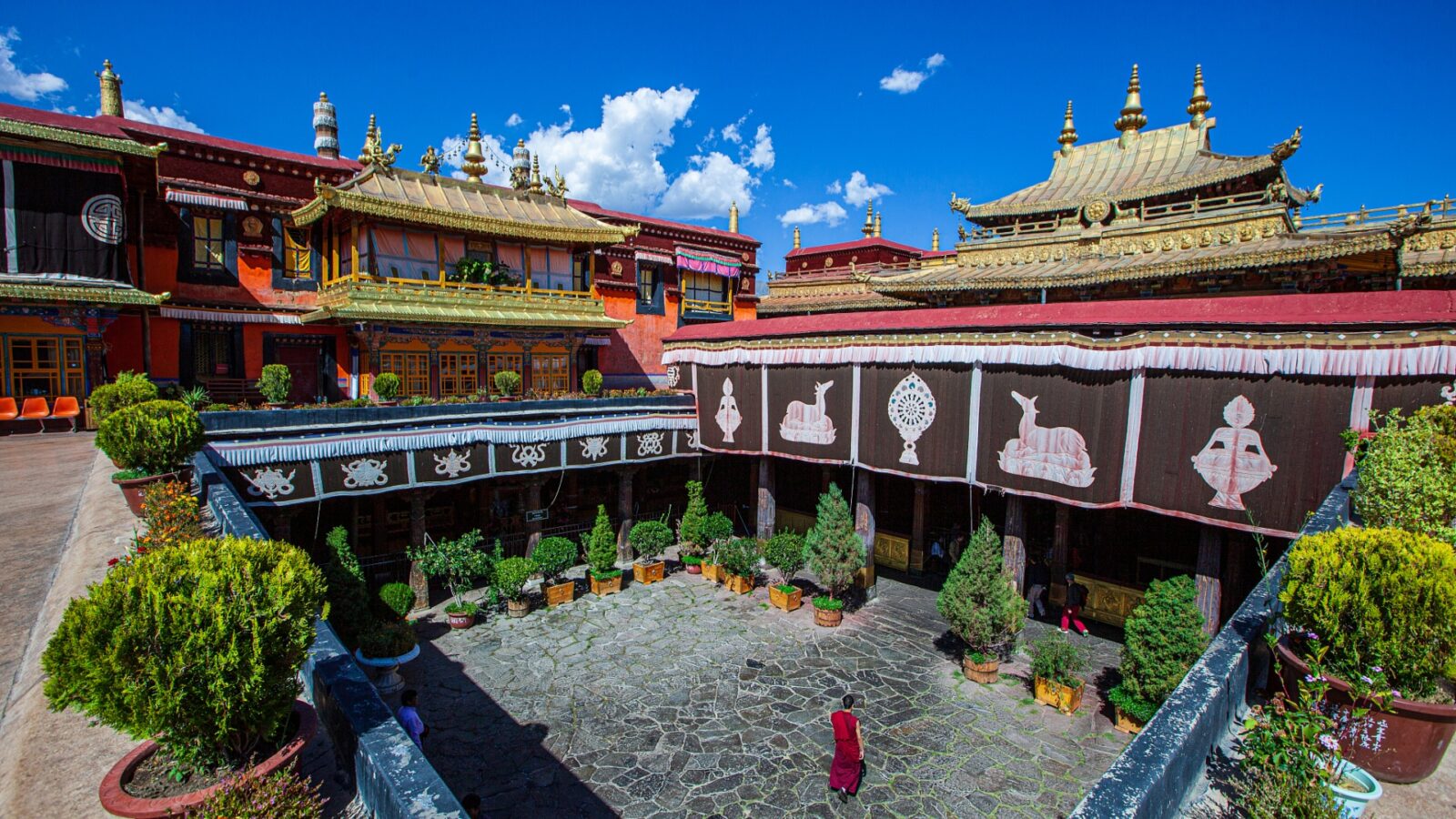
The Jokhang Temple
Jokhang Temple, built around 647 CE, stands as Tibet's most sacred Buddhist site. The temple's centerpiece is a life-size statue of the 12-year-old Sakyamuni Buddha, said to have been brought to Tibet by the Chinese Princess Wencheng. Visitors enter through the Barkhor Street kora circuit, a bustling market where pilgrims shop for offerings and circumambulate the temple in a continuous stream.
- Tickets: Approximately $11 (¥85) for foreign visitors
- Barkhor Street: The kora route circles the temple; vendors sell prayer beads, thangkas, and traditional Tibetan goods
- Golden Roof: The upper terrace offers views over Lhasa's old town and distant mountains
- Security: Bags may be checked; visitors should dress modestly, covering shoulders and legs
Great Monasteries of Lhasa and Beyond
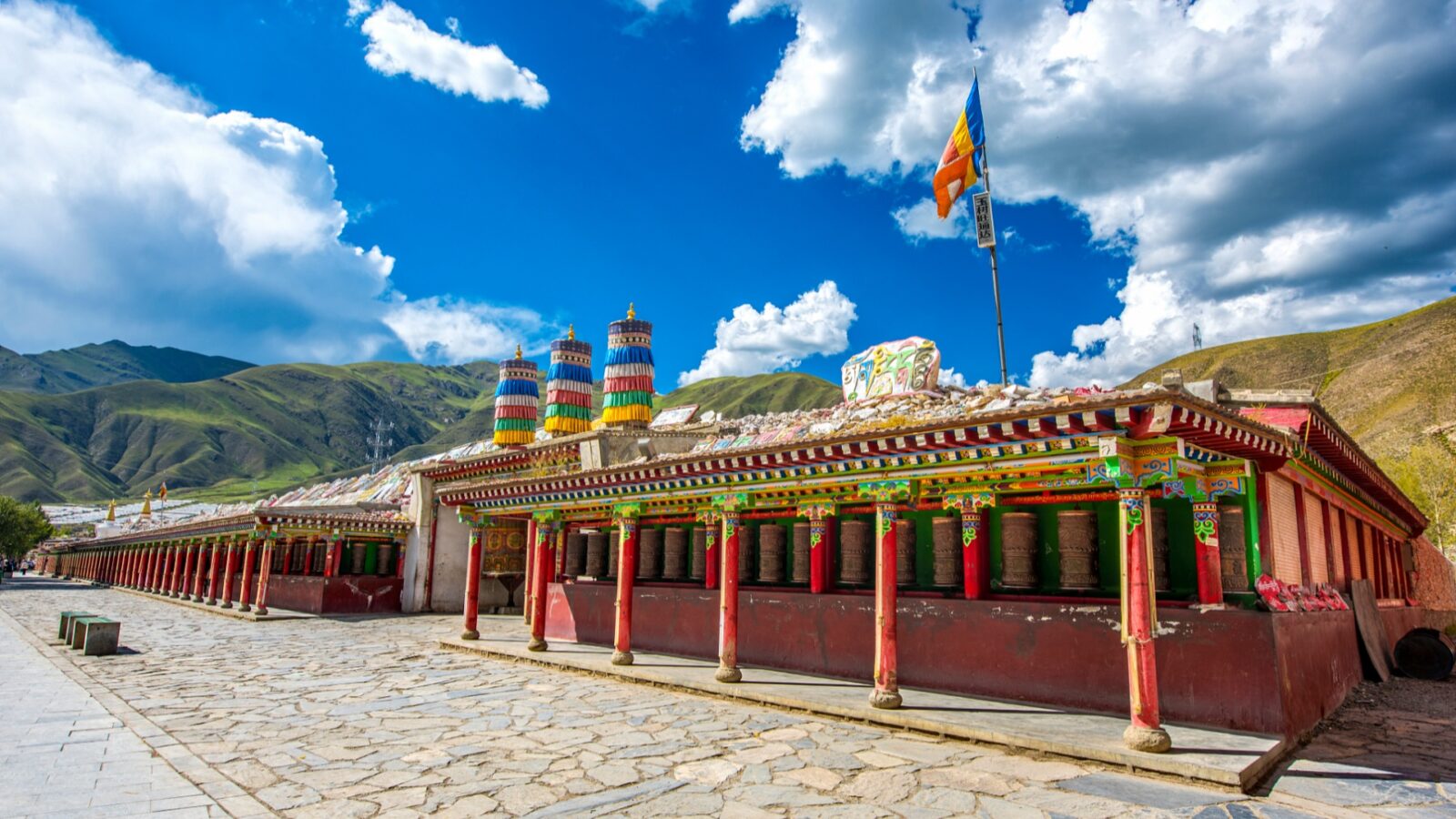
Sera Monastery
Beyond Lhasa, major monasteries anchor towns across the plateau. Sera Monastery, once home to 10,000 monks, still hosts hundreds who study Buddhist philosophy in its colleges. Drepung Monastery, known as the "University of the堆," produced many of Tibet's leading scholars. Tashilhunpo in Shigatse maintains the institutional continuity of the Panchen Lama lineage.
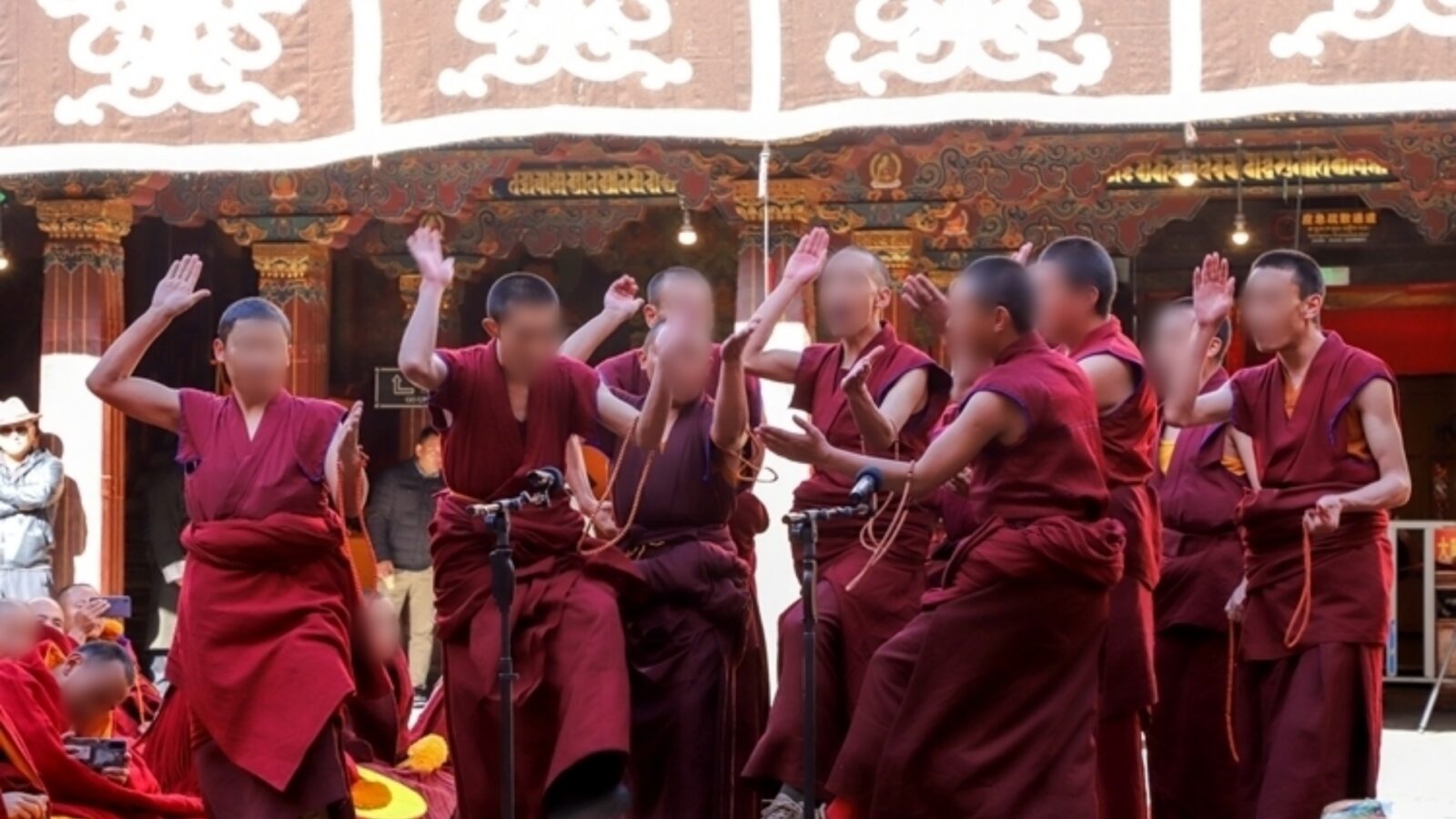
- Sera Monastery: Located north of Lhasa; entry about $7 (¥50); the debating courtyard is open to visitors afternoons
- Drepung Monastery: West of Lhasa; entry about $7 (¥50); once the largest monastery in Tibet by enrollment
- Ganden Monastery: East of Lhasa; offers views over the Kyi River valley; destroyed in the 1960s, now partially restored
- Tashilhunpo Monastery: In Shigatse; seat of the Panchen Lama; one of the few monasteries never fully closed
- Samye Monastery: In the Yarlung Valley; the first Buddhist monastery in Tibet, established in 779 CE
Tibetan Buddhism and Sacred Traditions
Tibetan Buddhism, also called Vajrayana or the "Thunderbolt Vehicle," arrived in Tibet around the 7th century under King Songtsen Gampo. The tradition spread through royal patronage and later developed distinct characteristics that set it apart from other Buddhist schools. Today, it shapes every aspect of Tibetan life, from daily rituals performed in homes and monasteries to major festivals celebrated across the region.
- Nyingma: The oldest school, founded in the 8th century; emphasizes meditation and tantric practices
- Kagyu: Known for its lineage of Karmapas and focus on monastic discipline
- Sakya: Founded in the 11th century; historically served as political intermediaries with Mongol rulers
- Gelug: Founded by Tsongkhapa in the 15th century; the school from which the Dalai Lama lineage emerged
Beliefs, Schools, and the Dalai Lama Lineage
Dalai Lama Lineage
The Gelug school, founded by the reformer Tsongkhapa in the early 15th century, rose to prominence when the 5th Dalai Lama unified Tibetan political and religious authority in 1642. The Dalai Lama lineage represents reincarnation as a spiritual concept—each successive Dalai Lama is identified as the reborn incarnation of the previous one. Before Buddhism took hold, the indigenous Bon religion flourished in western Tibet, and some Bon practices continue to influence rituals today.
- Reincarnation: Believers hold that enlightened masters can choose to reincarnate to continue their work
- Tantric Buddhism: Uses visualization, mantras, and ritual implements as spiritual tools
- Bon Religion: Pre-Buddhist shamanic tradition still practiced in parts of eastern and western Tibet
- Monastic Education: Years of study in logic, philosophy, and meditation prepare monks for teaching roles
Monasteries and Daily Rituals
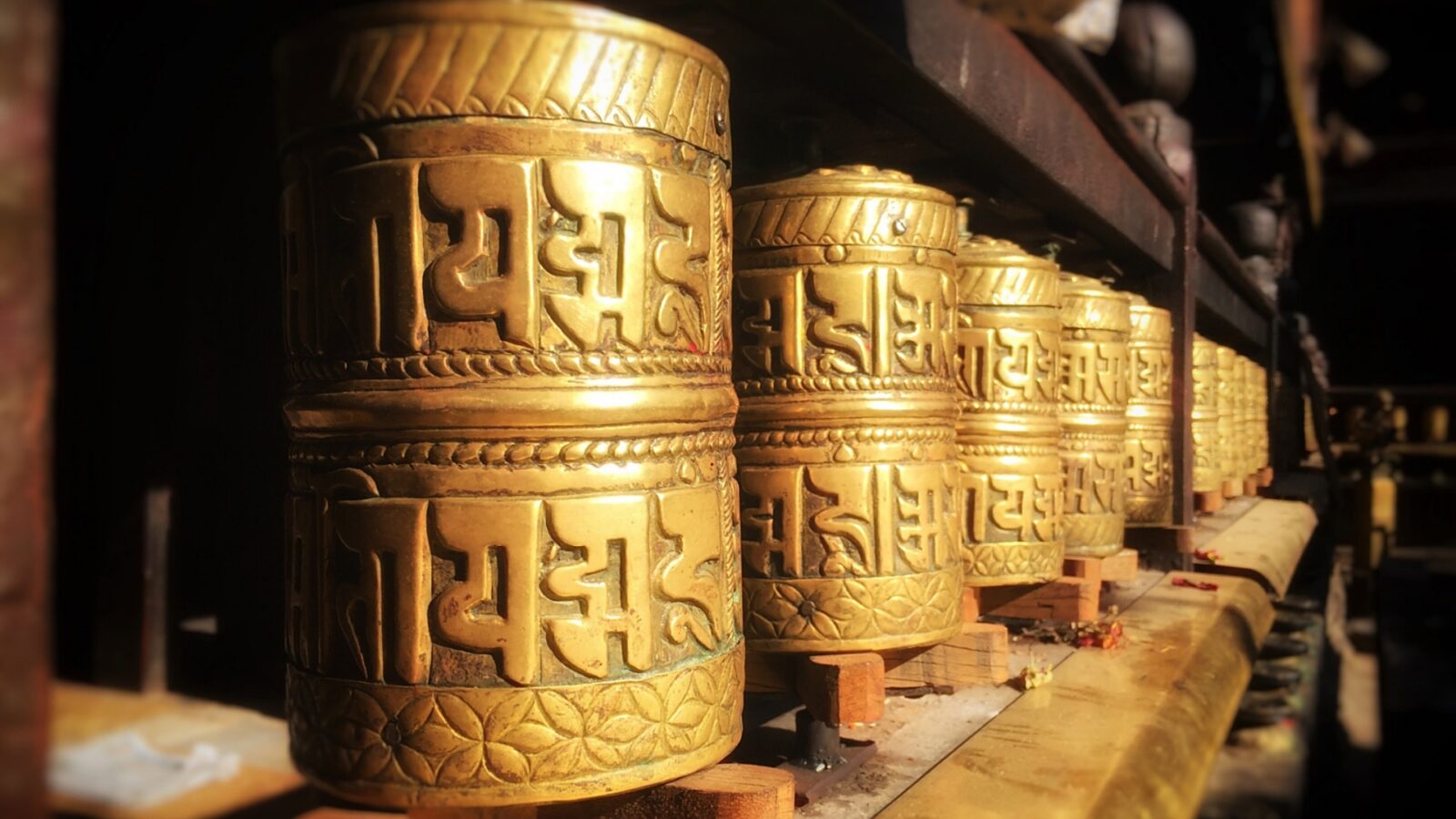
Prayer Wheels
Visitors to Lhasa witness Buddhist practice woven into the fabric of daily life. At Sera Monastery, monks gather in the debating courtyard most afternoons (Monday through Saturday, 15:00–17:00), using hand gestures and rhythmic exchanges to deepen their understanding of Buddhist texts. Meanwhile, pilgrims perform kora—circumambulating sacred sites in a clockwise direction—while spinning prayer wheels and trailing colorful prayer flags.
- Kora: Walking circuits around temples, stupas, or mountains; considered a form of accumulated merit
- Prayer Wheels: Cylindrical containers filled with thousands of mantras; turning them simulates reciting the prayers
- Butter Lamps: Small flames fed by yak butter, symbolizing the light of wisdom dispelling ignorance
- Prayer Flags: Five colors—blue, white, red, green, yellow—represent air, wind, fire, water, and earth
- Prostrations: Full-body bows performed repeatedly; Tibetan pilgrims sometimes prostrate their way across hundreds of kilometers
Festivals on the Tibetan Calendar
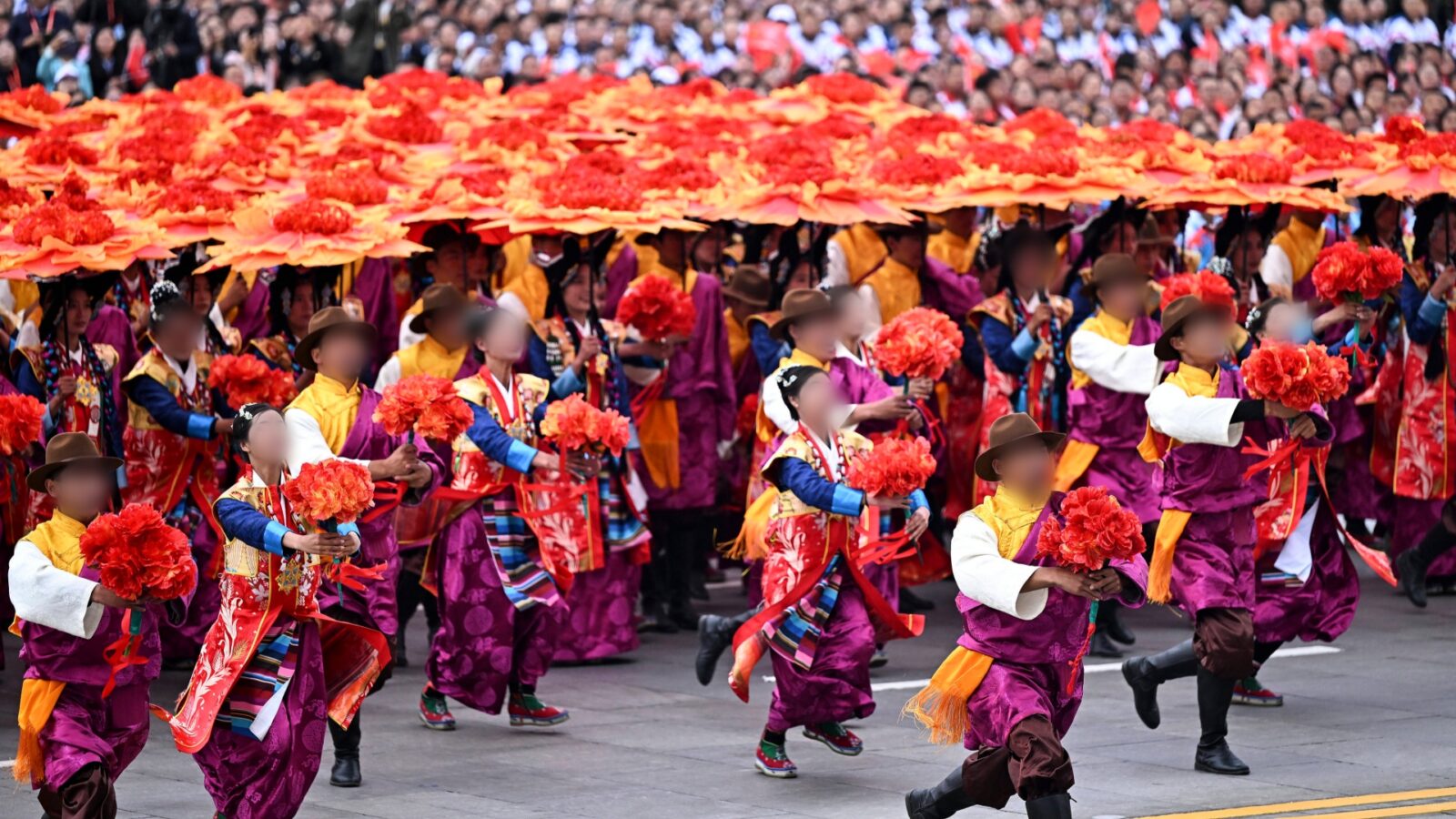
Festivals on the Tibetan Calendar
Tibet's festival calendar blends Buddhist events with seasonal celebrations tied to pastoral life. Losar marks the Tibetan New Year with family gatherings, temple visits, and offerings. Saga Dawa commemorates the Buddha's birth, enlightenment, and death, making it one of the holiest periods for Buddhist practitioners. The Shoton Festival, originally a time when yogurt was offered to monks ending their summer retreat, has evolved into a celebration of arts and culture.
- Losar: Tibetan New Year, typically falling in February or March; families prepare special foods and visit monasteries
- Saga Dawa: Celebrated in May or June; pilgrims walk kora while fasting and making offerings
- Shoton Festival: Held in August at Drepung Monastery; features opera performances and yogurt offerings
- Horse Racing Festival: Takes place in Nagqu during August; nomadic communities gather for racing and archery competitions
Traditional Tibetan Food, Crafts, and Daily Life
High-altitude agriculture shapes Tibet's culinary traditions. Barley, the staple grain, grows at elevations where most crops cannot survive, providing the foundation for tsampa and the region's distinct cuisine. Yak meat, butter, and dairy feature prominently due to the prevalence of pastoral nomadism. Restaurants in Lhasa cater to both local tastes and international visitors, with most meals costing approximately $8–15 (¥60–110) per person.
- Momo: Steamed or fried dumplings filled with yak meat, vegetables, or cheese; the Tibetan equivalent of street food
- Thukpa: Hearty noodle soup with vegetables and sometimes yak meat; warming and filling at high altitude
- Tsampa: Roasted barley flour mixed with butter tea; eaten as a paste or rolled into balls
- Yak Meat Curry: Rich stew made with yak meat, potatoes, and Tibetan spices
- Fresh Dairy: Yogurt, cheese, and butter sourced from yak or dri (female yak); a dietary staple in rural areas
Staple Dishes: Momo, Thukpa, Tsampa, and More
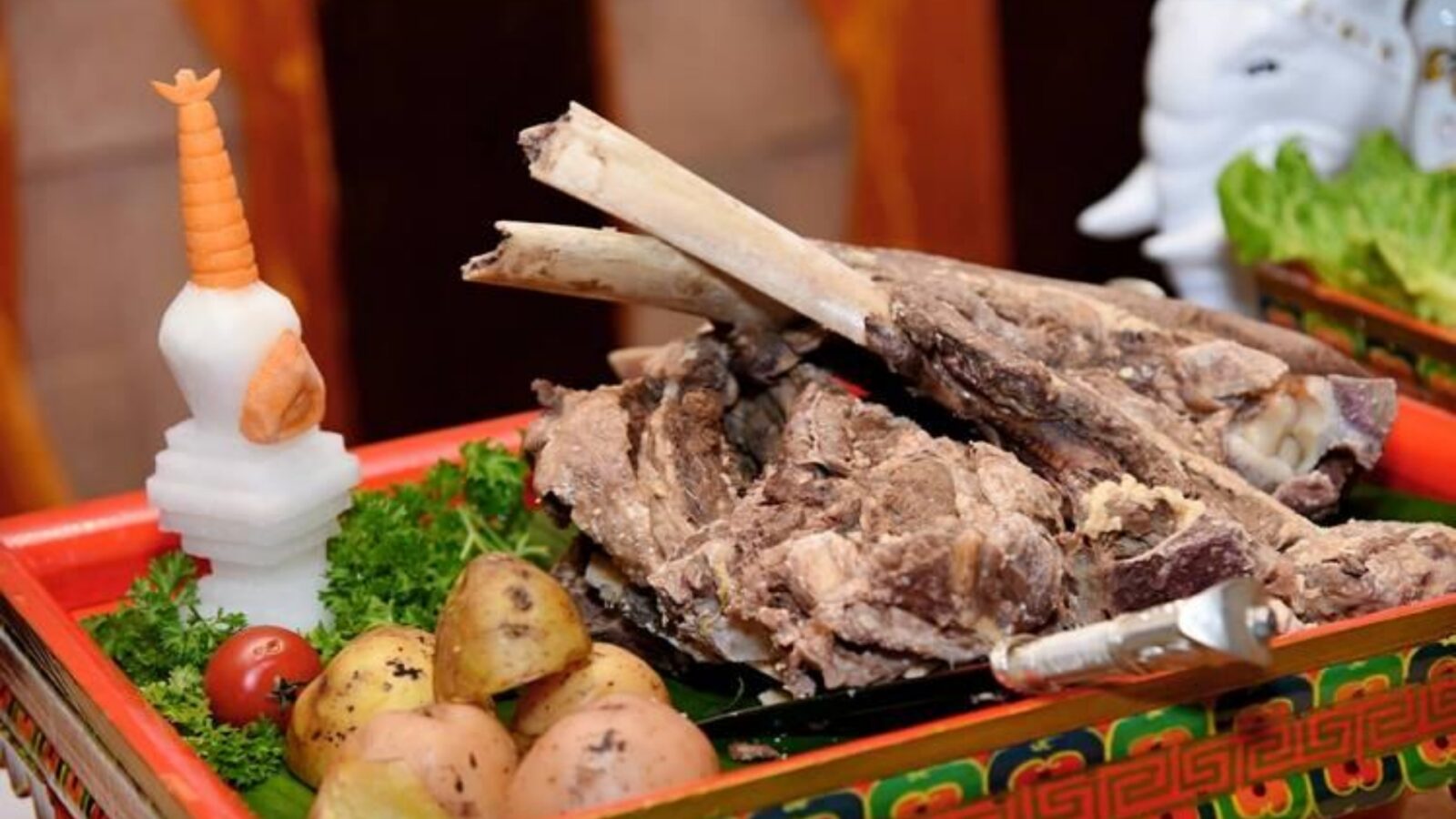
Staple Dish
Tsampa forms the backbone of the Tibetan diet, especially among pastoral communities. Travelers eating at local restaurants will find momo and thukpa on nearly every menu, with regional variations adding spice blends and filling combinations. Street vendors in Lhasa sell momo from small stalls, making them an accessible introduction to Tibetan cuisine.
- Momo: Dumplings steamed or pan-fried; yak or cabbage filling; served with spicy tomato chutney
- Thukpa: Hand-pulled noodles in broth with vegetables and meat; sized from small bowl to family pot
- Tsampa: Barley roasted, ground, and mixed with butter tea into a pliable dough
- Yak Meat Curry: Slow-cooked yak with Sichuan peppercorns and local herbs
- Cost: Restaurant meals average $8–15 (¥60–110) per person; street food is considerably cheaper
Butter Tea, Sweet Tea, and Teahouse Culture
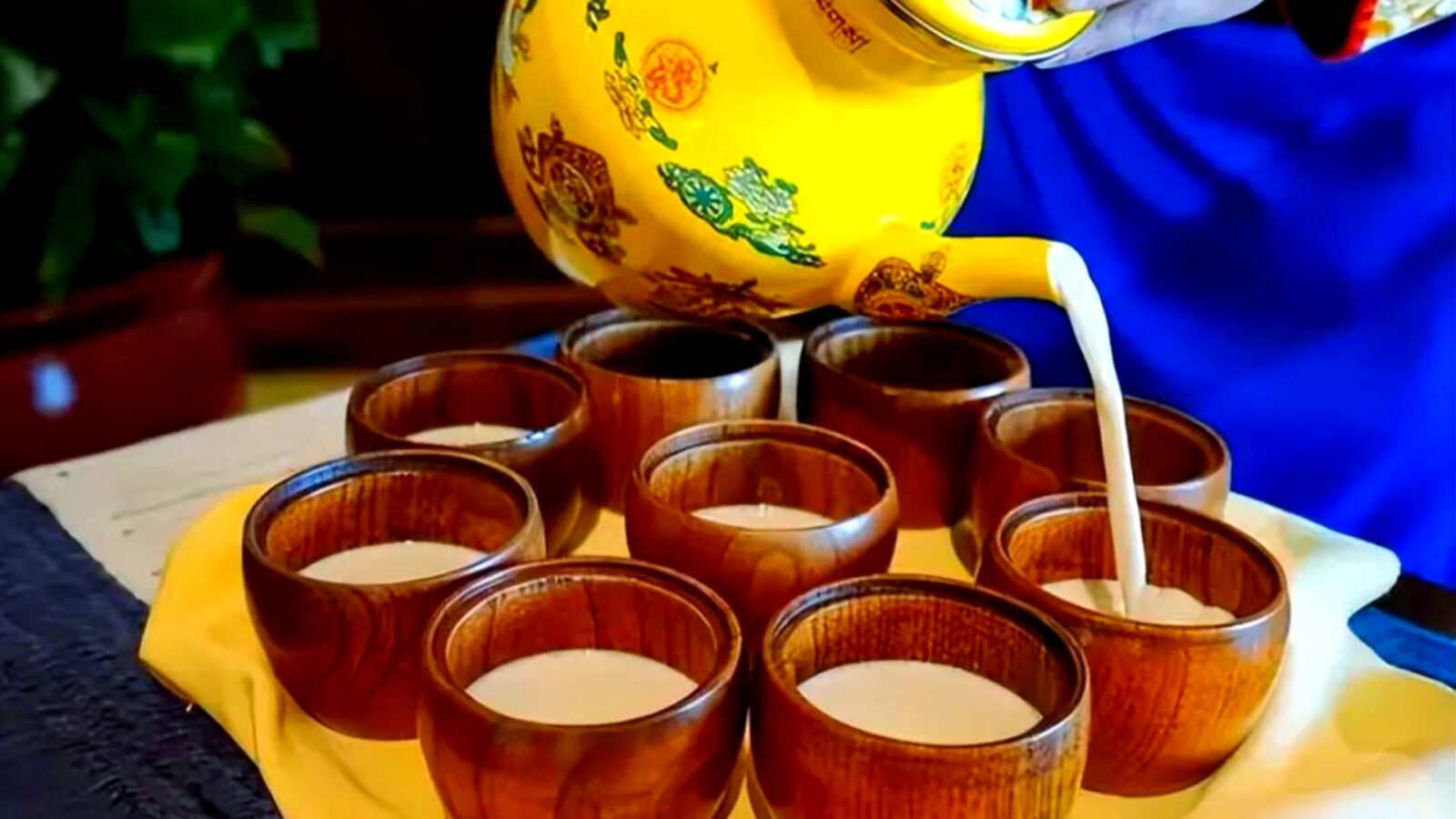
Butter Tea
Teahouses occupy a central position in Tibetan social life, serving as gathering spots for neighbors, travelers, and monks on break. Yak butter tea (po cha) provides warmth and calories, mixing salted butter with strong brick tea—a practical drink for cold mornings at altitude. Sweet tea (ja gur), a milk-tea sweetened with sugar, appeals to visitors unfamiliar with the salty butter version.
- Butter Tea (Po Cha): Brewed tea mixed with yak butter and salt; an acquired taste for newcomers
- Sweet Tea (Ja Gur): Black tea with milk and sugar; served in almost every teahouse; about $2–3 (¥15–20) per cup
- Teahouse Role: Functions as community center, news exchange, and rest stop for pilgrims completing kora
- Locations: Scattered throughout Lhasa, especially near the Potala Palace and Jokhang Temple
Handicrafts and the Nomadic Lifestyle
Tibetan artisans produce distinctive crafts rooted in Buddhist iconography and nomadic practicality. Thangka painting requires years of training in mineral pigments and religious iconography. Silver jewelry, woven blankets, and traditional chuba robes reflect regional styles and materials available in different parts of the plateau. Pastoral nomads, though fewer in number than in previous centuries, still follow seasonal migration routes with their yak and sheep herds.
- Thangka: Religious scroll paintings depicting Buddhas, mandalas, and deities; created on cotton with mineral pigments
- Tibetan Incense: Hand-rolled sticks using herbs and woods gathered from the plateau; used in daily offerings
- Silver Jewelry: Rings, bracelets, and pendants often incorporate coral and turquoise from Himalayan trade routes
- Weaving: yak wool blankets and bags feature geometric patterns specific to each family or region
- Tibetan Mastiff: Large guardian breed; males can weigh around 150 lb (68 kg); traditionally protects livestock from wolves and snow leopards
History and Modern Tibet
Archaeological evidence points to human habitation on the Tibetan Plateau for at least 21,000 years. Early inhabitants adapted to the harsh environment through hunting, foraging, and eventually pastoralism. Over millennia, distinct cultures developed across the plateau's varied terrain, laying the foundation for the political and spiritual entities that would later emerge.
Ancient Civilizations and the Tibetan Empire
The Zhang Zhung civilization flourished in western Tibet roughly 3,000 years ago, developing metallurgy and practicing the Bon religion. In the 7th century CE, King Songtsen Gampo unified the plateau's tribes and founded the Tibetan Empire. His reign introduced Buddhism from India and Nepal, setting in motion the religious and cultural trajectory that defines Tibet today. At its height, the empire extended into parts of China, Nepal, India, and Central Asia.
The Dalai Lama Theocracy and the Modern Era
The 5th Dalai Lama, Ngawang Lobsang Gyatso, established the Gelug school as Tibet's governing religious authority in 1642, creating a theocratic state that endured for over three centuries. The Mongol-Sakya treaty of 1244 had earlier secured Tibetan autonomy through diplomatic negotiation with the Mongol Empire. Following the establishment of the People's Republic of China in 1949, Tibetan integration into the new nation began in 1950. The 14th Dalai Lama departed for India in 1959 following a failed uprising, and he has lived in exile since that time.
Planning a Trip to Tibet
Organizing a visit to Tibet requires more preparation than most destinations. Foreign travelers must secure a Chinese visa and arrange their Tibet Travel Permit through a registered tour operator—independent travel is not permitted. The permit system means that visitors typically join group tours or hire private guides, though this arrangement provides practical support at altitude. Planning four to six weeks ahead allows sufficient time for permit processing and flight bookings.
- Permit First: Obtain the Tibet Travel Permit before booking flights; your tour operator handles this
- Acclimatize: Spend two days in Lhasa before strenuous activity; altitude affects everyone differently
- Book Early: Peak season permits sell out; spring and autumn fills quickly
- Guide Matters: A knowledgeable guide enhances monastery visits and provides translation where needed
- Cash Reserve: Carry Chinese yuan for markets and remote areas; cards work in Lhasa hotels and restaurants
Tibet Travel Permit, Visa, and Currency
All foreign nationals require a Chinese visa to enter the Tibet Autonomous Region. The Tibet Travel Permit, officially called the Tibet Entry Permit, is issued by the Tibet Tourism Bureau and serves as the region's travel authorization. Tour operators apply for this document on behalf of visitors; the permit takes seven to ten working days to process. Travelers continuing to restricted areas such as Everest Base Camp, Mount Kailash, or Ngari Prefecture must also obtain an Alien's Travel Permit from the Lhasa Public Security Bureau.
- Chinese Visa: Apply at the nearest Chinese embassy or consulate; processing time varies by country
- Tibet Travel Permit: Your tour operator arranges this; required for all foreign visitors
- Alien's Travel Permit: Needed for Everest, Kailash, and Ngari; your guide obtains this in Lhasa
- Currency: Chinese Yuan (¥/CNY); exchange rate approximately ¥7.1–7.2 per USD; cash preferred outside Lhasa
Best Time to Visit and Weather
The open season for foreign visitors runs from April through October. May and September typically offer the clearest skies and most stable weather, with moderate temperatures and thin crowds. July and August bring warmer conditions but also the summer monsoon, which can bring rain to lower elevations while the plateau remains relatively dry. The week surrounding October 1 (Chinese National Day) sees a surge in domestic tourism, with higher prices and crowded attractions. Winter access for foreign travelers is restricted to permit holders and organized tours only.
- April–May: Warming temperatures, blooming flowers, thin crowds; ideal for photography
- June–August: Warmer days, occasional rain; summer monsoon reaches lower valleys
- September–October: Clear autumn skies, harvest season; peak conditions overall
- October 1 Week: Chinese National Holiday; domestic crowds surge significantly
Getting There: Flights, Trains, and Roads
Lhasa Gonggar Airport sits at 3,570 meters elevation, ranking among the world's highest commercial airports. It lies approximately 65 kilometers south of Lhasa; taxis charge around $15–20 (¥120–150) for the journey. Major airlines operate direct flights from Beijing, Chengdu, Xi'an, and Kunming, with Beijing-Lhasa fares typically running $200–300 one-way. The Qinghai-Tibet Railway, opened in 2006, holds the distinction of being the world's highest railway, with trains reaching altitudes above 5,000 meters. The Beijing-Lhasa route covers the 3,700-kilometer journey in roughly 41 hours, with hard sleeper tickets costing about $90–130 (¥700–900).
Altitude, Health, and Language Tips
Lhasa sits at approximately 3,650 meters (11,975 feet), and altitude affects every visitor regardless of fitness level. Symptoms such as headache, breathlessness, and fatigue typically appear within the first day or two. Medical professionals advise resting upon arrival, drinking plenty of water, and avoiding alcohol on the first night. For serious altitude sickness, the Tibet Military Region General Hospital and private clinics in Lhasa have oxygen and treatment facilities.
- Rest First: Spend 24–48 hours in Lhasa with minimal activity before ascending further
- Hydrate: Drink two to three liters of water daily; altitude accelerates dehydration
- Ascend Gradually: Avoid going above 5,000 m on your first days; the body needs time to adapt
- Medical Help: Lhasa has hospitals and clinics; consider travel insurance covering high-altitude evacuation
- Language: Tibetan is the primary language; Mandarin is widely spoken; English is limited outside tourist hotels
Frequently Asked Questions
Q: What is Tibet best known for?
Tibet is best known for the Tibetan Plateau, the "Roof of the World," the Potala Palace in Lhasa, Tibetan Buddhism with its Vajrayana traditions, and Mount Everest on its southern border. Sacred lakes such as Namtso and Yamdrok also draw pilgrims and travelers seeking high-altitude natural beauty.
Q: What is the Tibetan Plateau known for?
The Tibetan Plateau is known as the largest and highest plateau on Earth, spanning roughly 2.5 million square kilometers with an average elevation exceeding 4,500 meters. It serves as the source of Asia's major rivers—including the Yangtze, Yellow, Mekong, Brahmaputra, Indus, and Salween—and is home to Mount Everest.
Q: What is Tibetan Buddhism known for?
Tibetan Buddhism, also called Vajrayana, is known for the Dalai Lama lineage, elaborate monastery debates, kora pilgrimages, and distinctive visual traditions including prayer flags, butter lamps, and prayer wheels. The four major schools—Nyingma, Kagyu, Sakya, and Gelug—each preserve unique lineages and practices.
Q: What is Lhasa Gonggar Airport known for?
Lhasa Gonggar Airport is known for being one of the world's highest-altitude commercial airports, sitting at 3,570 meters (11,710 feet) above sea level. Opened in 1965, it serves as the main air gateway to Lhasa, located approximately 65 kilometers south of the city, with flights from Beijing, Chengdu, Xi'an, and Kunming.
Q: What is Gerze in Ngari, Tibet known for?
Gerze is a county in far-western Tibet's Ngari Prefecture, part of the Chang Tang grassland. It is known for its sparse population, nomadic herding culture, and access to overland routes toward Mount Kailash. The area offers wildlife viewing opportunities including Tibetan antelope and wild yak, though tourist infrastructure remains very limited.
Q: What is Tibet known for producing?
Tibet is known for producing yak-derived products including meat, butter, wool, and milk. Traditional handicrafts include thangka paintings, Tibetan incense, silver jewelry, and woven goods. The region also produces barley for tsampa and supports the traditional medicine system Sowo Rigpa, recognized by the World Health Organization.
Q: What is the most famous landmark in Tibet?
The Potala Palace in Lhasa is the most famous landmark in Tibet. A UNESCO World Heritage Site since 1994, it served as the winter residence of the Dalai Lamas for centuries. The structure spans 13 stories, reaches 117 meters in height, and dates back roughly 1,300 years to the 7th century.
Q: Do foreign visitors need a special permit to enter Tibet?
Yes. Foreign visitors must hold a Tibet Travel Permit (TTP) in addition to a Chinese visa. The TTP is arranged through a registered tour operator; independent foreign travel is not permitted. An additional Alien's Travel Permit is required for restricted zones including Everest Base Camp, Mount Kailash, and Ngari Prefecture.
Q: When is the best time to visit Tibet?
The best time to visit Tibet is April through October. May and September offer the clearest skies and softest crowds, making them ideal months. July and August bring warmer temperatures but occasional rain, while the October 1 Chinese National Day week sees peak domestic tourism. Winter access is restricted for most foreign travelers.