Lhasa Tibet Altitude (3,650 m)
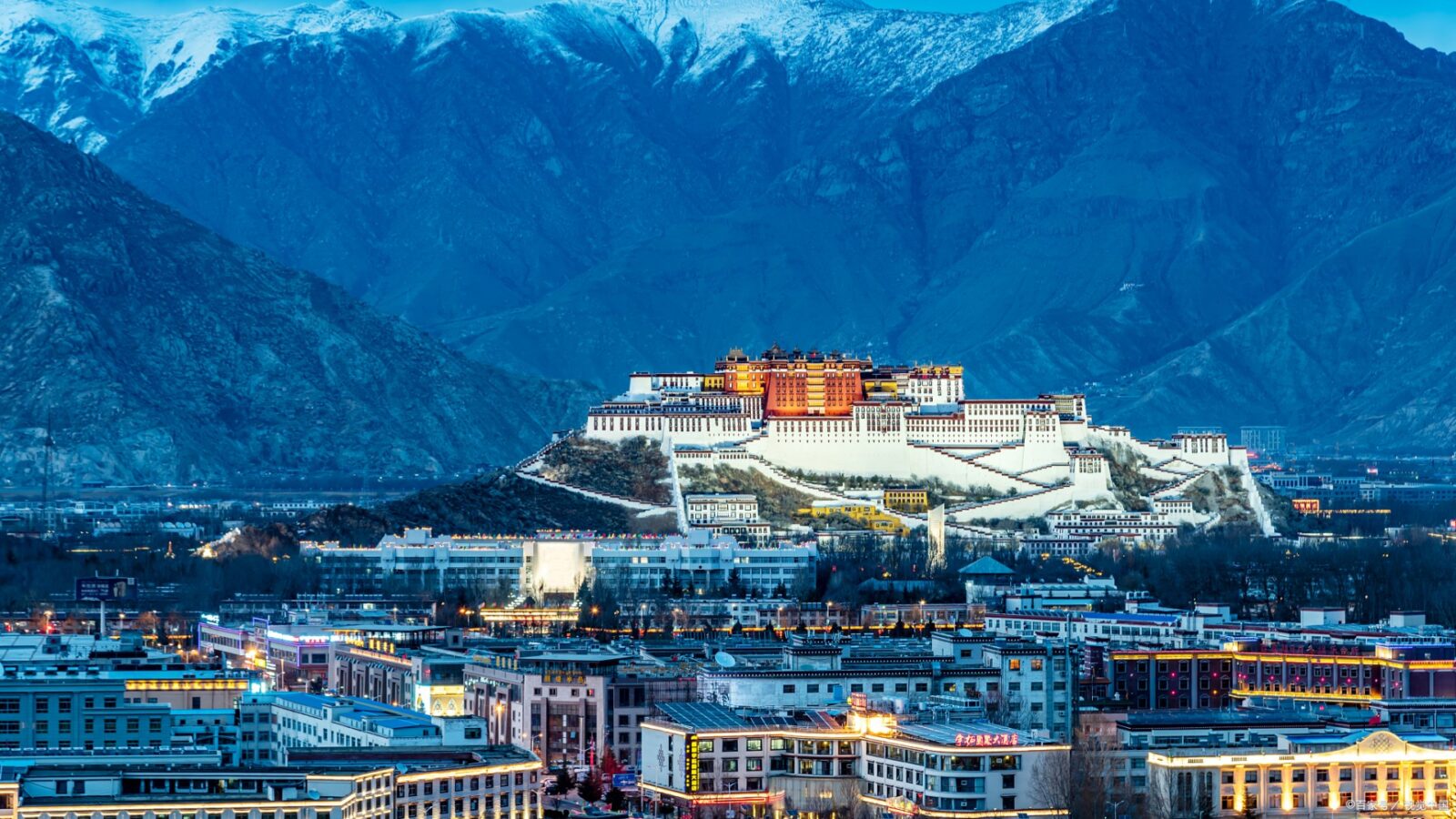
Lhasa, capital of Tibet (Xizang), sits roughly 3,650 m above sea level on the Tibetan Plateau. The Potala Palace, rising above the city, reaches 3,700 m. For visitors arriving from lowland cities, the altitude creates a real physiological challenge — available oxygen drops to about 67% of sea-level pressure. The question is not just "how high" but "what will that do to me, and how do I plan around it."
This article gives you the confirmed Lhasa, Tibet altitude figures, a copyable altitude-sickness prevention checklist grounded in published advice, and a day-by-day acclimatization plan you can follow from arrival. It covers Diamox dosing, portable oxygen prices in USD, hydration targets, and the exact threshold at which symptoms become a medical emergency — all with verified figures, not marketing copy.
Quick Facts
Lhasa Altitude at a Glance
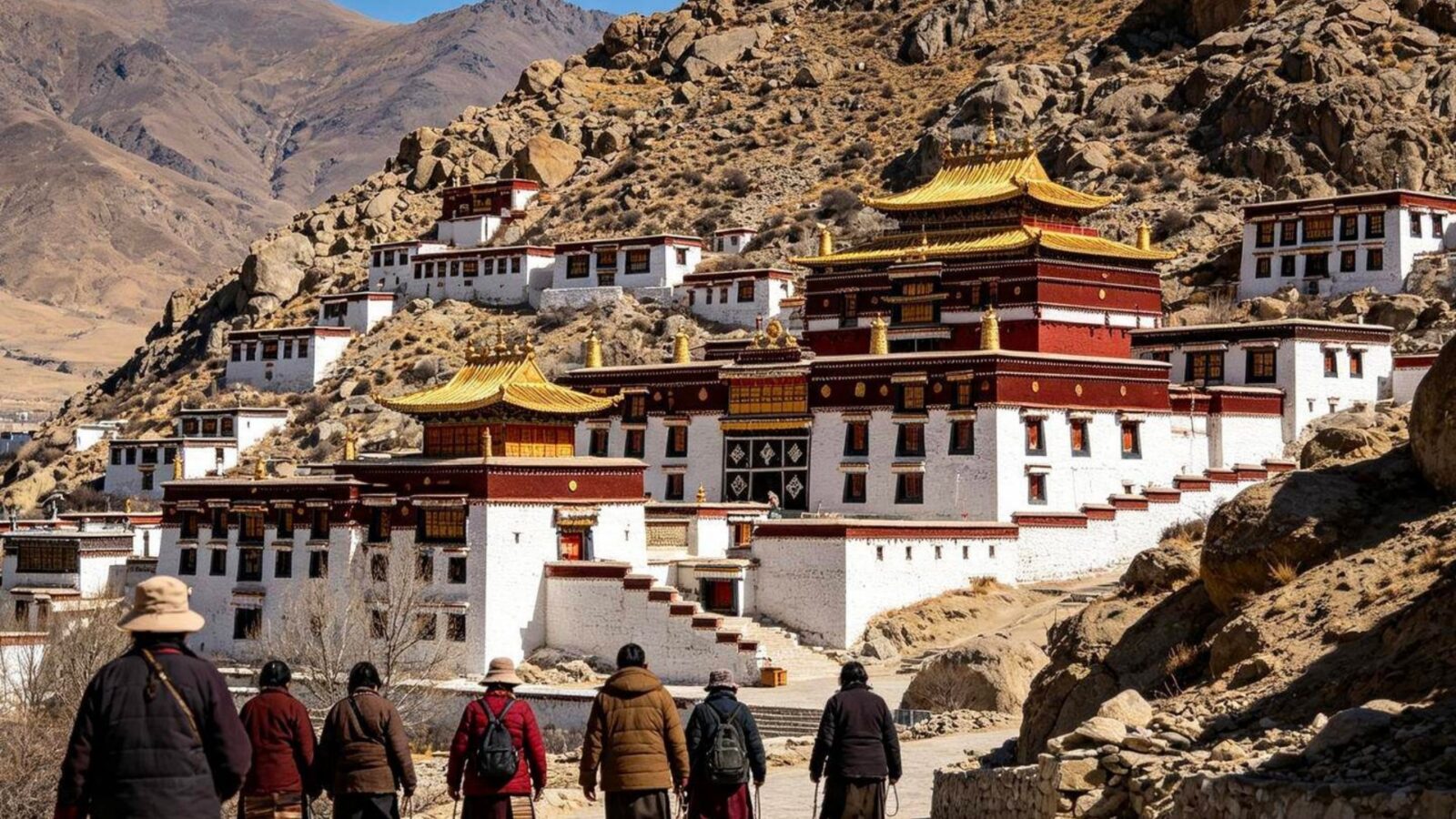
Drepung Monastery
Lhasa sits at roughly 3,650 m (≈11,982 ft) on the Tibetan Plateau. Some published sources list 3,660 m (≈12,007 ft) — both figures circulate widely, and neither is wrong. The Potala Palace, the city's most recognizable landmark, rises to 3,700 m, about 50 m above the Lhasa valley floor. The critical number to know: acute mountain sickness (AMS) typically begins above 2,440–2,500 m, meaning virtually every sea-level visitor crosses that threshold the moment the plane lands.
At 3,650 m, the partial pressure of oxygen is roughly 67% of what it is at sea level. That reduction is enough to cause noticeable breathlessness on stairs, disrupted sleep for the first night or two, and a persistent mild headache that many arrivals mistake for fatigue or dehydration. The body can adjust, but adjustment takes time — and pushing too hard on Day 1 is the most common visitor mistake.
Use this anchor list to understand Lhasa's relative standing among the world's high-altitude cities and landmarks:
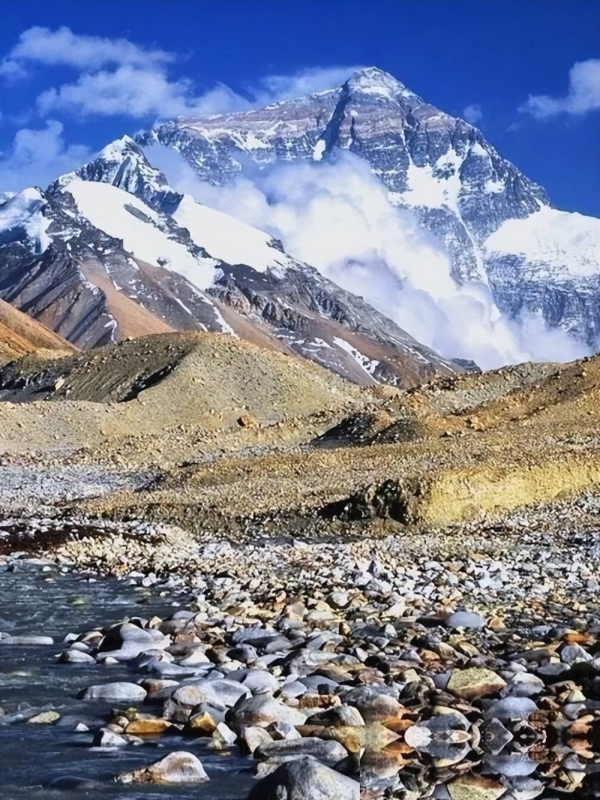
- Everest Base Camp (Tibet side): ~5,000–5,200 m
- Namtso Lake (day-trip from Lhasa): ~4,718 m
- Yamdrok Lake (day-trip from Lhasa): ~4,441 m
- Ganden Monastery (day-trip from Lhasa): ~4,300 m
- La Paz, Bolivia: 3,640 m
- Cusco, Peru: 3,400 m
- Bogotá, Colombia: 2,640 m
- Machu Picchu, Peru: 2,430 m
What the Numbers Mean
Lhasa's official altitude of 3,650 m (≈11,982 ft) places it among the world's highest capitals. The alternate figure of 3,660 m appears frequently in guidebooks — both are commonly cited, and the discrepancy likely reflects different measurement points within the city. The Potala Palace at 3,700 m is 50 m higher than the Lhasa average, so climbing its 365 steps on arrival is harder than walking the streets below. AMS onset — the threshold where altitude sickness becomes possible — falls in the 2,440–2,500 m band, with published sources placing it slightly differently within that range. At Lhasa's elevation, oxygen availability drops to about 67% of sea-level pressure.
How Lhasa Compares to Other High Places
Lhasa sits higher than La Paz (3,640 m) and Cusco (3,400 m), two cities often cited as high-altitude benchmarks for travelers. However, it sits well below Everest Base Camp on the Tibetan side (~5,000–5,200 m). For visitors coming from sea level, Lhasa itself is the first altitude test. Machu Picchu and Bogotá, while high by global standards, fall below the AMS onset threshold — most visitors notice nothing at those elevations. The comparison matters because it sets expectations: a traveler who felt fine in Cusco will likely feel something in Lhasa, and a traveler who breezed through La Paz should still plan conservatively.
🏔️ Regional Highlights: Learn about the high-altitude landmarks, ancient heritage, and unique cultural traditions with our overview on What Is Tibet Known For.
Day-by-Day Acclimatization Plan for Lhasa
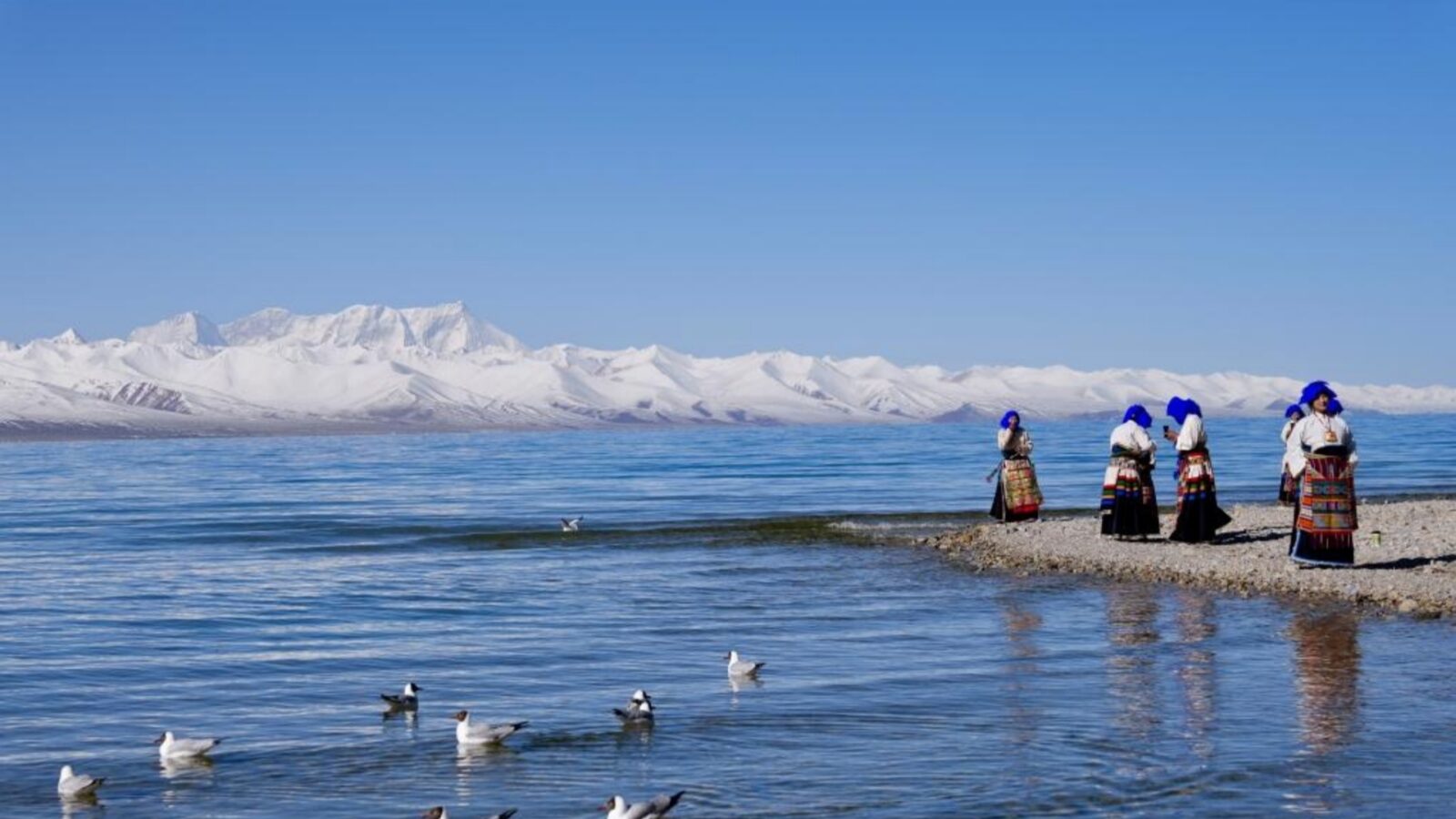
Namtso
Follow this plan from Day 1 through Day 6+. Adjust the schedule if you arrived by train (you may be readier sooner) or if you flew direct from sea level (give yourself extra buffer). The emergency criterion at the bottom applies every day.
Passes, Lakes and Higher Altitudes Around Lhasa
Most visitors spend their first days in Lhasa itself, then venture outward. Every destination outside the city sits at similar or higher elevation — and reaching them too early is the second most common acclimatization mistake. The rule is simple: sleep low, climb slow, and save the high passes and sacred lakes for Day 4 or later.
High Passes Between Nepal and Lhasa
Visitors arriving overland from Kathmandu along the Friendship Highway climb through a series of high passes before reaching Lhasa. Those flying direct into Lhasa skip all of these and feel none of the gradual exposure — which is why flying in and immediately exploring is harder than the overland approach. The table below lists the major passes.
Day-Trip Altitudes Near Lhasa
Every popular day-trip from Lhasa climbs above the city elevation. Plan these for Day 4 or later. The table below shows each destination's altitude and typical driving time from Lhasa.
🏔️ High-Altitude Expeditions: Planning to push even higher toward the north face of Mount Everest? Explore our guide on seeing Everest From Tibet.
Altitude Sickness Prevention Checklist
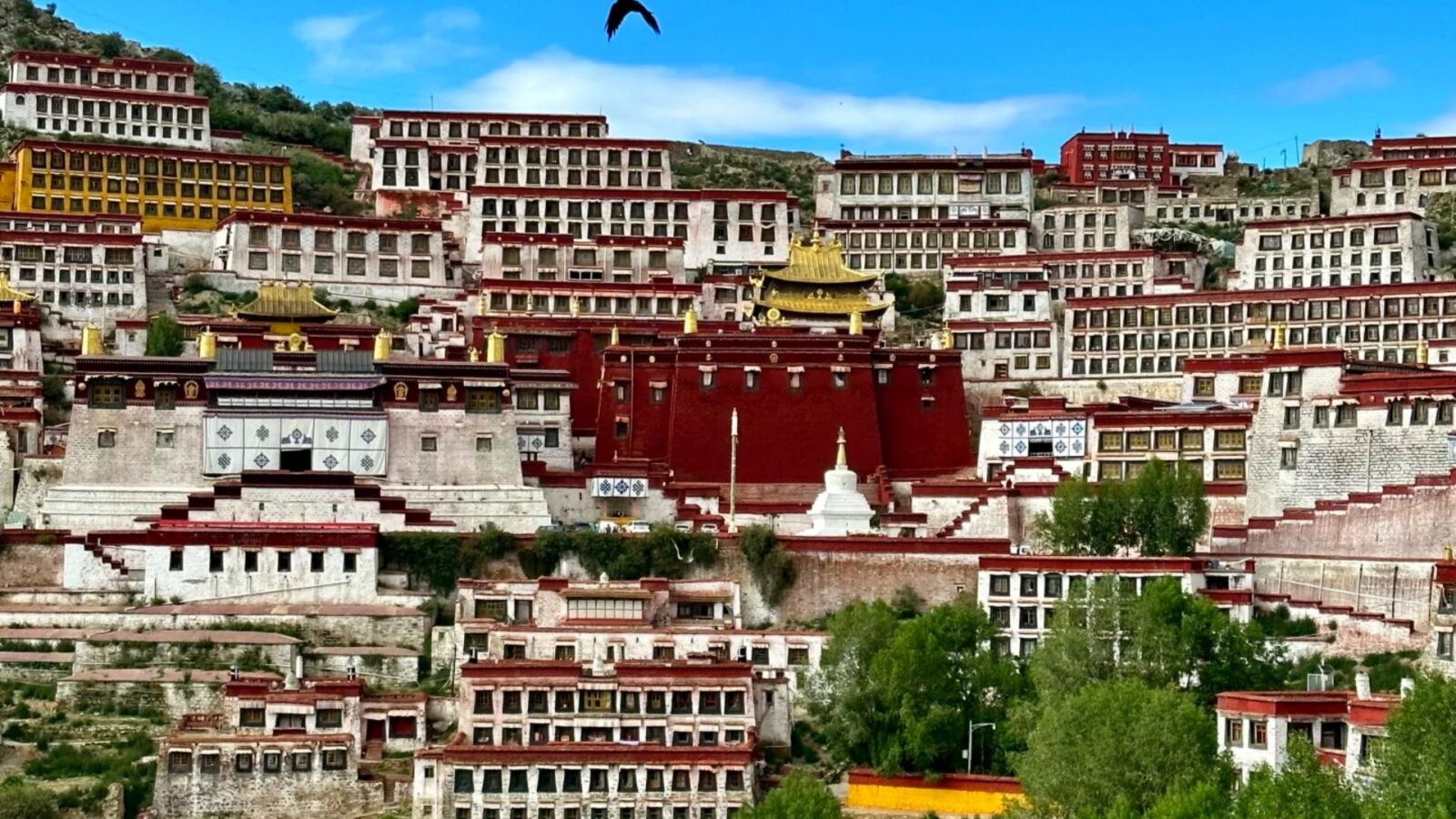
Ganden Monastery
Use this checklist as your carry-along reference for the first 72 hours in Lhasa. It covers what to do before you leave, on arrival day, and through your first three days. Most items cost nothing; the only equipment you may need is a portable oxygen canister as emergency backup.
Pre-Trip Altitude Preparation
- Medical check before departure: Consult a doctor if you have any heart, lung, or blood-pressure conditions; get a physical at least a month before travel.
- Stop intense workouts two weeks out: Reduce high-intensity cardio sessions to give your body time to build baseline red-blood-cell capacity without the oxygen demand of peak fitness.
- Discuss Diamox with your prescribing doctor: Acetazolamide is a common prophylactic — typically 125 mg twice daily, started 24 hours before ascent. Your doctor can confirm whether it suits you.
- Consider Rhodiola rosea: Some travelers use this adaptogen as a supplement; evidence is mixed, and it does not replace proper acclimatization.
First 48 Hours Acclimatization Rules
- Rest on arrival day: Get to your hotel, unpack slowly, and stay horizontal for the first few hours. No sightseeing, no shopping, no walks beyond the lobby.
- Skip the shower on Day 1: Hot water raises core body temperature and increases oxygen demand. Many arrivals report feeling worse after a shower on the first day.
- Eat light and stay hydrated: Tibetan sweet tea, yoghurt, and tsampa (roasted barley flour) are traditional options that sit well. Sip water steadily — target around 3 liters per day, more if you flew direct from sea level.
- Avoid alcohol for the first 48 hours: Alcohol amplifies dehydration and worsens AMS symptoms. Even a single drink can disrupt sleep at altitude.
On-Site Activity & Altitude Safety Guidelines
- Walk slowly everywhere: The mantra is "never walk faster than you can speak." Shortness of breath is normal; chest pain or confusion is not.
- Choose teahouse strolls over hikes: Barkhor Street and the area around Jokhang are flat and manageable. Save the hill trails for Day 4+.
- Buy a portable oxygen canister as backup: Pharmacies and tourist-area kiosks sell small canisters for $5–15 (¥35–100). Keep one in your daypack.
- Do not climb above 4,000 m before Day 4: Ganden Monastery (~4,300 m), Yamdrok Lake (~4,441 m), and Namtso (~4,718 m) are off-limits until you have at least three nights in Lhasa behind you.
- Postpone the Potala Palace climb to Day 2 or 3: The palace reaches 3,700 m, and the 365 steps are steep. Attempt it only after you have slept at least one night without severe symptoms.
- Sleep low, climb slow: Return to Lhasa each night from any day trip. The altitude gained during the day is tolerable if you descend to sleep.
📋 Travel Entry Requirements: Planning your journey and permits to reach the plateau? Check our step-by-step visitor rules guide on Can You Visit Tibet.
Diamox and Portable Oxygen in Lhasa
Diamox (acetazolamide) and portable oxygen are the two most commonly asked-about interventions at Lhasa altitude. Both are available in the city, but knowing what to expect before you arrive saves time and avoids confusion.
- Diamox dosing: The standard prophylactic regimen is 125 mg twice daily, started about 24 hours before ascent and continued for the first 48 hours at altitude. Confirm this with your prescribing doctor before departure.
- Side effects: Diamox is a diuretic, so frequent urination is common. Tingling or numbness in fingers and toes is also reported. These effects are usually mild and subside after stopping the medication.
- Local availability and price: Lhasa pharmacies stock Diamox where prescription regulations allow. Expect to pay roughly $3–8 (¥20–55) per strip of 10 tablets.
- Alternative symptom relief: Aspirin or ibuprofen handles the headache component for many visitors. Rhodiola rosea is used by some travelers as an adaptogen, though evidence for its efficacy at altitude is limited.
- Small oxygen canisters: Disposable canisters sell for $5–15 (¥35–100) at pharmacies and tourist-area kiosks. Keep one in your daypack for emergencies.
- Larger oxygen bags: Refillable oxygen bags cost roughly $25–40 (¥180–280). These are bulkier but last longer on a multi-day trip.
- In-room oxygen: Some higher-end Lhasa hotels offer oxygen concentrators in guest rooms or oxygen bars in the lobby — useful if symptoms spike overnight.
- Train vs. flying: Visitors who arrive on the Qinghai–Tibet Railway often report fewer initial symptoms than those who fly direct. The gradual ascent through ~5,000 m on the train is taxing in other ways, but it gives the body a slower oxygen curve to adjust to.
Frequently Asked Questions
Q: What is the altitude of Lhasa, Tibet?
Lhasa sits at roughly 3,650 m (≈11,982 ft) on the Tibetan Plateau. Some published figures list 3,660 m (≈12,007 ft); both are commonly cited. The Potala Palace reaches 3,700 m (≈12,140 ft).
Q: Is altitude sickness common in Lhasa?
Mild AMS — headache, shortness of breath, fatigue, disrupted sleep — affects a significant share of sea-level arrivals. Published estimates vary, but most travelers experience at least one symptom on the first night or two. Severity depends on individual physiology, arrival method, and activity level on Day 1.
Q: How long does it take to acclimatize to Lhasa's altitude?
Most visitors notice improvement within 48–72 hours. Full physiological adaptation typically takes 5–7 days. Plan any altitude above 4,000 m for Day 4 or later if you flew direct from sea level.
Q: Should I take Diamox before flying to Lhasa?
Diamox (acetazolamide) is commonly used as a prophylactic at 125 mg twice daily, started about 24 hours before ascent. Whether it is right for you is a medical decision — confirm with your prescribing doctor before departure. Lhasa pharmacies stock it locally where regulations allow, at roughly $3–8 (¥20–55) per strip of 10.
Q: How much does a portable oxygen canister cost in Lhasa?
Small disposable canisters sell for $5–15 (¥35–100) at pharmacies and tourist-area kiosks. Larger refillable oxygen bags run roughly $25–40 (¥180–280). Some higher-end hotels offer in-room oxygen concentrators for guests.
Q: Can altitude sickness be dangerous after I leave Tibet?
Descending is the primary treatment — most symptoms resolve quickly below ~3,000 m. Lingering headache, fatigue, or breathing difficulty after descent warrants medical evaluation. Some travelers report brief rebound symptoms for a day or two after returning to low elevation.
Q: When is altitude dangerous enough to seek medical help?
Severe headache unresponsive to over-the-counter medication, persistent vomiting, confusion, loss of coordination (ataxia), or labored breathing are red flags — descend immediately to a lower elevation and seek medical care. Verify exact clinical thresholds on site with a local clinic.
Q: What is the lowest-elevation alternative if I cannot adjust?
Nyingchi in southeast Tibet averages around 3,000 m with forested terrain — lower than Lhasa and gentler on the body. If that still does not work, fly out to Chengdu (~500 m), Kunming (~1,891 m), or any other lowland hub. There is no shame in adjusting your itinerary; altitude does not negotiate.