Temp in China in March
March sits in that narrow window when China exhales after the Lunar New Year crush but before the Qing Ming holiday brings another wave of domestic travelers. Daytime temperatures swing dramatically across the country—from single-digit chills in Harbin to low-twenties in Guangzhou—and that gradient shapes every decision from your suitcase contents to which cities deserve your nights. The southern hills catch the tail end of plum blossom season while peach and early cherry bloom opens in Hong Kong and along the Yangtze. Clear skies make Xi'an one of the most comfortable bases for the city's Silk Road heritage sites, and the thin winter crowds mean shorter queues at the Terracotta Army. This guide breaks down what to expect city by city, how to pack for the range you'll encounter, and why Xi'an deserves a closer look in March.
Quick Facts
China's March Climate at a Glance
Temp in China in March
The temp in China in March reflects a country caught mid-transition. Winter's grip loosens across the north while spring takes uneven hold in the south, creating a national daytime range from roughly 5°C to 22°C (41–72°F). Daylight stretches noticeably as the month progresses—Beijing adds about 1 hour 19 minutes of daylight over March, climbing from roughly 11 hours 17 minutes to 12 hours 36 minutes. Rainfall follows a steep south-to-north gradient: Beijing sees around 4 wet days across the month, while Shanghai and Guangzhou accumulate 13–19 wet days.
March 8 marks International Women's Day nationally, bringing a public holiday that often translates to free or discounted museum entry for women in cities like Xi'an and Beijing. Occasional late-March sandstorms sweep down from Inner Mongolia into the Beijing area, carrying fine dust that can reduce visibility and coat surfaces. The western plateau and highland cities break the east-west pattern entirely—Lhasa's thin, dry air and Kunming's altitude-govemed "Spring City" climate operate by different rules than the coastal and northern plains.
City Temperatures Across China in March
The table below captures the range you'll encounter across ten major destinations. Beijing verified against weatherspark historical data; other cities from regional meteorological norms.
For more, see our guide to China Travel Itinerary 2 Weeks.
Northern China
Beijing, Xi'an, Tianjin, and Harbin make up the north in March—cities where warmth returns unevenly, with 10–15°F swings between early and late month. Late March carries a sandstorm risk across the Beijing-Hebei corridor, and the thin, dry air amplifies temperature swings between sunny afternoons and sub-freezing nights. Xi'an sits further south and west, so it catches fewer dust events and runs noticeably warmer and drier than Beijing on any given date. The daylight is lengthening fast, which makes outdoor sightseeing more viable by the second half of the month.
See also our Happiness Palace guide.
Central and Eastern China
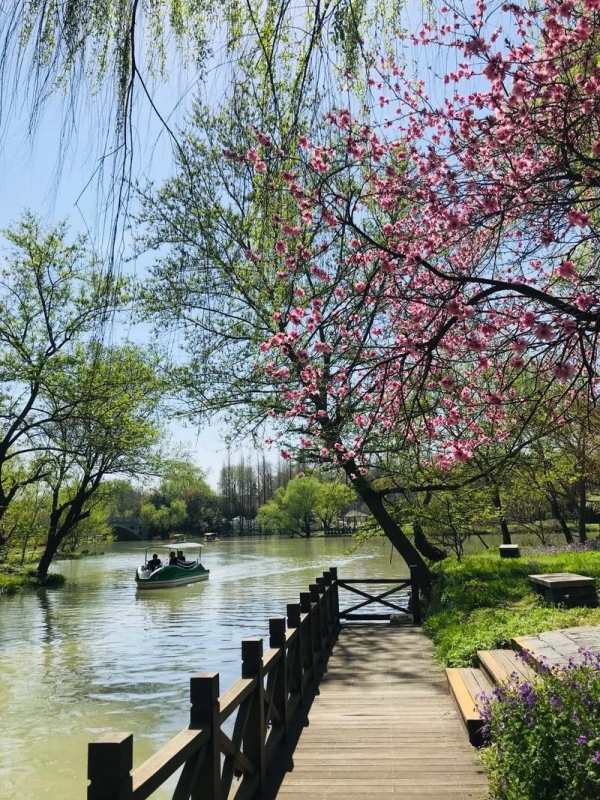
Shanghai, Hangzhou, Suzhou, Nanjing, Chengdu, and Wuhan form the damp heart of the country in March. The numbers look mild—13–16°C—but the high humidity makes it feel colder than the thermometer suggests, especially on overcast mornings when mist rolls off the Huangpu and West Lake alike. Willows are softening around the shores of West Lake, and Wuzhen's canals take on a gray-green watercolor quality in the diffuse light. This is the part of China where "bring a rain layer" matters more than the absolute temperature reading.
For more, see our guide to Nanjing Road.
Southern China
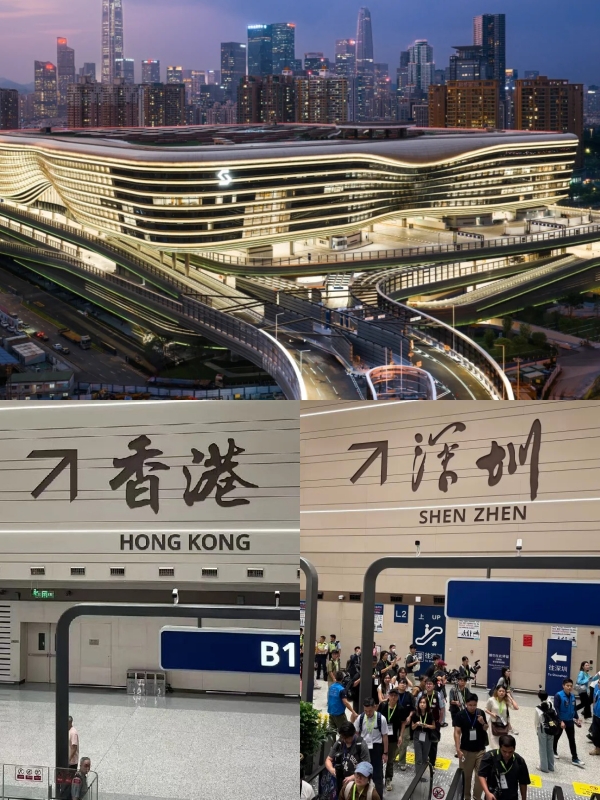
Guangzhou, Shenzhen, Guilin, Hong Kong, Macau, and Xiamen are the only places in China in March where shirt-sleeve afternoons are genuinely realistic. Daytime highs push into the low twenties, and short sleeves become viable between roughly 10 a.m. and 4 p.m. Guilin's karst peaks begin to clear of the winter haze that often hangs over the Li River, making boat trips more scenic by late month. Hong Kong catches early plum and peach blossom in the hill parks, and the city's harbor walks stay comfortable in the cooler mornings and evenings.
Western and Highland China
Lhasa, Shangri-La, Ürümqi, and Turpan sit at altitude, which means the midday sun feels intense even when the thermometer reads only 12–20°C. Day-night swings of 15–20°C are standard in highland towns, and the thin air makes sunburn a real risk without sunscreen and lip balm. Kunming breaks this pattern entirely—its 1,900-meter elevation and subtropical latitude combine to produce the "Spring City" label, with steady afternoon highs around 20°C and minimal rainfall. Xinjiang's basin towns (Ürümqi, Turpan) are still effectively in winter grip outside heated interiors, while the plateau towns are dry and bright but cold by sunset.
Xi'an and the Silk Road in March
Xi'an occupies a particular niche in China's March travel picture that the broader Silk Road trail makes clear. As the eastern terminus where the ancient trade routes converged before pushing west through Gansu and into Central Asia, Xi'an offers a density of Tang-dynasty and Silk Road heritage that no other single Chinese city matches—and March delivers some of its clearest, most comfortable walking weather of the year. Daytime temperatures settle around 14°C, the air stays dry, and rain is infrequent enough that outdoor sightseeing rarely gets disrupted. The Terracotta Army, the City Wall, and the Shaanxi History Museum form the essential cluster, while the Big Wild Goose Pagoda and the quieter Small Wild Goose Pagoda round out the week. From Xi'an, high-speed rail connections make Beijing a 4.5–6 hour leg and Shanghai an 11-hour journey by train or a 2-hour flight.
Xi'an's March Weather
The city averages roughly 14°C (57°F) in the afternoon and around 3°C (37°F) overnight in March, with approximately 7 wet days spread across the month. Clear skies dominate—Xi'an's position inland shields it from the coastal damp that characterizes Shanghai and Hangzhou at this time of year. Comfortable walking weather on the City Wall and during Terracotta shuttle bus rides makes this one of the best windows for outdoor heritage sightseeing in the Shaanxi region. Evenings still require a real jacket, and early-morning departures for the Terracotta site should account for air temperatures closer to freezing.
Must-See Museums
Temp in China in March
Xi'an functions as much as a museum city as a living metropolis, and the four sites below anchor any visit. Ticket prices and travel details are channel-bookable on Trip.com or Klook; verify current rates on booking day.
- Terracotta Army (Lihuang): about $14–17 (¥100–120); tourist bus departs from near the East Gate, roughly 40 minutes east of the city center; allow 3 hours minimum for the full pits circuit
- Shaanxi History Museum: free with advance ID reservation required; houses roughly 170,000 artifacts spanning the Zhou through Tang dynasties, including the famous Tang frescoes room
- Xi'an Museum + Small Wild Goose Pagoda: free entry; quieter than the larger sites, set in a park that draws fewer tourist groups; the pagoda's evening illumination is worth timing a walk past
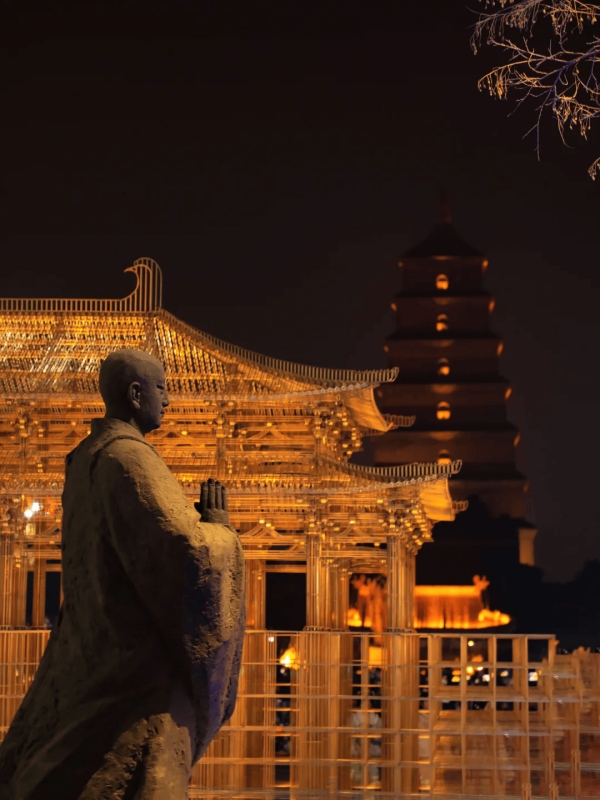
- Big Wild Goose Pagoda: about $5–7 (¥40–50); the evening fountain and light show draws crowds on the plaza below the pagoda's south face
- Forest of Stelae (Beilin Museum): about $5–7 (¥40–50); the oldest surviving collection of stone-stele inscriptions in China, including the famous Confucian texts and calligraphy pieces
- City Wall bike circuit: about $8–11 (¥55–80) for a 90-minute rental; the 14-kilometer perimeter is best covered by bike in March when temperatures sit in the comfortable 12–16°C range
Linking Xi'an to Beijing and Shanghai
Temp in China in March
Xi'an's position on China's central HSR grid makes it a natural pivot between the north and the Yangtze Delta. Most travelers incorporate it as a two-night detour off a Beijing base rather than a standalone destination. For those mapping out the classic triangle, the connections below shape the itinerary. Fares are quoted for second-class HSR and economy air; verify current pricing on Trip.com or Klook before booking.
- Xi'an → Beijing: about $55–75 (¥400–540) second class on G-trains, 4.5–6 hours depending on the specific service; several departures daily
- Xi'an → Shanghai: about $110–140 (¥800–1,000) second class, roughly 11 hours by HSR; alternatively, a 2-hour flight starts around $70–110 (¥500–800) depending on carrier and advance booking
- Beijing → Xi'an and back: the most common 7-day itinerary treats Beijing as the primary base and fits Xi'an as a 2-night side trip between the Great Wall and the Bund—HSR between the legs keeps this manageable without backtracking
March Events and Festivals Across China
Temp in China in March
March is a quiet festival month in China—the big domestic travel windows (Chinese New Year and Qing Ming) bracket it, leaving March 8 International Women's Day as the most visible national event. That gap is precisely why it works as a travel month: venues are less crowded, bookings are easier, and the shoulder-season pricing eases compared to peak weeks. Several regional blossom festivals and one major ice festival still running in early March add local color if your itinerary aligns.
- International Women's Day (March 8): Nationwide public holiday; Xi'an and Beijing often offer free or discounted museum admission for women visitors on this date—worth timing a museum visit to take advantage
- Shanghai Peach Blossom Festival (Nanhui): Held annually since 1991 in the Nanhui district southeast of the city; peak bloom typically arrives late March; entry is generally free, and the area doubles as a coastal birding site
- Longqing Gorge Ice and Snow Festival (Yanqing, Beijing): Runs January through early March; ice sculptures and winter activities in the gorge area north of Beijing; the festival winds down by mid-March but remains active early in the month
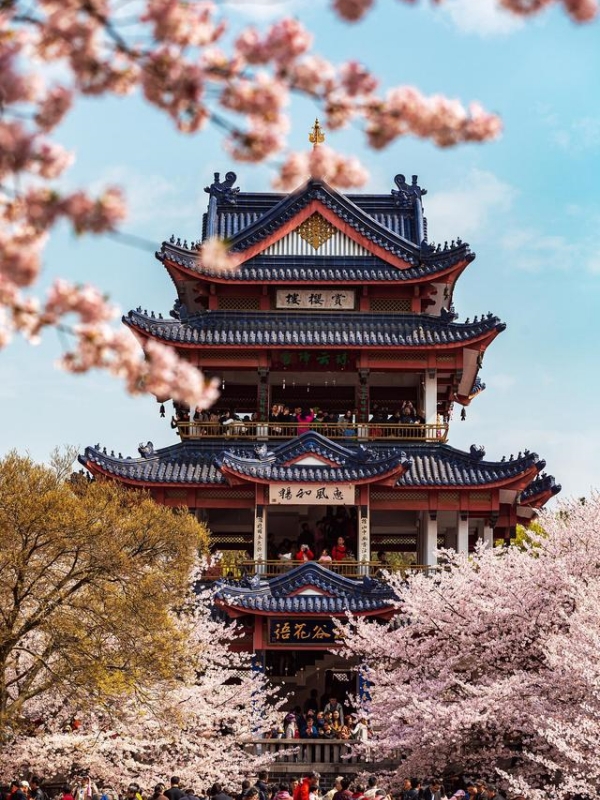
- Wuhan and Hangzhou Blossom Windows: Wuhan's plum blossom season opens in early-to-mid March along East Lake; Hangzhou's West Lake catches early cherry and plum bloom by mid-month, with the willow-fringed shore trails shifting from winter gray to spring green
- Lhasa Serfs' Emancipation Day (March 28): Annual observance marking the 1959 liberation of Tibetan serfs; ceremonial events around the Potala Palace and Jokhang Temple; tourism continues normally but some street access may shift near major venues
- Qing Ming Prep (late March): The Qing Ming holiday falls April 4–6; late-March visitors should note that domestic travel bookings start climbing in the final week of March as families finalize tomb-sweeping plans—book major attractions ahead if your trip extends into the first week of April
What to Pack for China in March
The central packing principle for March in China is layering—the country spans 25°C between its coldest and warmest major cities on the same date, and the difference between a heated museum interior and a windy outdoor queue is extreme. A flexible layered wardrobe serves you better than a heavy parka or a strictly summer kit.
Packing by Region
Regional temperatures in March demand regional packing lists. For northern cities like Beijing and Harbin, thermal base layers, a fleece or mid-weight puffer, and a windproof or water-resistant shell form the core—nights and early mornings still dip below freezing even when afternoons climb into single digits. Central and eastern destinations including Shanghai, Hangzhou, and Wuhan call for jeans, sturdy walking boots, mid-weight sweaters or fleeces, and a waterproof outer layer to cut through the damp chill that makes 13°C feel colder than it reads.
Southern cities from Guangzhou to Hong Kong allow lighter fare—t-shirts work for daytime wandering, but a warmer layer covers restaurant air conditioning and cooler evenings, and a compact rain jacket handles the 14–19 wet days the Pearl River Delta typically records each March.
- North (Beijing, Xi'an, Harbin): Thermal base + fleece + windproof/down jacket; warm hat and gloves for early mornings; evenings still below 0°C
- Central/East (Shanghai, Hangzhou, Wuhan): Jeans + boots + mid-weight sweaters + waterproof shell; misty mornings common through mid-month
- South (Guangzhou, Hong Kong, Guilin): T-shirts for daytime + one warmer layer for AC and evenings + compact rain jacket; roughly half the month sees some rain
Day-to-Day Gear and Connectivity
Beyond clothing, a short list of practical items makes the difference between a smooth trip and a frustrating one. China's outlets use Type A, C, and I plugs, so a universal power adapter covers all sockets. A VPN installed before arrival is essential for Google Maps, Gmail, and social media—domestic internet operates behind the Great Firewall, and many travel tools are inaccessible without one.
Payment works differently in China; Alipay or WeChat Pay with a foreign-linked card via the in-app Tour Pass covers most transactions, though Trip.com and Klook accept international cards for attraction tickets and hotel bookings. Comfortable walking shoes with good grip matter on the stone-paved streets of old Beijing, Xi'an's City Wall, and the temple stairs scattered across the country. Sunscreen and lip balm with UV protection move from optional to necessary in March, especially in the west and on the plateau where altitude amplifies the sun's intensity.
- Universal power adapter: China uses Type A, C, and I plugs; a dual-voltage adapter covers all sockets
- VPN installed before arrival: Required for Google Maps, Gmail, and Instagram; download before departing your home country
- Alipay or WeChat Pay: Set up with a foreign card via the Tour Pass feature; most small vendors and restaurants do not accept international cards directly
- Comfortable walking shoes: Stone streets, temple stairs, and long museum circuits demand solid grip and cushioning
- Sunscreen and lip balm: UV climbs fast in March, especially at altitude in Kunming, Lhasa, and Xinjiang; apply before heading out each morning
Frequently Asked Questions
Q: What is the average temperature in China in March?
The national daytime average runs roughly 5–22°C (41–72°F) from north to south. Beijing sits around 8°C/46°F in the afternoon and near freezing overnight; Shanghai averages 13°C/55°F with a 5°C/41°F low; Guangzhou reaches 22°C/72°F with overnight lows in the mid-teens. Overnight lows across the country range from near freezing in Harbin and the northeast to the mid-teens (°C) in the deep south.
Q: Is March a good time to visit China?
Yes—March hits the shoulder-season sweet spot with thinner crowds at major attractions between Chinese New Year and the Qing Ming holiday. The weather is comfortable for walking in Xi'an and southern cities, and hotel availability is generally good. The trade-off is damp chill in Shanghai and the Yangtze valley, occasional rain in Guangzhou and Guilin, and a late-month sandstorm risk in Beijing and Inner Mongolia.
Q: Does it snow in Beijing or Xi'an in March?
Snow becomes unlikely after early March in both cities but is not impossible—late cold snaps can bring flurries as late as mid-month. The more relevant weather risk in northern China from mid-March onward is wind-blown dust from Inner Mongolia rather than snow. A layered jacket handles both scenarios more flexibly than a heavy winter parka at this point in the season.
Q: When does cherry blossom season start in China?
Wuhan and the central Yangtze valley open first in early-to-mid March along East Lake and the Yangtze riverbanks. Shanghai and Hangzhou follow in mid-to-late March as West Lake's cherry trees reach peak bloom. Beijing and northern parks typically hit peak cherry blossom in early April, which means March visitors to the capital will catch the very earliest varieties but miss the main display.
Q: How rainy is southern China in March?
Guangzhou and Guilin see roughly 14–19 wet days across March, with the rain tending toward light-to-moderate drizzle rather than all-day downpours. A compact rain jacket and quick-dry shoes handle most situations; you will not need heavy rain gear, but going without any rain protection in the Pearl River Delta and Guangxi in March means getting damp regularly.
Q: Are major museums closed in March?
Most state museums—including the Shaanxi History Museum, the Palace Museum in Beijing, and the Shanghai Museum—close one day per week, typically Monday. March 8 International Women's Day often brings free entry or women-only discounts at venues in Xi'an and Beijing. Book Terracotta Army tickets on Trip.com or Klook well in advance; the daily visitor cap fills up, especially on weekends.
Q: What should I wear in China in March?
Layering is the rule everywhere in China during March. The north needs a thermal base + fleece + windproof shell; central and eastern cities want jeans + boots + a mid-weight layer + waterproof outer; the south can manage with t-shirts during the day, one warmer layer for air-conditioned interiors, and a rain jacket. One dressier outfit for nicer restaurants and evening events rounds out the practical wardrobe.
Q: How should I plan a 7-day China trip in March?
The classic 7-day itinerary fits Beijing (3 nights), Xi'an (2 nights), and Shanghai (2 nights) using HSR between each leg. Beijing covers the Forbidden City, the Great Wall at Mutianyu or Jinshanling, and the Temple of Heaven. Xi'an anchors on the Terracotta Army, the City Wall, and the Shaanxi History Museum. Shanghai gives you the Bund, Yu Garden, and a day trip to Suzhou or Hangzhou. Book Terracotta and Great Wall tickets online in advance—March availability thins especially around weekends and the March 8 holiday.