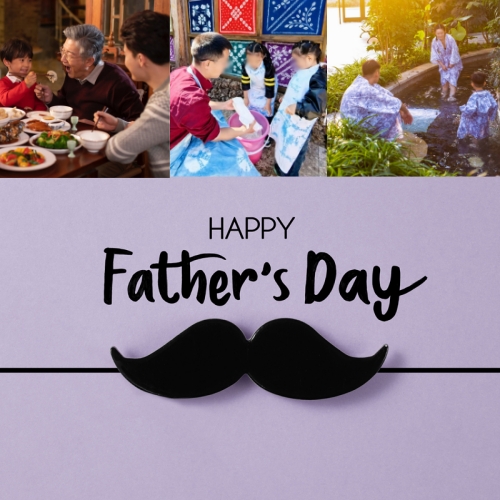
Father’s Day in China
Father’s Day in China is celebrated on the third Sunday of June — quietly acknowledged but truly felt throughout the country. It is not an official public holiday. Yet millions around the country take a beat to say thank you. In its origins in the Confucian doctrine of filial piety, the day touches upon an emotional depth that goes far beyond any calendar date.
What’s most stunning about father’s day in china as it is today is how a western idea took real root in eastern soil. It has grown the decades into something distinctively its own — family reunions, hand-crafted gifts, short trips, and loving weibo posts. What’s the tradition? Come learn with us. 🎉
Chinese Wisdom on "Mountain-Like" Fatherhood
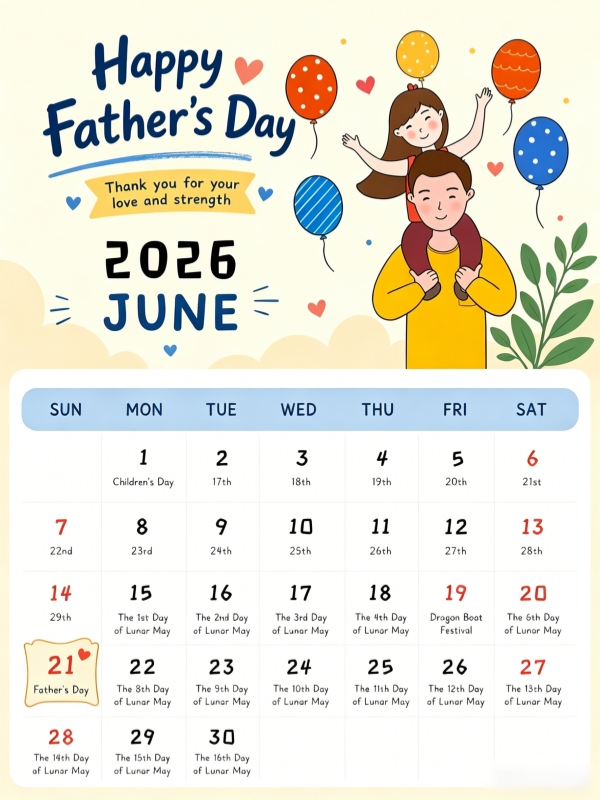
Date of Father’s Day in China:The Third Sunday of June
"Father's Love is Like a Mountain" in Chinese Culture
In Chinese,Father’s Day is literally called "父亲节" (Fùqīnjié). But the phrase goes far deeper than that: the whole celebration is framed by the saying "父爱如山" — a father’s love is like a mountain. In Chinese culture mountains represent steadiness, quiet shelter, and enduring strength, and so the emotional undertow of the day pulls inwards: loudness and showiness have no place here, but sincerity, restraint, and deep reverence do.
A Significant But Non-Public Family Observance
Father's Day in China is not an official day off — schools and offices remain open as usual. For instance, unlike China's Labor Day, it carries no government-sanctioned leave. Nevertheless, this changes nothing for the families who celebrate it. Among younger generations and urban households, it has become one of the most emotionally significant dates on the social calendar — a moment to gather, reach out, and say what so often goes unsaid.
Exact Father's Day Dates from 2026 to 2032 📅
Planning to celebrate from afar? Here is a quick reference for Father's Day across the next seven years. This family holiday sits in interesting cultural company; our guide to Children's Day in China shows how another non-public family observance has grown into something deeply cherished.
| Year | Father's Day Date | Lunar Calendar Date | Notes & Highlights |
|---|---|---|---|
| 2026 | June 21 (Sunday) | 5th Month, Day 7 | Coincides with the Summer Solstice (夏至) — the longest day of the year. Father's love, as long as daylight. |
| 2027 | June 20 (Sunday) | 5th Month, Day 16 | An earlier-than-usual celebration date. |
| 2028 | June 18 (Sunday) | Leap 4th Month, Day 26 | Coincides with the close of the "618" e-commerce festival — a peak moment for gift-giving. |
| 2029 | June 17 (Sunday) | 5th Month, Day 2 | A standard celebration date. |
| 2030 | June 16 (Sunday) | 5th Month, Day 16 | A standard celebration date. |
| 2031 | June 15 (Sunday) | 5th Month, Day 26 | A standard celebration date. |
| 2032 | June 20 (Sunday) | 5th Month, Day 13 | A later-than-usual celebration date. |
Dining Traditions for a Festive Chinese Family Table
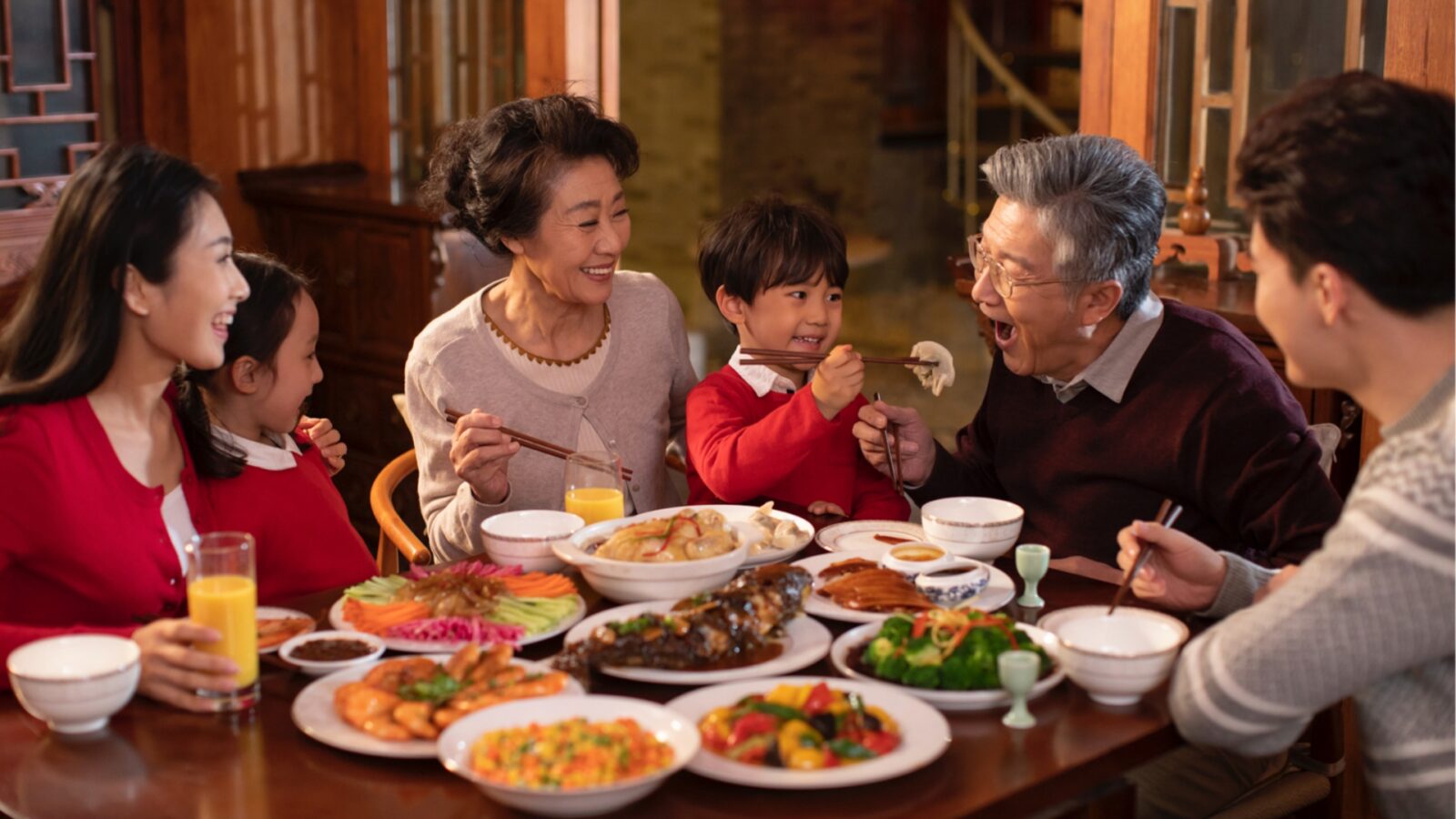
Family Reunion Dinner on Father's Day
🍽️ For a Chinese family, sitting down to eat together is the most powerful expression of love. Therefore, Father's Day naturally revolves around the table — and everything placed on it says what words sometimes cannot.
Cordyceps Sea Cucumber at Luxury Hotel Banquets
Upscale hotels in major cities across China are presenting buffets for Father’s Day that meld fine dining with Chinese health philosophy. At the Wanda Reign Hotel in Fushun, for example, a previous buffet included a dedicated course of slow-cooked sea cucumber with cordyceps flower — a cheeky nod to Chinese health food. Meanwhile, the Wanda Reign Hotel in Jinhua went all out with a “seafood and barbecue” spread that turned the meal into a feast. The takeaway? Make sure Dad gets the best.table.
Lucky Menus and Free Meals at Family Restaurants
Chinese family-style restaurants are a classic Father's Day destination. They often launch themed set menus with auspicious names and festive activities alongside. Wang Pin Group's "Xiang Ya" brand, for instance, once ran a dine-and-win campaign where one lucky table walked away with the entire bill waived. However, the real prize was simpler: a shared meal with the person who has always shown up. Next time you book a table, look out for these seasonal specials — they turn an ordinary dinner into a story.
Coffee Capsule Art Projects at Western Eateries 🎨
Western restaurants take a different approach — they create interactive memories. The restaurant at Beijing Guangcai JW Marriott Hotel once hosted a "Brewing Father's Love" dinner, inviting children to design artwork using coffee capsules as a take-home gift for their fathers. Therefore, the meal became a shared creative project. Next time the question is "what to plan for Dad," consider a dinner where the experience itself outshines anything on the menu.
❤️ Deepening Bonds: To understand the generational values that shape these festive celebrations, explore our broader look at Family Culture In China Through Everyday Family Life, Travel, And Traditions.
Chinese Gifts and Crafts for Dear Dad
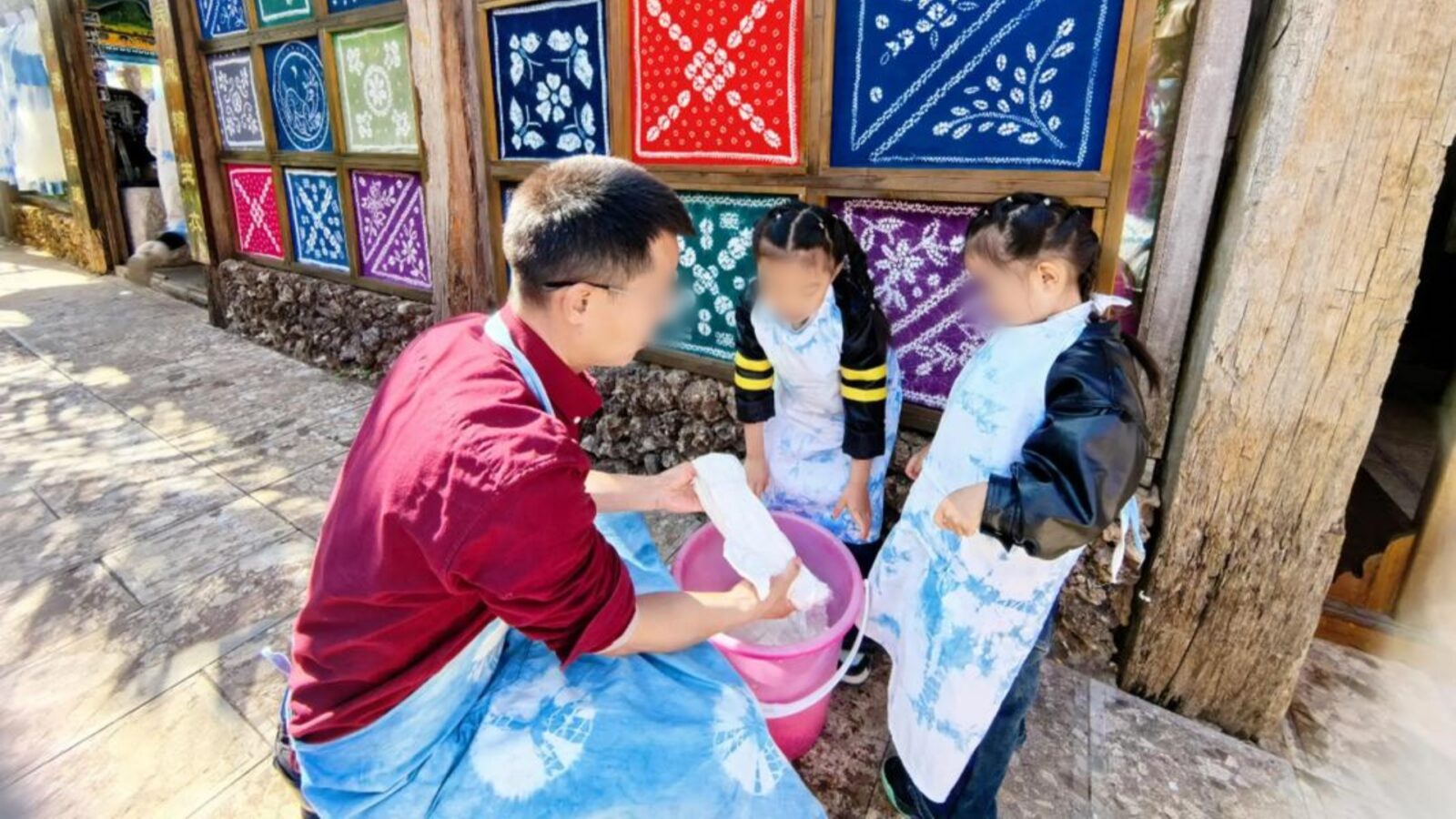
Handmade Tie-Dye Art for Father's Day Gifts
🧵 A quiet but growing movement has taken shape across China. Instead of store-bought presents, families are choosing to make something together. However, it goes further — these workshops often draw on China's intangible cultural heritage, weaving living tradition into every gift. Confucian thought has long placed the family at the heart of social life; for a broader view of how this shapes Chinese festivals, explore our piece on Confucianism and Chinese festivals.
Weaving Bamboo Cooling Fans as a Father-Child Ritual
Community programs in Ningbo, Zhejiang, have brought fathers and families together for one big bamboo-weaving session (on Father’s Day). Under the guidance of a craftsperson, groups of dads and their kids weave bamboo strips into a traditional cooling fan—functional, handmade, and personal. Some go further to build “竹节人 (Bamboo joint man)” for a knock-down duel between parent and child post-weaving. The result is more than just a gift: it’s a laugh and memory that no shop could ever sell.
Indigo Tie-Dye Shirts and Handmade Moxa Hammers
In Gaotang, Shandong, neighborhood communities have organized "Indigo Blue, Father's Love" sessions where children and parents transform a plain T-shirt into a wearable work of art using traditional tie-dye and hand-painting techniques. Meanwhile, in Shitai, Anhui, villages guide children in crafting traditional moxa health hammers from scratch — a wellness-oriented gift with deep local roots. However, both activities share one core value: the gift means far more because you made it yourself.
Crafting Miniature Bronze Vessels at Local Museums 🏛️
Cultural institutions have also joined the celebration. The Huizhou Museum in Tunxi, Huangshan once held a "Father's Love is Like a Cauldron" event, inviting families to craft miniature bronze ding (ritual vessels). However, the real takeaway was not the object — it was the hour spent making it, side by side. Similarly, the Foshan Cultural Centre offered a pipa-making workshop, where the soft notes of a jointly assembled instrument became the afternoon's lasting memory.
Father's Day Getaways Across China
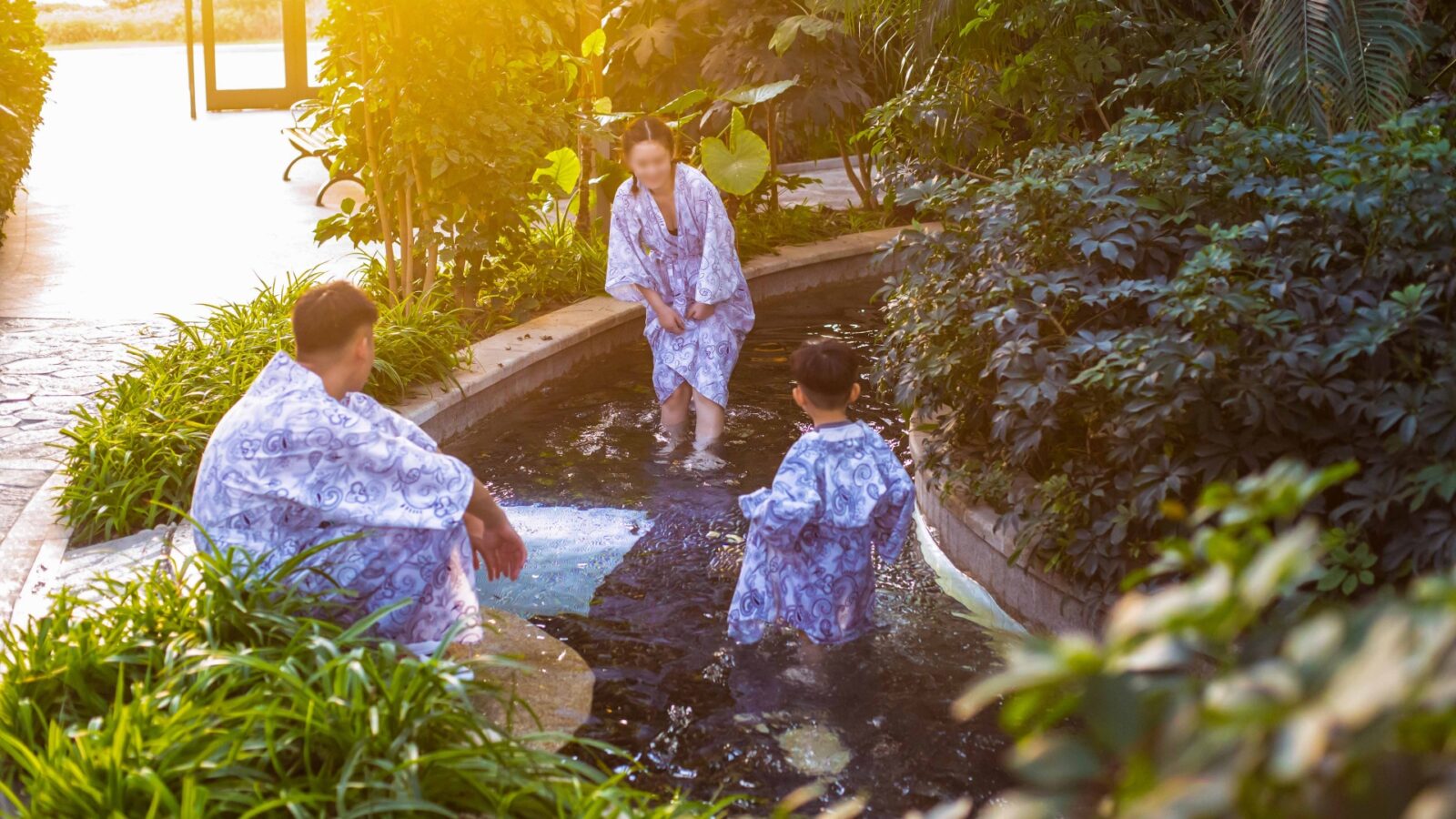
Relaxing Family Getaway at a Hot Spring Resort
🧳 Sometimes, the best gift has no wrapping. More and more Chinese families are choosing to mark Father's Day with a trip — even a brief one. However, the key is not the distance traveled. It is the decision to step away from routine together.
Sun, Ocean Views, and Sanya Beach Resorts
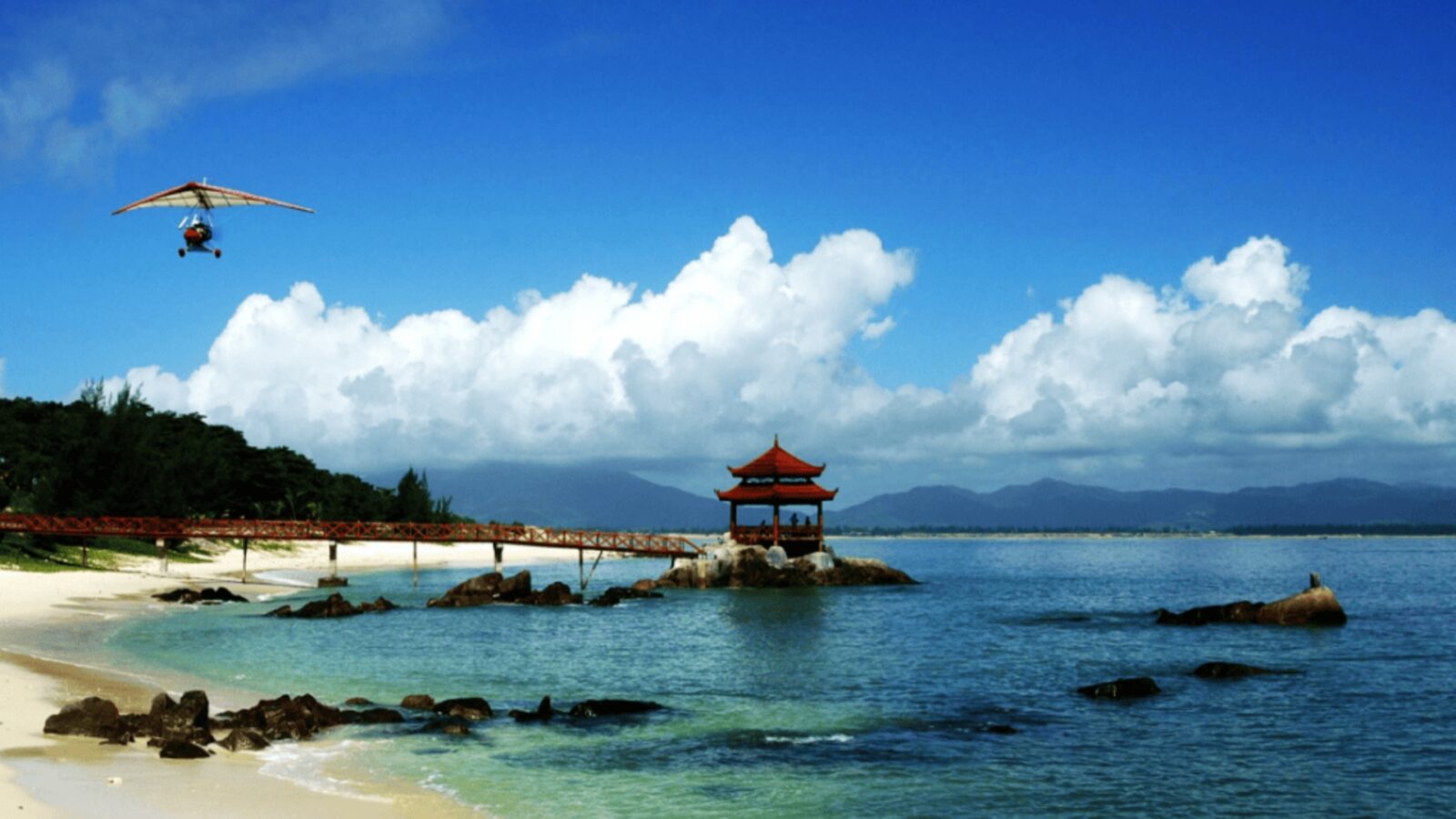
Travel companies have spiced up Father’s Day with themed promos in the run up to the holiday, including a package from Sanya Gloria Resort & Spa that included accommodation, breakfast, a family fun activity, and theme park tickets. Your dad might just take a halibut in making “the ultimate getaway” a family affair. The next time you hear, “What are we doing for Dad?” you can swap the gift bag for a memory at the ocean’s edge.
Restorative Mineral Soaks at Yunnan Hot Springs
In Banglazhan Hot Springs, Yunnan, Father's Day spa packages draw families looking for something genuinely restorative. Soaking in natural mineral springs is a quietly powerful statement. However, it requires no explanation — the warmth does the talking. For a father who rarely slows down, an afternoon spent doing nothing in the best possible way may be the most honest gift of all.
Crayfishing and Overnight Stargazing at Wetland Parks 🌿
Xianhe Lake Wetland Park in Hubei once curated a rich Father's Day program: crayfish fishing, eco-bottle crafting, red-crowned crane watching, and overnight stargazing. In nature, the parent-child dynamic shifts. Conversations flow more freely. Laughter comes without prompting. It is, perhaps, the most honest version of Father's Day — no restaurant reservation, no gift receipt required.
Trending Chinese Media Tributes to Dads
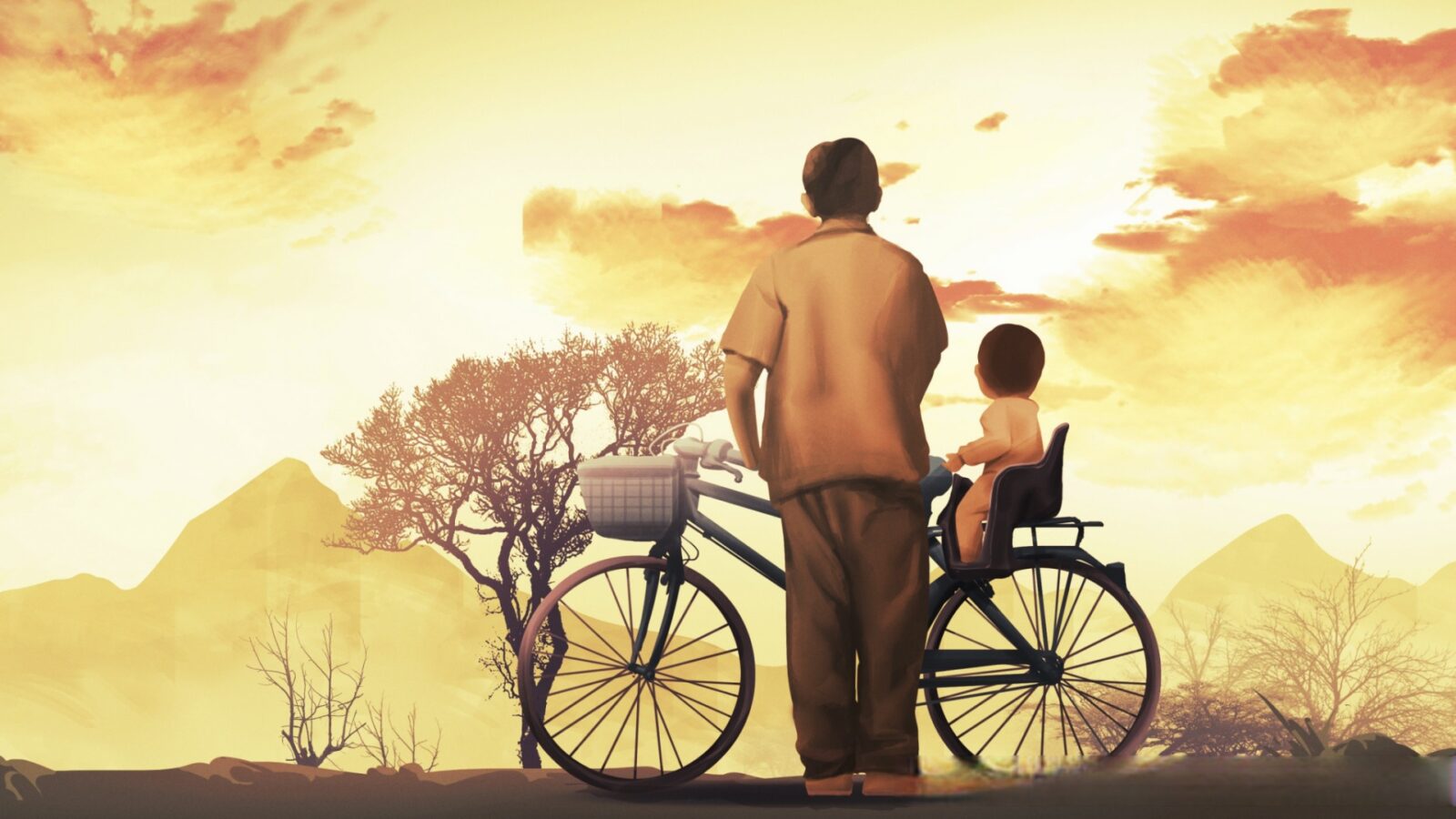
Father and Child at Sunset
📱 China's digital platforms have transformed the way people express emotion — and Father's Day is no exception. On Weibo and Douyin, the day becomes a nationwide conversation. Millions participate, each in their own way.
Side-by-Side Photos and Trending Weibo Hashtags
Every year, social platforms ignite with Father's Day campaigns. Weibo's #一起表白爸# ("Let's Confess to Dad") invites users to post side-by-side comparison photos with their fathers, alongside personal stories. Meanwhile, the liquor brand Huangou launched a Douyin challenge called "Baa-Pride Dad Show," where humorous videos captured father-child dynamics at their most endearing. However, beneath the humor, the feeling is always the same — gratitude, delivered through a smartphone screen.
Emotional Brand Films Highlighting Quiet Fatherly Love 💛
Chinese brands know that Father's Day is a day of storytelling, not selling. That's how Sishijiufang's short film "Nothing Missing" touched millions — its relatively understated story of a son bringing a stream of gifts to his father, who insists with quiet pride that he needs nothing, resonated with something familiar to all of us: the quiet standoff between love and pride that plays out in many of our families. ”I recognized it as a scene that played out many times in my living room,” is another line from the comment section.
Crowdsourced Practical Gift Advice from Internet Users
"What do I buy my dad?" remains the internet's most reliably relatable annual question. Social platforms become crowdsourced problem-solving spaces: next, someone suggests walking your father to a shop and quietly convincing him to try on new shoes. Others recommend upgrading his phone through an e-commerce trade-in service without making a fuss about it. However, what all these ideas share is the same spirit — the thought behind the act is what counts, not the price tag attached to it.
Chinese Customs for Celebrating Paternal Bonds
🗺️ Across the Chinese-speaking world, Father's Day carries the same emotional core — gratitude, family, and the quiet weight of filial love. Yet the date on the calendar and the way the day unfolds can differ considerably from one region to the next. For anyone with family ties that cross regional borders, or simply a curiosity about how the holiday takes shape beyond the mainland, this comparison offers a revealing window.
Afternoon Family Gatherings in Hong Kong and Macau
Both Hong Kong and Macau adopt the practice of celebrating Father’s Day on the third Sunday of June, that is, the same date as in Mainland China. However, the local flavour of the observance has its own texture. The practice of booking a restaurant as a family has special significance in Hong Kong — a customary part of the social life of the city which takes on special meaning on this occasion. Department stores promote gifts of clothing, electronics and health products, and family members gather in the afternoon in lieu of large evening banquets — thus demonstrating the marriage of the Western-influenced holiday observance with indigenous Chinese values.
Taiwan's Fixed August 8th "Baba Jie" Tradition
Taiwan takes a different path entirely. Rather than following the floating third Sunday of June, Taiwan celebrates Father's Day on a fixed date: August 8th every year. The reason is a genuinely charming linguistic coincidence: in Mandarin, "八八" (bā bā) — meaning "eight-eight" — is a near-homophone of "爸爸" (bàba), the everyday word for "Dad." August 8th therefore becomes the day that literally sounds like "Dad." The holiday is known interchangeably as Baba Jie (爸爸節) — Dad's Day — and Bābā Jié (八八節), the Day of Eights. However it is named, the playful wordplay gives the date an immediacy and warmth that makes it instantly unforgettable — a holiday built into the language itself.
The WWII Historical Roots of Taiwan's August 8th 🏛️
The date was formally designated by the Republic of China (中華民國) government, with historical roots tracing to the World War II era. It was established to honor fathers — including those who made sacrifices during the war — with the "bā bā" homophone providing a natural and emotionally resonant anchor for the occasion. Therefore, what began as a commemoration rooted in wartime sacrifice has endured across decades of social change to become a cornerstone of Taiwanese family culture. Today, it stands as a source of national cultural identity that is distinctly Taiwanese — a holiday shaped by history, language, and love in equal measure.
Mandarin Terms of Endearment for Dads
🗣️ Whether you want to send a warm message to a Chinese friend's father, greet a family in their home, or simply understand what people are writing on Weibo and WeChat on this day — these phrases open a genuine window into how Chinese families express love and respect. A few well-chosen words, offered with sincerity, always travel further than any gift.
Essential Mandarin Phrases for Expressing Filial Gratitude
From the universally appropriate greeting to the phrase that quietly moves Chinese fathers more than any other, here are the expressions most commonly heard and shared on Father's Day across the Chinese-speaking world.
| Chinese | Pinyin | Meaning & When to Use It |
|---|---|---|
| 父亲节快乐 | Fùqīn Jié kuàilè | Happy Father's Day — the standard, universally appropriate greeting |
| 爸爸,我爱你 | Bàba, wǒ ài nǐ | Dad, I love you — warm and personal; a phrase many Chinese adults find hard to say aloud, making it all the more meaningful when spoken |
| 爸爸节日快乐 | Bàba jiérì kuàilè | Dad, happy holiday — casual and affectionate; commonly used by children |
| 谢谢您的养育之恩 | Xièxiè nín de yǎngyù zhī ēn | Thank you for raising me — deeply respectful; the formal register of filial gratitude |
| 爸爸辛苦了 | Bàba xīnkǔ le | Dad, you've worked so hard — acknowledges a lifetime of sacrifice and effort; often the phrase that moves Chinese fathers most |
Regional Names Chinese Children Call Their Fathers
The words a child uses to address their father reveal a great deal about the emotional register of the relationship. In Mandarin, several terms exist — each carrying its own tone and context. 爸爸 (bàba) is by far the most common, the everyday equivalent of "Dad" or "Daddy," used warmly by children of all ages. 父亲 (fùqīn) is the formal term — reserved for writing, speeches, or any context requiring respectful distance. In northern China, 爹 (diē) functions as a regional equivalent of "Pa" or "Pop," carrying a rustic, familiar warmth all its own. However, perhaps the most affectionate term of all is 老爸 (lǎo bà) — literally "old dad" — the slang of grown children that manages to be simultaneously teasing and deeply tender. Therefore, to know these words is to understand something genuine about the way Chinese families hold their closest relationships.
2026 Summer Solstice & Father's Day in China
🌞 In 2026, Father's Day and the summer solstice fall on the same date — June 21st. This is rare. It is also, in the most understated way, beautiful.
When the 2026 Summer Solstice Meets Filial Love
The summer solstice (夏至, Xiàzhì) is one of China's 24 solar terms. It marks the moment when the Northern Hemisphere experiences its longest day and shortest night — the peak of yang energy in traditional cosmology. China's seasonal solar terms are deeply embedded in cultural life. Our article on the Lixia Festival — the Start of Summer — traces exactly how this ancient calendar of nature has shaped Chinese tradition across the generations.
Hand-Pulled Wheat Noodles for the Solstice Table 🍜
The Chinese saying goes: “Dumplings for Winter Solstice, Noodles for Summer Solstice.” To honor the new harvest of wheat—and bestow the wish for longevity. So in 2026, a bowl of noodles should grace any table on Father’s Day — with all the meaning it brings, none for you to explain. The next time you plan a meal, remember: nothing lasts like the simplest of histories.
"Sun-Like" Fathers and the Year's Longest Daylight ☀️
In nameless traditional Chinese sayings, fathers are ‘如山’ (like a mountain) and ‘如日’ (like the sun) - steadfast as a rock and shining like a sun. 2026 gives this metaphor an interesting new twist. Celebrating fatherhood on the day where sunlight sticks around the longest hardly seems like accident, but rather a kind of honest poetry. Like the summer sun, father’s love is long, warm and sustaining in the background without ever having to say so. This year means something that doesn’t come around that often.
FAQs: Common Questions About Father's Day Customs
Q: When is Father's Day in China celebrated?
Father's Day in China falls on the third Sunday of June each year. In 2026, that date is June 21st. However, this was not always the case. Historically, mainland China observed father's day in china on August 8th, because "bā bā" (八八) sounds like the Chinese word for "dad." Today, the June date is the widely recognized observance, particularly in urban areas and among younger generations who actively mark the occasion.
Q: Is Father's Day a public holiday in China?
Father's Day is not an official public holiday in China. Schools and workplaces remain open on this day. Nevertheless, father's day in china has grown considerably in cultural significance over the past decade. Social media trends, commercial promotions, and the growing emphasis on family well-being among younger generations have all contributed to raising its profile as a meaningful and widely observed emotional occasion.
Q: How do Chinese people typically celebrate Father's Day?
The most common way to mark father's day in china is a shared family meal — at a restaurant or at home. However, celebrations extend well beyond the table. Families give practical gifts, plan experience-based presents like spa visits or short trips, or participate in traditional craft workshops together. Social media tributes on Weibo and Douyin have also become a defining feature of how the day is observed nationwide.
Q: What gifts are popular for Father's Day in China?
Practical gifts remain the most common choice for father's day in china: clothing, accessories, health products, and upgraded electronics top the list. However, experience gifts have grown steadily in popularity — spa packages, resort stays, or family outings that create memories rather than clutter. Handmade items from cultural craft workshops have also gained ground, offering something no store can replicate. Therefore, the overall trend leans toward meaning over price tag.
Q: How does Father's Day in China differ from the West?
Father's day in china tends to be emotionally quieter and more family-centered than its Western counterparts. The influence of Confucian filial piety gives the day a tone of sincere, restrained respect rather than grand public gestures. However, social media has opened space for more expressive and even humorous tributes. At its core, though, a Chinese Father's Day still revolves around the family table — being present and together is the entire point.