Chinese Labor Day(Intertional Workers' Day)
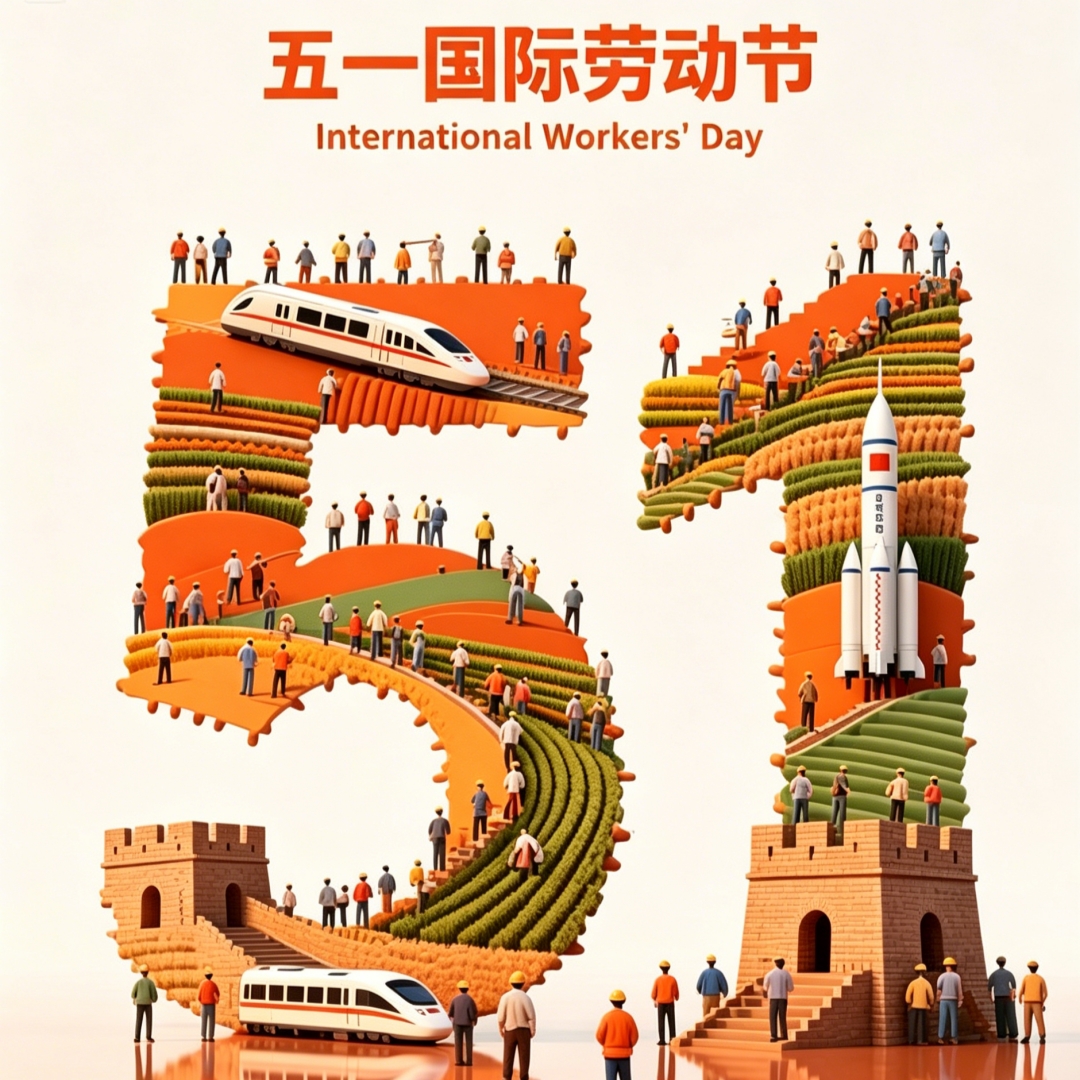
Officially called Chinese Labor Day (劳动节, Láodòng Jié), like most of the world’s countries, China celebrates on May 1. It’s far from the same as the U.S. Labor Day that falls on the first Monday of September. In China, May 1 is International Workers’ Day. Thanks to a clever method of scheduling, called tiaoxiu (调休, make-up work days), the sole public holiday transforms into a 3–5 day break. To travelers and expats, this holiday information is useful.
This guide covers the essentials: what the holiday means, the exact dates for 2026, what to expect on the ground, and how to plan around it. Whether you are booking a trip to China or managing a supply chain, the Chinese Labor Day holiday affects your schedule more than you might think.
History and Cultural Significance of May Day
From Workers' Rights Movement to National Holiday
Chinese Labor Day is the descendant of International Workers Day everywhere else in the world. The movement began in 19th century Europe and North America in the agitation for the eight-hour work day. But the spirit came to China in 1919. After the founding of the People's Republic of China in 1949, May 1 became a national holiday. Today it links China to other countries in the world in appreciation of workers' enormous social and economic contributions.
From Political Holiday to China's Modern Leisure Break
Over decades, Chinese Labor Day has changed character from an event of political significance commemorating labor movements to a modern, nationwide holiday of leisure that has as much to do with expeditions, shopping, and family time as it does with workers’ rights and makes for an interesting snapshot of contemporary Chinese lifestyle, consumer behaviour, and family values.
👷 Holiday Scale — Even as Labor Day evolves into a leisure week, Spring Festival remains the most important holiday in China for family reunion.
2026 Official Dates, Schedule and Make-Up Work Days
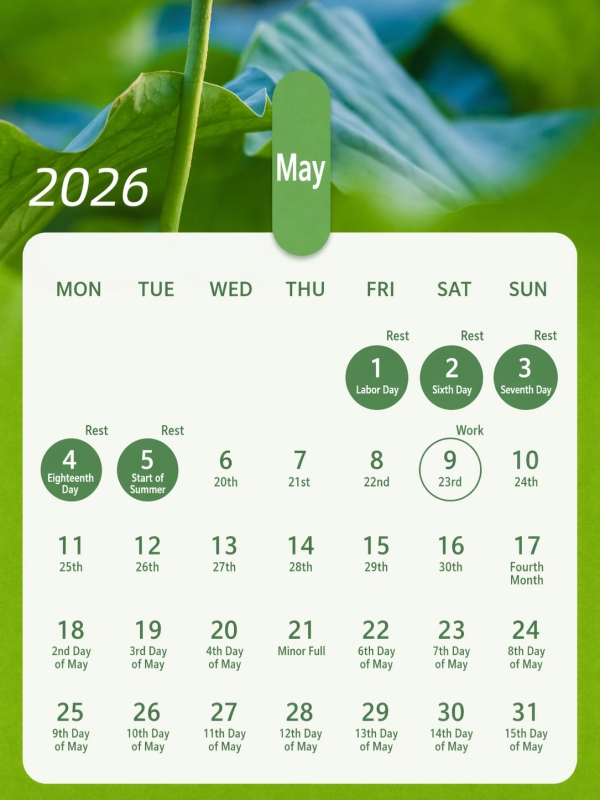
Chinese Labor Day Date:May 1st, 2026
Golden Week Origins and the 2008 Reform
Before 2008, China had a full-scale Labor Day on May 1; extending that into a “Golden Week” (黄金周, Huángjīn Zhōu) vacation. In 2008, legal holidays were reformed nationally to just one day, and to make up for this loss China uses tiaoxiu (调休)—literally, to transfer a day off to the next door weekend to make a straight 3–5-day break—as nearby Sundays may become working Sundays so that the rest can be like a Golden Week in practice.
Holiday Dates from 2019 to 2026
The State Council officially announces each year's schedule before the previous year ends. Therefore, always check the official announcement for the most accurate dates. Below is the confirmed schedule for recent and upcoming years:
| Year | Holiday Dates | Total Days | Make-Up Work Days |
|---|---|---|---|
| 2019 | May 1–4 | 4 | Apr 28, May 5 |
| 2020 | May 1–5 | 5 | Apr 26, May 9 |
| 2021 | May 1–5 | 5 | Apr 25, May 8 |
| 2022 | Apr 30 – May 4 | 5 | Apr 24, May 7 |
| 2023 | Apr 29 – May 3 | 5 | Apr 23, May 6 |
| 2024 | May 1–5 | 5 | Apr 28, May 11 |
| 2025 | May 1–5 | 5 | Apr 27 |
| 2026 | May 1–5 | 5 | May 9 |
- Note that make-up work days mean the weekend before or after the holiday becomes a regular workday. Plan accordingly.
- Always refer to the official State Council announcement released in late December of the prior year.
- For a deeper look at how the tiaoxiu system works, read China's Tiaoxiu (Make-Up Work Day) System Fully Explained.
- For a city-specific holiday planning guide, check out Shanghai Holidays 2026: Full Calendar & Travel Tips.
Business Hours and Closures on May Day
Civil service offices, banks, and so on will be closed, but major shopping malls, tourist area shops, and restaurants should be open, with many staying open late. For our international partners, the big issue here is logistics: freight forwarding offices and customs services either take the day off or run on light staffing, so plan for some delays in shipping and clearance around this holiday.
China Travel During the May Day Holiday
-


- Universal Resort in Beijing
-
- Heshun Ancient Town in Yunnan
The Scale of Travel During May Day
For Chinese Labor Day, hundreds of millions are travelling. Airports, high-speed rail stations, major tourist sites—everything becomes much more congested, but entirely manageable with good planning. The atmosphere then becomes lively—not just crowded, everywhere feels like a festival.
Booking Advice for Transportation and Accommodation
When to Book:
- General Rule: Book as early as possible.
- High-Speed Rail: Prioritize booking at least 2-3 months in advance, as tickets sell out fastest.
- Flights: Book 2-3 months in advance for best availability and fares.
- Hotels: Reserve your stay 2-3 months ahead in popular areas.
Booking Strategies by Travel Type:
- Long-Distance Travel
- Book high-speed rail tickets immediately upon release via official apps like 12306. Have backup options ready.
- Medium/Short-Distance Travel
- Book high-speed rail 2-3 months ahead. For road trips, plan routes and stops early.
- Short Getaways
- For self-driving, confirm parking/accommodation. Book short-distance trains over a month in advance.
Popular and Emerging City Recommendations (2026 May Day)
Top Popular Destinations (Plan and Book Early):
- Beijing: Music festivals, international sporting events, historical sites (Forbidden City, Great Wall), Universal Resort.
- Shanghai: Jazz festivals, art exhibitions, International Flower Festival, Disney Resort, The Bund.
- Chengdu: Panda Base, Western Sichuan routes, traditional streets (Kuanzhai Alley), Sichuan cuisine.
- Xi'an: Terracotta Army, Tang Dynasty-themed streets, ancient city wall cycling.
- Hangzhou/Suzhou: Lake views, ancient water towns, Song Dynasty culture, classical gardens.
- Guilin/Yangshuo: Li River cruise, bamboo rafting, West Street, live performances.
Recommended Emerging/Lesser-Crowded Destinations:
- Quanzhou, Fujian: UNESCO World Heritage port city. Experience cultural tourism season events, explore temples and local culture.
- Chaoshan Region, Guangdong: Food paradise with profound local culture. Enjoy local cuisine, visit ancient towns, experience tea culture.
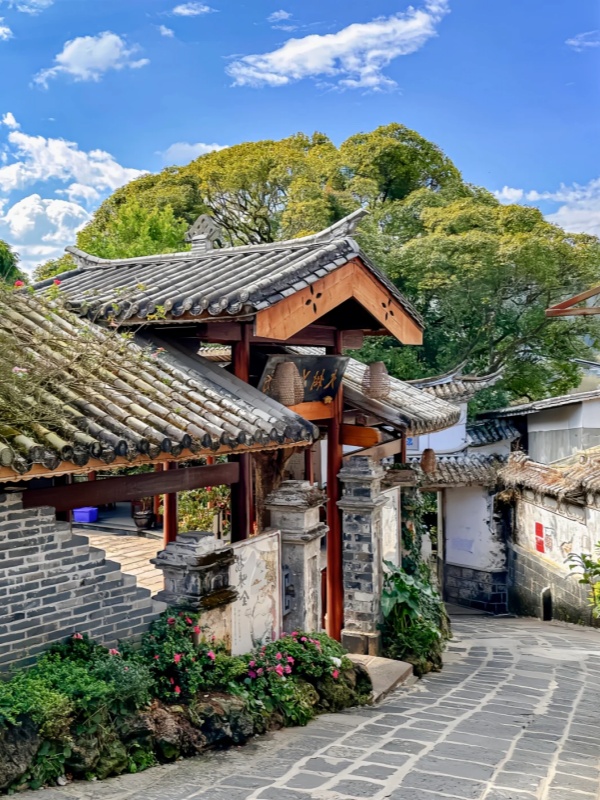
- Tengchong, Yunnan: Pleasant border town with hot springs, ancient towns, and historical sites. Relax in springs, explore Heshun Ancient Town.
🎏 Family Celebrations: As you wrap up your spring holiday planning, keep the familial momentum going into the next festive season by checking out our guide on Honoring Father’s Day in China with Warm Meals, Handmade Crafts, and Family Trips.
Business Impact and Supply Chain Planning Guide
Production and Logistics Disruptions to Expect
Global companies that buy from China should have a predictable closure to plan around for factories — Chinese Labor Day. However, the actual close down period for Chinese factories often extends beyond the holiday itself. Most close their factories for longer, especially if they’re in labour intensive businesses. And freight forwarding, customs customs clearance and logistics services all get delayed. How long a factory closed down for is different for each factory, industry, and region — so do ask.
A Practical Checklist for International Partners
Proactive planning prevents most disruptions. Follow these steps to stay ahead:
- Confirm your Chinese partners' holiday schedule at least 1–2 months in advance.
- Place orders and arrange shipments before the holiday window opens.
- Build a logistics buffer into your timeline to absorb customs and freight delays.
- Maintain extra inventory so that a short disruption does not cascade into a larger supply issue.
Key Chinese Labor Day Terms and Phrases
Key Terms in Chinese and English
These terms come up frequently when researching or discussing Chinese public holidays. Keep this list handy for travel planning or business communications:
| Chinese (Pinyin) | English |
|---|---|
| 劳动节 (Láodòng Jié) | Labor Day / May Day |
| 假期 (jiàqī) / 假日 (jiàrì) | Holiday / Vacation |
| 调休 (tiáoxiū) | Make-up work day |
| 黄金周 (Huángjīn Zhōu) | Golden Week |
| 打折 (dǎzhé) | Discount / On sale |
| 旅游 (lǚyóu) | Travel / Tourism |
| 春节 (Chūn Jié) | Spring Festival / Chinese New Year |
| 国庆节 (Guóqìng Jié) | National Day |
China's Other Major Public Holidays at a Glance
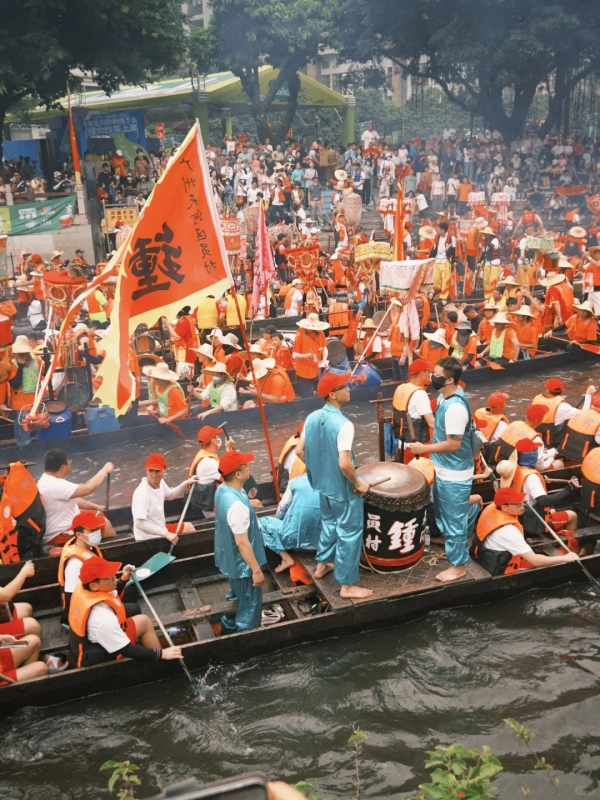
Dragon Boat Festival
Spring Festival and Its Impact on Business
Spring Festival is the most important holiday for families in China. The official holiday is around seven days long, and in practice many factories and workplaces shut down for two of four weeks. Thus, they’ll cause much greater supply chain disruption than Chinese Labor Day. If you have business planned around it, do your planning at least several months in advance.
Qingming, Dragon Boat and Mid-Autumn Festival
- Qingming Festival (清明节, Qīngmíng Jié): A 3-day holiday for ancestral remembrance and outdoor spring outings.
- Dragon Boat Festival (端午节, Duānwǔ Jié): Observed on the fifth day of the fifth lunar month, with a 3-day break. Dragon boat racing and eating sticky rice dumplings (粽子, zòngzi) are the defining traditions. Next after Chinese Labor Day in the holiday calendar comes the Dragon Boat Festival — for a deep dive into its traditional foods, read Dragon Boat Festival Food: A Complete Guide to Zongzi & Traditional Eats.
- Mid-Autumn Festival (中秋节, Zhōngqiū Jié): Falling on the 15th day of the eighth lunar month, this 3-day holiday centers on family reunion, moon-gazing, and eating mooncakes (月饼, yuèbǐng).
National Day and the October Golden Week
National Day Golden Week lasts for seven days and vies with Spring Festival for attention in travel and spending across the country. For international business partners, the supply chain planning mindset is the same as it is for Chinese Labor Day - albeit in larger scope. Mark your calendars!
Common Questions About Chinese Labor Day
Q: When Is Chinese Labor Day in 2026?
In 2026, Chinese Labor Day runs from May 1 to May 5 — a total of five consecutive days. However, a make-up work day applies: May 9 is a designated workday. Therefore, if you are traveling or coordinating with partners during this window, factor in that adjusted weekend schedule well in advance.
Q: Is Chinese Labor Day the Same as May Day?
Yes, Chinese Labor Day shares the same date as International Workers' Day — May 1 — observed in many countries worldwide. However, the Chinese version stands out because of its extended schedule. Through the tiaoxiu system, the single legal holiday becomes a 3–5 day break. Therefore, Chinese Labor Day has both a global character and a uniquely Chinese format.
Q: How Many Days Off Do Workers Actually Get?
The legal public holiday is technically just one day — May 1. However, China's tiaoxiu (调休) scheduling system borrows adjacent weekend days to create a continuous break. In recent years, this has consistently produced a five-day holiday. Therefore, most workers and businesses in China treat Chinese Labor Day as a full week-like rest period.
Q: Does the Golden Week Label Still Apply?
Golden Week (黄金周, Huángjīn Zhōu) originally referred to the seven-day Labor Day holiday that existed before 2008. However, a national reform that year shortened it significantly. Today, the break is five days rather than seven. Nevertheless, the term still resonates — the travel surge and consumer spending during Chinese Labor Day still carry that "Golden Week" intensity.
Q: What Is a Make-Up Work Day and How Does It Work?
A make-up work day (调休, tiáoxiū) is a weekend day that is reclassified as a regular workday to compensate for the extended holiday. For instance, the Sunday before or after Chinese Labor Day may become a required workday. Therefore, if you are traveling to China or scheduling meetings with Chinese partners, check the official calendar carefully to avoid unexpected scheduling conflicts.
Q: Are Chinese Factories and Businesses Closed on May Day?
Government offices and banks close for the full Chinese Labor Day holiday period. Large retail stores and tourist-area businesses generally stay open. However, factories often shut down for longer than the official break — some for a week or more. Freight and customs services also experience delays. Therefore, international buyers should confirm closure schedules with suppliers directly and plan orders accordingly.
Q: How Crowded Is China During the Holiday?
Hundreds of millions of people travel across China during Chinese Labor Day, making it one of the busiest travel periods of the year. Major attractions, airports, and train stations are genuinely packed. However, that does not mean you should avoid it. Book flights and high-speed rail tickets 2–3 months ahead, choose less-visited destinations if possible, and embrace the festive atmosphere — it is a uniquely immersive experience.
Q: What Are the Best Things to Do During May Day?
Chinese Labor Day offers a wide range of options. Travelers can explore regional cultural festivals, such as ethnic minority celebrations in Yunnan or water town experiences in Jiangnan. Urban visitors can attend music festivals, art exhibitions, or traditional craft markets. For families, road trips, camping, and theme parks are popular. Furthermore, it is one of the best shopping periods of the year, with major discounts both online and in stores.
Q: How Should Businesses Prepare for Supply Chain Disruptions?
Start planning at least one to two months before Chinese Labor Day. First, confirm holiday closure dates directly with each Chinese supplier, as shutdown lengths vary by factory and industry. Next, place orders and arrange shipments before the holiday window. Build a logistics buffer into delivery timelines and maintain extra inventory. Therefore, a short disruption does not cascade into a serious supply issue for your business.
Q: How Does Labor Day Compare to National Day Golden Week?
Chinese Labor Day runs for five days in early May, while National Day Golden Week (国庆节, Guóqìng Jié) runs for seven days starting October 1. However, both create major travel surges and broad commercial and logistics disruptions. For international business partners, the supply chain planning approach is essentially the same. Therefore, treat both holidays as high-priority dates on your annual China operations calendar.