Family Culture in China
Family culture in China still feels much closer and more involved than many foreign visitors expect. You notice it pretty quickly in daily life. Grandparents pick children up from school, huge families share dinner around noisy round tables, and people travel in groups that include everyone from toddlers to elderly parents. Even in fast-moving cities like Shanghai or Chengdu, family routines stay highly visible. Some travelers find it warm, others find it intense, but it explains a lot about how people in China live, communicate, celebrate holidays, and make important decisions. If you’re curious about everyday behavior in China, see this guide on social etiquette in China.
Family Decisions And Daily Life
Family Decisions Usually Involve Parents And Relatives
Family Decisions Usually Involve Parents And Relatives
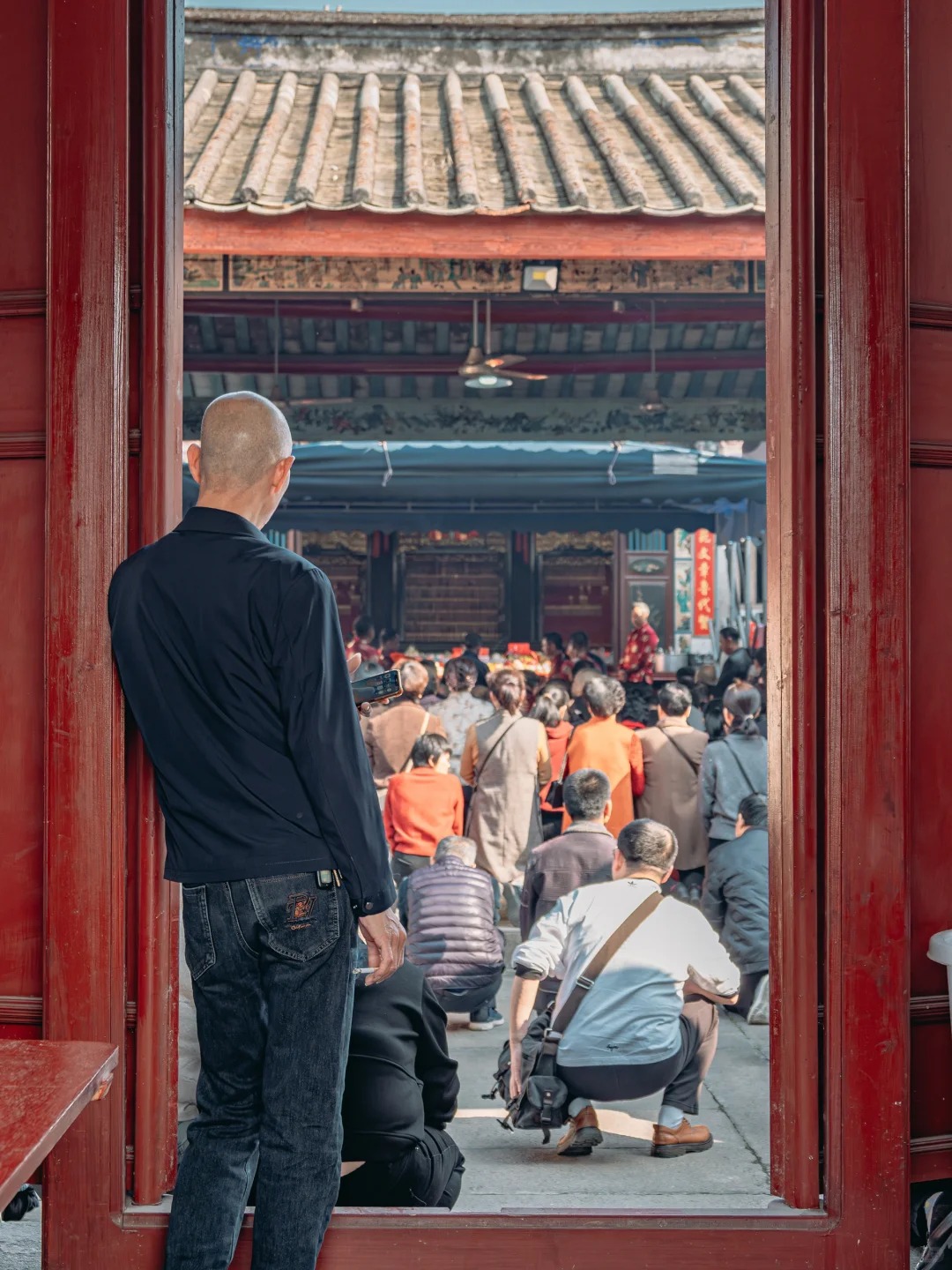
In many Chinese families, important decisions rarely stay completely personal. Work plans, apartment purchases, marriage timing, even which city to move to — all of these often become family discussions sooner or later. A lot of visitors expect modern Chinese cities to feel highly individualistic, but family involvement still runs deep.
You can notice this pretty easily in daily life.
- Housing: Parents often help compare apartments, calculate mortgage costs, or contribute part of the down payment. In cities like Hangzhou or Chengdu, it is pretty normal to see parents walking through property malls with adult children on weekends.
- Career Choices: Family opinions still matter when someone changes jobs. During one dinner in Shanghai, I overheard a long conversation about whether a government position was “more stable” than a startup salary. Nobody at the table seemed to find the discussion unusual.
- Marriage: Relationships also involve family expectations more than many foreigners expect. Questions about income, hometown, and long-term plans often appear early.
This does not always mean young people lack independence. A lot of Chinese adults simply grow up treating family consultation as normal. The mindset feels closer to “we solve problems together” rather than “everyone handles life alone.”
Grandparents Are Deeply Involved In Raising Children
Grandparents Are Deeply Involved In Raising Children
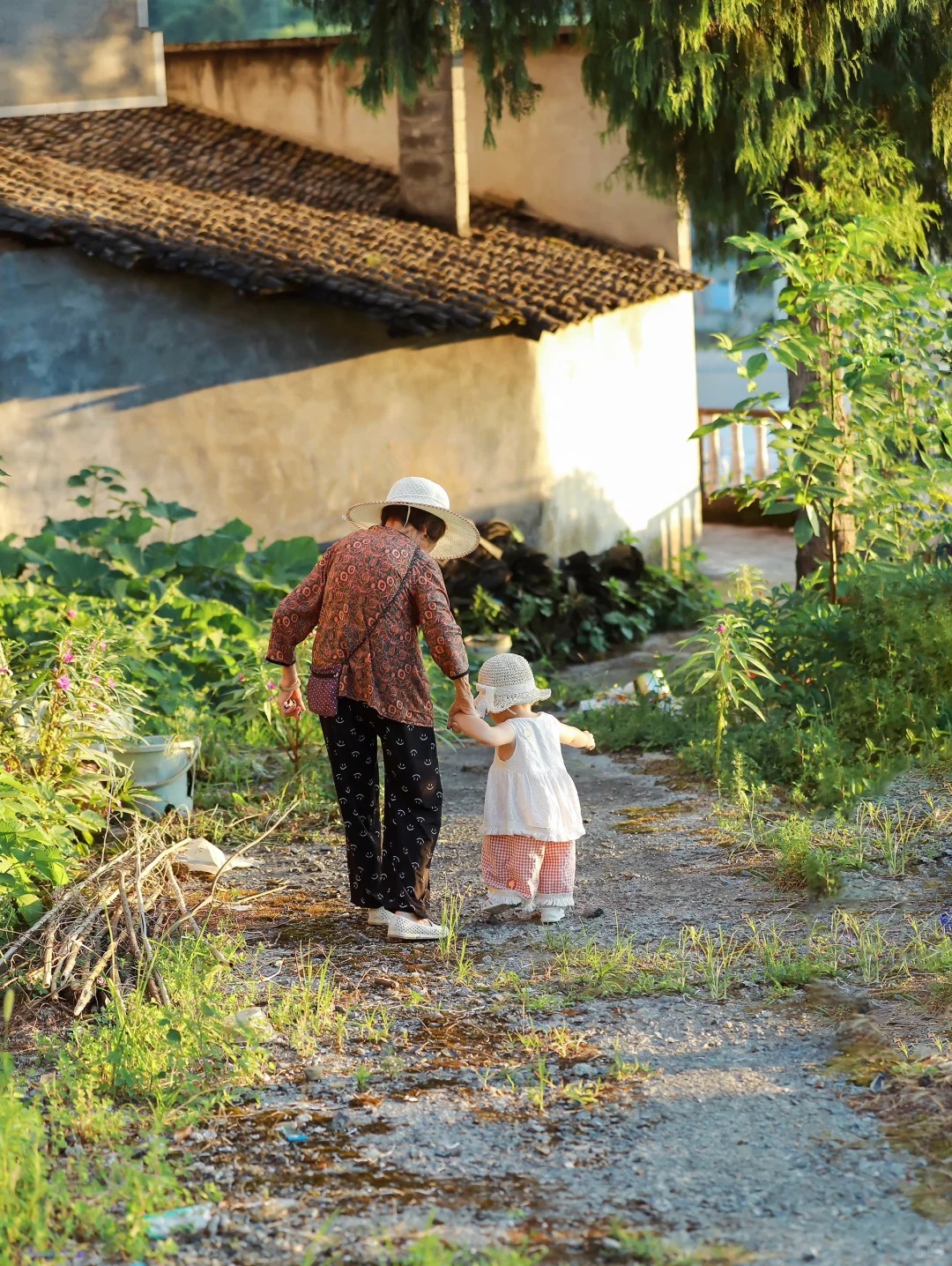
One thing that stands out quickly in family culture in China is how involved grandparents are in childcare. Around elementary schools in Beijing or Chongqing, the afternoon pickup crowds are filled with older people carrying tiny backpacks or water bottles for grandchildren.
A few patterns appear again and again:
- School Pickups: Grandparents often handle school pickups because parents work long office hours.
- Daily Care: In parks, older people commonly feed children, push strollers, or supervise homework outdoors.
- Shared Living: Multi-generational living still exists in many cities, especially after a baby is born.
The interesting part is how ordinary this looks locally. Nobody treats it like a special arrangement. It simply feels built into everyday life.
Foreign travelers usually notice small scenes first instead of big cultural ideas. An older man carefully peeling fruit for a child on the subway. A grandmother carrying spare jackets in a shopping mall because “the evening might get cold.” These quiet routines explain chinese family culture better than long historical explanations sometimes do.
Care Is Often Shown Through Everyday Actions
Chinese families do not always express affection directly. In fact, many people rarely say “I love you” aloud at home, especially to parents or grandparents. Care usually appears through practical actions instead.
Some examples come up constantly:
- Food: Parents cut fruit, bring snacks, or ask repeatedly whether someone has eaten yet.
- Health: Older relatives remind younger family members to wear more clothes or sleep earlier.
- Daily Routines: Cooking dinner without asking, buying medicine, or carrying bags often becomes the normal way of showing concern.
At first, some foreign visitors misunderstand this style of communication. The conversations can sound practical, even slightly blunt. But after spending more time around Chinese families, the pattern becomes easier to notice. A lot of emotional support is hidden inside small routines rather than dramatic words.
One traveler on TripAdvisor described a homestay experience in Guilin where the host’s mother quietly left hot pear soup outside the room because the guest had been coughing earlier that night. Nobody mentioned it again the next morning. Honestly, that kind of low-key care feels very typical in China.
🎨 Hands-On Traditions & Experiences: Explore traditional crafts, folk arts, calligraphic workshops, and family festivals in our complete guide to Chinese Culture Activities.
Things Travelers Notice About Chinese Families
Three Generations Traveling Together Is Extremely Common
Family Traveling Together
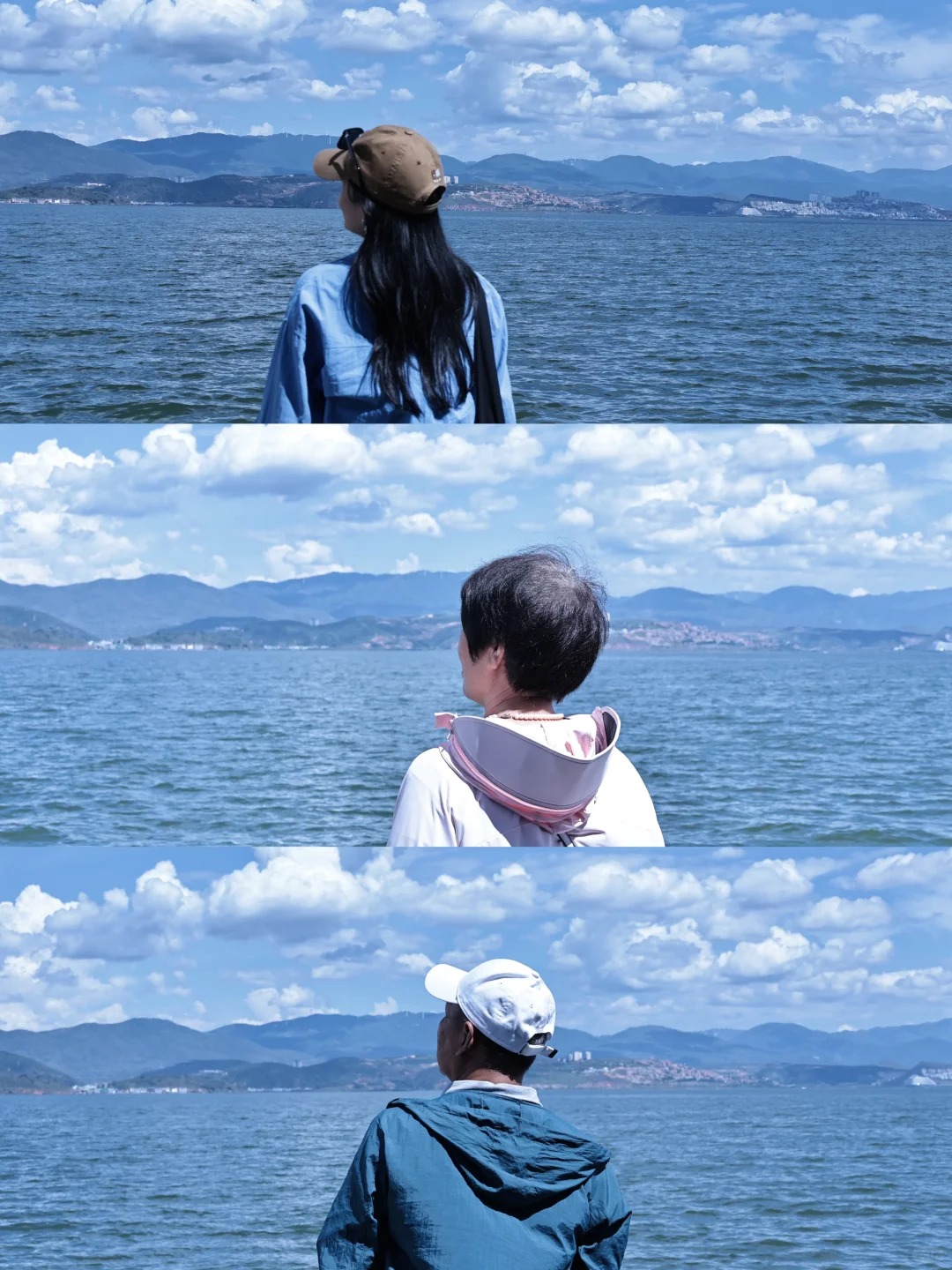
In many Chinese tourist areas, family travel rarely means just parents and children. It often includes grandparents too. Places like the Bund in Shanghai, West Lake in Hangzhou, or the Forbidden City in Beijing are full of large family groups moving slowly together, usually with one person organizing tickets while another watches the children.
A few details appear constantly:
- Group Travel: Three generations traveling together is extremely common, especially during school holidays and National Day week.
- Elder Care: Younger adults often help elderly parents walk stairs, carry bags, or find seats during long sightseeing days.
- Children Together: Grandparents frequently take care of younger children while parents handle transport or food orders.
Sometimes the practical side becomes very visible. I once saw a family near the Yellow Crane Tower in Wuhan pushing a wheelchair uphill while two grandparents argued about where to stop for lunch. Nobody looked stressed about it. It just felt normal.
Chinese family trips often focus more on spending time together than traveling efficiently. That feels different from the more independent travel style many Western visitors are used to seeing.
Family Dinners Are Loud, Busy, And Very Social
Family Dinners
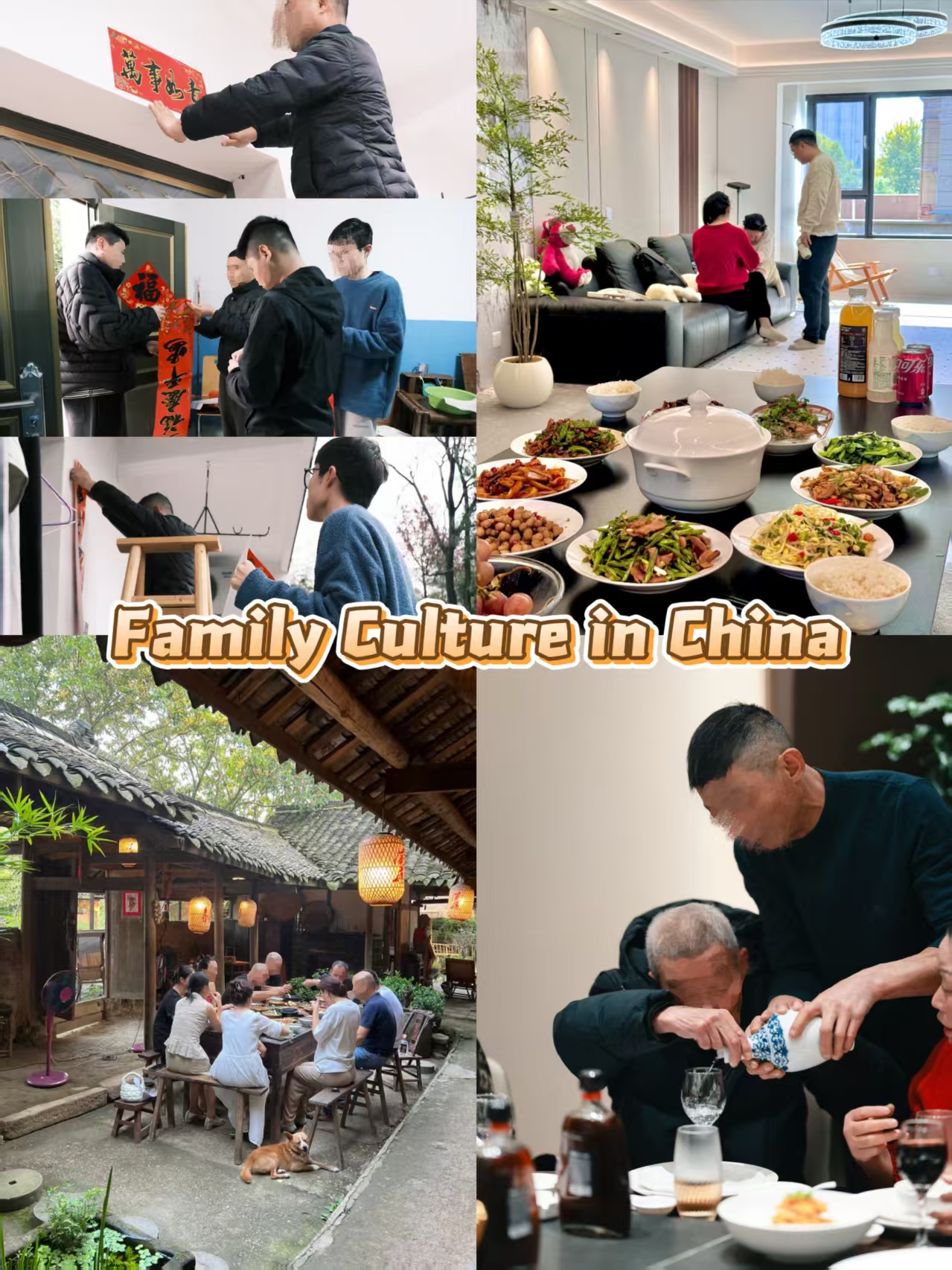
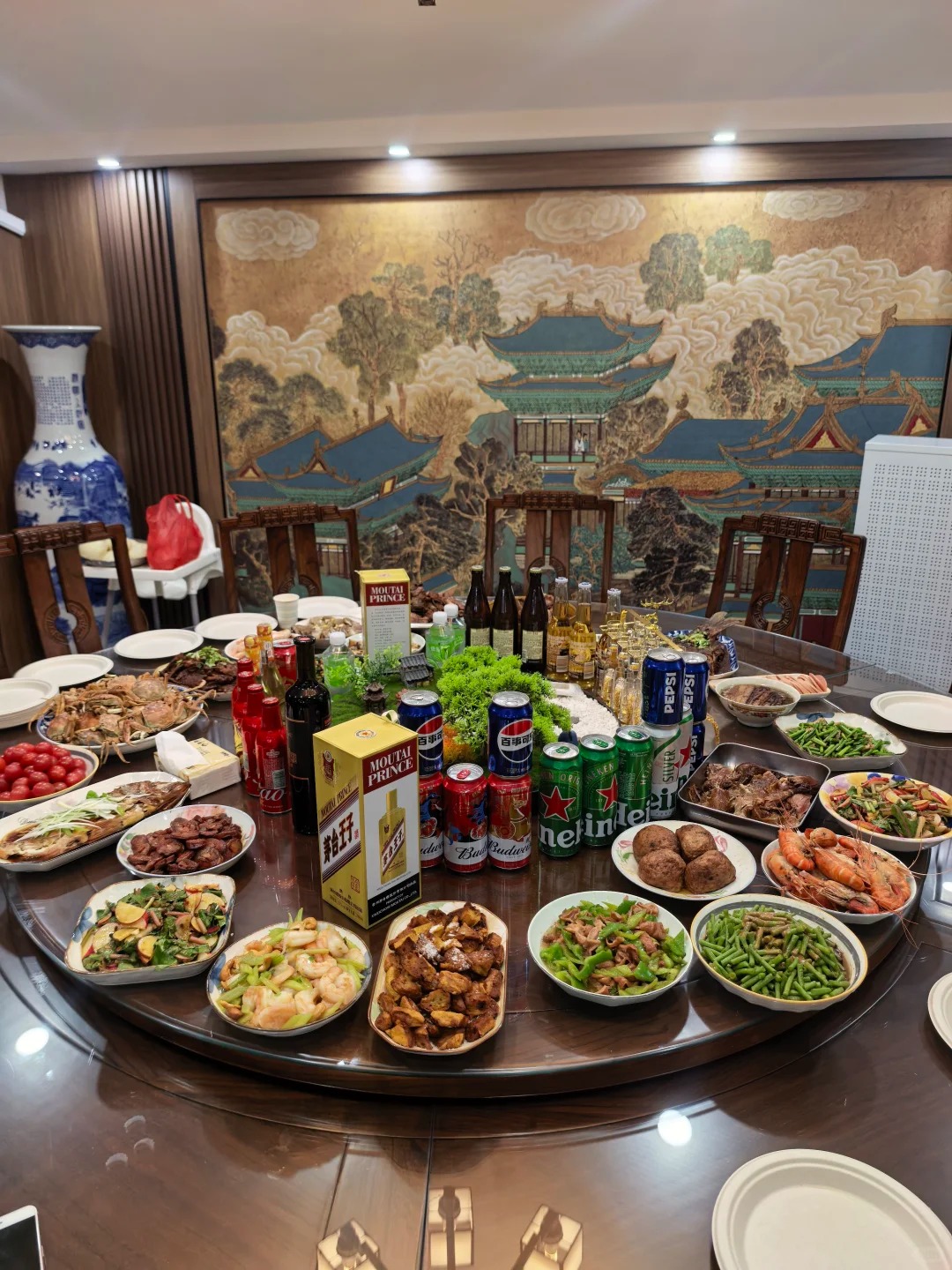
A family dinner in China can feel slightly overwhelming the first time, especially in busy restaurants. The tables are usually round, people talk over each other constantly, and food keeps arriving long after everyone already seems full.
Some patterns appear in many cities:
- Shared Dishes: Meals are usually ordered for the whole table instead of individually.
- Hot Pot Culture: Hot pot restaurants are especially family-oriented because everyone cooks and eats together for hours.
- Toasting: Older relatives may repeatedly invite people to drink or make small speeches during dinner.
- Serving Others: It is common for parents or grandparents to place food directly into younger family members’ bowls.
The atmosphere can feel noisy, but not unfriendly. In Chengdu, I remember a hot pot restaurant where one table had at least twelve relatives spanning three generations. Half the conversation happened at the same time. A grandfather kept adding beef slices into everybody’s bowls whether they wanted more food or not.
Chinese family dinners are often less about eating quickly and more about staying together for as long as possible.
Elderly Parents Stay Closely Connected To Family Life
In many parts of China, older parents remain highly involved in daily family routines instead of living separately after retirement. Visitors notice this surprisingly fast.
You see older people everywhere:
- Shopping: Elderly parents often shop together with adult children and grandchildren.
- Daily Activities: Public parks are filled with older people walking, dancing, playing cards, or supervising children.
- Family Outings: Many weekend outings still include grandparents, especially during holidays.
This creates a different atmosphere from some Western cities where retired parents often live much more independently. In China, older relatives usually stay visible inside family life rather than outside it.
One small detail stands out repeatedly: seating arrangements. On subway trains or in restaurants, families often organize themselves around elderly relatives first. Someone immediately saves the comfortable seat for grandparents before sitting down themselves. That quiet prioritizing of older family members says a lot about family culture in China without anybody directly explaining it.
Family Group Chats Never Really Stay Quiet
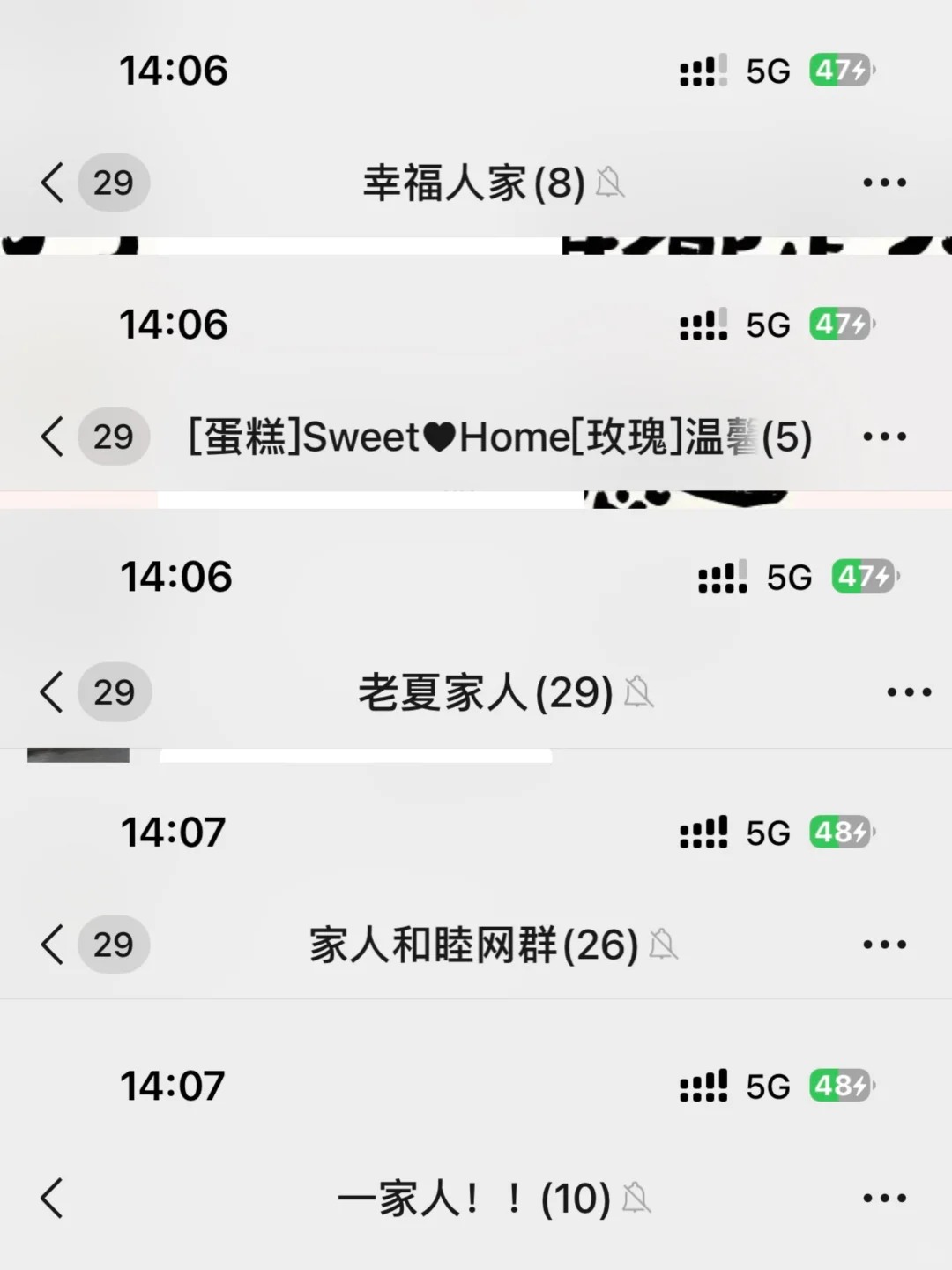
Family Group
WeChat family groups are probably one of the most modern parts of chinese family culture, and honestly, they never seem fully inactive.
A typical family group usually includes:
- Daily Updates: Photos of meals, children, pets, or weather.
- Forwarded Articles: Health advice, short videos, and motivational messages shared by older relatives.
- Holiday Greetings: Digital red envelopes during Spring Festival or Mid-Autumn Festival.
- Family Monitoring: Relatives casually checking where everybody is or whether they ate dinner.
A lot of younger Chinese people joke about muting family group chats, but very few actually leave them. The groups function almost like a constant low-level connection between relatives living in different cities.
One university student in Guangzhou told me her grandmother sends voice messages every single morning around 6:30 a.m. Nobody replies that early, but the messages still arrive every day. It feels slightly chaotic from the outside, yet it also explains why family connections in China often stay unusually active even across long distances.
Filial Piety And Respect For Elders
Respecting Parents Is Still Seen As A Responsibility
In family culture in China, “filial piety” is not just a historical idea. It still shows up in daily routines, even in modern cities where life feels fast and expensive. Most adults do not completely separate from their parents after moving out. Instead, contact stays frequent, and responsibilities often continue.
You can break it down into a few clear patterns:
- Daily Contact: Many adults call or message parents regularly, sometimes every day. Even a short “have you eaten?” message is common.
- Financial Support: In many families, grown children help support parents financially or contribute to household expenses when needed.
- Physical Visits: Returning home during weekends or holidays is still expected in many cases, especially in smaller cities.
- Long-Distance Care: Even when living in cities like Shenzhen or Shanghai, people still send money, gifts, or daily necessities back home.
- Modern Tools: Video calls and WeChat messages make constant connection easier. Some families even schedule weekly group video chats.
In many cases, independence does not mean separation. It means managing life while still staying responsible for family.
Spring Festival Puts Family Relationships At The Center
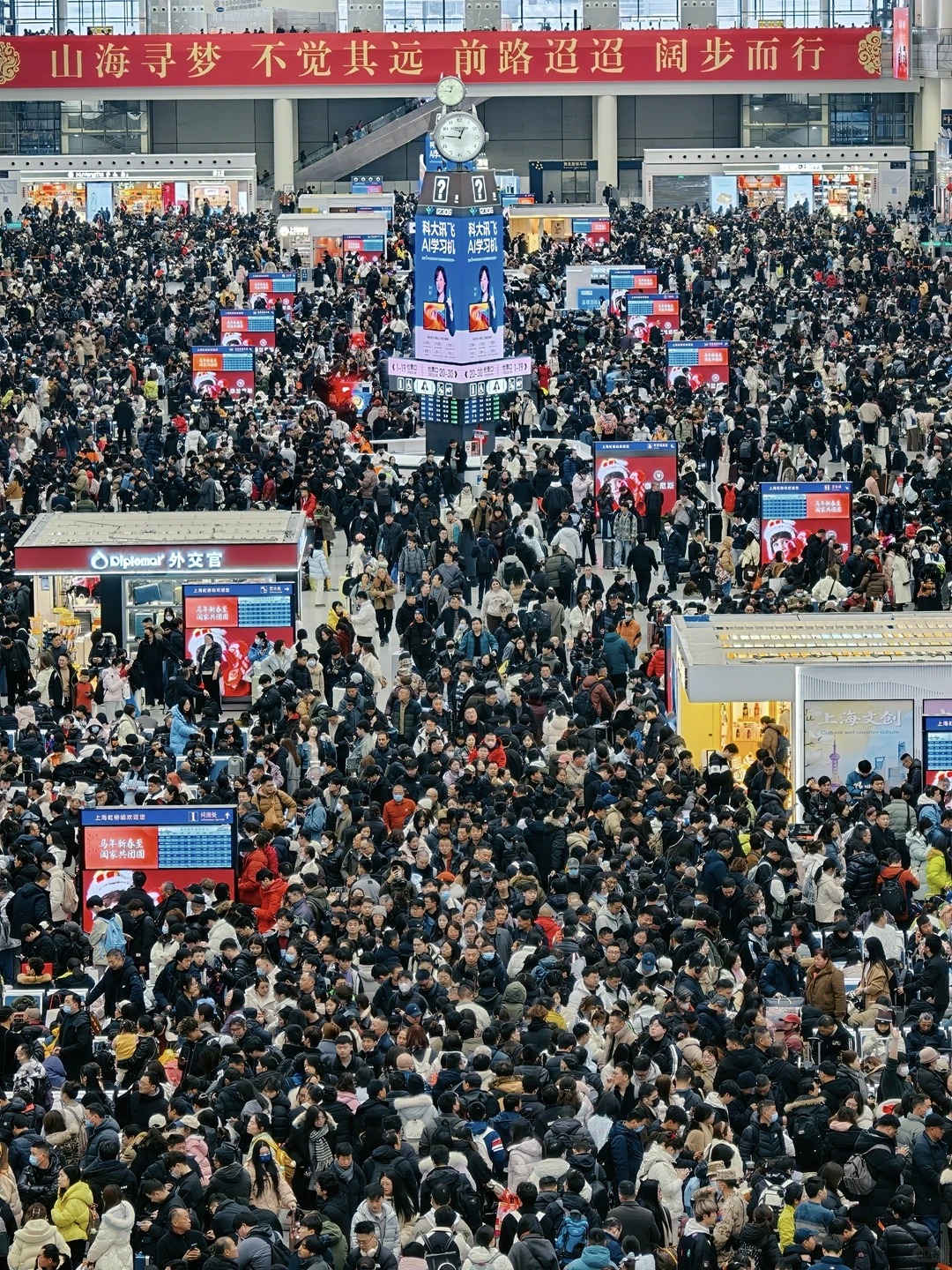
Spring Festival Puts Family Relationships At The Center
Spring Festival is the clearest moment where family culture in China becomes visible at national scale. It is not just a holiday; it is a coordinated return home. Trains, flights, and highways all move in the same direction at the same time.
A few real-world patterns stand out:
- Travel Pressure: The “Spring Festival travel rush” (春运) turns transport hubs into extremely crowded spaces. Tickets often sell out quickly, especially for long-distance routes.
- Return Home Expectation: Many people feel they must go back home, even if it means long journeys or expensive tickets.
- Luggage Style: Travelers often carry large suitcases plus gift boxes, especially food, alcohol, or packaged goods for relatives.
- Family Dinner Focus: The most important moment is the reunion dinner on New Year’s Eve, not travel or sightseeing.
At stations like Guangzhou South or Beijing West, you can see this clearly. People sit on the floor waiting for trains, holding bags of gifts and food. Some fall asleep directly on luggage because journeys can last many hours. There is noise everywhere, but it still feels organized in a strange way.
One detail often mentioned by travelers: almost nobody treats the journey as optional. It feels like a social obligation, not a choice. That is where the emotional weight of family culture becomes very visible.
Younger Generations Want More Independence Now
Family culture in China is not static. Younger generations are slowly reshaping it, especially in big cities where living costs are high and job pressure is strong. The relationship between parents and children is still close, but the balance is changing.
You can see this shift in several ways:
- Late Marriage Trend: Many young people marry later than previous generations, especially in cities like Beijing, Shanghai, and Hangzhou.
- Independent Living: More people live alone or away from parents for work, even if they still return home regularly.
- Career Autonomy: Job choices are increasingly personal, especially in creative industries or tech startups.
- Family Negotiation: Instead of full agreement, decisions are more often discussed and negotiated rather than directly accepted.
- Generational Tension: Topics like marriage, housing, or childbirth can still create pressure during family conversations.
At the same time, complete independence is still rare. Many young adults still rely on parents for major financial support, especially when buying property. This creates a mixed situation where both independence and dependence exist at the same time.
The reality is not a clean shift from tradition to modernity, but a constant adjustment between the two.
In cities like Chengdu or Shenzhen, this contrast is especially clear. A young professional might live alone during the week, order food delivery at night, and still return home every weekend because parents expect it. That balance is unstable, but it reflects how family culture in China continues to evolve rather than disappear.
Spring Festival And Family Reunions
Returning Home Matters More Than Tourism During The Holiday
During Spring Festival in China, travel is rarely about sightseeing. It is almost always about getting home. Cities empty out, while trains and highways move in the opposite direction. The entire country seems to align around one idea: going back to family.
This pattern shows up in a few very consistent ways:
- Priority Shift: Work and travel plans are often adjusted weeks in advance just to secure a ticket home.
- Annual Reunion: For many people, Spring Festival is the only time in the year when the whole family gathers in one place.
- Transport Demand: Train tickets during this period are extremely competitive, especially for long-distance routes between major cities and smaller hometowns.
- Emotional Expectation: Even people working abroad or in distant cities often feel strong pressure to return home.
In conversations with travelers, this part often stands out more than the festival itself. One backpacker I met in Xi’an mentioned that he couldn’t book a train ticket for three days, not because of price, but because everything was already sold out. At stations like Guangzhou South or Shanghai Hongqiao, the atmosphere becomes less about movement and more about return.
For many people, Spring Festival travel is not a choice of convenience, but a fixed annual obligation.
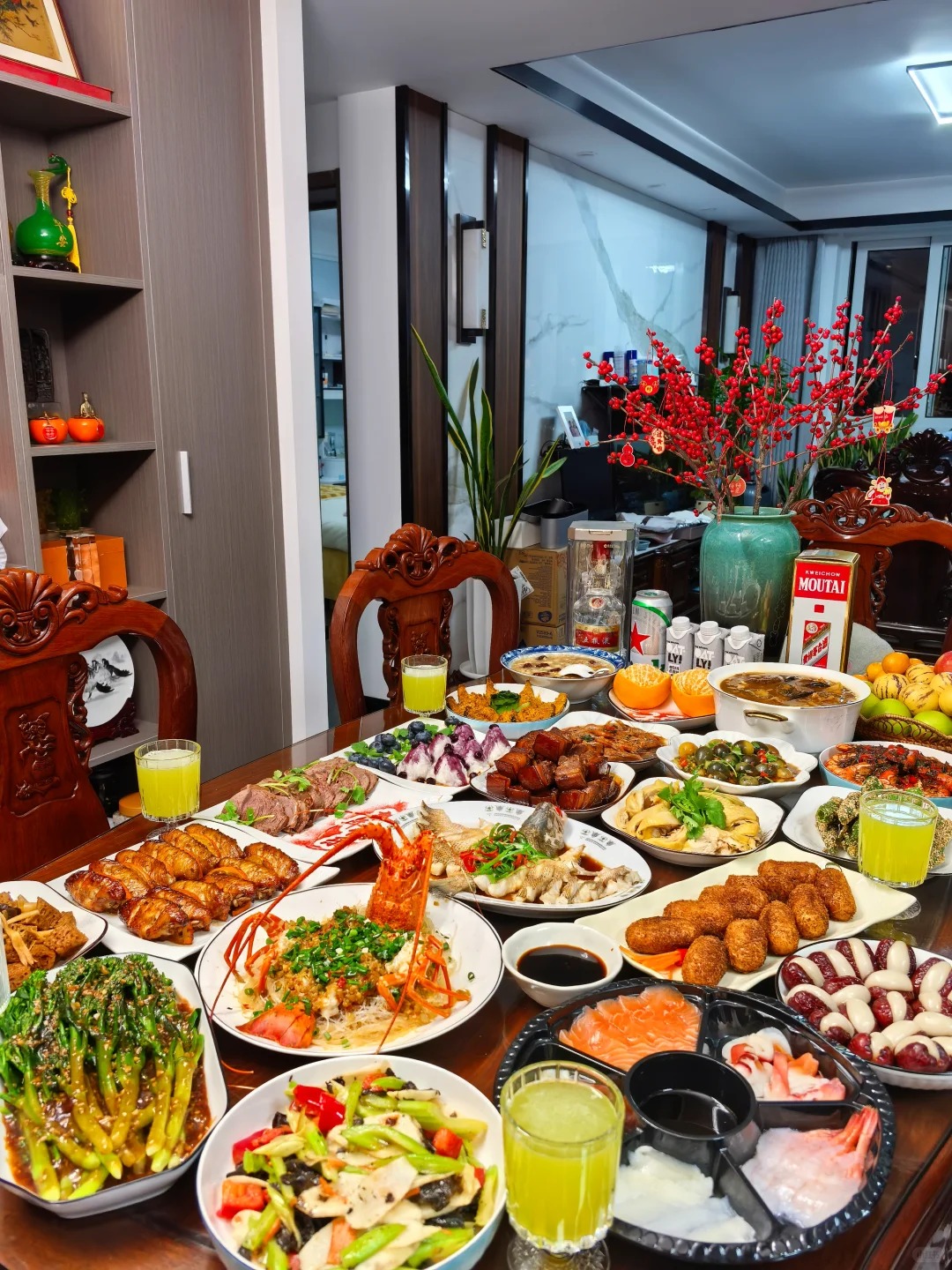
Reunion Dinners
Carry Strong Emotional Meaning
The most important moment of Spring Festival is not the journey home, but the reunion dinner on New Year’s Eve. Almost every household prepares for it differently, but the structure is surprisingly consistent: a full table, shared dishes, and multiple generations eating together.
Common elements include:
- Family Cooking: Many families prepare food together at home, often starting hours before the meal.
- Shared Table Culture: Dishes are placed in the center, and everyone takes from the same plates instead of individual servings.
- Round Table Symbolism: The round shape is not accidental. It represents unity and no hierarchy during the meal.
- Regional Differences: In northern China, dumplings are essential. In southern regions, rice-based dishes or hot pots are more common.
- Food Meaning: Certain dishes are symbolic, such as fish for “surplus” or dumplings for “wealth.”
In many homes, the dinner itself lasts longer than expected. People talk, eat slowly, and often watch the Spring Festival Gala in the background. Even simple foods carry emotional weight because they are tied to family memory rather than taste alone.
One visitor in Hangzhou told me he was surprised that nobody finished eating quickly. Instead, the table stayed active for hours, with relatives constantly adding food to each other’s plates.
The meal is less about eating and more about confirming that everyone is still together.
🧧 Festive Dressing & Traditions: Discover the rules, red color symbolism, and modern trends for family gatherings in our guide to Chinese New Year Attire.
Holiday Questions Create Both Warmth And Pressure
Spring Festival conversations inside families can feel very different depending on age. For older relatives, it is a rare moment to catch up. For younger people, it can sometimes feel like an informal interview that repeats every year.
Typical topics include:
- Marriage Questions: “Are you seeing someone?” or “When are you getting married?”
- Career Comparison: Discussions about job stability, salary, and company reputation.
- Children Plans: Questions like “When will you have a child?” appear frequently for married couples.
- Life Updates: Housing purchases, city choices, and long-term plans are often discussed openly.
- Relative Comparisons: Sometimes people compare achievements between cousins or neighbors, which can feel uncomfortable for younger generations.
The tone is not always negative. In many cases, these questions are meant as concern rather than pressure. Still, the emotional impact varies. Some young adults enjoy the attention; others find it exhausting after a few days at home.
One university graduate I spoke with in Chengdu said she tries to prepare “safe answers” before going home, just to avoid repeated explanations. That small detail says a lot about how modern family interactions are evolving.
Spring Festival often brings warmth and pressure into the same room, and both feel equally real.
Modern Changes In Family Culture In China
More Young People Want Privacy And Independence
In major Chinese cities, younger generations are slowly reshaping how family life works. The connection with parents is still strong, but the need for personal space is becoming more visible, especially among people in their 20s and 30s.
You can see this shift in a few practical ways:
- Living Arrangements: More young people now live alone or share apartments with friends instead of staying with parents after university.
- Daily Distance: Even when living in the same city, many prefer separate routines and meet family on weekends or holidays only.
- Privacy Habits: Personal space is treated more seriously, including private schedules, separate spending habits, and independent decision-making.
- Urban Lifestyle: Cities like Shanghai, Shenzhen, and Beijing show the strongest changes, where work pressure and fast lifestyles make independence more practical.
One office worker in Shenzhen mentioned that she only sees her parents once every two weeks, even though they live less than an hour away. It is not due to conflict, but simply different routines.
Independence is increasing, but it does not replace family connection — it just changes its form.
Marriage And Childbirth Attitudes Are Changing
Marriage and childbirth, once seen as fixed life stages, are now becoming more flexible topics among younger generations in China. This shift is especially noticeable in big cities and among people with higher education levels.
Key trends include:
- Late Marriage: Many people choose to marry later than previous generations, often focusing first on career and financial stability.
- Non-Marriage Views: A small but growing number of people openly question whether marriage is necessary at all.
- Childbirth Decisions: Having children is increasingly treated as a personal choice rather than an expectation.
- Generational Gap: Parents often still expect early marriage and children, while younger people prioritize personal readiness.
In some families, these differences can create tension during holidays or family gatherings. A common situation is parents bringing up marriage topics repeatedly, while children respond with vague or delayed answers.
At the same time, these changes are not uniform. In smaller cities or rural areas, traditional expectations still remain strong, and family pressure tends to be more direct.
The gap between generations is not a conflict zone, but a negotiation space that keeps evolving.
Traditional Expectations Still Have Strong Influence
Even with visible social changes, traditional family expectations in China have not disappeared. Instead, they continue to influence decisions in subtle but consistent ways.
This influence appears in several areas:
- Family Advice: Many young adults still consult parents before making major life decisions like buying property or changing jobs.
- Cultural Habits: Visiting parents regularly, especially during festivals, remains widely expected.
- Financial Links: Family support, especially in housing purchases, still plays a major role in many urban households.
- Social Pressure: Even when people choose independent lifestyles, they often still feel pressure from relatives or community expectations.
A common example is housing. Even young professionals who prefer renting often eventually consider buying an apartment because of family expectations about stability.
In this sense, family culture in China has not disappeared or weakened in a simple way. It has become layered, combining older expectations with new personal choices.
Modern life in China does not replace tradition — it negotiates with it every day.
FAQ About Family Culture In China
Q: What Does Family Culture In China Mean In Daily Life?
Family culture in China refers to how strongly family relationships shape daily decisions and routines. It appears in small things like regular phone calls, shared meals, and frequent visits between generations. Many adults still discuss work, housing, and marriage with parents before making final choices. It is less about rules and more about constant connection, where family remains part of everyday life even after children grow up and move to different cities.
Q: Do Chinese Adults Still Live With Their Parents?
Yes, but it depends on the city and personal situation. In smaller cities, it is still common for adults to live with parents until marriage. In big cities like Shanghai or Shenzhen, more young people rent or live alone due to work. However, even when living separately, many still visit parents regularly or stay closely connected through daily messaging and weekend family time.
Q: Why Do Grandparents Help Raise Children In China?
Grandparents often help because parents in urban areas work long hours and have limited childcare time. This creates a practical family system where older generations take care of school pickup, meals, or daily supervision. It is not seen as unusual in China. Instead, it is part of how many families balance work and childcare responsibilities across generations.
Q: Is Filial Piety Still Important In Modern China?
Yes, although it is expressed in more modern ways. Filial piety, or respect for parents, still influences how adults interact with family. Instead of only traditional rituals, it now includes regular communication, financial support, and visiting parents during holidays. Many people see it as a responsibility rather than a strict rule, but the idea still plays a strong role in family expectations.
Q: Why Is Spring Festival So Important For Families In China?
Spring Festival is the main time of year when families reunite. Many people travel long distances to return to their hometowns, sometimes only seeing relatives once a year. The reunion dinner on New Year’s Eve is the most important part, where multiple generations sit together and share food. It is less about celebration and more about confirming family connection.
Q: Do Younger Generations In China Have Different Family Values?
Yes, younger generations often value more privacy and independence compared to older ones. Many prefer living separately, making personal career choices, and delaying marriage. However, this does not mean family ties are weak. Instead, the relationship becomes more flexible, with a balance between independence and continued family involvement.
Q: Why Do Chinese Families Often Ask Personal Questions?
Personal questions about marriage, income, or children are usually intended as care or concern rather than criticism. In Chinese culture, these topics are often seen as normal conversation within families. However, younger people may feel pressure from repeated questioning, especially during holidays when extended family gathers.
Q: What Surprises Foreign Visitors Most About Chinese Family Life?
Many visitors are surprised by how closely families stay connected across generations. Grandparents are often deeply involved in childcare, family meals are very social and shared, and communication continues constantly through group chats. The level of involvement between family members feels much stronger than what some travelers expect from modern urban life.
Q: Is Chinese Family Culture Changing Today?
Yes, it is changing, but not disappearing. Younger generations are becoming more independent, especially in cities, and attitudes toward marriage and living arrangements are shifting. At the same time, traditional expectations like family responsibility and regular contact with parents remain strong. The result is a mixed system where old and new behaviors exist together.