Chinese Culture Activities
Hands-on Chinese culture activities let visitors do more than sightsee. Travelers can sit down at a tea table in a Beijing courtyard, grind ink for a calligraphy brush in a Hangzhou studio, or step into a Peking Opera mask-painting workshop to engage with the country beyond its landmarks. Beyond these signature workshops, Chinese culture activities also include kung fu training sessions, paper-cutting classes, hanfu dress-up, and dumpling-making kitchens across major cities. This guide covers the visitor-friendly workshops that foreign travelers can actually book — what each session involves, where to find them, how long they run, and how to reserve through English-friendly booking channels.
Quick Facts
Tea Ceremony Workshops Visitors Can Book
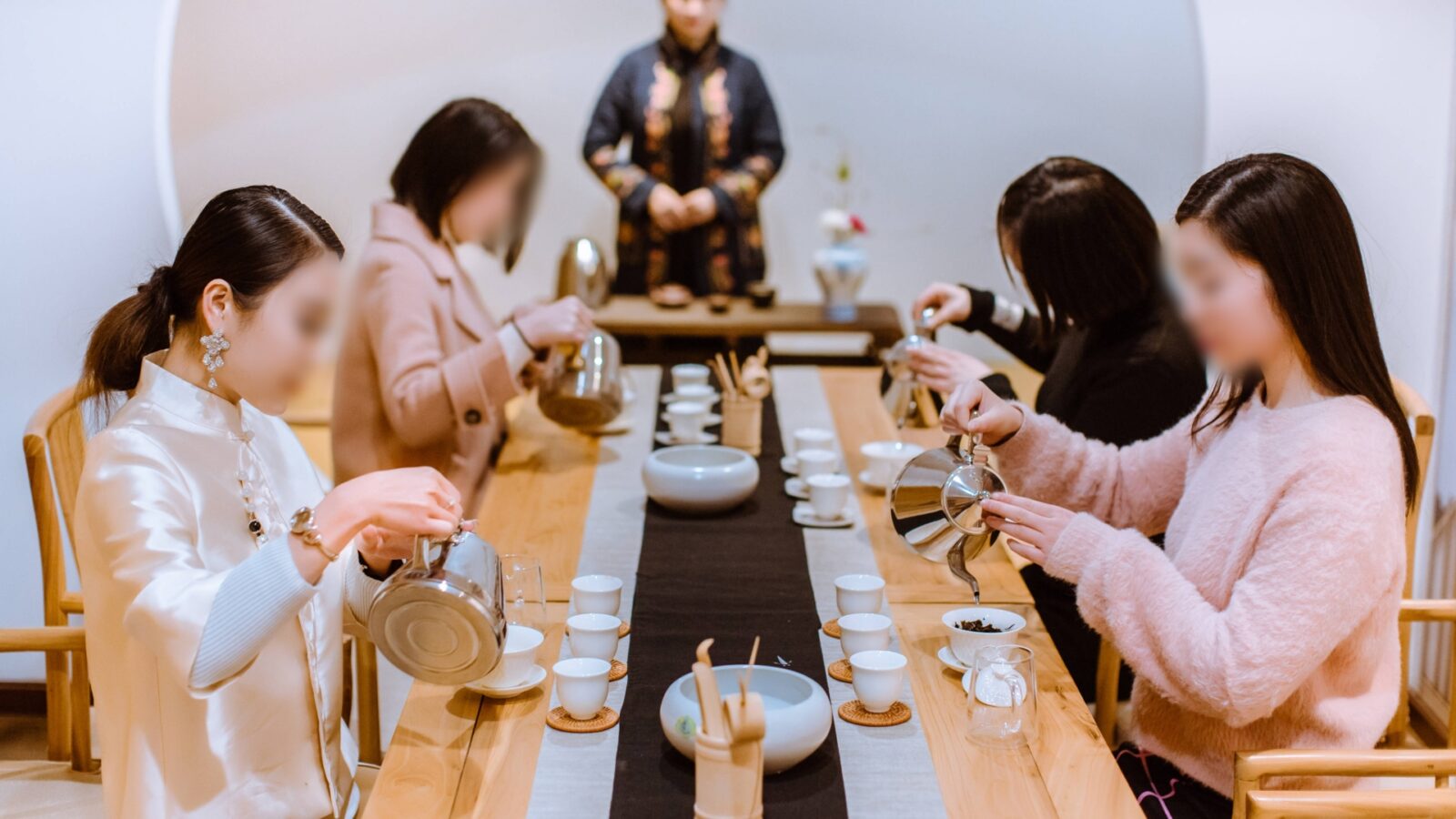
China Tea Ceremony Workshops
Tea ceremony ranks among the most accessible chinese culture activities for visitors. A gongfu-cha session moves slowly. Participants sit as a tea master demonstrates the ritual, then brew two or three teas by hand. The session includes take-home tea leaves. Some studios pair the ceremony with basic calligraphy. Most sessions run 1.5 to 2 hours. Booking is straightforward through Trip.com Experiences or Klook.
- Laoshe Teahouse (Beijing): Daily performances plus structured tastings at Qianmen. Covers $35–60 (¥250–430).
- Maliandao Tea Market (Beijing): Guided tasting at China's largest wholesale tea street. Covers $40–65 (¥280–460).
- Wudaoying Hutong Studios (Beijing): Boutique sessions with English-speaking hosts in a quiet alley setting. Covers $50–80 (¥360–570).
- Dongcheng Courtyard Schools (Beijing): Private one-on-one gongfu classes. From $70 (¥500).
Beijing Tea Houses and Ceremony Schools
Four venues stand out in Beijing for visitor-friendly tea sessions. Laoshe Teahouse sits near Qianmen with nightly performances and drop-in tasting flights. Maliandao Tea Market in Xicheng is the city's main wholesale hub; studios here run guided tastings on weekday mornings. Wudaoying Hutong draws visitors to smaller boutique studios with bilingual hosts. Dongcheng courtyard schools offer private sessions for those who want focused one-on-one instruction.
Hangzhou, Chengdu, and Shanghai Tea Experiences
Three cities outside Beijing offer distinctive tea experiences. Hangzhou pairs the China National Tea Museum with a terrace walk through Longjing village; sessions cost $45–75 (¥320–530). Chengdu's He Ming Teahouse in People's Park serves bowl-cover tea for $15–25 (¥100–180) with extended workshops at $30–45 (¥220–320). Shanghai's Yu Garden tea houses include a brief ceremony demonstration with tasting; expect to pay $30–50 (¥220–360).
🏭 Visit Beijing's Creative Hub: Beyond courtyard tea rooms, head to decommissioned Bauhaus factories packed with indie galleries and craft studios in the 798 Art District Beijing.
Calligraphy and Ink Painting Workshops
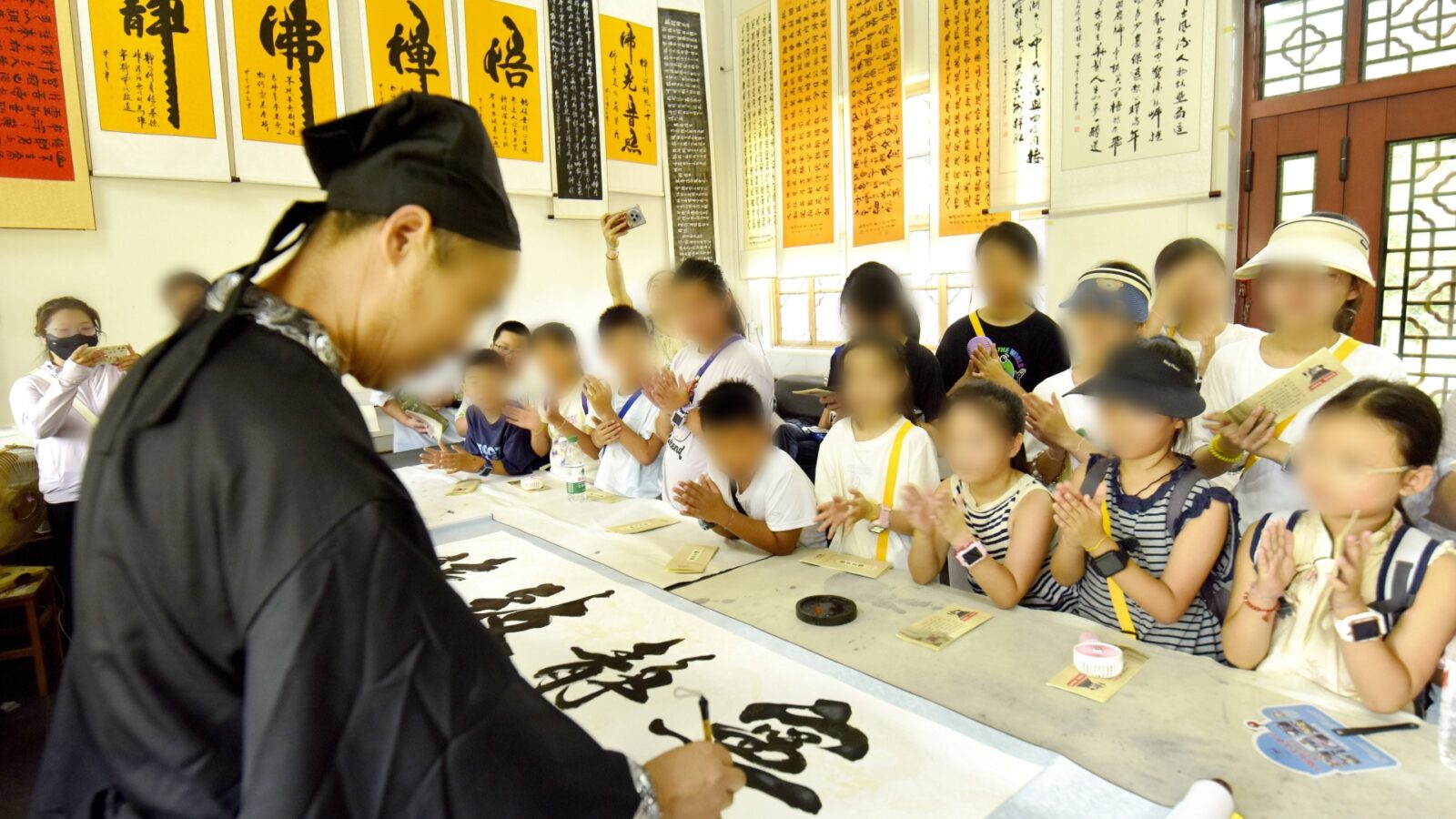
Traditional Calligraphy and Ink Painting Workshops
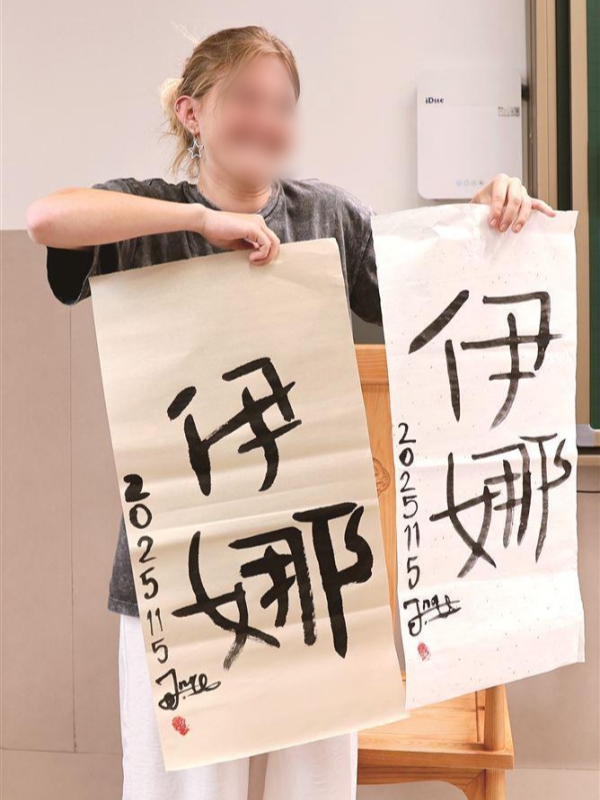
Calligraphy and ink painting bring centuries of literati culture into a single session. Participants select a brush, grind ink on a stone slab, and practice basic strokes before completing one character or a small landscape. The output is take-home. These chinese culture activities suit visitors who prefer a quiet, low-verbal format. Studios in Beijing, Xi'an, Suzhou, and Hangzhou serve foreign guests.
- Liulichang Street (Beijing): Historic literati quarter with multiple studios. Group class $25–45 (¥180–320).
- 798 Art District (Beijing): Contemporary studios with calligraphy plus ink-painting combos. $35–55 (¥250–390).
- Xi'an Tang-area Workshops: Tang-dynasty themed sessions near Big Wild Goose Pagoda. $30–50 (¥220–360).
- Pingjiang Road (Suzhou): Traditional studios focused on ink-painting technique. $35–55 (¥250–390).
- China Academy of Art (Hangzhou): Affiliated studios with formal instruction. $40–70 (¥280–500).
Beijing Calligraphy Studios
Liulichang Street in Xuanwu District has hosted scholars and artists for generations. The street holds multiple studios offering group classes; a two-hour session covers brush basics and one finished character. 798 Art District in Chaoyang provides a modern contrast — contemporary studios here combine calligraphy with ink painting in three-hour sessions. Dongcheng hutong courtyard schools cater to visitors seeking private instruction; single sessions start from $60 (¥430).
Xi'an, Suzhou, and Hangzhou Art Workshops
Xi'an's Tang-dynasty workshops near the Big Wild Goose Pagoda pair calligraphy instruction with historical context; sessions run $30–50 (¥220–360). Suzhou's Pingjiang Road studios emphasize ink-painting, drawing on the city's Song Dynasty artistic heritage; most sessions cost $35–55 (¥250–390). Hangzhou's China Academy of Art affiliated studios offer more formal instruction, with sessions priced at $40–70 (¥280–500). Luoyang also offers stone-rubbing workshops — a related but distinct art form — at $20–35 (¥150–250).
🎨 Explore Shanghai's Art Scene: After trying traditional calligraphy or ink painting, discover where contemporary artists showcase their work in Shanghai Art Galleries.
Peking Opera and Traditional Performing Arts
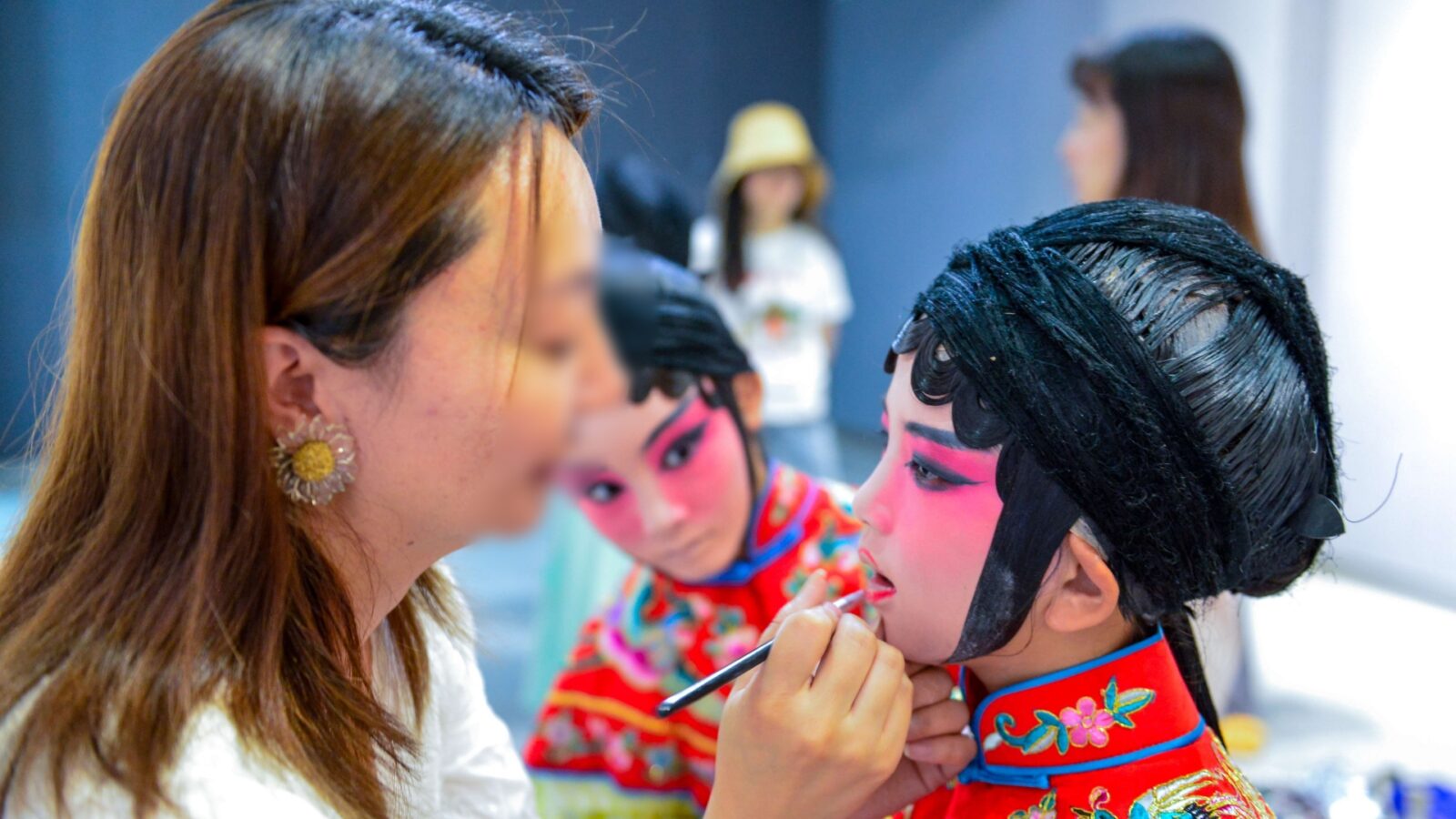
Traditional Performing Arts
Peking Opera is the most recognizable performing art among chinese culture activities for visitors. Most visitor versions are condensed — a short performance paired with a mask-painting or face-painting workshop, or a backstage tour with a vocal introduction. Full traditional shows run three hours and rarely suit casual visitors. Two related art forms extend the offering: Sichuan Opera face-changing in Chengdu, and shadow-puppetry in Shaanxi and Hebei.
- Liyuan Theatre (Beijing): Short performance with face-painting add-on. Tickets $40–60 (¥280–430).
- Zhengyici Theatre (Beijing): Historic wooden theater with backstage tour option. Tickets $50–75 (¥360–530).
- Huguang Guild Hall (Beijing): Evening program with mask-painting workshop. Tickets $45–65 (¥320–460).
- Shufeng Yayun (Chengdu): Sichuan Opera with face-changing demonstration. Tickets $35–55 (¥250–390).
🏛️ Southern China's Cultural Landmarks: If your travels extend to Greater Bay Area technology and design centers, explore modern exhibitions at the Shenzhen Art Museum.
Martial Arts for Visitors: Tai Chi and Kung Fu
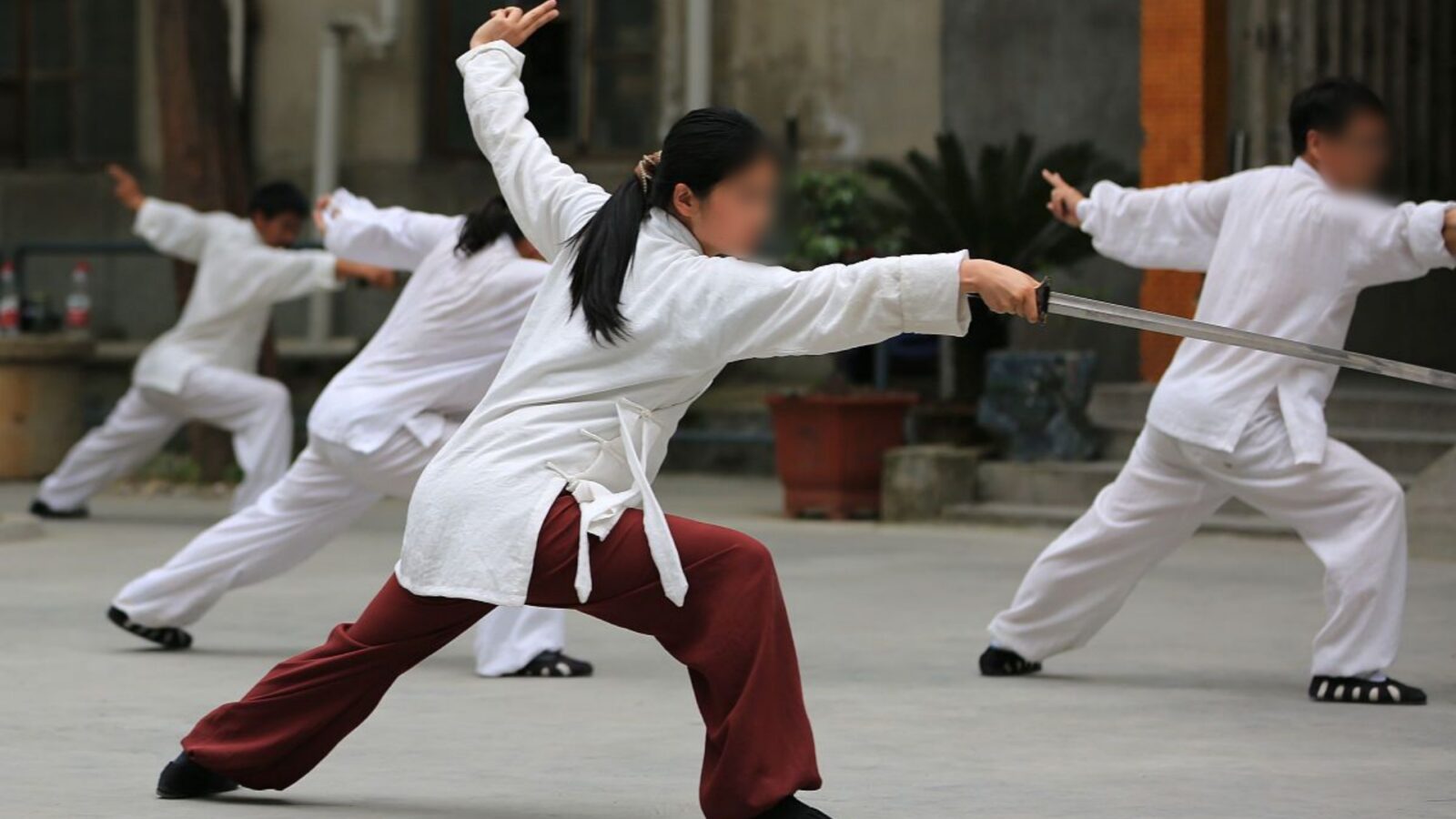
Tai Chi and Kung Fu
Martial arts rank high among chinese culture activities for visitors who prefer physical engagement. Sessions require minimal language and offer clear, repeatable output. Two formats dominate: slow Tai Chi for beginners and wellness travelers, and intensive kung fu training near Shaolin Temple for those seeking a harder workout.
- Temple of Heaven Park (Beijing): Free daily morning communal practice, no booking needed.
- Beijing Studio Classes: English-speaking instructors. $20–40 (¥150–280) per session.
- Chenjiagou Village (Henan): Chen-style village immersion. Full day $55–90 (¥400–650); multi-day from $250 (¥1,800).
- Shaolin Tagong (Henan): One-day to multi-day camps near Shaolin Temple. $55–110 (¥400–800) per day.
- Foshan Wing Chun Schools (Guangdong): Short-format programs. $40–70 (¥280–500) per session.
Tai Chi Classes in Parks and Studios
Beijing's Temple of Heaven Park hosts free communal Tai Chi every morning. Visitors simply arrive before 8 a.m. and join the groups. Commercial studio classes in Beijing cost $20–40 (¥150–280) per session with English-speaking instructors. Chenjiagou village in Henan is the birthplace of Chen-style Tai Chi; full-day immersions cost $55–90 (¥400–650), while multi-day programs start from $250 (¥1,800).
Kung Fu Schools Open to Travelers
Shaolin Tagong near the Shaolin Temple runs one-day and multi-day camps covering basic Shaolin forms; daily rates are $55–110 (¥400–800). The Beijing Wushu Academy offers short-term student classes for visitors at $45–85 (¥320–600) per day. Foshan in Guangdong Province is the center for Wing Chun; local schools run half-day and full-day programs at $40–70 (¥280–500) per session.
🖌️ Explore Southwest Fine Arts: For visitors traveling through Chongqing and Chengdu, delve into oil painting history and avant-garde exhibits at the Sichuan Fine Arts Institute Museum.
Hands-On Crafts: Paper Cutting, Knotting, and Hanfu
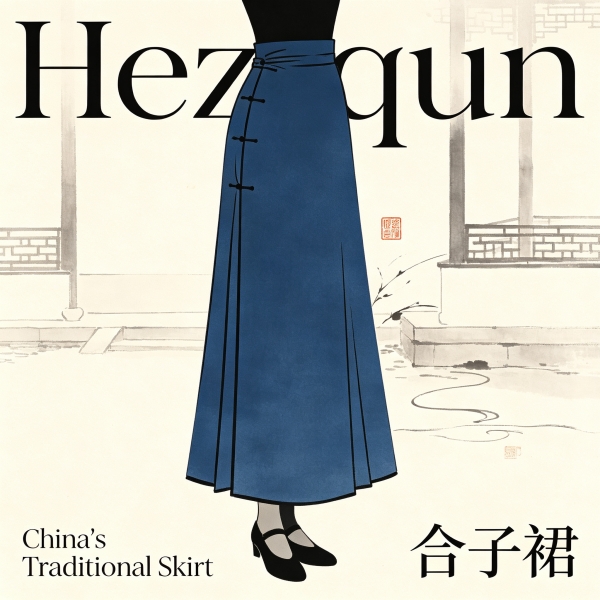
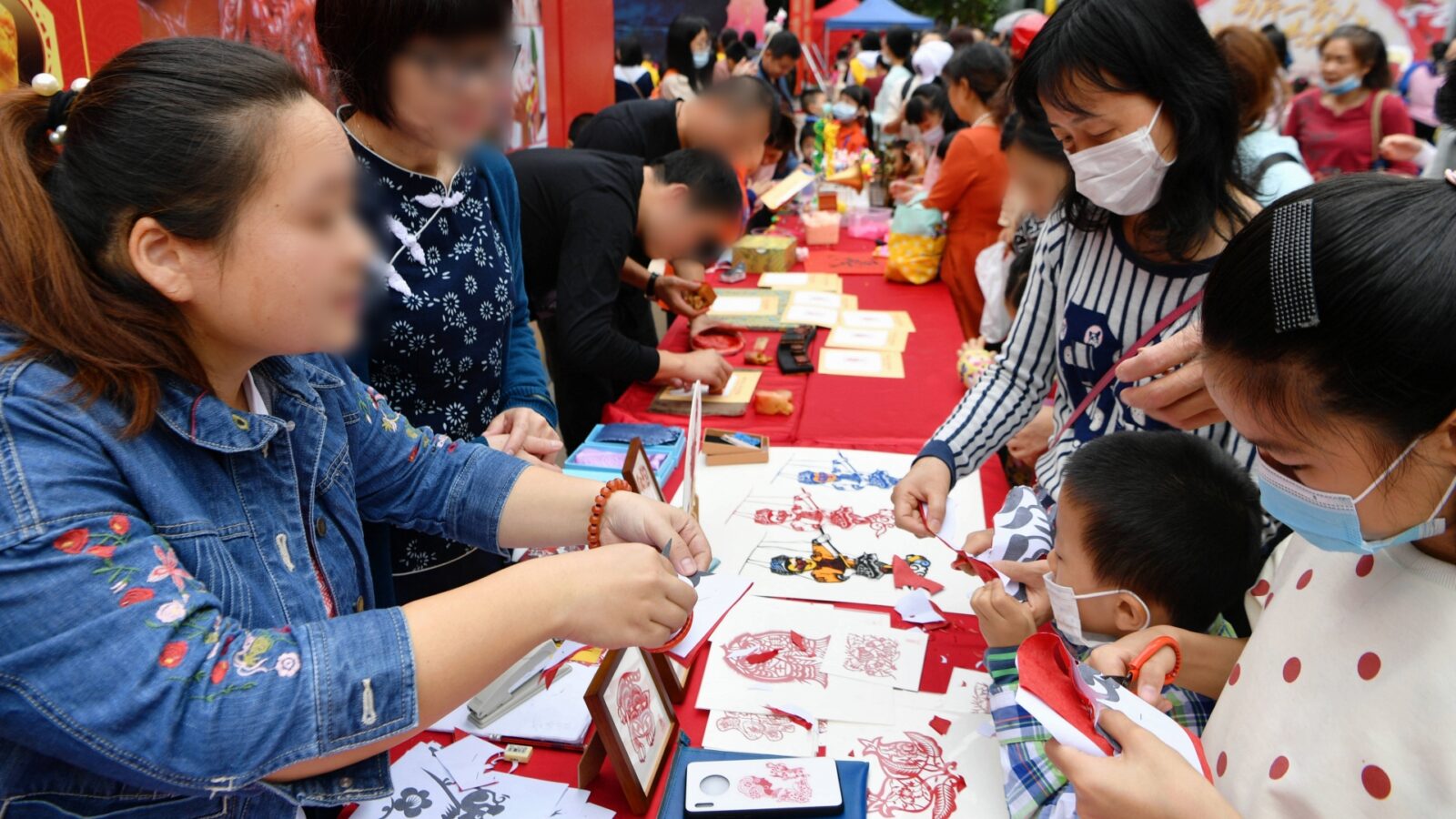
Craft workshops are the lowest-language-barrier chinese culture activities for families and short-stay visitors. Each session produces a tangible output in one to two hours. Paper cutting uses folded red paper and scissors. Chinese knotting teaches cord loops for a take-home charm. Hanfu sessions include wardrobe selection, dressing assistance, and a garden photo component.
- Paper Cutting (Beijing, Xi'an): Studio workshops with take-home design. $15–30 (¥110–220).
- Chinese Knotting (Beijing, Luoyang): Cord technique with bracelet or charm output. $15–25 (¥110–180).
- Hanfu Rental + Dress-up (Beijing): Full wardrobe selection near Yiheyuan, photo session included. $50–100 (¥360–710).
- Hanfu Rental (Xi'an): Tang-dynasty themed studios near the city walls. $30–70 (¥220–500).
- Silk and Embroidery (Suzhou): Introductory embroidery sampler class. $35–55 (¥250–390).
- Dumpling-Making (Chengdu, Xi'an): Hands-on session with market tour and take-home dumplings. $40–75 (¥280–530).
Booking Channels, Prices, and Practical Tips
Foreign visitors should book chinese culture activities through platforms that support international payment and English-language listings. Walk-ins at visitor-oriented studios are rarely accepted on weekends or holidays.
Booking Platforms Compared
Practical Tips Before You Book
Six points help visitors prepare before booking chinese culture activities.
- Dress Code: Wear comfortable shoes for park sessions. Aprons are provided for cooking and craft workshops.
- Age Suitability: Paper cutting, knotting, hanfu, and dumpling-making work for ages 6 and up. Peking Opera face-painting and kung fu camps suit ages 10 and up. Ink painting and cooking adapt for ages 8 and up with parent assistance.
- Photography: Most venues allow personal photos. Flash photography is typically forbidden inside theaters and tea houses during performances.
- Language Support: Trip.com and Klook listings indicate English-speaking hosts. Smaller hutong studios may have bilingual assistants only. A translation app covers menu and instruction sheets.
- Tipping: Tipping is not expected at single-session workshops. A small gift is acceptable at multi-day kung fu camps.
- Combining Workshops: Studios cluster around Beijing's Liulichang and Dongcheng hutong areas, Xi'an's Tang Quarter, and Hangzhou's West Lake zone. Two half-day workshops fit comfortably in one day.
Frequently Asked Questions
Q: Is Chinese culture still actively practiced today?
Yes — Chinese culture activities remain living practices. Tea ceremony schools operate in Beijing, Hangzhou, and Chengdu. Peking Opera runs nightly at Liyuan Theatre and Zhengyici Theatre. Calligraphy and ink painting are taught at academies and tourist studios. Peking Opera, guqin, Chinese calligraphy, paper cutting, and the 24 solar terms all appear on China's national intangible cultural heritage register and UNESCO's list.
Q: Do workshop teachers speak English?
English-speaking instructors are standard at Trip.com and Klook-listed studios in Beijing, Shanghai, Hangzhou, Xi'an, and Chengdu. Smaller hutong studios may have bilingual assistants only. Google Translate or Pleco covers menu and instruction sheets where a host's English is limited.
Q: How much do Chinese culture activities cost on average?
Most bookable sessions fall between $25–90 (¥180–650) per class. Multi-day kung fu and intensive cooking programs run $200–600 (¥1,400–4,300). Temple of Heaven communal Tai Chi is free.
Q: What's the best city for hands-on Chinese culture activities?
Beijing offers the broadest selection — tea, opera, calligraphy, martial arts, and hanfu all within the city. Hangzhou excels at tea and calligraphy. Xi'an is strong for calligraphy, hanfu, and paper cutting. Chengdu leads for tea, Sichuan opera face-changing, and cooking. Most visitors fit two or three workshops per city.
Q: Are these workshops suitable for kids?
Paper cutting, Chinese knotting, hanfu dress-up, dumpling-making, and basic Tai Chi work well for ages 6 and up. Peking Opera face-painting and kung fu camps are better suited for ages 10 and up. Cooking and ink painting can adapt for ages 8 and up with parent assistance.
Q: Are these activities different from what students learn in class?
Yes — this article covers bookable chinese culture activities designed for travelers. Sessions feature English-speaking hosts, fixed pricing, and take-home outputs. School-group versions are simplified introductions aimed at language or cultural literacy. School bookings at the venues listed here are possible for groups of 8 or more with two to four weeks' lead time.
Q: How long is a typical Chinese culture activity workshop?
One to two hours for craft and tea workshops. Two to three hours for calligraphy or ink painting plus a performance with face-painting. Theater-only Peking Opera runs 80 to 100 minutes. Half-day to multi-day formats apply to kung fu camps.
Q: Can travelers join Chinese New Year cultural activities?
Yes — temple fairs, lantern shows, dumpling-making sessions, spring-couplet calligraphy, and folk performances run across cities in late January and February. Dates shift with the lunar calendar. Book one to two months ahead through Trip.com Experiences or direct venue sites. Expect higher prices and crowded conditions during the seven-day Spring Festival holiday.
Q: Do I need to book Chinese culture activities in advance?
Yes — most studios require one to seven days' advance booking. Golden Week in early October and the Spring Festival holiday need two to four weeks' lead time. Walk-ins are rarely accepted at visitor-oriented studios during peak periods.